
Welcome to your backyard classroom, where the students wear feathers and grade you with pecks and trills. If you’re the type who enjoys coffee with a side of chirps, you’re in the right place. This article digs into the real nuts-and-seeds (and insects and berries) of supporting small wild birds so your patch of green becomes a thriving habitat. You’ll get practical tips, a couple of easy remedies you can make at home, and clear guidance on what birds actually need — not just what looks pretty in a seed catalog.
## Songbird Diet: What Wild Birds Really Need
When people say “feed the birds,” they often picture a bag of seeds and a plastic feeder. But the truth is more nuanced. The songbird diet is diverse, changing by species, season, and life stage. Most backyard songbirds require a mix of protein, fats, carbohydrates, vitamins and water — and they get those from a combination of seeds, suet, fruit, nectar and insects. Understanding this lets you provide more than snacks; you offer a complete menu that supports breeding success, feather molt, and migration energy.
### Protein, Fat, And Carbohydrates Explained
Protein: Essential for nestlings and molting adults. Insects, mealworms, and high-protein seed components (like sunflower hearts) supply the amino acids birds need.
Fats: High-energy fats are critical in cold months and during migration. Suet, peanut butter mixtures, and high-fat seeds (black oil sunflower, safflower) give birds concentrated calories.
Carbohydrates: Seeds and fruit provide quick energy to power daytime activity. They’re not the whole story, but vital for routine maintenance and daily flight.
Vitamins & Minerals: Naturally available through diverse plantings (berries, native shrubs) and mineral sources like grit and calcium supplements for egg-layers.
If you tune your backyard to these needs, your local feathered population will be healthier, feed more successfully, and stick around longer.
### Seasonal Shifts And Life Stages
Think of the songbird diet as a playlist that changes with the weather. In spring and early summer, protein from insects is king — parents feed larvae and caterpillars to hungry nestlings. Late summer and early fall bring a need for fats to build fat reserves for migration. During winter, concentrated fats and high-calorie seeds help birds maintain body heat. Nesting females also need calcium sources for eggshell formation. Offering the right foods at the right time makes a measurable difference in survival and breeding rates.
## Feeders, Foods, And Foraging: Practical Habitat Tweaks
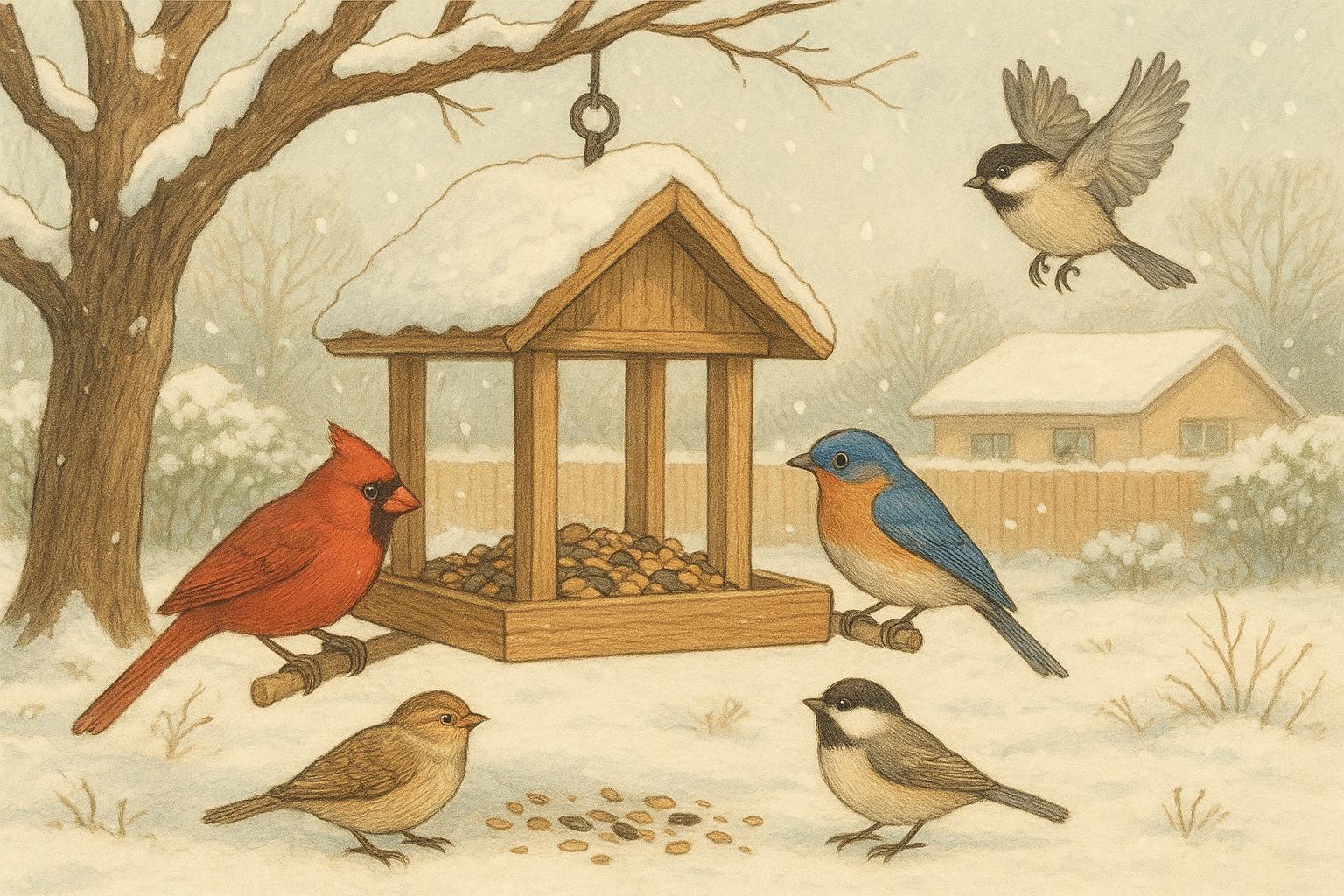
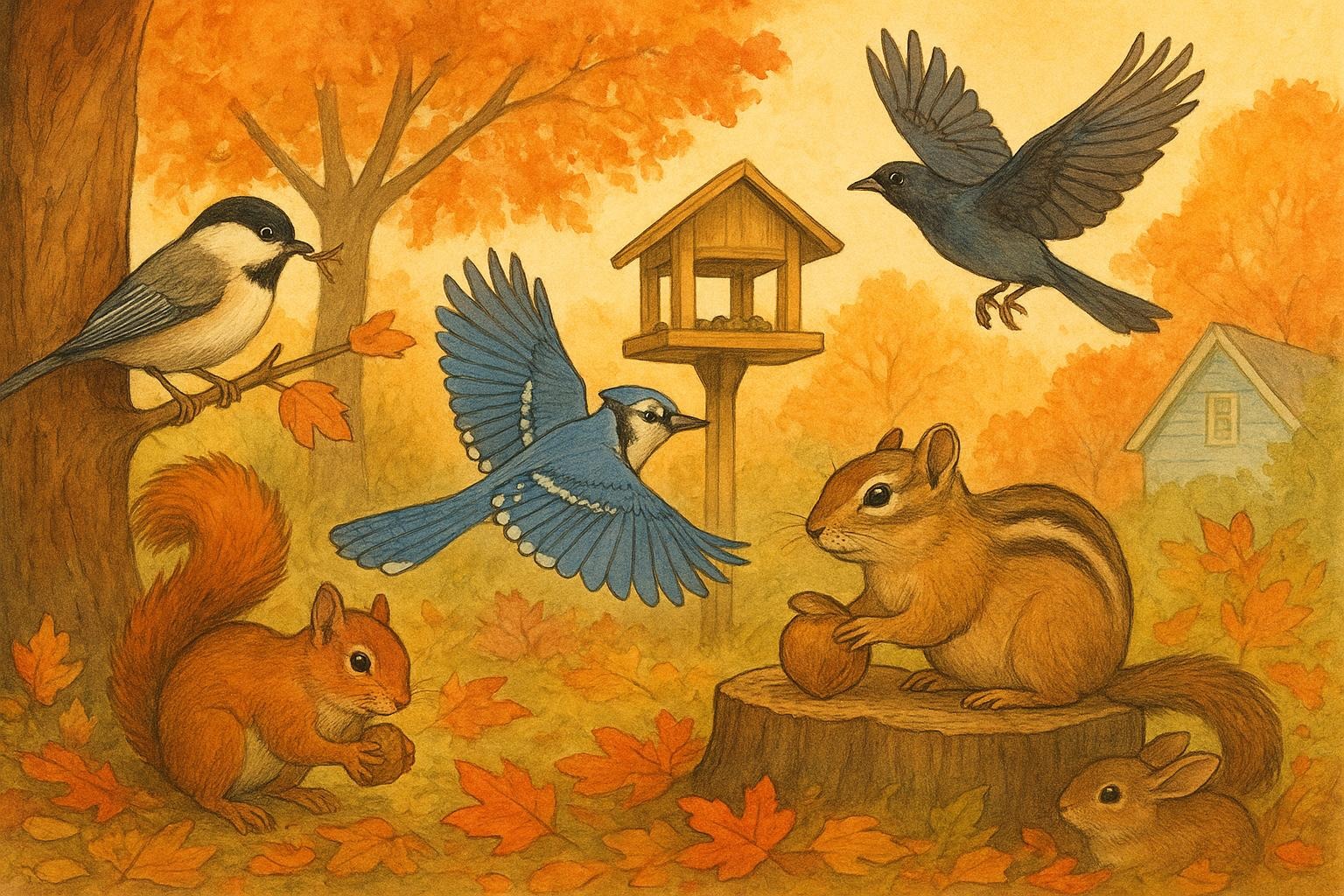
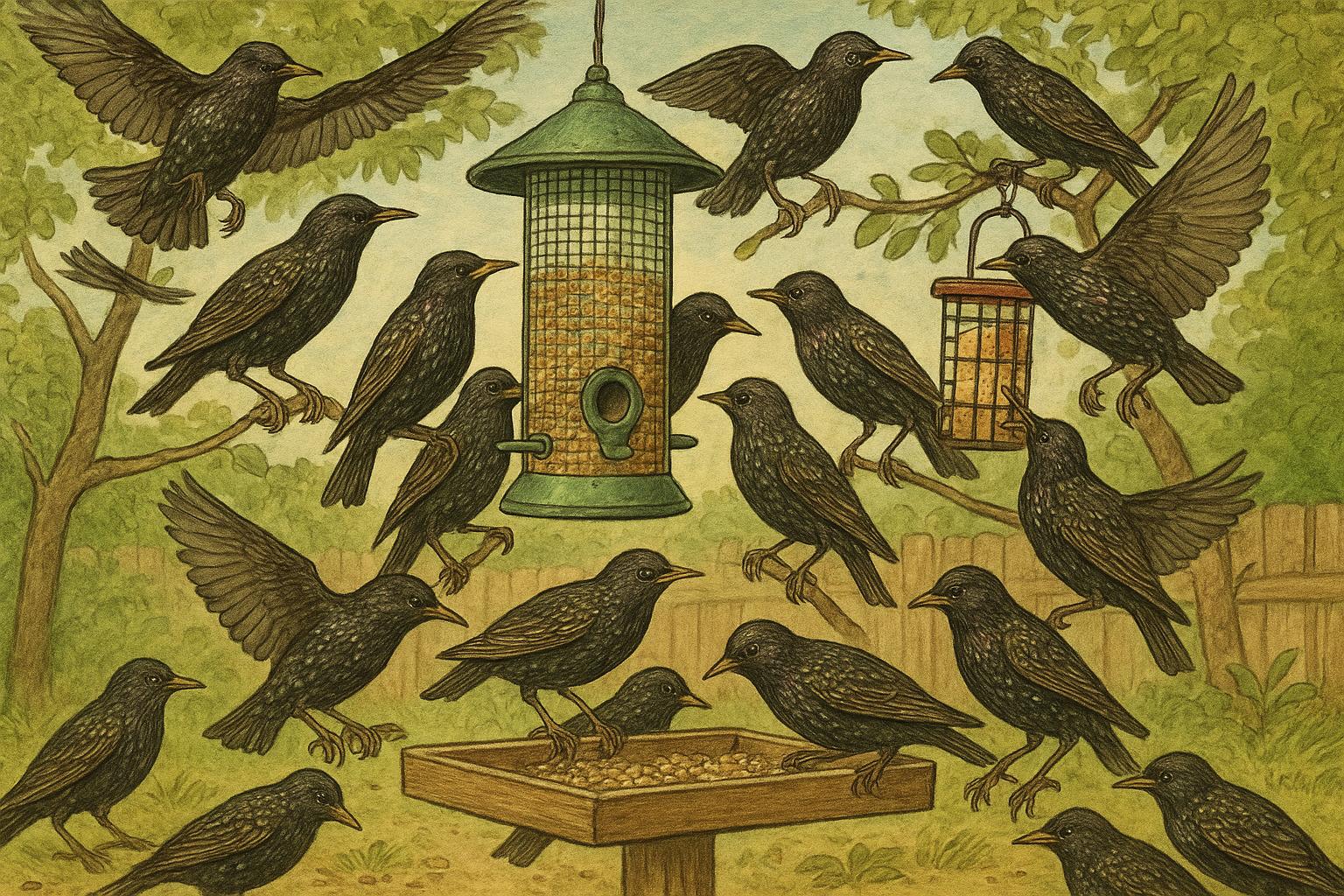
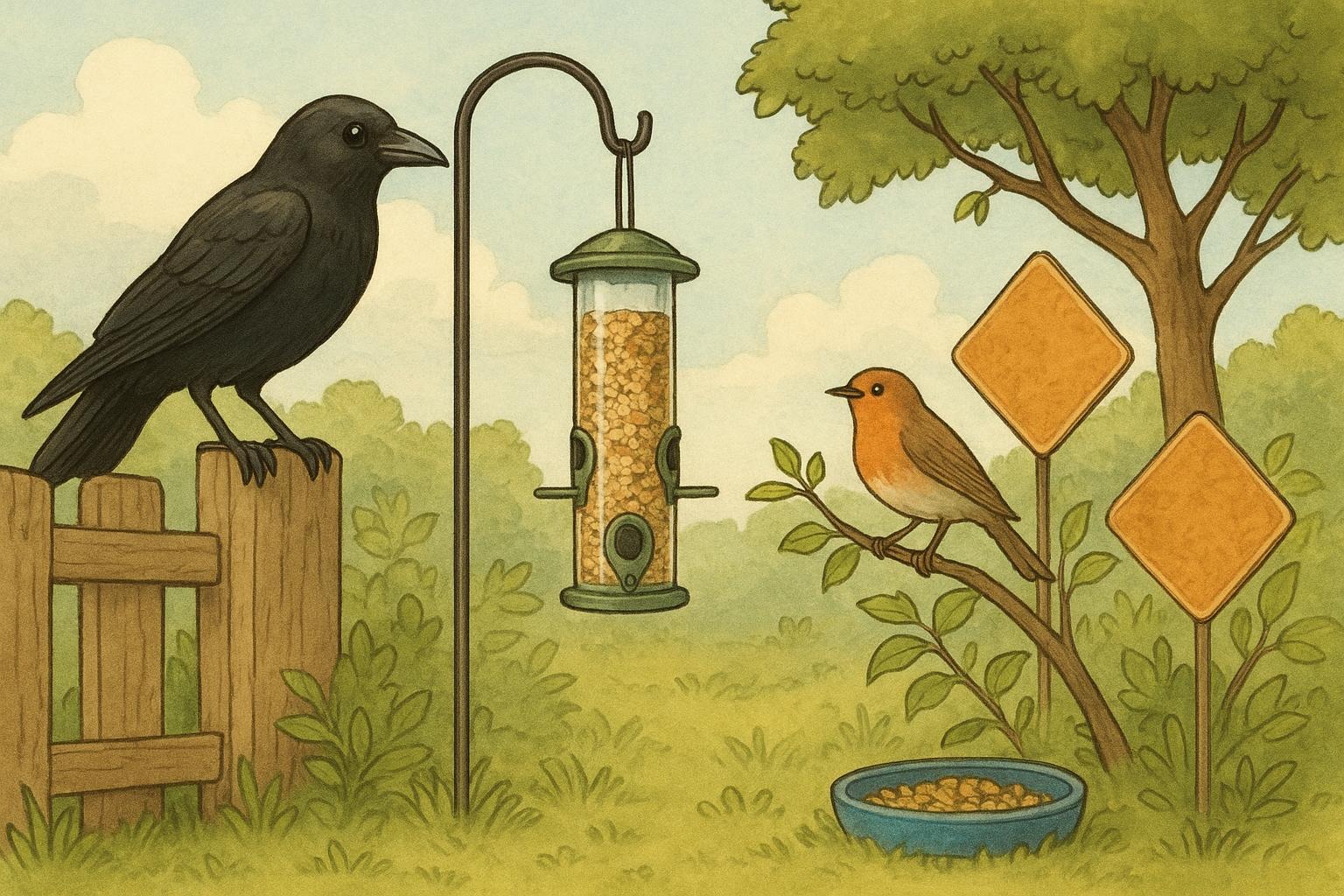
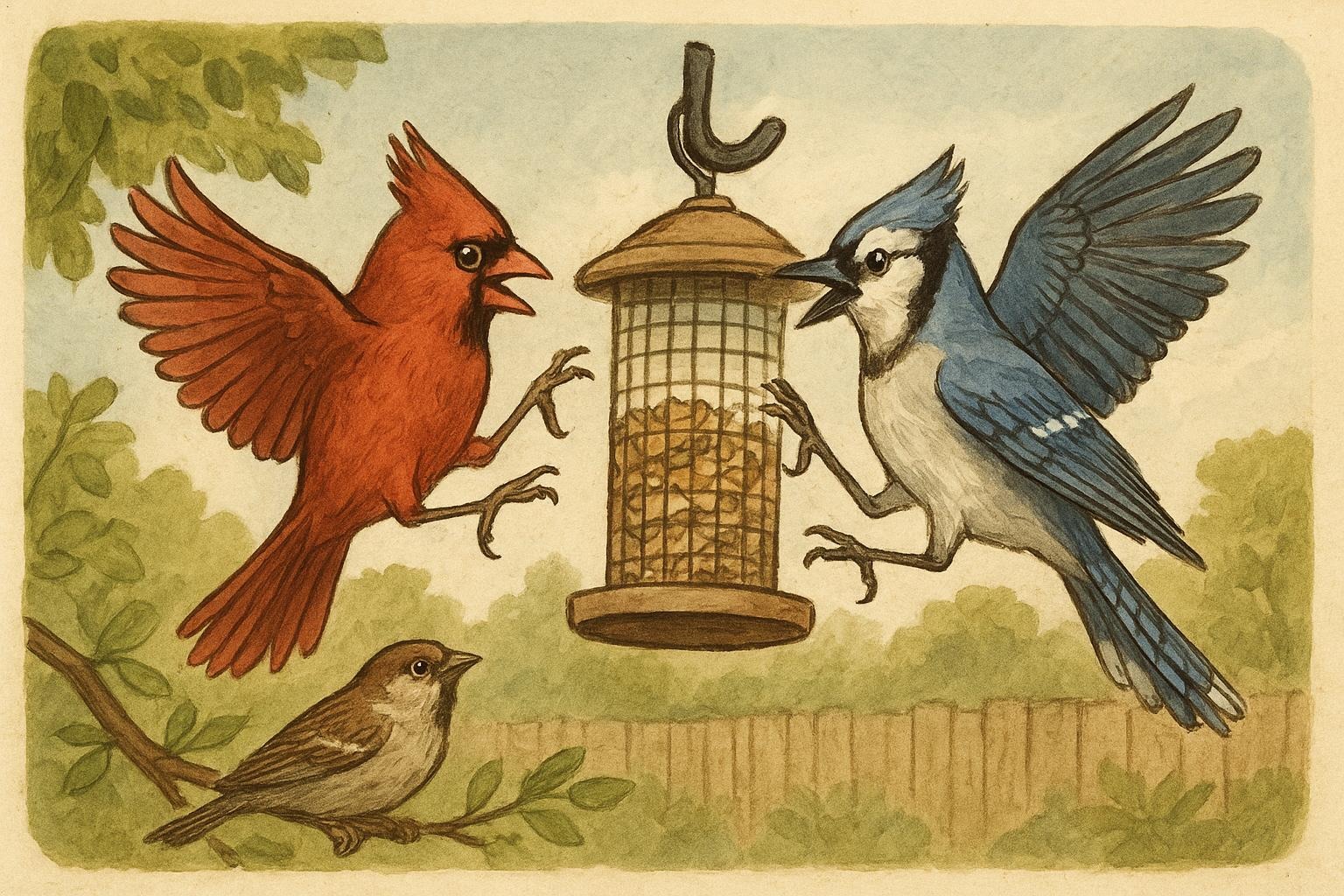
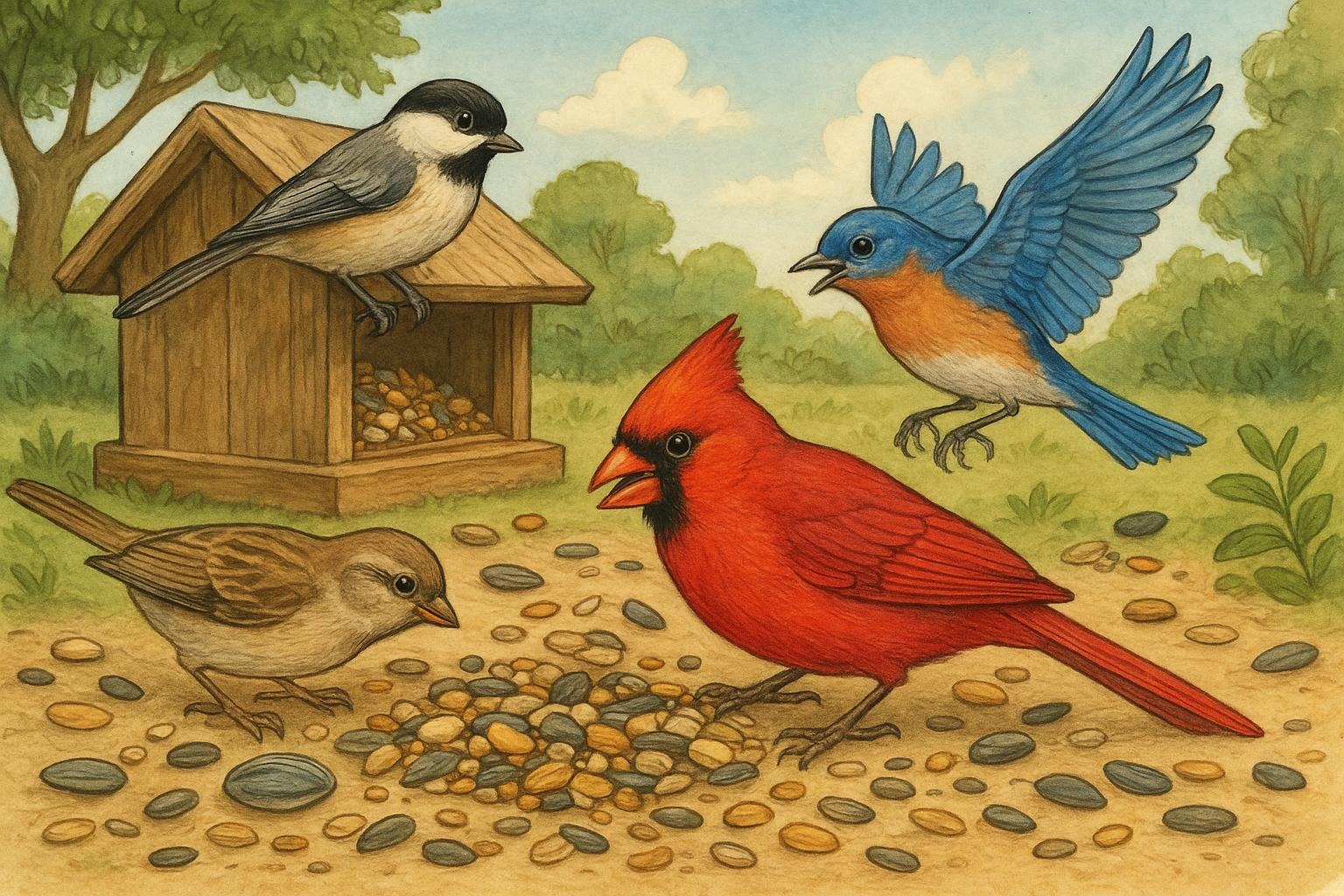
A few small changes in your yard can turn it into a high-quality stopover or permanent home for songbirds. Diversify feeder types: platform, tube, hopper, and suet cages each attract different birds. Place feeders near natural cover so birds can dart to safety, but not so close that predators can ambush them.
#### Best Seeds And Mixes
Black oil sunflower seeds — universal favorite, easy to crack.
Safflower — rejects many nuisance birds, loved by cardinals.
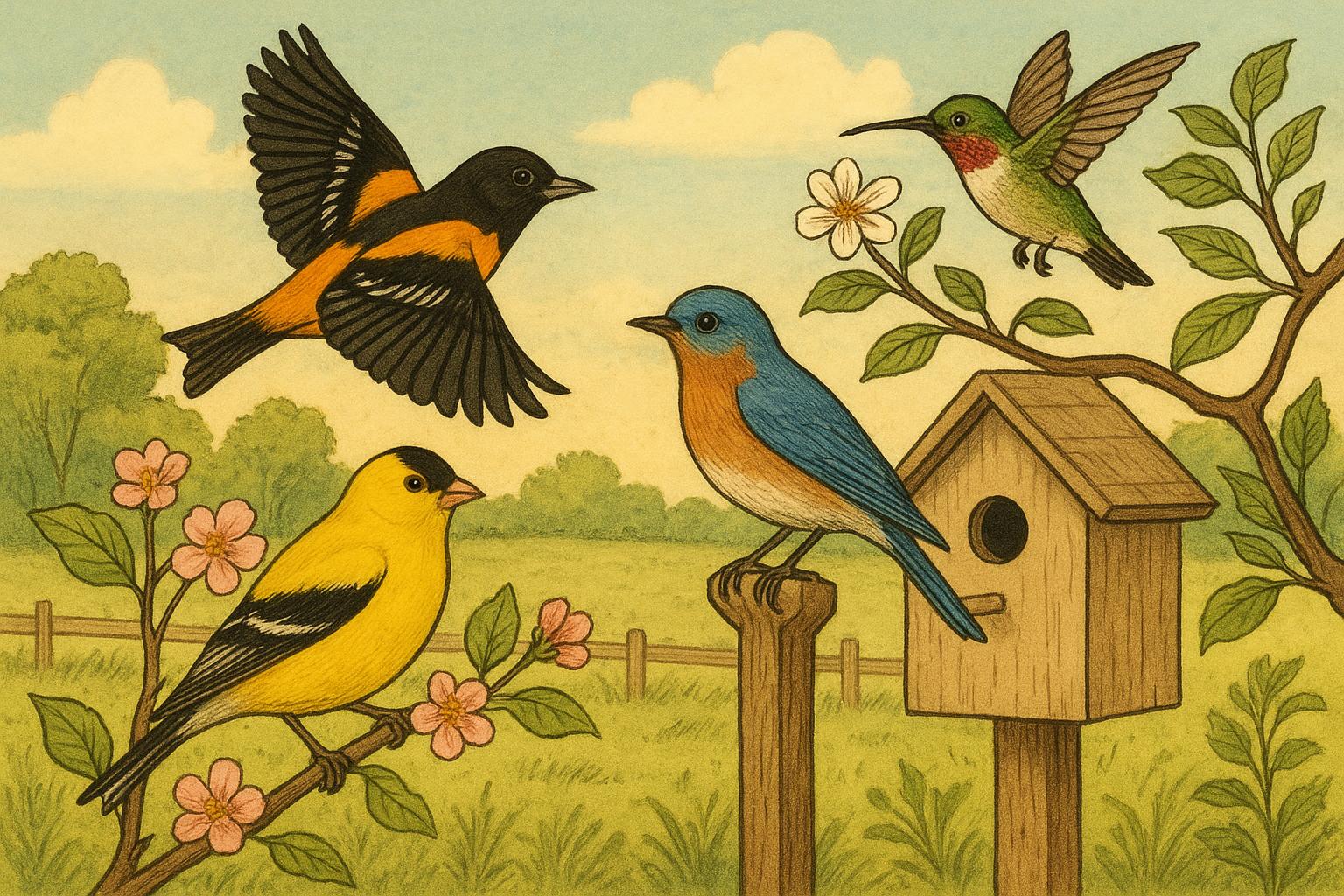
Nyjer (thistle) — goldfinches adore it.
Millet — attracts ground-feeding sparrows and juncos.
Avoid large mixed “economy” blends that are mostly millet and filler; birds tend to leave the unwanted bits that attract rodents.
#### Natural Foraging Enhancements
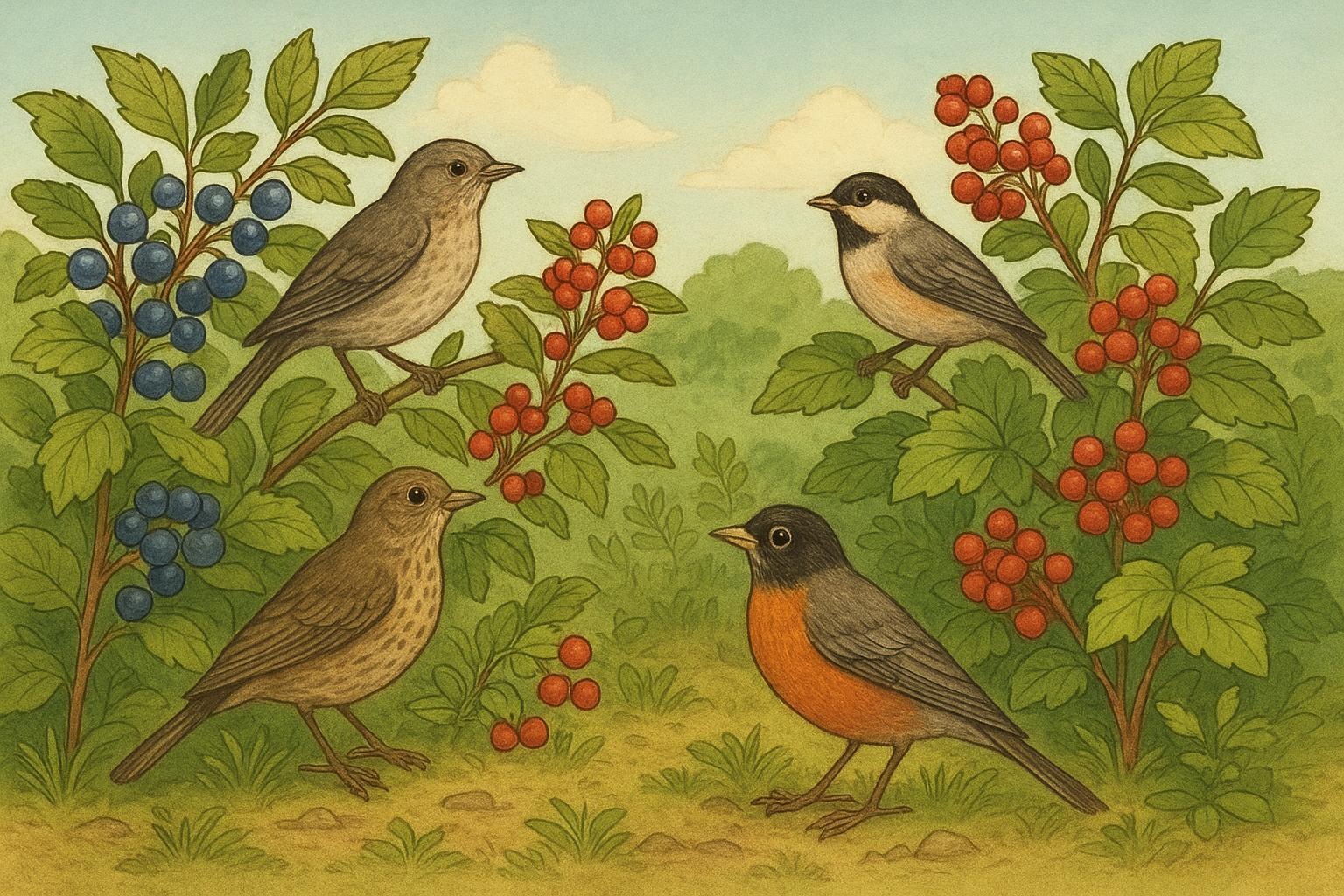
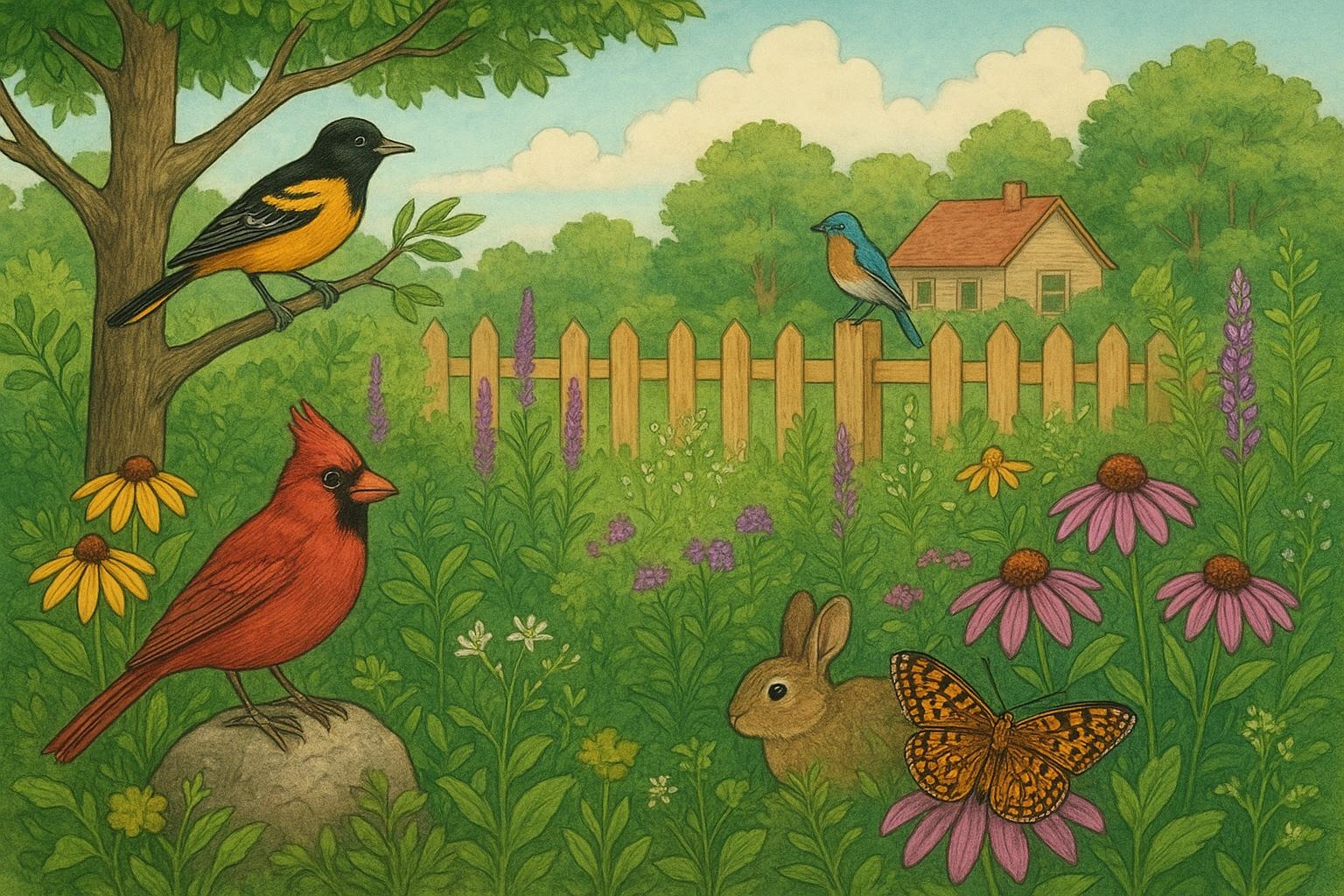
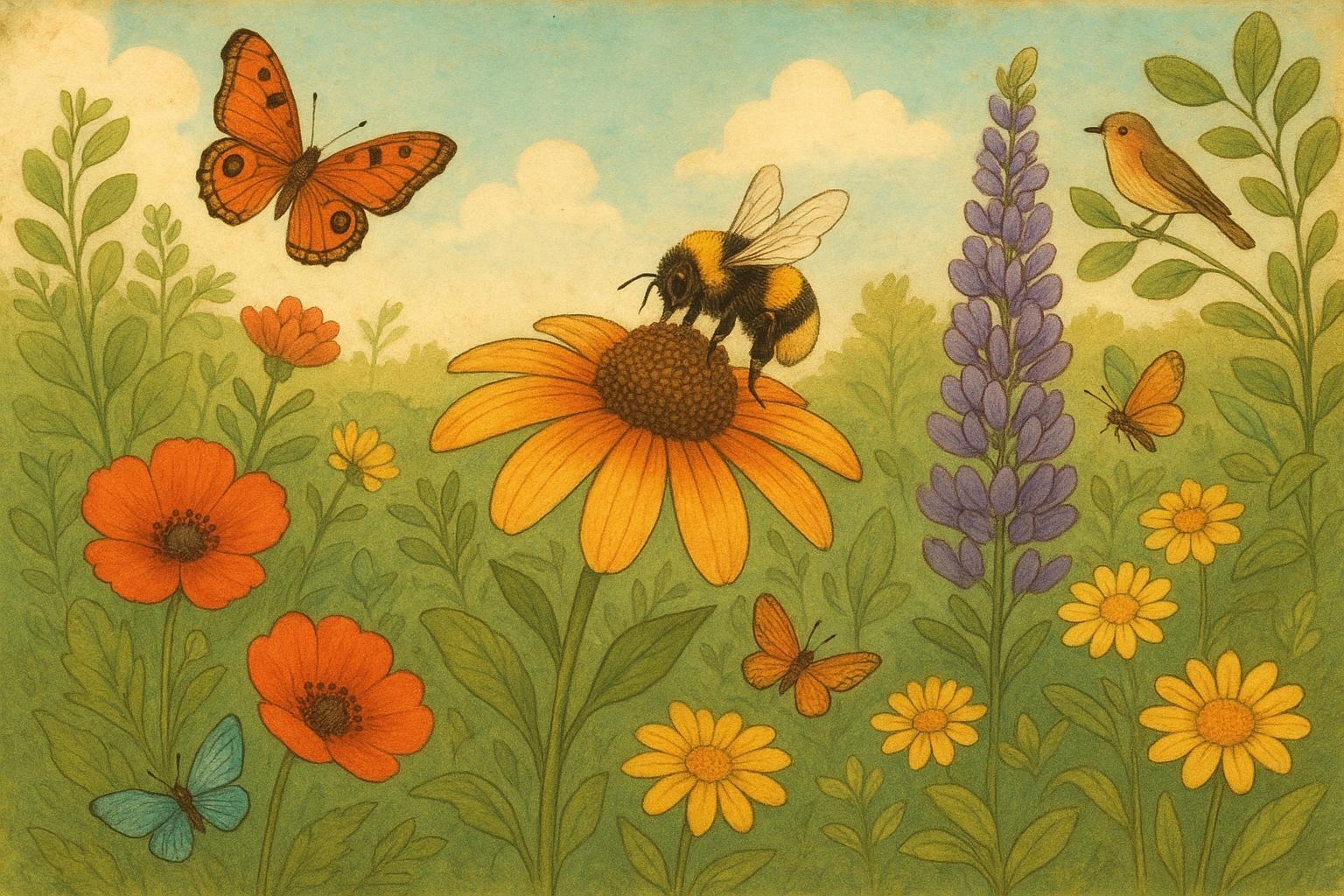
Plant native shrubs and trees that produce berries and seeds through the seasons (serviceberry, elderberry, dogwood). Leave some leaf litter and dead branches to support insect populations; many songbirds are insectivorous for at least part of the year. Install native wildflower patches to attract caterpillars and other larval insects — an irreplaceable protein source for nestlings.
## Remedy 1: DIY High-Energy Suet Cakes
This remedy provides a concentrated, high-fat food ideal for cold weather, migration stopovers, and for species that prefer suet. Use formal procedures and precise measurements for best results.
Ingredients / Required Materials:
– 2 cups rendered beef suet or hardened vegetable shortening (for a vegetarian option, use high-quality vegetable suet)
– 1 cup crunchy peanut butter (no xylitol; unsalted)
– 1 cup quick oats or cornmeal
– 1 cup mixed seeds (ground sunflower hearts, millet, and cracked corn optional)
– Optional: 1/2 cup dried mealworms for added protein
– Suet molds or small loaf pans
– Mixing bowl, spoon, and refrigerator space
– Suet feeder cage or mesh bag for hanging
Step-by-Step Creation and Application:
1. Prepare Materials: Chill the suet/shortening until firm. Line molds with parchment if desired for easy removal.
2. Mix Fat and Binder: Gently warm suet until spreadable (do not boil). Stir in peanut butter until homogeneous.
3. Add Dry Ingredients: Fold in oats or cornmeal, mixed seeds, and optional mealworms. Combine thoroughly so dry ingredients are evenly distributed.
4. Mold and Cool: Spoon the mixture into molds or loaf pans, pressing firmly to remove air pockets. Smooth the tops.
5. Refrigerate: Place molds in the refrigerator for 2–4 hours until solid. For longer-term storage, freeze.
6. Install: Place hardened suet cakes in a well-ventilated suet feeder cage or wrap in biodegradable mesh. Hang in a sheltered location, out of direct sun to prevent melting.
7. Monitor and Replace: Check daily for spoilage, ants, or rapid depletion. Replace every 3–7 days depending on consumption and temperature. Clean feeder surfaces regularly with hot water and a mild bleach solution (1:10 bleach to water) when heavily soiled; rinse thoroughly afterwards.
Safety Notes: Use unsalted and xylitol-free peanut butter only. Discard suet that smells rancid. During hot months, avoid leaving suet out where it will melt and spoil.
## Remedy 2: Native Berry Planting Mix For Year-Round Food
This planting remedy creates a long-term, low-maintenance source of natural foods that supports the songbird diet across seasons. Follow botanical selection and horticultural steps precisely for reliable results.
Ingredients / Required Materials:
– Native shrub selections appropriate to your region (examples): Serviceberry (Amelanchier), Elderberry (Sambucus), Winterberry (Ilex verticillata), Dogwood (Cornus), and native blueberry (Vaccinium) — choose 3–5 species for staggered fruiting
– Native perennial wildflower seeds for early-season insects and nectar
– Compost-enriched topsoil and mulch (shredded bark or leaf mulch)
– Garden trowel, shovel, watering hose or irrigation system
– Deer-resistant netting (if needed)
– Planting plan or site map (sun exposure, soil type)
Step-by-Step Creation and Application:
1. Site Selection: Choose a location with a mix of sun and part-shade that matches the light needs of chosen species. Ensure good drainage.
2. Soil Preparation: Remove invasive plants and weeds. Incorporate compost into the top 6–8 inches of soil to improve fertility and moisture retention.
3. Planting Layout: Space shrubs according to mature size guidelines (typically 3–10 feet apart). Arrange for multiple fruiting times by mixing early, mid, and late-season berry producers.
4. Planting: Dig a hole twice as wide as the root ball but no deeper. Place plant at the original depth, backfill with amended soil, and firm gently.
5. Mulch and Water: Apply a 2–3 inch layer of mulch, keeping it away from stems. Water deeply at planting and maintain consistent moisture for the first year.
6. Maintenance: Prune only as needed to remove dead wood and to shape. Avoid heavy pruning during nesting season. Monitor for pests but prioritize bird-safe controls (manual removal, horticultural oils).
7. Protect and Monitor: Use deer netting if herbivory is a problem until plants are established. Keep a seasonal log of fruiting times and bird use to adapt your plant mix over time.
These plantings provide natural sugars, fats (in seeds), and micronutrients while supporting insect populations — all key components of a balanced songbird diet.
### Predator Safety And Cleanliness
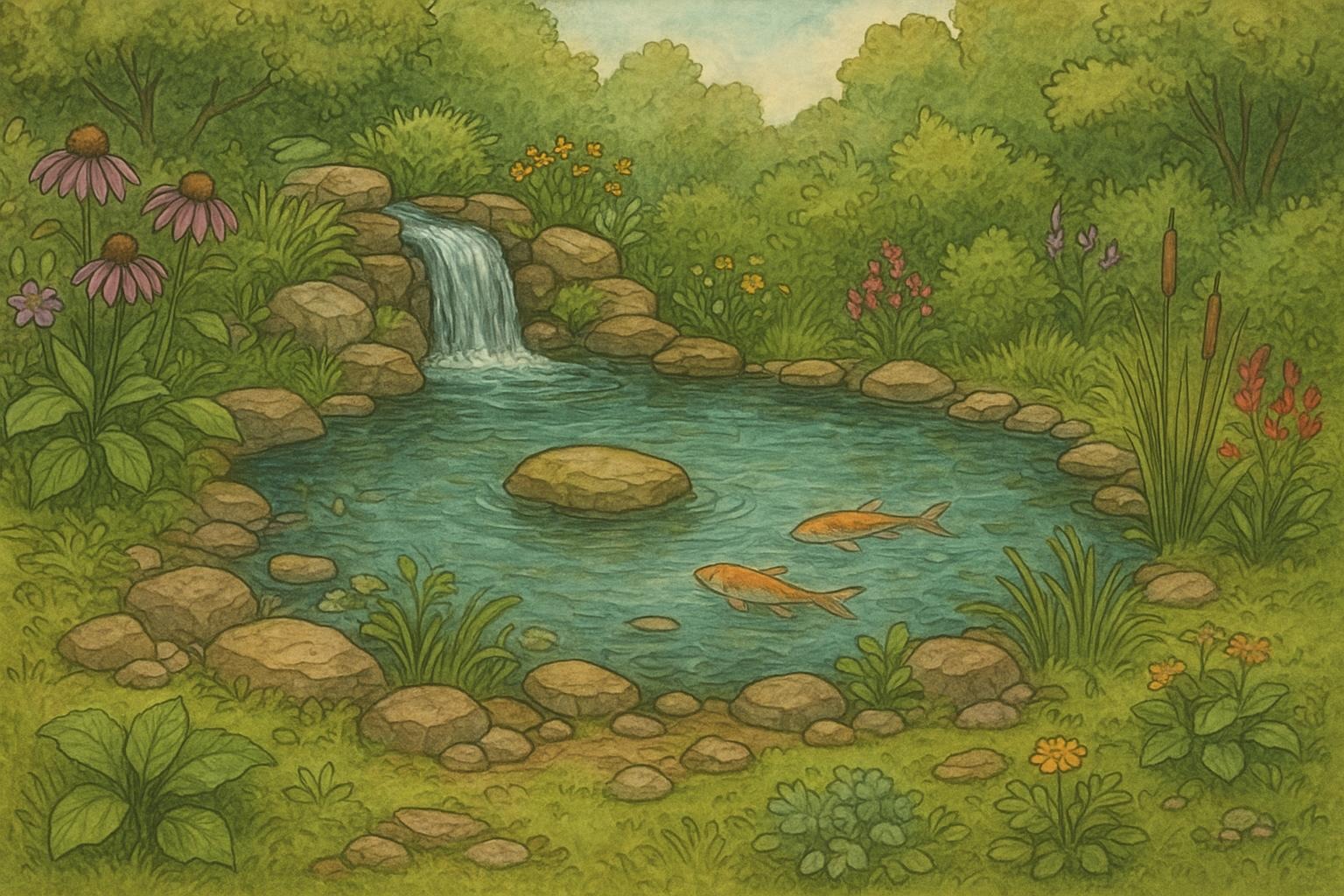
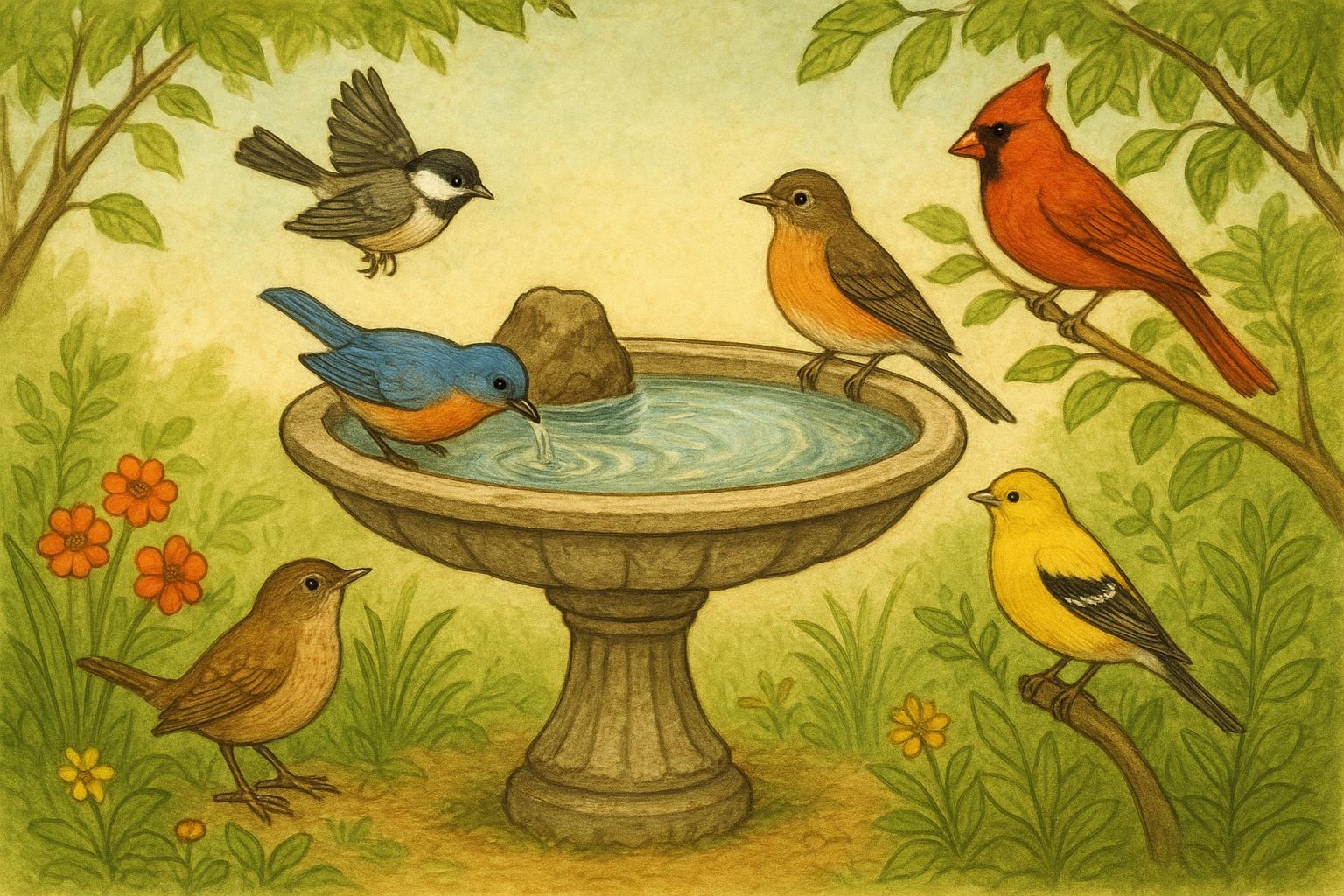
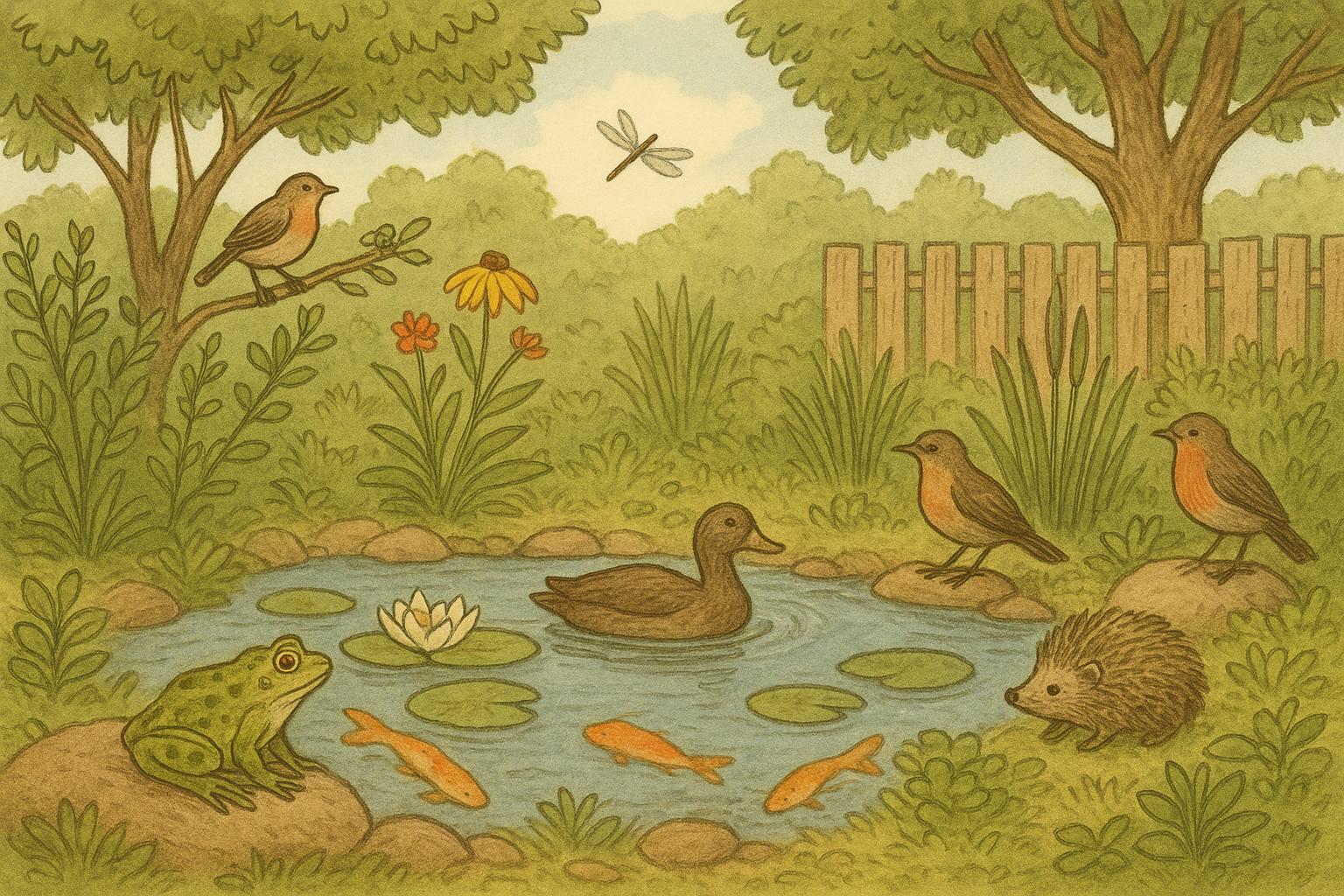
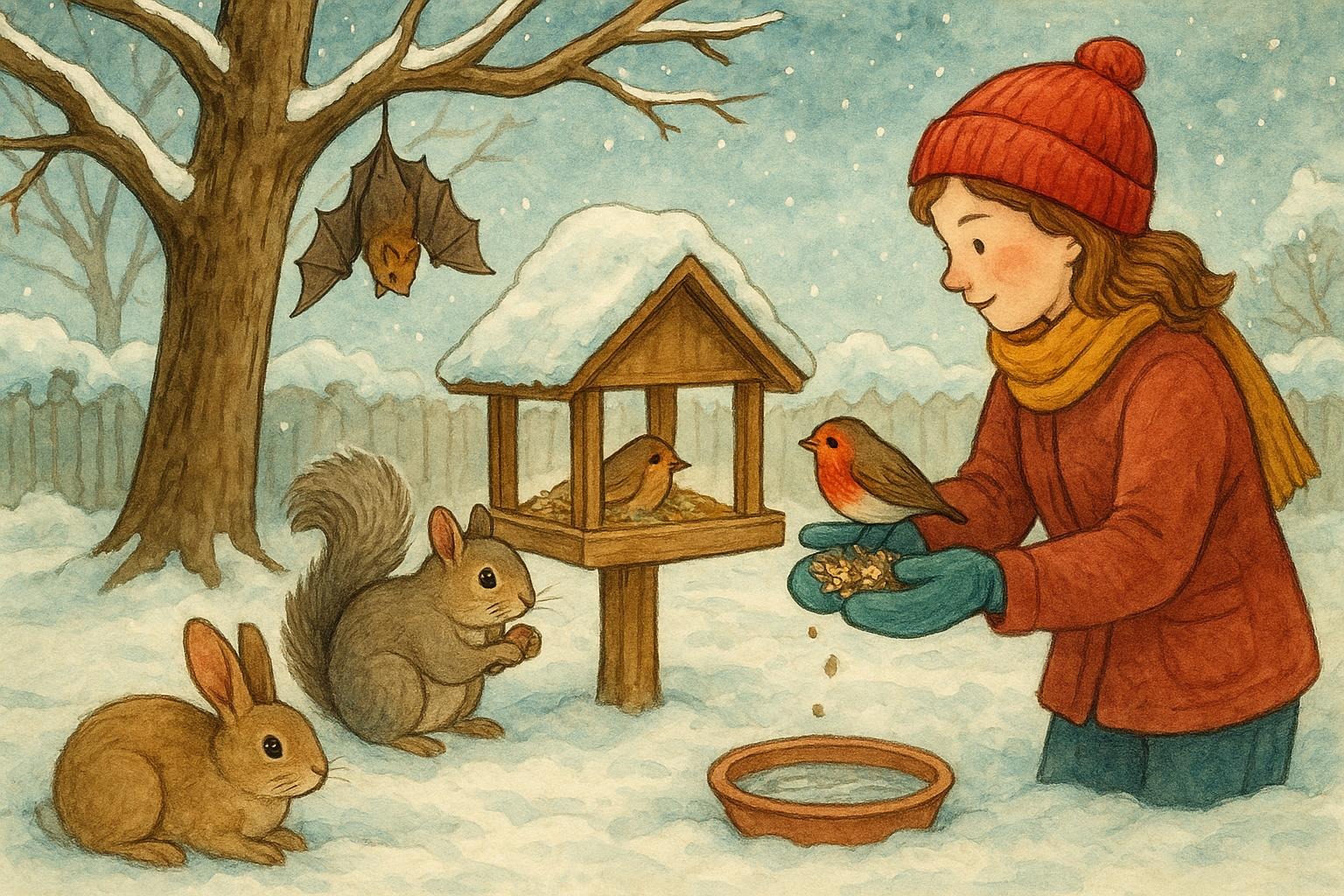
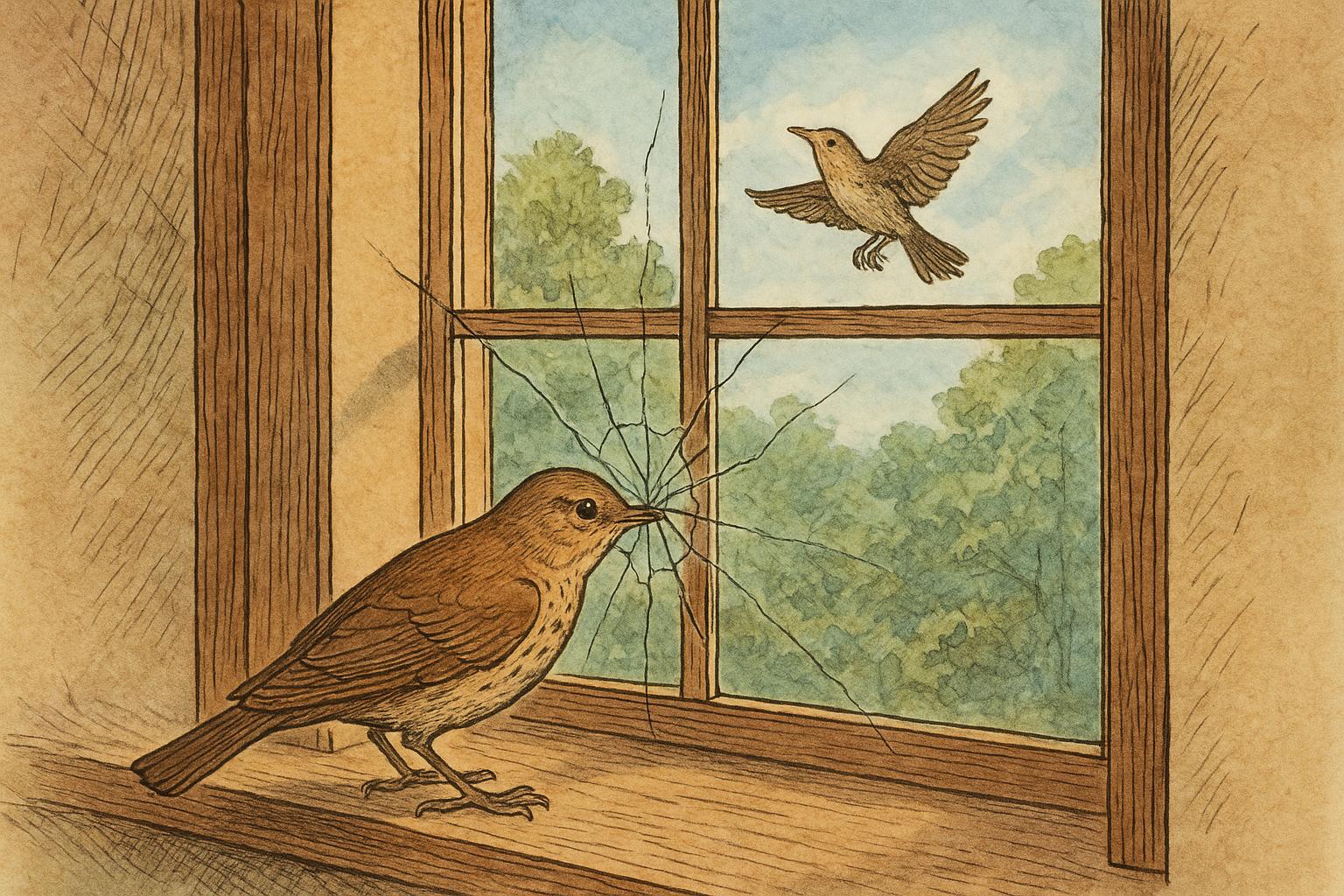
Readable yard hygiene supports healthy bird populations. Clean feeders every two weeks (hot, soapy water; bleach solution for heavy contamination), rotate feeder locations to reduce localized buildup of droppings, and place feeders 10–12 feet from windows or use collision-reducing decals to prevent strikes. Keep feeders 4–6 feet from dense shrubbery where cats can ambush birds; create escape routes of exposed perches leading to safe cover. Provide a shallow water source and keep it clean; moving water attracts more species but requires more frequent cleaning.
## Monitoring Success And Adjusting Your Approach
Track which foods and plantings attract the greatest diversity and whether breeding or fledgling activity increases. Keep a simple journal or use a phone app to note species, numbers, and behaviors. If you notice that certain foods are ignored, reduce purchase and shift investments to what your yard’s birds actually eat. The goal is to match your provisioning with natural needs so the local ecosystem thrives — and your mornings are full of song rather than only the occasional grumpy crow.
Happy birding, and may your feeders be forever full of the right things at the right time.







Leave a Reply