
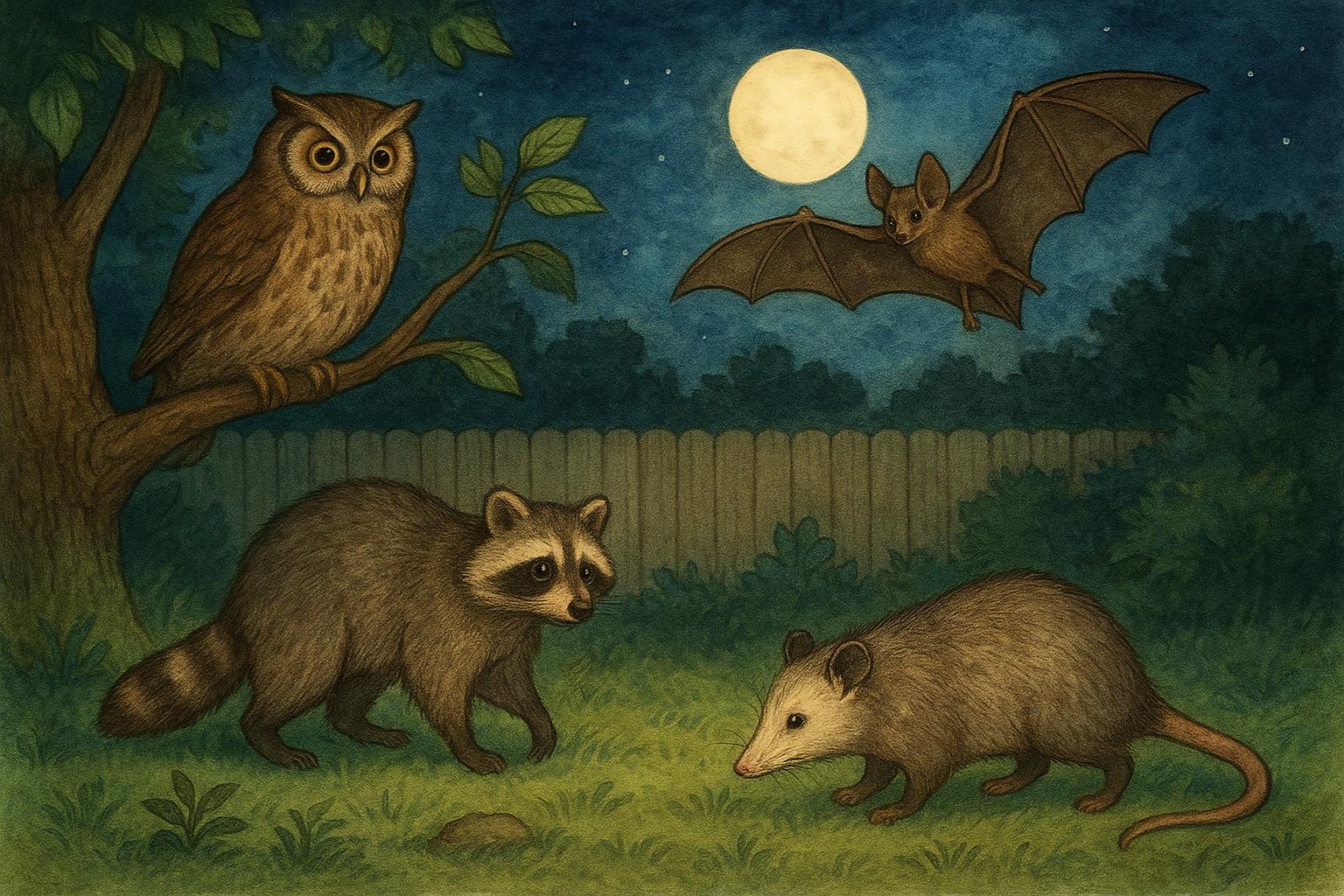
Hello and welcome — if your backyard has been hosting after-dark visitors, you’re in the right place. This guide will walk you through the who, what, and how of nocturnal life on your property without turning your yard into a wildlife documentary (though binoculars are encouraged). Expect practical ID tips, safety notes, and one clear, formal remedy you can implement tonight if small mammals are making a mess.
## Common Nocturnal Mammals In Backyards
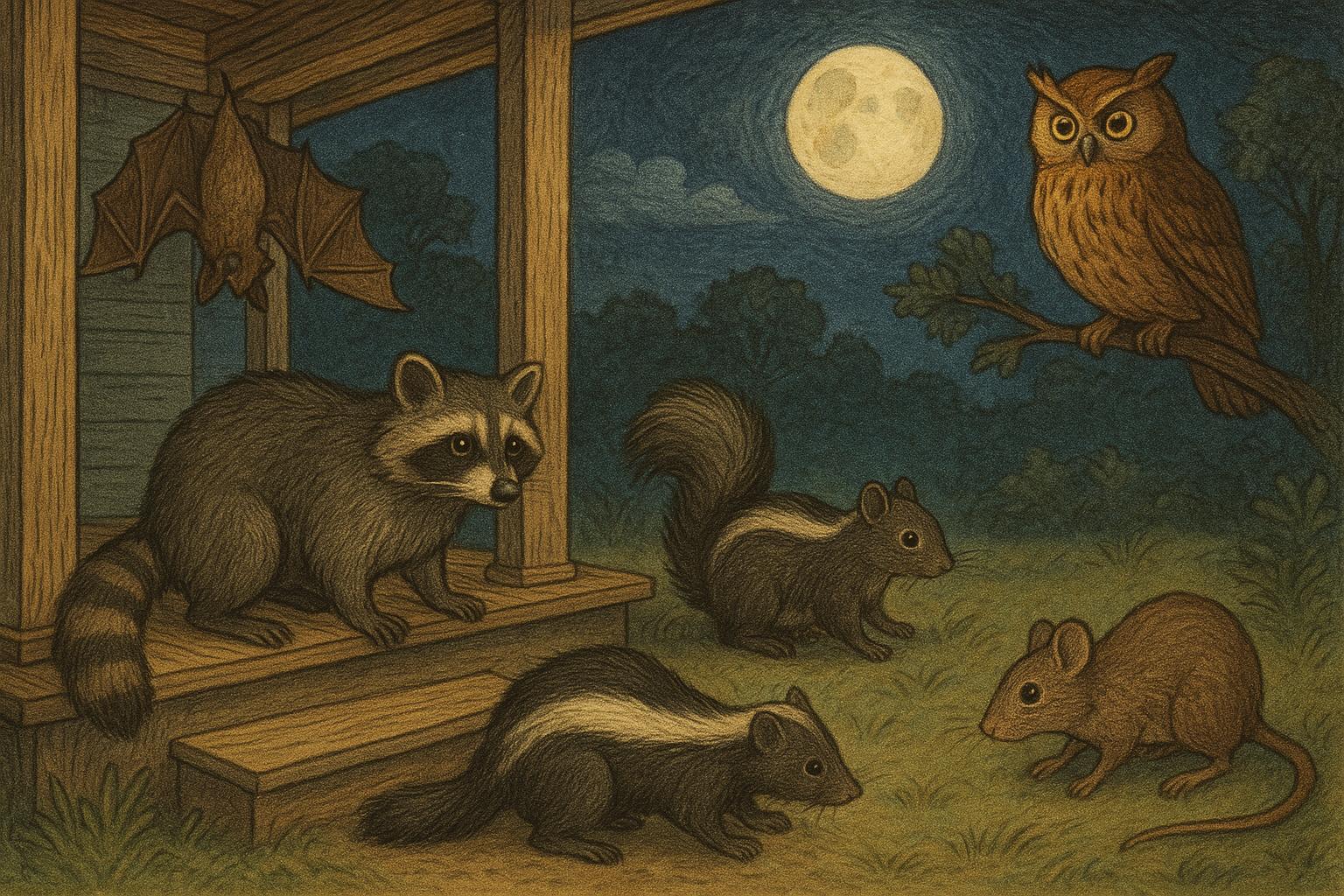
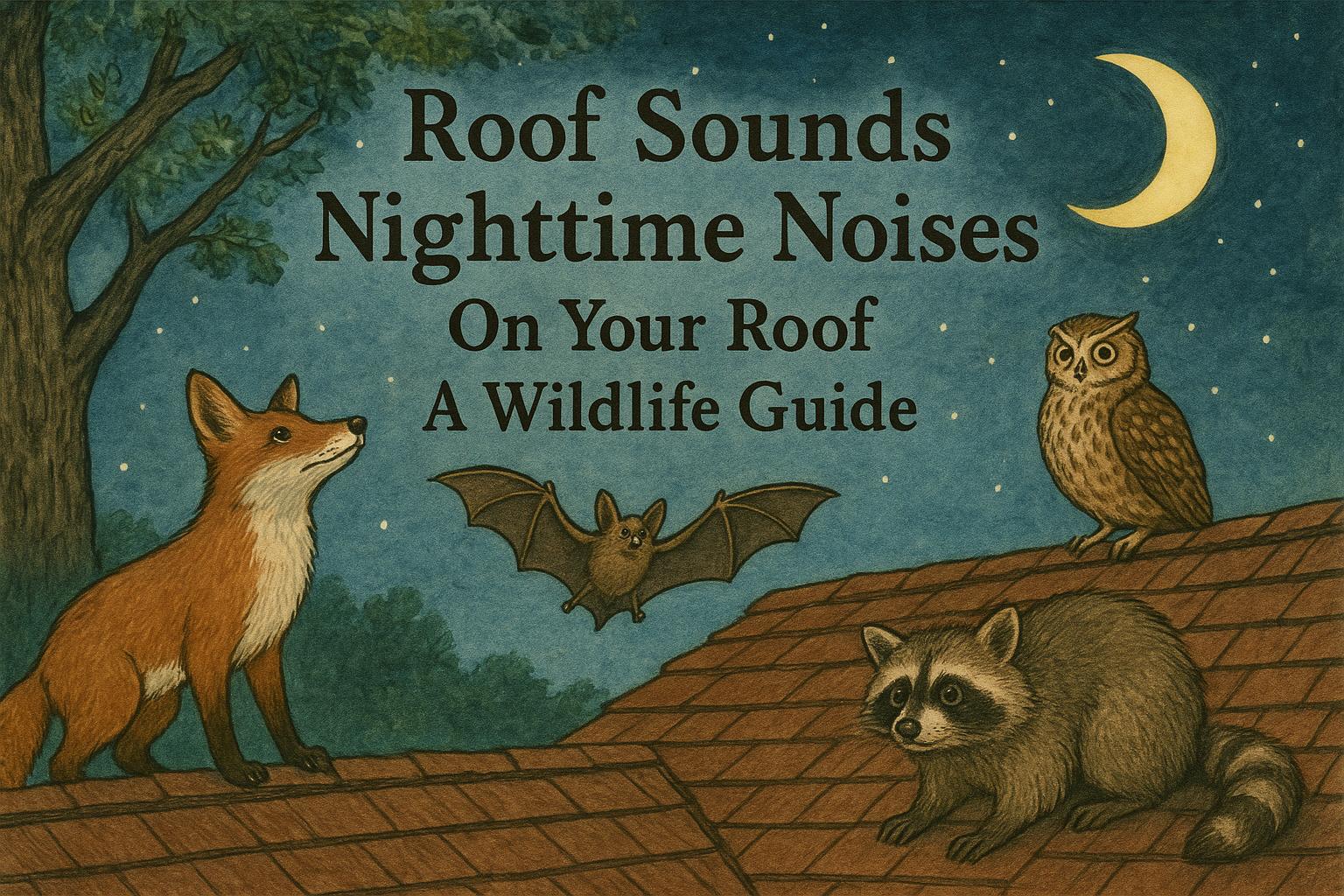
Backyards attract a surprising range of wildlife after sunset. The list of usual suspects includes raccoons, opossums, bats, foxes, and sometimes coyotes. Collectively, these nocturnal mammals play important roles in pest control, seed dispersal, and ecosystem balance — but they can also damage gardens, scare pets, and raid trash.
### Raccoons: The Clever Night Forager
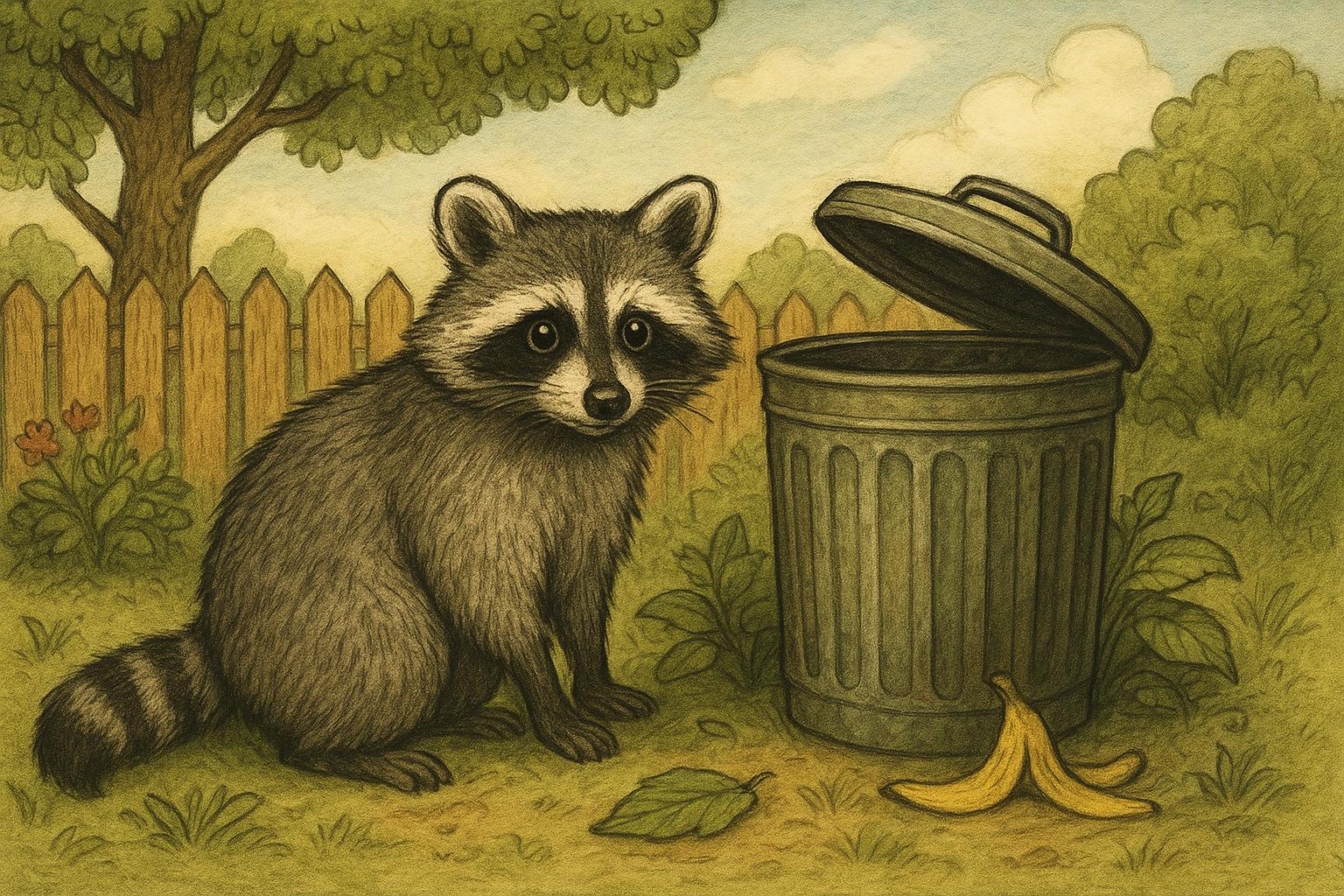
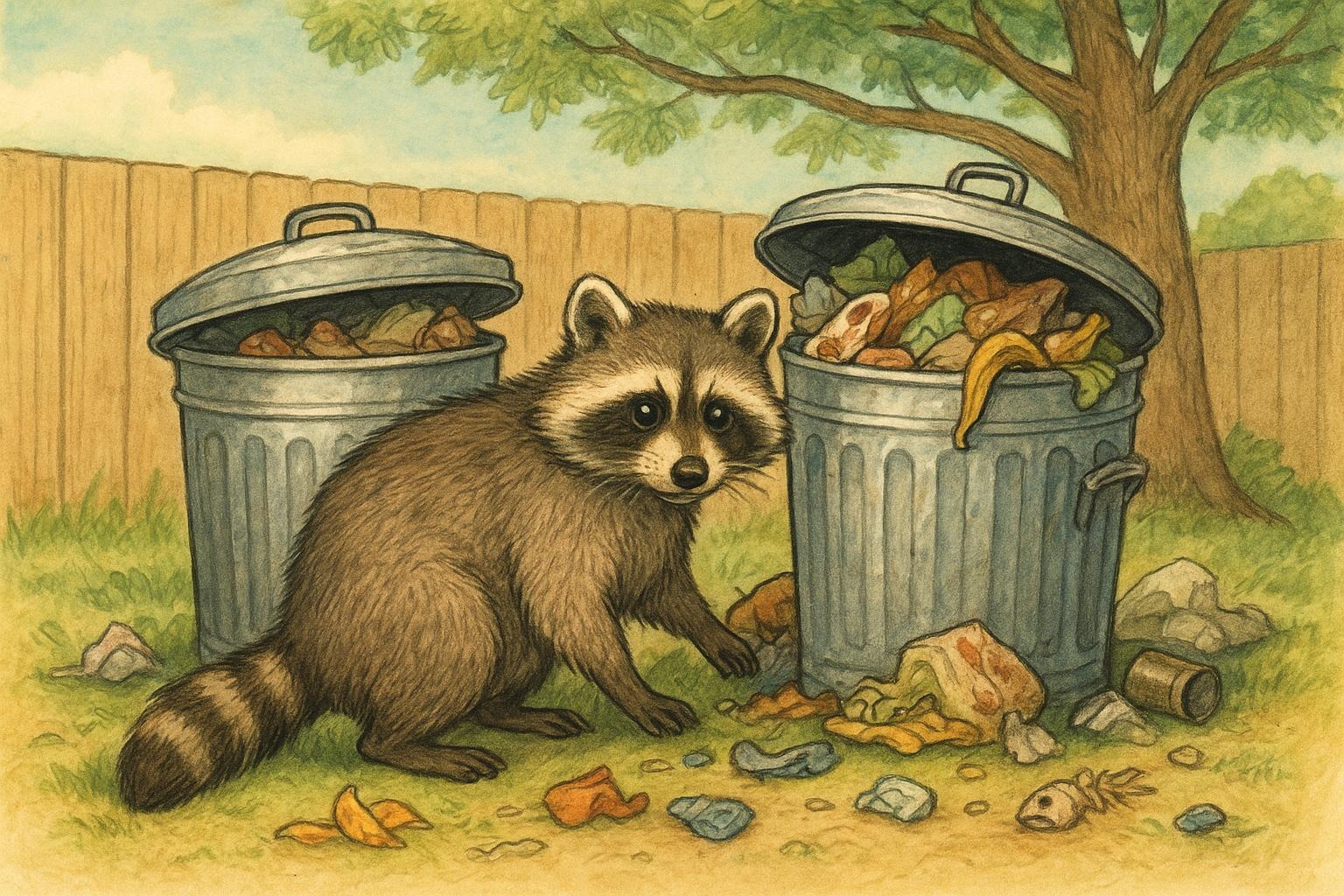
Raccoons are the backyard socialites of the night, curious and exceptionally dexterous. Look for banded tails, a masked face, and nimble hands that can open bins and unlatch lids. Raccoons are omnivores: they’ll take fruit, pet food, birdseed, and just about anything left in an accessible trash can. Signs of their presence include overturned bins, paw prints, and small, round droppings.
### Opossums: The Docile Scavenger
Opossums are often misunderstood — slow-moving, but surprisingly resilient. They’re less likely to be aggressive than raccoons and more likely to play possum when threatened. Typical evidence includes small, tapered droppings, scratch marks under decks, and occasional nest material in sheltered spots. They’re efficient at cleaning up carrion and pests, which is why many homeowners tolerate them tolerantly and sometimes with amusement.
### Bats: The Flying Insectivores
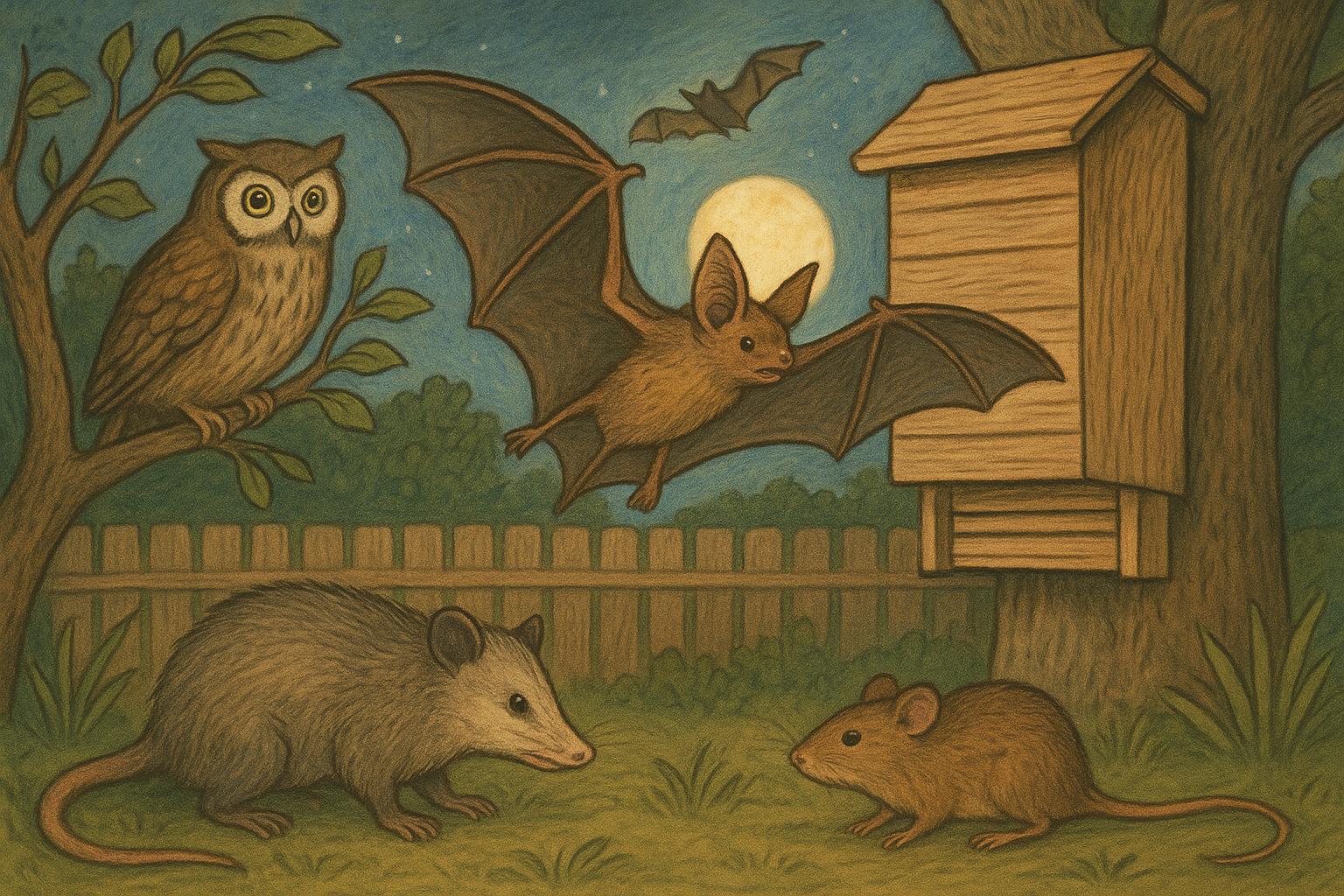
Bats are extremely beneficial allies for homeowners, consuming vast numbers of insects nightly. They roost in eaves, attics, and mature trees. You’ll often notice them at dusk as they sally out to hunt. Guano accumulation under roosts and daytime noises in attics can indicate their presence. Because some bat species are protected and susceptible to disturbance, identification and careful handling are essential.
### Coyotes And Foxes: The Small Predators
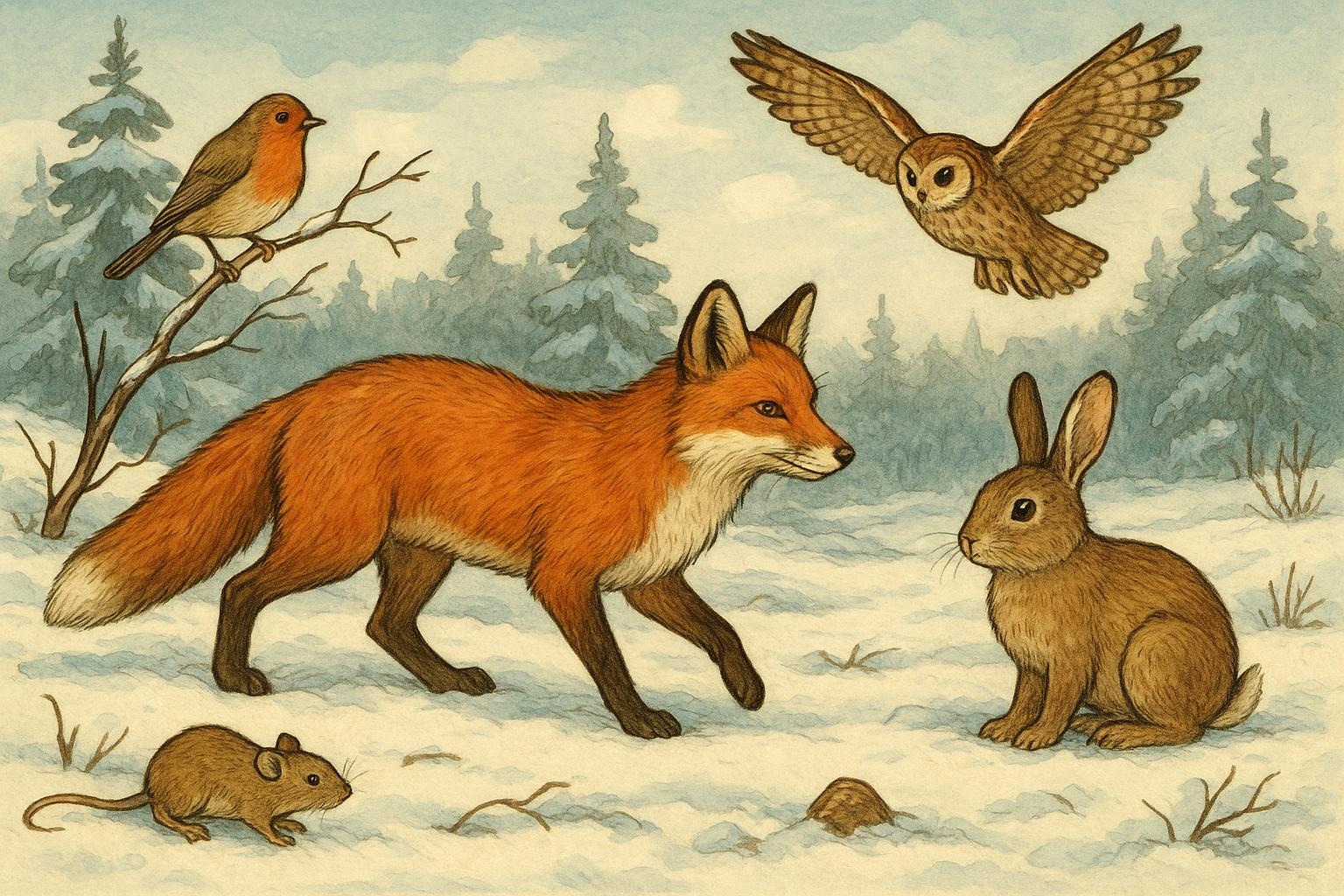
Coyotes and foxes may pass through suburban areas following food sources and small rodents. Foxes tend to be smaller and more foxlike in their toilet habits; coyotes can be bolder in packs. These nocturnal mammals usually avoid humans but may prey on free-roaming cats or small dogs. Seeing trails, scat containing hair and bones, or hearing yips at night are typical indicators.
## How To Identify Nighttime Visitors
Identifying which species visits your yard helps tailor responses that are both humane and effective. Focus on tracks, droppings, behavior, and damage patterns rather than guessing from a single sighting.
### Tracks And Droppings
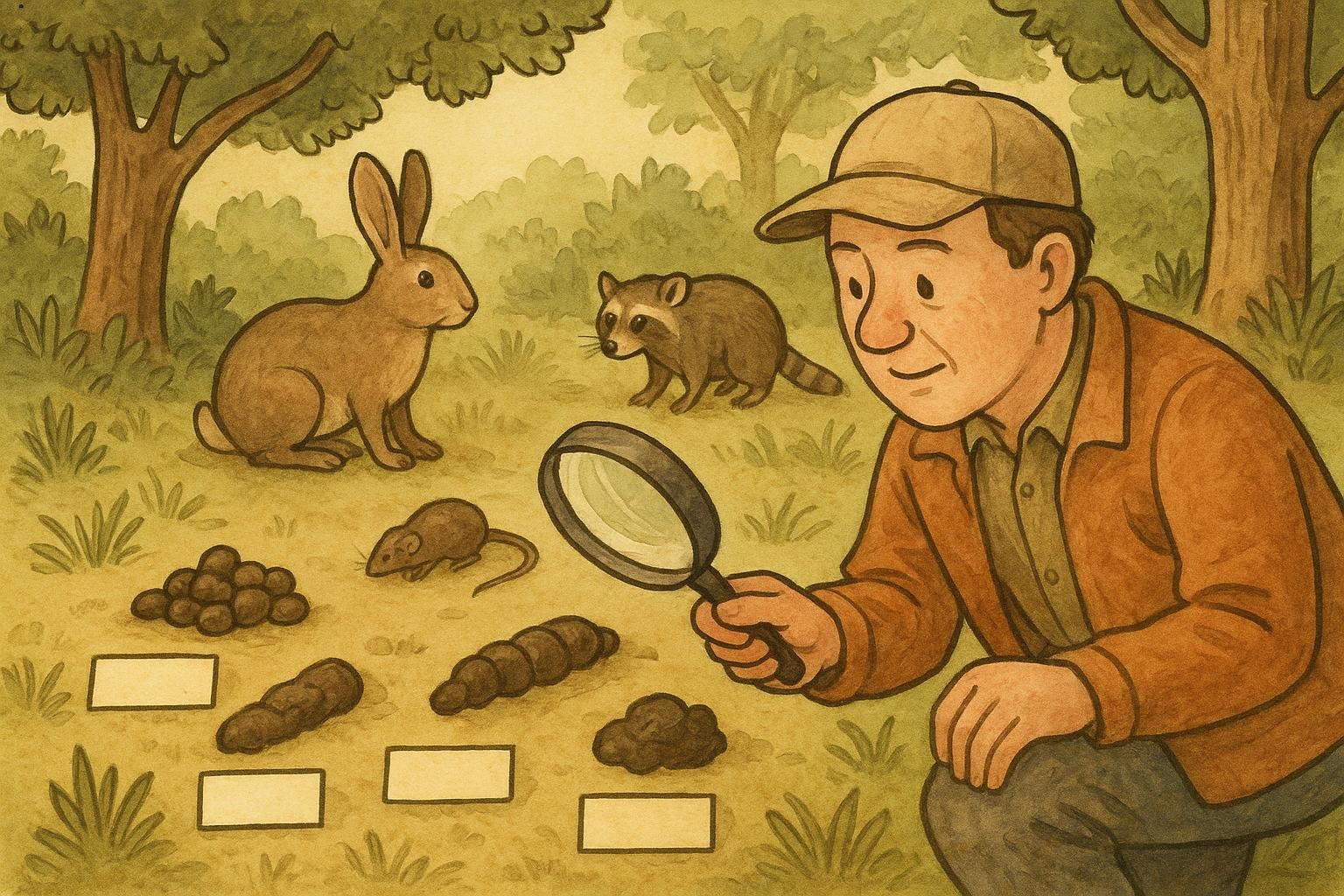
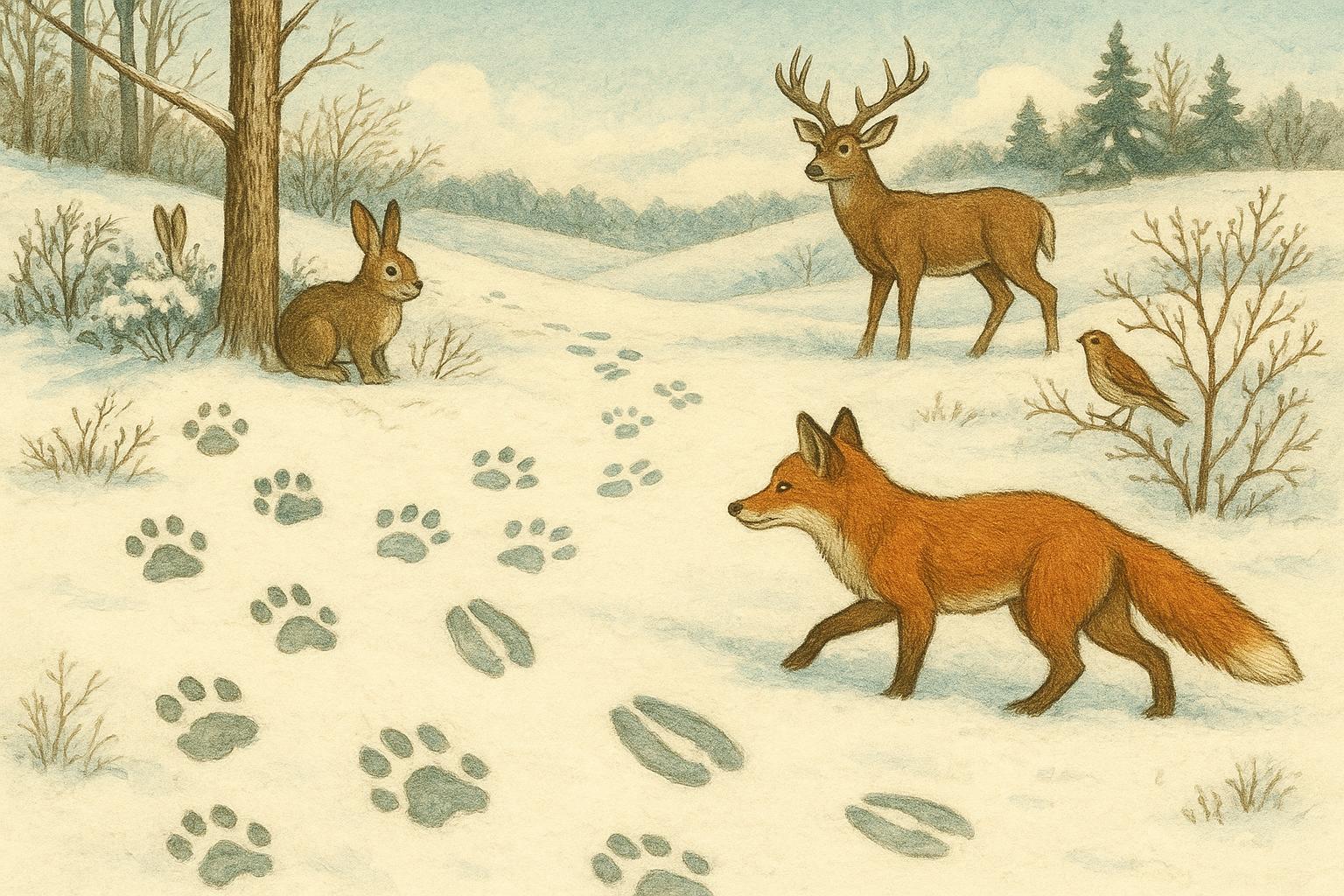
Track size, shape, and gait patterns are reliable. Raccoon prints show five-fingered hand-like impressions; opossums show similar digits but smaller; canid prints (fox/coyote) are oval with two visible claws. Droppings vary by diet: raccoon scat often contains seeds and insect parts, bat guano looks crumbly and granular, and carnivore scat may contain fur and bone fragments.
### Sounds And Behavior
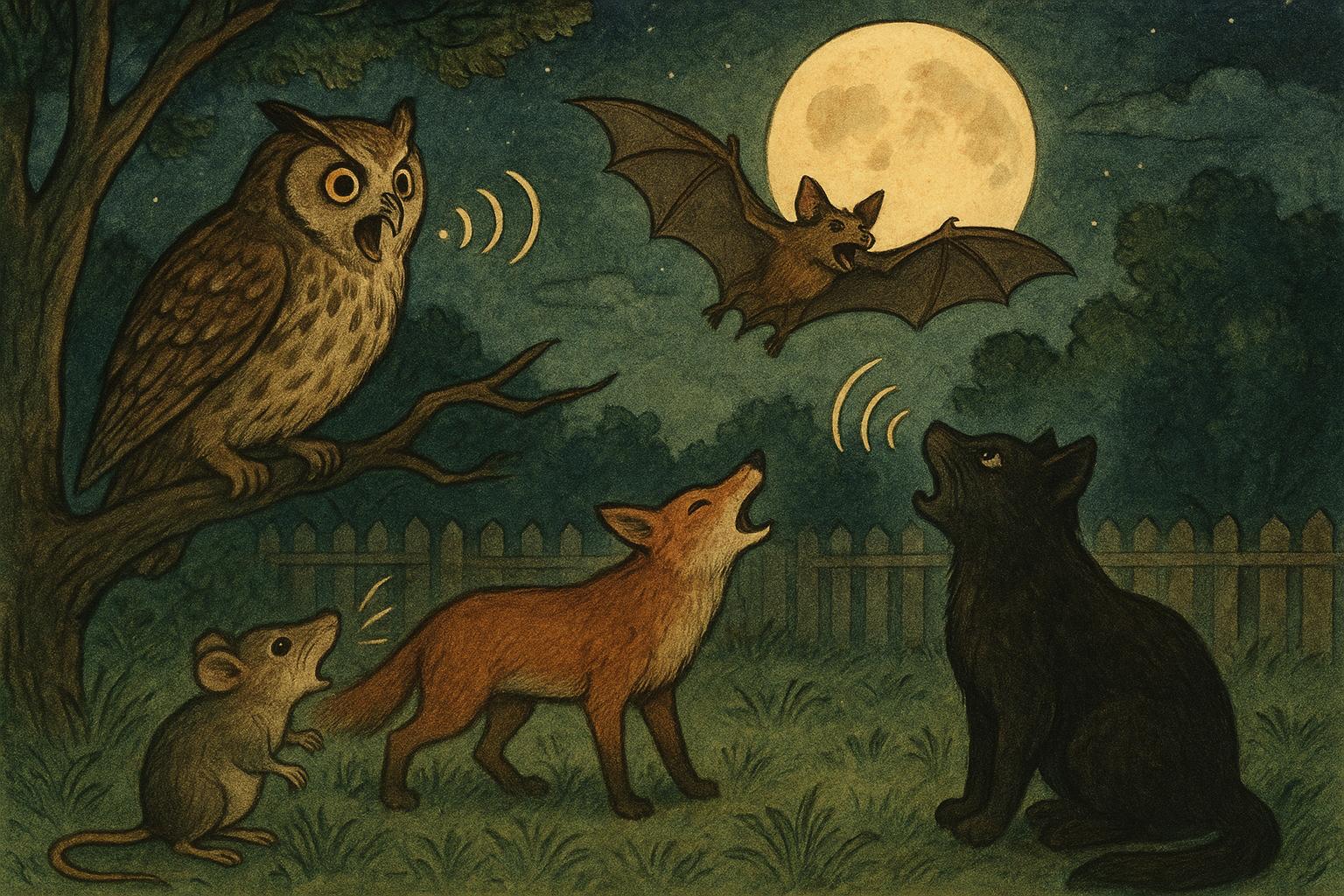
Listening at dusk and dawn yields clues. Bats emit ultrasonic calls you won’t hear without a detector, but their evening flyout is visible. Raccoons make chittering and gurgling sounds, opossums are quieter but hiss when distressed, and foxes produce high-pitched barks or screams. Behavior — such as repeated visits to a particular feeder or trash can — indicates attractants you can address.
## Managing Conflicts And Risks
When nocturnal mammals create problems, prioritize humane, legal, and health-conscious methods. Avoid lethal control unless authorized and necessary; many species are legally protected or provide ecological benefits. Key steps include removing attractants, securing entry points, and using exclusion tactics.
### Health And Safety Concerns
Wild mammals can carry parasites and zoonotic diseases. Wear gloves when handling potential contamination (droppings, nesting material), keep pets vaccinated and supervised, and never attempt to handle wild animals directly. If there’s a bat in living spaces or potential rabies exposure, contact local animal control or public health authorities immediately.
### Deterrence Principles
Effective deterrence follows three principles: deny food, deny shelter, and encourage aversion. Secure trash with animal-proof containers; bring pet food indoors at night; seal roofline openings and foundation gaps; and maintain a tidy yard to reduce hiding places. Motion-activated lights and sprinklers can discourage repeat visits while remaining non-lethal.
## Remedy 1: Humane Raccoon Deterrent Kit
Below is a practical, step-by-step remedy to reduce raccoon activity focused on exclusion and aversion. Follow local regulations before implementing wildlife deterrents. This remedy is formal and prescriptive to ensure safety and effectiveness.
#### Materials Needed
– Animal-proof trash can(s) with locking lid(s)
– 1–2 Motion-activated lights (LED) or motion-activated sprinkler
– Heavy-gauge wire mesh (1/2″ or 3/4″), galvanized
– Staple gun and outdoor-grade staples
– Weather-resistant bungee cords or carabiner clips
– Thick rubber gloves and safety goggles
– Screwdriver/cordless drill and screws
– Outdoor-grade caulk or expanding foam for sealing small gaps
#### Step-By-Step Creation And Application
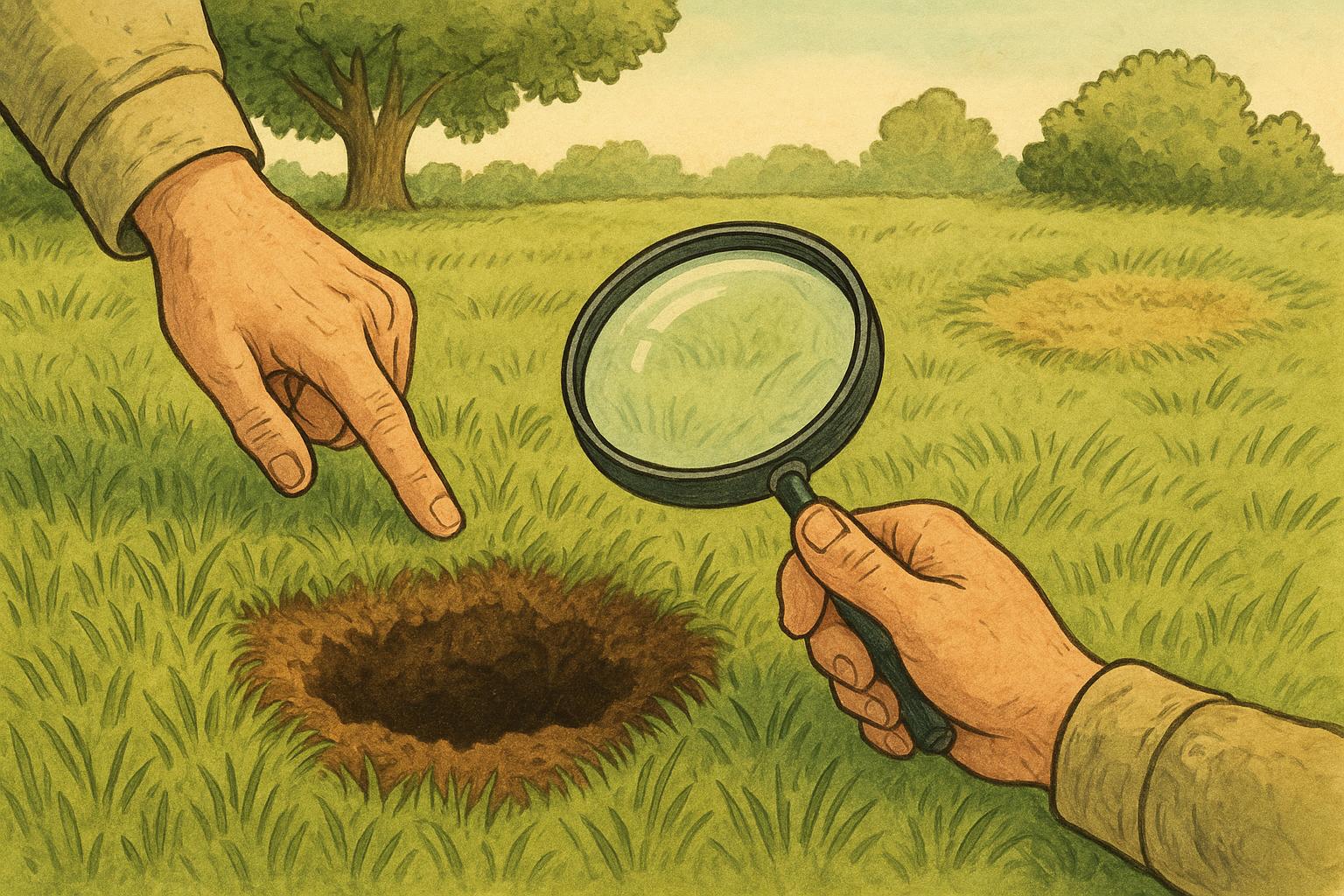
1. Assessment: Conduct a nighttime and daytime inspection to locate primary attractants (open trash, accessible pet food, compost bins, fallen fruit) and identify entry points under decks or into attics. Record locations and approximate frequency of visits.
2. Trash Security: Replace or retrofit trash cans with locking lids. If a full replacement is not possible, secure the existing lid with bungee cords or carabiners attached around the can and anchored to a fixed object. Ensure lids close fully and that there are no gaps.
3. Motion-Activated Deterrents: Install motion-activated lights in areas where raccoons frequently approach, such as near garbage storage or garden plots. Alternatively or additionally, install a motion-activated sprinkler aimed to cover the approach routes. Position devices 6–10 feet from the ground where motion triggers reliably.
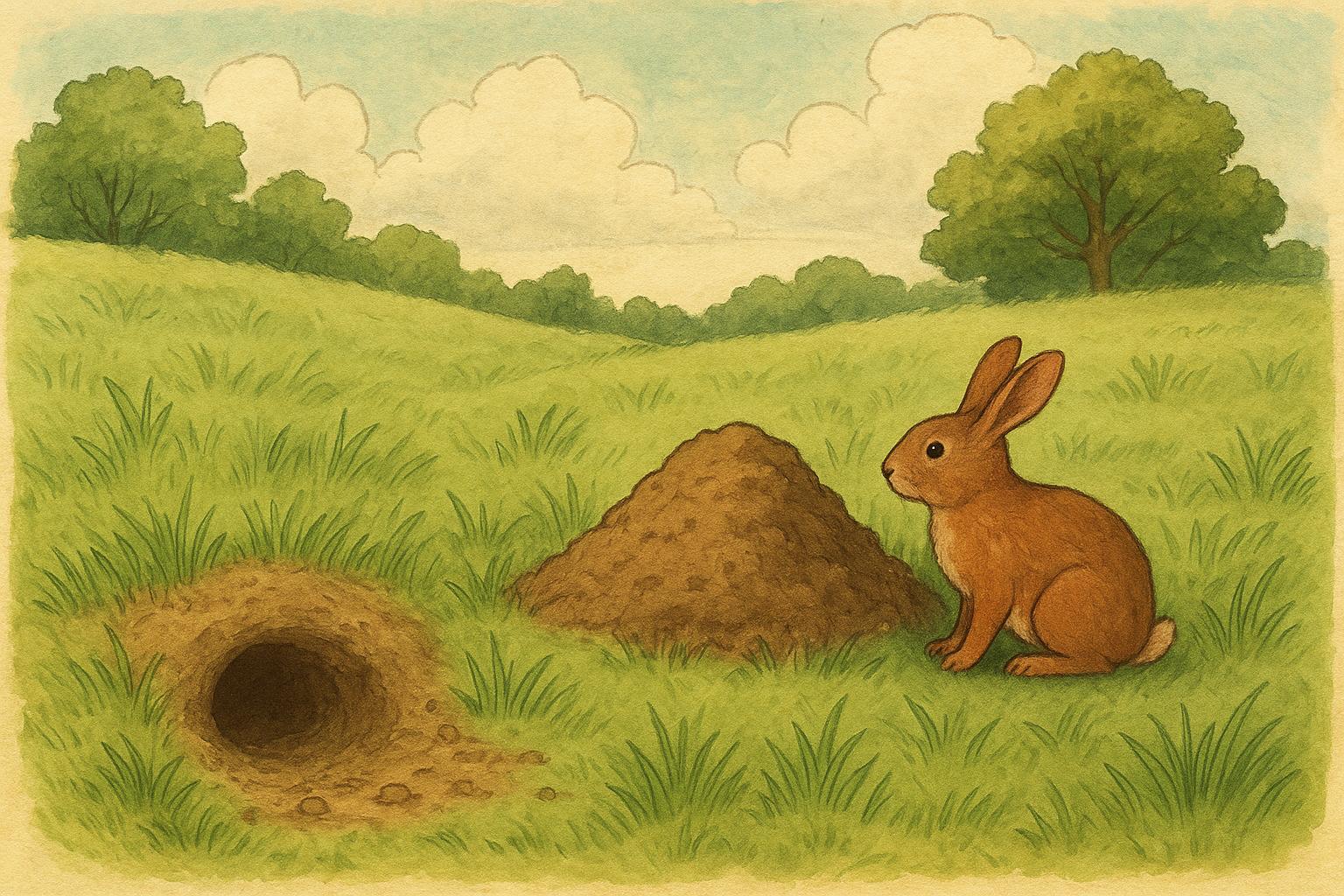
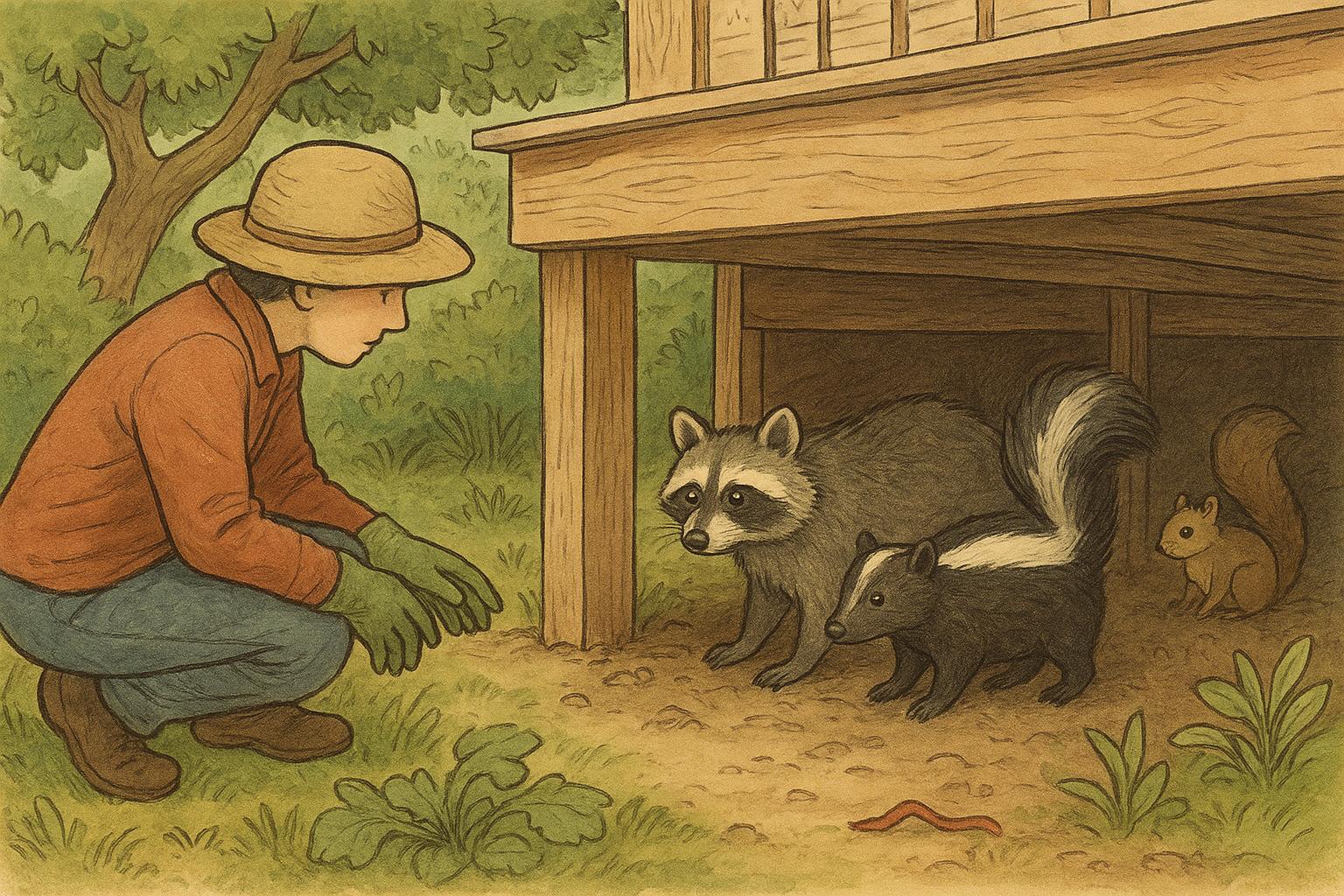
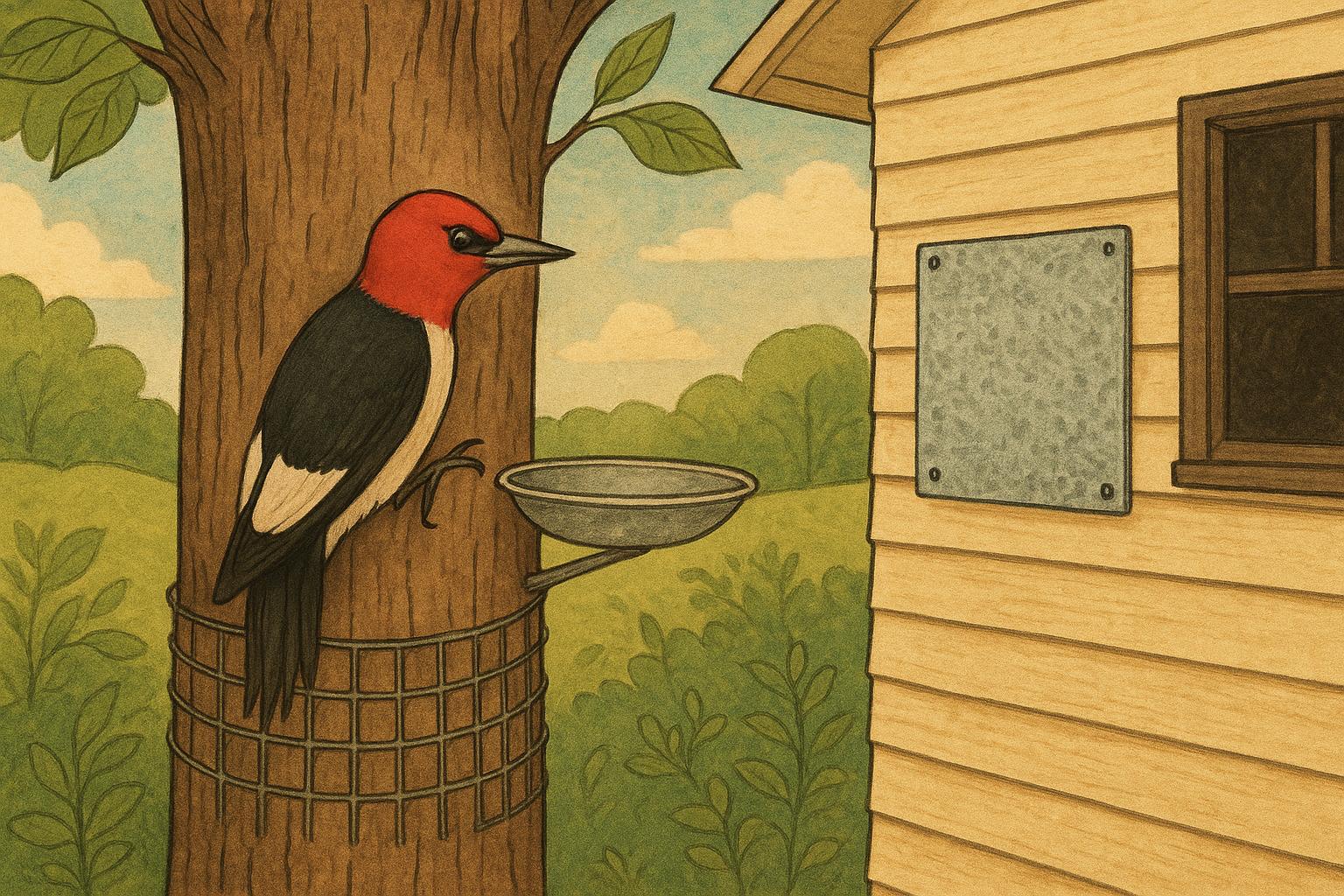
4. Exclusion Using Wire Mesh: Cut heavy-gauge wire mesh to size and fasten it under decks, around crawlspace openings, and along garden beds. Overlap mesh by at least 6 inches where pieces meet and secure with staples or screws. Bury the lower edge 6–8 inches into the soil and bend outward in an L-shape to prevent digging under the barrier.
5. Seal Small Openings: Use outdoor-grade caulk or expanding foam to close gaps around eaves, vents, and cable penetrations. For larger openings, construct a wire mesh barrier or use custom-fit wood panels screwed into place. Ensure vents remain functional for ventilation; use mesh-covered vent screens when necessary.
6. Remove Food Sources: Bring pet food and birdseed indoors between sunset and sunrise. Harvest fallen fruit promptly, and use a closed compost system if possible. Clean up grill residue and outdoor dining areas nightly.
7. Monitoring and Adjustment: After implementing measures, monitor activity for two weeks. Use a trail camera or nighttime observations to confirm reduced visits. If raccoons attempt different approaches, extend mesh or relocate motion devices to cover those paths.
8. Maintenance: Check locks, mesh, and motion devices monthly. Replace worn bungee cords and reseal any new gaps caused by weather or animal attempts. Keep vegetation trimmed to reduce hiding spots near the house.
This remedy emphasizes exclusion and aversion rather than injury. In instances where animals are trapped or injured, or when issues persist despite humane measures, contact a licensed wildlife rehabilitator or municipal animal control for assistance.
## Coexistence Tips And Ethical Considerations
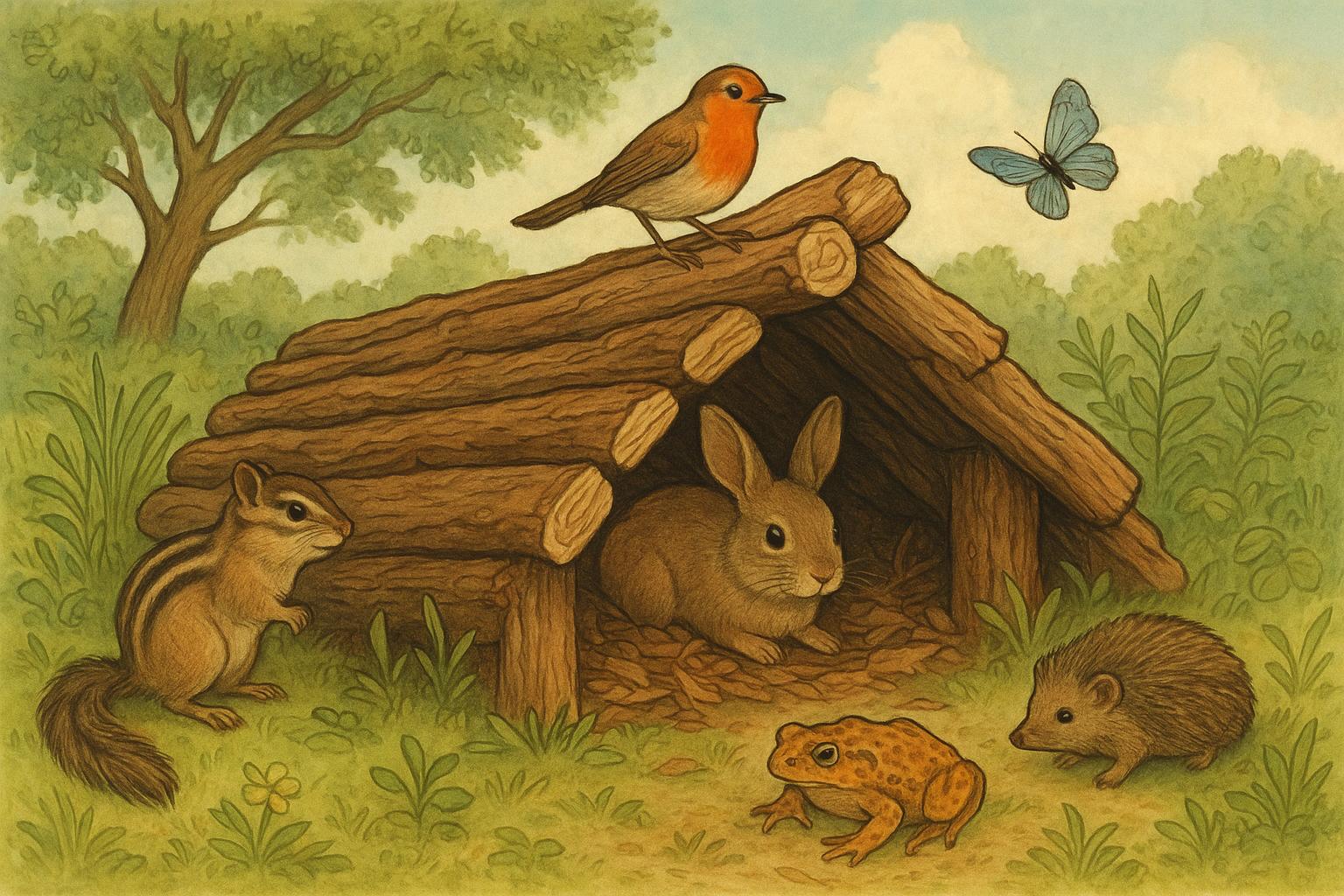
Living with nocturnal wildlife is part of suburban and rural life. You can reduce conflicts while respecting animal welfare by following best practices: avoid feeding wildlife, use ethically designed deterrents, and learn the local ordinances regarding protected species. If you install deterrents like lights or sprinklers, be mindful of neighborhood noise and energy use; choose solar or low-energy options when available.
### When To Call Professionals
If you suspect a bat in your home, discover injured animals, or face recurring predation on pets, professionals are the right next step. Trappers and wildlife control agents must be licensed in most jurisdictions; request humane methods and proof of permits. For disease concerns, contact your county public health department for guidance.
That should give you the tools to identify, deter, and live alongside the nocturnal mammals that visit your yard without resorting to theatrics — though if you happen to catch a raccoon teaching a younger one to open a trash can, consider recording it for posterity (and maybe rename it “Professor R.”).











Leave a Reply