
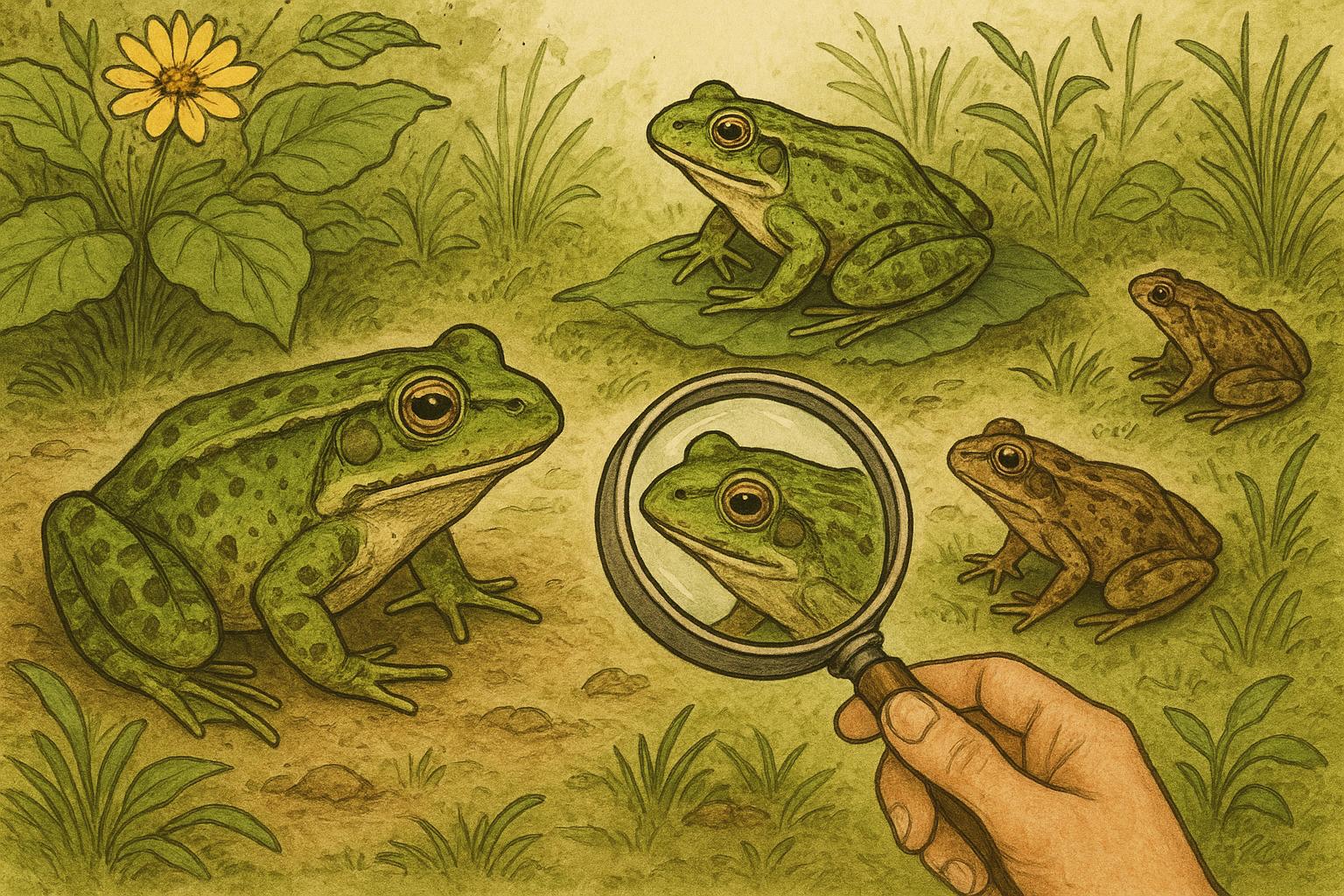
Welcome to your backyard amphibian safari—no binoculars required. Whether you hear a chorus at dusk or spot a soggy visitor on your patio, knowing who’s hopping through your garden makes backyard wildlife more fun and less mysterious. This guide blends practical ID tips, habitat clues, and responsible remedies to help you recognize common garden frogs and decide what to do next.
## Quick Guide To Frog Identification
Frog identification starts with a few reliable characteristics: size, skin texture, color and pattern, leg length, and call. These features, combined with where and when you see the frog, will narrow the possibilities quickly. For nighttime listeners, the call is often the easiest way to ID, while daytime sightings rely more on visual cues.
### Size And Shape Matter
Most backyard frogs fall into size categories: small (1–2 inches), medium (2–4 inches), and large (4+ inches). Small spring peepers and chorus frogs are tiny and often more heard than seen. Medium-sized green frogs and treefrogs are common around ponds and gardens. Large bullfrogs are unmistakable with a hefty body and loud, deep calls.
### Skin Texture And Color Patterns
Smooth skin usually signals a true frog, while bumpier skin can suggest toads, which are relatives but not the same. Look for distinctive patterns: spotted, striped, or marbled backs, and prominent ridges or dorsolateral folds along the sides. A bright stripe from snout to shoulder often indicates a chorus frog or spring peeper relative.
### Legs, Digits, And Toe Pads
Long, muscular hind legs mean strong jumpers and often aquatic habits. Toe pads indicate climbing ability—treefrogs have noticeable pads for gripping leaves and siding. Webbing between toes hints at a species that spends time swimming.
### Calls And When To Listen
Frog calls are species-specific. A loud “jug-o-rum” is a bullfrog. A high, peeping trill is usually a spring peeper. Learn a few local calls and you can identify neighbors by sound alone. Evening and early morning are prime times for calling.
## Common Backyard Species To Know
Get to know the usual suspects so a fleeting glimpse becomes a confident ID.
### Green Frog And Bullfrog Group
Green frogs have ridges down their backs and a plump body, typically green to brown. Bullfrogs are larger with deep, resonant calls and no dorsolateral fold. Both like ponds and standing water.
### Treefrogs And Small Hoppers
Treefrogs (including the gray and Pacific treefrogs) are small, have toe pads, and often change shade to match bark or leaves. They’re arboreal but descend to breed.
### Leopard, Pickerel, And Chorus Frogs
Leopard and pickerel frogs show dark spots in rows; chorus frogs are smaller with a single dark stripe from snout to shoulder and a musical call. These are common in grassy, marshy edges.
### Wood Frog And Spring Peeper
Wood frogs have a dark mask across the eyes and a distinctive quacking call; spring peepers are tiny, with an X-shaped dorsal mark and a high-pitched peep chorus in early spring.
## How To Photograph And Record For ID
A picture is worth a thousand syllables of “what was that?” Keep your approach slow and low, use a flashlight from the side to avoid startling, and try to capture dorsal patterns, toe pads, and any side ridges. For calls, use a smartphone app to record, noting date, time, and location—these details help experts and apps narrow species quickly.
### Handling And Safety For You And The Frog
Handling should be minimal. Frogs have permeable skin that absorbs oils, salt, and chemicals from your hands. If handling is necessary, wet your hands first with dechlorinated water and support the frog gently. Wash your hands afterward; some frogs carry bacteria like Salmonella.
## How Habitat Clues Help With Frog Identification
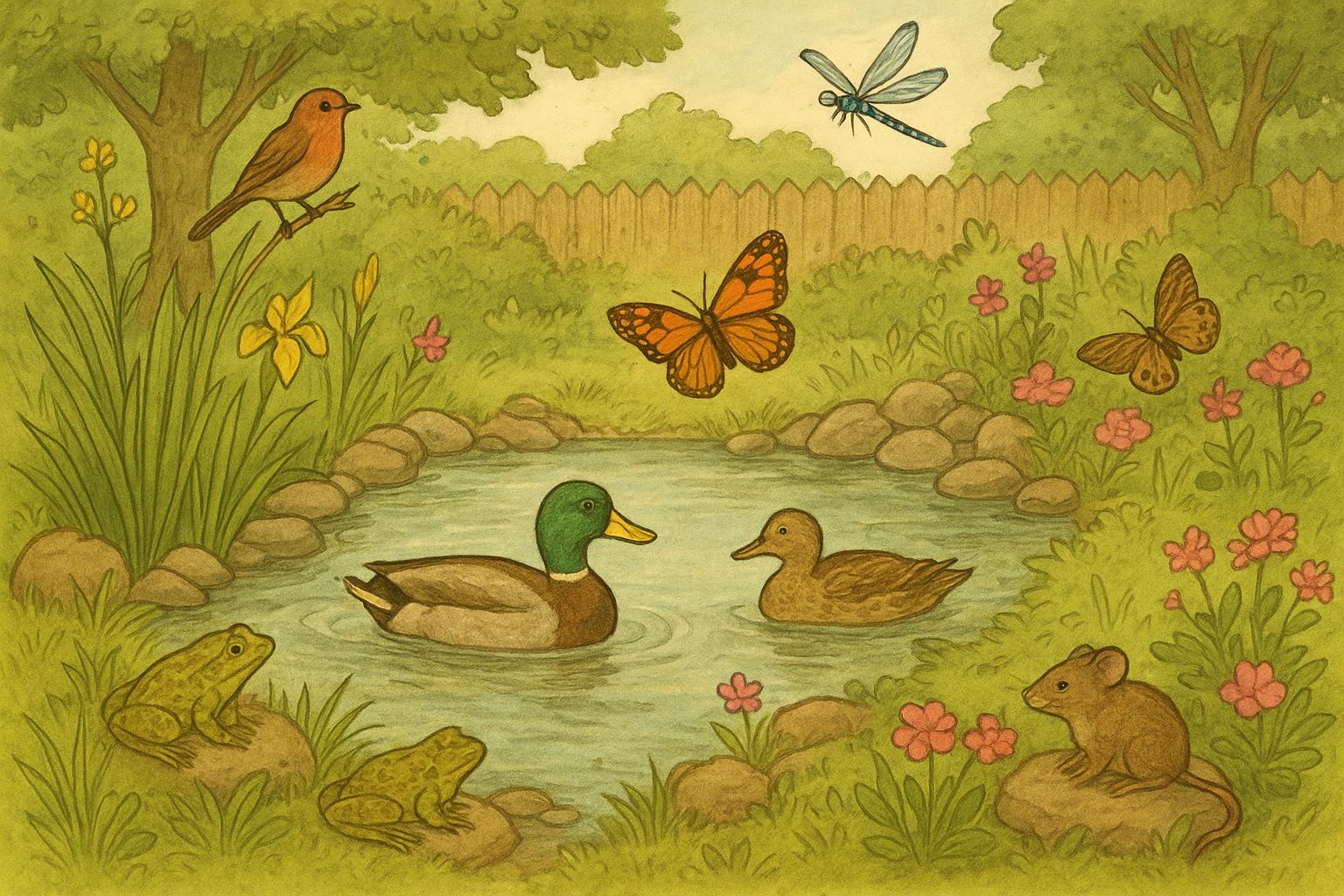
Where you find a frog gives big clues. Ponds, puddles and marsh edges suggest species adapted to water. Leaf litter and wooded areas point to woodland species like wood frogs. Garden ponds and rock piles attract green frogs and treefrogs. Time of year also matters—spring breeders are noisy and numerous during breeding season.
## Remedy 1: Build A Backyard Frog Pond (Materials And Steps)
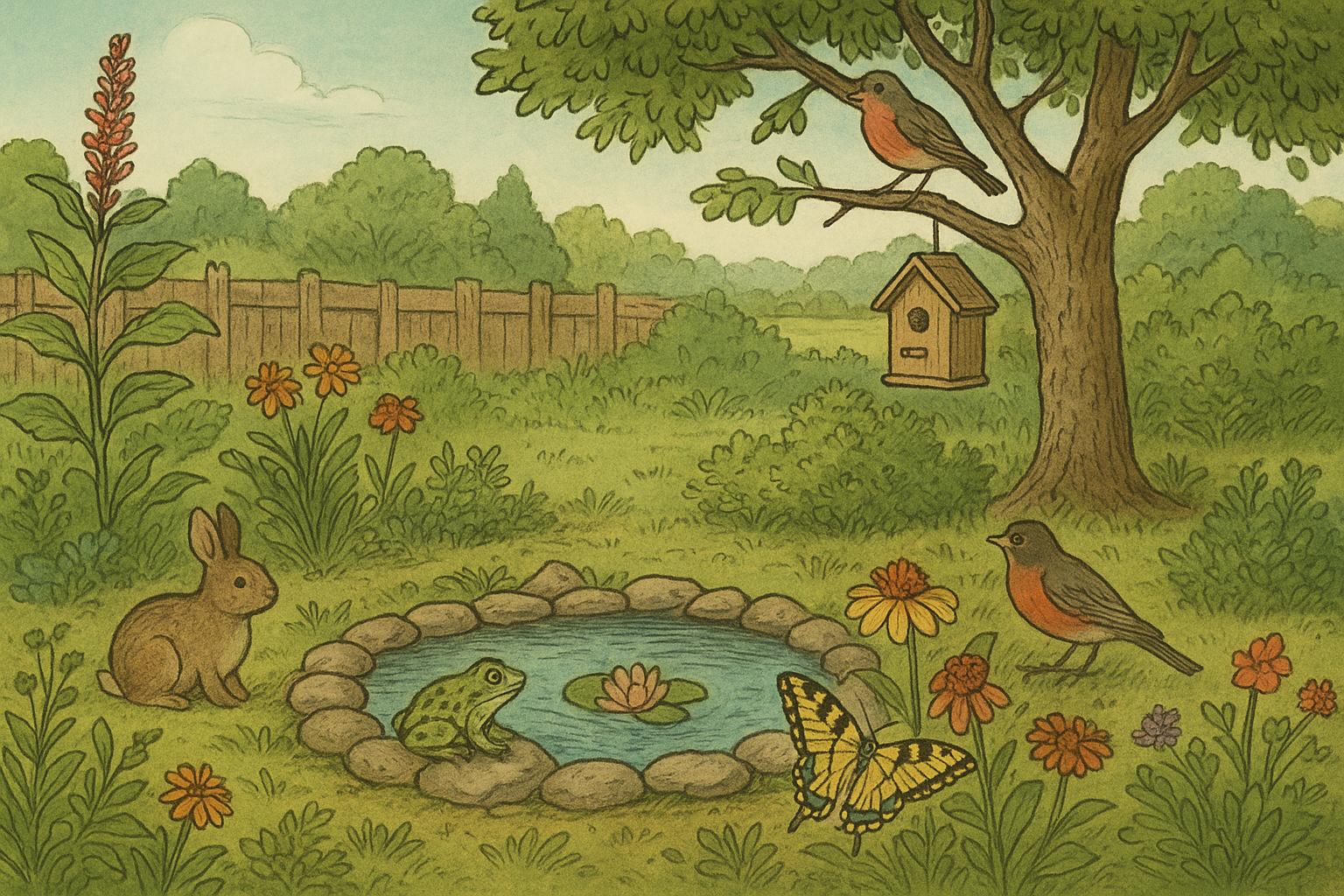
If you want more frogs, build habitat rather than introducing animals. This formal remedy creates a safe breeding site and supports local biodiversity.
Ingredients/Materials:
– Pond liner (EPDM or preformed pond basin)
– Shovel and soil
– Rocks and gravel
– Native aquatic plants (sedge, water lilies, marginal plants)
– Dechlorinated water (tap water left to sit 24–48 hours or a dechlorinator)
– Optional: small solar pump and fountain for circulation
– Netting or pond cover (temporary, to protect from predators while establishing)
Step-by-Step Creation:
1. Site Selection: Choose a low spot with partial sun—frogs like both sun and shaded refuge. Avoid areas with heavy pesticide use.
2. Shape And Excavate: Mark the outline and dig tiers and shelves at varying depths (6 inches to 2 feet) to support different plants and tadpole stages.
3. Install Liner: Place underlayment (optional), then lay liner ensuring folds aren’t creating deep creases. Smooth into the hole and secure edges with rocks.
4. Add Substrate And Plants: Place gravel on shelves, plant native species in containers or directly, and arrange rocks for basking and escape routes.
5. Fill With Dechlorinated Water: Slowly fill the pond. Avoid adding fish, which prey on tadpoles. Allow the pond to settle for a few days.
6. Establish And Monitor: Add a few marginal plants gradually. Check water levels, keep some shallow edges for young amphibians, and avoid chemical treatments.
Application And Maintenance:
– Maintain partial vegetation cover and keep one side with a gentle slope for easy frog access.
– Avoid introducing predatory fish. Monitor for algae; mechanical removal and planting more native vegetation are preferred over chemicals.
– In winter, if you’re in a climate where ponds freeze, maintain a small open area for gas exchange rather than fully removing ice.
## Remedy 2: Humane Frog Deterrent And Habitat Management (Materials And Steps)
Sometimes frogs become unwanted guests—croaking at night near bedroom windows or congregating indoors. This remedy focuses on humane deterrence and habitat modification.
Materials/Required Items:
– Fine mesh or hardware cloth
– Weatherproof sealant or door sweeps
– Garden rake and waste bin
– Outdoor lighting adjustments (lower-wattage bulbs, motion sensors)
– Mulch and rake for moisture control
Step-by-Step Creation And Application:
1. Reduce Moisture Sources: Fix leaky hoses and faucets, and improve drainage around foundations. Frogs are attracted to moist microhabitats.
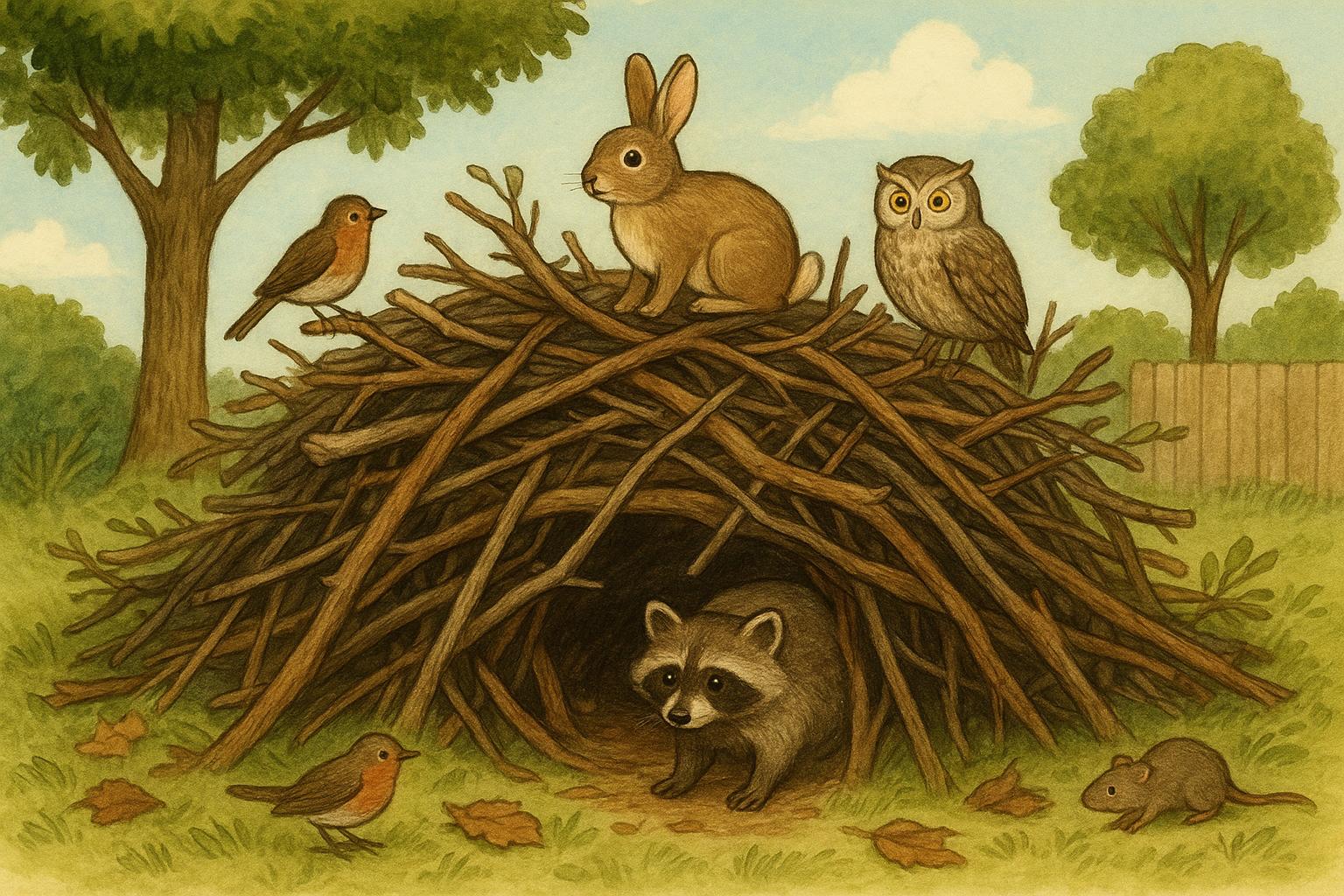
2. Eliminate Shelter: Clear piled leaves, stones, and wood stacks near foundations. Use a rake; dispose of debris in sealed bins or relocate to a compost area away from the house.
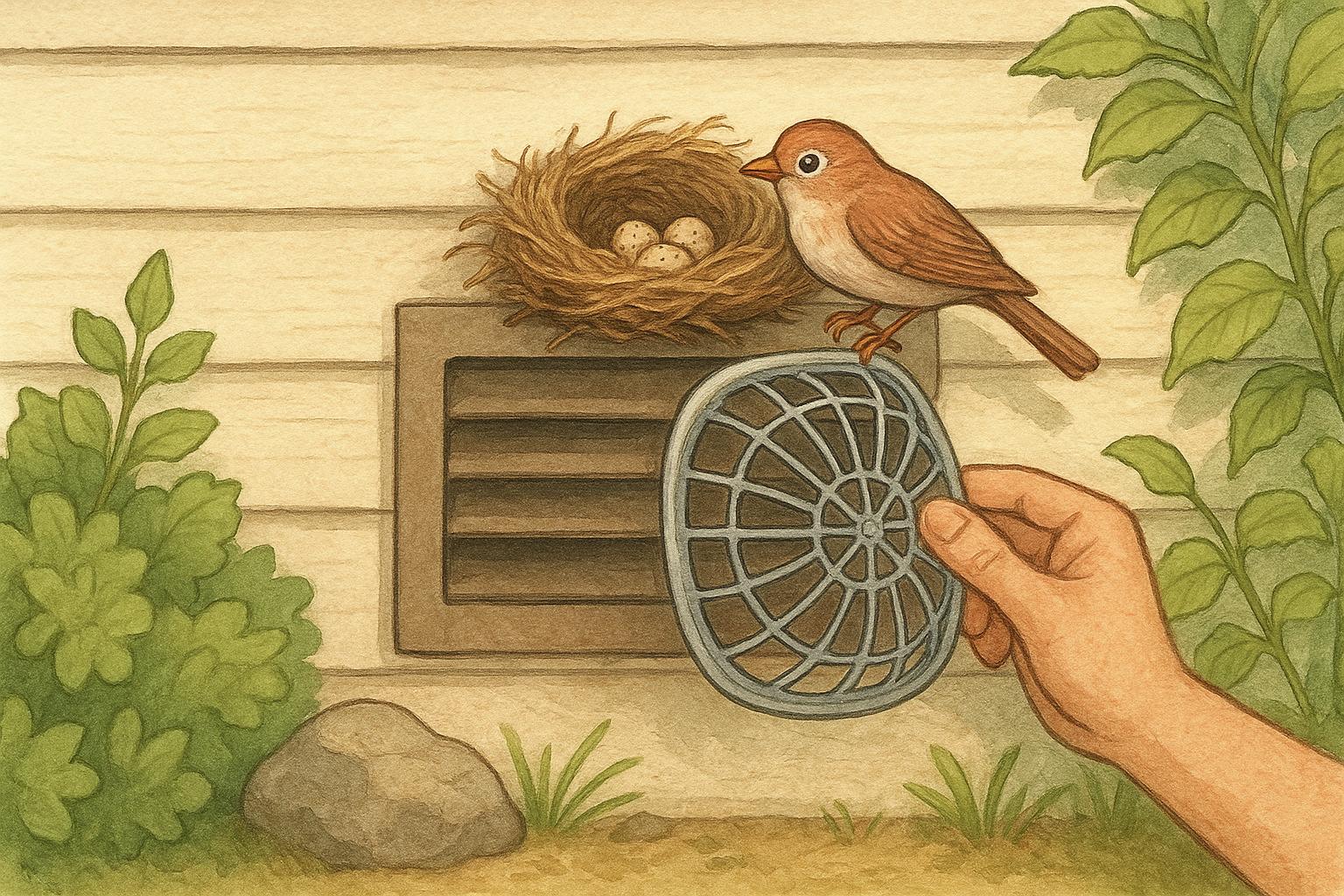
3. Seal Entry Points: Install door sweeps and use mesh to block gaps under eaves, vents, and crawlspace openings. Frogs will enter through surprisingly small holes.
4. Manage Lighting: Switch to motion-activated lights or lower-intensity bulbs near entryways. Excess light attracts insects, which attract frogs.
5. Create Unattractive Edges: Replace dense ground cover immediately adjacent to buildings with gravel or low-maintenance planting that stays drier and is less inviting.
Application Notes (Formal):
– These measures are nonlethal and effective when combined. Avoid chemical repellents or salt, which cause unnecessary harm.
– If relocation is necessary, check local wildlife regulations. Relocate frogs only a short distance to similar habitat; long-distance moves reduce survival chances.
– Monitor effectiveness seasonally and adjust moisture control during wet periods.
#### Legal And Ethical Considerations For Handling Wildlife
In many regions, frogs are protected or regulated. Before capturing, relocating, or otherwise interfering with amphibians, check local wildlife laws. Ethically, prioritize habitat modification and exclusion tactics over removal or lethal measures.
#### When To Call A Professional
If you encounter large numbers of tadpoles in water sources that pose a nuisance, or think a species might be invasive, consult local wildlife agencies or a licensed wildlife rehabilitator. Professionals can provide species-specific advice and handle relocations legally and humanely.
### Citizen Science And Reporting Observations
Contribute your frog sightings to citizen science platforms. Accurate records of frog identification, calls, and breeding activity help track population trends and inform conservation. Include a photo, location, date, and brief habitat notes.
### Quick Troubleshooting For Common ID Mistakes
People often mistake toads for frogs, or juvenile forms for different species. Remember that size changes through growth, and juvenile patterning can differ. When uncertain, focus on durable features: dorsolateral folds, toe pads, and call recordings.
You’re now equipped to make confident frog identification in your garden, decide whether to welcome new amphibian neighbors with a pond, or humanely deter visitors when necessary. If you want region-specific ID help, tell me your state or province and I’ll narrow the likely species list for your backyard.





Leave a Reply