
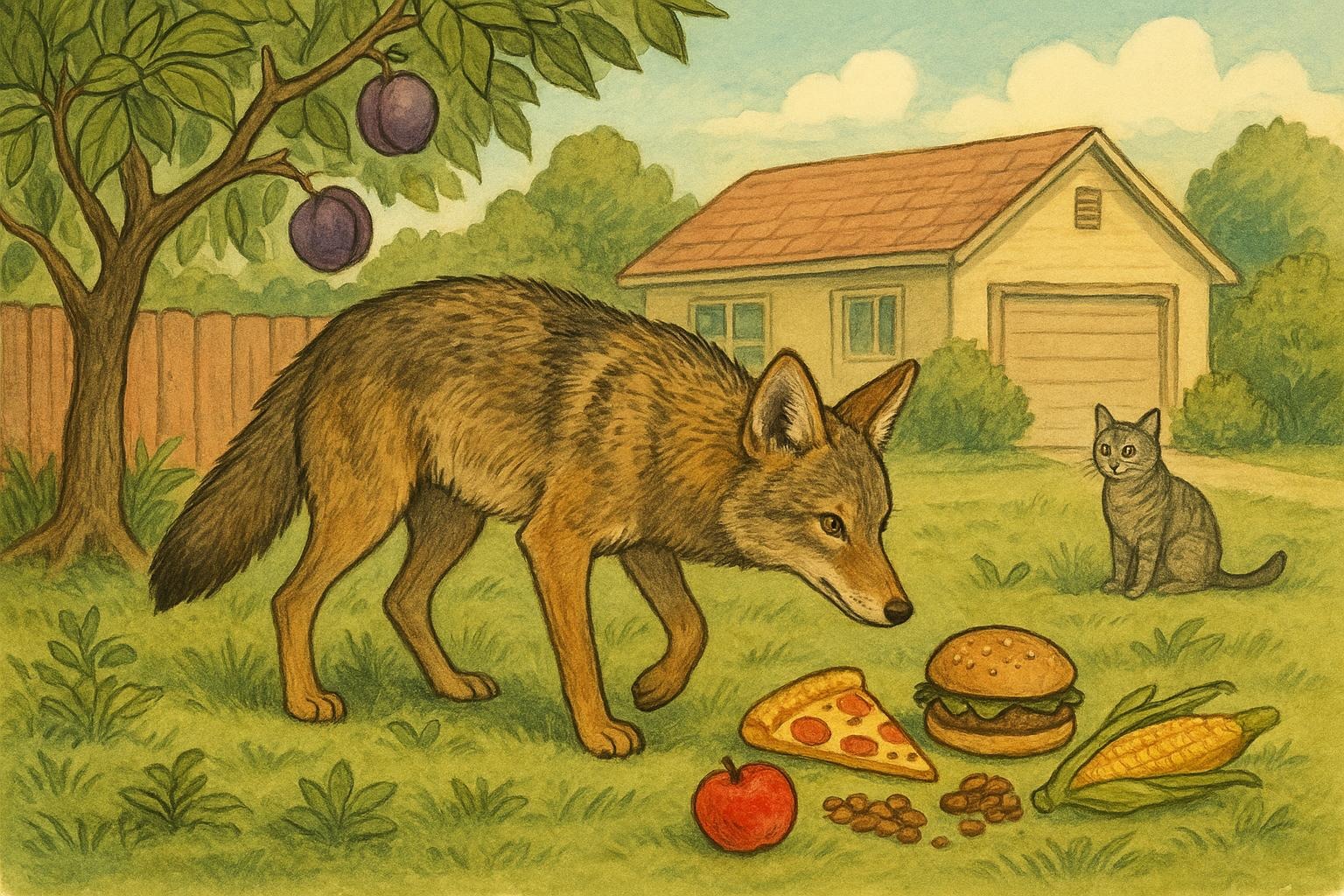
Coyotes are regular guests in many neighborhoods now — not because they read real estate listings, but because our yards often offer an easy living. If you’ve ever wondered what they’re actually eating when they slip through your backyard at dawn, you’re in the right place. We’ll walk through what constitutes a typical coyote menu, how to recognize their dining habits, and practical, sensible ways to make your property less tempting.
## Coyote Diet: What It Really Means In Your Yard
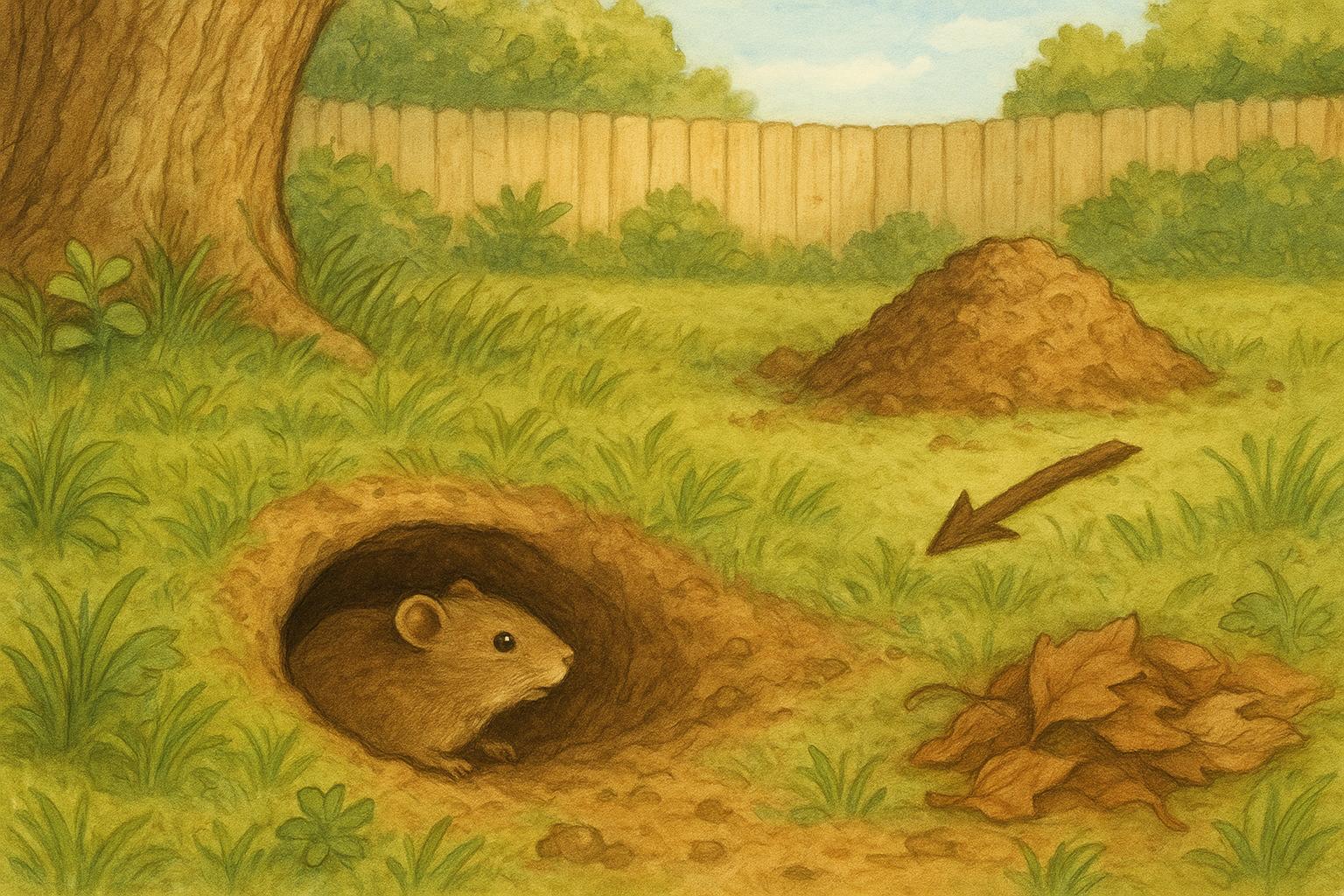
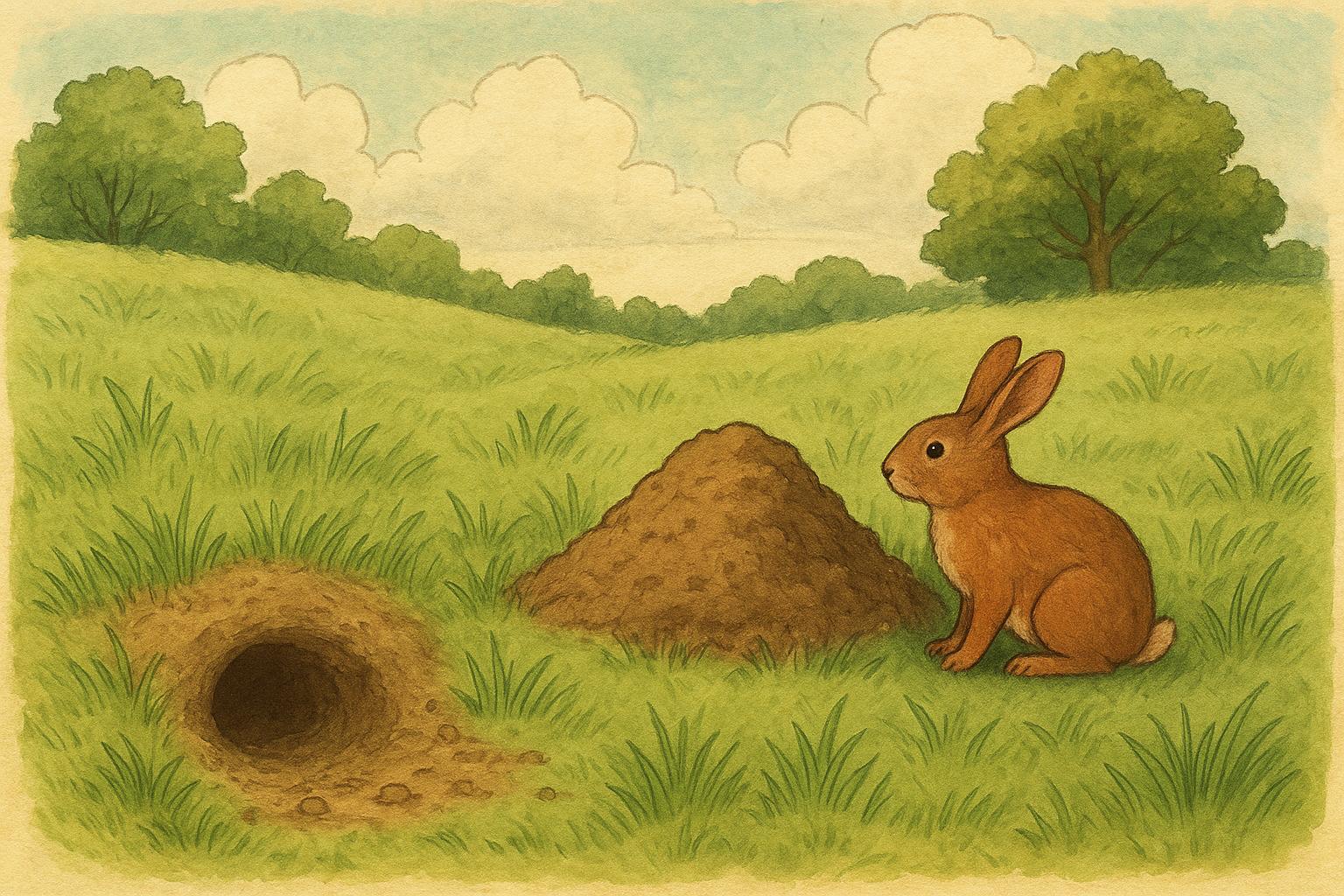
When people say “coyote diet,” they usually mean the full spectrum of items coyotes will eat in a suburban setting: small mammals (rabbits, voles, mice), birds, fruits, insects, carrion and, yes, the occasional human-sourced calorie like pet food or easily accessible trash. Coyotes are opportunistic omnivores — which is a polite way of saying they’ll happily sample whatever’s easiest to catch or scavenge.
### Seasonal Shifts In What Coyotes Eat
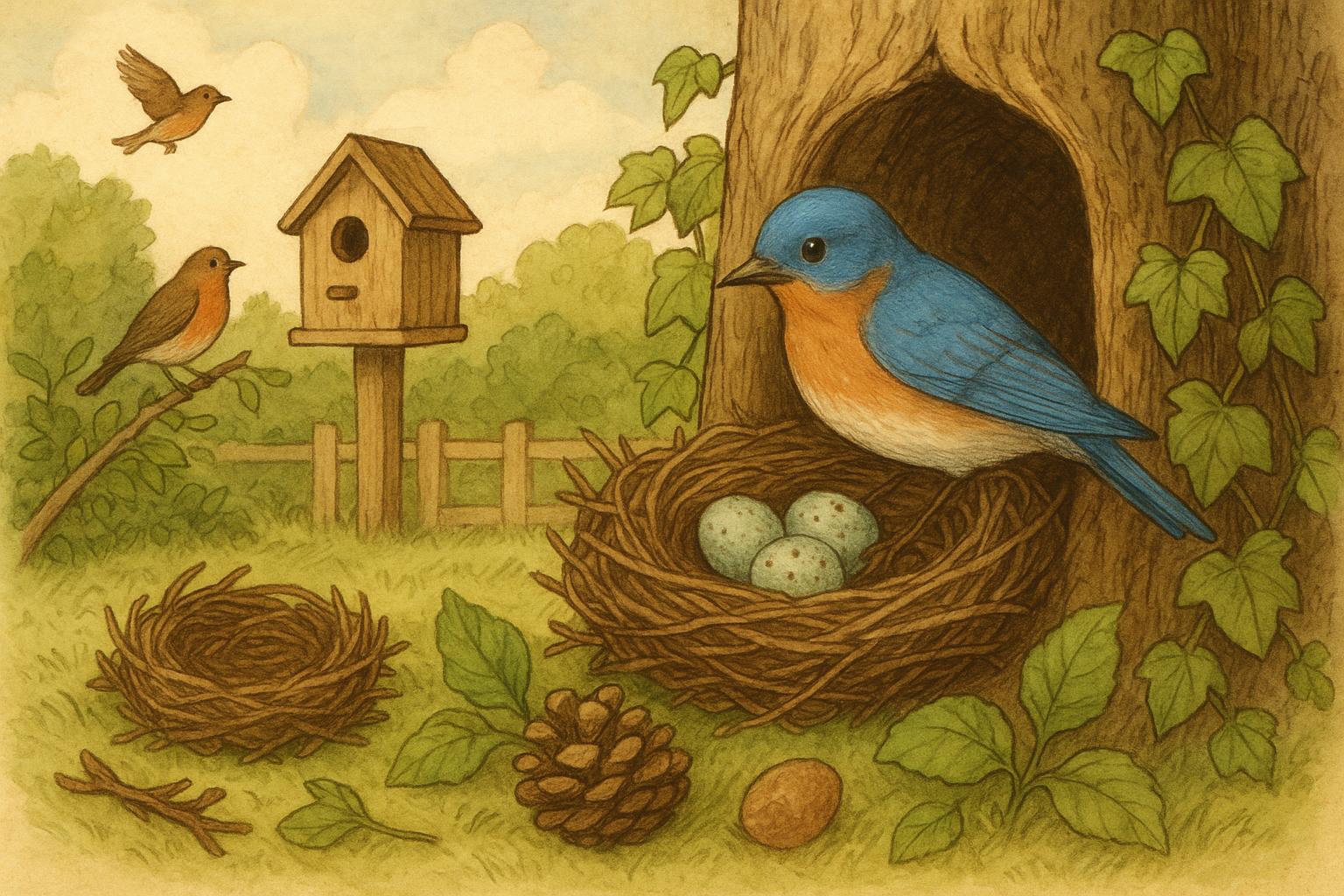
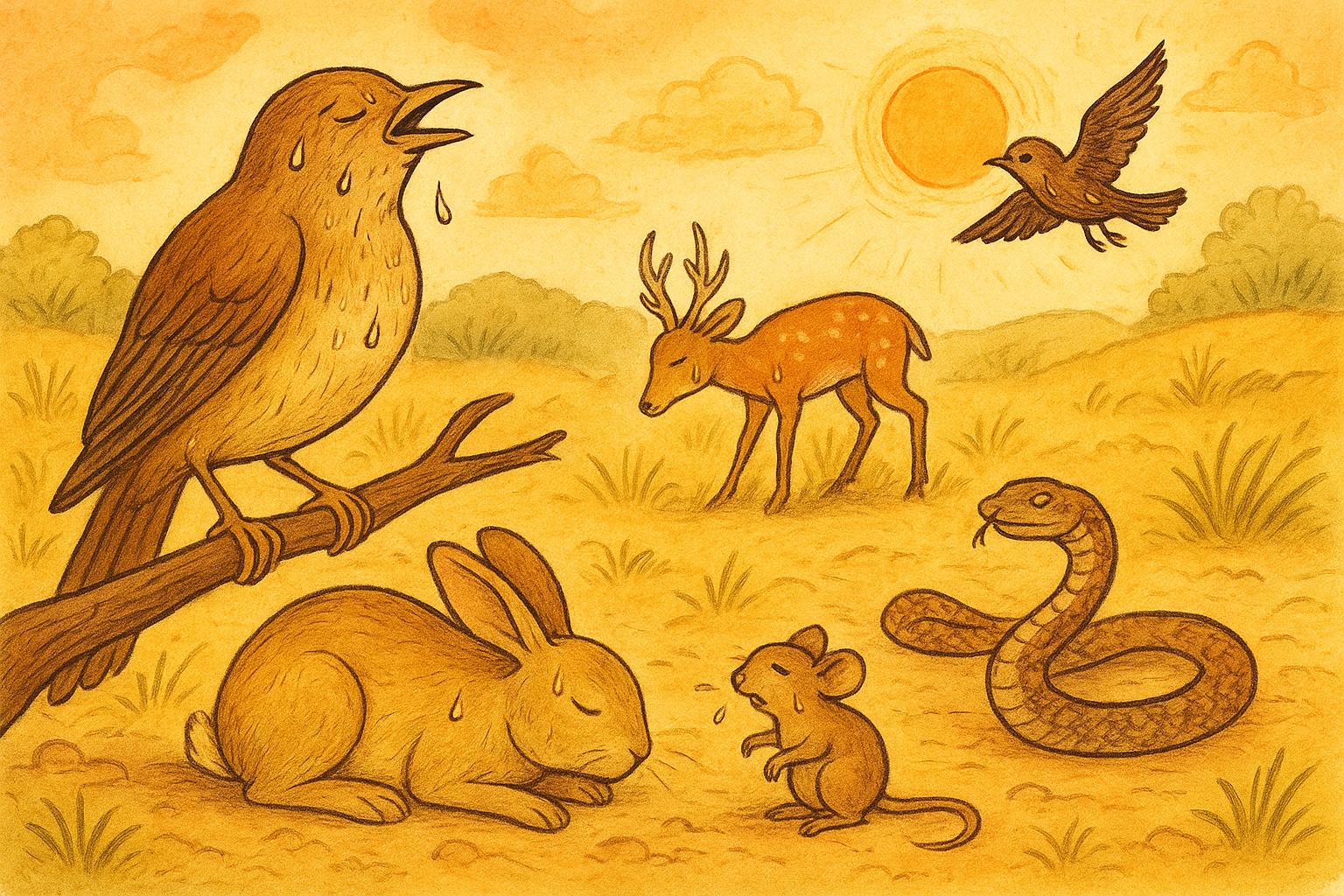
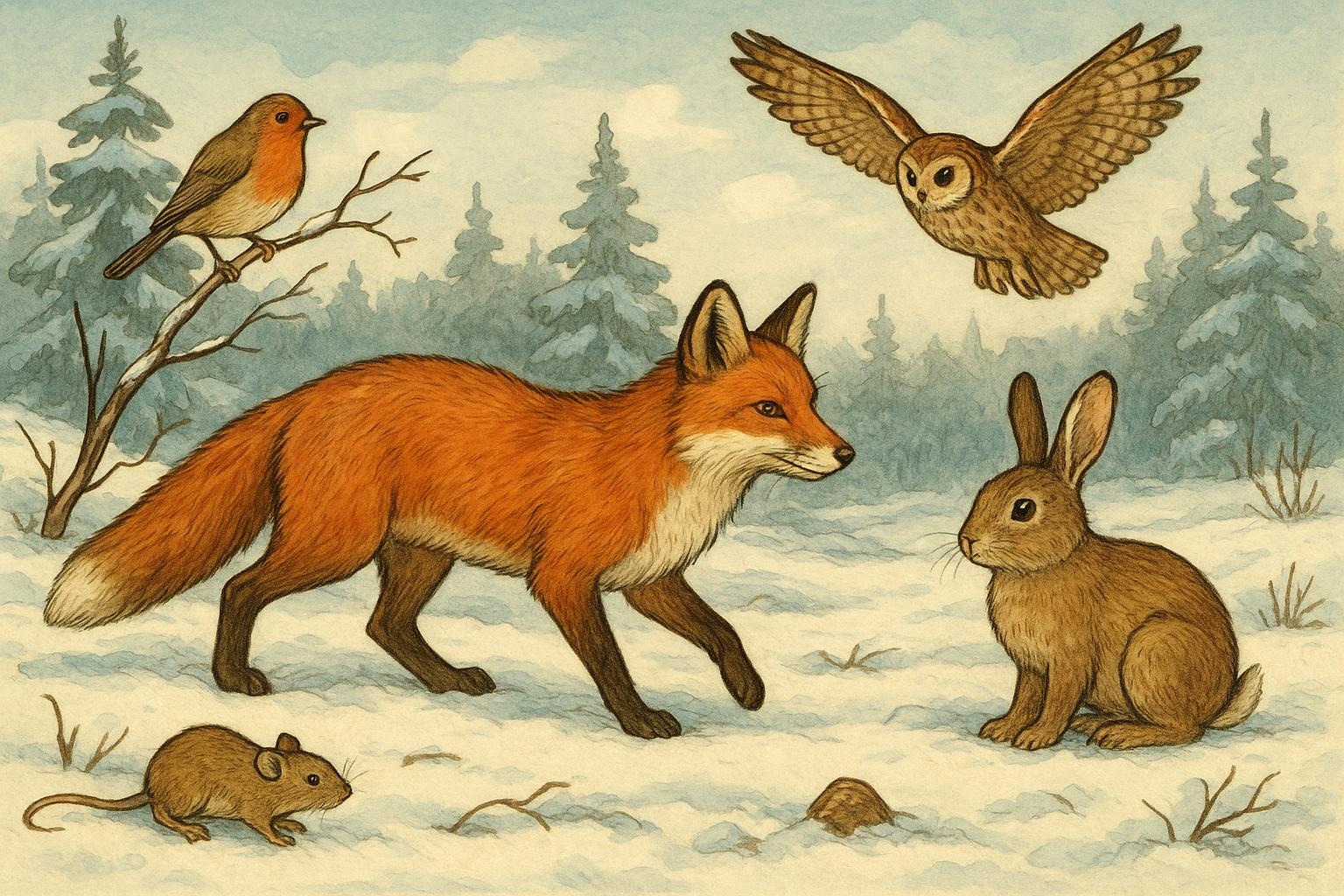
Coyote food choices change with the seasons. In spring and summer, they focus on small mammals and young birds because nests and dens produce a lot of vulnerable protein-rich prey. In late summer and fall, you’ll see them eating more fruit and insects as those resources peak. Winter forces them to work harder for meat, so they’ll rely more heavily on rabbits, rodents and carrion. Understanding these seasonal rhythms helps explain why you might notice more activity at certain times of year.
### How Human Habits Change The Coyote Diet
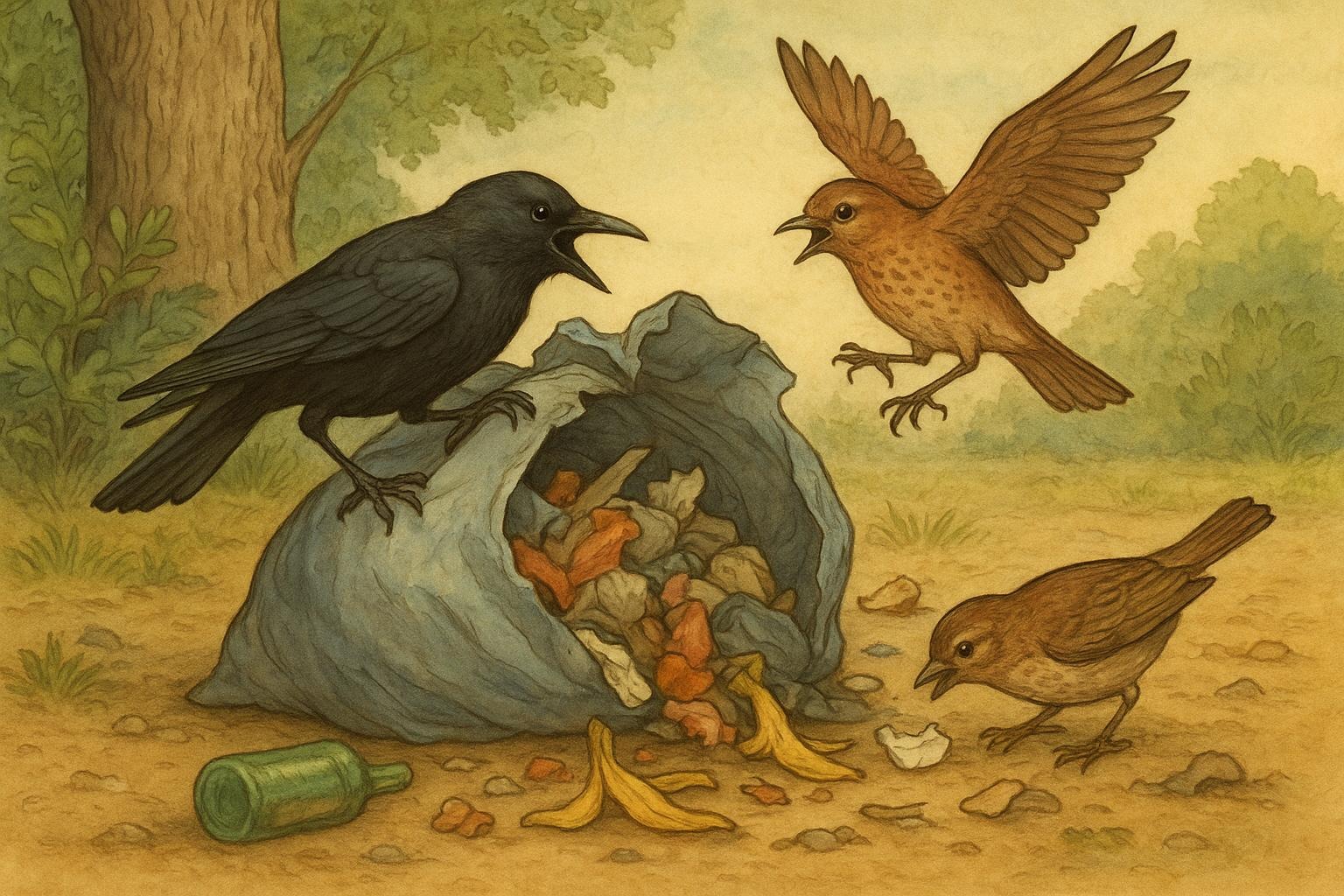
Human behavior can dramatically alter a local coyote diet. Leaving pet food outdoors, failing to secure garbage, or community compost piles that aren’t coyote-proof effectively add predictable, high-calorie items to their menu. Once coyotes associate a yard with an easy meal, they’ll test boundaries repeatedly. That’s why changing human practices is often the most effective management strategy.
### Signs In The Yard That Reveal Dietary Choices
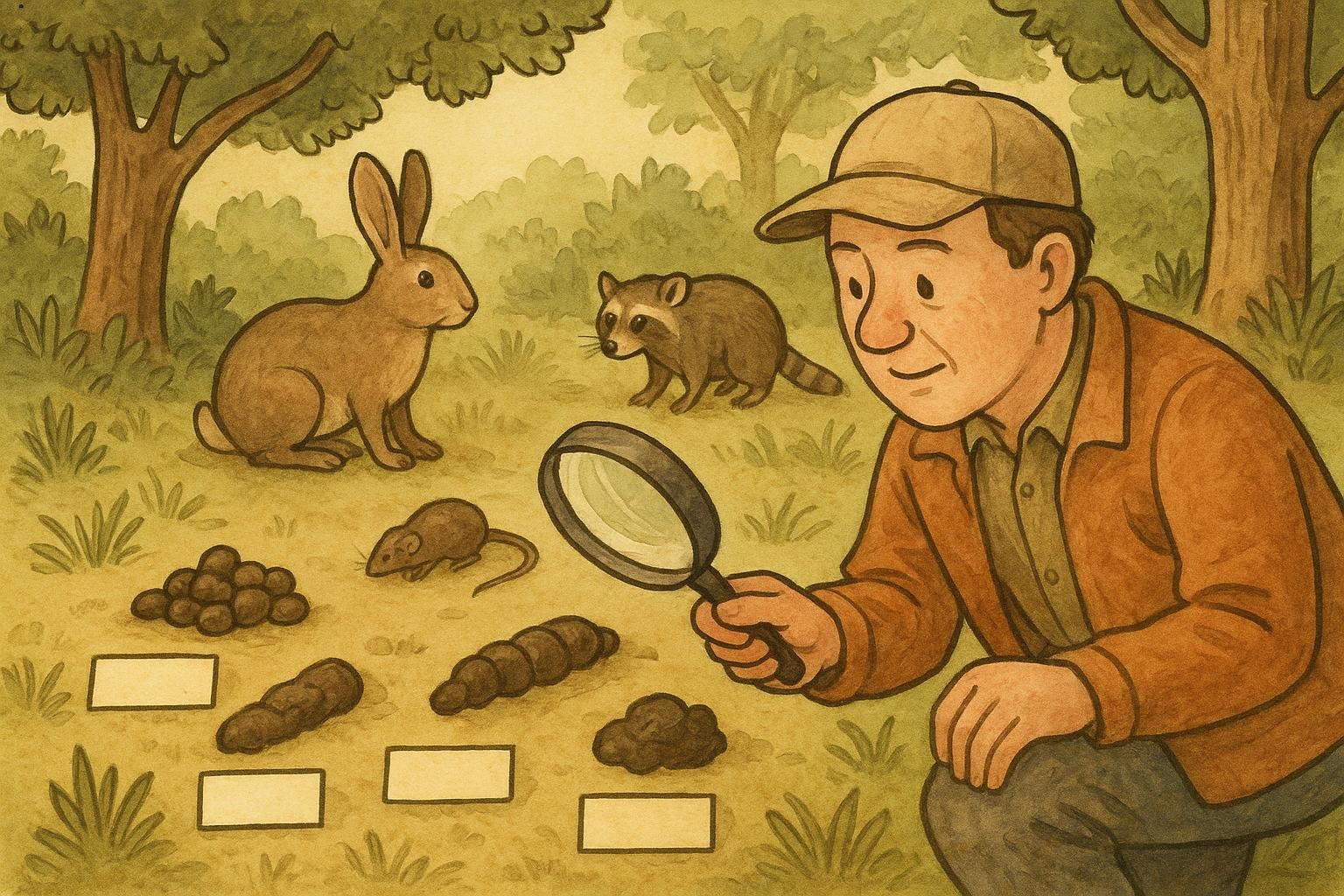
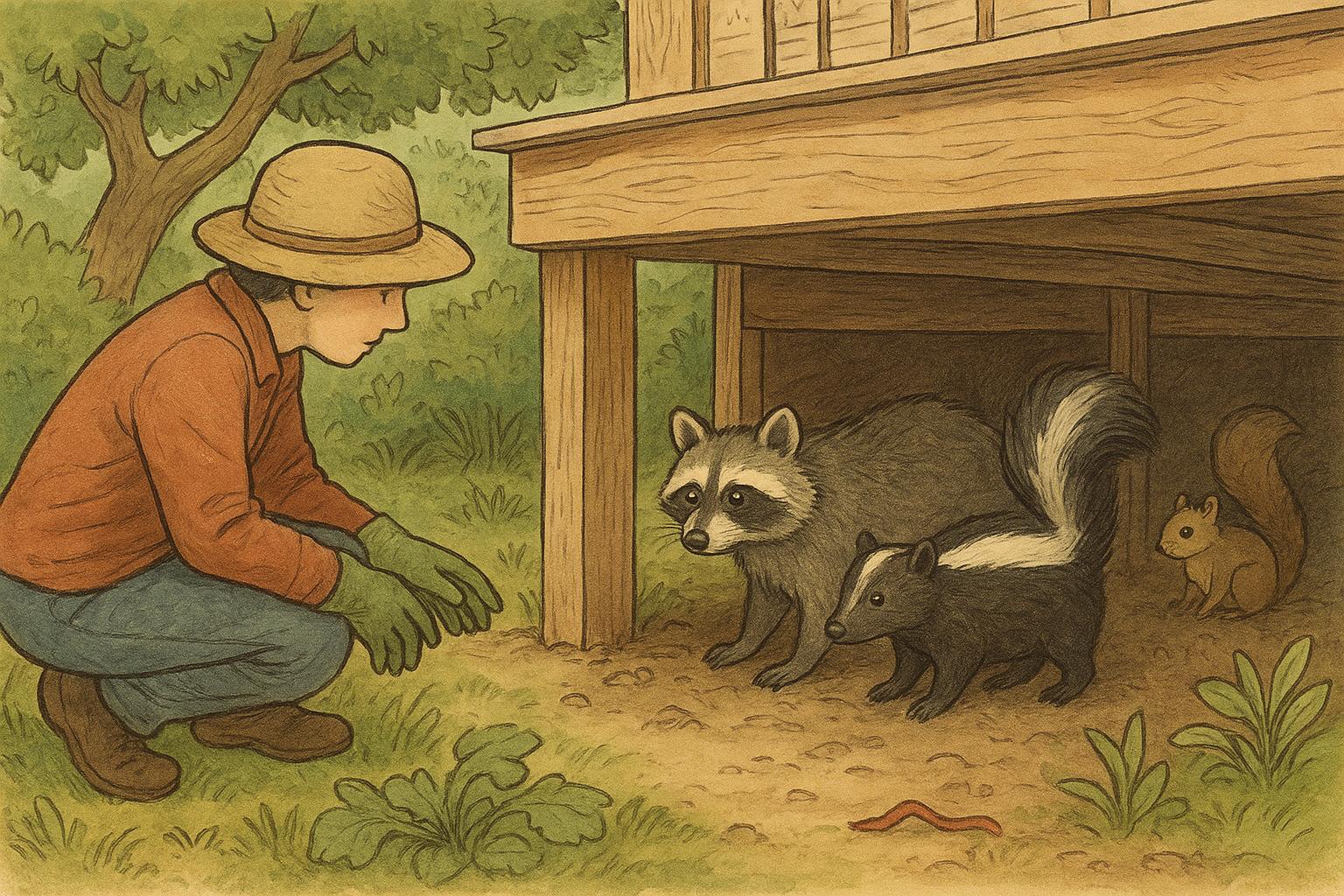
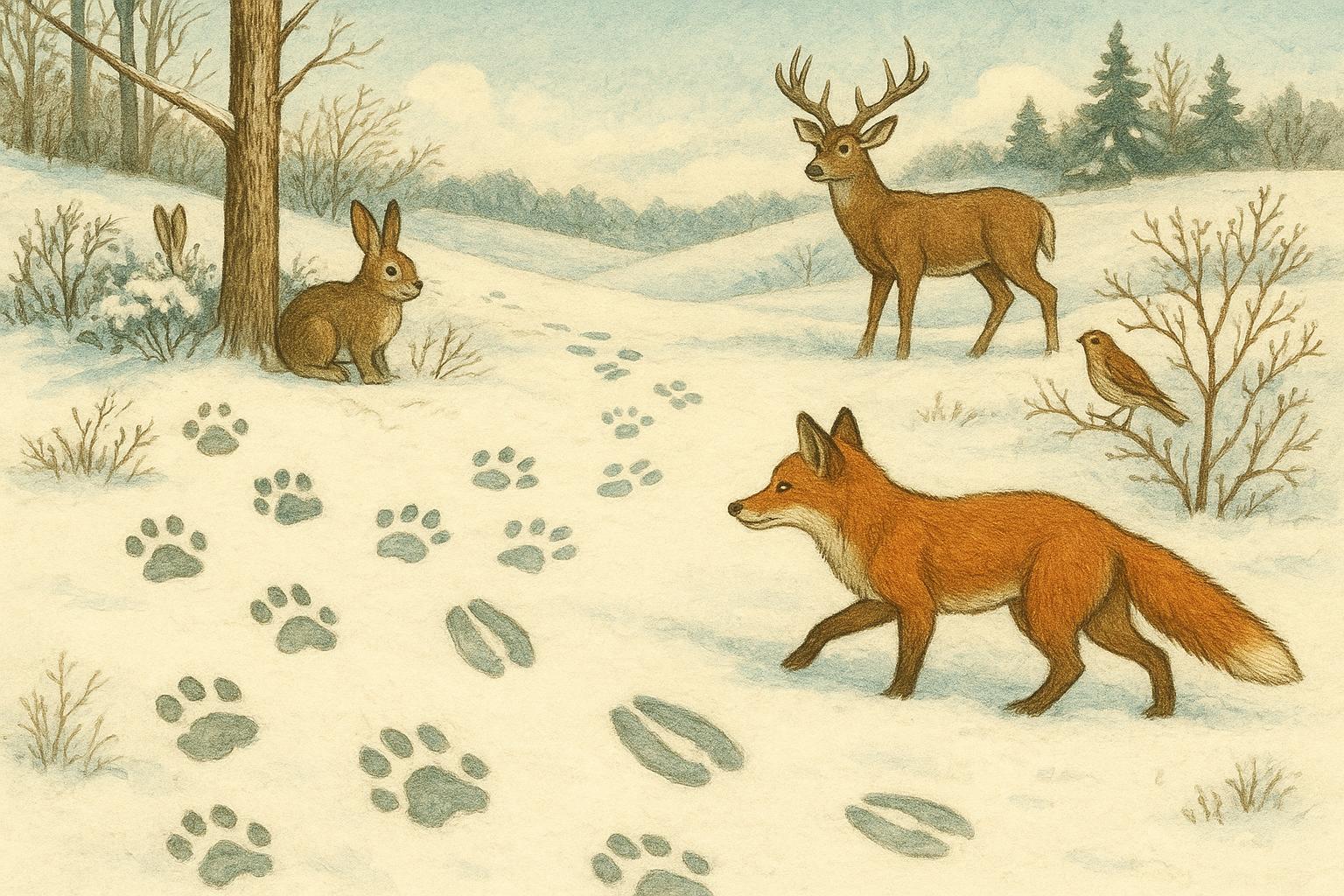
You don’t need a biology degree to infer what coyotes are eating. Scat (their poop) is the most reliable clue: it can contain fur, bones, feathers, fruit seeds, and insect parts. Tracks near a recently disturbed compost pile or raccoon den can be a sign they’re foraging. Carcass presence, like roadkill consumed at the edge of your property, also informs local behavior. Learning to read these signs helps you tailor responses to what’s actually drawing them in.
#### What To Look For In Scat And Tracks
Scat that contains seeds or berry skins suggests fruit foraging; lots of fur and bone means active predation; chicken feathers or torn small bird carcasses indicate poultry risk. Tracks in soft soil or mud will show a coyote’s narrow, oval print with a visible knuckle drag; measuring stride and track width can help differentiate from dogs.
## Remedy 1: Secure Food Sources (Materials And Steps)
When addressing coyote issues, the single most effective remedy is eliminating attractants. This section is a practical, formal guide to removing the easy calories that encourage coyotes to stick around.
Materials Required:
– Heavy-duty trash cans with locking lids or bungee cords
– Pet food storage container (airtight, durable)
– Sturdy compost bin with a secure lid (preferably metal or high-density plastic)
– Motion-activated outdoor lights and/or one or two motion-activated sprinklers
– Educated household routine (schedules for feeding pets and taking out garbage)
Step-by-Step Application:
1. Store All Pet Food Indoors: Keep dry and wet pet food inside. Feed pets indoors when possible. If feeding outdoors is necessary, place food down only during supervised times and remove leftovers immediately.
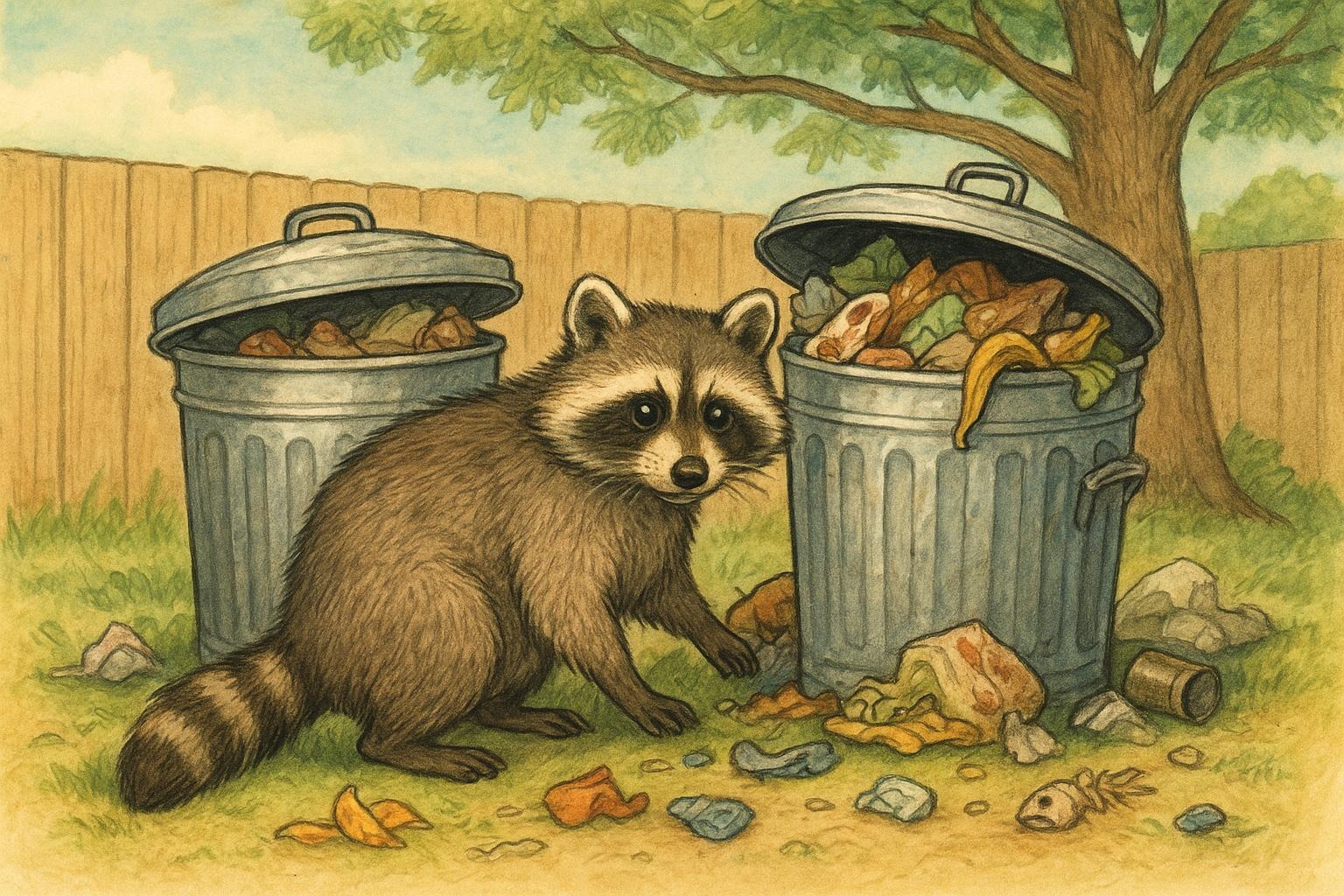
2. Secure Trash: Replace flimsy bags with trash cans that lock or are latched. Use bungees or straps if lids are prone to lifting. Schedule morning pickup if possible so trash isn’t left curbside overnight.
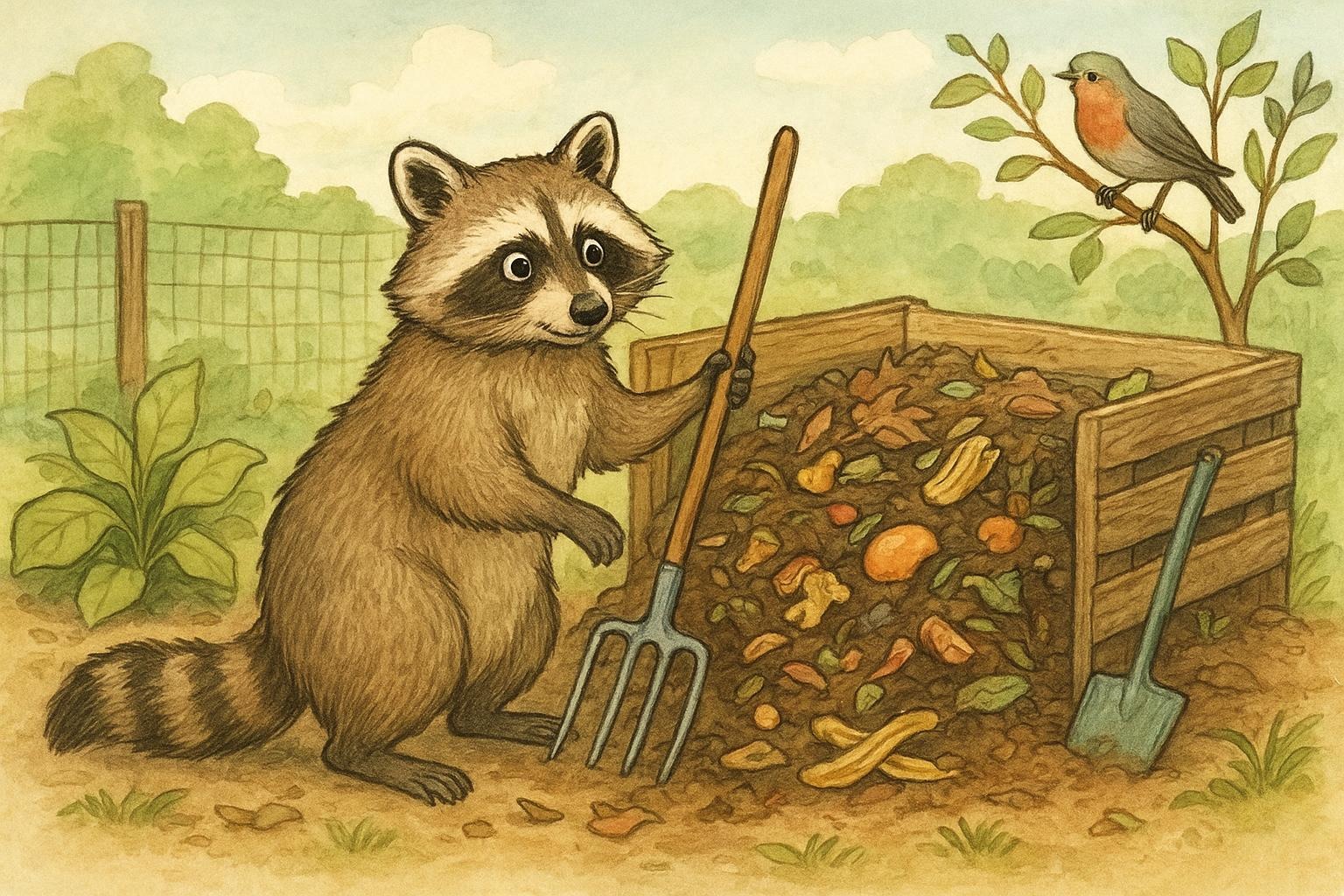
3. Manage Compost: Use a compost bin designed to exclude animals. Avoid adding meat or fatty food scraps that attract scavengers. If you must compost food scraps, use a municipal or enclosed service.
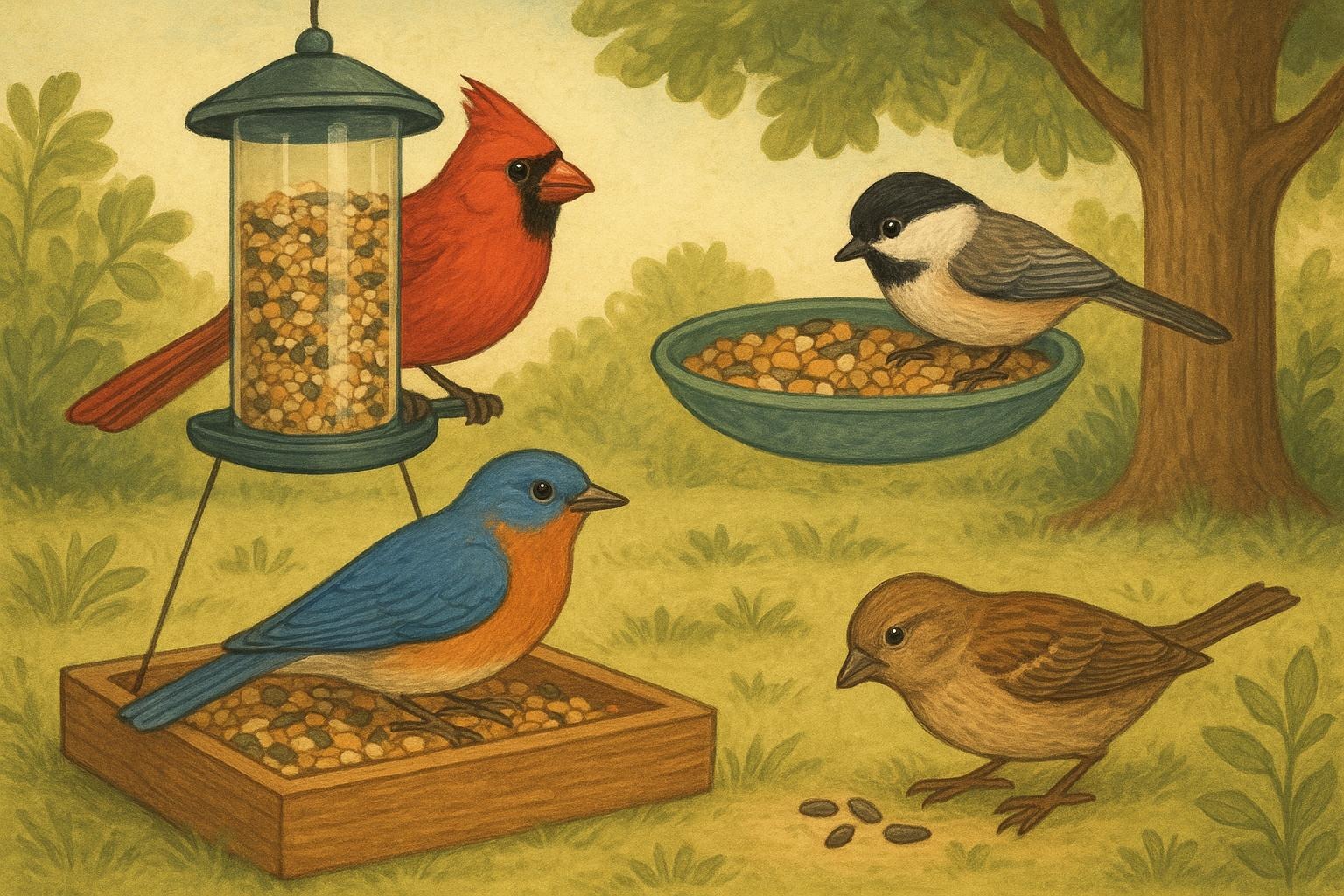
4. Remove Bird Seed Spillage: Finch and sunflower seed drop under feeders becomes rodent bait, which in turn attracts coyotes. Place feeders over trays and clean spilled seed regularly.
5. Use Motion Devices: Install motion-activated lights or sprinklers at likely entry points. These interrupt habituation by making the yard less predictably safe.
6. Educate Household Members: Ensure everyone knows the plan: don’t leave food outside, secure doors, and keep pet doors locked at night.
## Remedy 2: Habitat Modification And Fencing (Materials And Steps)
Changing the landscape to make it less hospitable is a long-term strategy. This remedy is more structural and formal; details matter.
Materials Required:
– Rolled chicken wire or welded wire mesh (minimum 6 feet high; heavier gauge for digging resistance)
– Wooden or metal stakes and durable fasteners
– Gravel or hardscape materials for strip under fence (for digging deterrent)
– Native low-growing shrubs (avoid dense brush that provides cover)
– Outdoor lighting with timers
Step-by-Step Application:
1. Assess Entry Points: Walk your property at night or dawn to locate likely coyote paths and areas of dense cover where they rest.
2. Install Proper Fencing: A fence should be at least 6 feet high with an outward-facing overhang or a 45-degree top skirt to deter jumping. Bury mesh 12–18 inches deep or create a gravel strip to discourage digging.
3. Remove Concealment: Trim back dense shrubs and tall grass near foundations, sheds, and fence lines. Coyotes prefer to remain unseen while hunting or resting.
4. Create Clear Sightlines: Strategic pruning and low plantings reduce ambush opportunities and make your yard less appealing as a resting spot.
5. Reinforce Gates and Small Openings: Ensure there are no gaps pups or agile coyotes can exploit. Regularly check fastenings and wear points.
## Remedy 3: Deterrence Tools And Personal Safety Protocols (Materials And Steps)
Deterrence should be humane, legal and predictable. This remedy focuses on tools and human behavior to reduce conflicts.
Materials Required:
– Air horns or handheld noisemakers
– Bright LED flashlights for night-time encounters
– Personal walking stick or umbrella (for increasing perceived size)
– Leashes for pets (no retractable leashes for coyote-prone areas)
– Local wildlife or animal control contact info
Step-by-Step Application:
1. Train Yourself To Deter: If you encounter a coyote, make loud noises, wave your arms, and approach confidently to re-establish the animal’s natural wariness. Never run.
2. Walk Pets Responsibly: Keep dogs on short, sturdy leashes and cats indoors. Do not allow small dogs to run free at dawn or dusk; coyotes view them as potential prey.
3. Use Noisemakers Strategically: Carry an air horn or whistle on evening walks in high-activity areas. Use them to scare coyotes away from yards that become repeated sources of conflict.
4. Implement Community Reporting: If coyotes show non-fearful behavior (coming close to people, stealing pets), document occurrences and report them to local wildlife authorities so professionals can assess habituation risk.
5. Avoid Illegal Harassment: Follow local wildlife regulations. Deterrence should aim to change coyote behavior without causing harm.
### When To Involve Professionals
If coyotes appear aggressive, show no fear of humans, or are taking pets despite mitigations, contact local animal control or wildlife agencies. Professionals can evaluate whether relocation, targeted hazing programs, or other measures are warranted.
### Practical Expectations And A Little Humor
Coyotes aren’t movie villains — they’re adaptable neighborhood residents with a taste for convenience. You can’t stop all wildlife visits, but you can change the menu. Make your yard a boring buffet and the coyotes will look elsewhere. Think of it as turning your backyard from a five-star roadside diner into a no-frills coffee shop: still there, but nobody’s making a reservation.
Keep an eye on seasonality, remove temptations, and use reputable deterrent measures. If you follow these steps, you’ll shift the local coyote diet away from human-sourced snacks and reduce the chance of unwelcome encounters — all while coexisting with these clever, resourceful animals.



























Leave a Reply