

Welcome! If you’ve ever wondered why some critters vanish from your backyard when the thermometer dips, you’re in the right place. This relaxed guide will walk you through which creatures go into deep snooze mode, how to tell when they’re actually hibernating, and—most importantly—how to observe these hidden lives safely without wrecking their winter plans. There might be a little humor along the way (think “do not knock on a bear’s door”), but the practical tips are earnest and useful.
## What Animals Hibernate And How To Observe Them Safely
Understanding who actually sleeps away the cold is the first step to being a considerate wildlife neighbor. Many people think “animals hibernate” and picture a cartoon bear curled up for months. In reality, hibernation is a spectrum: some species enter true, long-term torpor while others have shorter, shallower dormancy periods. Still, whether it’s a frog tucked under a pond’s muck or a bat in a cave, the principle is the same—energy conservation until food returns.
### How Hibernation Works
Hibernation involves dramatically reduced metabolic rate, slowed heart rate, and lowered body temperature. Not every animal that “disappears” in winter is a hibernator. Some migrate, some remain active year-round under snow, and some enter short bouts of torpor to ride out cold snaps. When you read about animals hibernate, remember that physiology and behavior vary by species and climate.
#### Torpor Vs. True Hibernation
Torpor can be nightly or for a few days—think small birds and tiny mammals that conserve energy during cold nights. True hibernation, as seen in some rodents and bats, lasts weeks to months. Bears are often cited as classic hibernators, but technically they experience a lighter form of dormancy (denning) that differs physiologically from small-mammal hibernation.
### Common Backyard Hibernators
You’re more likely to encounter these in suburban and rural yards:
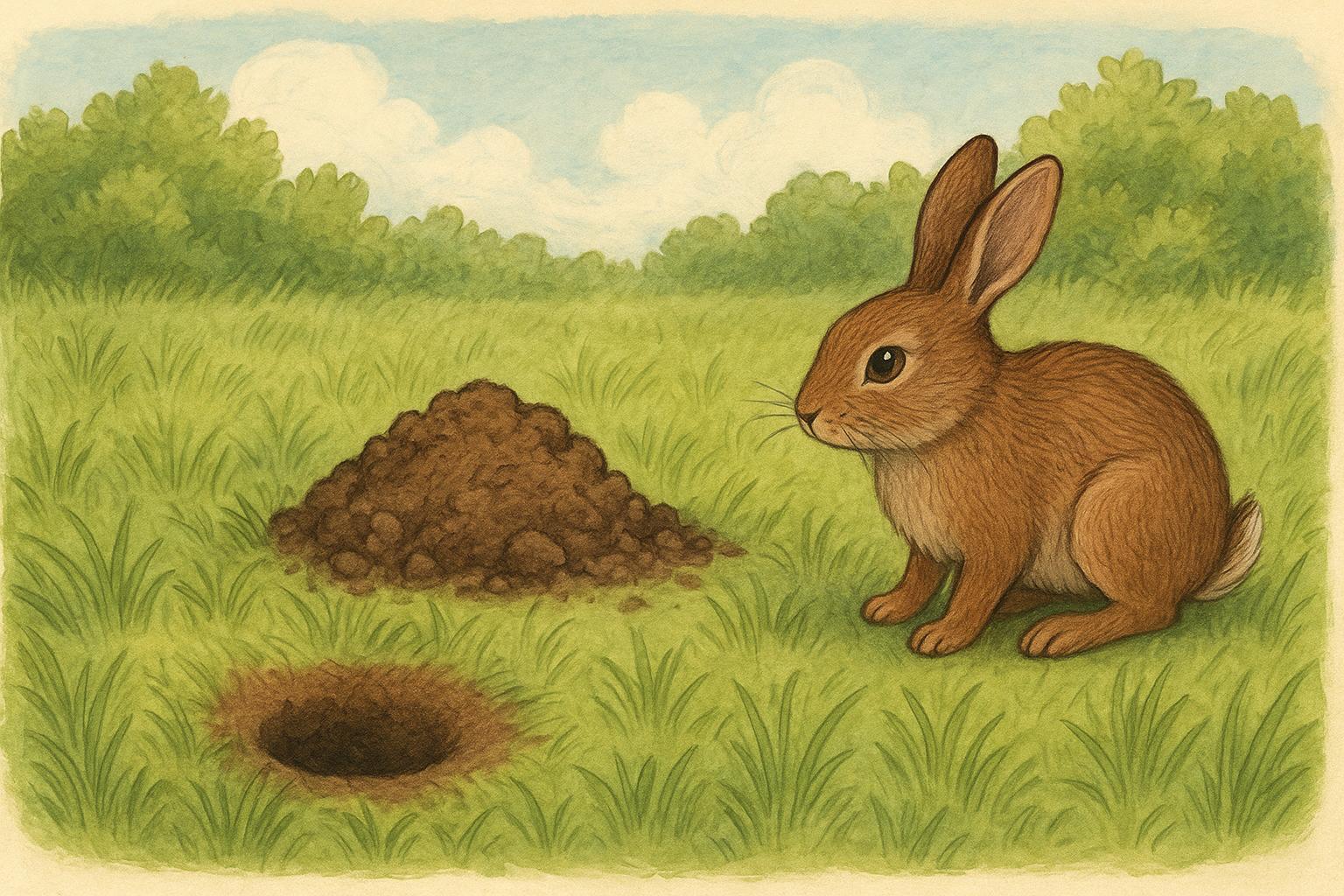
– Groundhogs (woodchucks) — classic sleepers in burrows.
– Certain rodents (chipmunks, some mice) — some species enter prolonged dormancy.
– Bats — many species hibernate in caves, attics, or tree cavities.
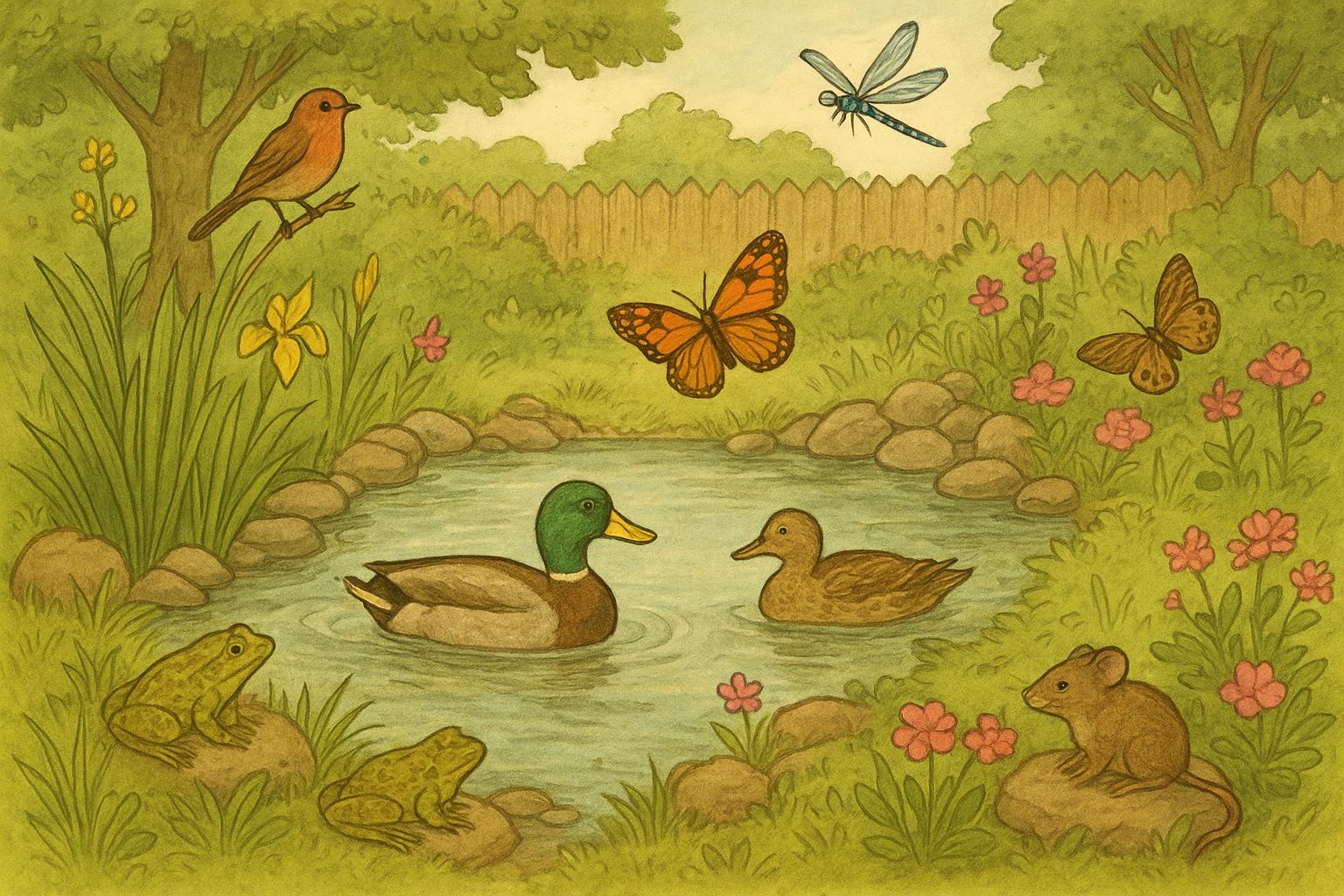
– Turtles and frogs — many aquatic and semi-aquatic species overwinter at the bottom of ponds.
– Insects (ladybugs, some bees) — cluster in sheltered spots.
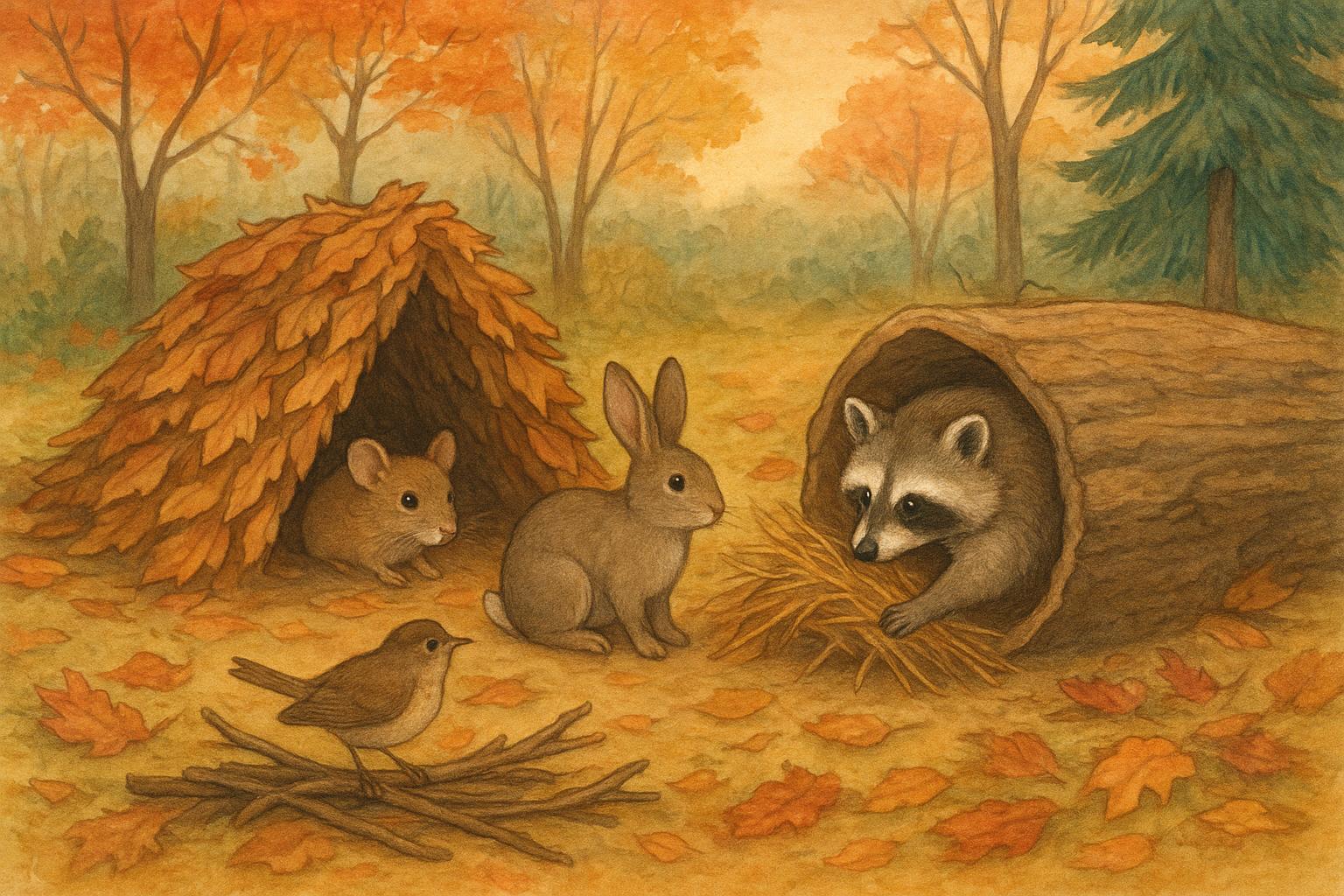
– Hedgerow species like hedgehogs (in some regions) — hibernate in nests of leaves and debris.
Whenever you wonder whether animals hibernate in your area, check local wildlife resources or a state wildlife agency—they’ll tell you which species to expect and where they’re likely to be.
### Ethical Observation: Do’s And Don’ts
If you want to watch nature’s winterers, follow these friendly rules: keep a respectful distance, avoid any action that forces an animal to wake prematurely, and never relocate a den or hibernaculum. Disturbance can be deadly—waking a hibernator uses stored fat, reducing survival odds. Use binoculars, trail cameras, or quietly observe from indoors. If you see an animal that appears sick or truly abandoned, contact a licensed wildlife rehabilitator rather than attempting rescue yourself.
#### Signs A Hibernation Site Is Present
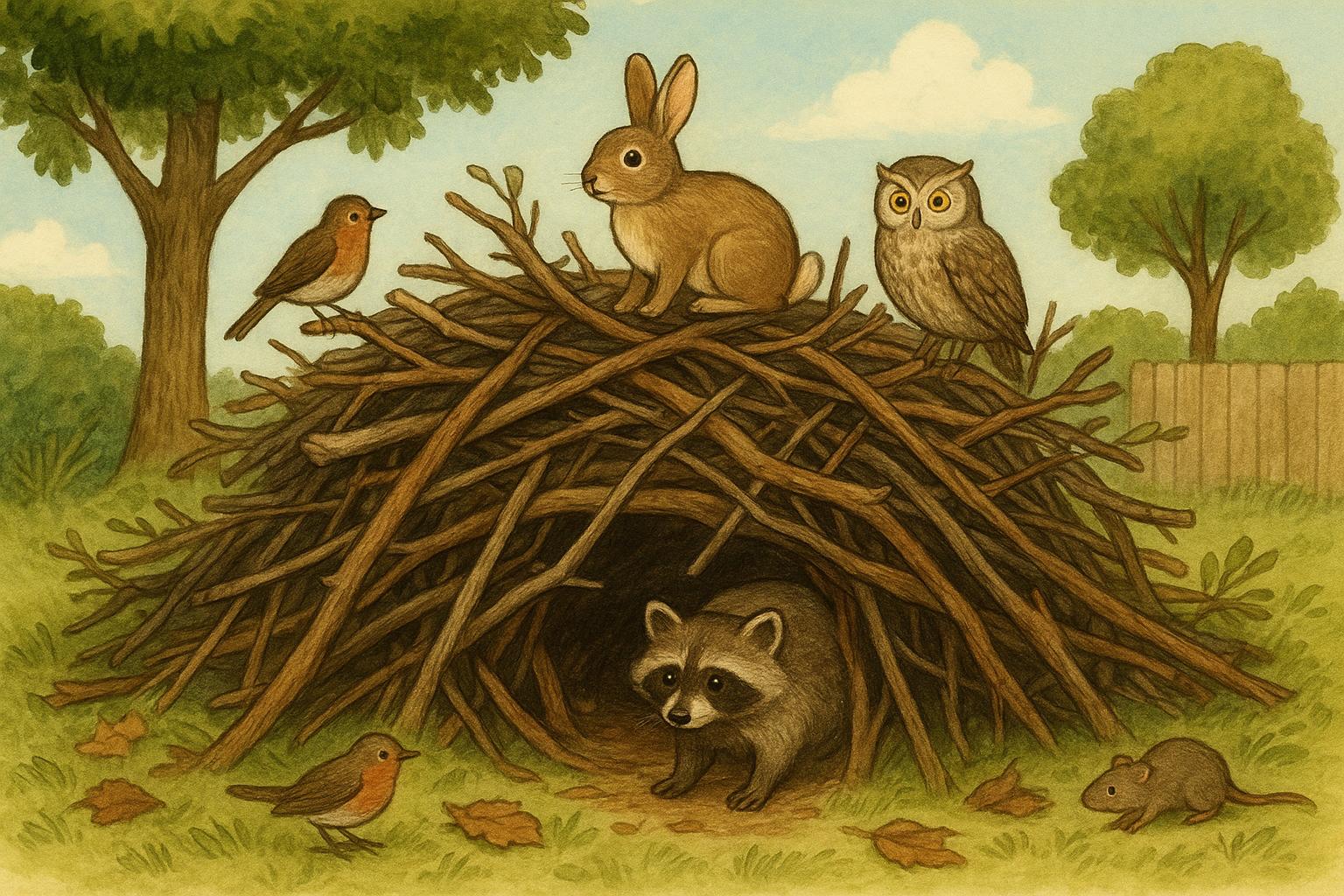
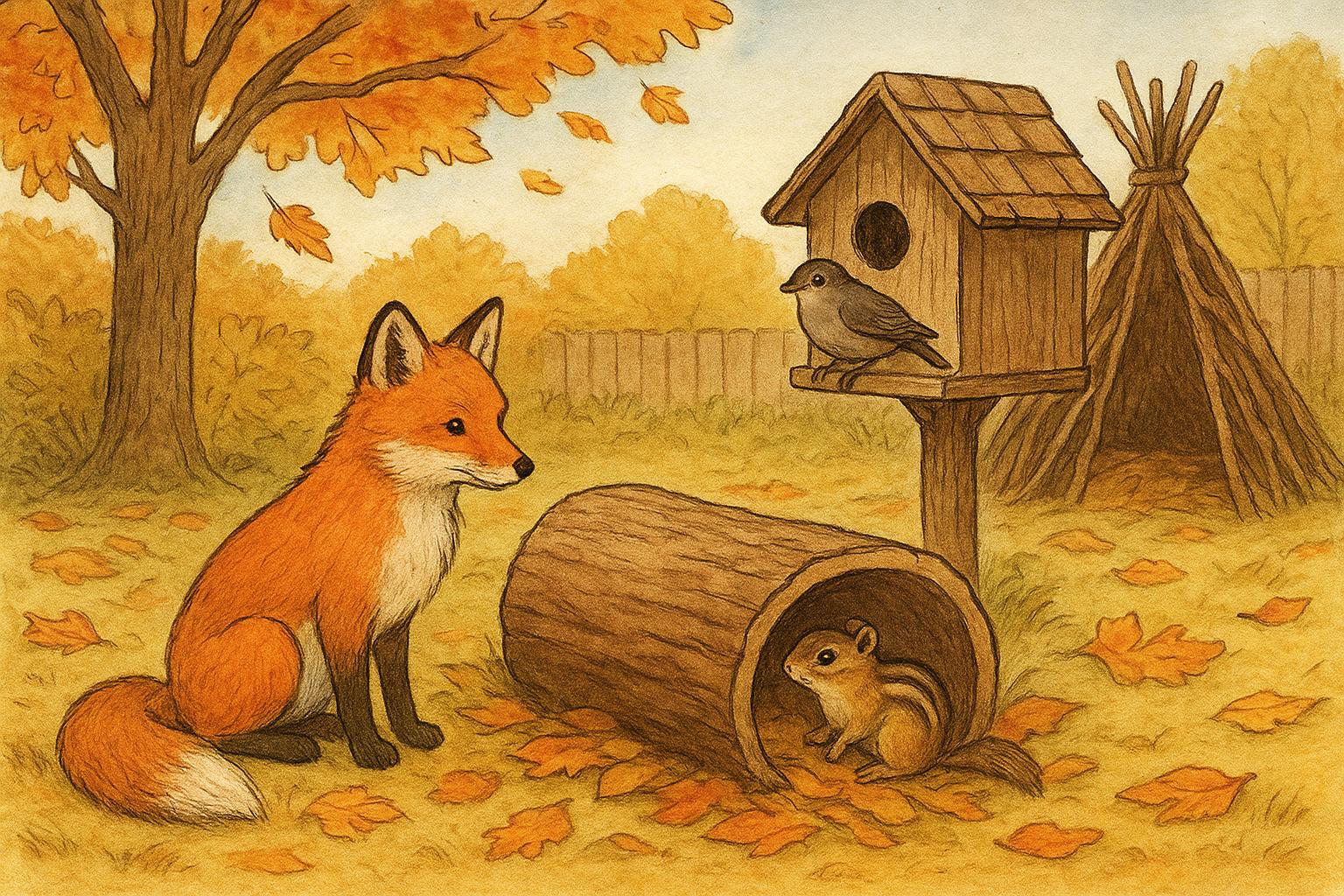
Look for subtle clues: small, well-hidden burrow entrances, clusters of leaves and twigs piled in sheltered spots, or a congregation of insects under eaves. For aquatic species, a lack of surface movement and springtime emergence are telltale. Always observe without touching or clearing these sites.
## Building A Safe Hibernaculum For Small Wildlife
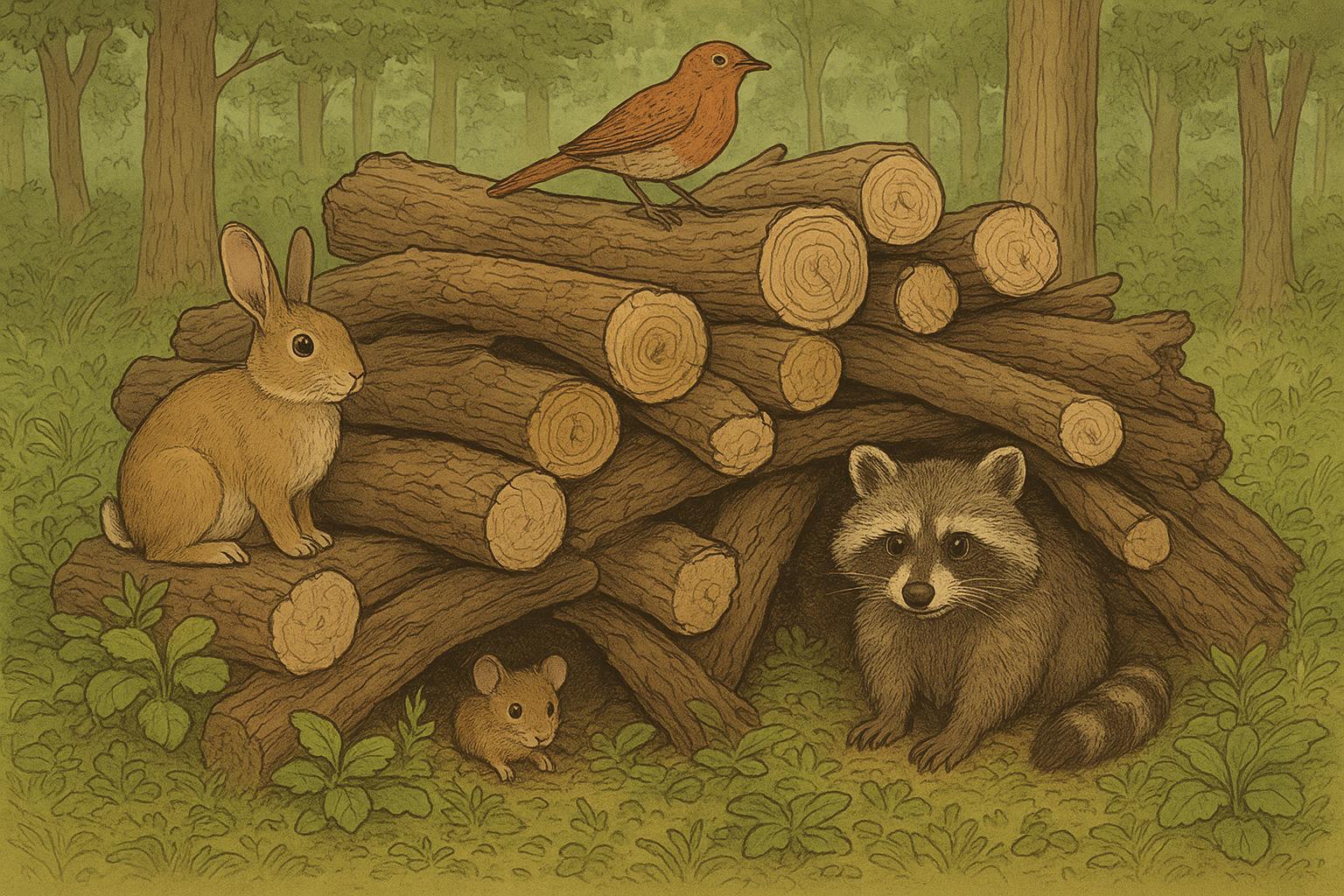
If you want to help, constructing a hibernaculum (a safe winter shelter) can provide critical refuge for amphibians, reptiles, and small mammals. The following remedy describes how to create a simple, effective hibernaculum. Note: be sure local regulations allow habitat modification on your property and avoid locations where protected species might require specialized care.
Materials Required
– Untreated lumber (1” x 6” or similar) or large flat stones for base
– Bricks or concrete blocks (for weight and insulation)
– Leaf litter, straw, and coarse brush
– Soil and small logs or rocks for structure
– Hardware cloth (optional, to prevent rodent collapse)
– Shovel, gloves, and basic hand tools
– Measuring tape and level
Step-By-Step Construction And Placement (Formal Instructions)
1. Choose A Location: Select a quiet, shaded area near existing habitat (brush piles, ponds, or hedgerows). Avoid low spots that flood in winter. The site should be sheltered from prevailing winds and receive indirect moisture from nearby sources.
2. Prepare A Stable Base: Lay out a flat platform using untreated lumber or place large flat stones to form a 2–3 foot by 3–4 foot base. A stable base prevents collapse and provides insulation from the cold ground.
3. Create A Raised Cavity: Using bricks or concrete blocks, form a low-walled perimeter on the base, leaving a small entrance corridor on one side (3–6 inches high). Ensure the entrance faces away from dominant wind direction. If using timber, secure boards to create a shallow box with an opening.
4. Insulate With Natural Materials: Fill the interior cavity with a layered mix of straw, leaf litter, and small logs. Add a top layer of soil (2–4 inches) and cover with additional leaves and brush to mimic natural roosting material. This layering creates air pockets for insulation and moisture regulation.
5. Add Surface Camouflage: Pile rocks, branches, and leaf litter over the structure to blend it into the surroundings. Avoid compacting materials tightly—hibernators need tiny crevices and breathable gaps.
6. Optional Hardware Cloth: If rodents are likely to burrow through the structure and collapse it, line the cavity with hardware cloth secured to the base. Ensure entrance size remains appropriate for target species and does not trap animals.
7. Monitor Minimally: Once installed, observe from a distance. Do not open or inspect the hibernaculum during winter unless advised by wildlife professionals. Routine checks can be done in spring for maintenance and to assess use.
Application Notes (Formal Recommendations)
– Placement timing: Build hibernacula in late summer or early autumn to allow wildlife to find and acclimate.
– Target species: Design dimensions with local species in mind—smaller openings for amphibians and reptiles, slightly larger cavities for small mammals.
– Non-interference: Do not extract or move animals found inside. If a hibernating animal appears injured or in distress, contact a licensed rehabilitator immediately for guidance.
### Watching Without Waking Them
Trail cameras and thermally insensitive observation are excellent tools. Use a camera with motion detection mounted at a respectful distance to document activity without human presence. If you wish to study bat emergence, attend organized bat walks with experts who use proper protocols—never attempt to handle or trap bats yourself.
#### If You Find An Awake Hibernator
Occasionally, hibernating animals may rouse during warm spells or due to disturbance. If you find an awake animal that appears lethargic:
– Keep pets and children away.
– Minimize noise and light near the animal.
– Contact a wildlife rehabilitator or local conservation authority for advice.
– Do not attempt to feed or force-feed; improper food can be fatal.
### Legal And Ethical Considerations
Local laws often protect denning and hibernating animals, particularly bats and certain reptiles. Before building shelters or modifying brush piles, consult municipal codes and wildlife agencies. Disturbing or destroying a hibernaculum can carry fines and, more importantly, cause animal mortality.
### Winter Walks And Backyard Etiquette
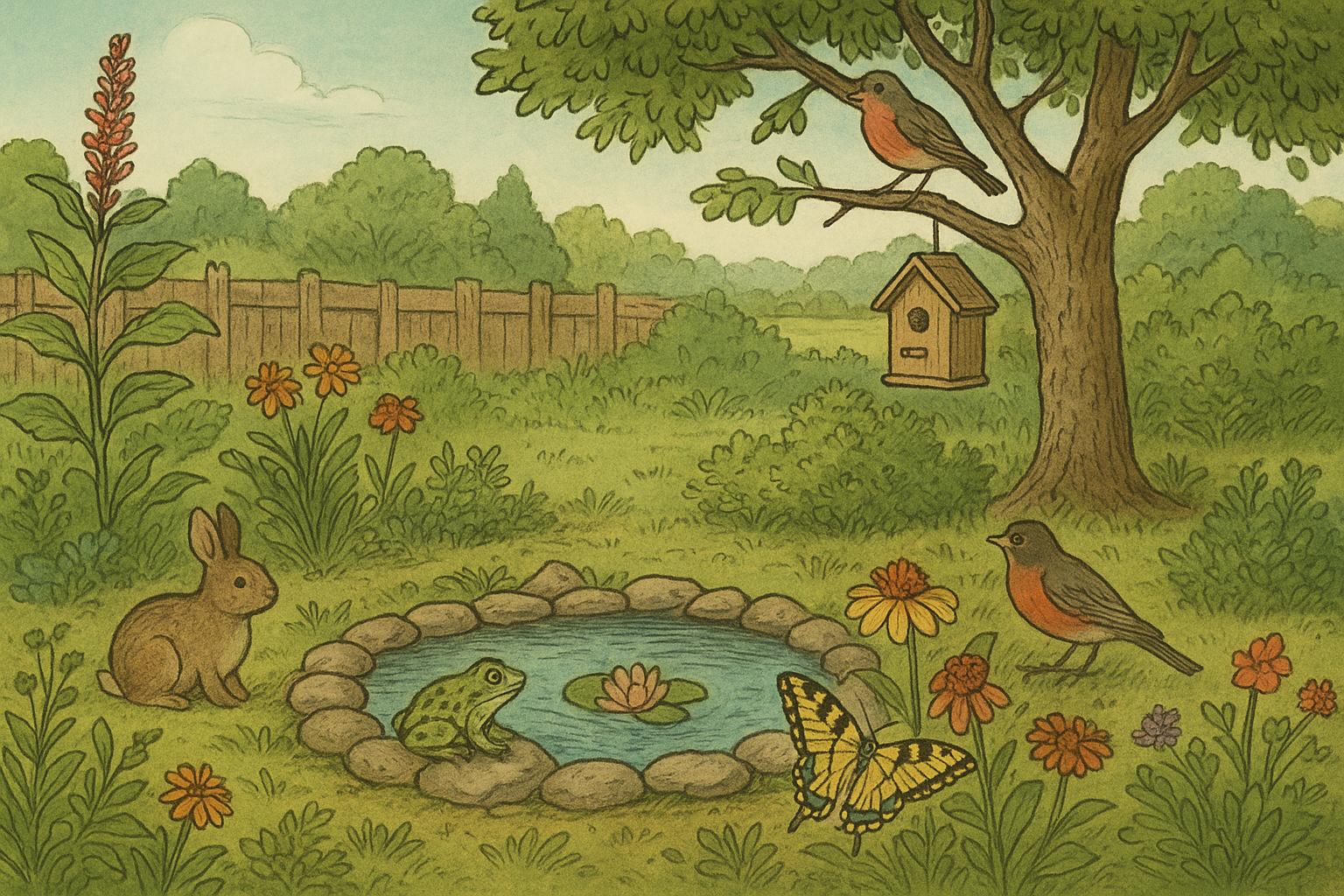
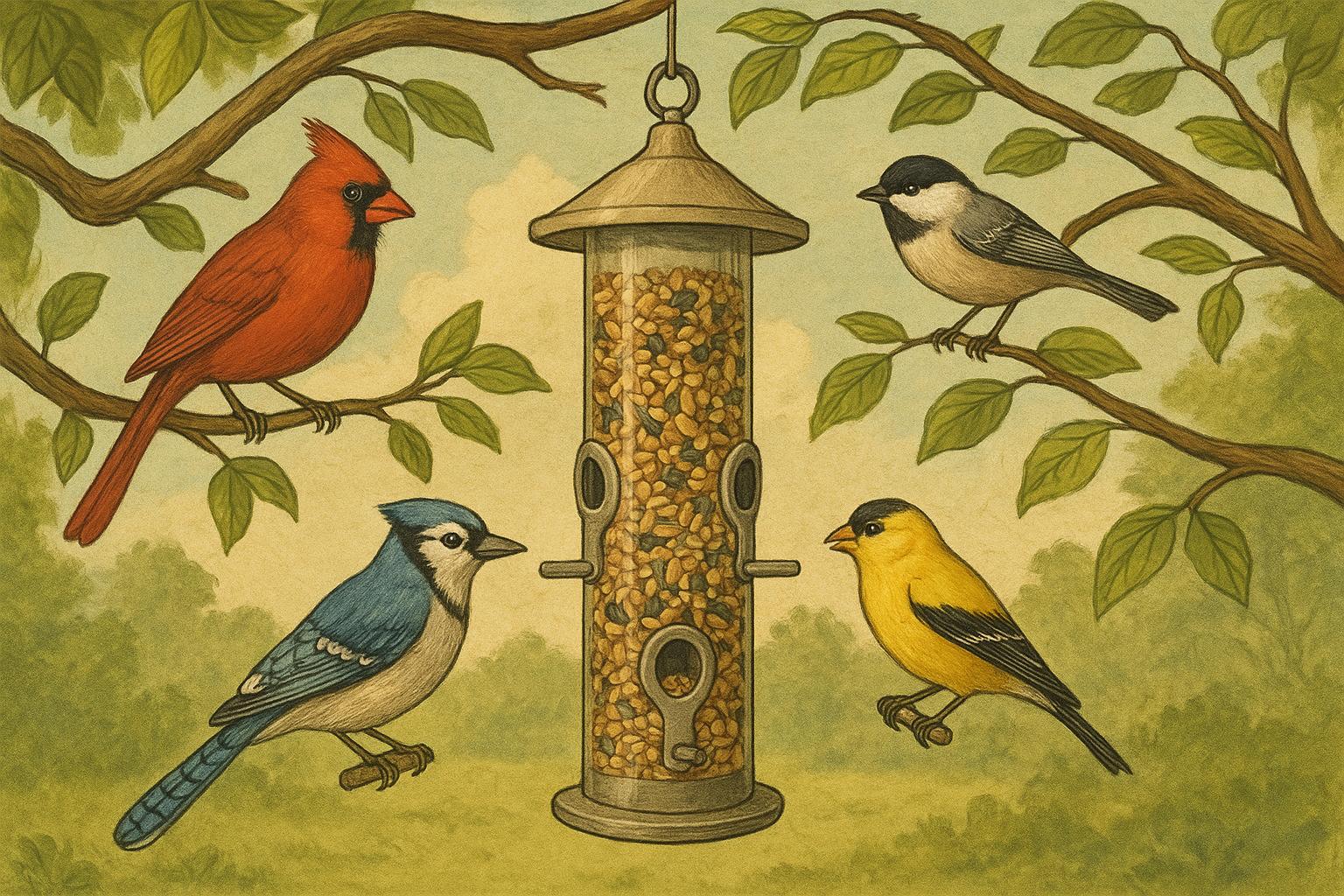
If you stroll through your yard in winter, wear soft-soled shoes to avoid crushing burrow entrances hidden by snow. Keep bird feeders clean and maintain natural leaf litter in corners of your property—these small acts let nature do its work while you enjoy it. When kids are involved, frame the experience as “learning from a distance” and turn observation into a quiet scavenger hunt for signs rather than the animals themselves.
When you’re curious about how animals hibernate, remember that the best practice is empathy mixed with patience. Let them sleep their sleep; your respectful watching will enrich your connection to the local ecosystem without compromising a single survival story.


Leave a Reply