
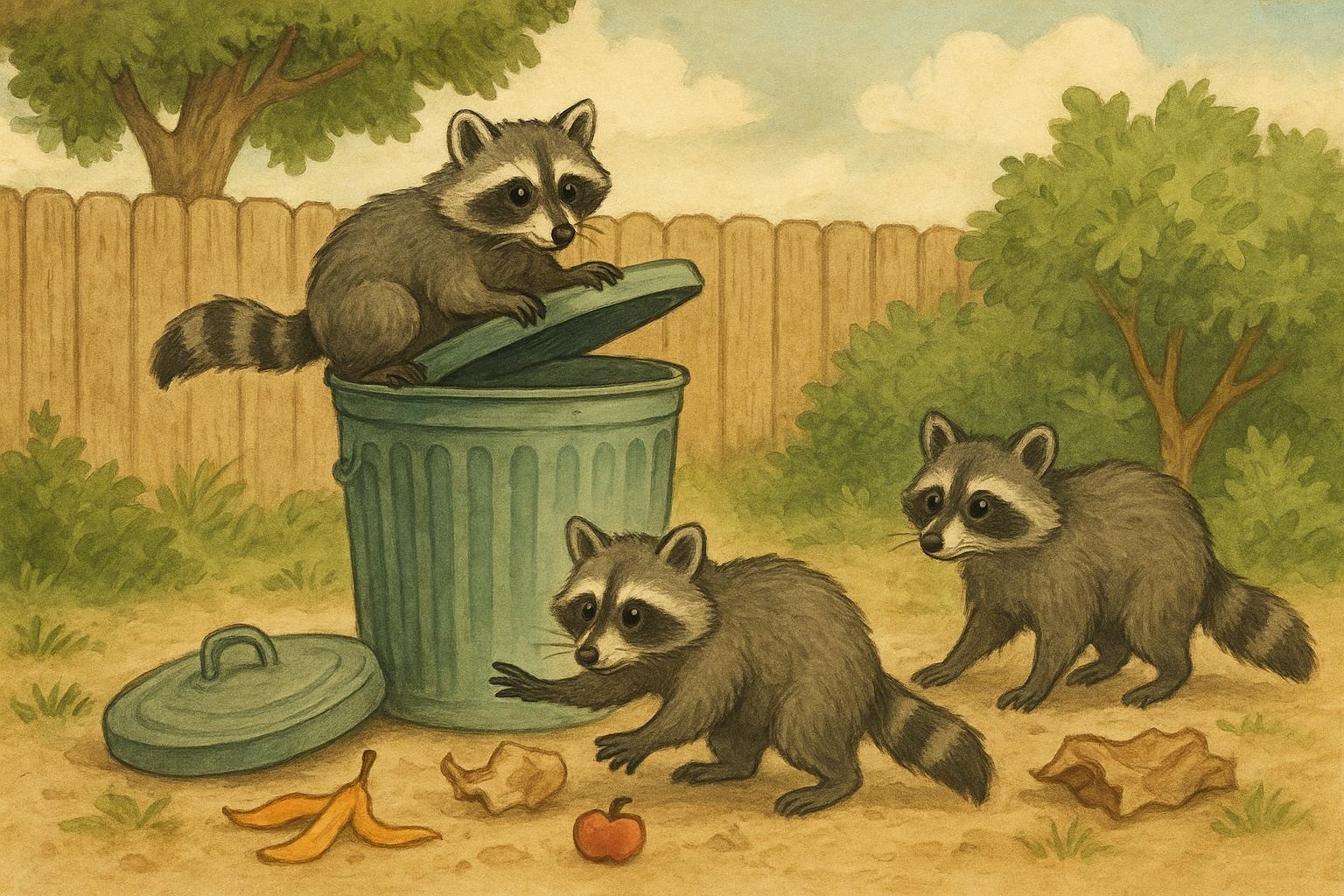
Nice to meet you, fellow backyard steward. If you’ve been serenaded by the clatter of tumbling lids at 2 a.m., you’ve likely got some industrious foragers visiting—specifically trash raccoons. They’re clever, loud, and strangely charismatic, but they can make a mess and spread disease if left unchecked. This guide digs into who they are, why your cans are on their menu, and—most importantly—what practical, humane steps you can take to keep your trash intact and your yard raccoon-free.
## Trash Raccoons Troubles In Your Trash Cans A Backyard Guide
### Who Are These Nighttime Trash Architects
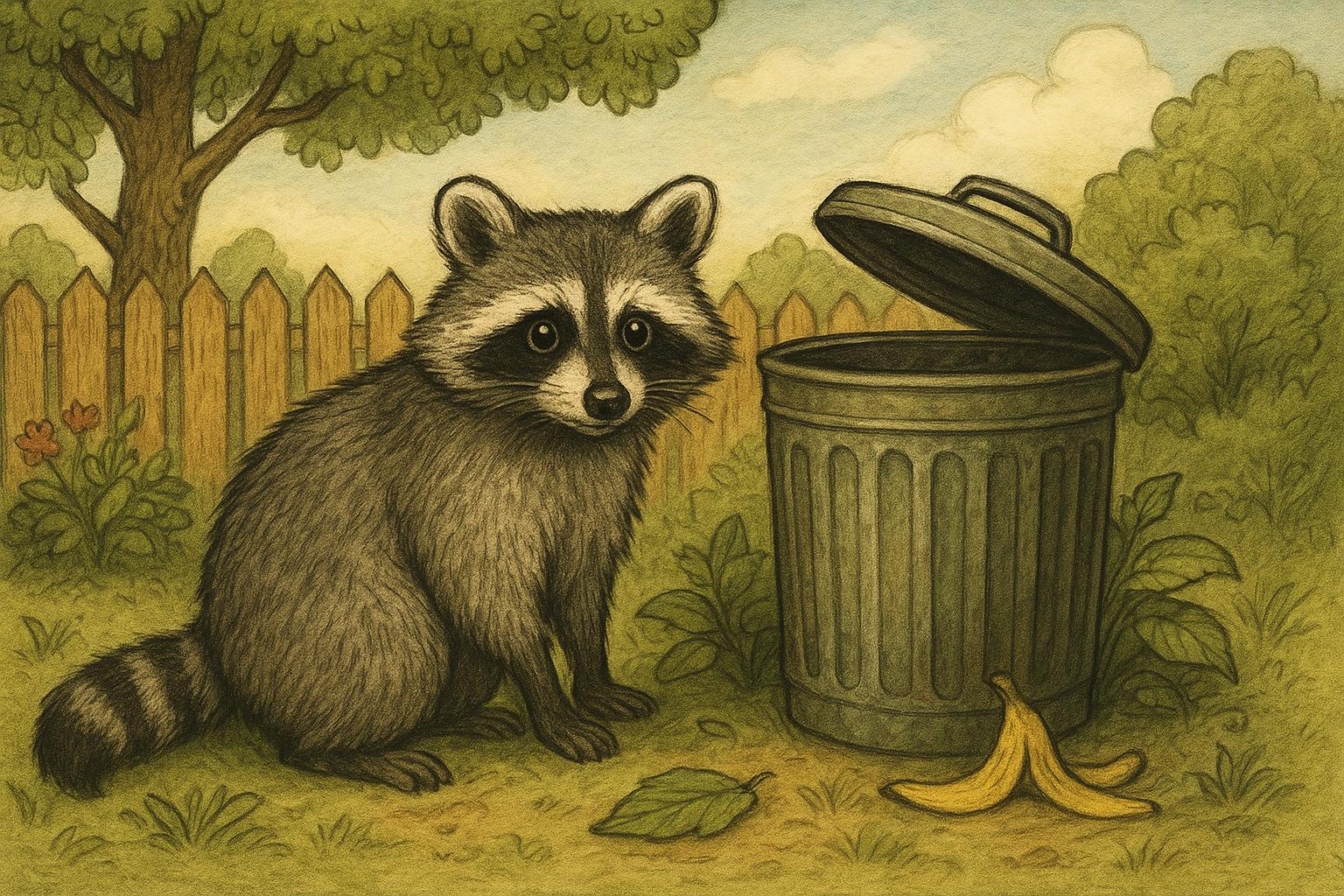
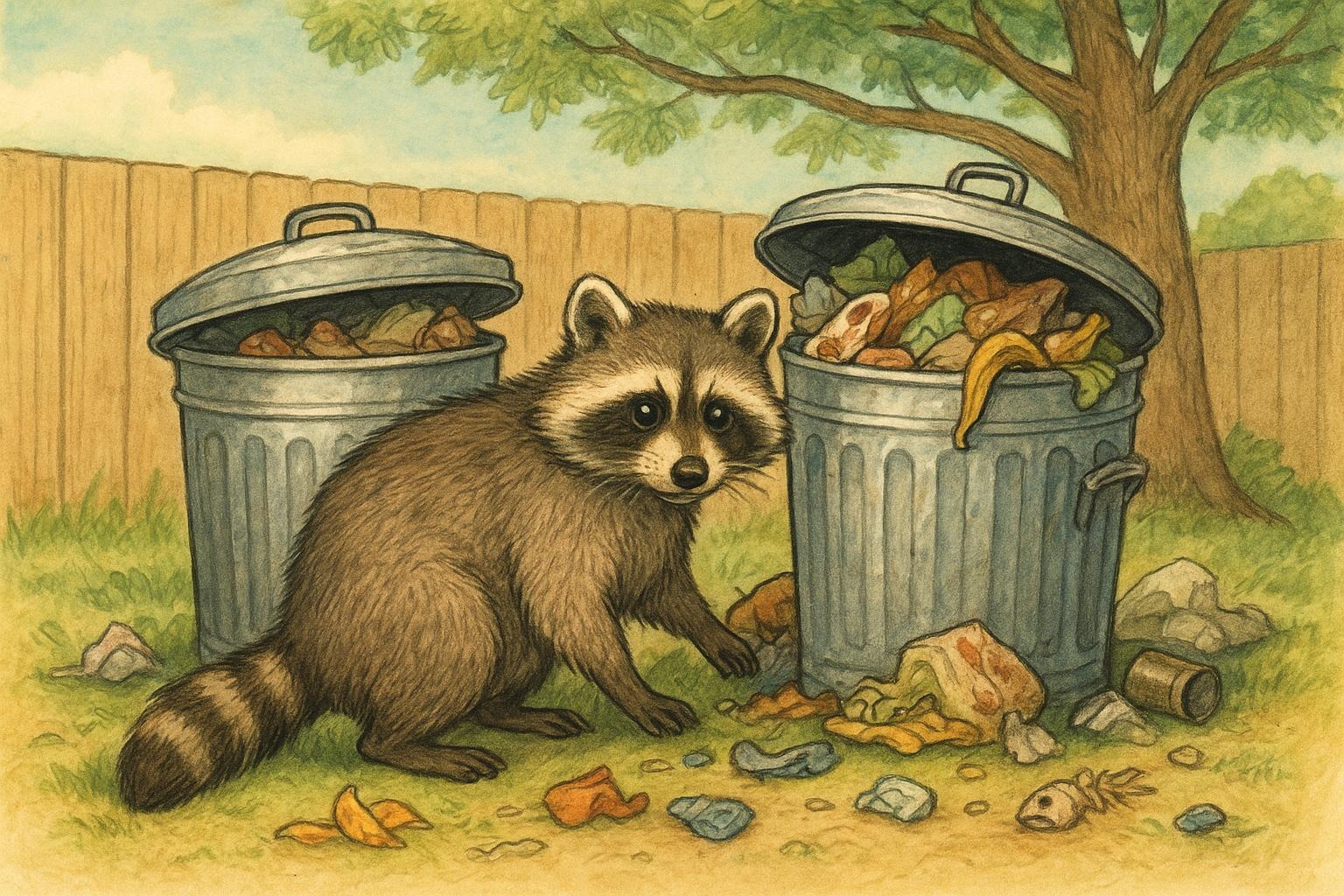
Trash raccoons (Procyon lotor) are medium-sized mammals native to North America, known for their masked faces, dexterous front paws, and uncanny curiosity. They’re omnivores with excellent memories and problem-solving skills—traits that make a curbside buffet impossible to resist. They’re most active after dark, driven by smell and the promise of an easy meal.
### Why Trash Raccoons Love Your Cans
Raccoons are calorie-seeking opportunists. Your trash can contains a smorgasbord of highly attractive scents—leftover dinner, fruit peels, pet food, and even spilled liquid. Soft plastics and unsecured lids are raccoon invitations. Add in nearby cover like shrubs or stacked firewood and you’ve practically built them a raccoon lounge.
### Signs You Have Trash Raccoons
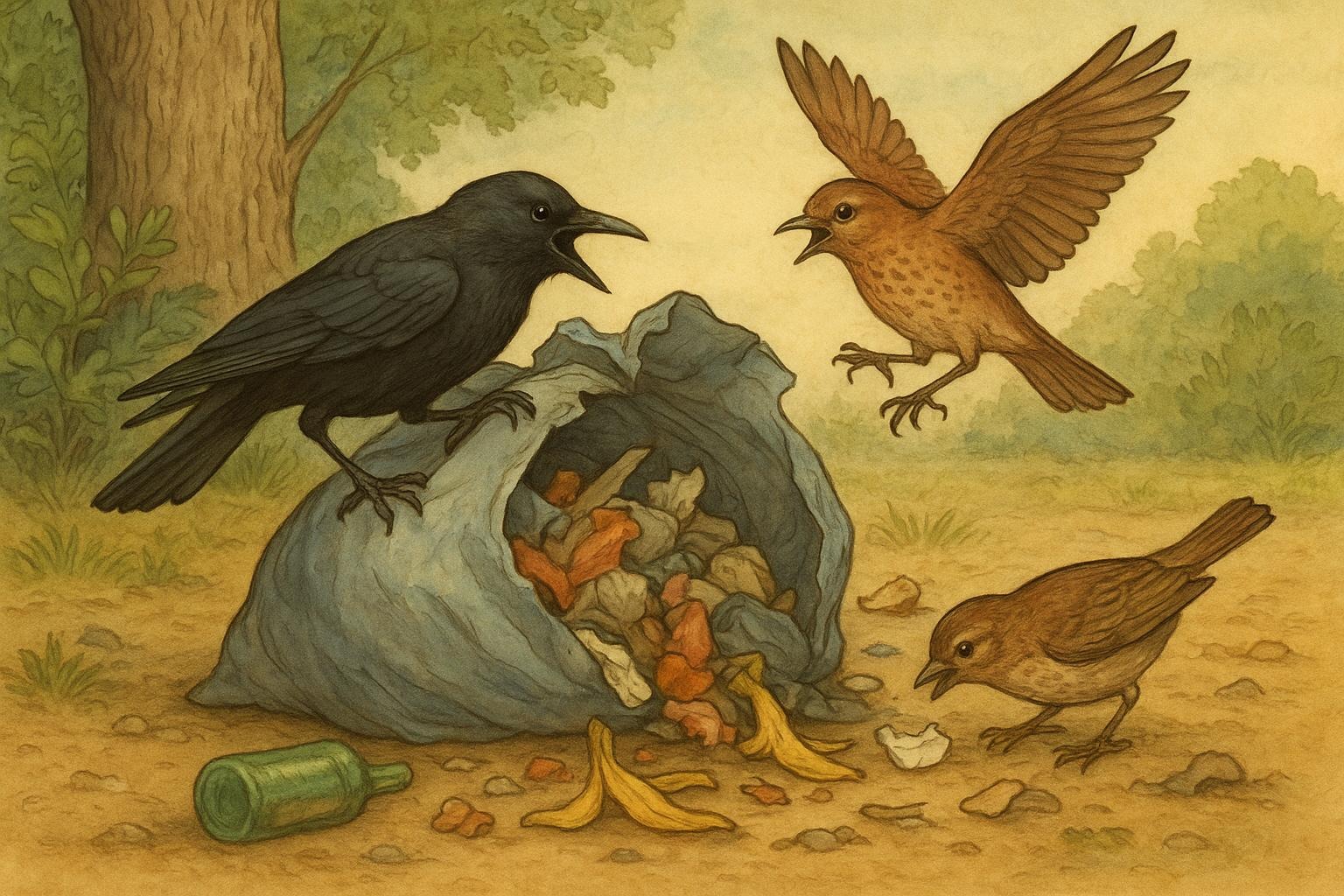
– Knocked-over or ripped trash bags with scattered contents.
– Punctures in lids or chewed hinge mechanisms.
– Tiny paw prints in mud or snow, sometimes with claw marks.
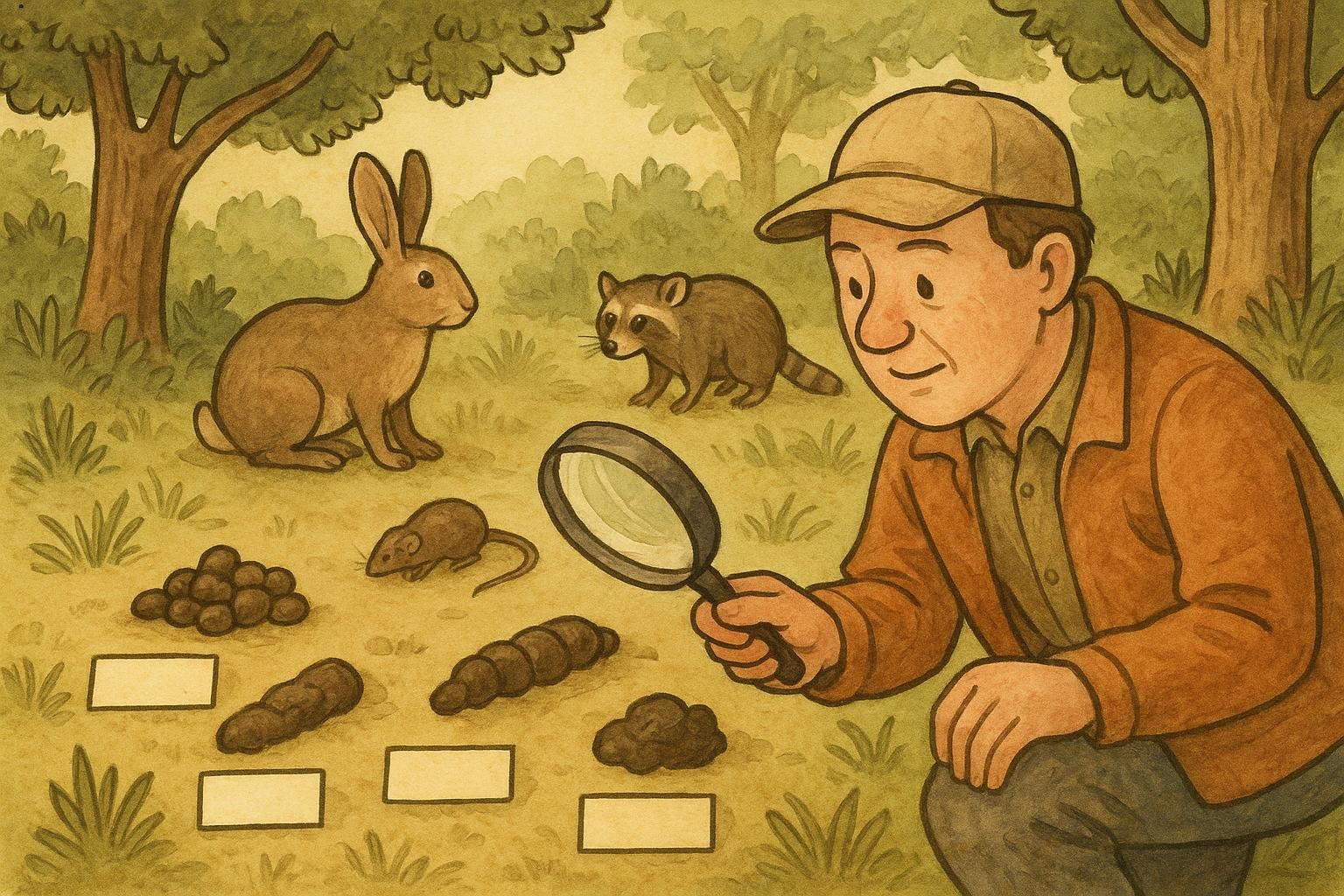
– Scat near cans—often containing partially digested food bits.
– Nocturnal rustling or the distinctive sound of lids being tumbled.
### The Risks Of Letting Them Keep Coming
Beyond the mess, trash raccoons can carry parasites (like roundworms), bacteria (Salmonella), and may attract bigger predators. They can damage property and, in rare cases, pose biting risks if cornered. It’s best for both humans and raccoons to discourage persistent dumpster-diving.
## Remedy 1: Secure-Lid System (Step-By-Step)
When discussing remedies we’ll be formal and precise: a properly secured lid system is the most reliable first-line defense. Below are the materials, assembly, and application steps.
#### Materials Required
– Heavy-duty, locking garbage can(s) with tight-fitting lids (plastic or metal).
– Bungee cords or ratchet straps rated for outdoor use.
– A pair of stainless steel or galvanized metal latches (if retrofitting existing cans).
– Drill and self-tapping screws (for metal/plastic bins).
– Optional: Concrete or heavy base (for windy areas).
#### Creation And Application Steps
1. Choose Appropriate Cans: Select cans with snug lids and sturdy construction. Metal or high-density plastic bins work best; thin plastic tears easily.
2. Retrofit Latches (If Needed): Position latches on the lid and body so they align when closed. Pre-drill guide holes in the lid and body of the bin. Install the latch hardware using corrosion-resistant screws. Test the latch several times to ensure smooth operation.
3. Use Secondary Restraint: Loop a bungee cord or ratchet strap around the can and over the lid, hooking it to handles or latch points. For added security, thread the strap through the lid handle and under the can base, then tighten.
4. Anchor The Can: If raccoons are pawing the bottom or tipping, place the can on a concrete pad or secure it to a post with a cable lock. Ensure the anchoring method doesn’t trap wildlife or create hazards.
5. Placement: Store cans in a garage, shed, or behind a locked gate whenever possible. If left curbside, position cans on a flat surface near human activity and illuminated areas.
## Remedy 2: Repellents, Barriers And Humane Deterrents (Step-By-Step)
This second formal solution focuses on combining odor management, physical barriers, and nonlethal deterrents to reduce attraction and access.
#### Materials Required
– Enzymatic garbage deodorizer or commercial odor neutralizer.
– Motion-activated lights and/or sprinkler system.
– Hardware cloth (1/2-inch mesh) and zip ties.
– Commercial raccoon repellents (capasaicin-based or predator urine—check local regulations).
– Heavy-duty trash bags designed for wildlife resistance.
#### Creation And Application Steps
1. Minimize Olfactory Attraction: Use enzymatic deodorizers in cans after cleaning to break down food residues. Double-bag especially odorous waste (meat, dairy). Rinse cans weekly with a mild bleach solution (1 part bleach to 10 parts water) to eliminate lingering smells.
2. Install Motion-Activated Deterrents: Place motion-activated lights or sprinklers aimed at typical approach routes. These devices exploit raccoon wariness and reduce visits.
3. Build A Mesh Barrier: Cut pieces of hardware cloth to form a sleeve around the base of the can or to reinforce lids. Secure with zip ties, making sure no sharp edges are exposed. This prevents raccoons from climbing up and accessing lids from the sides.
4. Apply Repellents Carefully: Use approved repellents according to label instructions. Apply only where directed, and reapply after heavy rain. Avoid indiscriminate use of predator urine if pets or children are present.
5. Schedule Trash Pickup Strategically: Put cans out the morning of pickup rather than the night before. Shortening the time cans are accessible reduces nightly visits.
### When To Use Which Remedy
– Frequent, persistent raids: Combine Remedy 1 (locking lids) with Remedy 2 (motion deterrents).
– Opportunistic nibblers: Start with odor control and better bagging before upgrading cans.
– Urban areas with regulations: Check local wildlife ordinances before using repellents or traps.
### How To Clean Up Safely After An Encounter
– Wear disposable gloves and boots; avoid direct contact with raccoon saliva or feces.
– Scoop solids using a shovel; double-bag waste for disposal.
– Disinfect surfaces with a bleach solution (1:10) or a commercial disinfectant labeled for zoonotic pathogens.
– Wash your hands and clothing separately after cleanup.
#### When Professional Help Is Warranted
If trash raccoons are showing signs of bold or aggressive behavior, if you suspect disease (disorientation, daytime activity, uncoordinated movement), or if they’ve established den sites on your property, contact local animal control or a licensed wildlife rehabilitator. Professionals can use humane exclusion techniques, conduct health assessments, and in some jurisdictions handle relocation or euthanasia if necessary and legal.
### Practical Prevention Tips That Work Week-To-Week
– Schedule weekly bin cleanings with enzymatic cleaners.
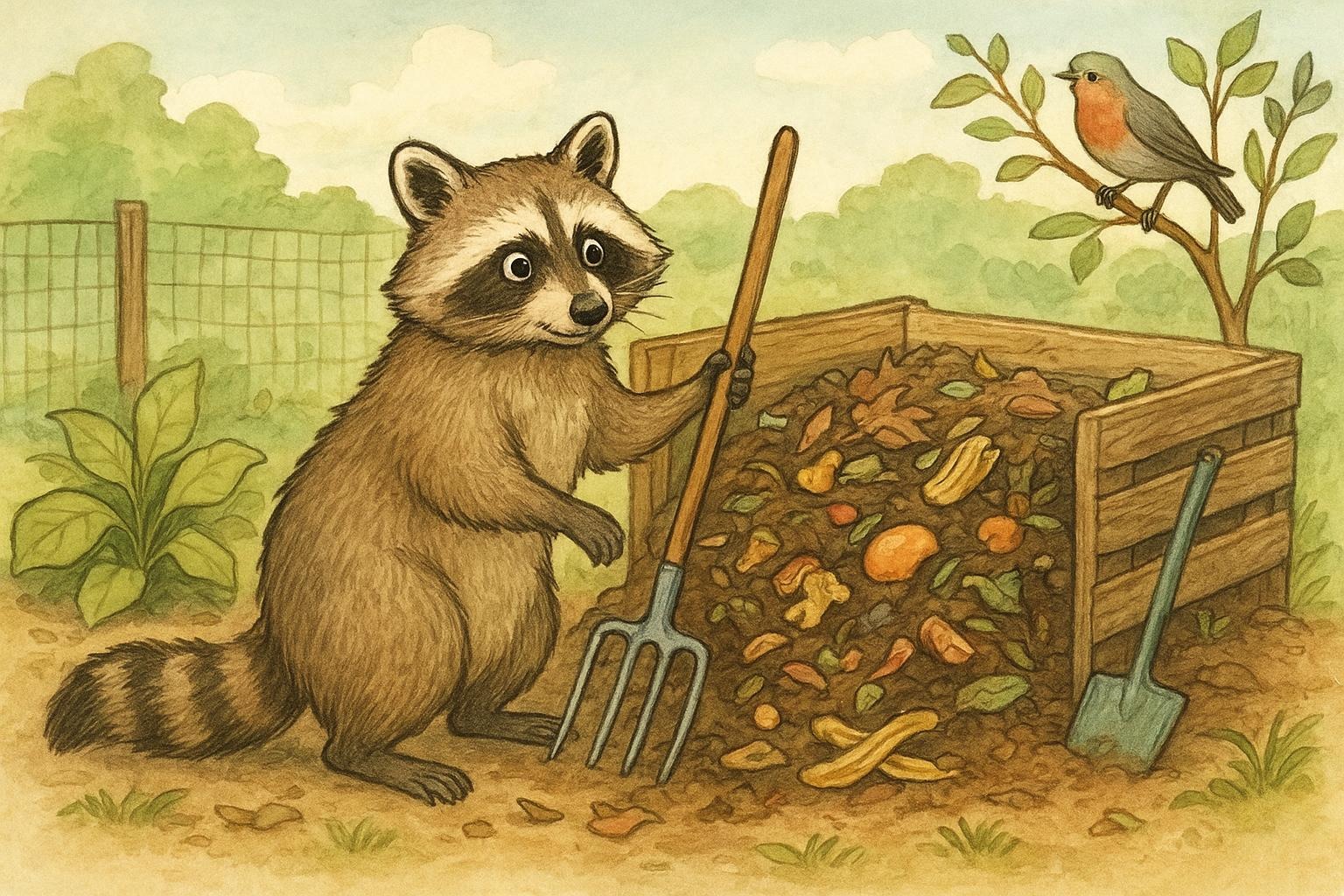
– Secure compost bins and avoid putting meat or dairy into municipal compost.
– Keep pet food indoors overnight.
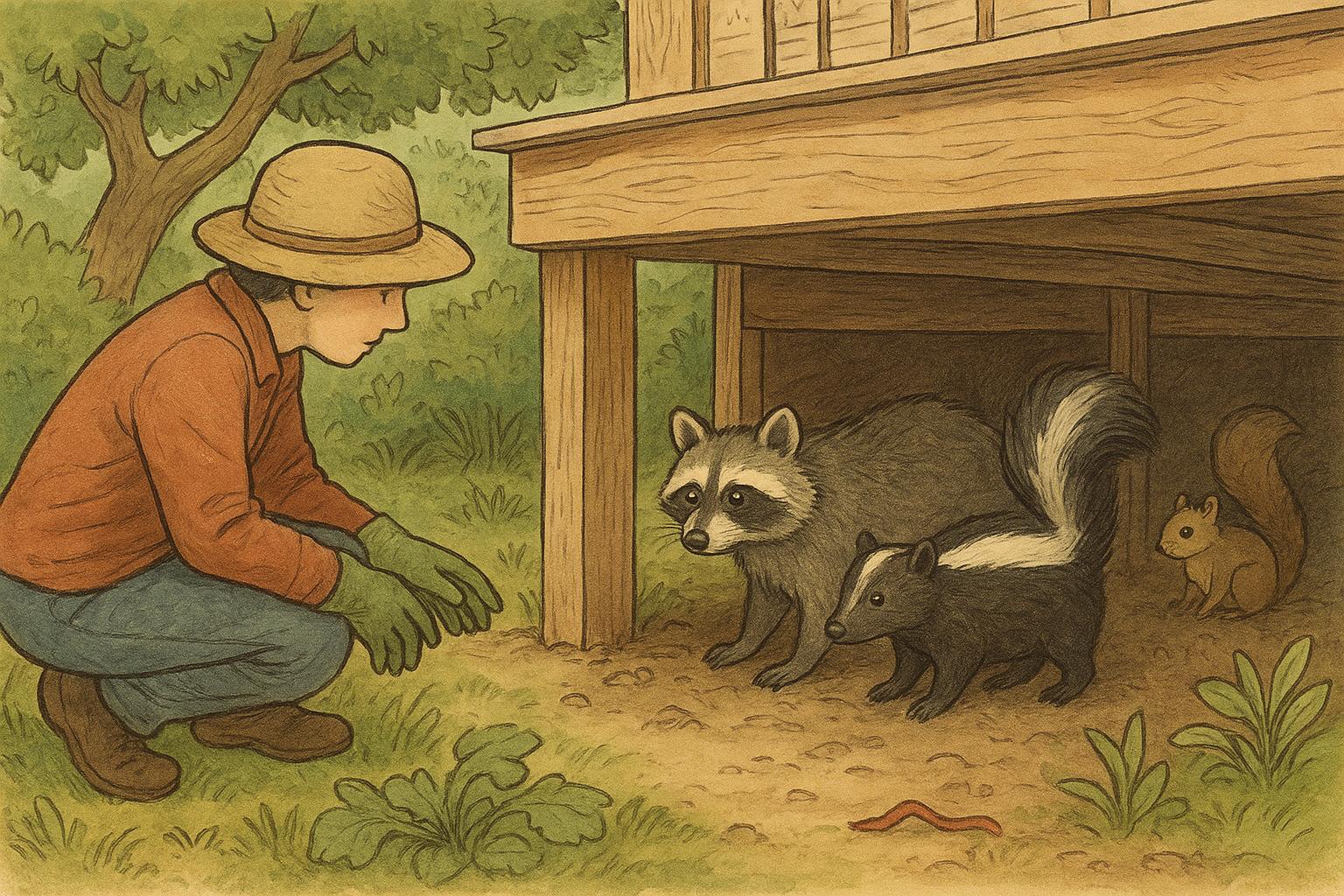
– Seal gaps under decks and porches with hardware cloth; raccoons will exploit tight spaces.
– Trim tree branches that overhang rooflines—raccoons are excellent climbers and will use branches as access routes.
#### Neighborhood Coordination Helps
If your neighbors also deal with trash raccoons, coordinate pick-up timing and shared storage solutions. A whole-block approach reduces the likelihood that a single lax household undermines everyone’s efforts. It’s remarkable how quickly a coordinated neighborhood response reduces nocturnal raids.
Remember, the aim is coexistence rather than eradication. Trash raccoons are part of the local ecosystem; with the right mix of deterrents, sanitation, and secure containers, you can protect your property and keep the critters wild and at a respectful distance.
















Leave a Reply