
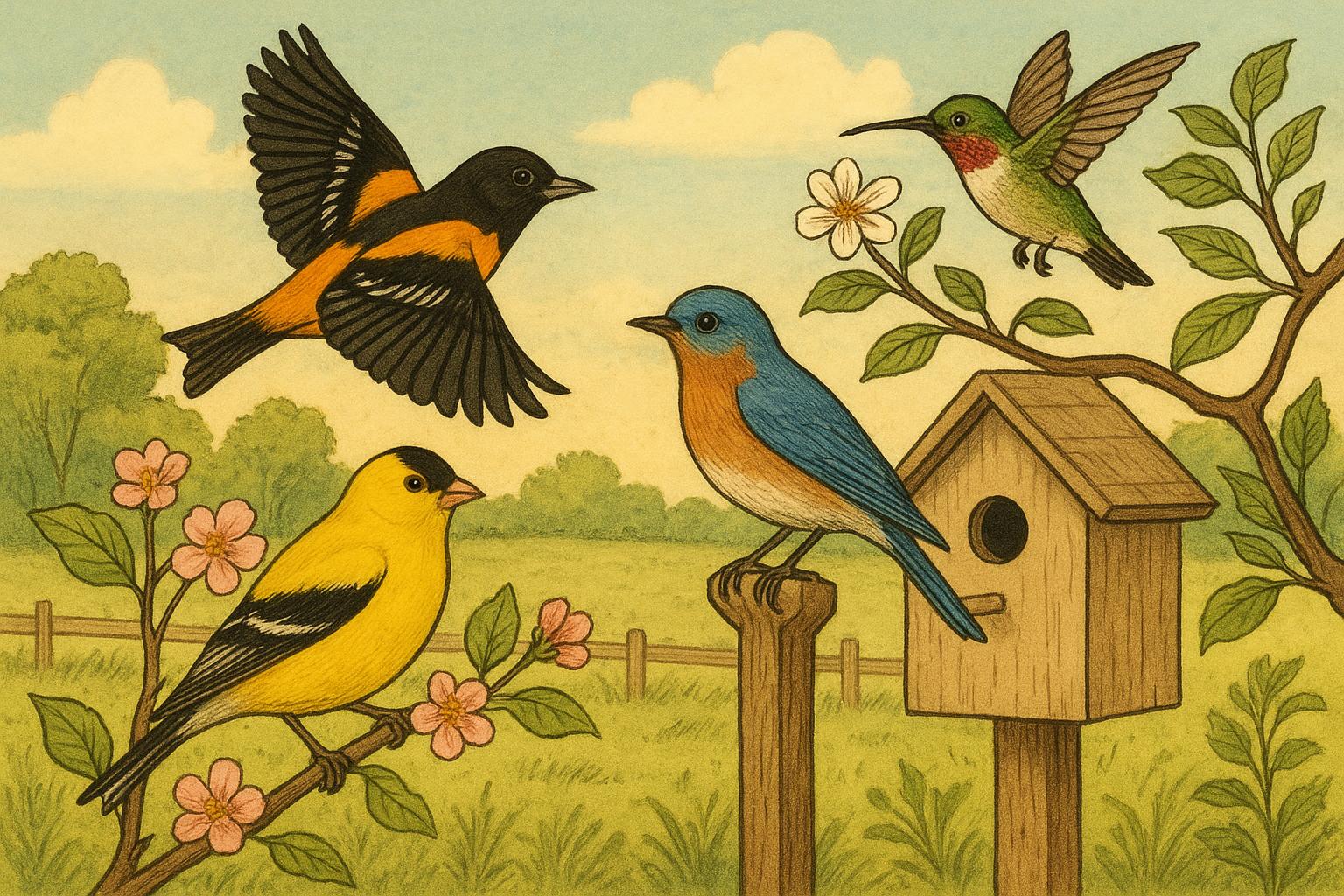
Welcome to the week when your yard starts to look like a tiny, feathery commuter hub. If you’re here for binoculars, coffee and a little friendly bird trivia, you’re in the right place. This guide is relaxed, practical, and lightly amused by the fact that migratory birds do more traveling than most of us ever will.
## Spring Migration In Backyard Birds A Seasonal Guide
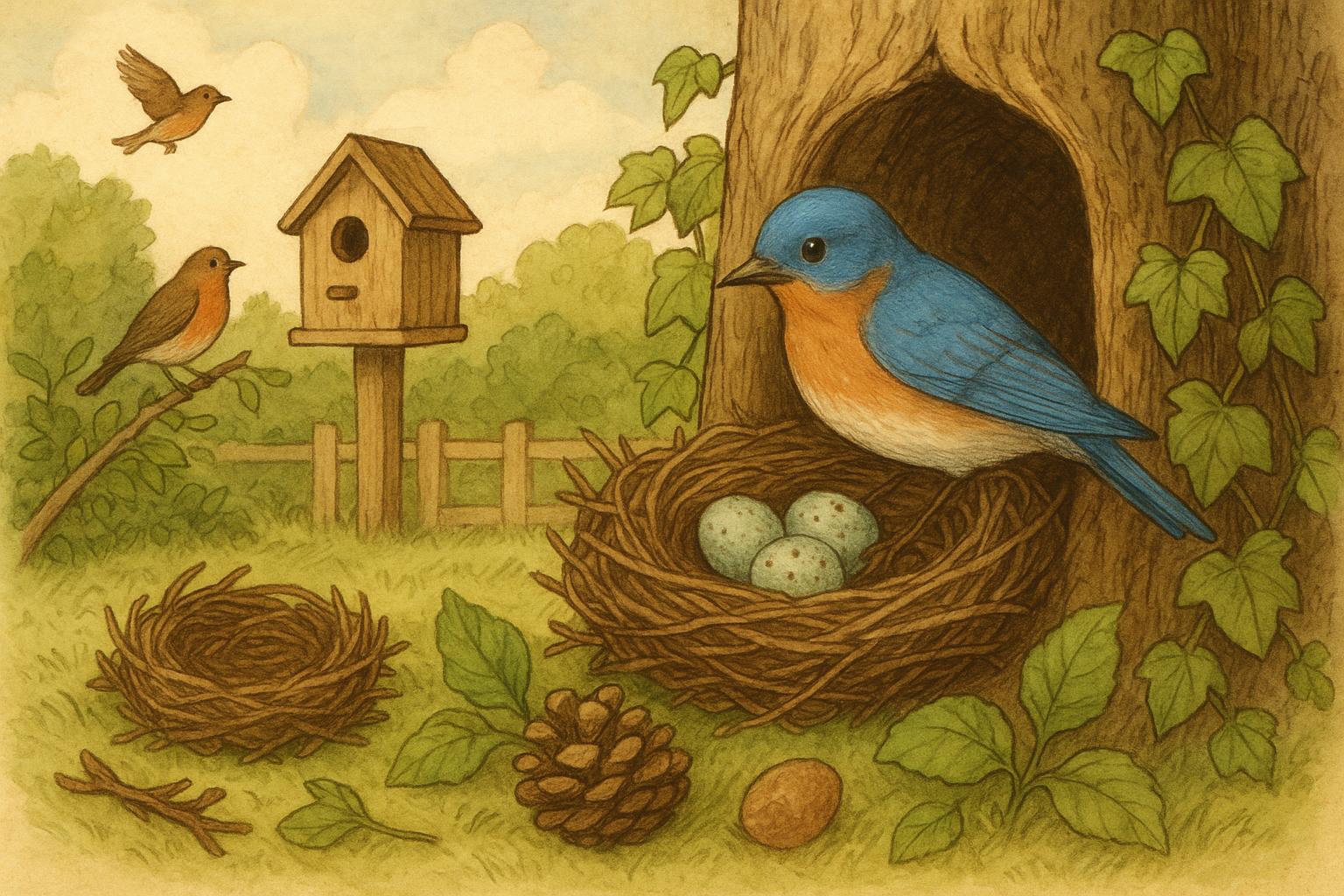
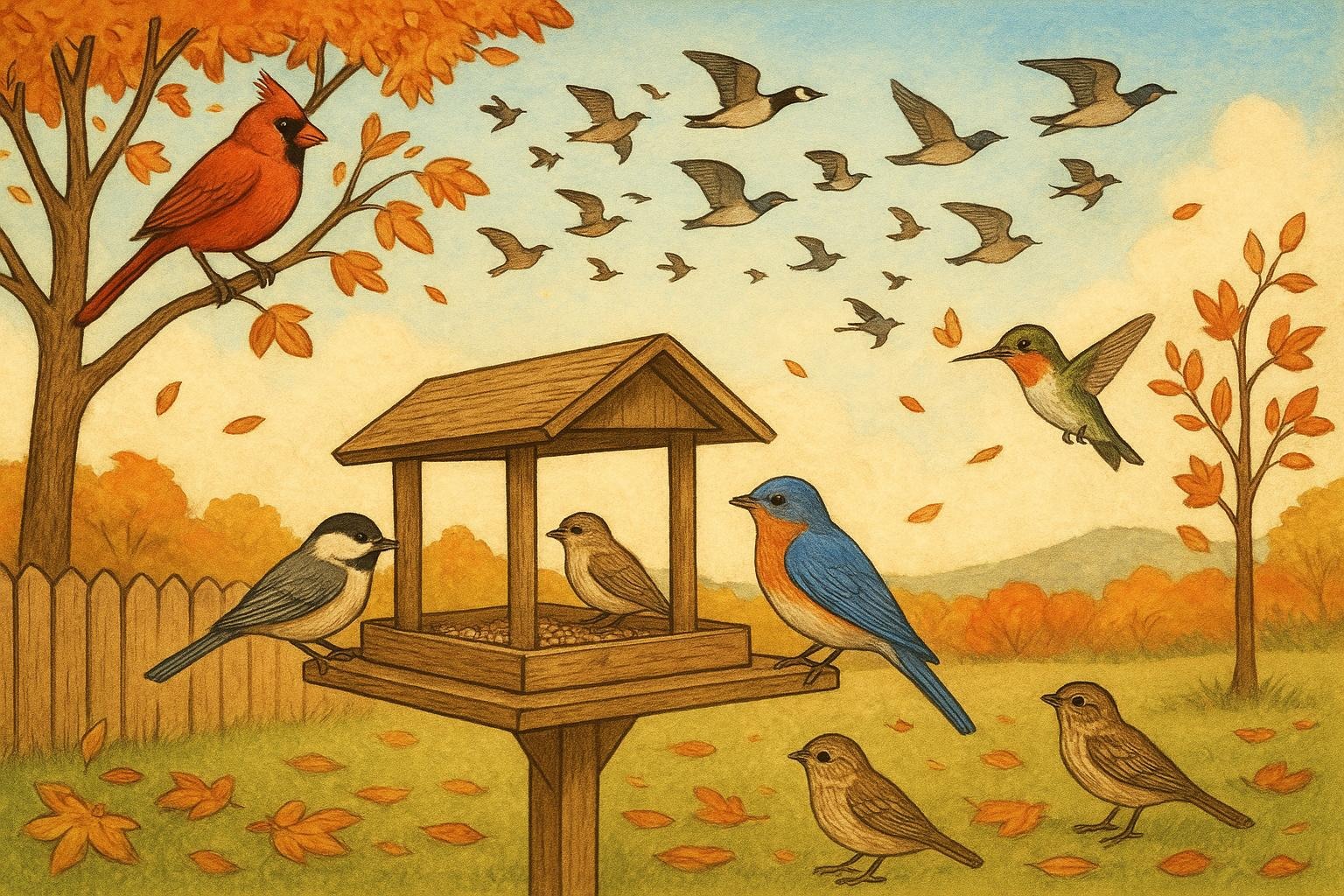
Spring migration is that glorious, hectic time when birds push northward, refueling in backyards, parks and hedgerows. For many species, backyard green spaces are essential pit-stops—places to rest, eat and decide whether that shrub will do for a quick nap. Knowing what to expect and how to help makes watching this seasonal parade more rewarding for you and safer for the birds.
### Why Birds Migrate And What Drives The Timing
Migration is driven by food availability, daylight length and reproductive instinct. As days lengthen and temperatures rise, insects and flowers bloom, creating a buffet that encourages birds to move. Weather patterns—fronts, wind direction and storm systems—also nudge flocks along. During spring migration, you’ll notice birds arriving earlier on warm fronts and more slowly after cold spells.
### When To Watch And Where To Look
Peak spring migration varies by region and species. In temperate zones, expect the big movements from March through May. Early migrants like some warblers and robins can show up in March; peak warbler time is often April–May. Look at the edges of woods, near berry bushes, and around feeders that offer insects, seeds or nectar. Dawn and the early morning hours tend to be busiest—both for birds and for early-rising neighborhood coffee drinkers.
### Common Backyard Visitors During Spring Migration
– Warblers: Flashy, quick, insect-eating, and sometimes hard to identify.
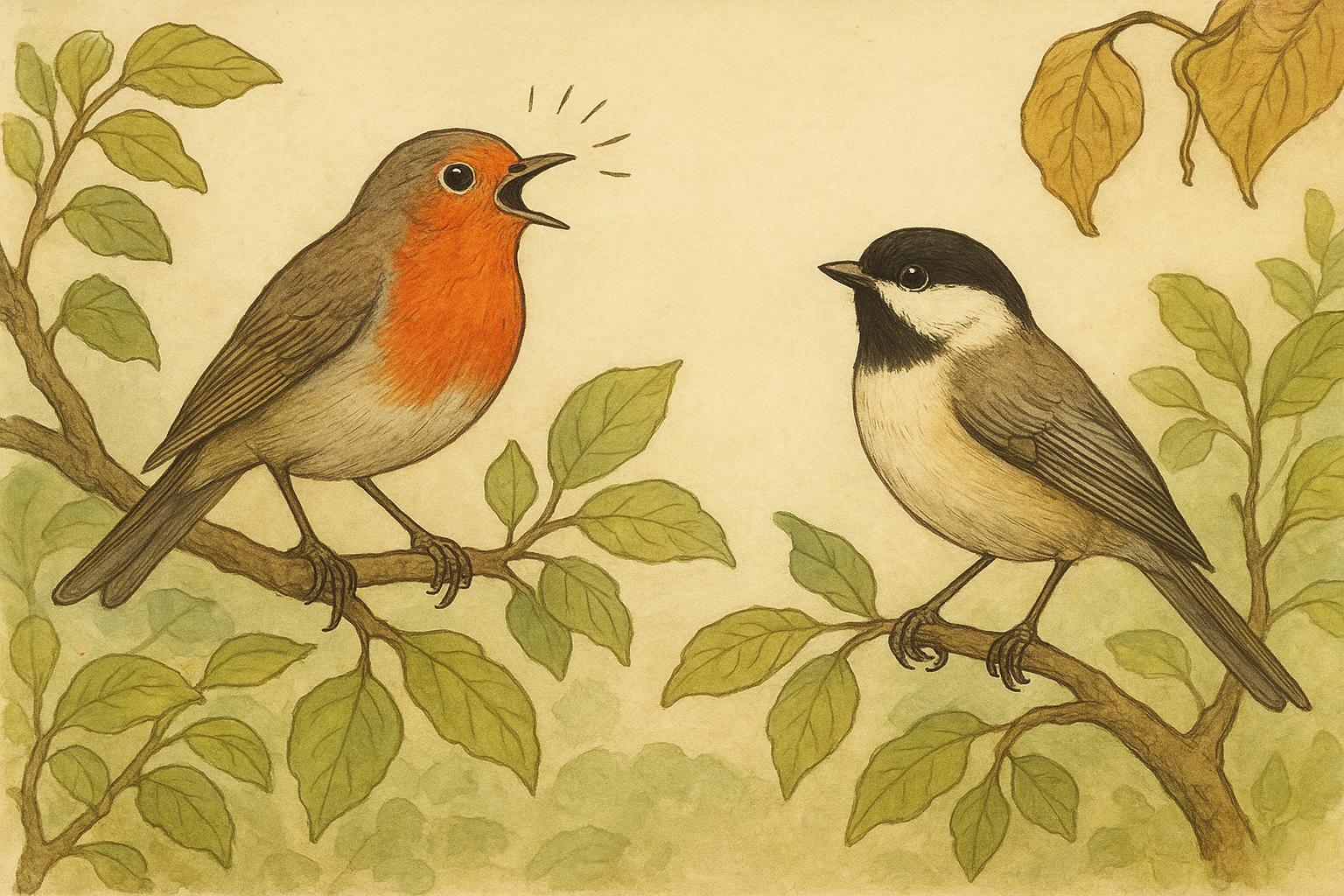
– Thrushes And Robins: Often among the first to arrive, patrolling lawns for worms.
– Hummingbirds: May begin appearing later in spring; attracted to nectar feeders and tubular flowers.
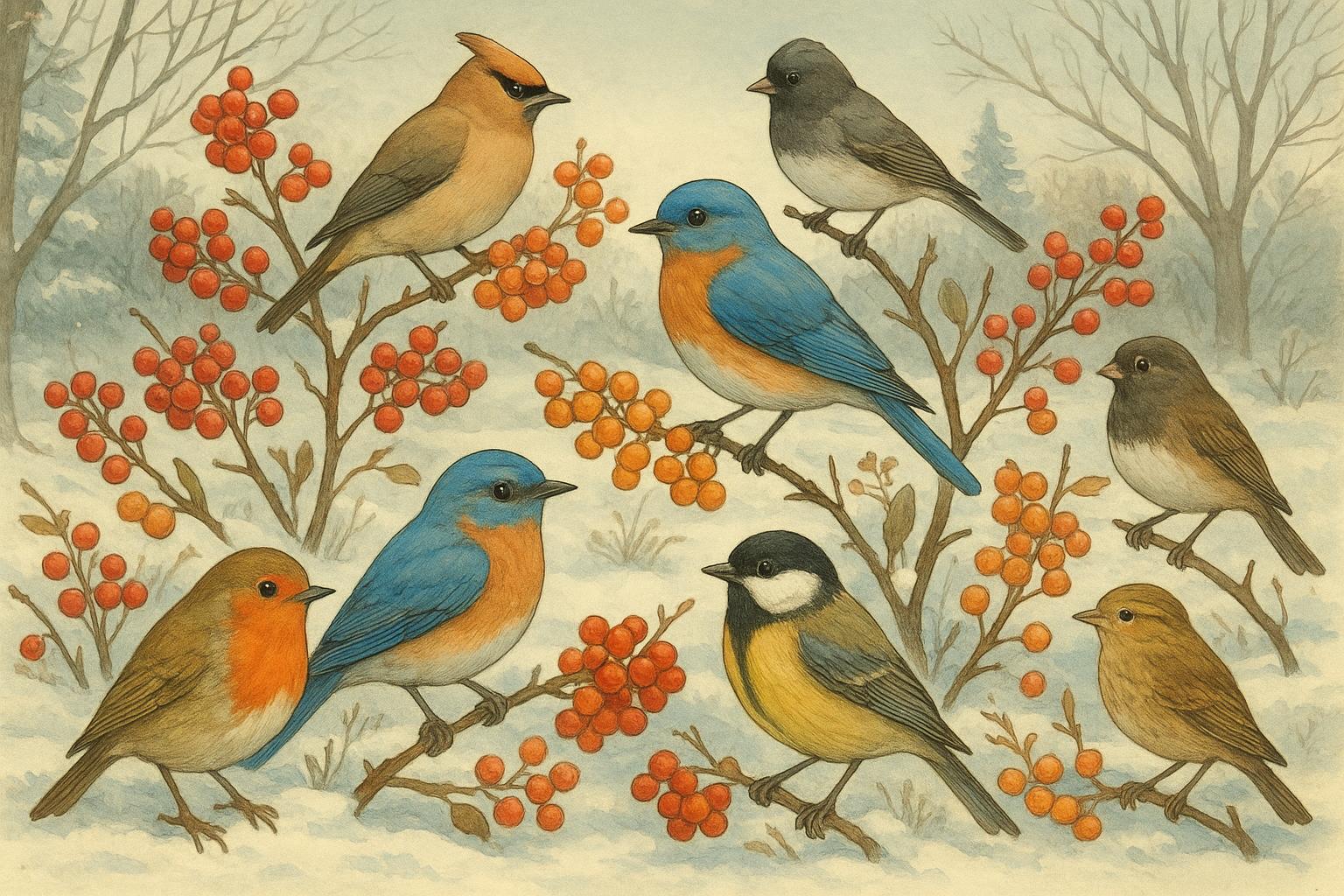
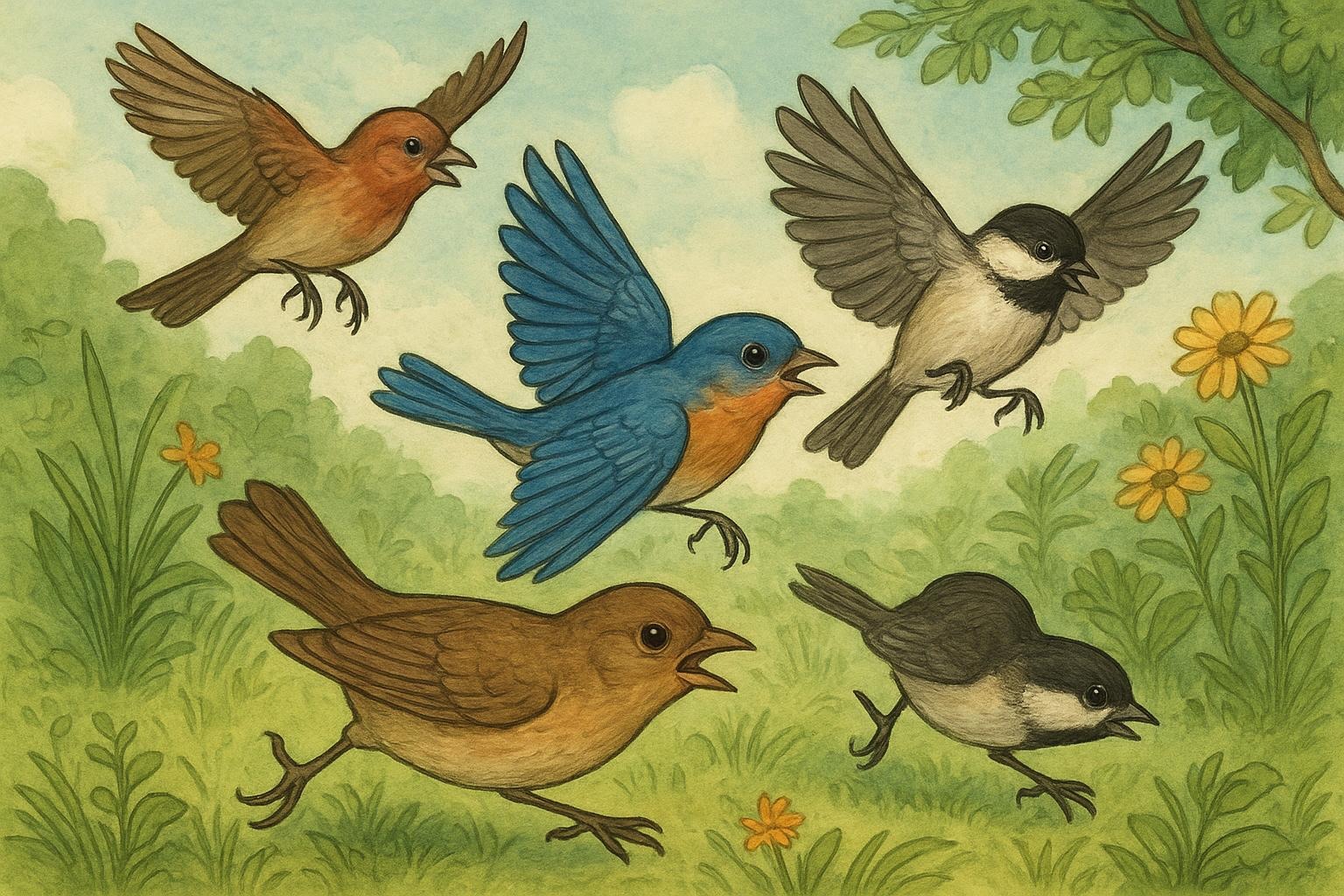
– Sparrows And Finches: Scatter in shrubs and feeders during stopovers.
Expect the unexpected: vagrants and rare visitors turn up when weather pushes them off course. That’s part of the fun.
### How Backyard Habitat Helps During Spring Migration
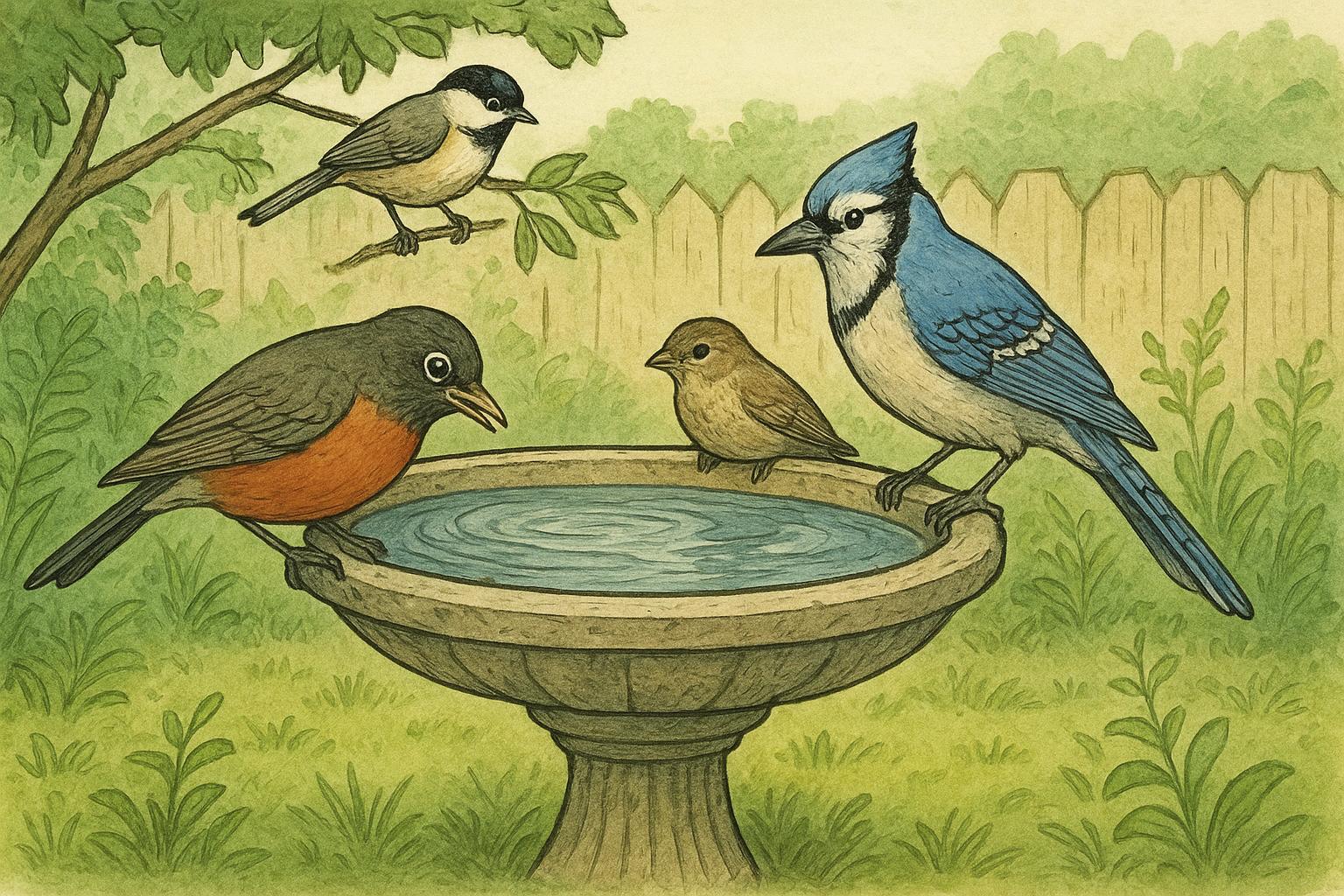
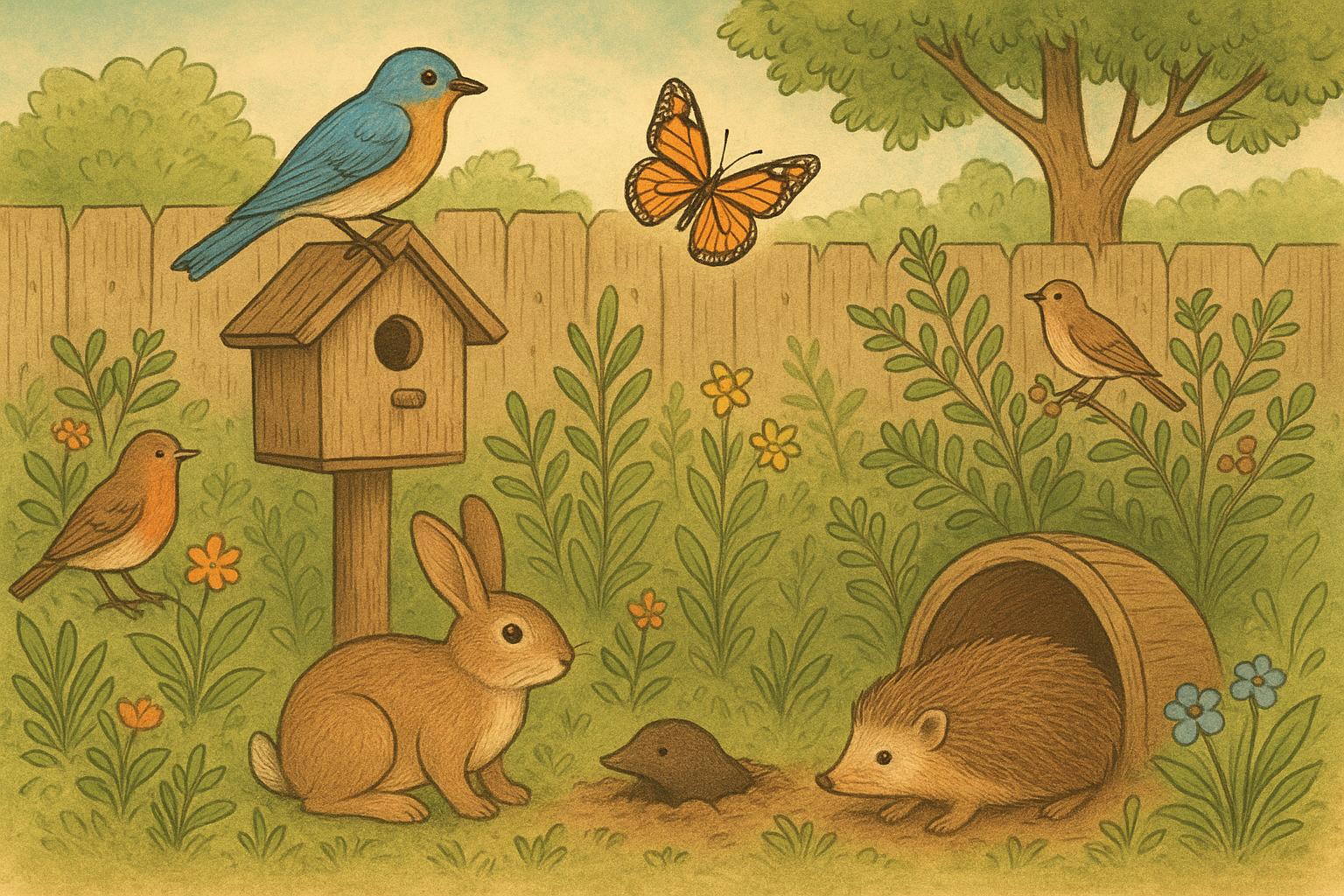
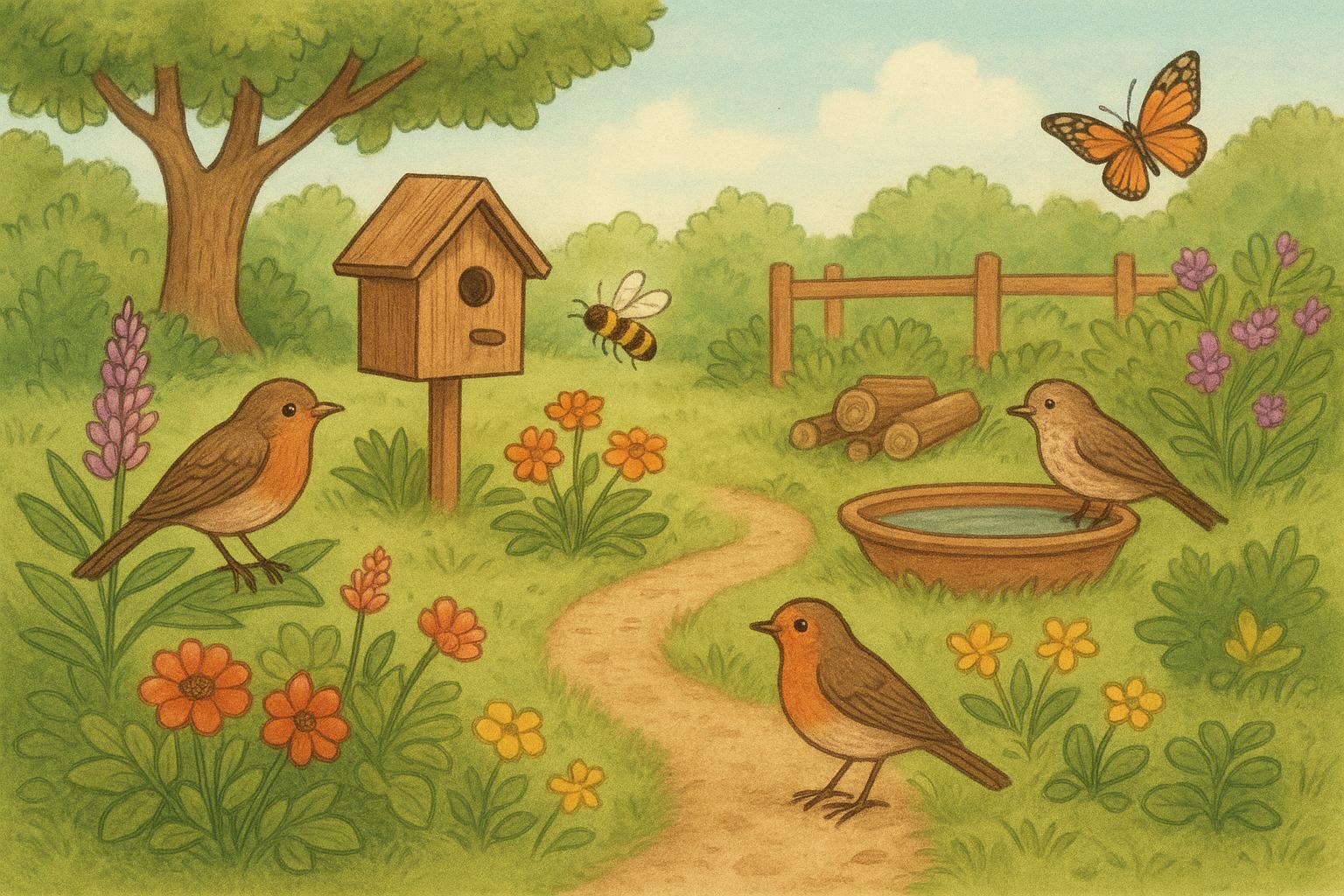
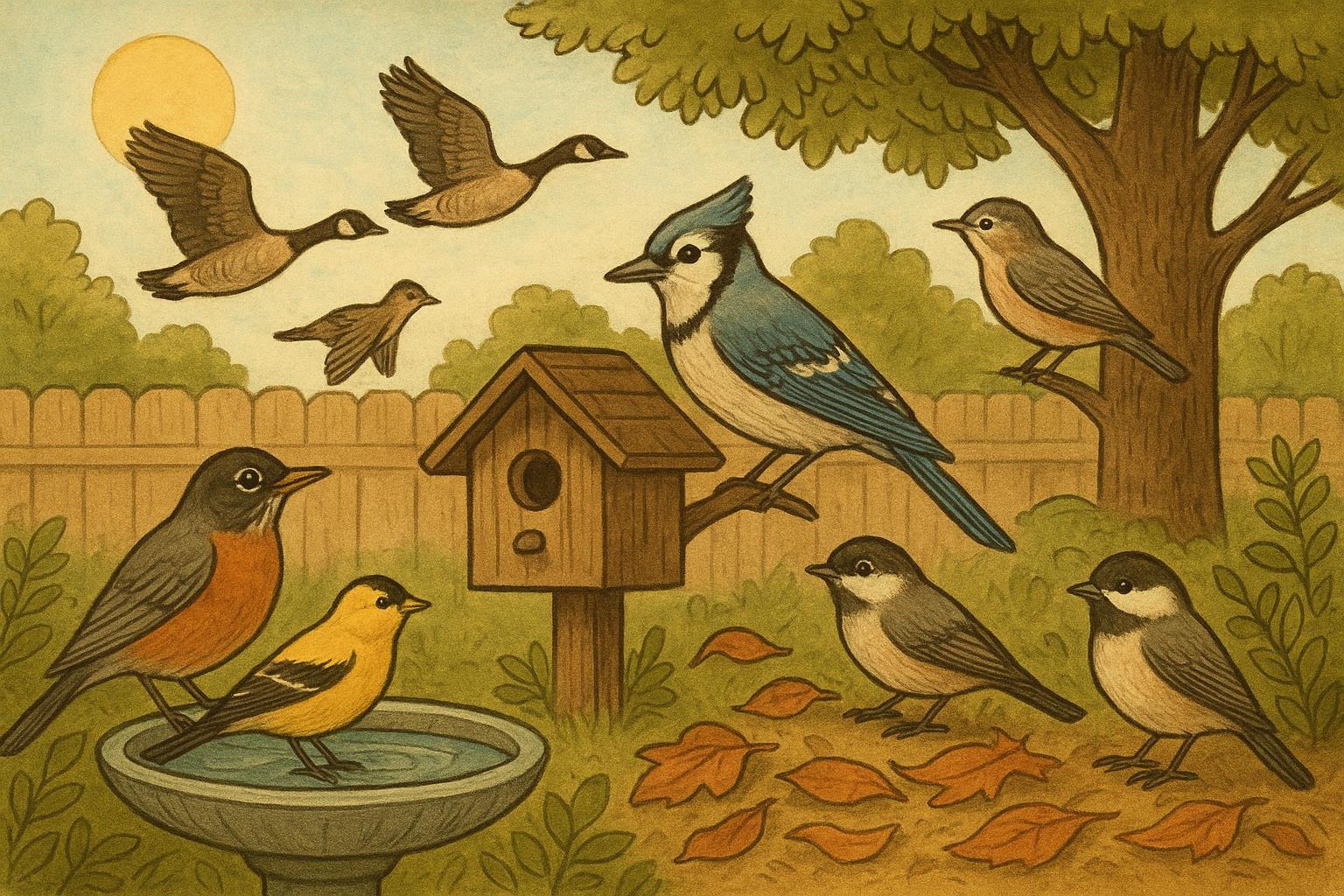
Backyards that provide food, shelter and water become vital stopover sites during spring migration. Native plants offer seasonal insects and nectar. Dense shrubs and layered plantings supply cover from predators and bad weather. A small, shallow water source attracts birds that need to drink and bathe before continuing their journey. Even modest changes in yard management—leaving seed heads, avoiding heavy pruning during migration windows—can make a meaningful difference.
## Remedy 1: DIY Nectar Feeder For Hummingbirds
When hummingbirds move through during spring migration, a reliable nectar source can be a lifesaver. The following procedure is formal and precise—because sugar-to-water ratios are not a joke to a hummingbird.
### Materials Required
1. Clean plastic or glass feeder designed for hummingbirds (multiple feeding ports recommended).
2. Granulated white sugar (no substitutes like honey or artificial sweeteners).
3. Clean water (tap water is fine in most areas).
4. Small saucepan or microwave-safe container.
5. Clean bottle or jug for mixing and storing extra nectar.
6. Vinegar and bottle brush for cleaning.
### Preparation And Application Steps
1. Measure nectar: Mix one part granulated white sugar with four parts water (example: 1 cup sugar to 4 cups water). This 1:4 ratio mimics natural nectar concentration.
2. Dissolve sugar: Heat the water until warm (do not boil), stir in sugar until fully dissolved. Heating helps dissolve sugar and reduces microbial contamination risk. Do not add red dye.
3. Cool and fill: Allow the solution to cool to room temperature before filling the feeder. Tighten closures to prevent ants and spillage.
4. Placement: Hang the feeder in a shaded spot to slow fermentation, within 10–15 feet of dark shrubs or trees that offer quick cover.
5. Maintenance: Replace nectar every 3–4 days in warm weather, every 5–7 days in cool weather. Clean feeder thoroughly with hot water and a bottle brush; soak in a 1:9 vinegar-to-water mix for 10–15 minutes if residue or mold appears.
6. Monitoring: Check for ants and bees. Use ant moats if necessary and avoid pesticides near feeders.
#### Safety And Sanitation Notes
– Never use honey—its microbes can be fatal to hummingbirds.
– Red dye is unnecessary and potentially harmful; avoid it.
– Proper cleaning prevents fungal growth and disease transmission.
## Remedy 2: Native Plant Stopover For Insects And Birds
Creating a quick native plant stopover supports insect-eating migrants during spring migration. This remedy is more long-term than the feeder and requires planning, but it’s one of the most effective ways to help migrating birds.
### Materials Required
1. A list of native plants suited to your local climate (consult a local extension or native plant society).
2. Soil amendments (compost, mulch).
3. Basic gardening tools (spade, gloves, watering can or hose).
4. Plants or seeds appropriate to the season: early-blooming native shrubs, perennials and groundcovers.
5. Optional: Bird-friendly shrub stakes or small shelter structures.
### Planting And Maintenance Steps
1. Site Assessment: Identify sunny, part-shade and shaded areas. Note drainage and soil type.
2. Plant Selection: Choose a mix of native shrubs, perennials and flowering plants that bloom in succession from early spring into summer to provide continuous insect and nectar resources.
3. Soil Preparation: Amend planting areas with compost to improve structure and water retention. Avoid overworking the soil.
4. Planting: Space plants to allow for mature size. Plant during recommended local planting windows—early spring or fall are often best for establishment.
5. Mulching: Apply 2–3 inches of mulch, keeping it away from stems to prevent rot.
6. Watering: Water regularly until established, then taper to promote deep roots.
7. Avoid Pesticides: Reduce or eliminate pesticide use, as insect populations are critical food sources for migrants.
8. Monitoring: Maintain plant health, remove invasive species and leave some leaf litter or seed heads over winter for early insect emergence.
#### Best Practices For Habitat Design
– Provide vertical structure: mix of trees, shrubs and groundcover.
– Include berry-producing shrubs for fruit-eating migrants.
– Offer dense cover near open feeding spaces to give birds quick refuge from predators.
### Simple Observation Tips For Enjoyment And Citizen Science
Keep a small notebook or use an app to record arrivals and species. Note dates, weather and unusual sightings—your observations contribute to broader spring migration data and can help scientists track changes in timing and routes. Invite neighbors to share spotting duties; community observations increase the joy and coverage of migration windows.
### Making The Most Of Limited Space
If your yard is very small or you live in an apartment, focus on potted native plants, a small nectar feeder, and a shallow birdbath. Even balcony containers of native flowers attract insects and hummingbirds, decreasing the distance migrants must travel to find fuel.
Throughout the season, patience pays. Birds move in pulses driven by weather—some days are thrillingly busy, others quiet. Keep feeders clean, habitat intact and your binoculars ready. Spring migration brings movement, color and those unforgettable, halting warbler identifications that make us all eager to learn more.


Leave a Reply