
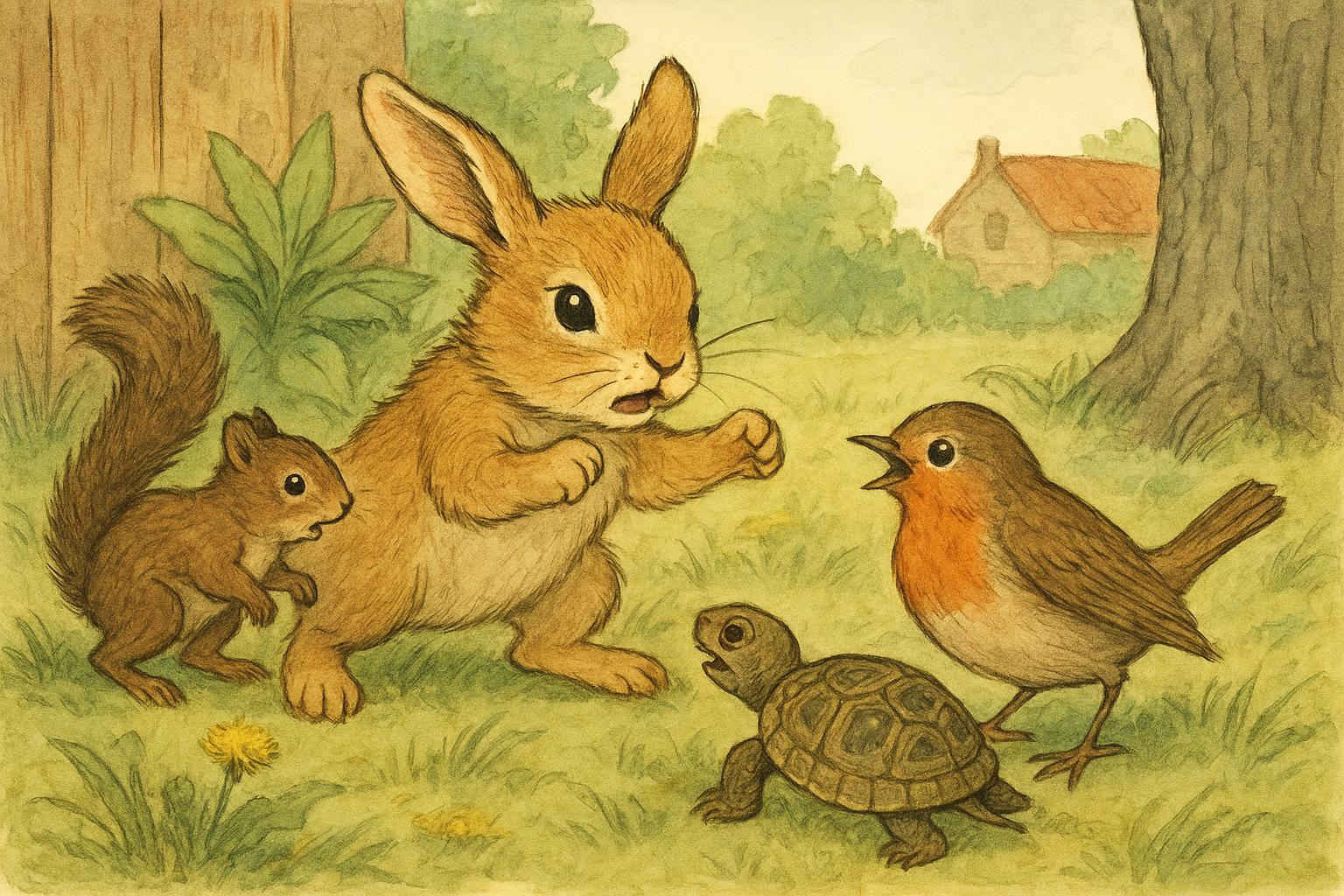
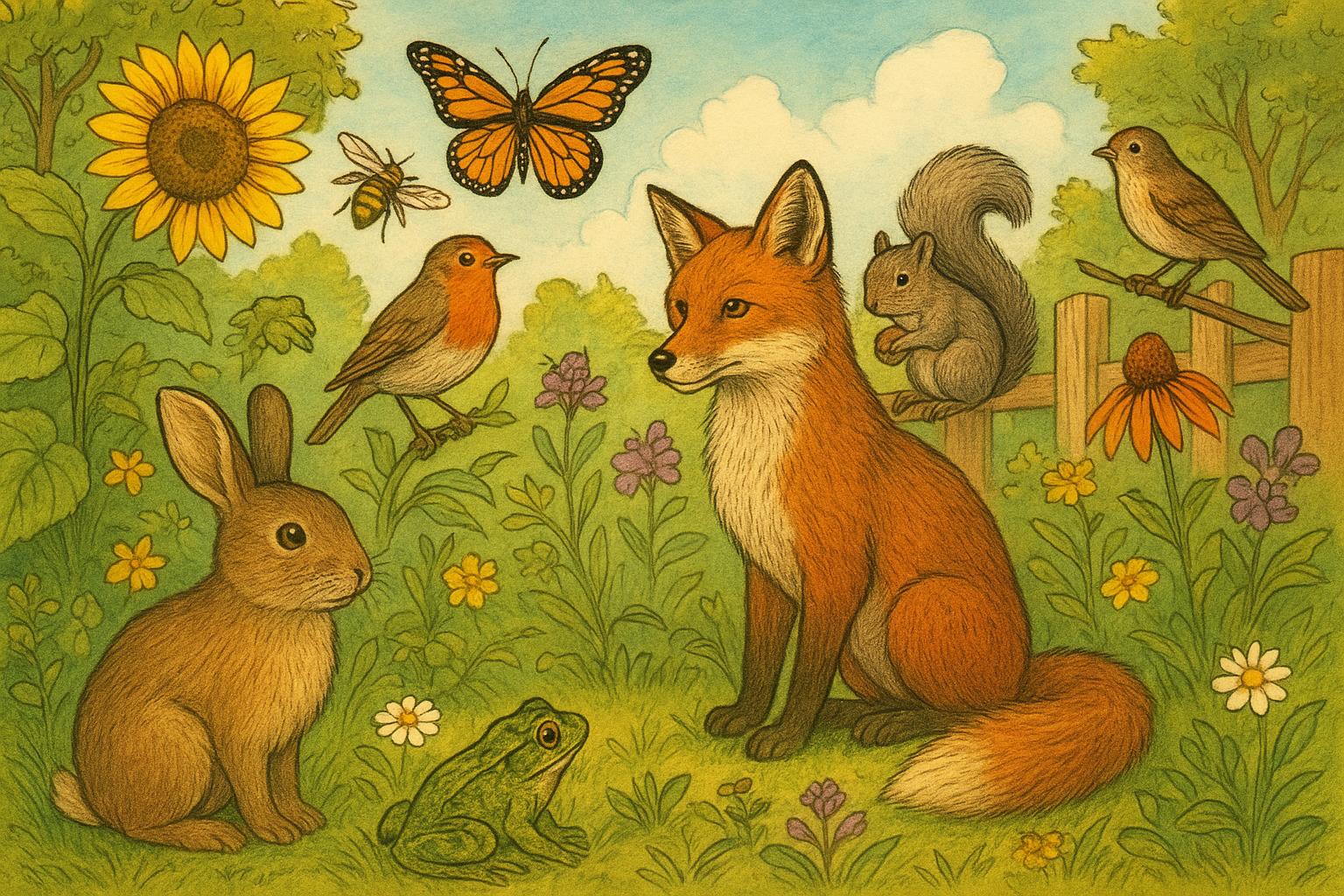
Every spring your backyard can feel like the front row at a wildlife talent show: tiny performers, dramatic entrances, and the occasional confused stage manager (that would be you). If you’ve been seeing more peeps, waddles, and hops than usual, you’re not imagining it—this is the season when baby animals spring into the world and your yard often becomes prime real estate for them.
## Baby Animals Spring: The Backyard Roster
(1) The cast changes depending on where you live, but here’s a friendly guide to who shows up, what they’re usually doing, and how to enjoy the spectacle without causing a meltdown backstage.
### Fluffy Rabbits And Their Hideouts
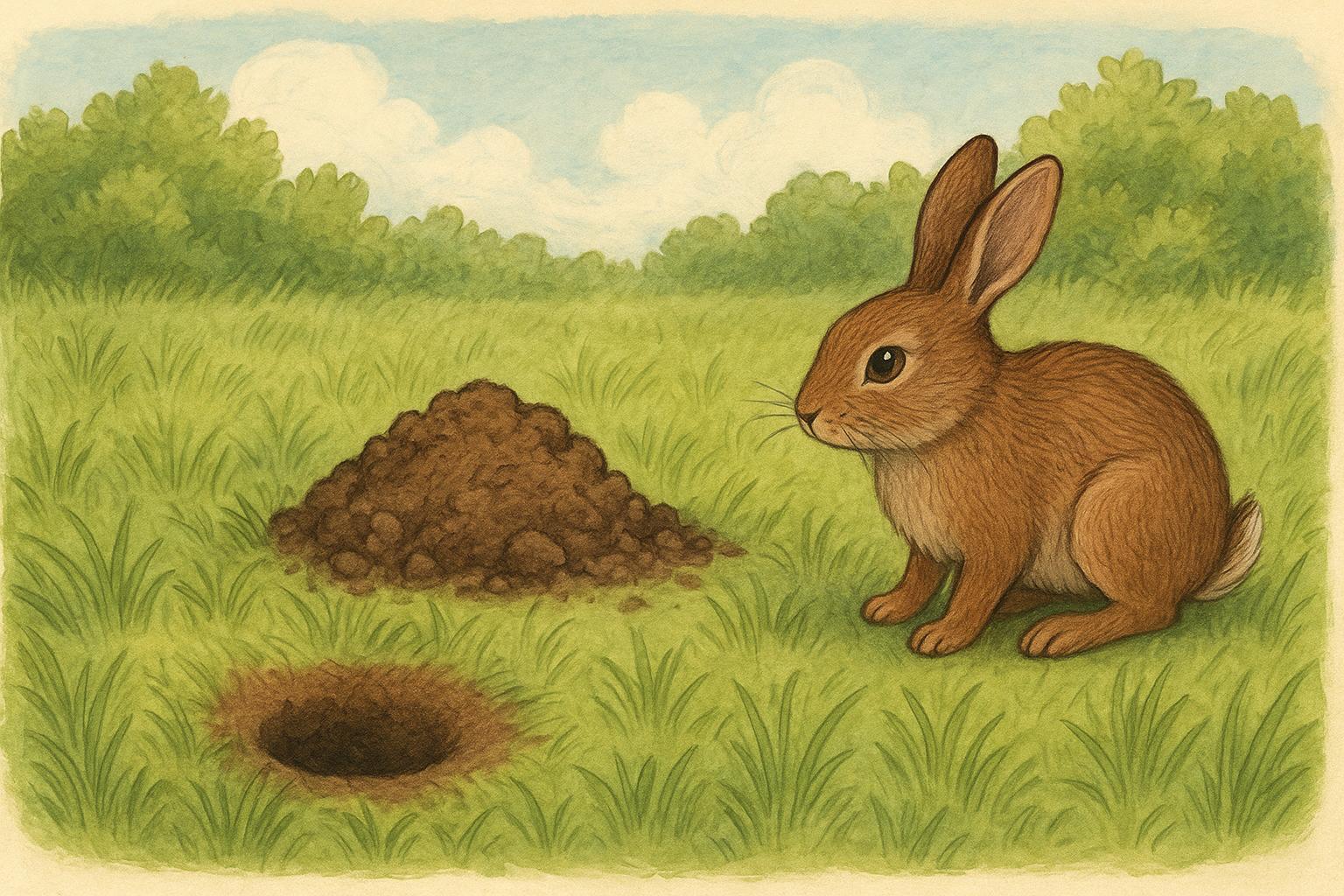
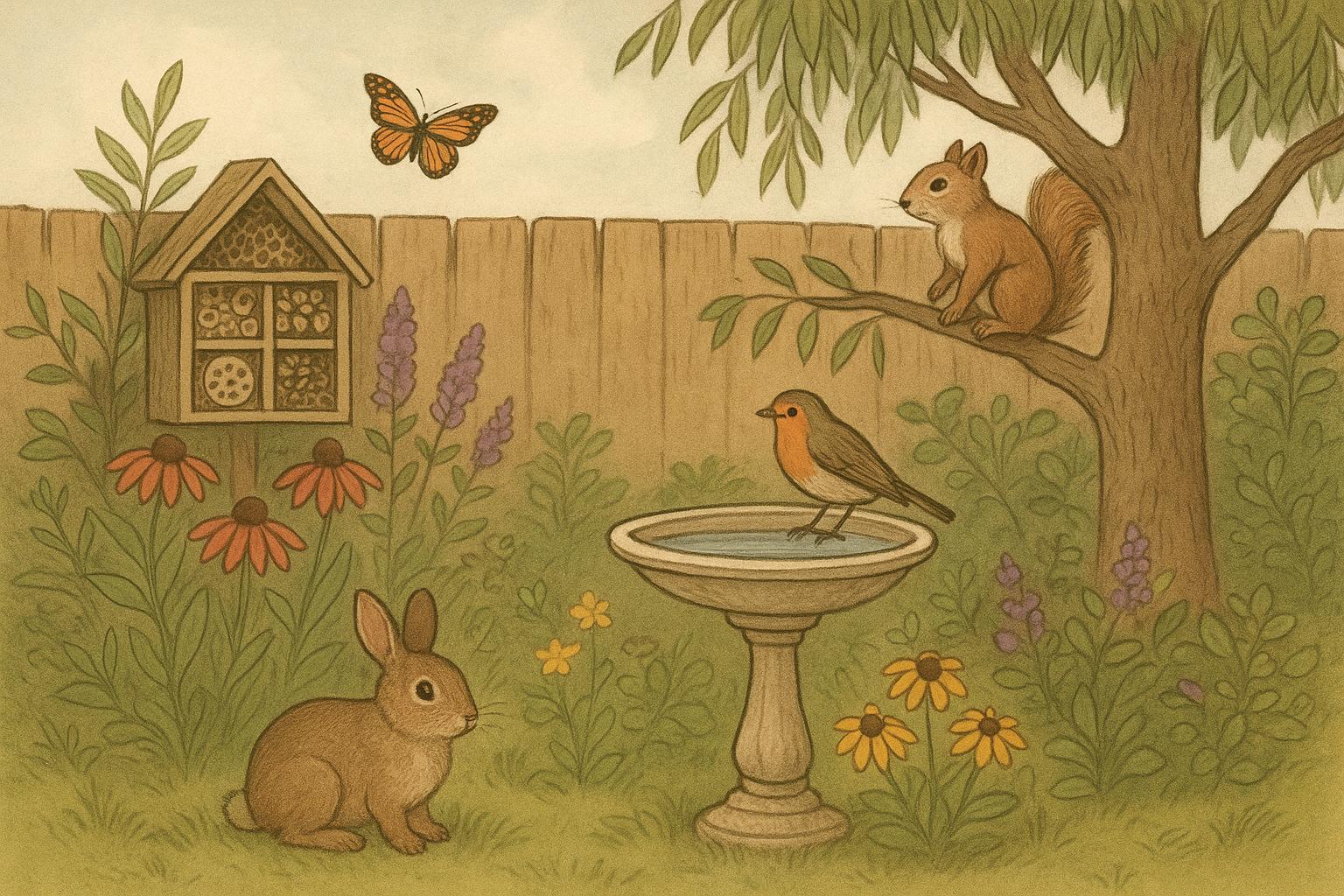
Rabbits are often the most obvious spring visitors. Mothers use shallow depressions called forms tucked into tall grass or under shrubs to keep their young hidden. The babies, called kits, are born blind and deaf but grow fast—within a couple weeks they’re venturing out and exploring the yard.
– Behavior To Watch: A lone nest site with flattened grass or a small cluster of fur is normal. Mom feeds kits briefly at dawn and dusk.
– What Not To Do: Don’t move the nest unless the mother is dead or the kits are clearly injured. Disturbing the site can lead to abandonment.
(2) You’ll notice baby animals spring more stealthily early in the morning and at dusk; that’s when many mammals are most active.
### Chirpy Songbirds And Nesting Drama
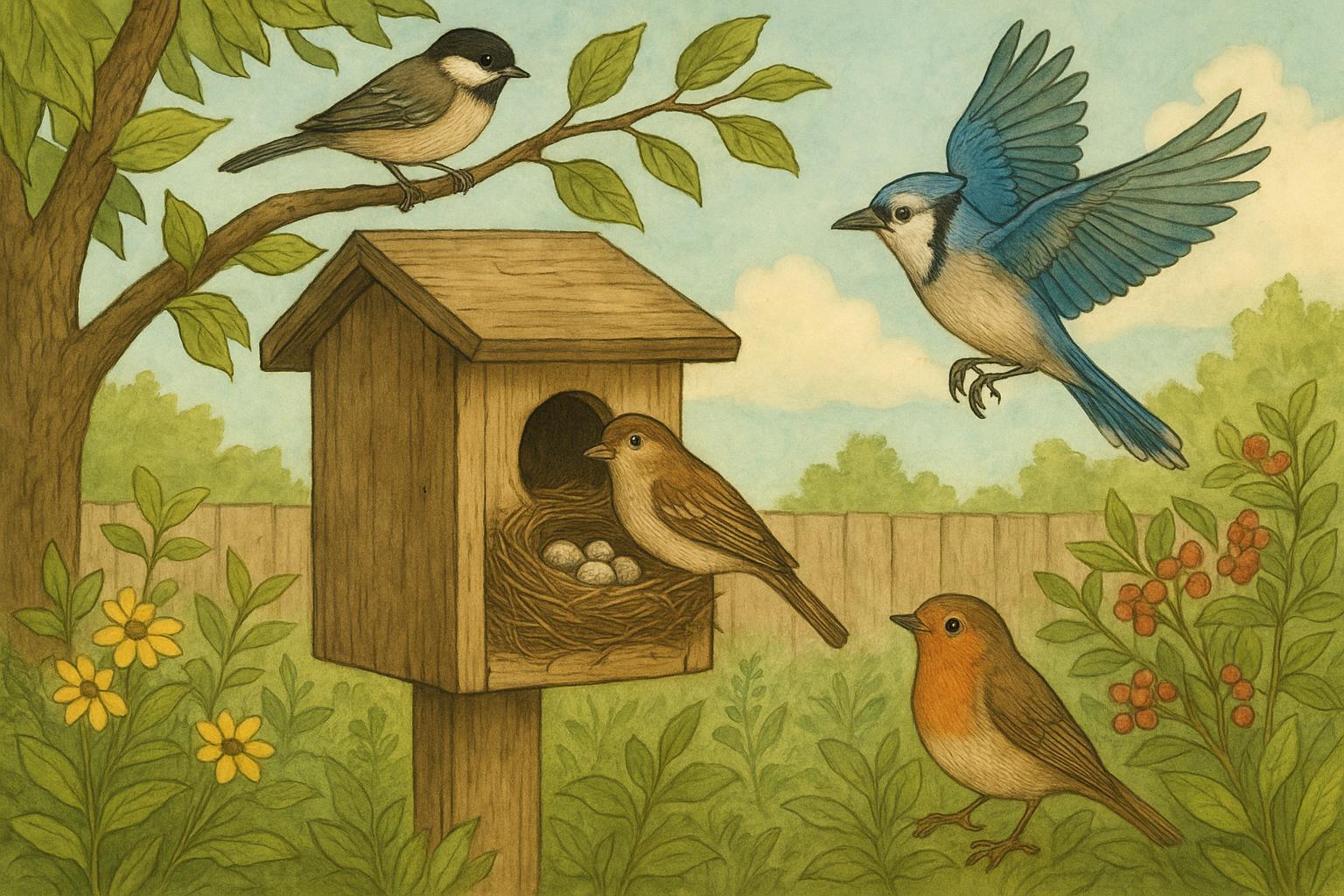
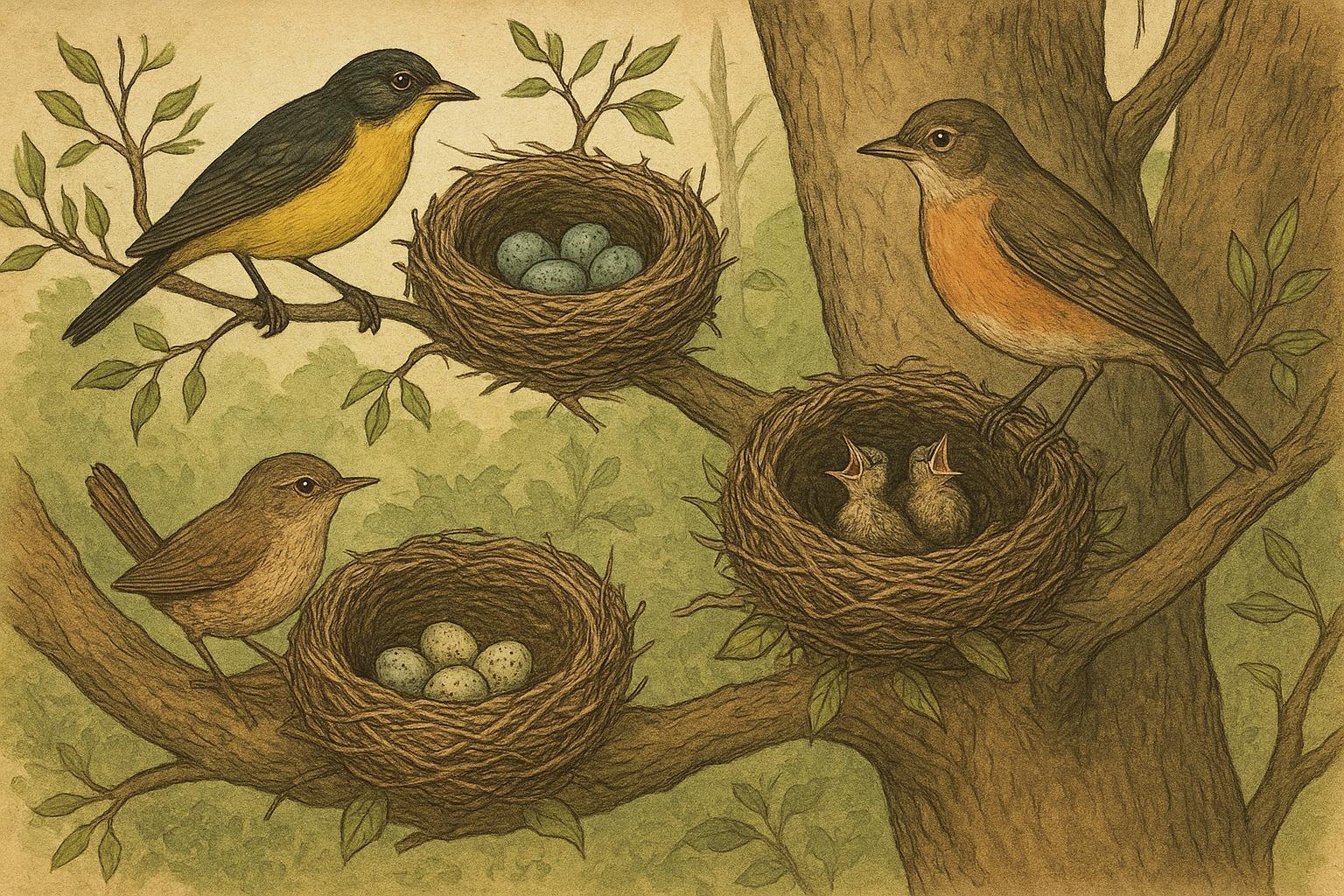
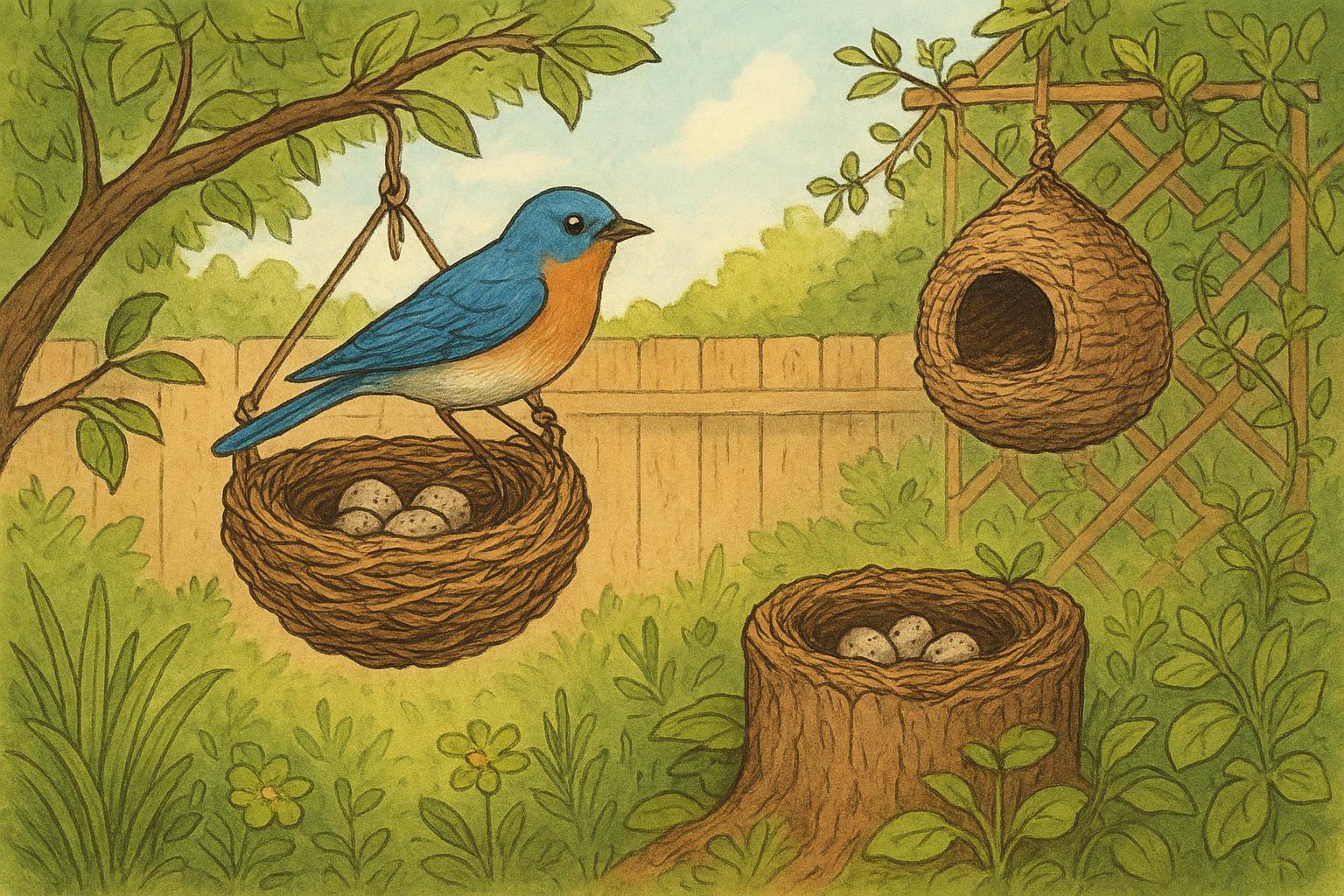
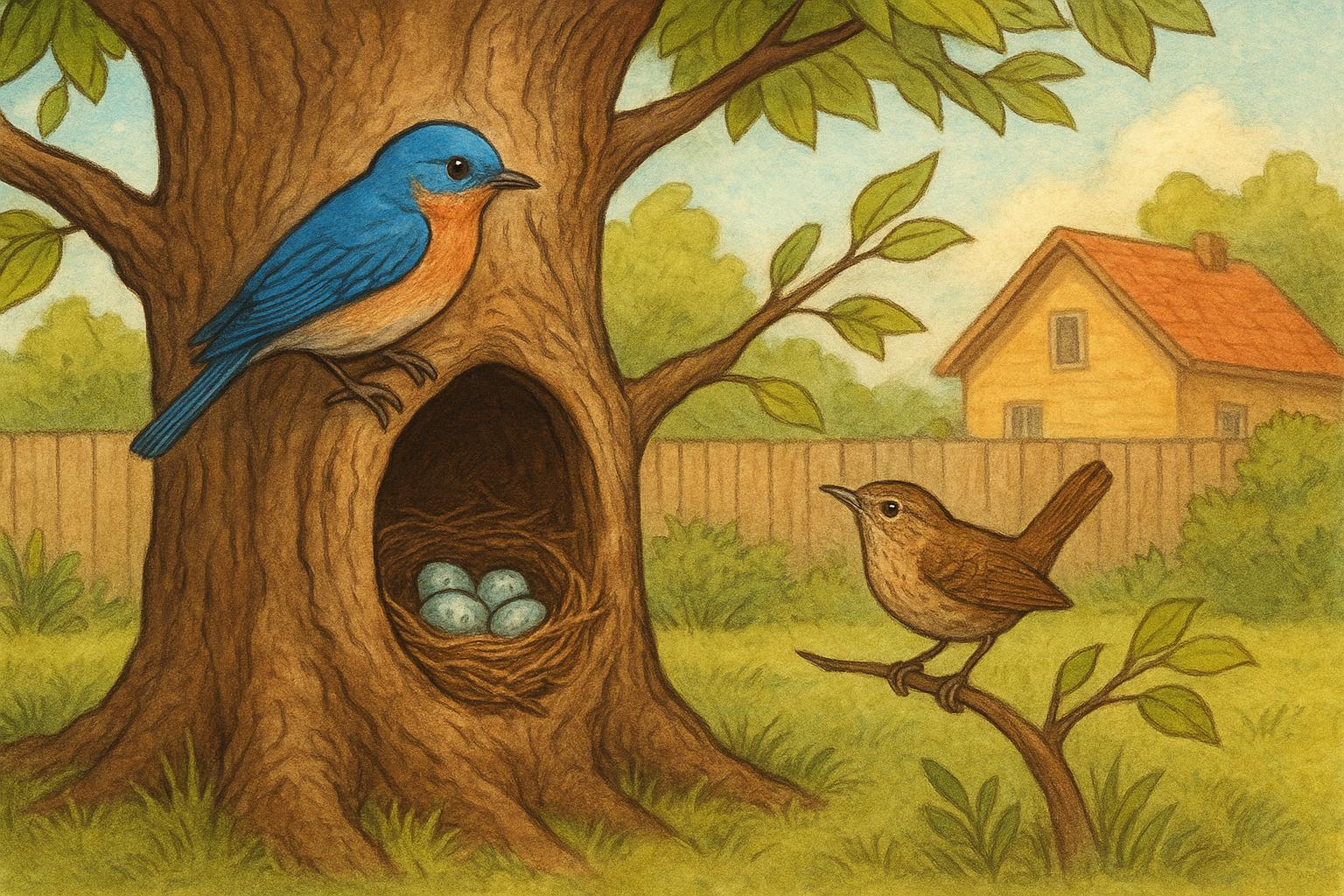
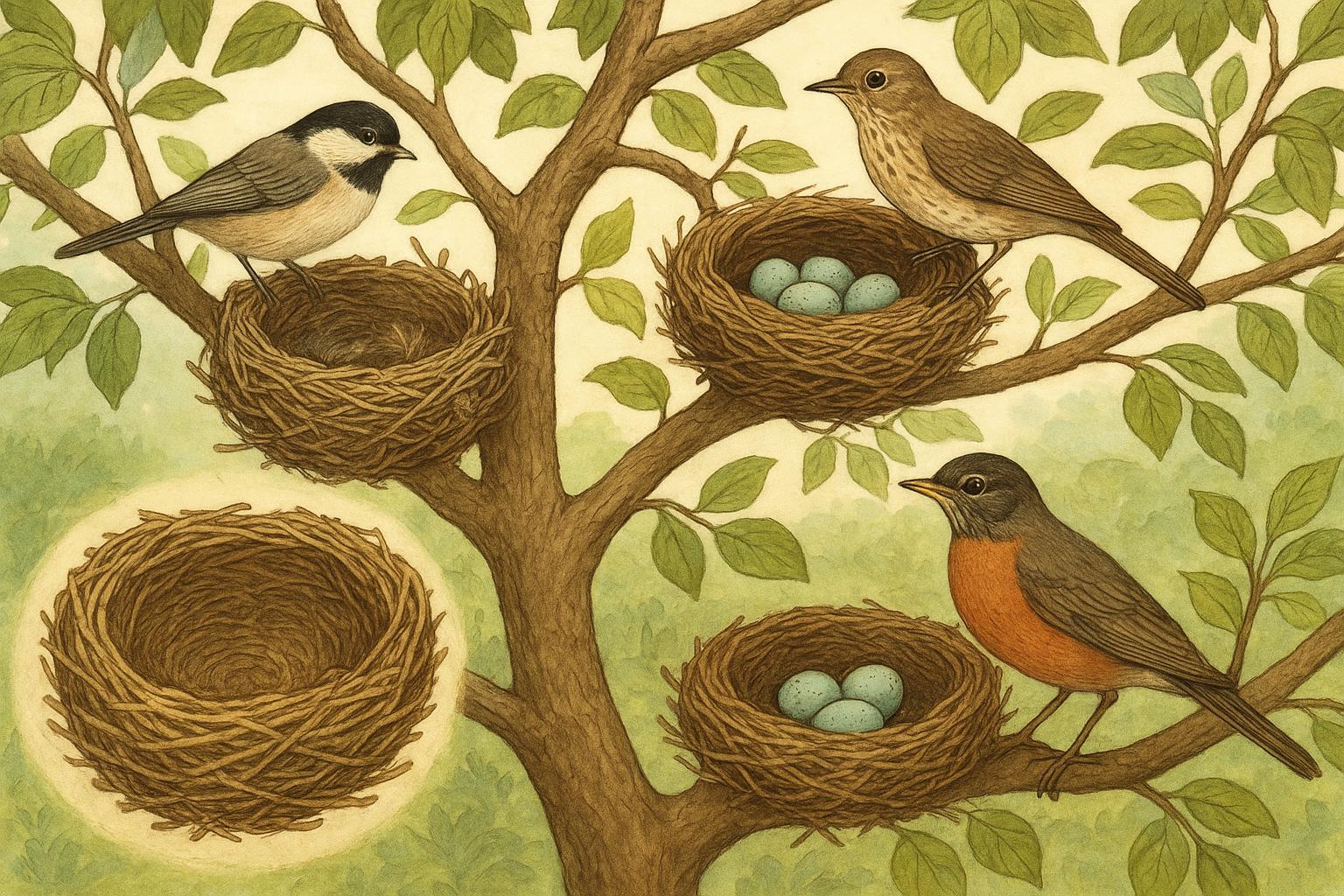
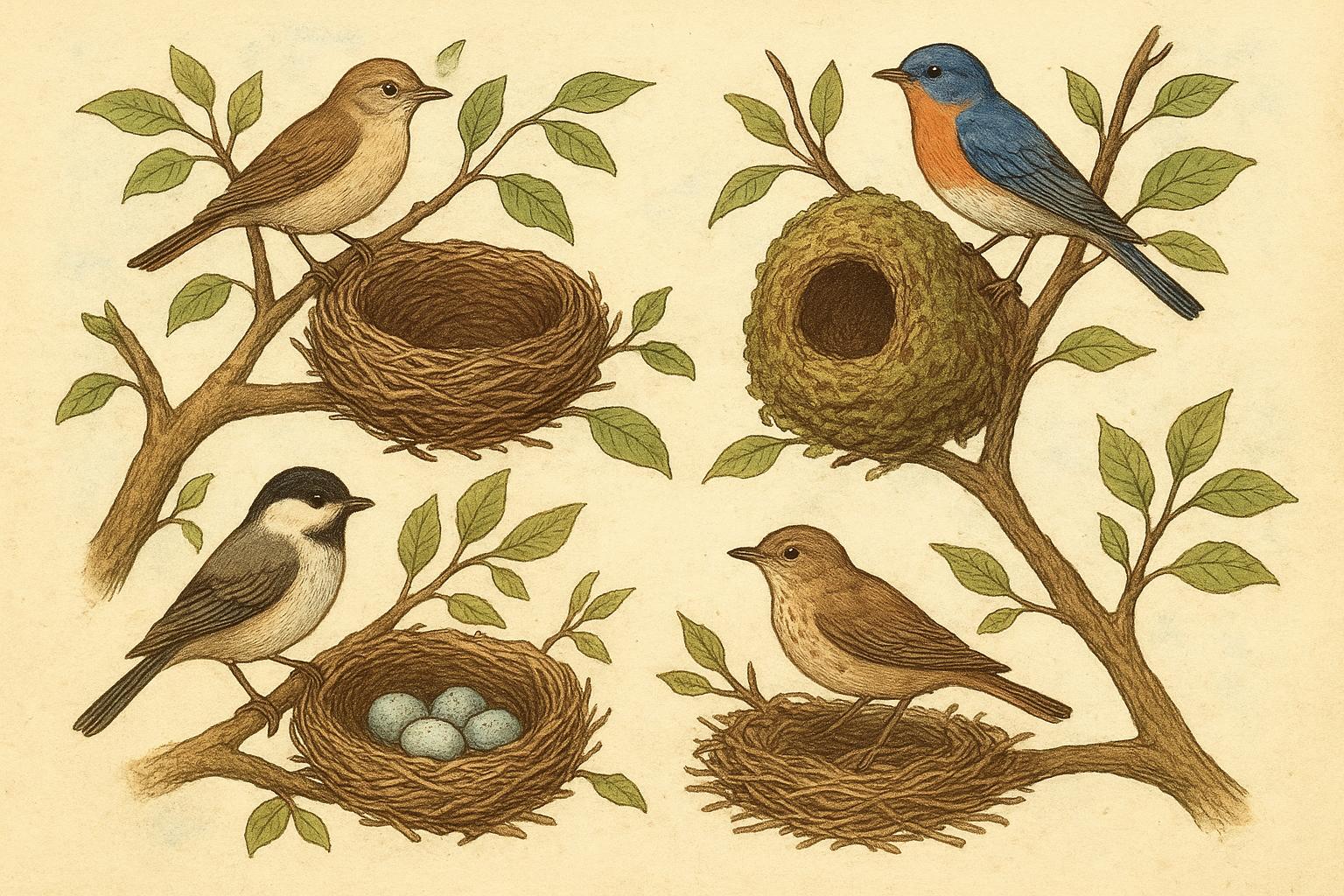
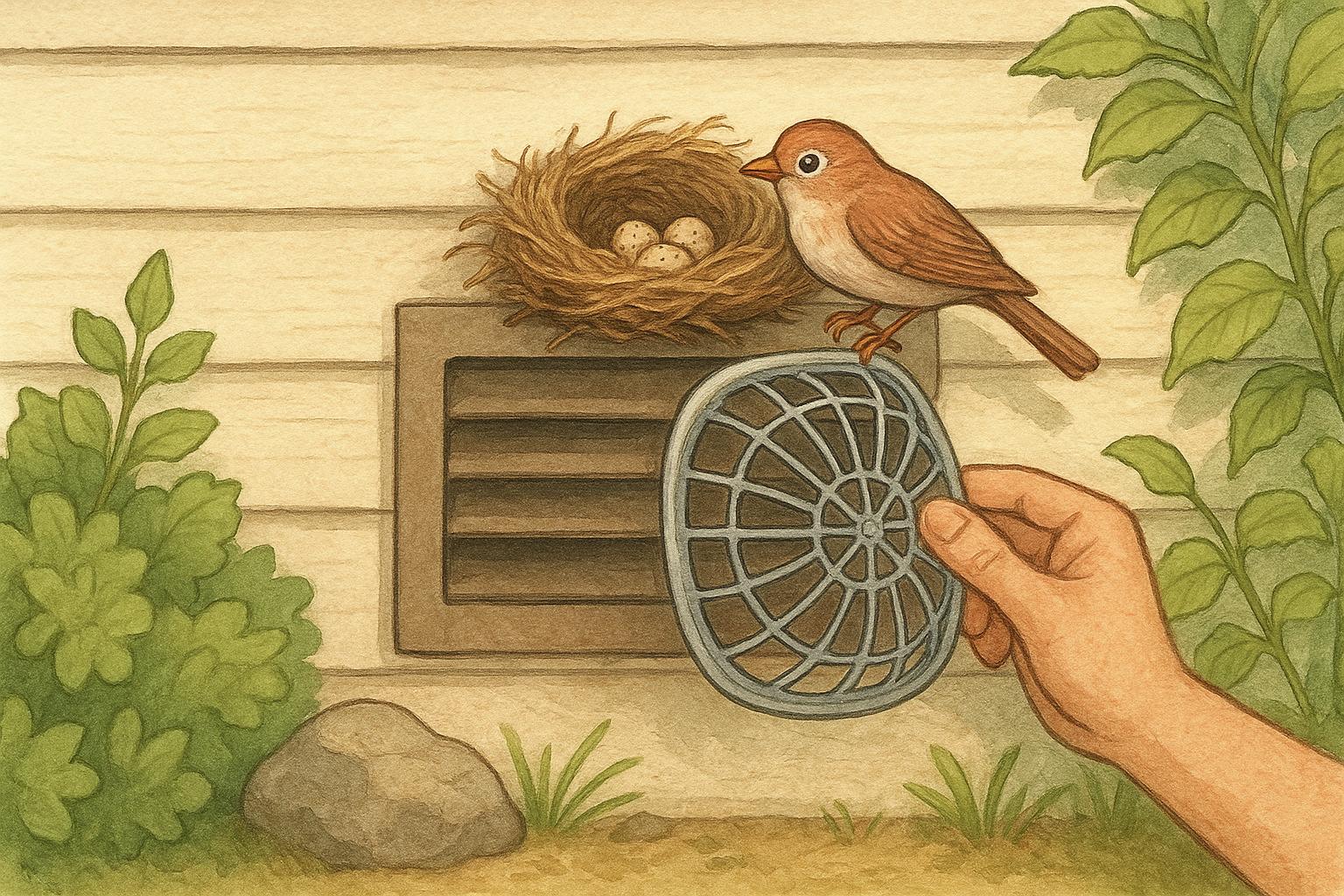
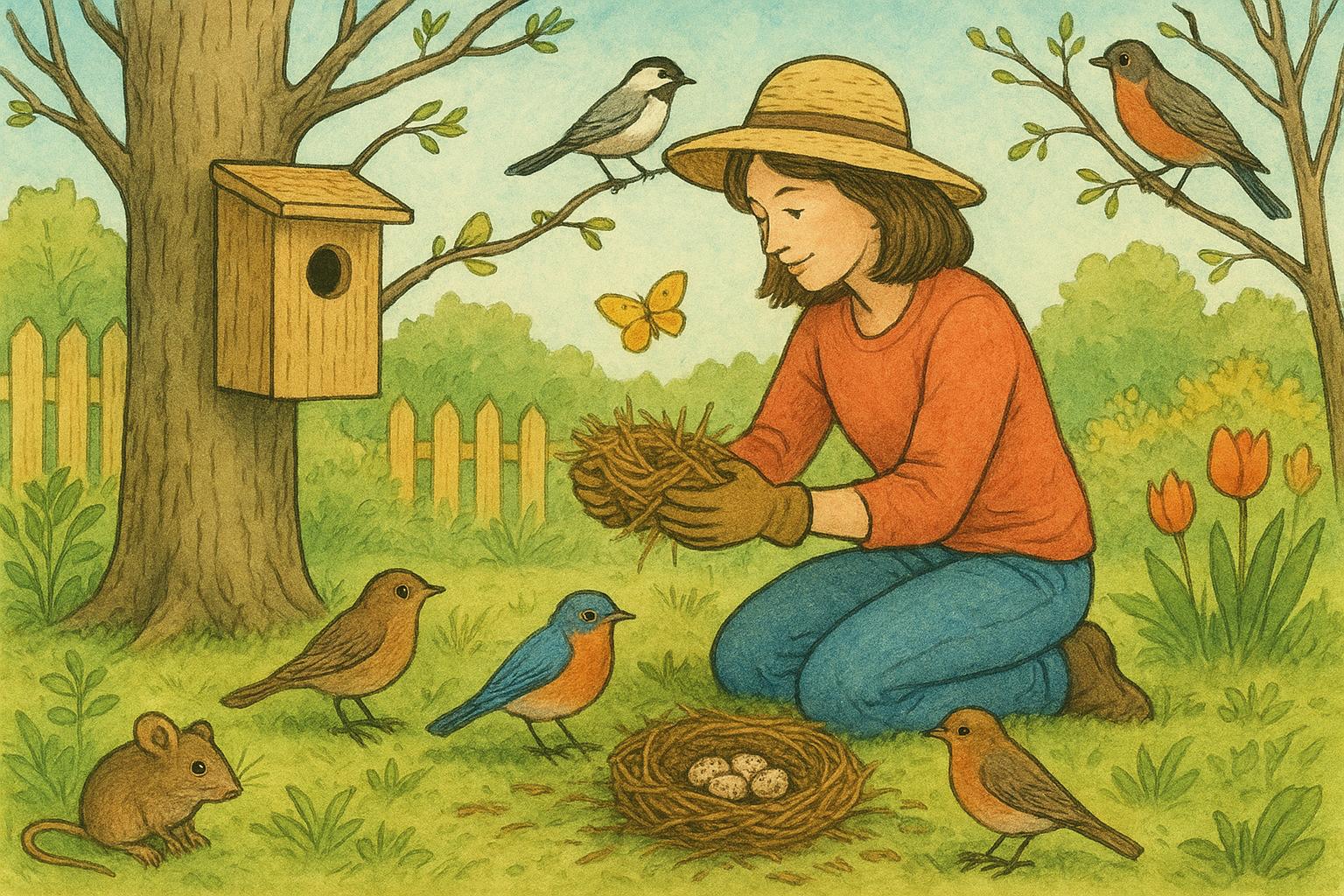
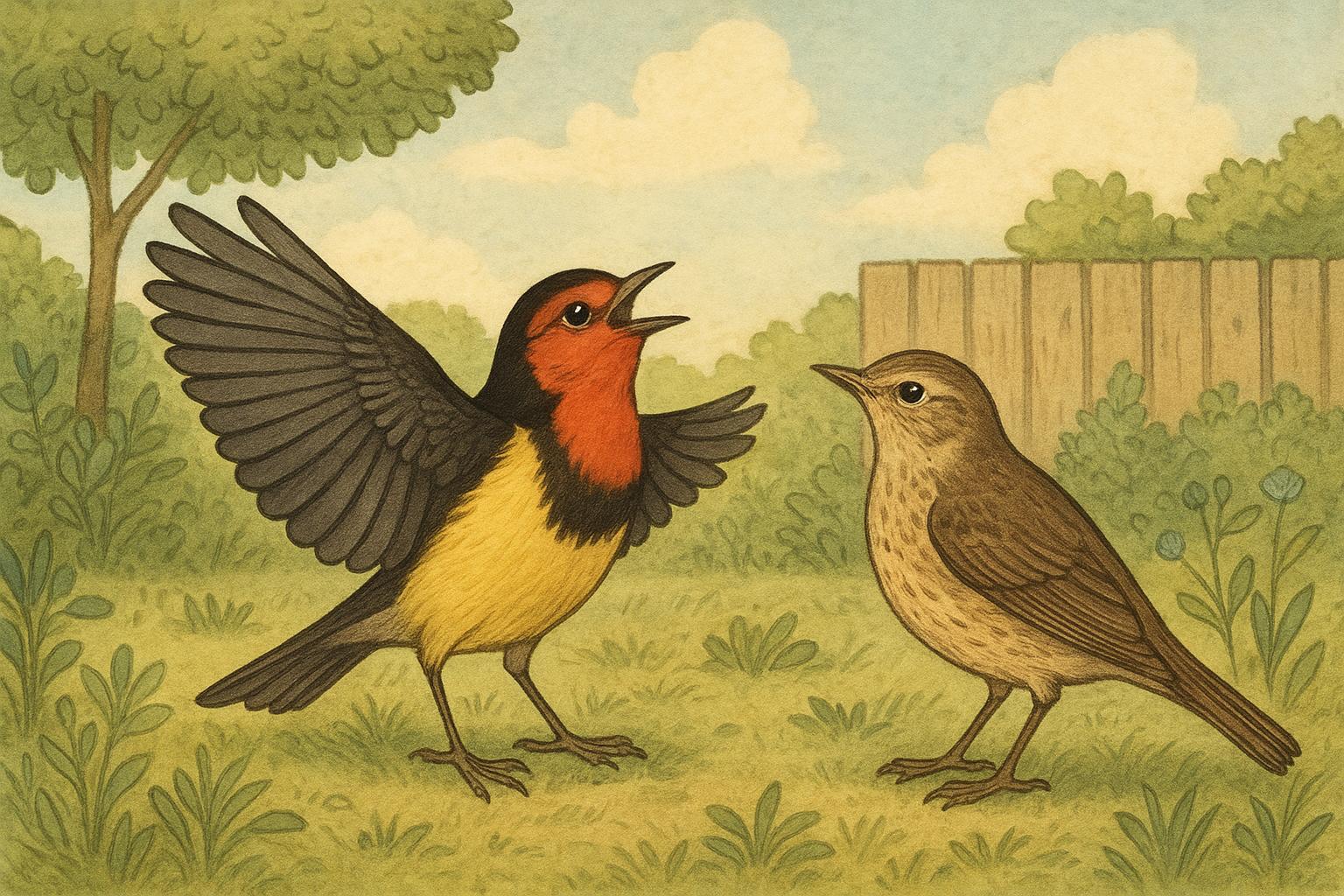
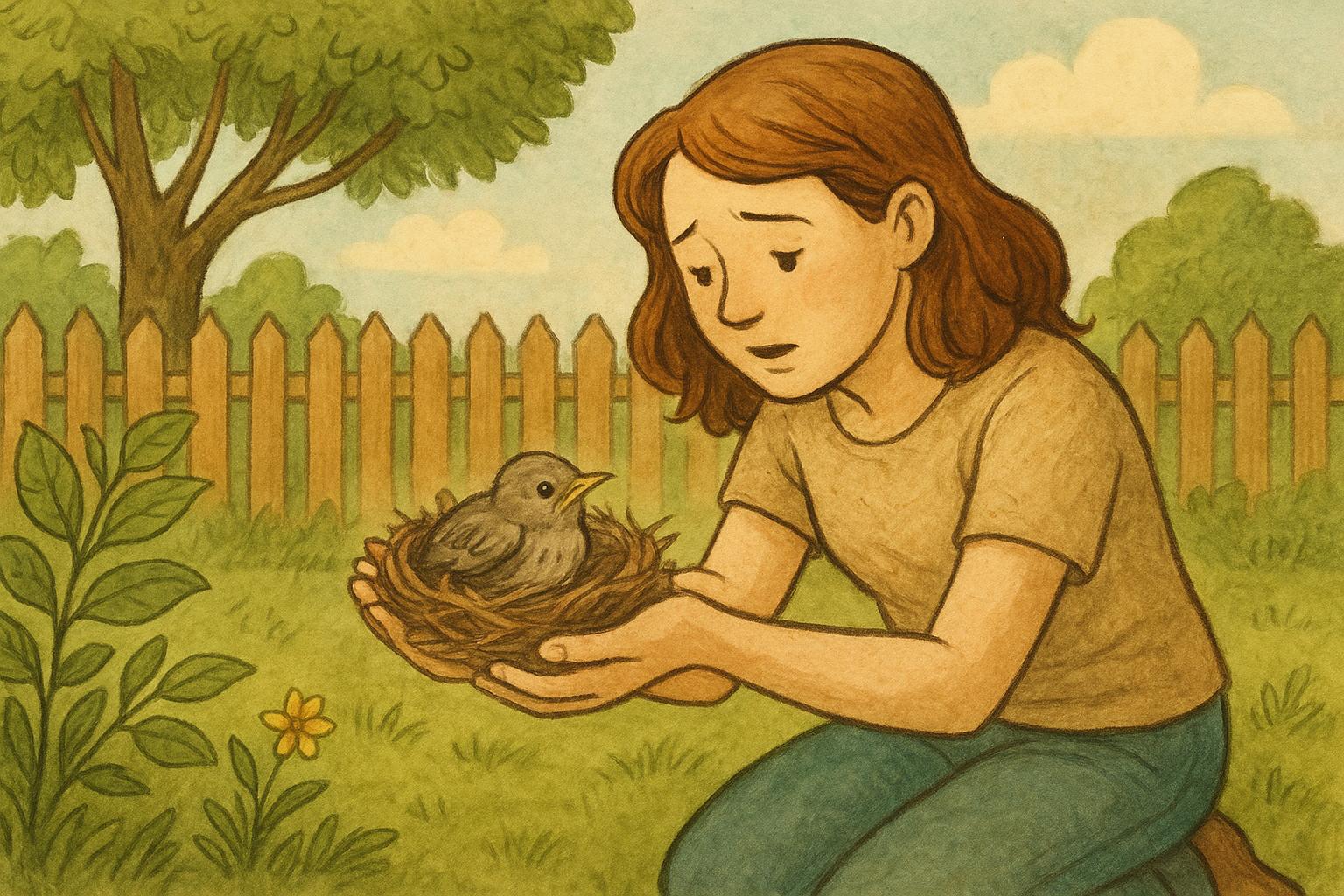
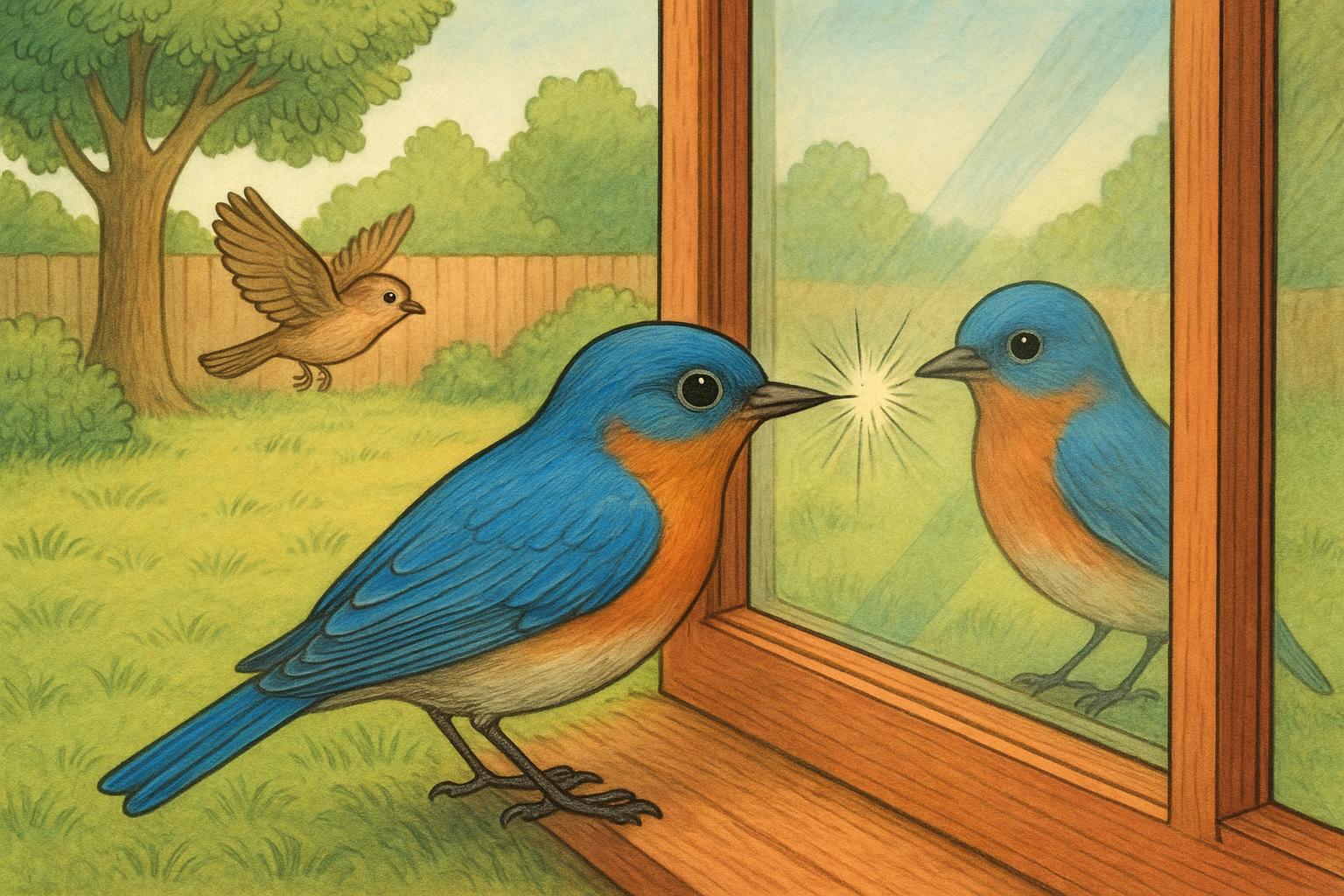
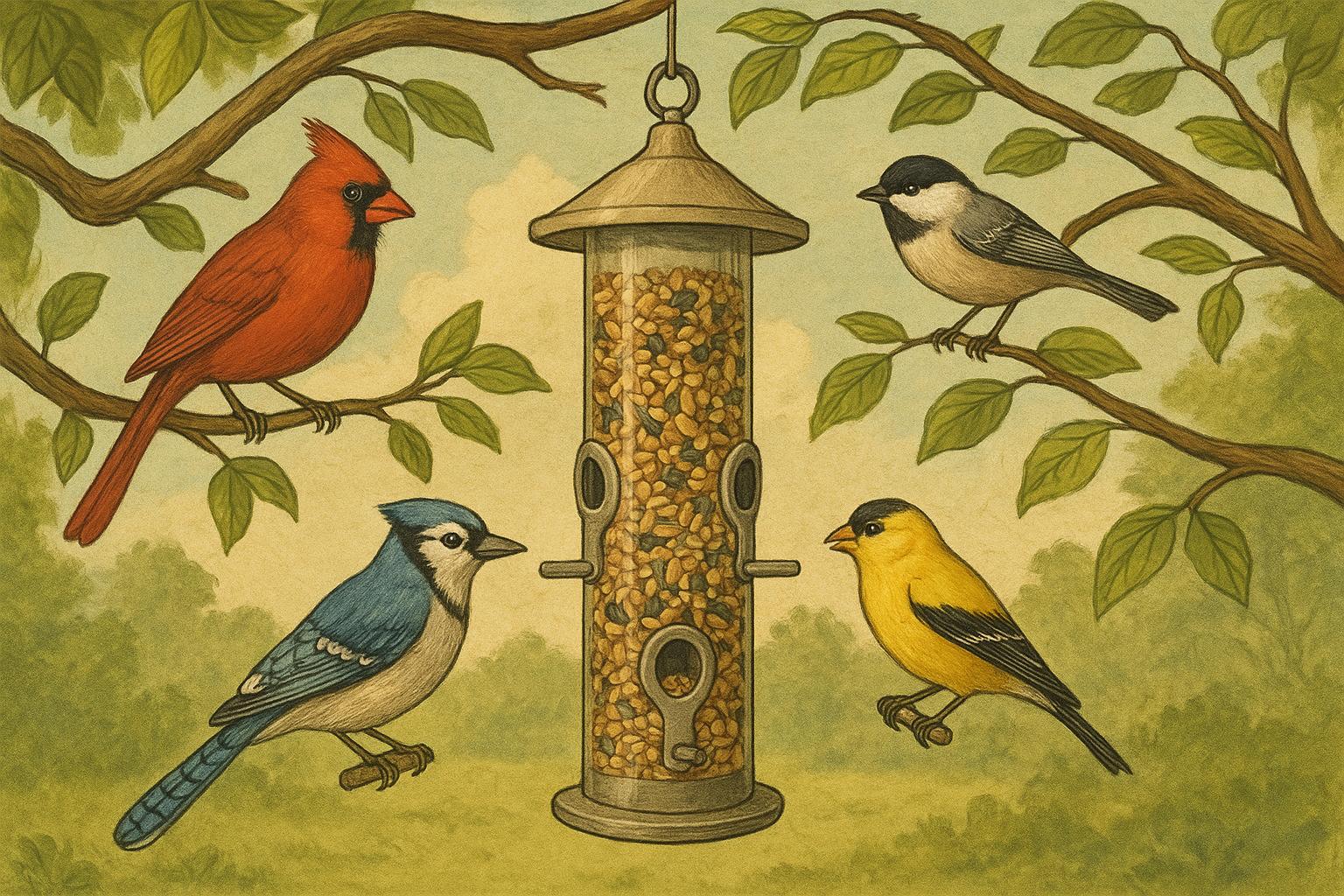
Songbirds return or expand activity in spring. Species like robins, sparrows, and wrens build nests in shrubs, under eaves, or in hanging baskets. Nestlings are often left alone while parents forage; it’s normal and crucial for parents to come back.
– Common Misreads: A fledgling on the ground hopping awkwardly looks abandoned but is usually being taught to fly. Keep pets away and observe from a distance.
#### How To Spot A Nest Without Disturbing It
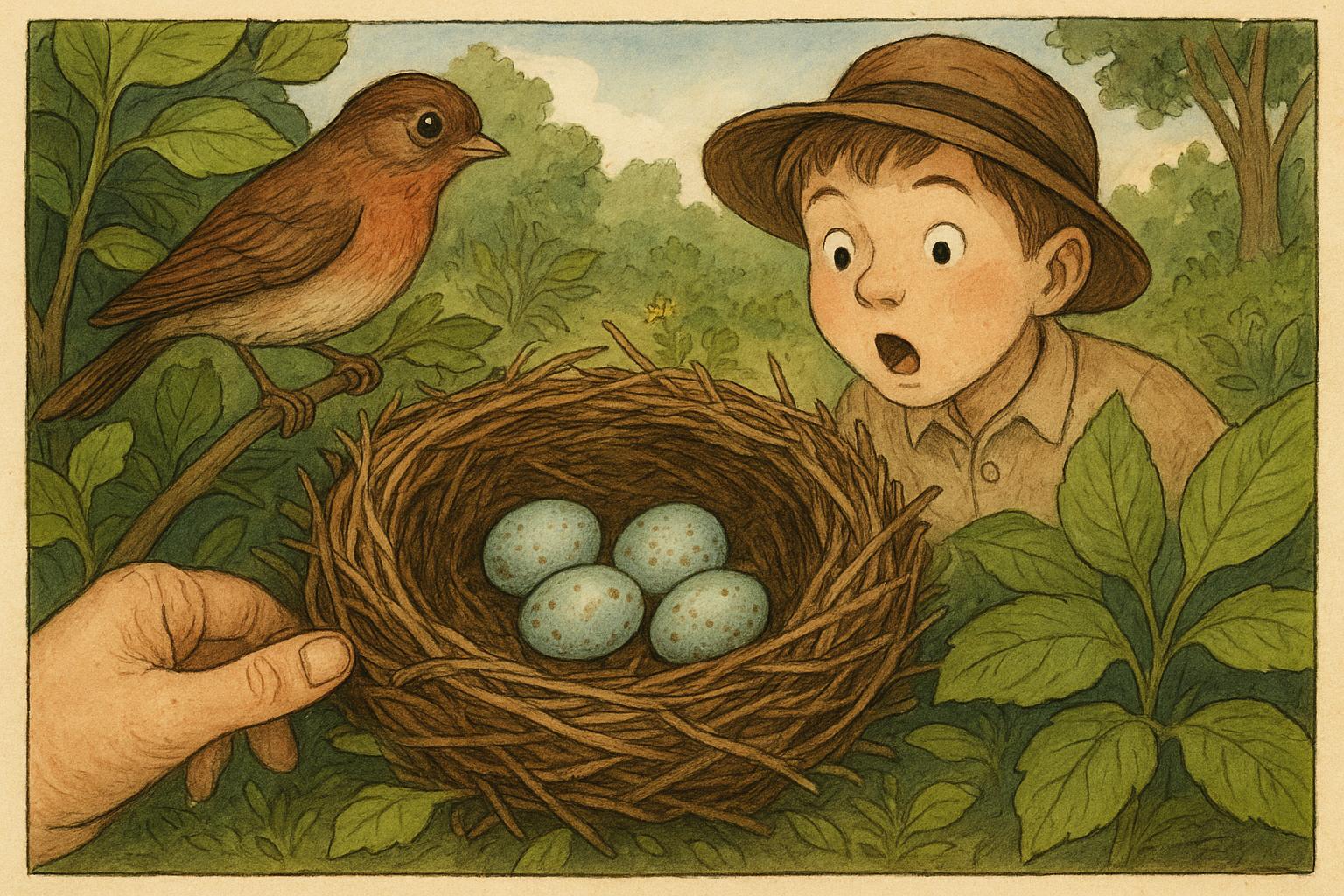
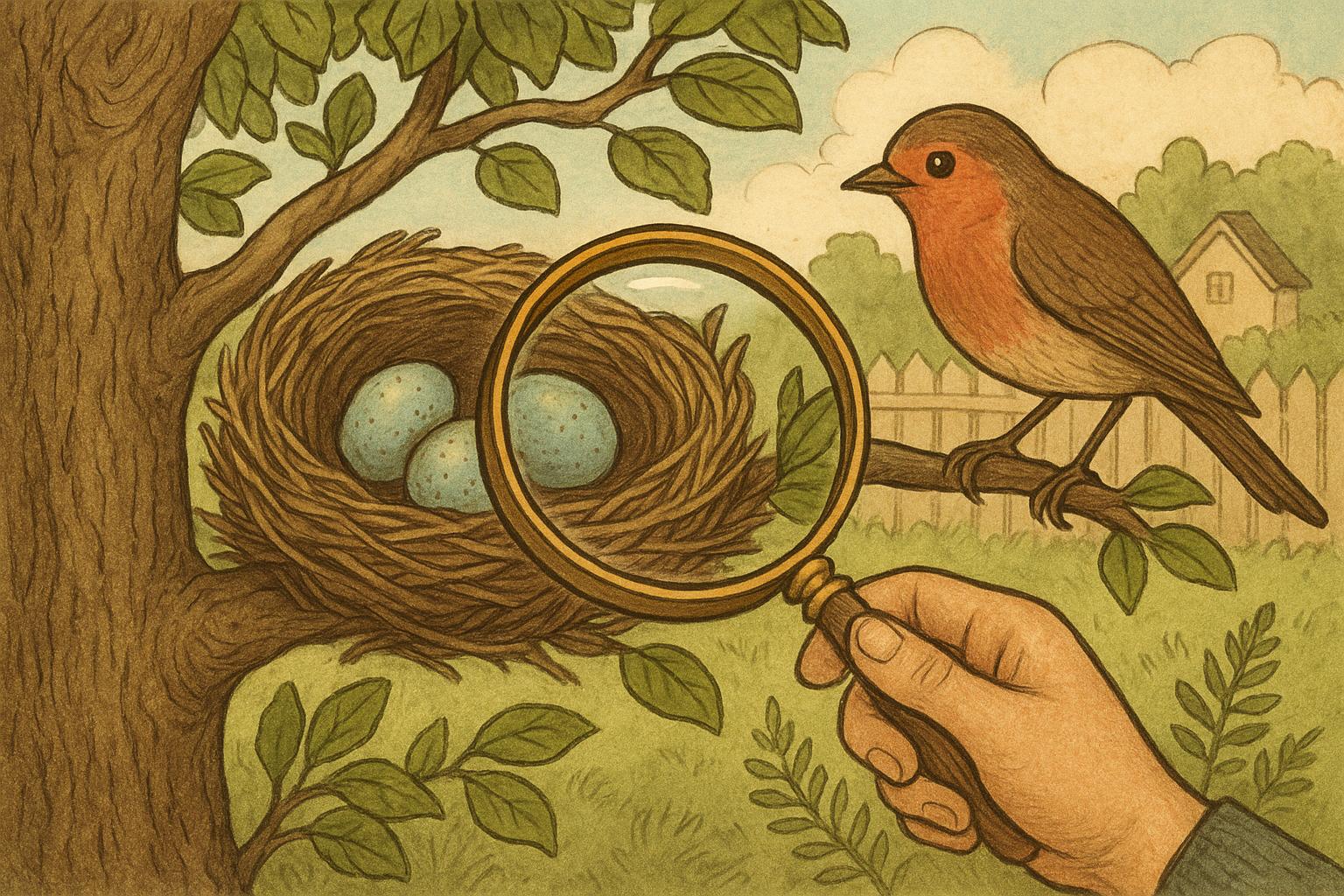
Look for adult behavior—birds flying repeatedly to the same spot. Avoid touching nests or moving them. If you must temporarily remove a hanging basket to reach something, place it back as soon as possible.
### Fawns: Tiny And Exceptionally Quiet
If you have wooded edges or open fields nearby, deer may use your yard as a nursery. Fawns are left hidden and immobile while their mother grazes. They rely on camouflage and stillness.
– Safety Tip: Mow with care. Before using machinery, glance around and listen for soft clicking or bleats—mothers sometimes make low noises to call fawns.
### Squirrels: Acrobat Babies And Food Lessons
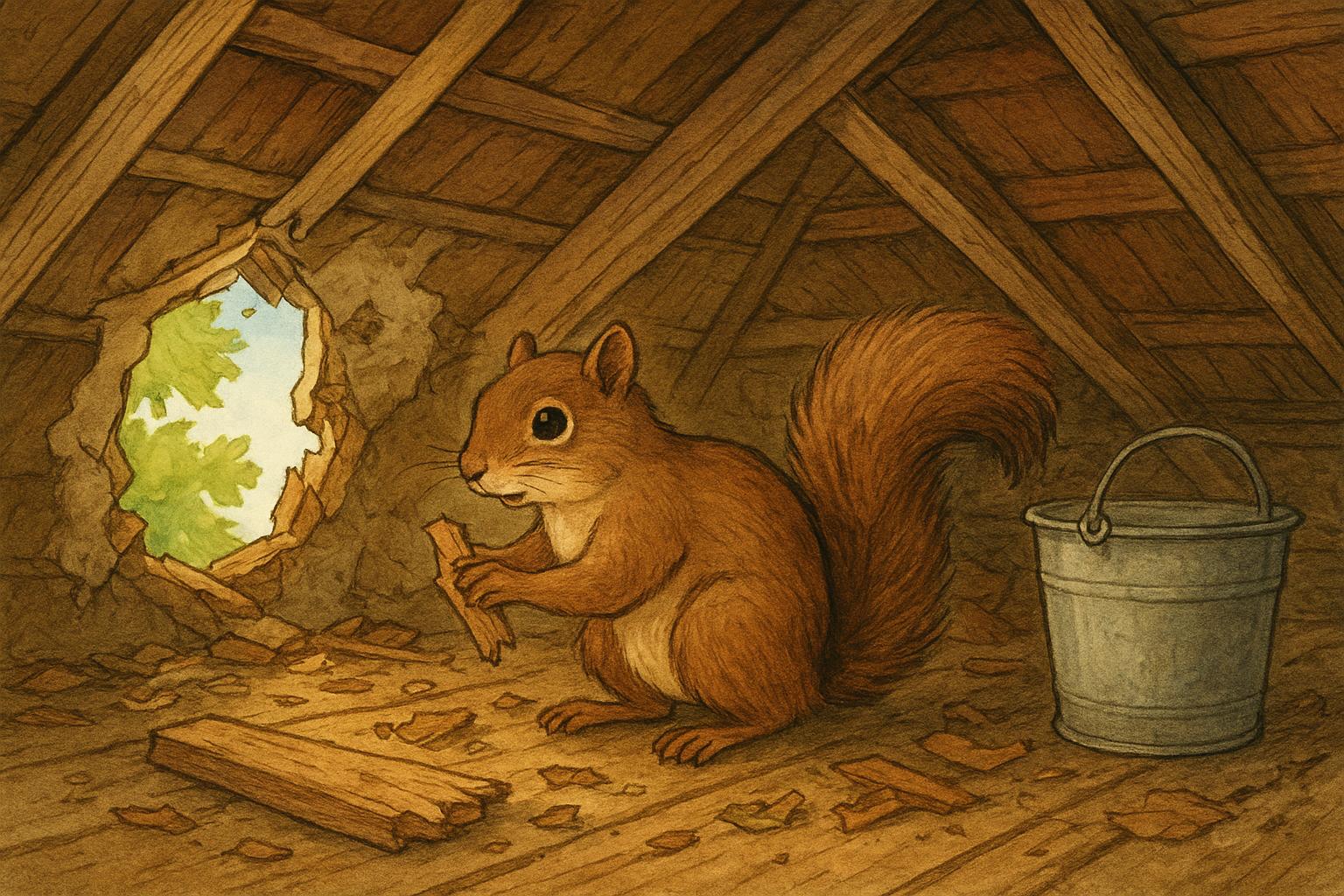
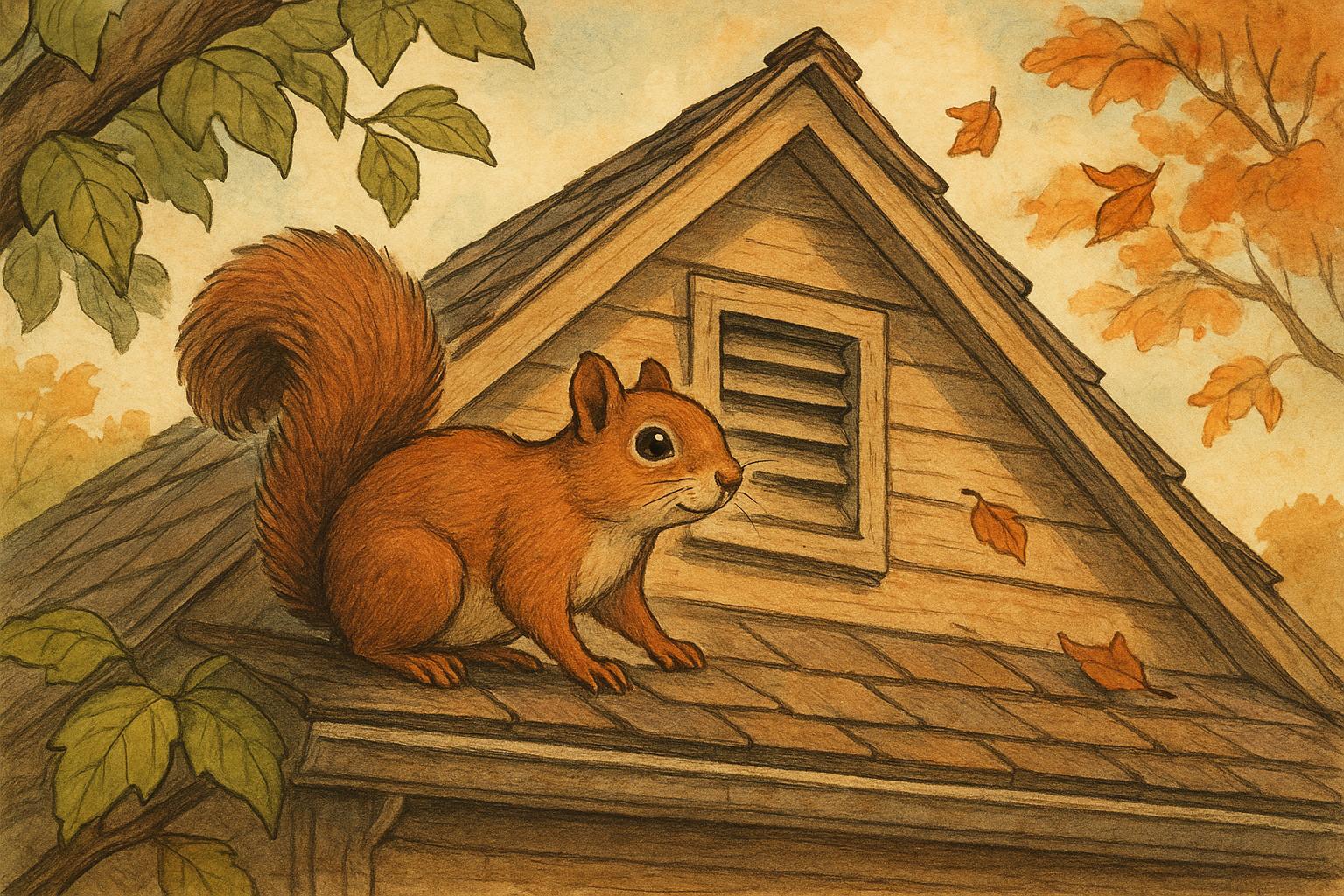
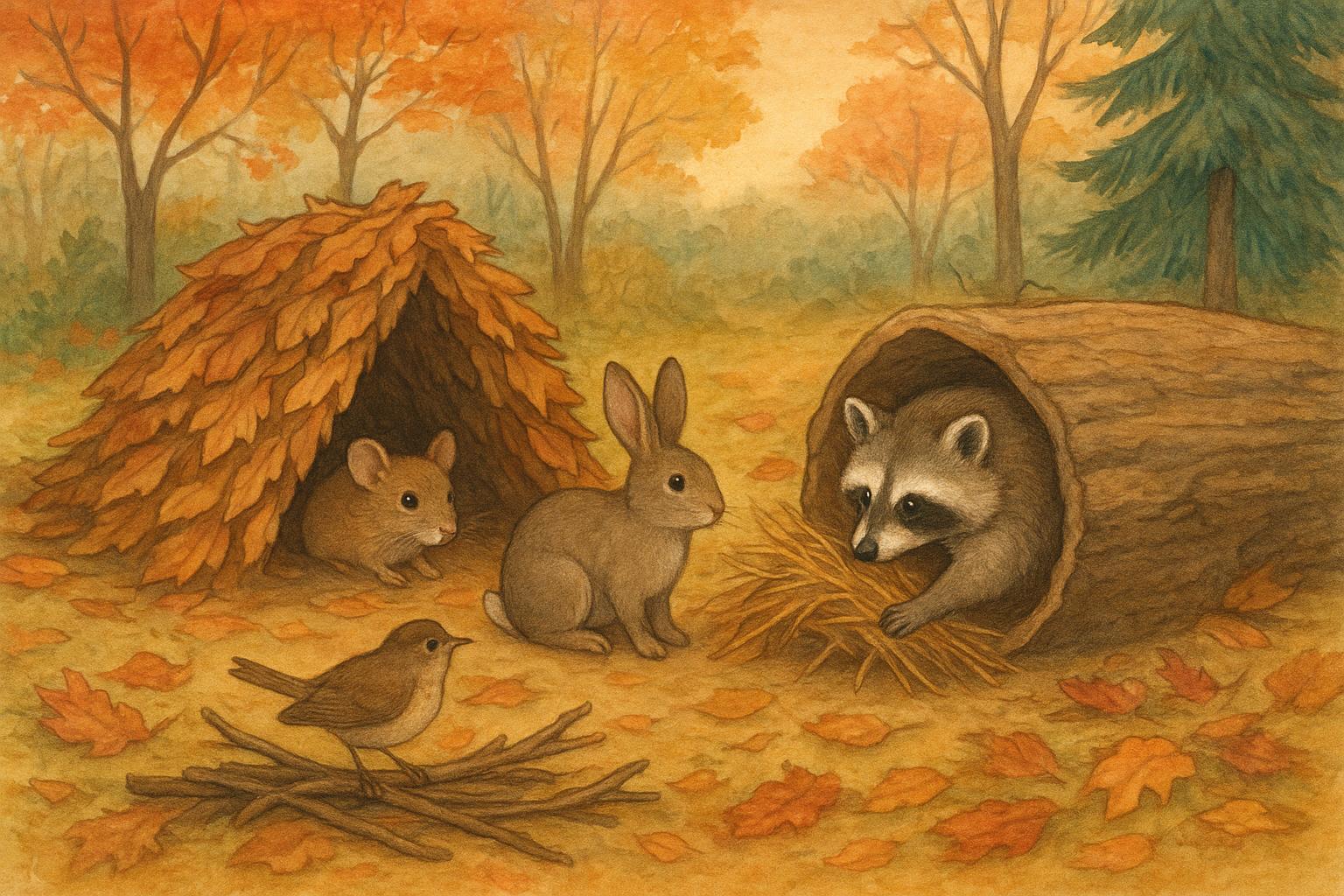
Squirrel kits stay in leaf-lined dreys or tree cavities. Young squirrels are curious climbers and may fall from nests, which looks alarming but isn’t always an emergency. Mothers frequently return.
– To Assess: If a kit is cold, injured, or in immediate danger (road, dog), it may need help. If it seems healthy and is in a tree, observe for several hours from indoors.
### Ducklings, Goslings, And Waterfowl Processions
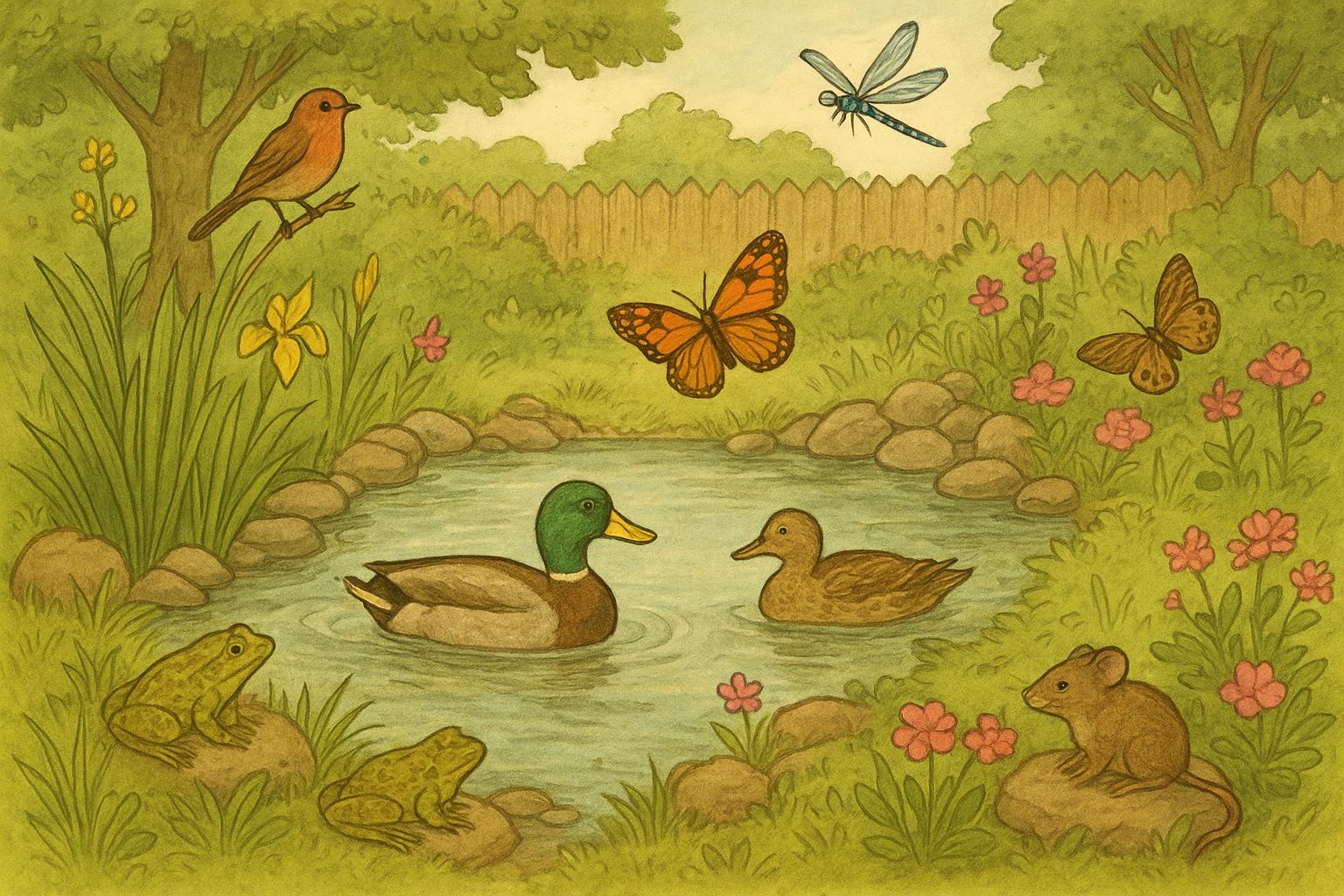
If you live near ponds or streams, you might get parades of downy ducklings or goslings led by a vigilant parent. They move in single file and are easily spooked.
– Respect Their Route: Do not attempt to corral or herd them away from water—this causes chaos and stress for the parents and babies.
### Unexpected Guests: Opossums, Porcupettes, And More
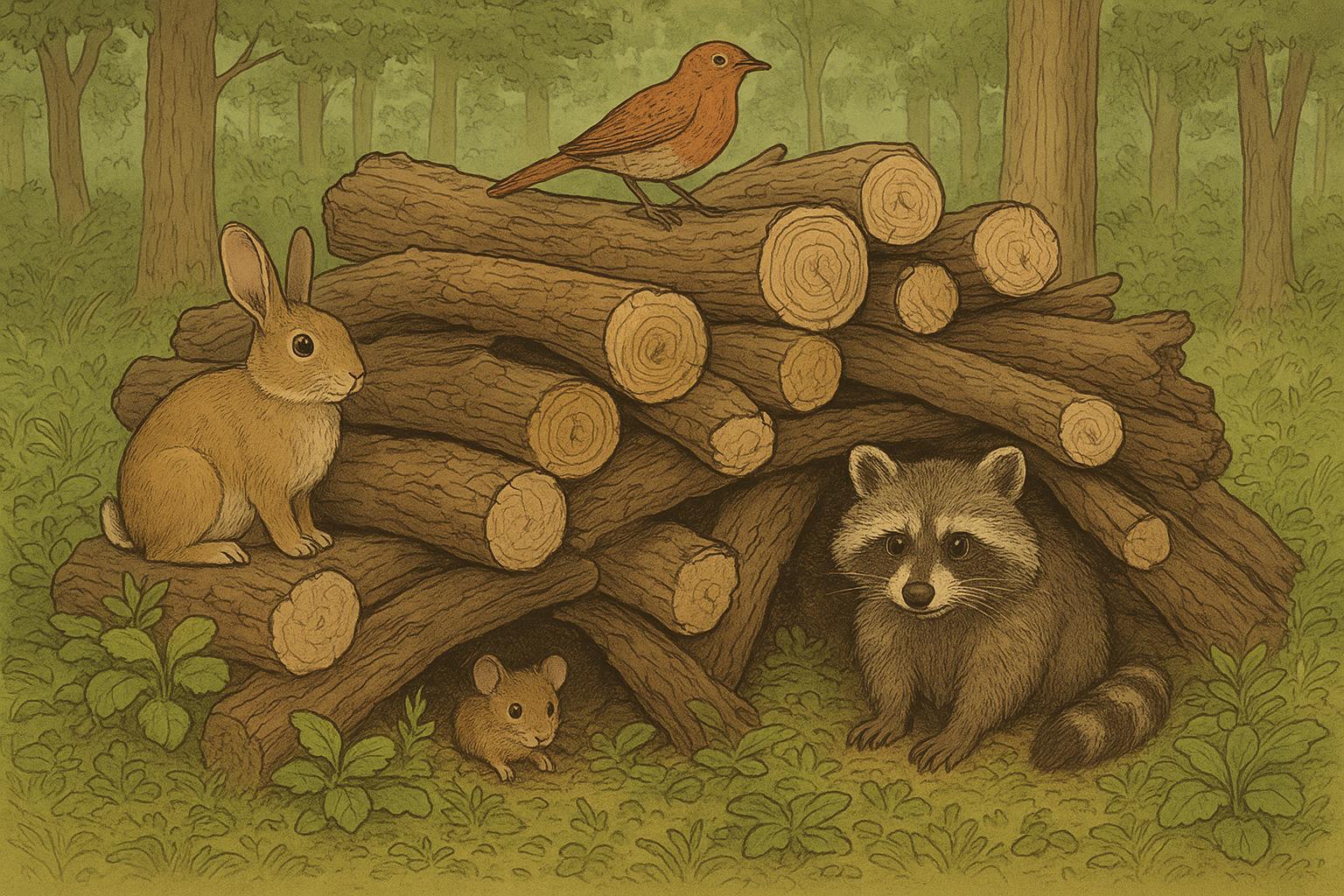
Spring brings a variety of mammals. Opossum mothers carry babies on their backs or in dens; porcupettes remain with their mothers until their quills stiffen. These animals typically avoid humans but will occupy sheds, woodpiles, or thick brush.
#### How To Tell If A Wild Baby Needs Rescue
– If it’s injured, bleeding, or lying in open sunlight without movement, it likely needs help.
– If it’s very young, cold, or wet, it needs stabilization but may recover with parental care if reunited quickly.
– If it’s obviously orphaned (no adult returns after several hours), contact a licensed rehab.
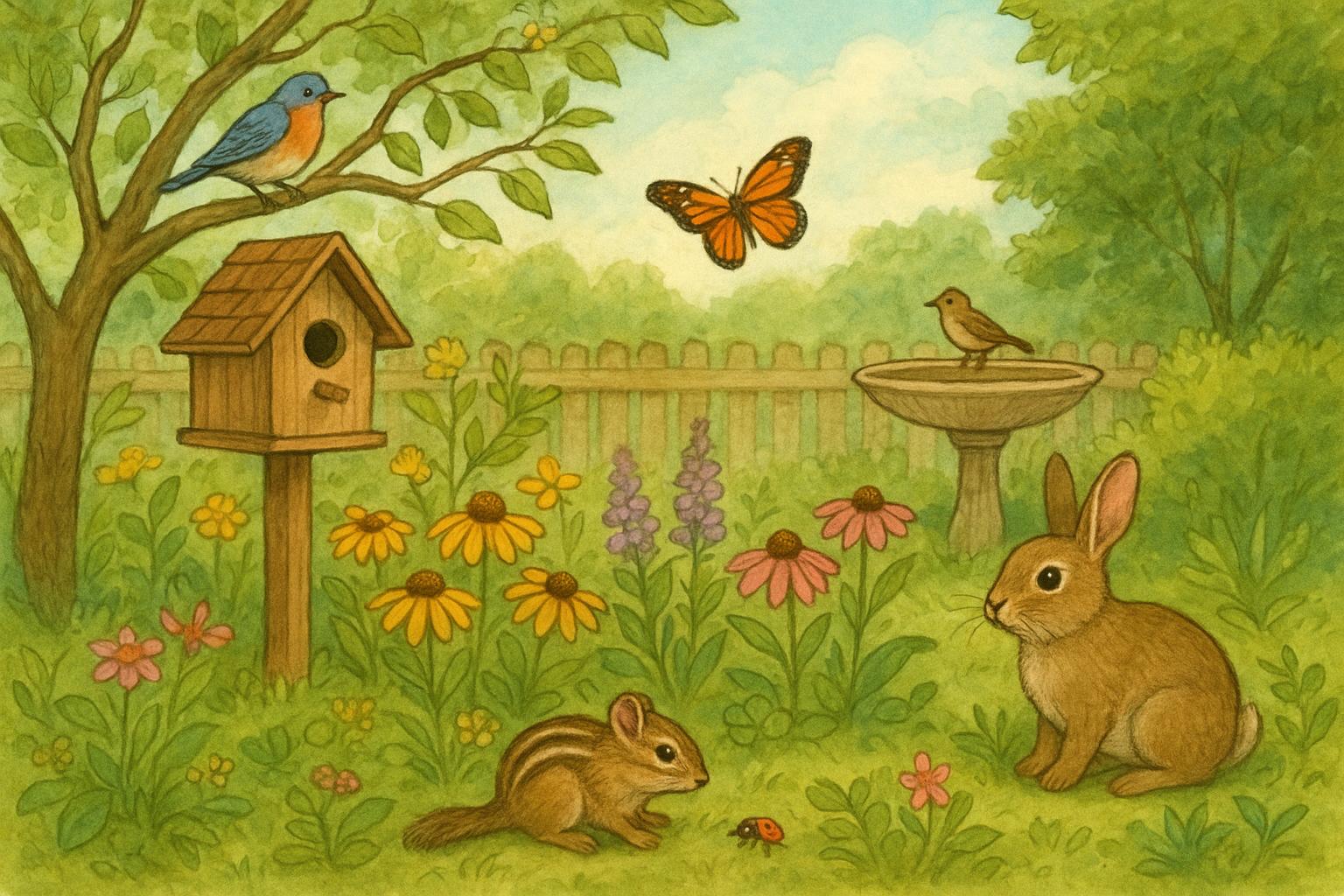
(3) Seeing baby animals spring up in your yard is a sign of a healthy ecosystem—keeps your garden lively and your neighbors talking.
## 2 Remedies: Protecting Plants And Helping Orphaned Young
This section contains two formal, practical remedies to address the most common backyard dilemmas: protecting garden plants from hungry youngsters and safely providing temporary care while you contact professionals.
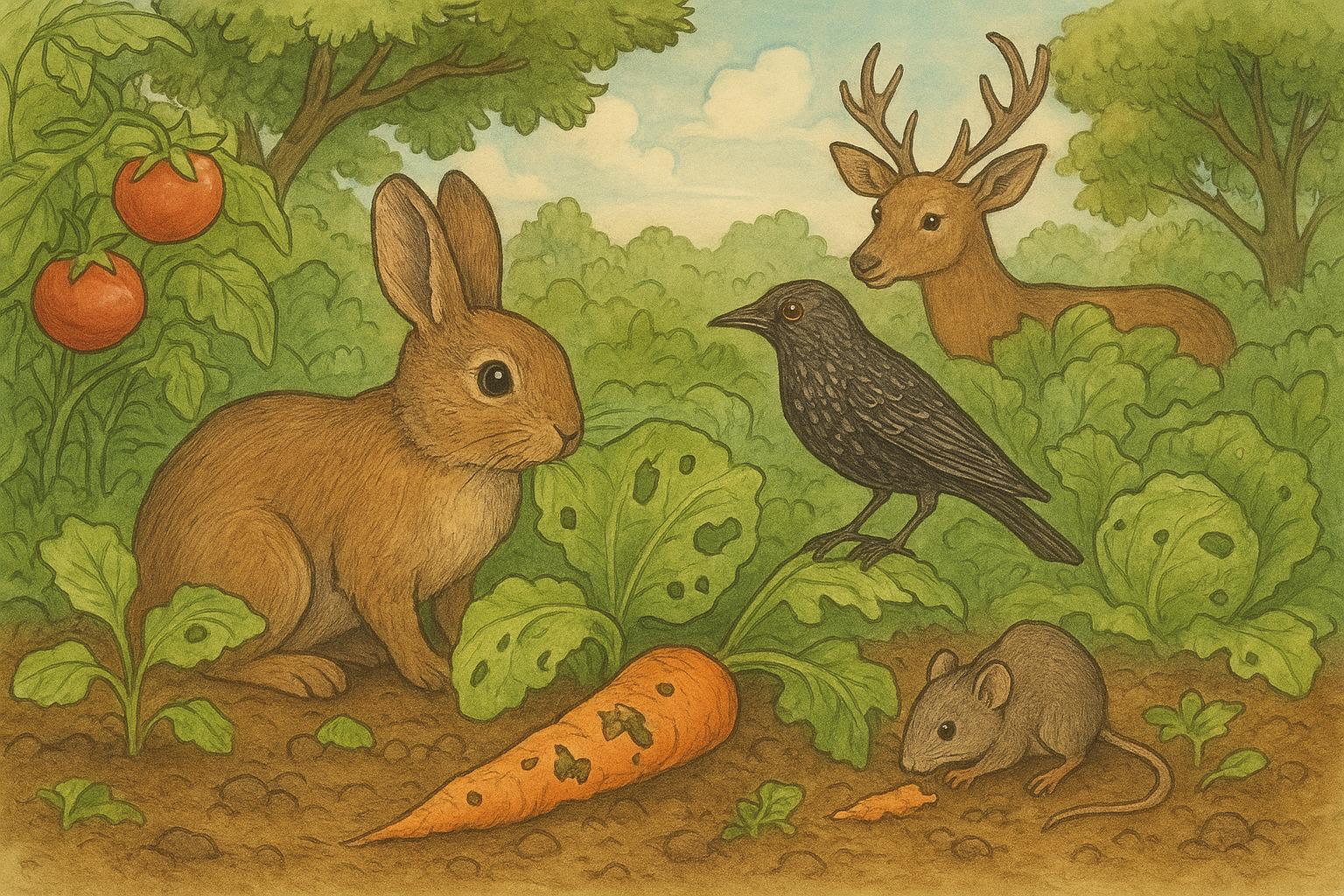
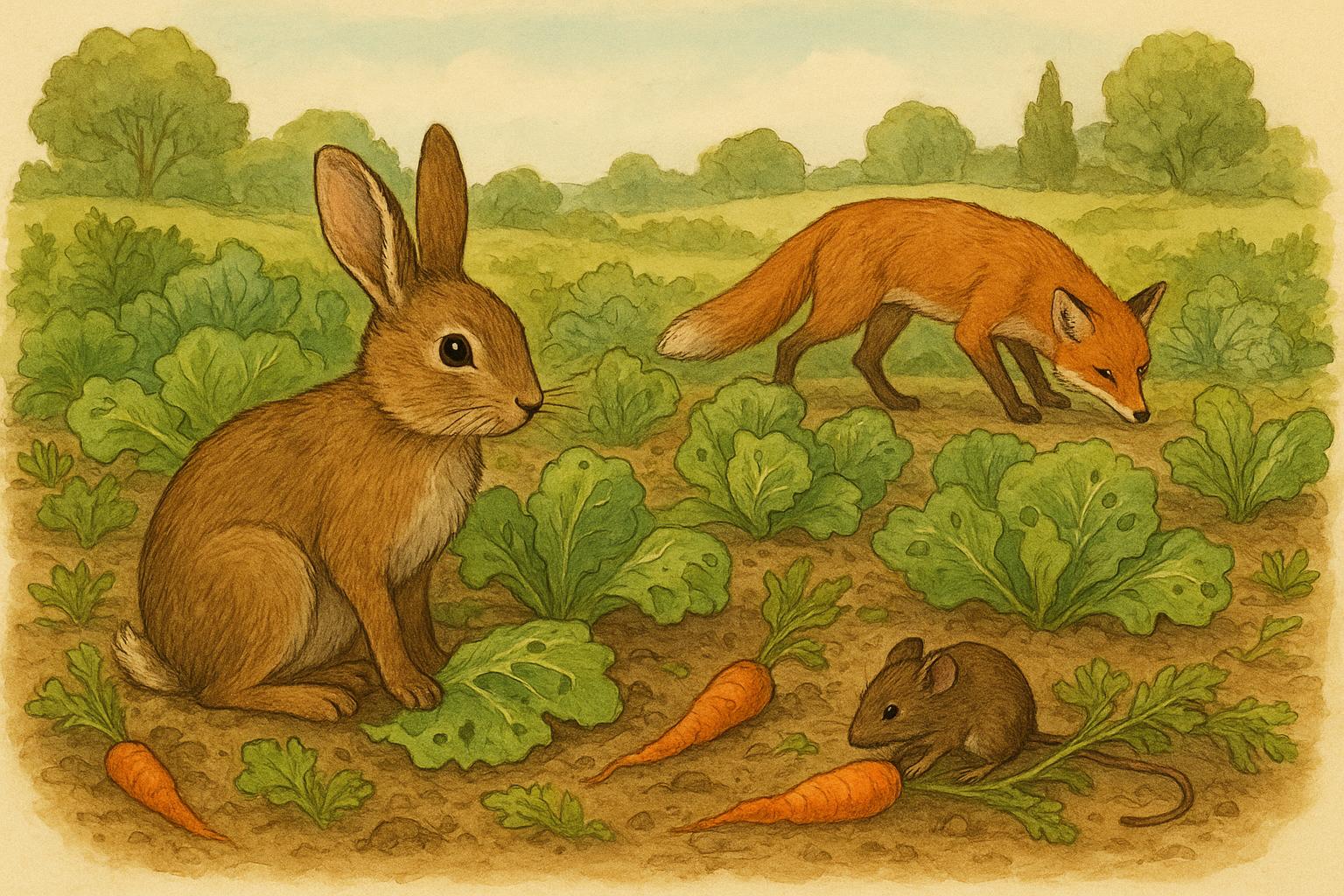
### Remedy 1: Nonlethal Garden Protection To Keep Baby Foragers Safe
This remedy is designed to minimize conflicts between wildlife and ornamental or vegetable gardens while keeping baby animals and their parents unharmed.
#### Materials Required
– 1 roll of 1/2–1 inch galvanized chicken wire (or hardware cloth)
– 6–8 sturdy garden stakes or rebar pieces
– Zip ties or heavy-duty garden twine
– Lightweight row cover fabric (optional, for seedlings)
– Motion-activated sprinkler (optional for larger areas)
#### Step-By-Step Installation And Application
1. Site Assessment: Walk the perimeter of your garden to identify likely entry points or low branches that allow animals to jump in. Note any ground-level nests or burrows nearby and avoid blocking them.
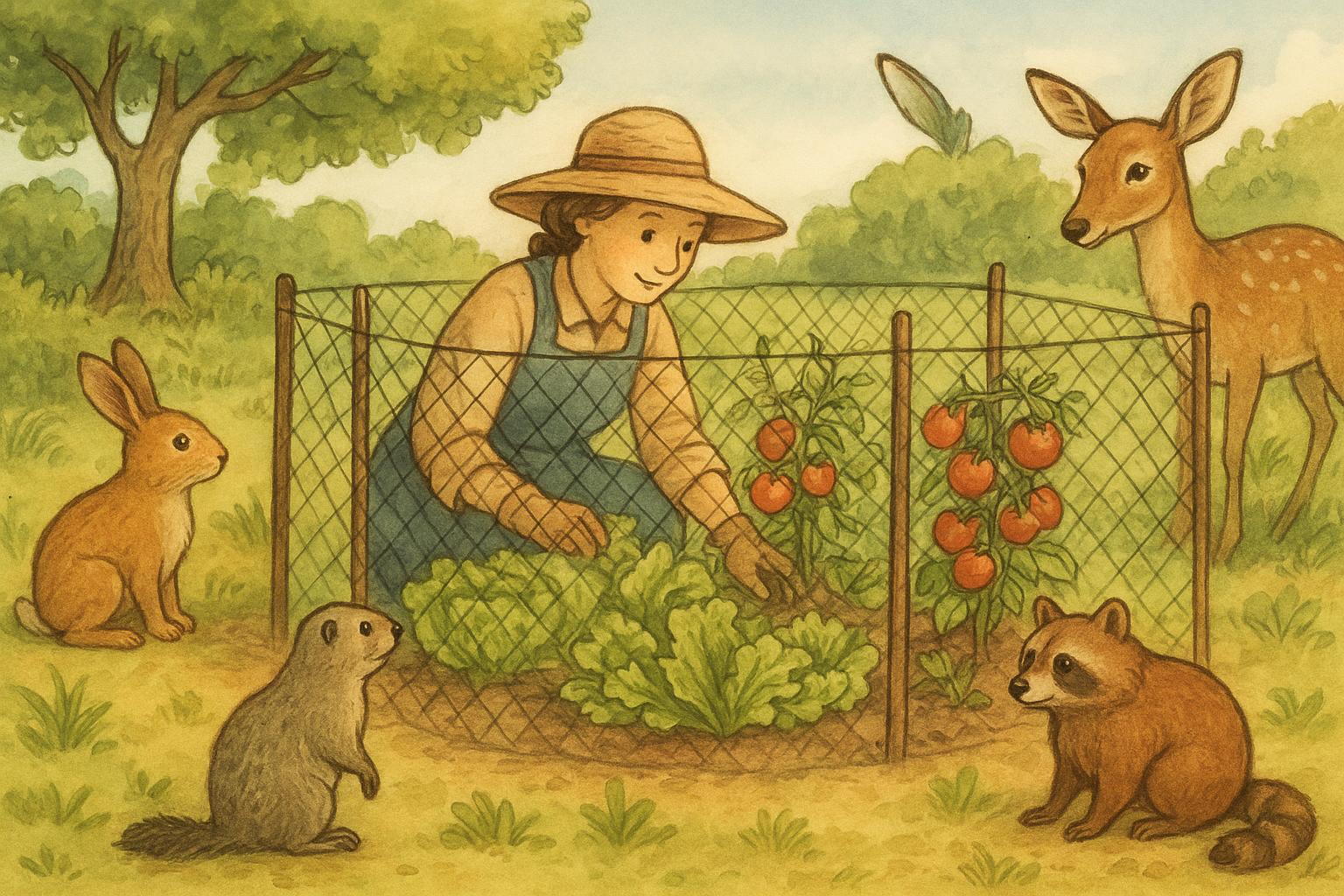
2. Build A Perimeter Barrier: Unroll the chicken wire along the outside edge of the garden. Use stakes every 3–4 feet to secure the wire vertically, creating a fence approximately 3 feet high. Overlap ends by at least 6 inches and fasten with zip ties.
3. Anchor At The Base: Bend the bottom 6 inches of the wire outward (away from the garden) and pin it with U-shaped staples or rocks to deter digging. This runs counter to the animal’s preferred path and discourages burrowing directly beneath the fence.
4. Cover Seedlings: For young plants, drape lightweight row cover fabric over hoops or low frames to prevent direct access. Ensure air circulation to avoid overheating.
5. Implement Behavioral Deterrents: Install a motion-activated sprinkler in open lawns or near entry points. Test sensitivity and range so it startles without causing unnecessary stress to wildlife.
6. Monitor And Adjust: Check fences daily for gaps or overturned sections. Repair immediately. Remove any trimmings or food sources (fallen fruit, pet food) that attract wildlife.
Follow these steps calmly and methodically. The goal is to protect property while allowing natural behavior—this remedy emphasizes coexistence rather than exclusion through harm.
### Remedy 2: Immediate Stabilization For Found Baby Animals Before Calling A Rehabilitator
This remedy outlines legal and safe interim care—only for use when you have confirmed a young animal is injured, orphaned, or in danger, and you are contacting a licensed wildlife rehabilitator.
#### Materials Required
– Clean cardboard box (appropriate size)
– Soft towels or fleece (no loose threads)
– Heat source: hot water bottle wrapped in towel or commercial low-voltage heating pad
– Breathable lid (poke a few small holes)
– Disposable gloves
– Contact list: local wildlife rehabilitator, animal control, and relevant wildlife agency phone numbers
#### Step-By-Step Stabilization And Transfer
1. Initial Assessment (from a safe distance): Observe without touching for at least one hour if the animal appears healthy. If the animal is cold, bleeding, lying in the road, or has visible injuries, proceed to stabilize.
2. Safety First: Use disposable gloves to avoid zoonotic risk. Approach slowly and speak softly to avoid causing undue stress.
3. Containment: Place the animal gently into the cardboard box lined with a towel. For birds, keep the box dark to reduce stress; for mammals, allow a bit more ventilation.
4. Thermoregulation: If the animal feels cold, provide mild warmth. Use a hot water bottle wrapped in a towel—ensure it is warm but not hot to prevent burns. Place at one side of the box so the animal can move away if too warm.
5. Minimal Handling: Do not attempt to feed or give fluids unless explicitly instructed by a rehabilitator. Improper feeding can be fatal. Avoid trying to reunite the animal with a parent unless you witnessed the separation and can safely return it immediately.
6. Transport: Contact the licensed wildlife rehabilitator to arrange transfer. Transport the box in a secure, quiet part of your vehicle with stable temperature.
7. Documentation: Note the location found, time, and any observed behaviors. Provide this information to the rehabilitator—it’s critical for species-specific care.
This procedure is intended as a stopgap measure. Always prioritize contacting a licensed wildlife rehabilitator or local agency; many species are protected and require trained handling. Handling wildlife without authorization may be illegal in some jurisdictions and carries health risks.
### When Contacting Professionals, Know What To Say
When you call a wildlife rehabilitator or animal control, be ready to provide:
– Exact location (GPS coordinates are ideal)
– Species or a description (size, coloration)
– Condition (injured, cold, bleeding, alone)
– Time found and any actions already taken
– Your contact information and availability for transfer
(4) Quick, accurate information saves time and improves outcomes for the infant animals you’ve discovered in your yard.
### Backyard Etiquette For Enjoying The Baby Animal Spring Spectacle
Please resist the impulse to stage photo ops with wild babies. Close-up photos can cause stress and reduce survival chances by attracting predators or human traffic. Use binoculars or zoom lenses, keep dogs and kids inside when necessary, and teach neighbors the basics so the show remains natural and safe.
Seeing baby animals spring up in your space is a gift—one that comes with the responsibility to watch, not prod, and to act thoughtfully when intervention is truly required. Keep a pair of binoculars handy, a list of local rehab contacts by the fridge, and perhaps a sense of wonder; your yard is hosting one of nature’s best seasonal performances, and the front-row seats are free.






Leave a Reply