
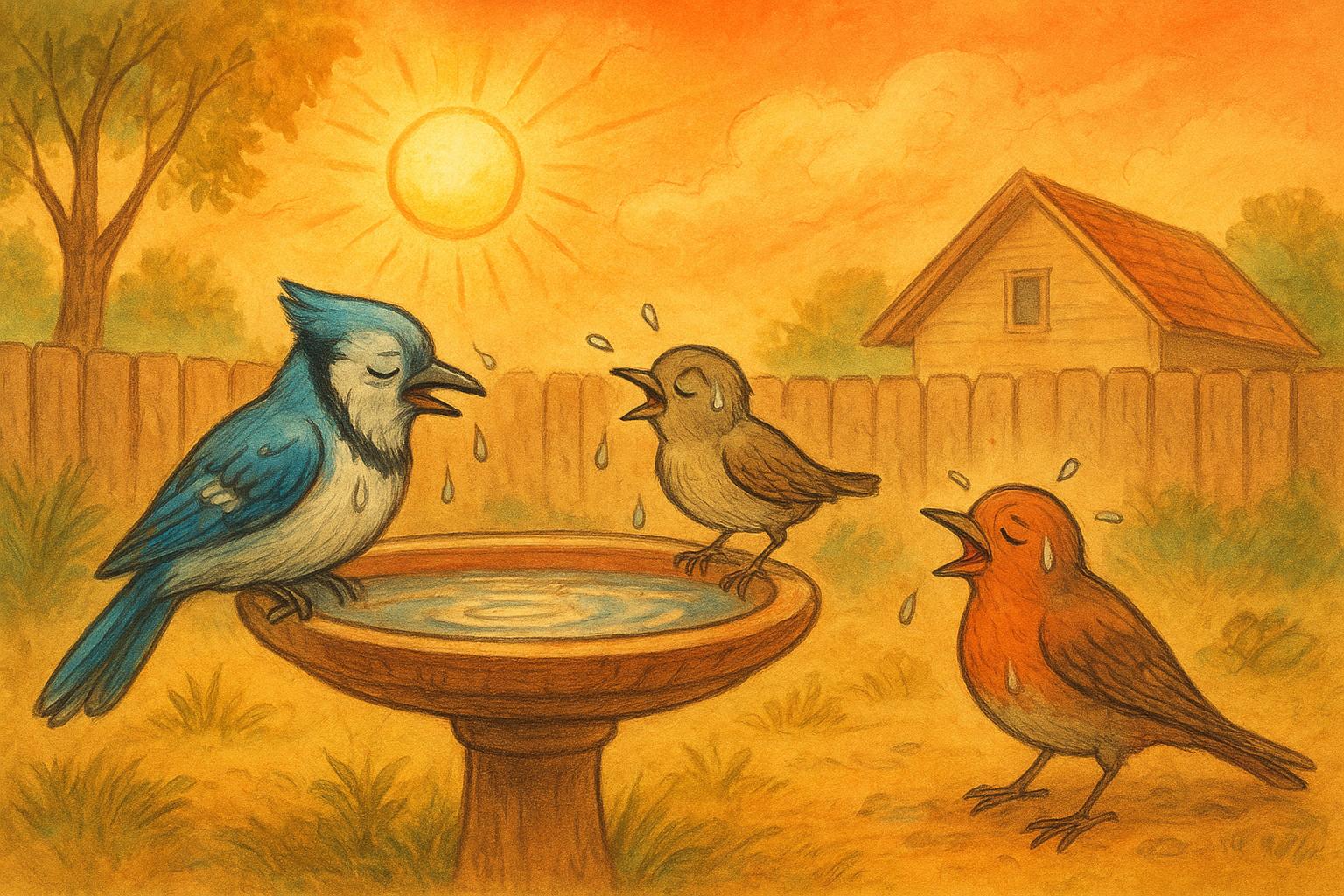
The backyard is humming with life: bees bumbling, squirrels auditioning for the high-jump team, and songbirds turning your garden into the hottest concert on the block—literally. When the thermometer decides to moonlight as a stove dial, our feathered visitors can struggle. This article will help you recognize when birds are overheating and give practical ways to help, with a gentle nod to shared summer misery.
## Heat Stress Birds: Signs To Watch
(heat stress birds count: 1)
Birds don’t sweat. That’s a fun party trick until the party is a 95°F afternoon and there’s no AC. Heat stress in birds shows up differently than in people; some signs are subtle, others are dramatic. Keep an eye out for:
– Panting or rapid breathing
– Holding wings away from the body to expose skin
– Lethargy, fluffed feathers, or drooping
– Seeking shade obsessively or unable to perch
– Disorientation or stumbling
If you notice any of these behaviors, the bird may be experiencing heat stress and needs help. Not every wilting feathered friend is a crisis, but repeated or severe signs call for immediate action.
### Why Backyard Birds Are Vulnerable
Heat waves don’t just make humans cranky; they stress the entire urban ecosystem. Birds are especially vulnerable because:
– They regulate temperature differently and have high metabolic rates.
– Young, injured, or molting birds have trouble thermoregulating.
– Urban heat islands (lots of pavement and little shade) amplify temperatures.
– Dehydration sets in quickly when water sources are scarce or warm.
## How Heat Affects Behavior And Survival
(heat stress birds count: 2)
Birds under heat stress may reduce feeding during the hottest parts of the day, risking low energy reserves, or congregate around limited water sources, increasing disease transmission risk. Long-term, repeated heat stress can affect breeding success and survivability. Simple backyard interventions can make a meaningful difference.
### Quick On-The-Spot Actions You Can Take
If you see an overheated bird, act calmly. Offer cool (not ice-cold) water, provide shaded spots, and avoid handling unless the bird is in immediate danger. If you must handle a bird—say, it’s stranded in a blistering birdbath—wear thin gloves, support the body, and minimize stress.
#### When To Call A Wildlife Rehabilitator
If the bird is weak, unable to hold onto a perch, has obvious injuries, or shows neurological signs, contact a licensed wildlife rehabilitator or local bird rescue. Cooling is helpful but not a substitute for professional care when the bird’s condition is severe.
## 1. DIY Bird Cooling Station
(heat stress birds count: 3)
This remedy is a practical, low-cost solution you can build in an afternoon. The tone here is formal to ensure clarity and safety.
Materials/Ingredients:
– Shallow basin or wide dish (ceramic, plastic, or metal)
– Small flat stones or pebbles
– Sturdy, heat-resistant tray or platform
– A drip system or shallow mister (optional)
– Garden umbrella or shade cloth and poles
– Clean water (fresh, room-temperature)
Step-By-Step Creation And Application:
1. Choose Location: Select a shaded, easily accessible area close to trees or shrubs where birds already visit. Avoid spots with heavy human foot traffic.
2. Prepare Basin: Place a layer of flat stones or pebbles in the bottom of the basin to give birds secure footing and shallow sections for bathing.
3. Elevate The Basin: Set the basin on the tray or platform about 6–12 inches off the ground to deter predators and provide better visibility for the birds.
4. Add Water: Fill with fresh, room-temperature water. The water should be shallow—about 1–2 inches where the birds can stand safely.
5. Install Shade: Position a garden umbrella or shade cloth over the basin to keep water temperature moderate and provide a respite spot.
6. Add Circulation (Optional): Attach a gentle drip or shallow mister on a timer to keep water moving and cooler; moving water also discourages mosquito breeding.
7. Maintenance: Refill daily in hot conditions, clean basin weekly to prevent algae or contaminants, and replace water more often if many birds use it.
Use Instructions:
– Monitor the station during the first days for predator activity and adjust placement if necessary.
– Offer multiple small stations rather than one large setup if you have space; this reduces crowding and disease risk.
## 2. Simple Backyard Water Feature For Birds
(heat stress birds count: 4)
This second remedy expands on water features that are slightly larger but still homeowner-friendly. This section is likewise formal in tone.
Materials/Ingredients:
– Small recirculating pump and low-voltage tubing
– Shallow water feature bowl or preformed pond liner (minimum diameter ~2 ft)
– Solar or plug-in pump power source
– Smooth rocks, native aquatic plants (optional)
– Fine mesh cover (optional, for predator protection)
Step-By-Step Creation And Application:
1. Site Selection: Pick an area with morning sun and afternoon shade to keep water cool but accessible.
2. Install Basin: Set the water feature bowl or liner into the ground or on a stable surface according to manufacturer instructions.
3. Set Up Pump: Position the pump to create a gentle flow or small bubbler; water movement reduces surface temperature slightly and improves aeration.
4. Add Rocks And Plants: Place smooth rocks for perches; include native marginal plants around the edge to offer additional shade and natural habitat.
5. Power And Safety: Connect pump to a GFCI outlet or solar panel; conceal wiring safely and ensure electrical components are rated for outdoor use.
6. Fill And Test: Fill with clean water and run the pump for several hours to ensure steady operation and safe flow rates.
7. Ongoing Care: Clean pump monthly, refill as water evaporates, and monitor for algae. In drought-prone or very hot periods, refresh water daily.
### Integrating Shade And Natural Cooling
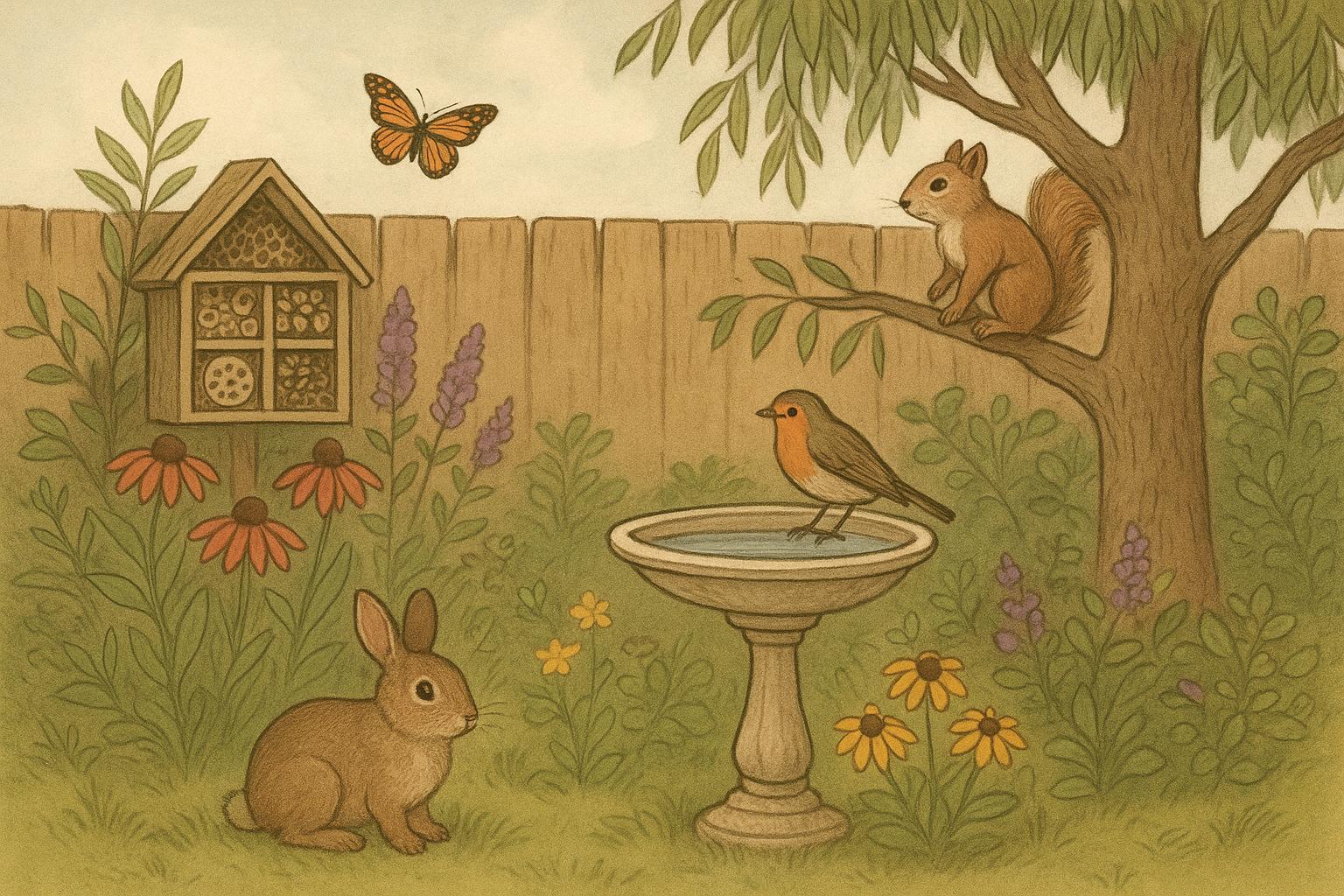
Planting native shrubs and fast-growing trees near water sources creates microclimates. Deciduous plants provide shade in summer and allow winter sun. Mulch and groundcover reduce reflected heat from soil and stone.
## Making Your Existing Setup Cooler
(heat stress birds count: 5)
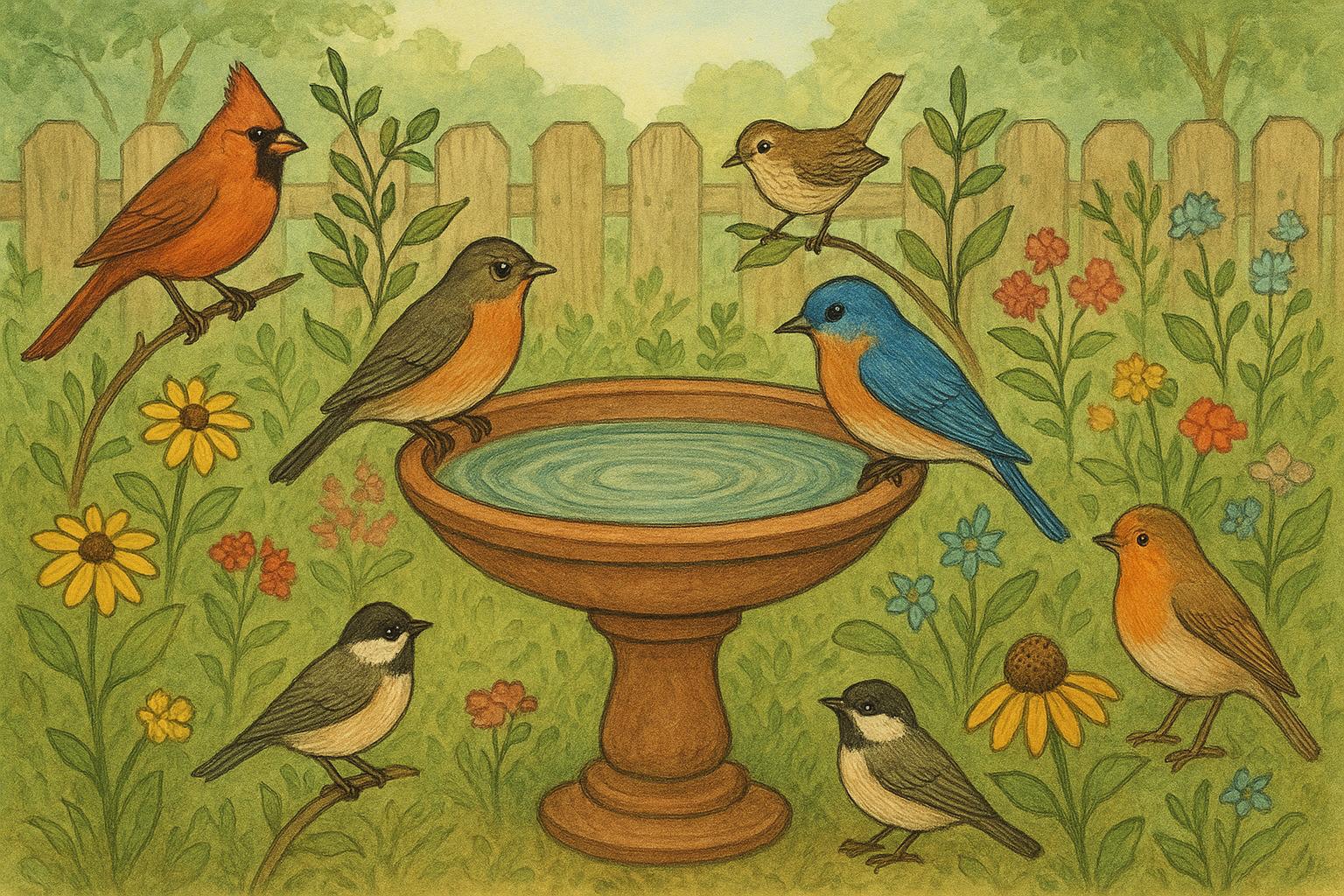
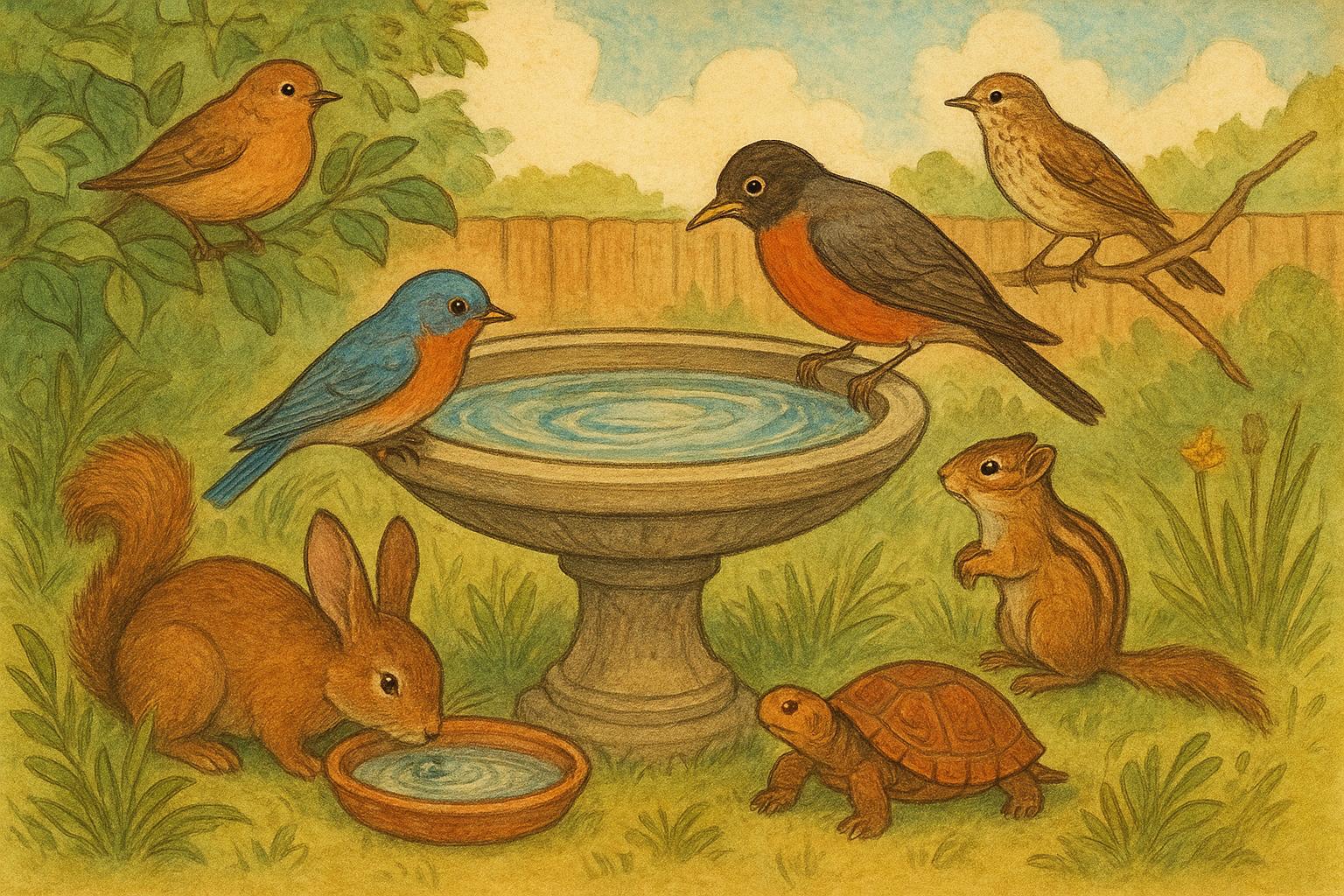
If you already have feeders and birdbaths, small tweaks can reduce heat impacts. Place birdbaths where they receive morning sun and afternoon shade. Use ceramic rather than metal dishes, as metal heats quickly. Offer multiple water stations spaced out to prevent crowding. Refresh feeder seed types to include higher-moisture options like soaked sunflower kernels (in moderation) for times of extreme heat.
### Safety Considerations For Cooling Measures
(heat stress birds count: 6)
When providing cooling aids, remember:
– Avoid ice-cold water; sudden temperature changes can harm small birds.
– Keep shallow water depths to prevent drowning.
– Clean water sources regularly to prevent disease.
– Position features to minimize predator risk; cats and raptors exploit daytime congregation.
## Long-Term Yard Habits To Help During Heat Waves
(heat stress birds count: 7)
Small landscape choices pay dividends:
– Increase native, drought-tolerant plantings for shelter and insect food.
– Use rain barrels and drip irrigation to sustain vegetation without waste.
– Create layered vegetation (groundcover, shrubs, trees) for thermal buffering.
– Provide several small water sources rather than one large target.
### Community Action: Heat Relief For Urban Birds
Neighbors often share the same heat challenges. Consider coordinating with local groups to install community water stations or establish shaded corridors. Public awareness reduces single-point stressors and spreads the workload of upkeep.
## Spotting Vulnerable Individuals
(heat stress birds count: 8)
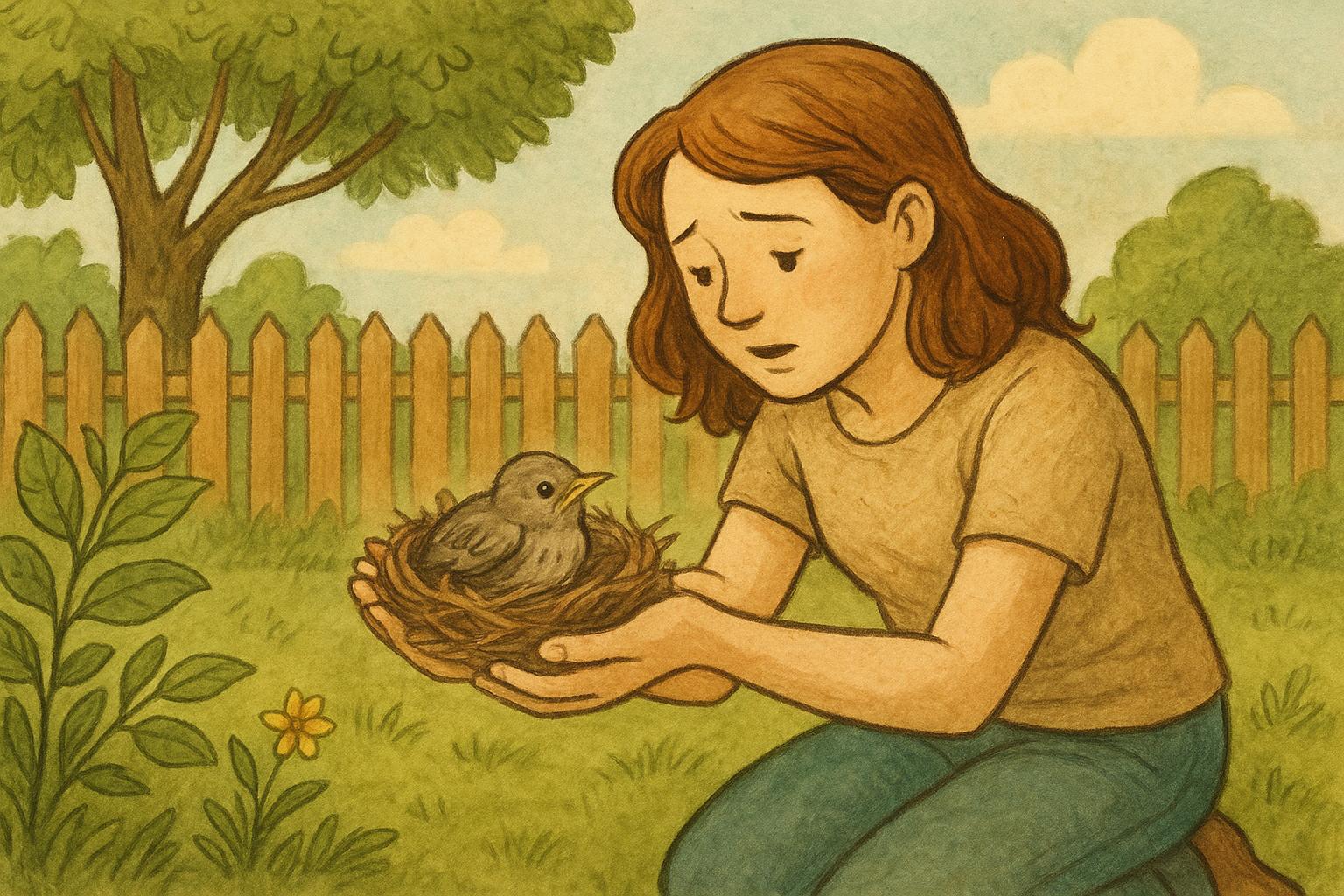
Young fledglings, birds in molt, and those with injuries are more likely to succumb during extreme heat. Keep an eye out for repeated visits to a single water source or a bird that seems unable to perch. If you find a bird that needs rescue, contact a licensed rehabilitator; transport should be handled with care—place the bird in a ventilated box with a small, secure cloth and minimal disturbance.
### Simple First Aid While Waiting For Help
Place a shallow dish of fresh water nearby, but do not force-feed. Keep the space cool and quiet. If the bird is panting heavily, gently mist it with room-temperature water to assist evaporative cooling but avoid soaking the feathers.
(heat stress birds count: 9)
Now go forth and be the kind of neighbor every cardinal would tweet about—provide shade, water, and smart landscaping, and your backyard will remain a welcoming refuge even when the summer turns into a sizzle.





















Leave a Reply