
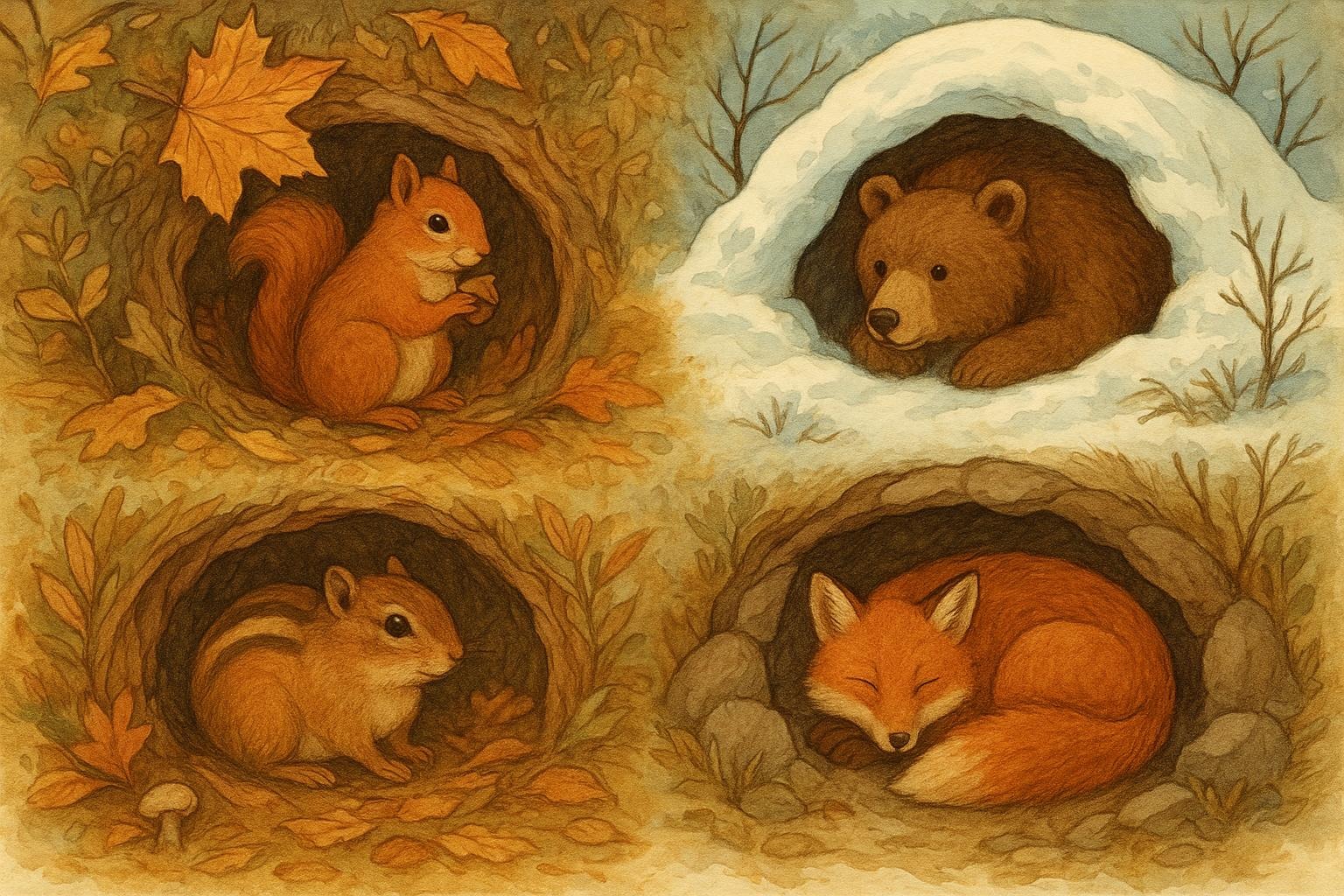
Fall is that cozy, crunchy-sock season when the neighborhood hedgehogs and foxes start making life plans for the cold months ahead. If you’ve ever wondered why your yard suddenly feels like a small real estate market for wildlife, you’re in the right place. This article looks at how creatures prepare for winter, why animal dens matter, and practical, respectful ways you can help without becoming an unintentional landlord.
## Fall Denning And Winter Shelter Through Animal Dens
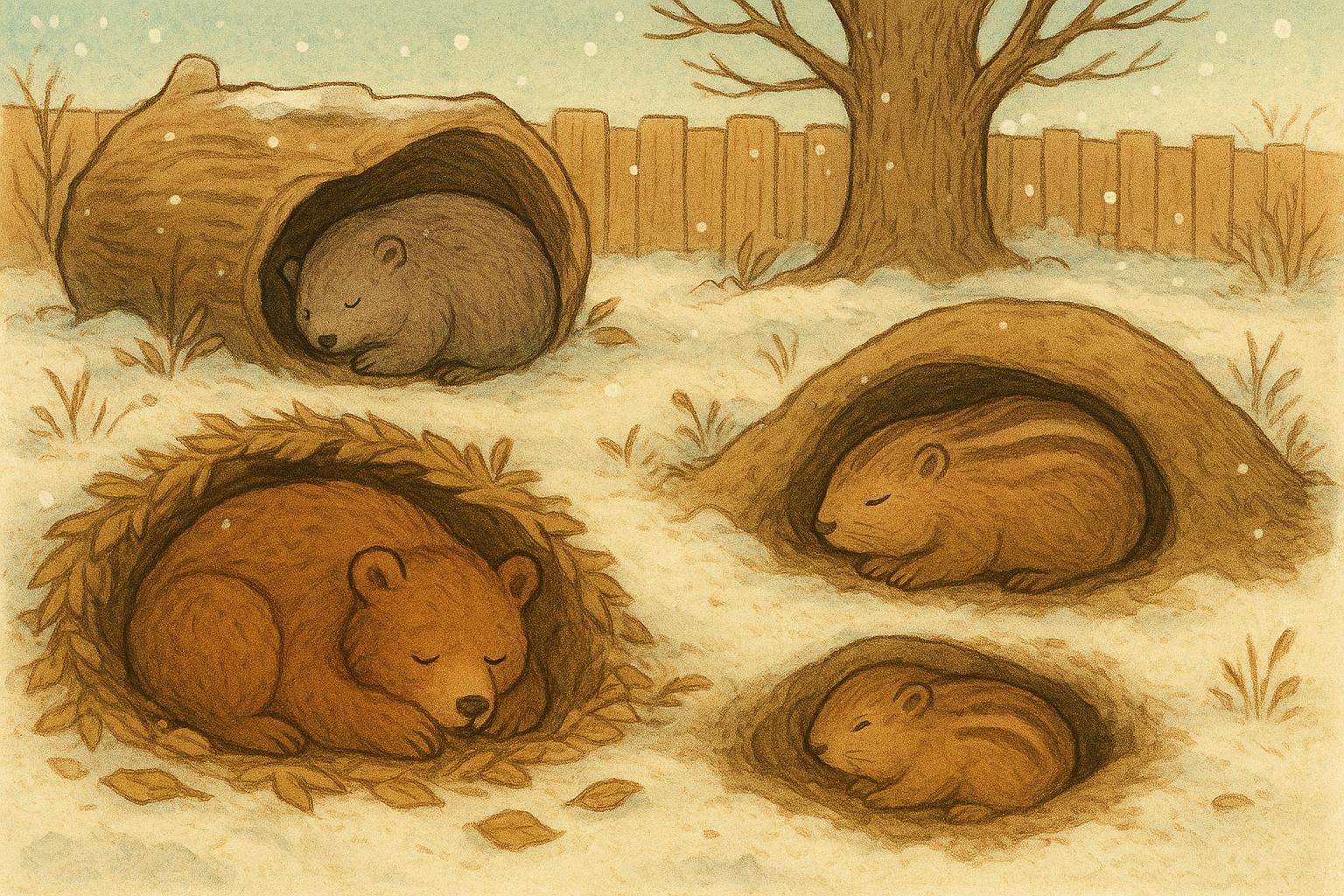
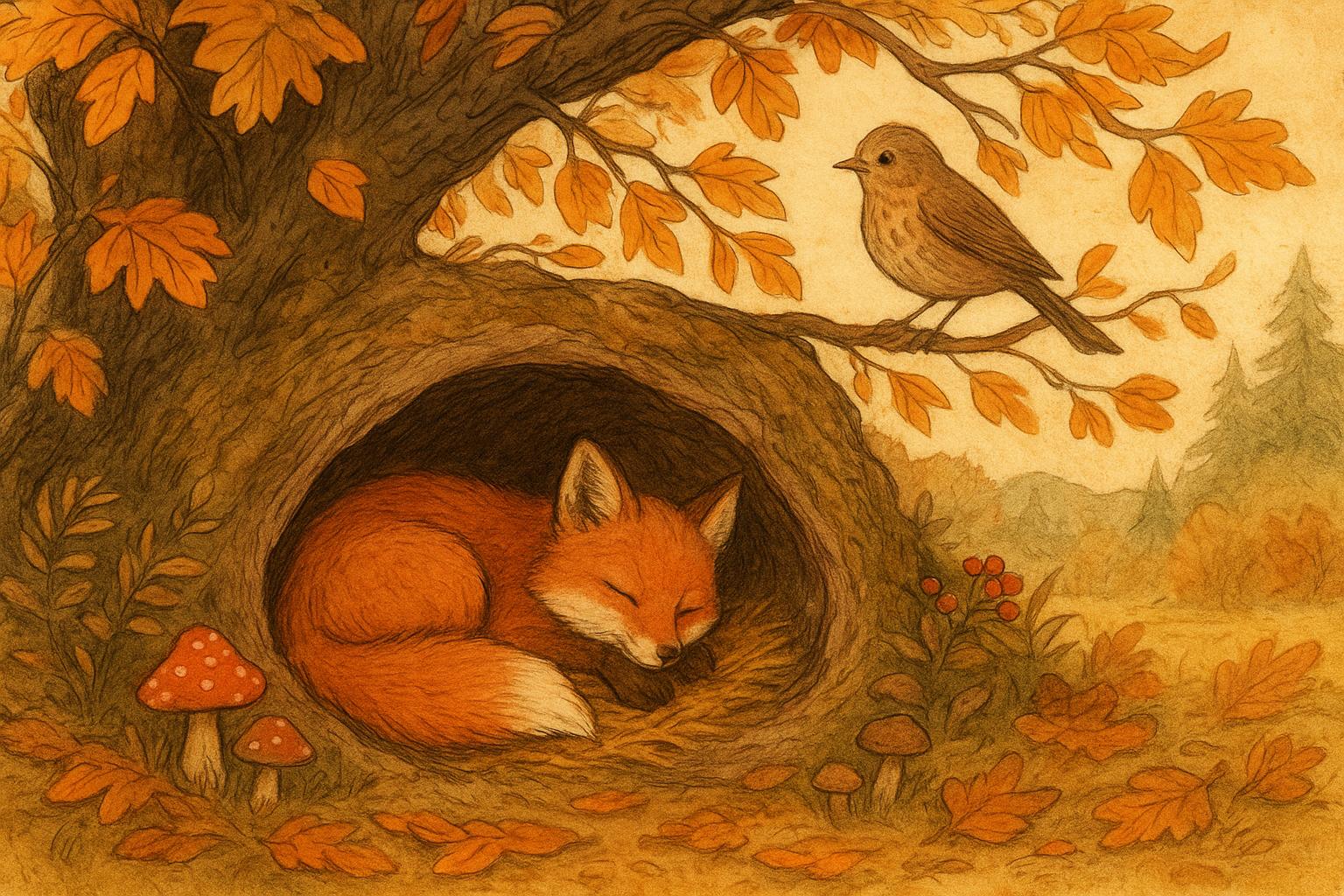
As temperatures dip and daylight shortens, many mammals and some reptiles shift their behaviors to secure safe, warm places to sleep, raise young, or hunker down for torpor and hibernation. Those hideouts — burrows, hollow logs, brush piles, rock crevices, and even the gap under a shed — are collectively called animal dens. They’re not just cozy spots; they’re critical survival infrastructure.
### Why Dens Matter In Fall
Dens provide microclimates that buffer animals from wind, precipitation, and extreme temperature swings. Small mammals rely on insulated spaces to conserve energy, while species that hibernate enter lowered metabolic states that require relatively stable conditions. Beyond temperature, dens offer protection from predators and a secure place to rear offspring. In short: a good den can be the difference between a tough winter and a fatal one.
### Common Types Of Animal Dens Around Your Yard
You don’t need to have a wild forest to host wildlife housing. Typical den types include:
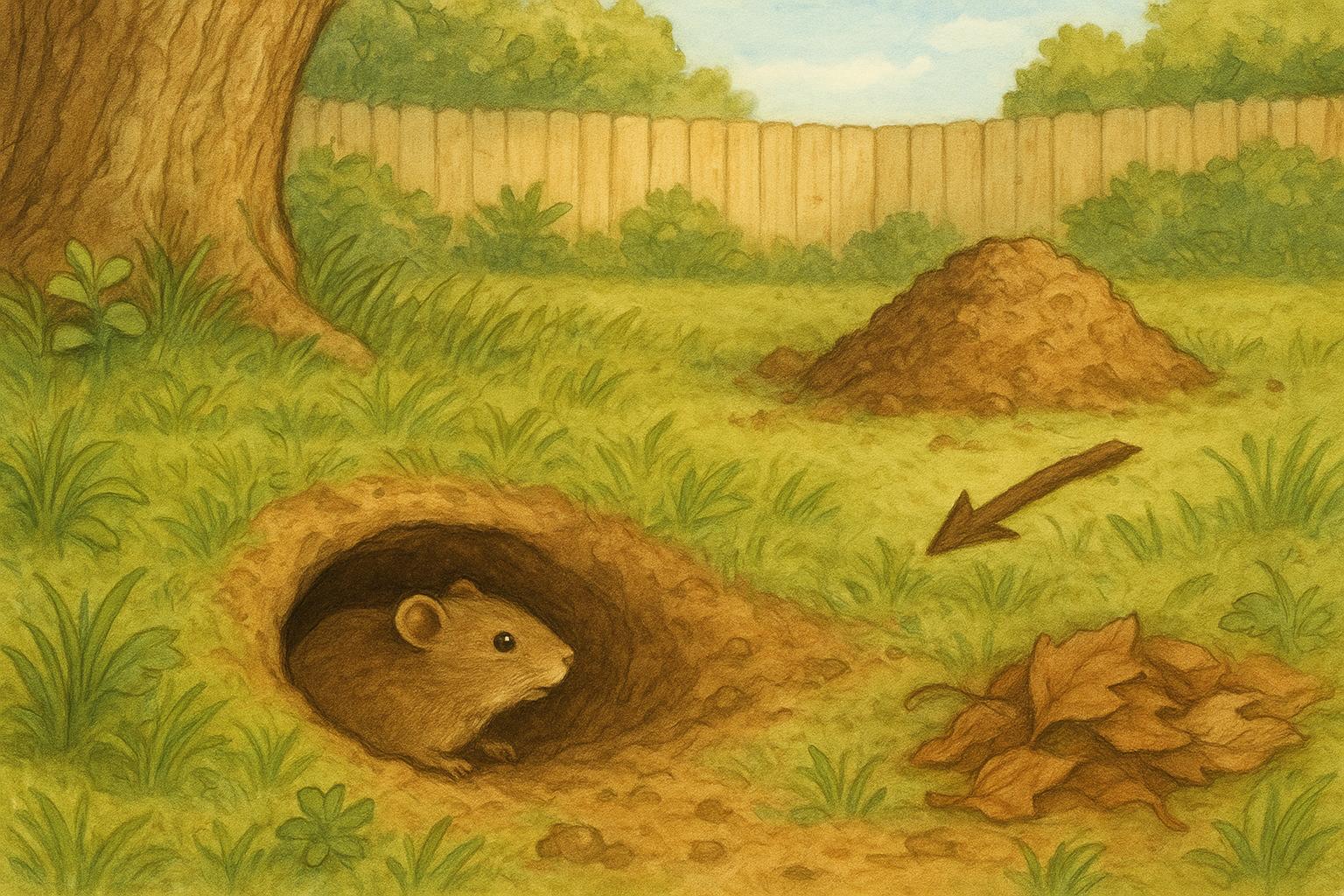
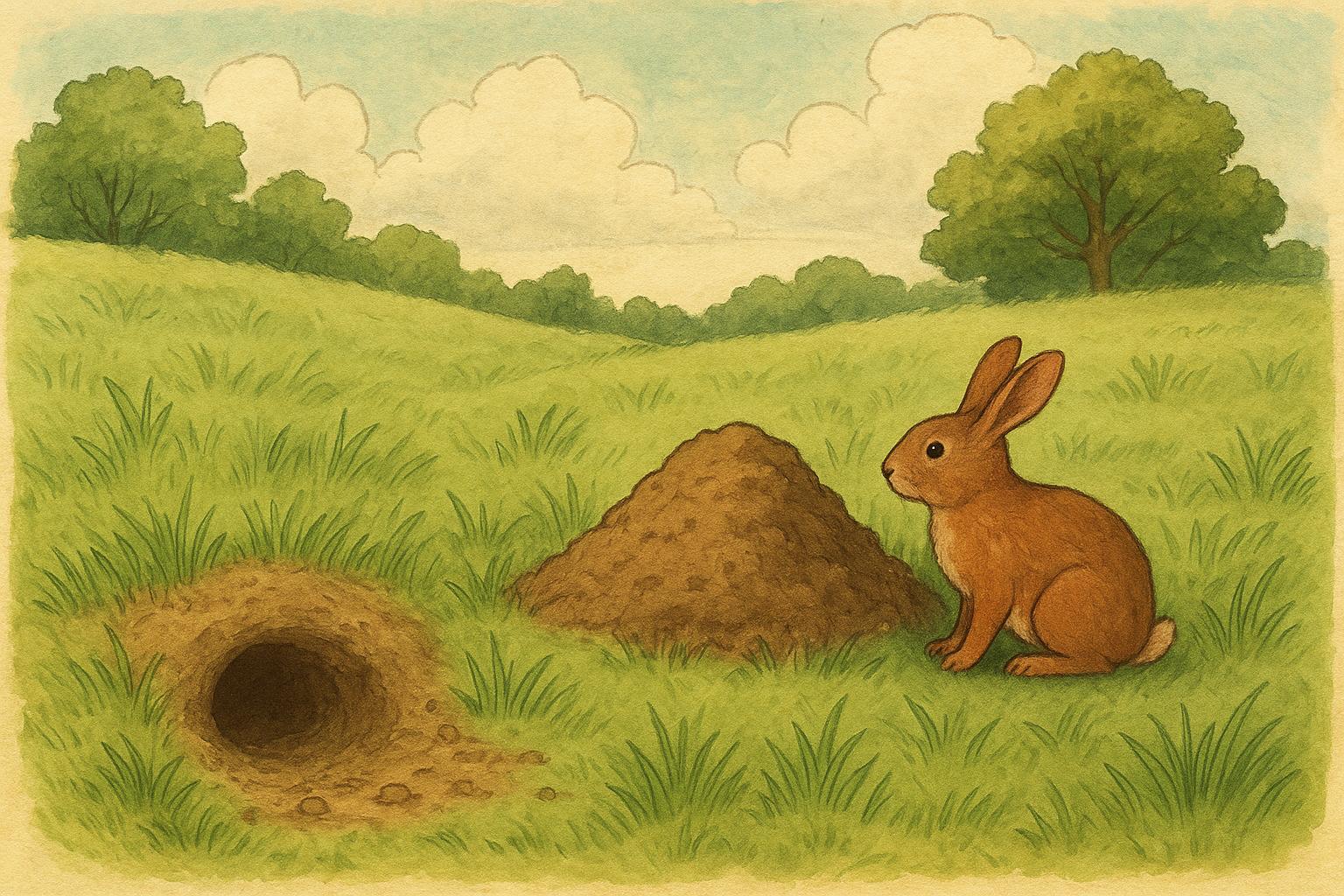
– Burrows: Excavated by groundhogs, rabbits, foxes, and various rodents.
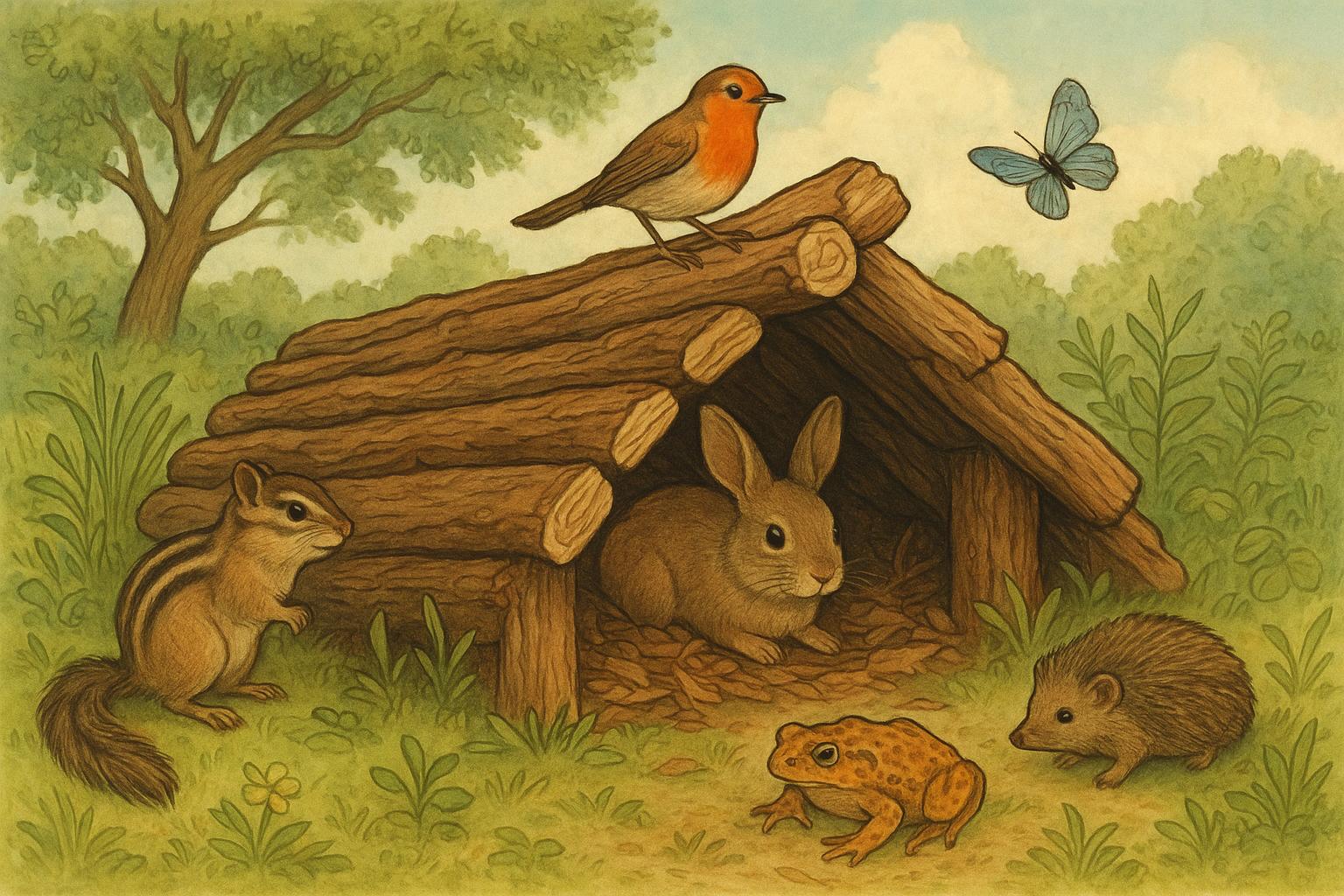
– Hollow Trees and Logs: Used by raccoons, squirrels, some owls, and bats.
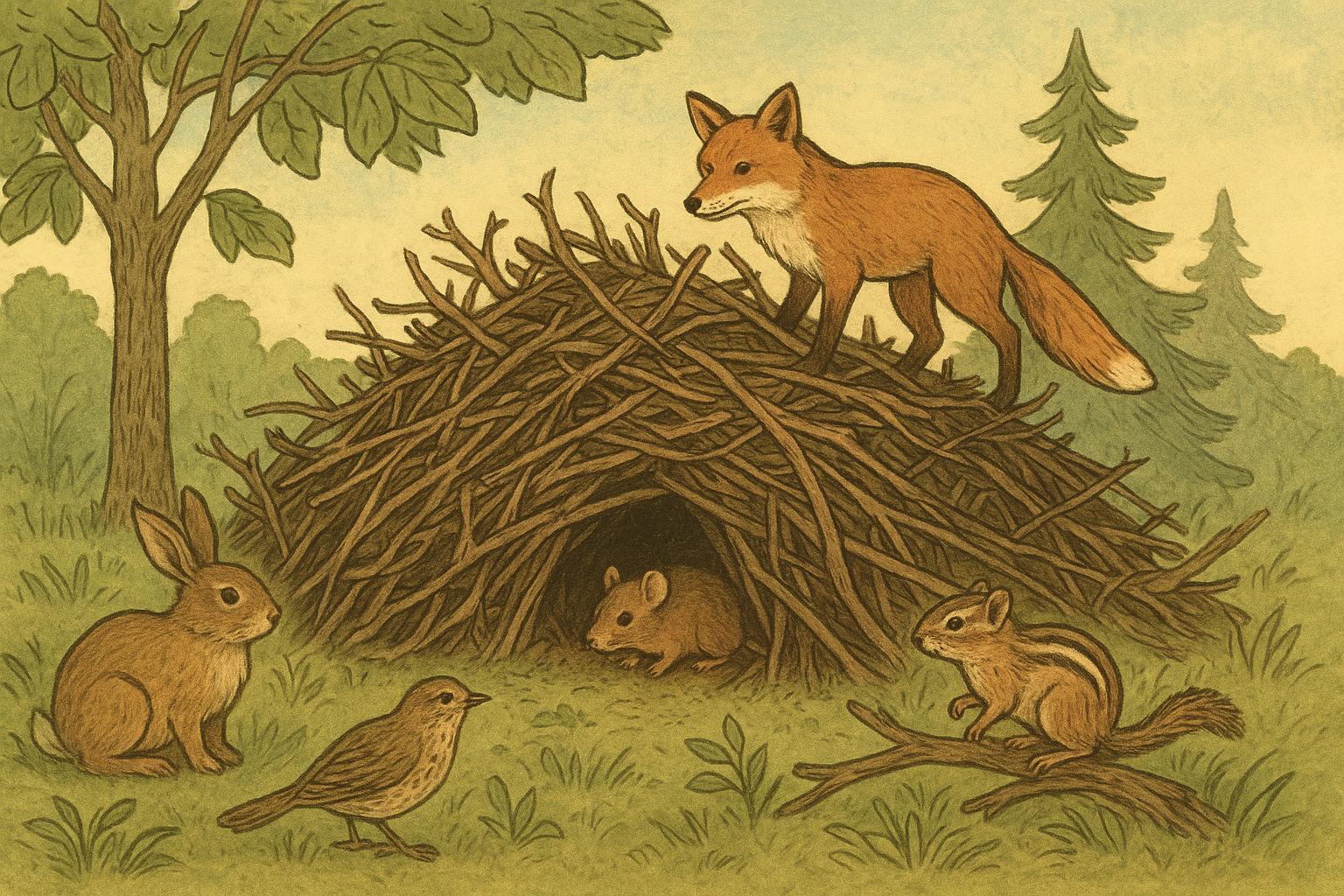
– Brush Piles and Rock Crevices: Attractive to skunks, opossums, and small mammals seeking cover.
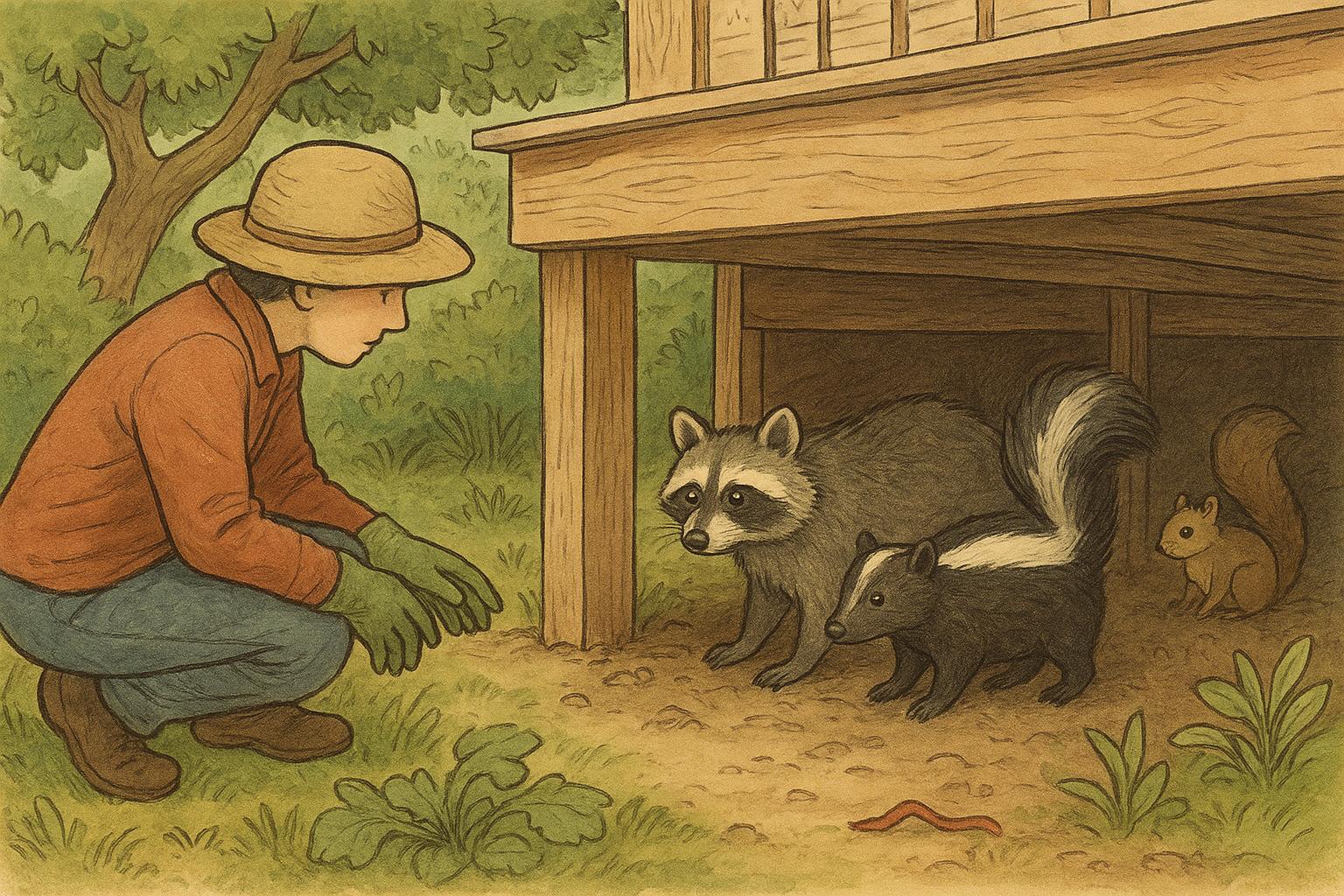
– Human Structures: Sheds, attics, porches, and crawl spaces are frequently co-opted by animals when natural options are limited.
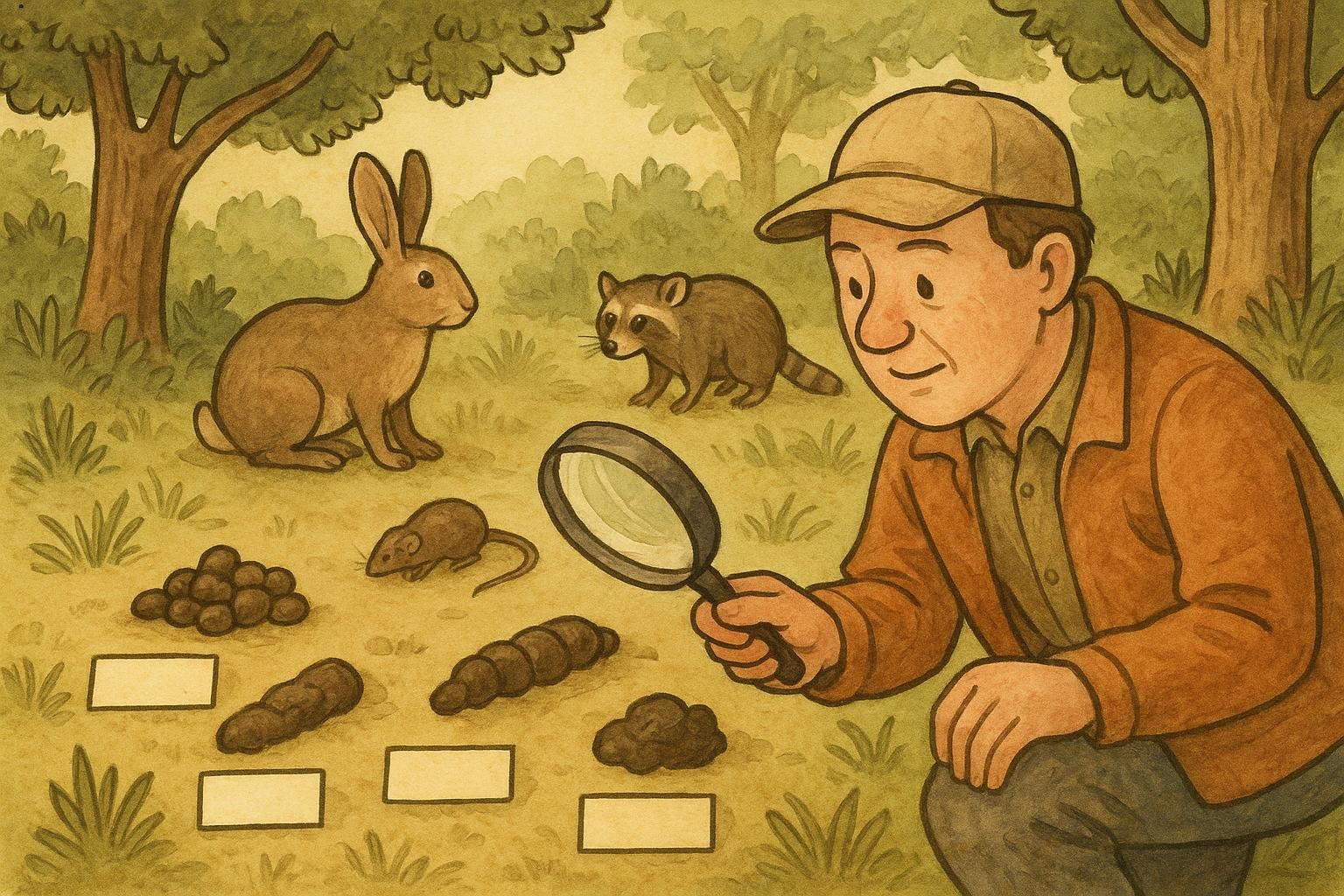
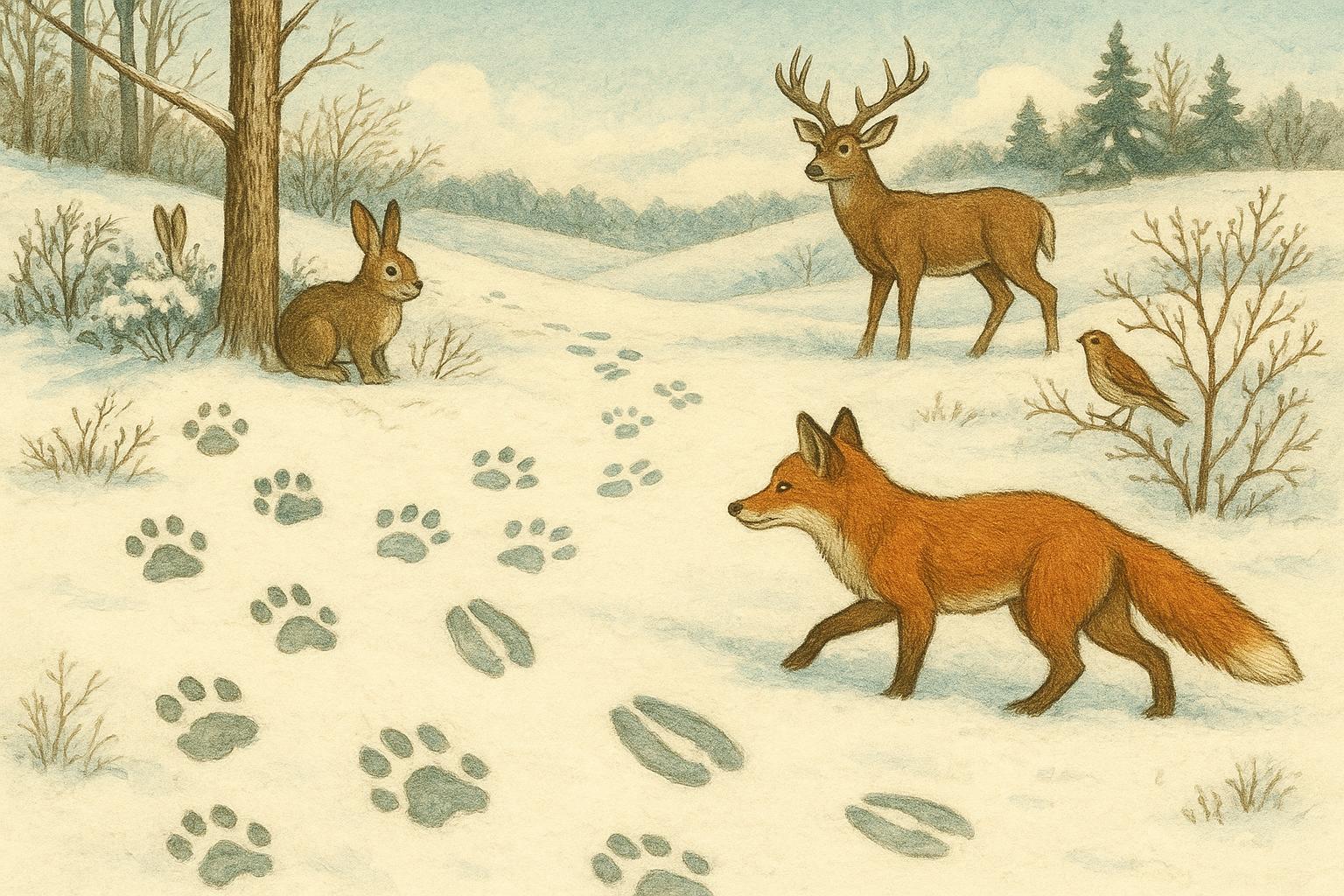
Keep an eye out for entrance trails, trampled vegetation, or frequent animal traffic to identify active dens. Remember that a den isn’t just a hole — it’s an ecosystem focal point with scent marks, bedding, and food caches nearby.
### Signs Animals Are Preparing Dens
Fall activity is usually subtle but observable:
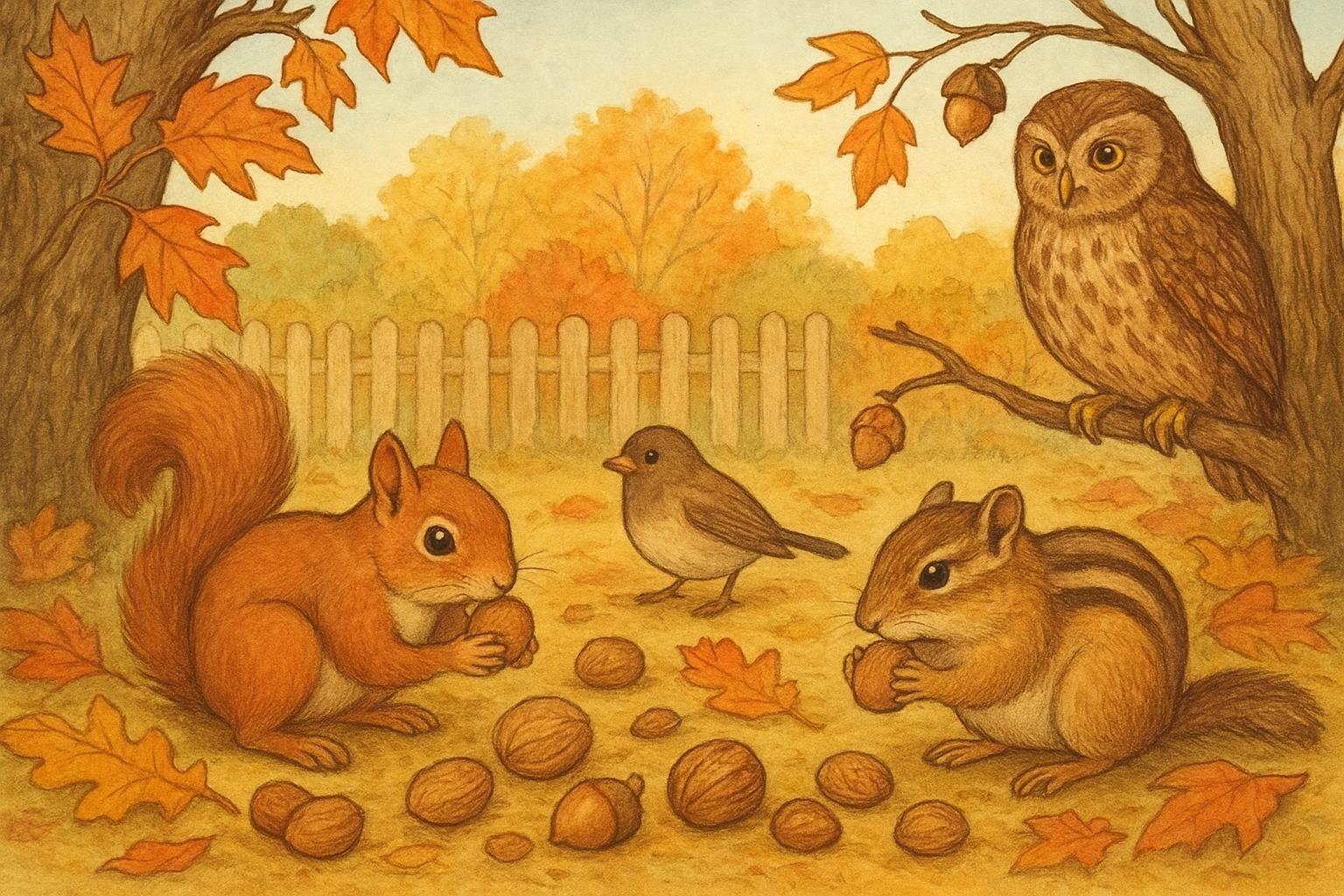
– Increased foraging and food caching (squirrels, some rodents).
– Fresh excavations or relocation of nest materials into cavities.
– Nocturnal traffic in areas where animals typically aren’t seen.
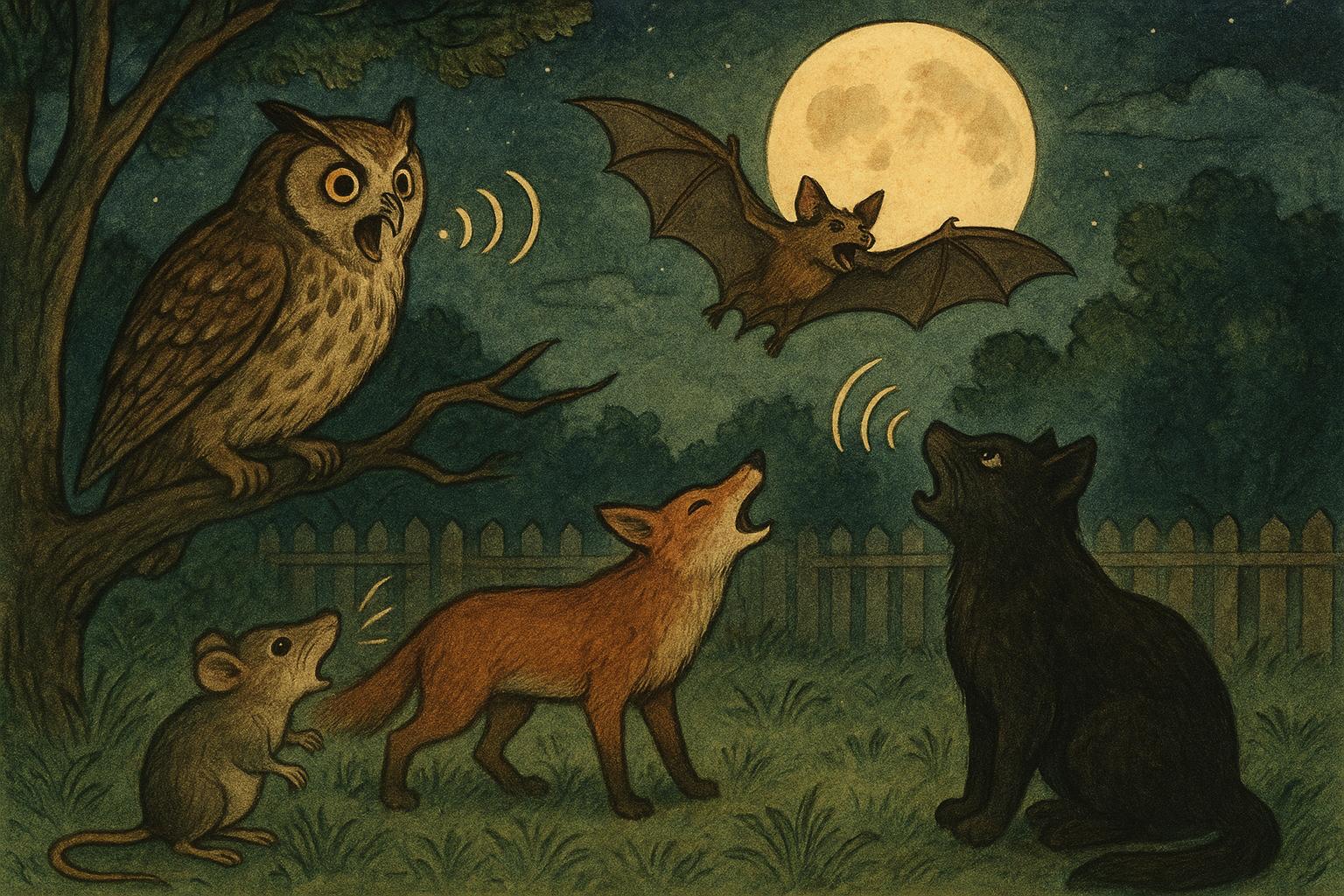
– Vocalizations in the case of animals defending den sites, such as foxes.
Seeing activity doesn’t mean the animals are abandoned or should be removed. Many denning animals are highly sensitive to disturbance and may abandon a site if humans or pets intrude.
## How To Help Wildlife Without Disturbing Animal Dens
You can be a great neighbor to wildlife without turning your lawn into a wildlife sanctuary full-time. The key is offering safe, passive support and avoiding direct interference with active dens. Below are practical, respectful approaches that help animals through fall denning and winter shelter needs.
### How To Build A Winter Den Shelter
If you find a location where natural dens are scarce — such as a new development, a heavily manicured yard, or a suburban area with few trees — you can construct a simple, humane shelter to supplement habitat. Follow this formal, step-by-step guide to create a secure, species-appropriate den-style shelter.
Materials/Ingredients:
– Untreated exterior-grade plywood (one sheet 3/4″ thick enough for multiple shelters)
– Deck screws (1-1/4″ to 1-1/2″)
– Exterior-grade wood glue
– Heavy-duty plastic barrel lid or corrugated PVC for roof waterproofing
– Straw (not hay) for bedding — straw resists moisture and mold more than hay
– Non-toxic weatherproof sealant
– Hinges and a latch (for inspection access)
– Shovel and drill with appropriate bits
– Optional: small entrance tunnel made from PVC pipe (4–6″ diameter) for critters that prefer narrow openings
Construction Steps:
1. Design: Choose a size appropriate to the target species. A small mammal shelter (rabbits, ground squirrels) can be roughly 18″ x 18″ x 12″ high. For raccoons or foxes, increase proportionally (24″ x 36″ x 20″).
2. Cut Panels: Cut front, back, two sides, floor, and roof panels from the plywood. Include a flap or hinged section on the roof or side for maintenance access.
3. Entrance Hole: Drill or cut a single entrance hole (4–8″ diameter depending on species). Avoid multiple openings that could invite predators. Round edges to prevent wood splintering.
4. Assemble: Use wood glue along seams and secure with deck screws. Ensure joints are tight to prevent drafts. Add the optional short PVC tunnel to the entrance for species that prefer a protected approach.
5. Weatherproof: Apply a non-toxic weatherproof sealant to exterior surfaces. Attach a sloped roof or add a barrel lid/corrugated PVC to shed water away from the entrance.
6. Bedding: Fill the shelter with an initial layer of straw (several inches). Do not use insulation materials that can retain moisture (like fiberglass) or materials animals can ingest.
7. Ventilation: Provide small, high-mounted ventilation gaps (¼” to ½”) near the top of the shelter and seal them against rain. Proper ventilation reduces condensation.
8. Placement: Site the shelter against natural cover, slightly elevated from ground level or with a firm base to prevent flooding. Face the entrance away from prevailing winds.
9. Monitor: Inspect from a distance for activity. If the shelter attracts the intended wildlife and is active, leave it undisturbed through the winter unless it becomes contaminated with droppings or parasites; in that case, contact local wildlife rehab professionals before cleaning.
Application Notes:
– Timing: Install shelters in late summer to early fall so animals can discover and acclimate before severe weather.
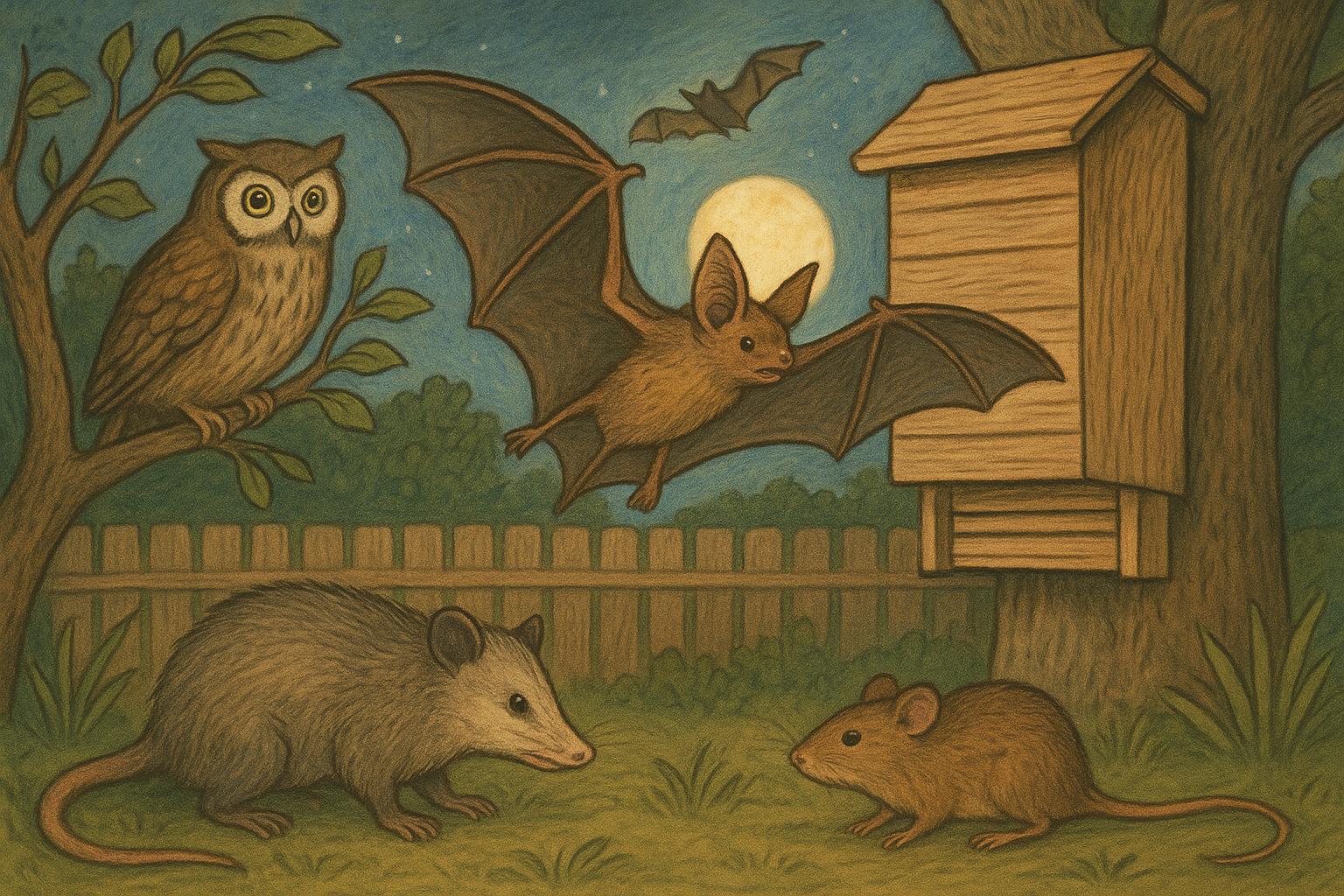
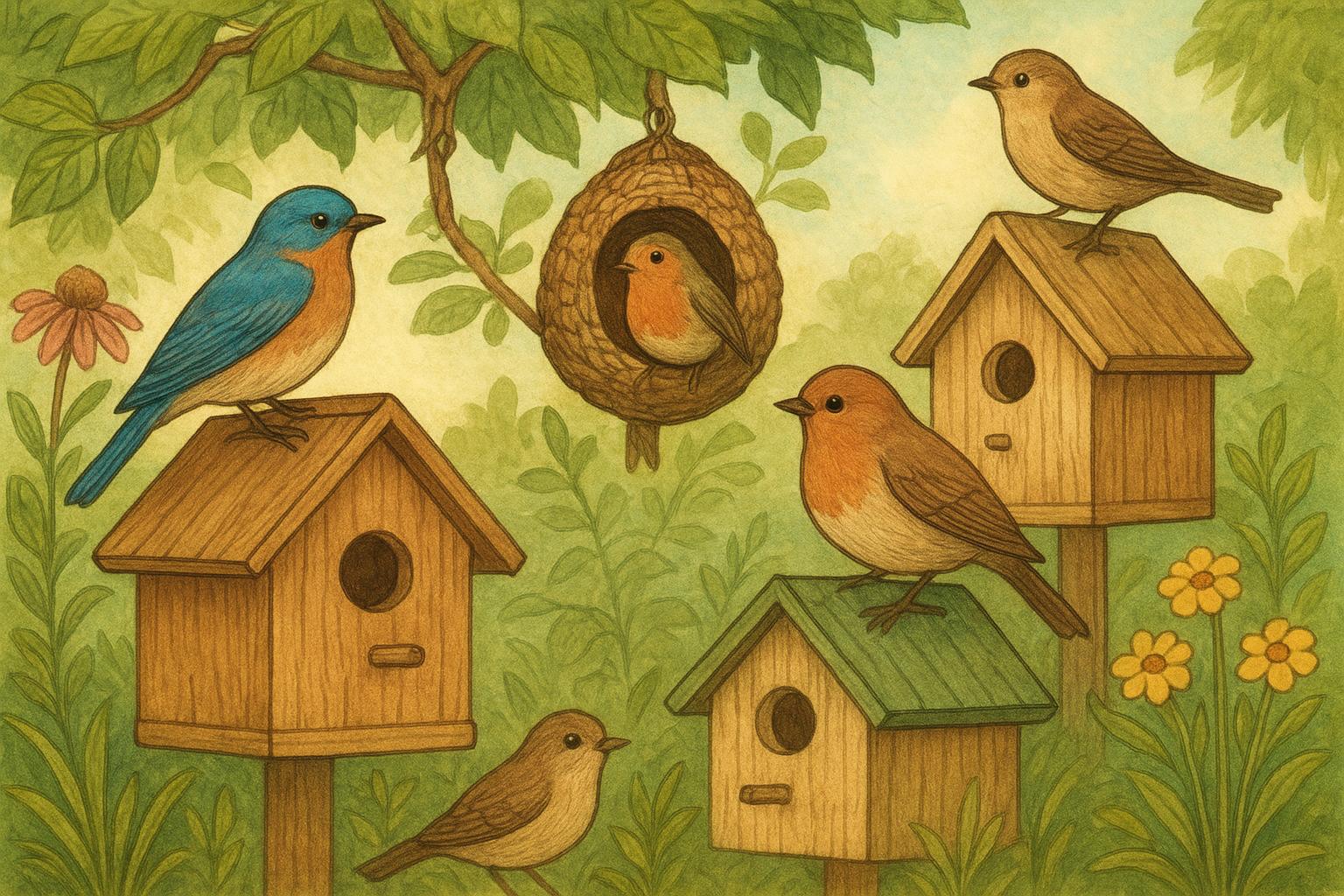
– Species-Specific Considerations: For bats or birds, use specialized designs. Do not retrofit mammal shelters for bats; they have unique roosting needs and legal protections in many regions.
– Hygiene: Do not provide bedding that has been in contact with domestic animal waste. Replace the straw only when visibly soiled and only outside of active denning periods when possible.
#### Placement And Timing Considerations
Proper placement protects both animals and your property. Choose quiet edges of the yard, near hedgerows or brush, with some overhead cover. Avoid placing shelters where rainwater accumulates, next to active compost piles, or beneath heavy human traffic areas. Install shelters before the first hard freeze; this gives wildlife opportunity to locate them. Once a shelter is occupied, do not move it until after the species has vacated.
#### Maintenance And Legal Considerations
Respect wildlife laws and local ordinances. Relocating or intentionally disturbing certain denning animals (e.g., migratory birds, bats, some protected species) can be illegal and harmful. If you suspect a den houses a protected species or if animals are injured, contact a licensed wildlife rehabilitator or your local natural resources agency for guidance.
Maintenance steps should be performed with caution:
– Wear gloves and a mask when handling old bedding. Used bedding may harbor parasites or pathogens.
– Sanitize tools and hands thoroughly after handling shelters.
– If a shelter must be cleaned during an active denning period, consult wildlife professionals for safe procedures to avoid orphaning young.
### Observational Etiquette Around Dens
Enjoy watching wildlife, but do so responsibly. Use binoculars, keep pets leashed, and limit nighttime flashlight disruption. If you need to perform yard work near an active den, schedule it for times of day when the occupants are least likely to be present, and maintain a respectful distance.
### When To Call For Help
Signs that professional help is needed include visible injury, an animal in obvious distress, orphaned young that are cold or weak, or a den in a location that presents public-health risks (e.g., rabies exposure). Local wildlife rehabilitators and conservation officers can offer species-specific remedies and often remove animals humanely if required.
Stay attentive to changes in your yard this fall — that rustle under the leaves might be the start of a long winter nap. If you build shelters or manage vegetation, do so thoughtfully: a little effort now supports a healthier, more resilient community of backyard neighbors who’ll repay the favor by keeping insects in check and adding a dash of wild charm to your days.














Leave a Reply