
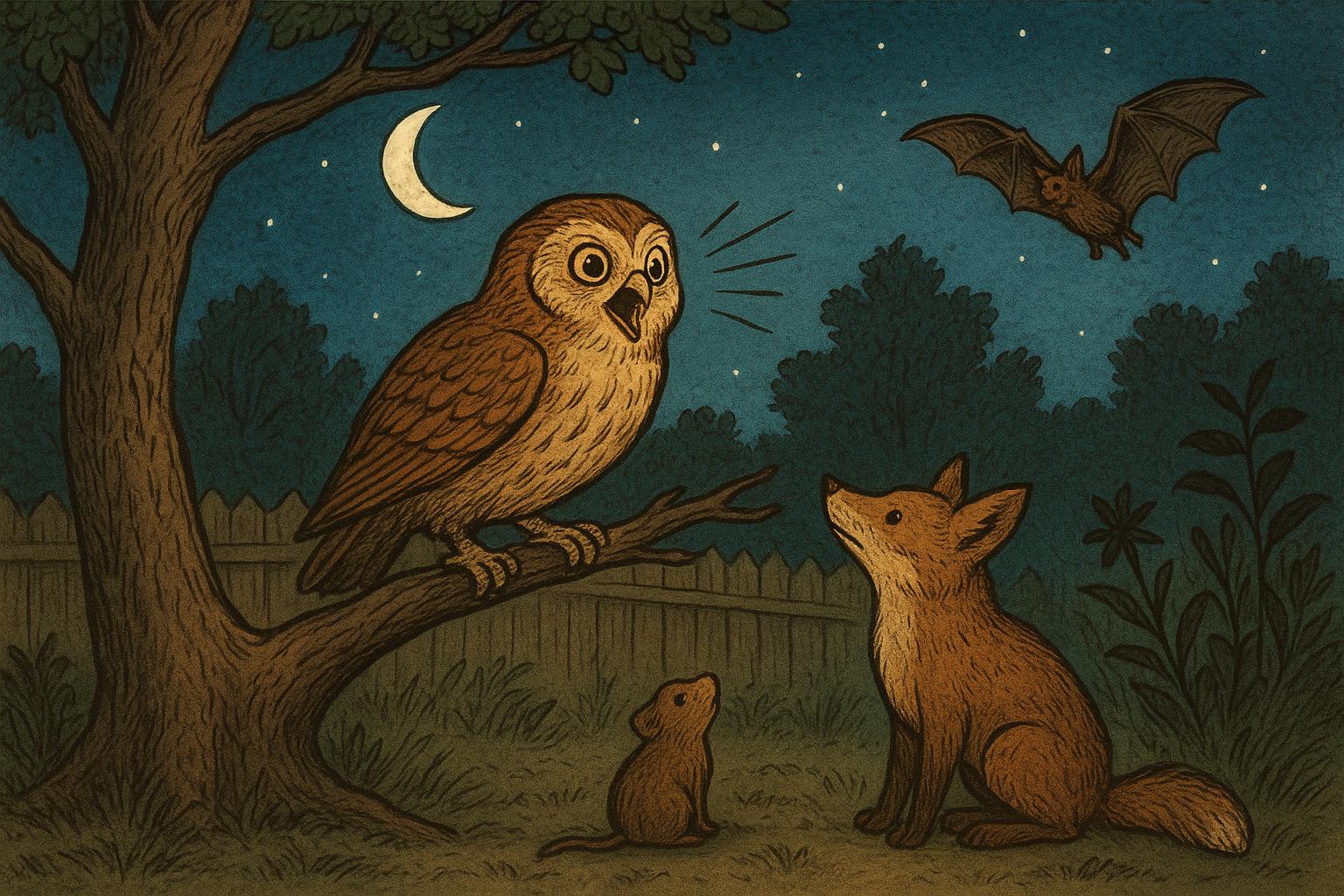
Ever woken to a chorus of nighttime clucks, screeches, or yodels and wondered who’s hosting a late-night singalong in your backyard? You’re not alone. Backyard wildlife has a full roster of characters, and their late hours can turn your yard into an impromptu opera. This article peels back the curtain on those nightly calls so you can recognize the performers, understand why they’re here, and—if necessary—take sensible steps to quiet the show.
## Where Do Those Animal Sounds Come From?
Nighttime is a very different world for wildlife. Many species are crepuscular or nocturnal, meaning they feed, mate, and patrol under the cover of darkness. The variety of animal sounds you hear depends on location, season, and habitat features—trees, water, trash cans, and porch lights are all backstage cues.
### Owls And Night Birds
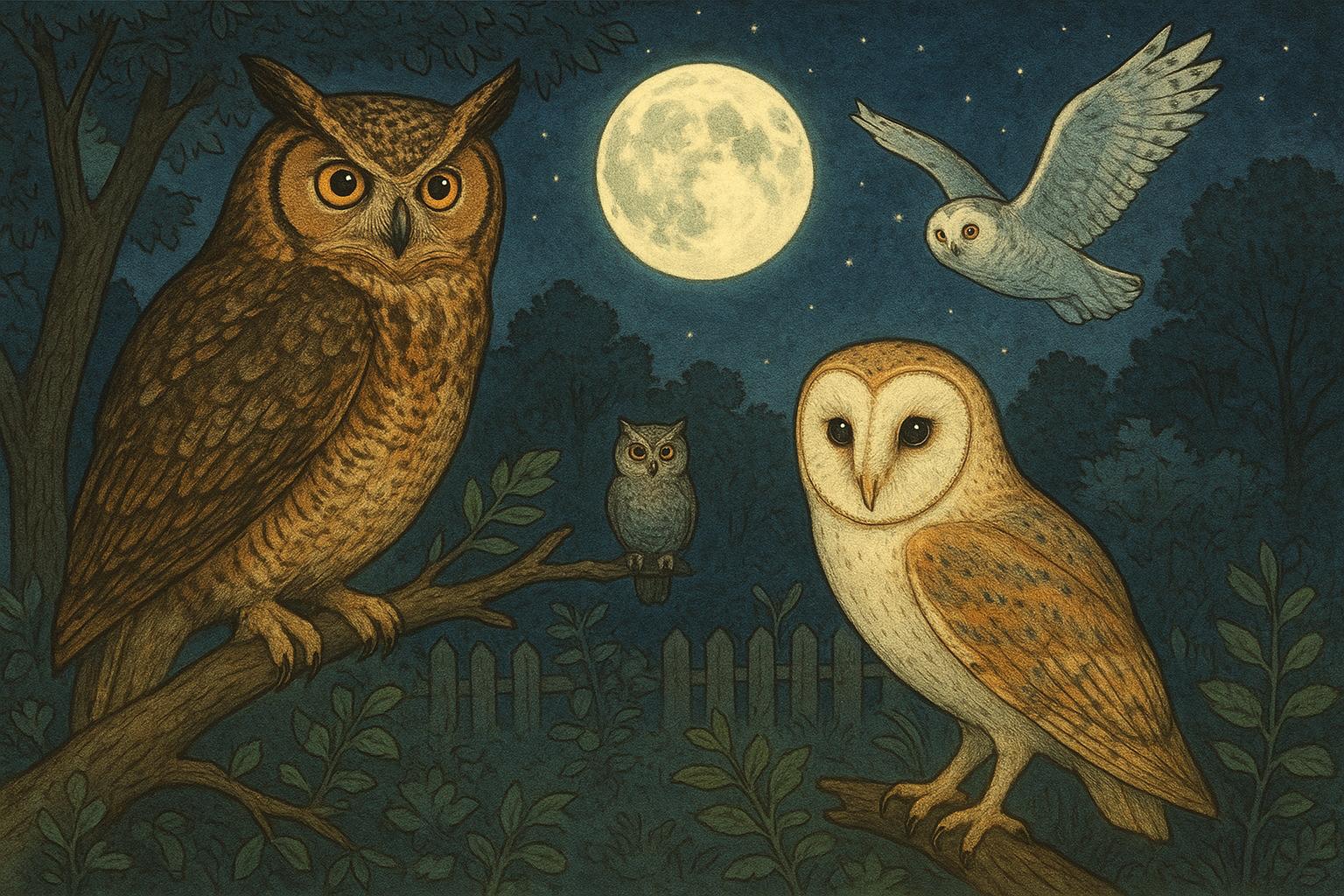
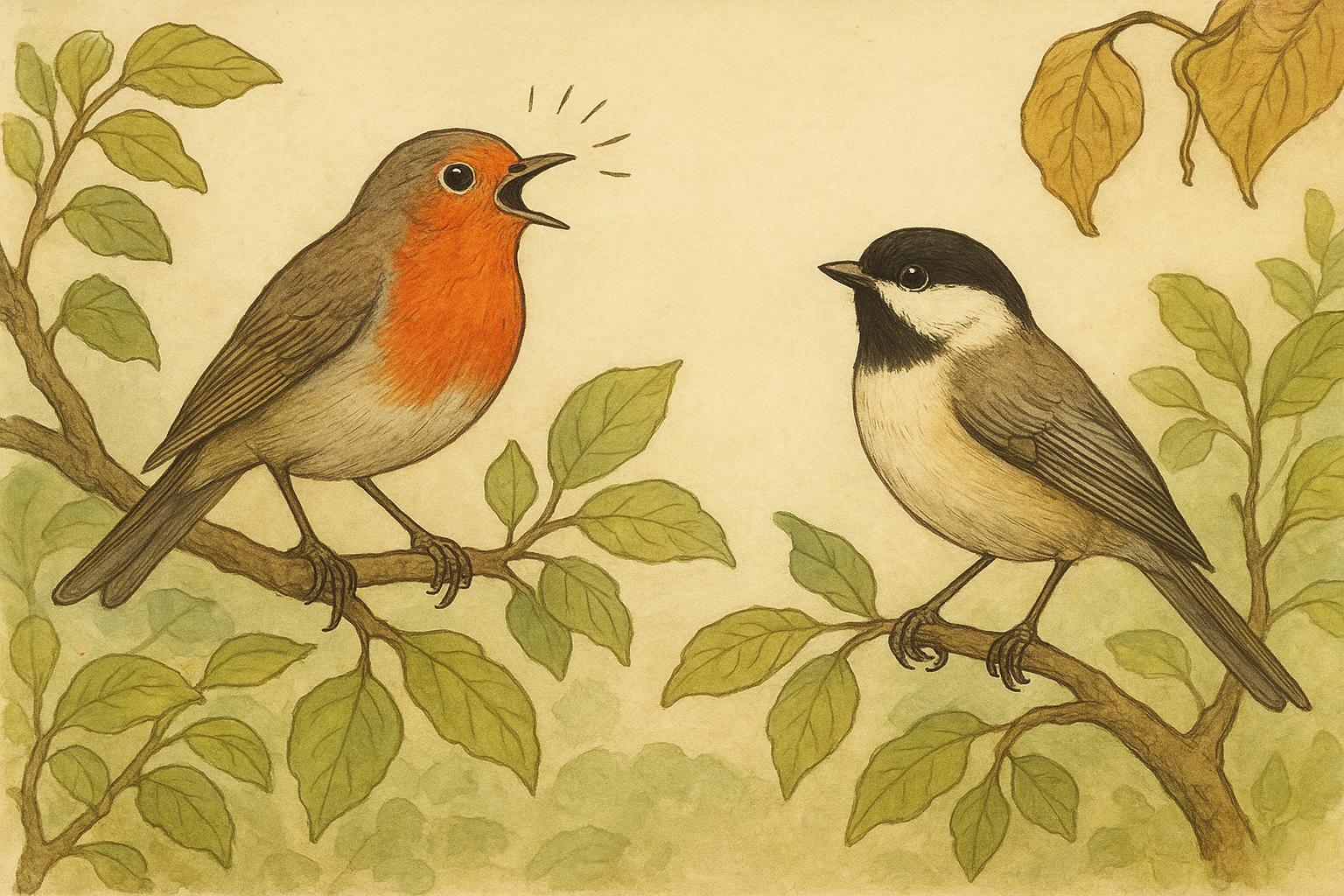
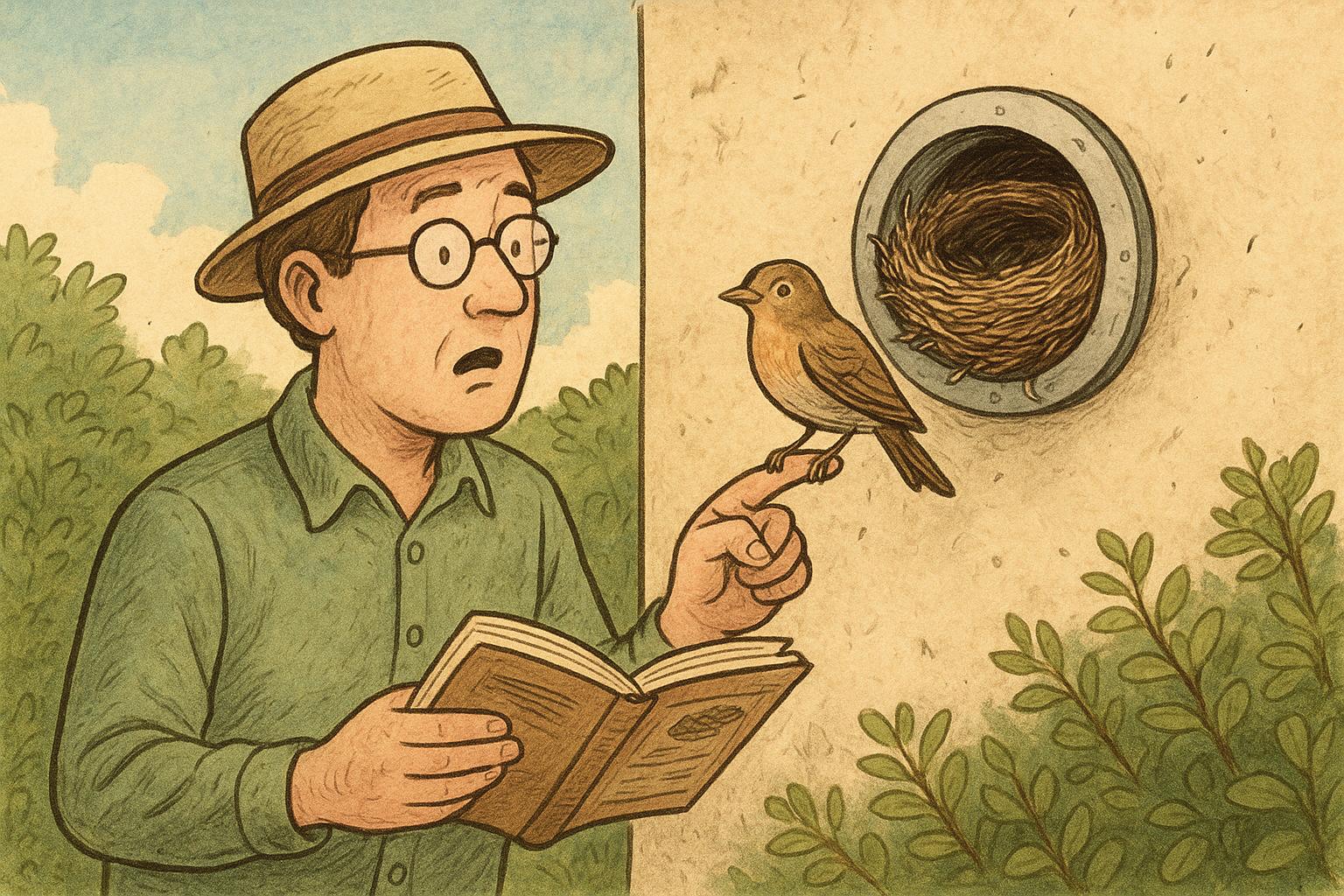
The “who-who” or hoot you hear is often an owl; species vary by region (barred, great horned, screech owls). Owls use deep hoots to claim territory and softer whistles or barks during courtship. Not all birds are silent at night—some nightjars and whip-poor-wills perform crepuscular concerts.
### Coyotes, Foxes, And Canine Calls
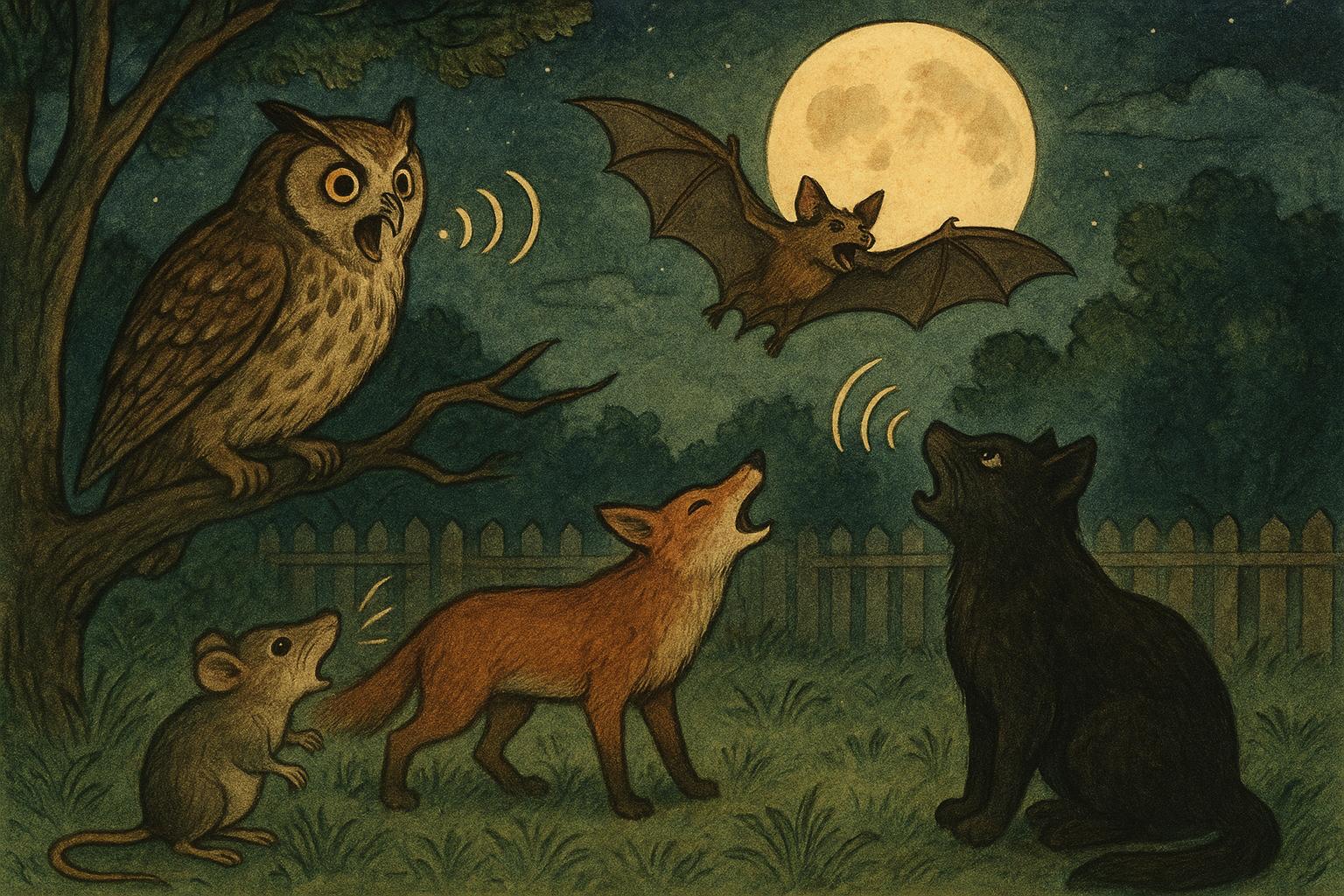
A high-pitched yelp, a drawn-out howl, or a weird scream-like call could be coyotes or foxes. Coyotes are social and vocalize to coordinate packs or defend territory. Foxes have a surprising range of muffled barks and screams that can sound unnervingly human at times.
### Raccoons, Opossums, And Small Mammals
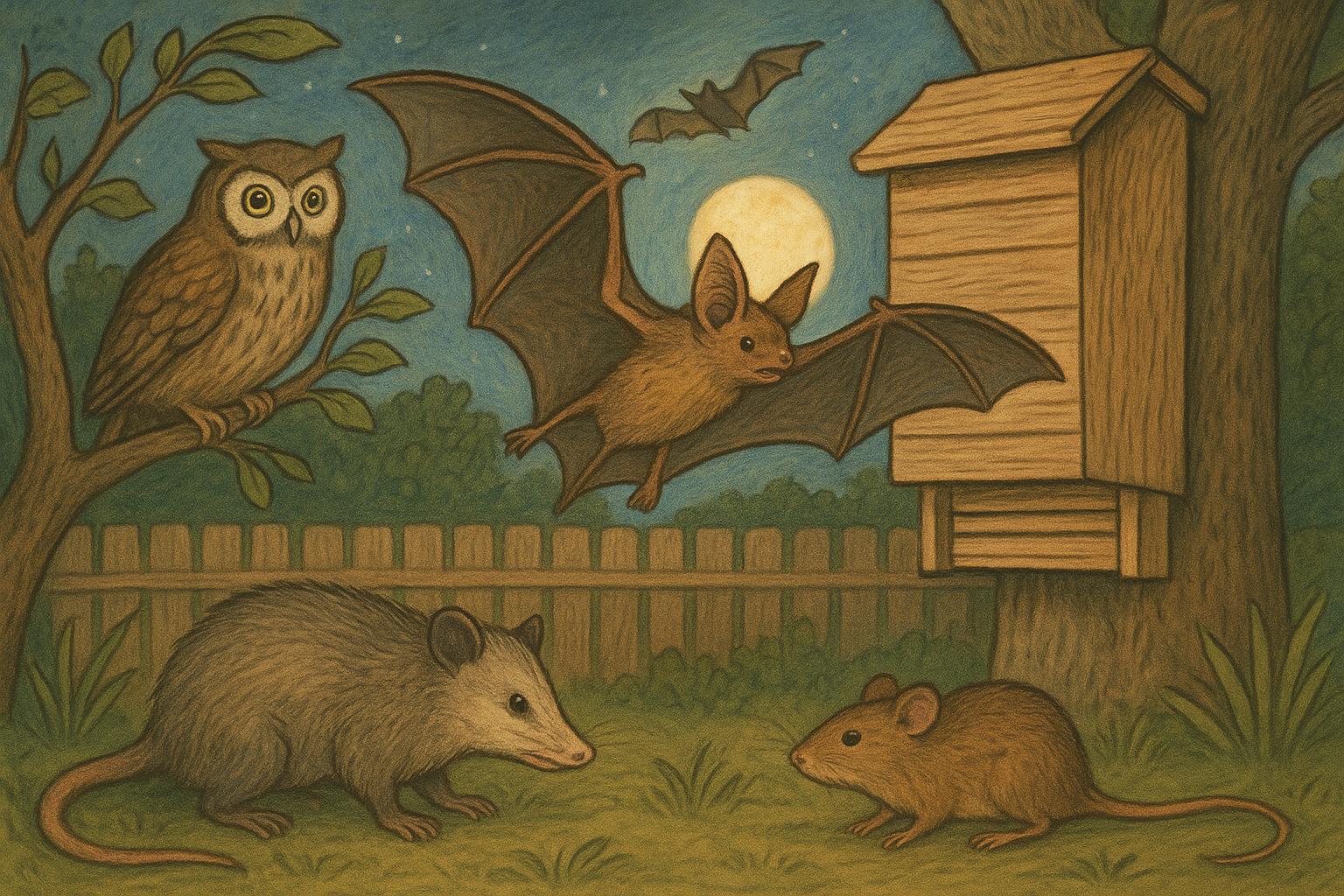
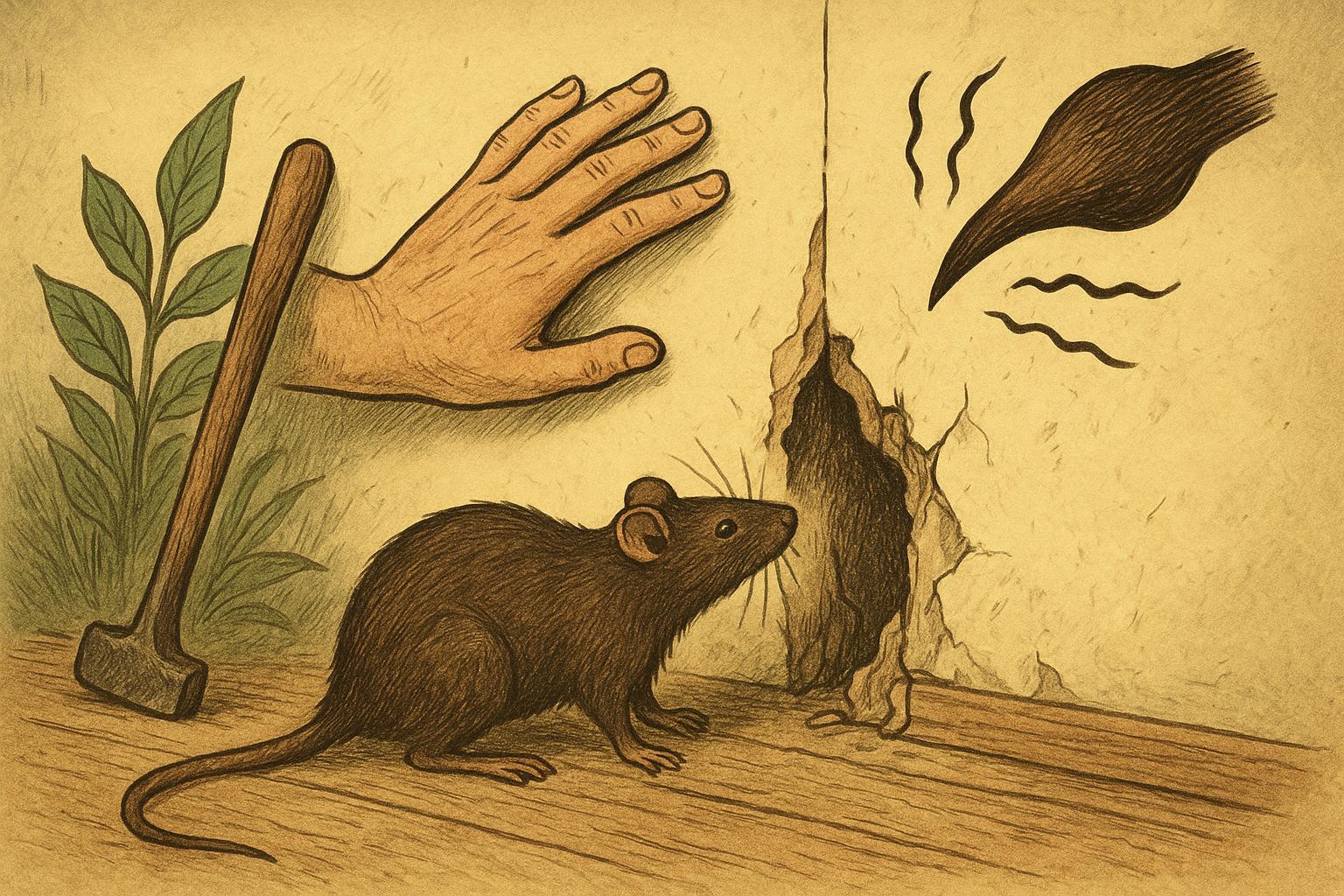
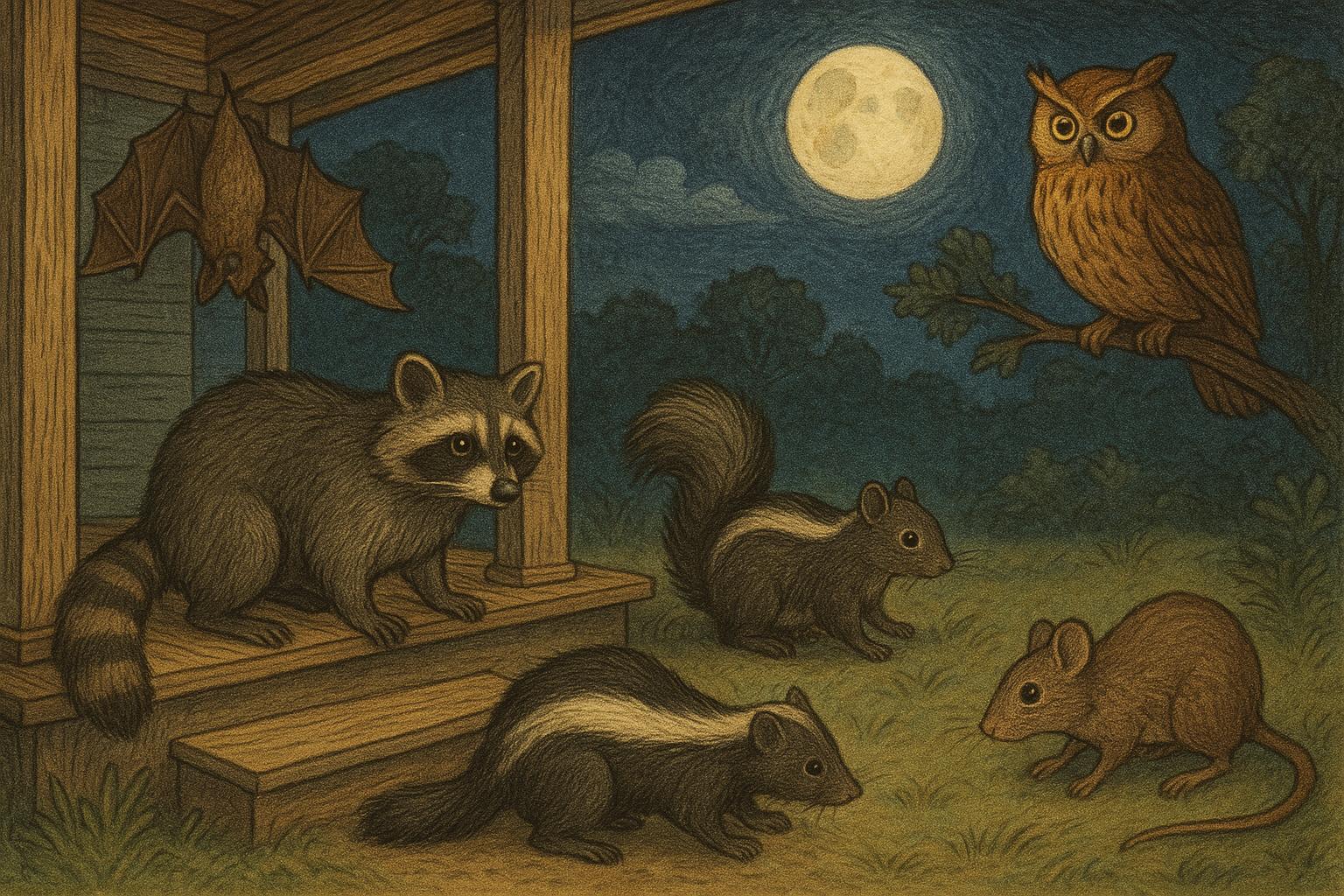
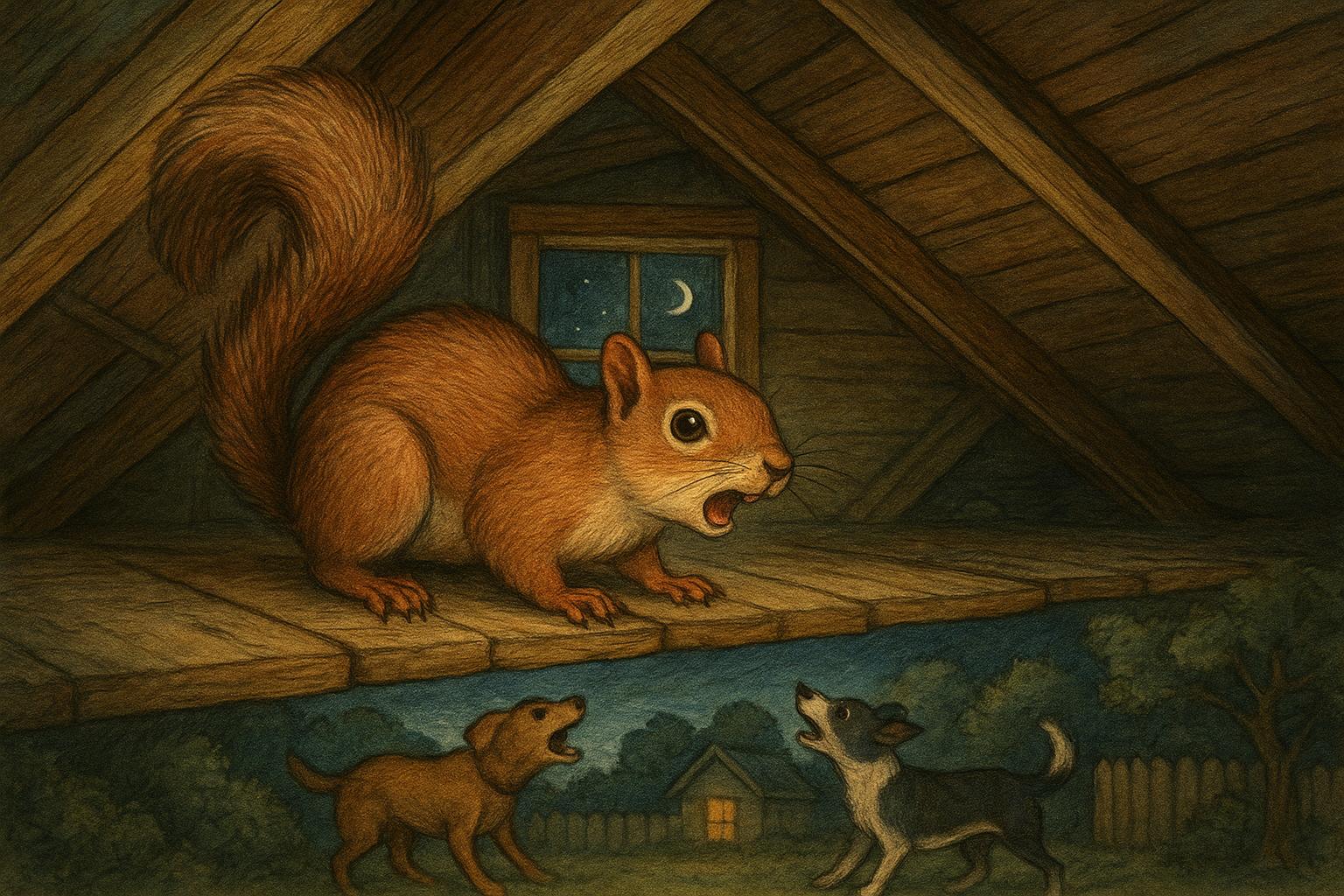
Rustling, clinking, and chittering often come from raccoons, opossums, or squirrels. Raccoons are noisy when foraging in bins; opossums are relatively quiet but make hisses and growls when threatened. The “attack of the garbage cans” soundtrack is usually a raccoon production.
### Frogs, Toads, And Insects
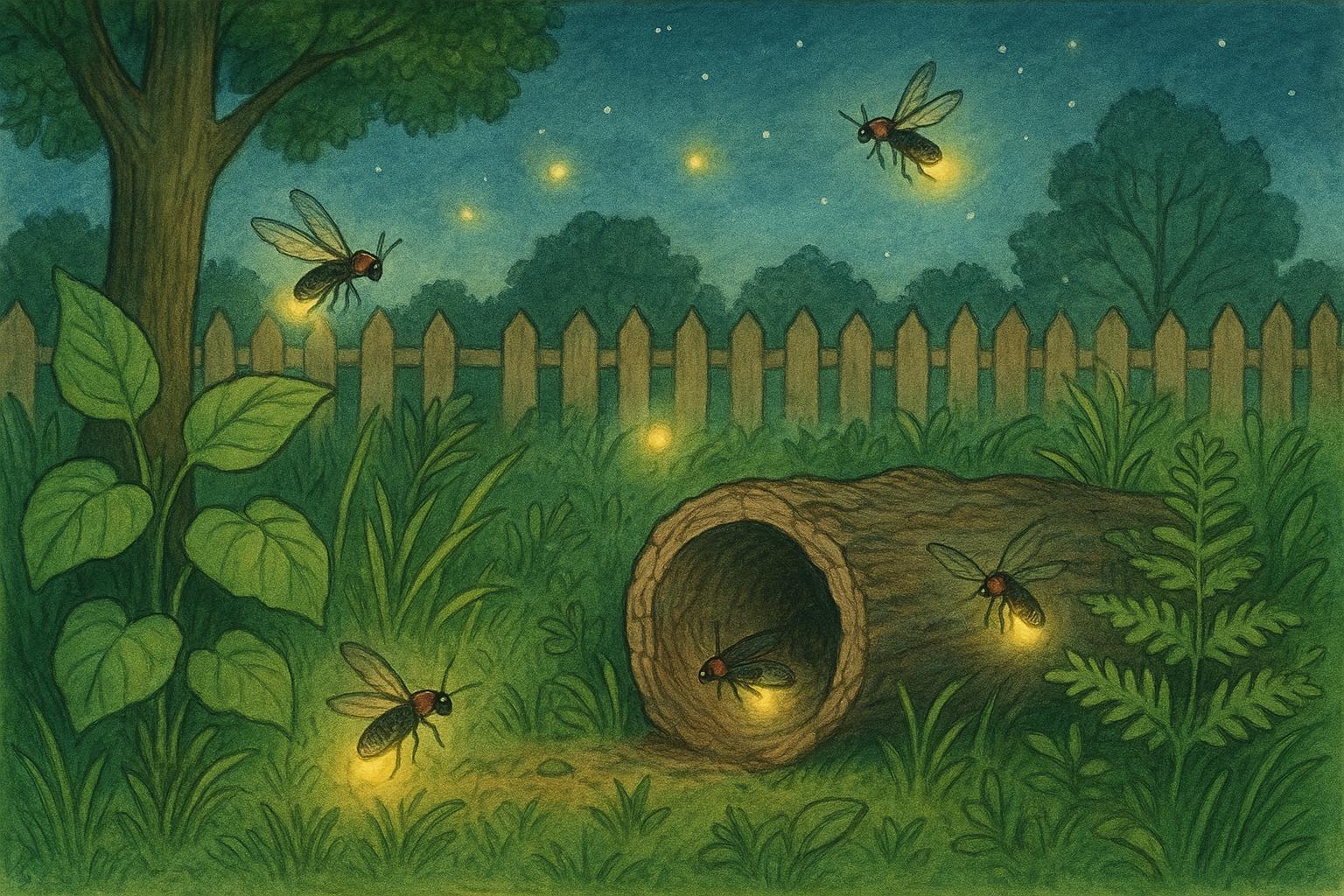
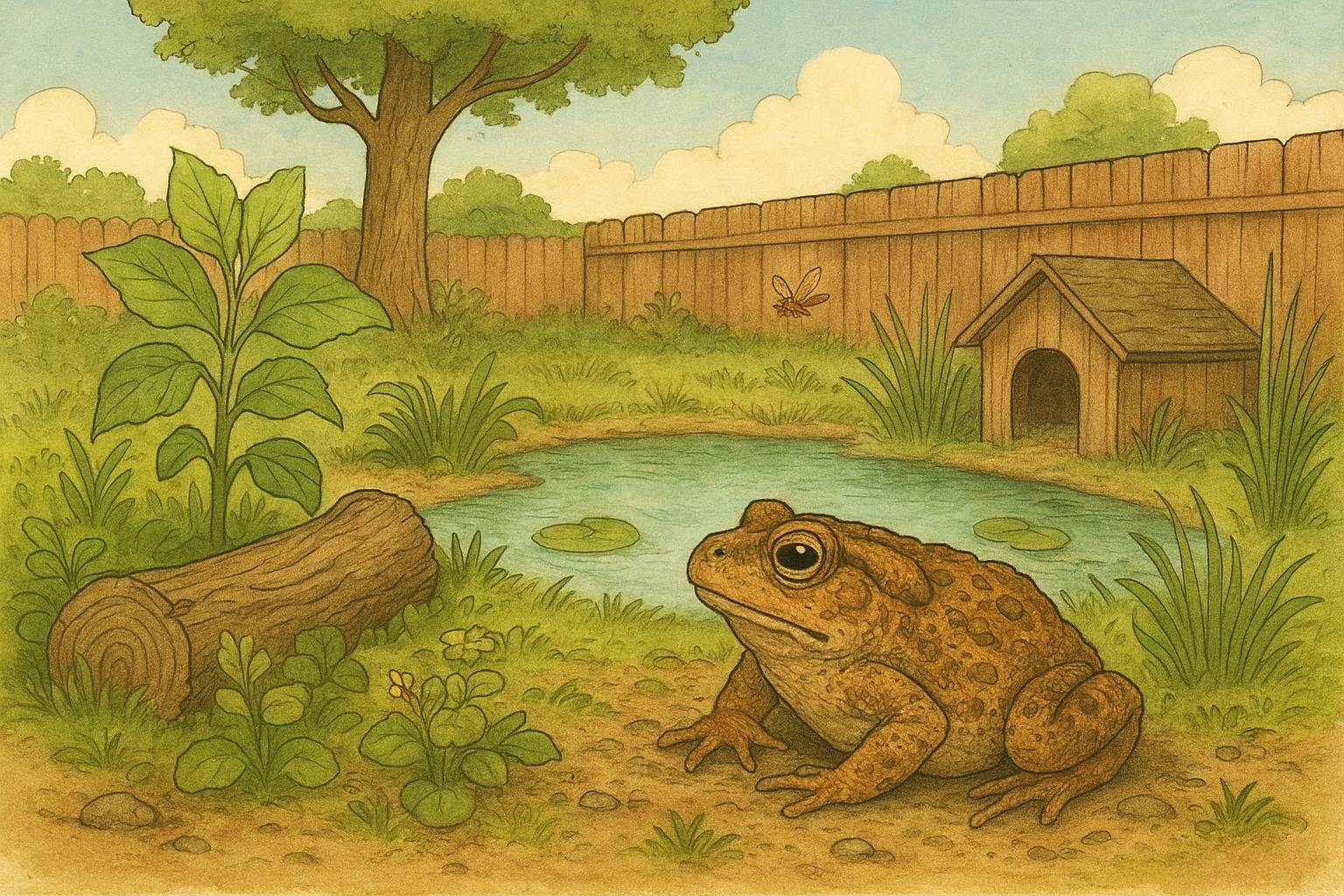
In warm months, a chorus of frogs and toads may dominate. Their trills and croaks can be loud and rhythmic. Crickets and katydids add a high-pitched chirp—technically insect calls rather than true animal vocalizations, but they’re part of the nightly soundscape.
### Bats And Ultrasonic Communication
Bats primarily use ultrasonic calls you can’t hear without special devices, but the occasional rustle or flying insect noise near porch lights is a clue they’re present, hunting the mosquitoes your porch light just attracted.
### Unexpected Night Singers
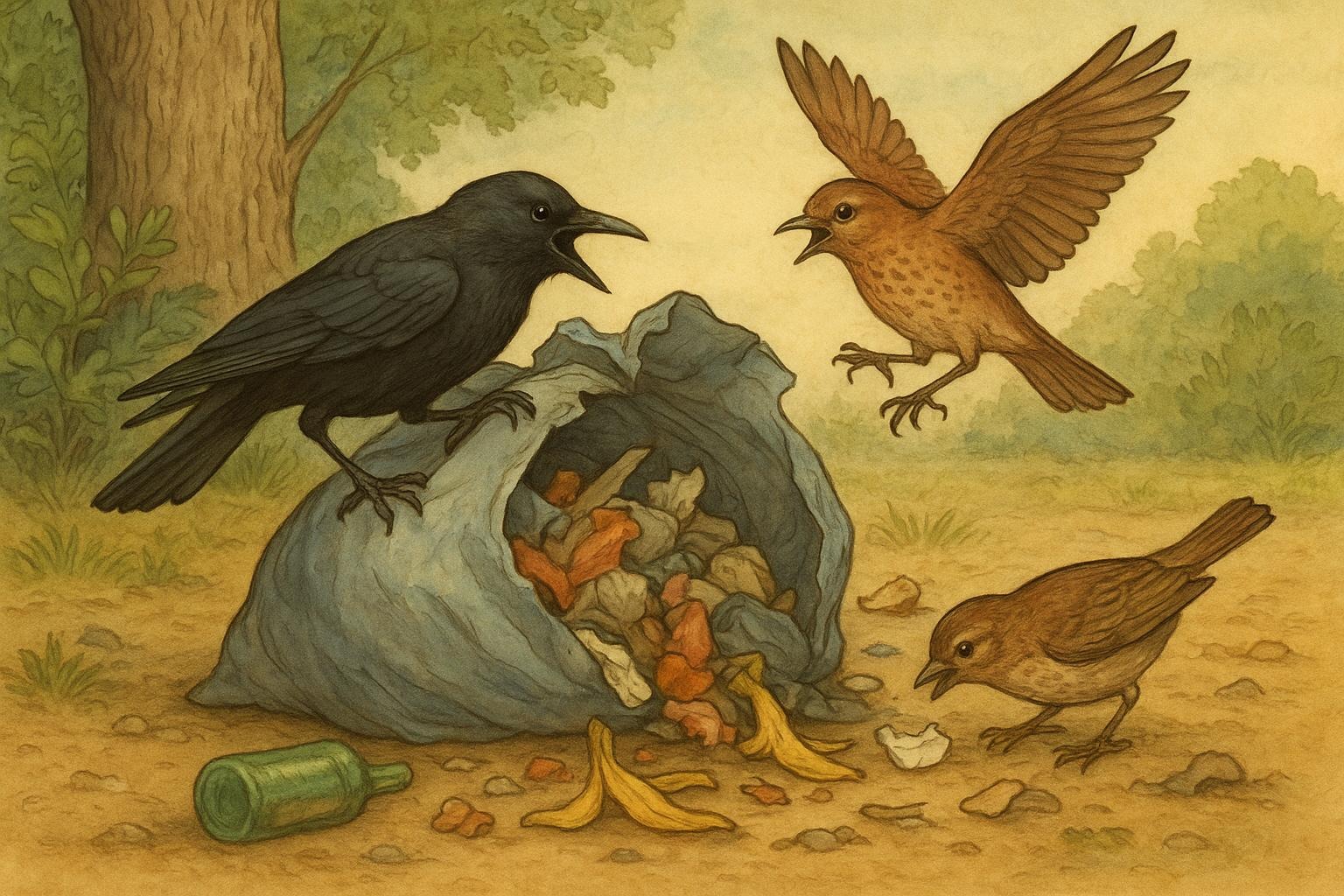
Occasionally you’ll hear odd, singular sounds—a crow’s late-night caw, a mink splash, or the glottal hum of a nearby frog. Urban and suburban yards can host surprising visitors, especially where food and shelter are available.
## How To Identify Common Nighttime Calls
Identifying who’s calling takes practice. Note the rhythm, pitch, repetition, and time of night. Apps and online sound libraries are helpful tools; recordings let you play back likely candidates and compare.
### Quick Identification Tips
– Hoots at regular intervals = likely owls.
– High, drawn-out howls and yips = coyotes or foxes.
– Rapid chittering around lights or bins = raccoons.
– Continuous trilling = frogs or crickets.
– Rare, loud, human-like scream = fox or barred owl, depending on region.
## 1. Remedy: Habitat Modifications To Reduce Night Calls
When the backyard chorus becomes more nuisance than novelty, habitat modification is a humane and effective first step. This remedy focuses on making your yard less attractive to the most vocal nighttime visitors.
Materials/Ingredients:
– Motion-activated lights (LED recommended)
– Secure, wildlife-proof trash cans with locking lids
– Garden gloves and pruning tools
– Native, low-canopy plants and groundcover (for targeted changes)
– Mulch and landscape fabric (to reduce hiding spots under shrubs)
– Bird feeders that close at dusk or are removed at night
Step-By-Step Creation And Application:
1. Audit Your Yard: Walk your yard at dusk and dawn for a few nights to observe activity locations—near trees, sheds, fruit trees, or trash bins. Note where most of the animal sounds originate.
2. Secure Food Sources: Replace or retrofit trash cans with locking-lid models and store them in a locked shed or garage if possible. Remove pet food and bird seed overnight. If you feed wildlife intentionally, stop evening feedings.
3. Adjust Lighting Strategically: Install motion-activated lights near entries and bins. Avoid constant bright lighting, which can attract some insects (and then insect-eating wildlife). Motion lights discourage nocturnal loitering without creating continuous glare.
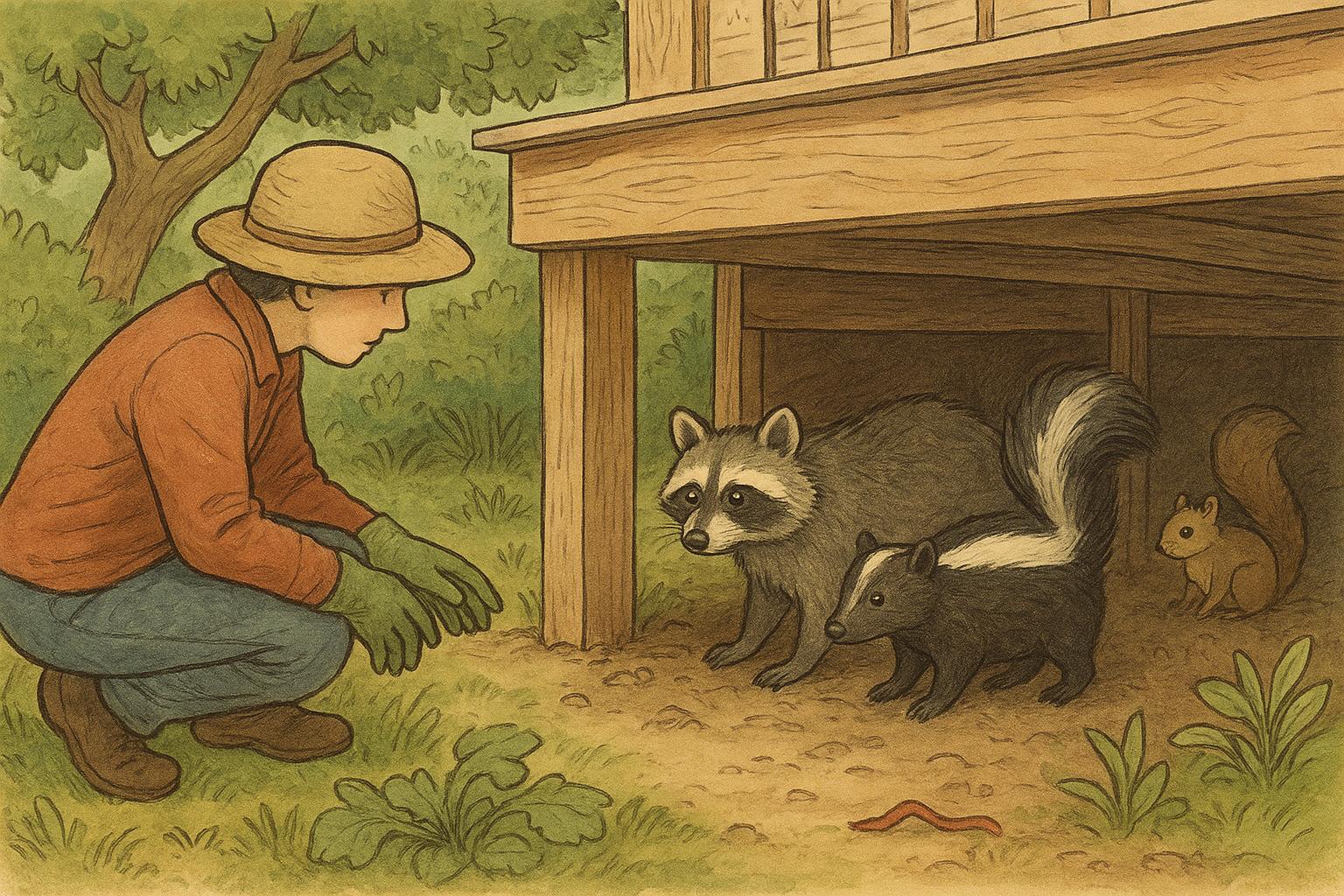
4. Prune And Modify Vegetation: Trim dense shrubs and prune lower branches to eliminate hiding and nesting spots for raccoons and opossums. Replace dense groundcover under decks with less hospitable materials like gravel or mulch laid over landscape fabric.
5. Manage Water Sources: Remove standing water in birdbaths or fix leaks. Frogs and insects will be less inclined to gather if breeding sites are limited.
6. Time Your Activities: Do not leave pet food or compost accessible overnight. Regularly schedule maintenance tasks to prevent accumulation of attractants.
Follow these steps precisely. Habitat changes reduce encounters long-term and shift the balance without harming wildlife.
## 2. Remedy: Non-Lethal Deterrents And Soundscapes
If habitat modification isn’t enough, non-lethal deterrents and sound masking can be applied. These techniques are aimed at discouraging specific species using sensory cues or creating more comfortable soundscapes for people.
Materials/Ingredients:
– Ultrasonic deterrent devices (select models designed for specific species)
– Humane motion-activated sprinkler (e.g., “Scarecrow” style)
– Commercial animal repellent sprays (species-appropriate and EPA-compliant)
– Soft outdoor white-noise machine or small fountain/pump for water feature
– Heavy-duty stakes and cable ties for securing devices
– Safety goggles and gloves for installation
Step-By-Step Creation And Application:
1. Identify Target Species: Use your observations to decide which animals you need to deter. Different devices work better for coyotes, raccoons, or rodents.
2. Choose Appropriate Devices: Purchase ultrasonic devices that are proven for the species in your area and follow manufacturer specifications. Not all ultrasonic products are effective for all animals.
3. Install Motion-Activated Sprinklers: Place sprinklers near compost piles, garden beds, or trash areas. Set sensitivity so they trigger for animals but not constantly from wind or small insects. Test and adjust coverage.
4. Apply Repellents Carefully: Use odor-based repellents formulated for the target animal. Apply according to label instructions, reapplying after heavy rain. Keep repellents away from edible plants and pet areas; ensure EPA-registered products are used.
5. Create a Pleasant Human-Focused Soundscape: Install a small fountain or white-noise source on a low setting on the porch to mask distant wildlife vocals without disturbing neighbors. Water sounds can reduce the prominence of distant animal sounds without affecting wildlife behavior significantly.
6. Monitor And Adjust: Check device effectiveness weekly for a month. Rotate deterrent types or locations to avoid habituation—many animals become accustomed to a single persistent device.
7. Legal And Ethical Considerations: Avoid traps or lethal measures unless under guidance from wildlife professionals and local authorities. Many species are protected, and non-lethal methods are usually the most sustainable and lawful approach.
### Safety And Local Laws
Before implementing deterrents, verify local wildlife regulations. Some areas prohibit relocation or lethal control of certain species. Humane deterrence and habitat modification are permissible almost everywhere and are the recommended first lines of action.
## Listening For Learning: Tips For Backyard Naturalists
Keep a small notebook or use a smartphone app to log nights when particular calls occur. Over weeks you’ll begin to associate sounds, seasons, and behaviors. Invite neighbors into the experiment—sound travels and identifying species together can be a fun way to build community and decrease nighttime surprises.
### Recording And Sharing
Record clear audio clips when safe to do so (use a directional microphone if possible) and compare them to verified audio libraries online. Sharing recordings with local wildlife groups or online forums can yield quick identifications and localized tips.
There are plenty more tricks and tools beyond what’s covered here—everything from advanced acoustic monitors to professionally installed exclusion fencing—but the combination of learning who is calling, reducing attractants, and applying humane deterrents will handle most backyard ensembles.




















Leave a Reply