
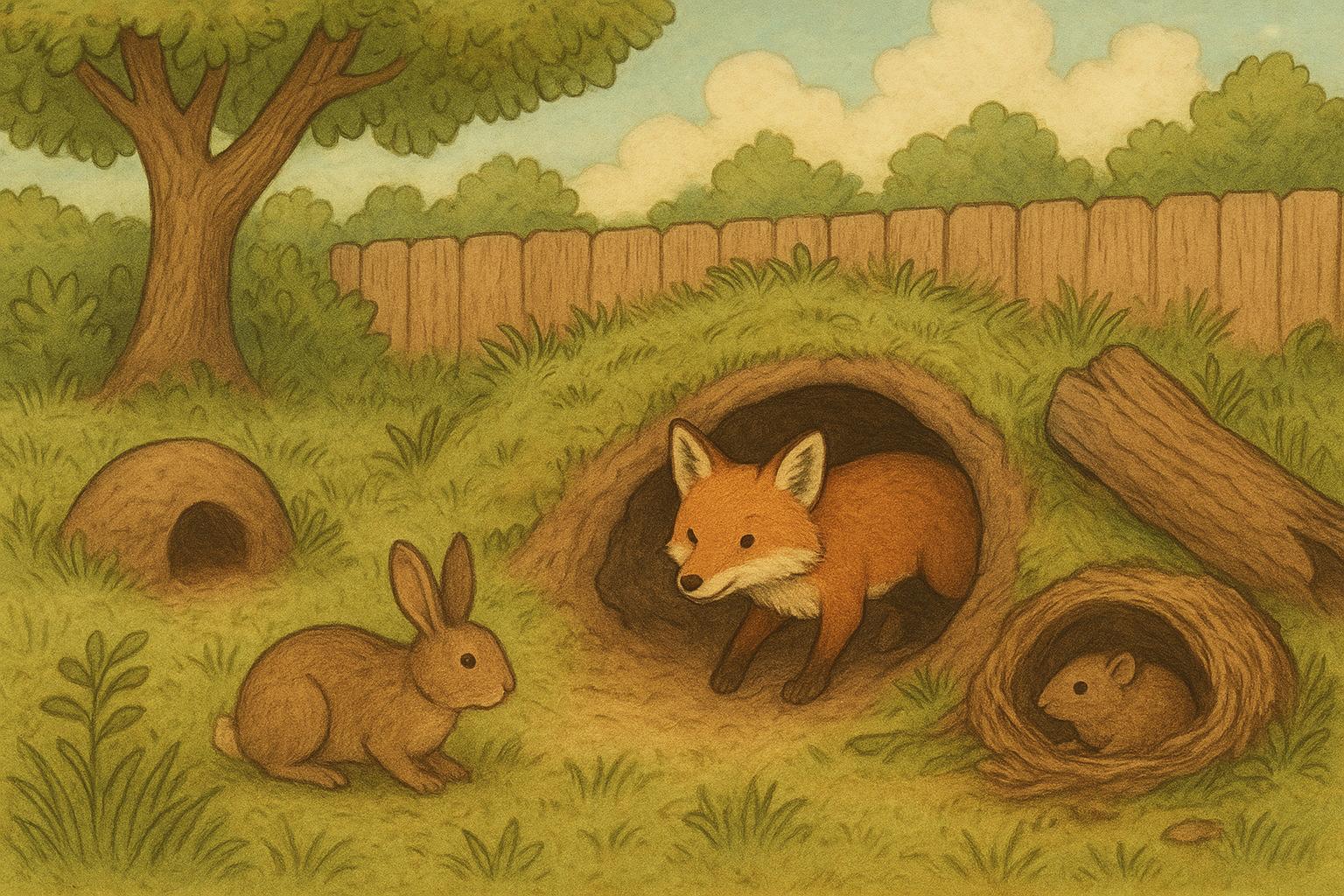
## Spotting A Mammal Den In Your Yard
So you’ve noticed that one corner of the yard looks busier than your neighbor’s bird feeder during spring. Before you don a cape and become Backyard Wildlife Superhero, let’s talk about how to spot and identify a mammal den. A mammal den can be a tidy nest tucked into a hollow tree, a burrow beneath a shed, or even a cozy crevice in an old stone wall. Knowing what you’re looking for reduces surprise encounters and gives wildlife a better chance of staying safe—and staying where you want them to.
### Common Signs Of A Den
Look for subtle clues rather than expecting to find a bedroll and tiny shoes. The most common indicators include:
– Worn trails and beaten paths leading to a single entrance.
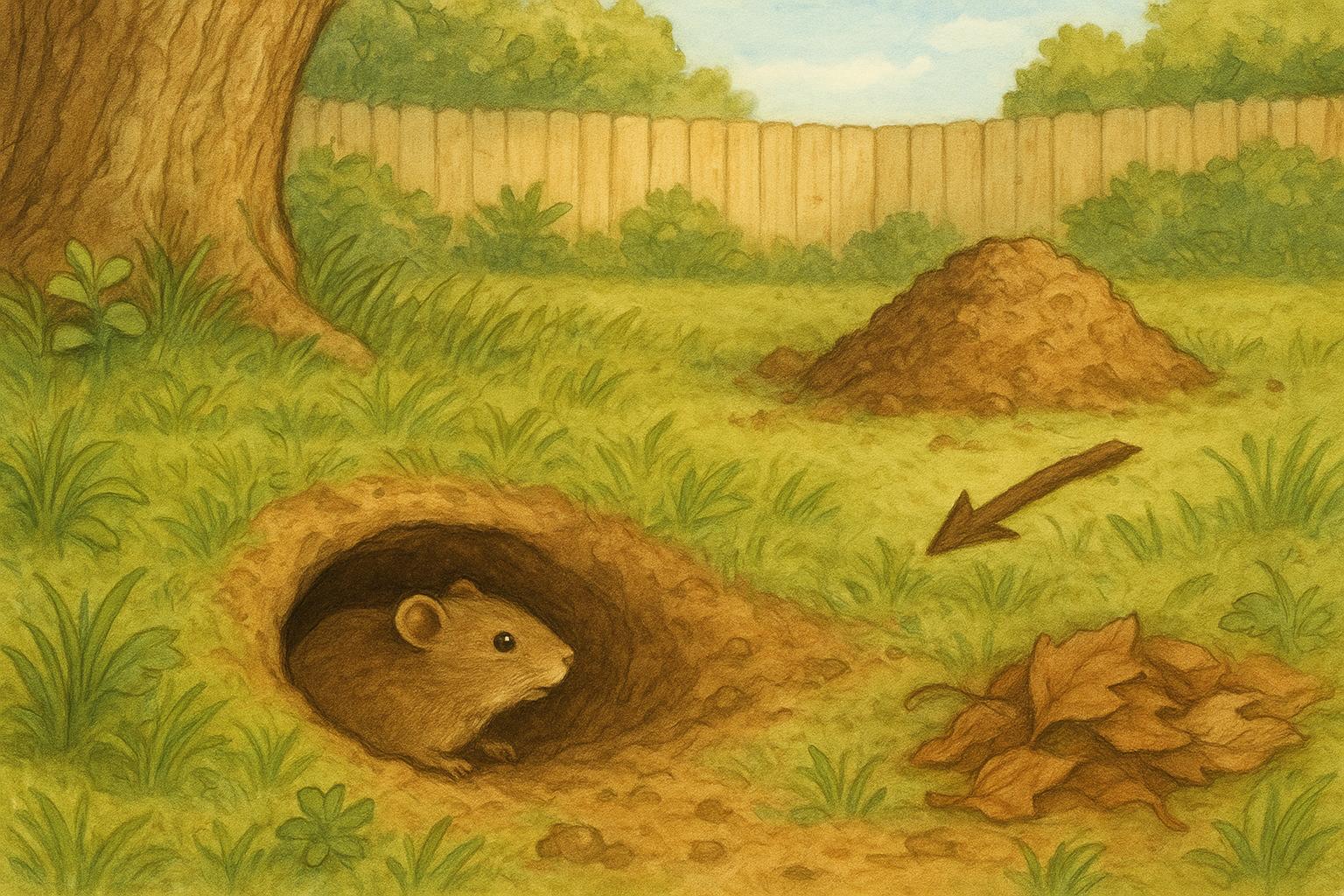
– Circular holes in turf or under decks; fresh soil often means recent use.
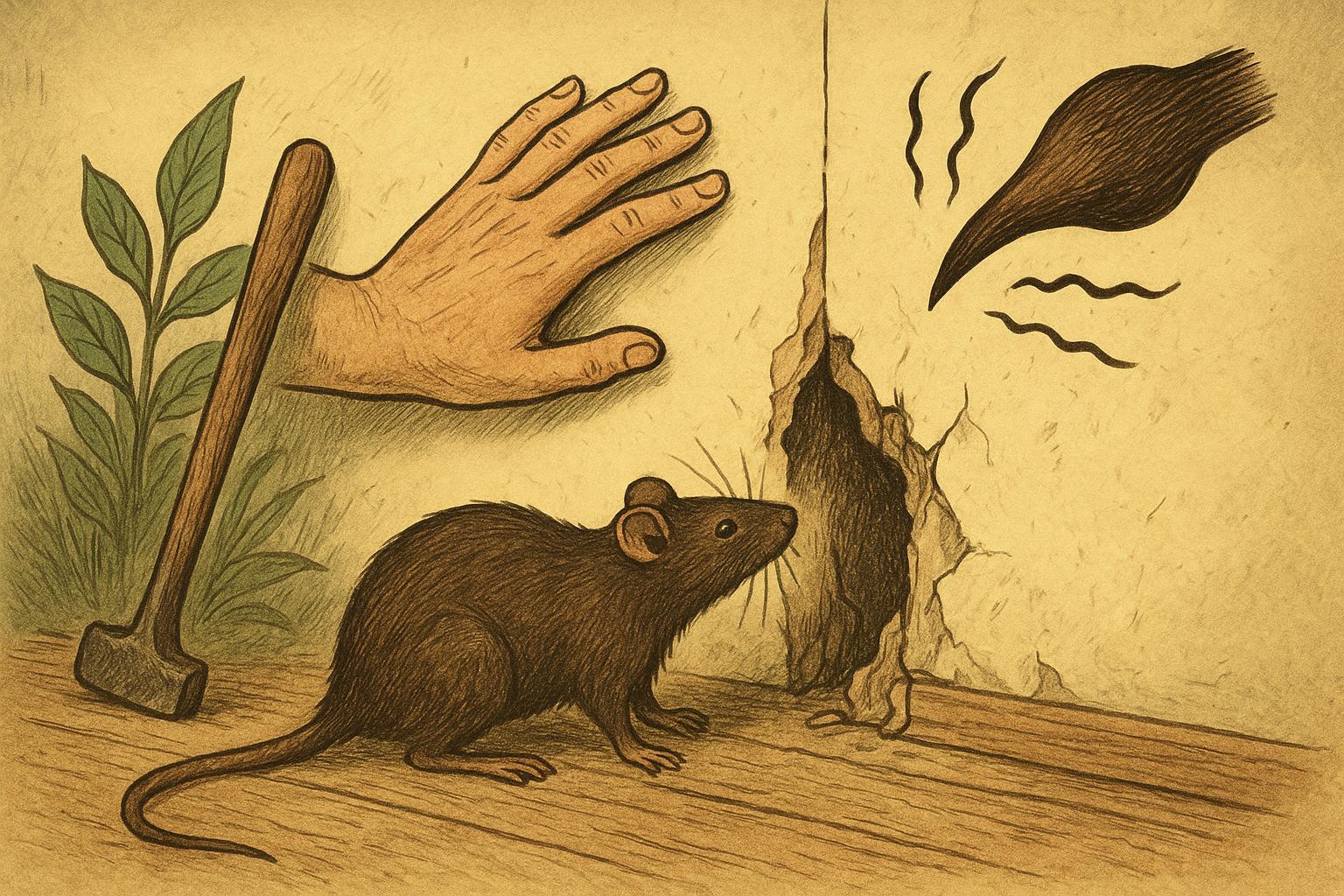
– Tufts of fur snagged on fencing, corners, or around entrances.
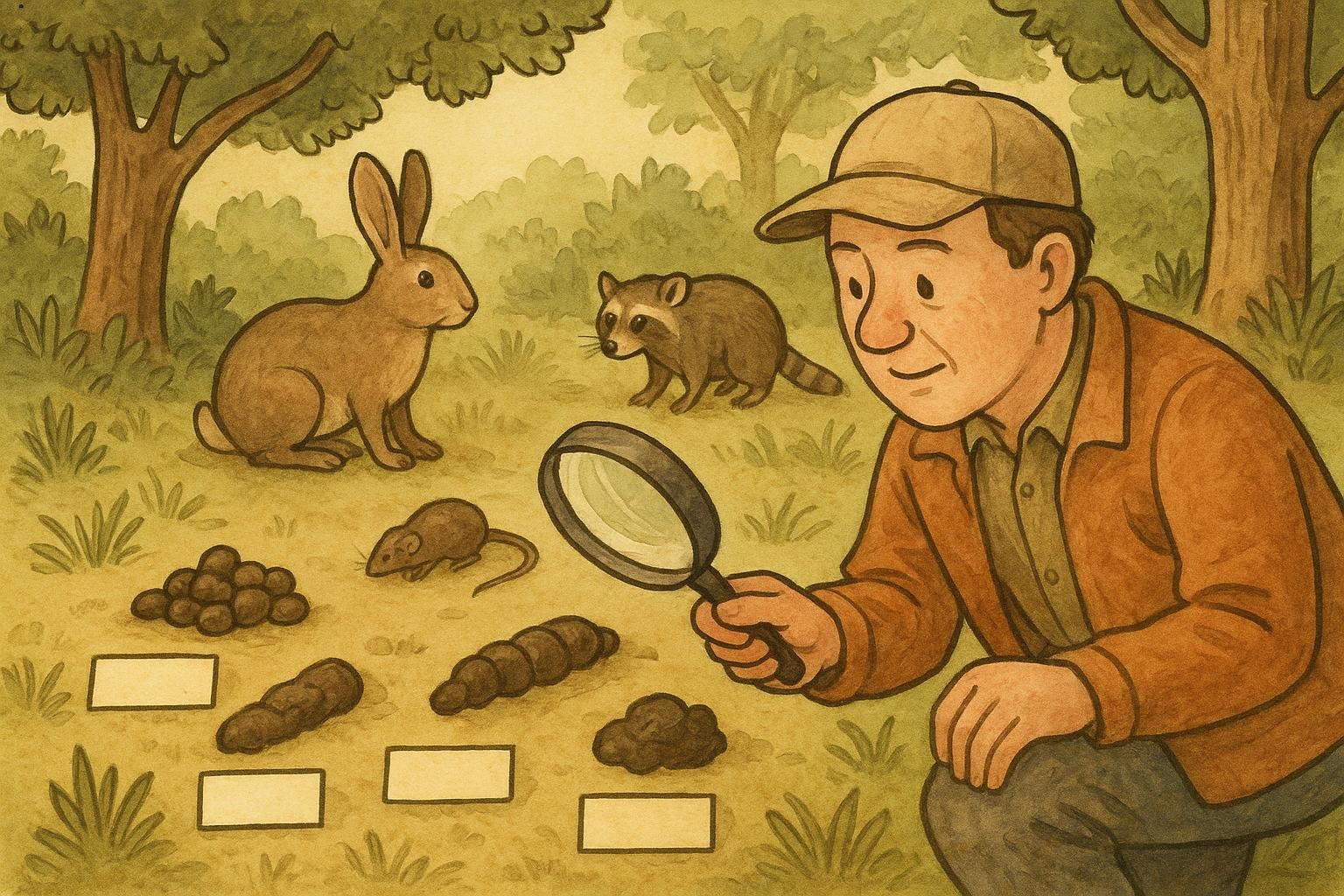
– Droppings (scat) that match a mammal-size and shape—rabbit pellets differ from raccoon scat, for example.
– Stains or grease marks around entry holes from animals rubbing.
– Sounds—scratching, scurrying at night, or faint chirps from young.
### Identifying By Architecture And Location
Different mammals favor different real estate. A few quick pointers:
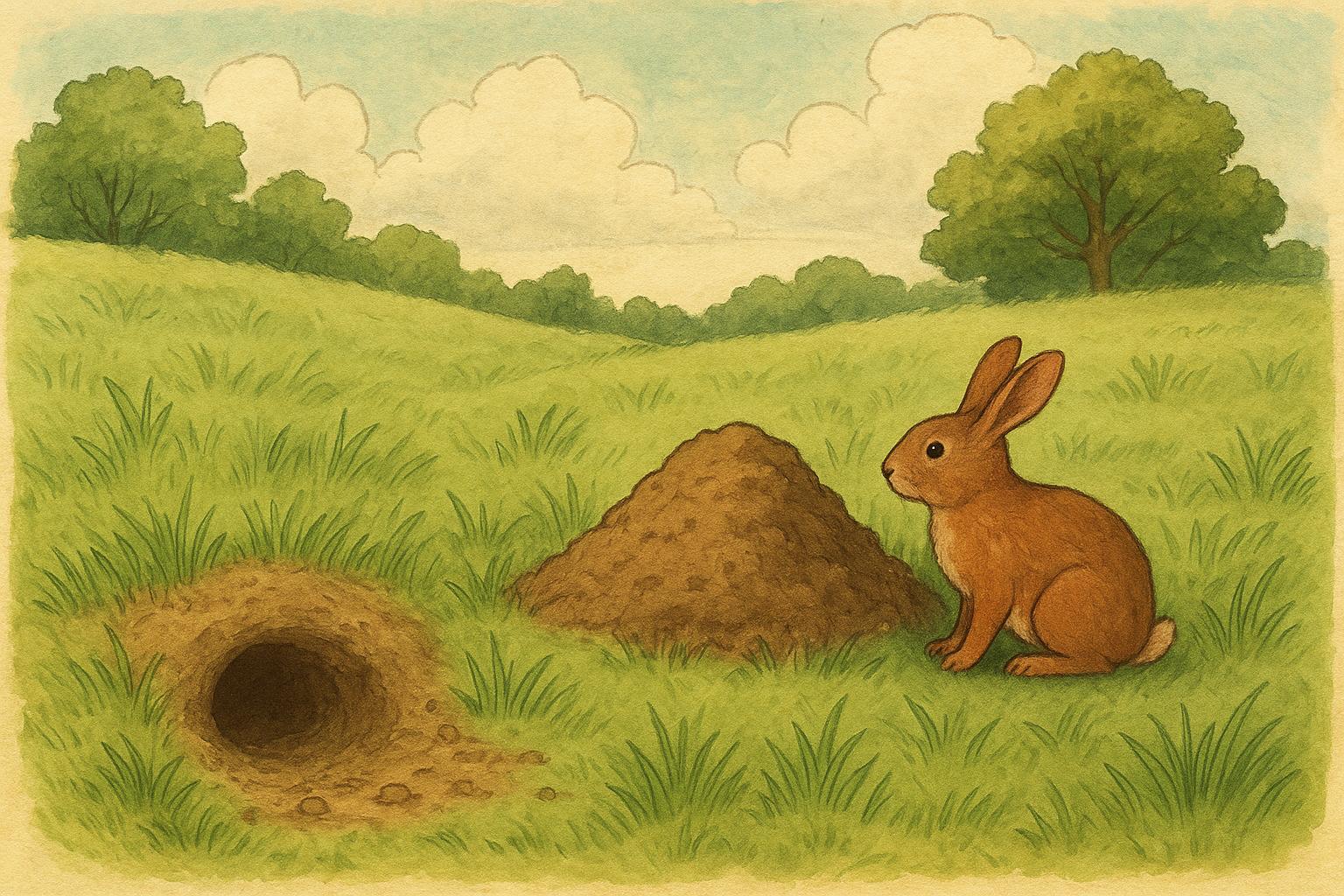
– Groundburrows With A Single Entrance: Often rabbits or ground squirrels; entrances are usually cleanly circled with a lip of dirt.
– Complex Tunnel Systems: Voles or gophers create multiple tunnels; mole runs are more surface-ridge-like.
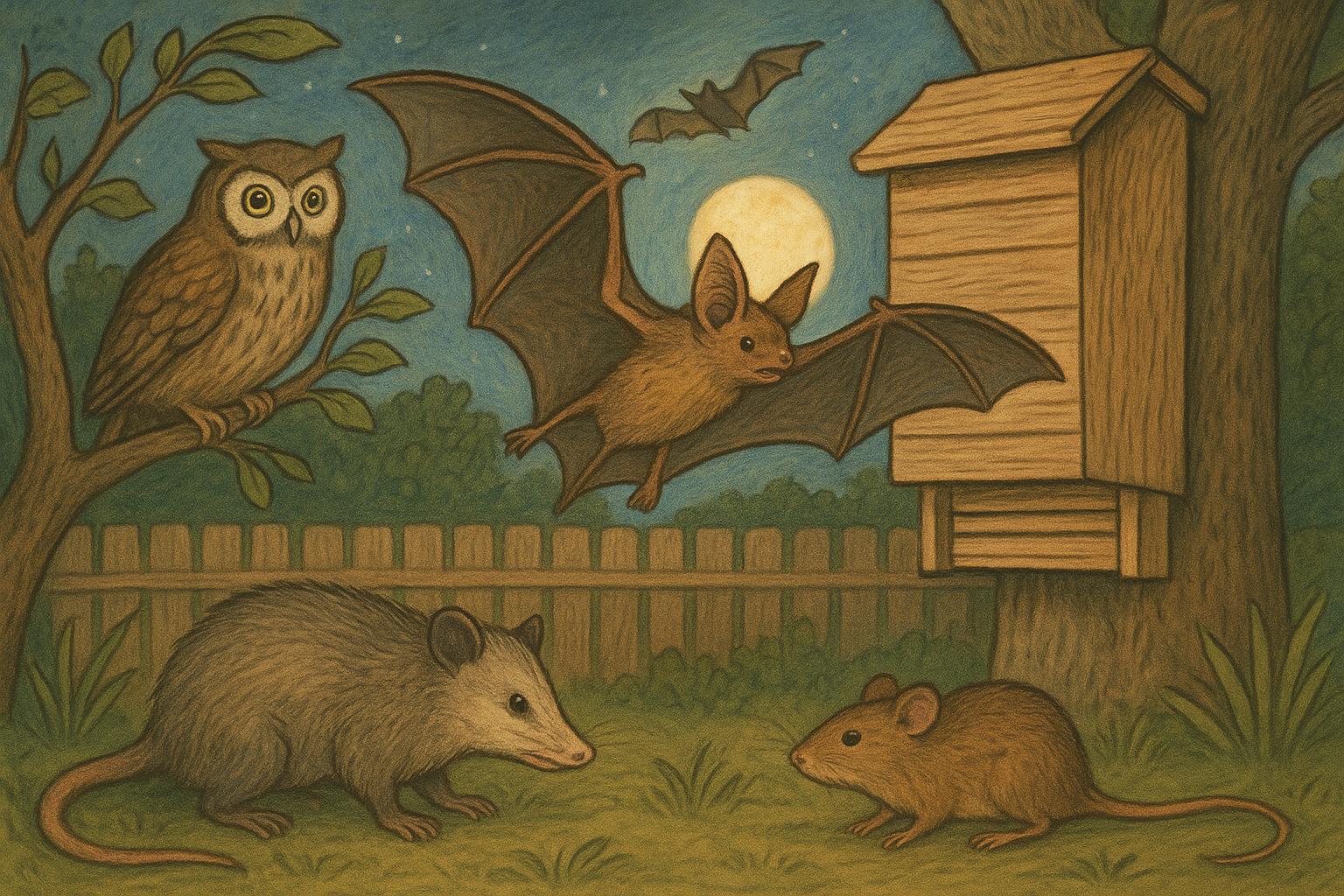
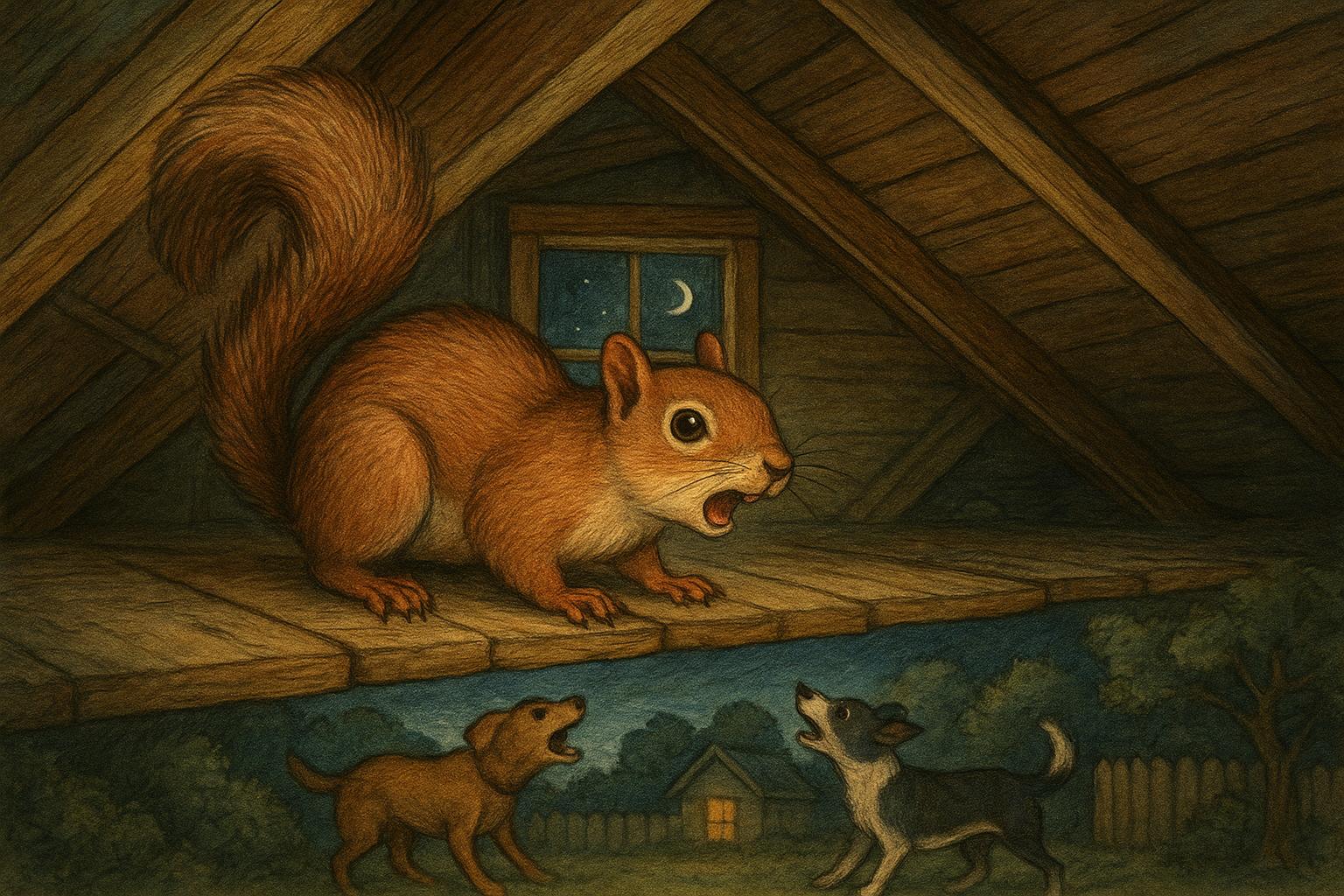
– Hollow Trees Or Roof Voids: Squirrels, raccoons, opossums, and sometimes bats will occupy elevated cavities.
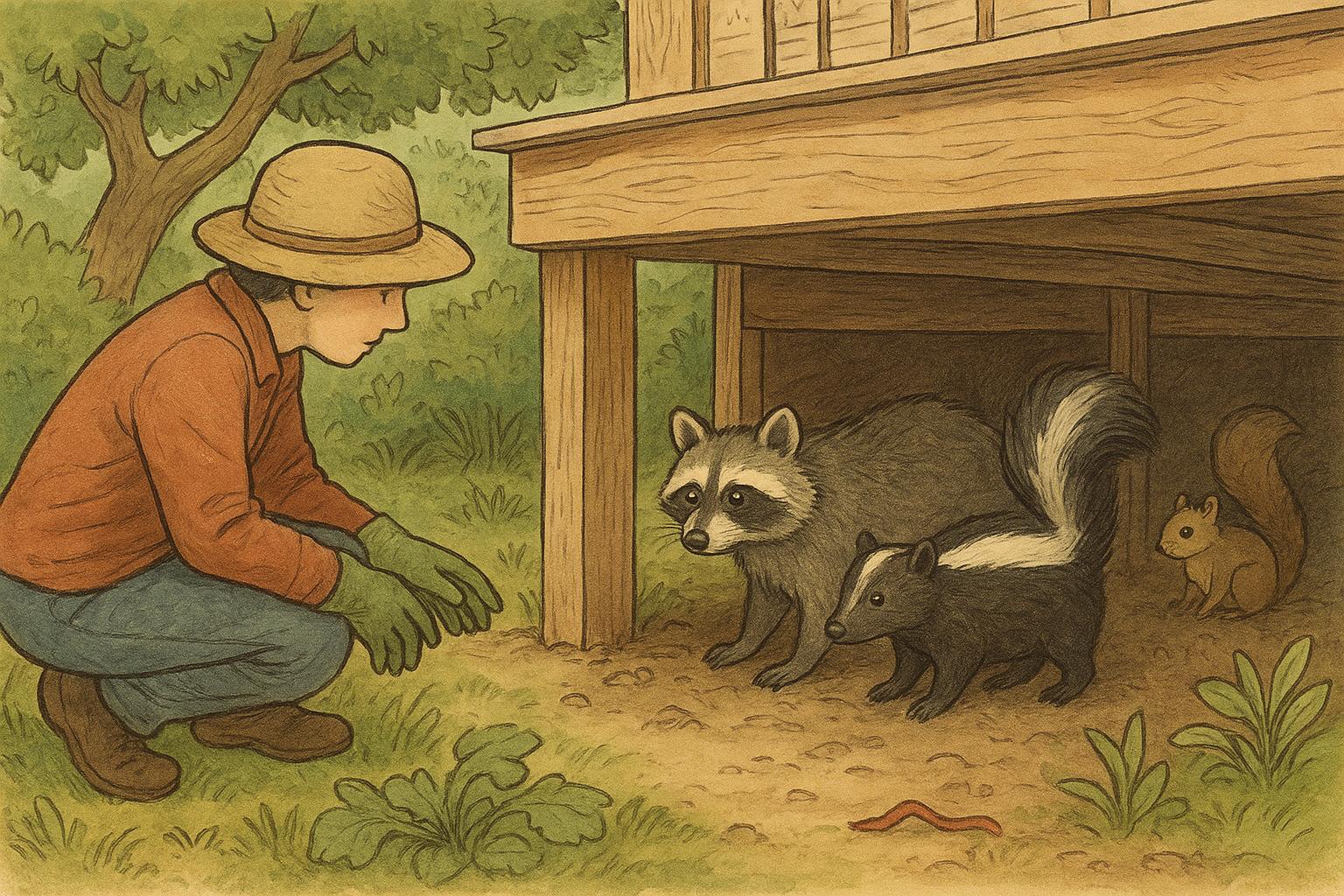
– Under Decks Or Sheds: Raccoons and opossums like these sheltered, dry spaces, especially if there are accessible openings.
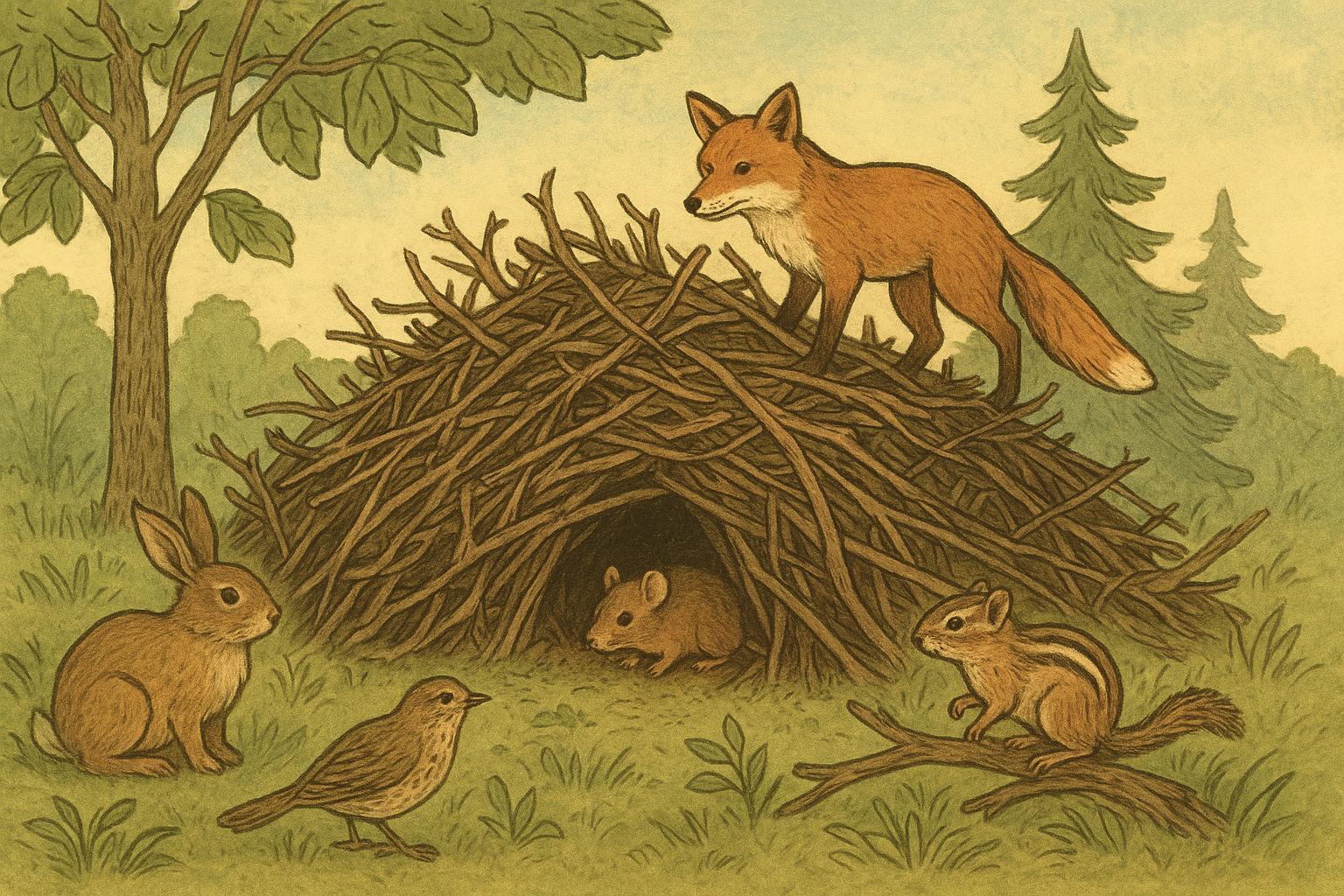
– Brush Piles And Dense Shrubs: Rabbits and small rodents nest in low cover where they’re hidden from aerial predators.
#### Size And Shape Tips
– Small Round Holes (2–3 inches): Likely rodents or small mammals.
– Medium Circular/Oblong Openings (4–8 inches): Rabbits, fox kits (small), and some ground-nesting creatures.
– Large Irregular Entrances (6–12+ inches): Raccoons or adult foxes.
### Timing Matters: When Dens Are Most Active
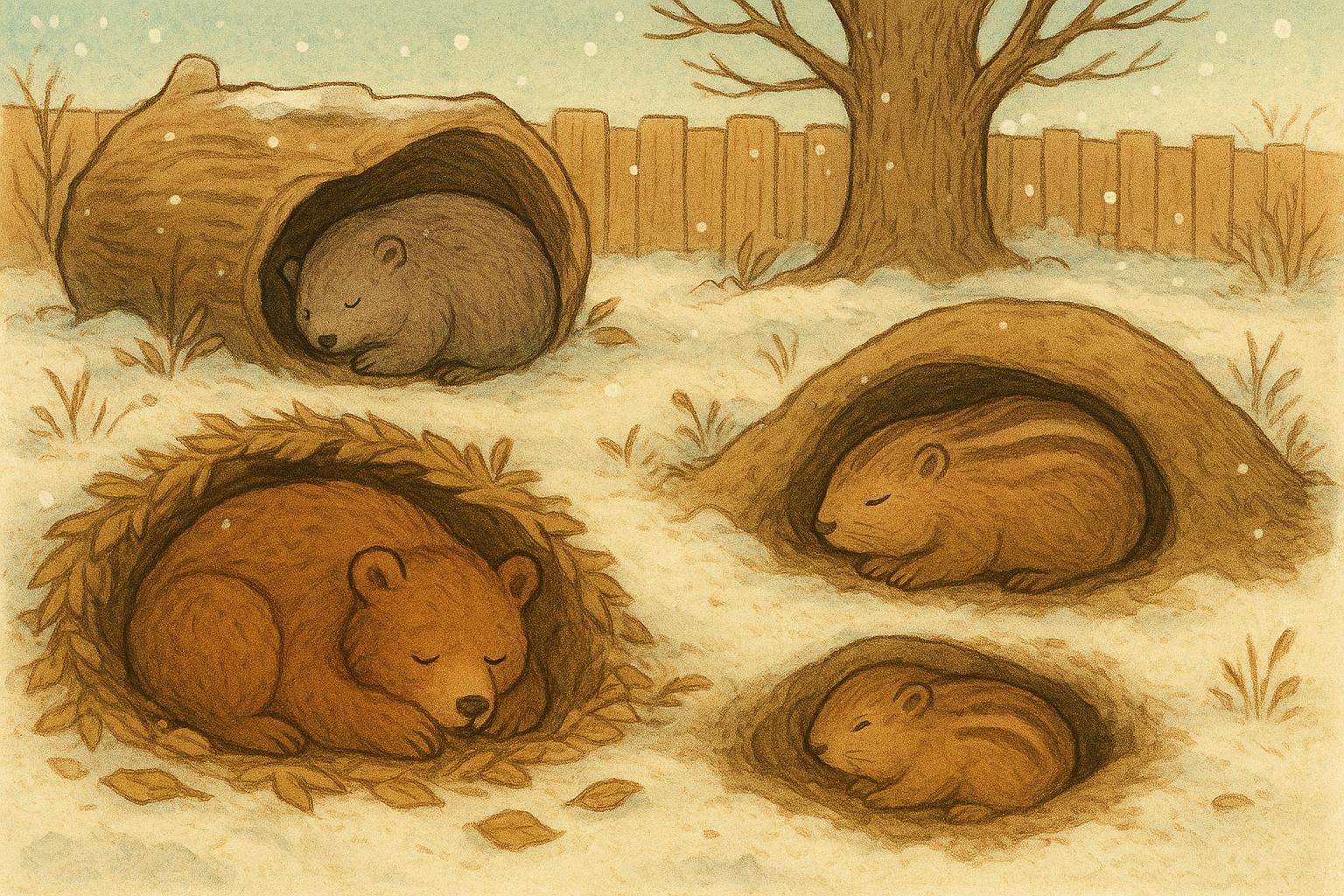
Spring and early summer are peak den seasons for many species—mammals give birth and raise young during these months. If you spot a den in that window, assume it’s occupied and handle the situation with care. Later in the year, dens may be used for overwintering or temporary refuge.
## How To Differentiate Common Backyard Den Residents
Different mammals leave different signatures. Here’s a relaxed field-guide style rundown.
### Rabbits And Hares
Rabbits tend to create shallow nests in tall grass or small depressions lined with fur. Their droppings are small, round pellets, and their paths are narrow but obvious through brush.
### Raccoons
Raccoons favor tree cavities and attics but will also dig under foundations or occupy crawl spaces. Look for hand-like marks, greasy rubbing around the entrance, and a signature “masked” trail of disturbance.
### Foxes
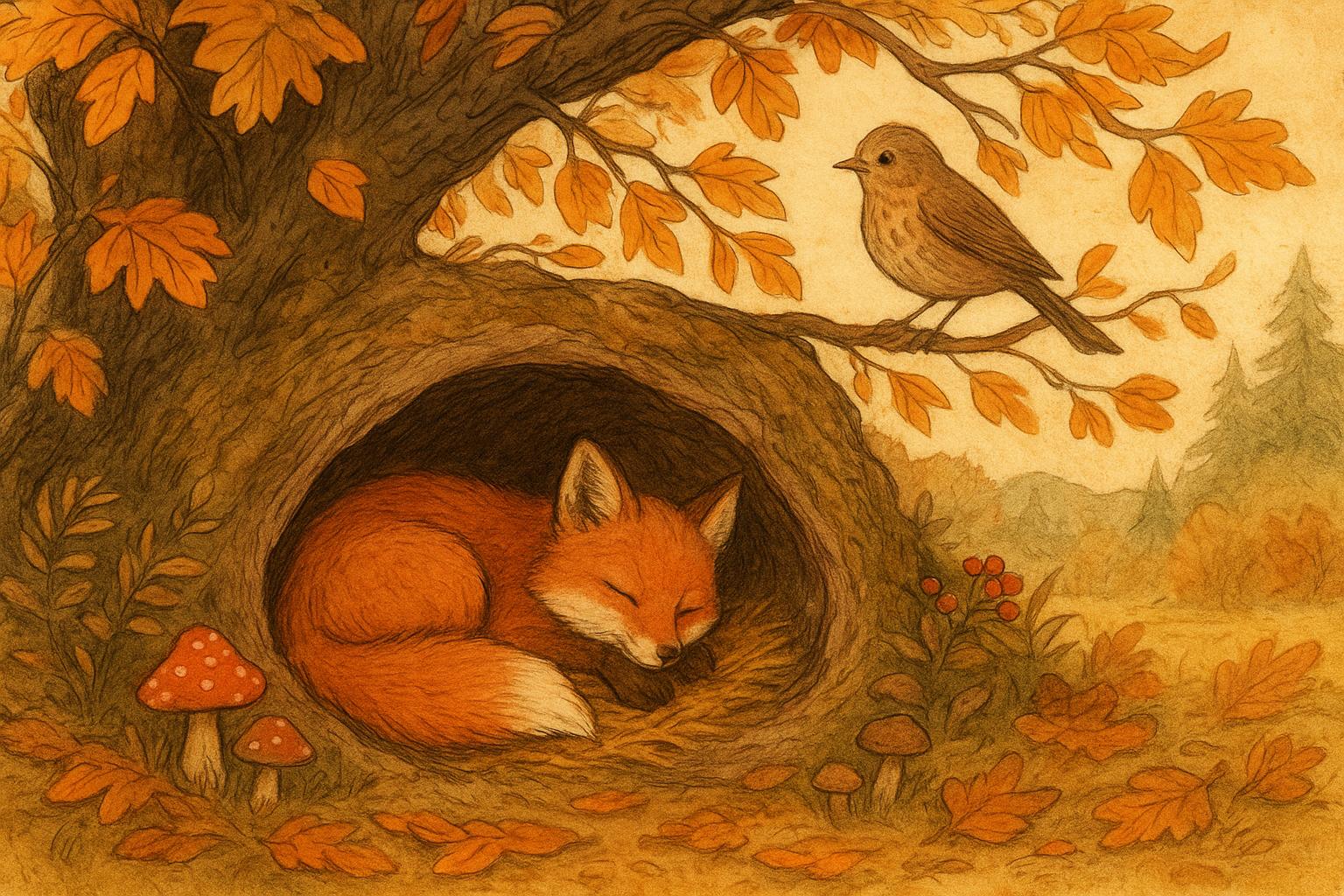
Fox dens are often dug into banks or under rock piles. You might find multiple entrances and evidence of small prey remains nearby. Kits produce a distinctive, high-pitched yipping at dawn or dusk.
### Squirrels
Tree cavities, attics, and nest boxes are favorite squirrel haunts. You’ll notice shredded nesting material and acorn caches or missing fruits from nearby trees.
### Opossums And Skunks
These animals take advantage of low, enclosed spaces like culverts or under porches. Skunks can leave a musky odor, and opossums often have messy pocket-litter around an entrance where they forage.
#### Tracks And Scat Identification
If you’re willing to look, tracks and scat are goldmines of information. Take photos and compare to reliable guides rather than guessing. Note track size, toe count, and whether claws are visible.
## Safety And Legal Considerations When Dealing With A Mammal Den
Before you do anything, check local wildlife regulations. Many species are protected during breeding seasons, and disturbing a den—especially one with young—can be illegal or harmful. If there’s risk to public health (e.g., rabies-suspect animal or structural damage), contact animal control or a licensed wildlife rehabilitator.
### Personal Safety Tips
– Never attempt to handle wild mammals. Mothers can be aggressive when defending young.
– Keep pets and children away until you understand the situation.
– Use caution with tools around nests—accidental collapse of burrows or tree cavities can trap animals.
## Remedy 1: Humane Exclusion For A Mammal Den
When a mammal den poses a problem—structural damage, sanitation, or safety—humane exclusion is often the most appropriate remedy. This is a formal, methodical approach designed to evict animals without harming them, and it requires planning and sometimes professional assistance.
Materials Required:
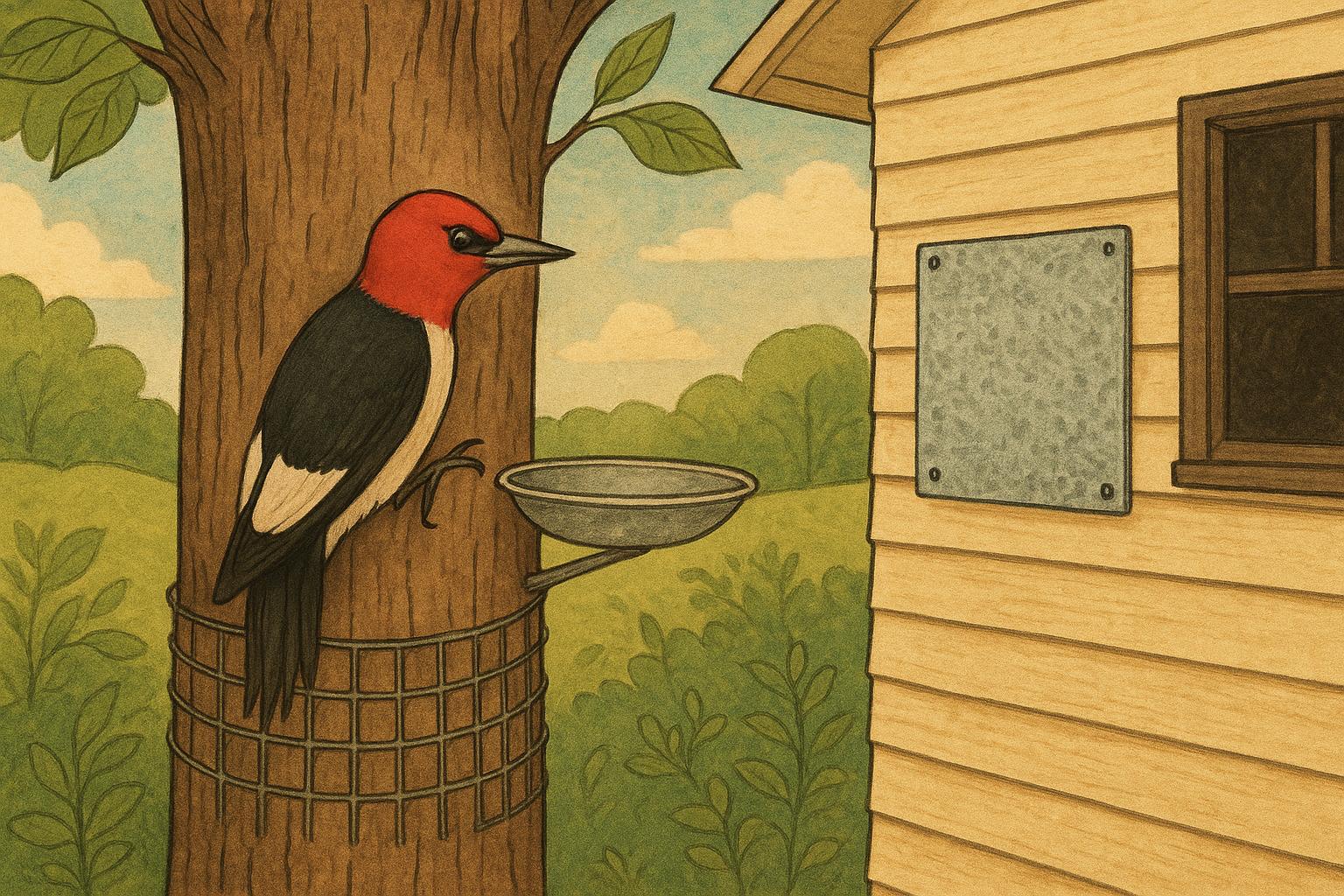
– Heavy-duty wire mesh (hardware cloth) or exclusion fencing
– Galvanized screws, washers, or masonry anchors (for secure attachment)
– Work gloves, safety goggles, and a pry bar for removal of debris
– Motion-activated lights or sprinklers (optional deterrents)
– One-way exclusion door (commercially available) if evicting from an enclosed space
– Seasonal permit or professional wildlife removal service contact (check local laws)
Step-By-Step Exclusion And Application:
1. Confirm Occupancy: Observe from a distance for several days, noting activity at dawn/dusk. Do not block an entrance if young are present—wait until juveniles can leave on their own (usually a few weeks).
2. Identify All Entry Points: Crawl spaces and attic vents must be inspected to find every opening. Rodents can squeeze through very small gaps.
3. Install One-Way Devices Or Seal Secondary Openings: Fit one-way exclusion doors on primary exits so animals can leave but not re-enter. Seal other gaps temporarily with wire mesh.
4. Final Closure: Once you’re confident the den is vacated (no activity for 3–5 days), permanently seal openings using hardware cloth secured with screws and washers or appropriate masonry anchors.
5. Sanitize And Repair: Remove nesting materials wearing gloves and a mask; disinfect the area to reduce disease risk and insect attraction. Repair structural damage to remove future access points.
6. Monitor: Check the sealed area for signs of re-entry for at least a month, especially in breeding seasons.
When to Call Professionals: If animals are inside walls, attics, or if you suspect young are present, consult licensed wildlife control practitioners. They can obtain permits when needed and ensure humane, legal practices.
## Remedy 2: Creating An Alternative Shelter To Redirect Use
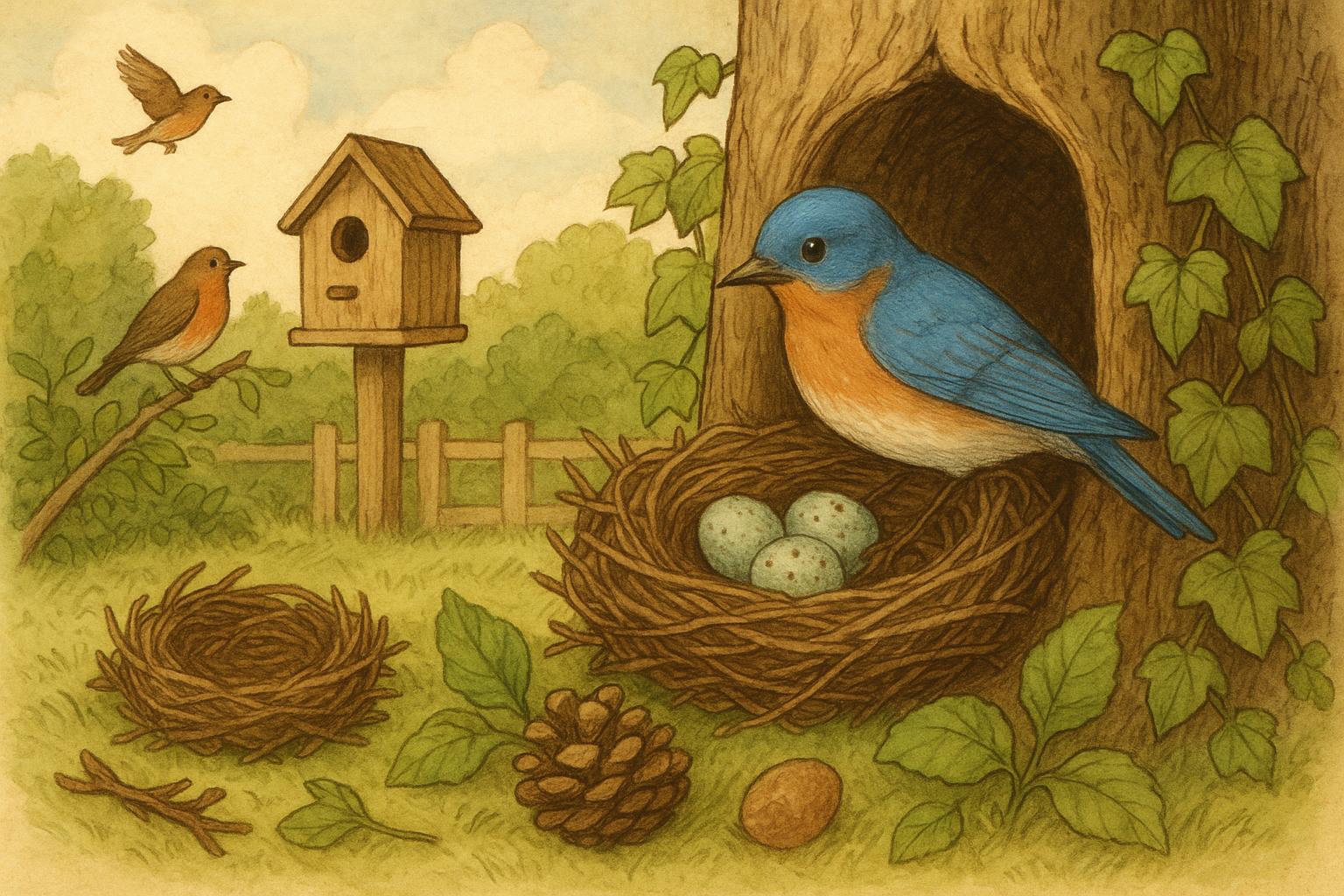
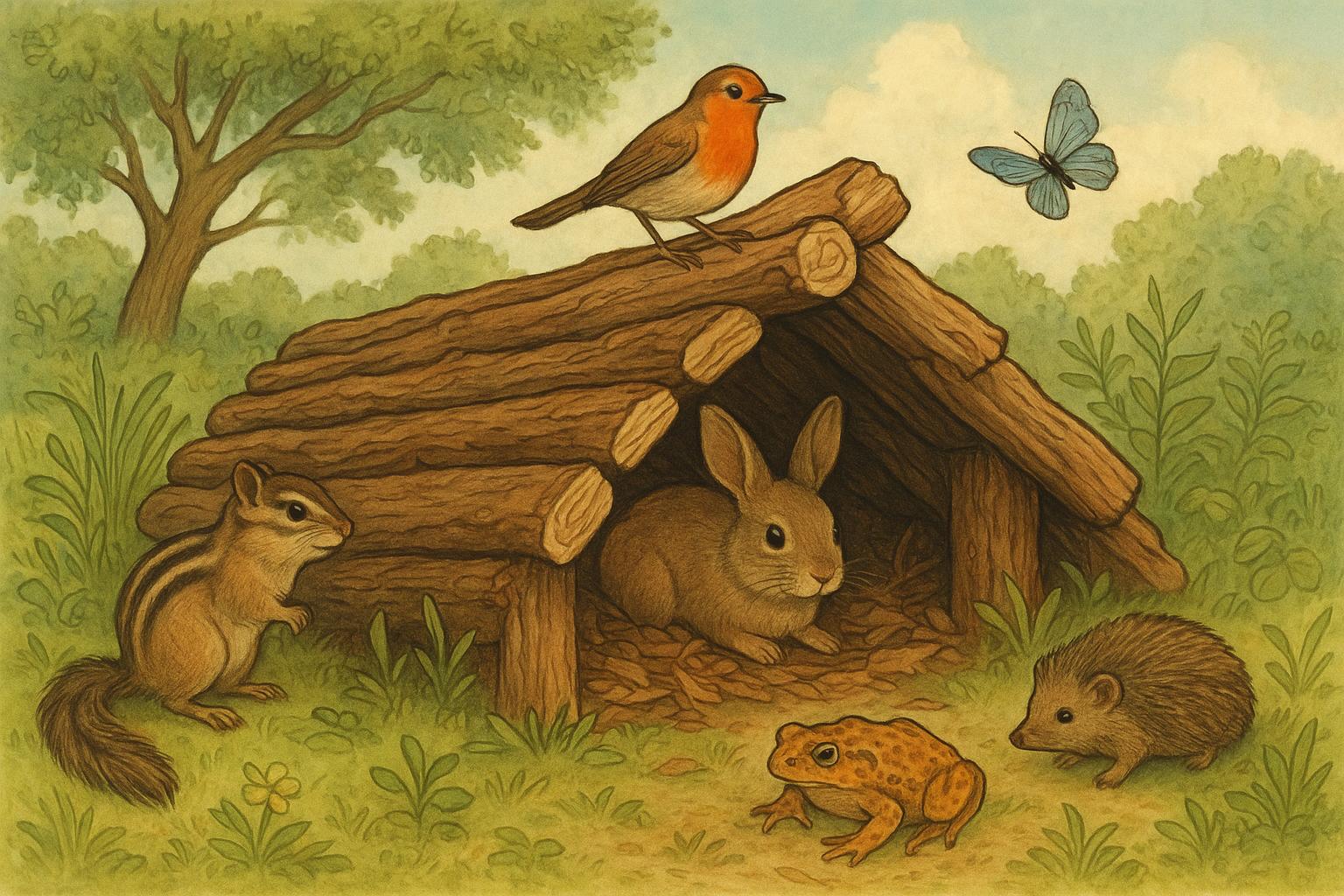
Sometimes the gentler approach is to offer an attractive alternative that encourages wildlife to move voluntarily. This is often used for species like birds, squirrels, or small mammals where coexistence is desired.
Materials Required:
– Pre-made wildlife nesting box (appropriate size for target species) or building materials (plywood, screws, non-toxic paint)
– Mounting hardware (poles, brackets, or tree-safe straps)
– Natural nesting materials (untreated straw, dried grasses, shredded paper—avoid materials that can wick moisture)
– Predator guards (baffle sleeves for poles)
– Insulation materials for colder climates (optional)
Step-By-Step Creation And Application:
1. Choose The Target Species: Design or select a nesting box sized for the animal you want to attract (e.g., small owl vs. squirrel). Research species-specific dimensions and entrance hole sizes.
2. Build Or Buy Box: If building, use untreated wood, secure seams, and include a clean-out panel for maintenance. Paint exterior with non-toxic paints; leave interior bare for traction.
3. Location And Mounting: Place boxes at appropriate heights and orientations—squirrels like cavities in trees, while some small mammals prefer ground-level shelters under a raised platform. Use predator guards to minimize risks.
4. Provide Nesting Materials Nearby: Offer nesting materials in a protected location so animals discover them and begin using the new site.
5. Gradual Encouragement: Reduce the attractiveness of the original den by limiting food sources and human access, while keeping the new site welcoming.
6. Monitor And Maintain: Inspect boxes annually for damage, cleanliness, and occupancy. Clean between seasons if needed.
When An Alternative Works Best: Use this remedy when the animal is non-aggressive, you’re interested in coexistence, and the original den is not in immediate conflict with human health or property.
### Preventative Landscaping To Reduce Denning
Landscaping choices can make your yard less enticing for unwanted dens: keep grass trimmed, secure compost piles, pick up fallen fruit, and seal openings under decks and sheds. Consider planting thorny shrubs along foundations to deter digging. Prevention is less dramatic than eviction but often more effective—and less dramatic is usually better for everyone involved.
### Monitoring And Documentation
Keep a small den diary: dates of sightings, photographs of tracks and droppings, and notes on behavior. This helps you assess whether interventions worked and provides useful information if a wildlife professional becomes involved.
### When Young Are Present
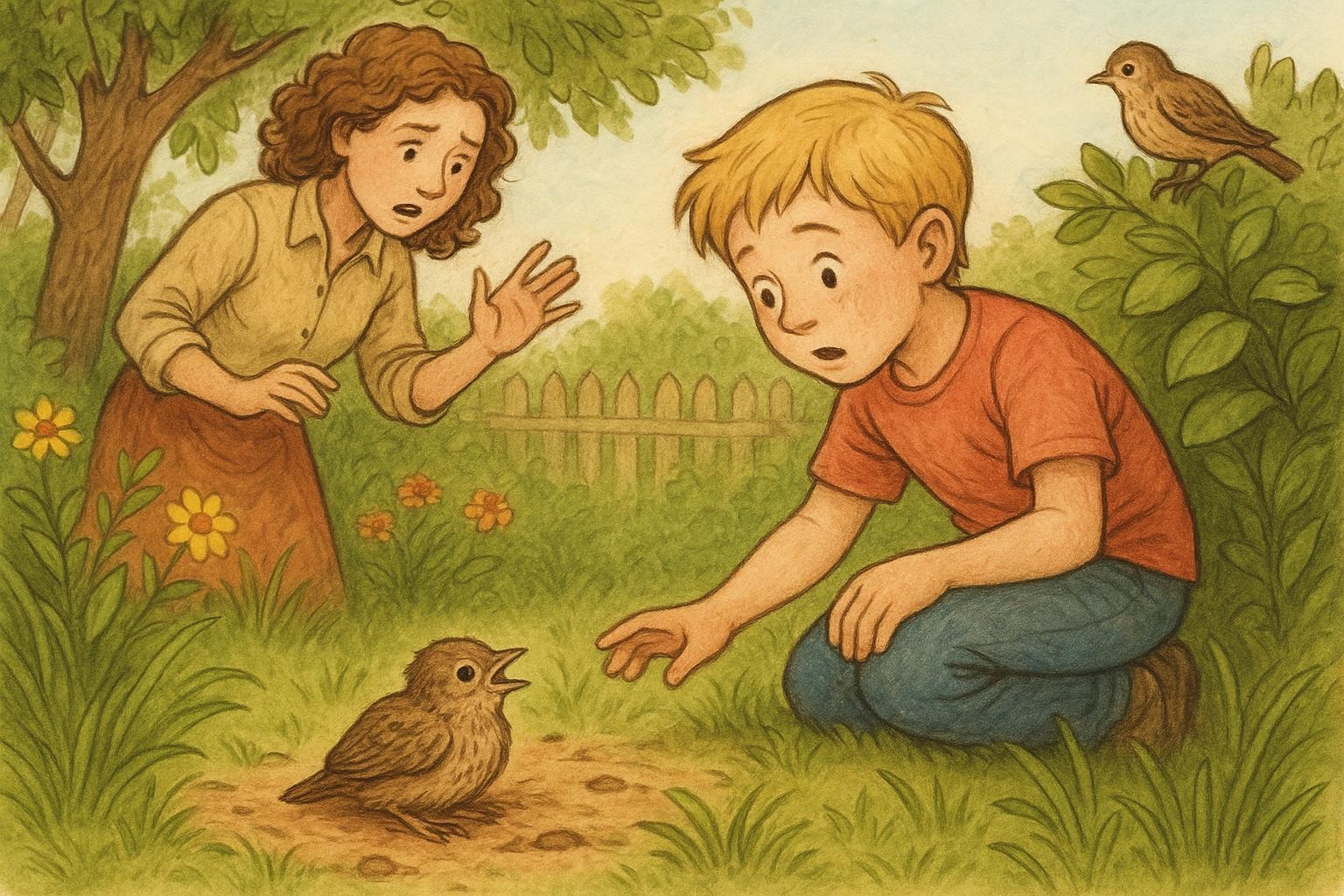
If you find a den with young animals, increase caution. Mothers may be away for hours while foraging and will return if left undisturbed. Only intervene if the parents are absent for extended periods or the young are clearly injured. Contact a licensed wildlife rehabilitator for guidance before attempting rescue.
## Additional Resources And Contacts
Local extension offices, wildlife rehabilitators, and municipal animal control offices can provide species-specific advice and legal requirements. Online field guides and mobile apps are also handy for quick on-the-spot identification, but always corroborate with a physical guide or expert when planning a remedy.
Keep your curiosity engaged, your gloves handy, and remember: a backyard inhabited by wildlife is a sign of a healthy ecosystem—just one that sometimes needs a little neighborly negotiation.































Leave a Reply