
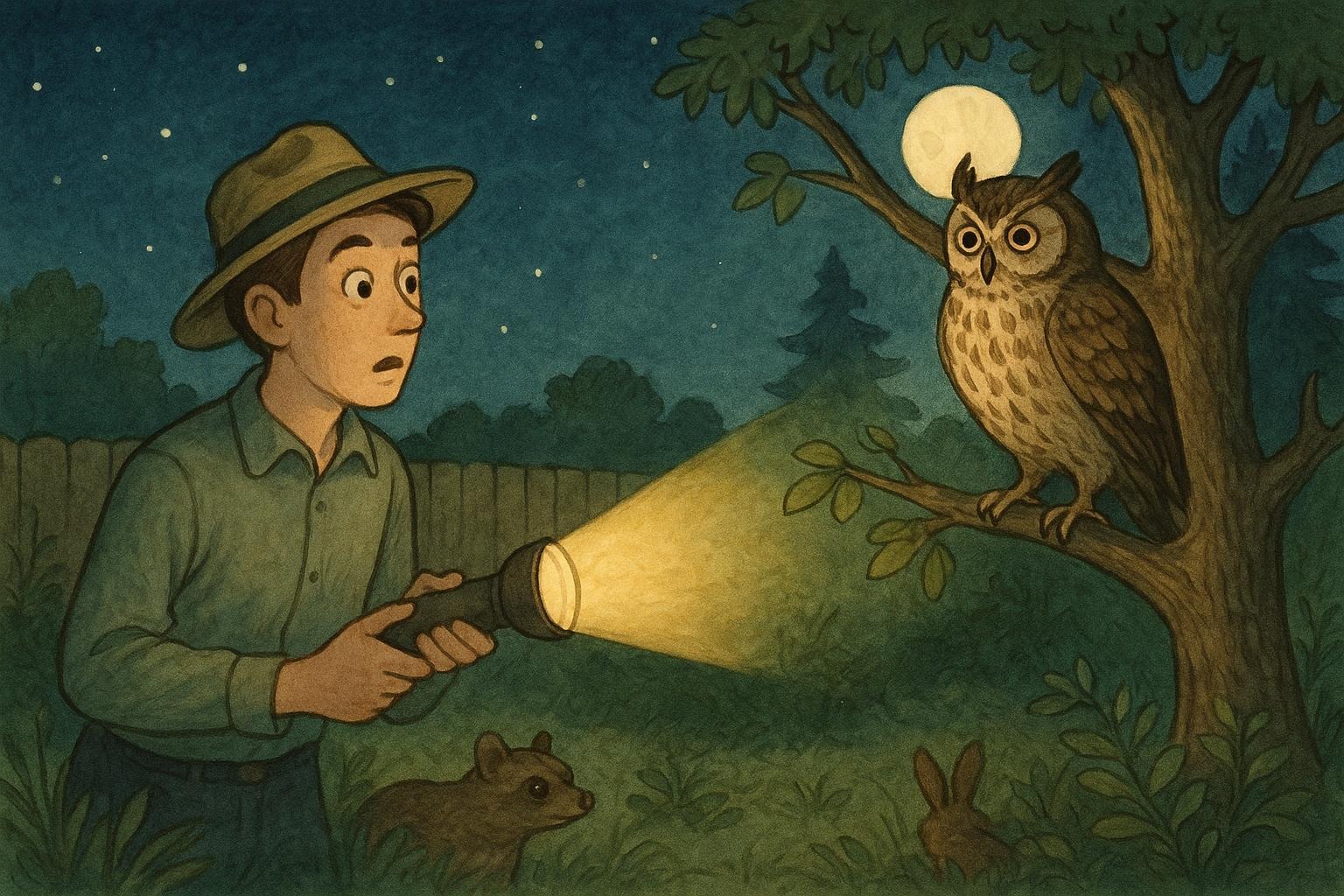
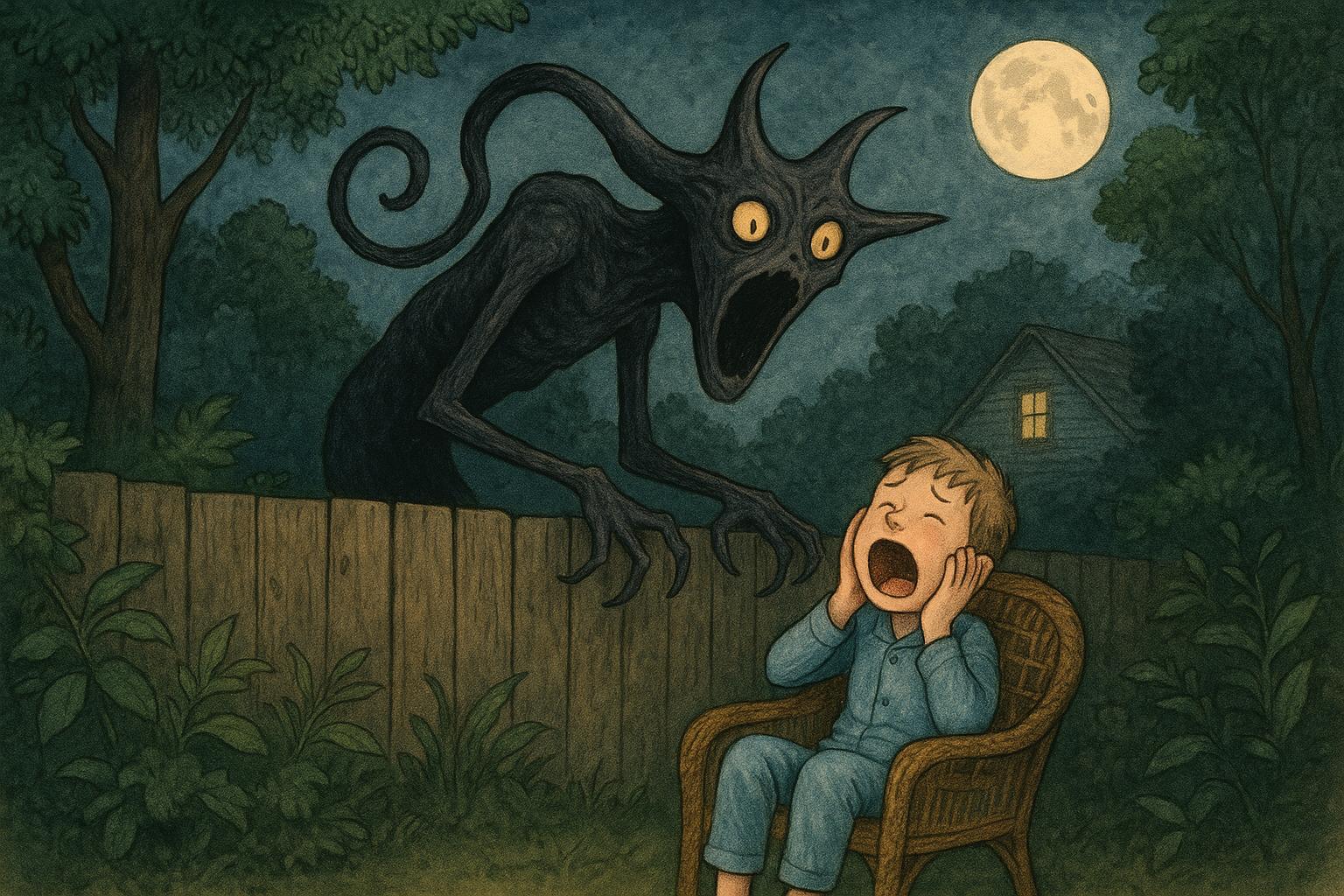
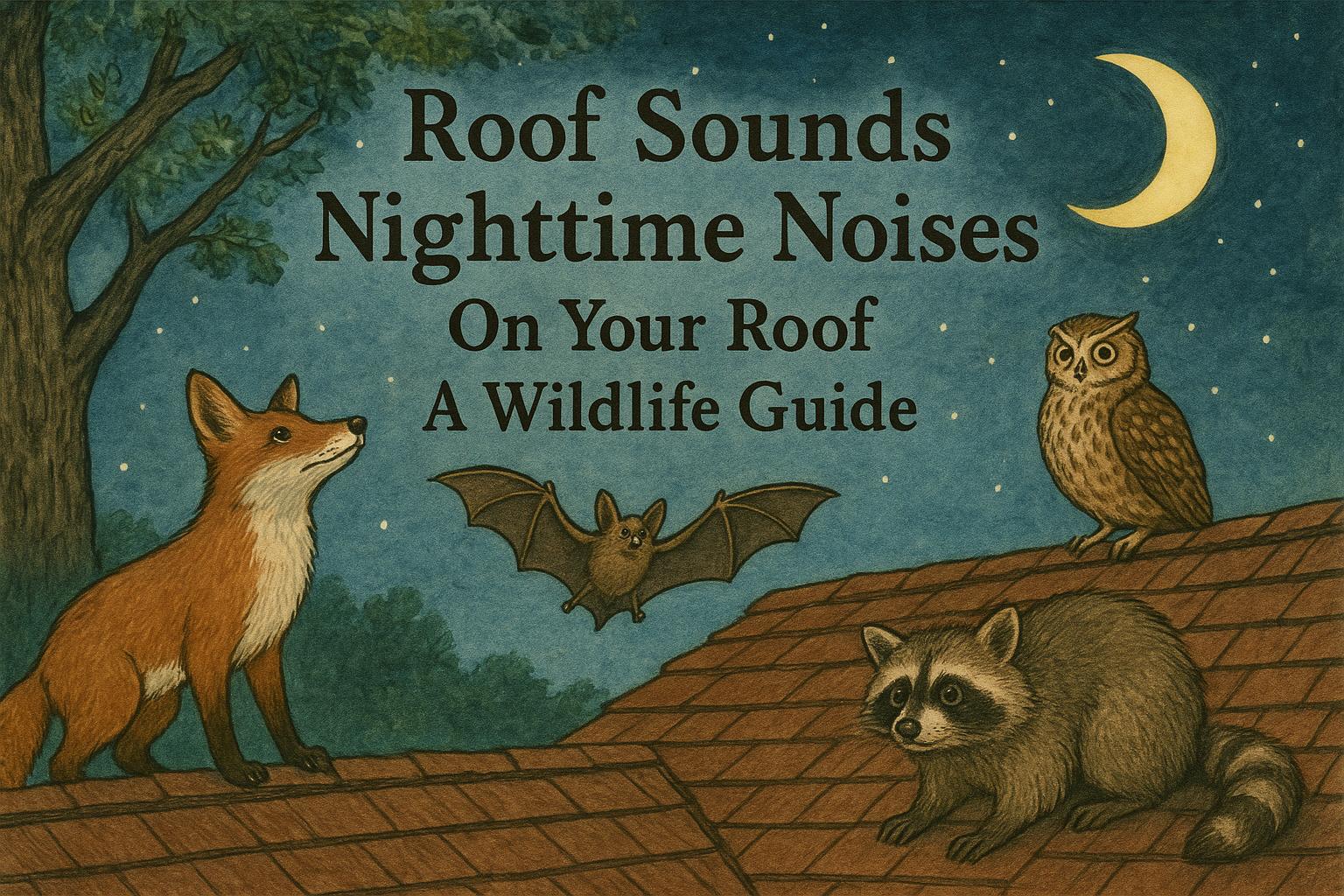
Some evenings the backyard sounds like a late-night radio show where every caller has a mysterious accent. Whether you’re sipping tea, putting out the recycling, or trying not to trip over the garden hose, those nocturnal voices can be delightfully weird — and sometimes a little unnerving. If you’ve been wondering who’s calling at night and whether you should be concerned (or hand out dinner invitations), this guide will help you learn the common callers, tune your ears, and take practical, humane steps to manage visitors.
## Identifying Who Is Calling At Night In Your Backyard
### Why Nighttime Sounds Are Different
The night is a different sensory world. Many animals invert their schedules to avoid daytime heat, predators, or competition. Sound travels farther in cool, still air, and the lack of daytime noise makes every hoot or shriek feel amplified. When you hear something calling at night, it might be close by, or it might be a distant creature that simply carries well after sunset.
### Listening Tips To Pin Down The Caller
Start by stopping what you’re doing and listening for patterns. Is the sound a single repeated note, a layered chorus, or a quick scurry followed by rustling? Note the time, weather, and whether lights or movement seem to trigger the vocalizations. Keep a small notebook or use your phone to record—smartphone recordings are surprisingly useful for comparing calls later.
#### Time Of Night And Weather Clues
– Early dusk callers are often birds (e.g., common nighthawks, whip-poor-wills).
– Midnight to pre-dawn choruses often include frogs, owls, or coyotes.
– Rain and humidity can boost amphibian calls; dry, cool nights favor mammal vocalizations.
### What An Owl’s Call Usually Sounds Like
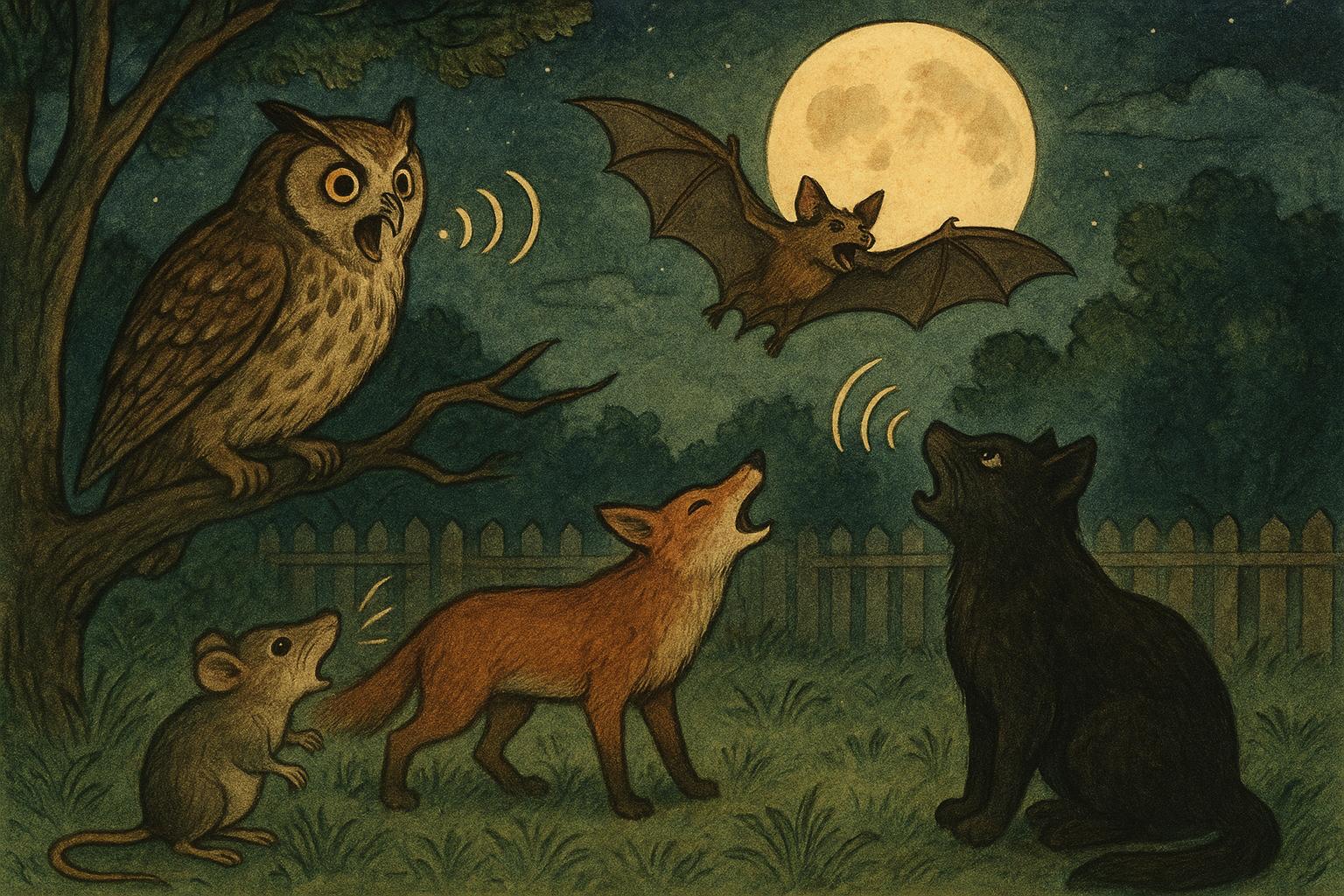
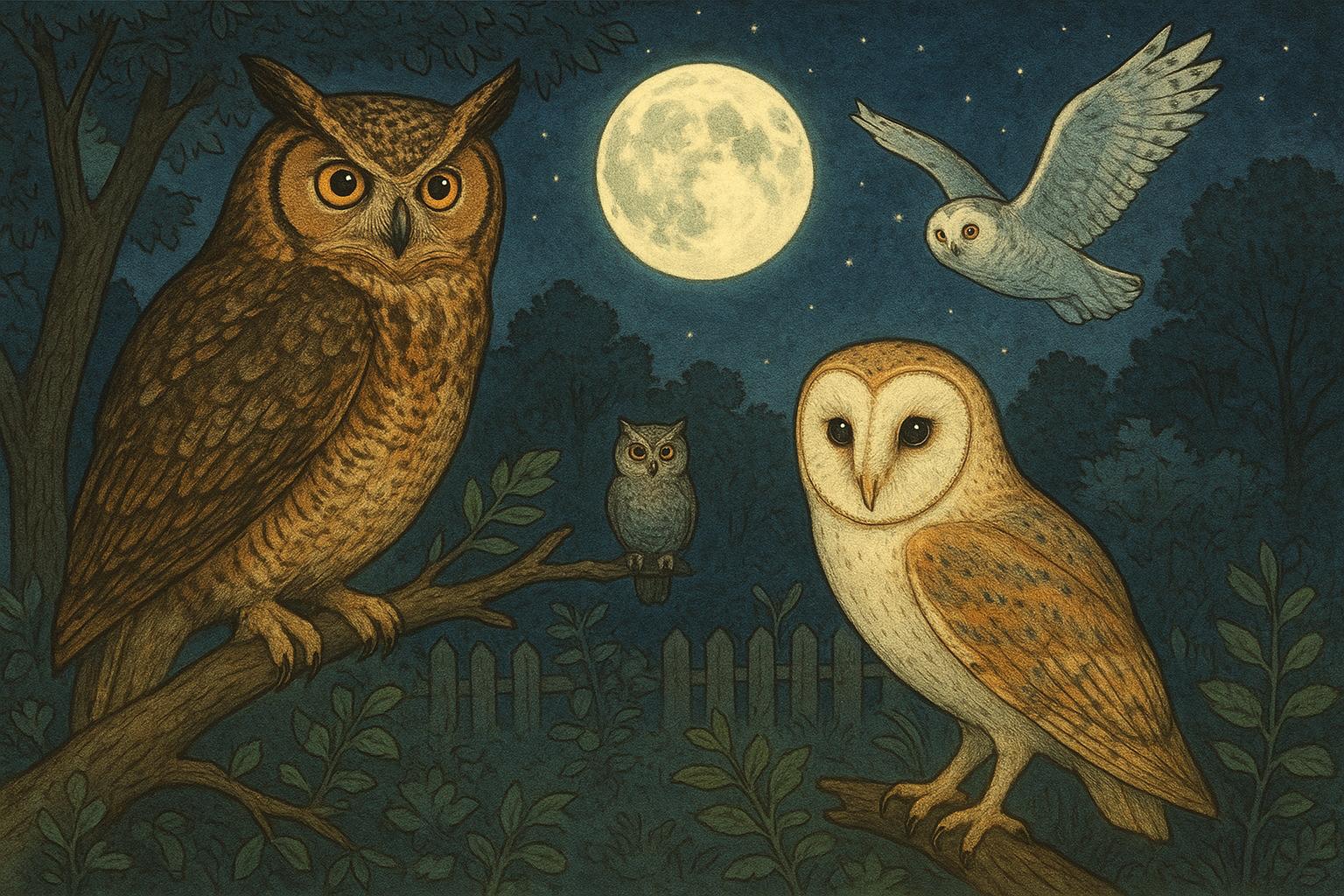
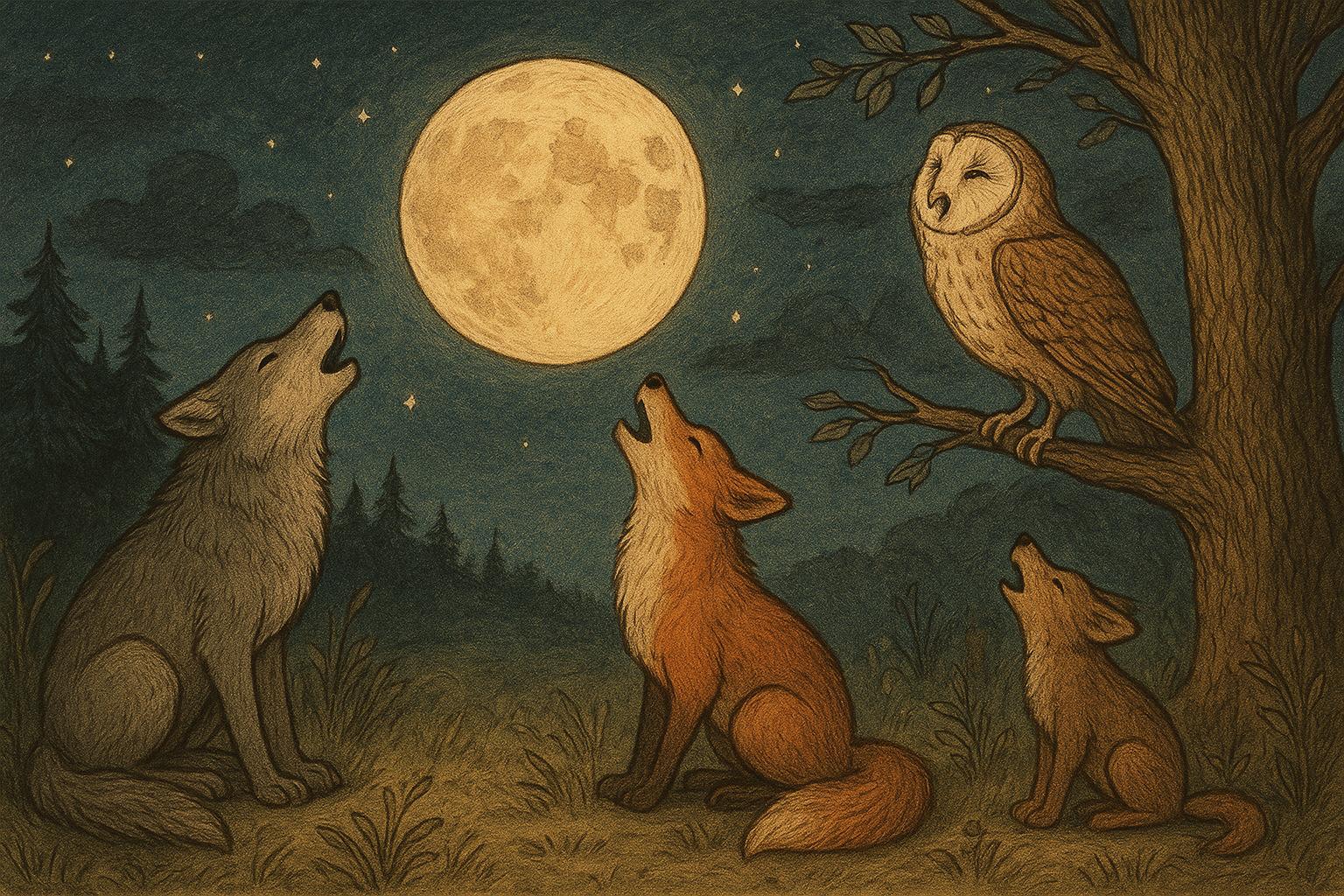
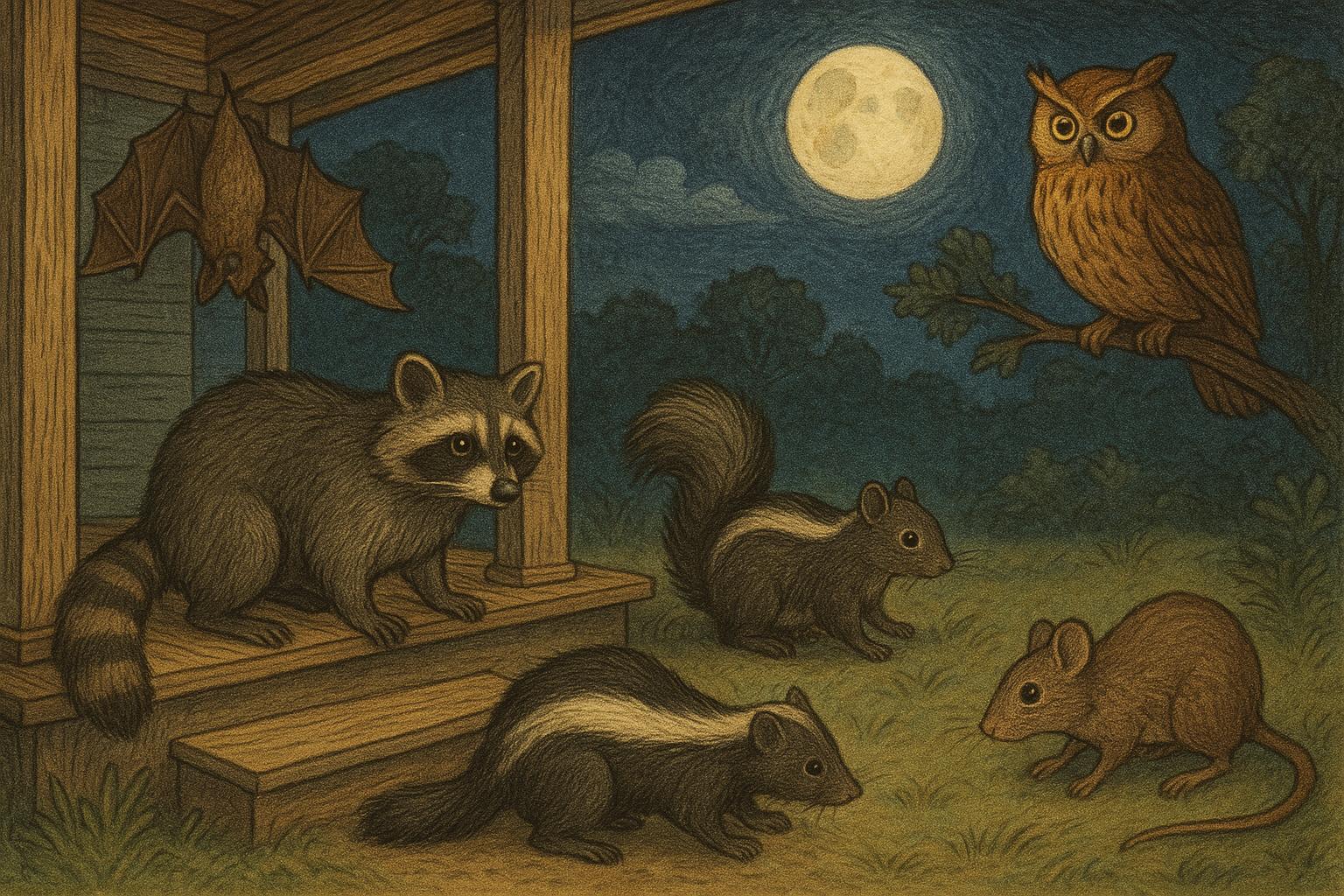
Owls are classic suspects when people mention something calling at night. A typical great horned owl emits a deep, resonant hoot pattern—“hoo-hoo hoo-hoo.” Barred owls have a distinctive “Who cooks for you?” rhythm. If you hear a clear, low hoot that repeats, there’s a good chance an owl is involved. Owls often sit motionless in trees between calls, so look for silhouette shapes if there’s light.
### Foxes, Coyotes, And Other Canid Calls
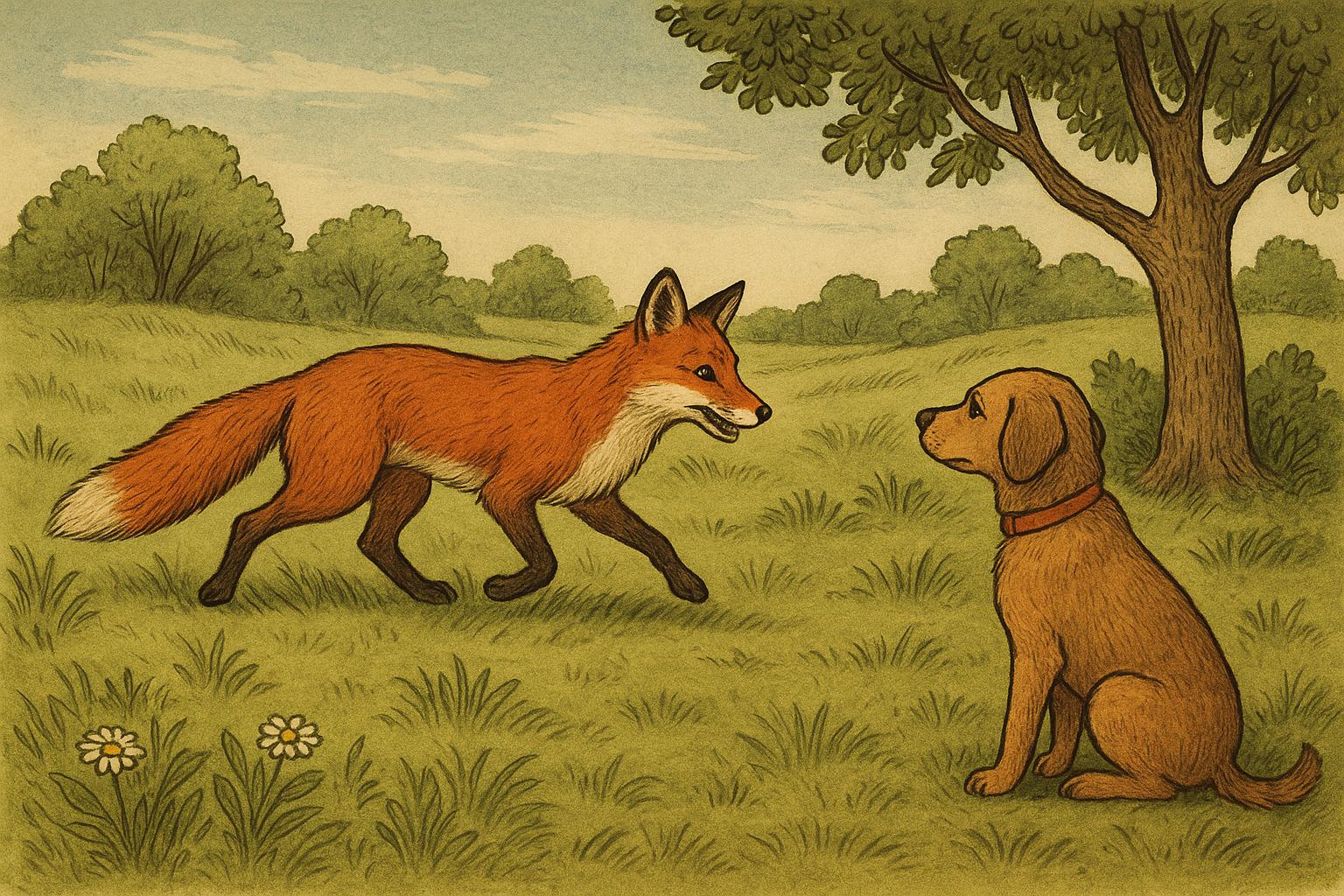
A yip, a scream-like howl, or a high-pitched bark could signal foxes or coyotes. Red foxes produce sharp, quick barks and a high, chattering ‘gekker.’ Coyotes are more variable—single yips, long howls, and group yodels. When you hear a string of eerie, human-like screams punctuated by yips, coyotes are often the culprits. They sometimes call more when interacting socially or when defending territory, so timing and sequence give clues.
#### Raccoons, Opossums, And Small Mammal Noises
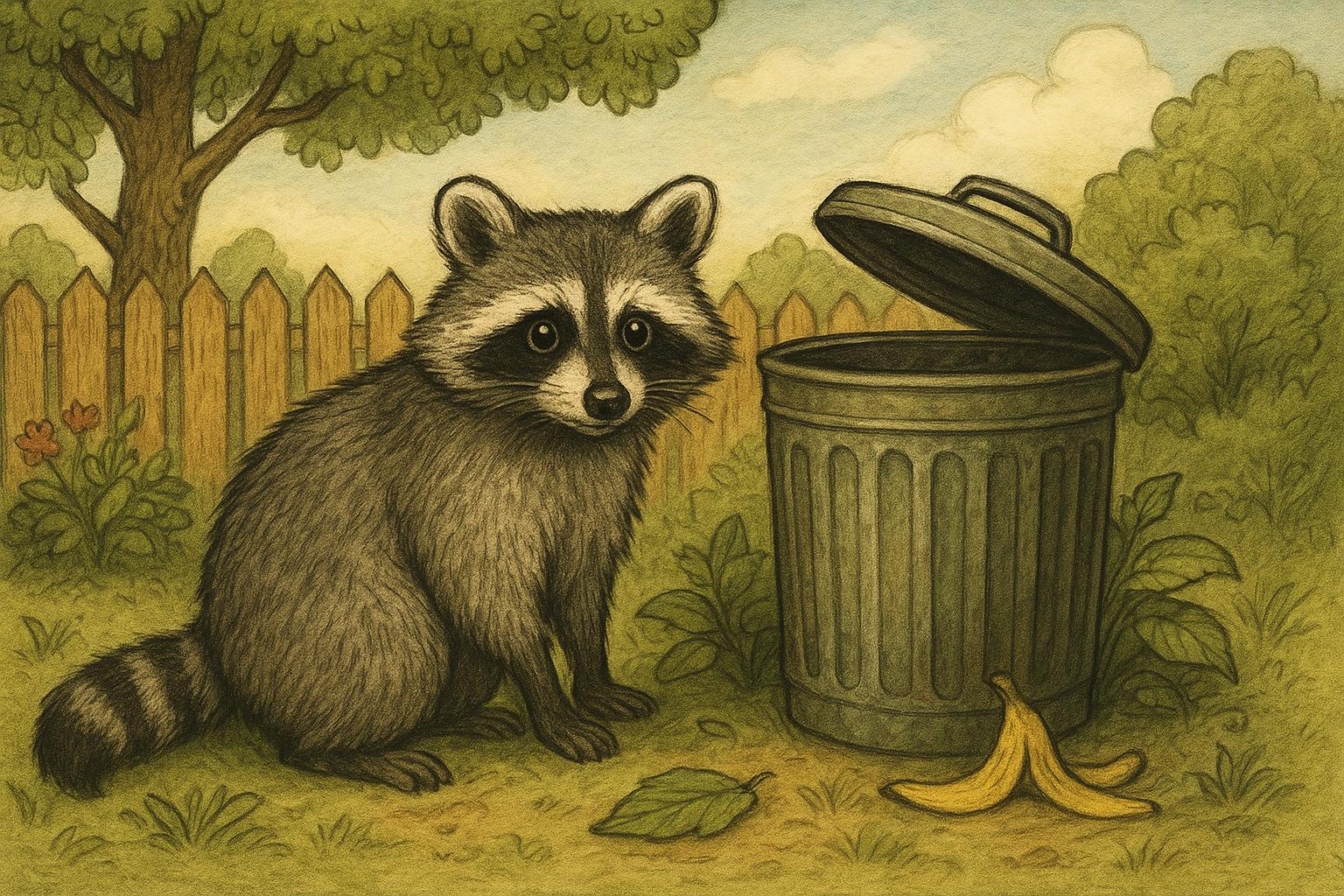
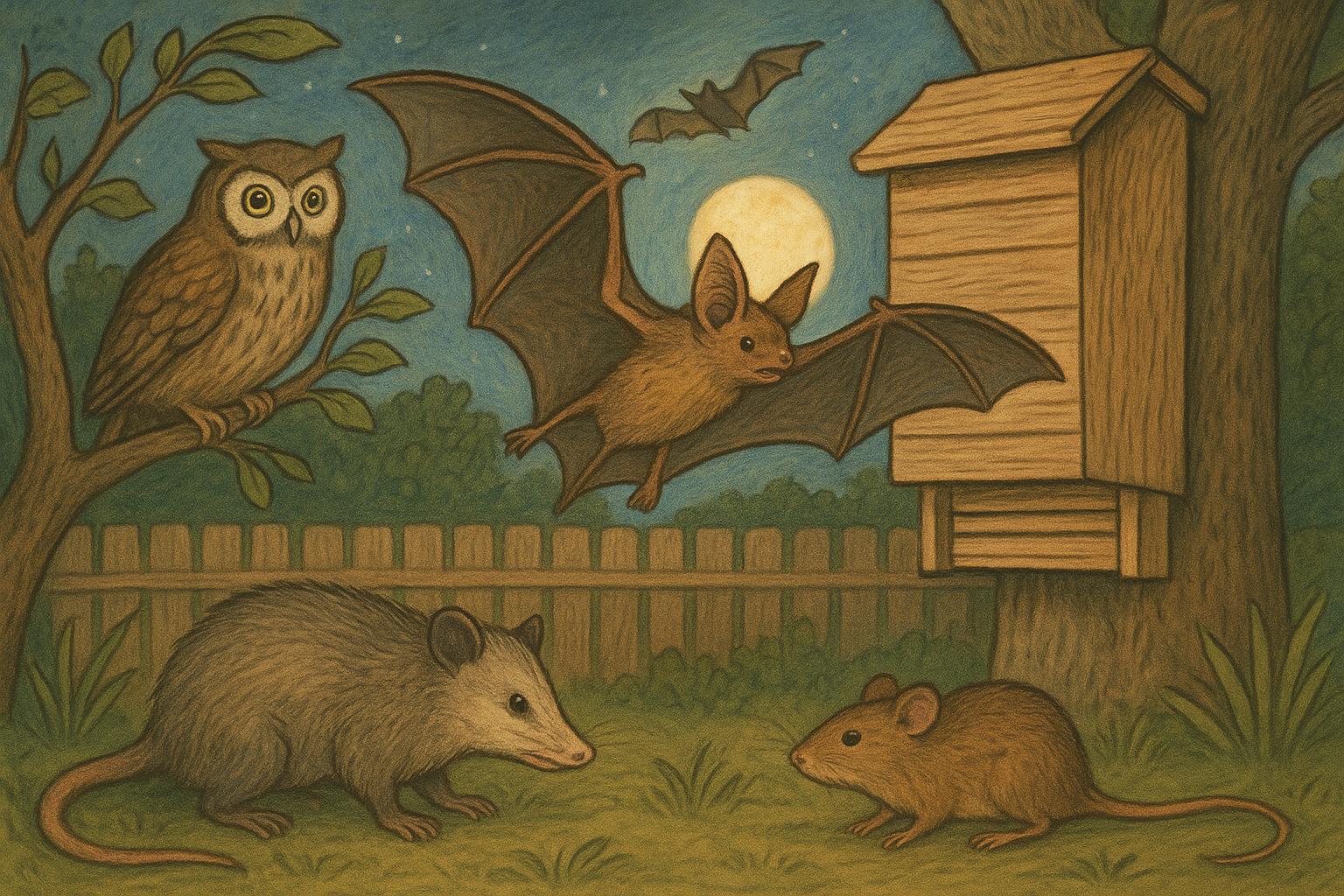
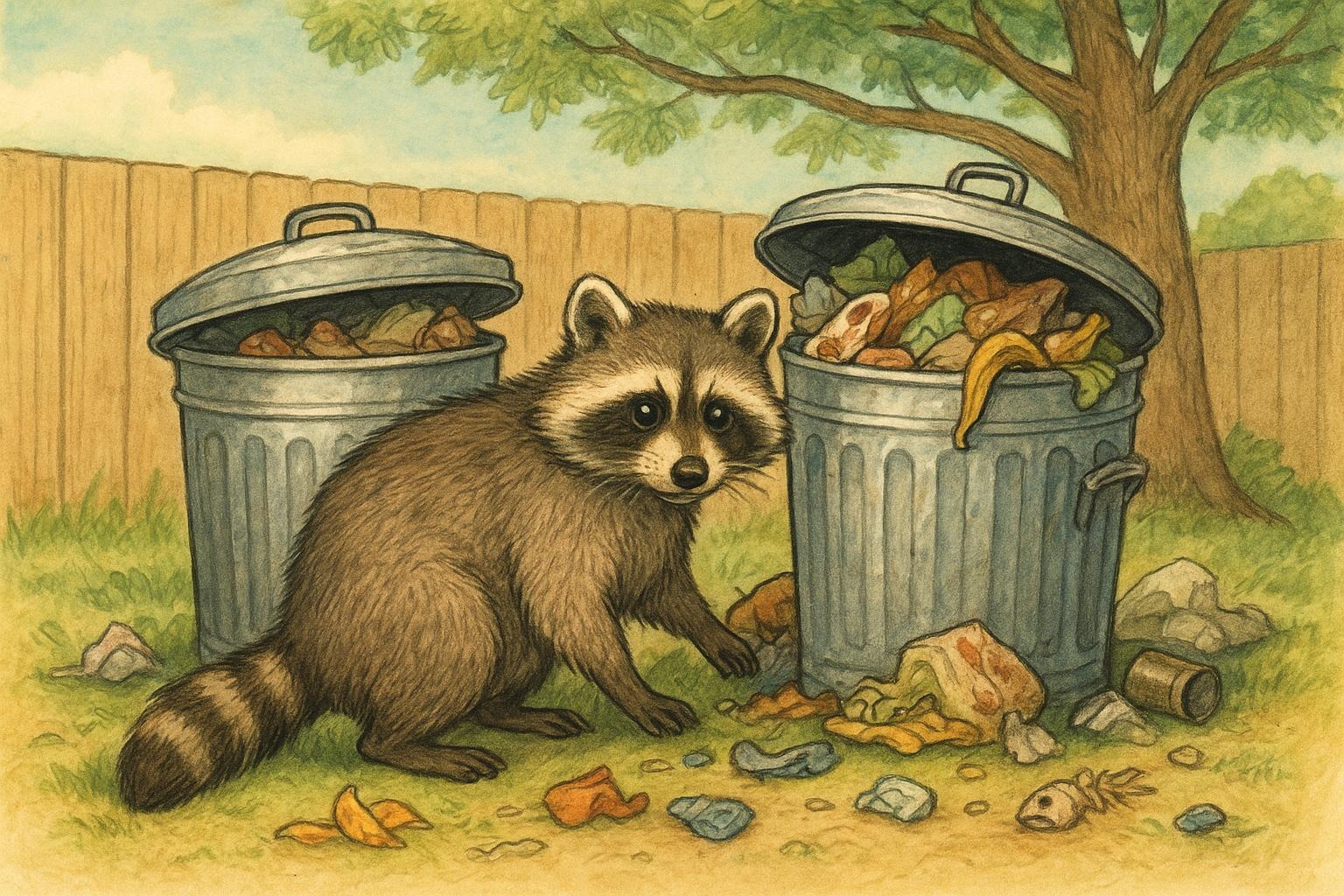
Raccoons can make a variety of sounds: chirps, growls, and a cat-like scream. Opossums are quieter but can hiss or snort when startled. If the sound is followed by scavenging noise, thumping, or rustling at ground level, think about raccoons and rodents. These are usually close to the ground and near food sources like compost, pet food, or ripe fruit.
### Frogs, Toads, And Insect Choruses
Water-loving frogs and toads produce loud, rhythmic calls—choruses, in fact. If you hear a steady, repeating musical call, especially on warm, wet nights, you’re likely listening to amphibians. Crickets and katydids produce a persistent rasp or chirp that can fill an entire yard and often sounds continuous through the night.
### Bats: The Silent High-Frequency Callers
Bats use ultrasonic calls you won’t hear, but you’ll notice their presence through quick, erratic flight and occasional scratching if they’re inspecting eaves. If you have an app or a bat detector, you can convert ultrasonic echolocation into audible sounds to confirm bat activity.
## Practical Ways To Confirm Who Is Calling At Night
### Use Simple Tools To Record And Identify
A smartphone, a torch, and a pair of binoculars are often enough. Record several samples over different nights to catch variations. Compare recordings to online libraries (e.g., Macaulay Library, local wildlife agency resources) or post to local wildlife groups for help. Always observe from a distance; many night callers are more easily stressed in darkness.
#### Visual Confirmation Without Disturbing Wildlife
If you try to spot the source, use red-filtered light or a dim torch to avoid startling animals. Red light preserves night vision and is less likely to provoke a flight response. Move slowly and avoid sudden noises. If the animal is on your roof or in a tree, that visual is valuable for identification—owls and raccoons have very different profiles.
## Remedy 1: Reduce Attraction To Animals Calling At Night
This remedy focuses on making your yard less appealing to nocturnal visitors. The tone below is formal and informational to help you implement effective, humane deterrents.
### Materials And Ingredients
– Secure, wildlife-proof garbage cans with locking lids
– Motion-activated, low-glare lights (dawn-to-dusk enabled)
– Secure pet food storage container (airtight)
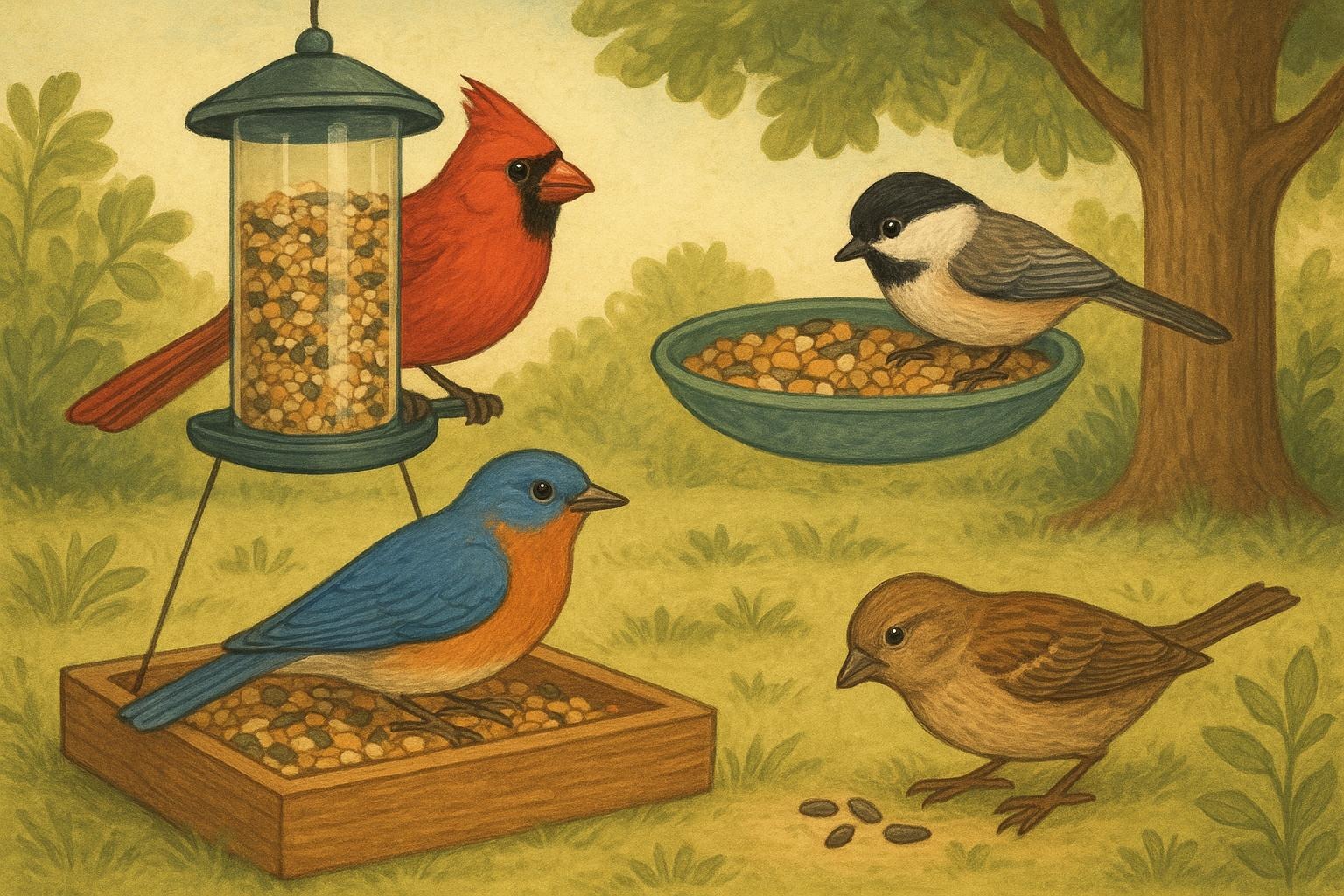
– Bird feeders with baffles or scheduled feeding times
– Garden netting or fencing for fruit trees and vegetable beds
– Red-filtered flashlight (for observation, not deterrence)
– Gloves and small tools for removing fallen fruit and debris
### Step-By-Step Application
1. Remove Food Sources
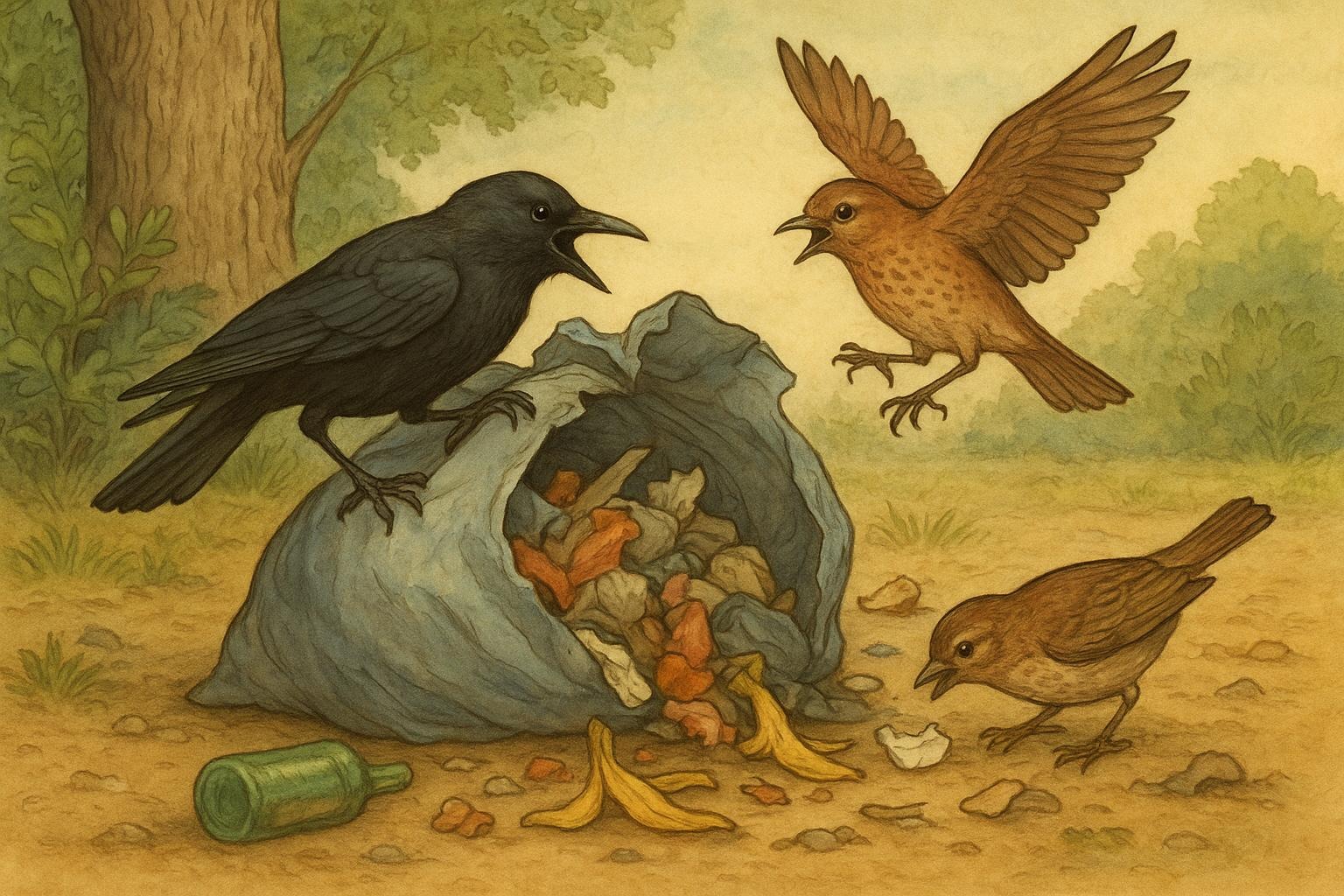
– Secure all garbage in wildlife-proof cans. Replace open bins with locking lids or keep cans in a shed or garage.
– Do not leave pet food outdoors overnight. Bring bowls in after dusk and store dry food in airtight containers inside.
2. Manage Plants And Fruit
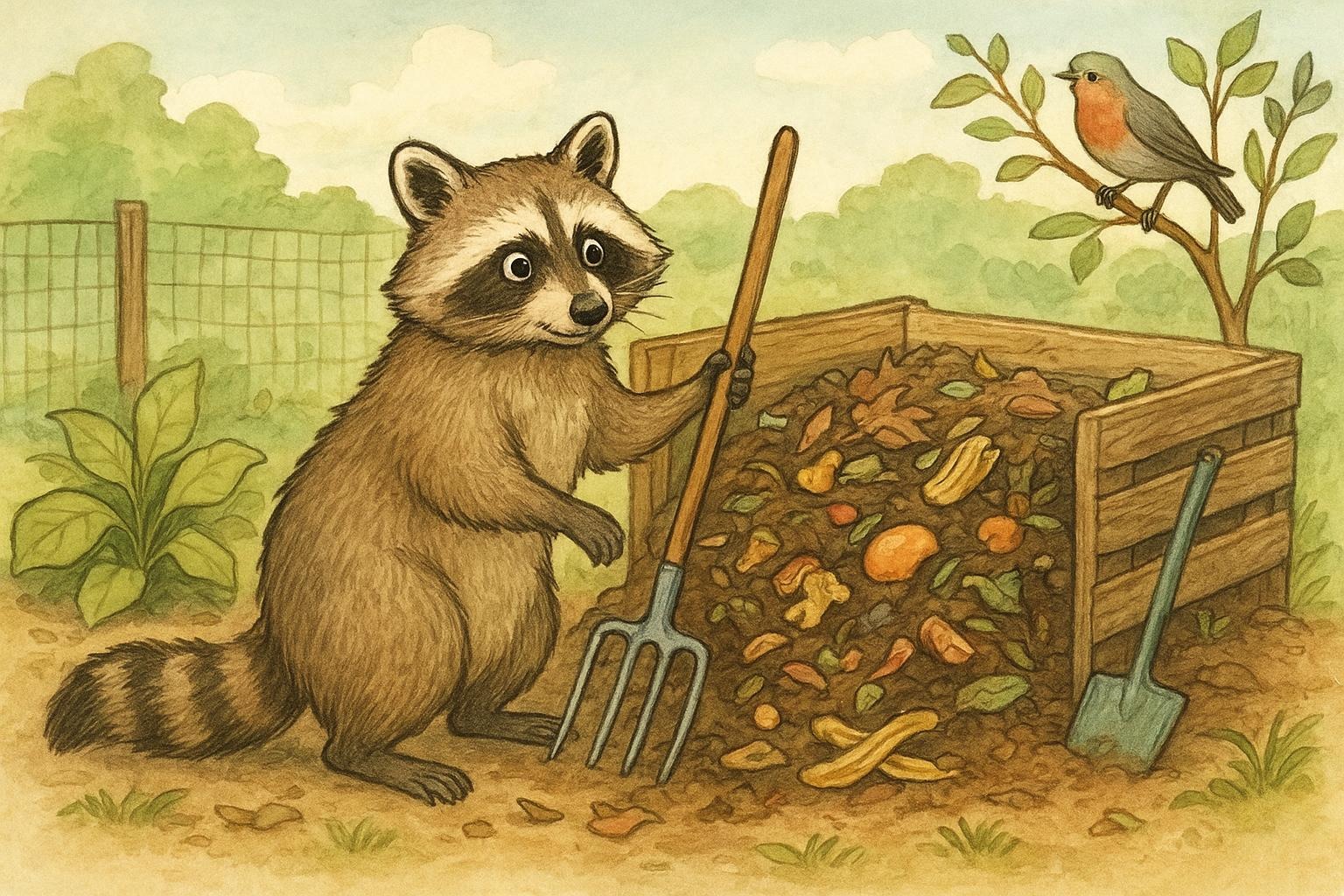
– Harvest ripe fruit promptly. Pick up fallen fruit daily and compost in a secured bin or remove off-site.
– Install netting or tree guards around berry bushes and low-hanging branches to prevent easy access.
3. Adjust Lighting Strategically
– Install motion-activated lights that only come on when something approaches: this startles nocturnal animals briefly but avoids constant light pollution.
– Use low-glare fixtures aimed downward; avoid bright floodlights that create hard shadows which can attract curious animals.
4. Secure Shelter Opportunities
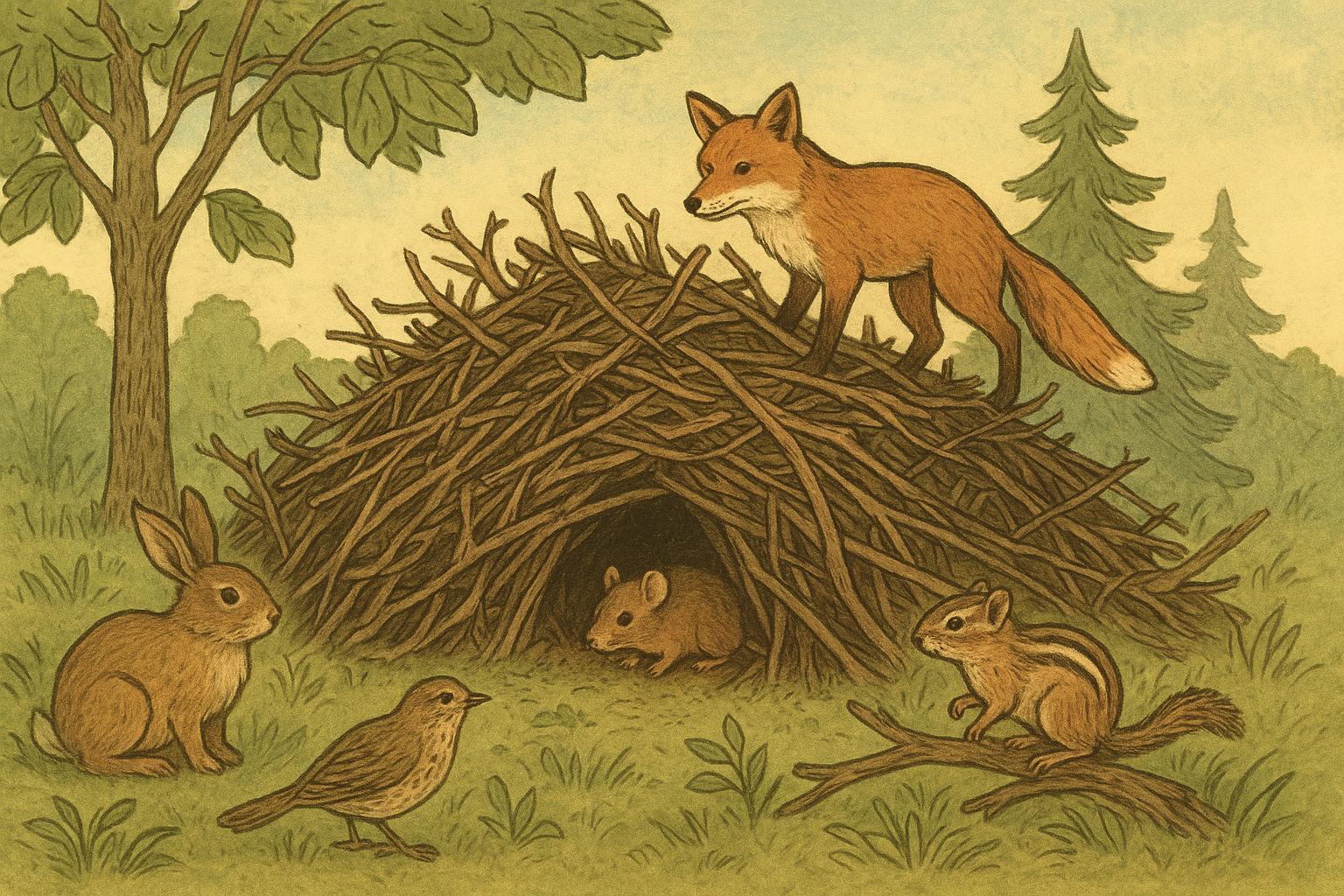
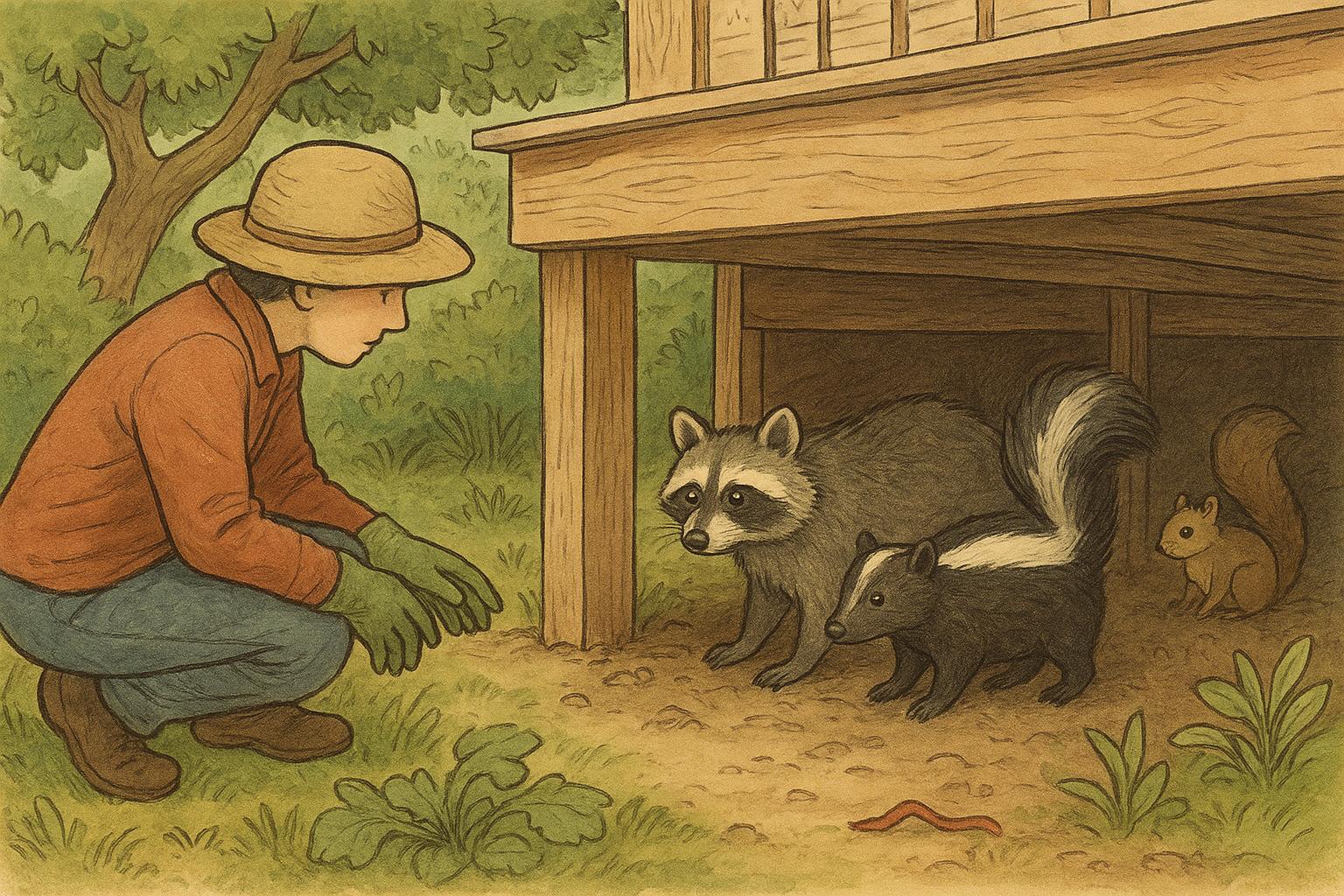
– Close off crawl spaces under decks with lattice or hardware cloth. Remove brush piles and stack wood off the ground to reduce denning opportunities.
– Keep garage doors closed and seal openings around sheds.
5. Modify Bird Feeder Practices
– Use feeders designed to limit seed spillage and set them away from dense shrubbery where mammals can hide.
– Move feeders to more open areas or remove them at night to reduce ground scatter that attracts raccoons and rodents.
6. Monitor And Adjust
– After making changes, monitor activity (with non-intrusive observation) for several weeks. Some species will move on quickly; others may take longer to adjust.
## Remedy 2: Create A Safer Nighttime Habitat For Desired Wildlife
This second, formal remedy targets selectively encouraging the species you want (like owls and bats) while minimizing conflicts with scavengers.
### Materials And Ingredients
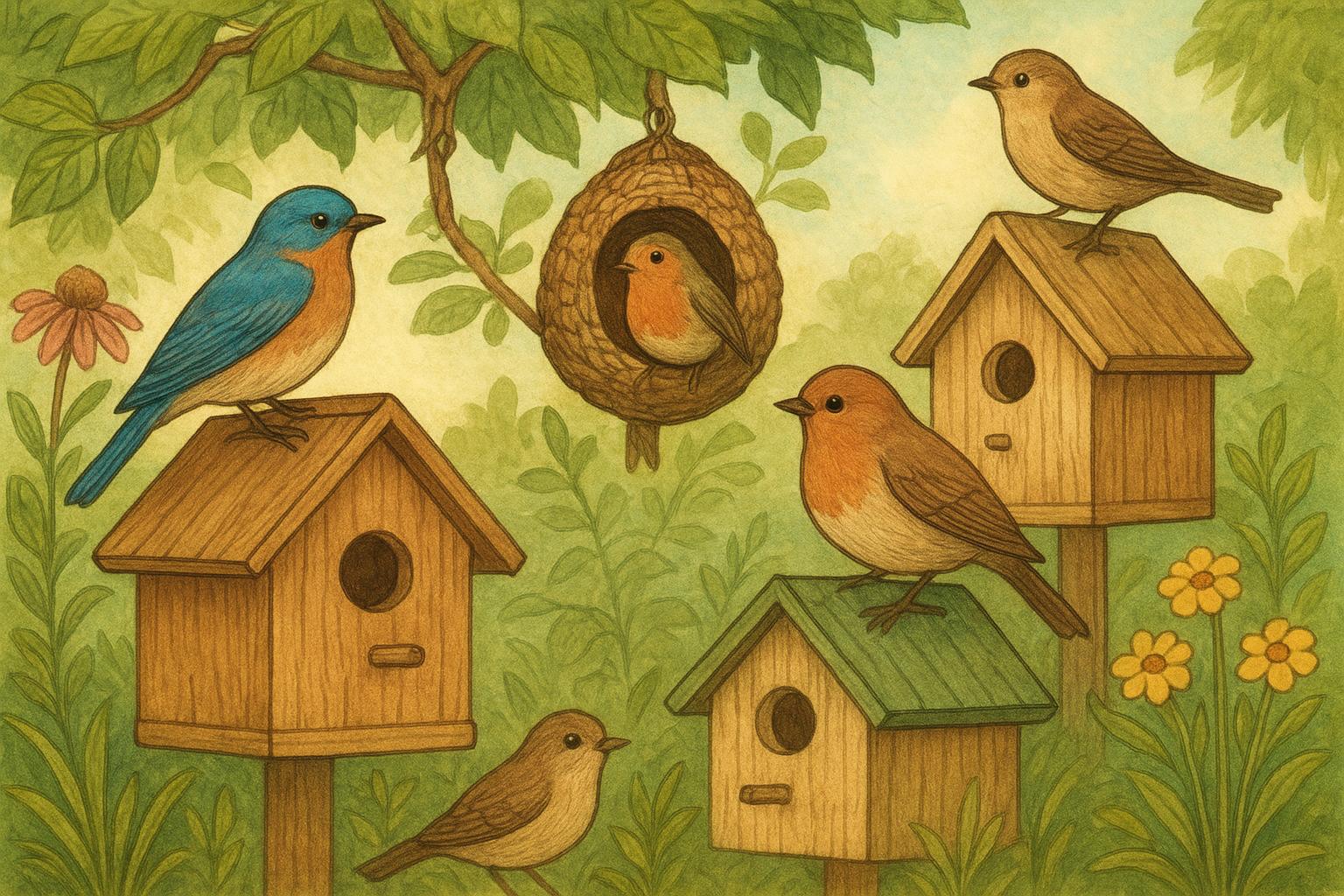
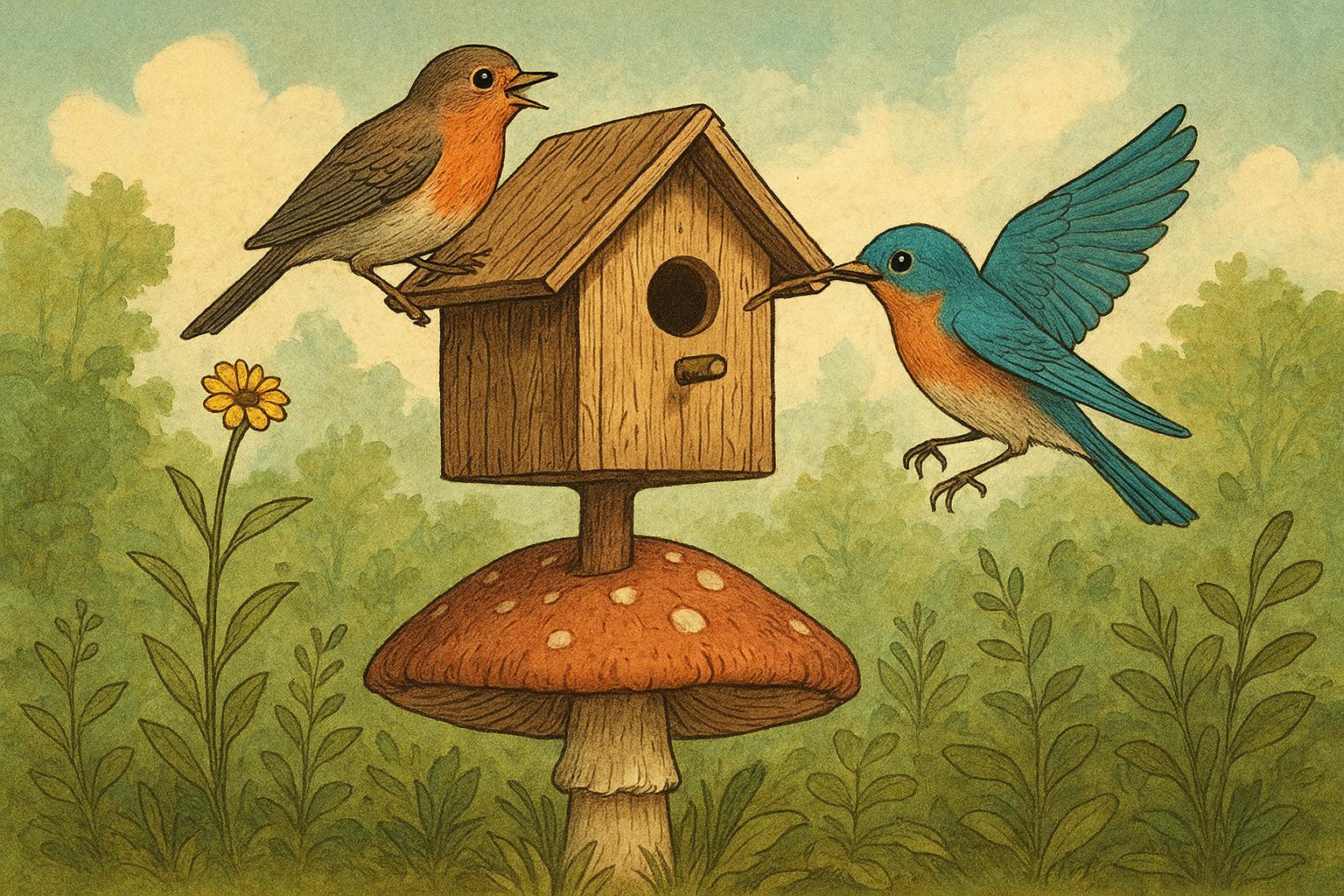
– Nest boxes for owls and bats (species-appropriate)
– Native, night-pollinating plants (e.g., evening primrose, native evening-blooming jasmine)
– Bat houses mounted high on poles or buildings
– Screws, mounting brackets, and weatherproof sealant
– Local wildlife-friendly plant list (available from extension services)
### Step-By-Step Creation And Application
1. Choose Target Species
– Decide which nighttime species you want to encourage (e.g., insectivorous bats or owls that prey on rodents). Research local species’ habitat requirements.
2. Install Nest Boxes Or Bat Houses
– Buy or build boxes sized for the target species. For small owls, mount boxes on trees or poles at recommended heights (often 10–20 feet), oriented away from prevailing winds.
– Bat houses should be mounted at least 12–15 feet high on a building or pole in a location that gets morning sun to warm them. Use sealant to protect wooden houses from weather.
3. Plant Native Night-Bloomers
– Introduce evening-blooming native plants that attract moths and other nocturnal pollinators, which in turn feed bats and night birds.
– Arrange plantings to include water sources or shallow basins if local regulations and safety allow.
4. Maintain Habitat Responsibly
– Inspect boxes annually for damage and to check for invasive species or excessive parasites. Clean only when boxes are empty and according to wildlife guidelines.
– Avoid pesticides that reduce insect prey availability or are harmful to wildlife.
5. Monitor And Support
– Document usage with periodic observations or non-invasive cameras. Adjust placements or plantings based on what you see.
### When To Call Professionals
If you believe an animal is injured, trapped in your home, or displaying abnormal behavior (e.g., persistent daytime activity in a normally nocturnal species, uncoordinated movement), contact local wildlife rehabilitators or animal control. For persistent roof or attic infestations, a licensed wildlife exclusion specialist can implement humane exclusion and sealing measures.
### Additional Etiquette And Legal Notes
Many nocturnal species are protected by local or federal laws. Before relocating, trapping, or otherwise interfering with wildlife, confirm regulations in your area. Use non-lethal, exclusion-based solutions whenever possible; they are effective and kinder to the ecosystem.
Now that you’ve got the tools to listen, identify, and manage, you can enjoy those backyard late-night performances with a clearer idea of who’s on the line — and maybe even leave a polite voicemail.







Leave a Reply