
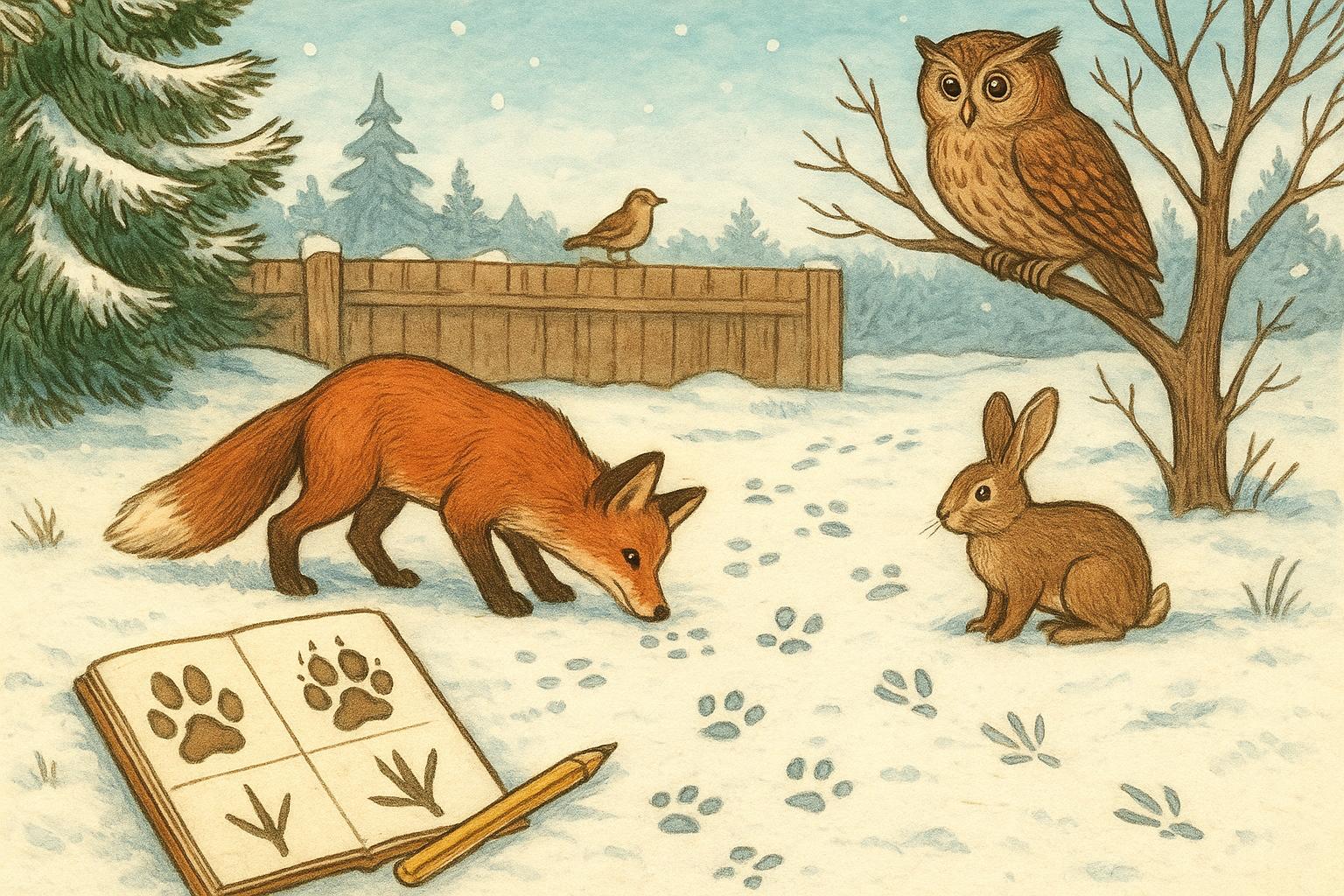
Welcome to a little snow detective work. When the backyard turns into a white canvas overnight, those curious imprints left behind are like short, silent stories about who visited while you were sipping coffee. With a bit of practice you can read these stories—no magnifying glass or trench coat required—just patience, an eye for detail, and a soft respect for the critters that made them.
## Tracks In Snow: Common Backyard Makers
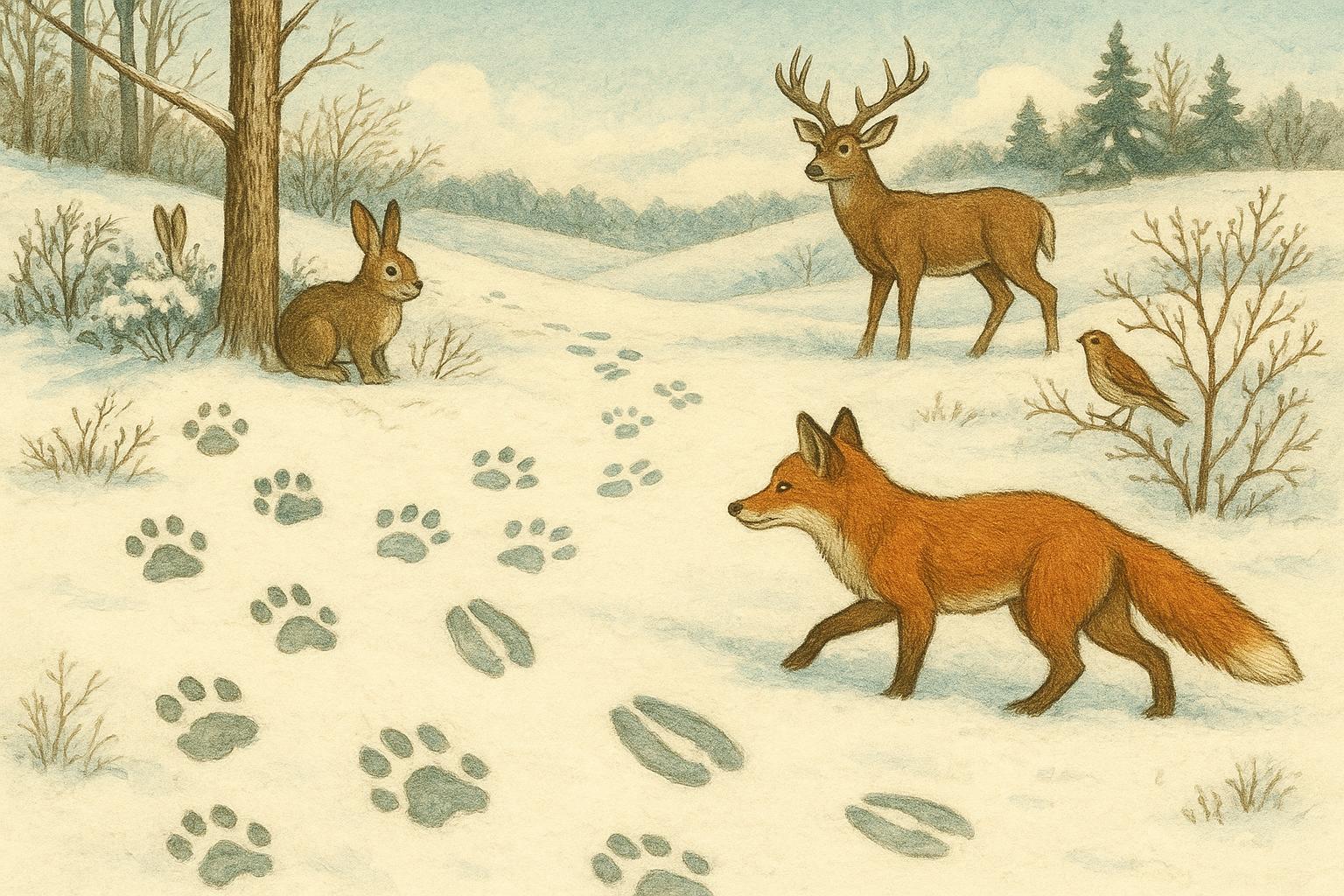
Snow simplifies tracking by highlighting shapes, sizes, and movement patterns. The usual cast of backyard characters includes deer, rabbit, squirrel, raccoon, fox, coyote, birds, and the occasional neighborhood dog or cat. Each animal leaves distinct signs: hoof impressions, toe arrangements, drag marks, and gait patterns that tell you whether the visitor was strolling, bounding, or running for its life (probably from a particularly overeager squirrel).
When examining tracks in snow, note:
– The size of the print and the number of toes.
– Whether claw marks are present (dogs and foxes often show claws; deer do not).
– The spacing and pattern between prints (stride and gait).
– Any tail or belly drag marks, scat, or disturbed vegetation nearby.
## Reading The Print: Key Features To Note
Tracks aren’t just shapes; they’re data. Before you jump to a species ID, take time to measure and photograph. Snow compacts and melts quickly, so document while the evidence is fresh. A reference photo with a common object (a coin, a ruler, or a wooden stick) gives scale and helps later comparison.
### Pad Shape And Toe Arrangement
Count toes first. Four toes with a pad behind could be a dog, coyote, or fox. Five toes with a large palm-like impression point toward raccoons or rodents. Long narrow prints with two elongated halves are almost certainly deer hooves.
### Size, Stride And Gait
Measure distance from center of one print to the next (stride) and how far across the trackway the prints fall (track width). Small animals like mice take tiny, closely spaced steps and often show a bounding gait (pairs of prints). Larger animals show longer strides and a pattern that can indicate trot, walk, gallop, or bound.
### Claw Marks, Dragging, And Disturbance
Claws help sort canids from felines and ungulates. Deer tracks are cloven and clean—no claws. A slight groove between prints might indicate a long-tailed animal dragging, like a fox or raccoon. Disturbed snow and churned edges suggest the animal turned or paused, maybe sniffing the air or checking your bird feeder.
#### Measuring Tips
Keep a small rule or tape measure in a pocket or phone case. Measure length and width of prints, then take a stride measurement. Photograph from directly above and include scale.
#### Photographing For Reference
Use soft light (early morning or late afternoon) to get shadows that reveal depth. Take multiple angles and close-ups of details like claw marks or pad textures.
## Practical Identification Examples
Here are common backyard signatures you’ll see in snow. Think of these as shorthand—real life occasionally offers hybrids, anomalies, or very enthusiastic pets.
### Deer Tracks
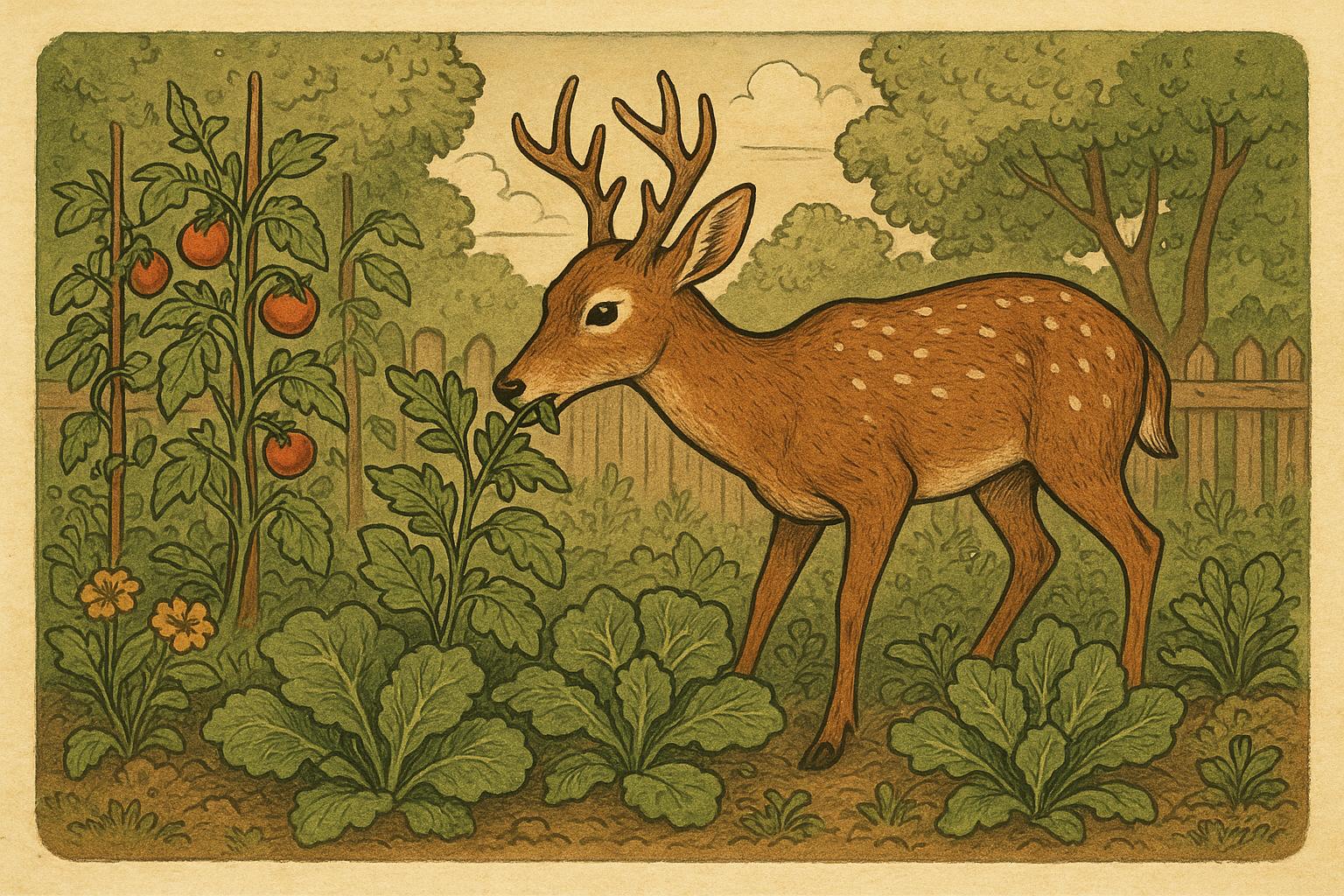
Deer leave a distinctive cloven hoof: two teardrop-shaped halves pointing forward, usually 2–3 inches long for a smaller deer, larger for adults. No claw marks. Trackways are typically in a straight line with a narrow gait. Deer often bounce when alarmed, leaving more spaced-out impressions.
The phrase tracks in snow often brings deer to mind first—especially in suburban yards near trees and shrubs they browse.
### Raccoon Tracks
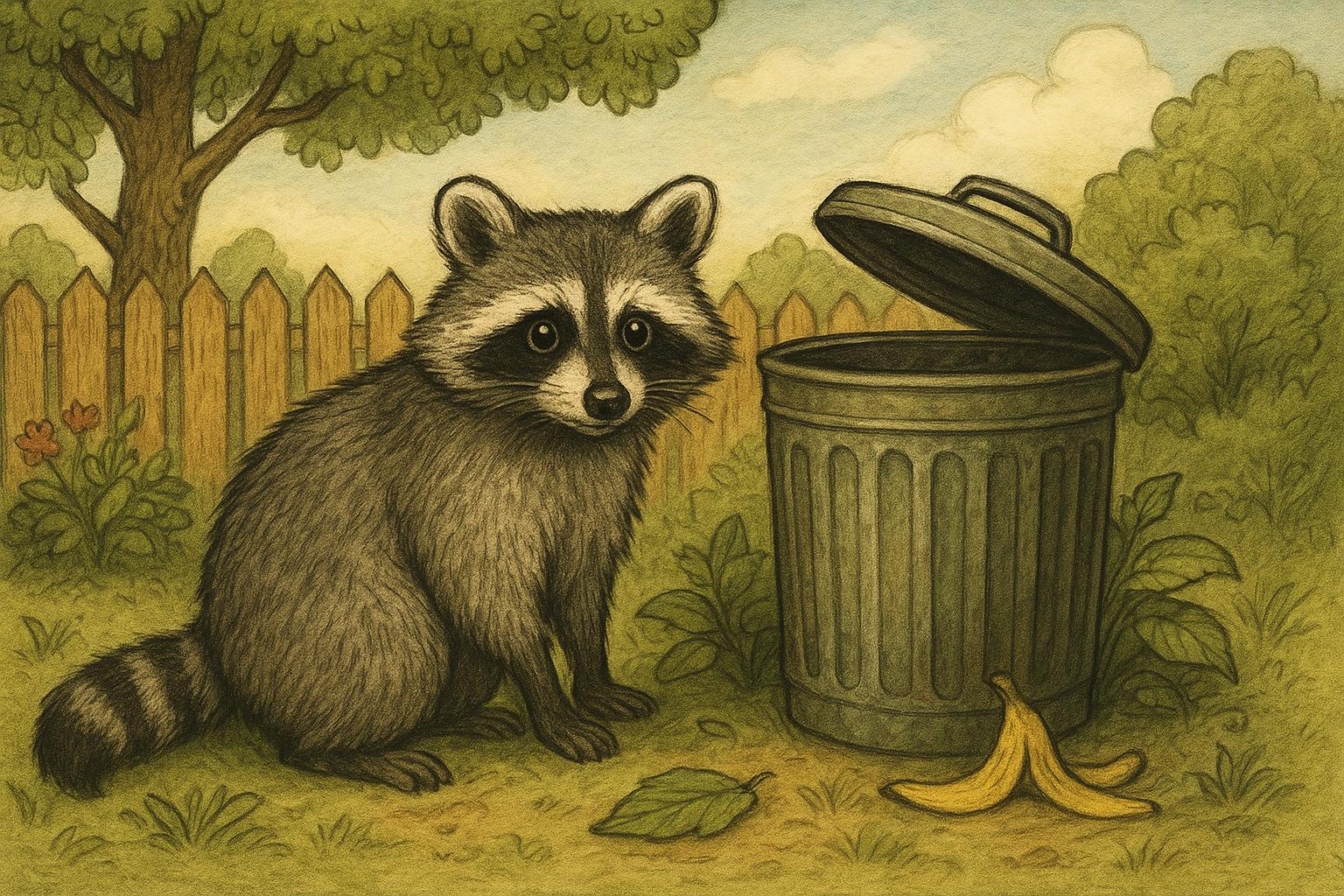
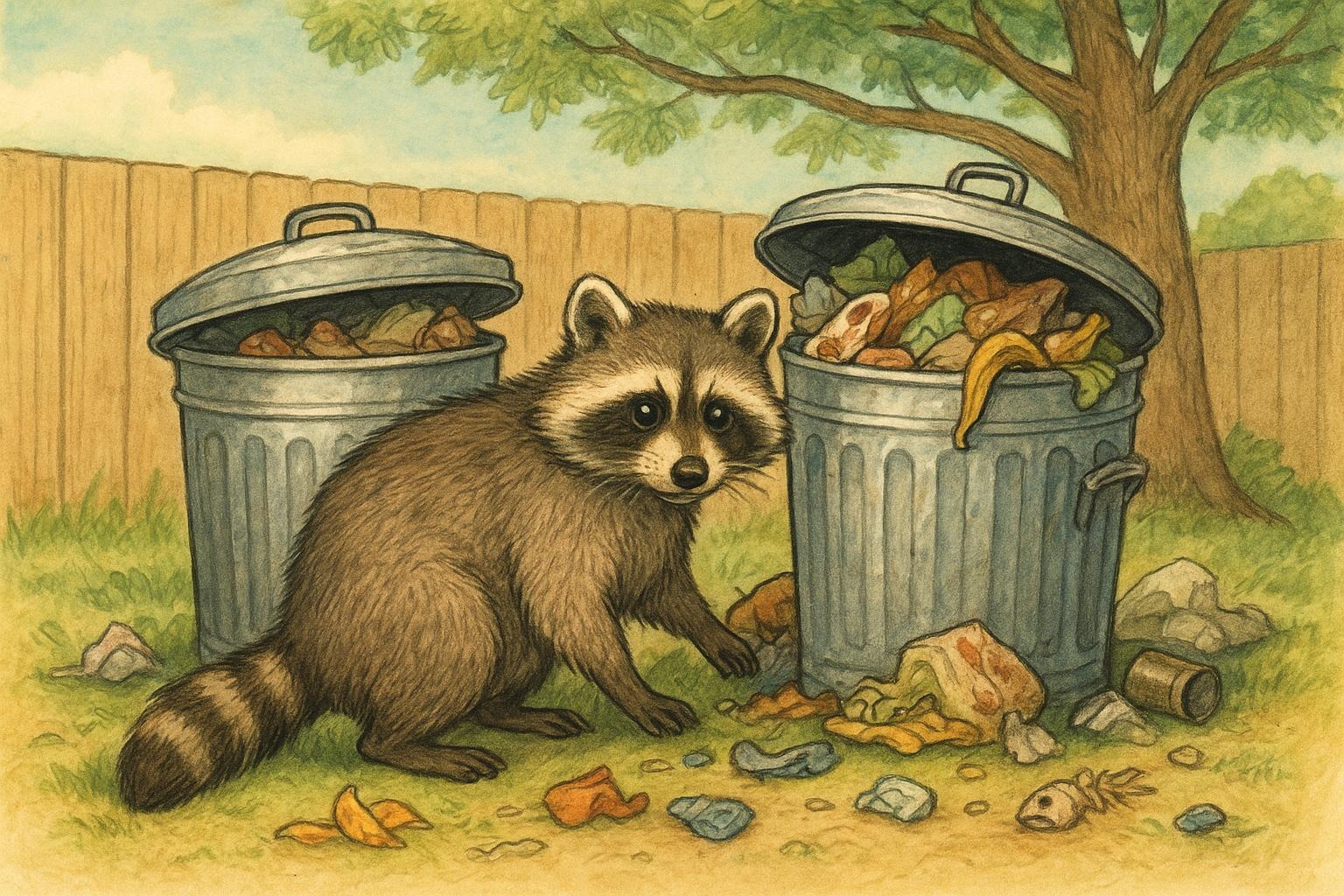
Raccoons look like small human handprints in snow. Five toes on each foot; front prints often show finger-like splay. Print size is usually 1.5–2.5 inches across for adults. Look for a walking pattern with alternating left-right prints and frequent turning or circling near structures (trash cans, porches).
### Rabbit Tracks
Rabbit tracks show a distinctive pattern: two larger hind prints side-by-side with smaller front prints ahead, forming a T-shape in a bound. Typical hind print length is 2–3 inches. Rabbits often leave tail-lift impressions or just a scatter of small tracks if they hop rapidly.
### Fox And Coyote Tracks
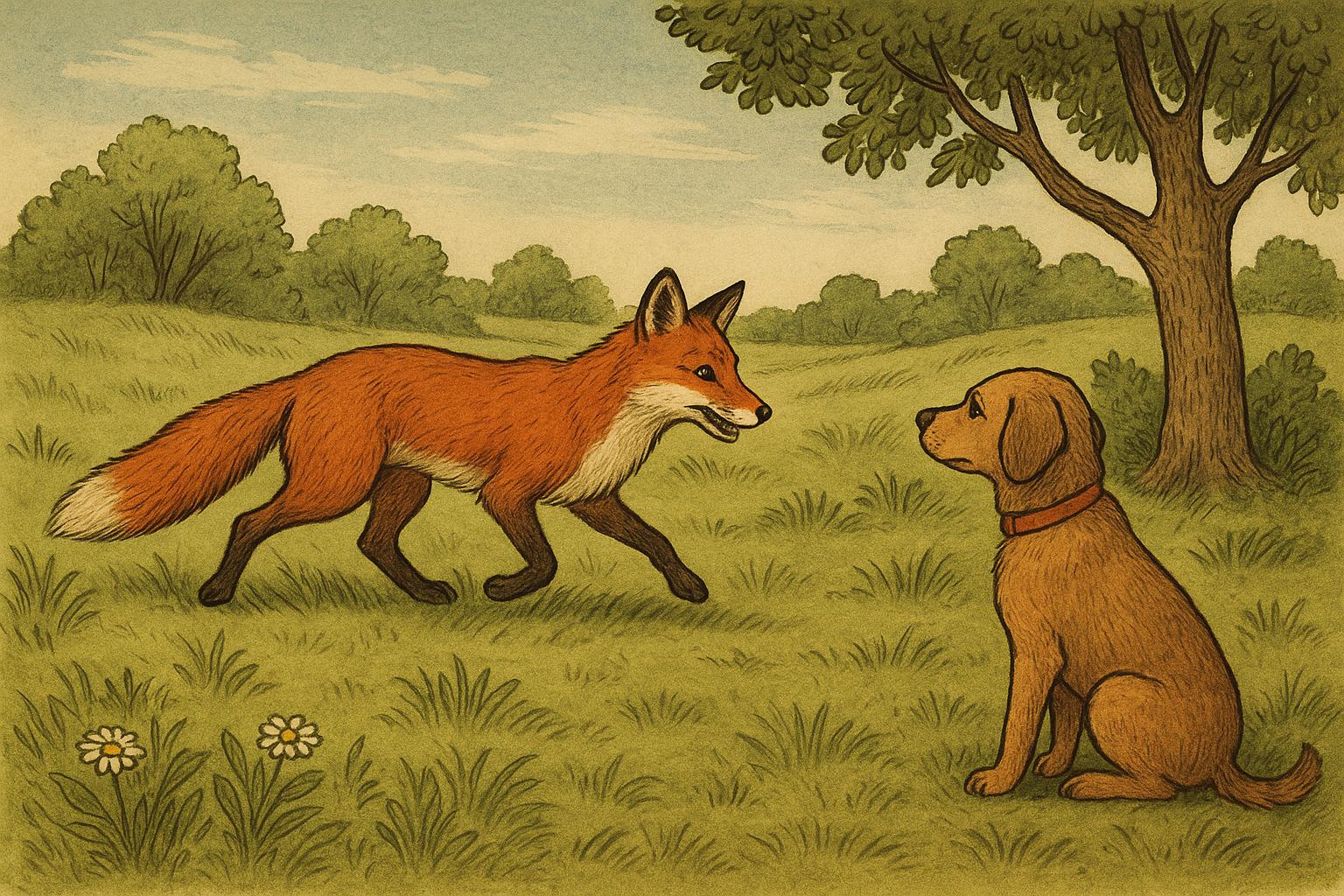
Fox and coyote prints resemble small dog prints: four toes, a central pad, and visible claw marks. Fox prints are more compact and oval, usually 1.5–2 inches long, and often show a straight-line trot. Coyote prints are larger (2–3 inches) and may have a more erratic pattern if hunting or moving through deep snow.
### Squirrel Tracks
Squirrels produce an alternating bound pattern similar to rabbits but smaller. Two tiny rear prints and two front prints often stagger, with signs of climbing if a tree or fence is nearby. Tail drag or sweeping marks may be visible.
### Bird Tracks
Birds leave thin three-toed forward prints and sometimes a rear toe. Size varies dramatically. Small songbirds make delicate V-shaped patterns; larger birds like wild turkeys leave big, three-toed impressions with a stride that can look purposeful and slightly awkward.
### Domestic Pets
Dogs and cats can mimic wild tracks but often show more symmetry, spacing variability, and proximity to human pathways. Dogs show clear claw marks; cats often retract claws and leave rounder pad impressions with a distinct four-toe, three-lobed central pad pattern.
## How To Cast A Track For Identification
If you find an exceptional track you want to preserve (rare species sign, unusual pattern, or for local records), casting is a reliable method. The following procedure is intended for non-invasive, ethical documentation on private property or with landowner permission. Avoid casting if doing so would disturb wildlife or damage sensitive habitats. Use care to avoid crushing surrounding prints and warm the plaster in a safe container to prevent shock to nearby nesting animals.
### Materials
– Plaster of Paris (approximately 2–4 pounds, depending on the size of the print)
– Clean water (ambient temperature)
– A disposable mixing container (bucket or sturdy cup)
– A wooden stir stick or disposable spoon
– A measuring cup
– Two small sticks or cardboard to form a rim (optional)
– Gloves and protective eyewear
– A plastic sheet or tray to transport the cast if needed
– Lightweight brush for cleaning snow from the print
### Step-By-Step Procedure
1. Prepare: Photograph the track from several angles with a scale. Clear loose snow gently with a soft brush, taking care not to alter edges or compact the impression.
2. Form a Rim: If the snow is soft, press a shallow rim of loose snow around the print to contain plaster. Alternatively, place small sticks around and press down with cardboard to create a temporary wall—do not step into the tracking area.
3. Mix Plaster: Follow manufacturer ratio for plaster-to-water. A common mix is 2 parts plaster to 1 part water by volume; add water first, then slowly add plaster while stirring to avoid lumps. Aim for a thick pancake-batter consistency—pourable but not overly runny.
4. Pour Carefully: Begin pouring at the lowest point of the print in a thin stream, allowing plaster to flow without creating bubbles. Pour until the plaster fills slightly above the rim; for deep prints add reinforcement by layering after initial set.
5. Set Time: Allow the plaster to set undisturbed. Typical setting time is 20–30 minutes for Plaster of Paris; avoid early removal. Covering with a small insulating cloth can prevent rapid freeze in very cold conditions.
6. Remove: Once hardened, gently pry the cast loose from the snow edge and lift vertically. If the cast seems stuck, wait additional time rather than pulling.
7. Drying: Let the cast air dry for several days in a cool, dry place. Avoid direct heat which can cause cracking. Label the underside with date, location, and notes about the track orientation and accompanying signs.
8. Documentation: Record measurements and attach your photos to the cast or accompanying log. Store casts in a protective box to prevent chips.
### Tips For Preservation And Legal Notes
– Always get permission to cast on private property. Avoid casting on public lands where restrictions may apply.
– If casting might disturb sensitive wildlife (nesting birds, den entrances), do not proceed.
– Casts are for documentation and education; avoid collecting biological samples from the area to preserve ecosystems.
## When Tracks In Snow Become A Concern
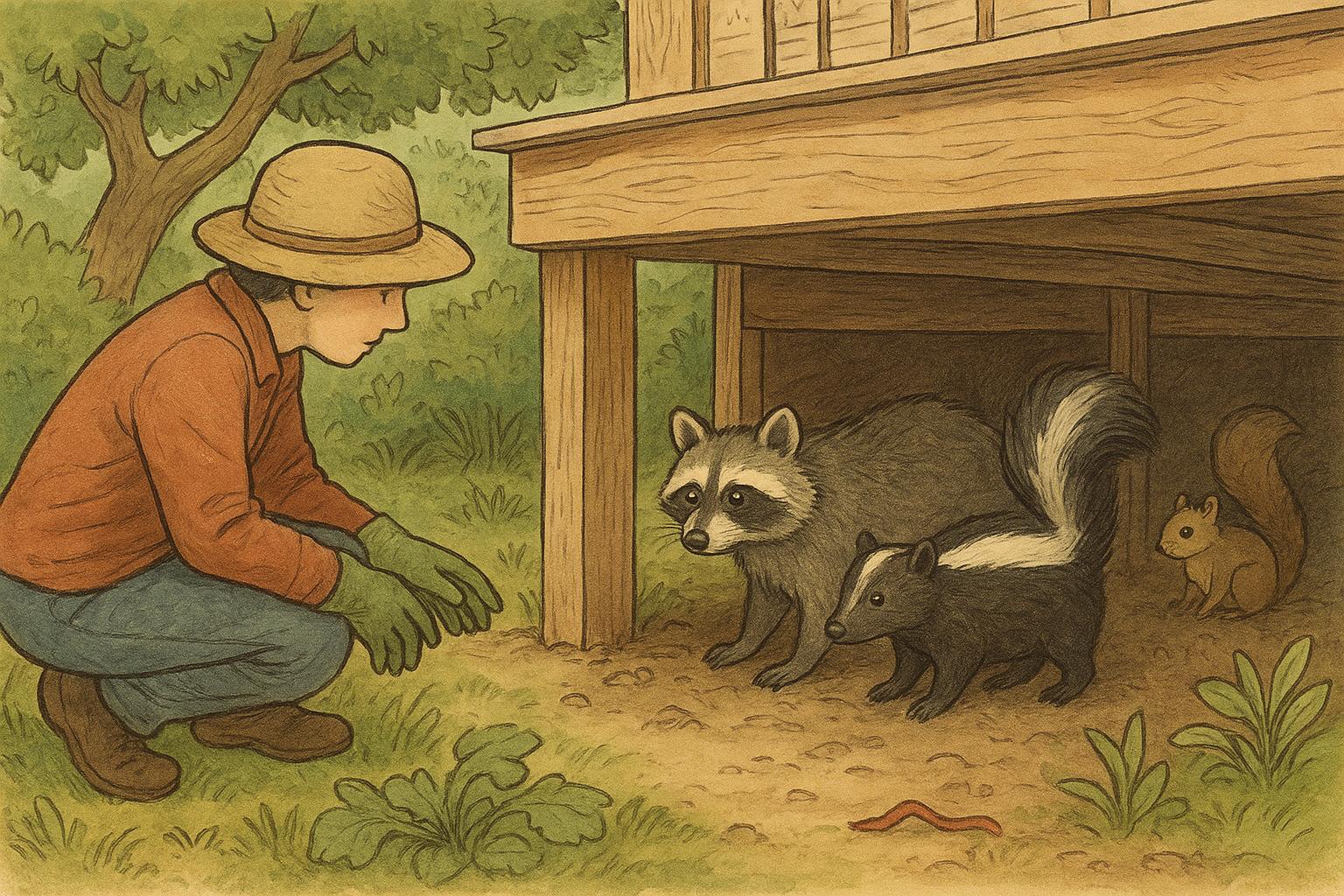
Sometimes tracks in snow signal issues: hungry wildlife near food sources, predators moving through pet areas, or animals trapped under structures. If you see patterns indicating a den or repeated visits, secure attractants: bring pet food indoors, seal trash, and block access beneath porches. For live animals under structures or any injured animal, contact local wildlife rehabilitators or animal control for humane, legal assistance. Be formal and precise in communications—provide exact location, track descriptions, approximate size, and any photos to help responders assess the situation quickly.
Happy tracking—may your snow be full of stories and your backyard be full of respectful curiosity.


Leave a Reply