
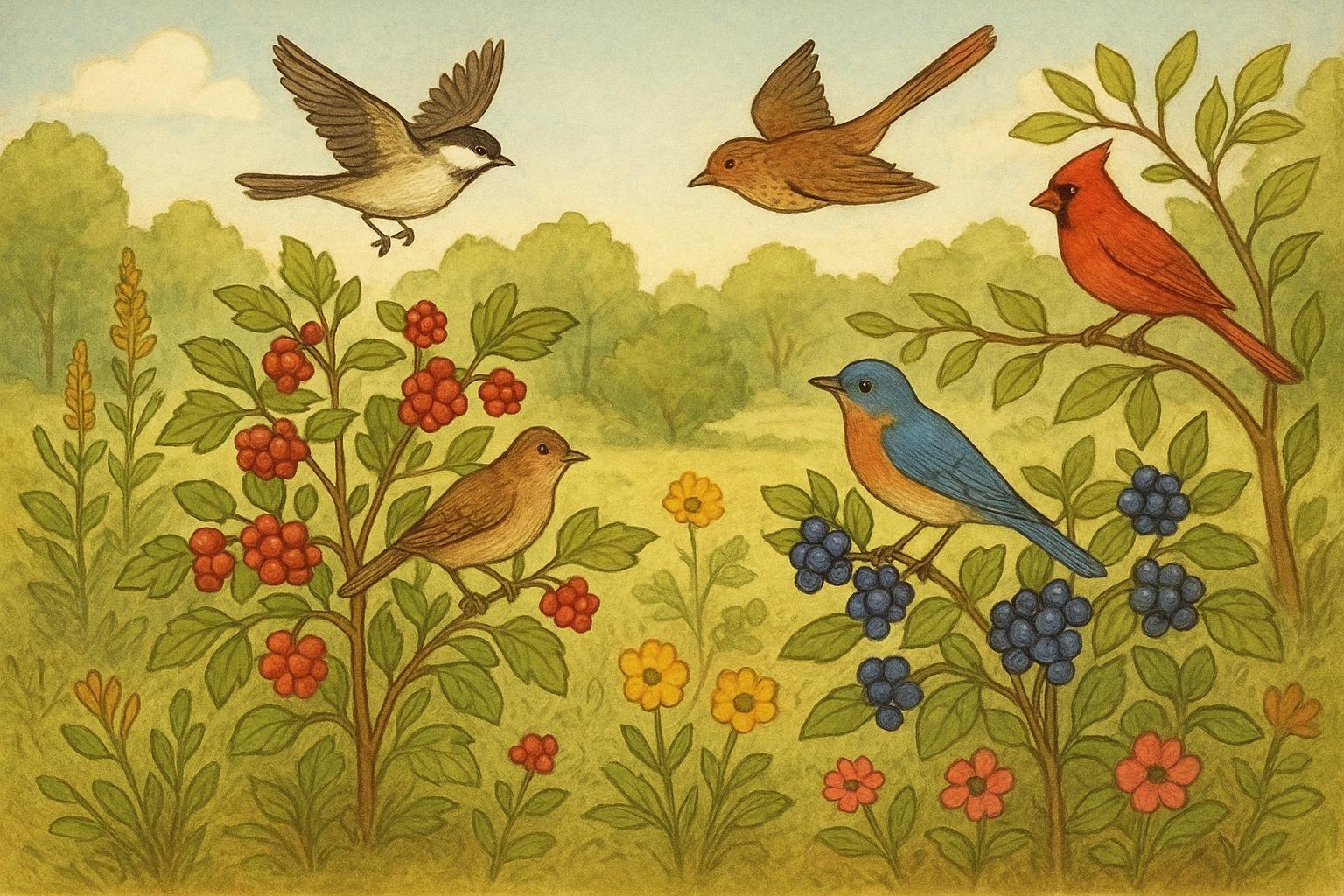
Nature has a way of inviting itself in — and if you want birds to RSVP, planting with intention is the secret sauce. Native landscapes that feature fruiting shrubs bring color, structure, and, yes, breakfast for feathered neighbors. Here’s a friendly, practical guide to using berry bushes to create habitat that’s beautiful for you and vital for birds.
## Why Berry Bushes Matter In Native Landscaping
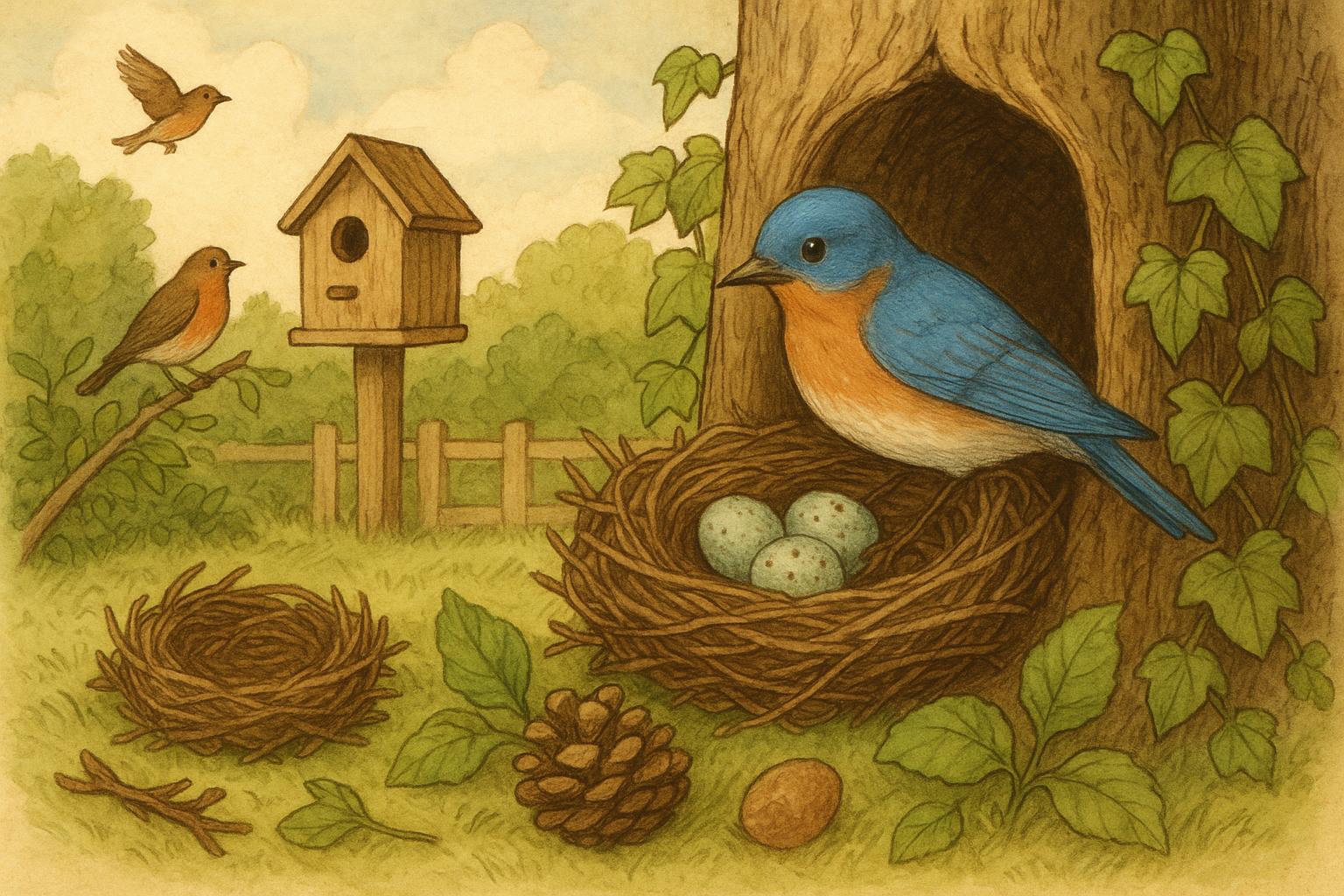
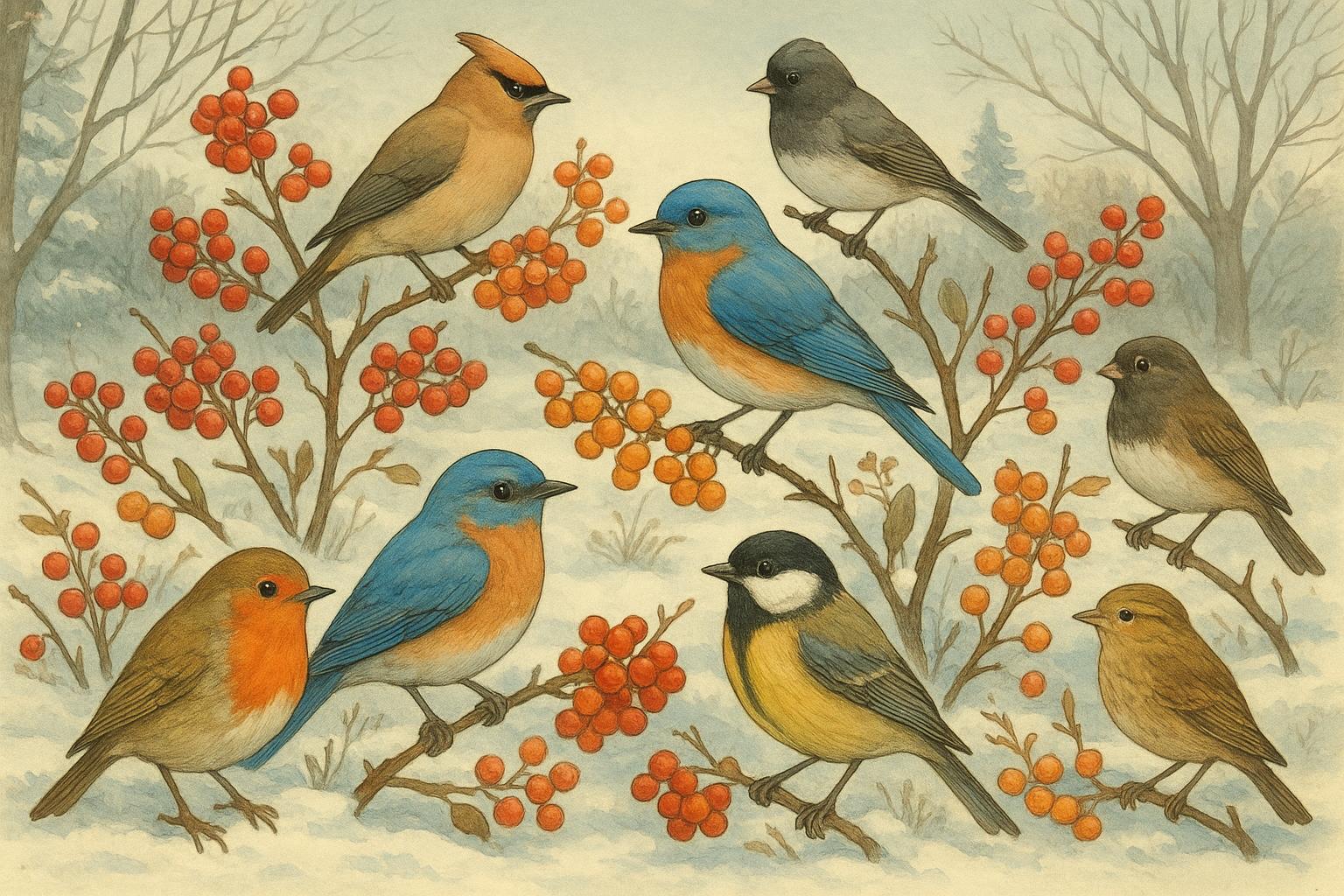
Native berry bushes are more than a pretty garnish. They form a backbone of seasonal food supply for songbirds, thrushes, waxwings, and migrating species that rely on reliable foraging sites. A thoughtfully arranged set of shrubs supplies calories in fall migration, seeds in late winter, and cover during breeding season. Beyond food, berry bushes often provide nesting substrate, shelter from predators, and insect-rich foliage that supports young birds.
### Habitat Value Beyond Fruit
Berry bushes offer multiple ecological services. Their structural complexity creates microhabitats for insects, which feed nestlings. Dense twigs slow predators and help low-flying birds dart away. Deep-rooted native shrubs stabilize soil and support pollinators with spring flowers. In short, you’re installing a tiny ecosystem with each shrub you plant — the kind of landscaping that makes birds (and gardeners) happy.
### Selecting Berry Bushes For Your Backyard
Pick species adapted to your climate and soil. Native berry bushes generally require less supplemental watering and are more disease-resistant than exotics. Consider fruiting season staggered across shrubs: early, mid, and late-season berries extend the food window. Also prioritizing native plants reduces the risk of invasive spread and helps local bird species that have coevolved with those plants.
## Choosing The Right Berry Bushes For Your Region
Which berry bushes you choose depends on your ecoregion. Here are regional examples — use local extension services to confirm exact cultivars and suitability.
### Northeastern And Mid-Atlantic Picks
– Serviceberry (Amelanchier spp.) — spring flowers, early summer berries.
– Highbush Blueberry (Vaccinium corymbosum) — excellent for acidic soils.
– Winterberry (Ilex verticillata) — bright winter fruit for overwintering birds.
### Midwest And Plains Options
– Northern Bayberry (Myrica pensylvanica) — salt-tolerant, good for coastal plains.
– Elderberry (Sambucus canadensis) — fast-growing, steamy summer fruit.
### Southeast And Gulf Coast Choices
– Beautyberry (Callicarpa americana) — magenta fruit clusters late summer/fall.
– Muscadine Grapes (Vitis rotundifolia) — vines that fruit and provide cover.
### West Coast Selections
– Toyon (Heteromeles arbutifolia) — red berries in winter, drought-tolerant.
– Manzanita (Arctostaphylos spp.) — winter flowers and berry-like drupes.
## Placement, Spacing, And Layering For Maximum Use
Think three-dimensionally: mix heights and densities to mimic natural edges. Place taller berry bushes near the back or as windbreaks and smaller shrubs in front to create layered corridors birds can move through easily. Avoid planting all your fruiting plants in a single clump; disperse them to reduce predation hotspots and to make your yard a more inviting thoroughfare for migrating flocks.
### Predator Considerations And Access
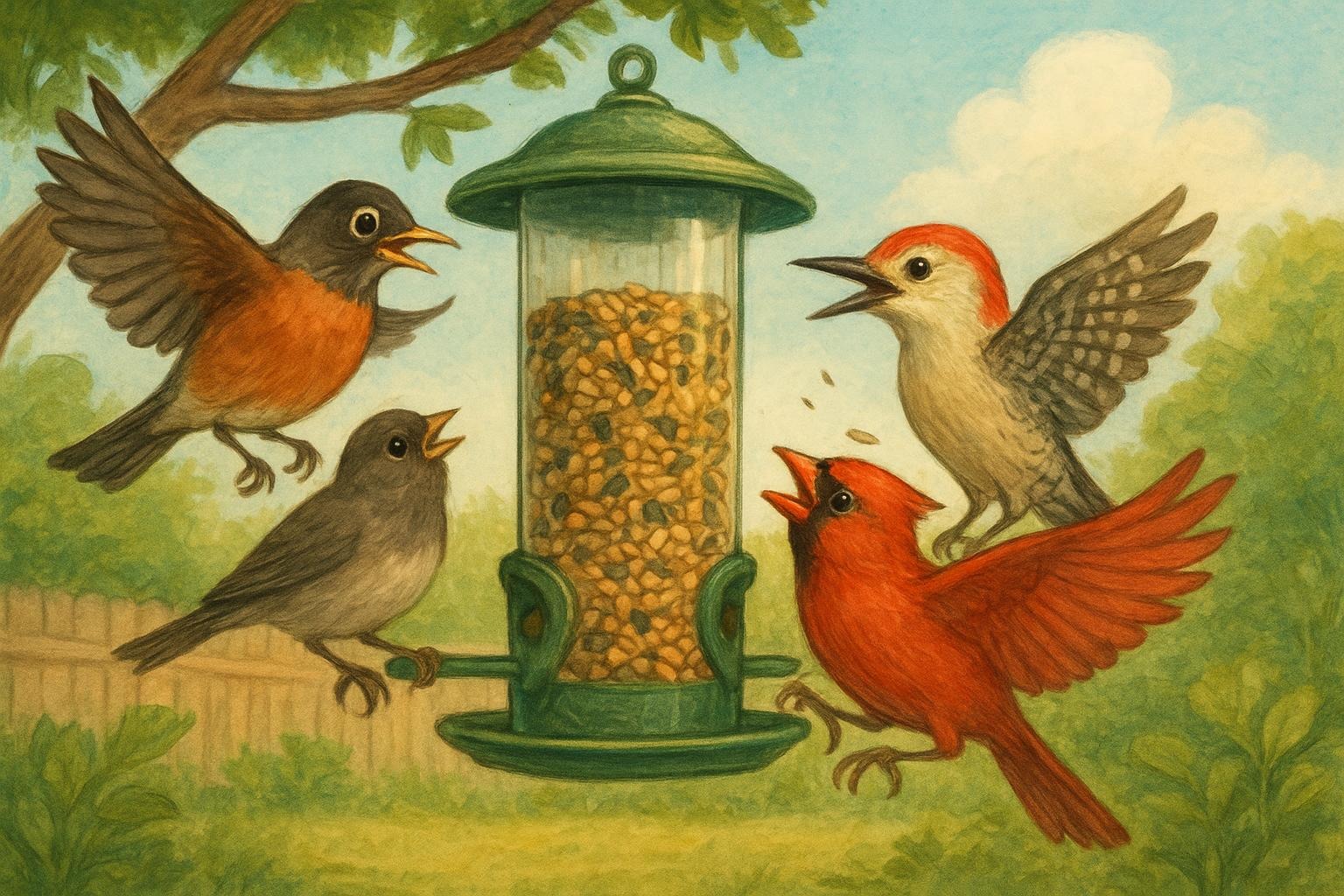
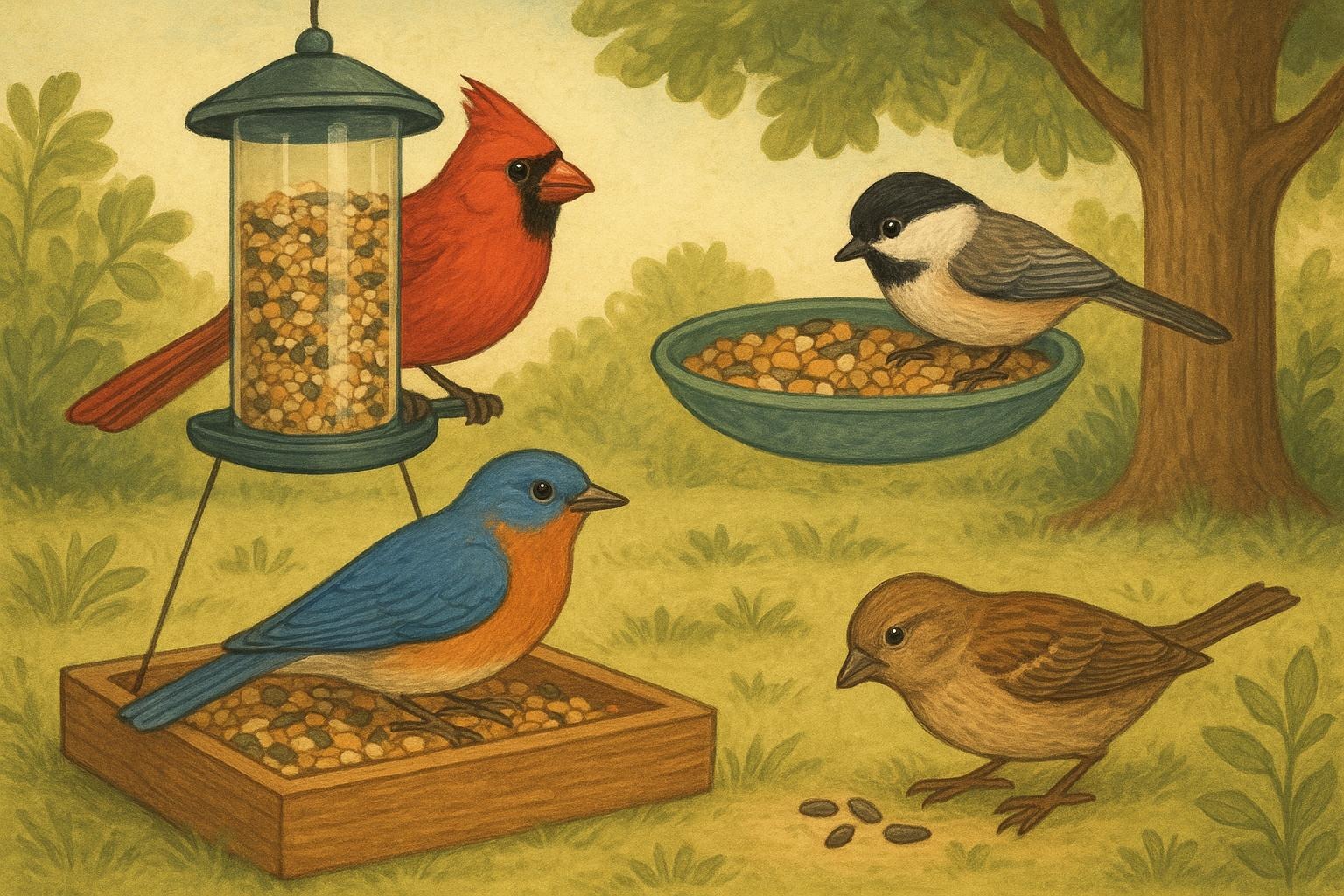
Keep a 5–10 foot open flight zone approaching dense shrubs so birds have room to approach and escape. Avoid placing feeders directly at shrub edges where cats can ambush. Instead, place feeders within sightlines of cover so birds can access food and retreat quickly to berry bushes.
## Remedy 1: Strategic Planting Of Berry Bushes (Materials And Steps)
When you’re ready to implement a planting plan, follow this formal, practical procedure to maximize survival and ecological benefit.
#### Materials Required
– Berry bushes (1–3 gallon pots) — select species suited for your zone
– Organic compost or well-rotted manure
– Mulch (wood chips or leaf mulch)
– Spade or planting bar
– Measuring tape or stakes and twine
– Slow-release native plant fertilizer (optional, region-dependent)
– Watering hose or drip irrigation
#### Step-By-Step Planting Procedure
1. Site Assessment: Evaluate sunlight, soil type, drainage, and existing plant layers. Map out planting positions that create staggered heights and cover corridors.
2. Spacing Layout: Use measuring tape or stakes and twine to establish distances based on mature spread (typically 3–8 feet depending on species). Avoid crowding to reduce disease.
3. Hole Preparation: Dig holes twice the diameter of the root ball and equal depth. Loosen compacted soil at the bottom to encourage root spread.
4. Soil Amendment: Mix native soil with 20–30% compost to improve structure and microbial life. Avoid heavy fertilization that can overstimulate foliage over root establishment.
5. Planting: Place the shrub so the root crown sits slightly above surrounding grade. Backfill gently, tamping to eliminate air pockets without overcompressing.
6. Mulching: Apply 2–3 inches of mulch, keeping it away from direct contact with the stem to prevent rot. Mulch conserves moisture and promotes insect habitat in the leaf litter.
7. Initial Watering: Water deeply to settle soil and hydrate roots. For the first growing season, provide consistent moisture (weekly soakings or drip irrigation) unless local rainfall suffices.
8. Monitoring: Check for signs of transplant stress, adjust irrigation, and remove competing weeds. Stake only if necessary for wind protection.
Follow local planting windows — typically early spring or fall — to reduce heat stress and encourage root establishment.
## Remedy 2: Seasonal Maintenance And Fruit Management (Materials And Steps)
Maintaining berry bushes to ensure steady fruit production and bird safety requires a formal regimen.
#### Materials Required
– Pruning shears and loppers
– Gloves and safety glasses
– Compost or organic mulch for seasonal top-ups
– Native mulch (wood chips or shredded leaves)
– Soil pH test kit (for acid-loving species like blueberries)
– Bird-safe netting (only to be used as a last resort and temporarily)
#### Step-By-Step Maintenance Procedure
1. Annual Pruning Schedule: Prune in late winter or early spring to remove dead wood, improve air circulation, and shape for sunlight penetration. For fruiting shrubs, prune to balance fruiting cane renewal with structure.
2. Pest And Disease Monitoring: Inspect foliage and fruit monthly during the growing season. Use cultural controls — remove fallen fruit and culled branches — before considering biological or chemical controls.
3. Soil Health Management: Test soil pH annually for species with strict preferences (e.g., blueberries). Amend with sulphur or lime only based on test results.
4. Mulch Renewal: Refresh mulch in spring to maintain moisture and suppress weeds; top-up again in late fall to protect roots in winter.
5. Fruit Thinning And Support: Thin overabundant fruit on shrubs like berry-producing vines to prevent breakage. Avoid using netting that entangles birds; if netting is necessary to protect ripening fruit from pest birds, use coarse, tight-netting mounted on frames elevated away from branches so birds can’t get trapped, and remove immediately after harvest.
6. Winter Protection: For shrubs with exposed or brittle branches, add a windbreak or burlap wrap where winters are extreme. Migratory support: leave some late-season fruit unharvested to assist overwintering birds.
When applying maintenance remedies, document dates, observations, and adjustments to refine care across seasons.
### Integrating Berry Bushes With Other Native Features
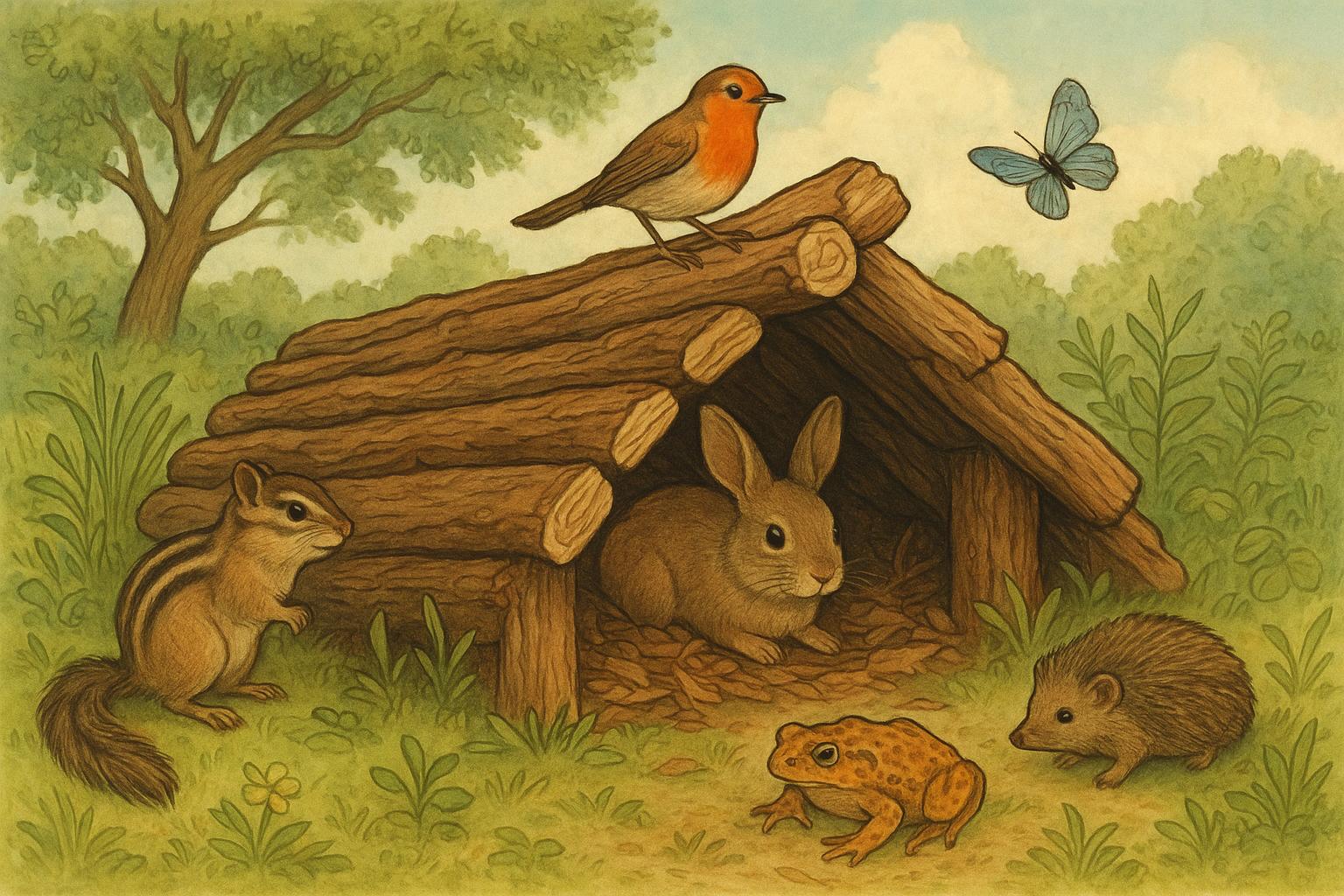
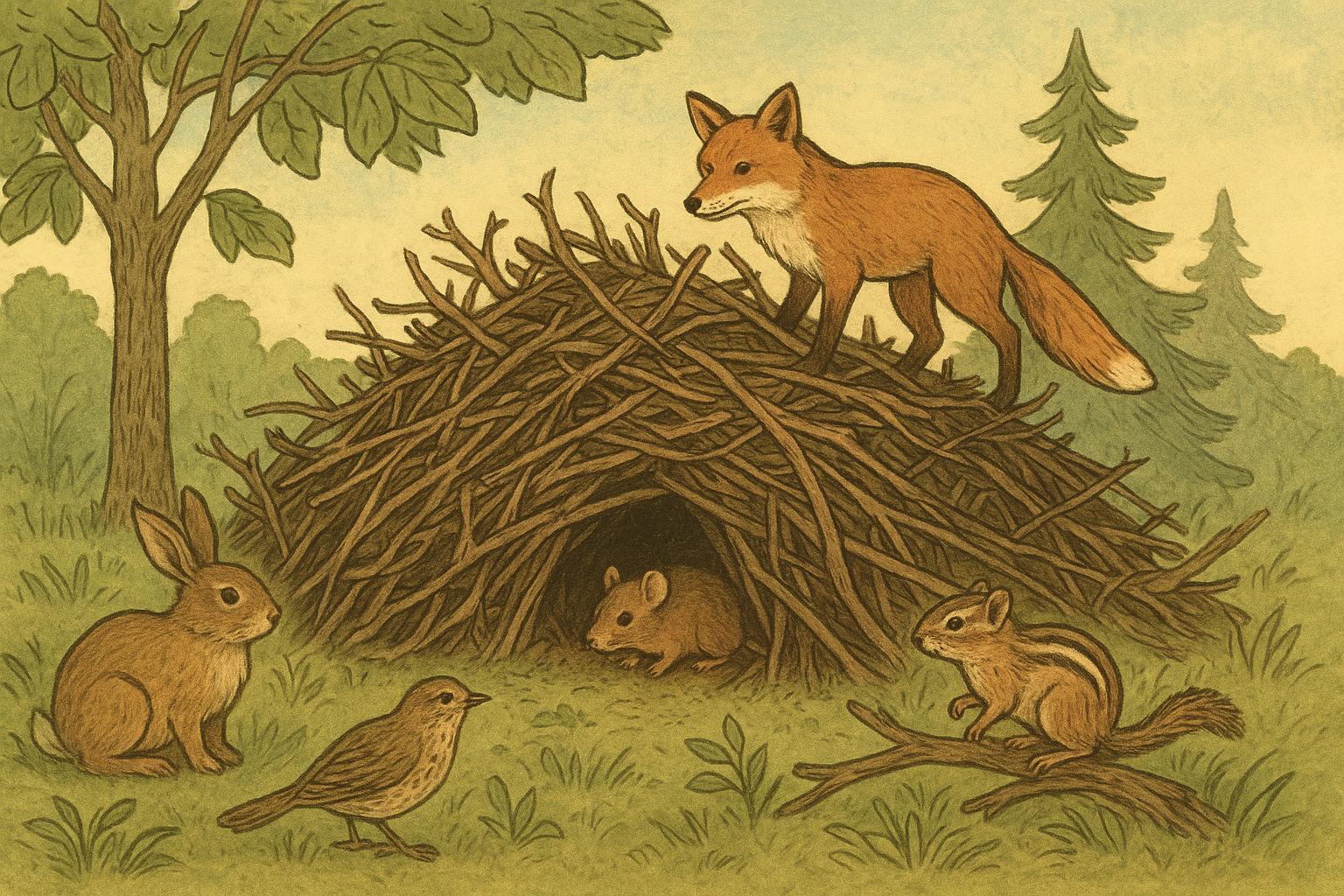
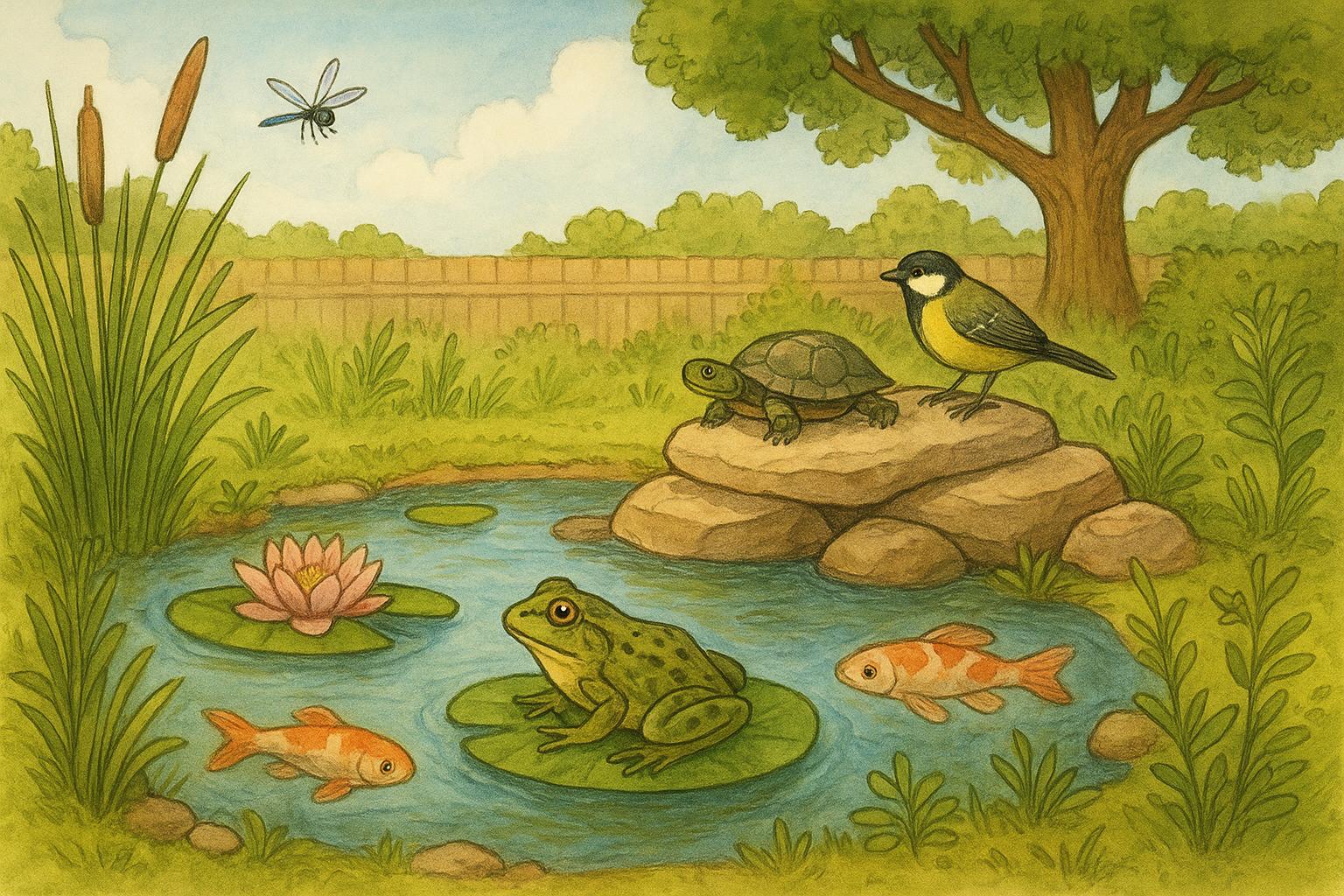
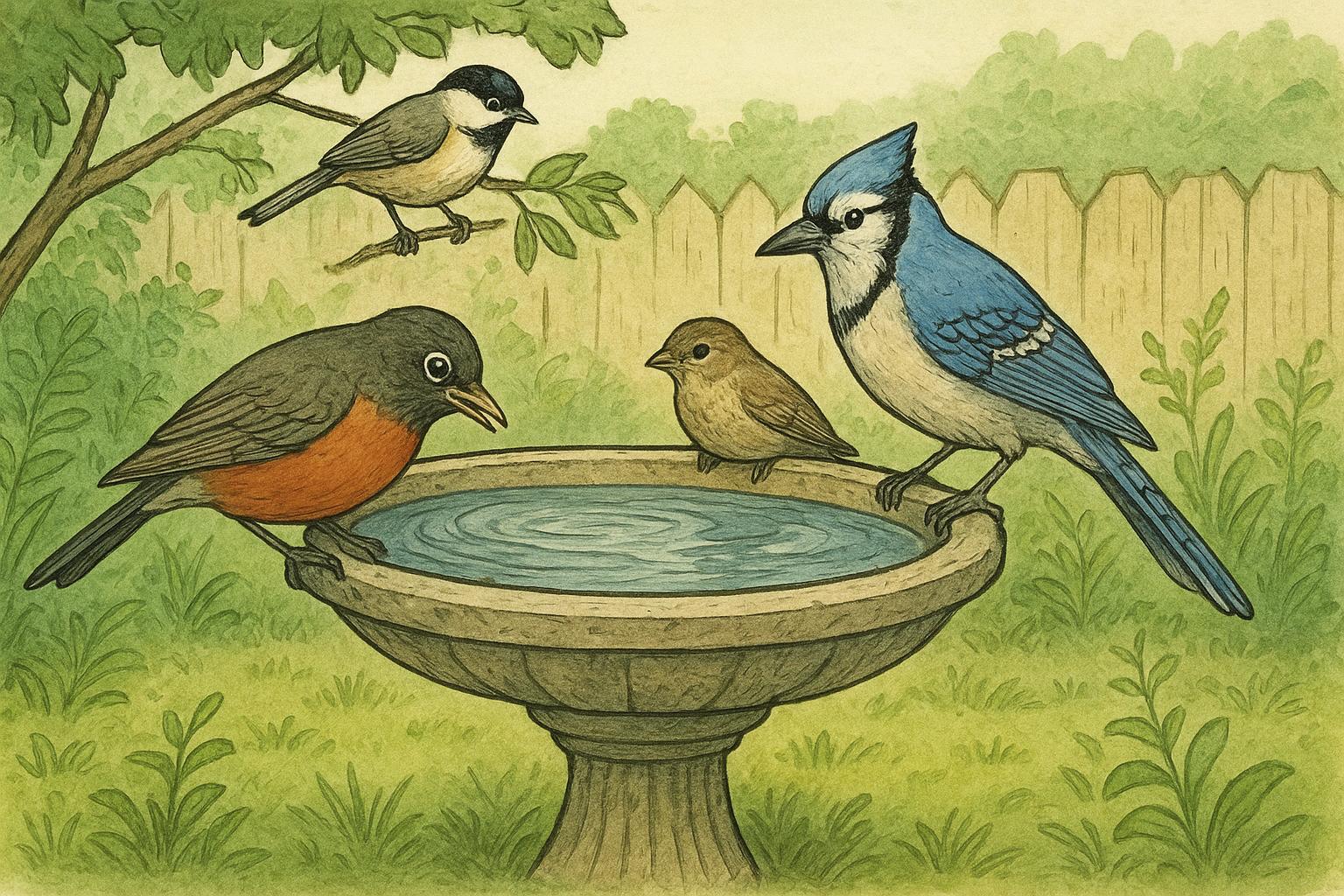
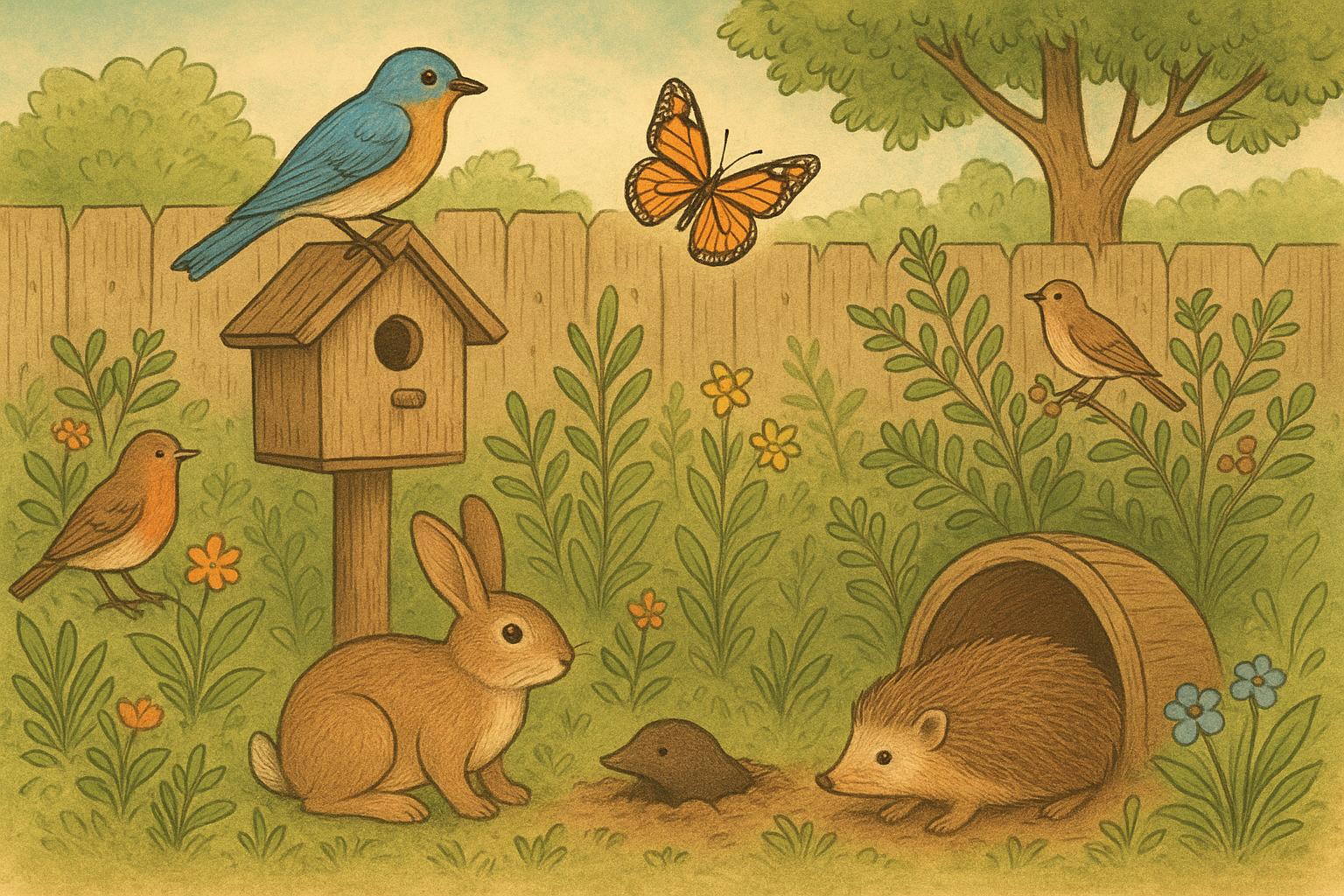
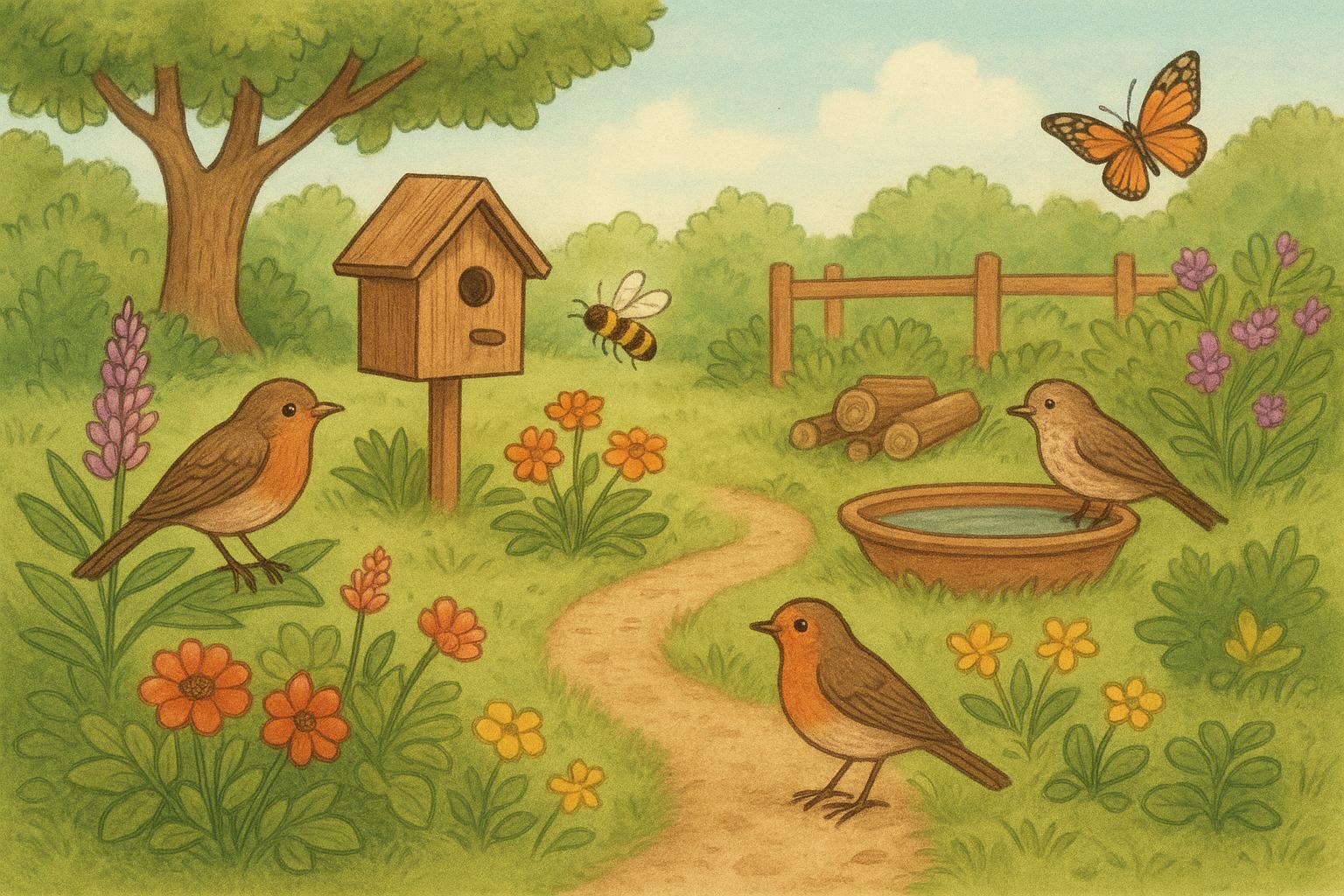
Combine berry shrubs with native grasses, perennials, and trees. Pollinator-friendly flowers boost insect populations for nestlings; dead wood and brush piles offer additional cover and foraging sites. Water features — even a simple shallow birdbath — complete the package.
### Dealing With Common Challenges
If berry bushes fail to fruit, check for insufficient pollination, overpruning, soil nutrient imbalance, or drought stress. Birds may also avoid shrubs that are too close to human activity or lack vertical layering for quick refuge. Address these issues through targeted pruning, soil testing, or rearranging human elements like seating or lighting.
#### Small Note On Humor
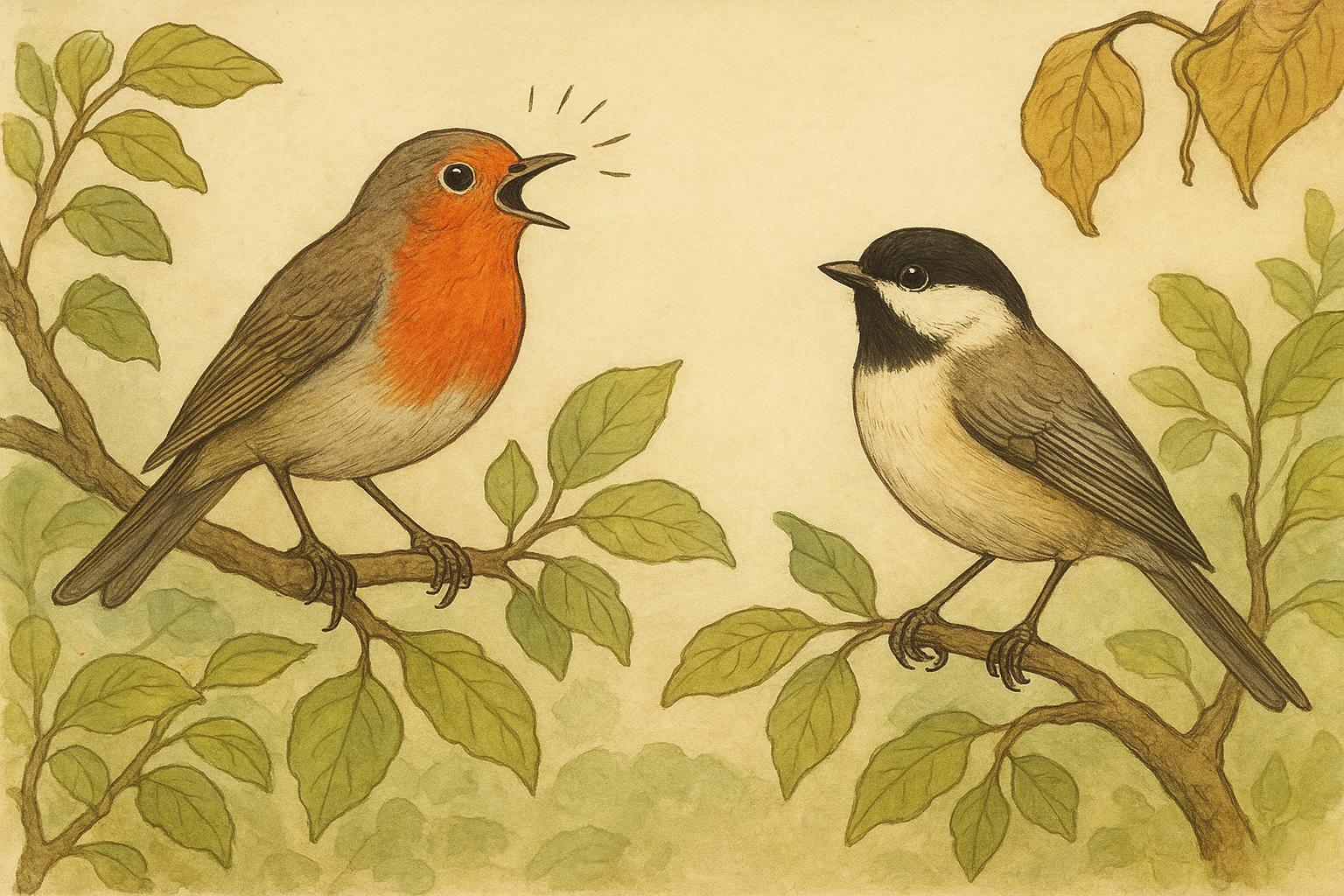
Plants don’t gossip, but your local thrush will definitely let the neighborhood know when the berries taste good. It’s a compliment — and the best kind of landscaping review.
## Encouraging Long-Term Use By Birds
To secure a reliable use of your yard by birds, maintain a mosaic of fruiting times, preserve some standing dead stems for insect life, and avoid pesticides that diminish the insect population birds need. Over a few seasons, berry bushes planted strategically will transform a yard into a migratory pit stop and breeding haven.
### Monitoring And Citizen Science
Consider keeping a simple checklist of species observed eating the berries and submit sightings to local bird-monitoring projects. Not only does this improve your enjoyment, it helps conservationists track habitat use and migration trends.
Planting berry bushes thoughtfully gives you a garden that’s attractive, low-maintenance, and ecologically rich. With the right planning, materials, and seasonal care, your native landscape will feed birds and delight you for many seasons to come.





Leave a Reply