
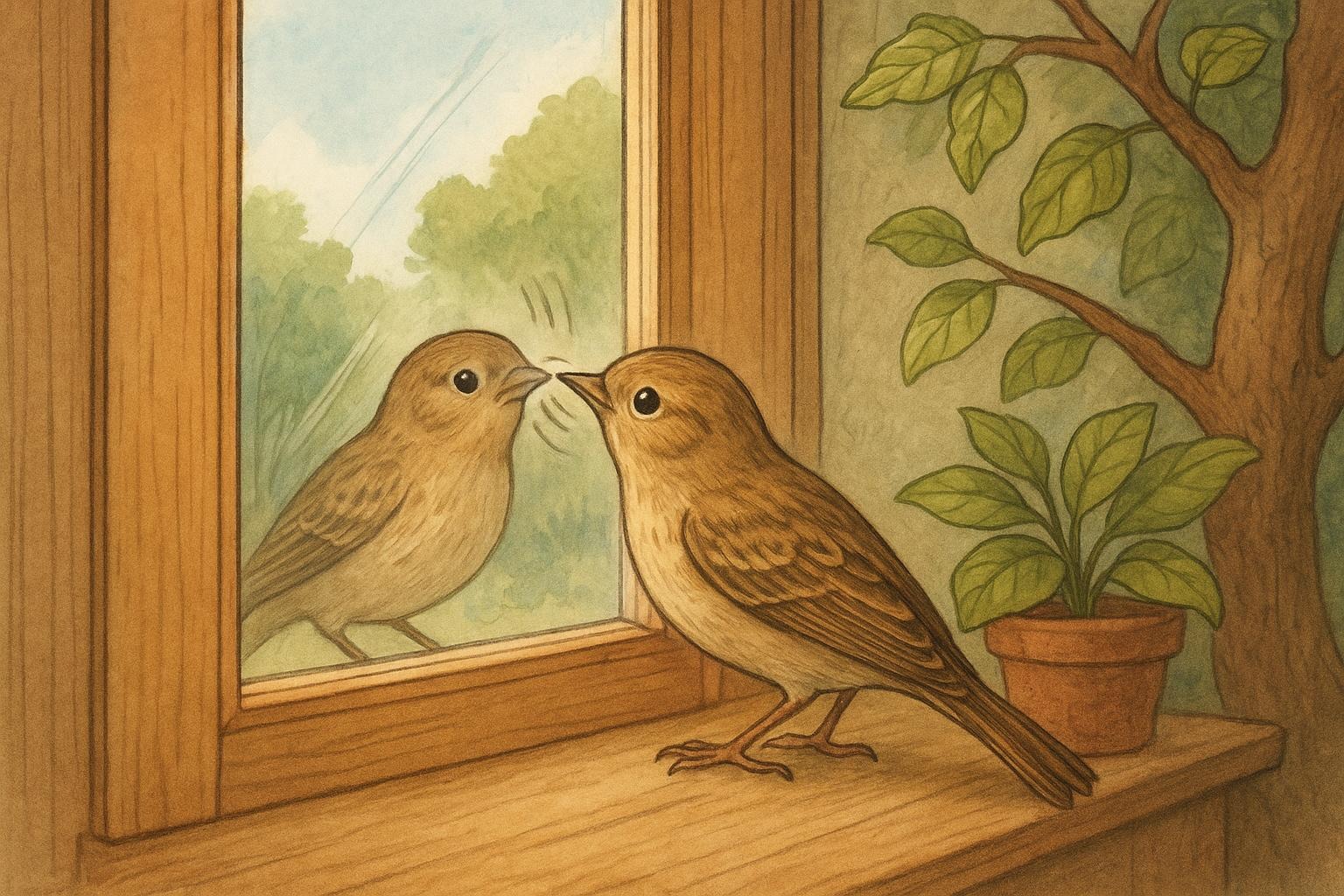
Hello there — if you’ve ever been clued in to a rhythmic rapping at your living room glass and wondered whether you’ve become a tiny percussion hall for the avian neighborhood, you’re in the right place. Birds tapping on windows can be startling, curious, and honestly a little sad, but the behavior usually has a reason (or several). This article walks through why birds do it, how to tell what’s going on, and practical, well-explained fixes so both you and your feathered friends can get a better night’s sleep.
## Bird Window Tapping: What It Is And Why It Happens
Bird window tapping is a behavior where birds peck, hop, or strike at glass surfaces. It can be noisy and persistent. There are a few main categories of causes: territorial displays, mating frustrations, mistaken reflections, and confusion during migration. Understanding which category fits your situation will guide the right response.
### Territorial And Mating Triggers
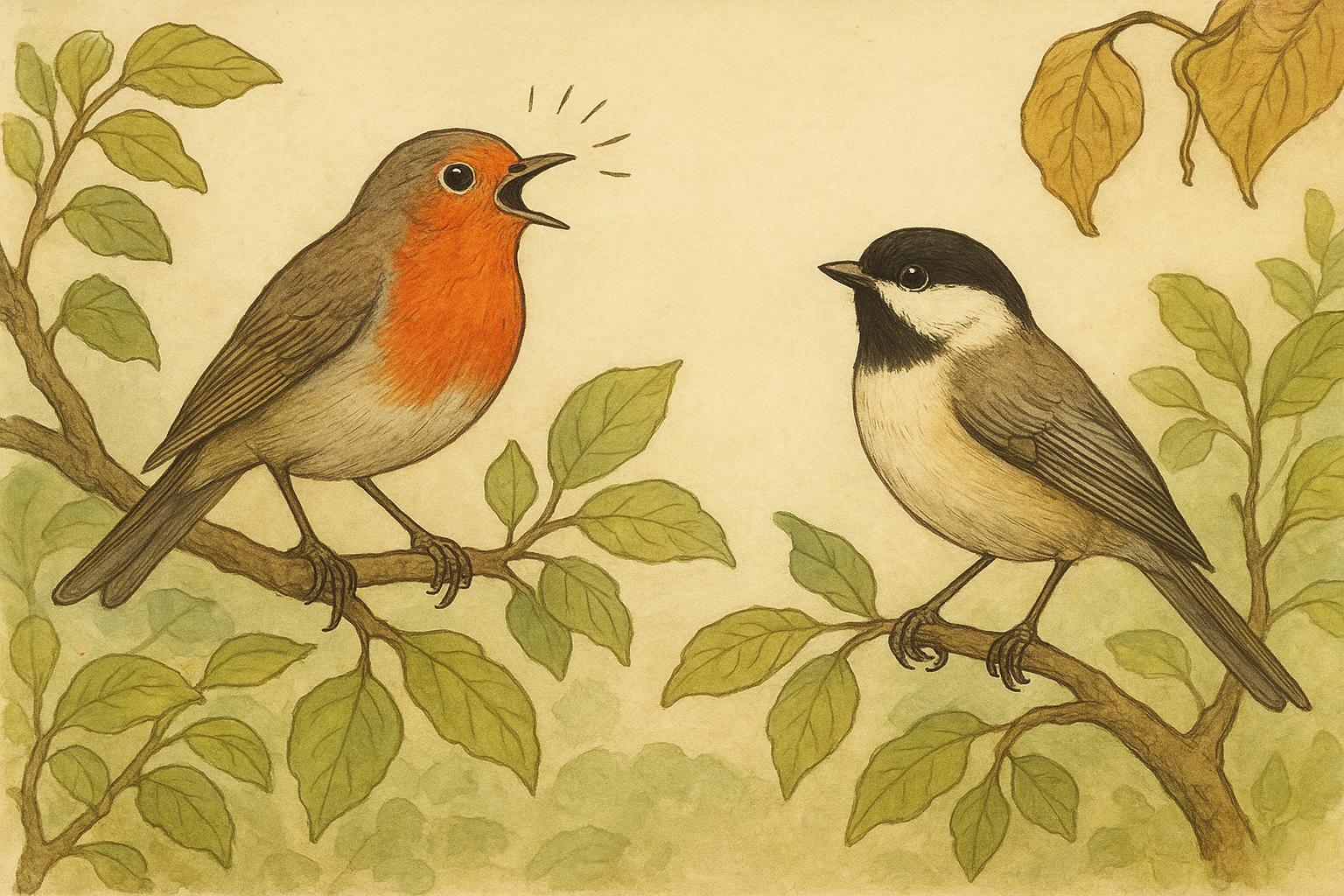
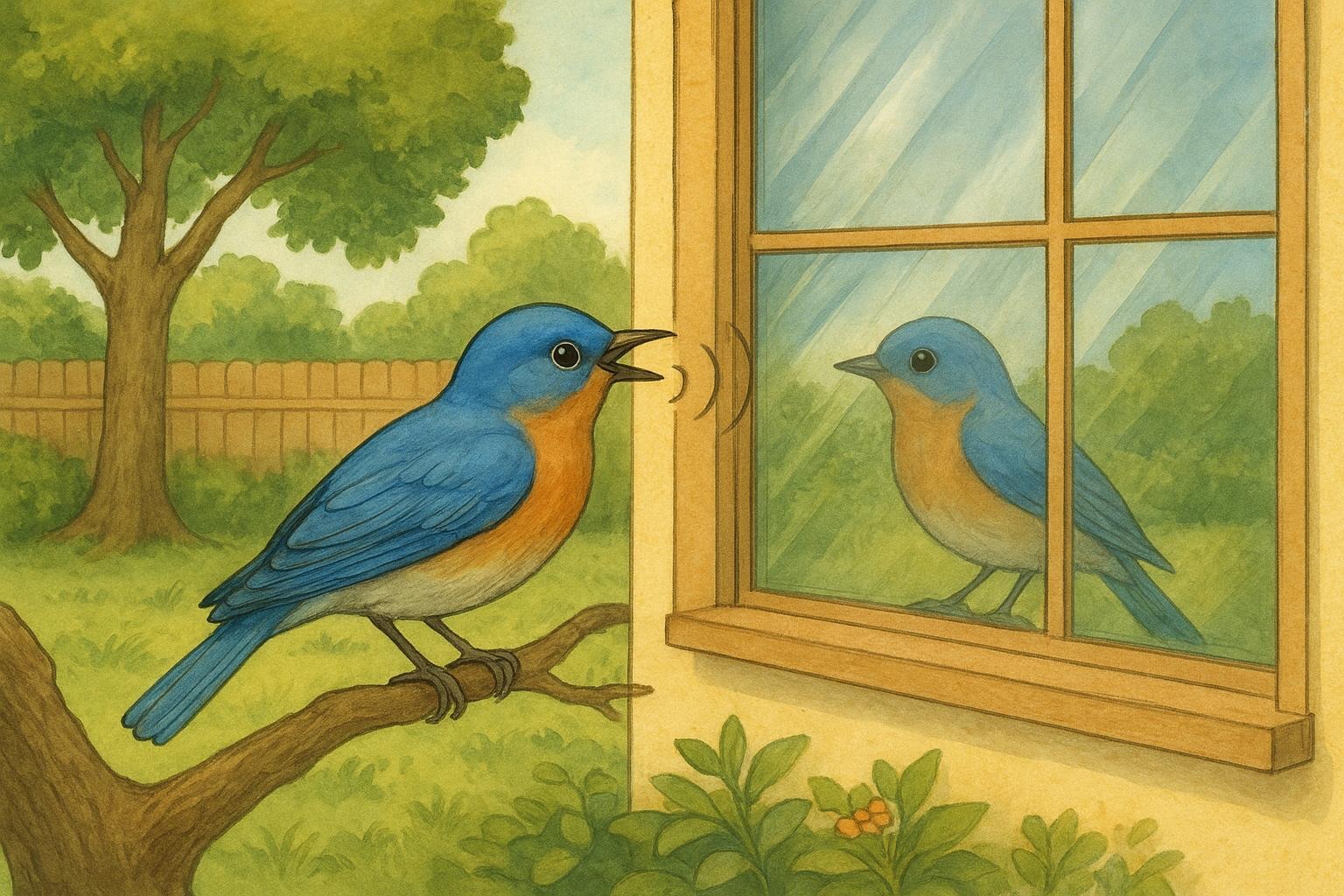
Male birds often defend what they perceive as their territory. A shiny window reflecting sky, trees, or even the bird itself can look like an intruder flapping around in its turf. That reflection triggers an attack or a series of warning taps intended to drive the “other” bird away. During breeding season many species (robins, cardinals, sparrows, towhees) become especially aggressive, and bird window tapping increases.
### Mistaken Reflection And Migration Confusion
Windows can be deceptive mirrors. When they reflect continuous habitat — a row of shrubs, the open sky — birds may try to fly through or attack the image. Migratory birds, traveling at odd hours or attracted to lights, sometimes collide with glass while disoriented. Repeated non-injurious contact can appear as incessant tapping.
#### Glass And Light Characteristics
Thicker glass, double panes, and highly reflective coatings can worsen the illusion. Interior and exterior lighting at dawn, dusk, or nighttime can change what a bird sees, sometimes making a window suddenly more attractive or threatening.
## How To Tell If A Bird Is Tapping Or Hitting Your Window
A tap is generally less violent than a full collision. Listen and watch: tapping often sounds like a series of soft pecks or claws against the frame, sometimes paired with calling. Collisions are louder, single-impact events and can result in stunned or injured birds.
### Signs To Watch For
– Repetitive pecking or vocalizing directed at a specific window.
– Feathers on the sill or nearby.
– A bird repeatedly flying into a single pane at dawn or dusk.
– Visible breeds known for aggressive territoriality near nesting sites.
#### When To Intervene
If a bird seems stunned, is sitting upright but not flying, or shows visible injuries, it may need care. If it’s merely tapping and flying away between contacts, reducing the window’s reflective properties often solves the problem.
## 1. Simple Visual Barrier Remedy (Decals And Strips)
When bird window tapping is driven by reflections or perceived intruders, creating visible markers on the glass disrupts the illusion. This remedy is effective, low-cost, and appropriate for most homes.
Materials:
– UV-reflective bird decals or commercial bird tape (choose patterns spaced no more than 2–4 inches apart for small birds, 4–6 inches for larger species).
– Rubbing alcohol and a clean cloth.
– Squeegee and soapy water (if needed for larger film application).
– Scissors (if trimming strips).
Creation And Application (Formal Steps):
1. Clean the Window: Use rubbing alcohol on a lint-free cloth to remove oils and residues where decals or tape will adhere. Allow to dry completely.
2. Measure and Plan: Determine the area to cover. For problem spots where tapping is concentrated, plan a grid of markers no more than 2–4 inches horizontally and vertically for small passerines.
3. Apply Decals Or Tape: Peel the backing and affix decals or strips to the exterior of the glass. Apply firm pressure to remove bubbles. For tape, run a squeegee outward along the strip.
4. Trim And Secure Edges: Cut any excess with scissors and press down edges to prevent peeling from weather.
5. Perform A Test: Observe for 24–48 hours. If bird window tapping persists, increase density of markers or expand coverage to adjacent panes.
Notes: Place decals on the exterior surface when possible; interior placement is less effective because reflections often occur outside. Choose non-glossy, matte products to avoid introducing new reflective surfaces.
## 2. Window Film And Habitat Adjustments
For chronic issues or large panes, a more substantial solution such as patterned window film or changing surrounding habitat can reduce bird window tapping and collisions.
Materials:
– Opaque or patterned window film rated for bird collision prevention (UV-absorbing films are recommended).
– Measuring tape.
– Utility knife and straight edge.
– Spray bottle with soapy water (for wet application).
– Ladder and helper (for larger panes).
Creation And Application (Formal Steps):
1. Select Appropriate Film: Choose film with visible patterning to birds and with UV contrast if possible. Verify manufacturer claims regarding bird-safety performance.
2. Measure And Cut: Measure each pane precisely and cut the film slightly larger than the glass dimensions.
3. Prepare The Glass Surface: Clean thoroughly with soapy water, then rinse and leave a thin wet layer to aid positioning during application.
4. Wet-Apply Film: Peel backing and spray adhesive side with soapy water. Apply to the glass and slide into position.
5. Remove Air Bubbles: Use a squeegee to press water and air out from the center toward the edges.
6. Trim Excess: Trim carefully with a utility knife along the window frame.
7. Maintain Surroundings: Reduce outside lighting near windows during migration periods and trim vegetation that creates deceptive reflections of continuous habitat.
Notes: Professional installation is recommended for very large or high windows. Window film is a durable option and also reduces heat gain, giving an energy benefit.
## Understanding Species-Specific Behaviors
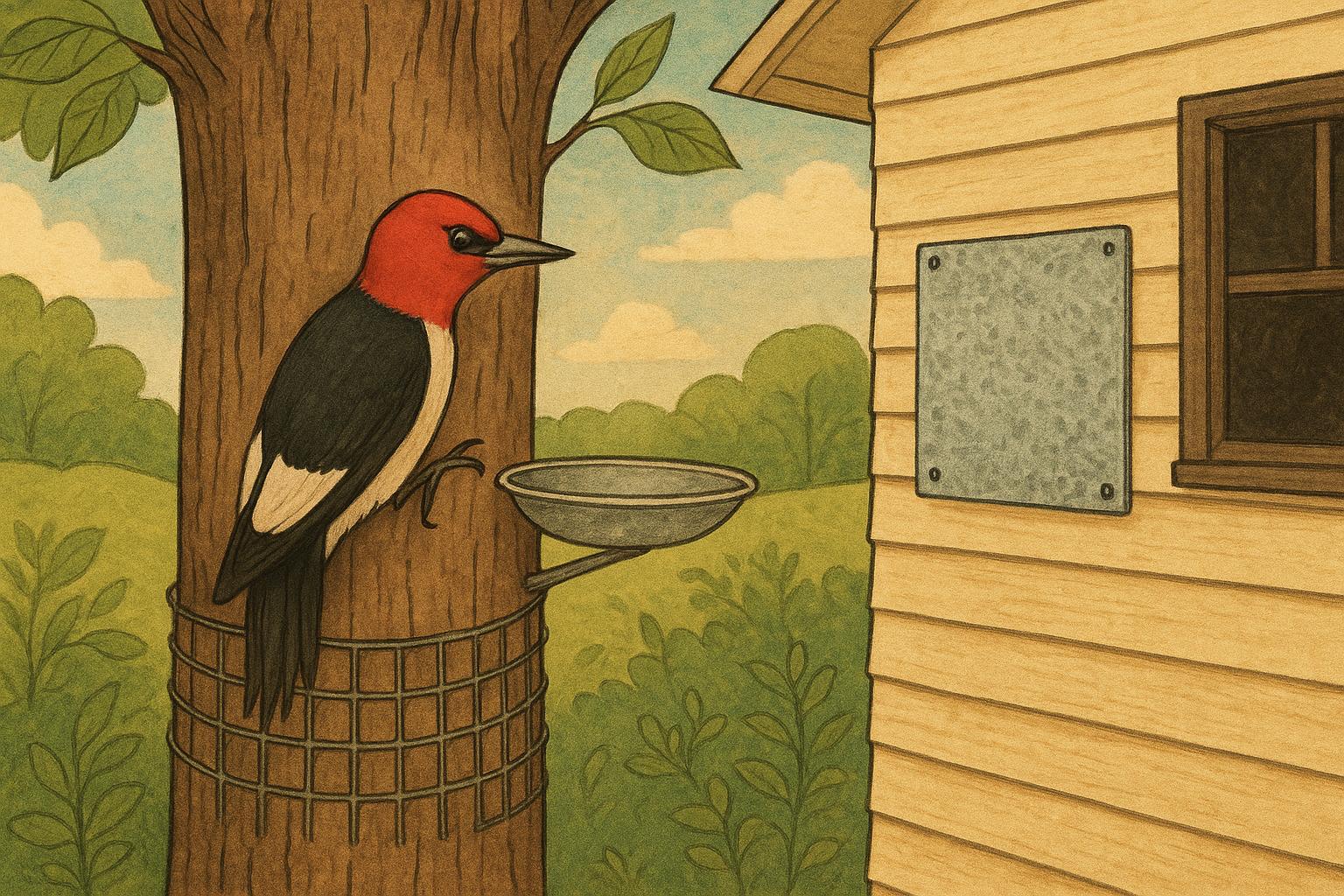
Certain species are more likely to engage in bird window tapping because of territoriality or visual acuity. Cardinals and mockingbirds are notorious territory defenders. Woodpeckers may tap for food but can sometimes shift that behavior to bright surfaces. Recognizing the species involved helps tailor the remedy: more aggressive birds may need denser visual barriers.
### Monitoring And Recordkeeping
Keep a simple log for a week: time of day, weather, species, window location. Patterns will emerge; if tapping peaks at sunrise, likely territorial or mating-related. If it’s at night, artificial lighting or migratory confusion might be the cause.
#### When To Contact A Professional
If you find an injured bird or repeated collisions despite reasonable mitigation, contact local wildlife rehabilitators or bird conservation groups. Provide details from your log; many organizations can advise on next steps or escalate to window specialists.
## What To Do If A Bird Is Injured
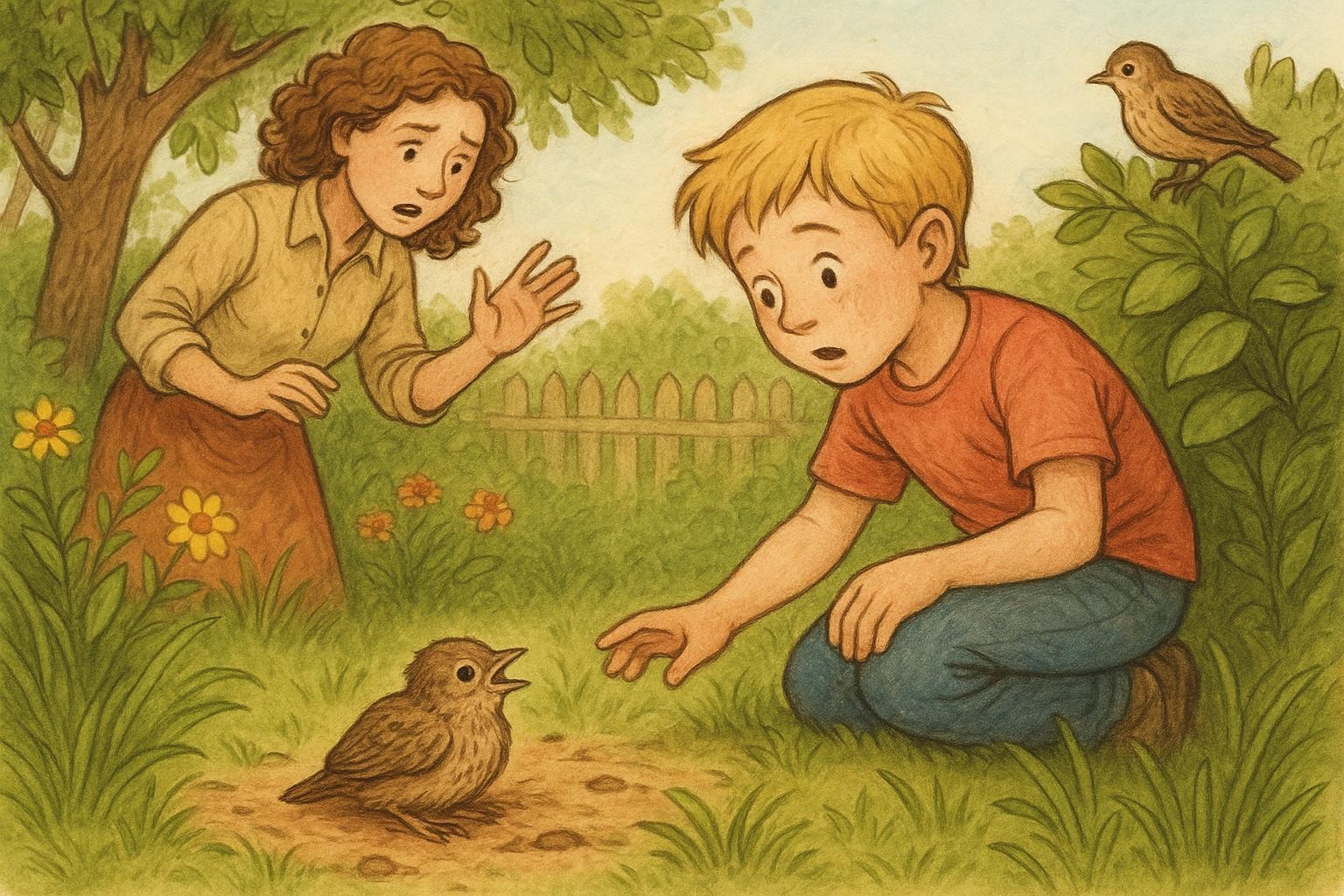
Immediate, calm action is important for an injured bird. Wear light gloves, move slowly, and place the bird in a ventilated box with a soft cloth. Keep it in a quiet, warm, dark place and contact a licensed wildlife rehabilitator promptly. Do not attempt to feed or give water unless instructed by a professional.
### Legal And Ethical Notes
In many places, it is illegal to keep wild birds without appropriate permits. When in doubt, reach out to a regional wildlife agency. They can direct you to rehab centers and provide guidance on handling migratory species protected under law.
## Practical Tips To Reduce Future Incidents
– Keep interior and exterior lights off during peak migration periods when possible.
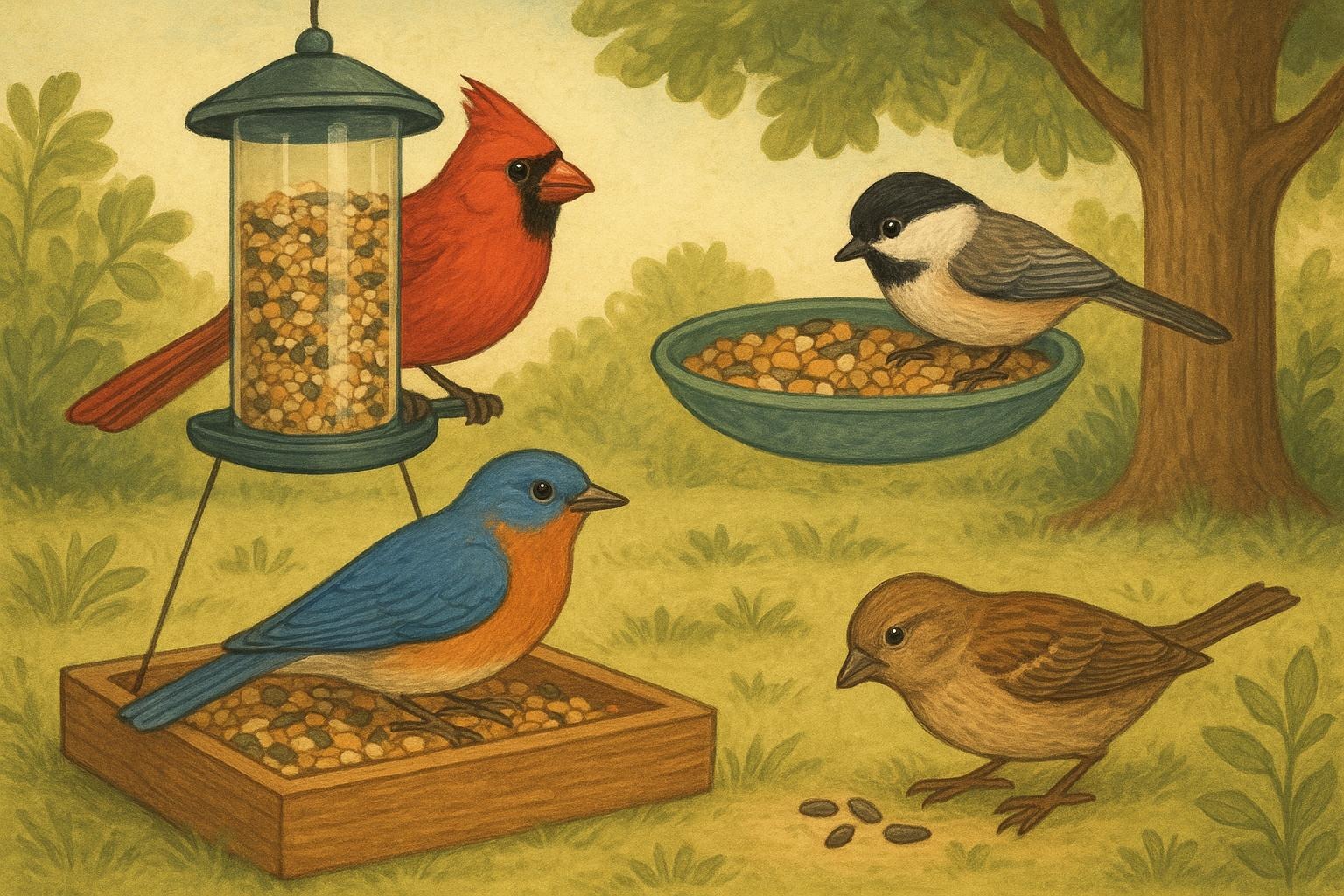
– Move bird feeders and baths away from windows (at least 30 feet or within 3 feet to prevent lethal speed).
– Install external screens or shutters for a permanent physical barrier.
– Replace highly reflective glass with bird-friendly alternatives when renovating.
If, after reasonable mitigation steps, bird window tapping or collisions continue daily, consult a window safety specialist or local conservation group for targeted assessment and possible retrofit options.






Leave a Reply