

## Meeting The Backyard Fox: First Impressions
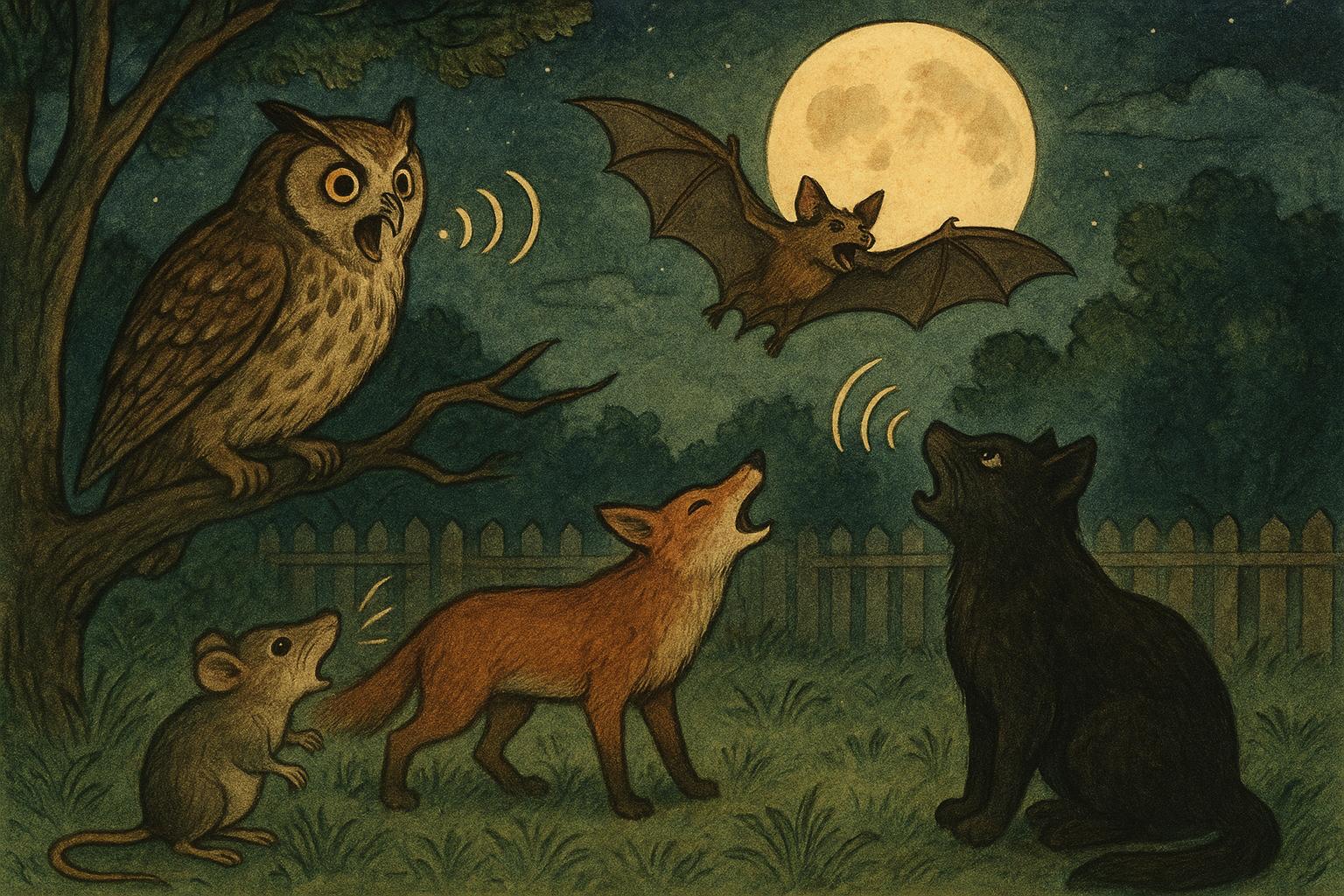
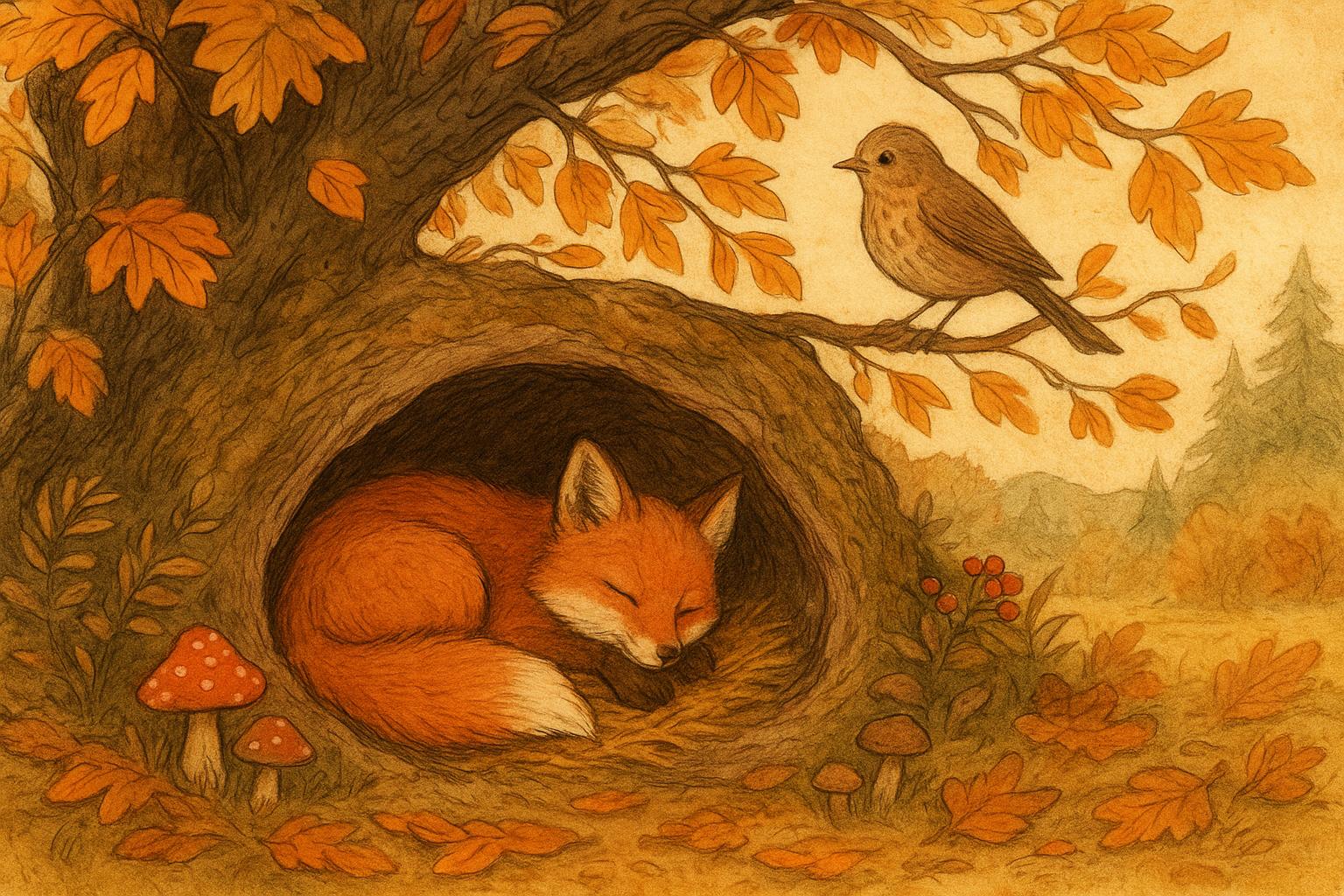
There’s a particular kind of hush that falls over a garden when twilight drifts in and the neighborhood noise softens — cue the sly cameo of a backyard fox. You might first notice an elegant silhouette between the roses or the gentle patter of paws across the lawn. They move like small, russet thoughts, curious and careful, inspecting the borders of your human habitat as if auditioning for a role in a woodland play.
A backyard fox is rarely the raucous troublemaker of cartoons. Mostly, it’s an odd mix of charm and mischief: clever, cautious, and sometimes a little brazen about garden-raiding. Whether you spy one on a moonlit wander or find evidence in the compost bin the next morning, these animals are part of a living, breathing ecosystem that exists right outside your kitchen window.
### The Fox As A Quiet Night Performer
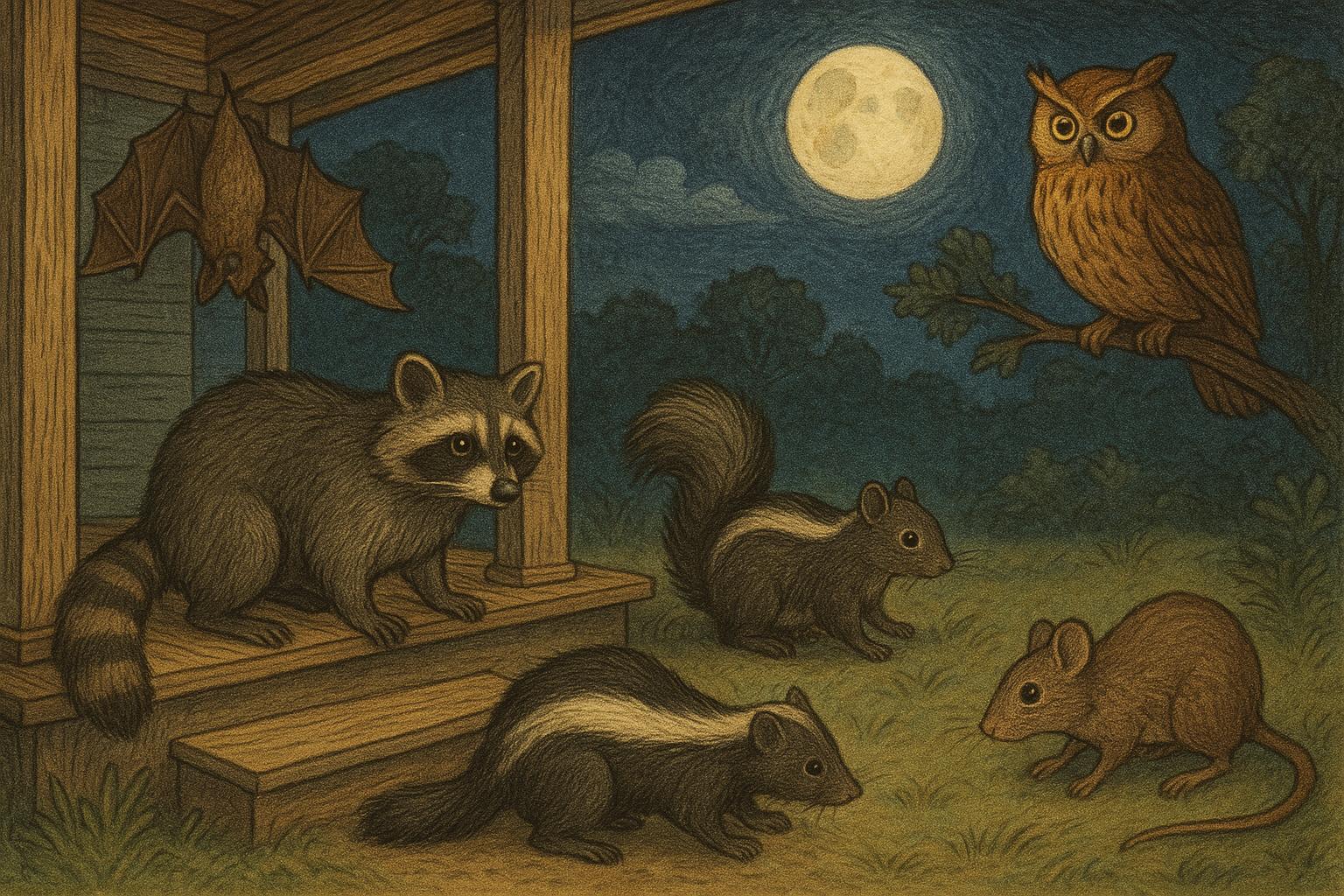
If you’re lucky, a backyard fox will show up like a traveling minstrel of the night — ears up, bushy tail high, moving with a confidence that implies it has somewhere important to be (yet chooses your flowerbeds at 2 a.m.). They are hunters and foragers, not nocturnal vandals; the things they sometimes take are part of the natural rhythm of a small predator’s diet.
Spotting a backyard fox is about patience and a little luck. Turn off porch lights, reduce motion, and perhaps have a cup of tea in hand. They notice human presence, so a gentle, still silence increases your chances of seeing them at ease.
### Signs A Fox Has Been Visiting
You don’t always need to see the guest to know it arrived. Look for:
– Disturbed compost or overturned bins.
– Small, rounded tracks about 5–7 cm across.
– Scat that may contain fur, bones, or plant material.
– Missing garden birds or unexplained holes in raised beds.
A backyard fox will rarely be destructive for sport. Often what appears as mischief is practical — they’re hunting rodents, digging for grubs, or just investigating a promising scent.
#### Tracks, Droppings, And Leftover Snacks
Fox tracks can be confused with small dog prints, but they tend to show a more triangular pad and cleaner lines. Fox droppings often contain remnants of their last meal: hair, seeds, and small bones. If you find a spot where bulbs are missing, it might be a hungry fox sampling the buffet — they are omnivorous and will take bulbs, fruits, and occasionally vegetables.
## Remedy 1: Humane Deterrent For Poultry And Compost
If your backyard fox crosses from charming to problematic — taking chickens, kittens, or making a habit of the compost — it’s time for a measured response. The following remedy outlines a humane deterrent strategy to protect vulnerable animals and waste while minimizing harm to the fox and the environment.
### Materials Needed
– Sturdy wire mesh or hardware cloth (1/2-inch hex mesh recommended)
– Heavy-duty zip ties and galvanised staples
– Motion-activated light or sprinkler (optional)
– Commercial-grade predator-proof coop kit (if protecting poultry)
– Thick gloves and basic hand tools (wire cutters, hammer, staple gun)
#### Step-By-Step Creation And Application
The instructions below are intended to be followed carefully and to meet local wildlife regulations. Where poultry are concerned, always prioritize secure housing and daytime supervision.
1. Secure Poultry Housing:
– Inspect the coop for gaps larger than 1 inch. Replace or cover with hardware cloth.
– Bury mesh at least 12 inches into the ground around the perimeter of the run to prevent digging access.
– Fasten the mesh securely to the coop frame using galvanised staples and reinforce corners with zip ties.
2. Protect Compost and Bins:
– Use an airtight compost bin with a locking lid. For large piles, construct a wire enclosure using 1/2-inch mesh, anchored and buried slightly at the base.
– Avoid adding meat scraps or strong-smelling food that actively attracts predators.
3. Add Deterrents:
– Install motion-activated lights sparingly; sudden light can discourage regular nightly visits but shouldn’t be used excessively as it disrupts nocturnal wildlife.
– Consider a motion-activated sprinkler for lawn areas where foxes dig; ensure placement won’t harm plants.
4. Routine Checks and Maintenance:
– Inspect barriers weekly for signs of lifting, chewing, or rust. Tighten or replace fastenings promptly.
– Rotate the use of deterrents every few weeks to prevent habituation.
5. Legal and Ethical Considerations:
– Do not use poison, glue traps, snares, or any method that causes prolonged suffering.
– If the fox demonstrates aggressive behavior or is obviously rabid or injured, contact licensed wildlife control or local animal services immediately.
When executed correctly, these measures reduce conflict while allowing the fox to continue its role in controlling pests. The goal is exclusion, not elimination.
## Remedy 2: Creating A Fox-Friendly Corner To Encourage Coexistence
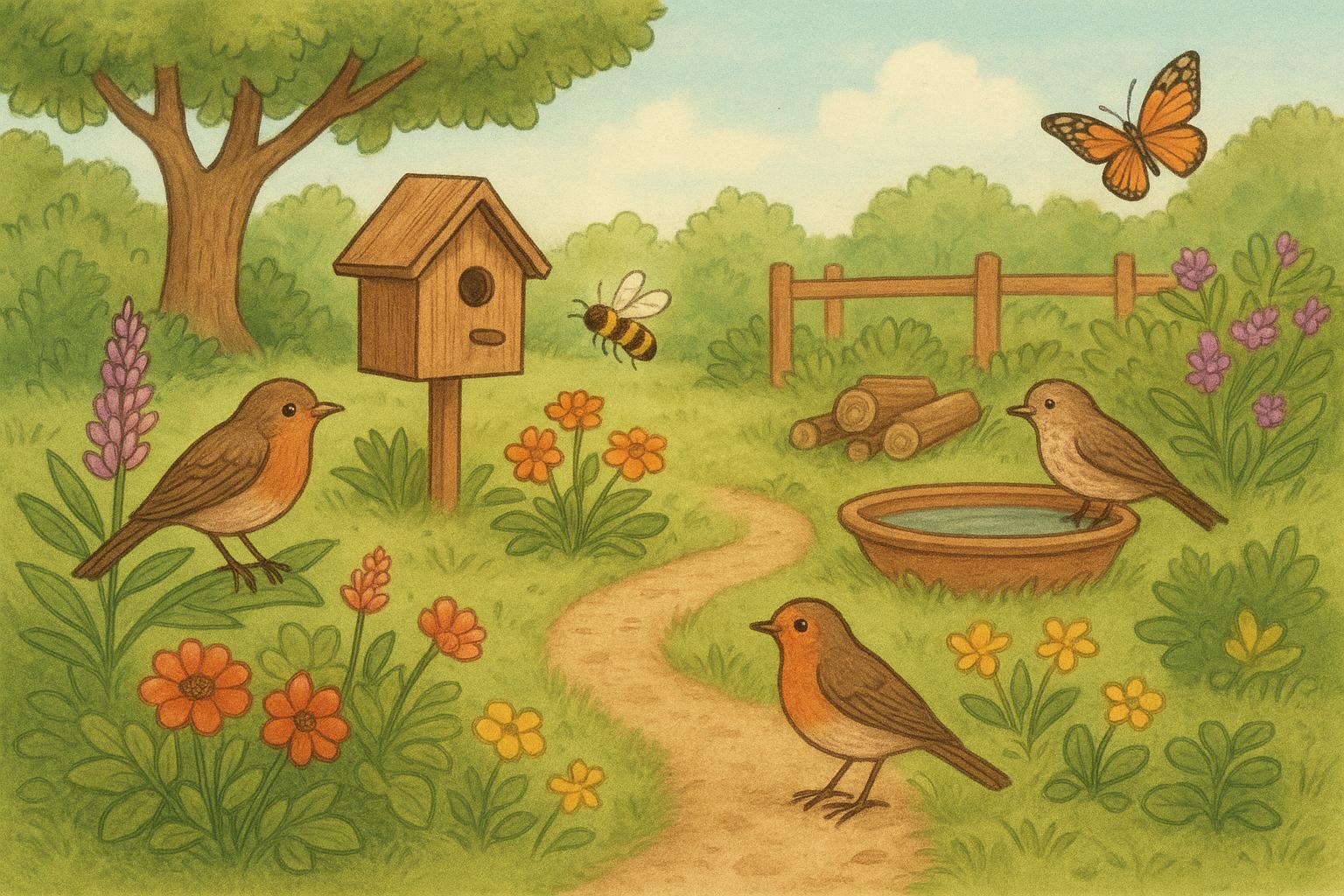
Sometimes the best remedy is to redirect. If you prefer a peaceful coexistence, setting up a small, managed area for wildlife can keep foxes away from the parts of your garden you want to protect. This approach is as much about garden design as it is about wildlife ethics.
### Materials Needed
– Native shrubs and dense, low-level plantings (e.g., hawthorn, bramble)
– Mulch and soil amendments appropriate to plants selected
– A shallow, clean water source (wildlife bowl)
– Signage or a small barrier to discourage pets from entering the area
– Optional small log pile or brush pile for shelter
#### Step-By-Step Creation And Application
1. Choose A Location:
– Select a less-trafficked corner of your garden, preferably along a boundary where foxes already travel.
– Ensure the spot is not too close to poultry pens or vegetable beds.
2. Prepare The Soil:
– Amend the soil according to the needs of chosen native plants to encourage healthy growth.
– Lay a thick mulch layer to suppress weeds and create a softer substrate for wildlife.
3. Plant For Cover And Forage:
– Install dense native shrubs and thorny plants that offer both shelter and food sources (berries, insects).
– Include layered plantings: groundcover, shrubs, and small trees to mimic natural edges.
4. Provide Water And Shelter:
– Place a low wildlife water bowl away from main paths and keep it clean.
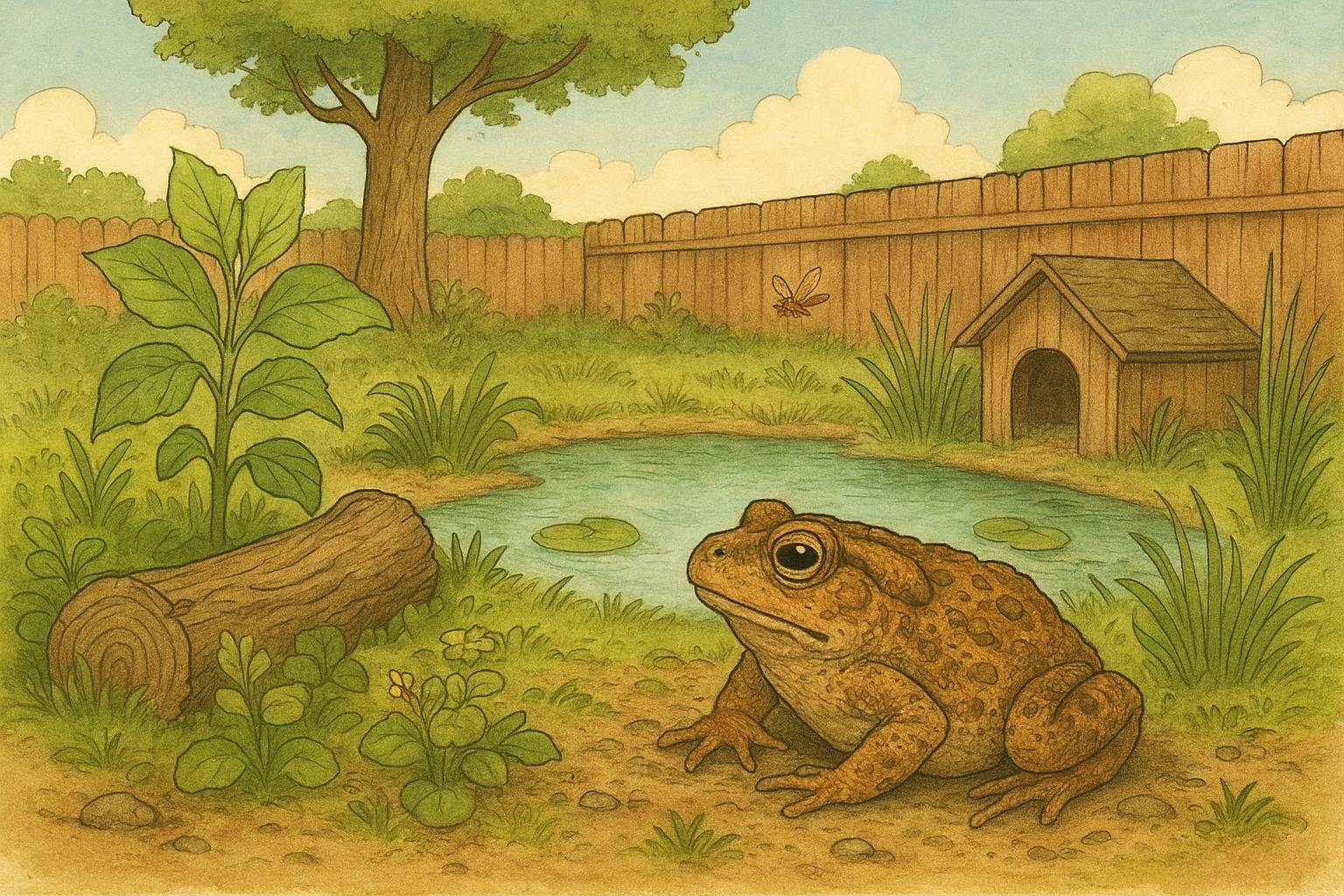
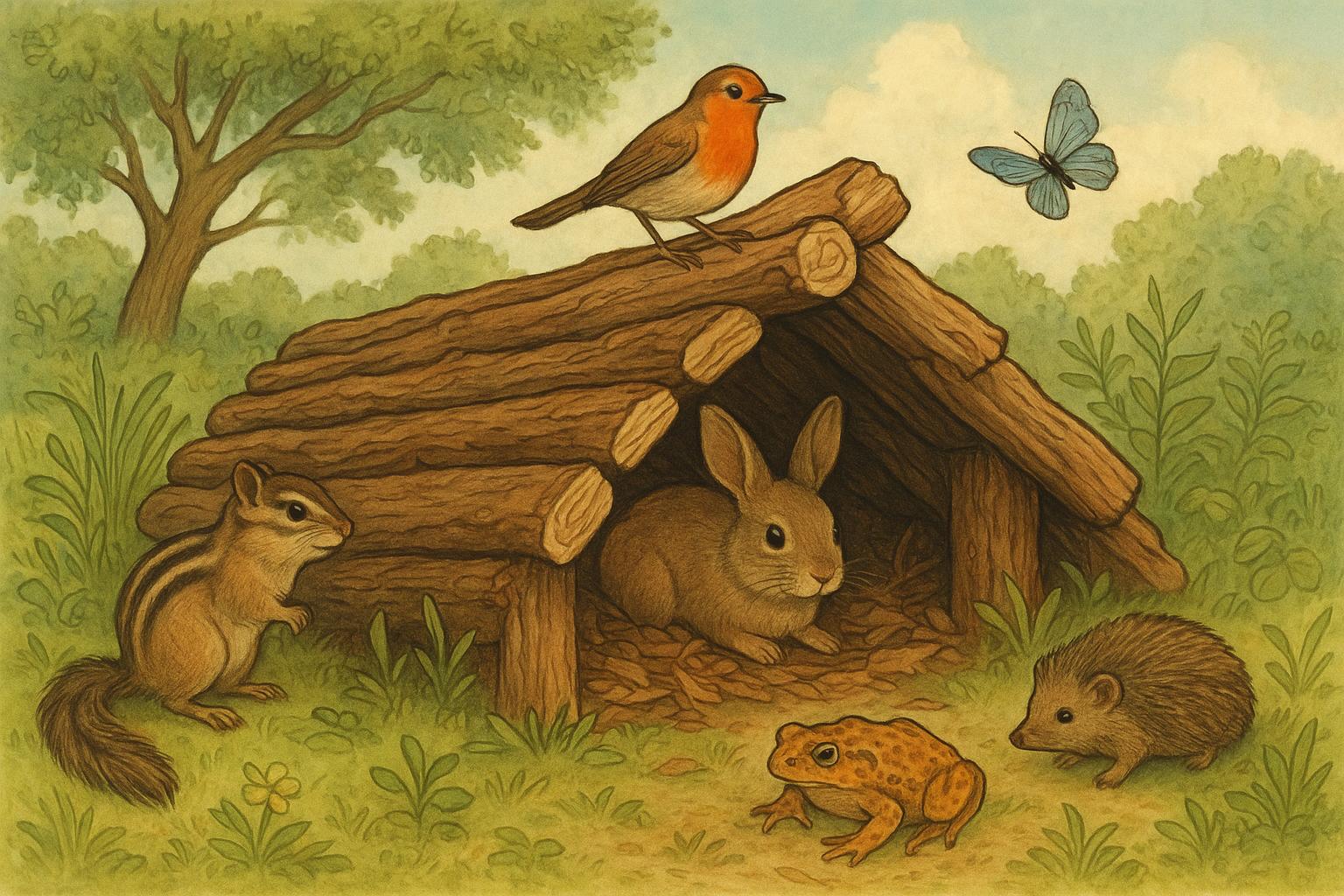
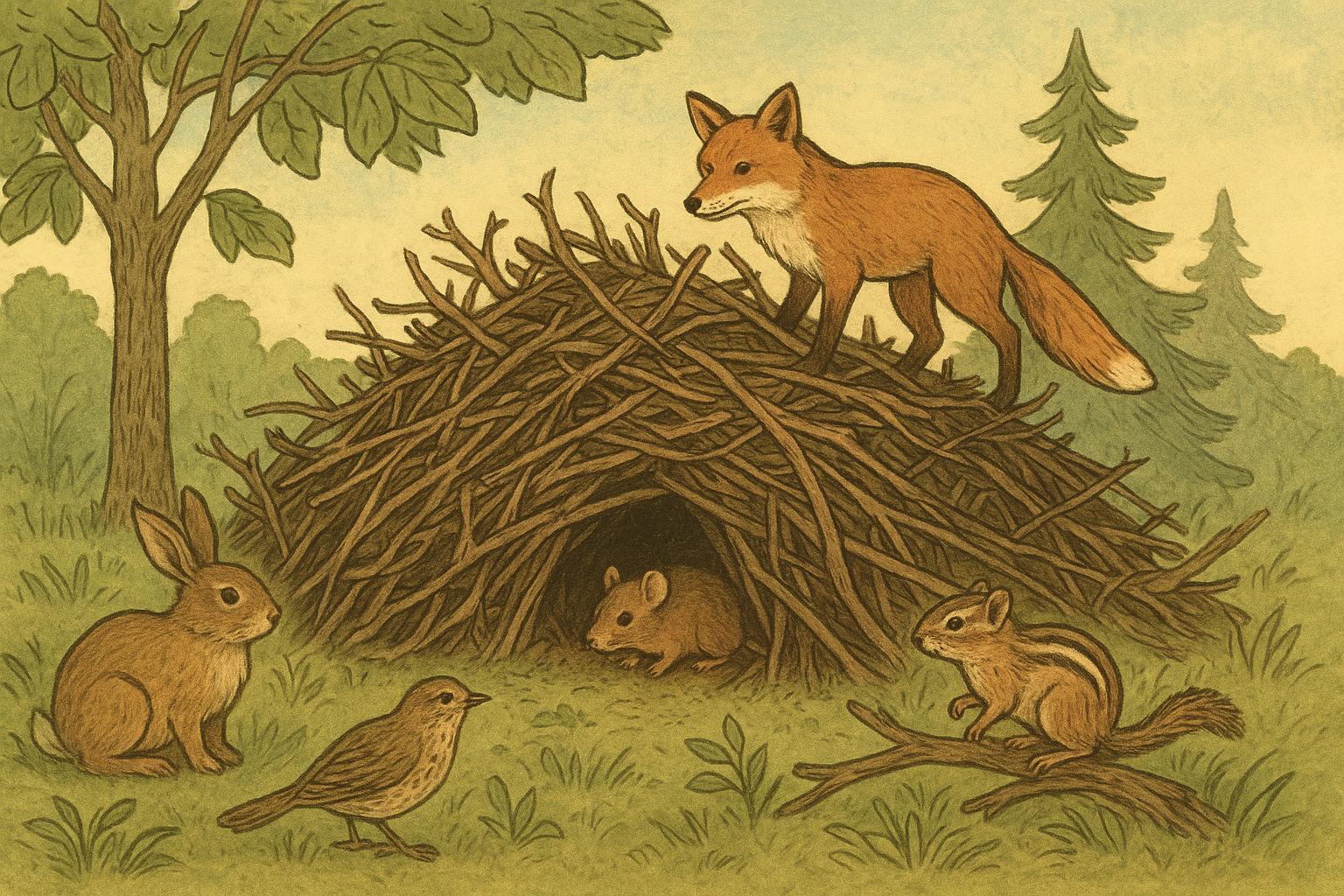
– Create a brush pile or a small log stack to offer shelter for rodents and insects — this supports a balanced food web so foxes have natural prey without needing to invade sensitive areas.
5. Manage Access:
– Use temporary barriers to keep pets and children away while plantings establish.
– Monitor the corner seasonally; maintain the vegetation and water source to sustain habitat value.
This method encourages natural behaviors and can make your yard a mini-refuge that satisfies foxes’ needs without making them pests in your prime garden spaces.
### Legal And Safety Notes For Handling Wildlife
Laws vary widely; in some places foxes are protected and in others they are classified differently. Before attempting any intervention beyond exclusion (fencing, deterrents, habitat modification), consult local wildlife authorities or a licensed wildlife rehabilitator for guidance. Never attempt to capture or relocate a wild fox yourself unless properly permitted and trained.
If you observe signs of illness, aggressive behavior, or unusually tame actions (which can indicate habituation or disease), contact local animal control. For personal safety, maintain distance, supervise children and pets, and secure attractants (pet food, unsecured garbage) that draw wildlife closer to living spaces.
The backyard fox is a fascinating neighbor — with a little planning and respectful boundaries you can enjoy their presence without letting them overstay their welcome.



































Leave a Reply