

Welcome to your backyard safari—where the acorn is king, the trees have tenants, and the occasional squirrel performs dramatic leaps like it owes rent. If you’re curious about who’s living where, why they picked your oaks, and what to do when their business conflicts with yours, you’re in the right place. This guide keeps things friendly and practical, with the serious parts (remedies) written clearly so you can act confidently.
## Understanding Squirrel Habitat In Your Backyard Guide
### Why Squirrels Choose Your Yard
Squirrels are opportunists with a PhD in “make-yourself-at-home.” A good squirrel habitat combines food, cover, and safety. Neighborhoods with mature trees, shrub layers, bird feeders, and accessible nesting sites are very appealing. Squirrels don’t need much persuasion: a reliable food source and some cover will do the rest.
#### Food Sources And Shelter
Squirrels rely on nuts, seeds, fruit, buds, fungi, and even insects. Bird feeders and gardens are like all-you-can-eat buffets. For shelter, cavities in trees, leafy drey nests, brush piles, and soffit or attic voids offer protection from predators and weather. The presence of many of these elements creates a robust squirrel habitat that supports multiple individuals and generations.
### Common Types Of Squirrel Habitat You May Find
– Trees With Dreys: Leaf nests high in the canopy used in fair weather and for raising young.
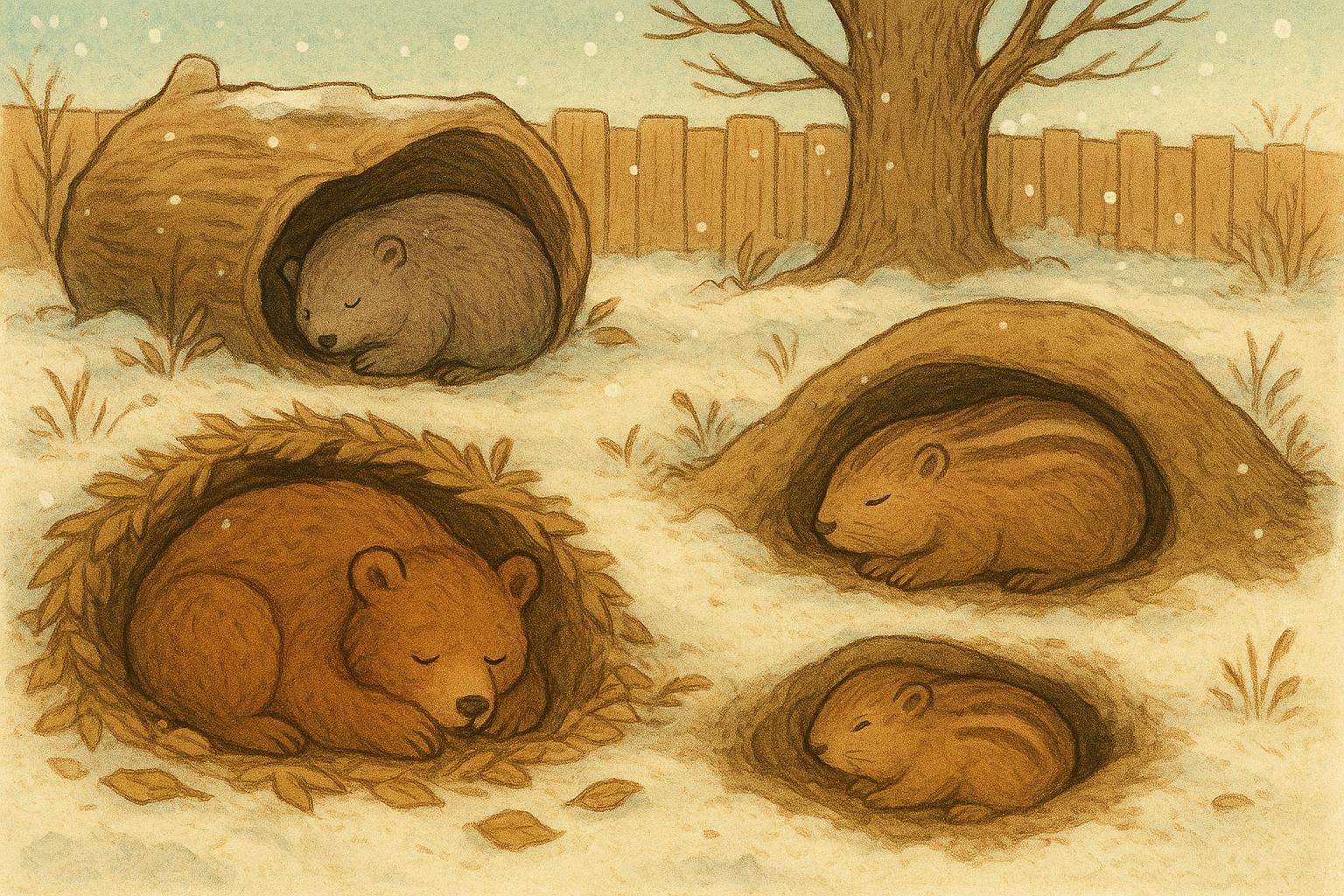
– Tree Cavities: Often used for winter dens and by species that prefer enclosed spaces.
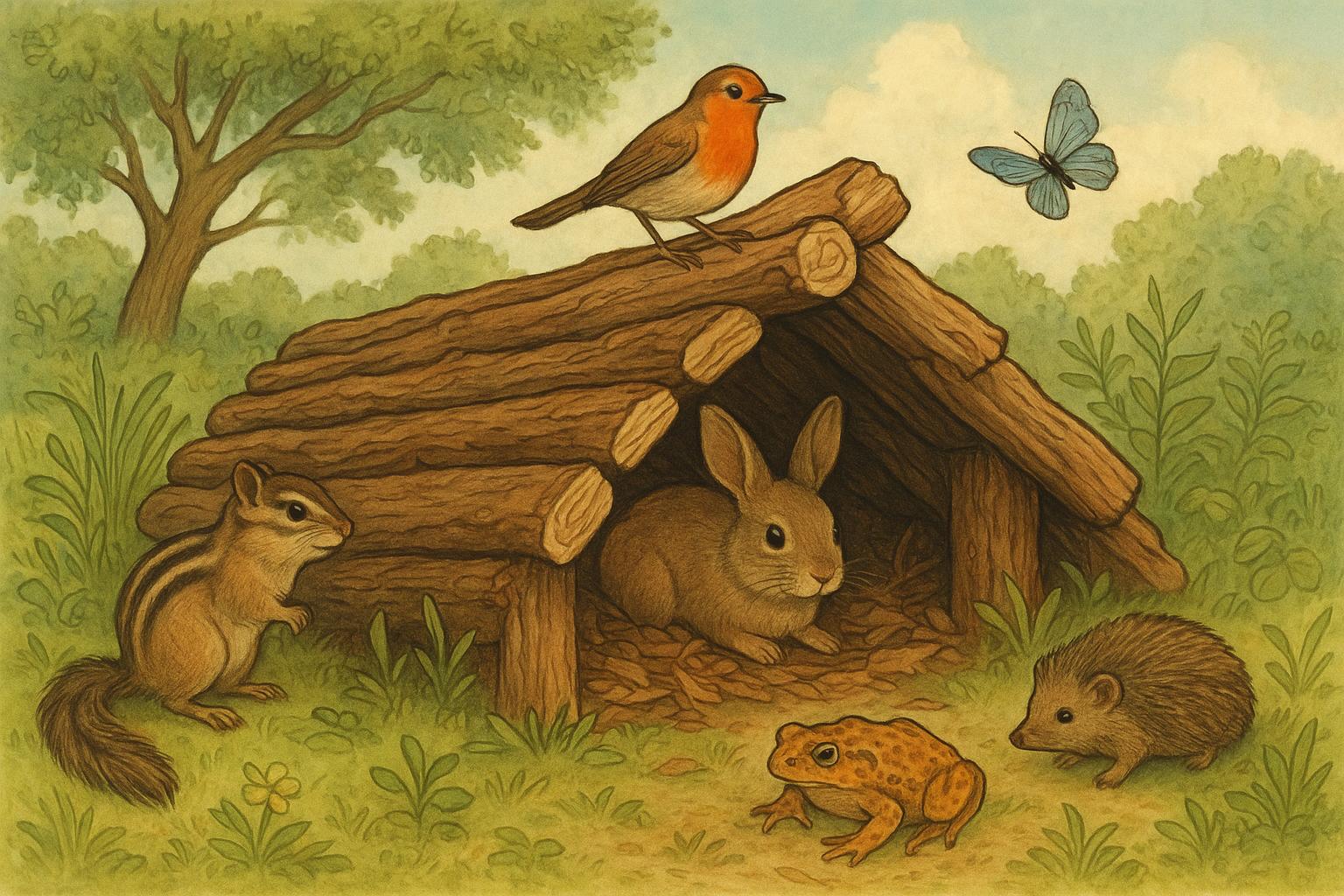
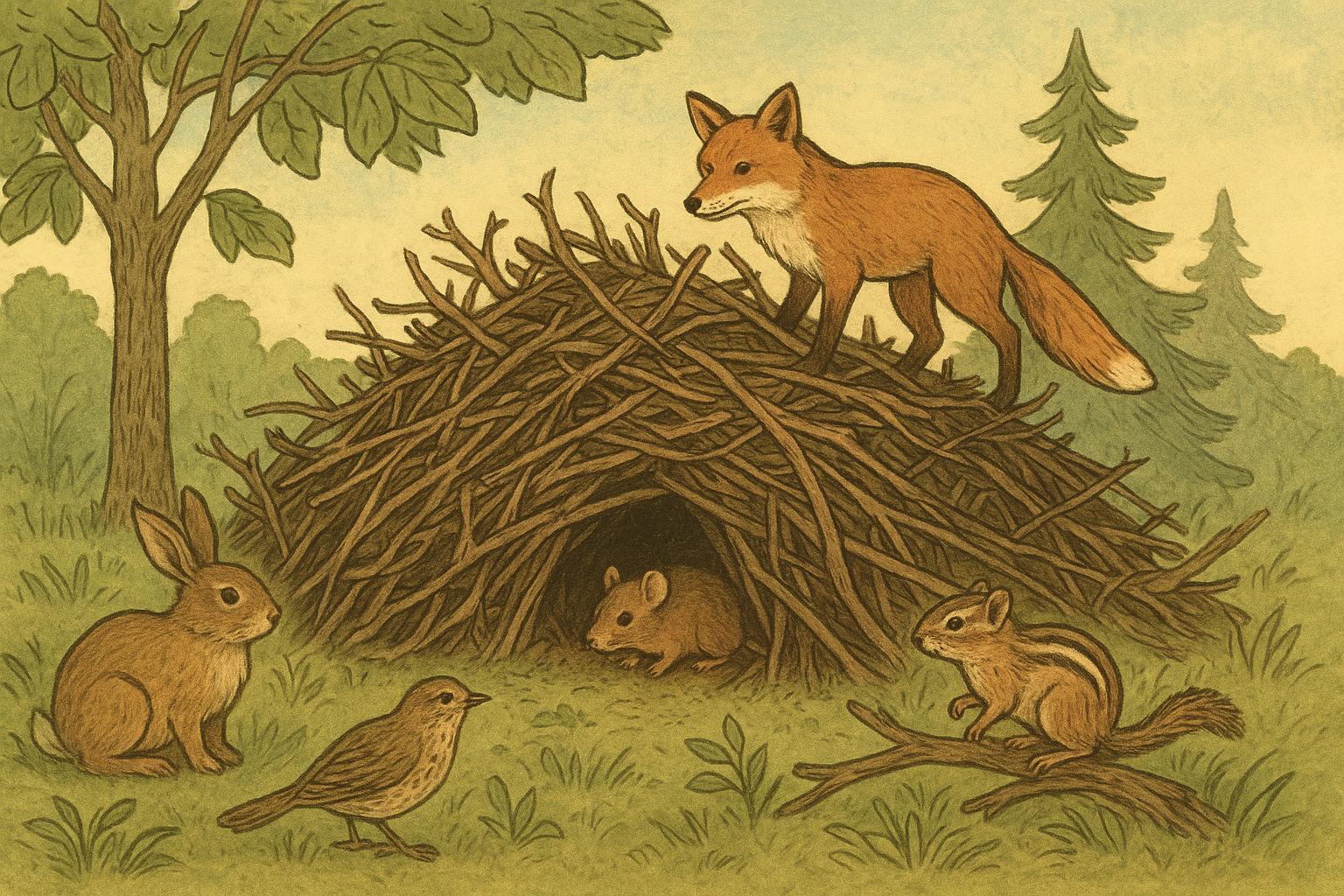
– Brush Piles And Woodpiles: Low, dense cover that offers hiding and forage areas.
– Human Structures: Attics, eaves, and crawlspaces—warm, dry, and sometimes food-adjacent.
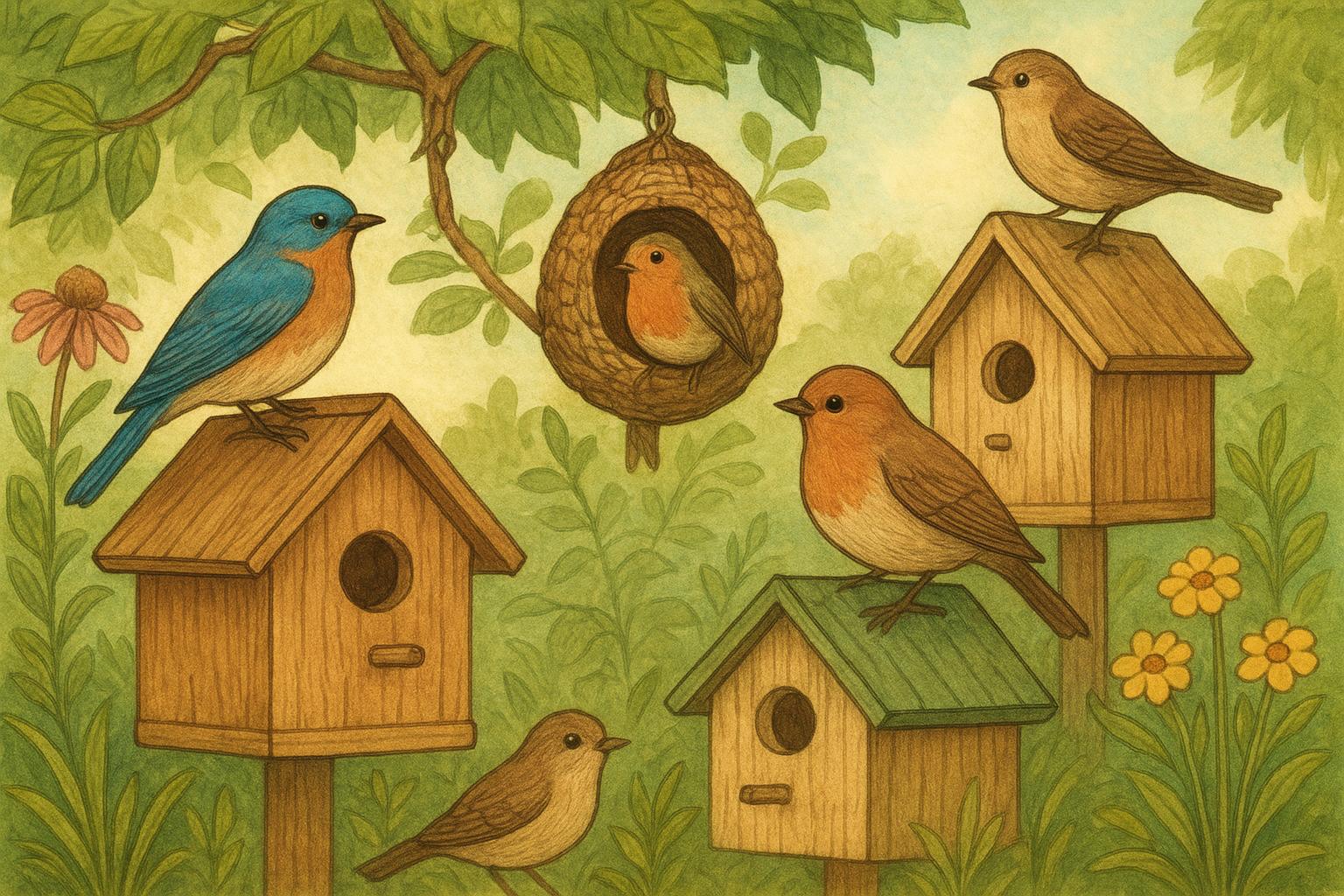
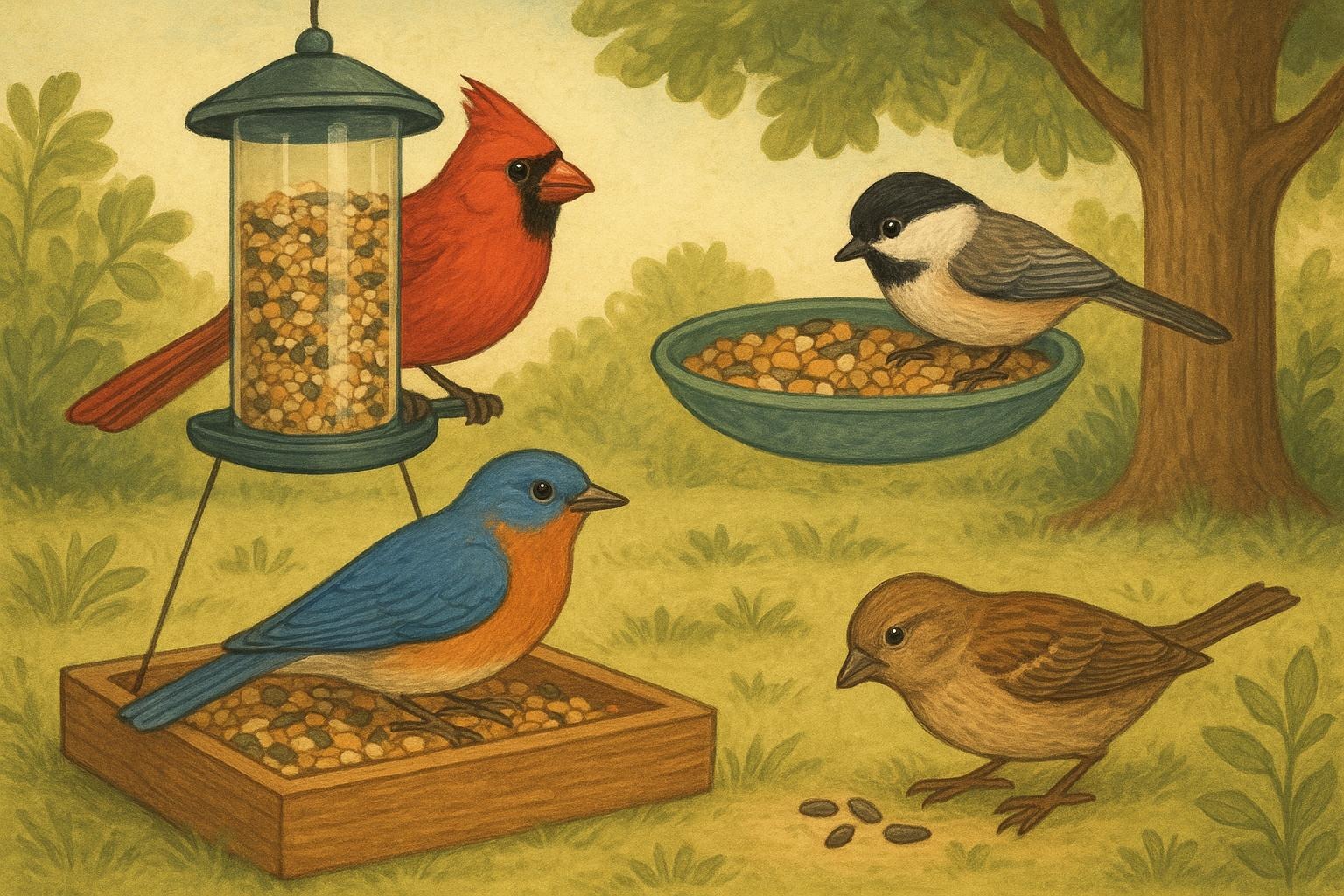
– Gardens And Bird-Feeding Stations: Food-rich microhabitats that draw repeat visitors.
#### Tree Nests Vs. Den Sites
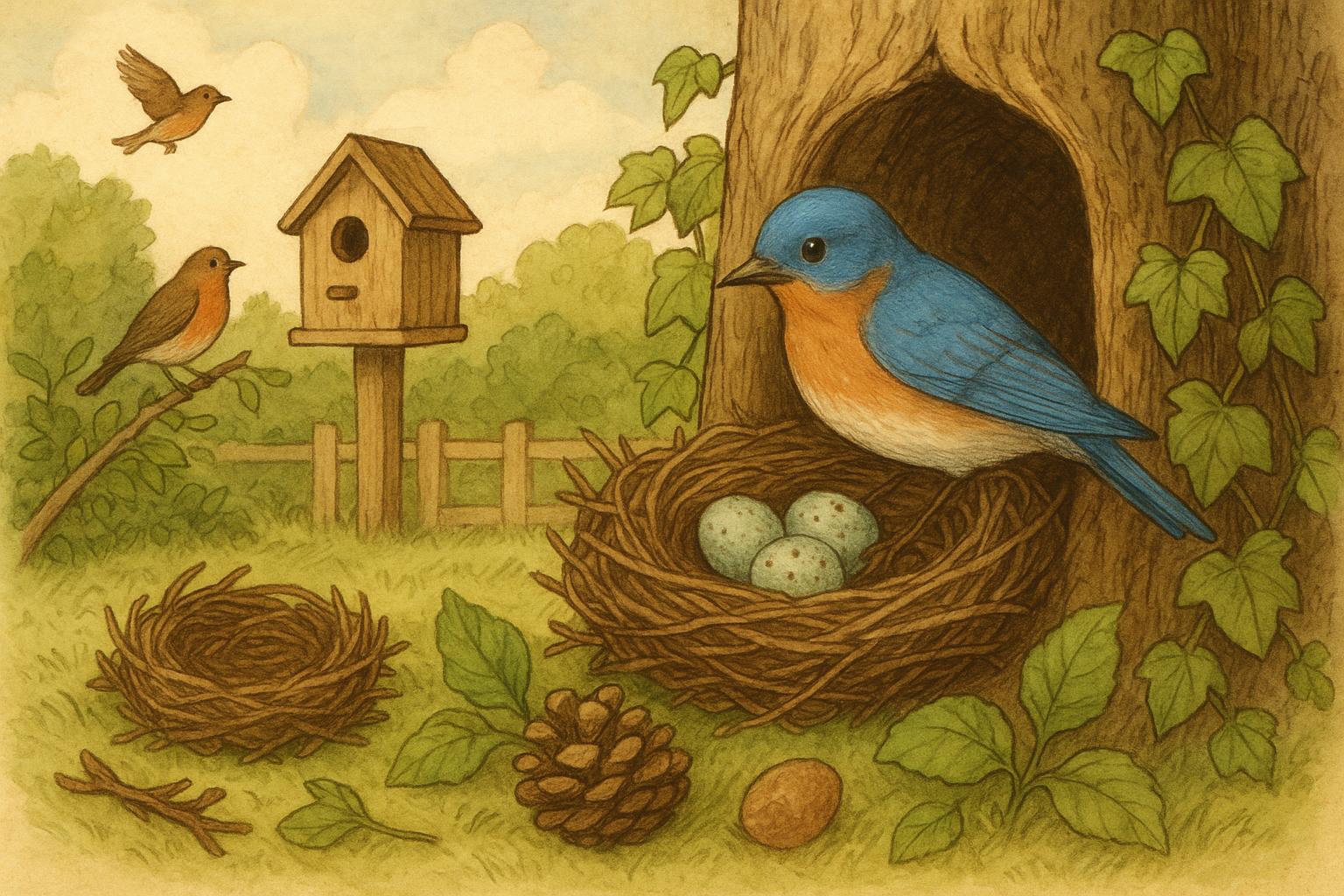
Tree nests (dreys) are bulky constructions of twigs and leaves, open to the elements, and usually short-term. Den sites—cavities or structural voids—are preferred for winter warmth and raising young. Knowing which one squirrels use will help you choose the right management approach.
## How Squirrel Behavior Shapes Habitat Use
### Seasonal Changes And Resource Needs
Squirrels adjust their use of habitat through the seasons. In spring and summer they breed and raise young; in fall they cache food aggressively; in winter they rely more on dens and stored food. Your yard’s role in the local ecology can shift dramatically depending on time of year, which affects the most effective management strategies.
### Signs Of Squirrel Habitat In Your Yard
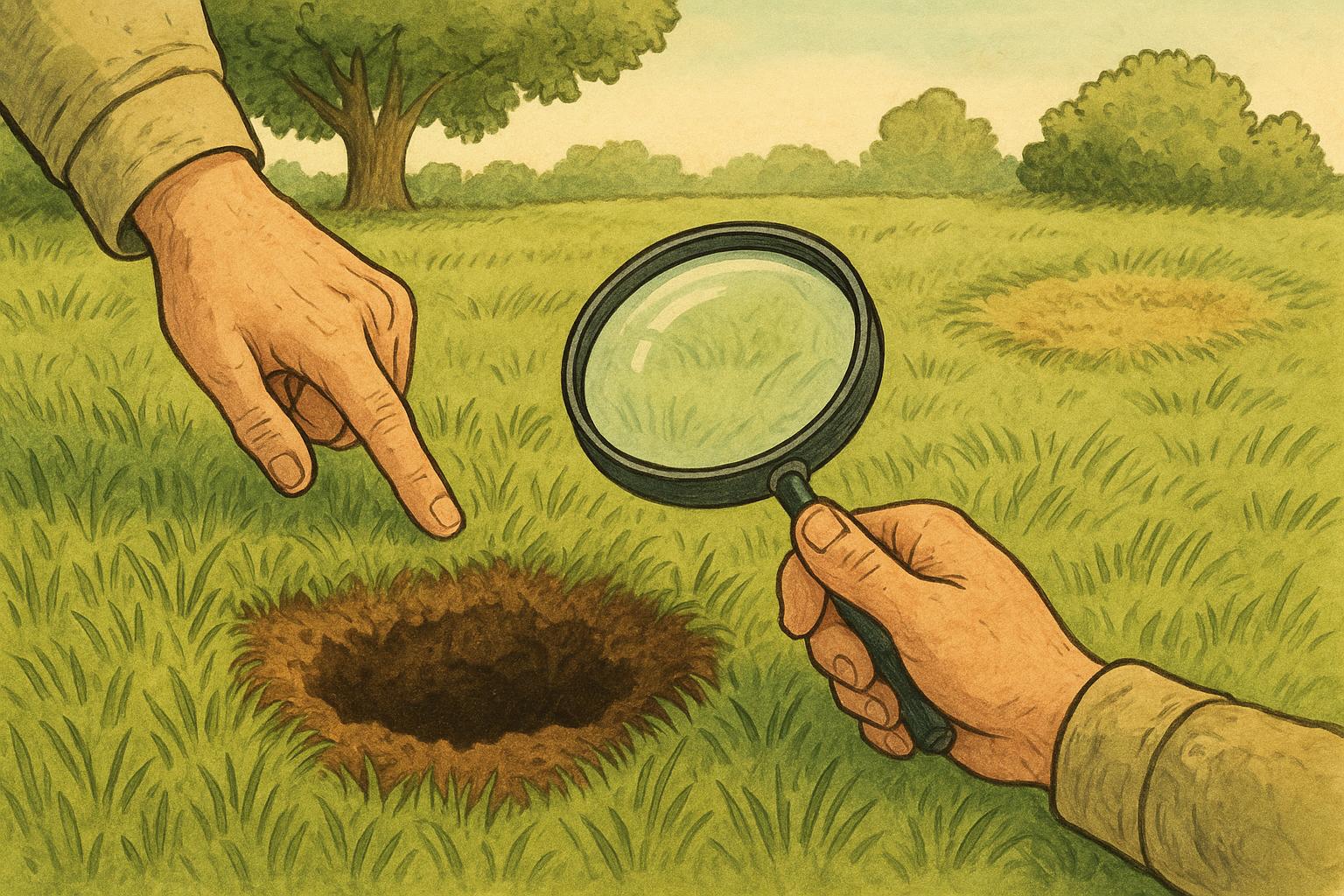
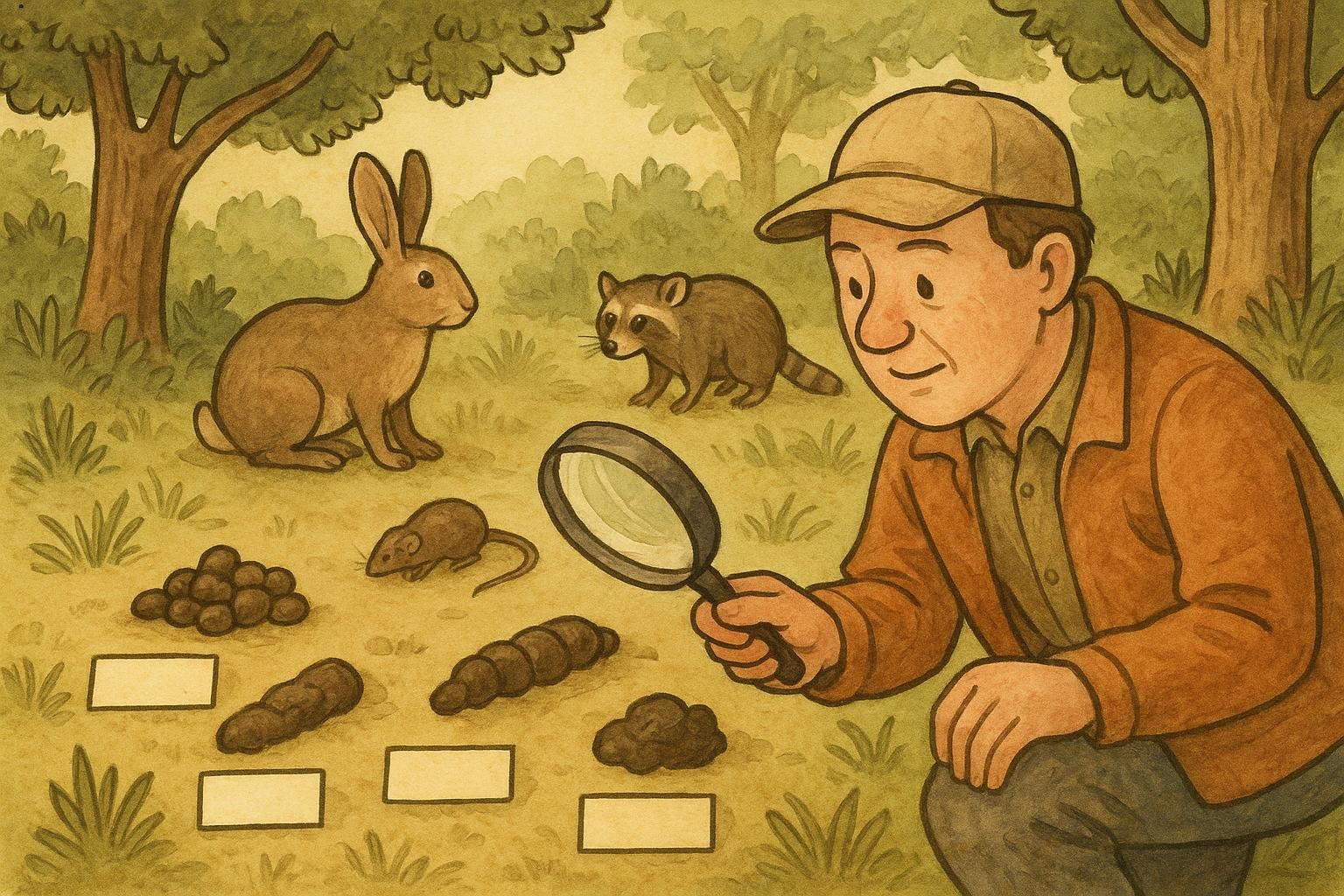
Look for chewed seed shells, missing garden produce, bark stripped from young trees, leaf nests in forks of branches, scratch marks on beams, and scurrying sounds in attics. Squirrel droppings are small and pellet-like; they differ from rodent droppings in size and shape. Frequent visits to bird feeders and piles of buried nuts are strong indicators you’ve created a productive squirrel habitat.
## 1. Remedy To Discourage Squirrels From Unwanted Areas
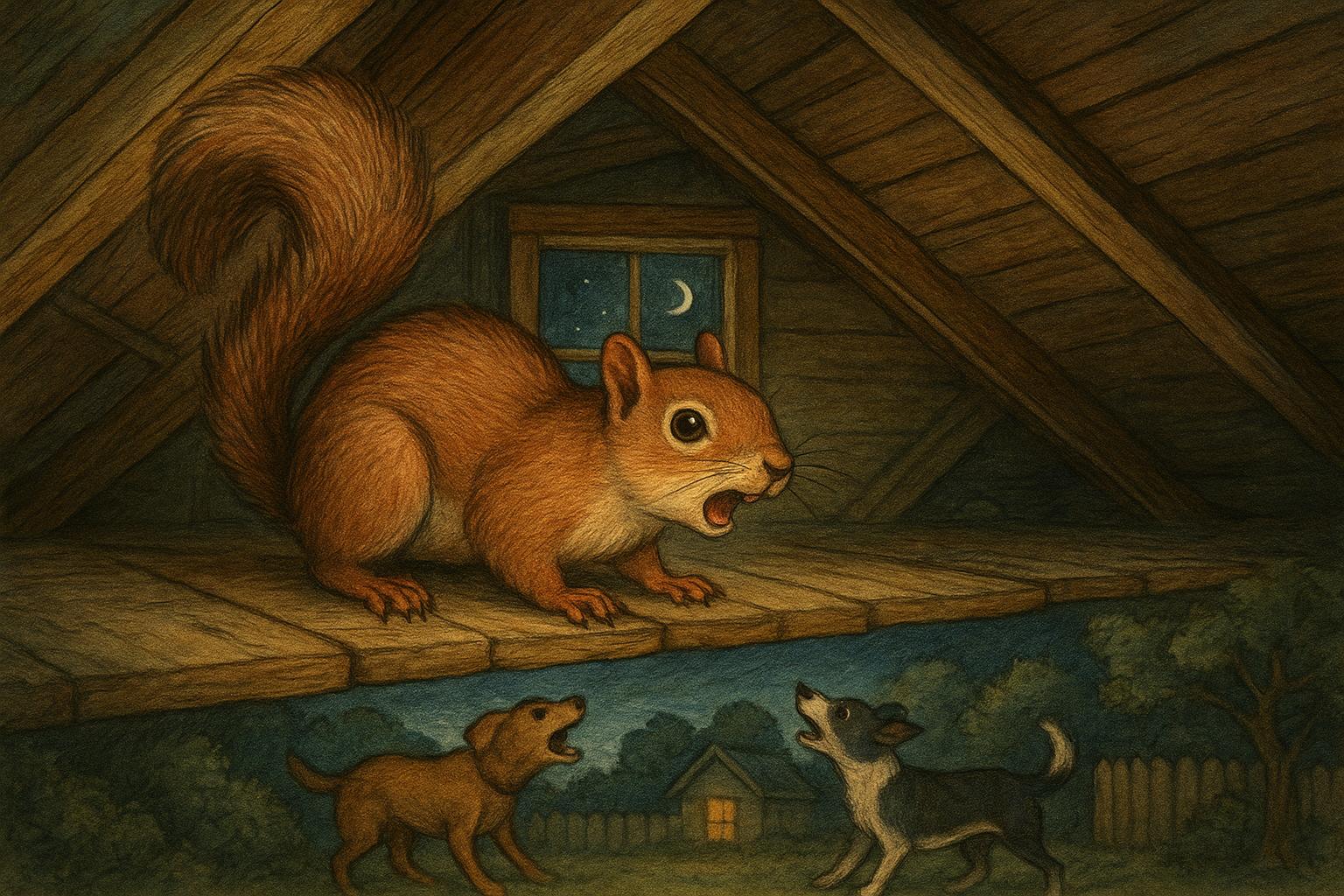
When squirrels move into attics, soffits, or other human-occupied spaces, immediate and structured action is necessary. The following remedy is for humane exclusion and habitat modification. The tone here is formal to ensure clear, safe procedures.
Required Materials
– Heavy-gauge wire mesh (hardware cloth), 1/4–1/2 inch mesh
– Galvanized screws and washers
– Flashing or metal step flashing
– Sealant suitable for exterior use (silicone or polyurethane)
– Ladder, work gloves, safety glasses, and flashlight
– One-way exclusion door or professionally built exclusion hardware (optional)
– Trim brush, insulation (replacement), and pest-resistant caulk
Step-By-Step Exclusion And Repair
1. Inspect And Identify: Conduct a thorough inspection of the structure during daylight and at dusk. Locate all entry points by looking for grease marks, chewed areas, and sound cues. Note active points where animals are entering or exiting.
2. Confirm Absence Of Young: Before sealing, confirm that no dependent young are present. Squirrels often have young in spring and mid-summer. Observe for 24–48 hours for signs of entry/exit or consult a wildlife rehabilitator if uncertain.
3. Install One-Way Exclusion (If Necessary): At active entry points where animals are confirmed present, install a one-way exclusion door that permits exit but prevents reentry. Leave it in place for 3–7 days to allow all occupants to leave.
4. Secure Openings: After confirming occupancy cessation, permanently seal openings with heavy-gauge wire mesh, flashing, and screws. Ensure mesh is fastened with washers and screws and overlaps structural materials by at least 4–6 inches.
5. Repair And Restore Interior: Remove contaminated insulation, sanitize the area if necessary, and replace insulation. Repair any chewed wiring or structural damage by licensed professionals.
6. Trim Vegetation And Limit Access: Trim tree limbs and vines to provide at least 8–10 feet clearance from the roofline. Remove easy pathways such as continuous branches or overhanging scaffolding.
7. Maintain: Check seals seasonally and after storms. Replace corroded hardware promptly.
Important Notes: Do not use toxicants or lethal traps in attics or inside structures. Exclusion is the legal and humane standard in many jurisdictions; consult local wildlife regulations prior to action.
## 2. Remedy For Protecting Bird Feeders And Gardens
Garden-level conflicts require a different approach, focused on deterrence, exclusion, and altering attractants. The following remedy is presented with formal, actionable steps.
Required Materials
– Squirrel-resistant bird feeder or cage
– Baffle for pole- or hanger-mounted feeders
– Chicken wire or hardware cloth (1/2-inch mesh)
– Wire mesh frames or cloches for plants
– Motion-activated sprinkler (optional)
– Caps for raised beds and plant supports
– Chili oil, capsaicin spray, or commercial squirrel repellent (EPA-approved for wildlife deterrence)
Step-By-Step Garden Protection
1. Assess Vulnerable Items: Identify feeders and garden plots that squirrels target most. Prioritize high-value plants and feeders for immediate protection.
2. Install Physical Barriers: Place wire mesh frames or cloches over young plants. Surround raised beds with buried hardware cloth to deter burrowing and nibbling.
3. Upgrade Feeders: Replace open feeders with squirrel-proof designs that close under weight or are encased in a cage. Add a properly mounted baffle above pole feeders to prevent climbing access.
4. Alter Food Attractants: Reduce spillage by using tray-less feeders and cleaning up fallen seed daily. Offer safflower seed or shelled sunflower seeds in enclosed feeders—squirrels prefer other seed types.
5. Use Repellents Judiciously: Apply capsaicin-based repellents to non-food surfaces per manufacturer instructions. Reapply after rain as directed. Avoid direct application to edible plants unless the product label allows it.
6. Employ Motion Deterrents: Consider motion-activated sprinklers in vegetable plots when non-lethal, startling methods are acceptable for the household.
7. Monitor And Adjust: Track effectiveness via periodic checks. Rotate protections and methods to prevent habituation.
Legal And Safety Considerations: Use only EPA-approved products as labeled. Do not use home remedies that harm wildlife or pets. Physical exclusion measures are preferable for long-term control.
## Coexisting Approaches And Live-Trapping Policy Notes
Squirrels are integral to many backyard ecosystems, acting as seed dispersers and prey for raptors. If coexistence is acceptable, provide dedicated areas for squirrels—like a feeding station away from the house and a brush pile for cover—to reduce pressure on structures and gardens. Live-trapping and relocation are heavily regulated in many areas and often lead to high mortality for relocated animals; consult local wildlife agencies before considering this option.
### When To Call A Professional
Engage a licensed wildlife control professional when squirrels are inside inaccessible structural voids, when there is electrical wiring damage, or when young animals are involved. Professionals can perform humane exclusion, structural repairs, and provide documentation if required by local code. Choose a service that follows exclusion-first protocols and can provide references.
Keep an eye on your trees, feeders, and eaves—manage attractants, make a few structural tweaks, and you can often enjoy the acrobatics without the headaches.




Leave a Reply