
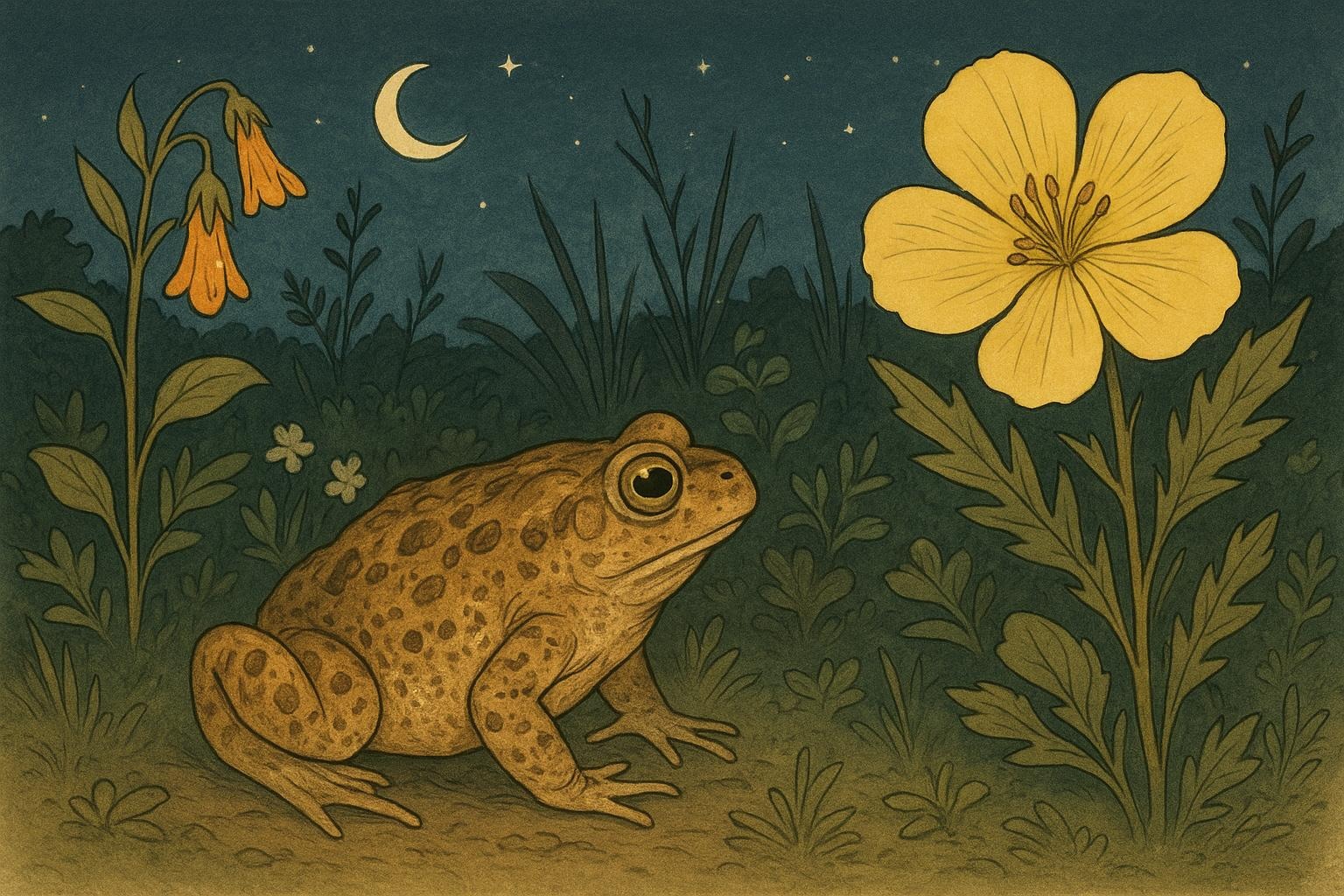
If you’ve ever heard a soft plop in the dark and found a small, squat amphibian in your garden, you might have a spadefoot — a nocturnal little landscaper that shows up when the humidity’s right and the moon looks suspiciously dramatic. They’re shy, a little mysterious, and more useful than most of the gadgets you’ve bought for your yard.
## Spadefoot In Your Nighttime Garden
These frog-ish toads are the sort of visitors that make you whisper into your gardening gloves: “Welcome.” If you’re curious about who’s digging the small burrows, why there are sudden tadpole festivals after a rain, or whether you should offer tiny refreshments (no, don’t), read on. This section gives a friendly tour of what spadefoot are, why they turn up in backyards, and how to live with them without staging a nature documentary in your tulips.
### What Is A Spadefoot?
A spadefoot is a member of a group of amphibians known for a distinctive hard, keratinous “spade” on their hind feet used for digging. Unlike the garden toad you might be used to, spadefoot spend a lot of time underground — often waiting for the right rainy cue to emerge, mate, and then vanish back into the soil. They’re fast breeders and even faster at making tadpoles when ephemeral pools appear.
### Behavior And Life Cycle
One of the most fascinating things about these little animals is their explosive breeding strategy. After heavy rains create temporary pools, a chorus of spadefoot emerges at night: adults mate quickly, lay eggs, and tadpoles race to metamorphose into tiny toads before the puddles disappear. Their life cycle is a sprint, not a marathon, which is why they can seem absent most of the year and suddenly everywhere after a storm.
## Who Benefits From Having Spadefoot Around?
Your garden. Literal predators of pests like beetle larvae and other soil-dwelling critters, spadefoot can be a natural pest-control team, working quietly in the background. They also help recycle nutrients by consuming decaying organic matter and insects, and they provide a food source for nocturnal predators such as owls and snakes — part of a healthy backyard ecosystem.
### Are They Harmful To Pets Or Plants?
Short answer: usually no. Spadefoot are not aggressive toward pets and don’t eat plants, but they can secrete mild toxins when handled or stressed. Dogs and cats rarely suffer serious effects unless they chew on a toad and ingest large amounts of secretion. If your pet’s mouth gets irritated, rinse with water and consult your veterinarian. For plants, spadefoot are neutral to beneficial; they don’t nibble garden greens.
## How To Tell The Difference Between Spadefoot And Other Toads
Not all squat backyard amphibians are the same. Spadefoot typically have smoother skin than the warty bufo toads and a distinctive pupil shape (vertical in some species) and, of course, the digging spade on the hind foot. Observing at night with a red-filtered flashlight helps you see details without alarming them — think of yourself as a respectful nocturnal photographer.
## Remedy 1: Create A Spadefoot-Friendly Breeding Puddle
If you’d like to encourage these ephemeral visitors, you can replicate conditions they favor. The following remedy is written in a formal, instructive tone to ensure clarity and safety.
### Materials Required
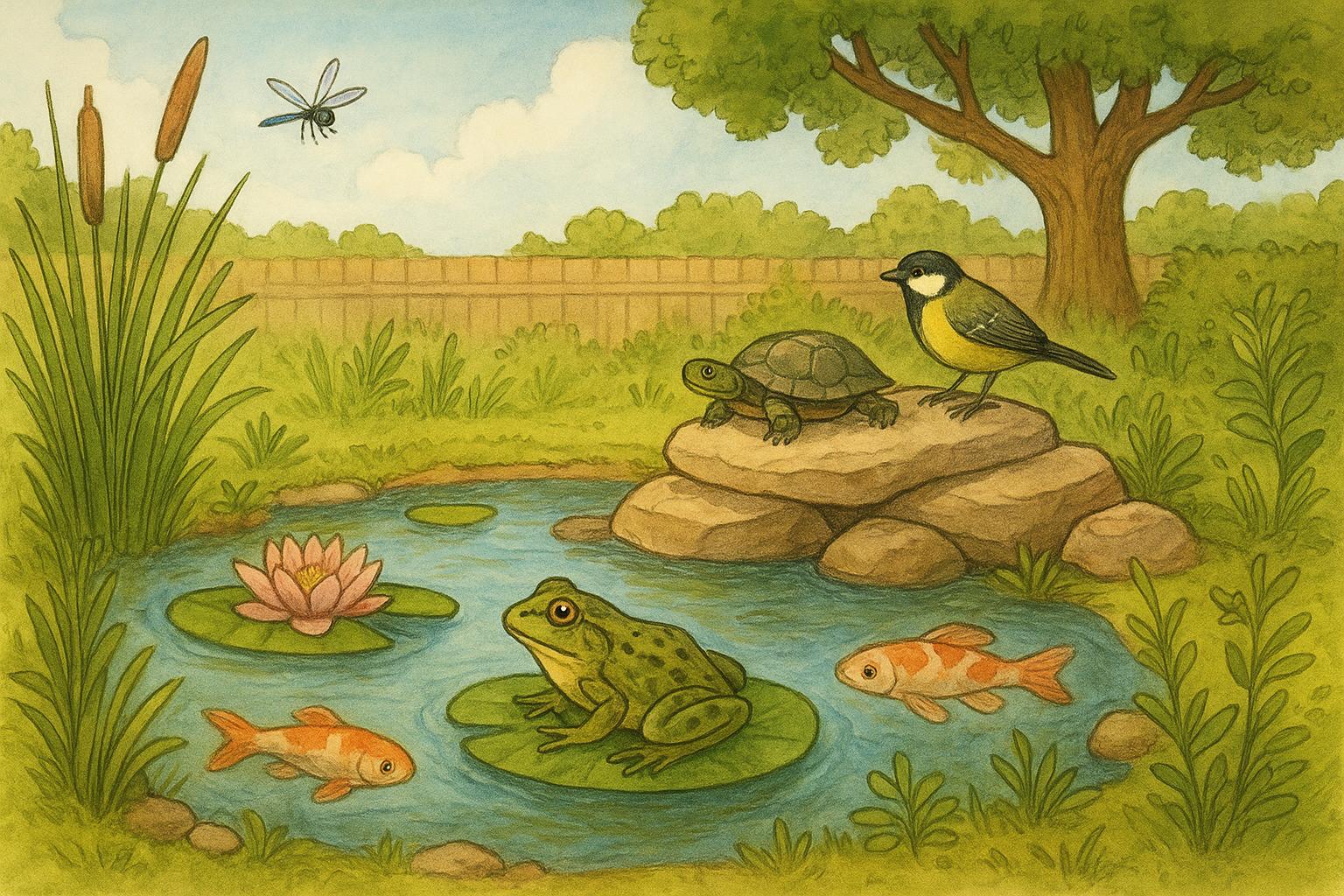
– Shallow preformed pond liner or a waterproof shallow basin (1–2 feet wide, depth 6–12 inches)
– Unchlorinated water (collected rainwater is ideal)
– Sand and native soil
– A few flat rocks for shallow edges and perching
– Native plants for partial shading (rushes, sedges, or low grasses)
– Mesh cover (optional, for protecting from predators until tadpoles are established)
#### Step-By-Step Creation And Application
1. Select Site: Choose a low-lying area that receives partial shade and is near loose, well-draining soil. Avoid areas that flood for long durations.
2. Prepare Basin: Dig a shallow hole slightly larger than your pond liner or basin. Place the liner or basin flush with the surrounding ground. Backfill edges with soil and sand to create gentle slopes into the water.
3. Add Substrate: Place a 1–2 inch layer of clean sand and native soil in the bottom. This gives tadpoles a more natural environment and promotes microbial life they feed on.
4. Introduce Water: Fill with unchlorinated water. If using tap water, let it sit uncovered for 48 hours to dissipate chlorine, or treat with a dechlorinator following manufacturer instructions.
5. Add Rocks And Vegetation: Position flat rocks to form shallow margins and add native marginal plants. These offer shelter for juvenile toads and insects they might feed on.
6. Protect Initially (Optional): Use lightweight mesh to deter large predators until tadpoles grow stronger. Remove the mesh once tadpoles are actively swimming and visibly developed.
7. Monitor: After heavy rains, watch for increased adult activity. Avoid disturbing the pool during breeding and development. After metamorphosis, allow the basin to dry periodically to mimic natural ephemeral conditions which discourage permanent predators.
This method aims to mimic temporary pools, which are ideal for spadefoot breeding because they lack many of the predators that inhabit permanent ponds.
## Remedy 2: Humanely Discourage Spadefoot From Unwanted Areas
If spadefoot are turning up where you don’t want them — inside a greenhouse or under a porch where pets access them — use humane exclusion and habitat modification. Below is a formal and practical approach.
### Materials Required
– Hardware cloth or fine-mesh barrier (1/4-inch spacing)
– Shovel and landscape staples
– Sealant (for small gaps in porches or sheds)
– Motion-activated, low-intensity lights (optional)
– Gravel or compacted mulch
#### Step-By-Step Creation And Application
1. Identify Entry Points: At dusk, observe where adults are moving. Note gaps under doors, lattice openings, or loose soil that provides easy burrowing access.
2. Install Physical Barriers: Firmly anchor hardware cloth along the perimeter of porches, raised beds, or greenhouse edges. Bury the bottom 4–6 inches to prevent digging beneath.
3. Seal Small Gaps: Use appropriate sealant or weatherstripping to close off cracks and openings larger than 1 inch where animals could enter sheltered spaces.
4. Modify Habitat: Replace soft, loose soil in targeted areas with compacted gravel or coarser mulch to make digging less attractive. Do not compact the entire garden — only the specific zones you wish to protect.
5. Light And Disturbance: Install motion-activated, low-intensity lighting in areas where amphibians are not desired; consistent disturbance will make the microhabitat less appealing. Use sparingly to avoid disrupting other nocturnal wildlife.
6. Monitor And Adjust: Check barriers and seals regularly, especially after storms. If animals attempt entry, adjust the height or depth of the buried mesh.
These measures are reversible and non-lethal, prioritizing the animal’s welfare while protecting sensitive garden structures and your pets.
### When To Call A Professional
If you find an unusually large number of spadefoot in an area, or if a pet has symptoms after contact with a toad, consult local wildlife authorities or a veterinarian. Relocation without permits can be illegal in some regions and stressful for the animals.
## Nighttime Etiquette For Gardeners
When sharing your garden with nocturnal visitors, keep lights low, avoid handling wildlife, and refrain from introducing fish or predatory species to temporary pools. If you do need to move an animal, use a container and gloves and relocate it only to suitable nearby habitat. A gentle, respectful approach keeps both your plants and your amphibian guests happy — and prevents unnecessary soap-opera-style drama in the garden.
Enjoy those surprise visits. A spadefoot under a shrub is a tiny, efficient pest controller, a fleeting reminder that your yard is part of a larger, busy neighborhood. If you make space for them, they’ll repay you quietly, mostly at night, and without sending you a bill.













Leave a Reply