

Welcome! If you’ve spotted a slithery neighbor in the compost or sunning itself on the patio, you’re in the right place. This article will help you get comfortable with identifying the snakes that commonly show up in backyards, reduce the drama, and take sensible steps to keep everyone — two-legged and four-legged — safe. A little curiosity goes a long way, and a camera is usually braver than most people.
## Snake Identification For Backyard Snakes A Practical Guide
### Why Snake Identification Matters
Knowing how to do snake identification is less about playing hero and more about making smart choices. Many backyard snakes are harmless and even beneficial (they eat pests). A correct ID can tell you whether to leave the snake alone, move an object to let it pass, or call a professional. Panic rarely helps; information does.
### Quick Field Signs To Look For
Before you get too close, take a photo or note these features from a safe distance (at least several meters away):
– Body Pattern And Color: Stripes, bands, blotches, or solid coloring are key clues.
– Head Shape: Triangular heads can suggest venomous species in some regions, but this is not universal—some nonvenomous snakes flatten their heads when threatened.
– Pupils: Elliptical (cat-like) versus round pupils can be informative, but you need a very close look and good light; don’t risk it.
– Behavior: Does it flee, coil defensively, or vibrate its tail? Behavior gives context.
– Scales: Keeled (ridged) vs. smooth scales can help narrow identification.
When doing snake identification, use binoculars or zoom on your phone camera rather than approaching. If the snake is gone by the time you get close, that’s often the best outcome.
### Field Marks For Snake Identification
#### Head And Neck Details
Many backyard species have distinctive head markings, such as eye stripes or neck rings. Note the presence of a neck that’s distinct from the body versus a gradual taper — this helps differentiate species.
#### Body Patterns And Tail Features
Tail tips may be slightly different in color or texture for some species. Venomous species sometimes have bold, high-contrast bands or rhombic patterns, but there are many exceptions. Use multiple field marks, not a single trait, for confident snake identification.
### Common Backyard Snakes You Might See
Here are a few typical homeowners meet-and-greets (species vary by region, so local guides are essential):
– Garter Snakes: Often striped longitudinally; small to medium-sized; common and harmless.
– Rat Snakes (or Corn Snakes): Larger, blotched patterns; excellent climbers; beneficial rodent hunters.
– Water Snakes: Typically dark and banded; found near ponds — not the same as water moccasins in many areas.
– King Snakes: Banded or striped; immune to some venom and known for eating other snakes.
– Rattlesnakes: Distinctive rattles, triangular head, and pit organ between eye and nostril in pit vipers. Treat as dangerous.
Using an online regional field guide alongside your notes will speed up snake identification. Photograph the whole snake and details: head, mid-body pattern, belly, and tail.
### Interpreting Behavior For Safer Encounters
Snakes give signals. If it’s moving away, let it. If it’s coiled and rattling or flattened, back up slowly and keep pets inside. Do not try to prod, poke, or handle a wild snake — even nonvenomous ones can bite if frightened.
### What To Do If You Can’t Confidently Identify The Snake
If your attempts at snake identification leave you uncertain, err on the side of caution. Keep people and pets away, secure small children indoors, and call local animal control, a wildlife rehabilitator, or a pest control service that specializes in humane removal. When you call, give clear details and share any photos.
## 1. Remedy: Natural Snake Deterrent Spray (Non-Lethal)
When snake identification shows you’re dealing with frequent, non-harmful visitors but you’d like fewer of them, this is a homeowner-friendly remedy. It’s intended to discourage snakes from an immediate area while being safe for pets and wildlife when used as directed.
Materials/Ingredients:
1. Dawn dish soap — 1 cup
2. White vinegar — 2 cups
3. Garlic cloves — 8–10, crushed
4. Cayenne pepper or ground chili — 3 tablespoons
5. Water — 1 gallon
6. Large bucket and stirring utensil
7. Fine-mist garden sprayer (1-gallon)
Creation And Application Steps:
1. Combine Ingredients: In the bucket, dissolve the dish soap in warm water, add vinegar, crushed garlic, and cayenne pepper. Stir thoroughly to mix oils and solids.
2. Let It Steep: Cover and let the mixture steep for 12–24 hours to release odors. Strain out garlic pieces using a fine mesh to avoid clogging the sprayer.
3. Fill Sprayer: Pour the strained solution into the garden sprayer. Shake gently before use.
4. Apply To Target Areas: Spray a light mist around the perimeter of foundations, under decks, along fence lines, and near compost piles. Focus on perimeter barriers rather than saturating vegetation.
5. Reapply After Rain: This spray is not long-lasting. Reapply after heavy rain or every 7–10 days during snake-active seasons.
6. Safety Notes: Keep spray away from vegetable gardens and avoid over-spraying directly on plants. Test a small area first to check for plant sensitivity. Store solution out of reach of children and pets.
This spray does not harm snakes but makes the treated area less attractive. It’s part of an integrated approach, not a standalone solution.
## 2. Remedy: Habitat Modification And Exclusion (Non-Lethal)
Materials/Required Tools:
– Heavy-gauge hardware cloth or galvanized mesh (1/4 in. hardware cloth recommended)
– Shovel and post-hole digger
– Landscape gravel or rock for perimeter
– Long-lasting exterior caulk or mesh seal for small gaps
– Motion-activated outdoor lighting (optional)
– Tight-fitting lids for compost bins and firewood racks elevated off the ground
Creation And Application Steps:
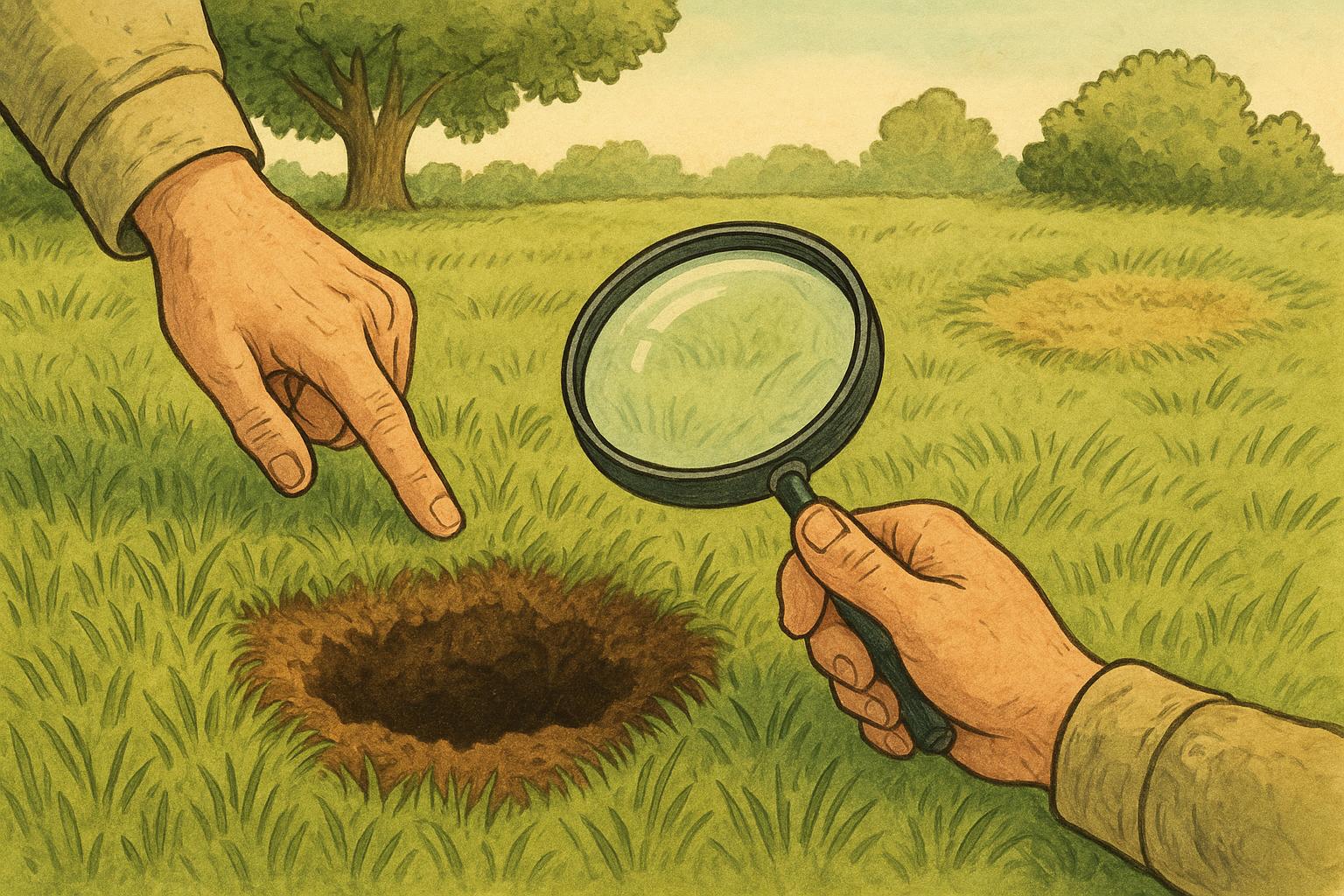
1. Inspect Your Yard: Walk the property to identify attractants — wood piles, debris, tall grass, rodent activity, and standing water.
2. Remove Cover: Clear stacked wood, brush piles, and dense ground cover within at least 3–5 feet of the house or areas where people frequent. Keep grass trimmed.
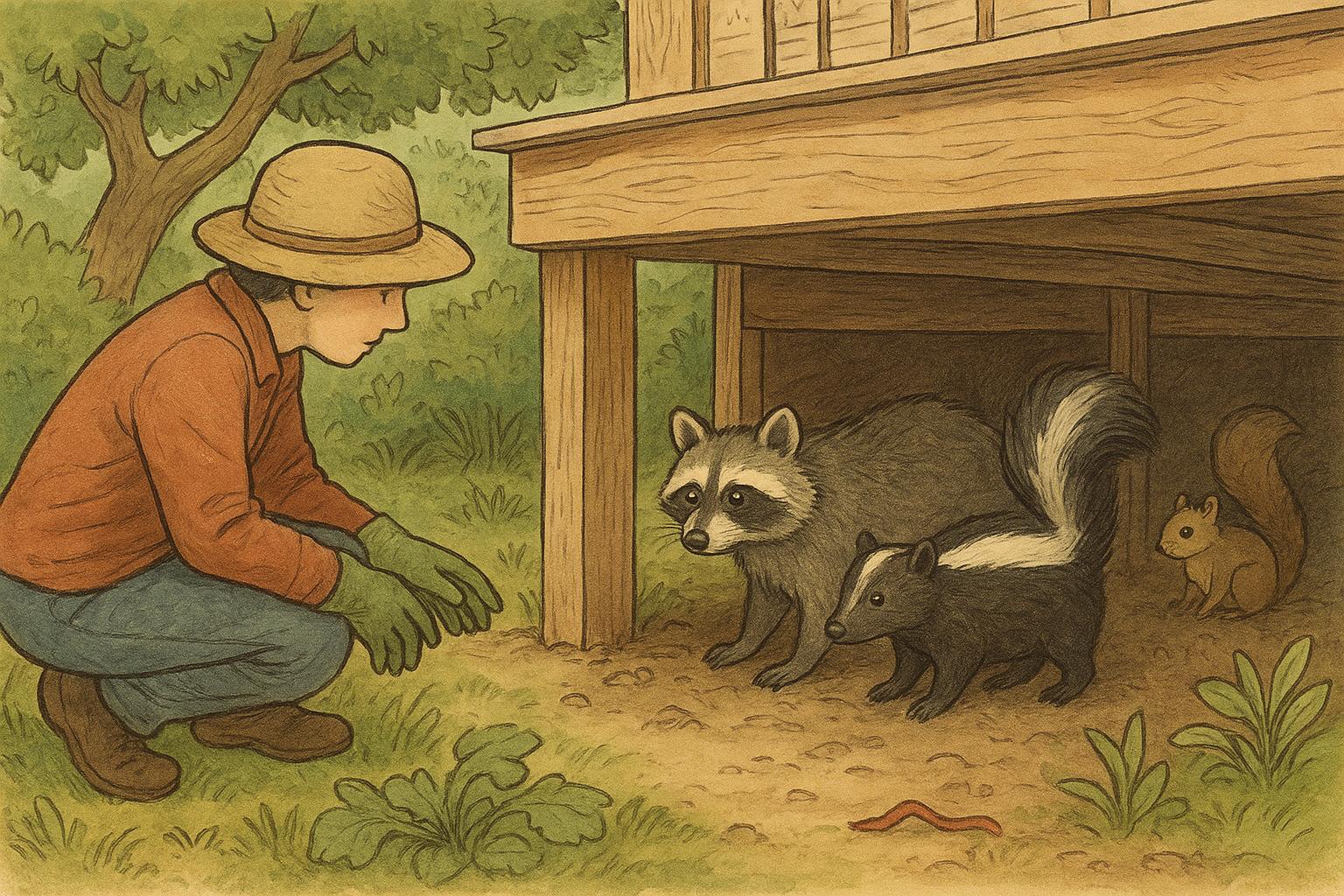
3. Exclude Points Of Entry: Use hardware cloth to seal gaps under sheds, decks, and attics. Bury mesh at least 6–12 inches into the ground when creating barriers to prevent snakes from burrowing underneath.
4. Gravel Strip: Install a 2–3 foot-wide band of coarse gravel adjacent to foundations and under decks. Snakes dislike moving over loose, sharp gravel and it reduces hiding spots for prey (rodents).
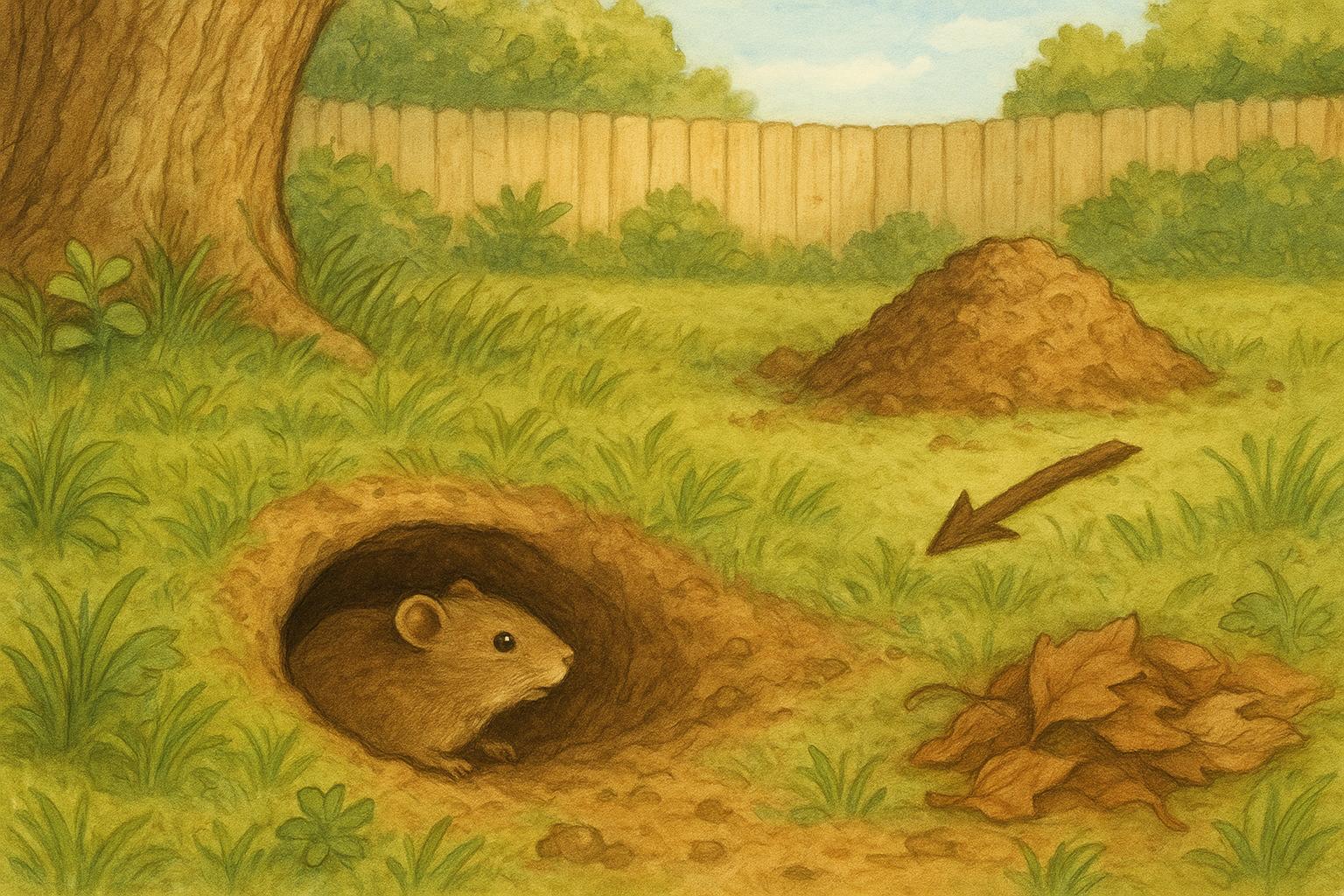
5. Rodent Control: Address rodent populations humanely through proper storage of pet food and compost management. Fewer rodents equals fewer snakes.
6. Secure Water Sources: Repair dripping faucets and remove unnecessary standing water. If you have a pond, use steep banks or fencing to limit snake access to human activity zones.
7. Maintain Regular Checks: Inspect your exclusion measures seasonally and after storms. Repair any holes or sagging mesh immediately.
These exclusion steps are more durable than repellents and reduce the likelihood of repeated visits. Document changes and note how they affect snake presence, as this helps refine prevention strategies.
### When To Involve Professionals
If the snake looks like a venomous species in your region, shows aggressive behavior, or is inside a living area, contact a licensed wildlife removal service or animal control. Professionals have experiences with safe capture and relocation and can provide definitive species identification. If someone has a bite, call emergency services immediately and do not attempt to capture the snake yourself.
#### First Aid If A Bite Occurs
– Keep the person calm and immobile; keep the bite area at or slightly below heart level.
– Remove constricting items (rings, bracelets) near the bite.
– Do not cut, suck, or apply a tourniquet.
– Note the snake’s appearance for identification only if it can be done safely (photo preferred).
– Transport to medical care as soon as possible for antivenom assessment if indicated.
### Tools For Better Snake Identification Over Time
Use a smartphone to photograph from different angles, and create a simple log with date, time, location, and behavior. Over weeks and seasons you’ll spot patterns — which species show up in spring versus late summer, where they hide, and when they’re most active. Local nature centers and online herpetology groups can help verify IDs from your photos.
Keep a sense of perspective: most backyard snakes are shy, beneficial, and not interested in people. With careful observation and the right remedies in place, snake identification becomes a practical skill that keeps the whole household safer — and maybe gives you a neat nature story to tell at the next barbecue.




































Leave a Reply