
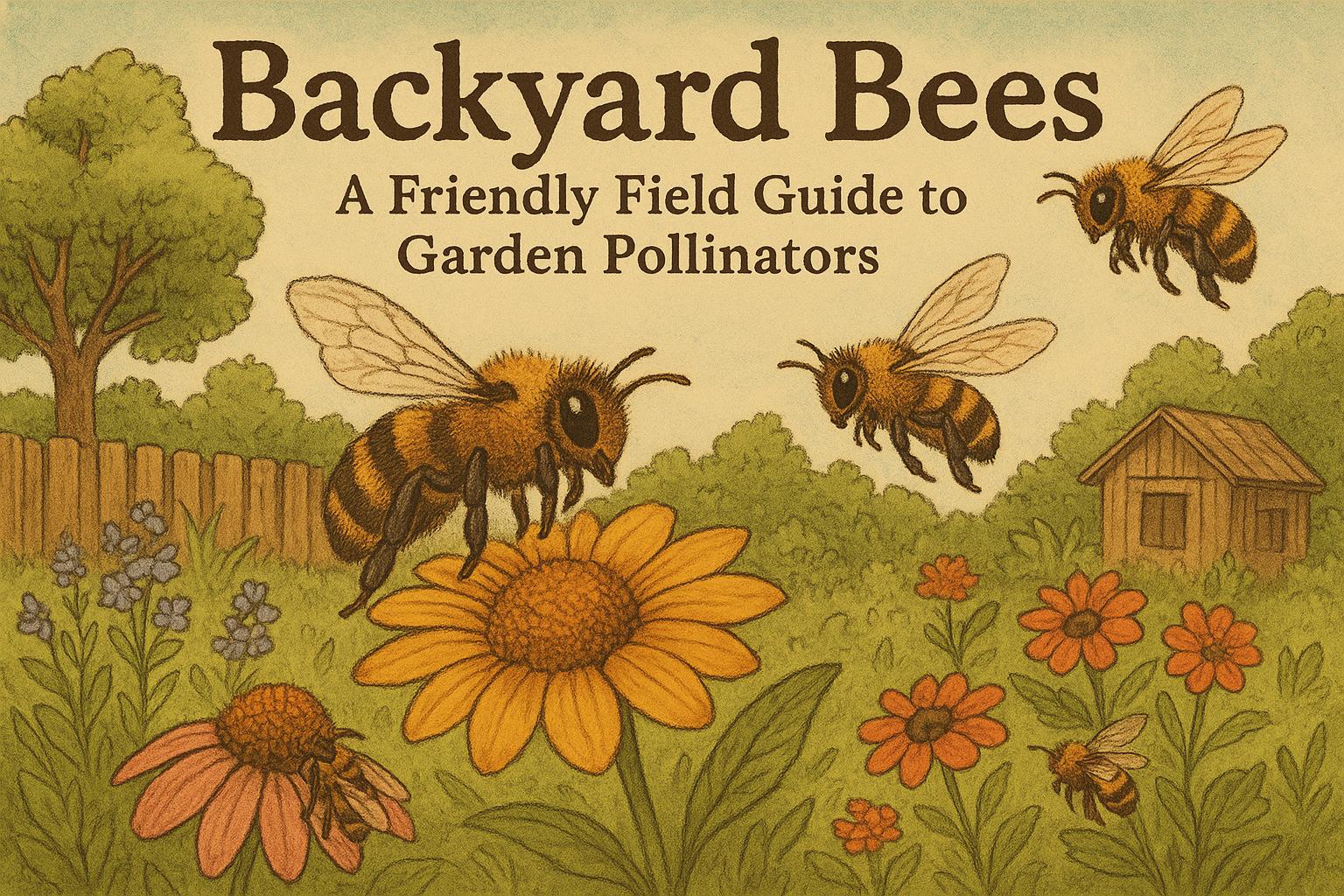
Welcome to a relaxed stroll through flowering beds, dripping hoses, and the tiny trapeze artists that visit them. This piece is for anyone who’s ever wondered who’s doing the heavy lifting in the garden, who’s stealing sips from the hummingbird feeder, or who’s politely bumping your sleeve while you deadhead tulips.
## Backyard Bees A Friendly Field Guide To Garden Pollinators
Whether you have a postage-stamp yard or a sprawling veggie patch, backyard bees are the unsung neighborhood crew that keep fruit on trees and color in beds. They come in all shapes, sizes, and temperaments—from fuzzy bumblebees that look like flying teddy bears to slender metallic sweat bees that can be hard to spot. Let’s get to know them.
### Meet The Usual Suspects
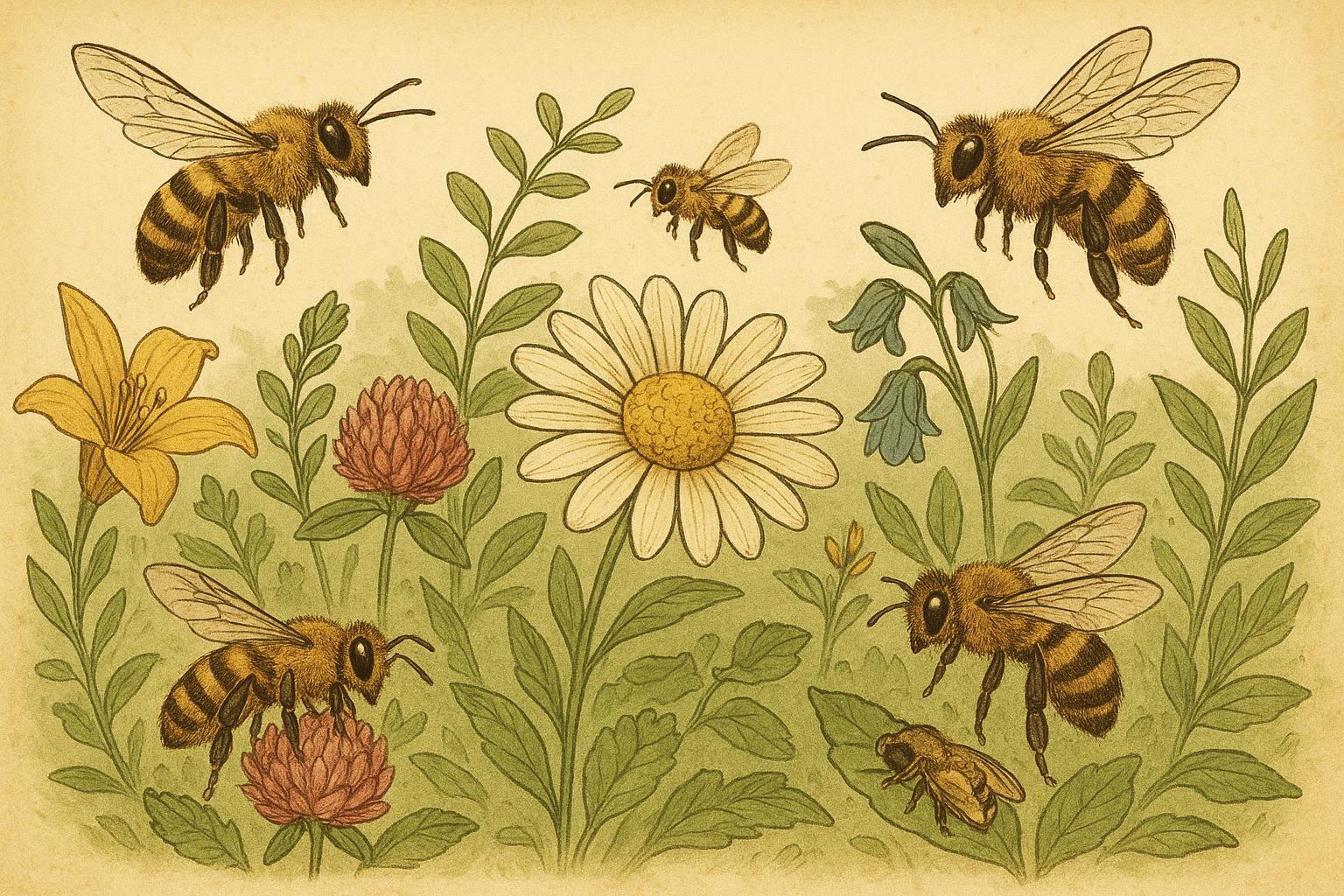
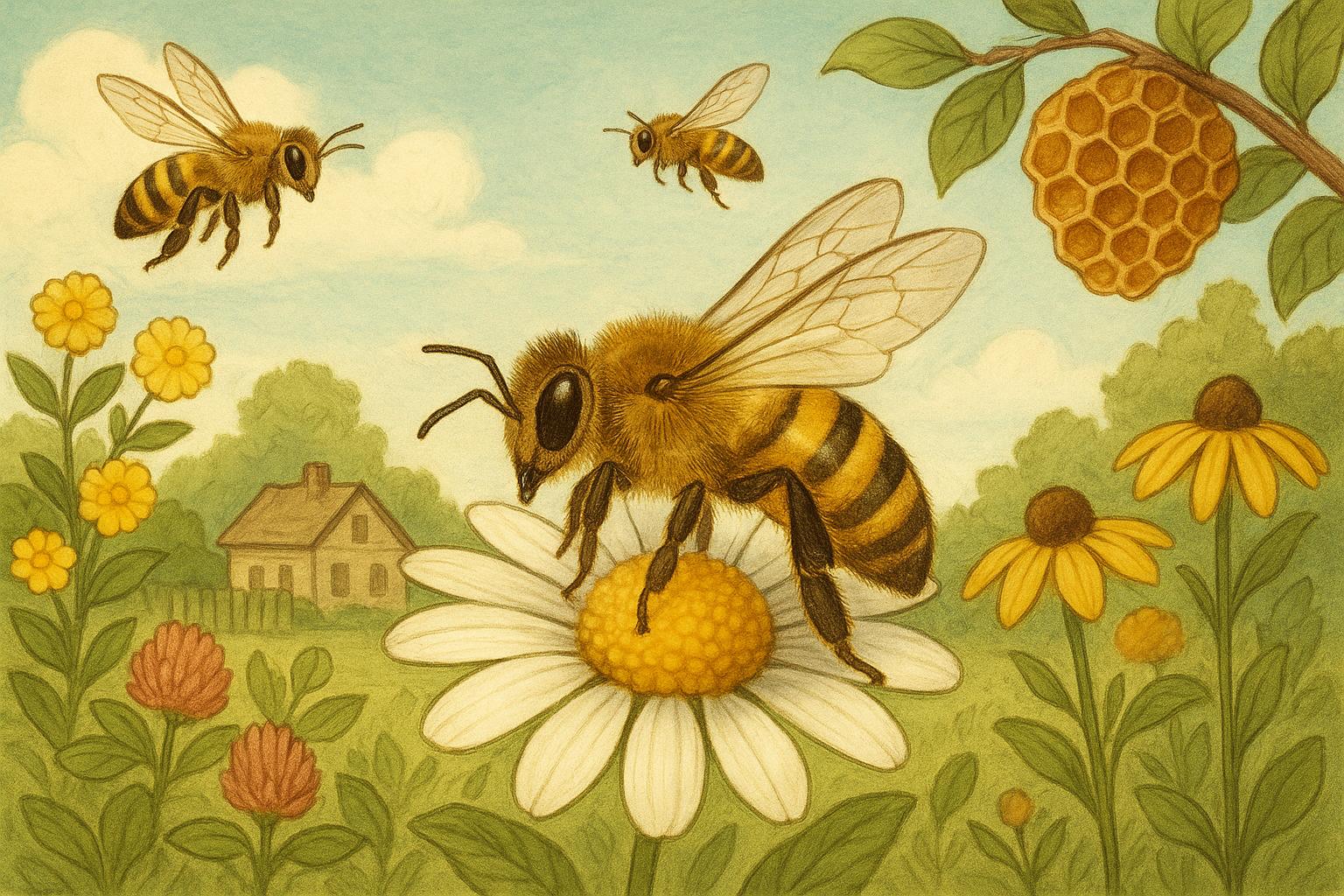
Bumblebees are large, fuzzy, and impossible to ignore. They’re excellent pollinators of tomatoes, peppers, and many wildflowers because they “buzz pollinate,” vibrating flowers to release pollen. Honeybees are the social crowd-pleasers—if you’ve got a local beekeeper, those honeybee colonies might be doing a lot of the pollinating in nearby yards. Then there are solitary bees like mason bees and leafcutter bees. They don’t live in big hives, but a single mason bee can pollinate as many flowers as dozens of honeybees.
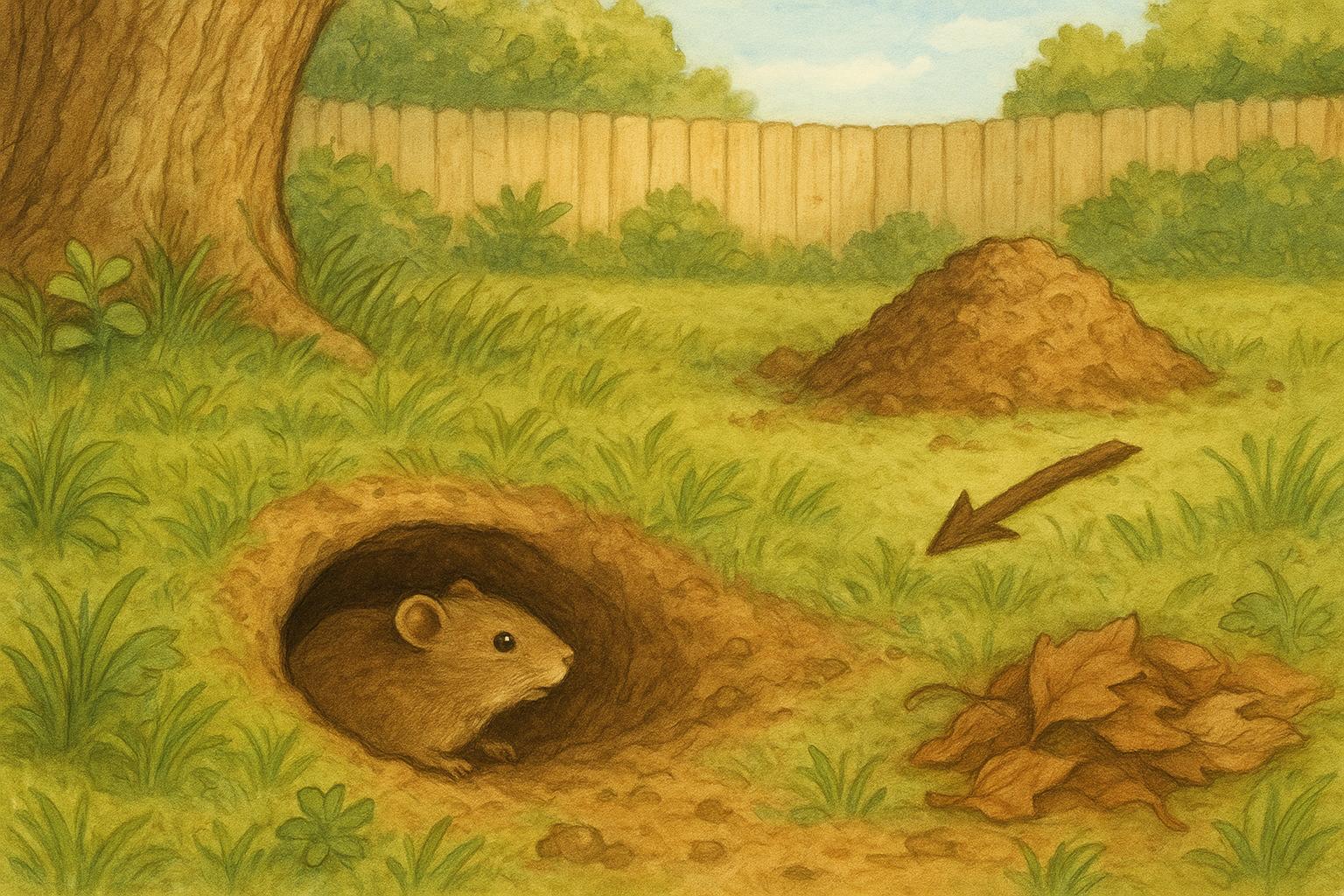
Mining bees and sweat bees round out the neighborhood: mining bees nest in the ground, creating little tunneled apartments, while sweat bees occasionally land on people to sip perspiration—mildly awkward but not usually dangerous.
### How Bees Help Your Garden
Pollination is the transfer of pollen from the male parts of a flower to the female parts. Many fruits and vegetables are fruitless without it. Backyard bees increase fruit set, improve shape and size, and boost seed production. They also support native plant reproduction and help maintain the ecosystem that feeds birds, beneficial insects, and soil life. More bees usually equals more abundance—and fewer lonely zucchinis.
### Recognizing Friend Versus Threat
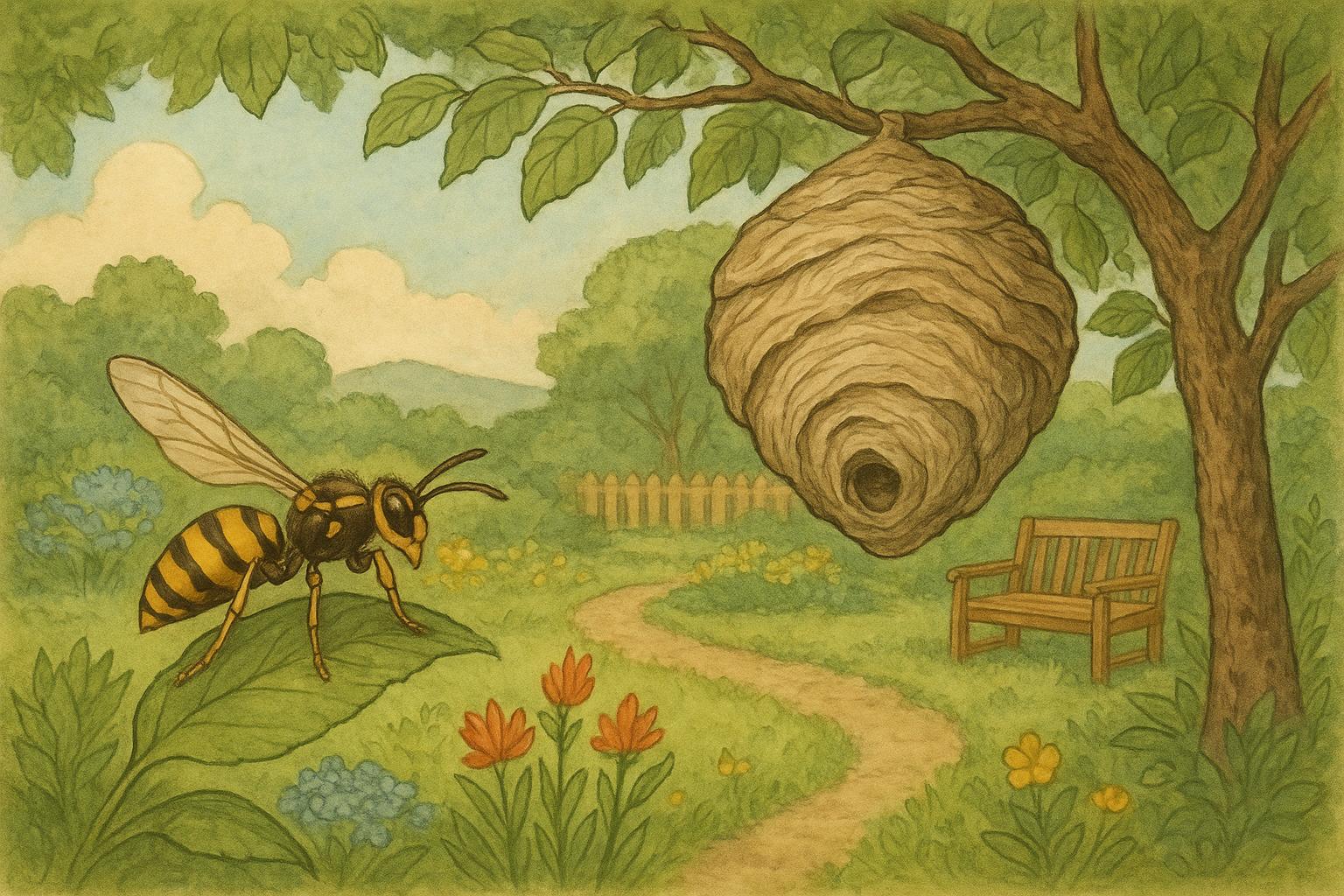
Most garden bees are non-aggressive. They’ll ignore you unless you disturb a nest or feel threatened. Honeybees typically defend a hive rather than a single foraging worker. Bumblebees are generally mellow, though queens can be protective. Stinging is a last resort for most species. If you see a group clustering under eaves or behind loose bark, that’s a clue there may be a nest nearby—and a reminder to keep a respectful distance.
## Attracting Backyard Bees: Planting And Habitat Tips
Creating bee-friendly habitat is simpler than you might think. Plant a succession of blooms that provide nectar and pollen from early spring through fall. Aim for diversity: tubular flowers attract long-tongued bees, while open-faced blossoms suit short-tongued varieties. Native plants tend to be the most attractive and nutritious for local bees.
Leave some bare ground for ground-nesting species, and tuck in a small patch of brush or hollow stems for cavity-nesters. Avoid broad-spectrum insecticides; if you must use treatments, apply them at dusk when most bees are inactive and target only the problem pests. Water is essential: shallow dishes with stones provide safe drinking spots so bees don’t drown.
### Plants That Pull Pollinators In
A mix of native wildflowers, herbs, and garden plants works best. Think of spring crocus and native willow for early pollen, summer clover, borage, echinacea, and monarda for full-season foraging, and goldenrod and asters for late-season sustenance. Herbs like thyme, oregano, and lavender bloom repeatedly and are especially appreciated.
## Remedy 1: Build A Bee Water Station
When gardens dry out, a water source helps backyard bees hydrate safely without risking drowning. This remedy is practical and easy to maintain.
Materials Required:
– Shallow basin, saucer, or small birdbath (6–10 inches across)
– Clean flat stones, marbles, or pieces of broken terracotta
– Fresh water
– Optional: small terra cotta saucer to hide the water from direct sun
Step-by-Step Creation and Application:
1. Choose Location: Place the basin in a sheltered, partly shady spot near flowering plants but away from heavy foot traffic.
2. Prepare Base: Arrange flat stones or marbles inside the basin to create a series of perches. These provide landing spots and keep bees from falling into deep water.
3. Fill With Water: Add water until it reaches just below the tops of the stones. The aim is a shallow surface bees can land on and sip without swimming.
4. Add Shade/Protection: If the basin sits in full sun, nestle a small terra cotta saucer nearby for partial shade or move the station to a spot with morning sun and afternoon shade to reduce algae growth and evaporation.
5. Maintain Regularly: Change water every 1–3 days or sooner if it becomes cloudy. Rinse the stones monthly to prevent biofilm buildup. In freezing weather, provide a small heated reservoir only if you have safe power access; otherwise, remove the station for winter to avoid ice hazards.
By keeping this station clean and stable, you support local foragers and reduce their need to visit unsafe water sources like birdbaths with steep sides.
## Remedy 2: Create A Bee Hotel For Solitary Bees
Solitary bees like mason and leafcutter bees nest in cavities and readily use manufactured “bee hotels.” Constructing one supports breeding habitat for important pollinators.
Materials Required:
– Untreated hardwood block (6–8 inches thick) or a 6-inch diameter bundle of hollow stems (bamboo, reed)
– Drill with a range of drill bits (3/32″ to 3/8″ diameters recommended)
– Sandpaper
– Waterproof but breathable backboard (e.g., cedar plank) or mounting bracket
– Roof material (small piece of tile or metal flashing) to keep rain off
– Stainless screws or nails (avoid treated wood contact)
Step-by-Step Creation and Application:
1. Select Materials: Use only untreated, rot-resistant wood or hollow reeds. Avoid softwoods that can split easily and chemically treated lumber that harms bees.
2. Drill Nest Holes: In the hardwood block, drill holes 3–6 inches deep, perpendicular to the surface. Use a variety of diameters—3/32″, 1/8″, 3/16″, and 1/4″—to attract different species. Drill slowly to prevent splitting. Smooth the insides with a dowel or sandpaper so the hole walls aren’t shredded.
3. Bundle Hollow Stems (Optional): If using stems, cut them to the same length and seal one end (knotted twine or natural plug). Ensure the inner nodes are removed for uninterrupted cavities.
4. Create Shelter: Attach your block or bundle to a backboard and add a sloped roof to keep holes dry. Mount the hotel at least 3–5 feet off the ground facing southeast to get morning sun but avoid hot afternoon exposure.
5. Placement: Position near flower patches and close to a bare ground area if possible. Leave space in front of holes for flying access.
6. Maintenance: Do not clean out used tubes in spring; solitary bees prefer sealed chambers with their own offspring inside. Replace or refresh damaged tubes every 2–3 years and replace the hotel if it becomes moldy or infested with parasites. Monitor annually but avoid disturbing occupied chambers.
This approach supports breeding populations of efficient native pollinators without inviting large colonies that might bother neighbors.
### Maintenance And Safety For Your Remedies
Formal guidance: consistent maintenance is essential to protect pollinator health. For water stations, disinfect containers periodically with a mild bleach solution (one part bleach to nine parts water), rinse thoroughly, and refill. For bee hotels, avoid chemical treatments and monitor for parasitic wasps or fungi—if infestations occur, remove affected tubes and replace them with fresh material. Record the hotel’s performance to track whether certain hole diameters or placements are favored; adapt accordingly.
If you observe aggressive swarming or a sudden high concentration of stinging activity, contact a local extension agent or professional beekeeper rather than attempting to remove nests yourself. Professionals can assess whether a removal or relocation is necessary and perform it safely in compliance with local regulations.
#### When To Call A Pro
If there’s a large colony inside a structure (eaves, wall voids) or if someone in the household is allergic and has had reactions, call a licensed pest control operator experienced in humane bee removal or a local beekeeper. Quick action prevents escalation and reduces risk.
Backyard bees are a joy and a practical ally. With a few thoughtful tweaks—continuous bloom, safe water, and a little nesting architecture—you’ll notice more visits, better yields, and a livelier garden ecosystem. Keep an eye on the different personalities in your pollinator cast, provide reliable resources, and enjoy the small, buzzy theater of your outdoor space.


Leave a Reply