
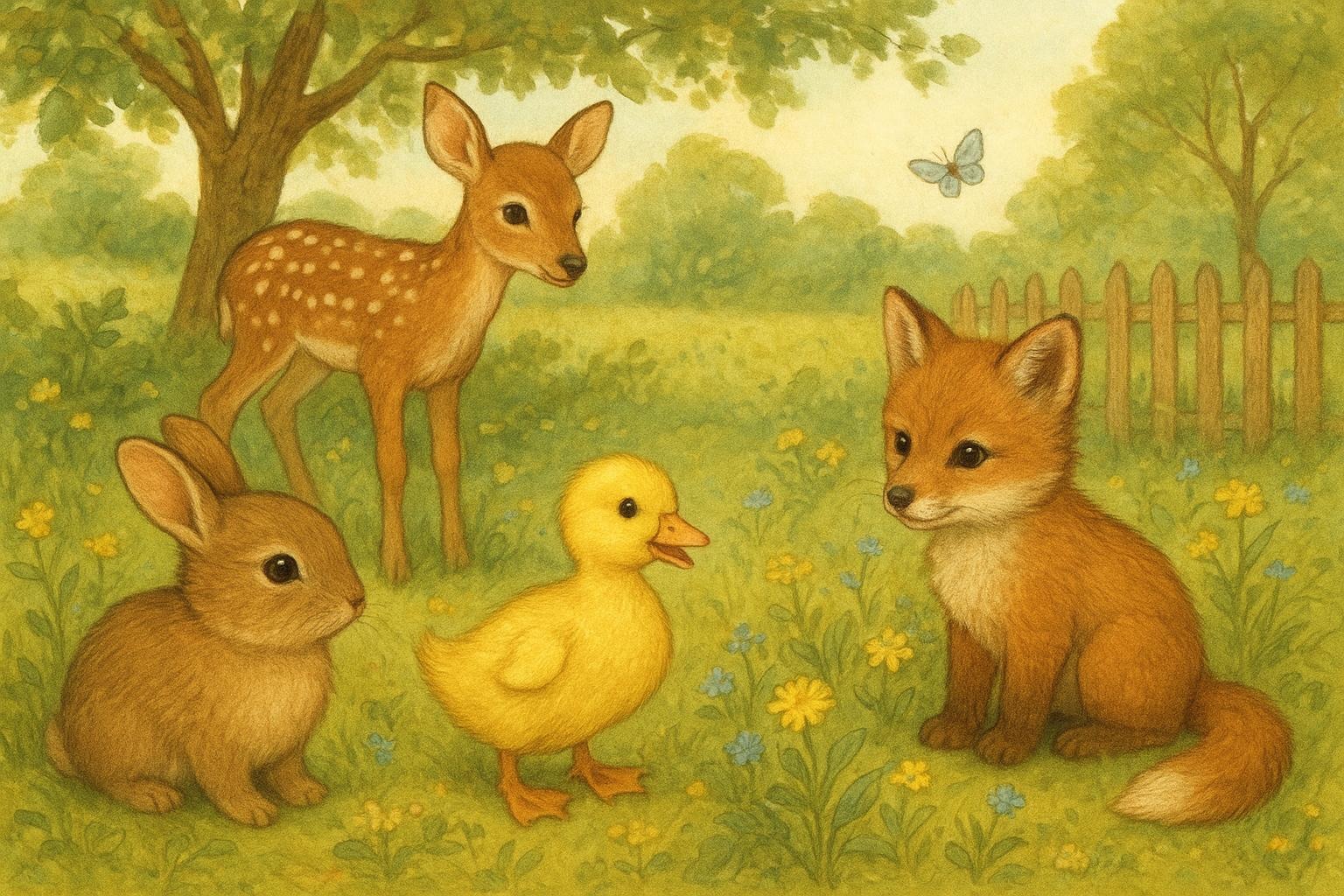
Spring is when the neighborhood soundtrack changes: louder birdsong, a soft patter of tiny feet, and the occasional high-pitched chirp that makes you go, “Aww.” If you’ve been itching to get the kids—or your inner kid—outside, it’s an ideal season for slow, curious discovery. This is the time to watch the subtle drama of backyard life, learn a few local species, and practice a little wildlife-minded stewardship. You’ll see more of the baby animals you’ve read about in books, and maybe a few surprises you didn’t expect.
## Spring Baby Animals Spotlight Boosts Backyard Discovery
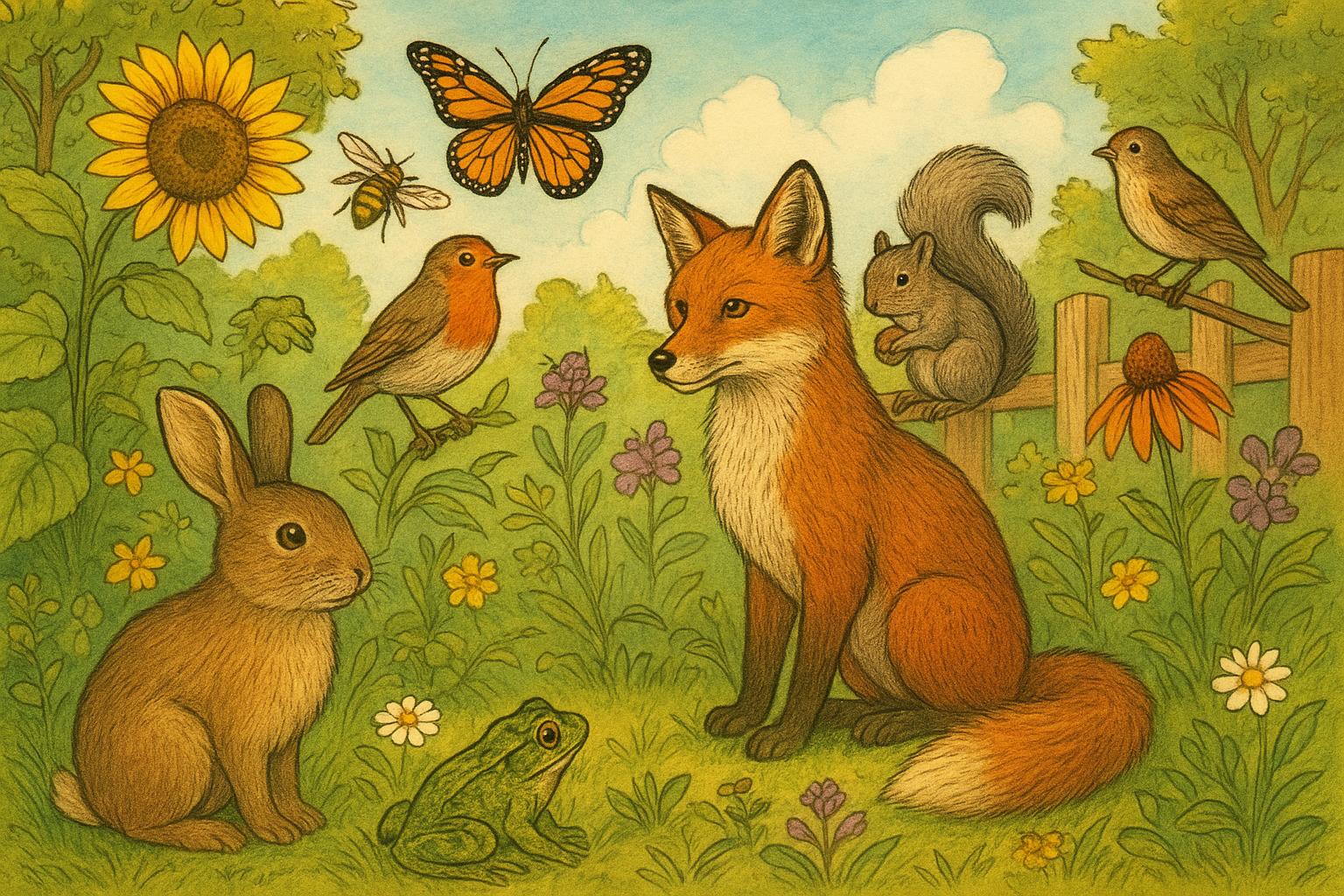
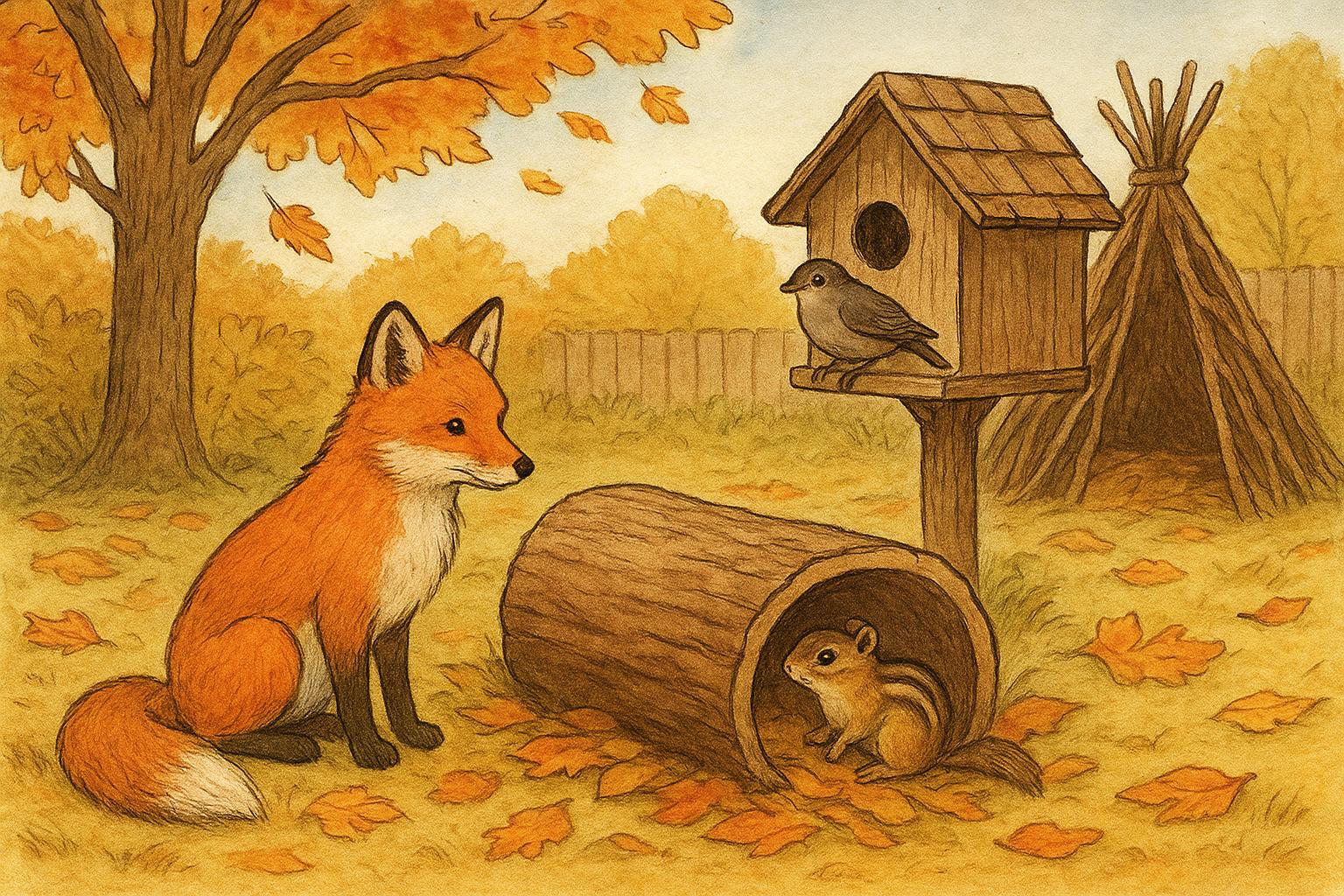
Spend a weekend watching and you’ll notice patterns: entry points along fences where fox kits scuttle out, a discreet clump of grass where fledglings practice short flights, or a hedgerow where bunnies tuck their young into shallow nests. Baby animals are often surprisingly well-hidden, so tuning your senses—sight, sound, and patience—will reward you more than a high-powered lens.
### Where To Look And What To Expect
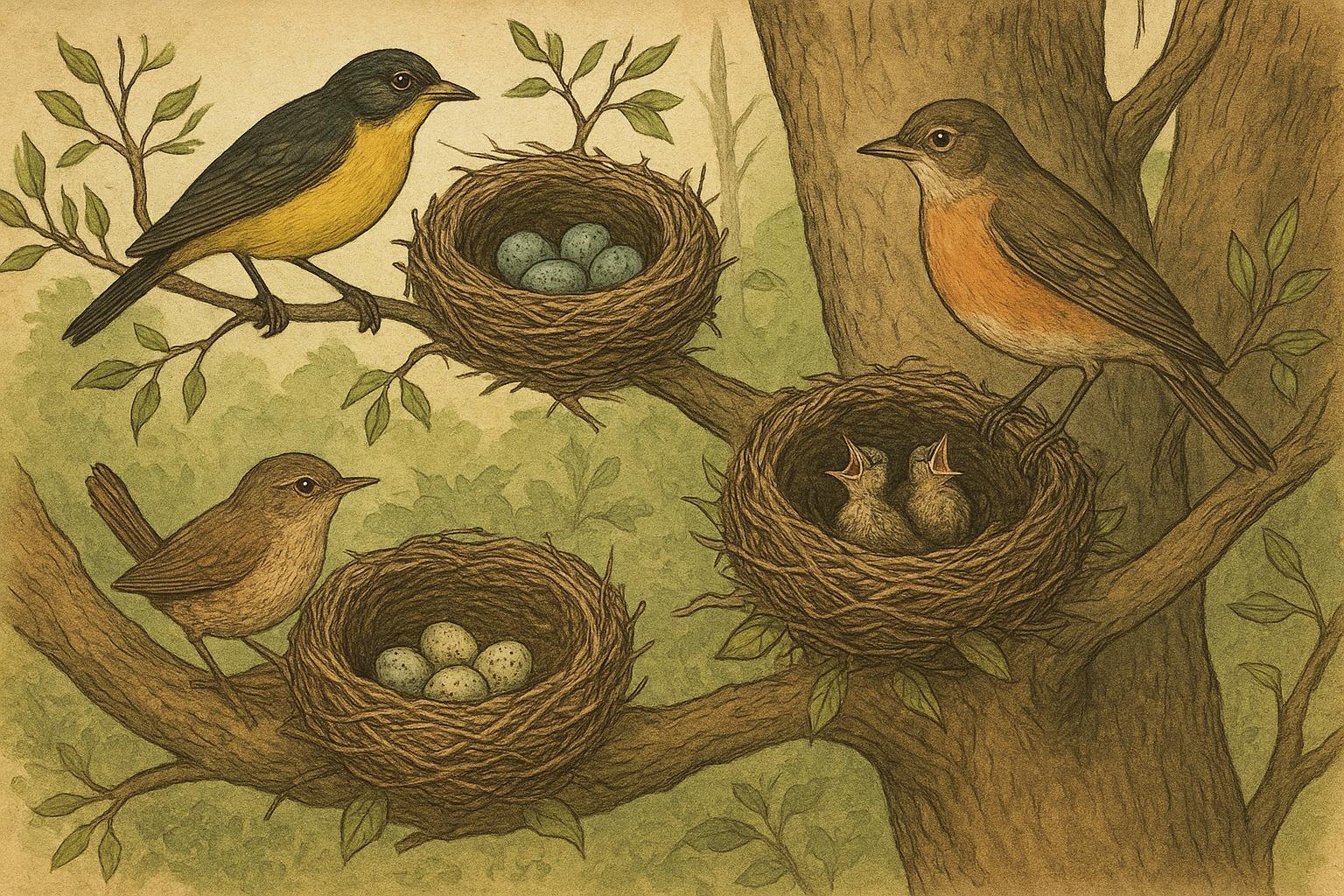
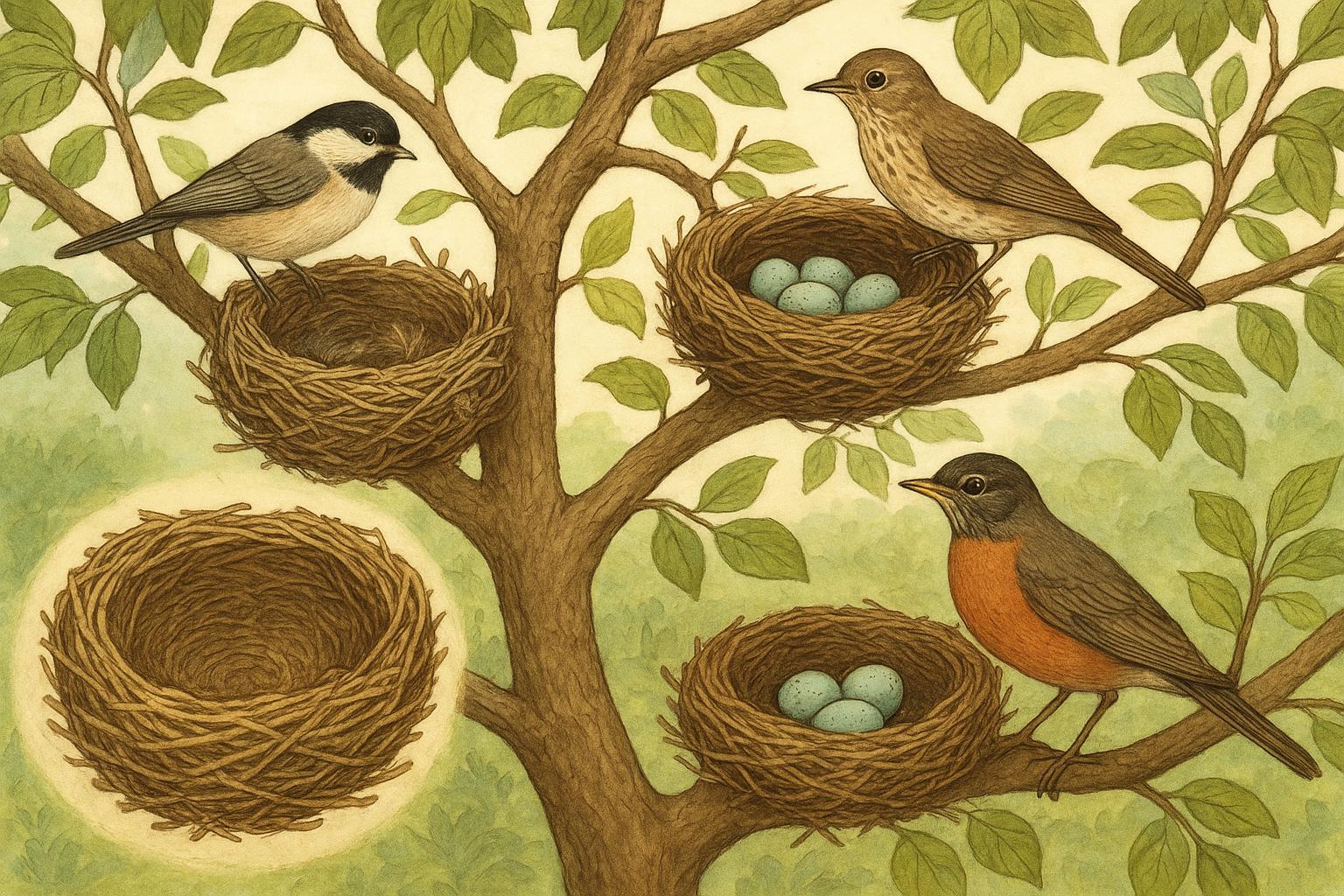
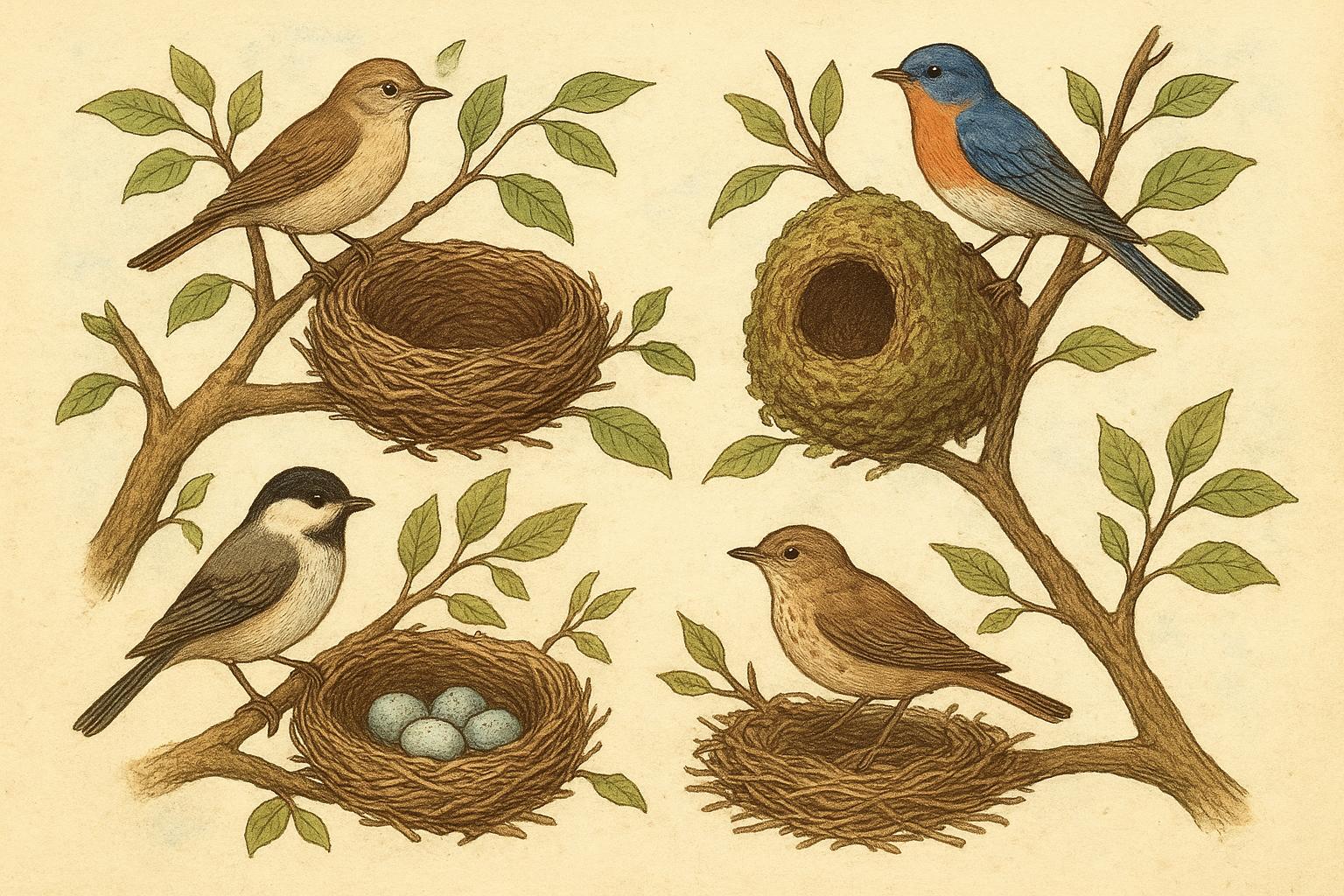
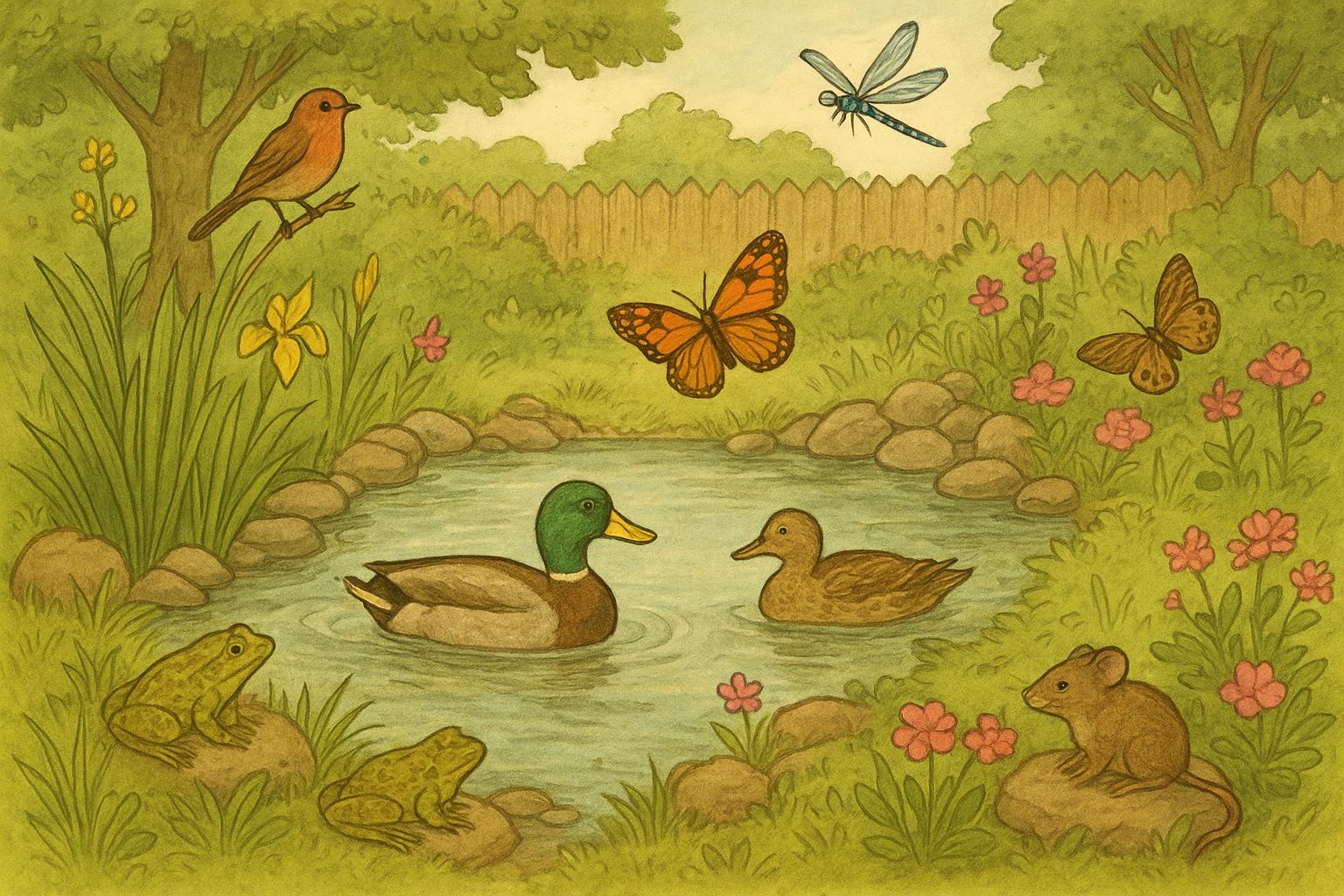
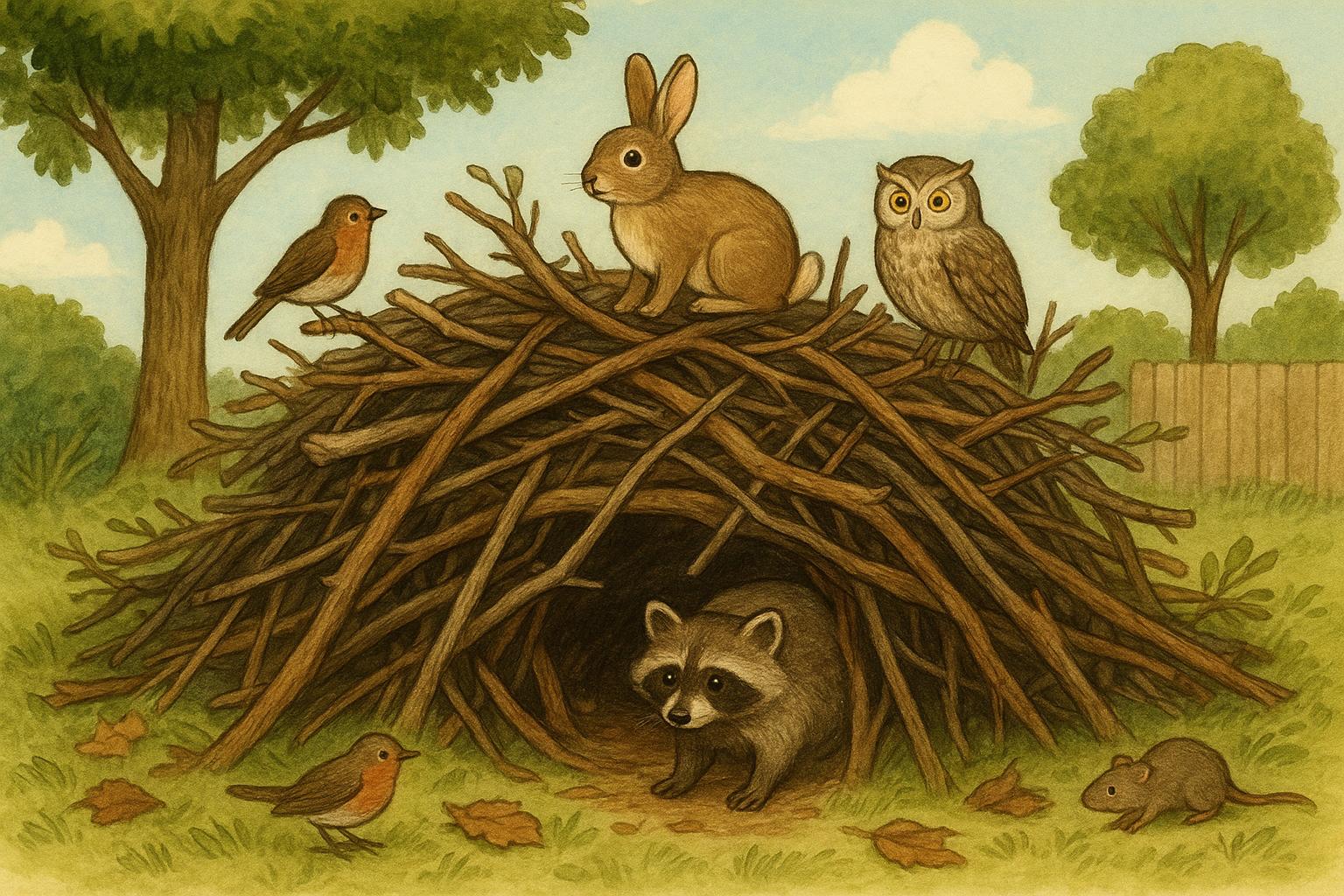
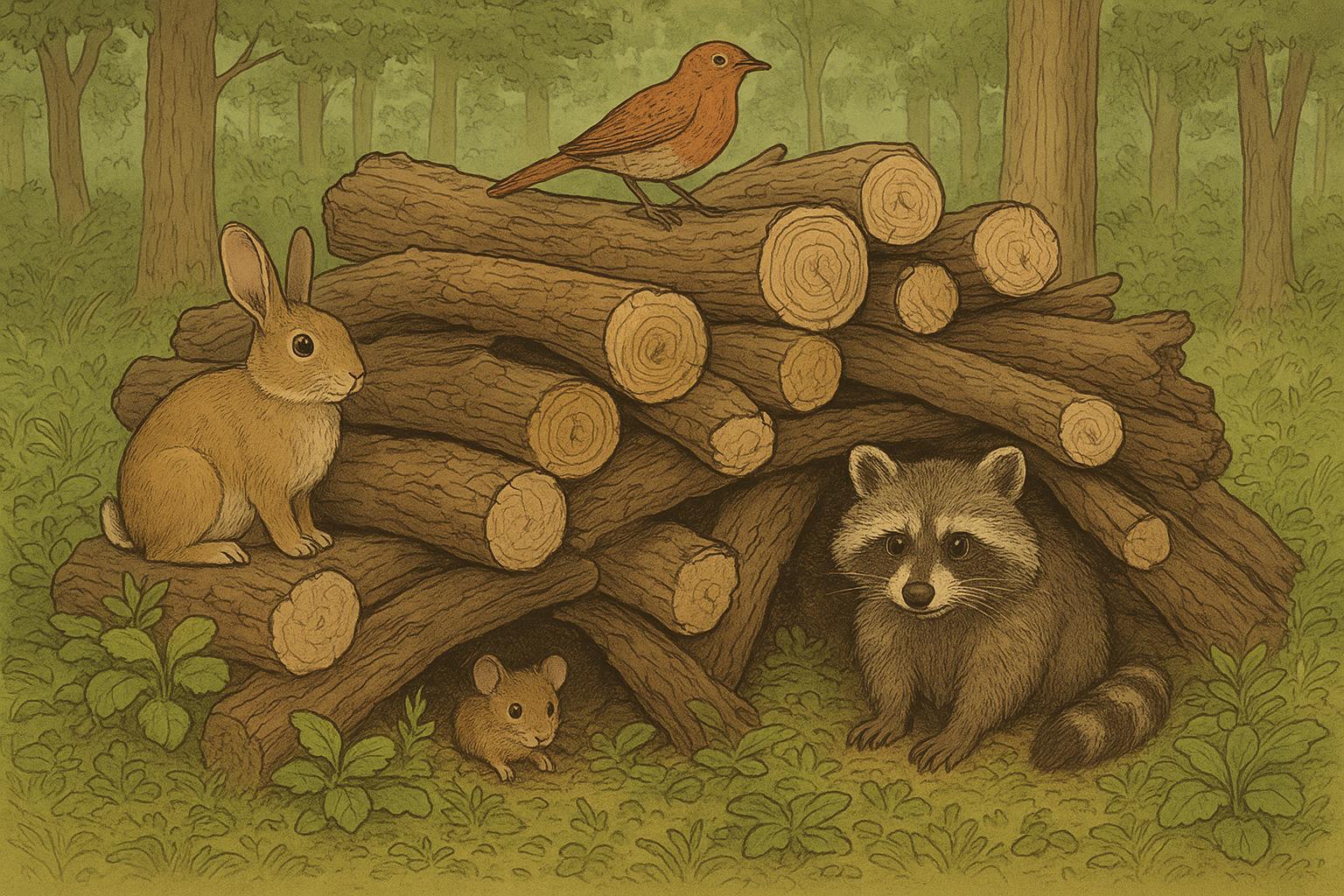
Look near natural edges—the borders between lawn and shrub, under brush piles, beside ponds and rain barrels. Early in the morning and at dusk are prime observation windows. Different species have different parenting strategies: some birds are raised in open nests, some mammals hide their young away in burrows, and some amphibians transform in water with tadpoles everywhere. Expect to see tentative movements, repetitive calls from parents, and signposts like scat and trampled vegetation.
### Signs That Baby Animals Are Nearby
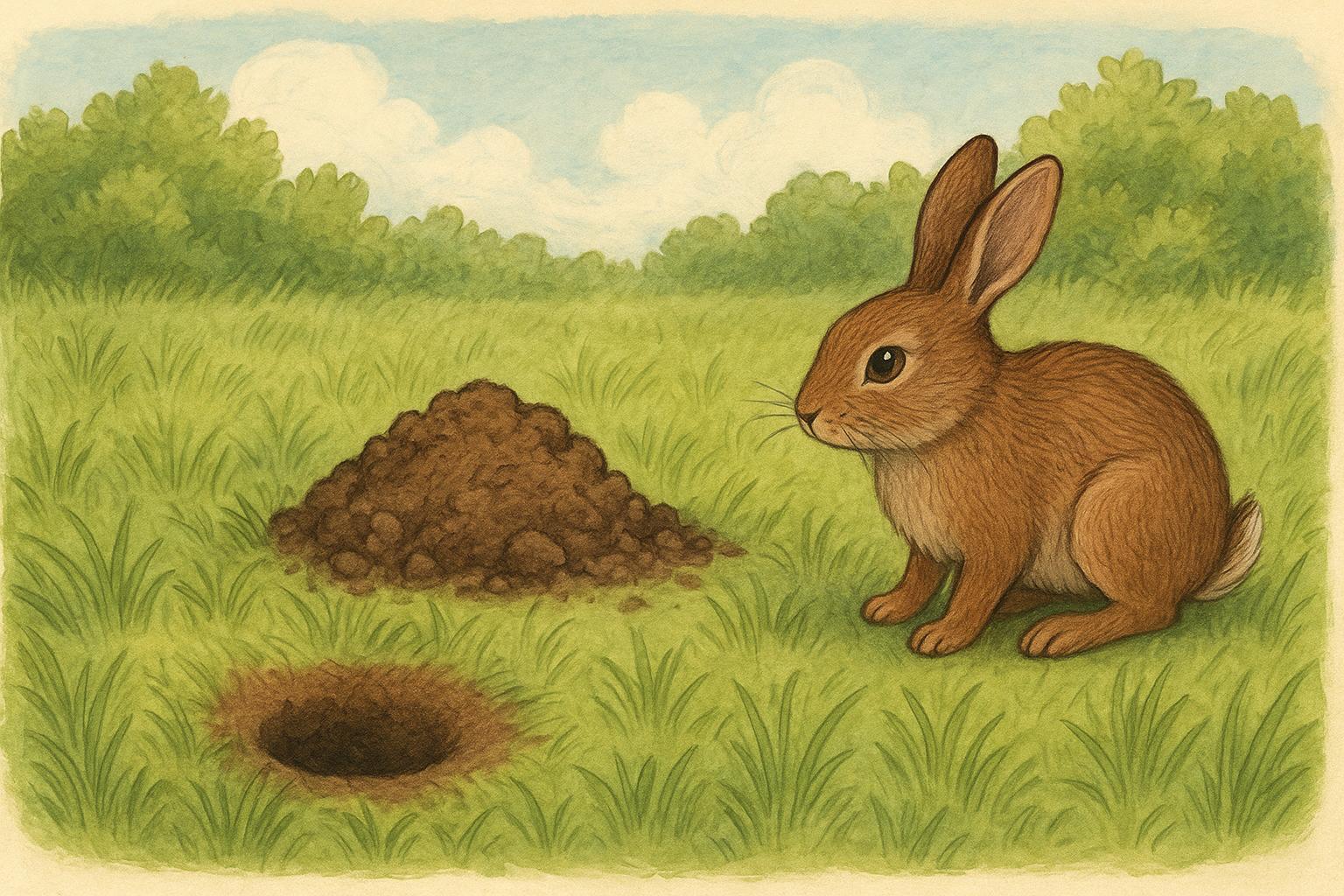
Listen for high-pitched calls and scrabbly scuffles. Spotting adult animals frequently returning to one bush, tree cavity, or undergrowth can be the clearest clue. You might also find feathers, a little trail of downy fluff, or shallow depressions tucked into sheltered spots—these are classic clues that baby animals are being kept close and concealed.
### Responsible Viewing: Do’s And Don’ts
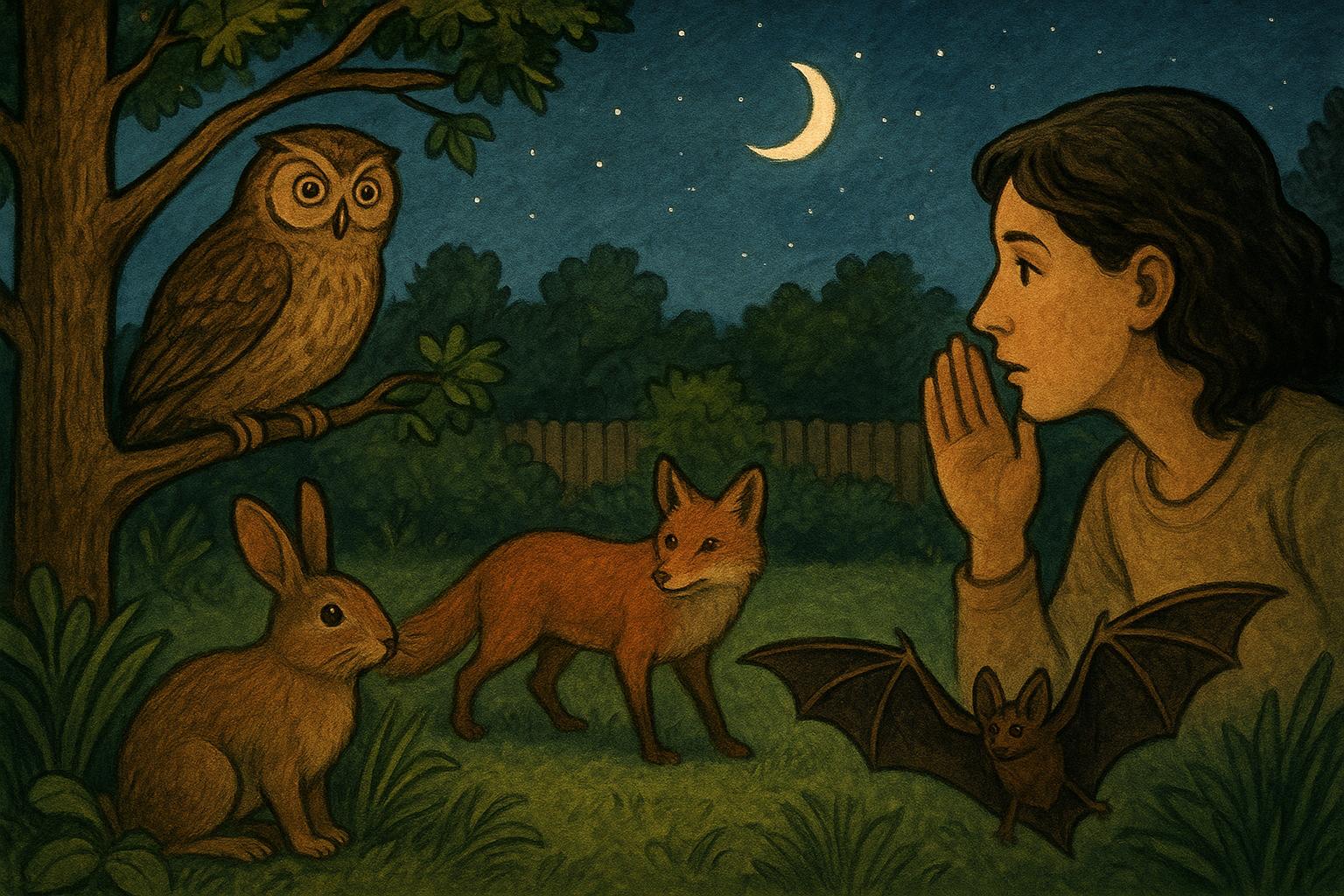
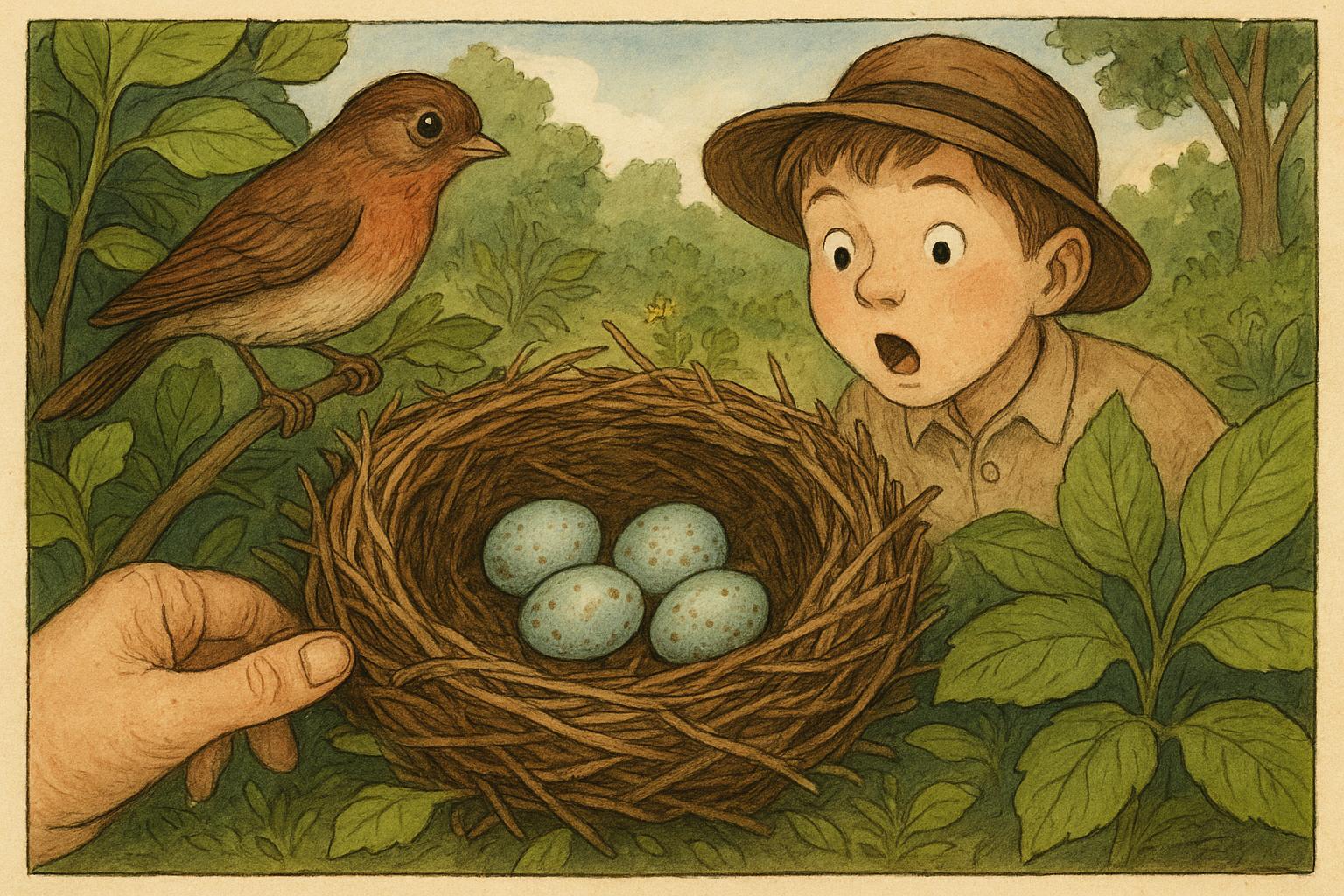
Be respectful. Move slowly, stay quiet, and keep a distance. Avoid touching or handling young animals unless there is clear evidence of immediate danger (e.g., injury, being in a high-traffic area) because many species are best left with their parents. Keep pets indoors while you observe, and don’t attempt to relocate a nest or den. If you want close-up photos, use a zoom lens rather than approaching.
### How To Encourage Safe Habitat For Baby Animals
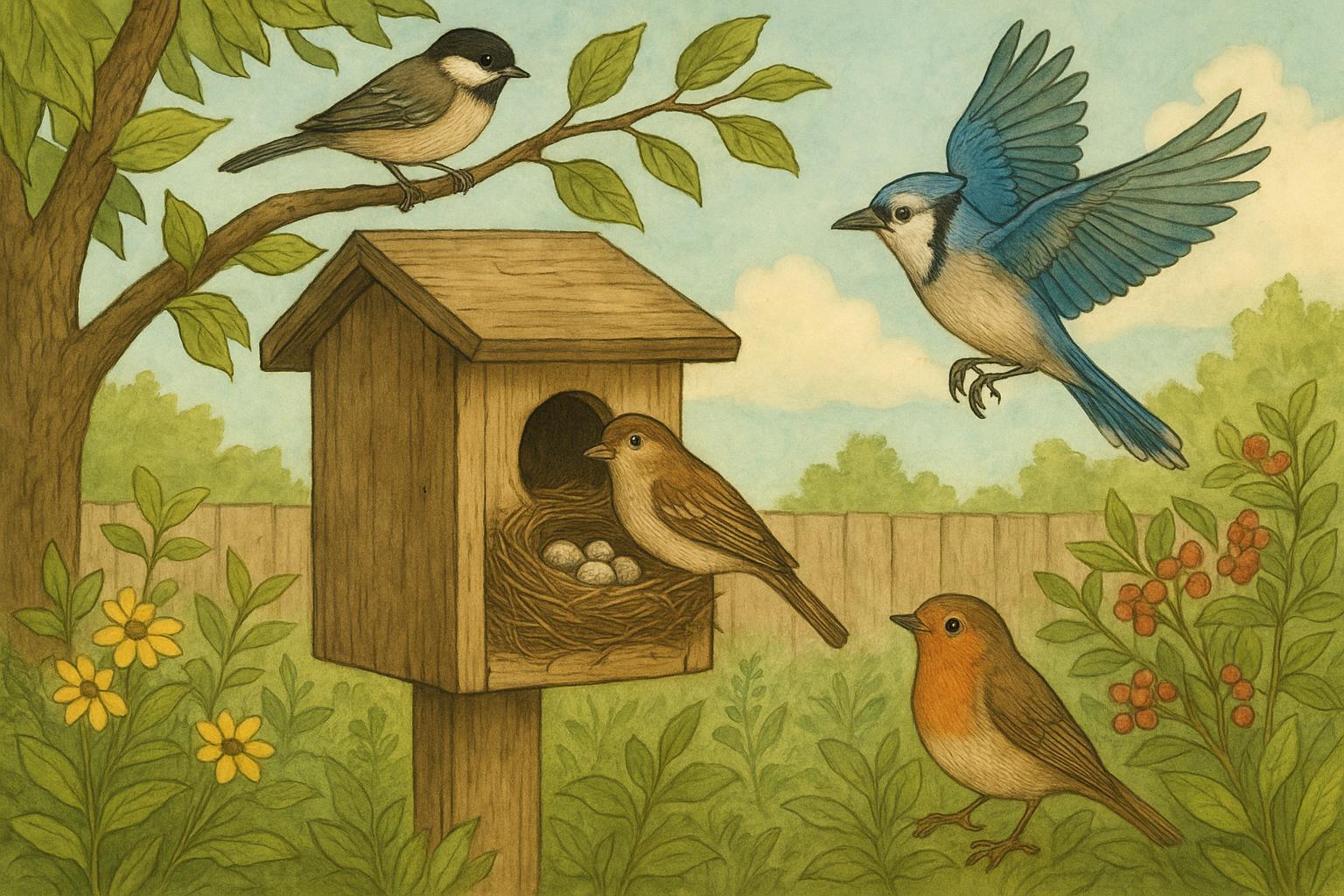
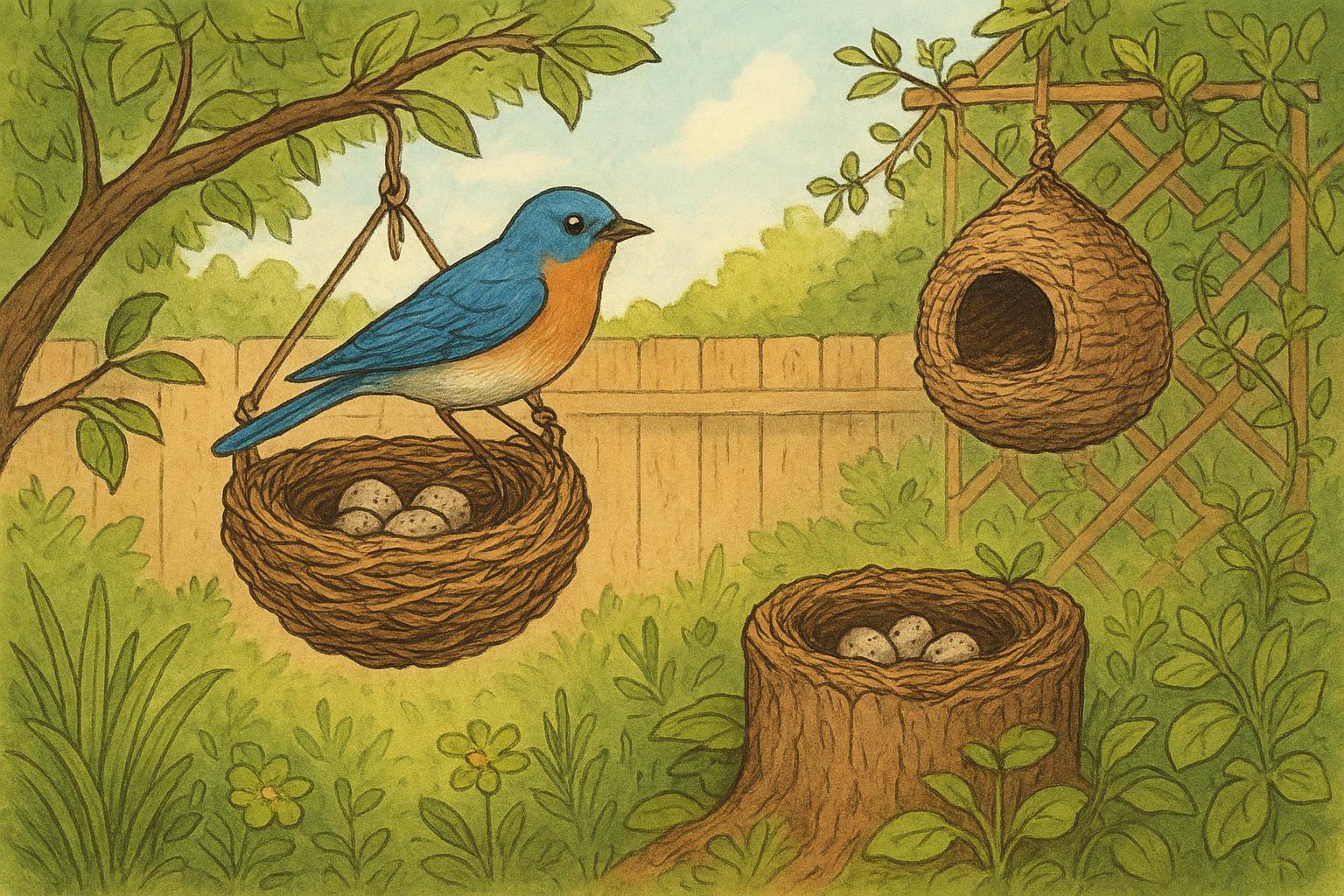
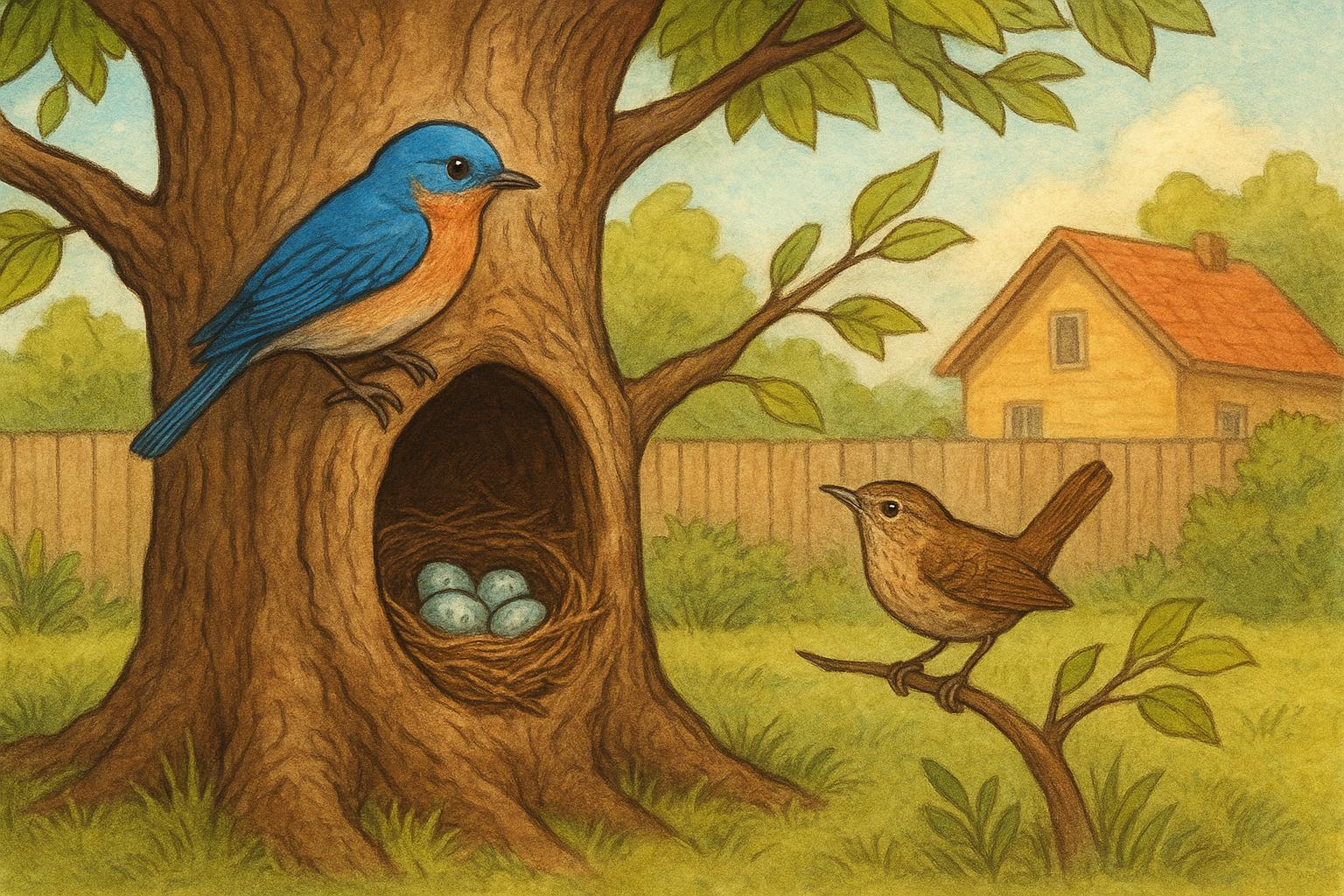
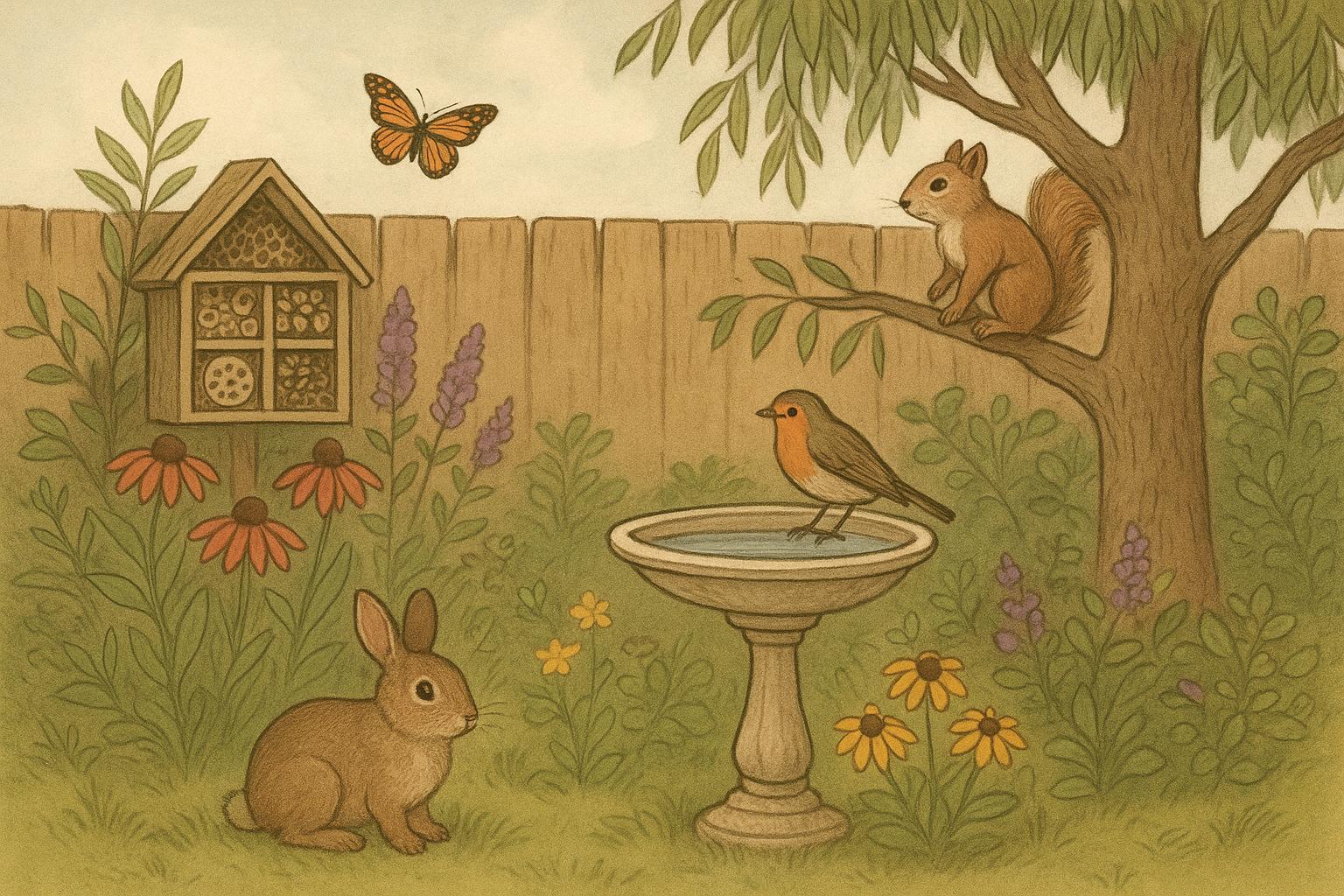
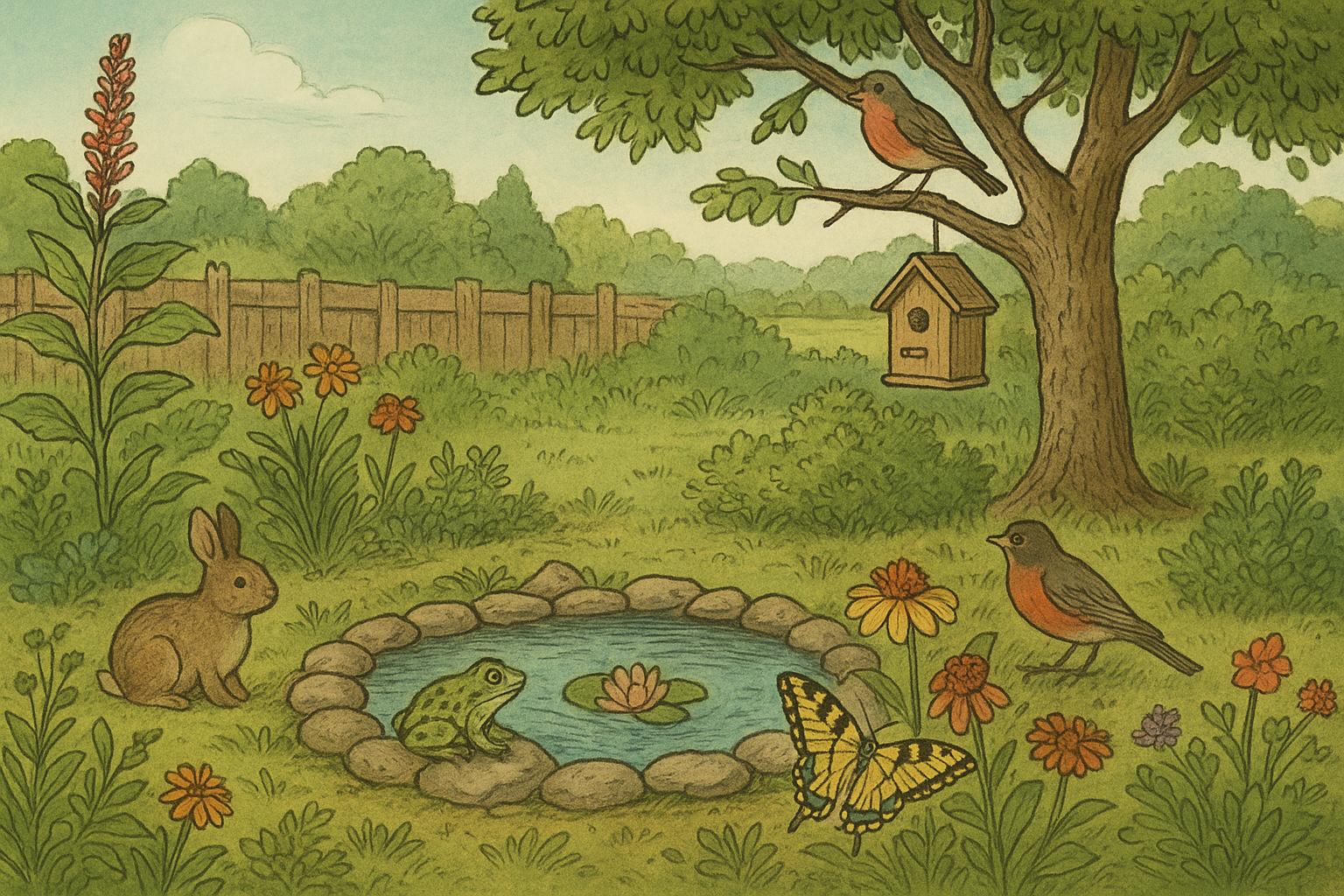
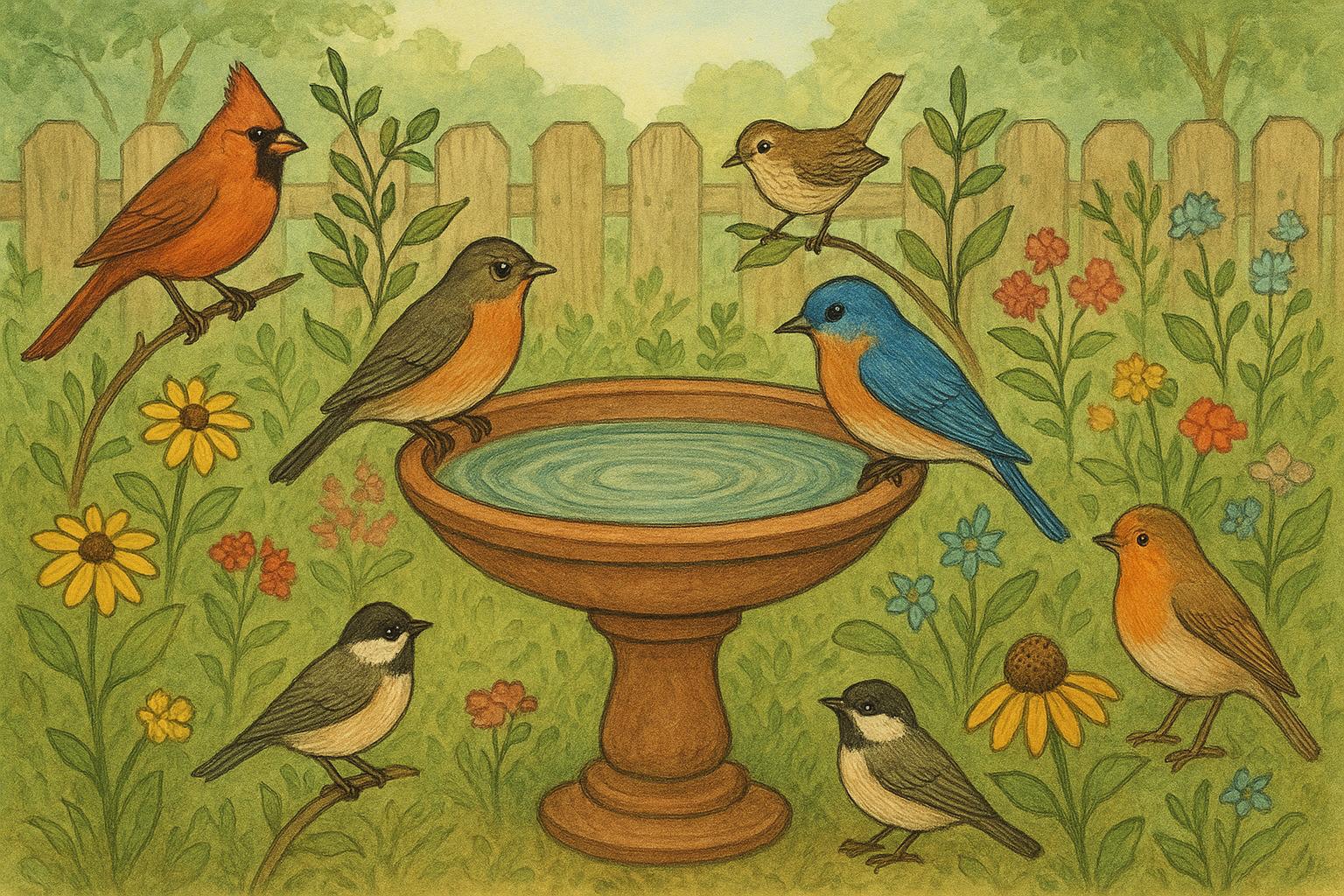
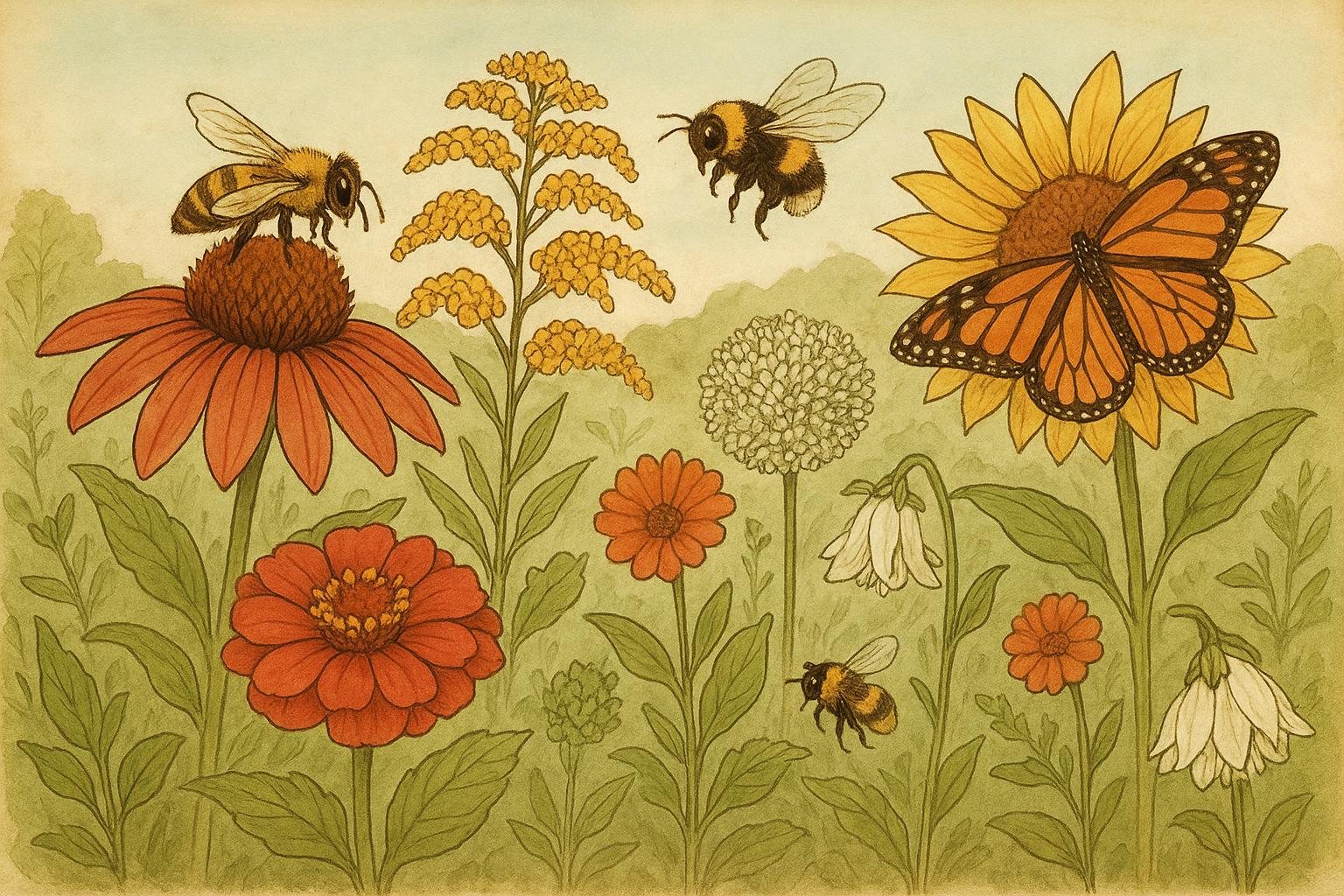
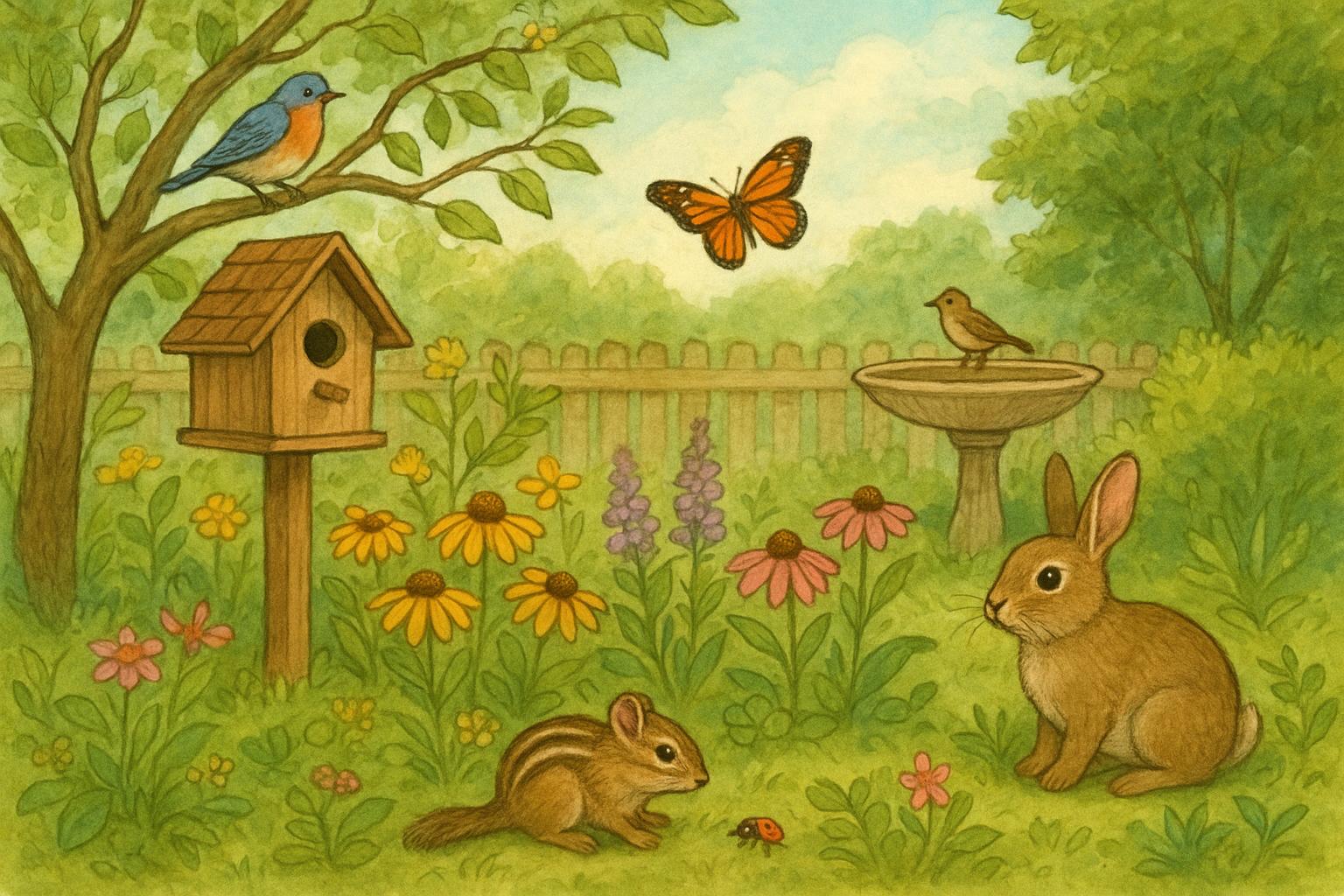
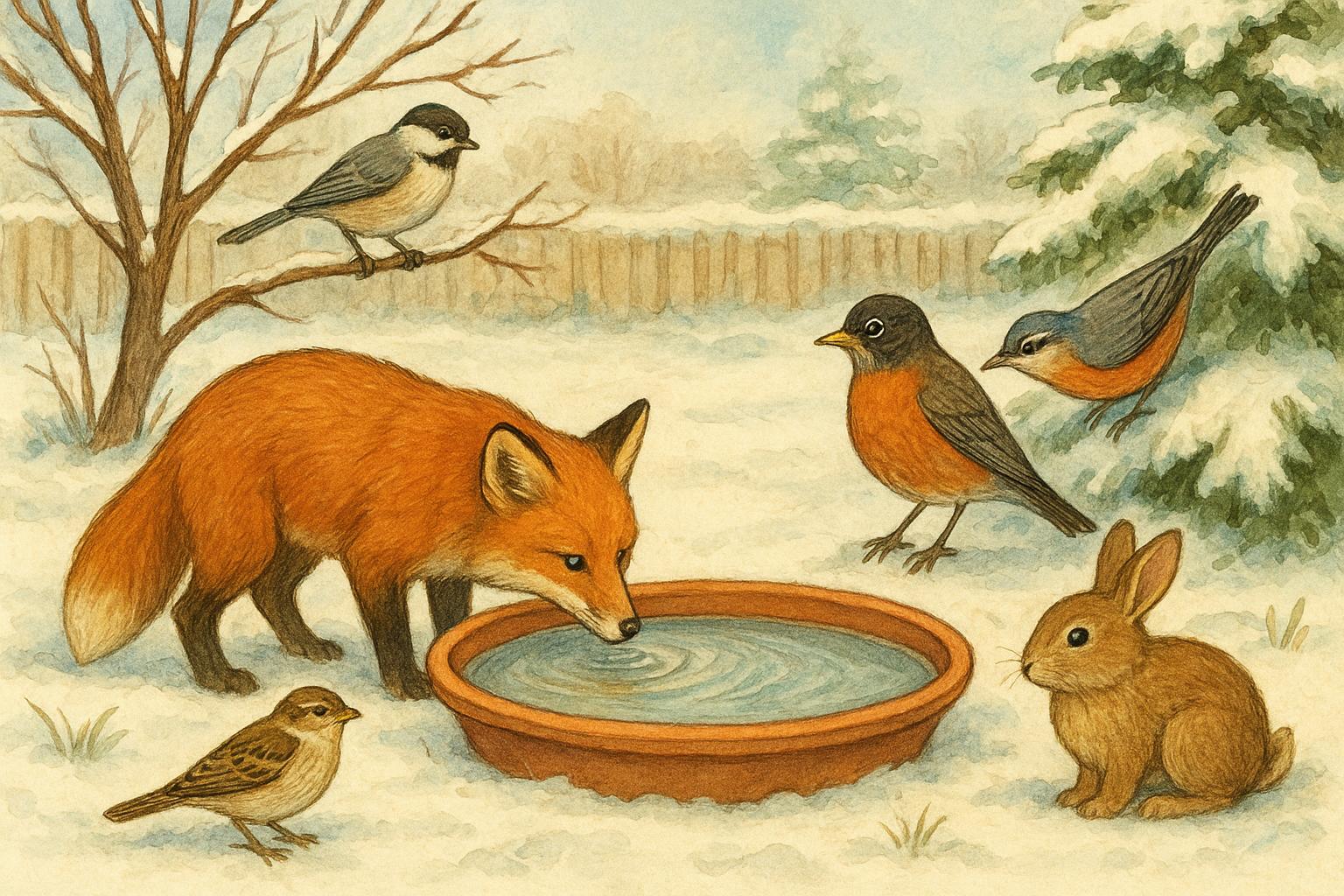
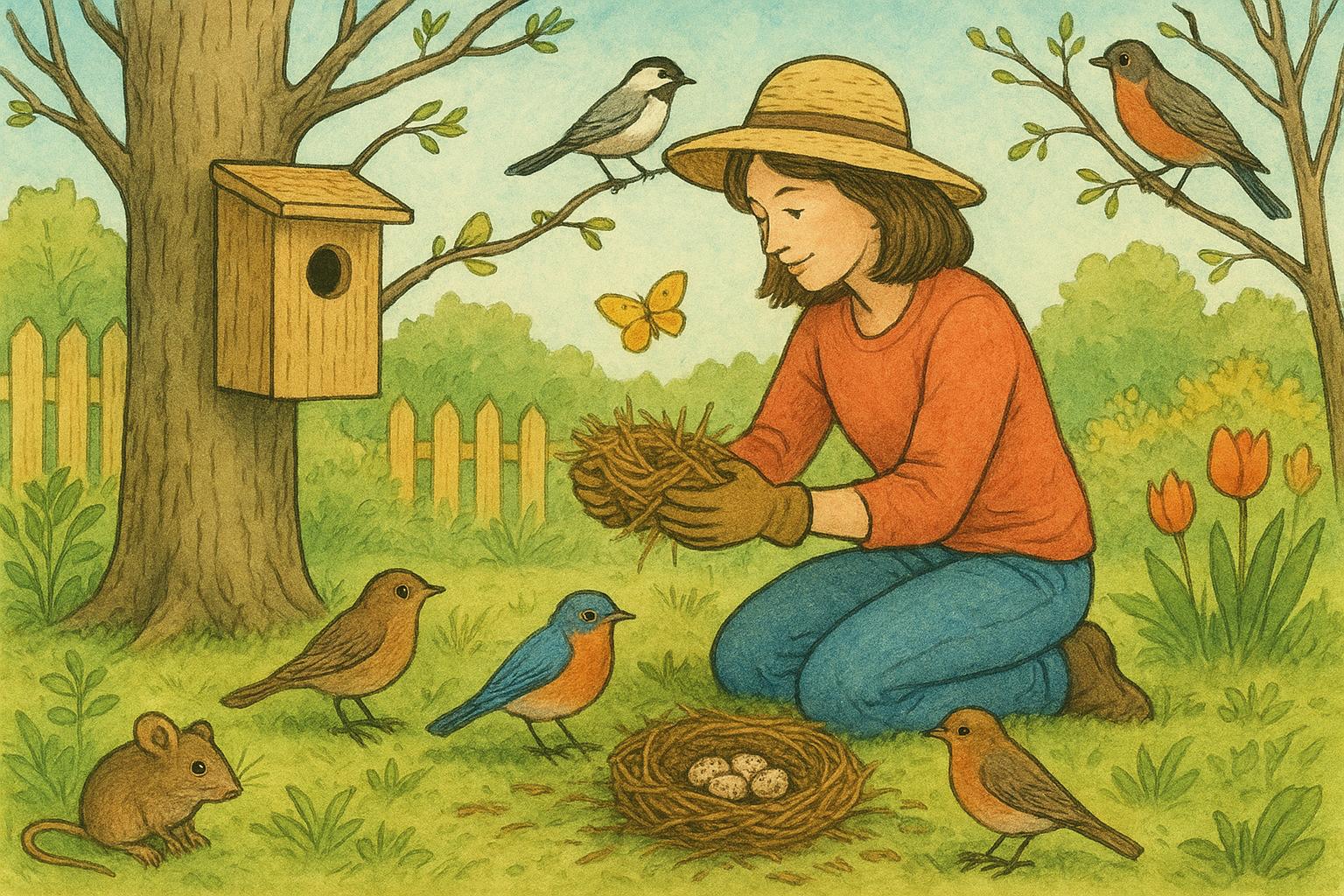
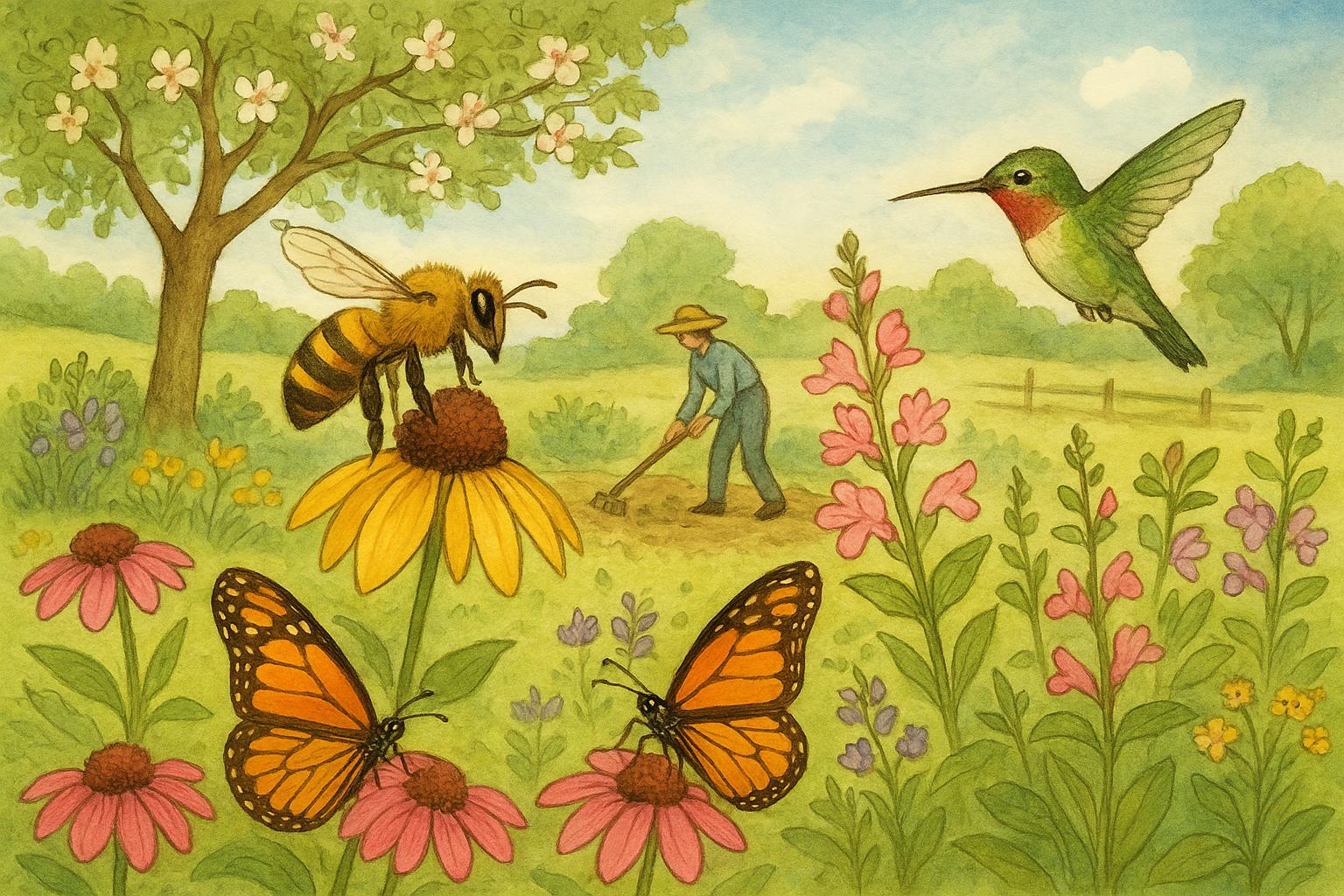
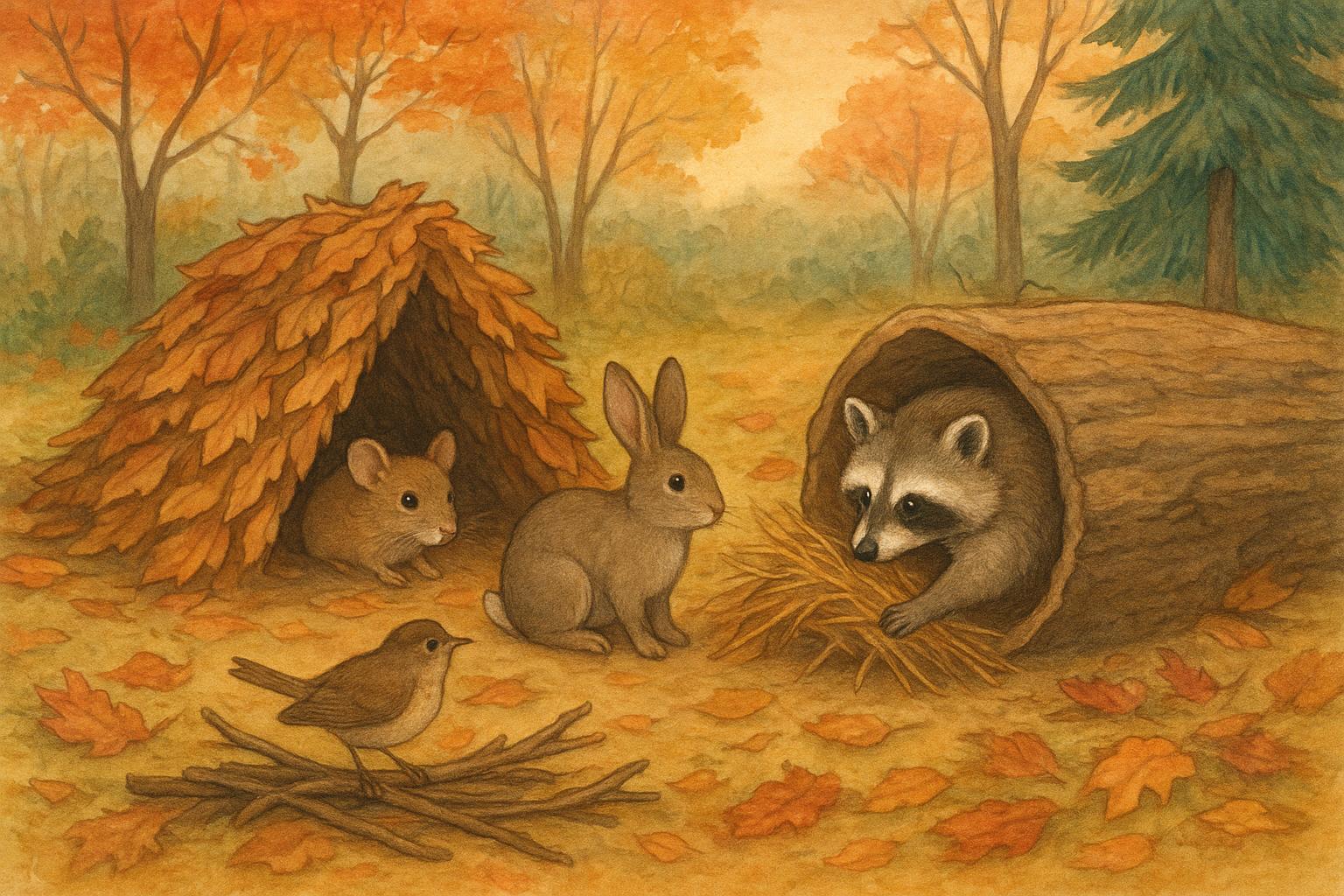
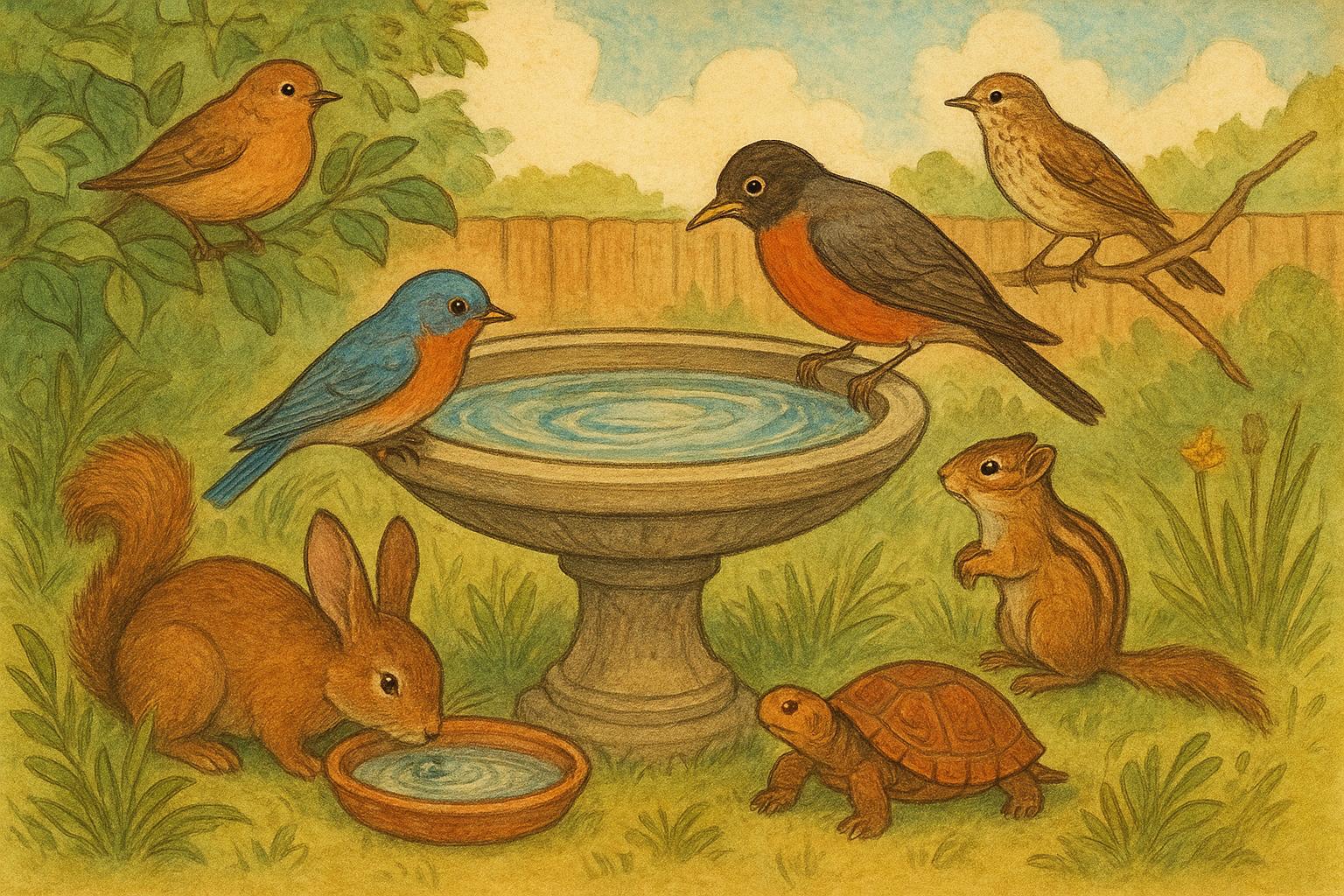
You don’t need acres to help. A small pollinator patch, a shallow dish of water placed on a stable surface, leaving brush piles (in a designated corner), and maintaining native plantings can provide food and shelter. Avoid pesticides and herbicides during breeding season; these chemicals can reduce the insect abundance that many baby animals depend on. Structural features like nest boxes and bat houses can also attract cavity-nesting birds and bats, increasing your backyard’s value as a nursery.
### How To Create A Wildlife Rescue Kit For Baby Animals
If you encounter an injured or orphaned juvenile, having a basic wildlife rescue kit on hand can make the immediate response safer and more effective. Below is a formal, informative set of materials and procedural steps to follow. This is intended for temporary stabilization only; transfer to a licensed wildlife rehabilitator or veterinarian should occur as soon as possible.
#### Required Materials And Equipment
1. A well-ventilated cardboard box or plastic carrier (clean and sturdy)
2. Disposable gloves (nitrile or latex-free)
3. Soft cloths or towels (clean, plain fabric—no loose fibers)
4. Warm water bottle or heat pack (wrapped in cloth to avoid direct contact)
5. Small, secure lid or mesh to cover the container without restricting airflow
6. Tweezers or blunt scissors (for removing visible entanglements)
7. Phone and contact list for local wildlife rehabilitators, veterinarians, and animal control
8. Notebook and pen to record location, time found, and observed condition
#### Step-By-Step Stabilization And Transfer Procedure
1. Assess the Scene Safely: Observe from a short distance. Determine whether the animal is obviously injured, trapped, or in immediate danger (e.g., on a roadway). If parents are present and nearby, pause—removing a youngster can do more harm than good.
2. Protect Yourself: Don gloves before any handling. Even small animals may bite or carry diseases and parasites.
3. Contain With Minimal Stress: Using a towel, gently scoop the animal and place it into the prepared, ventilated box or carrier. Keep movement slow and your voice low. Secure the lid so there is no risk of escape.
4. Provide Gentle Warmth: If the animal is cold or lethargic, apply a wrapped warm water bottle for heat. Do not overheat; check temperature frequently. Young wildlife can go into shock quickly, and gentle warmth helps maintain body temperature.
5. Do Not Feed Or Give Water: Improper feeding can kill baby animals. Do not attempt to feed or hydrate unless explicitly instructed by a wildlife professional.
6. Record Details: Note the exact location where the animal was found, time, and any visible injuries or behaviors. Take a few photos if you can do so without causing additional stress.
7. Contact a Professional Immediately: Call a licensed wildlife rehabilitator or your veterinarian for instructions. Follow their guidance for transport and any additional stabilization steps. Transport in the same secured carrier, minimizing noise and movement.
8. Transfer Without Delay: Deliver the animal to the facility recommended by the rehabilitator. Time is often critical; prolonged delays reduce survival chances.
### When To Intervene Versus When To Observe
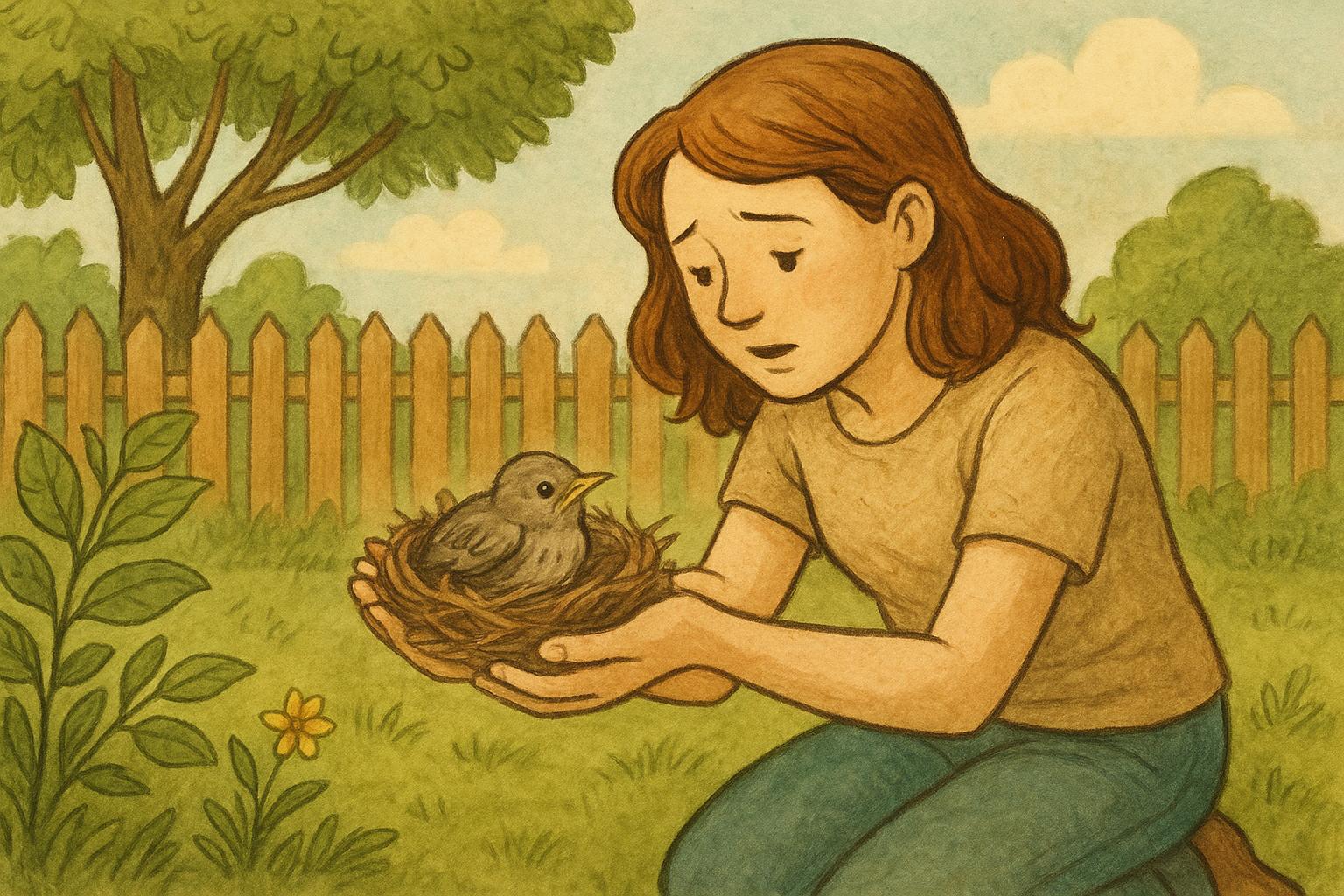
Intervention is only appropriate if the animal is clearly injured, trapped, orphaned in an unsafe location, or in immediate danger. If a nestling appears healthy and uninjured but is on the ground, watch from afar for one to two hours—parents are often nearby and will return to tend fledglings. If after that time there’s no sign of parental care, then follow the stabilization steps above and contact a professional.
### Mitigating Common Backyard Hazards For Baby Animals
You can reduce accidental harm by modifying elements of your yard. Keep netting and garden twine secured and removed when not in use, cover storm drains, and provide escape ramps in structures like fenced ponds. For yards with heavy foot traffic, create designated wildlife zones where plants can grow a bit wilder during breeding season. These small, practical changes reduce collisions and entanglements and increase survivable habitat for baby animals.
### Learning Activities To Engage Kids And Neighbors
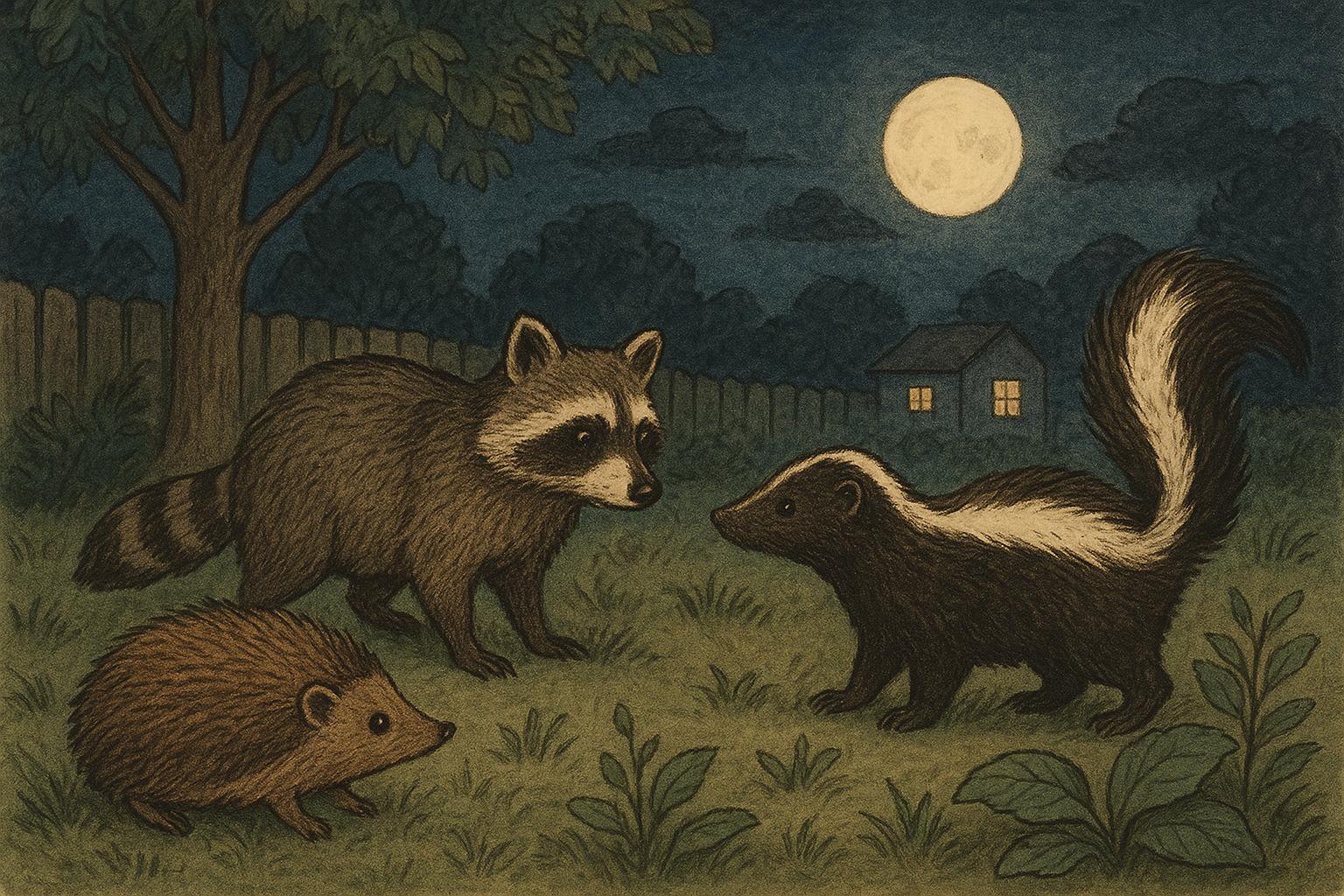
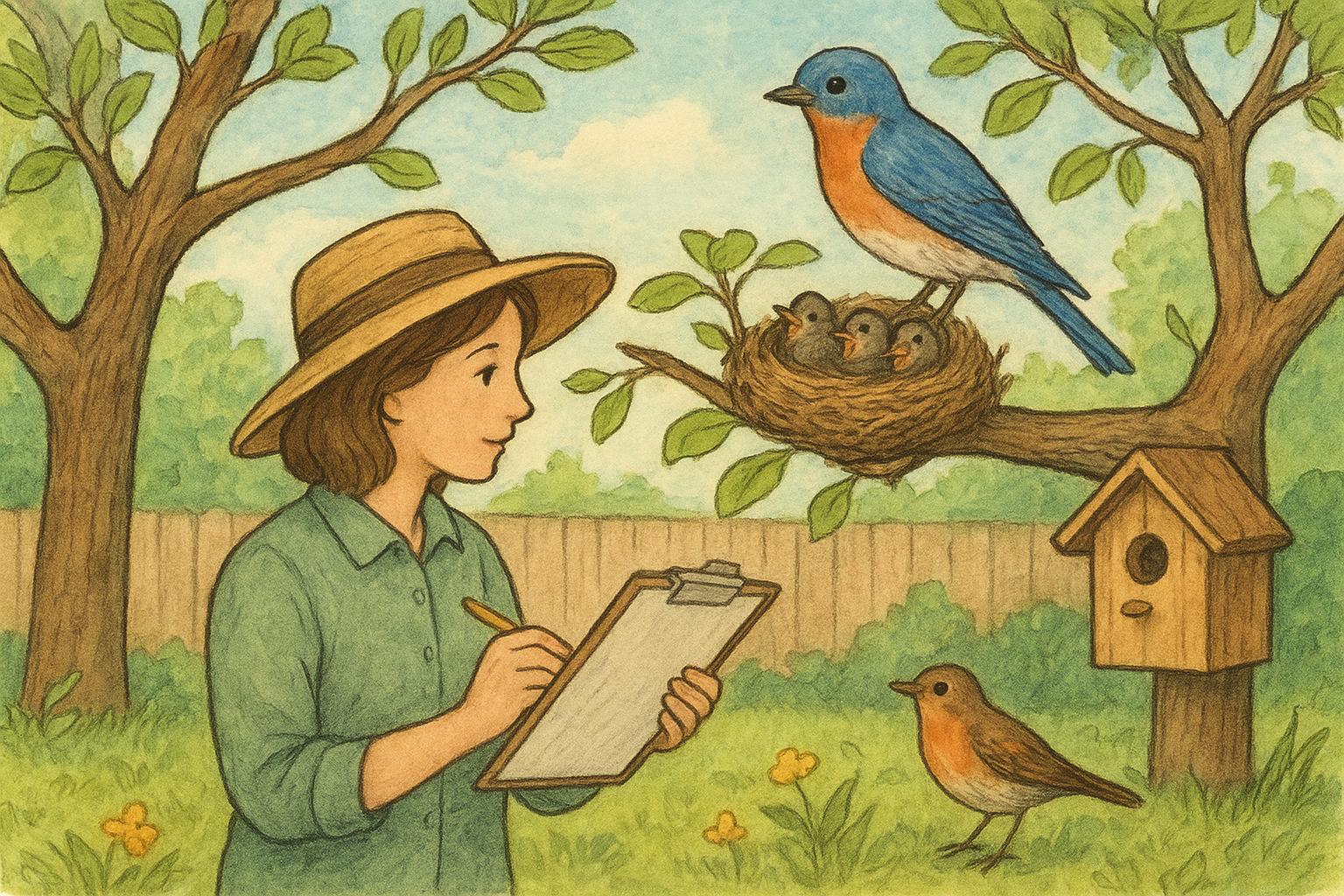
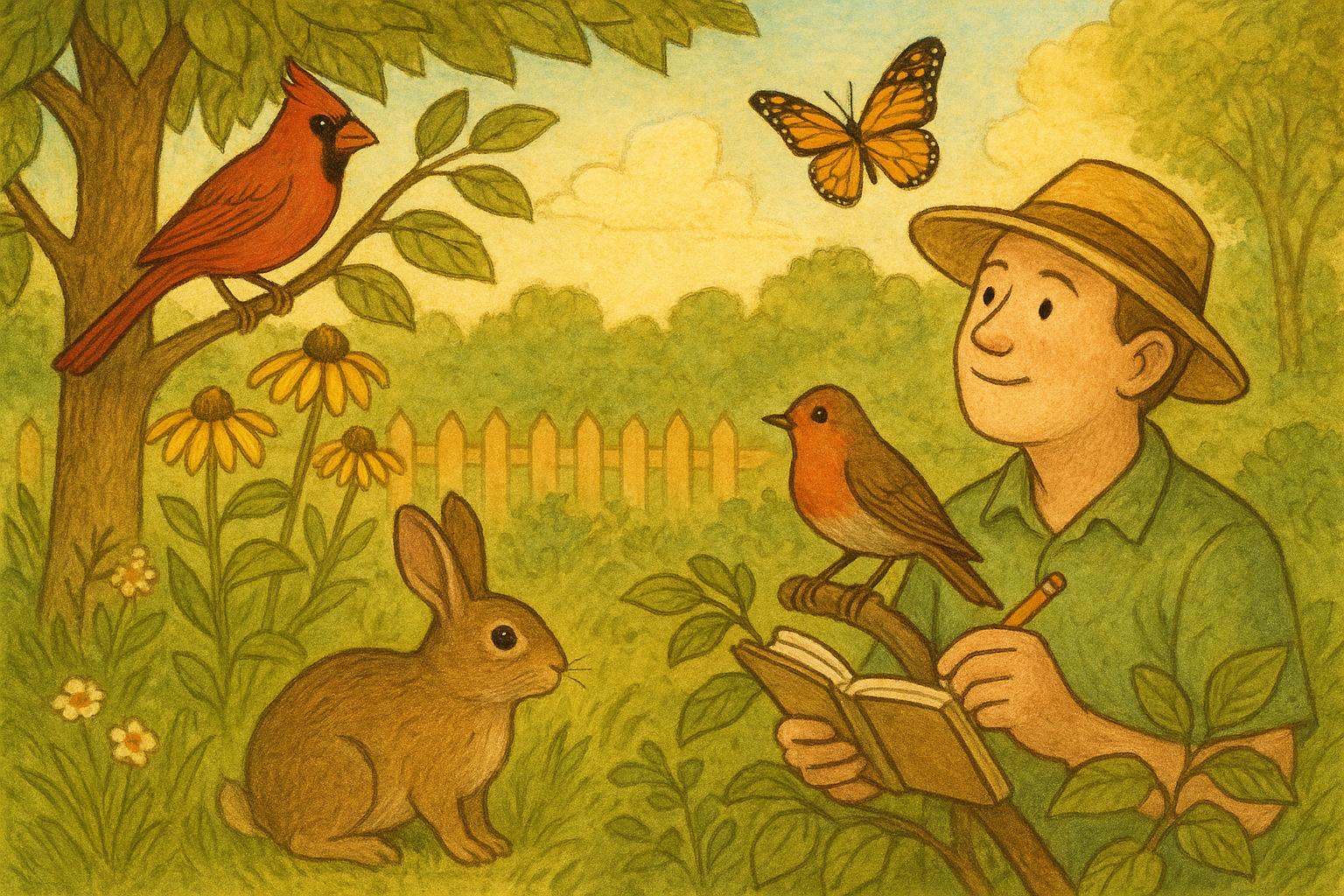
Turn observation into gentle science. Create a backyard nature journal, sketch nests, document calls, and note the sun and temperature when you see activity. Install a simple trail camera (mounted out of direct sun and secured) to capture nocturnal visitors. Organize a neighborhood “quiet hour” where families practice still observation together—this is a lovely way to share discoveries while minimizing disturbance.
#### Safe Materials And Steps For A Kid-Friendly Observation Station
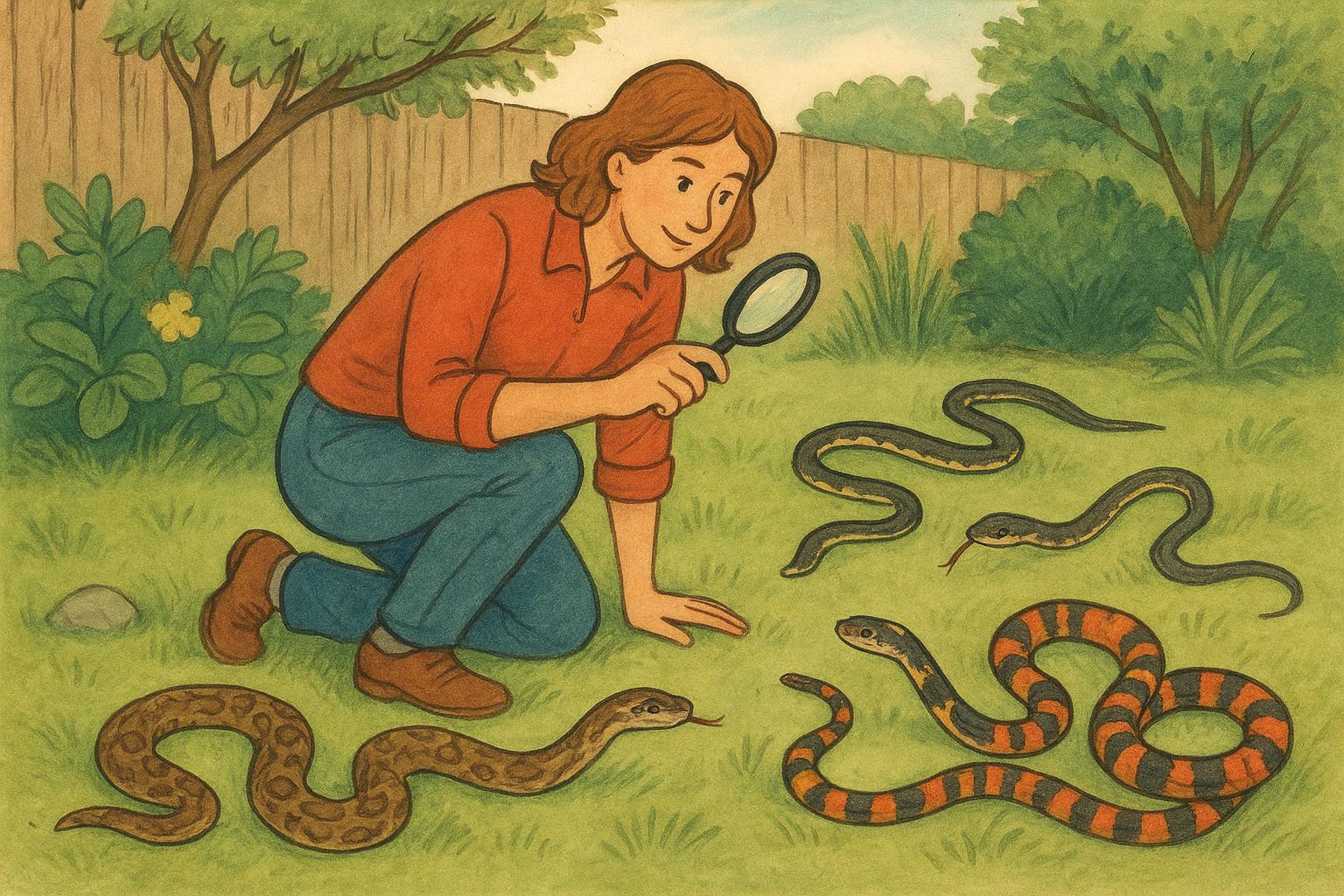
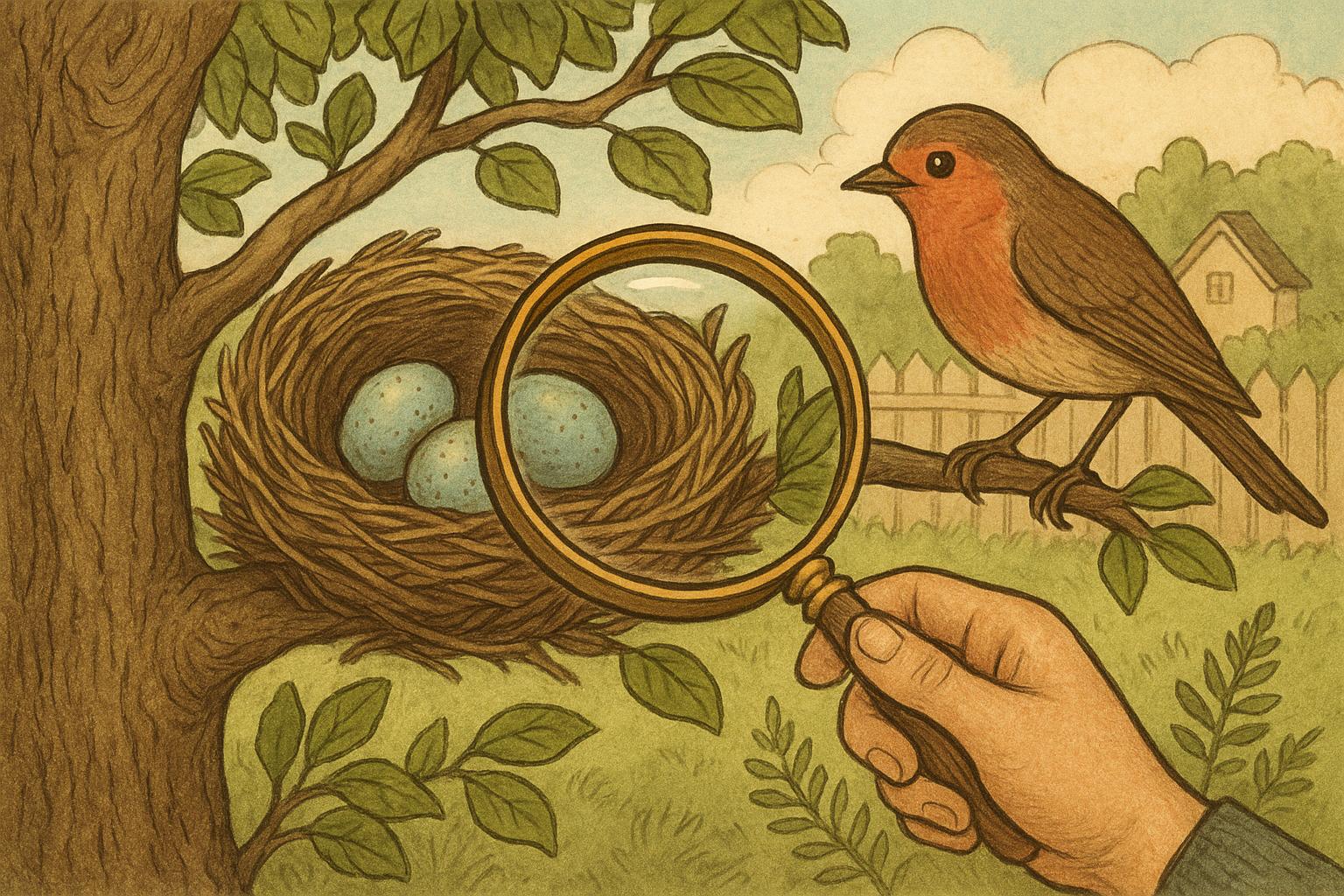
Materials: clipboard and paper, binoculars (kid-sized), a magnifying glass, a small field guide to local wildlife, and a timer.
Steps:
1. Choose a quiet observation spot with shelter and a clear sightline to likely wildlife areas.
2. Set the timer for short observation bursts (10–15 minutes) to keep attention focused and preserve patience.
3. Have kids note sounds before and after each session and sketch anything they see.
4. Review findings together and look up species in the field guide—this promotes curiosity and identification skills without interfering with the animals.
### How To Photograph Baby Animals Without Causing Harm
If you’re a shutterbug, use a telephoto lens or a phone zoom to keep your distance. Avoid using flash directly on young animals; bright bursts can disorient or scare them. Position yourself so you’re not casting a shadow over nests or hotspots, and prioritize the animal’s wellbeing over getting the perfect shot. Remember: a good wildlife photo is one where the subject stays safe and natural.
### Legal And Ethical Notes About Handling Wildlife
Many jurisdictions have legal protections for native wildlife. Handling or possessing certain species without permits can be a violation. Additionally, improper care can cause long-term harm to young animals that appear orphaned. Always consult local wildlife authorities for regulations and recommendations. When in doubt, document and consult rather than rescue spontaneously.
### Simple Habitat Upgrades That Make A Big Difference
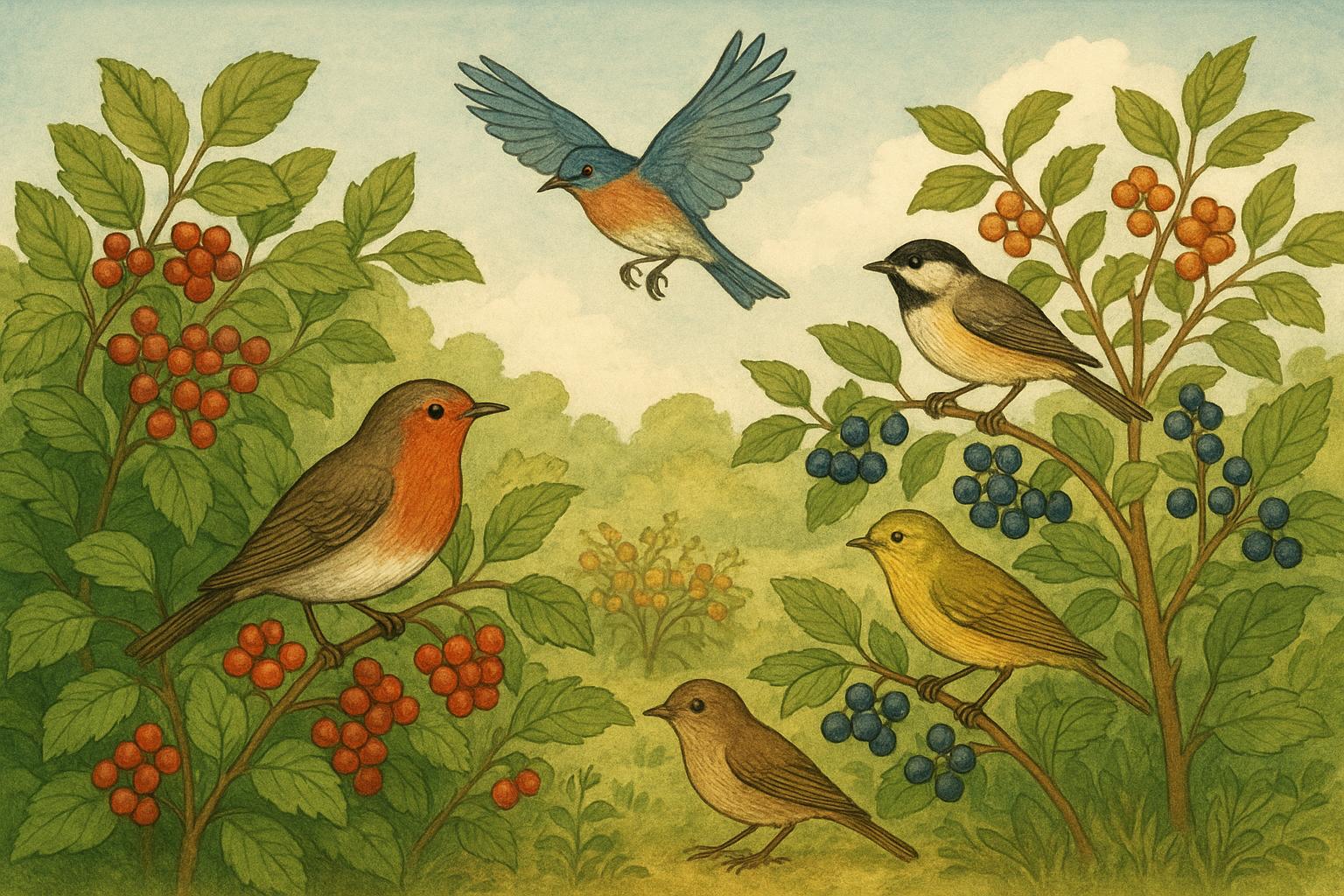
Plant native shrubs and nectar plants, leave seed heads and dead stems in place through late winter for overwintering insects, and provide safe water sources. Even a small patch left unmowed will create microhabitat for invertebrates that feed many baby animals. These upgrades are low-effort but highly beneficial—think of them as inviting more tiny diners to the neighborhood buffet.
Keep your curiosity tuned and your interventions thoughtful. The season of growth and learning that comes with spring invites us to become better observers, better neighbors, and, when necessary, responsible helpers to the baby animals that share our backyards.


Leave a Reply