

Spring is the season of renewal — for gardeners, for allergy sufferers, and for the feathered and furry residents that quietly decide your backyard is prime real estate. If you want to encourage safe, successful breeding in your green space without turning it into a wildlife housing development, a few thoughtful choices now will pay off all season long. Here are practical, friendly nesting tips to help local birds, small mammals, and pollinators thrive while keeping your yard comfortable and balanced.
## Seasonal Nesting Tips For Spring Wildlife
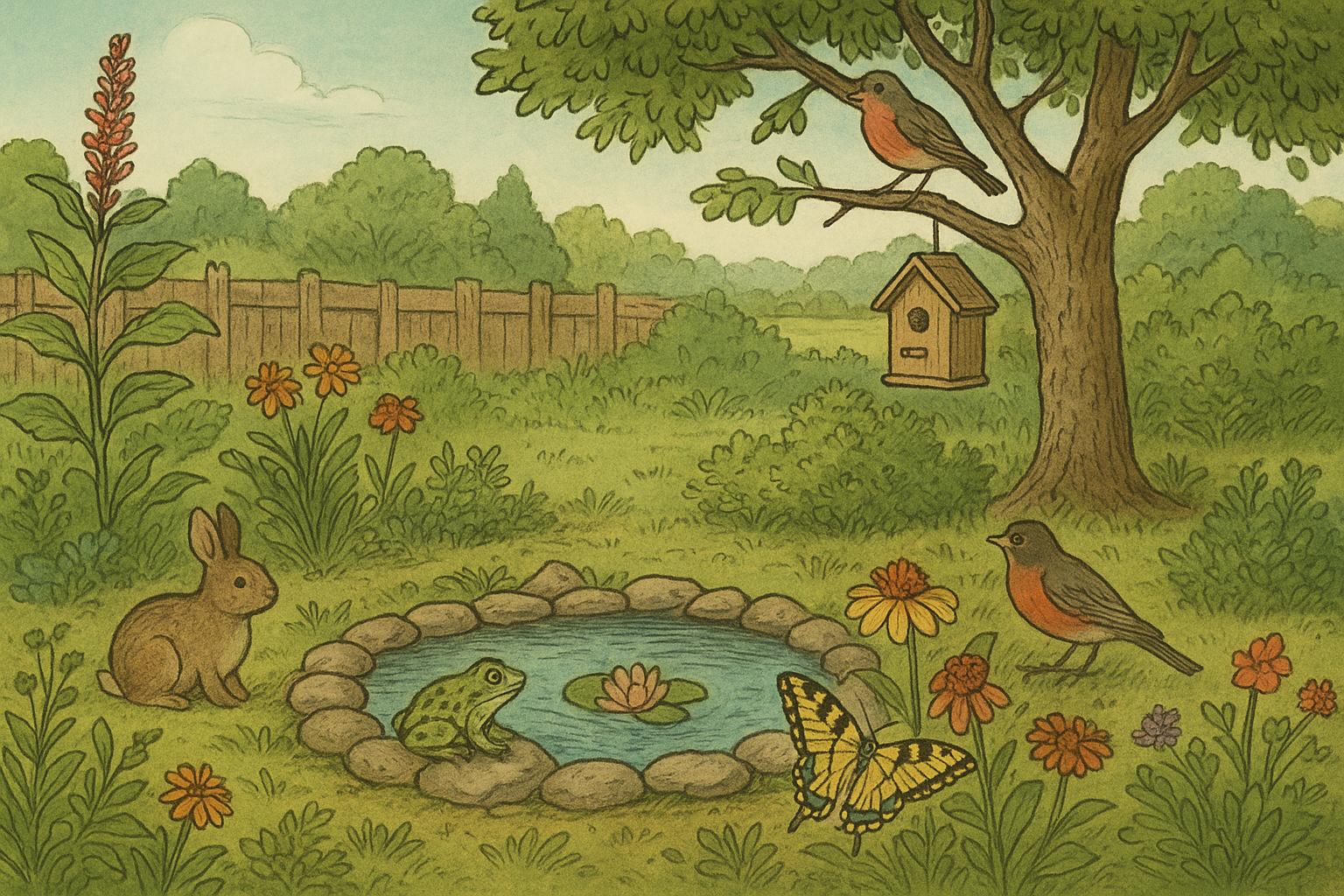
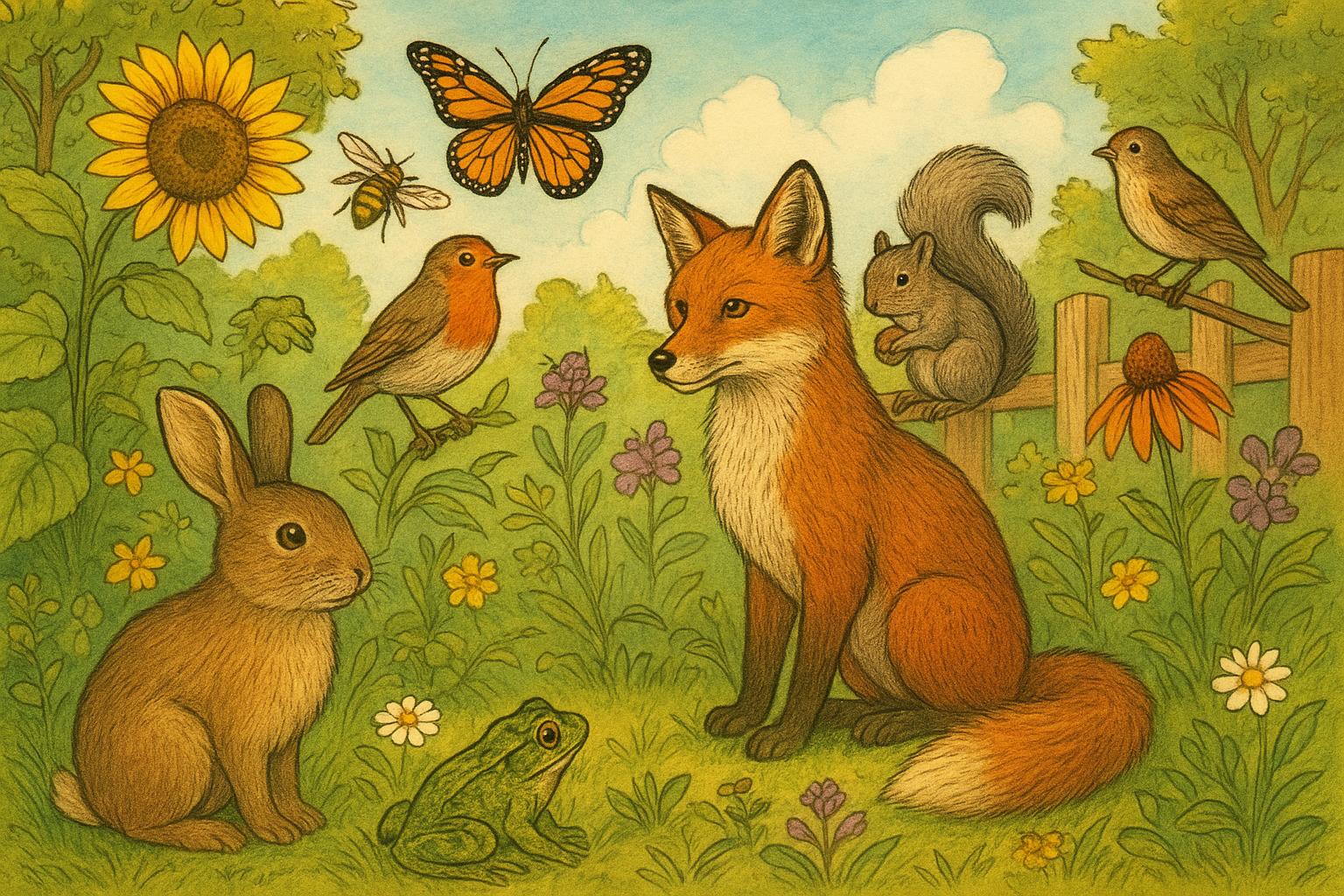
Spring brings a rush of activity: birds scouting cavities, bees seeking crevices, and bunnies checking for soft bedding. These springtime impulses mean your yard is more than a backdrop — it’s habitat. Focus on providing three essentials: food, shelter, and safety. That said, “shelter” doesn’t mean indiscriminately piling up brushpiles; good nesting tips emphasize targeted, species-appropriate resources that avoid conflicts with neighbors or pets.
### Know The Local Guests
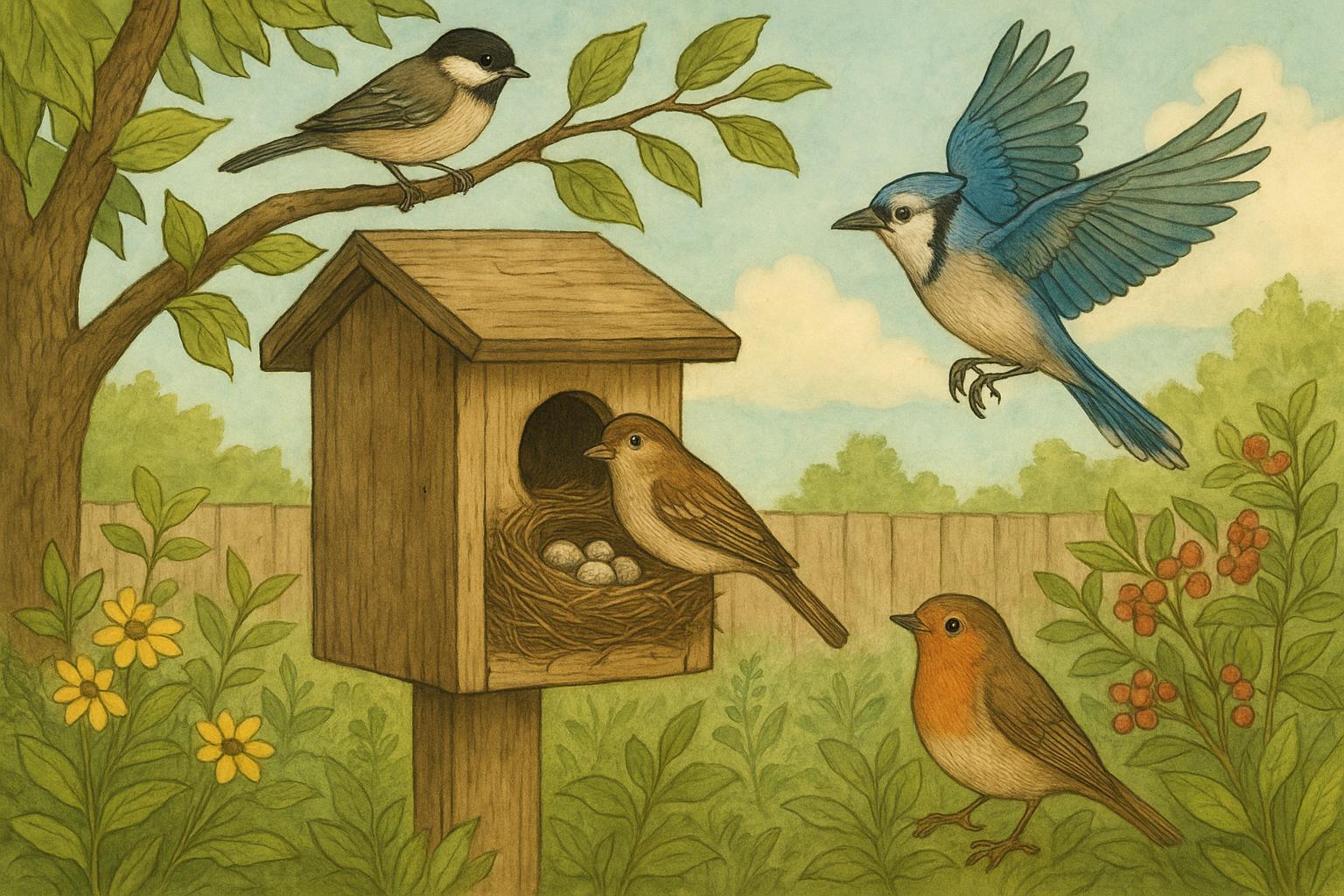
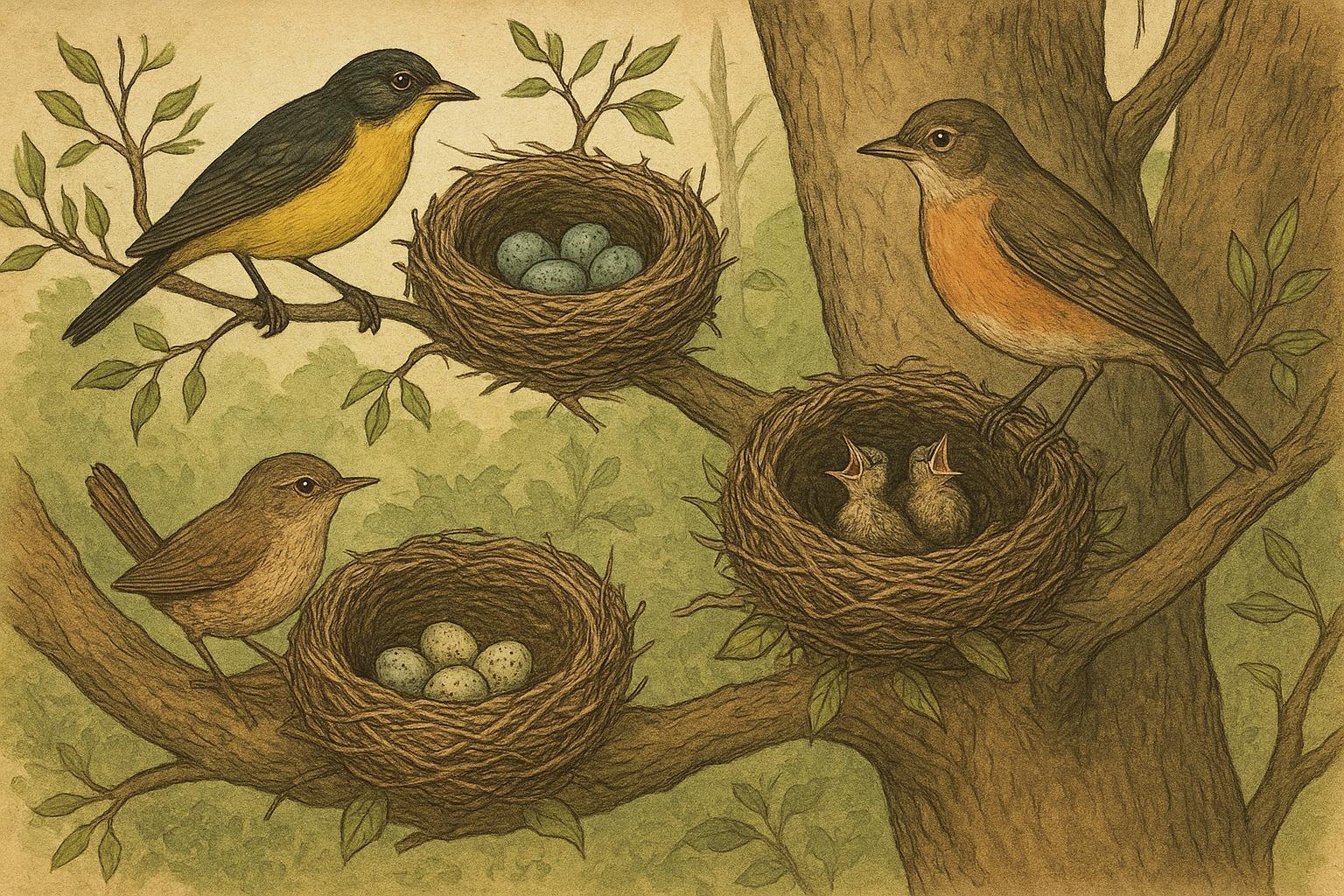
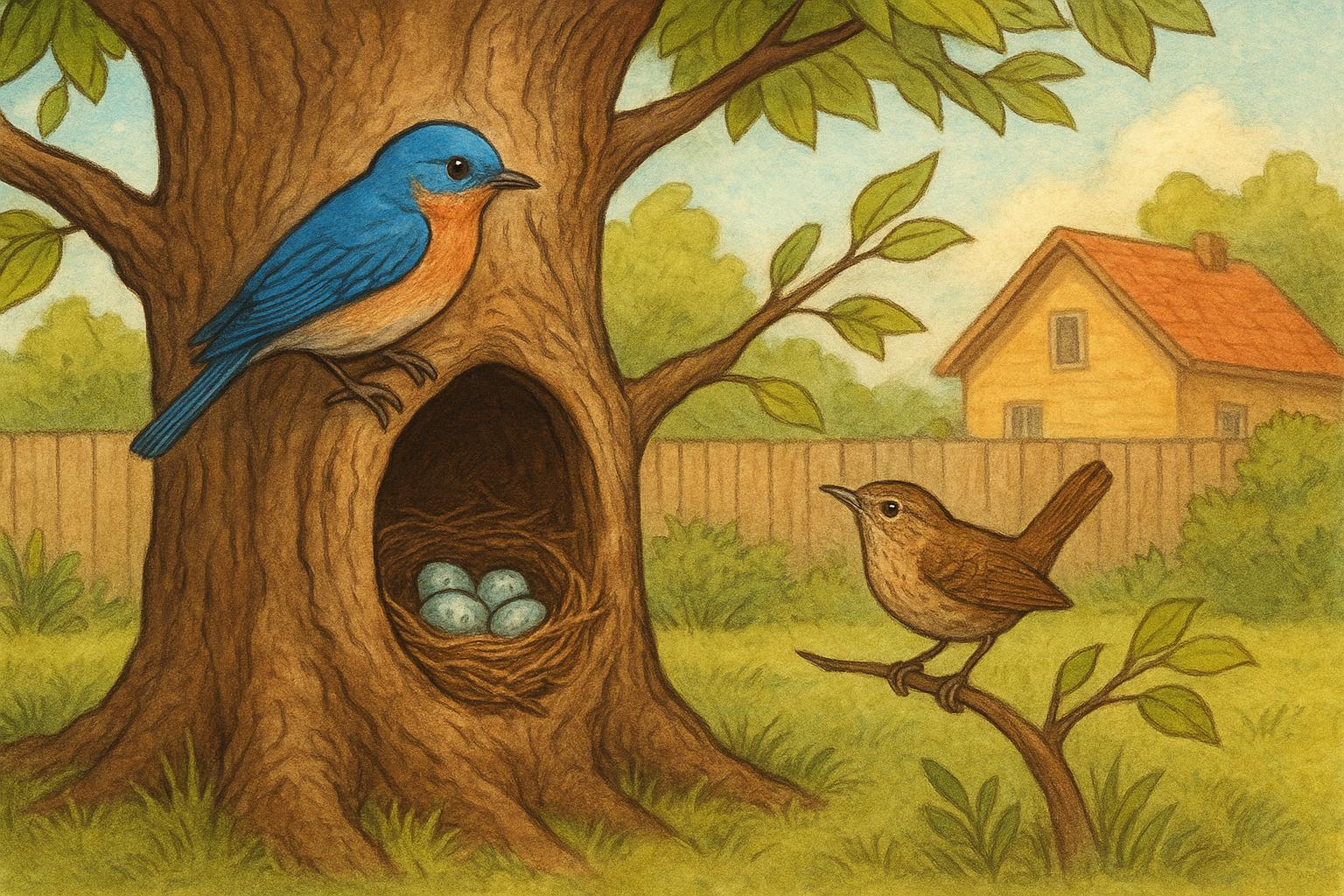
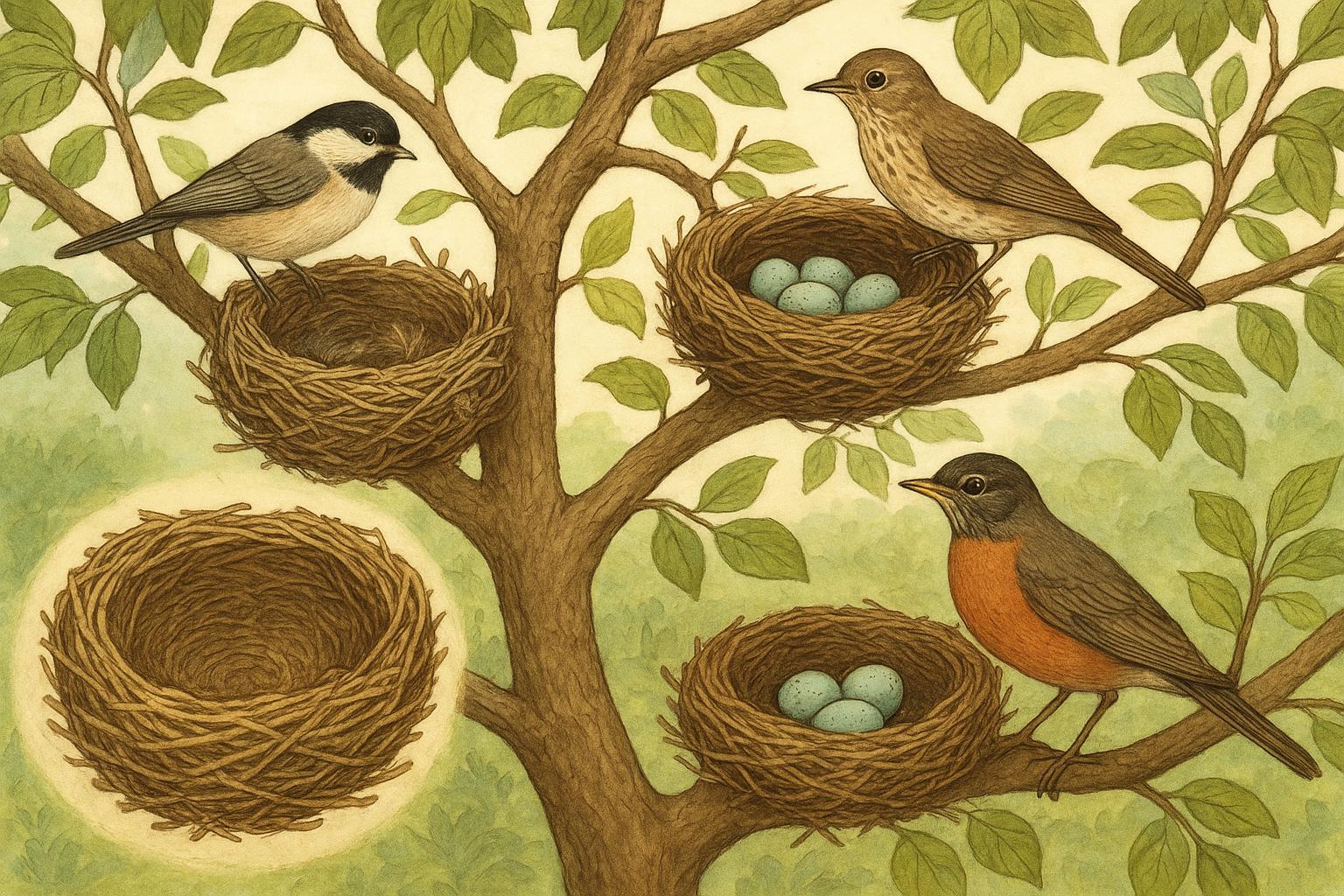
Before installing boxes or shelters, learn the common species in your region. Robins, chickadees, bluebirds, tree swallows, house wrens, and native bees each have different nesting preferences. Ground-nesters like sparrows or killdeer need open areas with low disturbance, while cavity nesters prefer safe boxes or natural hollows. Understanding species helps you apply the right nesting tips instead of a one-size-fits-all approach.
#### How To Identify Nest Types
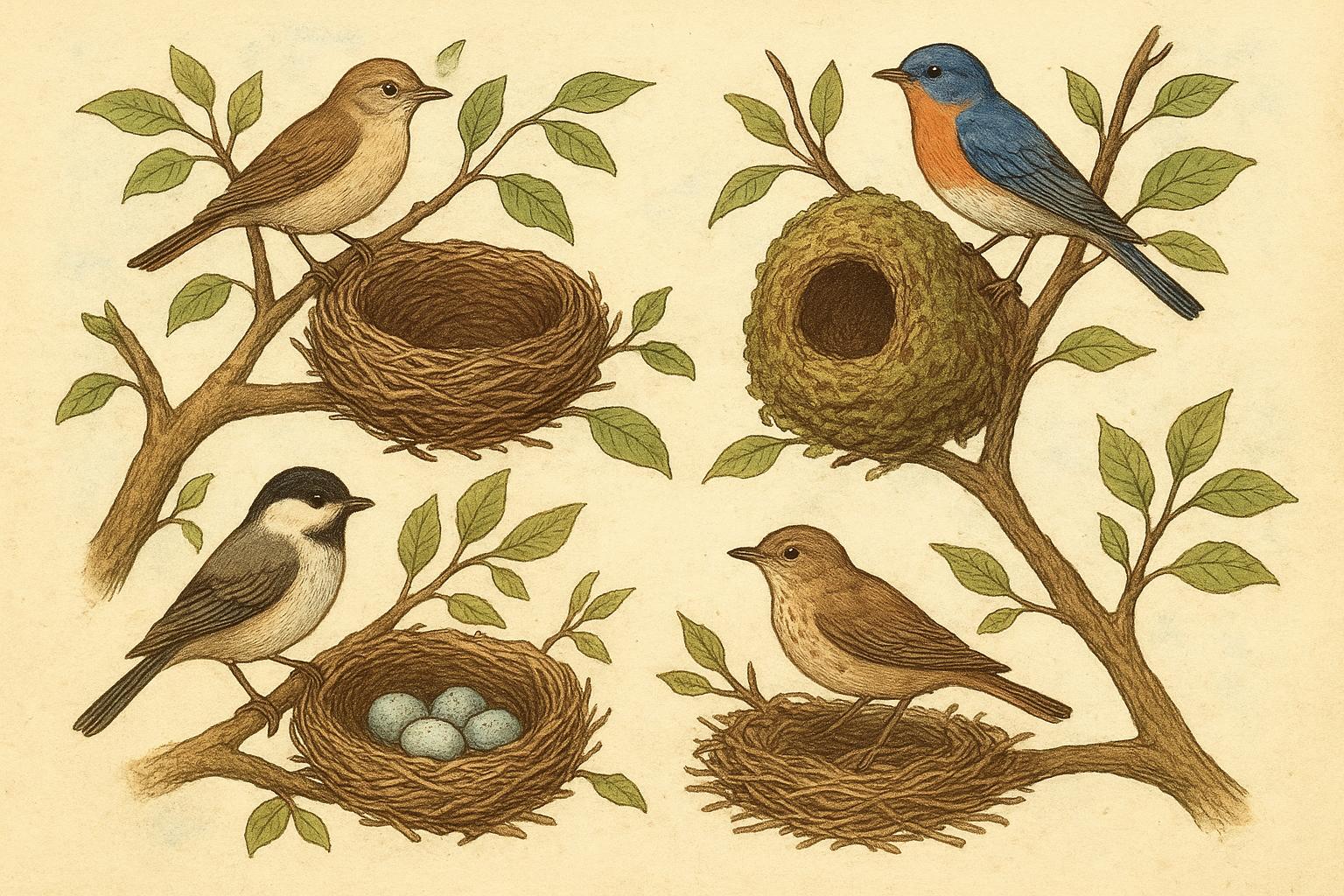
Look for:
– Cup-shaped nests in branches (songbirds)
– Holes or cavities in trees or boxes (cavity nesters)
– Burrows or scrapes on the ground (ground nesters)
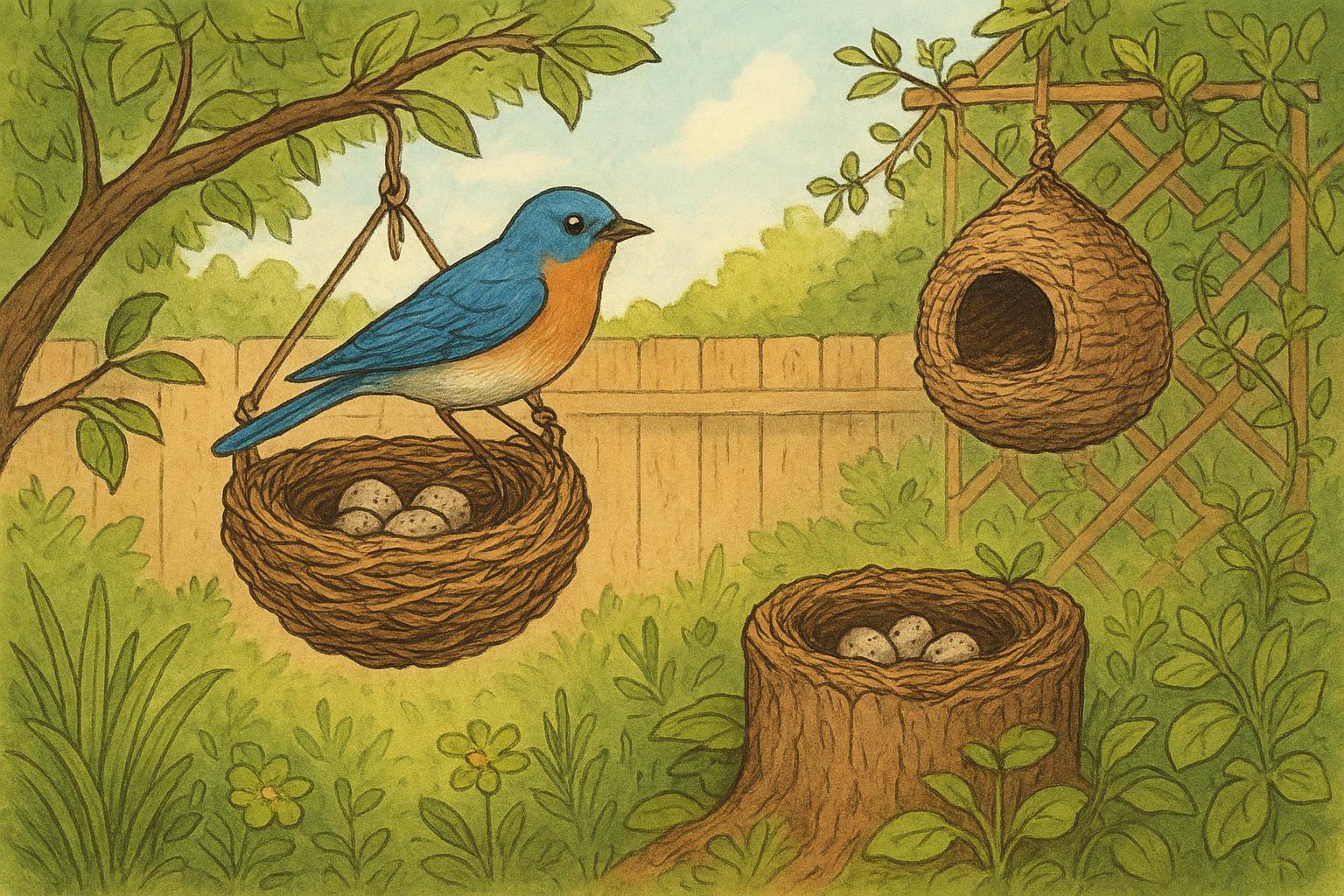
– Tube-like nests or mud structures (swallows and some wasps)
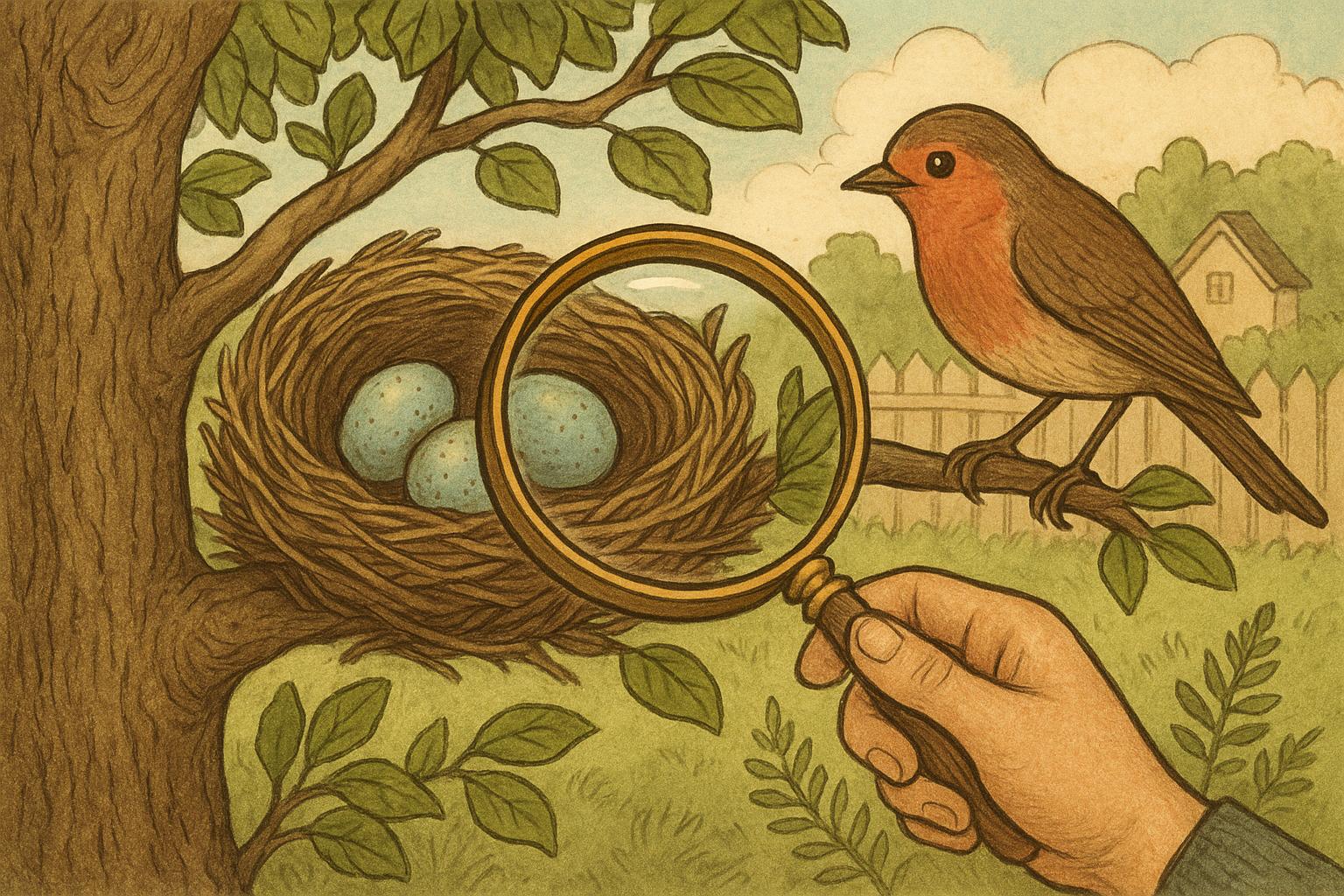
A quick local bird guide or an app can help confirm who’s moving in.
## Habitat Enhancements That Work (And Don’t Annoy The Neighbors)
Choose strategic placements and manage yard practices to support wildlife without creating hazards. For example, avoid trimming shrubs in early spring when nests are being built. Keep pet food inside to reduce attraction of predators. Incorporate native plants, which supply natural materials and insect prey. These are simple nesting tips that make a big difference with minimal effort.
### Planting For Nesters
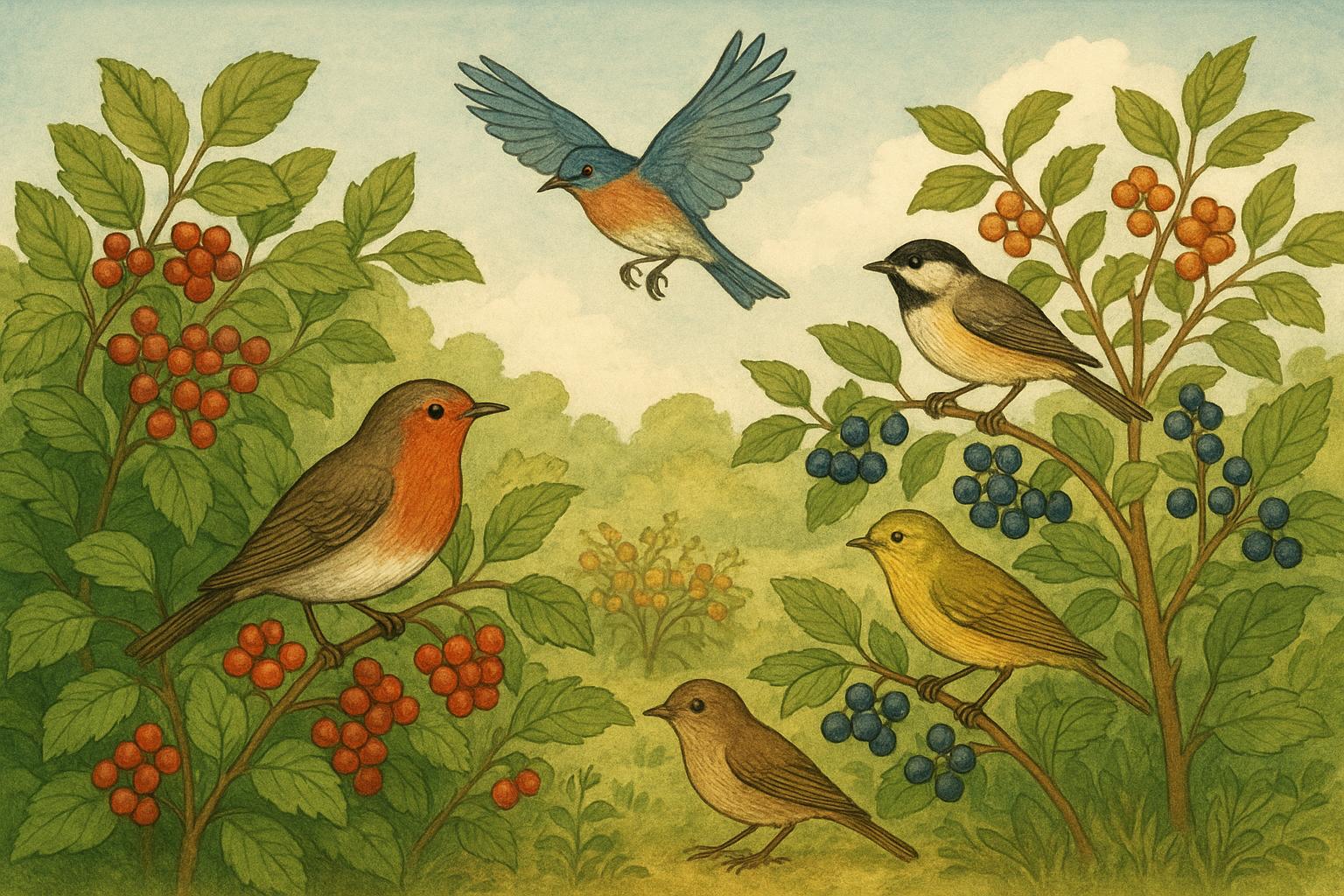
Native shrubs with dense structure, like serviceberry or elderberry, offer protection and nesting pockets. Early-blooming trees and shrubs provide nectar and attract insects for parent birds feeding chicks. A diversity of plant species extends the food supply through the breeding season.
#### Water Sources And Nest Safety
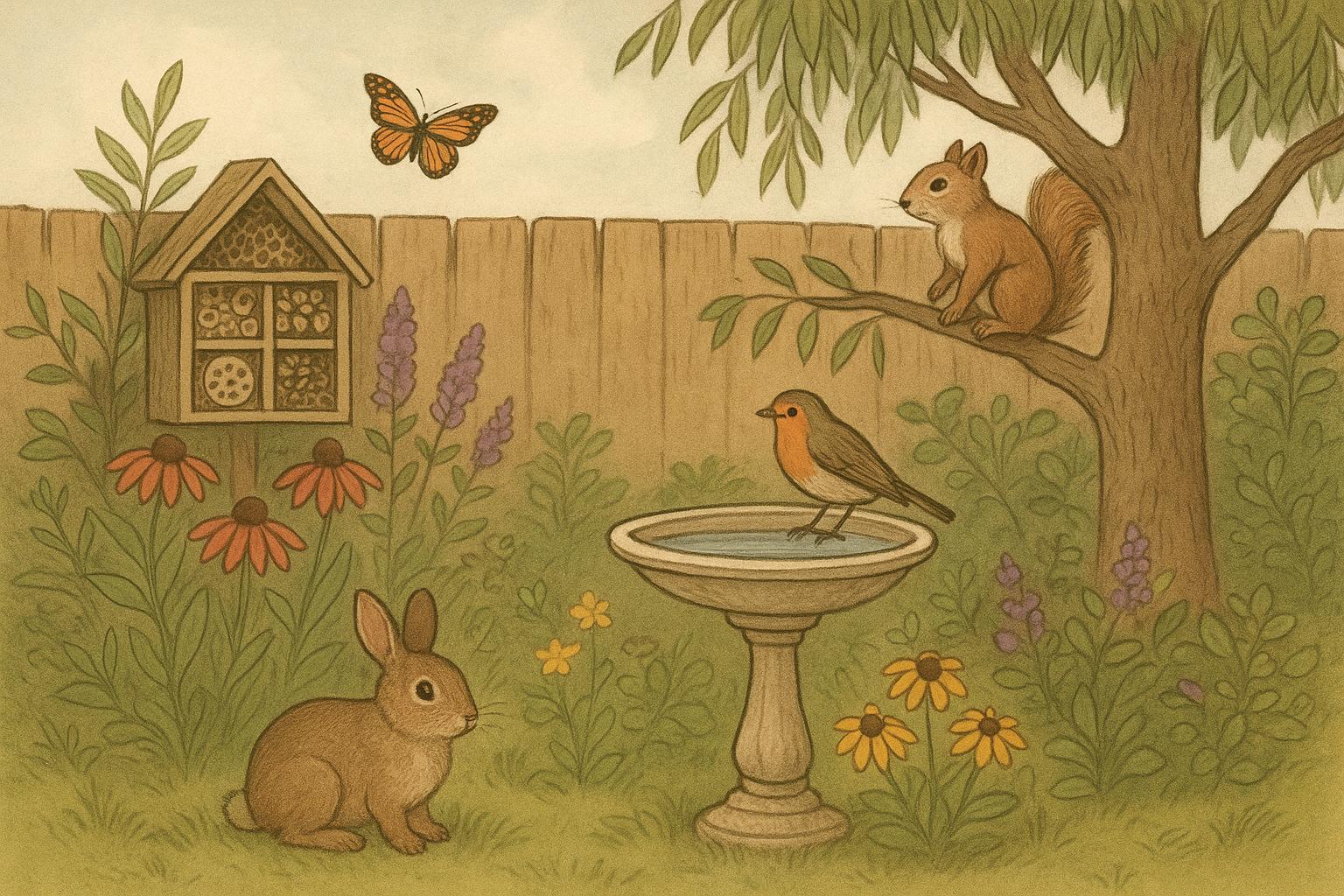
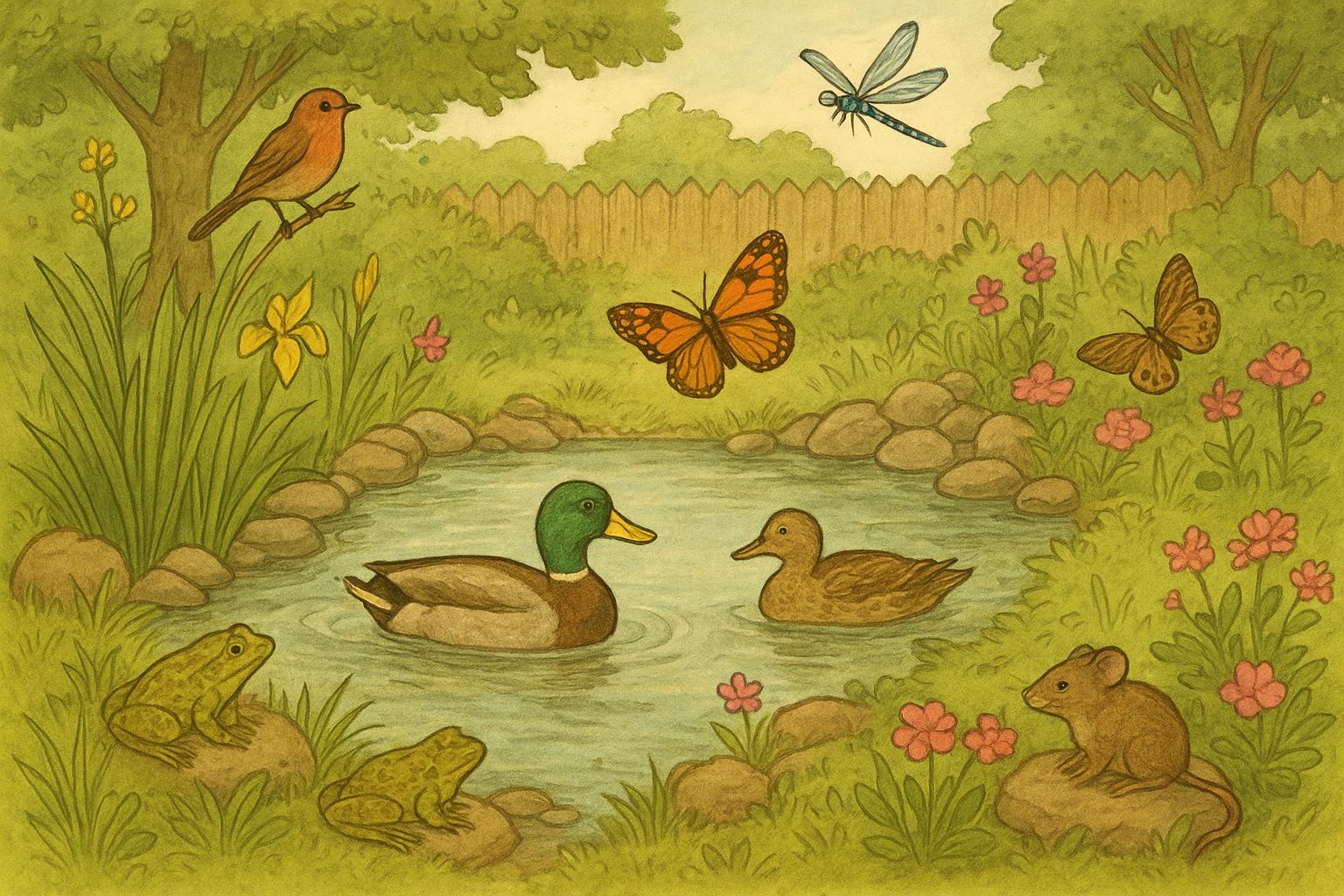
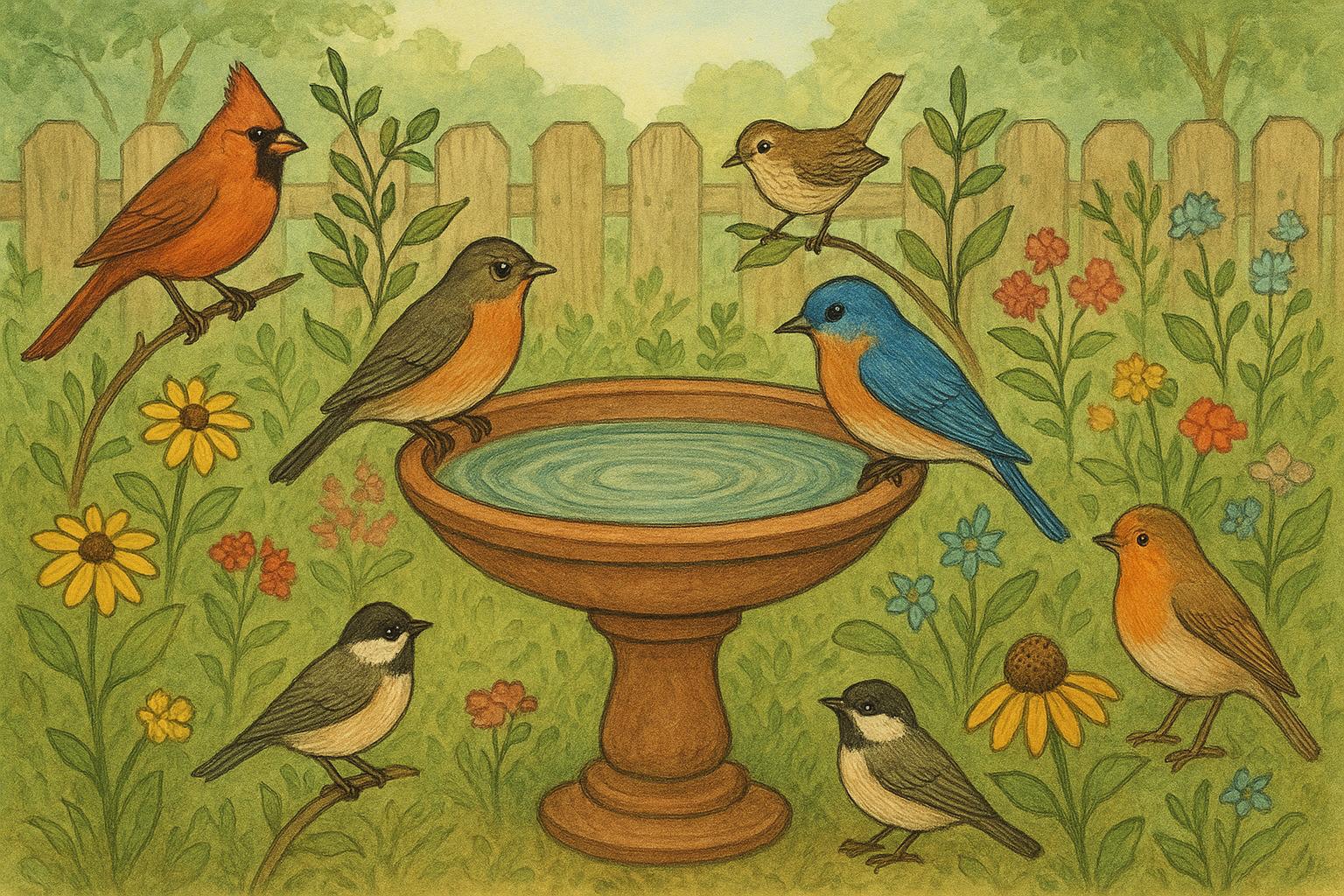
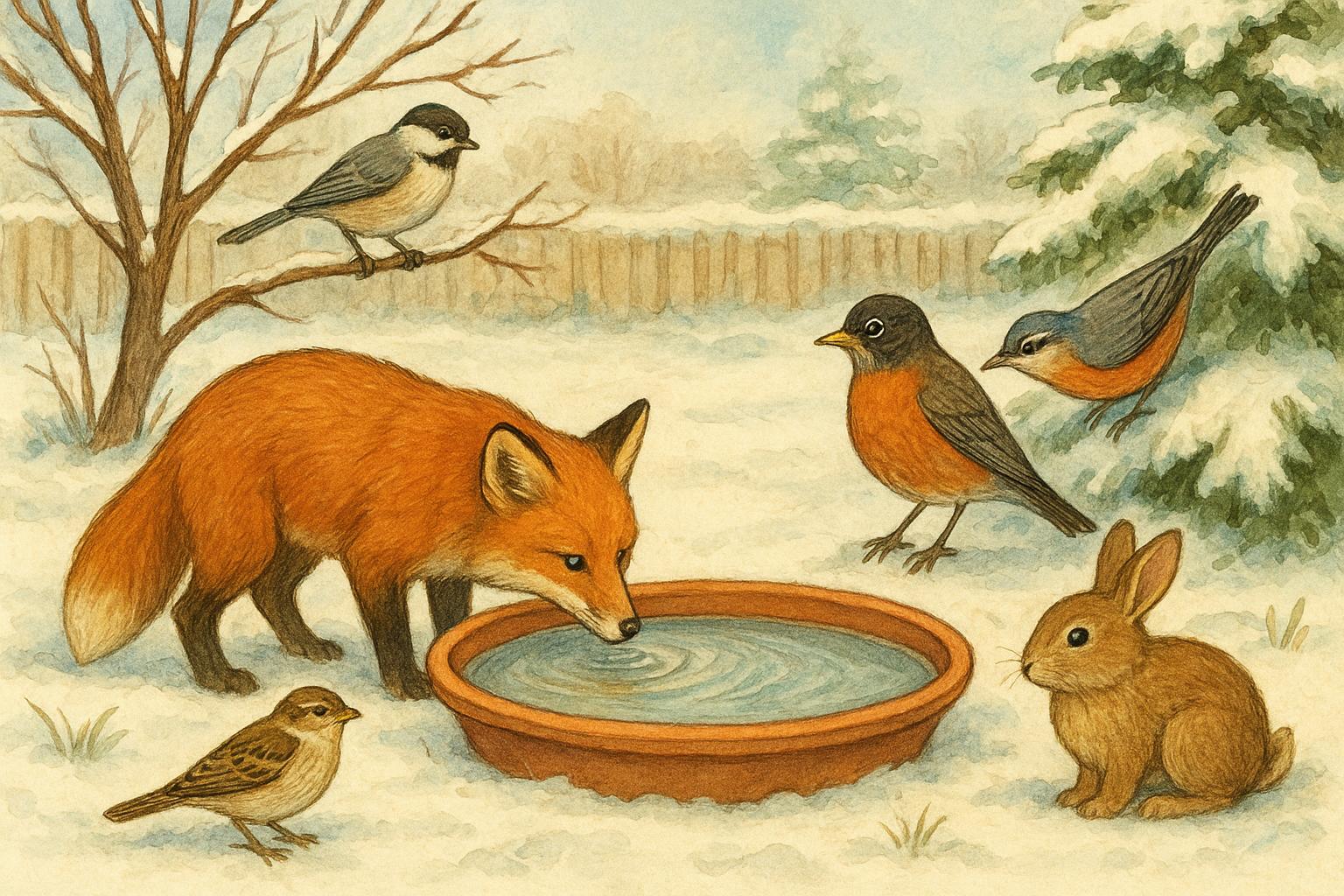
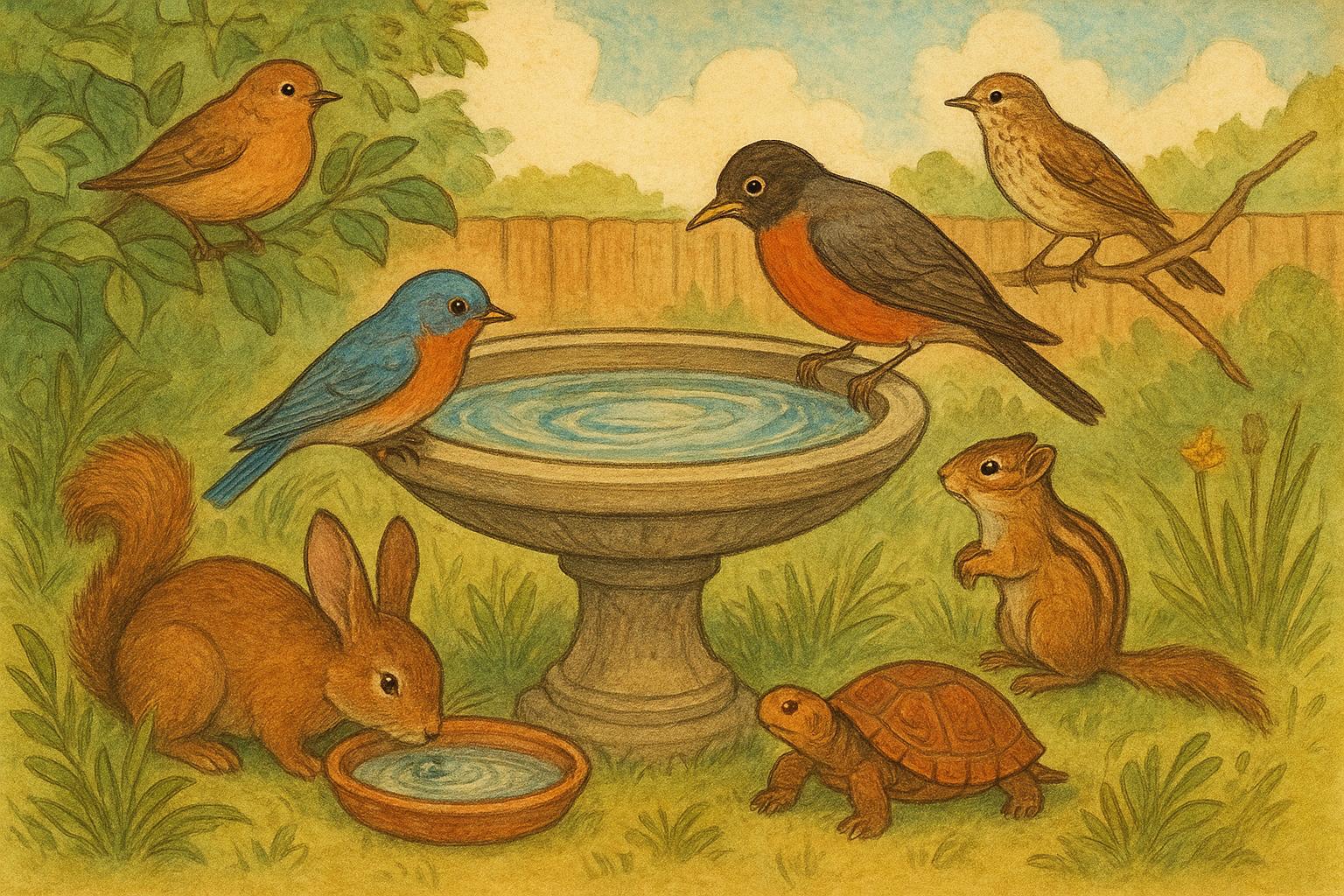
A shallow water feature supports drinking and bathing. Position it where birds can survey for predators (near low branches or shrubs). If you use birdbaths, keep the water clean; mosquitoes breed in stagnant water, so refresh regularly.
## ### 1: Build A Basic Birdhouse (Remedy 1)
When done correctly, nest boxes can replace lost cavities and boost local populations of cavity-nesting birds. The following is a formal, step-by-step remedy for building a simple, durable birdhouse appropriate for many small species.
#### Materials Required
– Untreated exterior-grade plywood (1/2″ or 3/4″)
– Galvanized nails or exterior screws
– Waterproof wood glue (exterior grade)
– 1/2″ to 1″ diameter wooden dowel (optional perch — note: perches can invite predators; omit if targeting predator-sensitive species)
– Metal predator guard or galvanized flashing (optional)
– Exterior paint (light color exterior latex) or natural stain (non-toxic)
– Sandpaper
– Drill with hole saw or spade bit sized for target species (e.g., 1 1/8″ for chickadees, 1 1/2″ for bluebirds)
– Hinges and a latch (for cleaning access)
– Mounting hardware (pole or post bracket)
#### Step-By-Step Construction And Installation
1. Design: Select dimensions appropriate to your target species (length and floor area). Typical small songbird box: floor 4×4 inches, height 8-10 inches.
2. Cut panels: Cut front, back, two sides, floor, and roof from plywood. Allow an overhanging roof to shed rain.
3. Entrance: Drill the entrance hole in the front panel at a height that gives interior space but restricts predators (about 5-6 inches from floor for many species).
4. Assembly: Glue and screw the sides, floor, and front panel. Attach the roof with hinges or a removable top for seasonal cleaning.
5. Ventilation and drainage: Drill small holes near the top of the box for ventilation and holes in the floor for drainage.
6. Finish: Lightly sand all edges. Paint or stain the exterior; keep interior wood bare or lightly stained to retain natural grip for nestlings.
7. Mounting: Install on a pole or sturdy post 4–6 feet high (species dependent) with predator guards. Avoid mounting on thin tree branches that invite cats.
8. Timing: Put boxes up before breeding season begins. Monitor from a distance; handle only outside of nesting season to avoid abandonment.
Use caution with predator introduction: do not add perches if ospreys or raccoons are present, and always keep a cleaning schedule outside nesting months.
## ### 2: Create Ground-Nesting Shelter (Remedy 2)
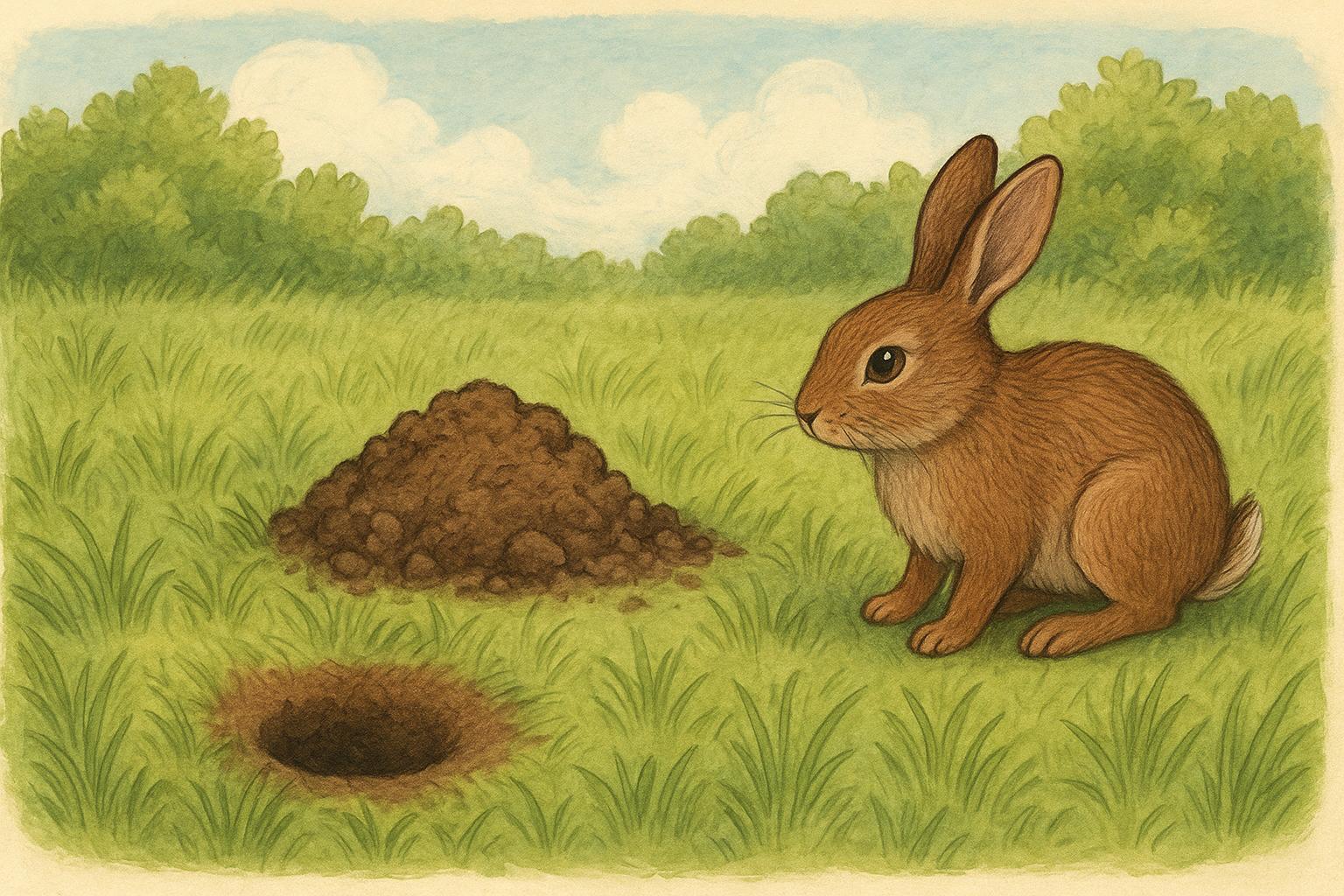
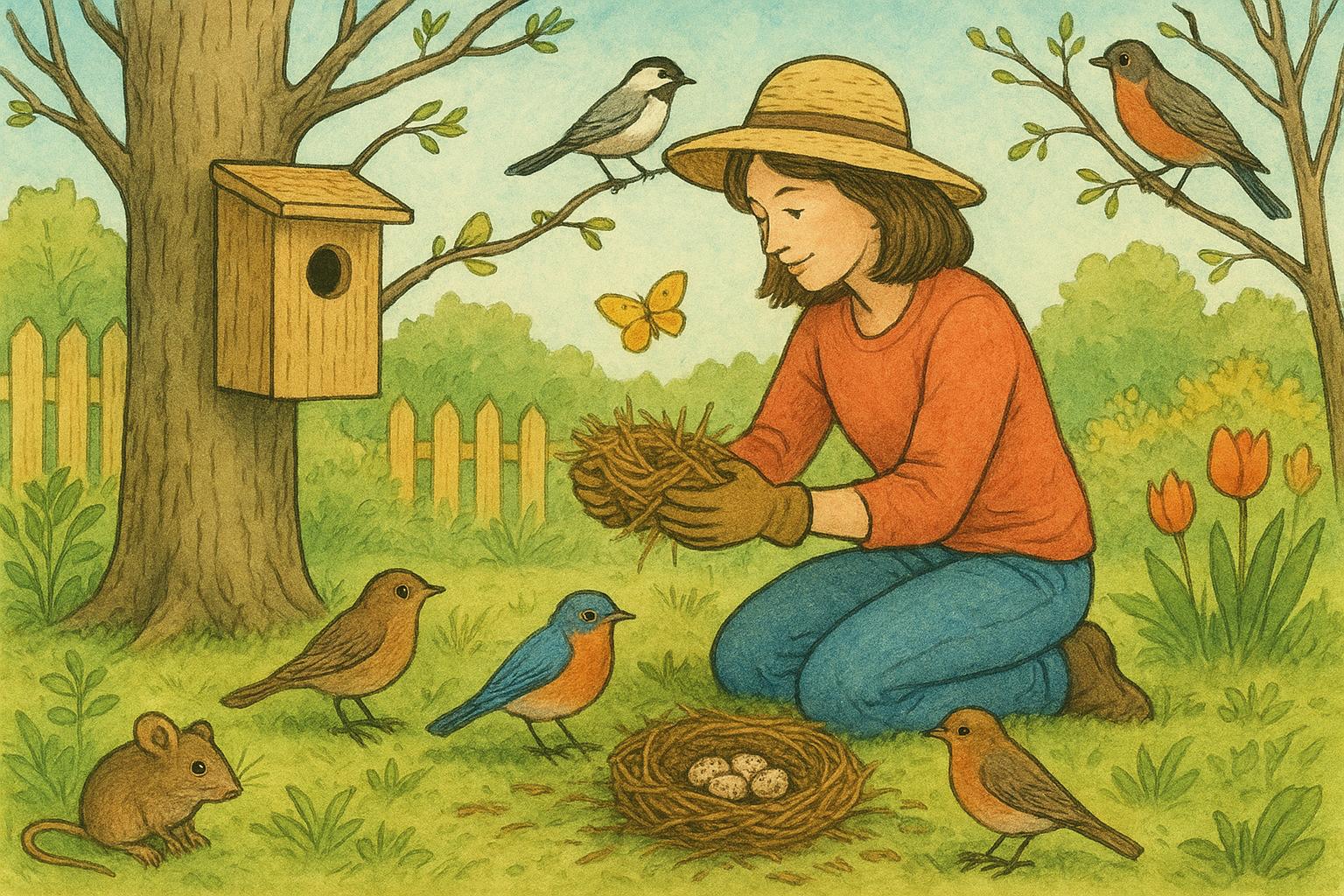
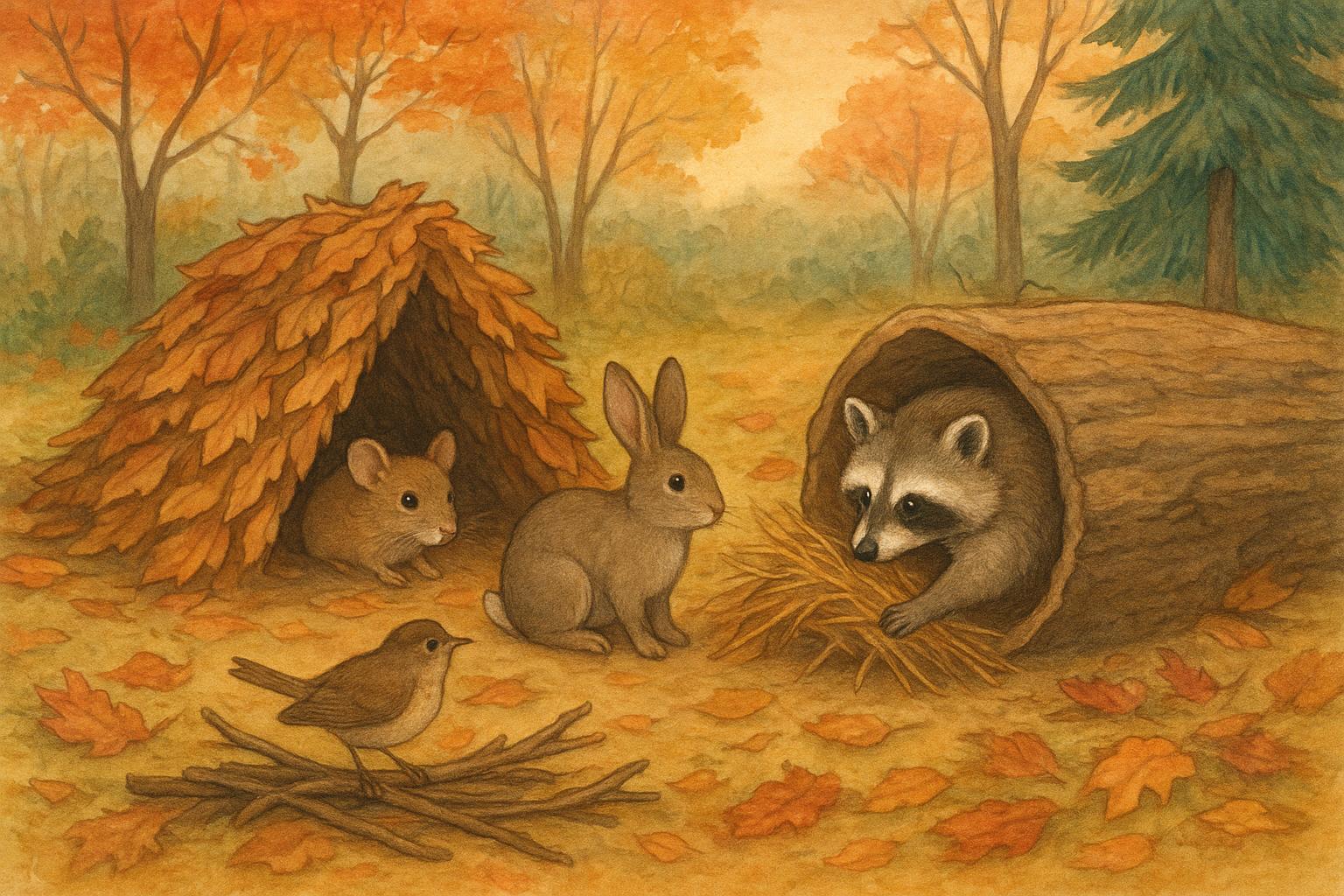
Some species nest on or near the ground. Offering safe, low-profile shelter can help these birds and small mammals reproduce without exposure to heavy predation.
#### Materials Required
– Native grasses or straw (dried, pesticide-free)
– Natural twigs and leaf litter
– Low-growing native plants or potted native grasses
– Mesh or low fencing (1×1 inch) for temporary predator exclusion (optional)
– Hand trowel and gloves
#### Step-By-Step Creation And Application
1. Site Selection: Choose a quiet, low-traffic area with good camouflage (near hedges or shrub edges), avoiding places used frequently by pets or lawnmowers.
2. Prepare Ground: Lightly rake a small area to create a shallow depression (a few inches); do not dig deep, as many ground nesters prefer slight elevation or natural hollows.
3. Add Lining: Place a thin layer of dried native grasses or straw; mix in small twigs and leaf litter. Keep the lining sparse; species like sparrows prefer a simple scrape.
4. Plant Buffer: Surround the area with low-growing native plants or potted native grasses to provide cover and a visual screen. Include plants that flower at different times to attract insects for feeding.
5. Optional Predator Exclusion: If necessary for the first few nesting attempts, install temporary low mesh fencing buried slightly into the ground to deter mammals. Check daily to ensure no animals are trapped.
6. Disturbance Reduction: Temporarily restrict human and pet activity in the area during nesting season. Place a small sign or marker to remind family members.
7. Maintenance: After seasonal nesting, gently remove excess debris and refresh with new native grass. Avoid heavy cleanup until after nesting is complete.
When applying these ground-nesting tips, be mindful of local regulations regarding wildlife protection; many species are legally protected, and disturbing nests can be unlawful.
## Encouraging Pollinators And Small Mammals
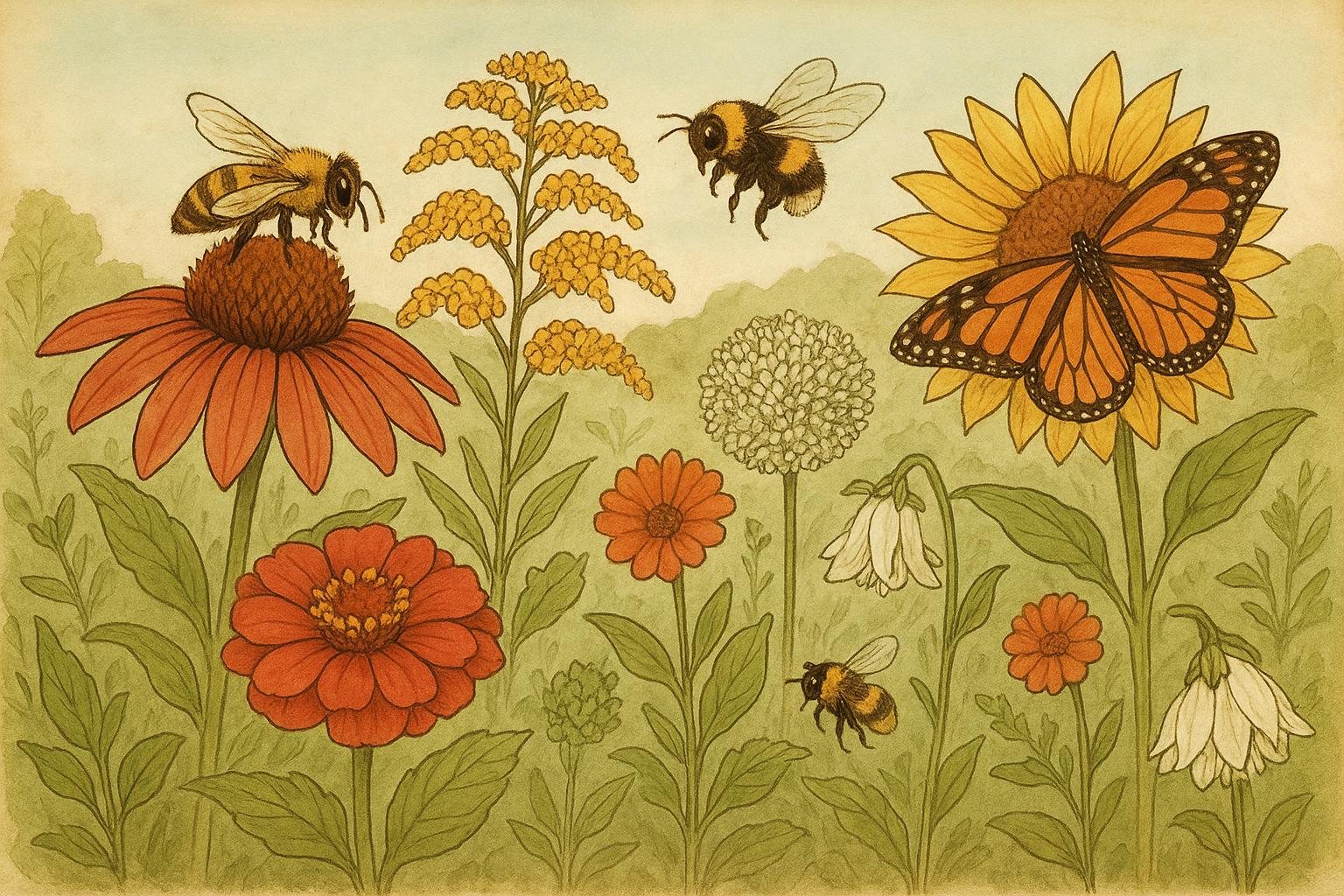
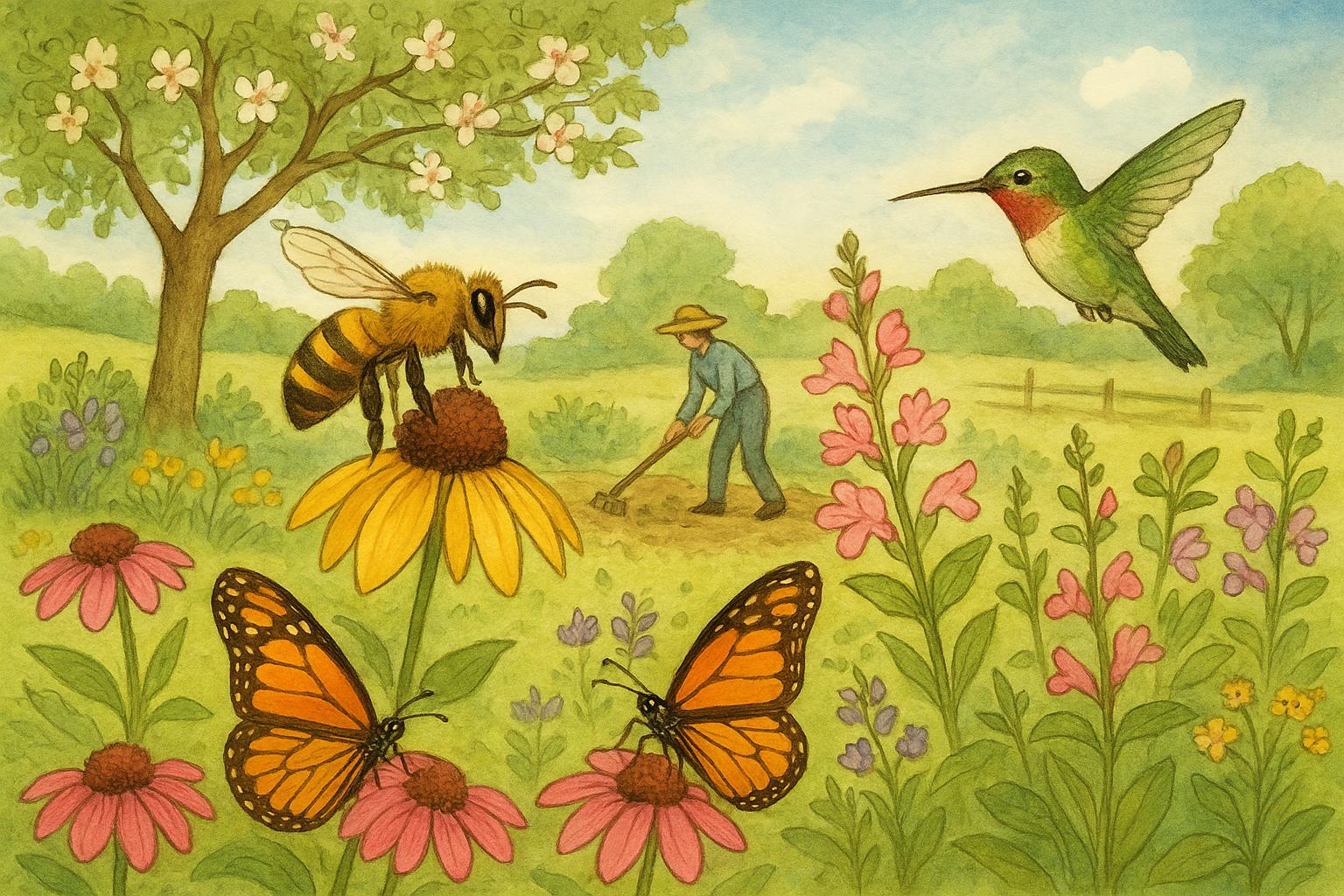
Nesting tips aren’t only about birds. Solitary bees need small holes and tubes; you can purchase or build bee blocks with 3/32″ to 3/8″ diameter holes, 3-6 inches deep, spaced apart. Leave dead stems standing through winter for nesting in the pith, and avoid tilling those spots in early spring.
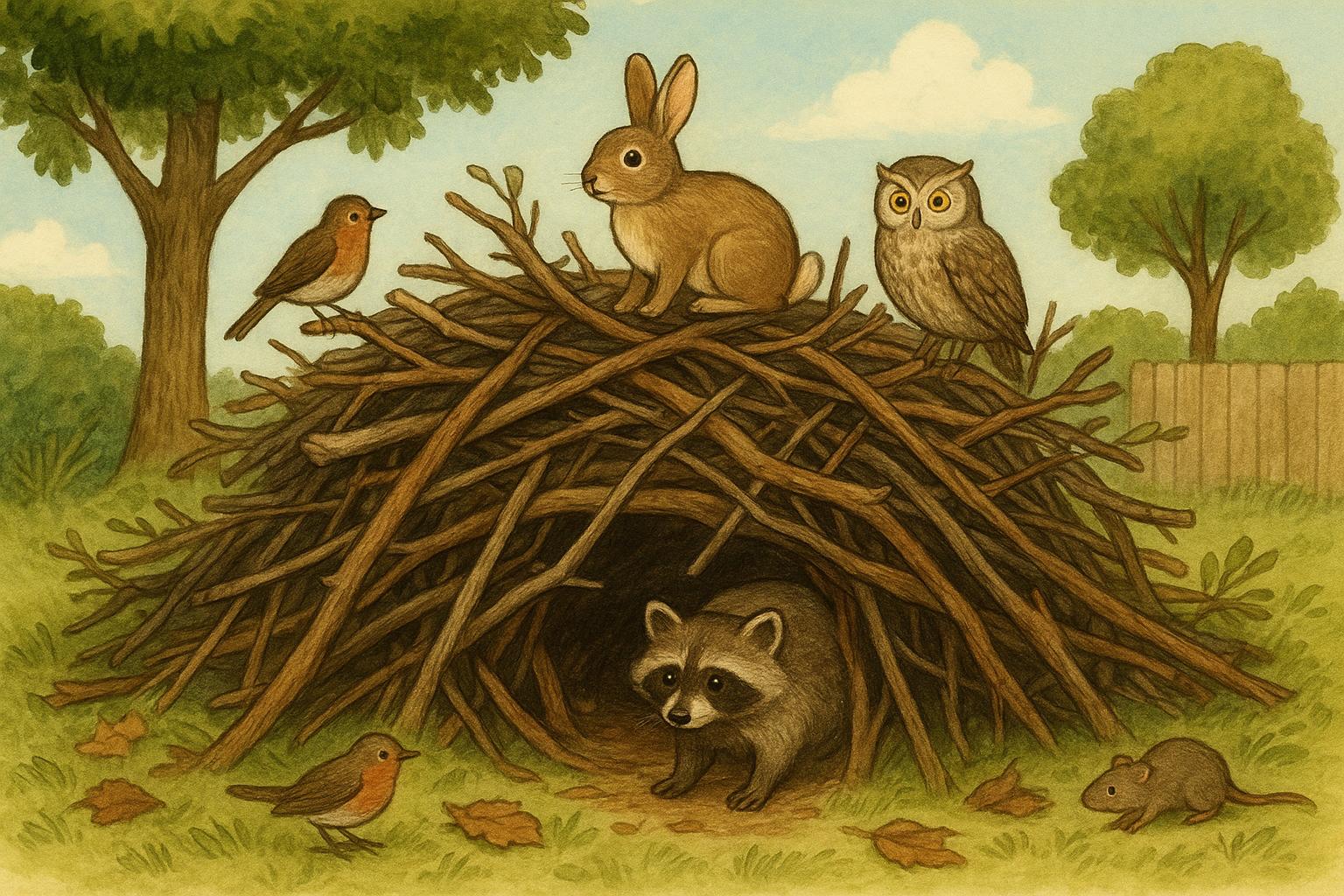
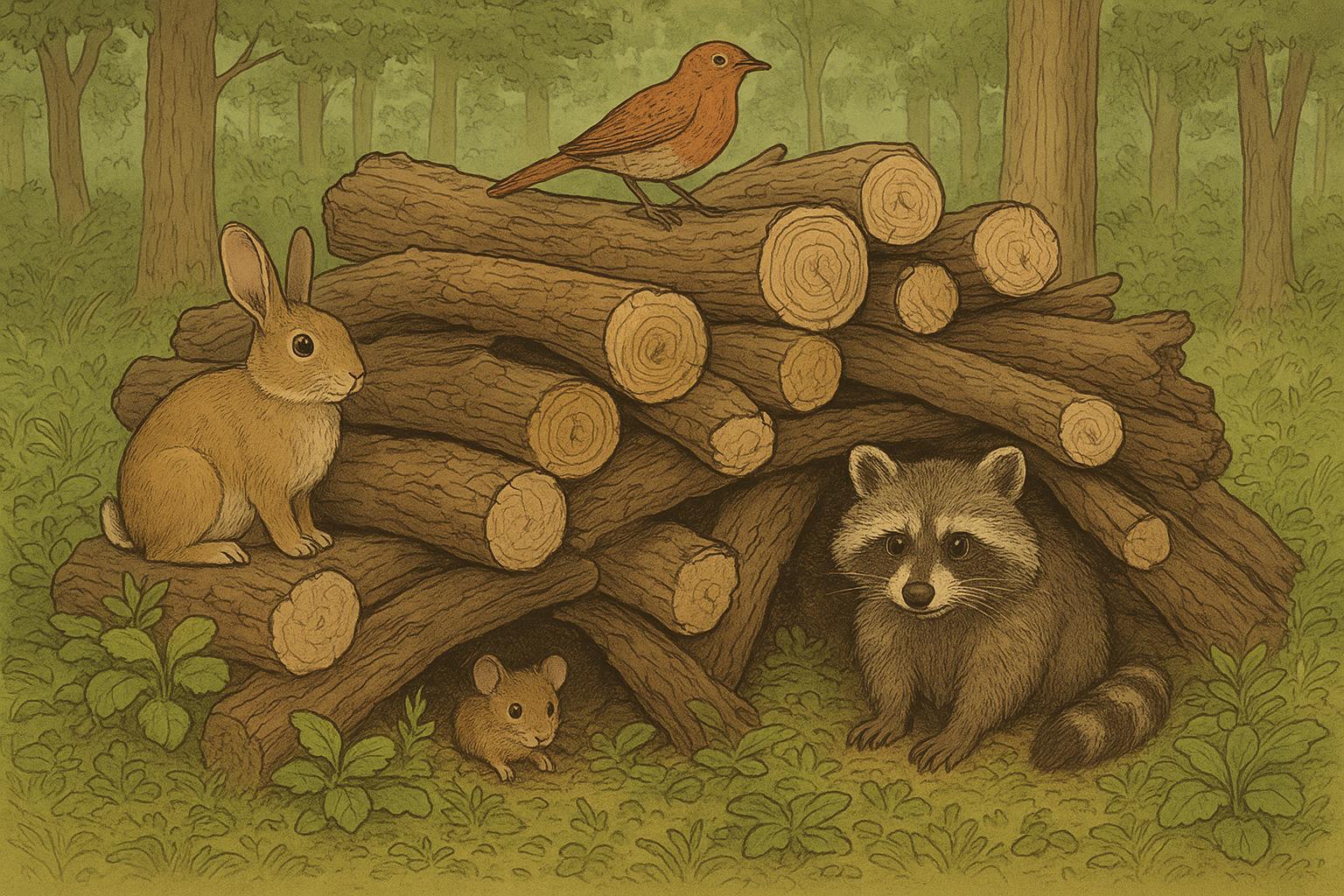
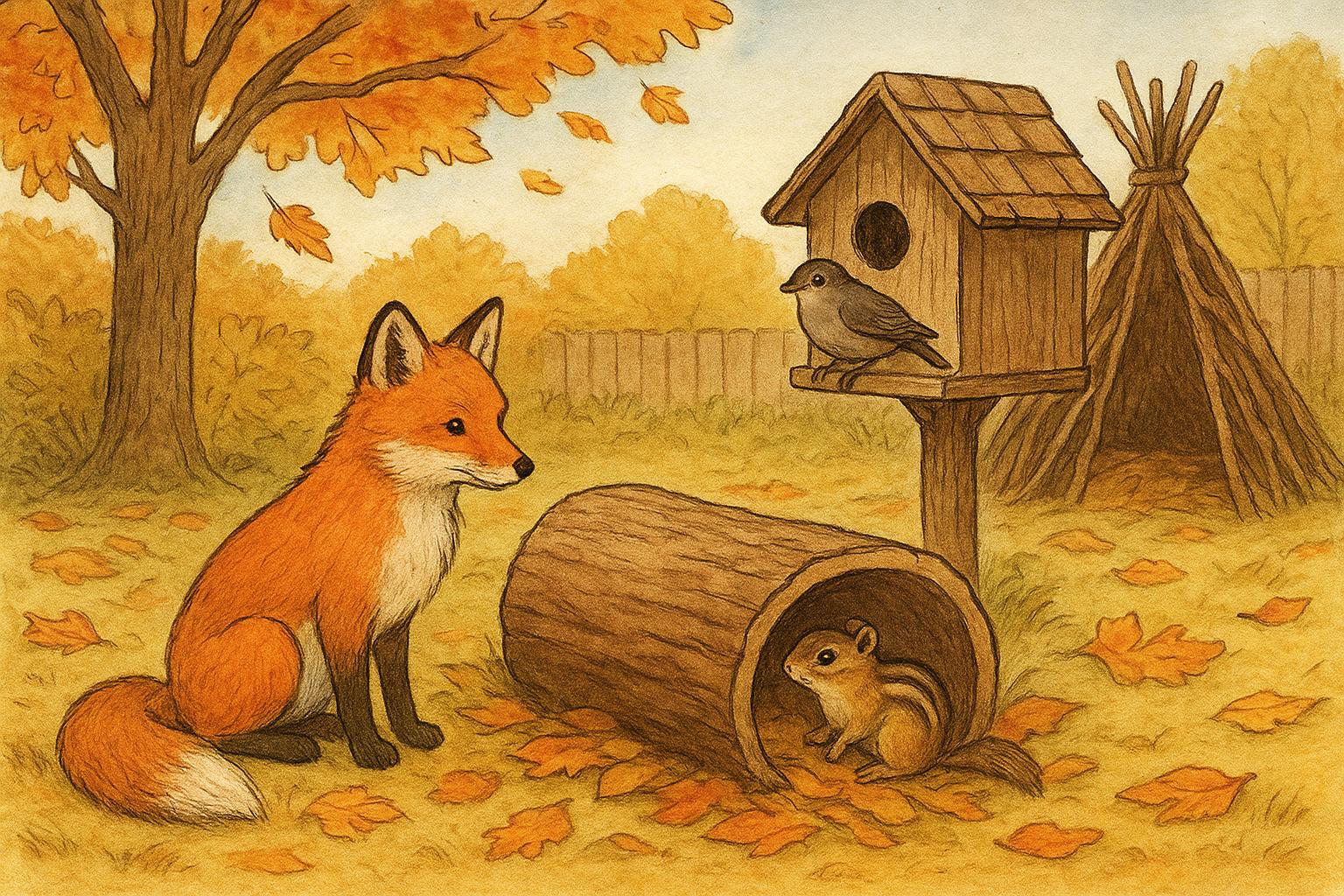
For small mammals like native mice or shrews, a brushpile in a quiet corner provides cover and nesting material. Stack logs and branches loosely on a base of leaf litter; do not place brushpiles right next to your house or play areas to avoid attracting larger predators.
### Timing And Maintenance
Spring is peak, but some species start earlier or have multiple broods. Check local wildlife alerts for timing. Clean birdhouses annually in late winter or early spring before occupants arrive; open the box, scrub with a diluted bleach solution (10% bleach, 90% water), rinse well, dry, and reinstall. This formal maintenance reduces parasites and disease.
#### Monitoring Ethically
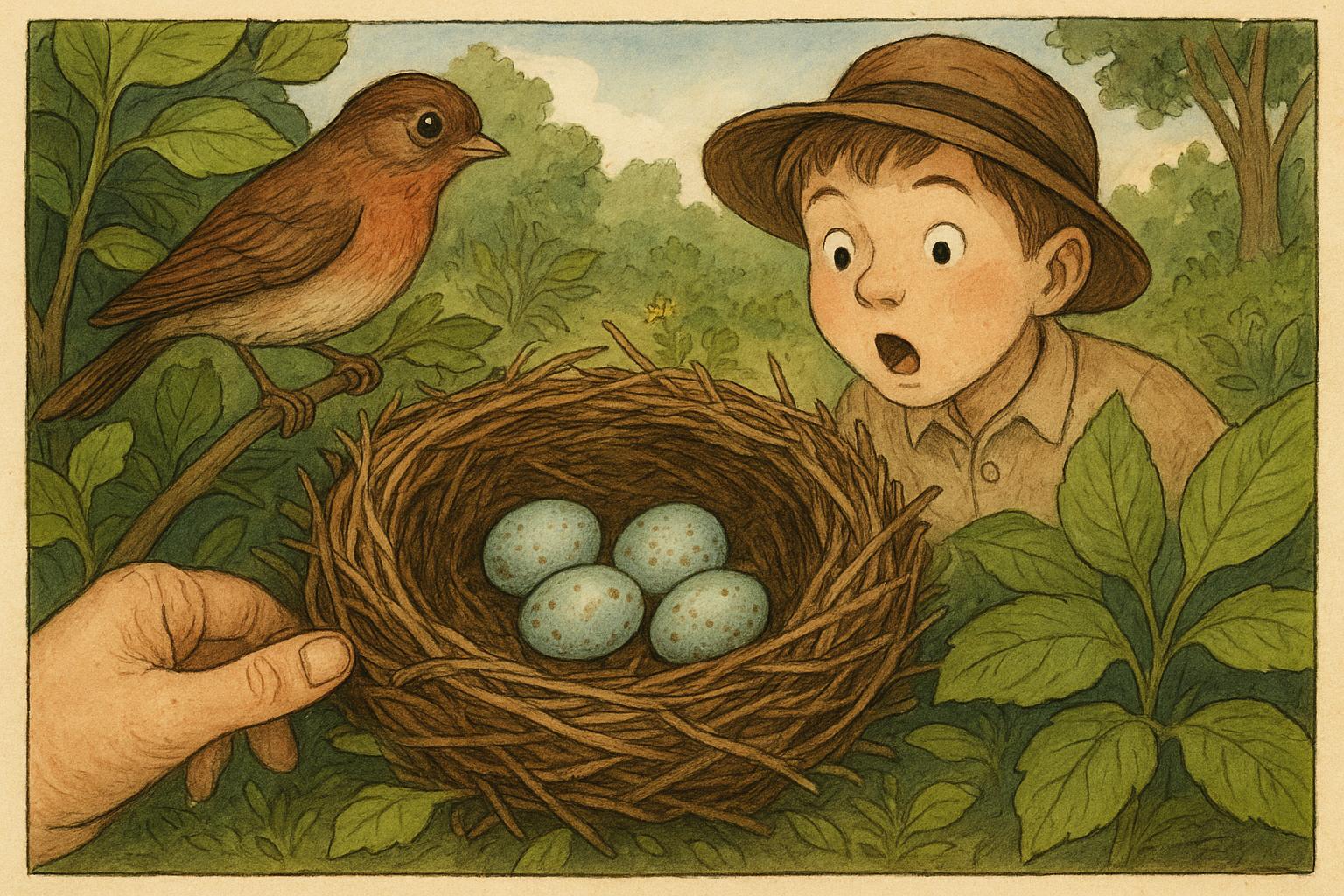
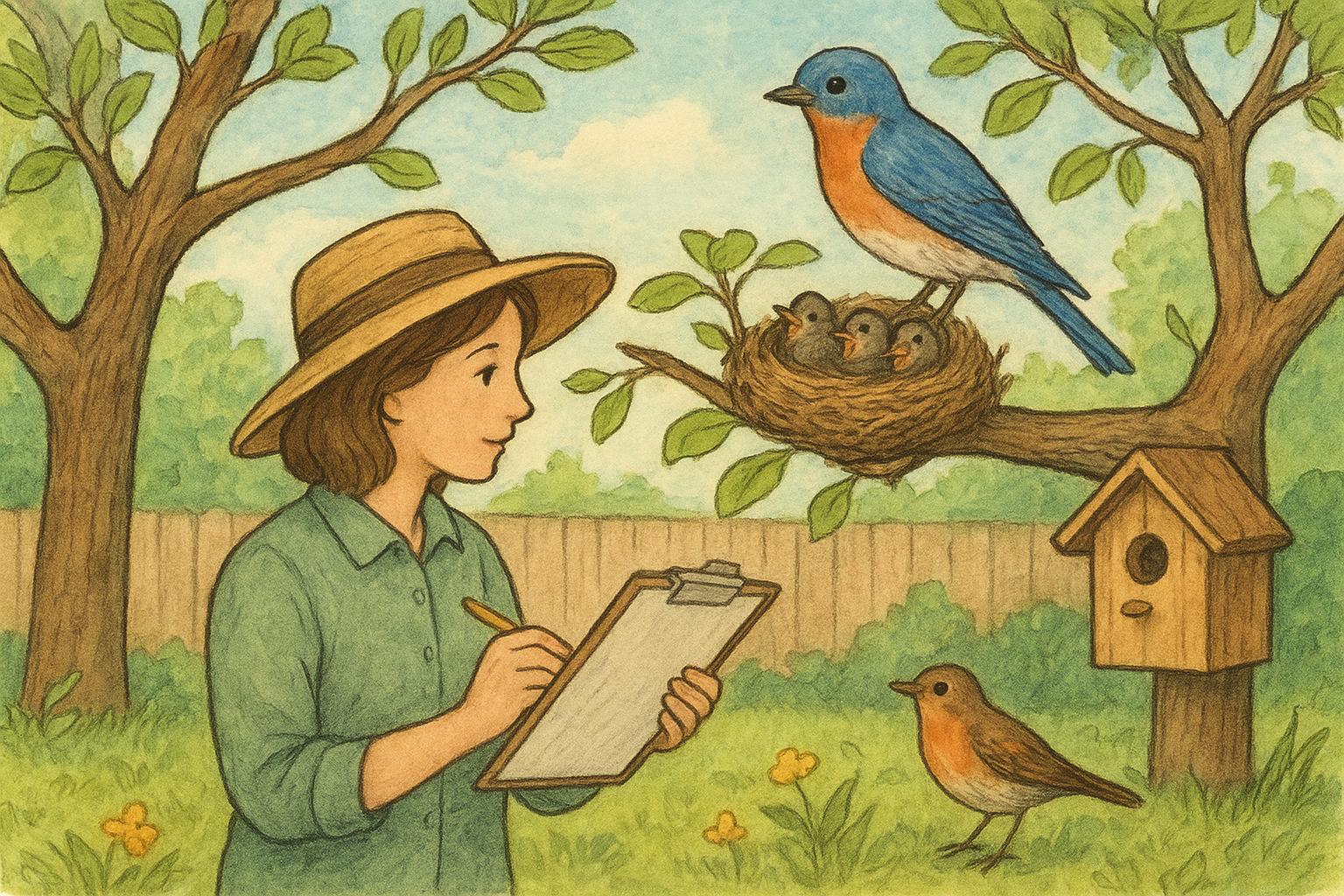
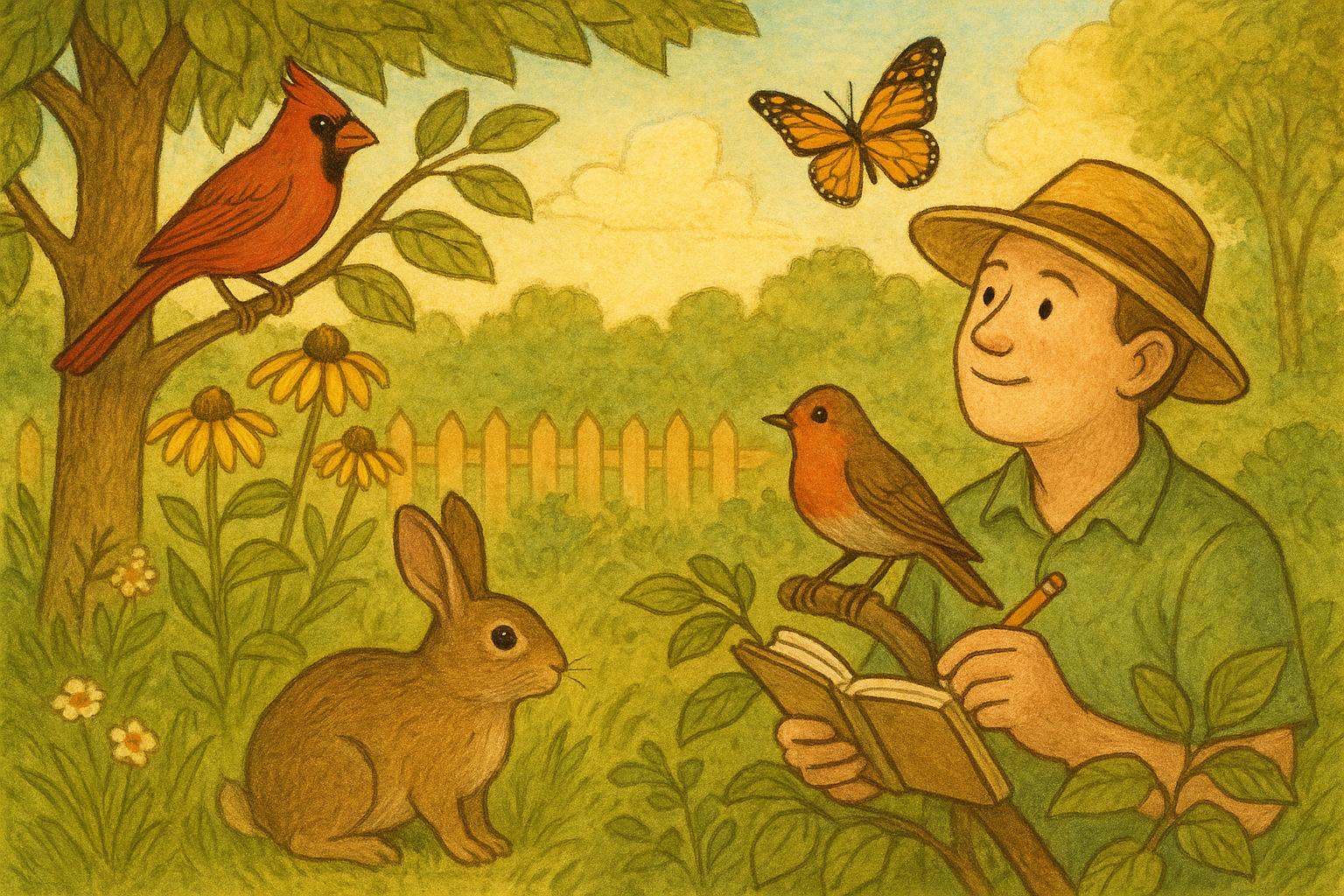
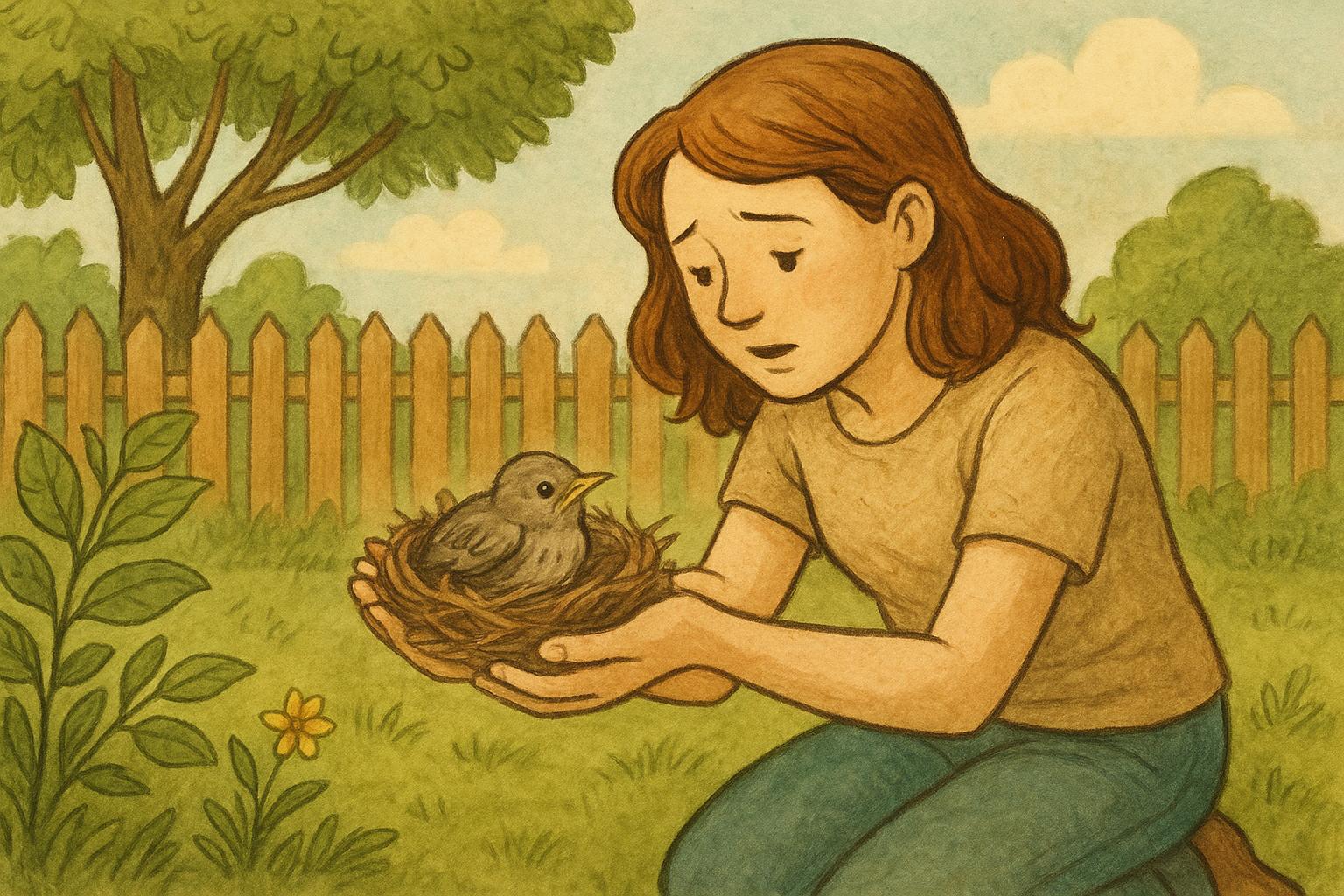
Observe from a distance. Use binoculars and keep notes on occupancy and species. Avoid frequent nest checks that can stress birds or reveal nest locations to predators. If you find eggs or nestlings that appear abandoned, contact a licensed wildlife rehabilitator rather than intervening yourself.
## Practical Yard Habits That Help
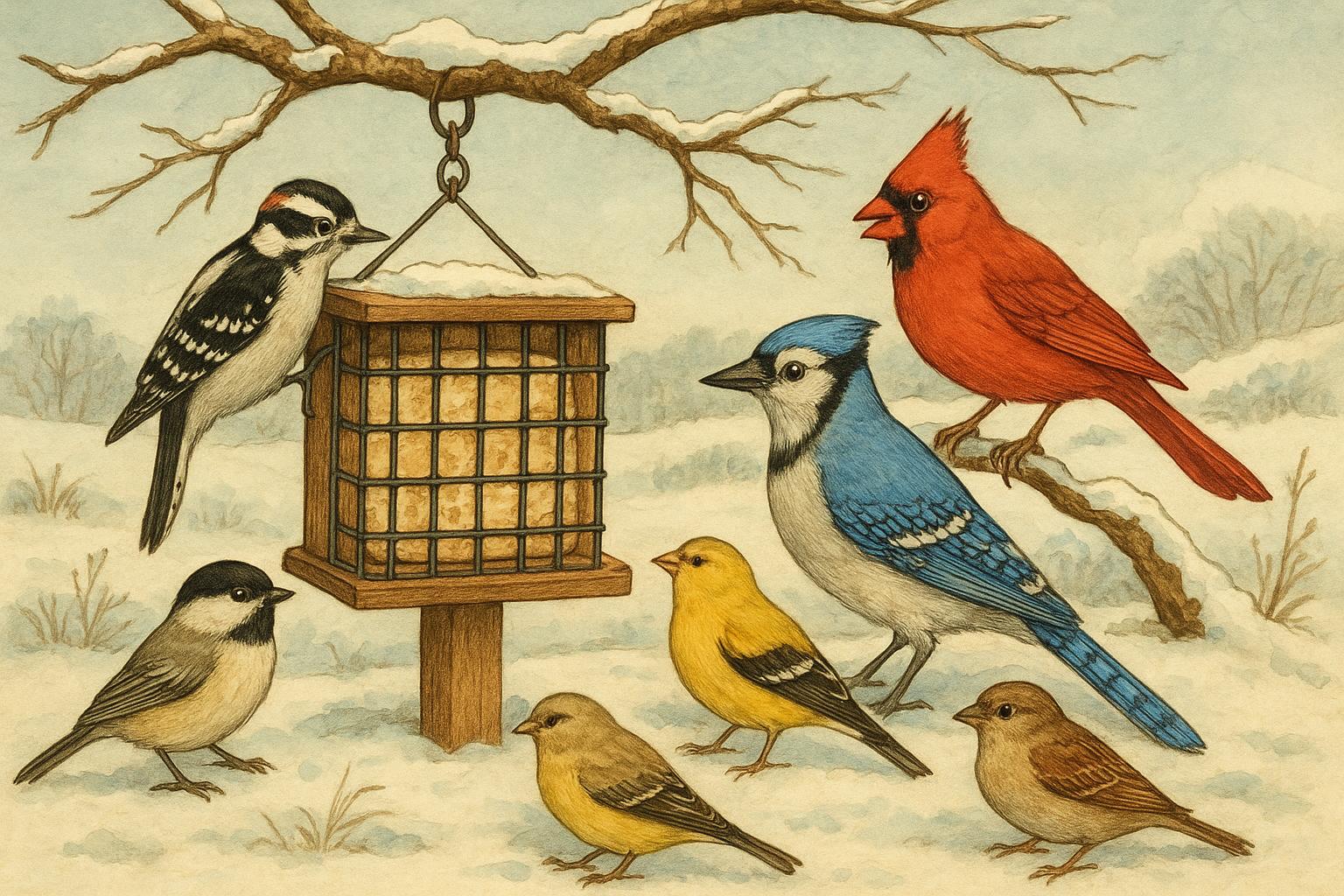
Small, consistent habits make a huge difference. Delay heavy pruning until late spring, leave seed heads for birds in winter, keep pesticides out of the yard, and provide varied nesting substrates. These are straightforward nesting tips you can weave into regular yard care without a major overhaul.
If you’re tempted to go full-on wildlife architect, remember that less is often more. Provide options, reduce hazards, respect timing, and enjoy the show — with a cup of coffee in hand and the indulgent knowledge that you helped create a safer spring for your backyard neighbors.


Leave a Reply