
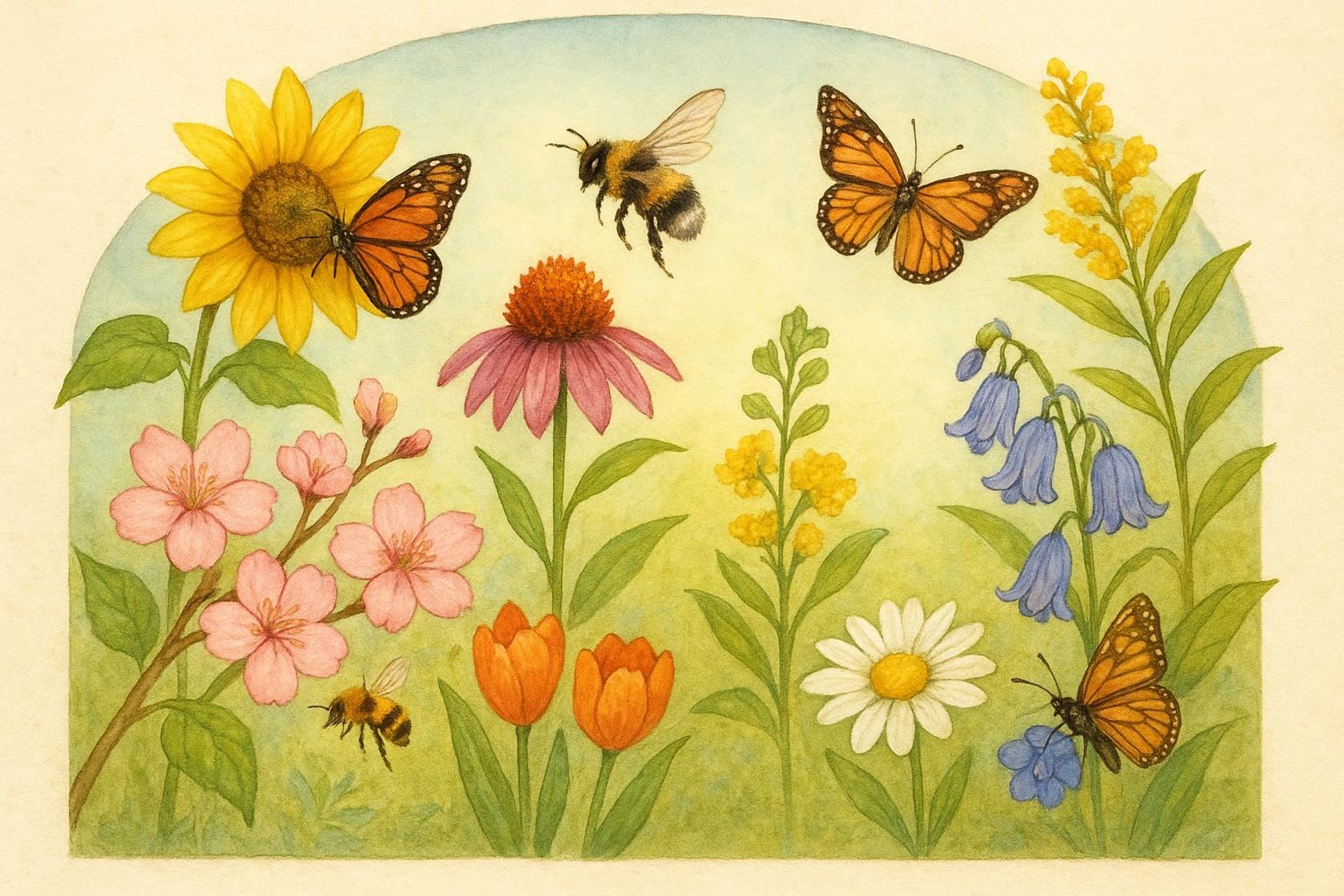
Gardening for pollinators is a little bit like throwing a backyard cocktail party where everyone — bees, butterflies, hummingbirds, even that occasional beetle — is invited. The key is to offer attractive food and shelter from spring through winter. Think of each season as a new playlist: different beats, different favorites. Here’s a relaxed, practical guide to plan seasonal blooms that keep your pollinator guest list lively year-round.
## Seasonal Blooms For Pollinator Garden Planning By Season
Pollinators follow the flowers, so mapping out seasonal blooms in your yard is the most reliable way to keep them fed. Stagger planting times, choose a diversity of forms and colors, and avoid tidy, over-pruned beds that remove nectar sources. Aim for continuous bloom from early spring through late fall; even small patches of native wildflowers can make a big difference.
### Spring: The Welcome-Back Buffet
Spring is when pollinators emerge hungry and hopeful. Early nectar and pollen sources power queens and overwintered bees as they rebuild colonies.
– Key Plants: Native crocus, bloodroot, columbine (Aquilegia), early-blooming willow, cherry and plum trees, and native maples. Flowering herbs like chives and oregano start early and are double-duty — useful in the kitchen and beloved by bees.
– Design Tip: Plant drifts (groups) of the same species to make resources easy to find. Early spring bulbs mixed with native groundcovers create layered seasonal blooms that look natural and feed pollinators.
– Maintenance Note: Avoid systemic insecticides in spring. If pest control is necessary, use targeted, less-toxic measures applied in the evening when pollinators are inactive.
### Summer: Peak-Season Abundance
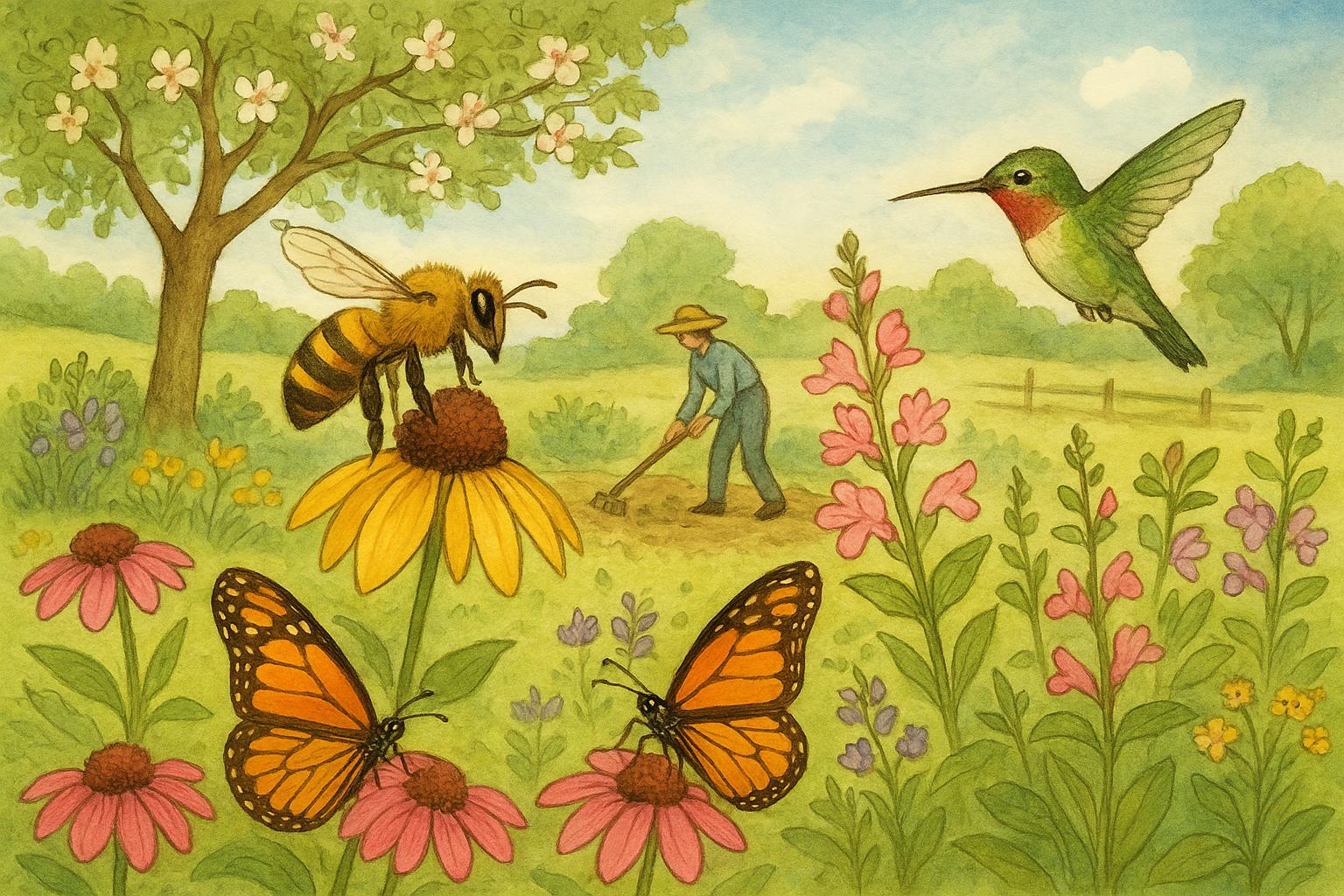
Summer is the main event. Pollinator traffic is highest, and long-blooming perennials are the headline acts.
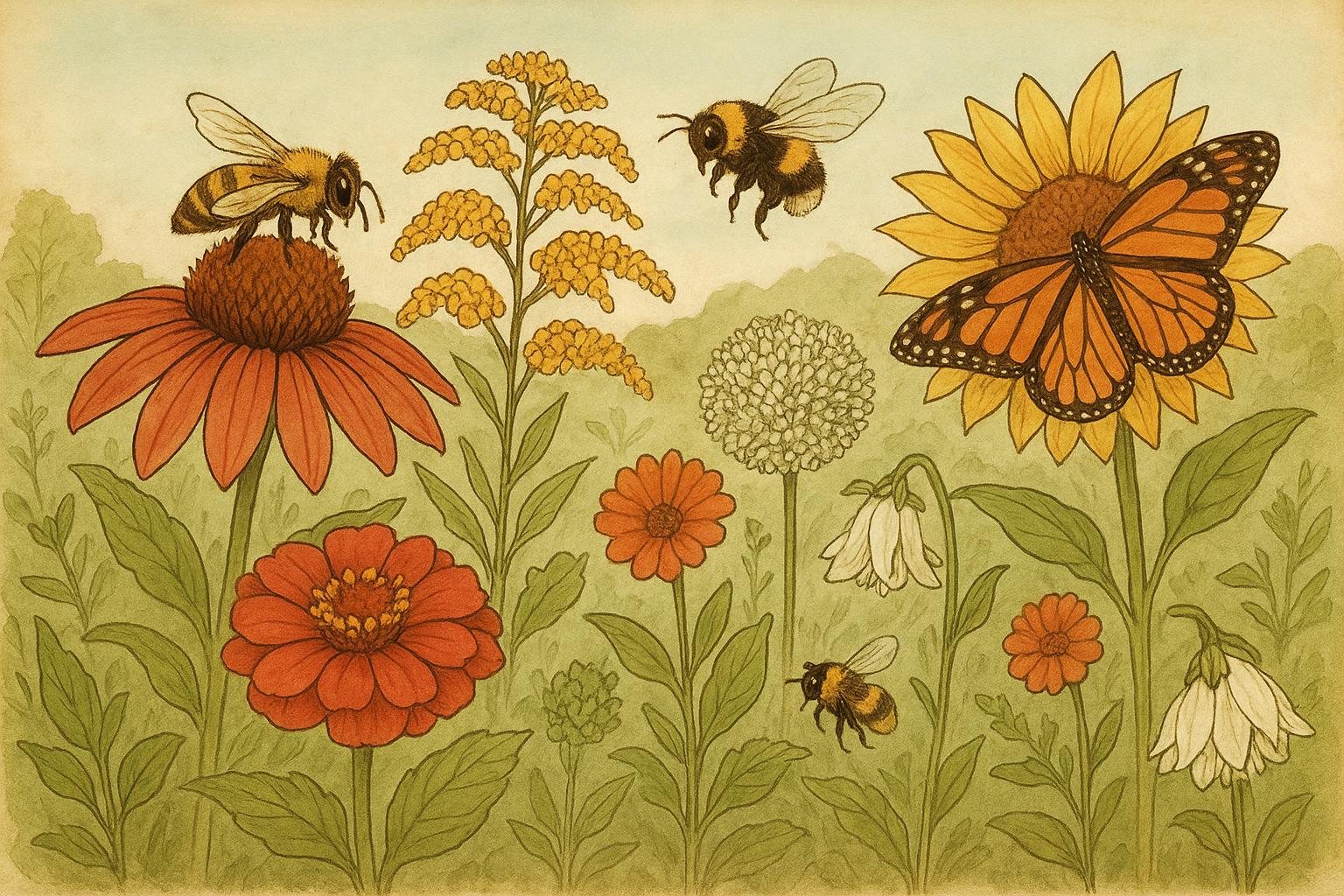
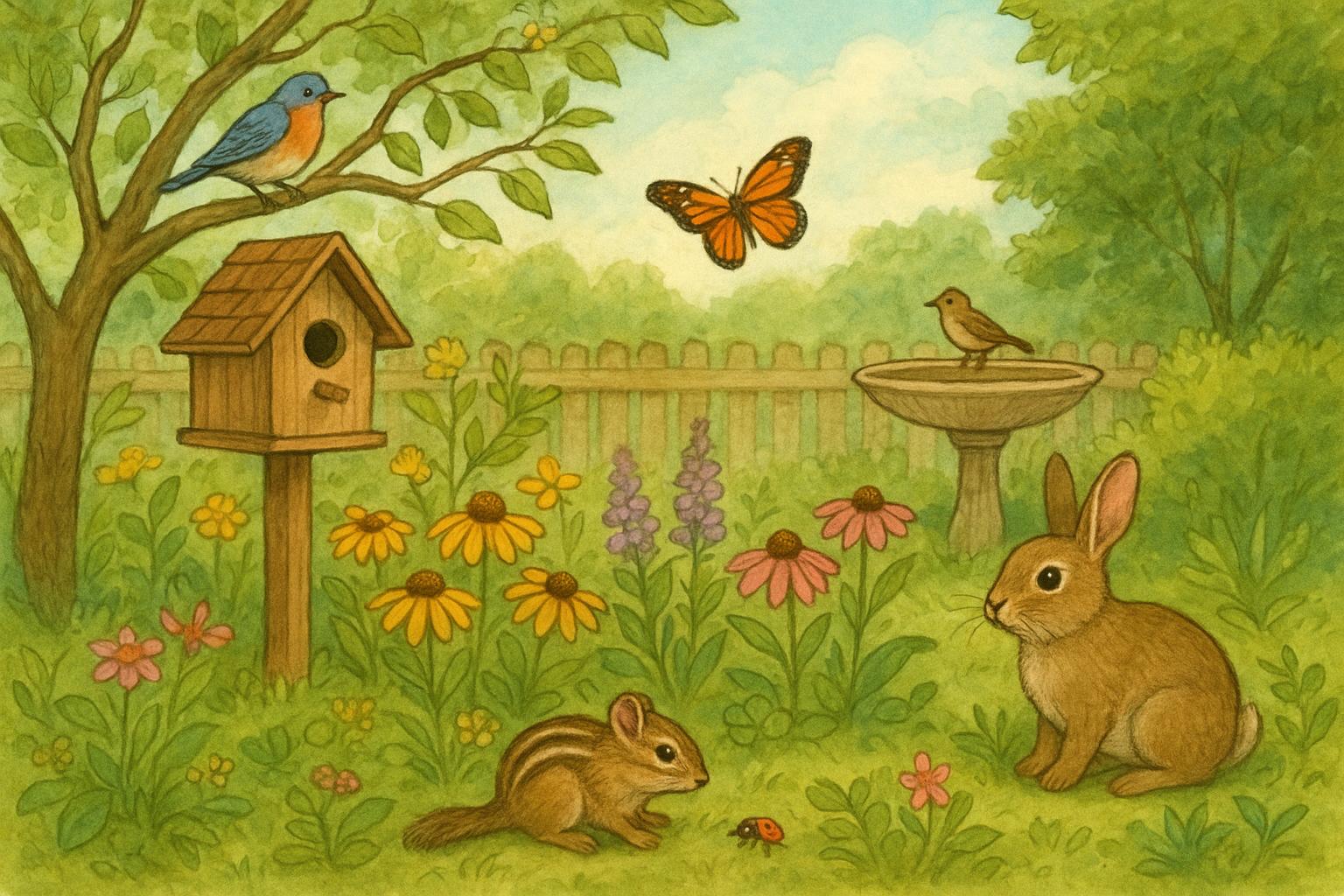
– Key Plants: Coneflower (Echinacea), bee balm (Monarda), clover, lavender, salvia, and native sunflowers. Incorporating some tall late-summer asters will prep the site for fall visitors.
– Design Tip: Provide varied bloom shapes — tubular flowers for hummingbirds, flat composite flowers for butterflies and many bees. Color is good, but scent and structure are what really guide pollinators.
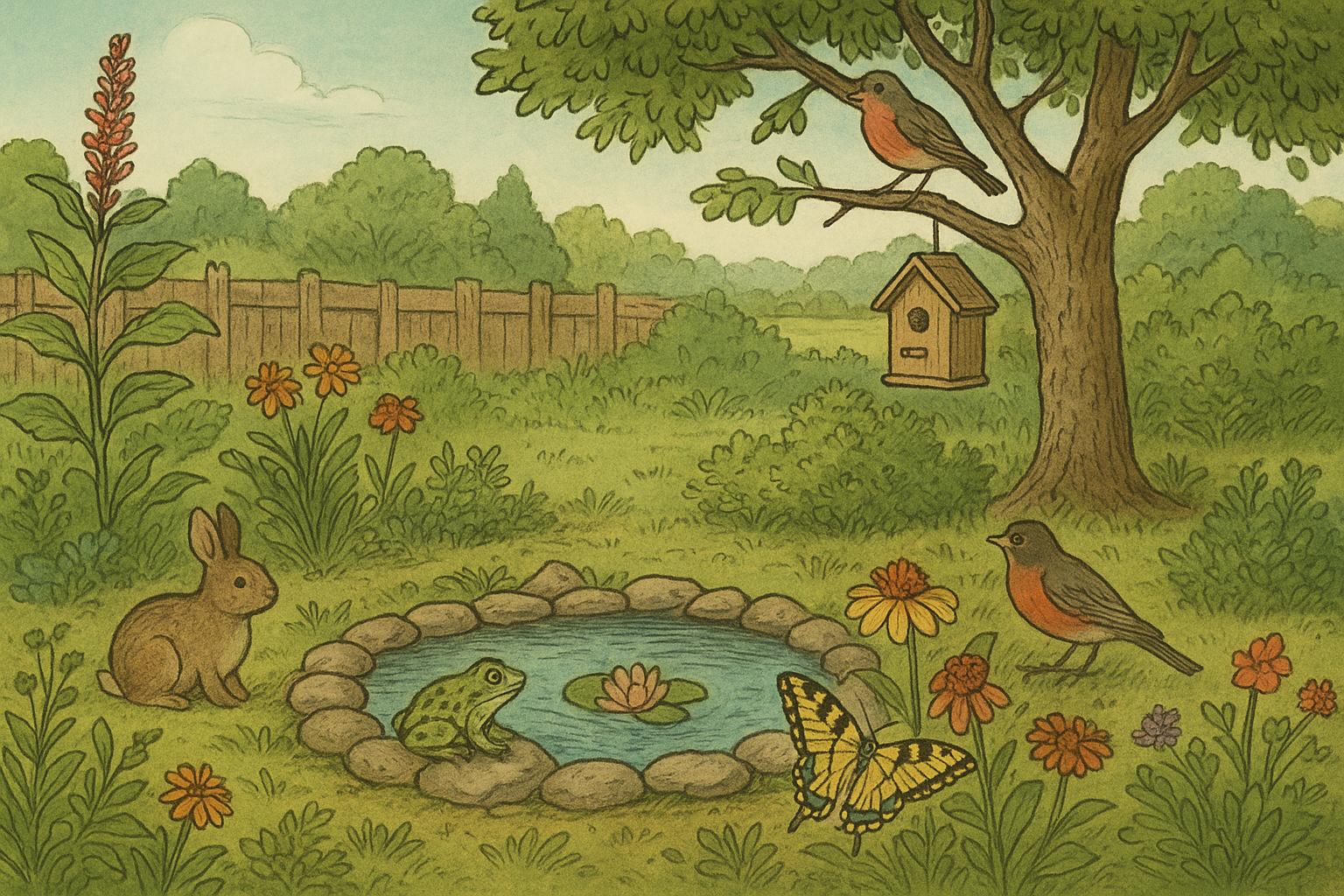
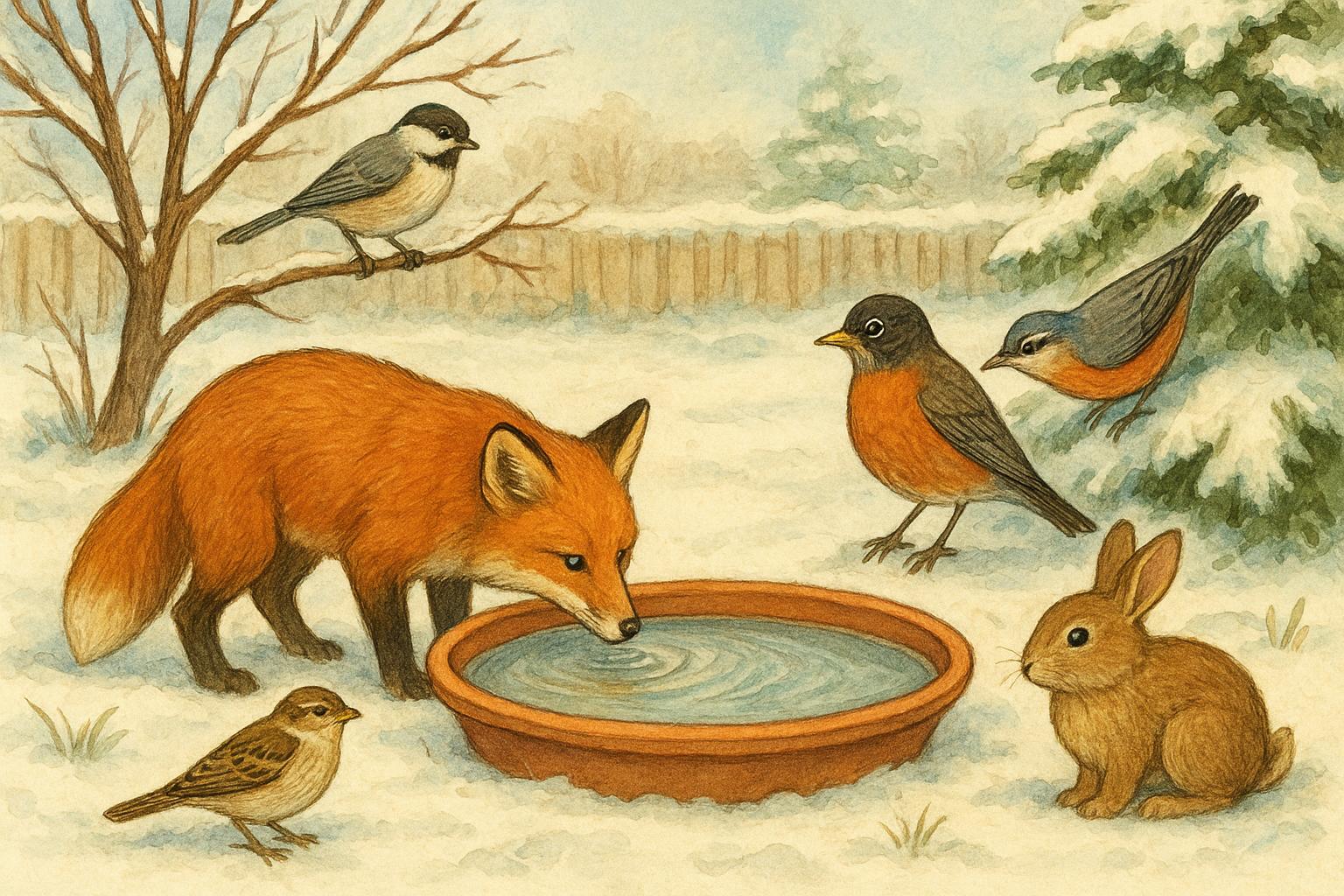
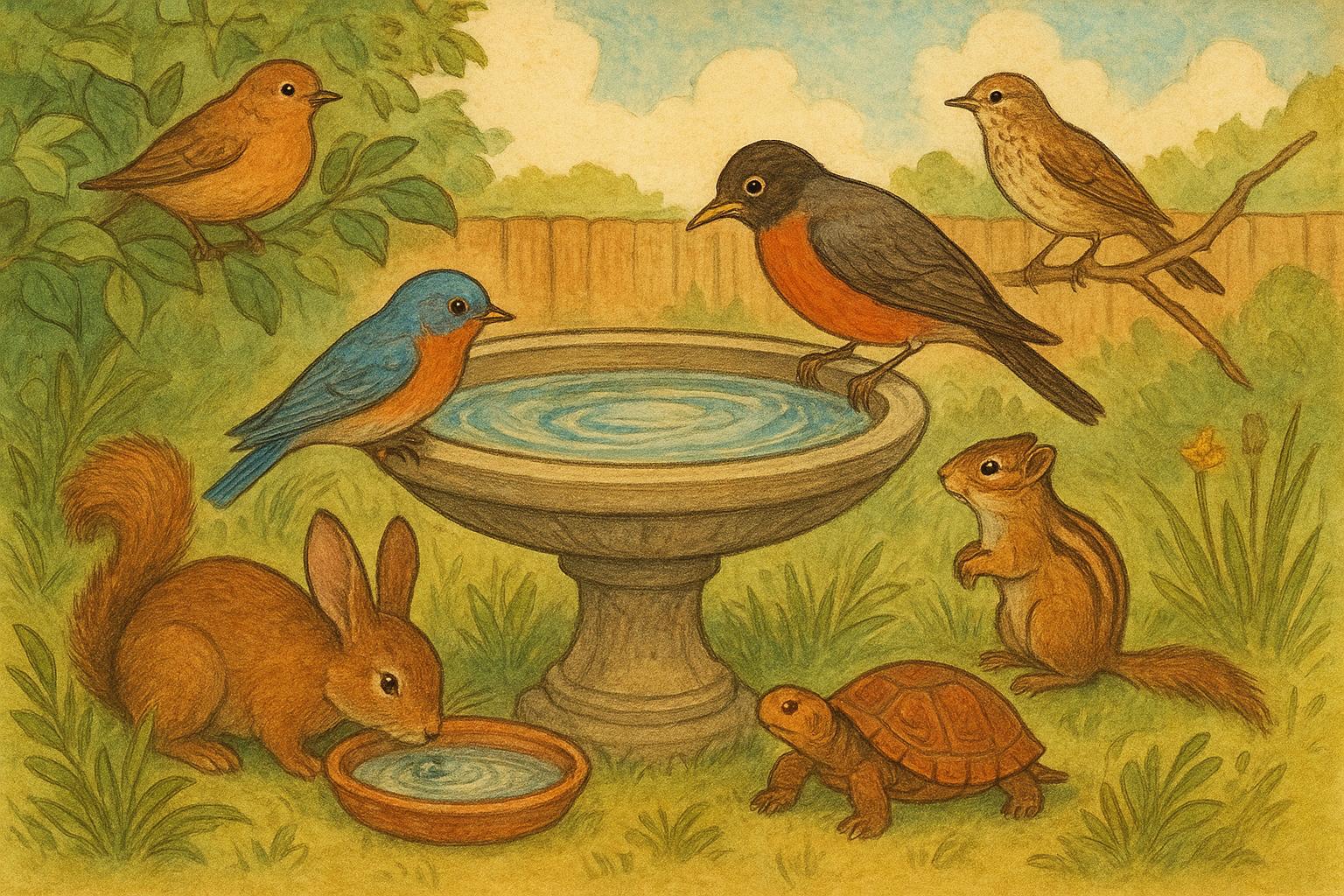
– Water & Shade: Install shallow water sources and some light-shade refuges for hot afternoons. Pollinators will use damp soil and shallow dishes with rocks to land on.
### Fall: The Last Call
Fall floral resources are critical for migrating butterflies, late-season bees, and for building up energy to overwinter for some species.
– Key Plants: Goldenrod, asters, sedum, late-blooming salvias, and native grasses that offer seeds and structure. Small patches of ivy (where non-invasive) can be a late-season resource in urban areas.
– Habitat Management: Leave seedheads and dead stems through winter unless they become a safety issue. Many insects overwinter in stems, and seedheads offer food for birds while still providing pollinator habitat.
– Avoid: Late-season heavy pruning that removes valuable nectar or nesting sites.
### Winter: Shelter And Planning
You might think winter is a quiet time for blooms, but planning and habitat leave-behinds are vital.
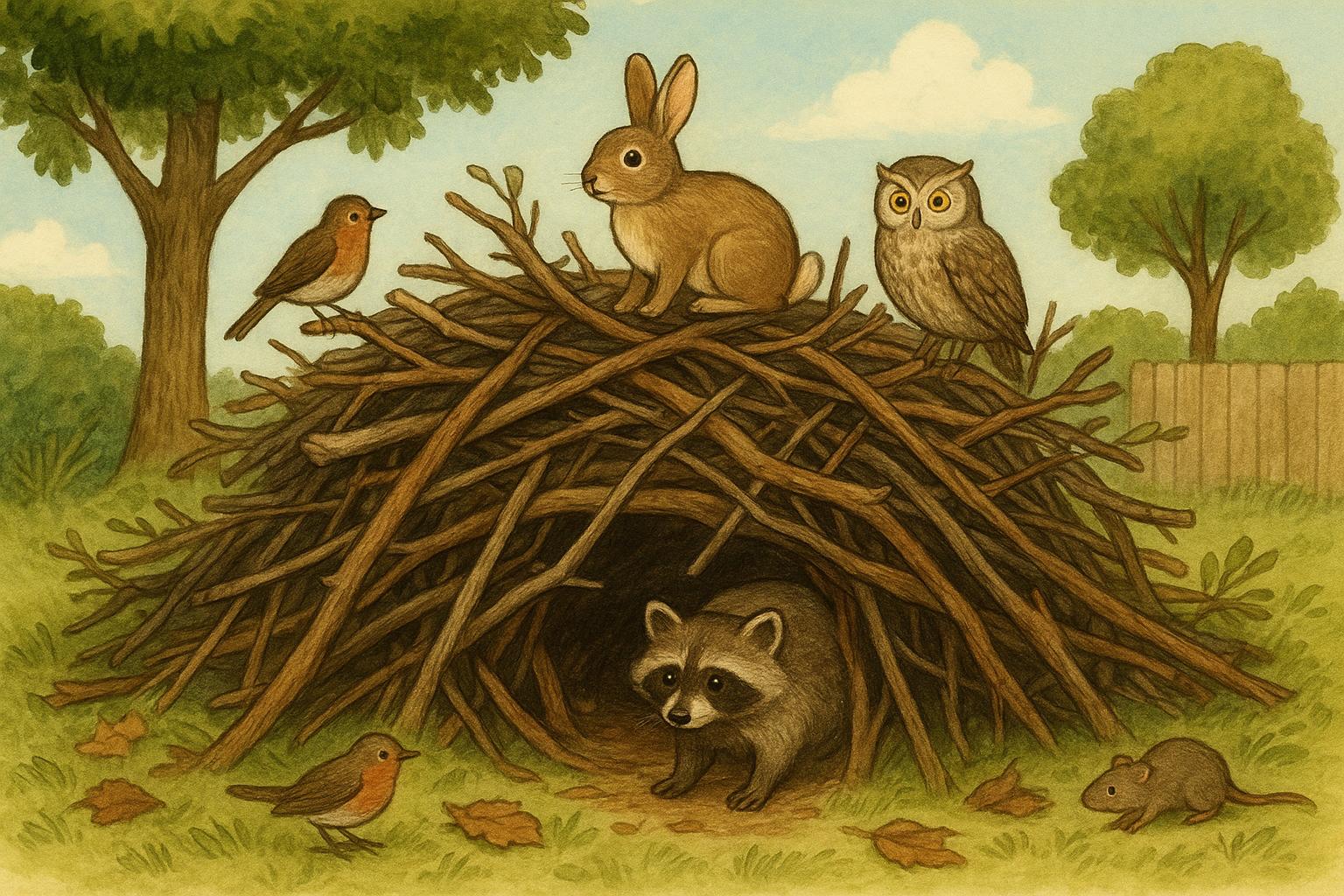
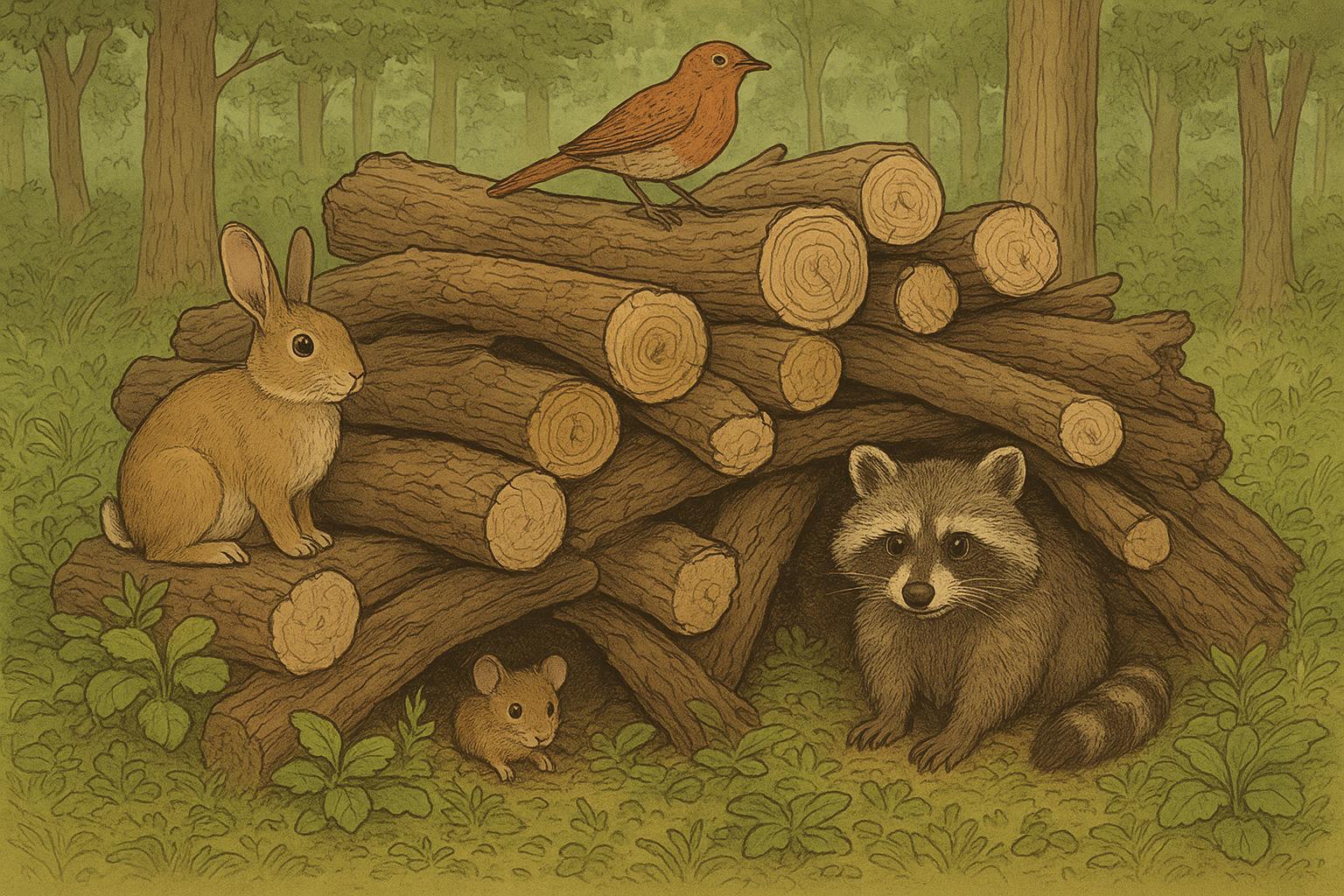
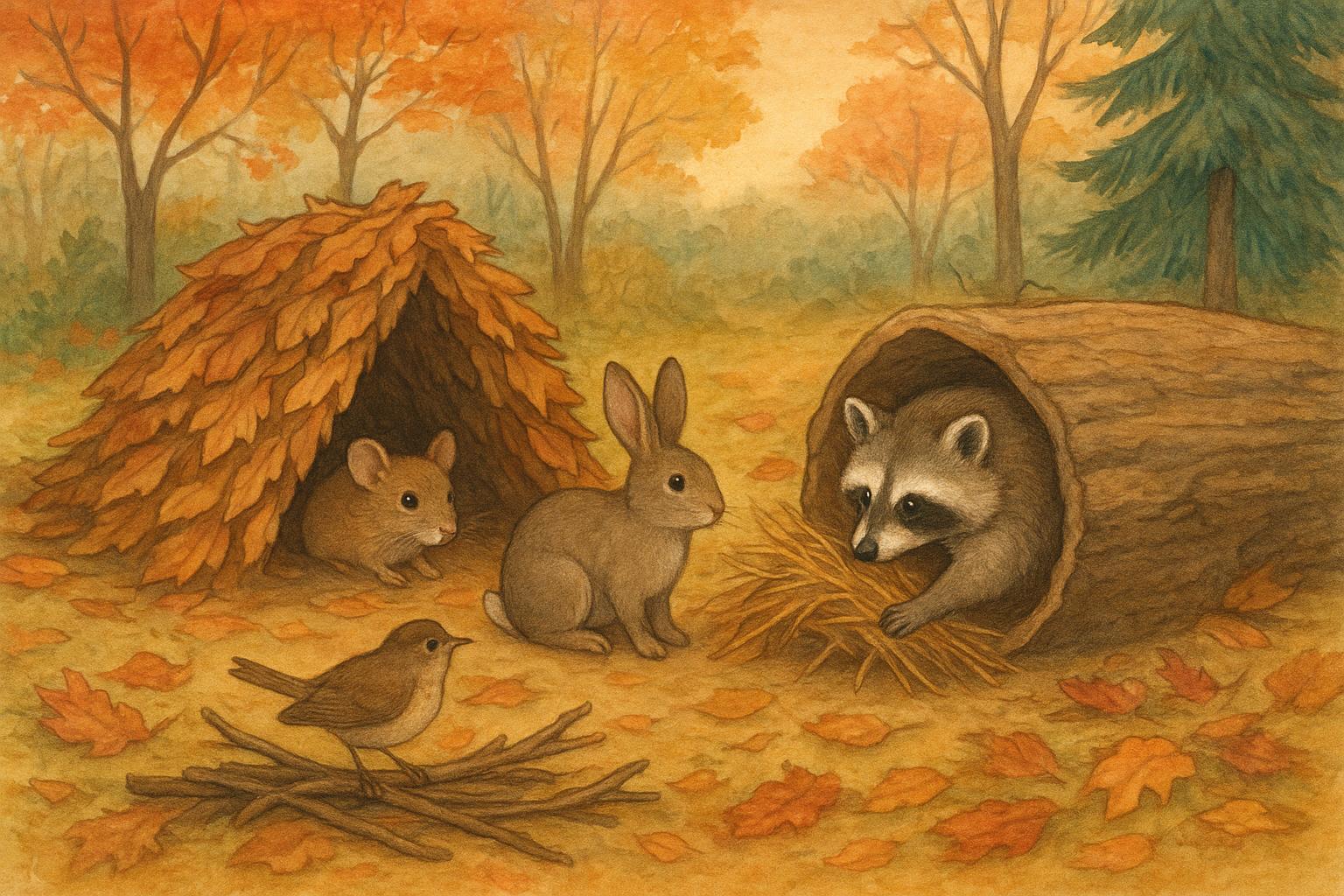
– Key Elements: Evergreen shrubs for structure, winter savory or sheltered microclimates that can support isolated blooms in milder areas, and early-blooming witch hazel or mahonia in warm pockets. More importantly: habitat — brush piles, standing dead stems, and native leaf litter.
– Practical Note: Even without many flowers, providing shelter, nesting sites, and planning for next year’s seasonal blooms supports pollinator survival.
## 1. Remedy: Native Flower Mix For Continuous Seasonal Blooms
When gardeners ask for one remedy to create steady food for pollinators, a custom native flower mix tailored to your region and seasonality is the most effective formal solution. Below are required materials and a stepwise method to establish a reliable, low-maintenance meadow patch that extends seasonal blooms from spring through fall.
Materials:
– Seed mix of regionally native species (choose early-, mid-, and late-season bloomers; include annuals and perennials)
– Soil test kit
– Compost (well-aged)
– Mulch (weed-free straw or wood chips)
– Rake and garden fork
– Hand tamper or roller
– Watering hose or irrigation setup
– Burlap or light frost cloth (optional)
Step-by-Step Creation and Application:
1. Site Selection: Choose a sunny to partly sunny area with good drainage. For best pollinator support, aim for a patch at least 10 x 10 feet; larger is better.
2. Soil Preparation: Test soil pH and nutrients. Amend with compost to improve structure; native wildflowers typically prefer leaner soils, so do not over-fertilize.
3. Clear Competing Vegetation: Remove turf, invasive plants, and weeds. For challenging sites, smother existing vegetation with cardboard and mulch for a few months or use careful solarization.
4. Seed Selection: Select a seed mix that includes bloomers that flower early (spring), peak (summer), and late (fall). Ensure at least 30–40% are native perennials for long-term stability; include a few annuals to provide fast early cover.
5. Seeding: Broadcast seed according to the supplier’s rate. Lightly rake seeds into the top 1/8–1/4 inch of soil; many native seeds require light for germination.
6. Firming and Mulch: Lightly tamp or roll the seeded area to ensure seed-soil contact. Apply a thin layer of straw mulch to conserve moisture without blocking light.
7. Watering Regime: Keep the soil consistently moist until seedlings are established (generally 2–4 weeks). After establishment, reduce frequency to encourage deep rooting.
8. Management: In year one, cut back excessive annuals after seed set or mow in late fall to encourage perennials. Thereafter, minimal maintenance is required; overseed in sparse areas with a mix that restores seasonal blooms.
Follow these steps precisely to establish a stable sequence of seasonal blooms that pollinators can depend on.
### 2. Remedy: Pollinator Shelter And Water Station
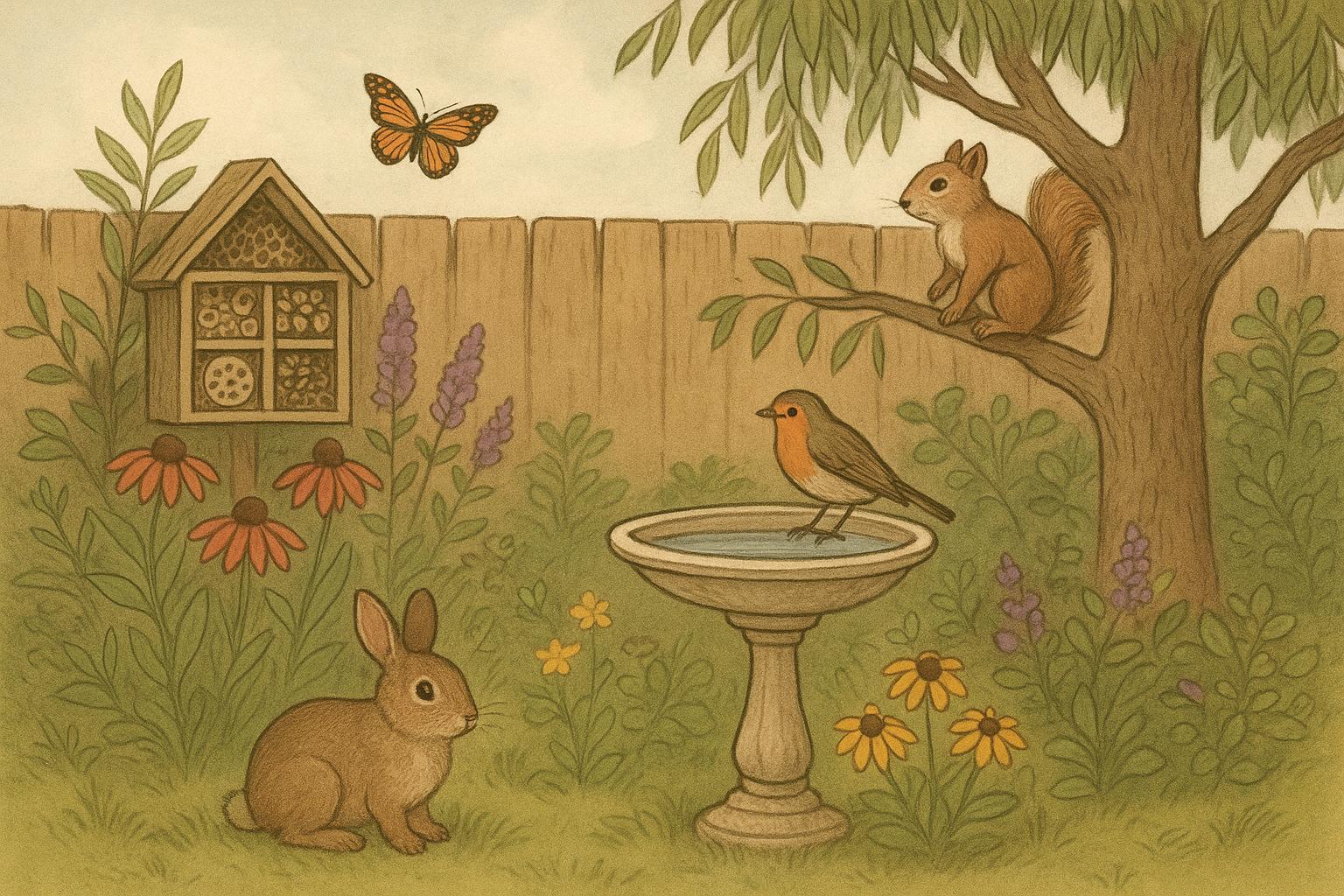
A second formal remedy addresses the non-plant needs: shelter, nesting materials, and water. This reduces mortality and increases garden visitation.
Materials:
– Untreated lumber or stacked field stones
– Hollow stems, bamboo canes, or purchased bee blocks
– Leaves, twigs, and dry grass (for filling)
– Shallow dish, flat stones, and sand (for water station)
– Drill (for bee blocks) and screws (if building boxes)
Step-by-Step Creation and Application:
1. Shelter Site: Select a sheltered, sunny-to-partly-shady location close to food sources. Position boxes or piles at least 1–2 feet above the ground if using wood structures.
2. Building Shelter: Construct small nesting boxes from untreated lumber with a back and a roof overhang to keep rain out. Drill holes 3–10 mm in diameter and 3–6 inches deep into blocks of wood for solitary bees. Avoid drilling from both sides to prevent exit tunnels from meeting.
3. Hollow Stem Blocks: Collect or purchase bamboo canes and cut them to length; bundle and secure them horizontally in a protected frame, filled tightly so they won’t sway.
4. Filling and Placement: Fill cavities and gaps with dry leaves, twigs, and grass. Position structures facing southeast or south to capture morning sun, ideally 3–6 feet off the ground.
5. Water Station: Place a shallow dish filled with pebbles and water; change water regularly to prevent mosquitoes. Add a little sand or muddy edge so bees can drink without drowning.
6. Maintenance: Clean and replace substrates every 2–3 years to reduce parasite build-up. Check water weekly in warm weather.
#### Micro-Habitats To Boost Seasonal Blooms
Small adjustments amplify the benefit of seasonal blooms: leave 10–20% of your yard a little wild, create edges between lawn and beds, and plant in clumps rather than single specimens. These micro-habitats let pollinators find food and shelter efficiently.
## Plant Selection Cheatsheet By Bloom Time
Spring: Early bulbs, willows, maples, native fruit trees.
Summer: Echinaceas, monarda, lavender, clovers.
Fall: Asters, goldenrod, sedums.
Year-Round Support: Herbs (thyme, oregano), native shrubs, and continuous native perennials.
Use the timing of blooms as your map: choose plants that overlap slightly between seasons so there’s never a real gap. Remember: it’s the sequence of seasonal blooms — not just a single spectacular flush — that sustains a healthy pollinator community.

Leave a Reply