

If you’ve ever spotted a flash of red at dusk, you’re witnessing fox behavior up close — and probably wondering if you should send it a thank-you note or a sternly worded eviction letter. Foxes are one of the most adaptable and entertaining backyard visitors: clever, curious, and sometimes a little too fond of your compost pile. This guide breaks down what they’re doing, why they do it, and what practical (and polite) steps you can take to live alongside them.
## Fox Behavior: What To Expect In Your Backyard
Foxes are crepuscular — most active around dawn and dusk — but urban and suburban foxes quickly learn to shift their schedules to suit human activity. Understanding fox behavior helps you interpret the signs they leave: scat shaped like a wrapped cigar, paw prints with distinct claws, and the occasional overturned garbage can. They rarely want trouble; they want a bite to eat and a safe spot to raise their young.
### Nighttime Calls And Vocalizations
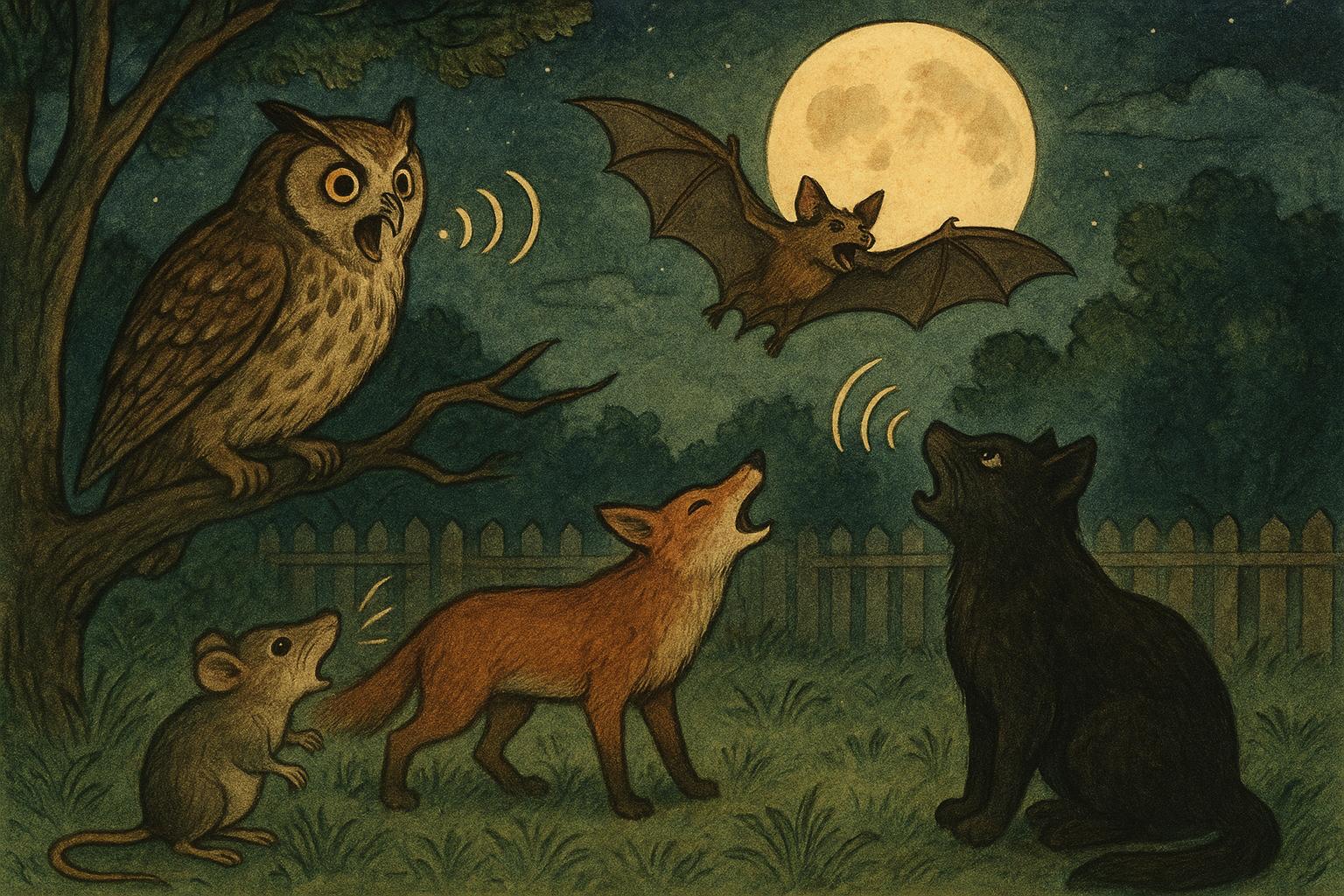
One of the most surprising things newcomers notice is how vocal foxes can be. Their calls include high-pitched screams, sharp barks, and a series of gekkering sounds during mating season. These vocalizations are ways to communicate territory, attract mates, or warn cubs. If you hear a spine-chilling scream in spring, it’s probably courtship, not a horror movie.
### Foraging Habits And Diet
Foxes are opportunistic omnivores. Their diet commonly includes small mammals, insects, fruits, and human food waste. They’ll patrol edges of yards, hop into gardens for fallen fruit, and inspect bird feeders for easy calories. Unlike larger predators, foxes are more likely to make a quick grab-and-go than to linger.
### When Foxes Become Family
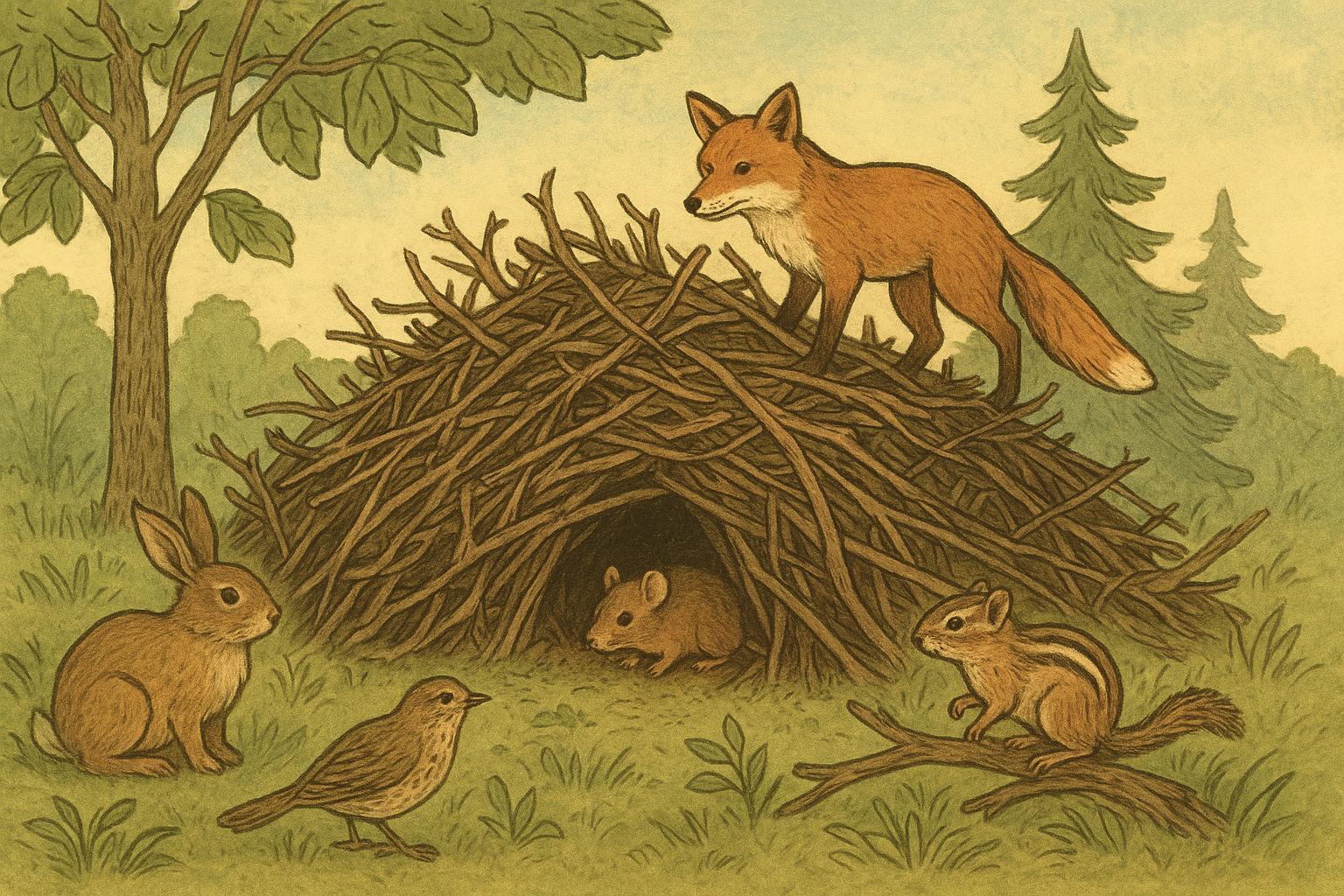
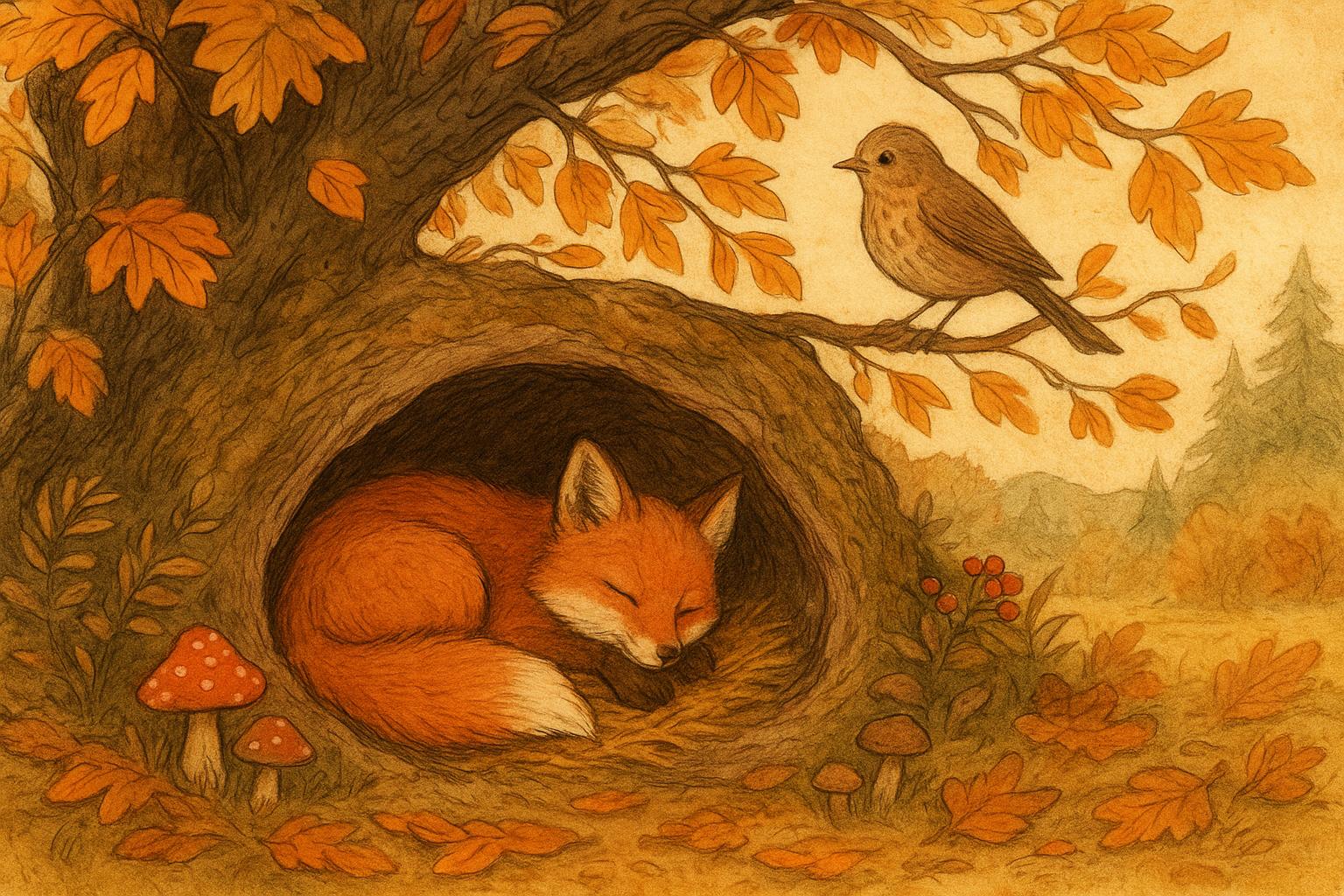
During spring, fox behavior shifts to denning and rearing pups. Dens may be dug under sheds, tree roots, or in thick brush. Parents are attentive; pups are playful and will often practice pouncing and stalking in the yard — adorable, but keep small pets supervised. If you find a den, avoid disturbing it. Fox families are easily stressed by human interference and may relocate if their den is repeatedly visited.
### Signs That Foxes Are Around
– Tracks in soft soil or snow: small, oval, four-toed prints with claw marks.
– Scat near fence lines or paths: often tapered at one end, with fur or bone fragments.
– Kills or partially eaten prey in the yard.
– Visible denning sites or repeated travel routes at dawn/dusk.
– Disturbed compost or tipped trash cans.
## 2 Remedies For Managing Fox Behavior
When managing fox visits, prioritize humane, preventative approaches. Below are two remedies: one for deterring unwanted foraging and another for protecting pets and poultry. These remedies are presented with formal, step-by-step instructions to ensure safe and effective application.
### Remedy 1: Humane Deterrent Kit To Protect Gardens And Trash
This remedy addresses typical fox behavior such as scavenging in gardens and trash. Implementing multiple deterrents together increases effectiveness. Materials and steps are listed to support a clear and repeatable application.
Ingredients / Required Materials:
– Sturdy, wildlife-proof trash cans with locking lids.
– Hardware cloth (¼ inch mesh) or chicken wire.
– Motion-activated lights or sprinklers.
– Ammonia-soaked rags (sealed in breathable mesh bag) for temporary scent deterrent.
– Gloves and protective eyewear.
Step-By-Step Creation And Application:
1. Secure Waste: Transfer all food waste to wildlife-proof trash cans. Ensure lids are locked and place cans on a raised platform or in a locked shed when possible.
2. Protect Compost: Line compost bins with hardware cloth, ensuring the bottom and sides are secured to keep foxes from accessing food scraps. Avoid adding meat or dairy to compost that will attract animals.
3. Install Motion Deterrents: Position motion-activated lights or sprinklers near garden beds and trash areas. Test the activation zone at dusk to ensure coverage of likely approach routes.
4. Apply Temporary Scent Deterrents: Soak rags in household ammonia, place them in breathable mesh bags, and position them around the perimeter of the garden. Replace weekly. Note: ammonia is an irritant; handle with gloves and avoid contact with pets or ingestion.
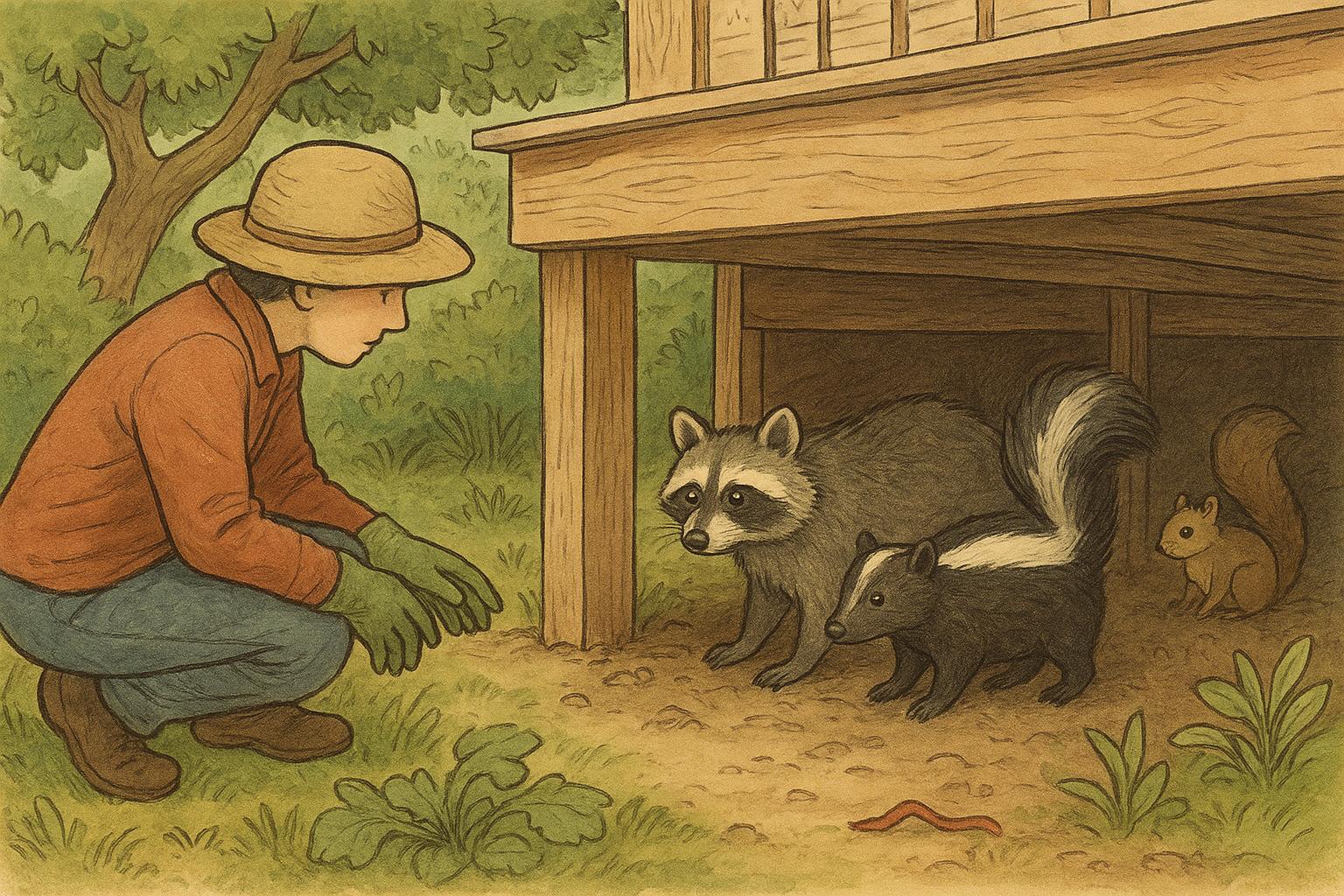
5. Maintain Landscaping: Trim dense brush where foxes might hide and block access under sheds and decks with hardware cloth buried several inches into the ground to prevent digging.
6. Monitor And Adjust: Keep a log of fox activity times and locations for two weeks. If activity persists in one area, increase overlap of deterrents (e.g., pair lighting with a sprinkler).
Safety And Compliance Notes:
– Do not use poisons or lethal methods; these are illegal and inhumane in many jurisdictions.
– Avoid leaving pets unsupervised outdoors during dawn/dusk periods.
– Check local wildlife regulations for any specific rules concerning fox deterrence.
### Remedy 2: Safe Coexistence Measures For Pets, Poultry, And Viewing
This remedy focuses on minimizing conflict while allowing observation and appreciation of foxes without encouraging dependency on human food.
Ingredients / Required Materials:
– Secure poultry housing (lockable coop) with reinforced wire.
– Motion-sensitive door locks or automated coop closers.
– Nighttime lighting for vulnerable areas.
– A dedicated viewing area with binoculars and a low-intensity red light (for nocturnal observation).
Step-By-Step Creation And Application:
1. Reinforce Poultry Housing: Inspect coop structure for gaps; install hardware cloth with ½ inch or smaller mesh around the base and bury at least 12 inches to prevent digging under.
2. Secure Doors Automatically: Fit doors with timed or motion-sensitive closers that lock at nightfall and open at dawn, reducing the need for late-night human intervention.
3. Separate Pet Areas: Create a designated secure run for small pets with sturdy fencing extending underground. Use overhead cover for additional protection.
4. Provide Alternative Shelter: If your yard is very attractive to foxes due to shelter, remove or secure wood piles and seal off access beneath structures.
5. Observation Protocol: For those who enjoy watching wildlife, set up a viewing station at a safe distance. Use binoculars or a camera with night vision; avoid using bright lights or offering food.
6. Education And Reporting: Learn to recognize signs of illness. If a fox approaches humans unafraid, or shows odd behavior (staggering, daytime aggression, drooling), contact local animal control or wildlife health authorities.
### How To Protect Pets And Poultry
Knowing fox behavior is key to protecting small animals. Foxes generally avoid confrontation with humans but will take small unattended animals. Supervise outdoor time, secure enclosures overnight, and remove attractants such as pet food left outside. For backyard chickens, rotate foraging areas and ensure coops are predator-proof.
### When To Call Professionals
If fox behavior includes unusual aggression, signs of illness, or persistent denning under occupied structures, contact licensed wildlife control or local animal services. Professionals can assess for disease risks (e.g., rabies), remove animals humanely if necessary, and advise on exclusion techniques that comply with local laws. Do not attempt to handle or relocate foxes yourself; it is both dangerous and often illegal.
#### Fox Behavior At A Glance
– Typical: Foraging at dusk/dawn, denning in spring, wary of humans.
– Vocal: Multiple calls used for territory and courtship.
– Diet: Omnivorous — small mammals, insects, fruits, human leftovers.
– Risk Signs: Daytime aggression, disorientation, drooling may indicate disease.
– Best Practices: Secure attractants, reinforce enclosures, call professionals for abnormal behavior.
By learning a bit about these clever creatures and applying straightforward, humane measures, you can reduce conflict, protect your animals, and still enjoy the charm of knowing foxes are part of your neighborhood cast.







































Leave a Reply