
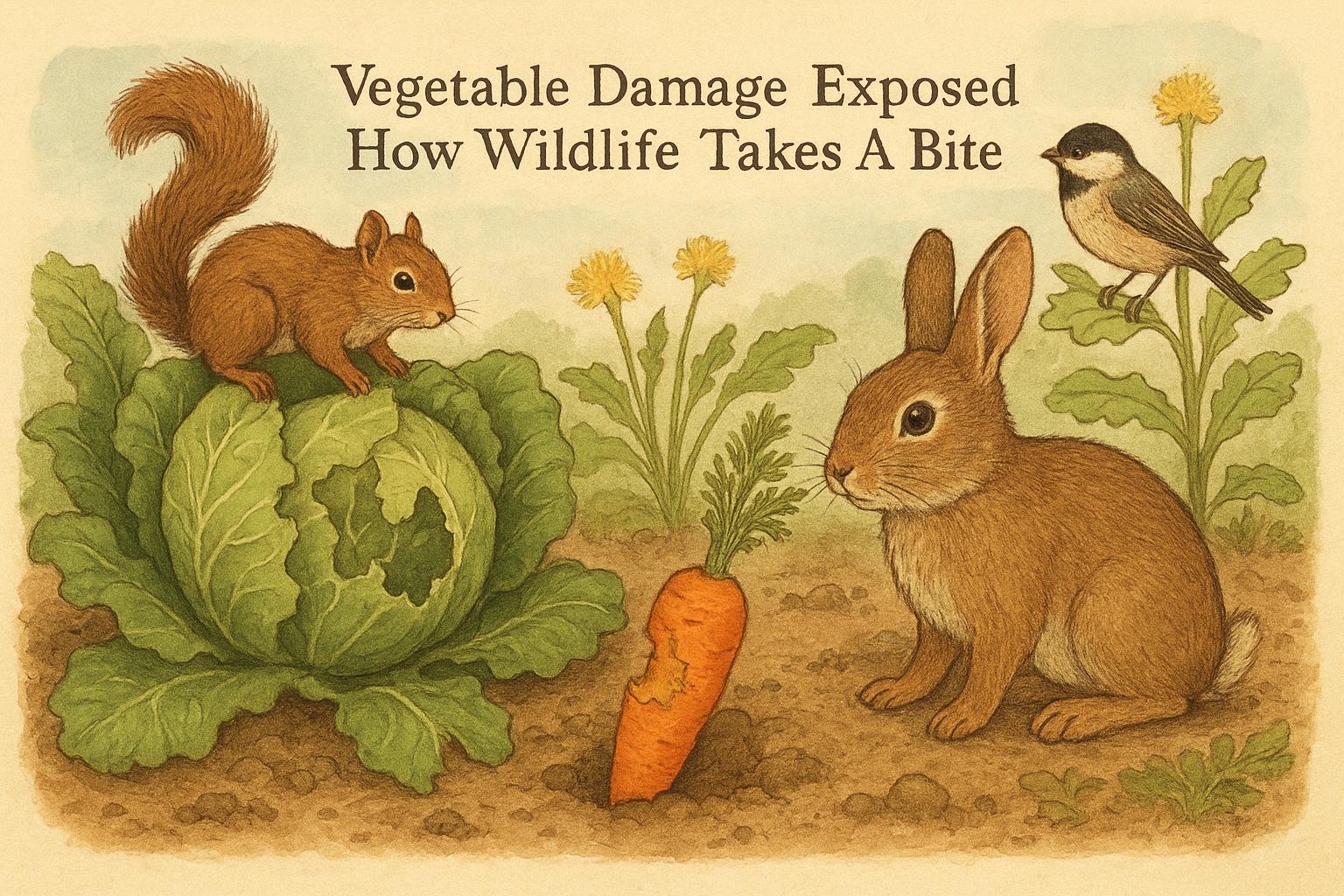
Welcome to the garden detective show: you planted tender lettuces, proud tomatoes, and a hopeful row of carrots, and overnight something munched halfway through a salad. Relax — you’re not cursed, you’re mildly irresistible to wildlife. This piece peels back who the likely culprits are, what their telltale signs look like, and practical ways to reduce vegetable damage without becoming a permanent fence-sitter or turning your yard into a fortress.
## How Vegetable Damage Happens And Who’s Responsible
Wildlife isn’t trying to ruin your ambitions; they’re looking for a meal. Vegetable damage usually happens in patterns that reflect the animal’s size, feeding habit, and when it’s active.
### Nocturnal Nibblers Versus Daytime Bandits
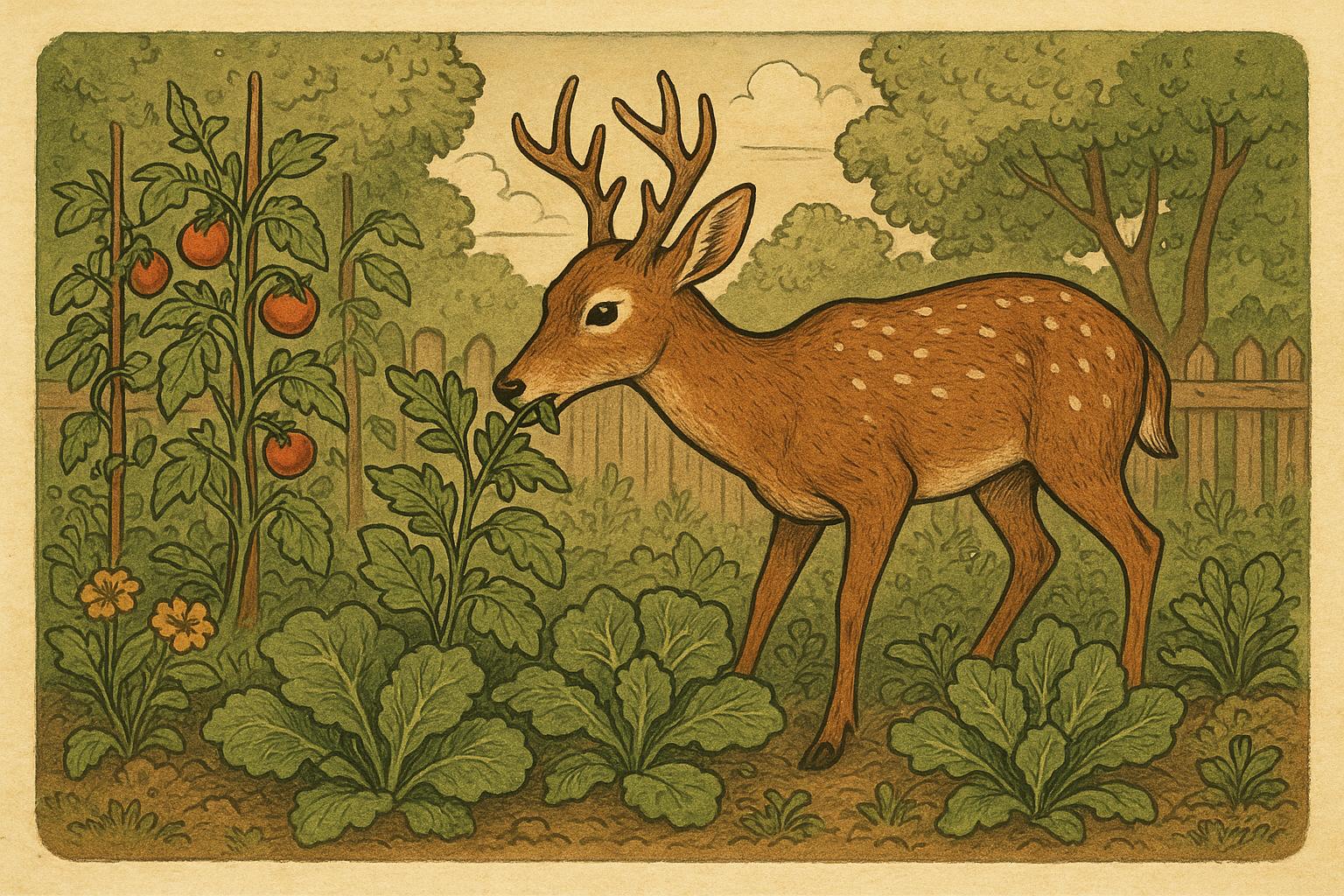
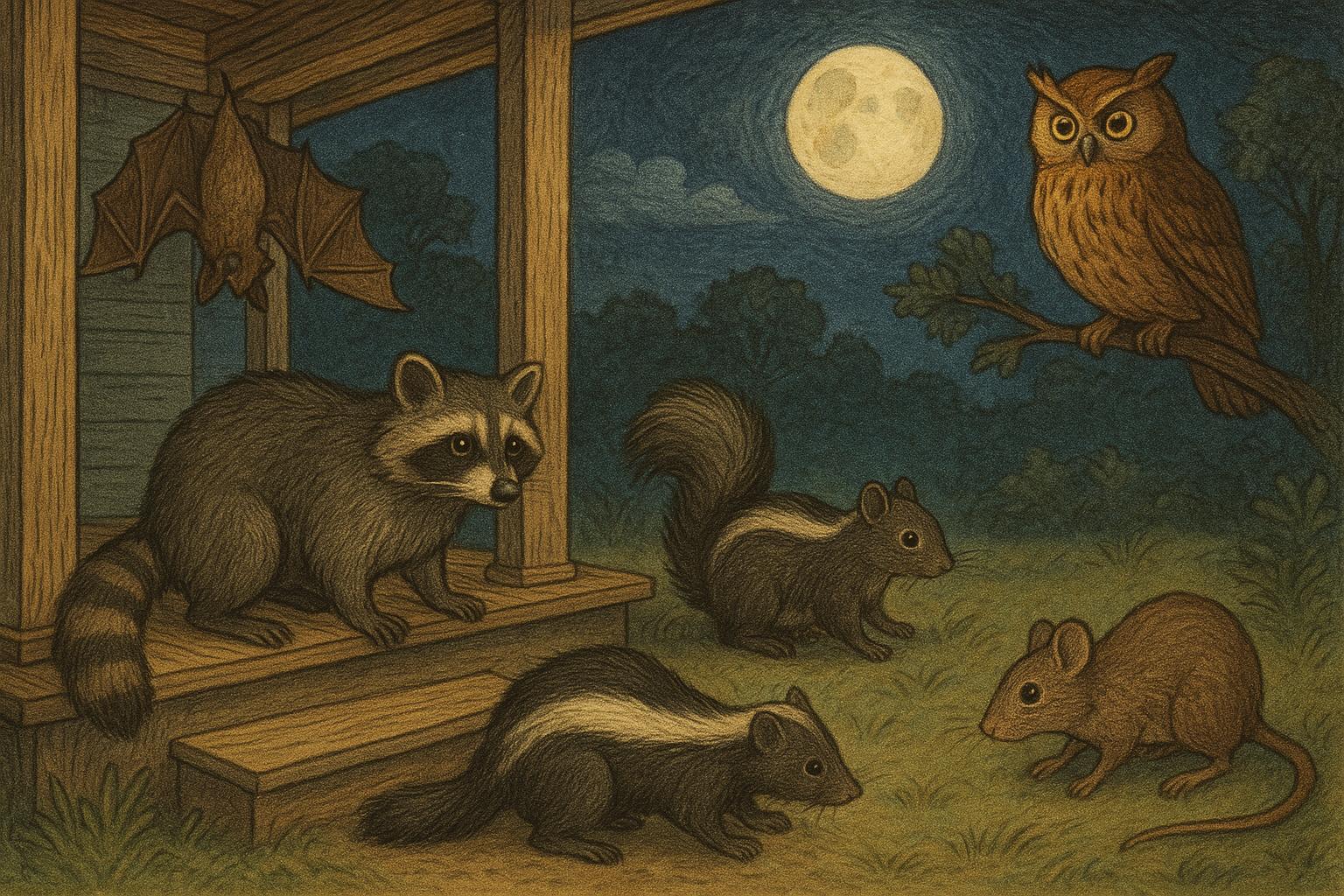
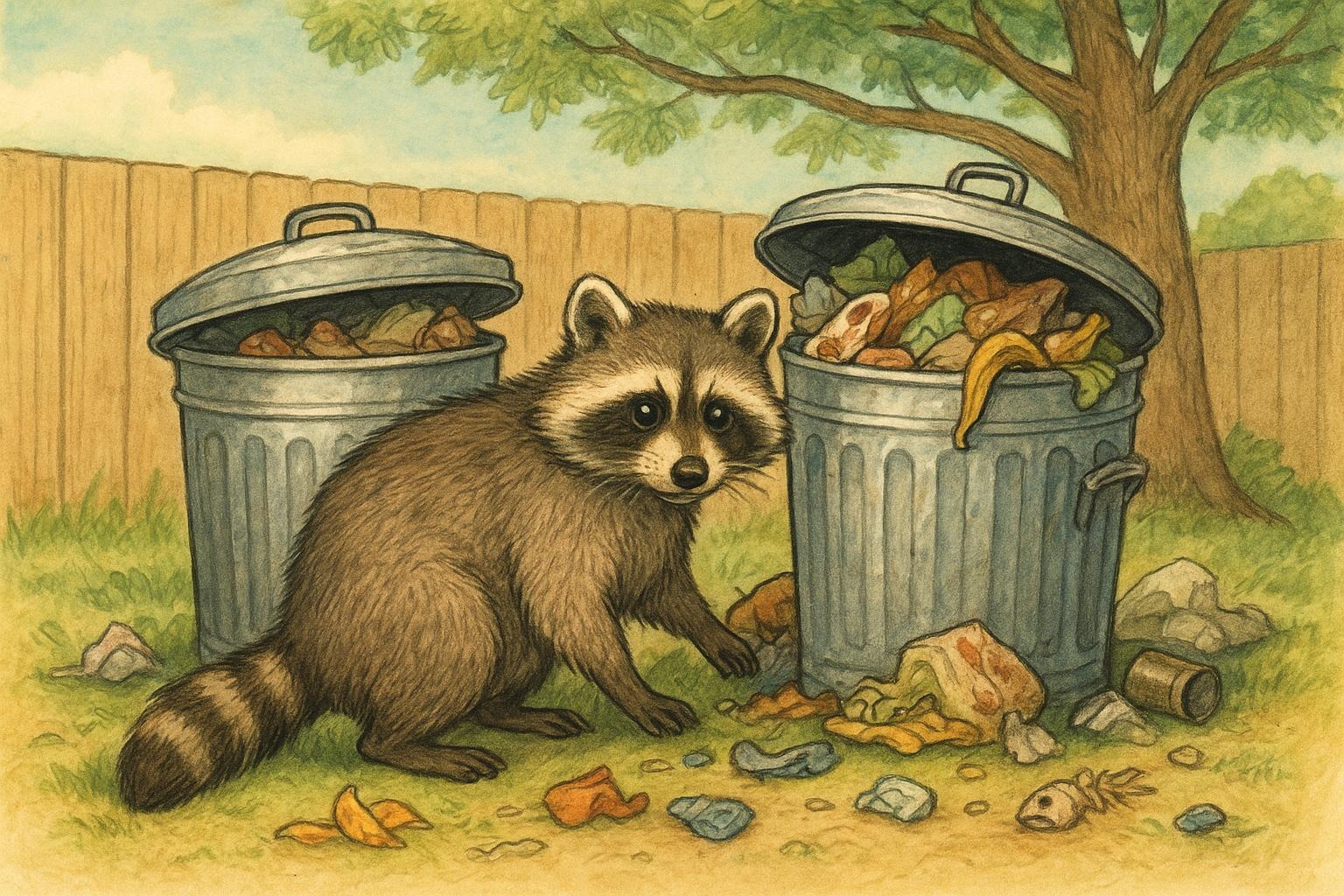
Rabbits and deer tend to nibble at the edges and tops of plants, often leaving a clean cut. Slugs and snails leave slimy trails and ragged holes near the soil line. Birds peck at fruits and seedlings during the day; raccoons and opossums will flip everything they can to get to potatoes or grubs after dark.
#### Signs To Identify The Culprit
– Ragged, irregular holes near ground level with slime = slugs/snails.
– Clean-cut stems at an angle, often 1–2 feet off the ground = rabbits.
– Bunched or chewed tomato or pepper fruits with beak marks = birds.
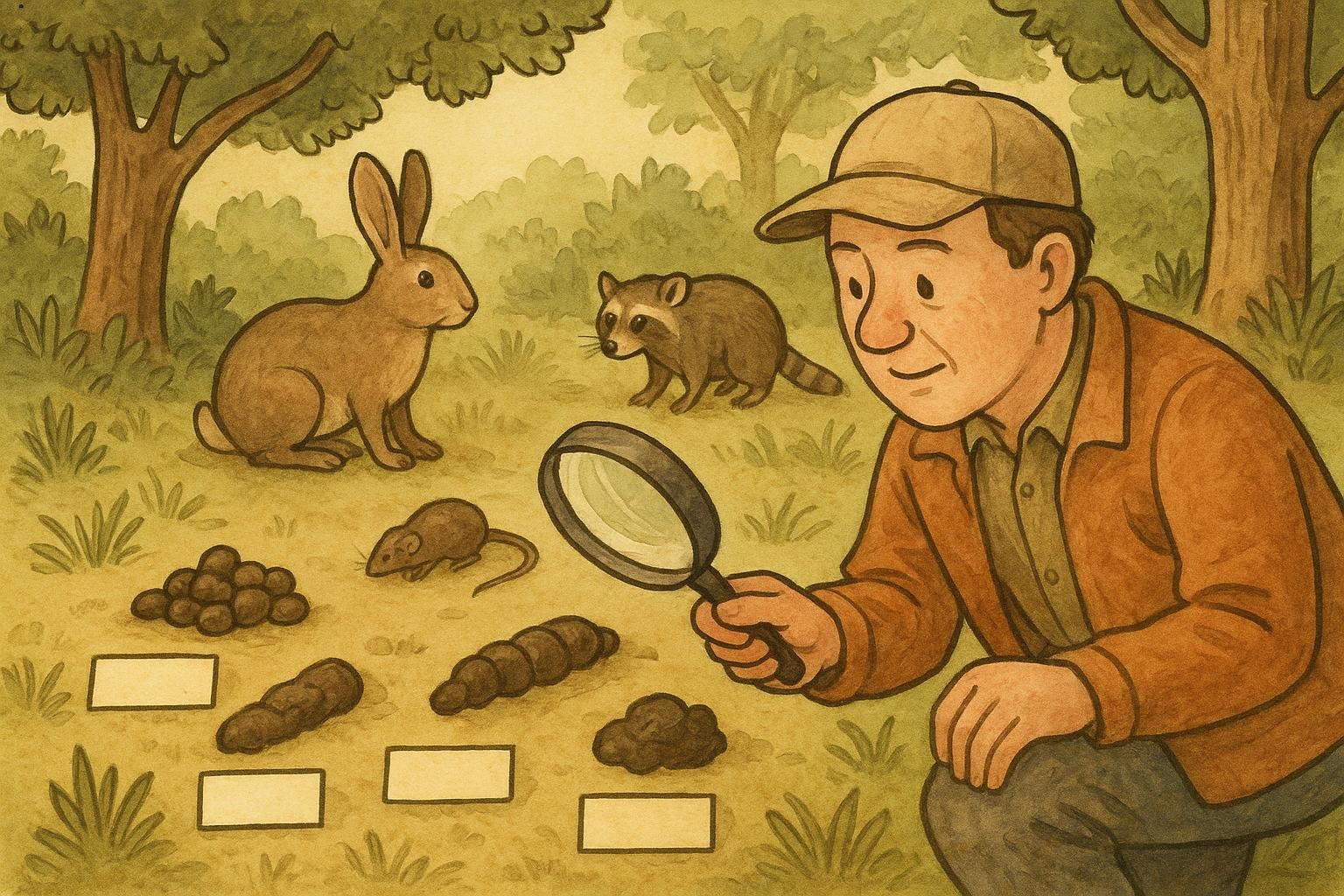
– Large, flattened plants and hoofprints or droppings = deer.
– Torn netting, scatter of soil, or cropped roots = groundhogs or raccoons.
## Common Patterns Of Vegetable Damage To Watch For
Knowing patterns helps you target solutions rather than hosing everything down with the garden equivalent of panic.
### Young Seedlings Are The Most Vulnerable
Seedlings are like a neon “eat me” sign. Aphids and flea beetles go for the tender parts; larger animals eat the whole plant. If you’re losing lots of seedlings overnight, think small mammals or slugs rather than deer.
### Repeated Damage In The Same Spot Means A Habit
If one patch is repeatedly attacked, that’s where animals have learned dinner’s reliable. You can either make that patch less convenient or move your plantings.
#### Seasonal Patterns Affect The Type Of Vegetable Damage
Spring sees a lot of bunny activity when new shoots burst forth. Summer fruits draw birds and raccoons. In fall, groundhogs bulk up and will raid late-season crops. Recognizing seasonal patterns helps plan protective measures.
## Remedy 1: Physical Barriers (Fencing, Netting, And Covers)
When prevention is needed, physical barriers are the most reliable first line of defense. Be precise and consistent in installation; gaps and loose ends invite disaster.
Materials Required:
– Hardware cloth (¼-inch mesh) or welded wire (1-inch mesh) for small mammals
– Farm or deer fencing (at least 6–8 feet tall for deer)
– Garden mesh netting for birds and light animals
– Floating row cover fabric and hoops
– Zip ties, landscape staples, and fence posts
– Staple gun and heavy-duty scissors or wire cutters
Step-By-Step Installation And Use:
1. Plan the Perimeter: Measure the area you need to protect and buy fencing that’s at least 6–8 feet for deer or 2-3 feet buried for rabbits and groundhogs.
2. Install Posts: Space posts 6–8 feet apart and set them firmly into the ground. Use pressure-treated posts for long-term durability.
3. Attach Mesh: Secure hardware cloth or welded wire to the posts, overlapping sections by a full mesh width. Fasten with staples or heavy-duty ties.
4. Bury The Base: For burrowing animals, bury the bottom 6–12 inches of mesh, or bend an L-shaped apron of mesh outward and weight it with soil to prevent digging.
5. Use Floating Row Covers: For seedlings and insects, drape row cover fabric over hoops and secure the edges with soil or stones.
6. Add Netting For Fruit: Drape bird netting loosely over frames to protect fruit; avoid tight netting against plants where birds or mammals can become trapped.
7. Inspect Regularly: Check for gaps, sagging, or signs of animals attempting entry and repair promptly.
## Remedy 2: Repellents And Scent-Based Deterrents (Homemade And Commercial)
Repellents can be a useful supplement, especially where full fencing isn’t practical. Apply consistently and follow label instructions for commercial products.
Materials Required (Homemade Spray):
– 1 quart water
– 2 tablespoons liquid soap (non-detergent)
– 2 eggs (optional — for strong odor)
– 1 cup milk (optional — helps egg adhere)
– Garlic cloves or 1 tablespoon garlic powder (for smell)
– Spray bottle and gloves
Materials Required (Commercial):
– Approved deer rabbit repellents (check active ingredients like capsaicin or putrescent egg solids)
– Motion-activated animal repellents (sound, light, or water)
– Gloves and protective eyewear
Step-By-Step Creation And Application (Homemade Spray):
1. Mix Emulsifier: Fill a quart spray bottle with water, add the liquid soap and shake gently to mix.
2. Add Odor Agent: Beat eggs and mix with milk, then add to the bottle. If you prefer, use mashed garlic or garlic powder as an alternative.
3. Shake And Test: Shake thoroughly and test on one leaf to ensure no burning or adverse effect; let sit 24 hours if eggs are used.
4. Application: Spray the mixture on the foliage and stems in the early morning or late evening to avoid sunburn on leaves.
5. Reapply Regularly: After rain or every 7–10 days; reduce application near harvest if using edible plants — wash produce well.
Step-By-Step Use Of Commercial Repellents:
1. Read Labels Carefully: Note application rates, safety precautions, and pre-harvest intervals.
2. Apply To A Dry Surface: Spray or sprinkle as directed, focusing on plant edges and access points.
3. Reapply After Rain: Many repellents wash off; reapply as needed.
4. Rotate Active Ingredients: To prevent habituation, rotate products every few weeks.
## Remedy 3: Habitat Modification And Integrated Tactics
Changing the environment to be less hospitable for pests is often the most sustainable approach. Combine methods for greater effect.
Materials Required:
– Native plantings and cover crops
– Mulch and ground-cover materials
– Motion-activated sprinkler or light deterrent
– Companion plants (e.g., garlic, marigolds, strong-scent herbs)
– Basic garden tools
Step-By-Step Creation And Application:
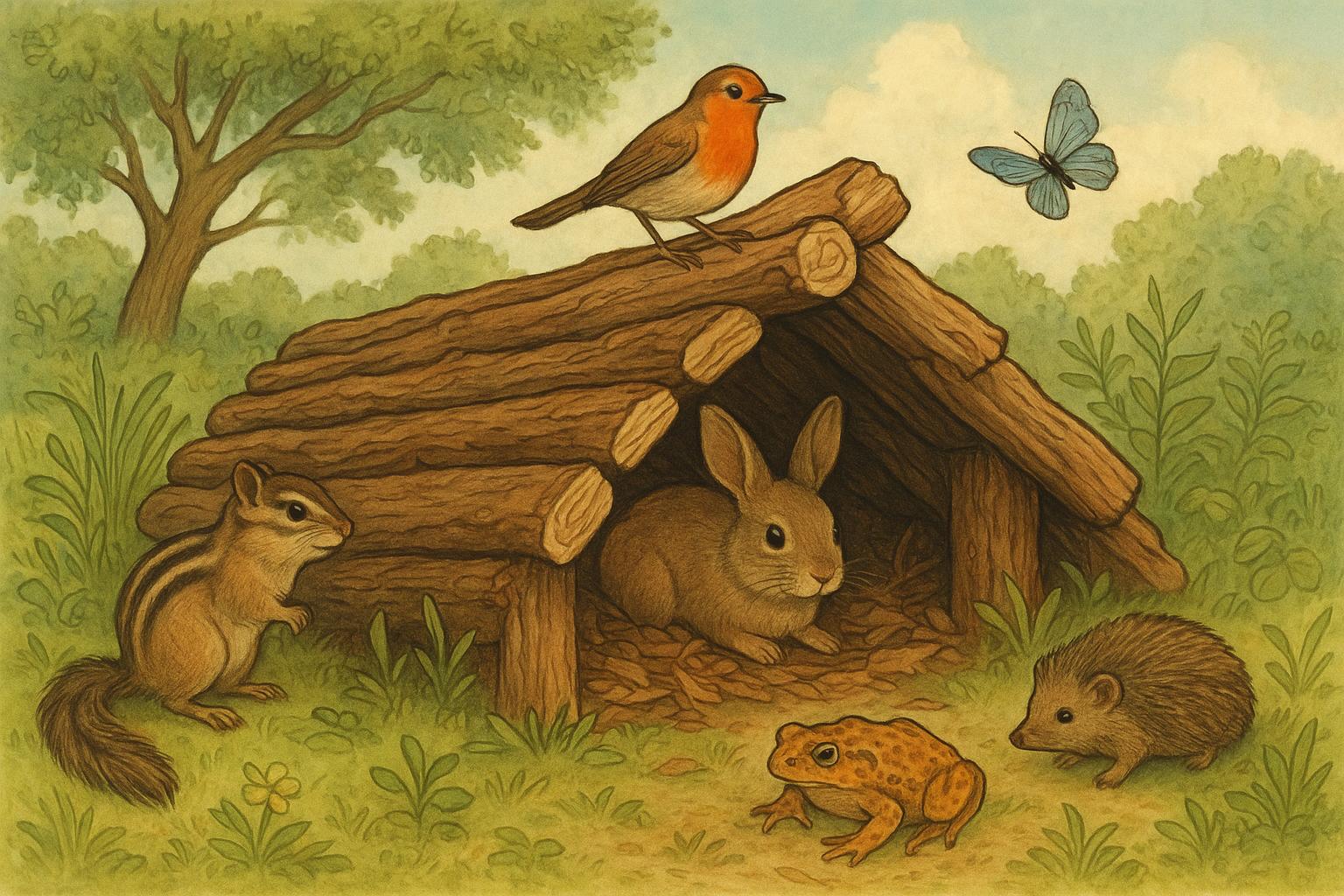
1. Reduce Cover For Rodents: Trim tall grass and clear brush piles; move woodpiles away from garden edges to reduce nesting sites.
2. Modify Planting Layout: Group vulnerable crops together and use sacrificial plants at the perimeter to distract wildlife.
3. Install Motion Deterrents: Position motion-activated sprinklers at likely entry points; test sensitivity and range.
4. Plant Repellent Species: Integrate strong-smelling herbs (garlic, chives, mint) around beds to mask attractive scents. Note: some herbs can become invasive; monitor their spread.
5. Use Companion Planting Strategically: Place marigolds and nasturtiums to deter certain insects; use clove or cinnamon-based mulches sparingly to help with slugs.
6. Encourage Predators: Attract owls, hawks, and predatory insects by installing perches and leaving sections of native habitat; this reduces rodent numbers naturally.
### Monitoring And Maintenance For Long-Term Success
An ounce of prevention is worth a sack of ruined zucchinis. Keep a log of what works and when: note times of damage, types of signs, and which remedies you’ve applied. Rotate strategies seasonally and combine physical barriers with repellents and habitat changes for the best results.
#### When To Call A Professional
If damage escalates or you suspect a protected species is involved (or you’re seeing signs of disease), contact local wildlife control or extension services. They can advise on legal and safe removal or control measures. Also seek professional help for large-scale fencing or persistent burrowers.
## Identifying And Reducing Re-Entry Points
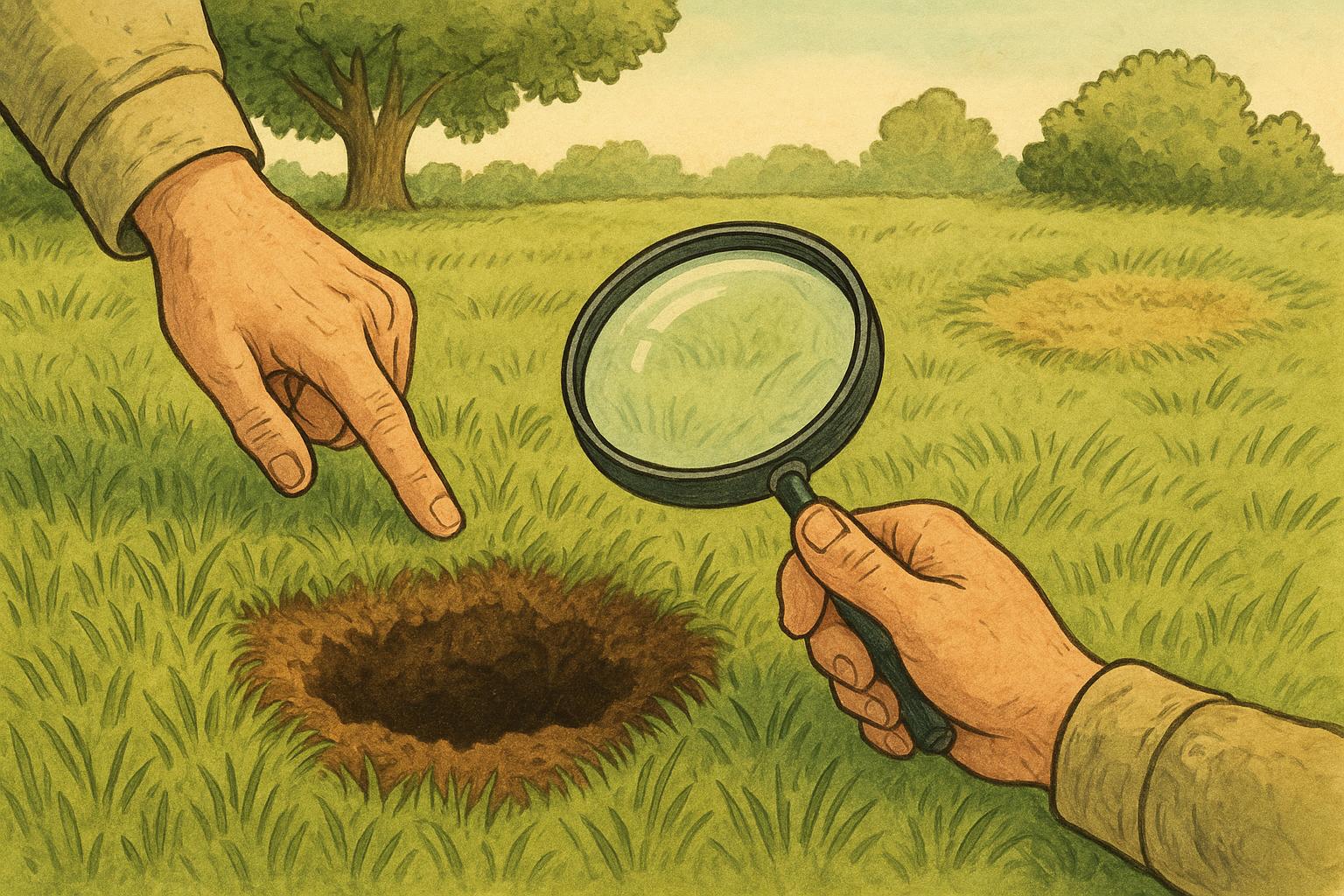
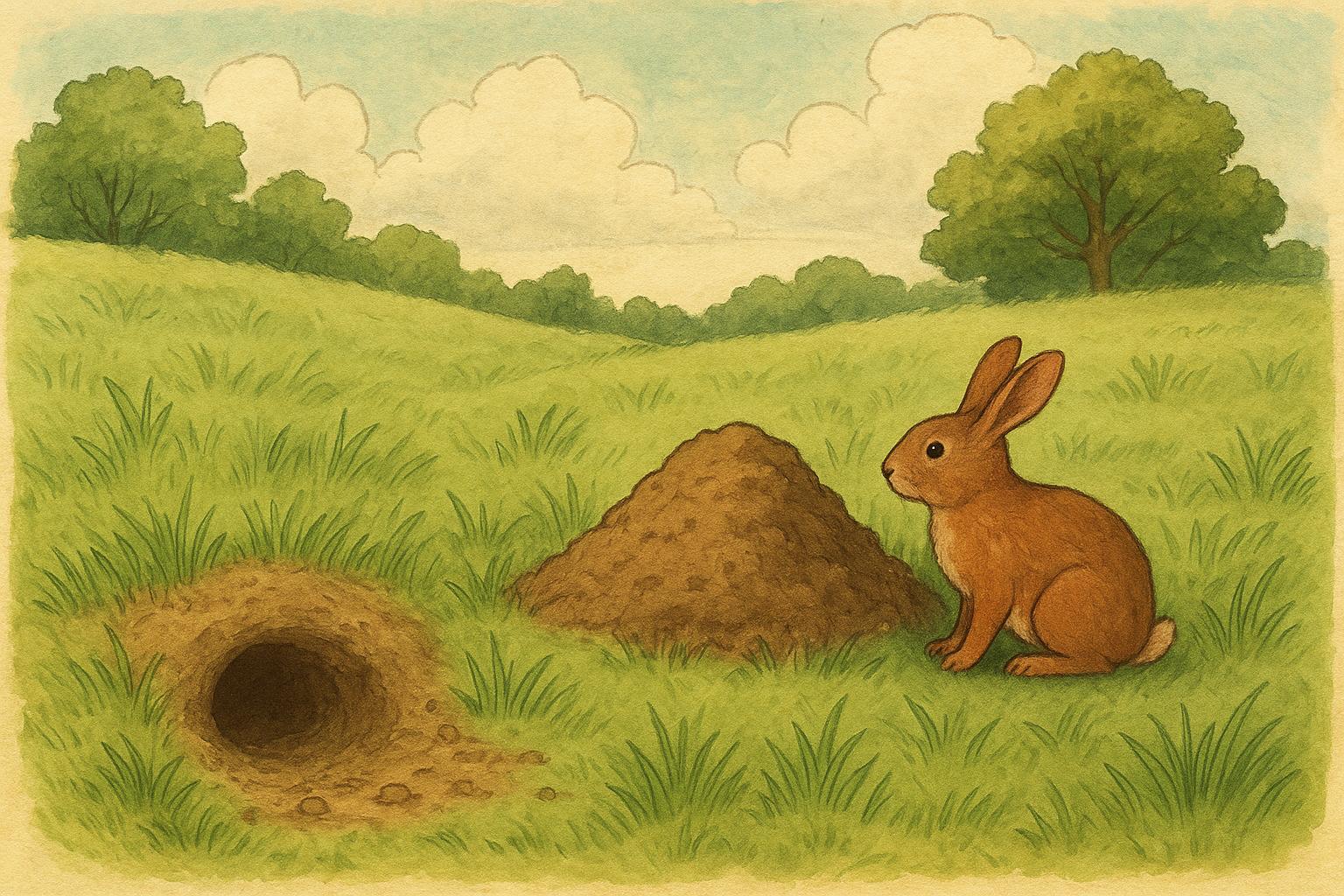
Animals are persistent; they learn the easiest path. Walk your garden perimeter at dusk and dawn, checking for new holes, trampled edges, or weak fence spots. Fixing these weak points quickly is often the most cost-effective way to reduce ongoing vegetable damage.
### Non-Lethal Options Are Often Best For Backyard Gardens
Most backyard gardeners prefer humane, non-lethal solutions. They’re effective when combined: a reliable fence, a few well-placed deterrents, and thoughtful habitat tweaks usually reduce vegetable damage to a tolerable level — leaving your crops, the wildlife, and your sense of humor intact.





Leave a Reply