
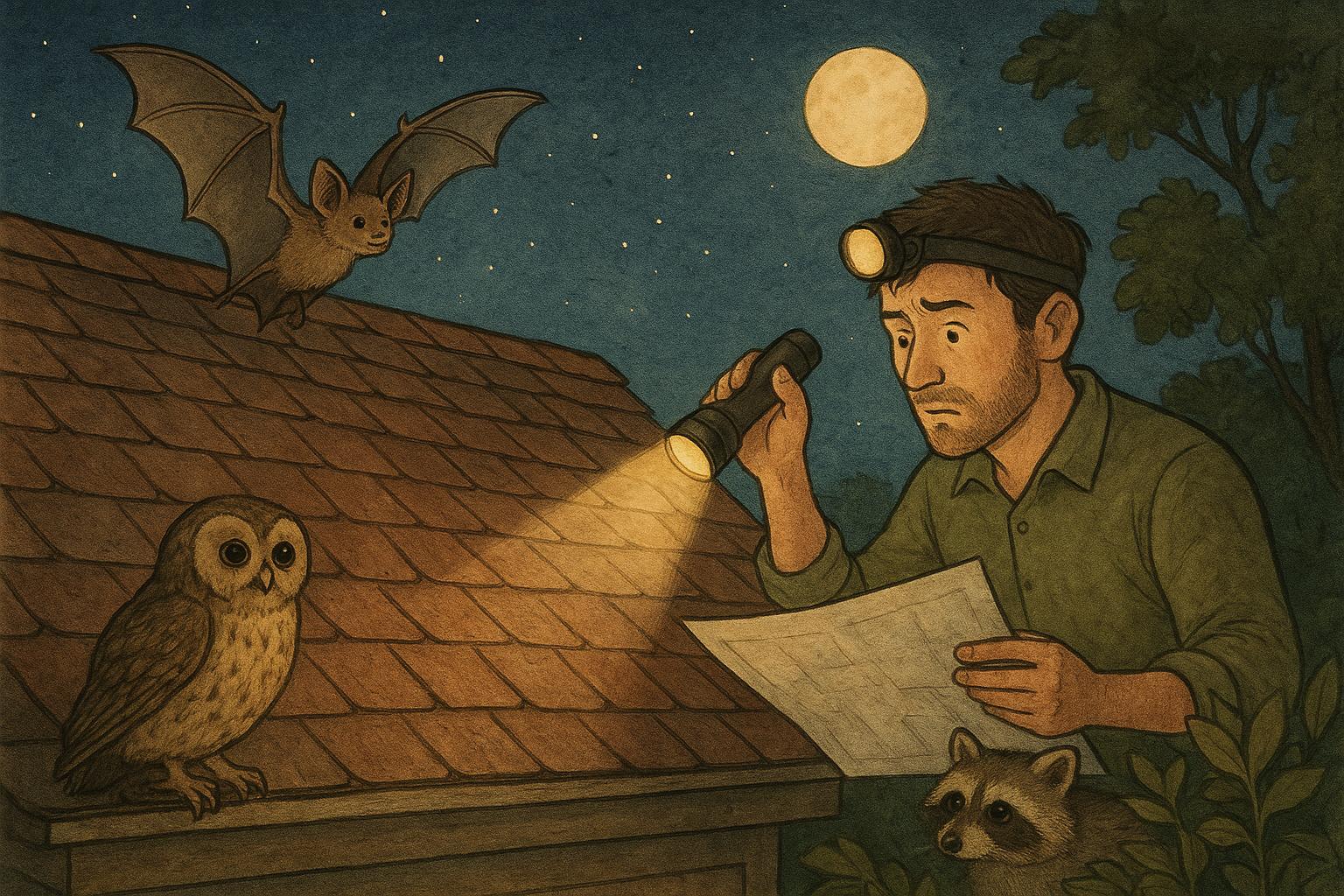
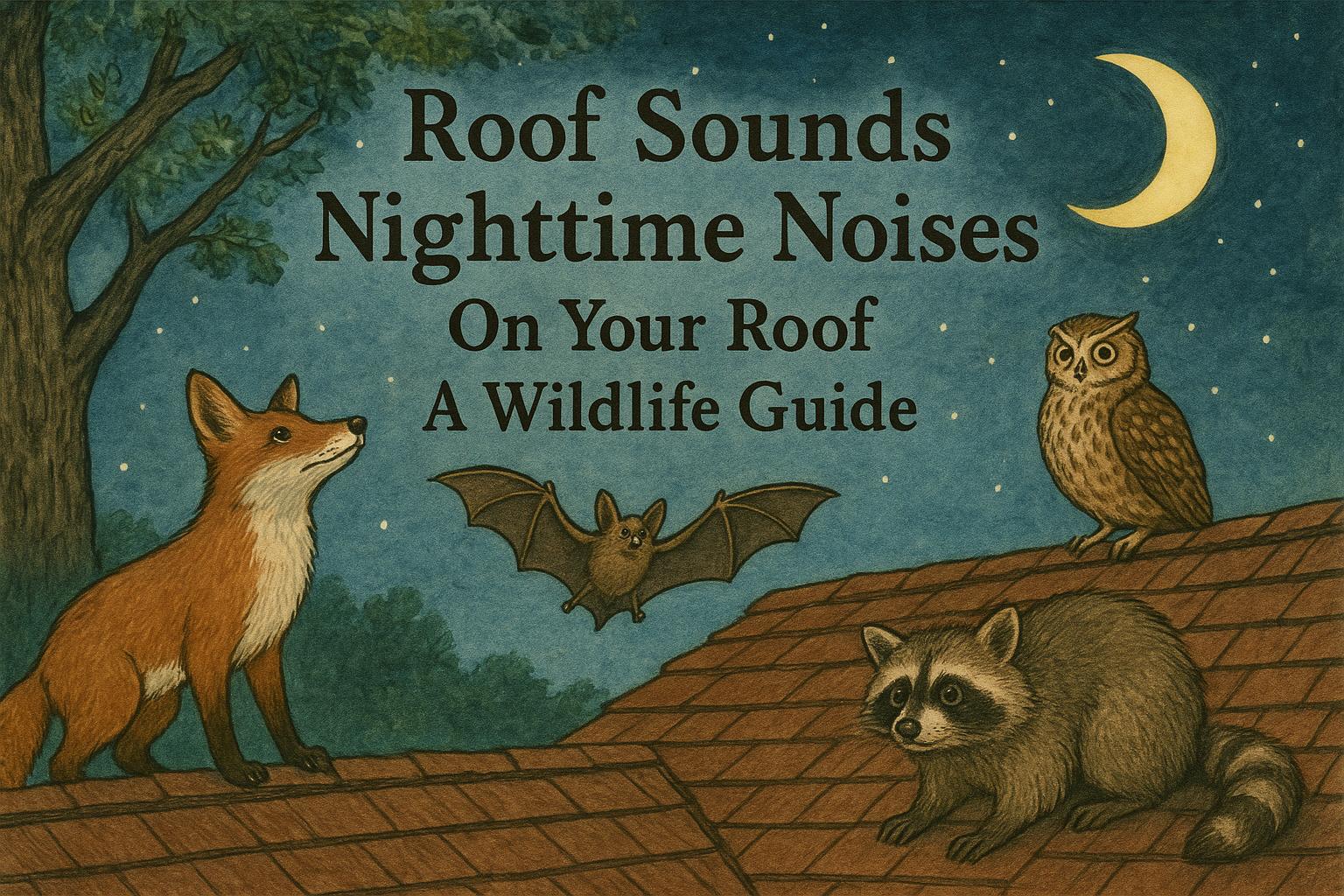
If you’ve ever been jolted awake by thumps on the shingles, you’re not alone. Nighttime roof noise can turn a peaceful backyard into a mystery theater, complete with bonus percussion. This guide walks you through identifying the culprit, minimizing damage, and applying humane, durable fixes — with a few friendly asides to keep things pleasant.
## Roof Noise Troubleshooting For Nighttime Wildlife Solutions
### What Counts As Roof Noise And Why It Matters
“Roof noise” covers anything from light pattering to heavy thuds and scrapes coming from your roof, eaves, soffits, or attic at night. It matters because persistent noise often signals animals trying to enter, nesting, feeding, or simply using your roof as a runway. Left unchecked, these activities can lead to insulation damage, chewed wiring, clogged gutters, and entry points that allow critters into living spaces.
### Typical Noises Linked To Different Wildlife
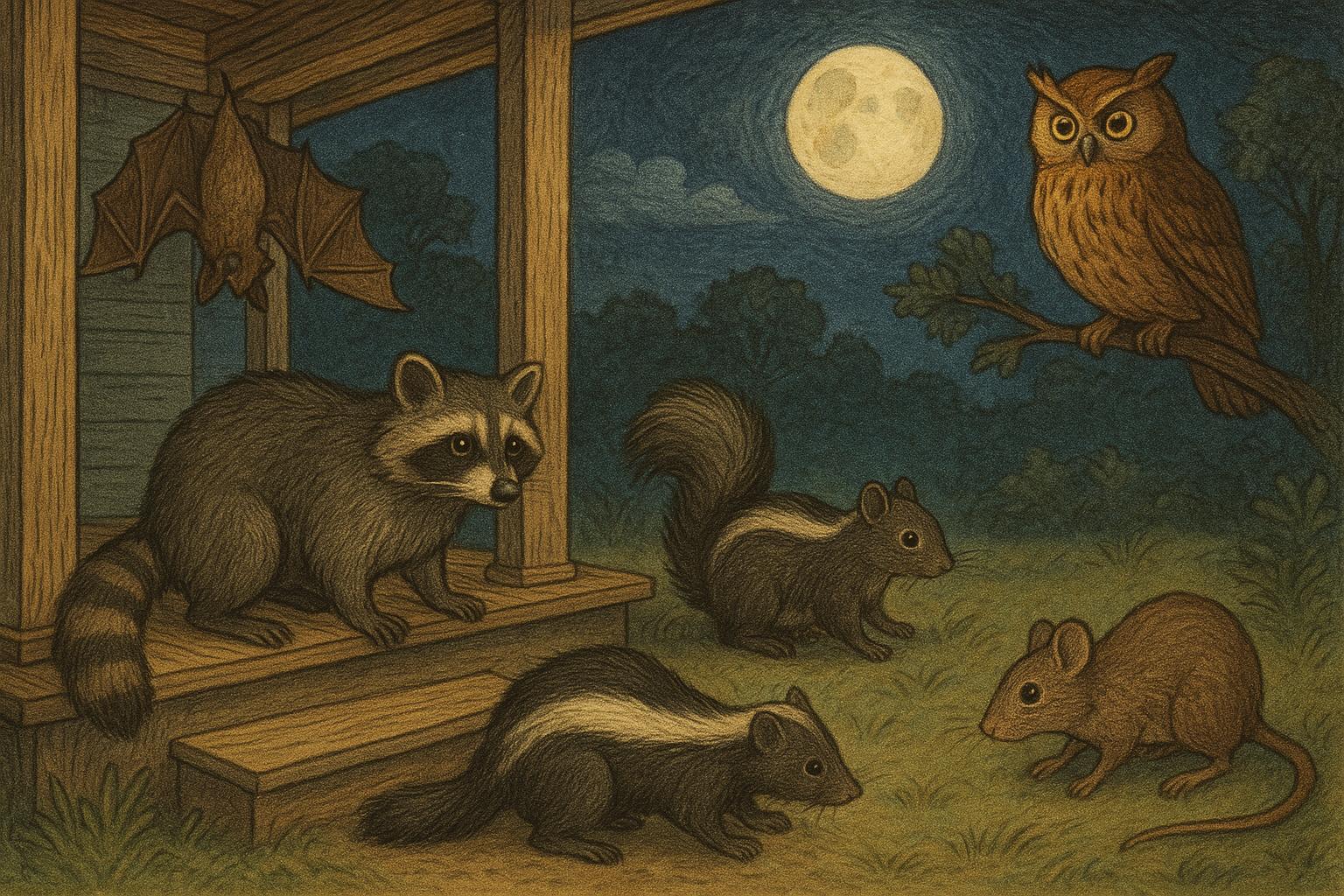
Different species leave different sound signatures. Use these cues before you climb up or call a pro.
#### Squirrels
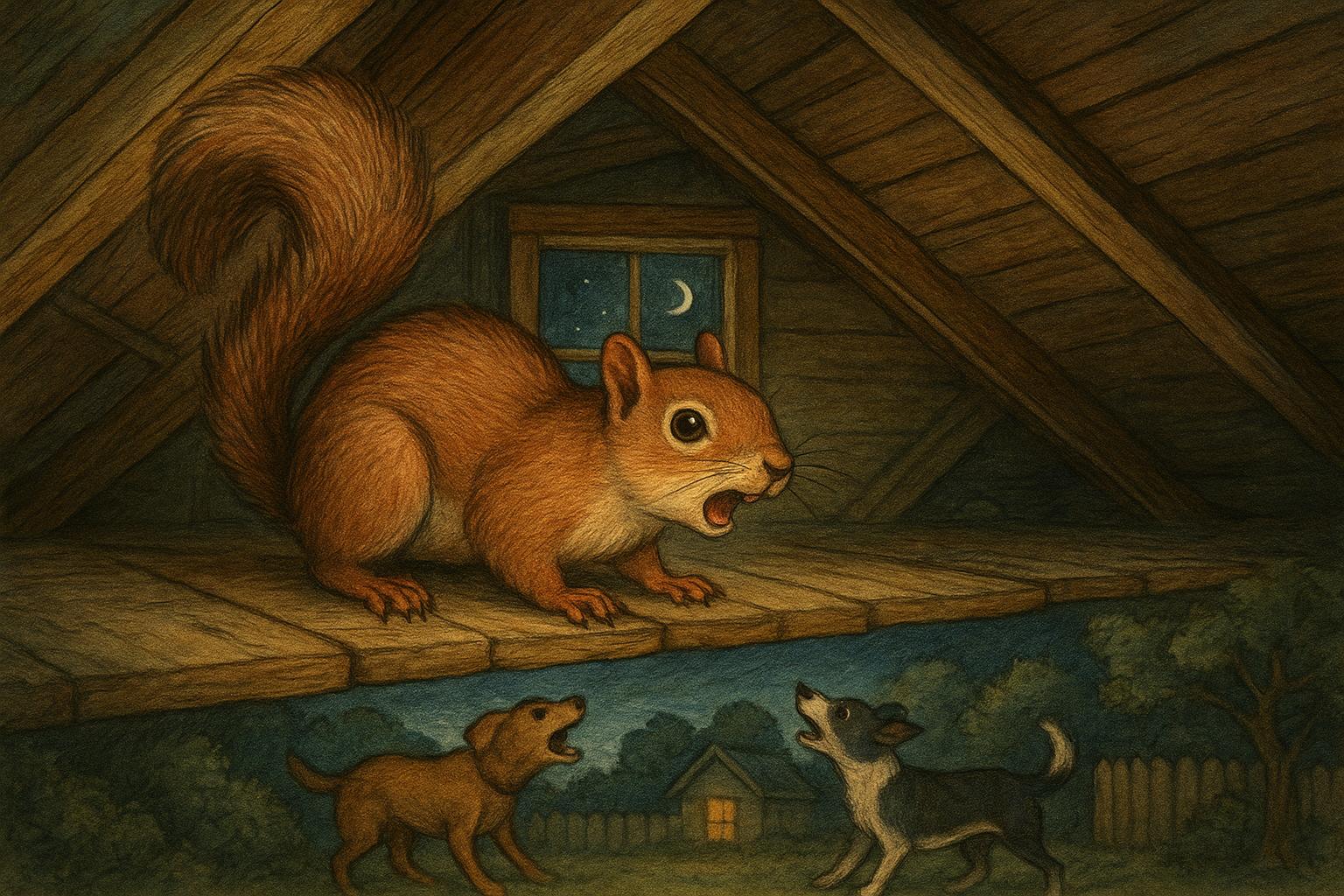
Squirrels produce quick, scurrying, gnawing noises and light thumps. They’re active at dawn and dusk but will move across roofs at night if disturbed or nesting.
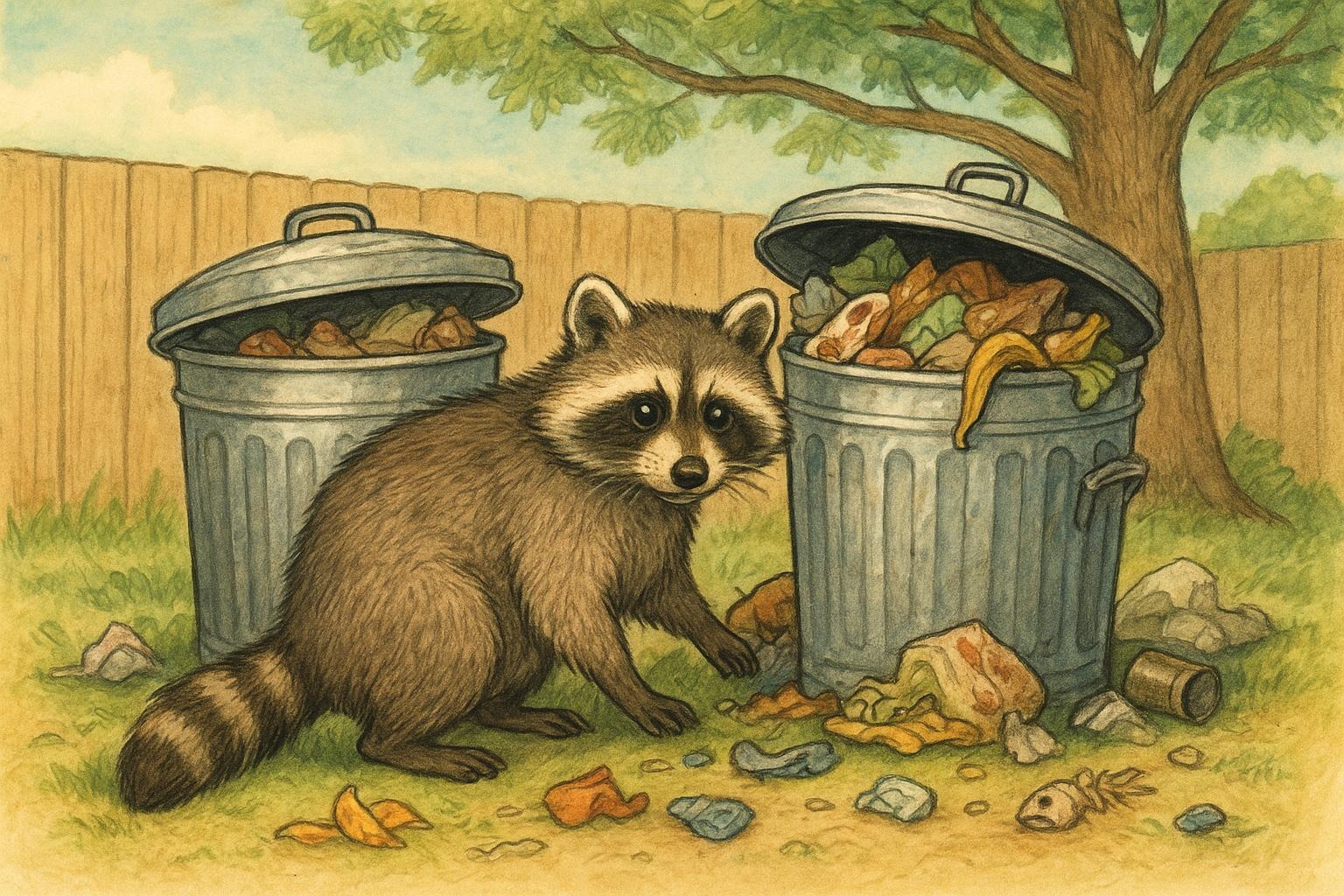
#### Raccoons
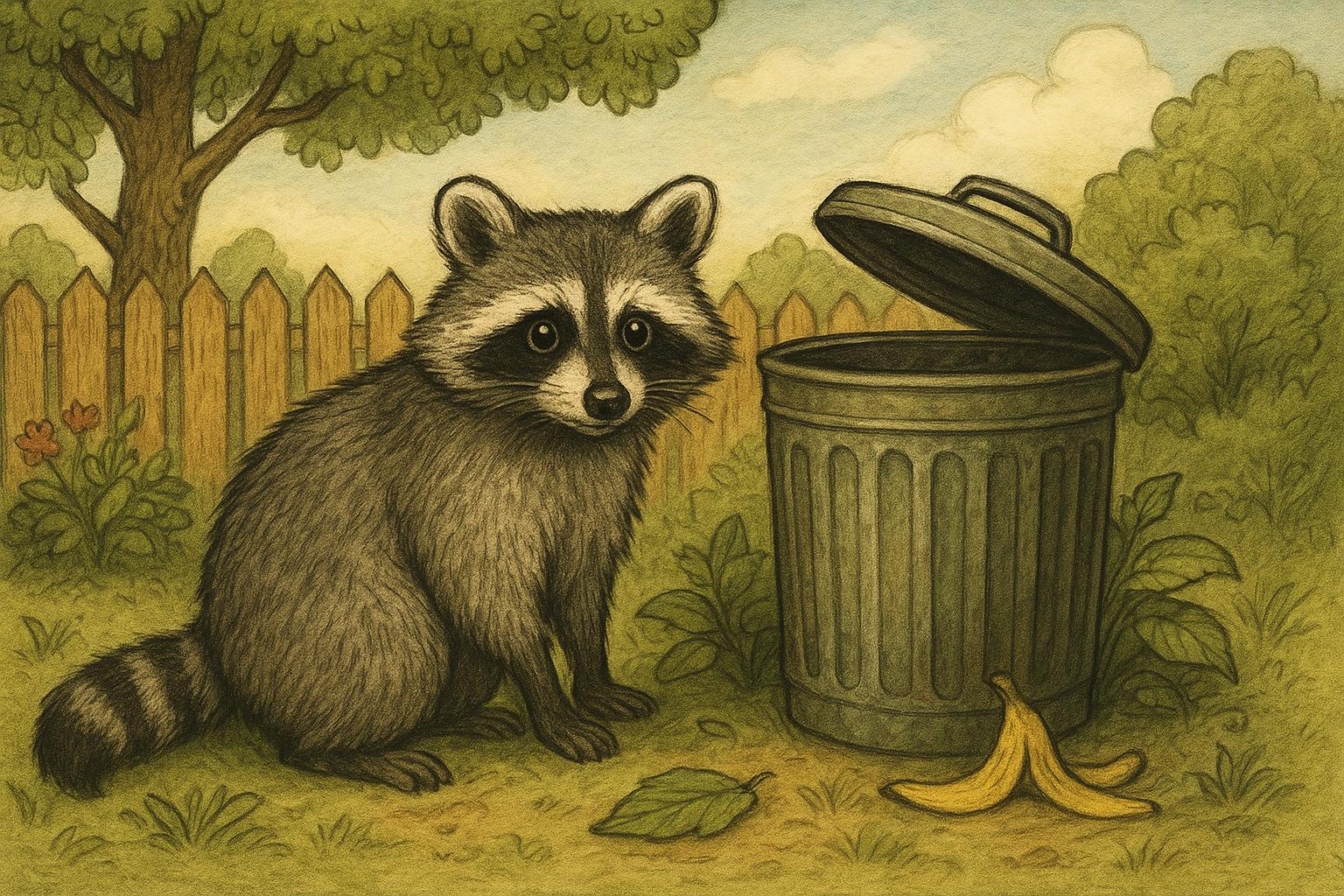
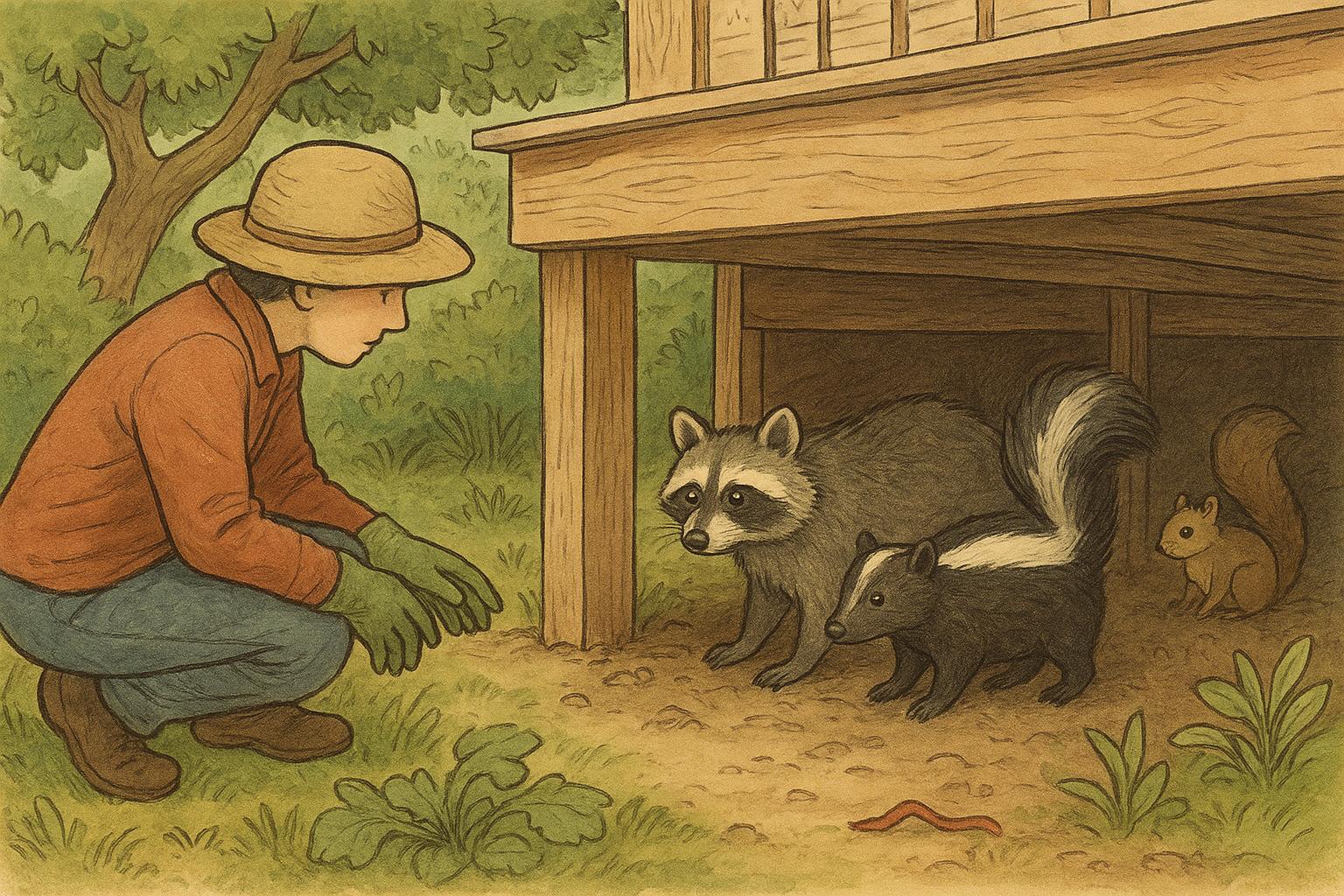
Larger, heavier thumps and sliding sounds, often paired with scraping as they test openings. Raccoons are strong and clever — they’ll pry at vents or flatten shingles to gain entry.
#### Bats
Tiny fluttering or scratching, often concentrated near eaves and attic vents. Bats are mostly quiet compared to mammals but their presence often implies a steady, faint rustle.
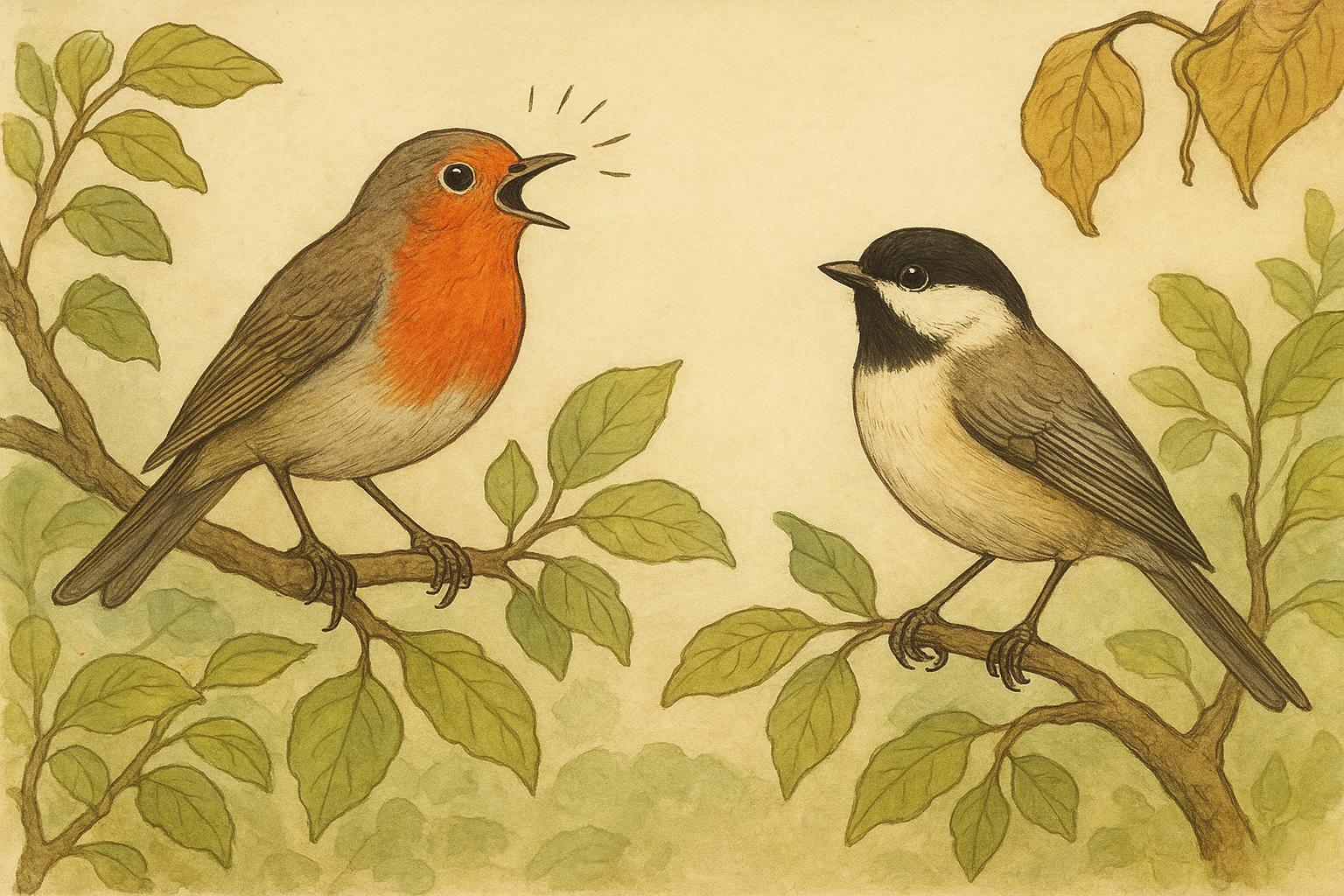
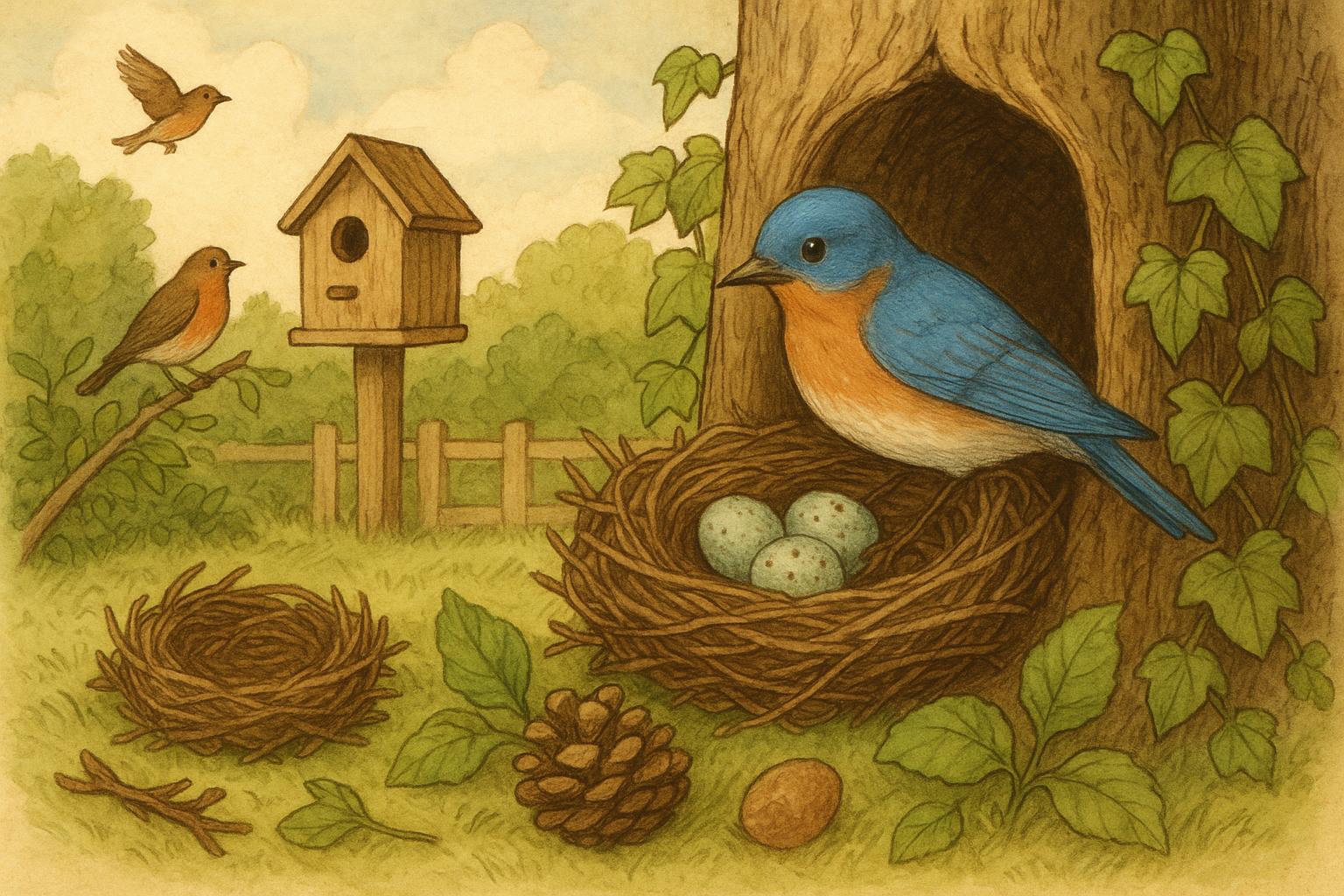
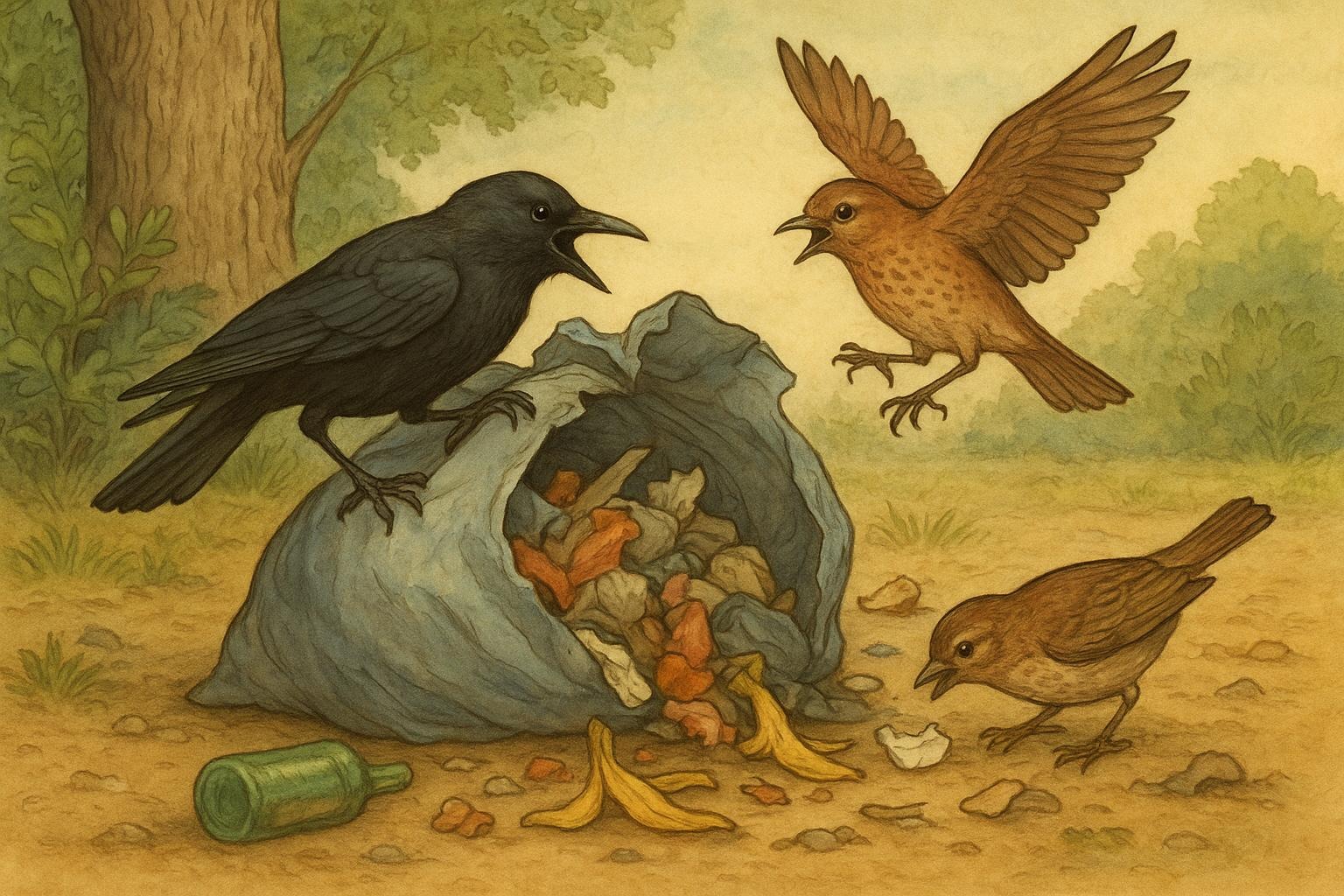
#### Birds (Nesting On Roofs)
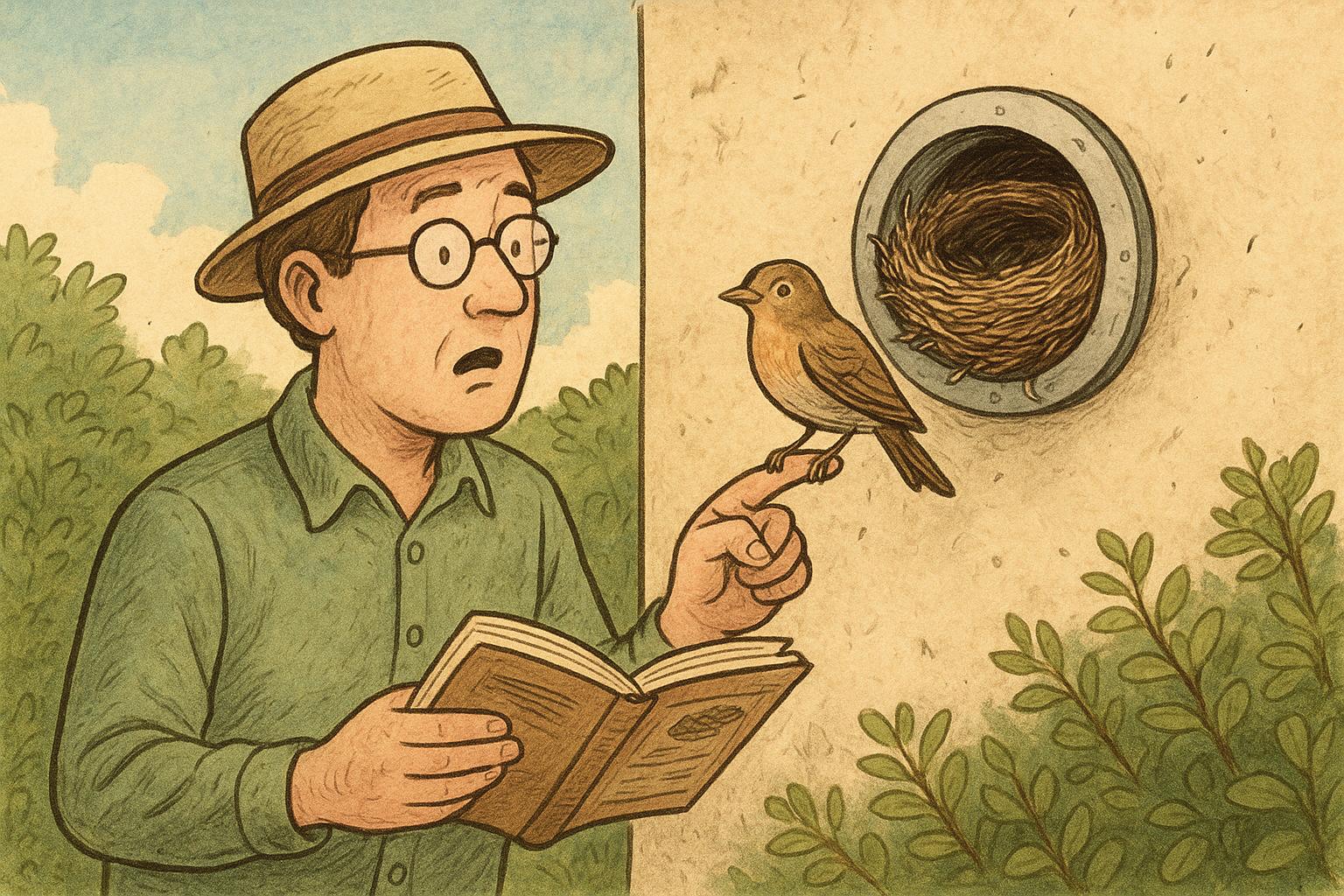
Chirping, fluttering, and repetitive tapping, especially during nesting season. Birds tend to target soffits, chimneys, and rooftop ledges.
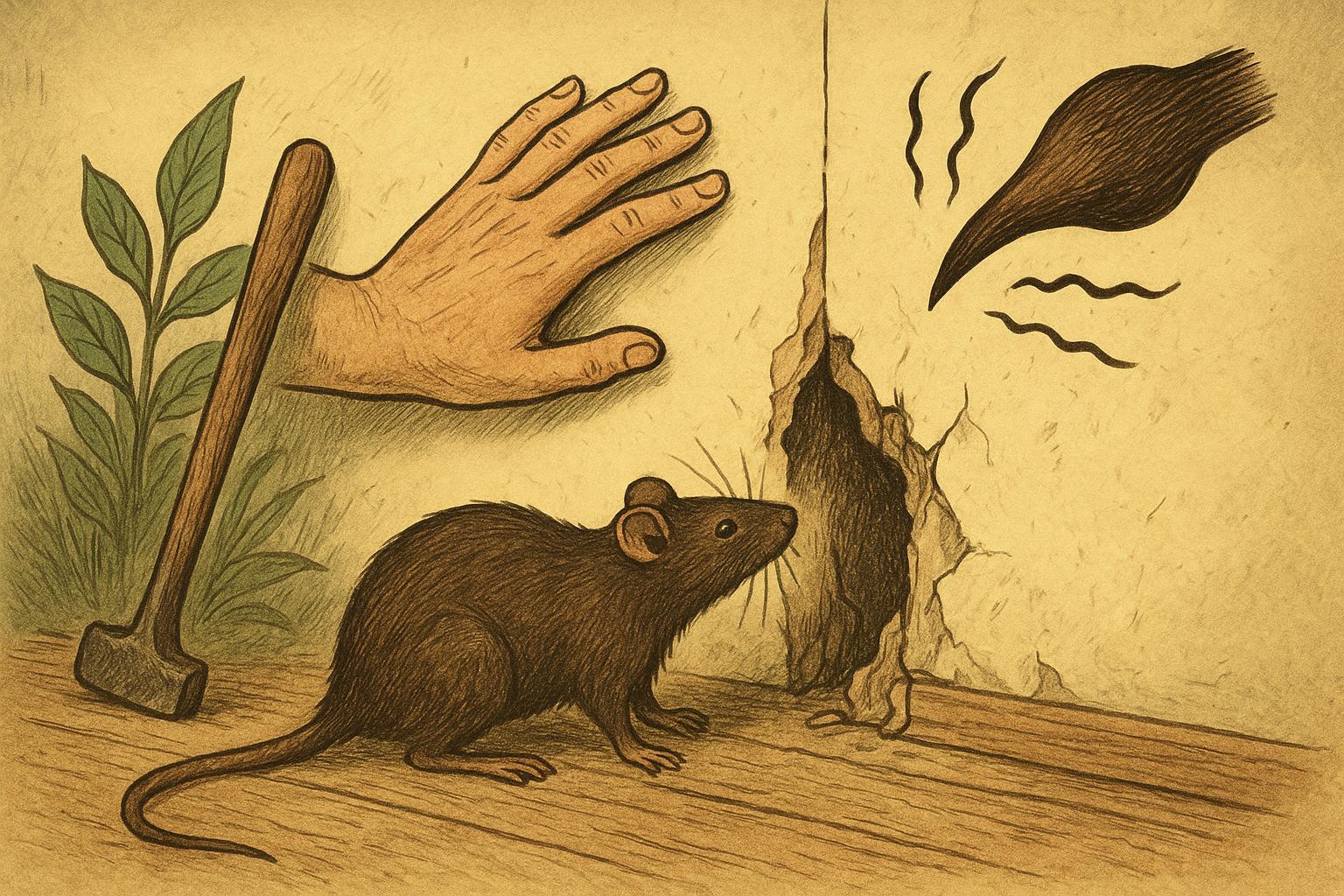
#### Rodents (Mice/Rats)
Soft, rapid scratching and nibbling sounds inside walls and ceilings rather than heavy rooftop thumps. They enter gaps near eaves and vents.
### How To Safely Inspect For The Source
First: safety. Don’t climb onto a wet or steep roof solo. Use a flashlight, binoculars, and stable ladder. If you’re unsure, hire a professional inspector or wildlife specialist.
– Observe at night from the yard using red-filtered flashlight or night-vision camera to avoid startling animals.
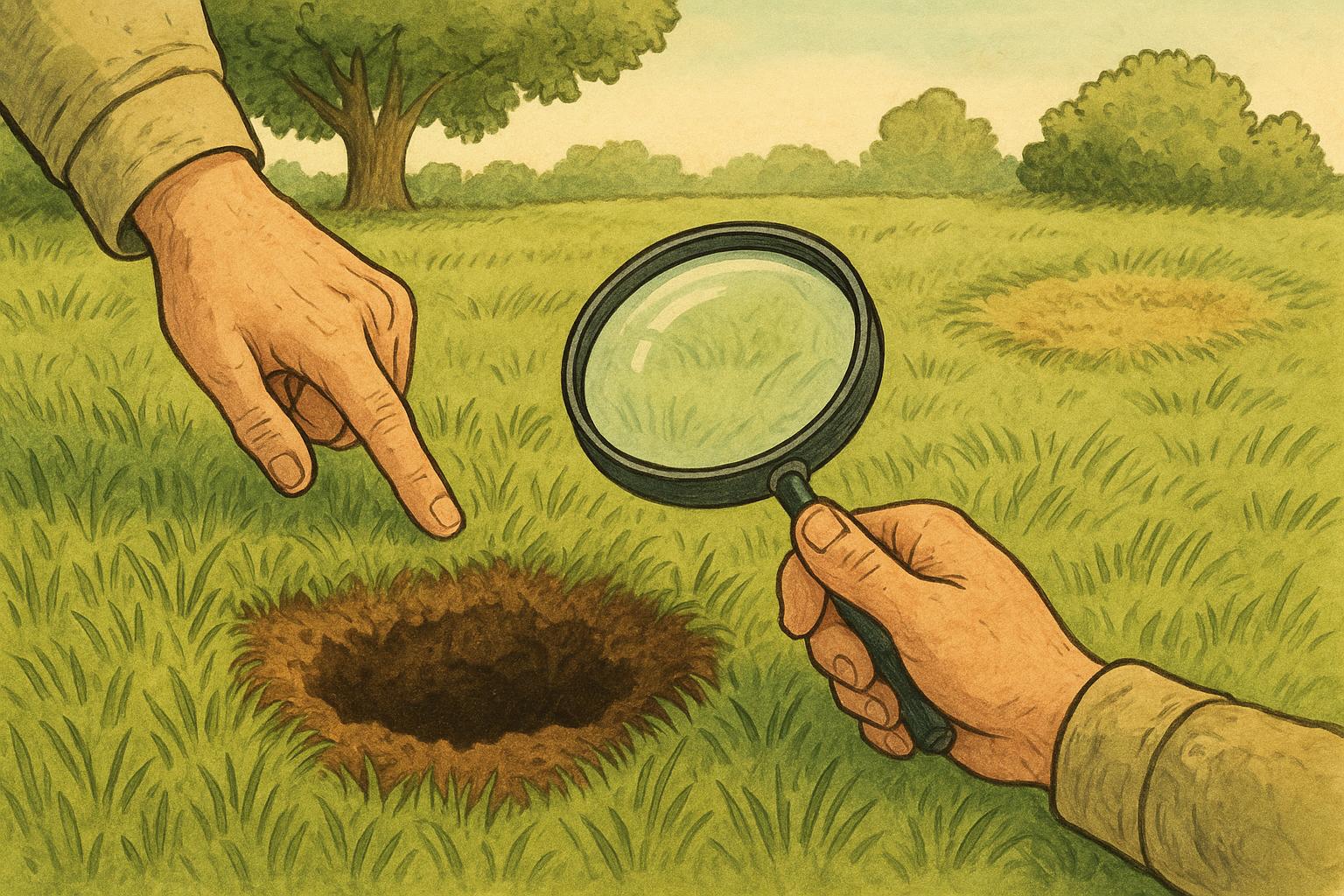
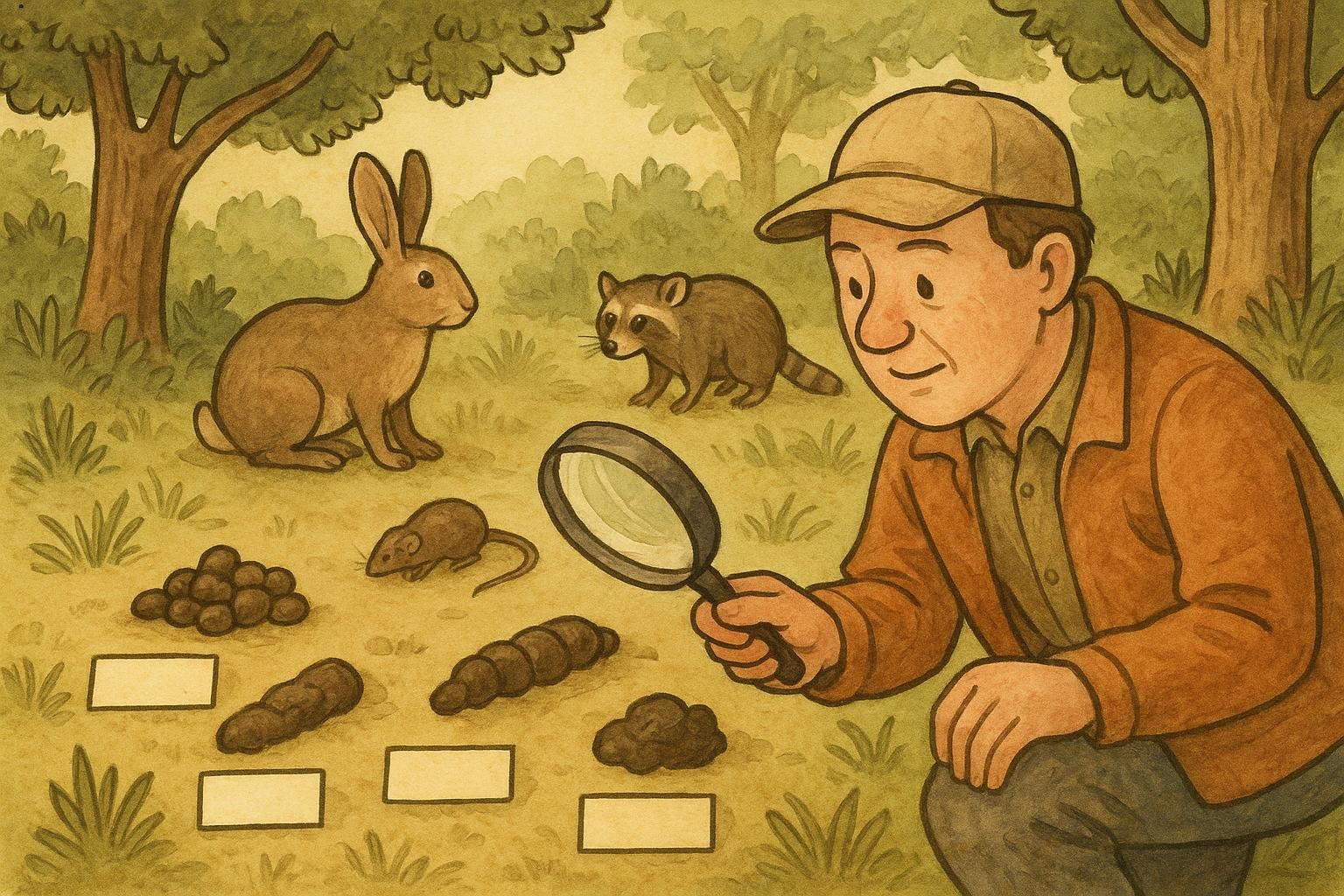
– Check attic during daylight for droppings, nesting materials, grease marks, or entry holes.
– Inspect vents, fascia, and soffits for gaps or chew marks.
– Listen across different nights to note timing and pattern — constant sound suggests occupancy; sporadic sounds may indicate transient visitors.
## 1. Remedy: Humane Exclusion And Sealing (Materials And Steps)
When dealing with persistent roof noise caused by animals attempting entry, exclusion and sealing are the most reliable long-term solutions. The following list is formal and prescriptive: follow safety guidelines and local wildlife regulations; some animals (e.g., bats, nesting birds) are protected and require specialized timing or permits.
Materials Required:
– Galvanized steel mesh (hardware cloth) 1/4″ to 1/2″
– Sheet metal flashing
– Stainless steel screws and washers
– Exterior-grade caulk and silicone sealant
– Expanding foam (low-expansion, pest-proof)
– Weatherproof sealant tape
– Ladder with stabilizer
– Safety gear: gloves, eye protection, dust mask
– Flashlight and inspection mirror
– Optional: professional-grade exclusion one-way doors (for raccoons/squirrels)
Step-by-Step Application:
1. Identify precise entry points from attic inspection and roofline inspection during daylight.
2. Temporarily block large openings at night with soft materials (blankets) to prevent animals from re-entering while you prepare permanent fixes; avoid trapping animals inside.
3. Fit galvanized mesh over vent openings and under eaves. Cut mesh to size, secure with stainless steel screws and washers, and ensure edges are turned under to prevent sharp exposure.
4. Install sheet metal flashing over gaps between roof and chimney or where shingles have been compromised. Fasten flashing to solid framing, not just shingle layers.
5. Use low-expansion foam to fill narrow voids; once cured, trim flush and cover with metal or mesh to prevent chewing.
6. Seal seams and screw penetrations with exterior-grade caulk and silicone to ensure a weatherproof finish.
7. For recurring visitors like raccoons, consider installing one-way exclusion devices on identified openings; monitor for a minimum of 24–48 hours to confirm vacancy before permanent sealing.
8. Re-inspect weekly for the first month, then seasonally, to ensure integrity.
Follow these steps methodically. Proper exclusion prevents recurrence and minimizes the need for lethal measures.
## 2. Remedy: Deterrents, Habitat Modification, And Noise Reduction Techniques (Materials And Steps)
Deterrents should be used in combination with exclusion. They are most effective as part of an integrated plan to reduce attractants and discourage animals from using your roof.
Materials Required:
– Motion-activated lights and sprinklers
– Ultrasonic deterrent units (place per manufacturer instructions)
– Predator decoys (owl or hawk models)
– Chimney caps and vent covers rated for wildlife exclusion
– Gutter guards and leaf screens
– Tree-trimming tools or professional arborist service
– Bear- or raccoon-proof trash containers (if applicable)
Step-by-Step Application:
1. Remove Attractants: Secure trash, pet food, and bird seed; trim fruit trees and climbable branches within 6–8 feet of the roofline to remove access routes.
2. Install Physical Barriers: Fit chimney caps and vent covers; secure gutter guards to remove easy footing and nesting spaces.
3. Deploy Motion-Activated Deterrents: Position lights and sprinklers directed at common travel paths. These should be set to detect late-night activity to break patterns without constant activation.
4. Use Ultrasonics Strategically: Place devices in attic spaces or under eaves per instructions. Note: efficacy varies, and units should be used alongside exclusion, not as sole treatment.
5. Maintain Vegetation: Regularly prune trees and remove dense shrubbery near the house that offers shelter or ladders for wildlife.
6. Monitor and Adjust: Track activity changes; deterrents may need repositioning or combination with additional strategies for sustained results.
These interventions reduce the appeal and accessibility of your roof as wildlife habitat and can significantly cut down on roof noise when implemented correctly.
### When To Call A Professional
If you encounter signs of large animal damage (structural compromise, chewed power lines), bat colonies, or if animals are trapped or injured, call licensed wildlife removal and building professionals. Protected species require trained handlers and legal compliance; improper handling can increase harm to animals and people, and prolong roof noise issues.
### Legal And Safety Considerations
Some creatures are protected by federal or state laws (certain bats, migratory birds). Excluding them during nesting season may be illegal and inhumane. Additionally, DIY repairs involving electrical or structural components should be performed by licensed contractors.
### Post-Remedy Monitoring And Maintenance
After repairs and deterrents are in place, continue to monitor. Check attic spaces seasonally, re-secure weather seals annually, and keep trees trimmed. Small maintenance habits prevent returning roof noise and the headaches that come with it.
### Quick Checklist For Nighttime Troubleshooting
Use this as a one-glance reference on the night of the disturbance: note time, sound type, duration, visible signs, and whether the noise recurs. Keep a log — pattern recognition is often the key to solving persistent roof noise problems.
If you prefer keeping things low-tech, a wildlife camera mounted near the eaves with motion detection can often identify nocturnal visitors and save you a midnight rooftop inspection. And yes, if you catch a raccoon auditioning for a drum solo on your roof, you’re officially a household with character — but also one that needs targeted exclusion work.
(End of content — remedies and monitoring provided; no concluding summary included.)









Leave a Reply