
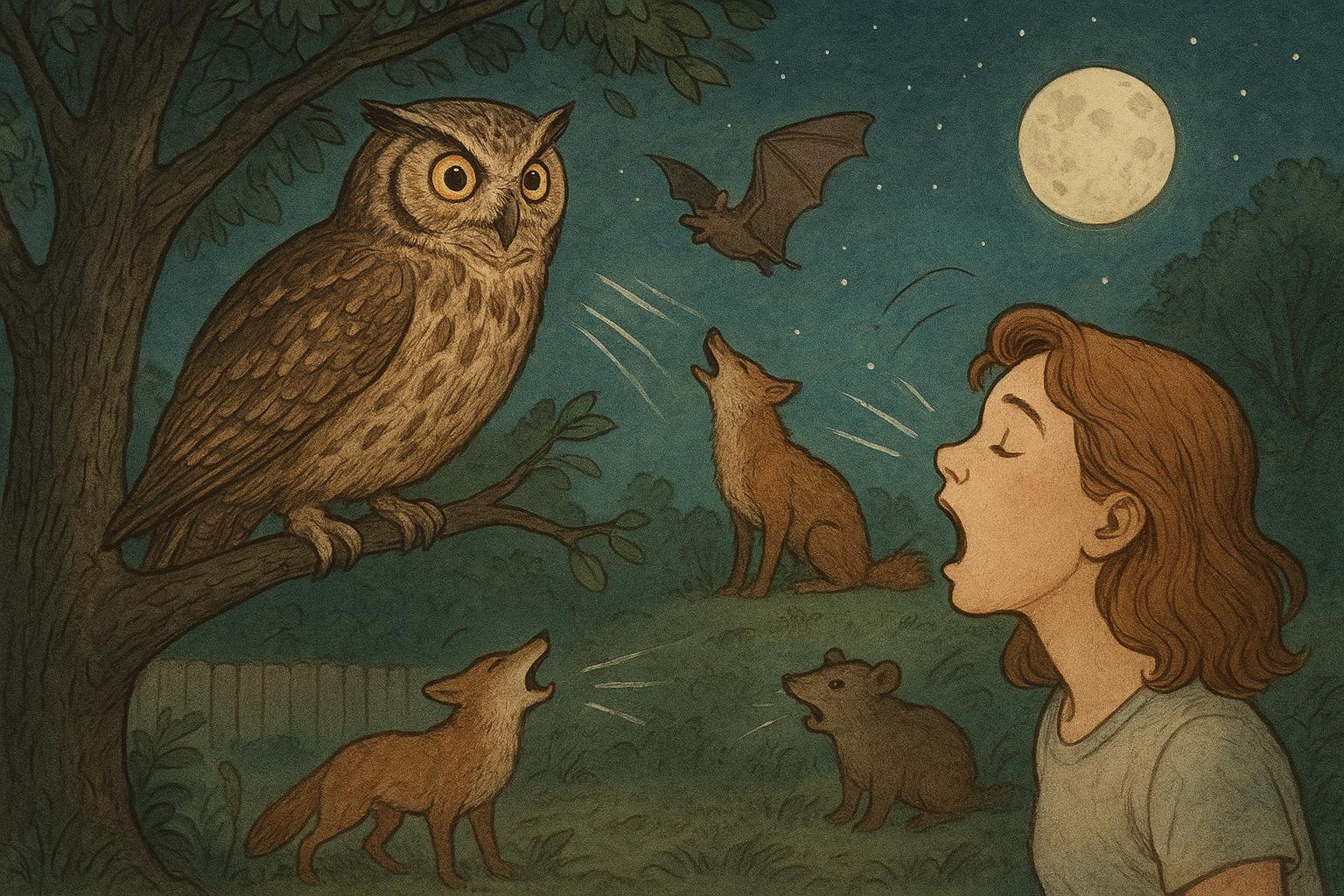
## Night Vocalizations: What You’re Hearing
You’re sitting on the porch, sipping something warm (or something strong), and the yard turns into a late-night radio show. A high trill here, a spooky holler there, and somewhere between the hedges a creature delivers what sounds like karaoke gone wrong. Those backyard night vocalizations are a fascinating mix of biology, behavior and neighborhood dynamics — and yes, sometimes they’re loud enough to make the cat look genuinely offended.
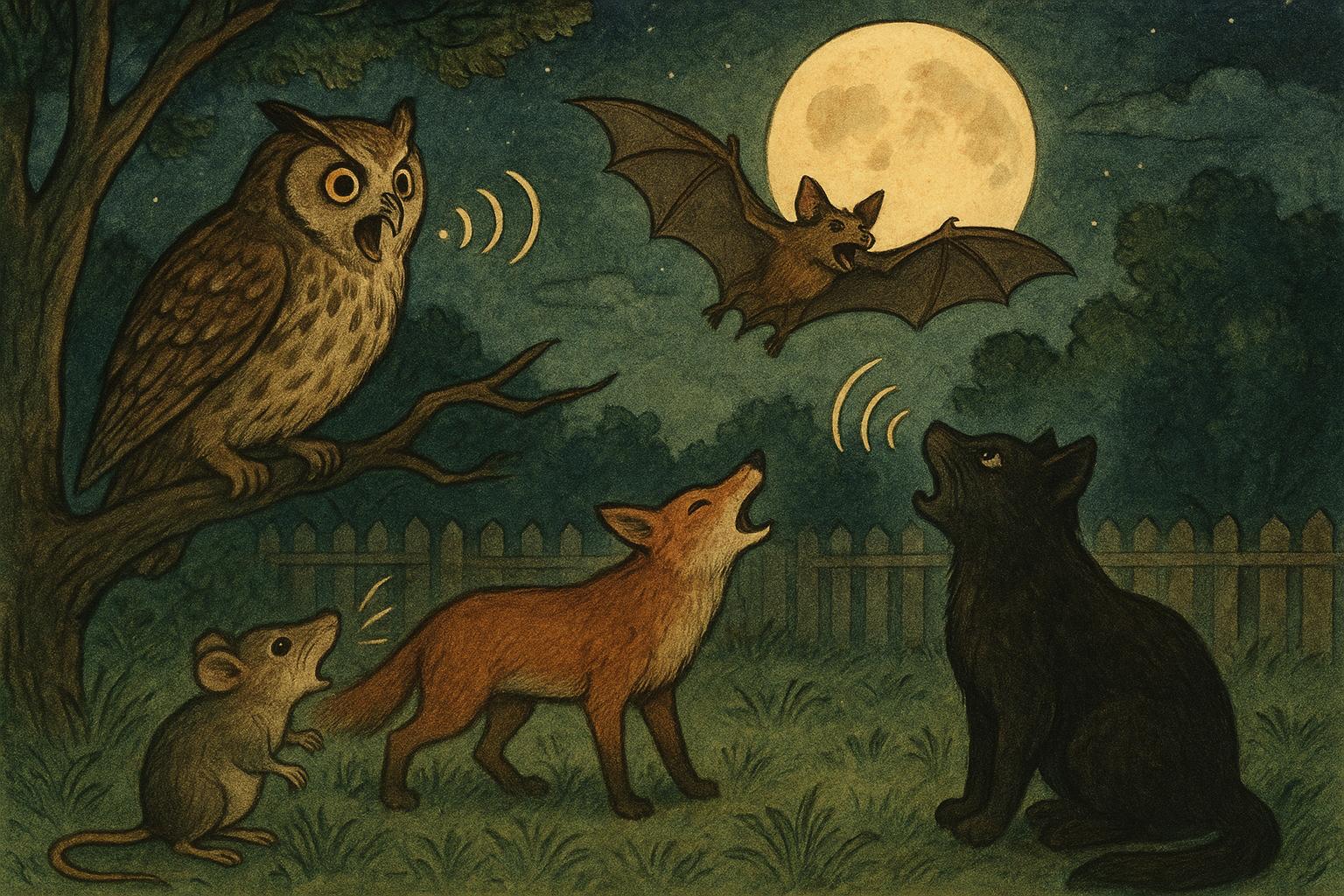
Backyard night vocalizations can come from a surprising variety of sources: owls declaring territory, coyotes holding nightly conferences, frogs staging a wet chorale, and raccoons doing whatever raccoons do when they find your trash can appealing. Once you know how to parse the sounds, you can go from half-asleep panic to entertained amateur naturalist (or at least to a homeowner with a plan).
### Common Culprits In The Night
Different species have signature calls and reasons for being noisy. Here are the usual suspects you’ll hear in suburban and semi-rural backyards:
#### Great Horned Owl And Other Owls
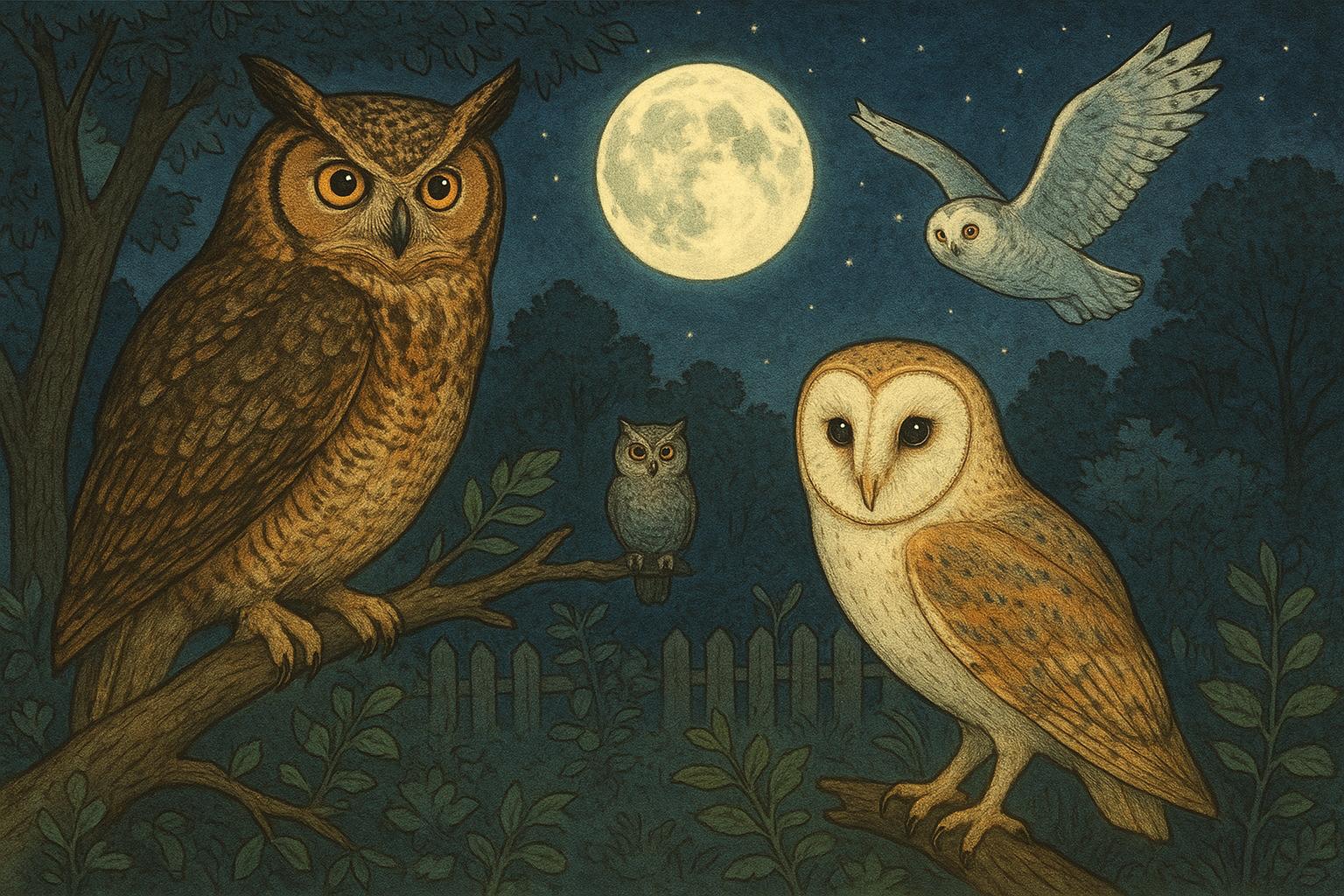
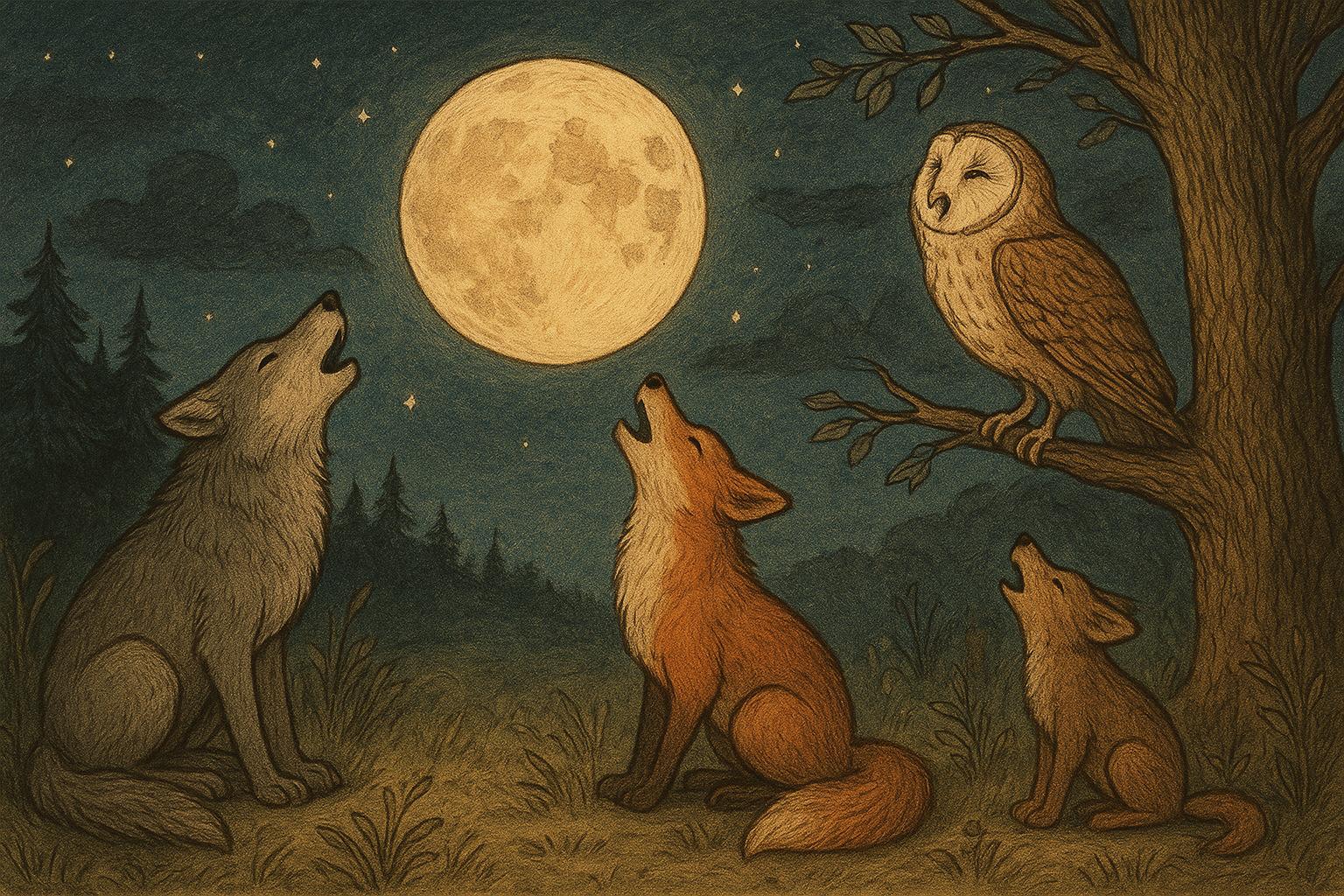
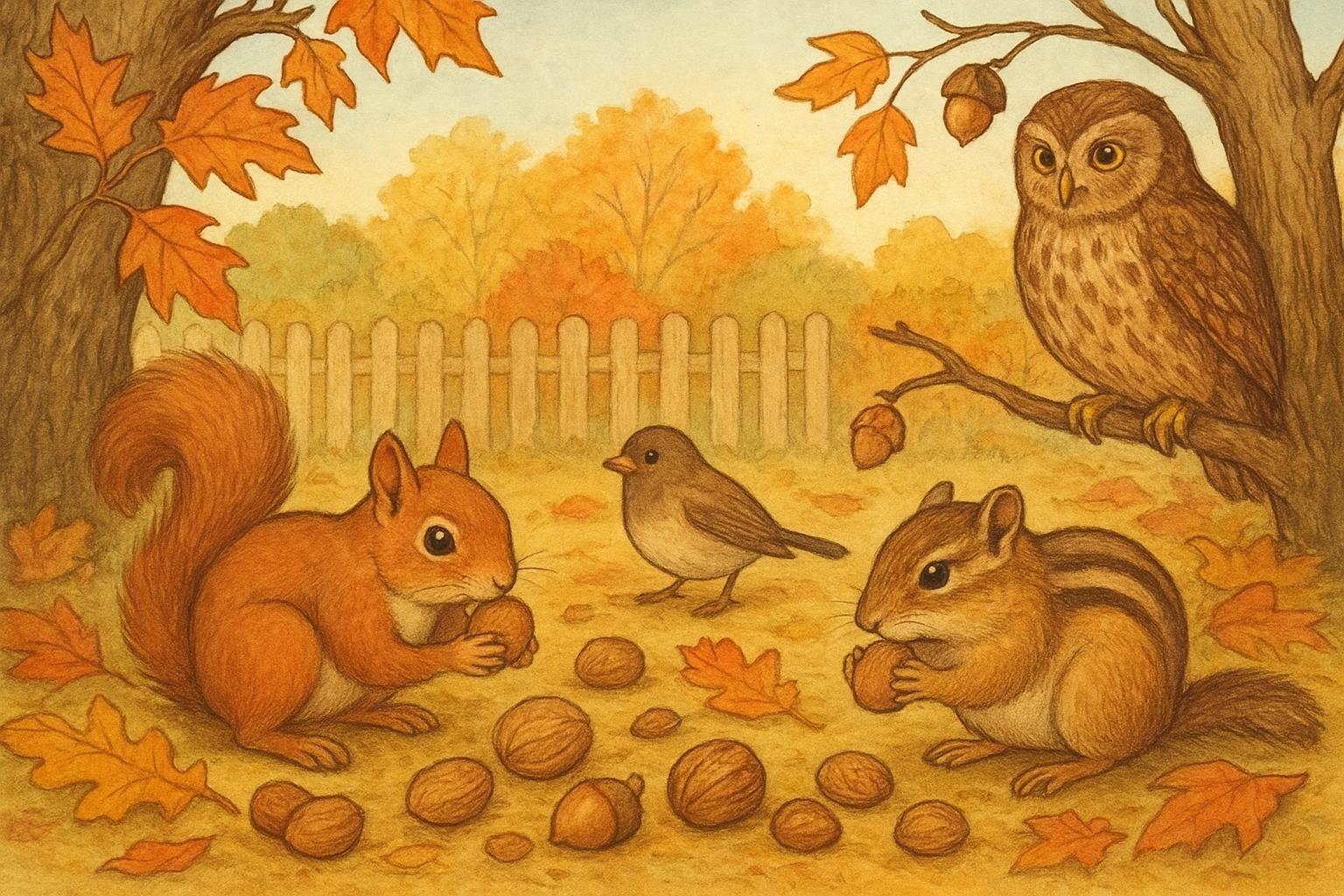
The deep, rhythmic hoots of a Great Horned Owl are classic nighttime fare. Owls use these low-frequency calls to claim territory and attract mates. Some species, like screech owls, produce trills and tremulous whistles that can sound like a distant, tiny siren.
#### Coyotes And Foxes
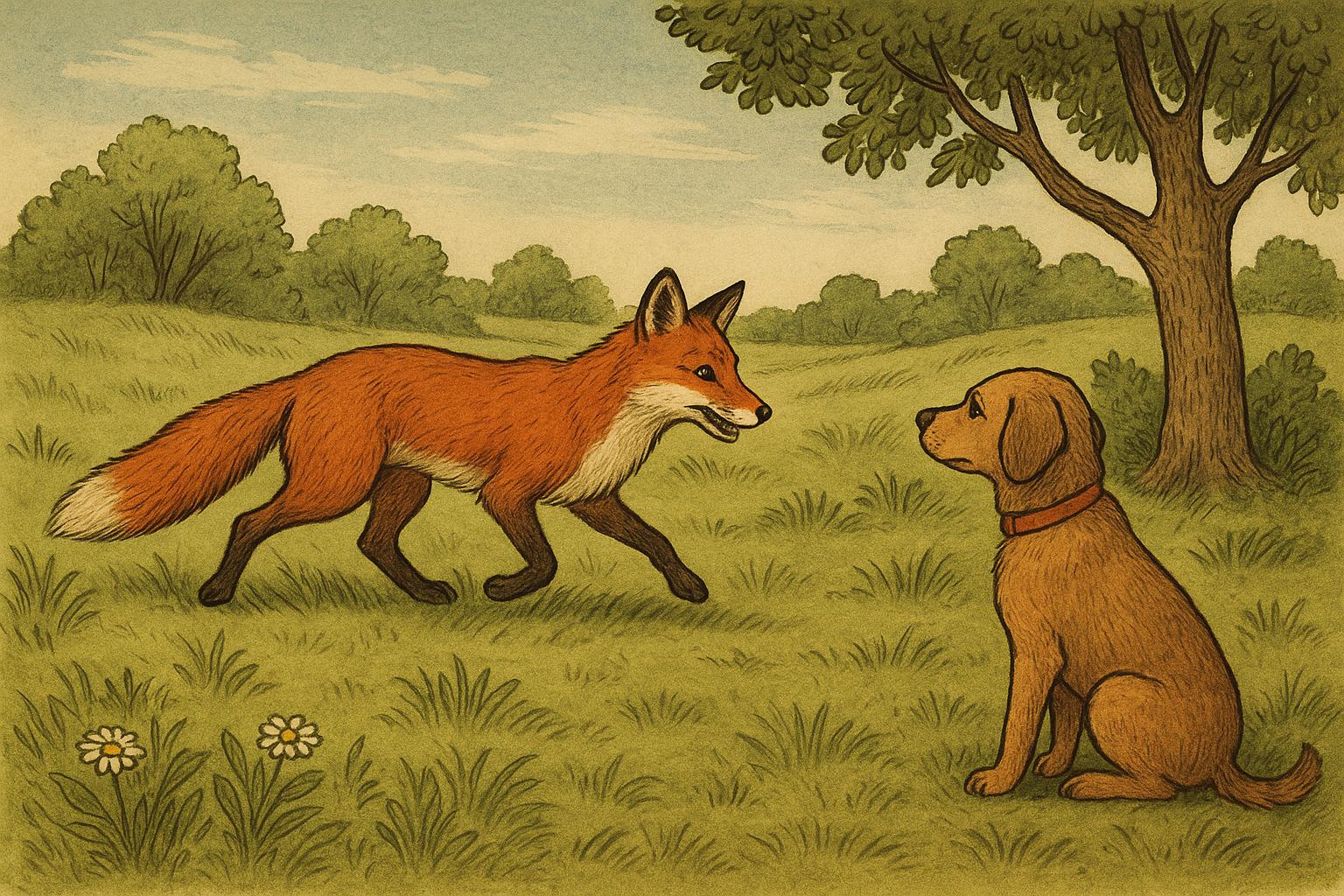
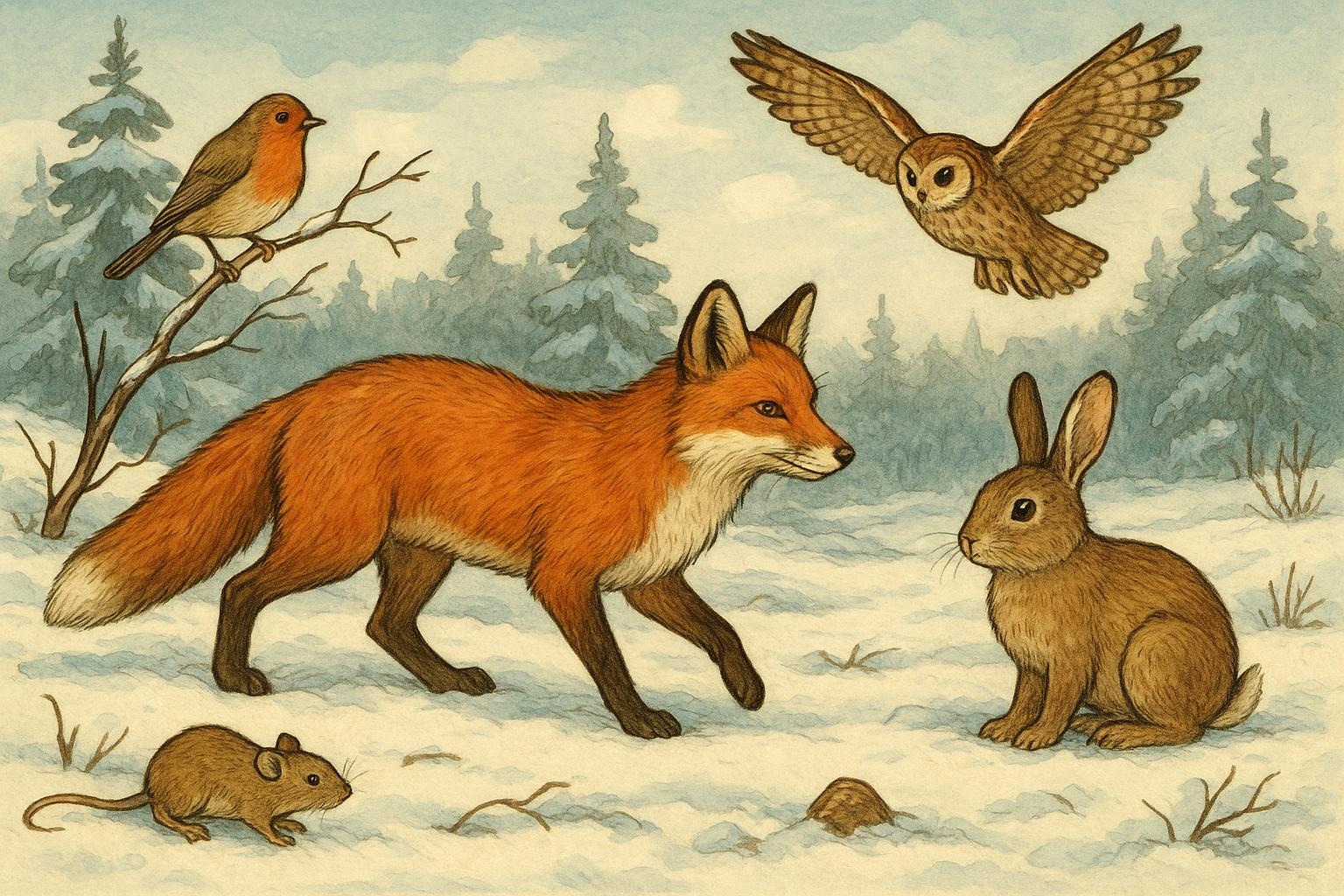
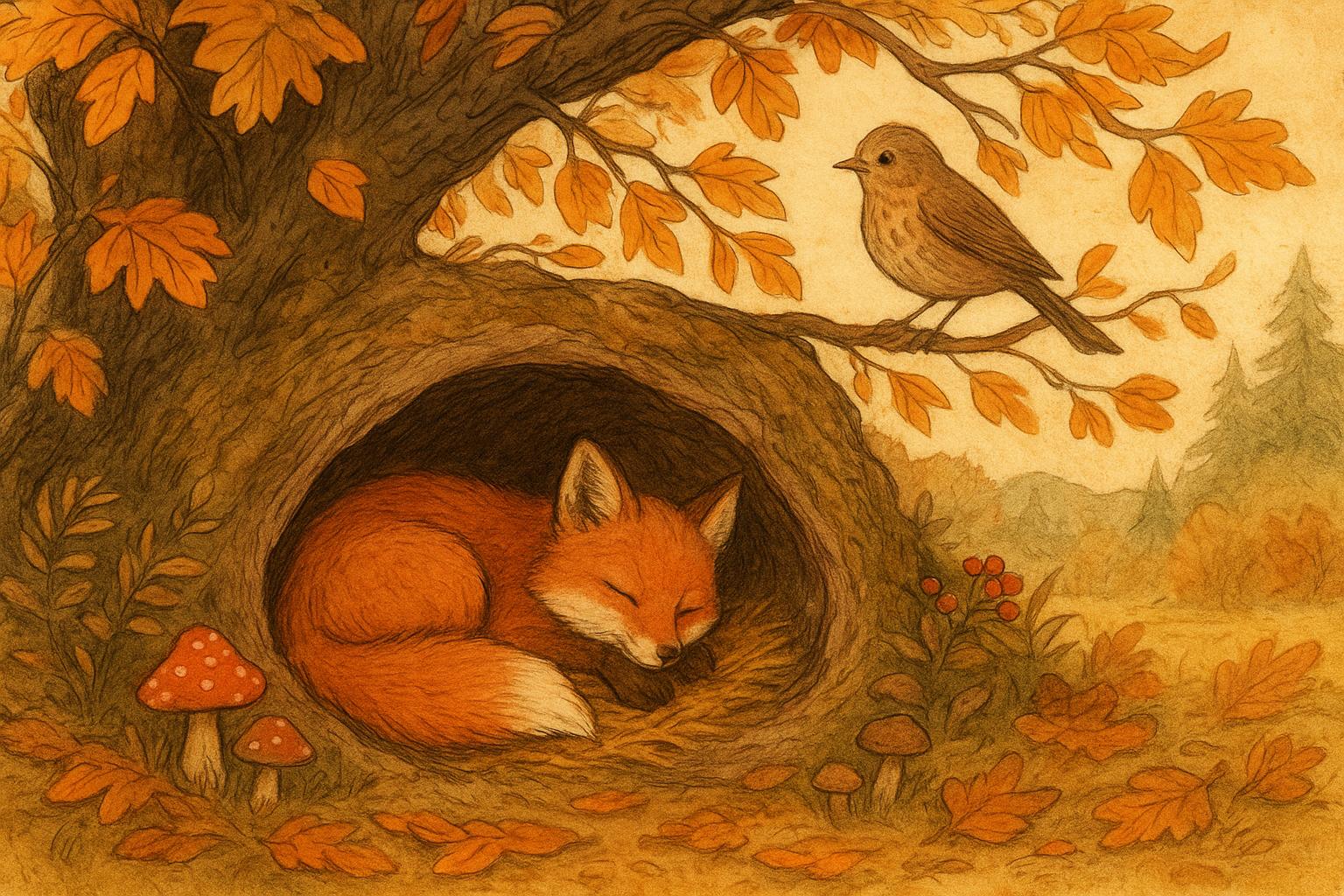
Coyotes yip, howl and bark in sequences that can be eerie. They often vocalize while coordinating packs or signaling to family members. Foxes produce high-pitched screams and gekkering noises — loud and thin, often mistaken for a human scream (hence the “backyard screams” reference).
#### Raccoons And Opossums
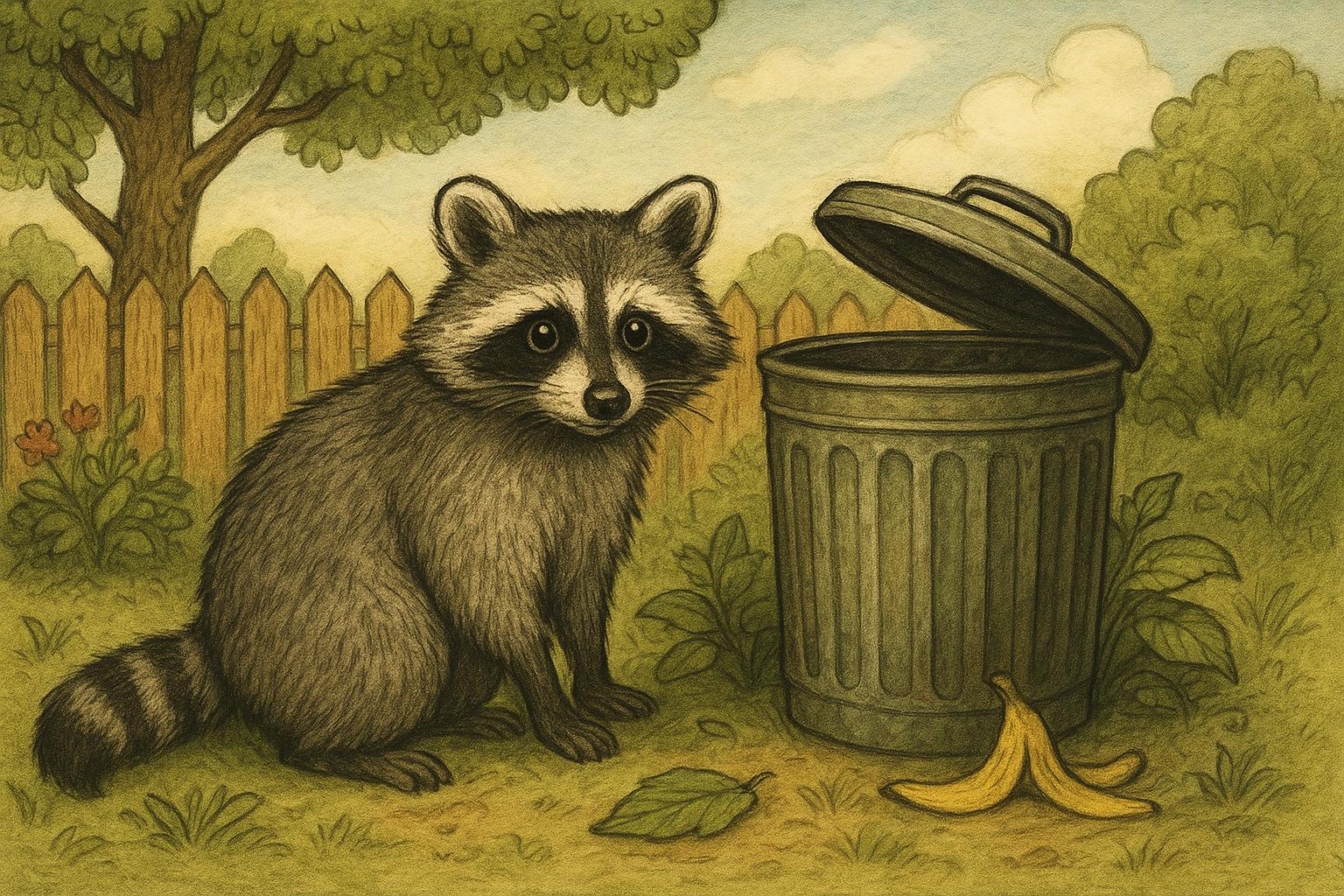
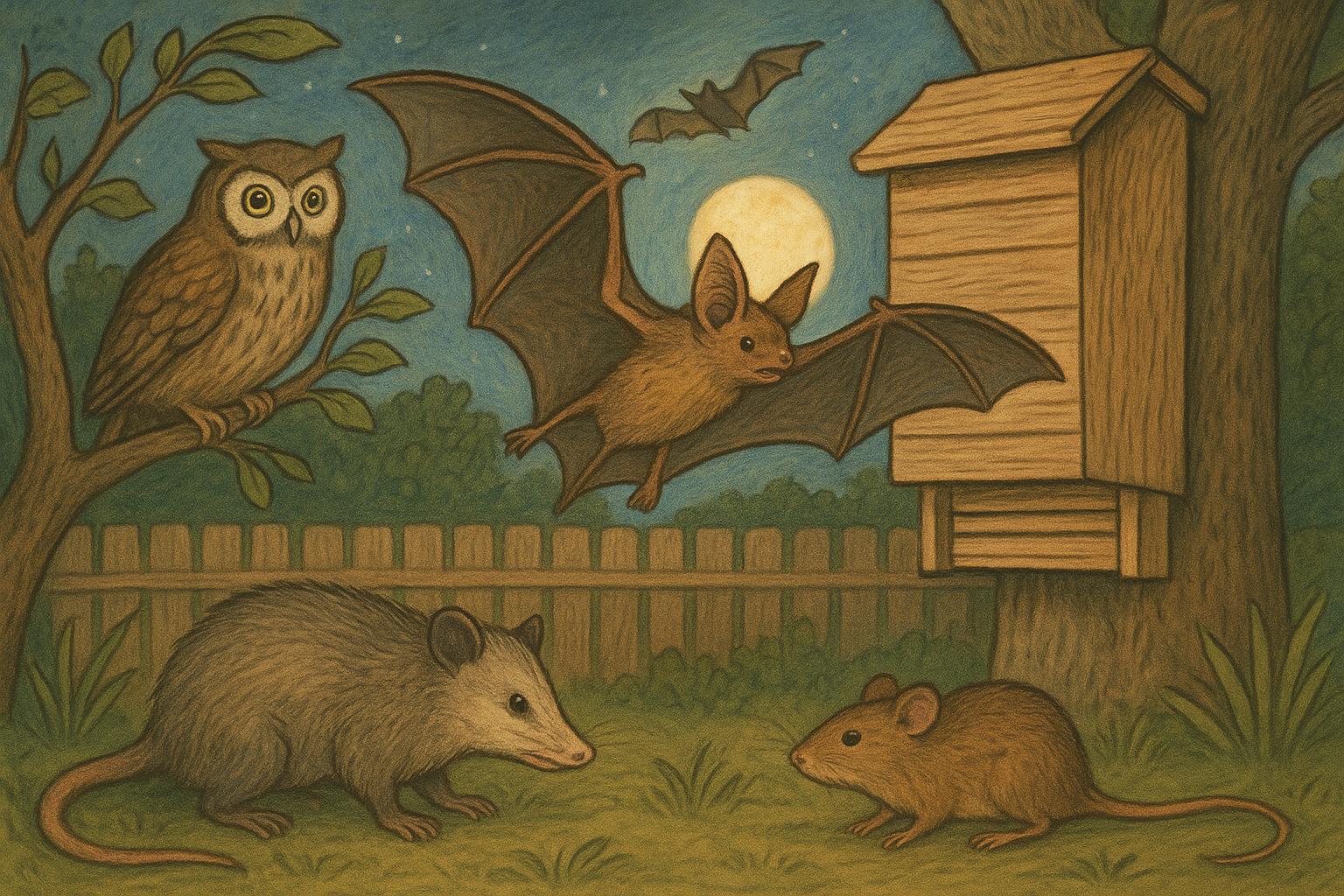
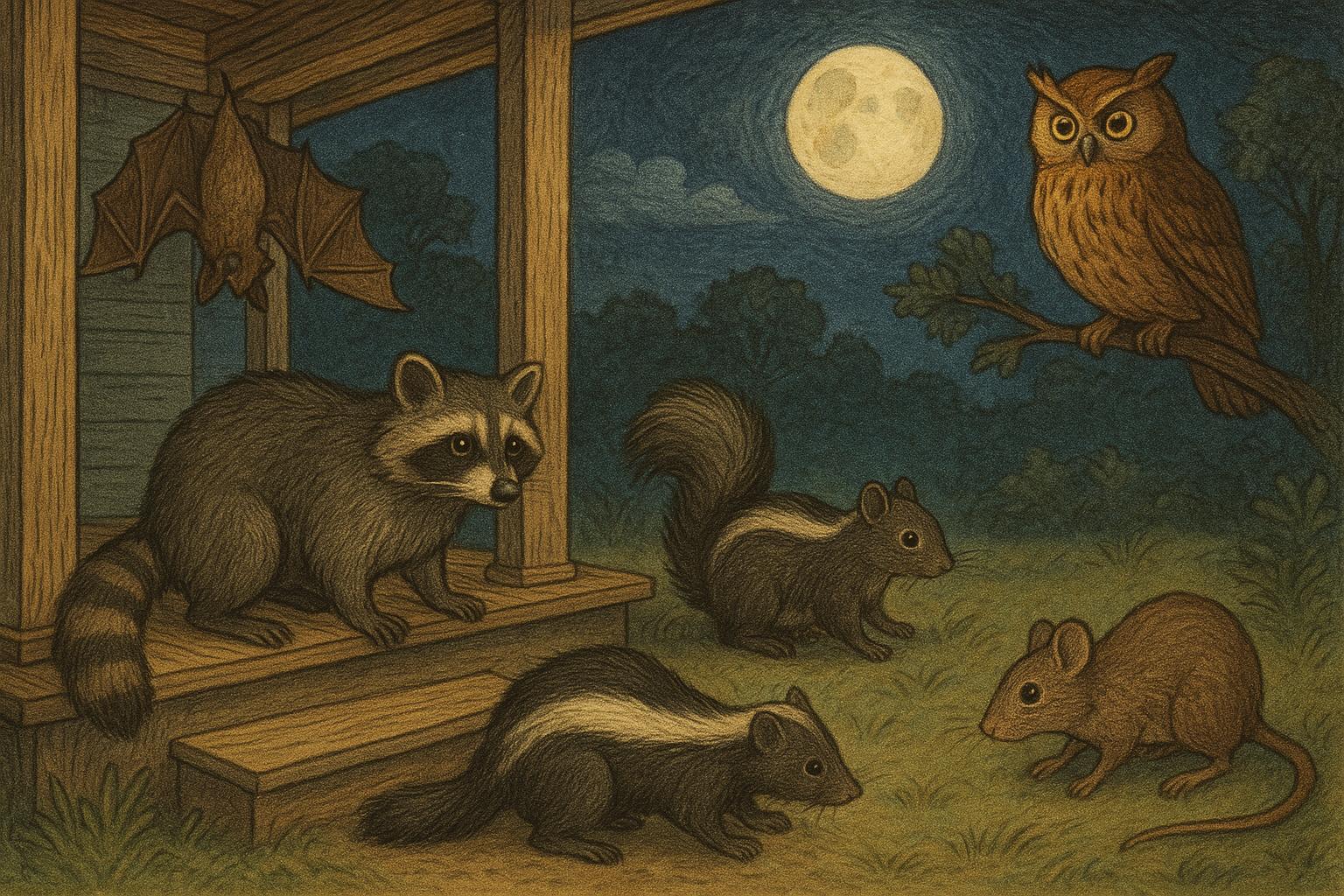
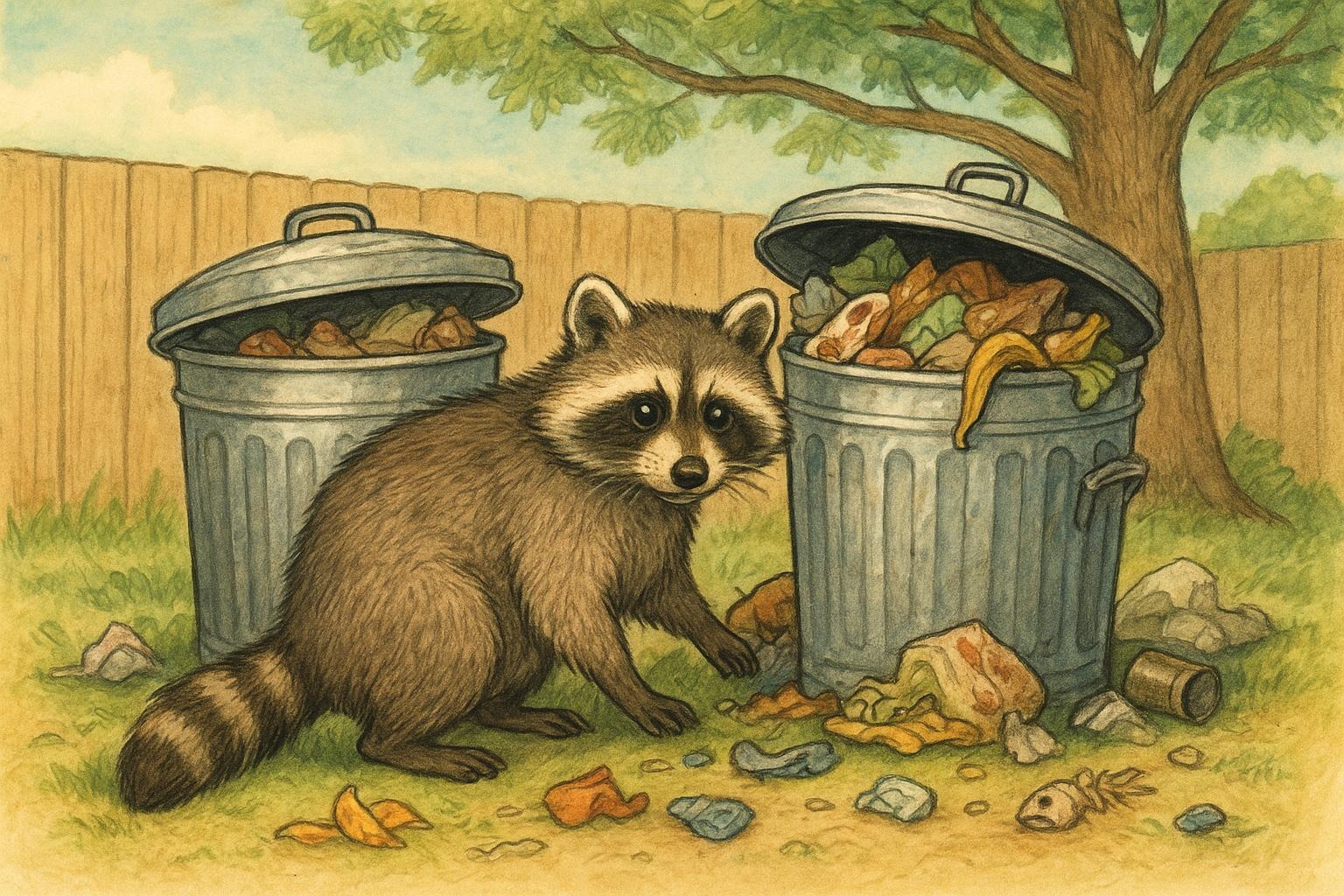
Raccoons are chatty for urban mammals. They hiss, growl and make chittering sounds, especially when juveniles are involved. Opossums are quieter but can make hisses and occasional guttural noises when threatened.
#### Frogs, Toads, And Insects
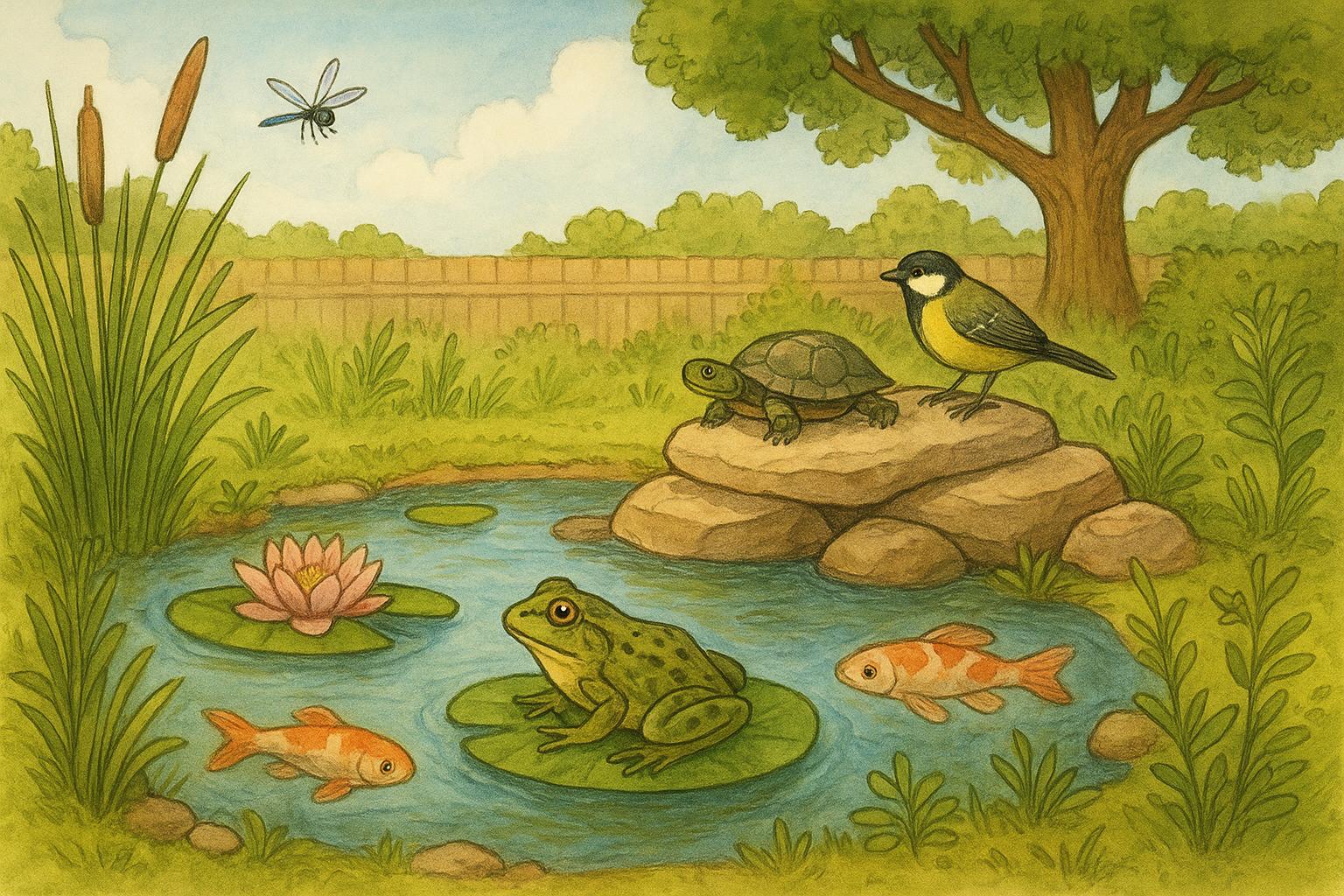
Amphibian choruses can dominate warm, wet nights. Bullfrogs and tree frogs call to attract mates; insects like cicadas (seasonally) and crickets provide a constant background rhythm that can make other calls sound even more dramatic.
#### Birds And Bats
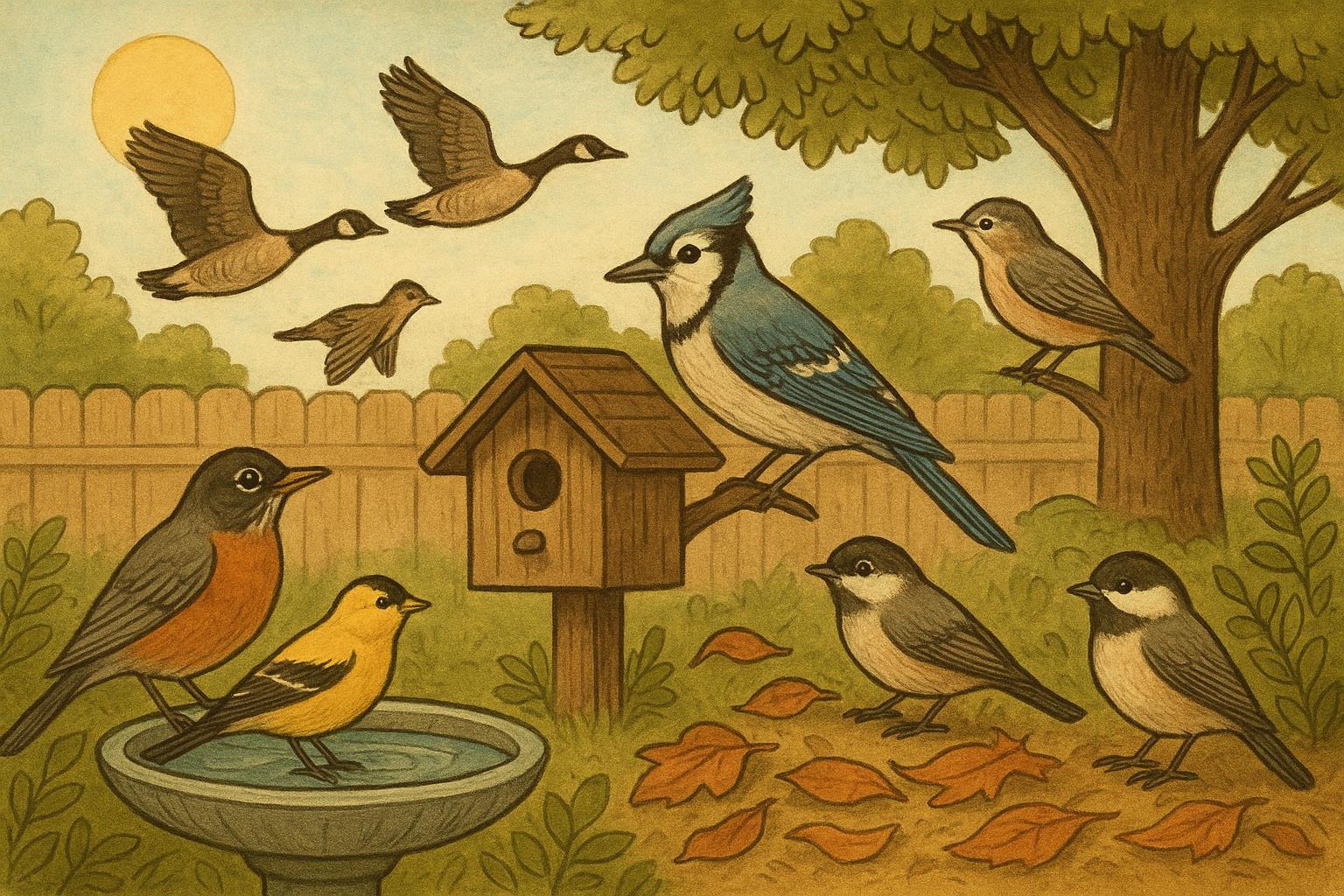
Some nocturnal or crepuscular birds call at night; swifts and nighthawks chatter during dusk flights. Bats usually produce ultrasonic calls beyond human hearing, but large bat colonies can create audible rustles and squeaks when active.
### Why Animals Vocalize At Night
Nighttime offers several ecological advantages: less competition from diurnal predators, cooler temperatures for activity, and a quieter acoustic environment that helps calls carry farther. Animals vocalize at night for reasons such as:
– Territory Defense: Announcing presence to rivals.
– Mate Attraction: Calling to find or court partners.
– Group Coordination: Relaying location, alarming family members, or organizing movement.
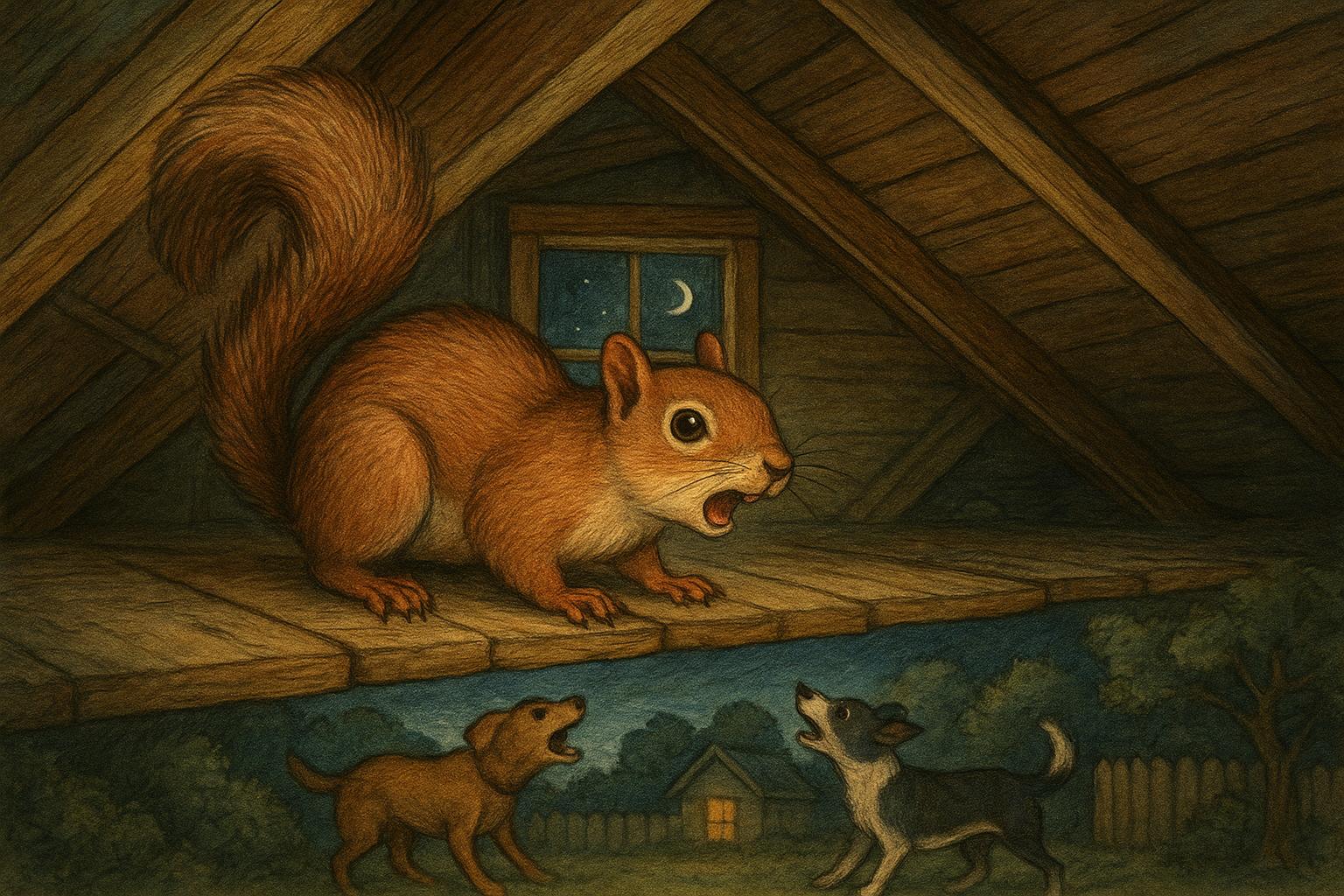
– Distress Or Alarm: Reacting to predators, pets, or human disturbance.
Understanding these motivations helps you interpret whether the sound is routine natural behavior or a sign of conflict, illness, or a vulnerable newborn needing help.
## How To Identify The Sound Near You
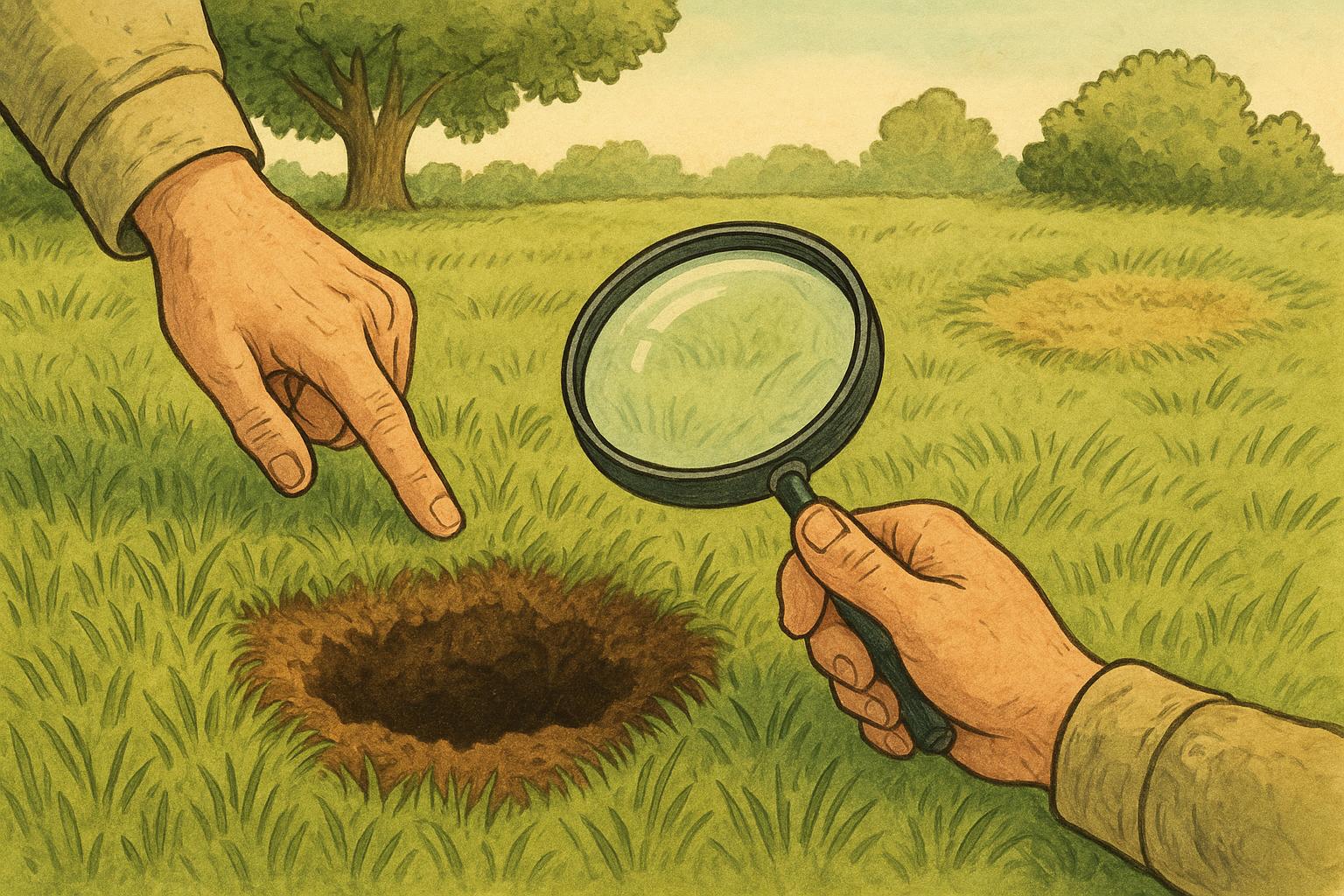
If you want to decode these night vocalizations rather than merely being startled, a little detective work goes a long way. Observe time of night, duration, repetition, rhythm, pitch, and whether the sound is localized or moving. A single sustained scream that repeats irregularly could be a fox; rhythmic “hoo” patterns are probably an owl; rapid chip notes are more likely a gregarious raccoon or a group of birds.
When you’re uncertain, record the sound on your phone. A clear recording not only helps you compare with online sound libraries but is useful if you consult a local wildlife expert.
### Tools And Tips For Listening
– Smartphone: Carry it with you to record. Many phones now have decent audio capture.
– Apps And Online Libraries: Use apps that identify bird and animal calls, or compare your recording to free databases from universities and wildlife groups.
– Headlamps With Red Filters: Night vision–friendly lights help you look without dazzling animals.
– Binoculars And Spotting Scopes: Useful for observing the source when light levels permit.
– Timing Notes: Record time, weather, and whether pets were outside — all useful context.
Be mindful: approach quietly and keep your distance. Wildlife can be stressed by close human presence.
### 1. Remedy: Reduce Disturbance And Conflict
When night vocalizations signal conflict — repeated howling at trash, raccoon raids, or animals using your yard as a denning site — implement human-centered, humane remedies to reduce attractants and minimize disturbance for both people and wildlife. The following is a formal, stepwise plan you can apply.
Materials/Ingredients:
– Secure lidded trash cans (bear-proof preferred)
– Bungee cords or straps (to secure lids)
– Motion-activated lights (warm-spectrum, low-intensity)
– Animal-proof compost bin or remove compost at night
– Pet food storage container (airtight)
– Bird feeder schedule (tool to control feeding times)
– Durable trash bag liners
– Local municipal wildlife contact information
Step-By-Step Creation And Application:
1. Audit Attractants: Walk your property at dusk and note food sources, accessible trash, fruit trees with dropped fruit, and pet food left outdoors. Remove or secure anything edible.
2. Secure Waste: Replace open or unsecured trash cans with lids designed to resist animal manipulation, and use bungee cords to fasten lids. Store trash cans in a locked garage or shed overnight when possible.
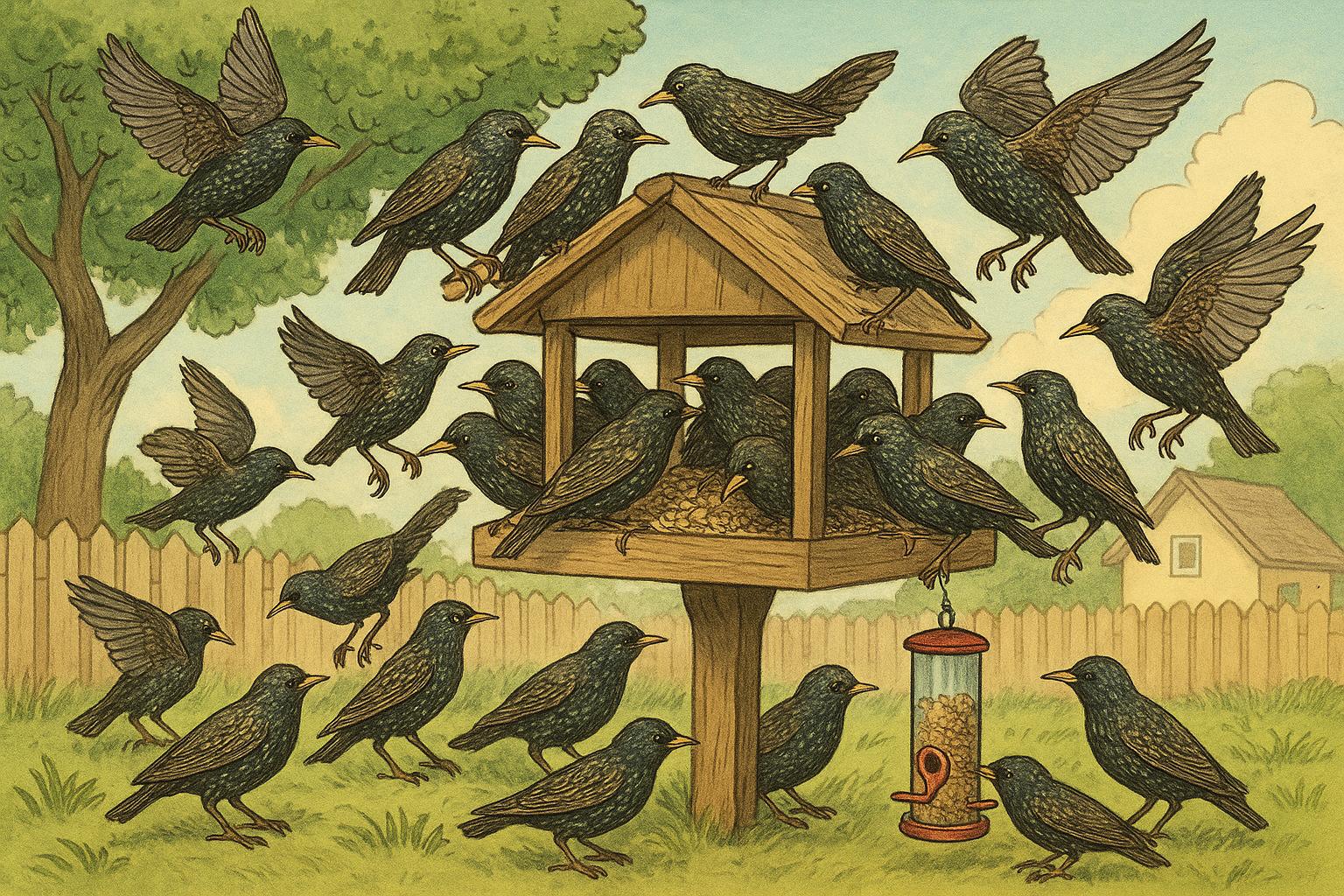
3. Modify Feeding Habits: Feed pets indoors or remove outdoor food after dusk. If you maintain bird feeders, take them in overnight during high-activity periods for mammals.
4. Manage Compost: Store compost in sealed, animal-proof bins. Avoid adding meat, oily scraps, or other strong-smelling items that attract mammals.
5. Light Strategically: Install motion-activated lights to gently discourage nocturnal visitors from specific zones (not as broad brightening that can harm nocturnal species). Use soft, warm-spectrum bulbs to reduce ecological disruption.
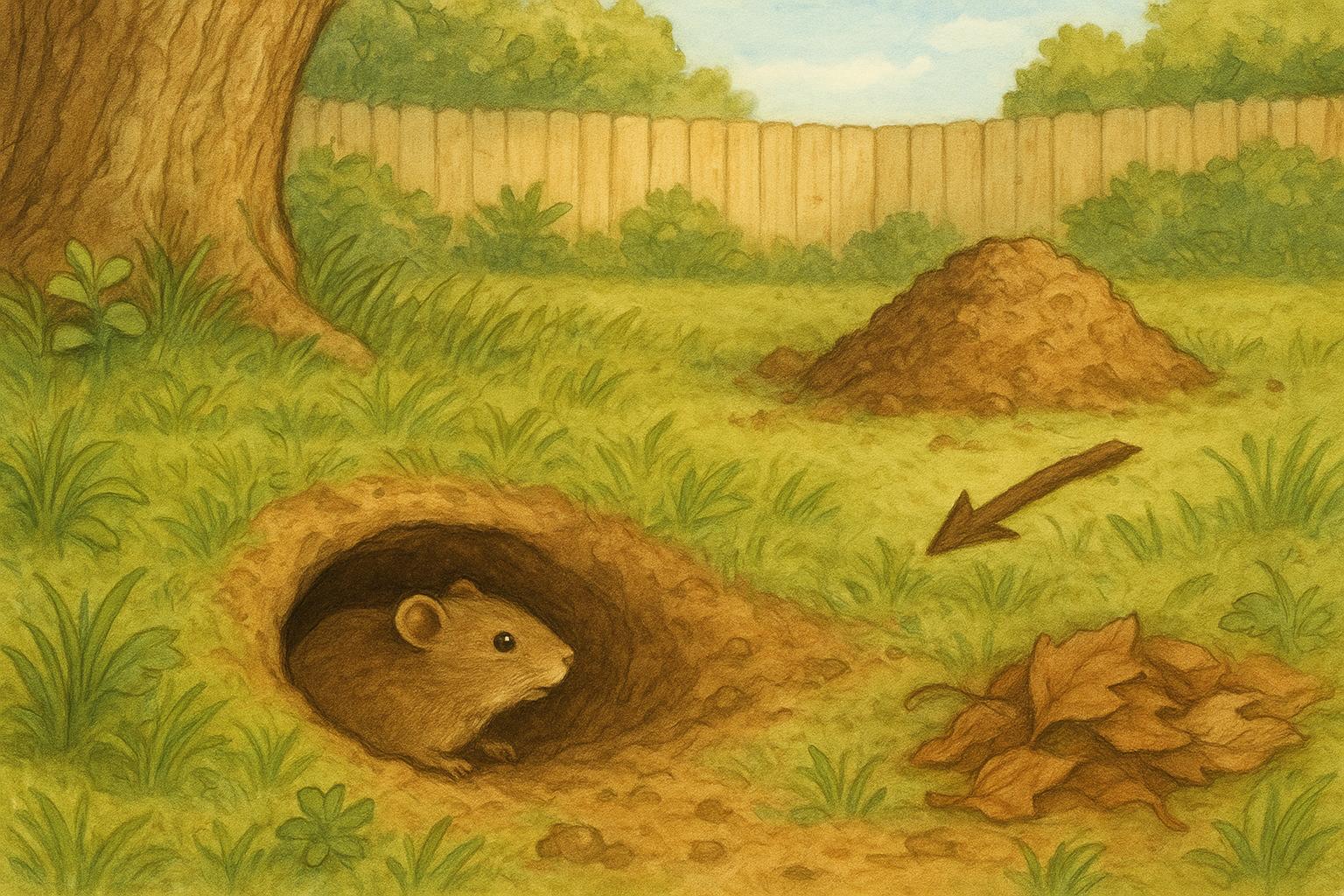
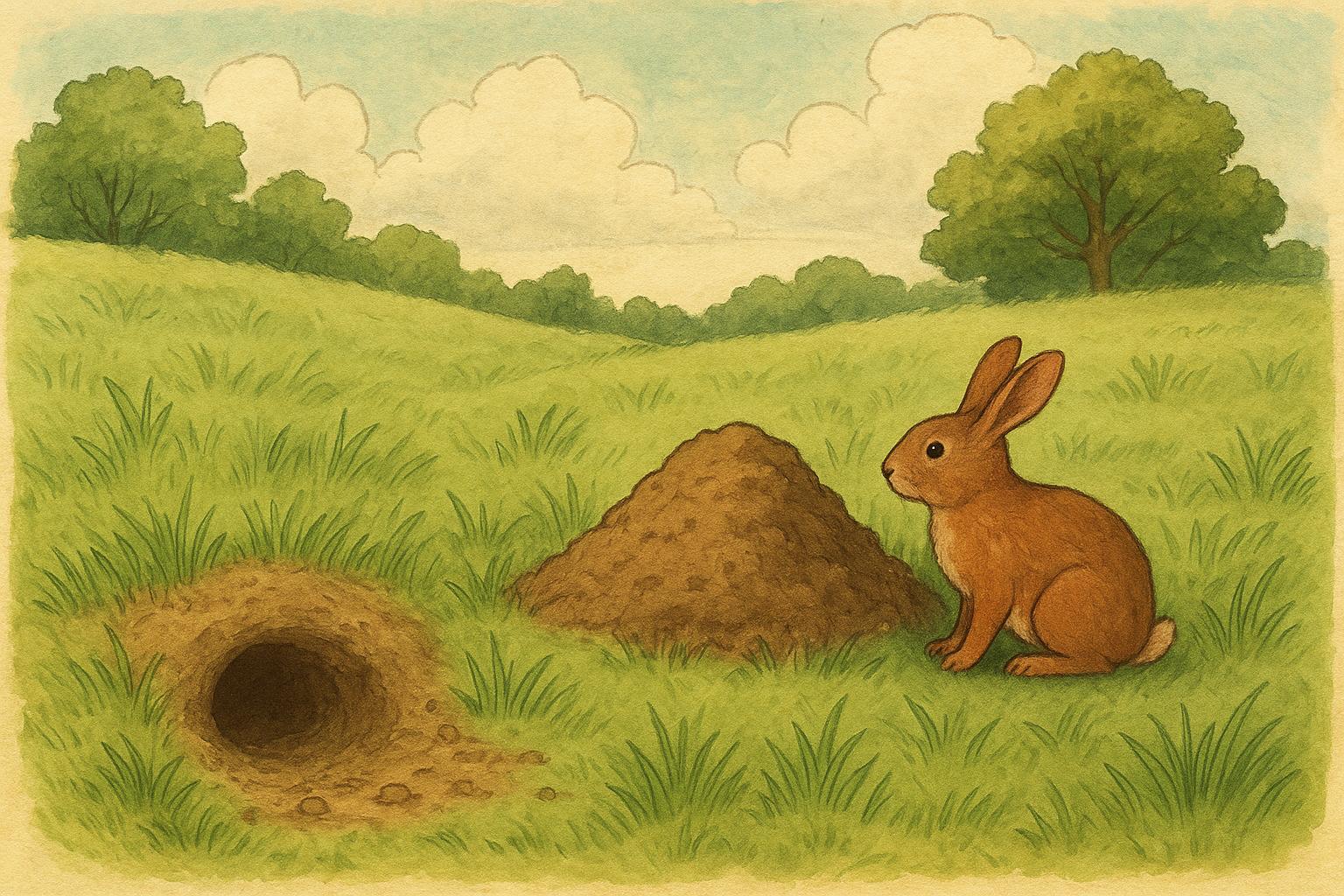
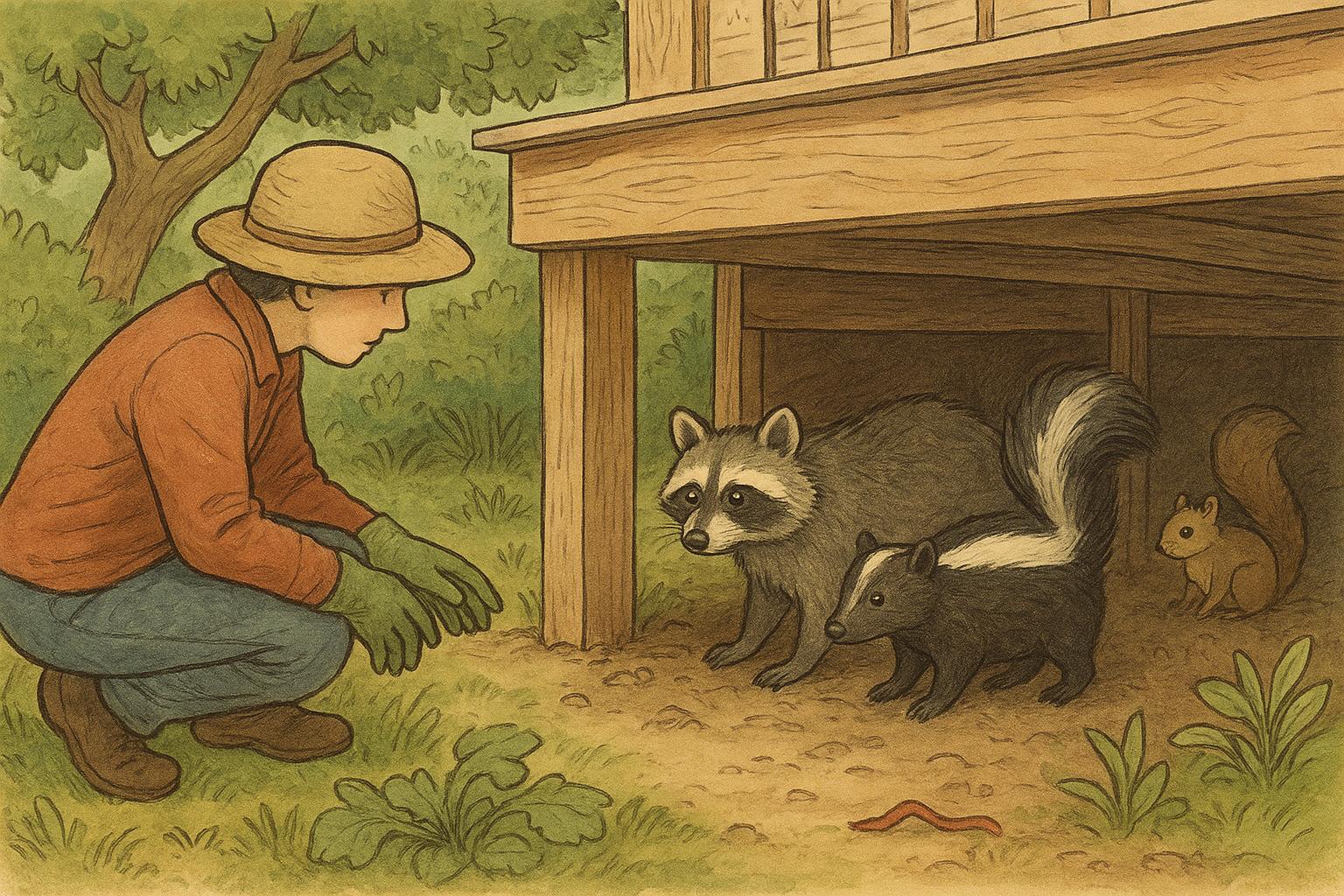
6. Minimize Shelter Opportunities: Close off crawlspaces, secure under-deck areas with fencing or lattice, and remove stacked lumber or open debris piles that serve as dens.
7. Monitor And Adjust: Keep a log of changes and nighttime observations. If activity diminishes, maintain practices. If not, contact local wildlife control or a rehabilitator for non-lethal removal advice.
This approach prioritizes humane coexistence and reduces the incentive for animals to use your yard as a resource. It also lowers the chance of escalating vocalizations due to territorial disputes.
### 2. Remedy: Soundproofing And Property Adjustments
If the issue is primarily disturbance — frequent loud vocalizations that affect sleep or quality of life — property modifications can reduce perceived noise without harming wildlife. These measures combine physical barriers and sound management principles.
Materials/Ingredients:
– Fencing panels or sound baffles (wood or composite)
– Evergreen shrubs or dense hedging plants (e.g., arborvitae, boxwood)
– Heavy curtains or acoustic window inserts
– Weatherstripping and door sweeps
– Outdoor white-noise machine or fan (for indoor masking)
– Deck privacy screens or lattice with sound-dampening inserts
Step-By-Step Creation And Application:
1. Identify Source Directions: Note where the sound most often originates (e.g., from the north property line). This determines where to focus barriers or plantings.
2. Install Vegetative Barriers: Plant a staggered row of evergreen shrubs 3–6 feet apart to create a dense visual and acoustic buffer. Expect several seasons for full effectiveness; use fast-growing species for quicker results.
3. Erect Structural Barriers: Where planting is impractical, install solid fencing or acoustic panels along the primary noise-bearing boundary. Choose materials rated for outdoor use and local ordinances.
4. Improve Window And Door Sealing: Fit windows with acoustic inserts, thick curtains, and ensure proper weatherstripping to reduce sound transmission into living spaces.
5. Create Localized Absorbers: Add outdoor sound-absorbing features like heavy fabric screens on decks, or acoustic baffles mounted on porch ceilings if the noise is close and persistent.
6. Indoor Masking: For sleep disruption, use a white-noise device or an indoor fan to provide consistent ambient sound that masks intermittent vocalizations. Keep volume at safe levels to avoid hearing strain.
7. Evaluate And Maintain: Review effectiveness after a month. Replace any damaged panels or shrubs and maintain gaps to ensure continued sound mitigation.
These interventions should comply with local regulations about fence heights and planting near utility lines. They focus on reducing human impact from noise without interfering with wildlife natural behavior.
### When You Might Need Professional Help
If the night vocalizations include repeated frantic distress calls, you find a visibly injured or emaciated animal, or there are newborns vocalizing persistently from a den site, contact a licensed wildlife rehabilitator or your municipal animal control. Professionals can assess whether intervention is required and provide safe, legal removal or care.
That said, most backyard night vocalizations are simply wildlife being wildlife — noisy, theatrical, and occasionally dramatic — and with a bit of listening and targeted action you can both sleep better and preserve the little nocturnal chorus outside your window.









Leave a Reply