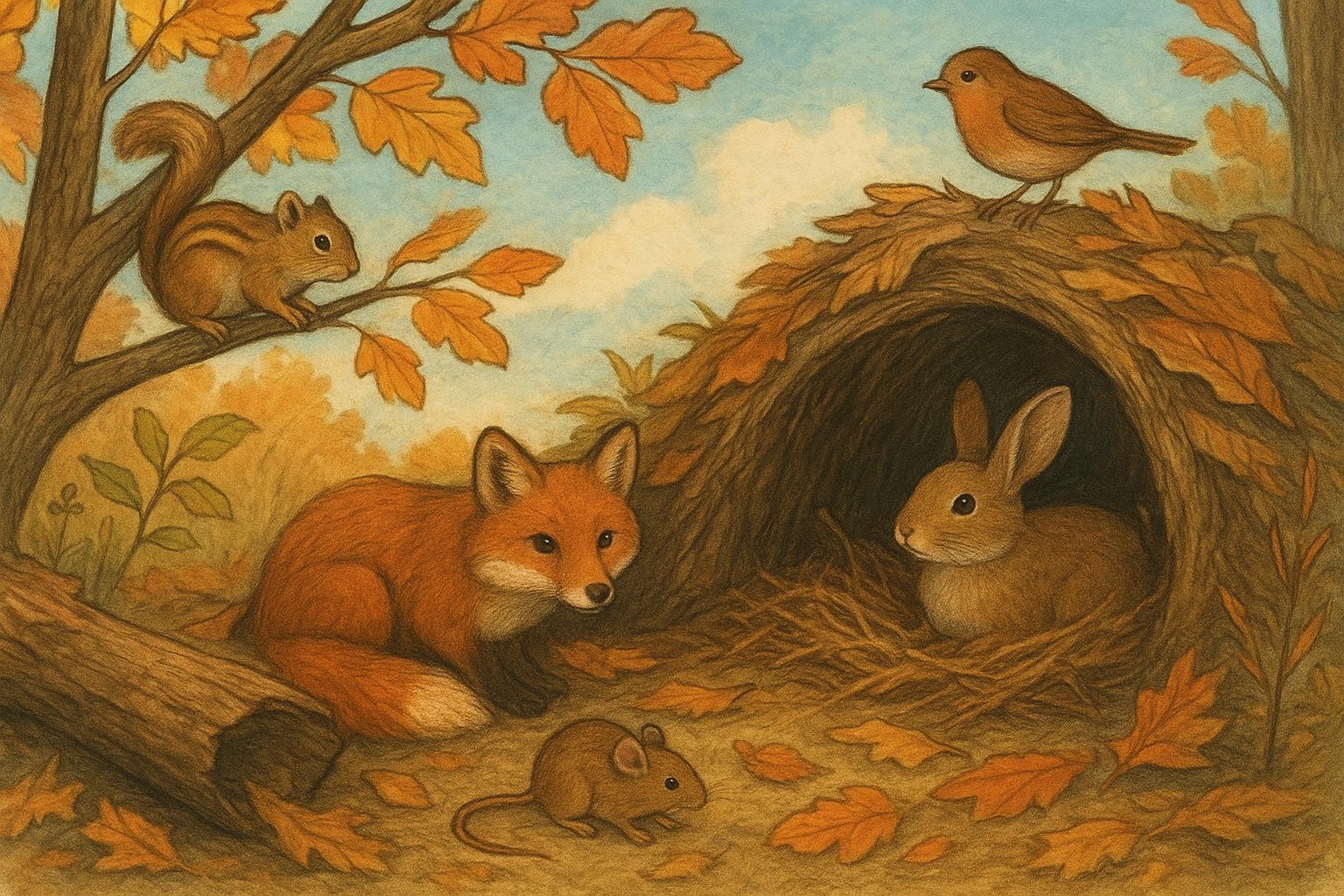
Autumn brings a crispness to the air, crunchy leaves underfoot, and a sudden increase in backyard traffic of the furry and feathered sort. As daylight shrinks and temperatures dip, many species begin preparing for colder months with a behavior called denning — the search for, preparation of, or return to a sheltered resting place. Understanding those fall denning habits helps you support wildlife while keeping your property safe and tidy. Think of it as hosting, but for wild tenants who don’t RSVP.
## Denning Behavior In Fall
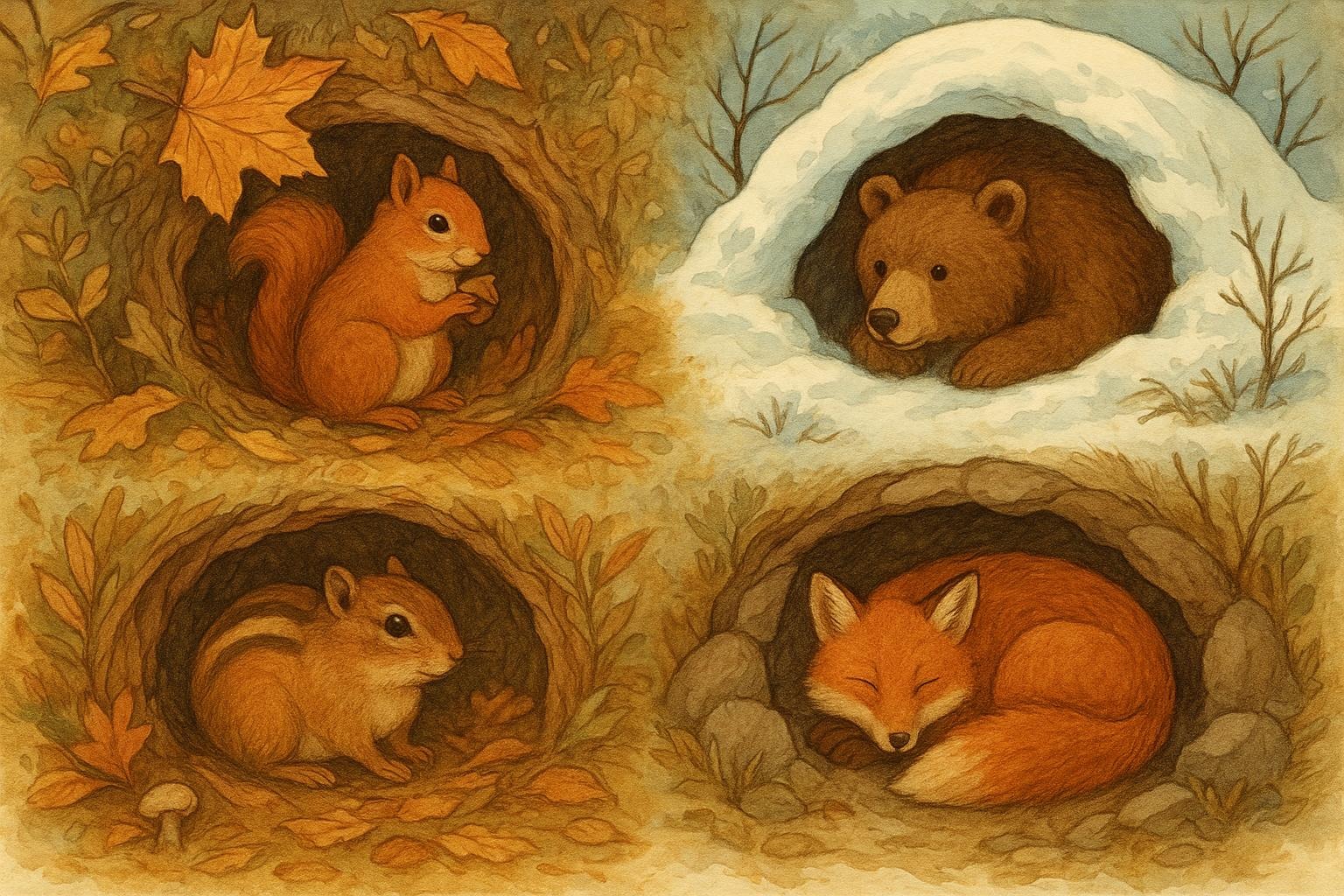
Denning is the umbrella term for how animals use sheltered spaces to sleep, raise young, or wait out harsh weather. In fall, denning activity increases as animals finalize their winter plans: some are building caches and insulating nests, others are seeking out underground burrows or hollow trees. Denning isn’t just about warmth — it’s about safety from predators, wind, and frost. You’ll see changes in how animals move, where they hide, and when they’re active.
### Why Fall Triggers Denning
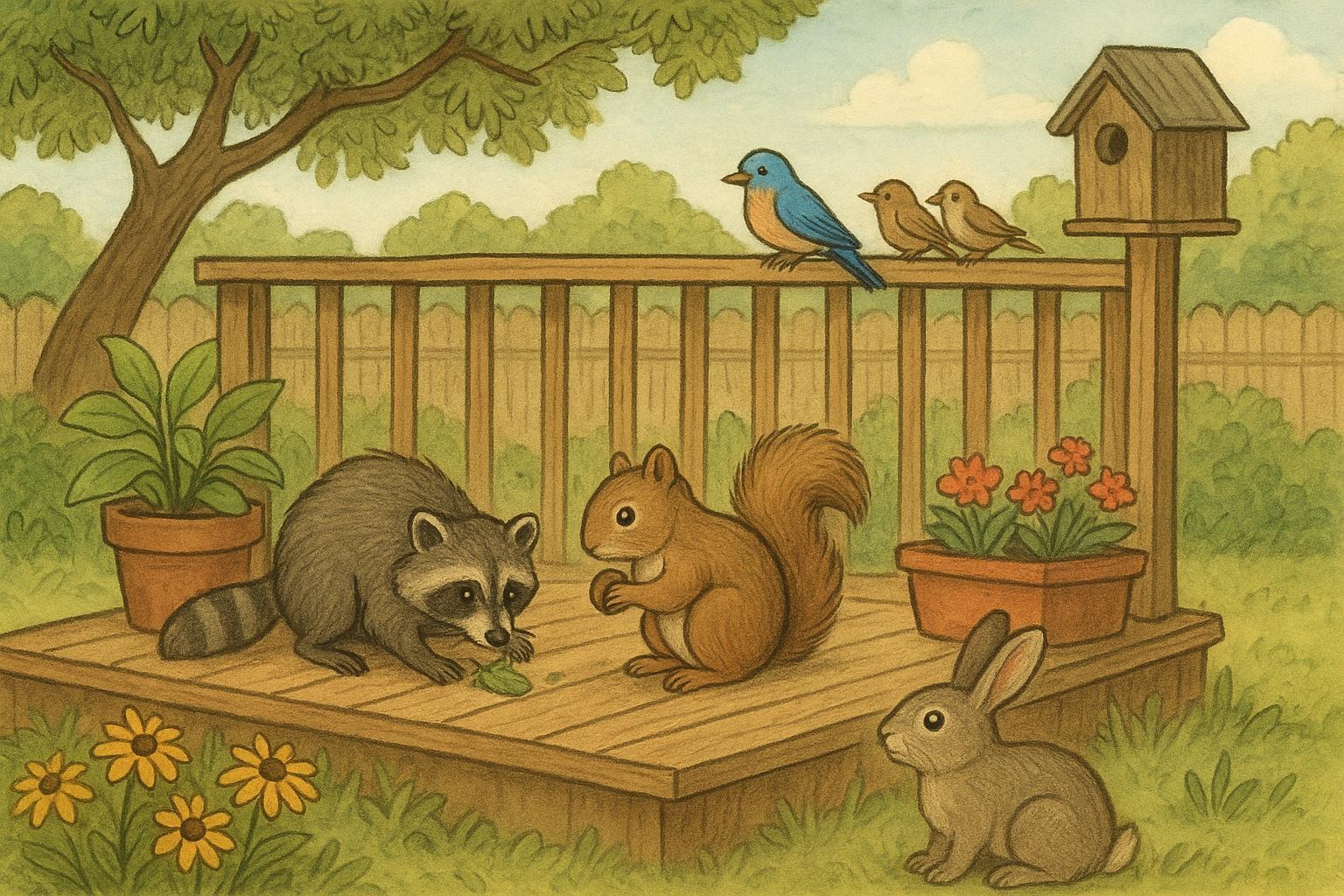
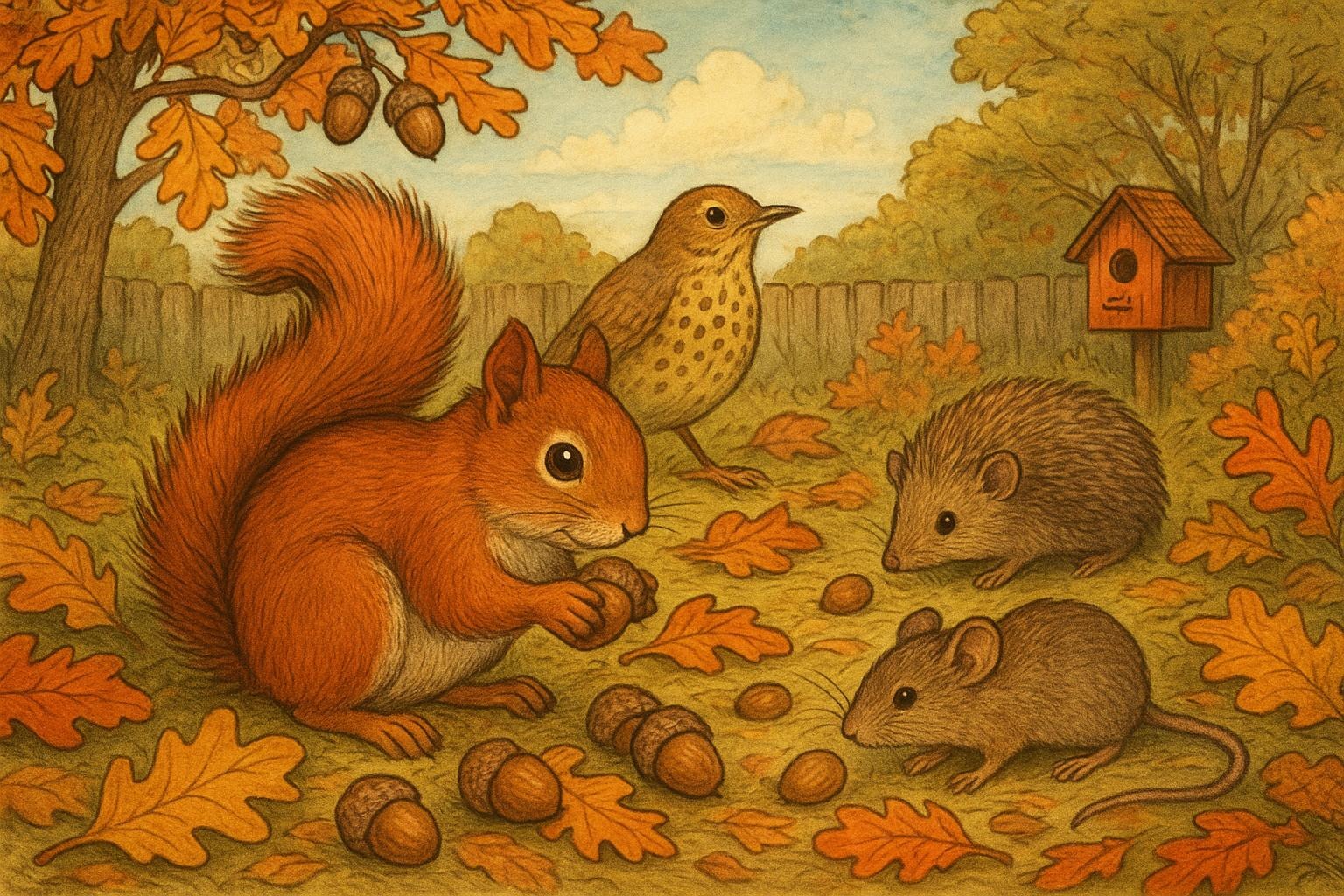
Shorter days and cooler nights act as biological cues. Food availability shifts, too: feast-or-famine moments encourage species to find reliable shelter. For some, denning begins after mating season; for others, it’s a survival strategy for the whole cold season. If you’ve noticed more visits from raccoons or a squirrel hauling leaves like a tiny landscaper, you’re witnessing a denning preparation phase.
### Which Species Commonly Den In Backyards
Small mammals and certain birds are the usual suspects. Common backyard denning critters include:
– Raccoons and opossums: Nightly foragers that seek tree cavities, attics, or brush piles.
– Squirrels: Tree dens (dreys) made of leaves and twigs, or hollow tree cavities.
– Rabbits: Shallow ground depressions lined with fur and grass.
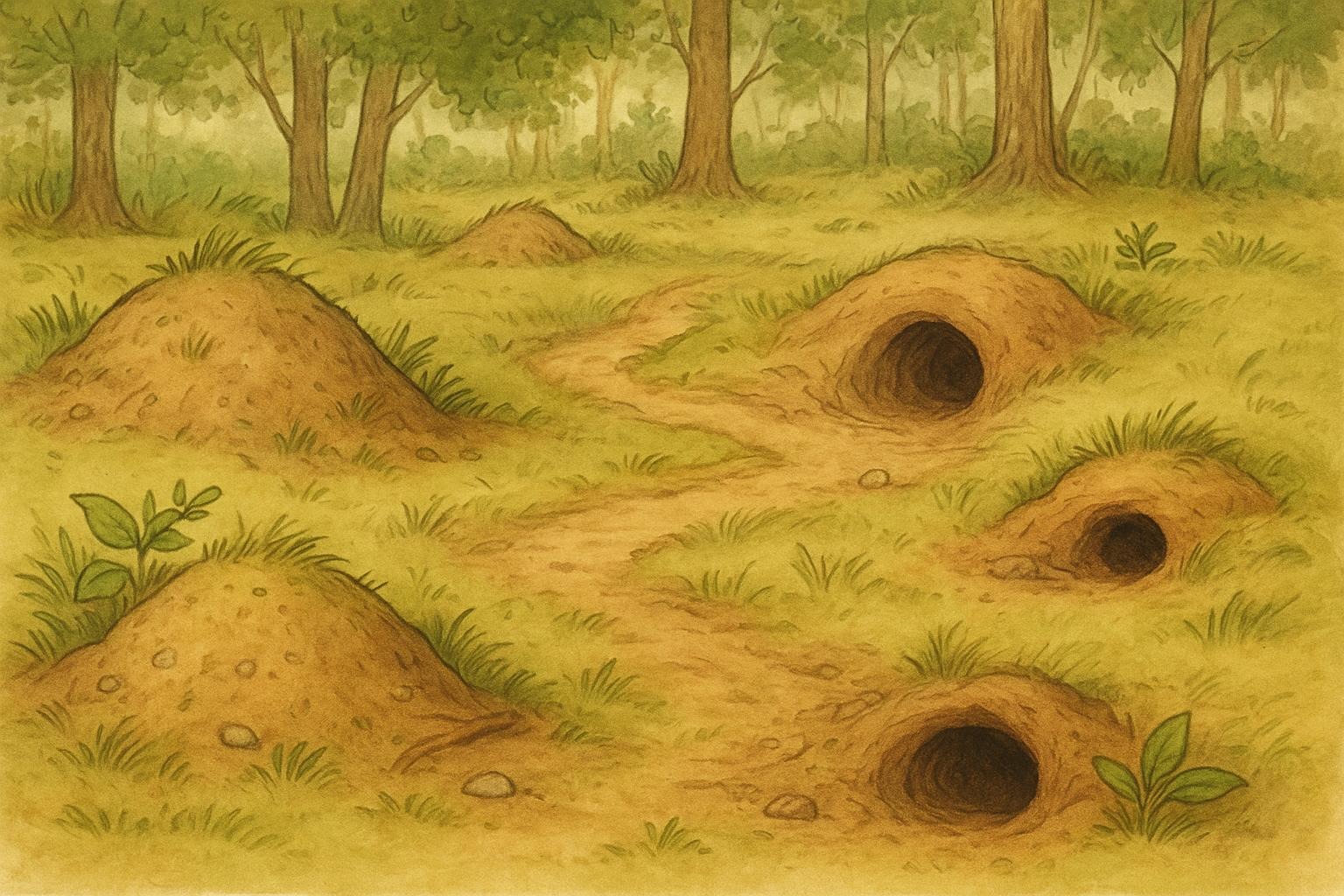
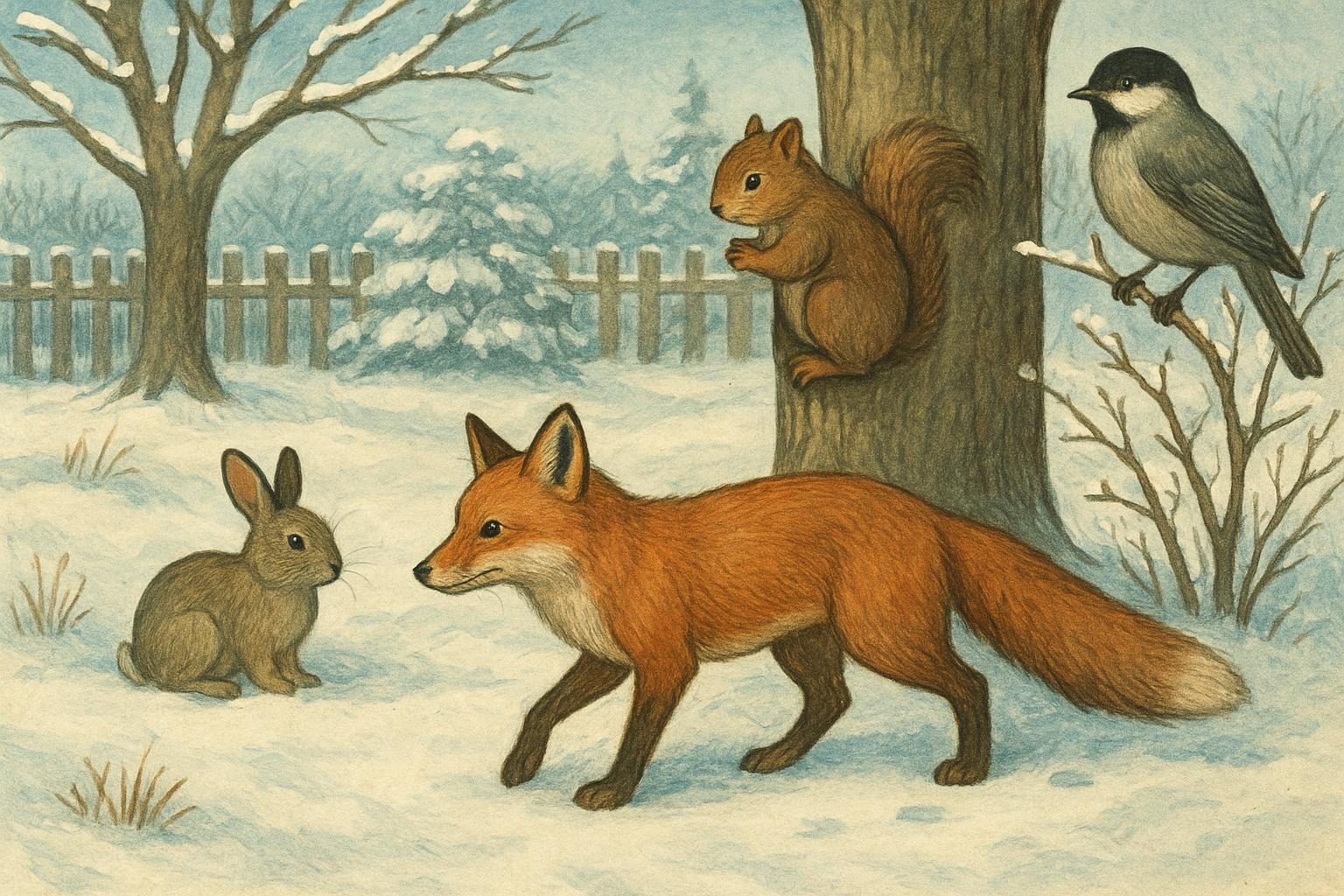
– Skunks and foxes: Burrows under decks, sheds, or rock piles.
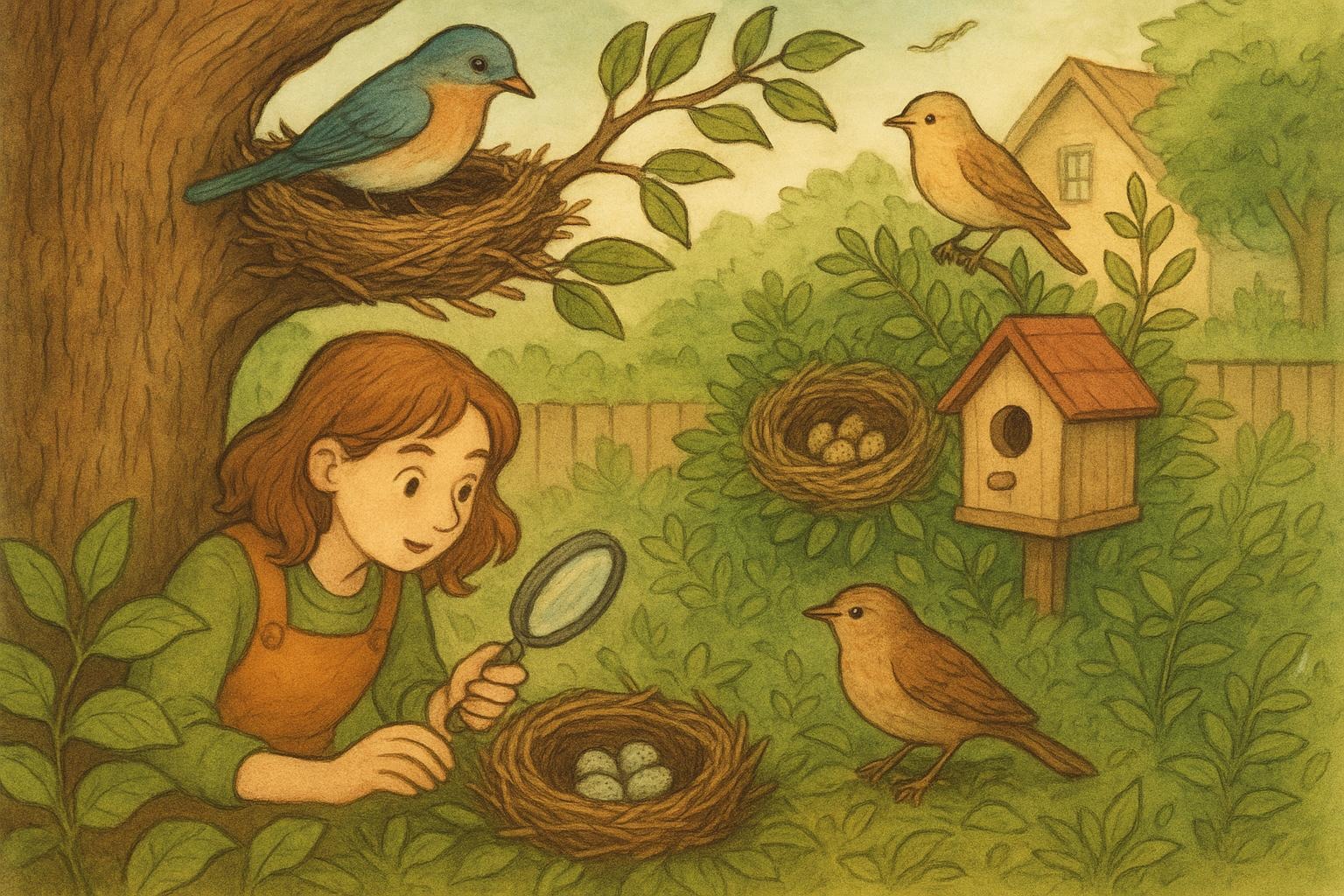
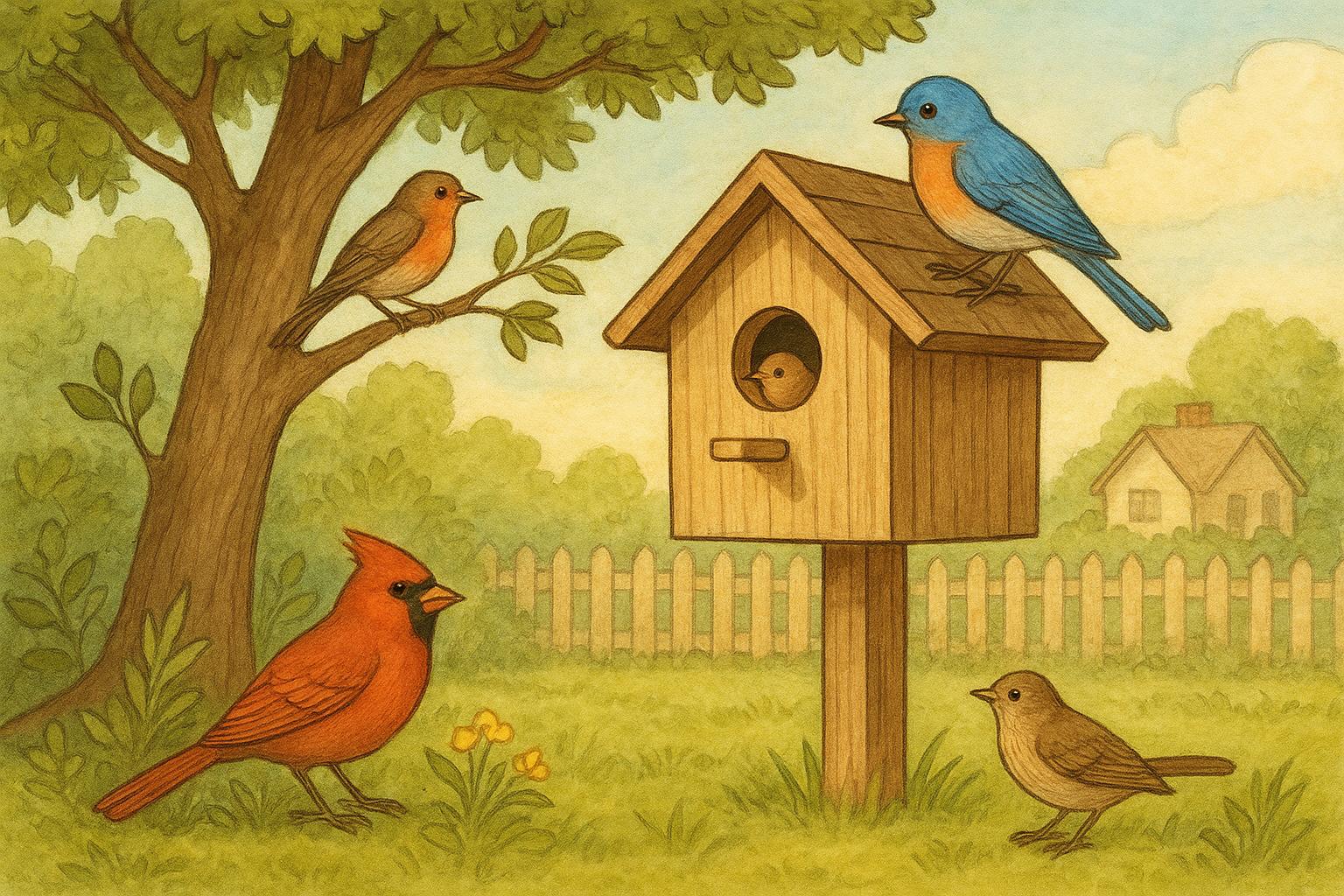
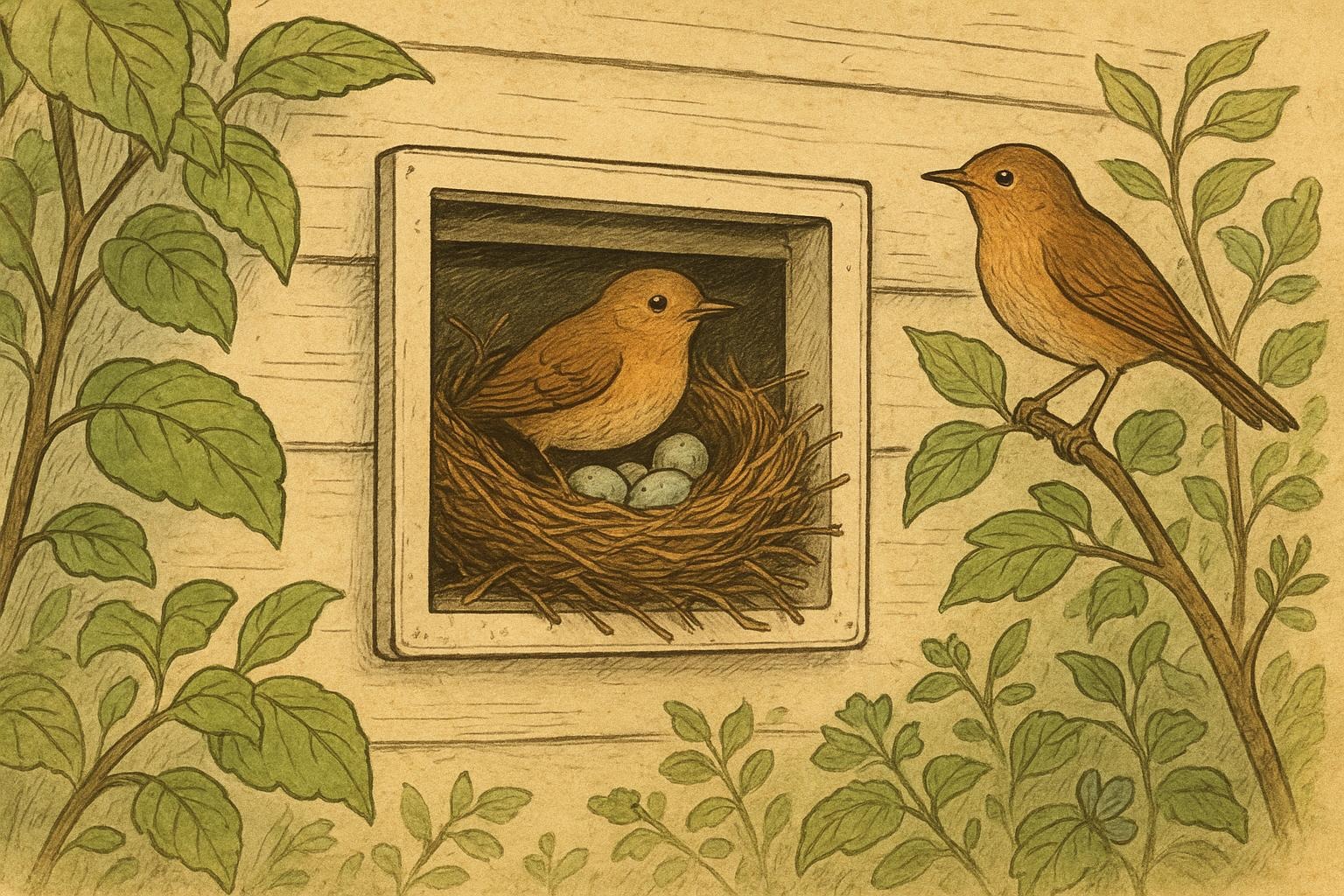
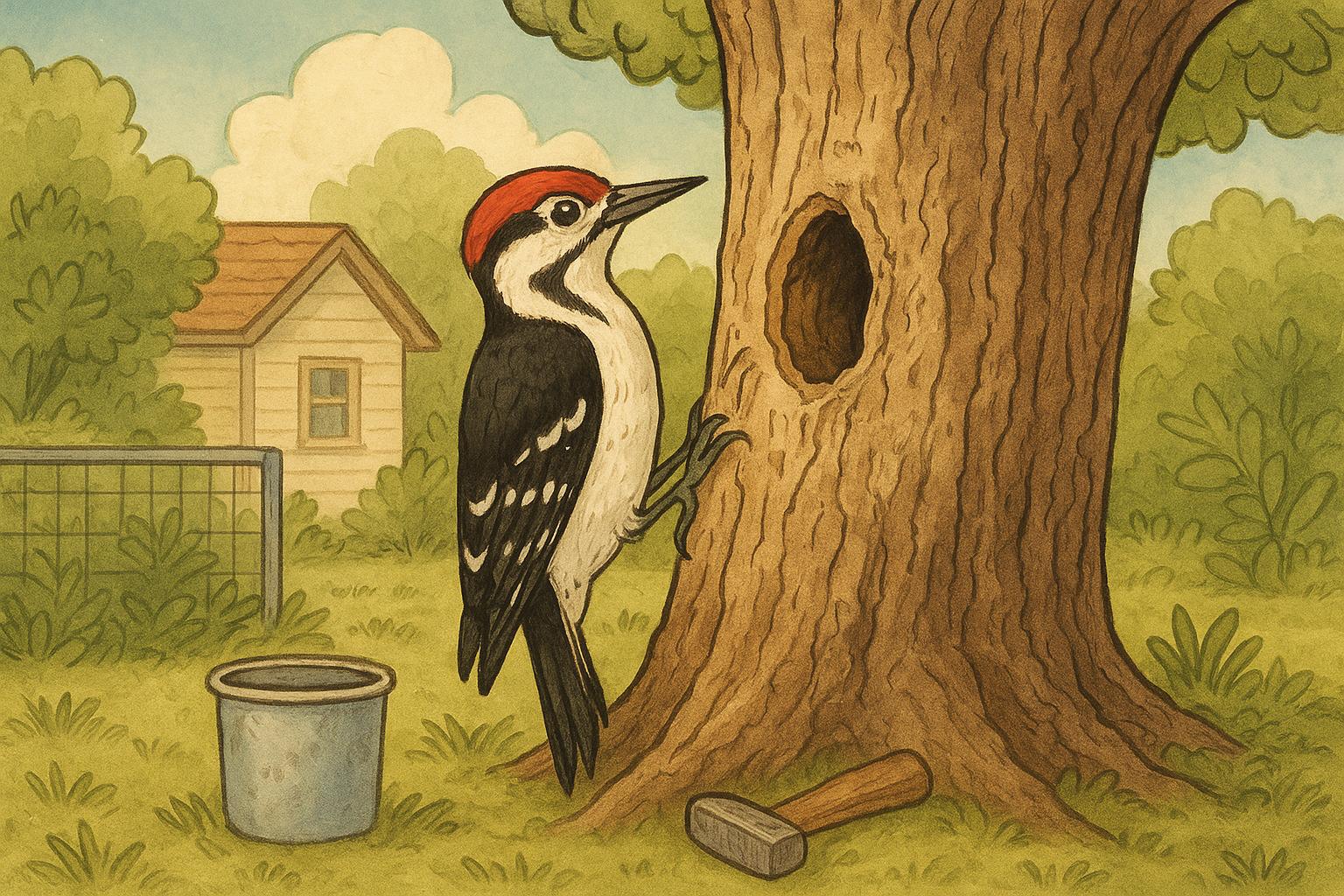
– Ground-nesting birds and some songbirds: Dense shrub cover or nest boxes insulated for colder weather.
#### Signs Your Yard Is Being Used For Denning
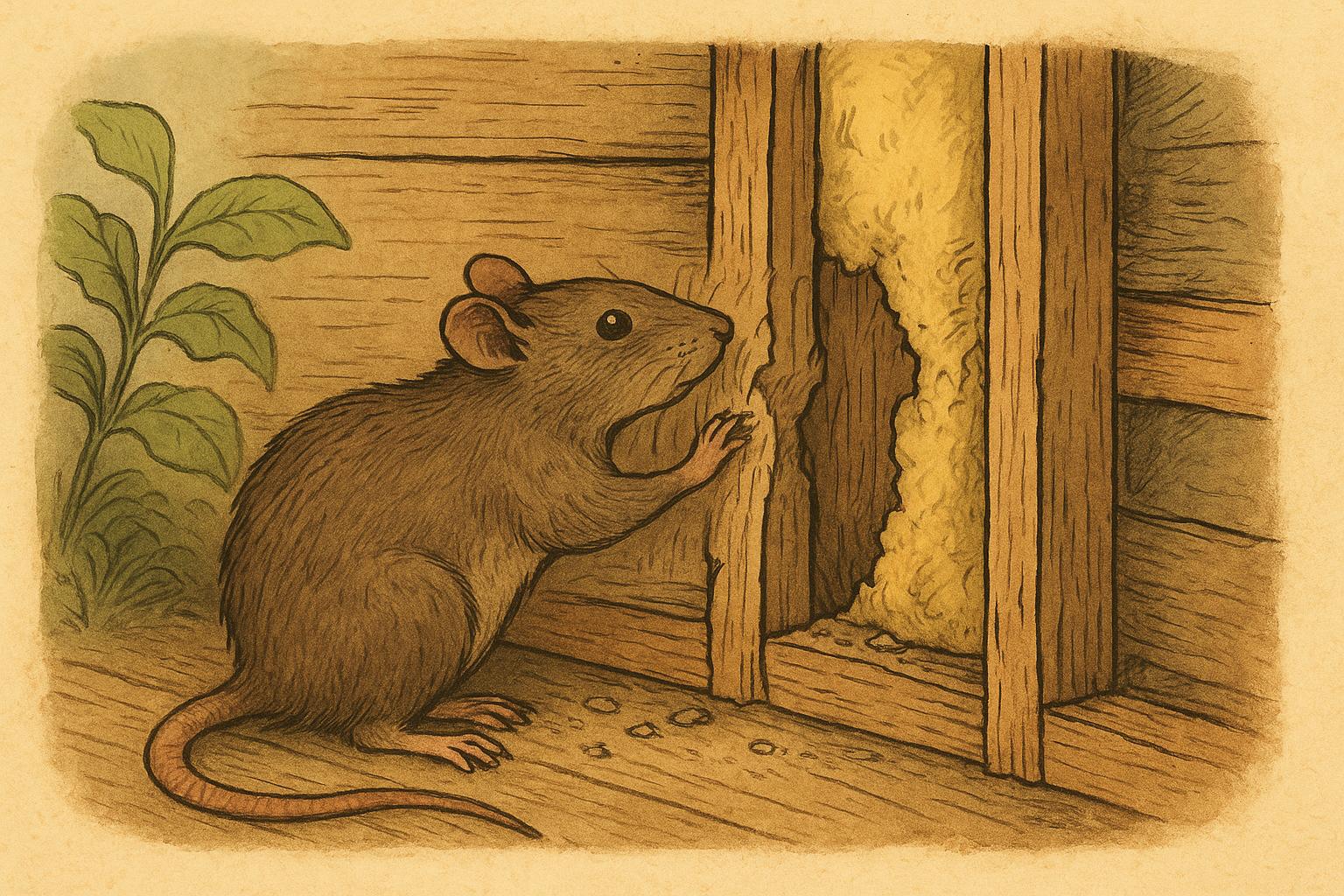
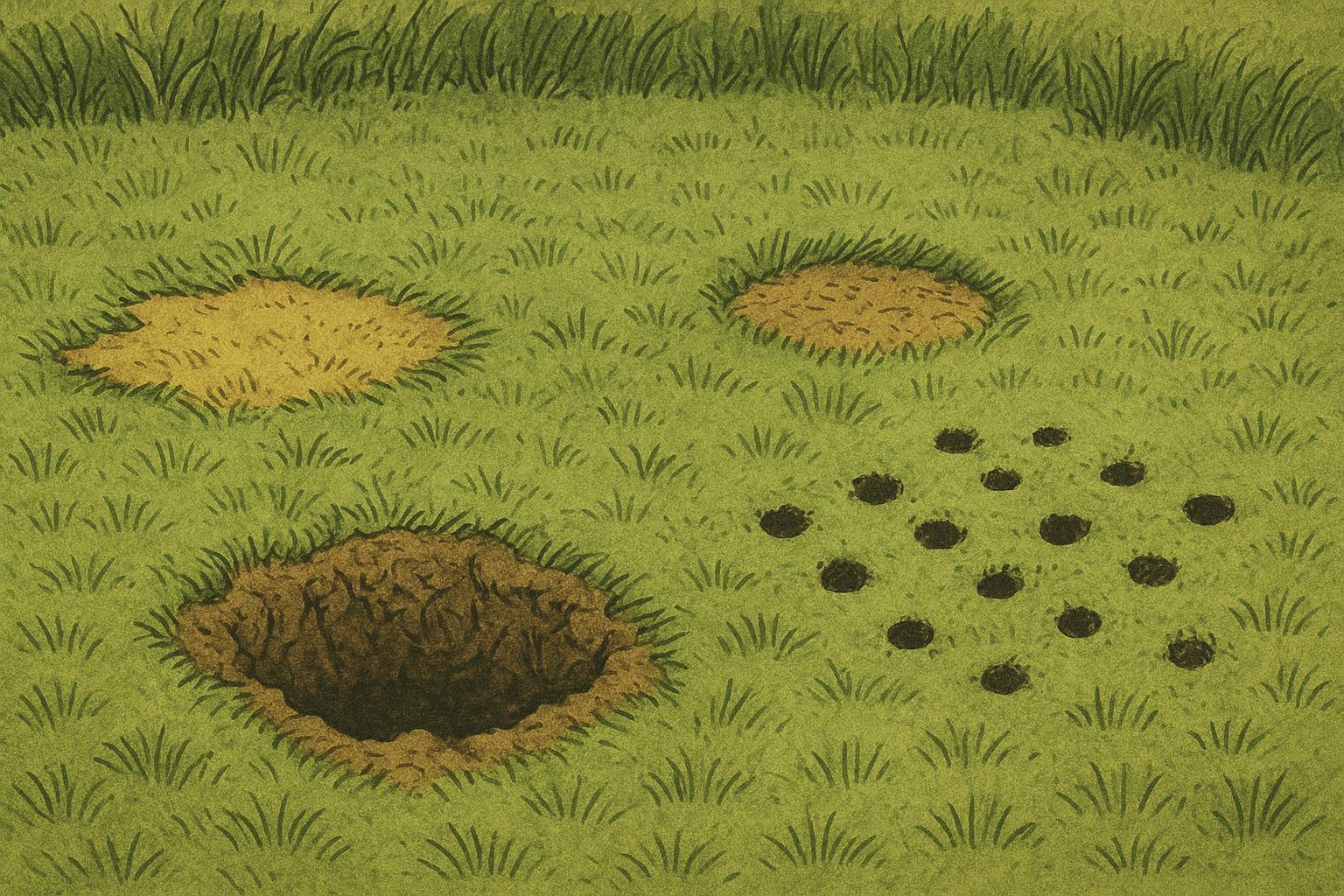
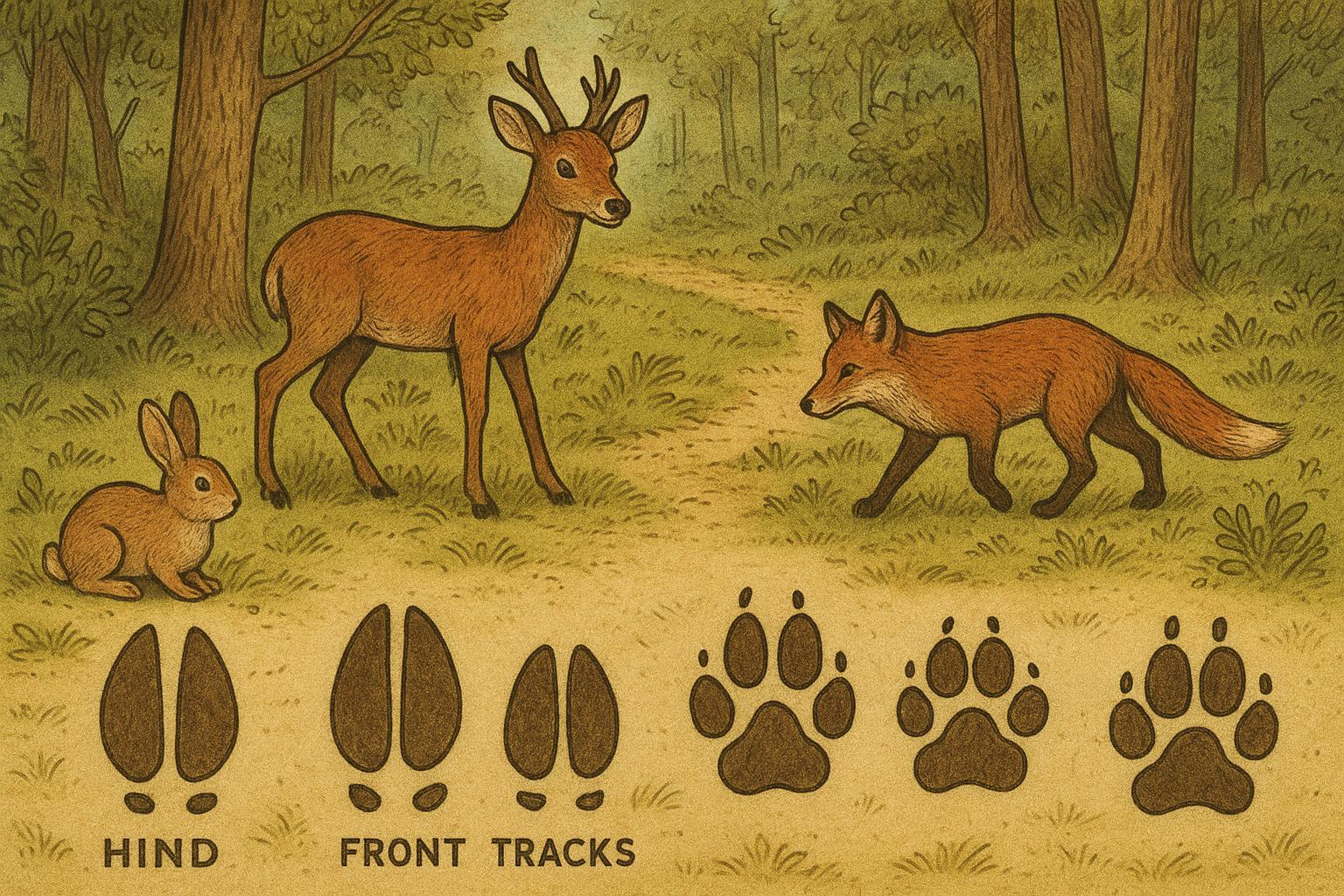
Look for night-time activity, concentrated droppings, disturbed leaf piles, or small trails through grass. Sounds at dawn/dusk, fresh digging near foundations, or chewed openings in sheds can mean someone’s chosen to den nearby. Be mindful: signs may indicate animals with young — disturbance at this time can be particularly harmful.
#### Seasonal Timing And Variability
Not every animal follows the same schedule. Some species enter torpor or partial hibernation and have very specific denning windows; others simply use dens as shelter between foraging trips. Weather anomalies can shift timing year-to-year. If an unusually warm spell follows a cold snap, denning activity might pause or intensify unpredictably.
## Humane Ways To Support Natural Denning (Remedy 1)
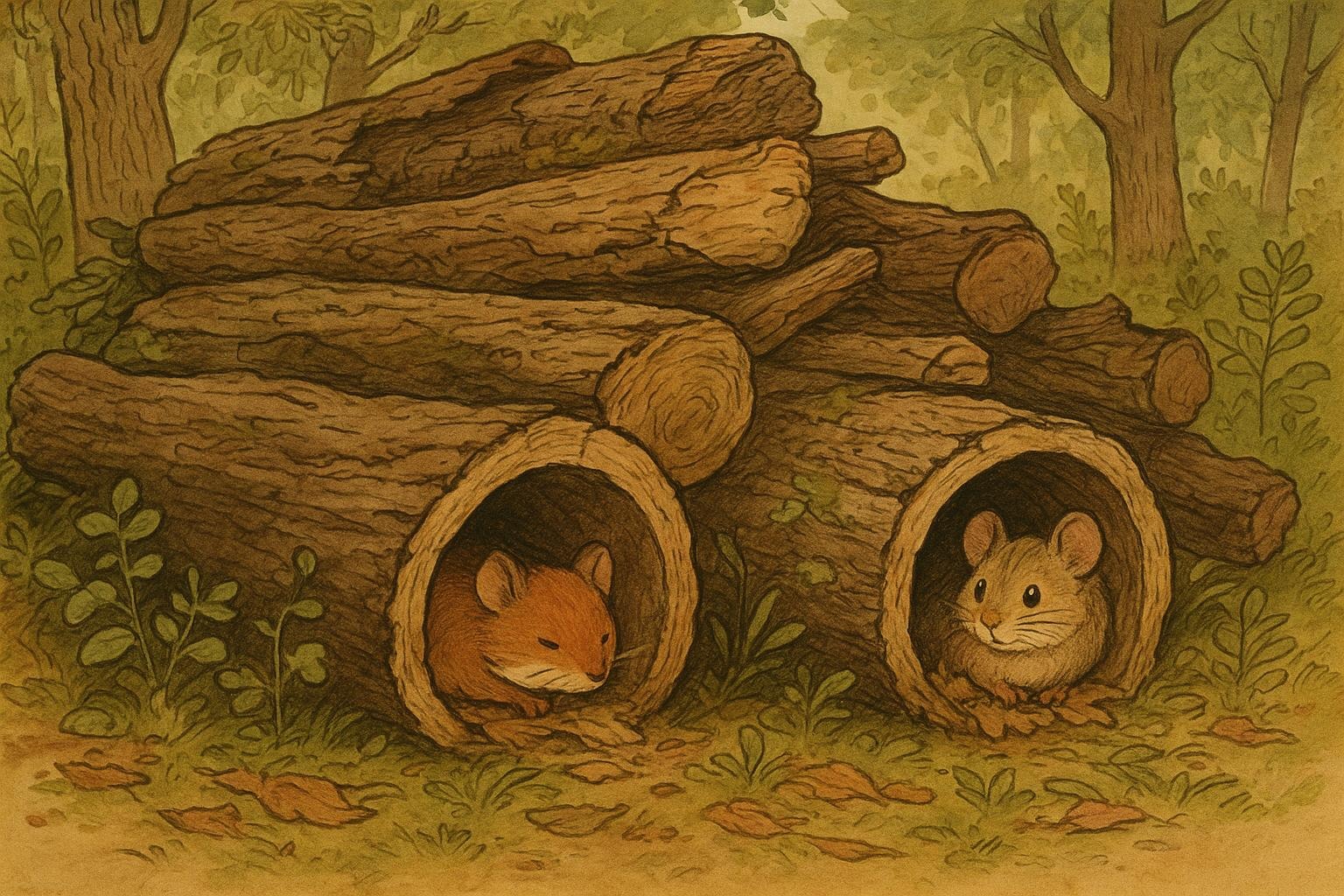
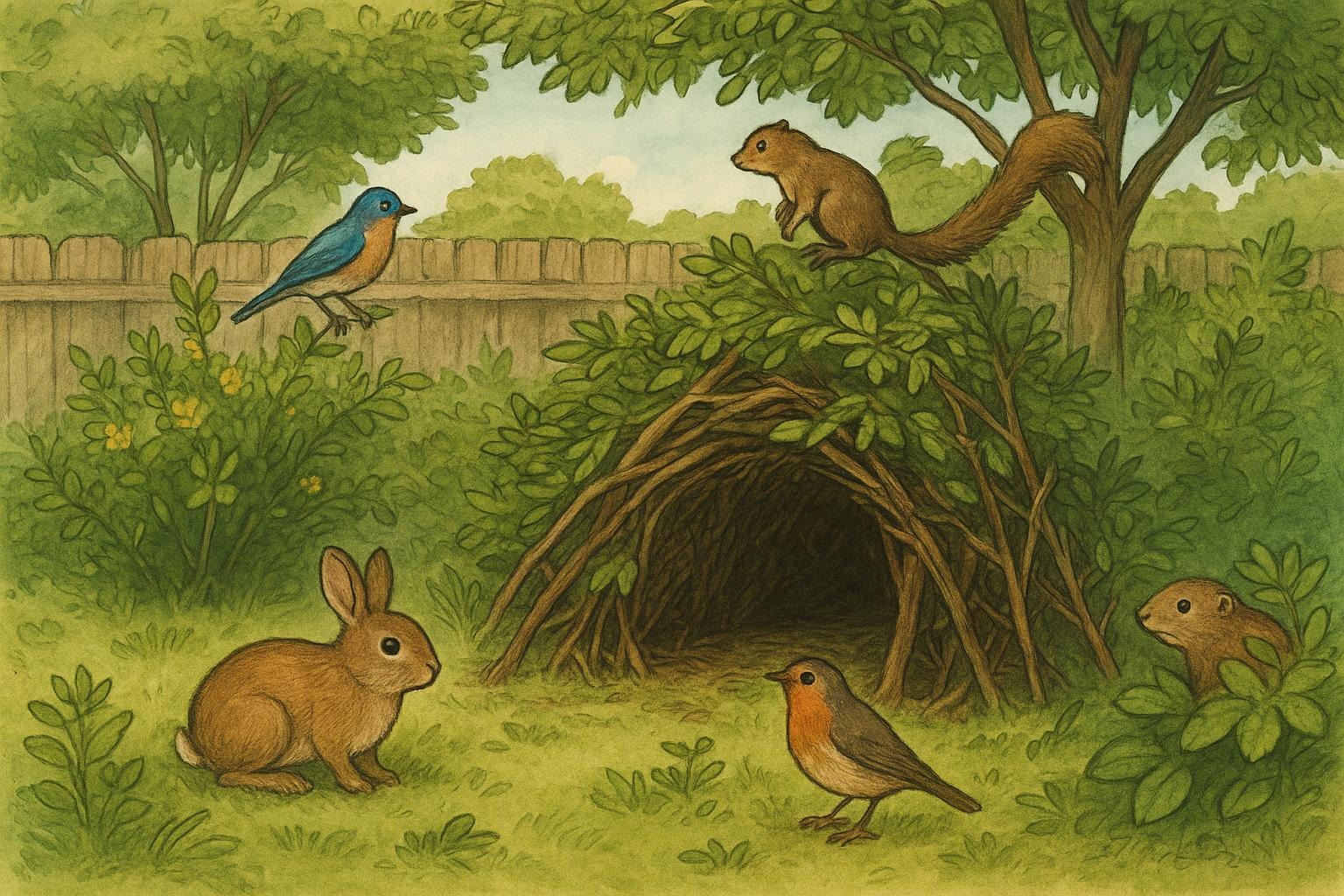
This remedy describes how to create a brush pile shelter that provides natural cover without encouraging unwanted denning in places like attics or beneath decks. Follow these steps carefully and don’t interfere with active dens.
Materials Required:
– Assorted branches and brush (pruned limbs, non-treated wood)
– A pallet or two, or a simple wooden frame for a base (optional)
– Leaf litter and dried grass
– Landscape fabric (optional, to discourage burrowing underneath)
– Gloves and eye protection
Step-by-Step Construction And Application:
1. Site Selection: Choose a quiet, shaded location at least 15–20 feet from your house, garden beds, and compost piles. Avoid placing against foundations.
2. Base Preparation: Lay a pallet or two to elevate the pile slightly and discourage ground moisture. If placing directly on soil, put landscape fabric beneath to reduce digging access.
3. Build The Core: Stack larger branches to form a loose log shelter with hollow spaces. Ensure there are internal cavities but avoid tight gaps where animals could become trapped.
4. Add Insulation: Pile leaf litter and dried grass into and over the structure to create an insulating layer. Do not use treated or painted wood.
5. Final Check: Make sure there are multiple entry points and avoid sealing the pile tightly. The structure should be airy, not compacted.
6. Monitor From Afar: Observe without disturbing. If animals take up residence, give them space, especially if you detect young. Maintain the pile annually by replenishing leaves and pruning debris.
Use this remedy only to support wildlife in safe, natural settings. Never place brush piles against structures or in areas that could attract pests to your home.
## Insulated Den Box For Small Mammals Or Birds (Remedy 2)
This formal, instructional remedy provides a safe, durable den box suited for small mammals, such as hedgehogs or rabbits where local regulations allow, and for cavity-nesting birds in colder climates. Check local wildlife guidelines before installing any artificial nesting or denning structures.
Ingredients / Required Materials:
– Untreated exterior-grade plywood (1/2″ to 3/4″) or weather-resistant plastic bin
– Screws and exterior wood glue
– 2–3” rigid foam insulation board or spray foam insulation (for walls)
– Weatherproof roofing material (metal flashing or asphalt shingles)
– Straw for bedding (no hay; straw resists mold)
– Hinges and a simple latch (for inspection/cleaning)
– Drill, saw, measuring tape, caulk
Step-By-Step Construction:
1. Design And Dimensions: Construct a box sized to the target species—roughly 18″ x 12″ x 12″ for many small mammals. Include a 4–6″ tunnel entrance to reduce wind exposure.
2. Cut And Assemble Panels: Cut plywood to size and assemble using exterior screws and glue. Ensure seams are tight.
3. Insulate Walls: Attach rigid foam to inside walls and seal edges with caulk. If using spray foam, apply evenly and allow to cure fully.
4. Create A Tunnel Entrance: Build a short tunnel (4–6″) from the same materials to attach to the entrance hole; this reduces drafts and predator visibility.
5. Install Roof: Fit a sloped roof with overhang to shed rain. Use metal flashing or shingles and seal edges.
6. Bedding And Ventilation: Place a generous amount of straw inside, but ventilate slightly near the top to prevent moisture buildup. Do not stuff with fabric or materials that can retain moisture or entangle animals.
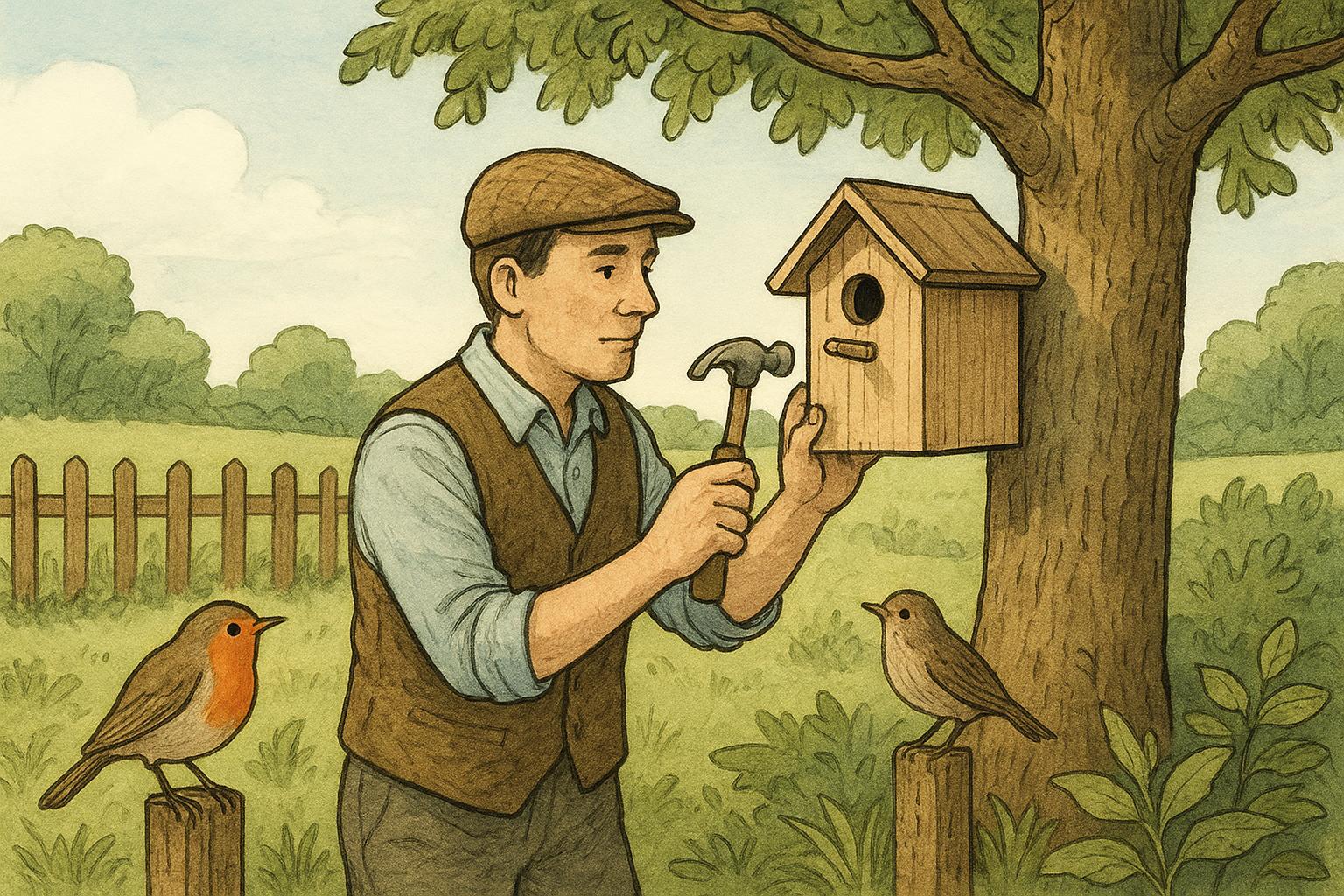
7. Placement: Mount the box 3–6 feet off the ground for certain species (birds or tree squirrels) or on ground level for ground-dwelling mammals, depending on the target. Choose a sheltered orientation facing away from prevailing winds, under shrubs or low branches.
8. Maintenance: Inspect annually in late summer or early fall for structural integrity and parasites. Clean only when empty. Avoid attempting to remove occupants; if you discover young inside, contact local wildlife rehabilitators.
Be precise when constructing and siting den boxes. Poorly designed boxes can cause injury, encourage predators, or expose animals to weather risks.
### Safety, Legalities, And Best Practices
Encouraging denning in your yard comes with responsibilities. Don’t seal off animal dens or move occupants without consulting local wildlife authorities. Disturbing denning animals, especially when they’re raising young, can be illegal and reduce survival rates. Use deterrents (motion lights, fencing) sparingly and as a last resort. If you find a den under your mobile home or in an unsafe area, contact animal control or a licensed wildlife rehabilitator for humane relocation options.
#### Preventing Unwanted Denning In Structures
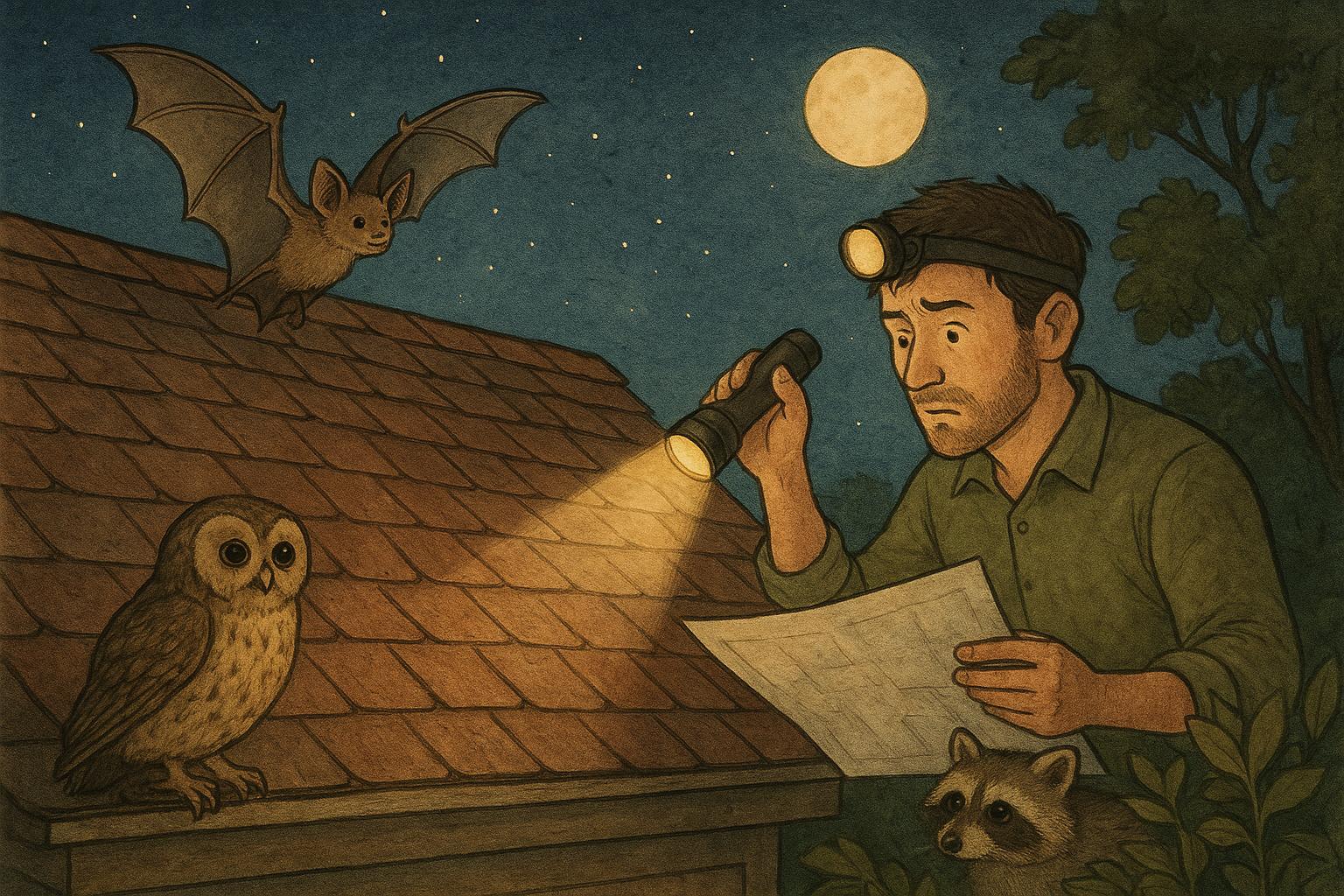
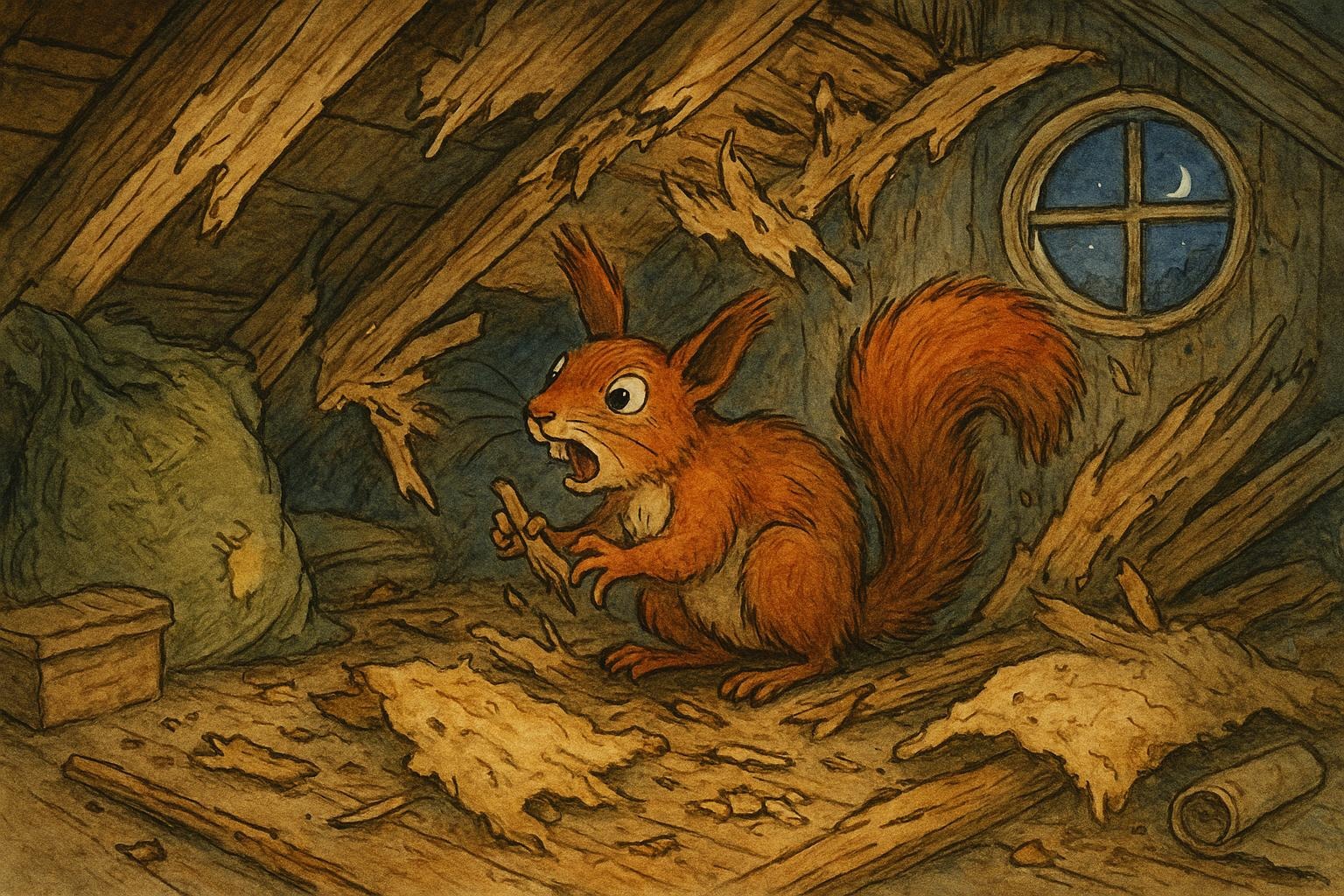
Seal potential entry points into attics and crawl spaces before animals take up residence. Use heavy-gauge wire mesh, fill gaps with steel wool and exterior caulk, and ensure vents are screened. Do this in late summer or very early fall — avoid sealing during peak denning when animals may already have young inside. If in doubt, have a professional wildlife removal company inspect.
## Seasonal Yard Habits To Support Denning Wildlife
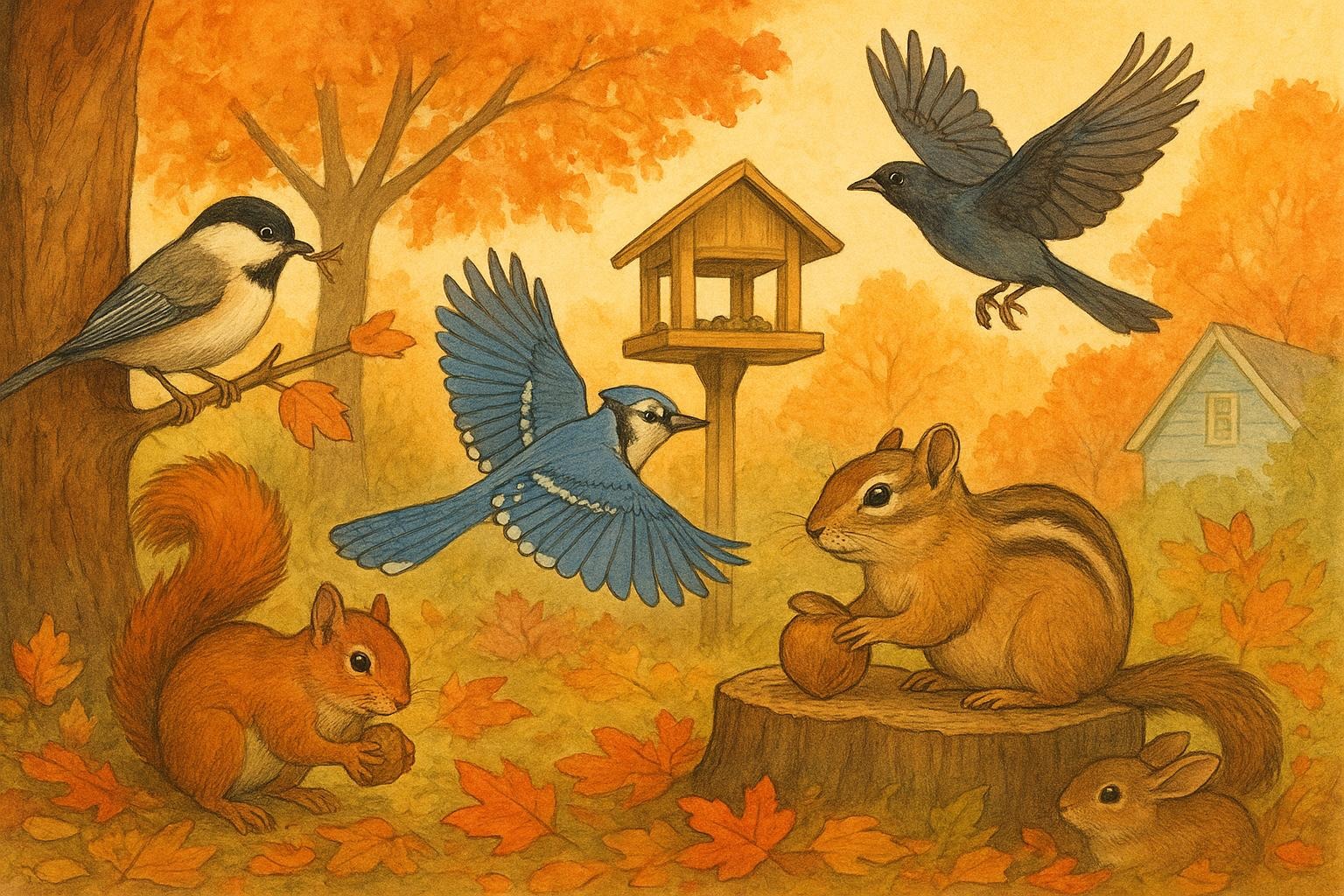
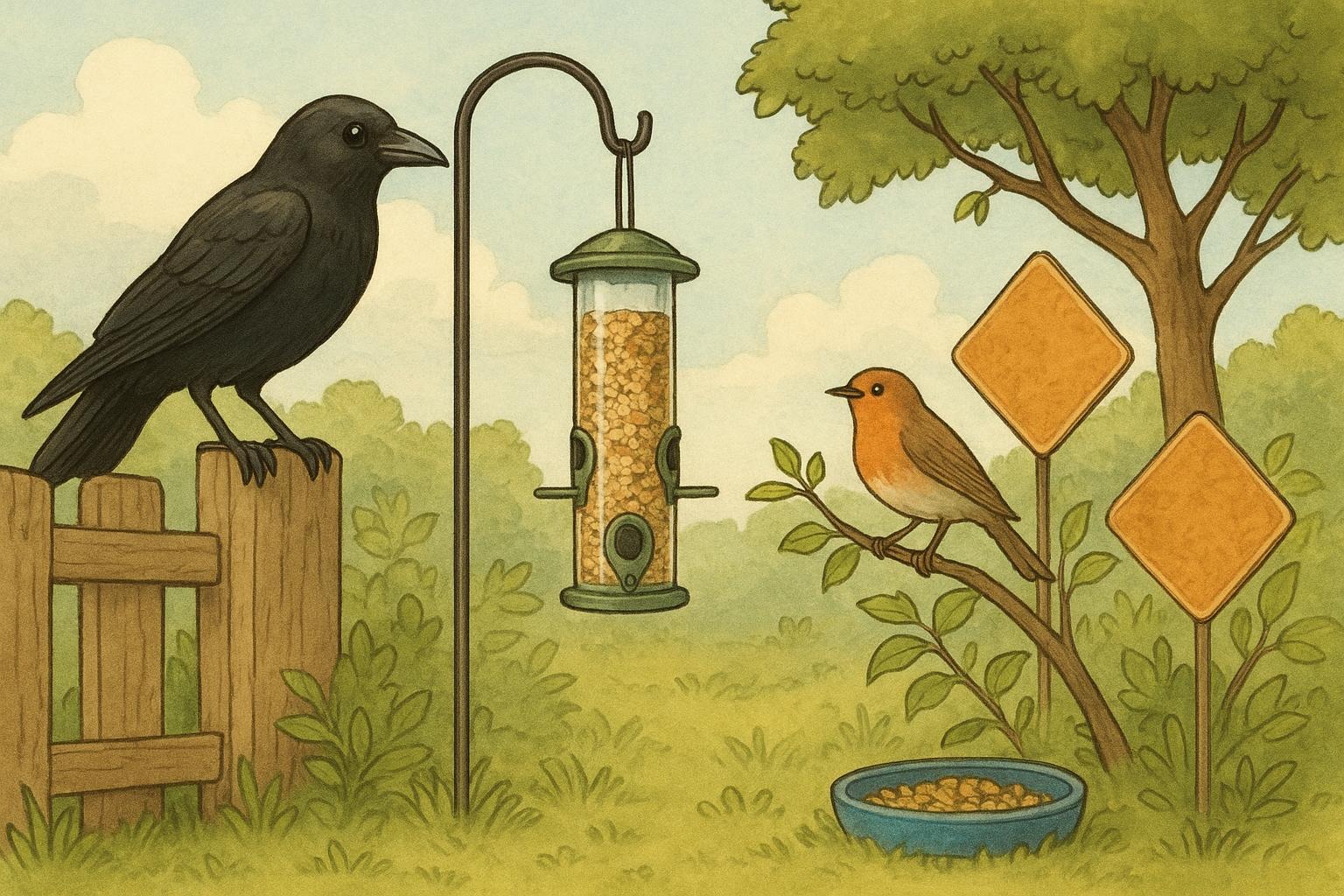
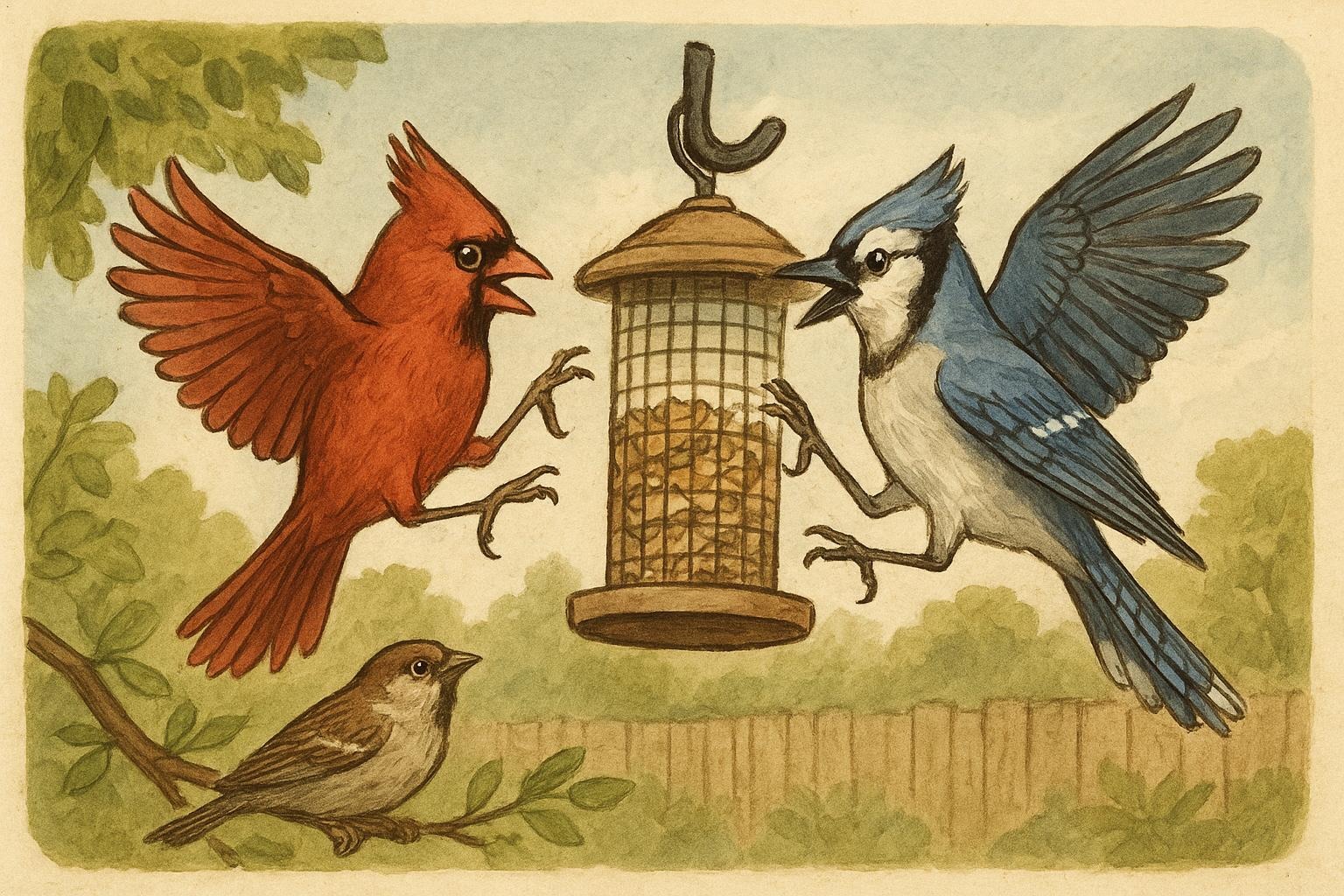
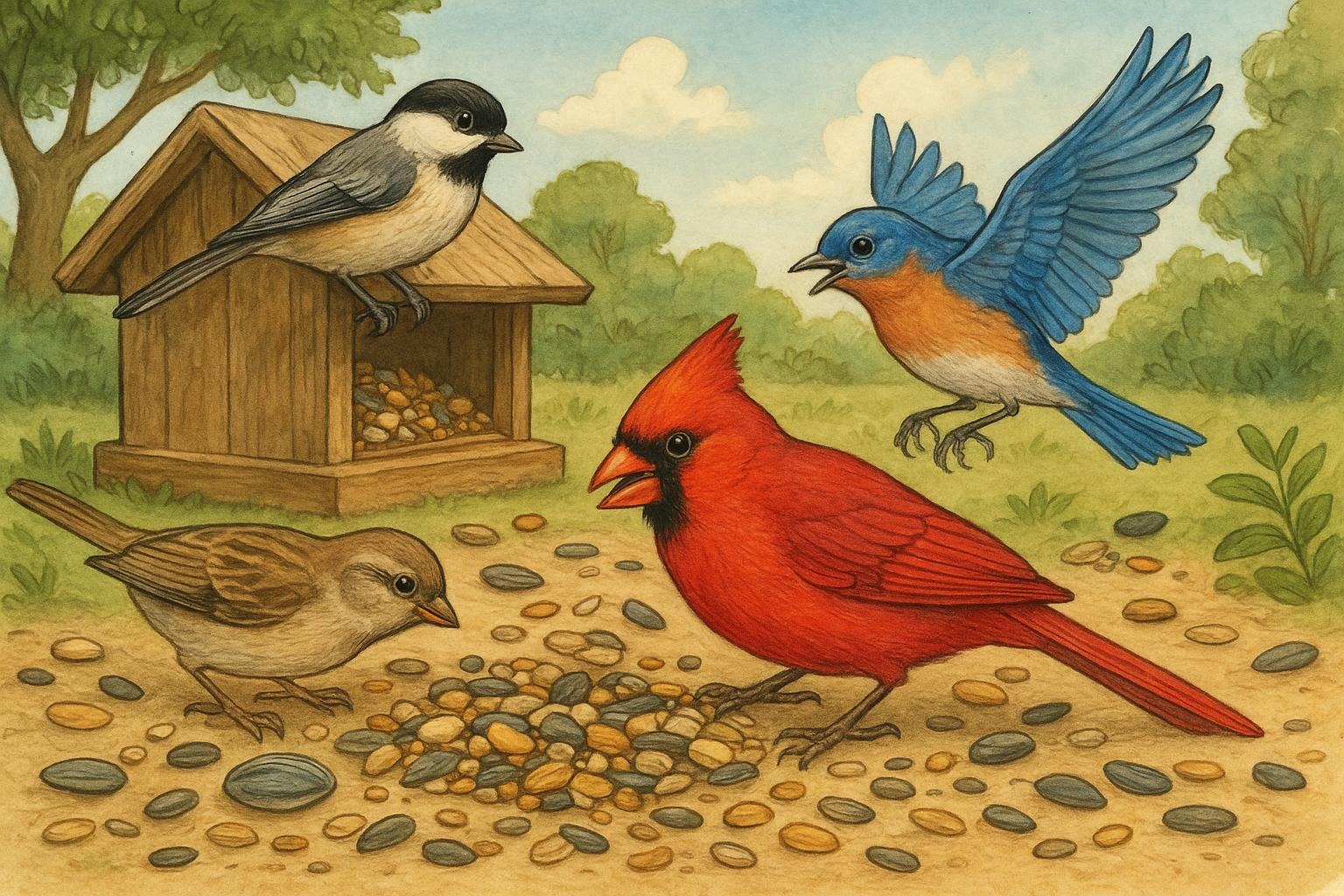
Keep feeders in appropriate places (ground feeders attract different species than hanging feeders). Leave some leaf litter and deadwood in specific zones; these are important natural insulators. Consider delaying major pruning and garden teardown until late winter to avoid disrupting nests or dens. A little seasonal laissez-faire in corners of the yard goes a long way toward supporting denning wildlife.
### When To Call A Professional
If you encounter aggressive behavior, obvious disease signs (disorientation, lack of fear, strange vocalizations), or established dens inside your home envelope, call local wildlife control or rehabilitators. Professionals can assess the denning situation and recommend humane, legal remedies.
A backyard that welcomes wildlife during fall and winter is a livelier, more resilient ecosystem. With a few thoughtful structures, a bit of insulation, and respect for wild residents, your yard can be both a sanctuary and a stage for the fascinating rituals of denning.





















Leave a Reply