
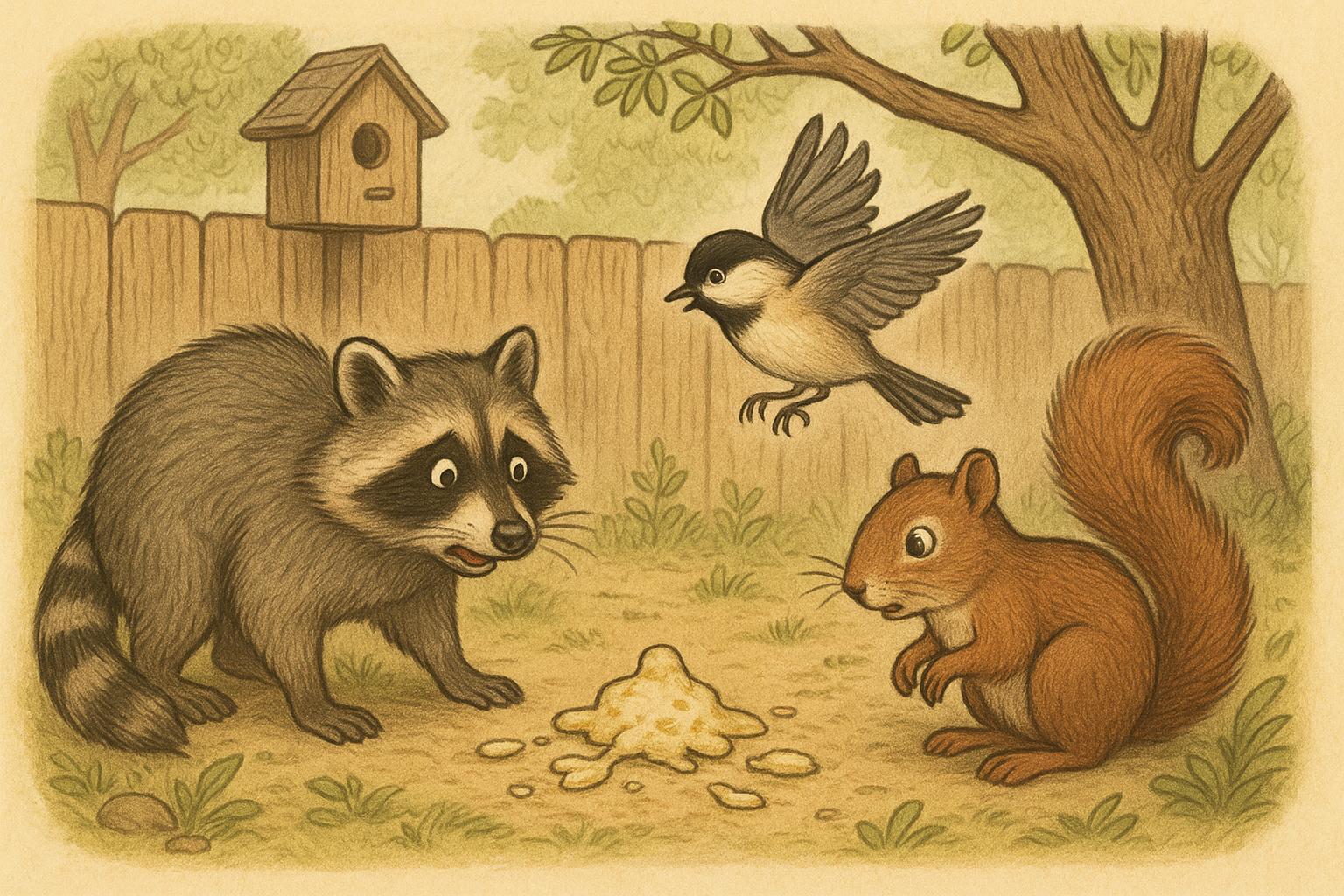
You open the back door and there it is: a soggy little mystery on your patio tile, a Jackson Pollock streak across the garden bench, or maybe a suspicious cluster on the car roof. Bird dropping clues are less poetic when they land on something you actually own, yet they can tell a surprisingly detailed story about who’s been visiting your yard. Read on to become a backyard detective—binoculars optional, sense of humor handy.
## Bird Dropping Patterns Tell Who’s Visiting
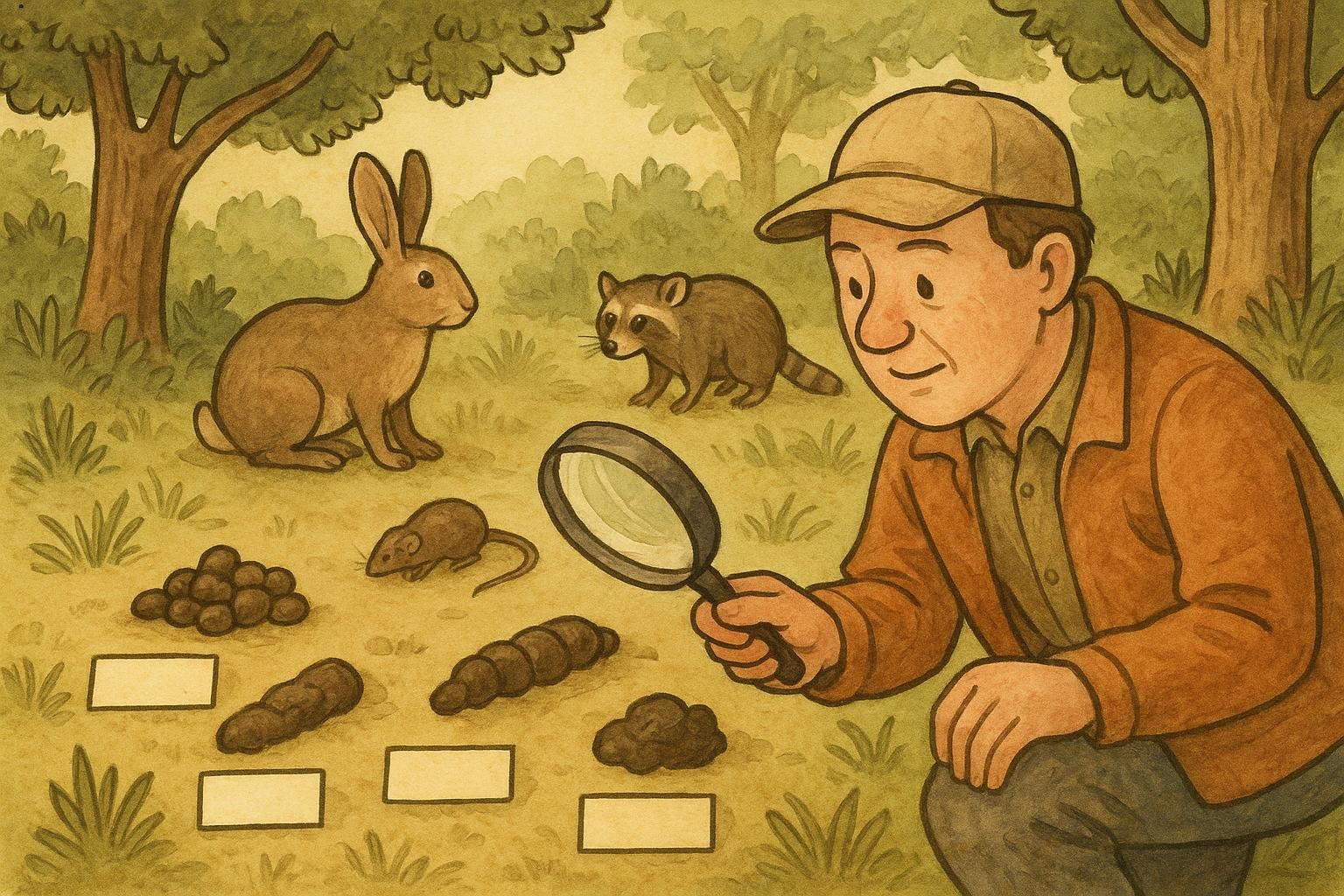
Bird poop isn’t just an annoyance—it’s evidence. The consistency, color, and placement of a bird dropping reveal diet, size, and behavior. You can tell a lot about your feathered visitors if you pay attention like a kindly nosy neighbor.
### Size Shape And Color Give Clues
Smaller, watery white splats generally point to tiny songbirds that eat fruit, nectar, or insects. Larger, more substantial deposits—sometimes with noticeable solid bits—indicate bigger birds like crows or pigeons. A greenish tint often reveals a diet heavy in plant material or algae; a berry-stained purple spot is a dead giveaway that a berry-loving thrush or mockingbird has been through.
#### White Versus Green Versus Pellet-Like
White streaks are largely uric acid (what birds use instead of urine), while darker streaks or speckled material are undigested food or seeds. Pellet-like droppings with firm parts can come from pigeons or doves. Raptors sometimes leave more compact, smelly remains because of their meat-heavy diets.
### Location Matters: Perch Points And Trails
Where droppings appear can identify favorite perches and flight pathways. Droppings under an overhang or balcony? That’s a roost. Frequent splatters on a particular light or gutter suggest a habitual perch. A trail of splashes across a fence often marks a commuting route between feeders and nesting sites.
## Interpreting Frequency And Seasonality
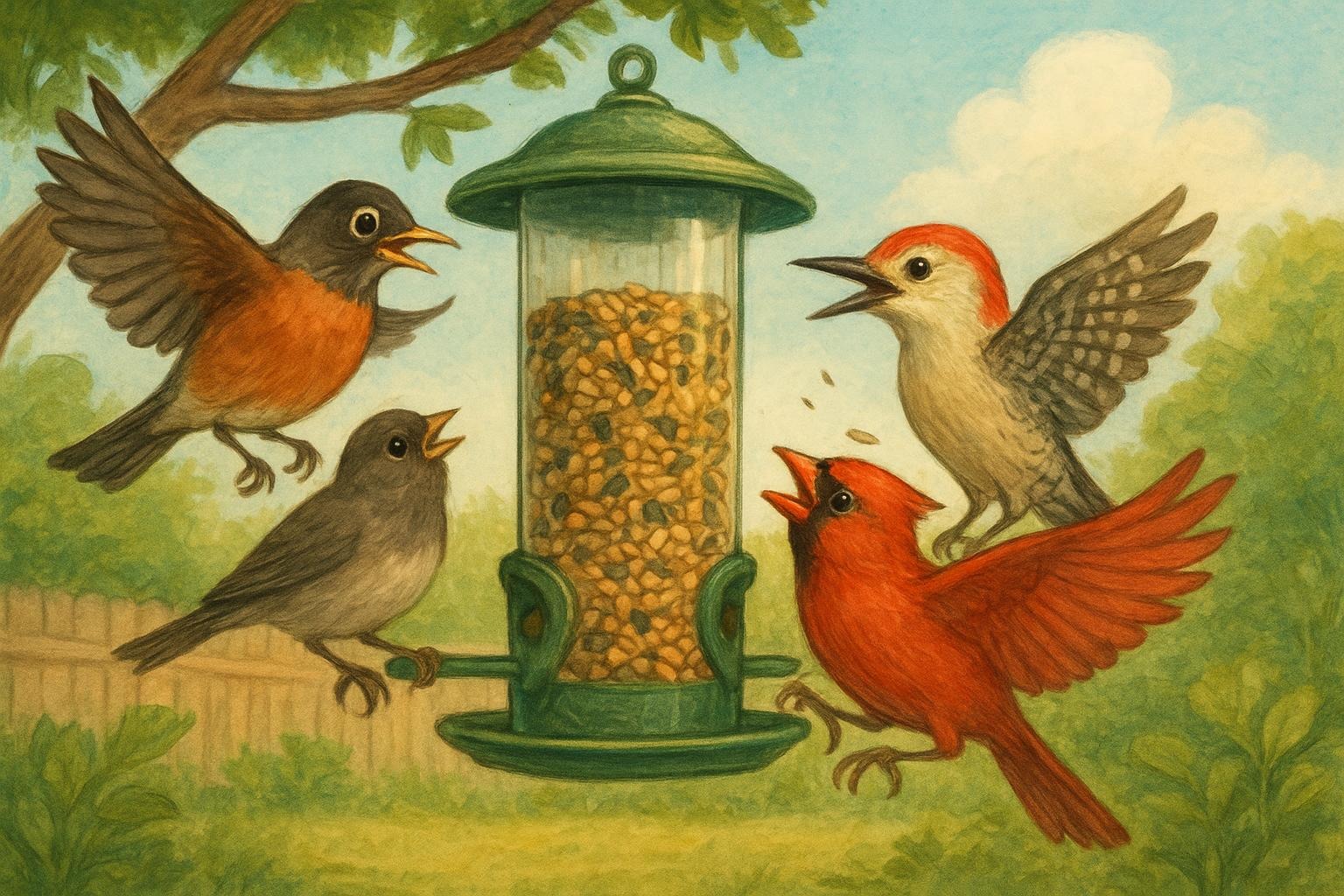
Not every splat is cause for alarm. Frequency and season give context. A sudden increase in droppings during spring can mean nesting activity nearby. Heavy deposits in late summer often coincide with fledglings practicing their landings. Winter patterns may shift with migratory arrivals or the opening of backyard feeders.
### Daily Deposits Vs Occasional Splats
Daily deposits in the same spot indicate a resident species. Occasional splats across multiple locations usually mean transient visitors—maybe a hawk perching briefly or migratory flocks passing through. Tracking the timing—early morning versus dusk—can help identify species that are diurnal, crepuscular, or nocturnal.
## Remedy 1: Safe Clean-Up For Bird Dropping
Cleaning bird dropping requires a balance between hygiene and protecting surfaces. Use the following formal, safety-focused method to remove droppings without damaging stone, paint, or fabric.
### Materials Required
1. Disposable gloves (nitrile or latex)
2. Protective eyewear
3. Face mask (surgical or N95 if dusting)
4. Plastic scraper or stiff brush (non-metallic if on delicate surfaces)
5. Bucket with warm water
6. Mild detergent or enzyme cleaner (see specifics below)
7. White vinegar (optional, for mineral or staining residue)
8. Soft cloths or paper towels
9. Hose with gentle spray nozzle (for outdoor hard surfaces)
10. Trash bag for disposal
### Step-By-Step Clean-Up Procedure
1. Put on gloves, eyewear, and mask to minimize exposure to pathogens and airborne particles. Handle droppings as potentially infectious material, especially around areas frequented by pigeons or waterfowl.
2. If the droppings are dry and crusted, mist the area lightly with water to soften material. Do not dry-sweep or use compressed air.
3. For hard surfaces: prepare warm water with a few drops of mild detergent in the bucket. Dip the plastic scraper or brush and gently lift the softened deposit. Avoid abrasive scrubbing on painted surfaces to prevent removing paint.
4. Rinse the area with a gentle hose spray to remove residue. For porous surfaces (wood decks, untreated concrete), use an enzyme cleaner designed for organic stains and follow manufacturer directions—these break down biological material and reduce odors.
5. For fabrics: gently blot—not rub—with a cloth dipped in mild detergent solution. Rinse thoroughly. For stubborn stains, apply a mixture of one part white vinegar to two parts water, let it sit briefly, then rinse. Test an inconspicuous spot first.
6. Dispose of used paper towels, scrapers, and gloves in a sealed trash bag. Wash hands thoroughly after removal.
7. Sanitize tools and reusable brushes with a dilute bleach solution (1 part household bleach to 9 parts water) if appropriate, then rinse and air dry.
Note: Avoid using strong acids or undiluted bleach on delicate surfaces. For vehicles or high-value items, consult a professional detailer if stains are extensive.
## Remedy 2: Preventing Repeat Visits Humanely
If you’ve identified preferred perches from bird dropping patterns, you can modify those spots to discourage repeat use while still being wildlife-friendly. Follow this formal approach to prevention.
### Materials Required
1. Bird spikes or rotary bird deterrents (plastic, non-lethal)
2. Visual deterrents: reflective tape, predator decoys, wind-activated streamers
3. Ultrasonic or motion-activated water deterrent (optional)
4. Netting or mesh for large open structures (patios, pergolas)
5. Heavy-duty zip ties, screws, or clips for secure installation
6. Ladder and basic hand tools
7. Protective gloves and eyewear for installation
### Step-By-Step Prevention Procedure
1. Identify precise perching spots using the bird dropping pattern evidence. Map out the top three problem areas.
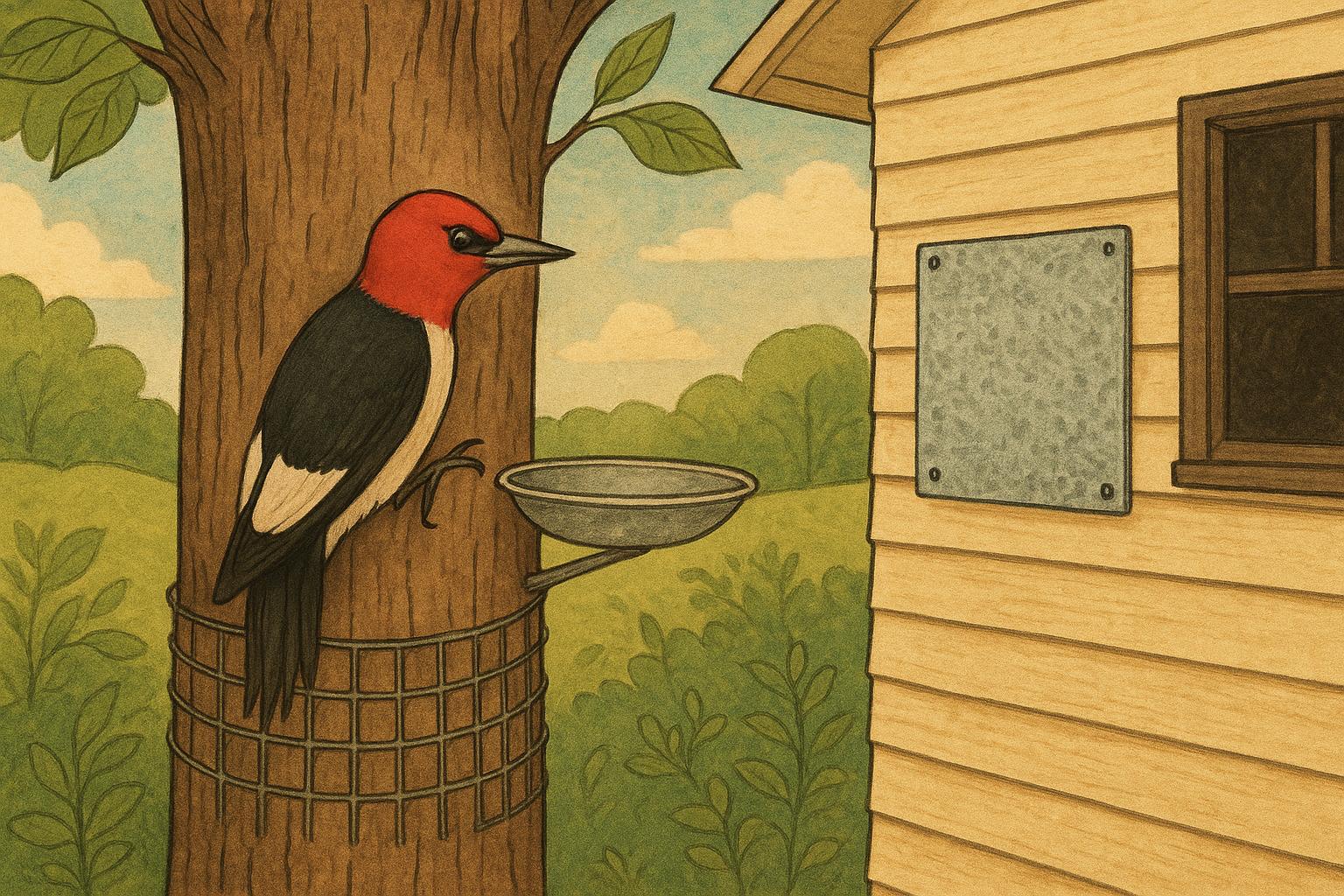
2. For narrow ledges, install bird spikes or rotary deterrents. Align spikes so birds cannot land comfortably; spikes must be properly anchored with screws or adhesive as per product instructions.
3. For open patios or eaves, consider installing lightweight netting or mesh to block roosting sites. Ensure netting is taut and framed to prevent entanglement of birds.
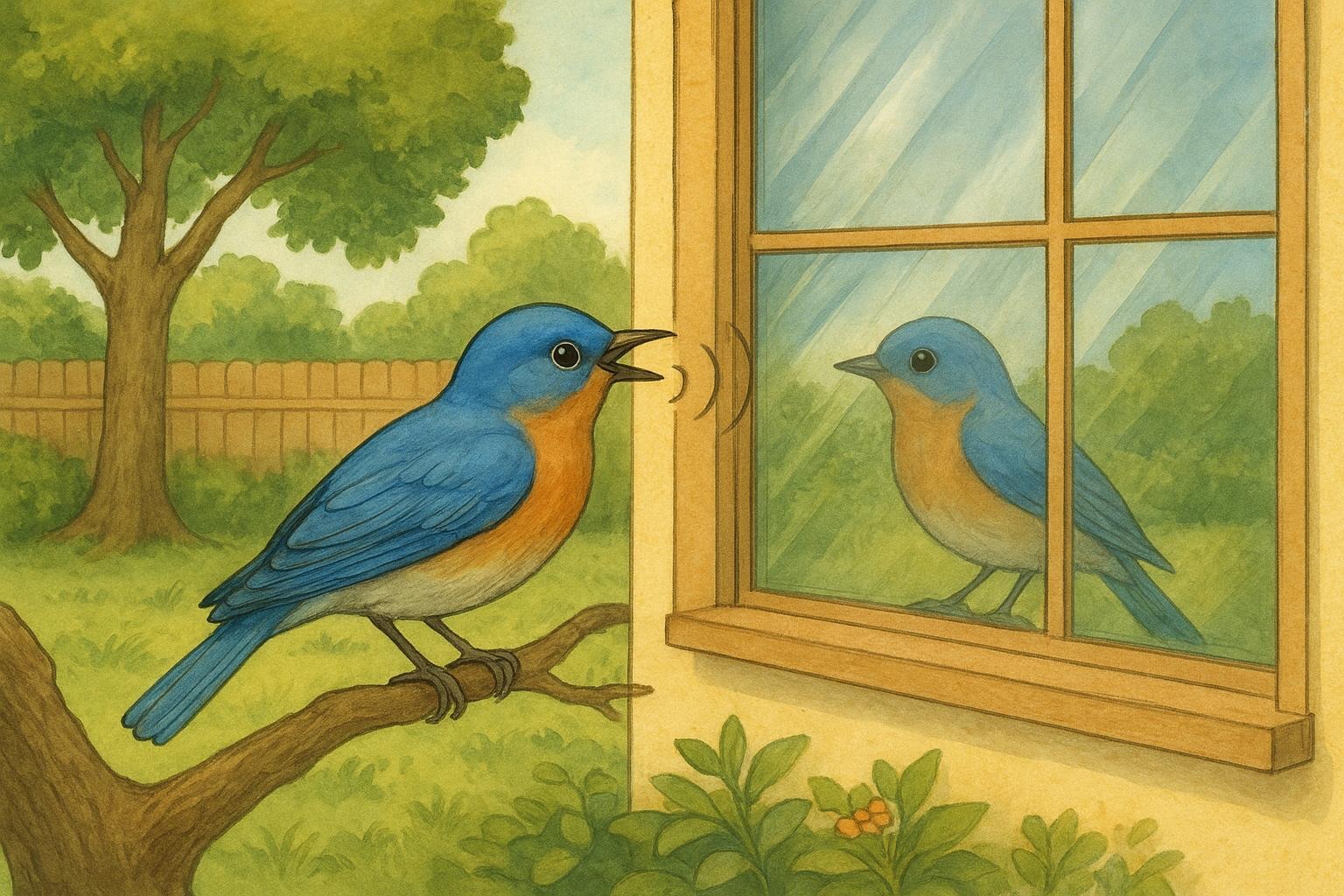
4. Use visual deterrents like reflective tape or motion streamers near feeders or favored perches. Rotate or move decoys every few days to prevent habituation.
5. Deploy motion-activated water sprayers in gardens where a mischief-making crow or raccoon frequents. Set sensitivity to avoid unnecessary activation by wind.
6. For carports or vehicles under trees, consider using a car cover or temporary canopy during heavy use periods to protect painted surfaces.
7. Regularly clean and maintain deterrents. Check for wear, ensure fastenings are secure, and replace materials before they fail.
Compliance Note: Always use humane products and follow local wildlife protection laws. Do not use poisons, glue traps, or any device that harms birds.
### Scare Tactics That Work (With Limits)
Audio deterrents and predator decoys can be effective short-term. However, birds adapt—change tactics regularly and combine visual, physical, and habitat adjustments for lasting results.
## When To Call A Pro Or Wildlife Rehab
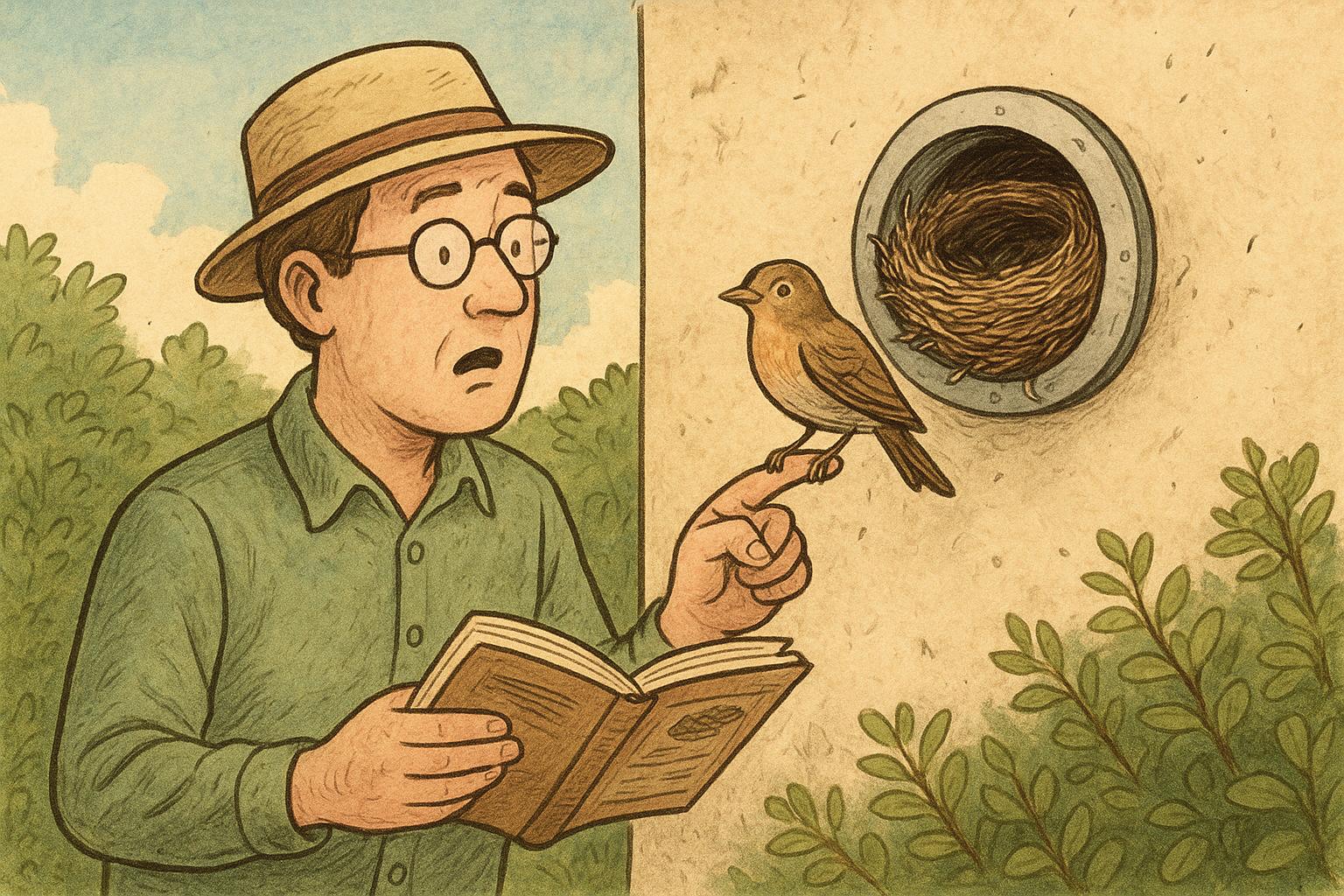
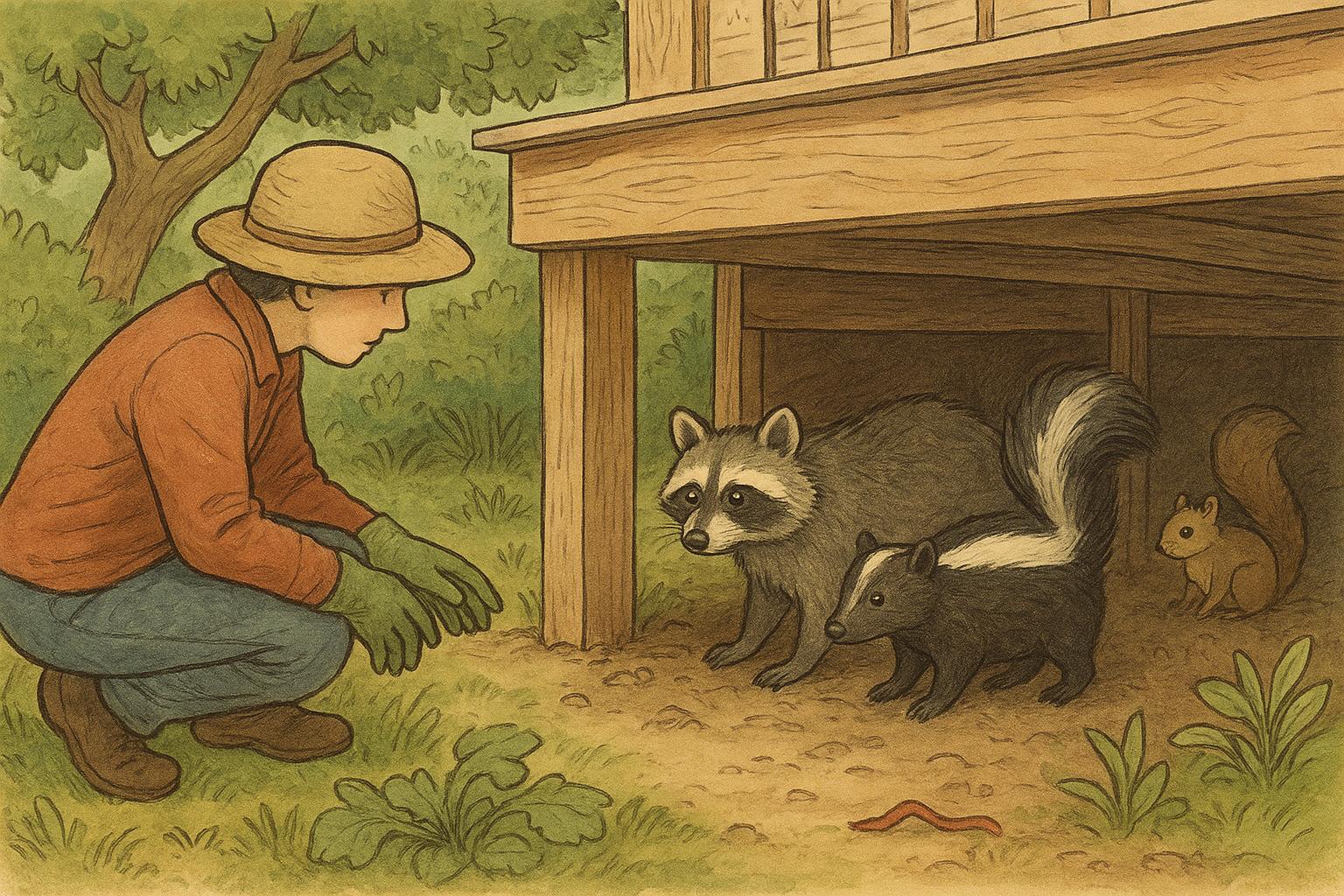
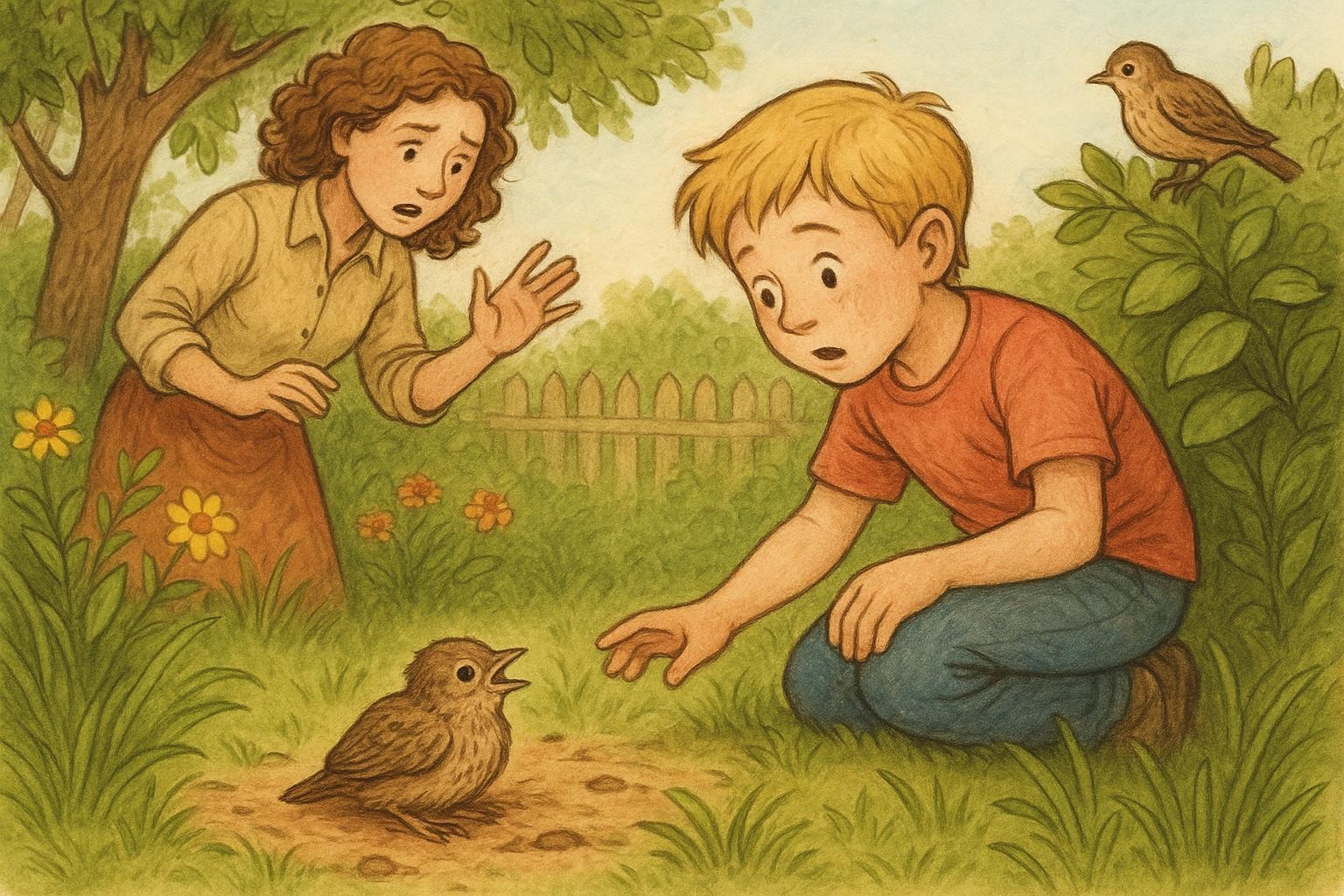
Sometimes bird droppings indicate something more than a messy visitor—injured birds, nests in risky locations, or invasive species populations. Call a licensed wildlife rehabilitator if you find a grounded or visibly injured bird. For nests in hazardous spots (above doorways or heavy machinery), consult a wildlife control professional who follows ethical, legal removal practices.
### Legal And Safety Considerations
Many native bird species are legally protected; never remove eggs or nests without professional advice. Heavy accumulations of droppings in enclosed spaces (barns, garages) can present health risks like histoplasmosis—seek professional cleaning if contamination is extensive.
## Backyard Detective Tips For Ongoing Tracking
Keep a simple log: date, time, location, and a quick sketch or photo of each new deposit. Over a season, patterns will emerge—who’s nesting, who’s just munching at the feeder, and who’s using your roof like a landing strip. Use this data to apply targeted remedies rather than blanket deterrents.
A few last friendly notes: be patient, rotate your tactics, and remember that most birds are simply trying to survive—though they could be more considerate about where they choose to celebrate their meals. If you ever need help identifying droppings or choosing the right deterrent mix for your yard, reach out to a local birding group or wildlife professional; they’re usually happy to nerd out with you about fecal forensic science.










Leave a Reply