

A cool spring evening, a coffee in hand, and a fresh mystery on your patio — welcome, backyard track sleuth. If you enjoy small puzzles like who’s been sneaking around the bird feeder or why your tomato patch has become a buffet, you’re in the right place. We’ll talk about the telltale signs left behind, what different mammals leave in the yard, and practical, safe ways to clean up and reduce repeat visits — all without getting overly formal or turning your yard into a small crime scene investigation.
## Mammal Droppings Clues For Backyard Track Sleuths Today
“Mammal droppings” are one of the best low-tech detective tools you’ve got. They’re a snapshot of behavior — who passed through, what they were eating, and sometimes how fresh the visit was. A few simple observations — size, shape, contents, and placement — let you build a profile fast. Note: if you’re photographing specimens for later ID, always keep a safe distance and don’t disturb the material; tracking evidence is useful, not a keepsake.
### How To Read Size, Shape, And Contents
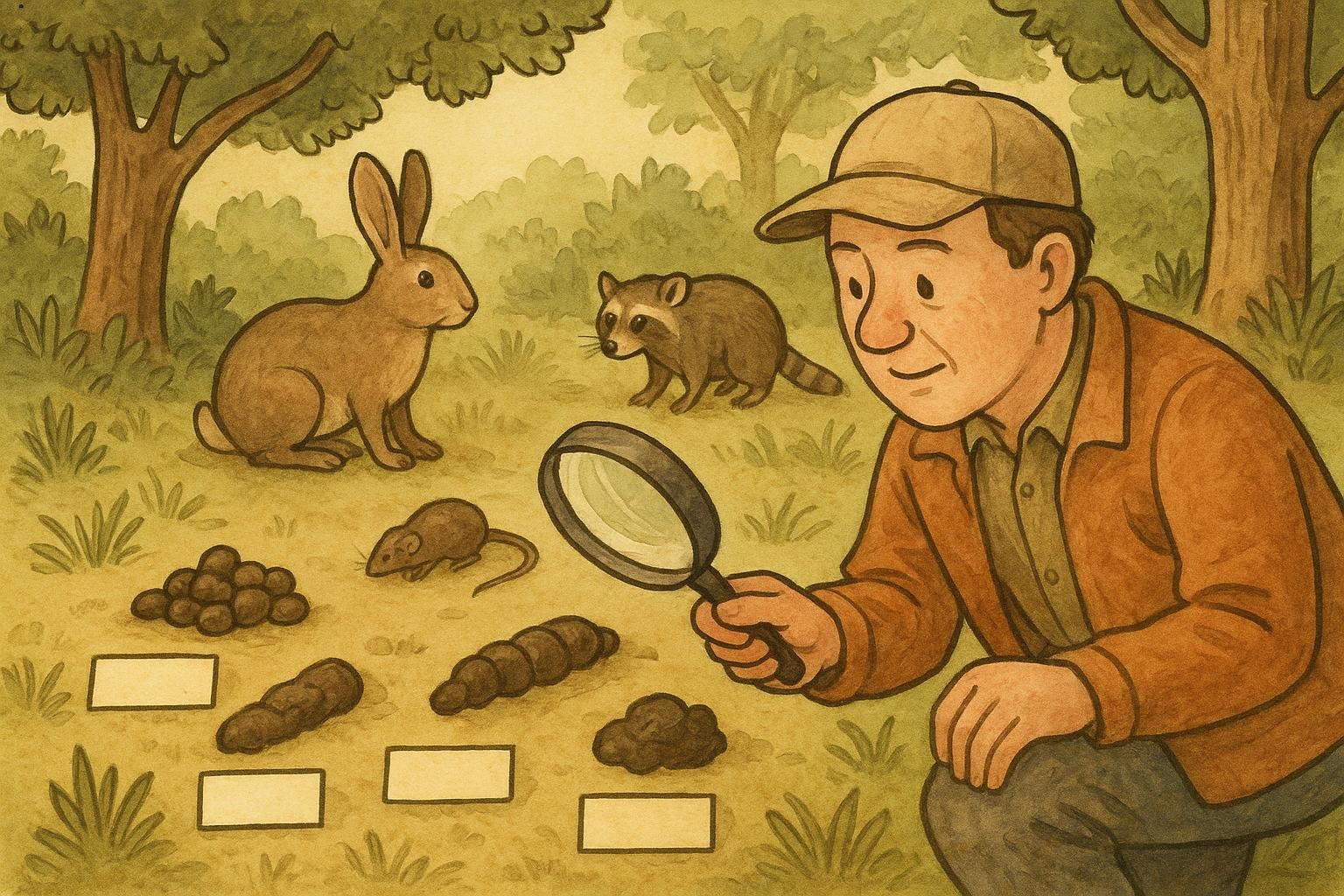
Shape and size narrow suspects quickly. Long cylindrical scat with tapered ends often means a fox or dog; segmented or pellet-like droppings suggest rabbits or rodents. Look inside: vegetable fibers, seeds, or fruit skins point to herbivores; fur, bones, and insect parts hint at carnivores or omnivores.
#### Freshness Indicators
– Glossy surface, moisture, and a bright color usually mean the deposit is less than 24 hours old.
– A dull, cracked exterior implies it’s been out for several days.
– In winter, droppings freeze and preserve differently — a thaw can reset your freshness clock.
### Placement Patterns And Behavior Insights
Where droppings are found speaks volumes. A single pile along a fence line suggests a territorial marker (think fox or dogs); scattered small pellets along garden edges indicate active rodents or deer nibbling at the perimeter. Repeated deposits in the same spot often signal a latrine site — an animal using a specific place repeatedly, common with raccoons, foxes, and skunks.
### Common Backyard Depositors And Their Signatures
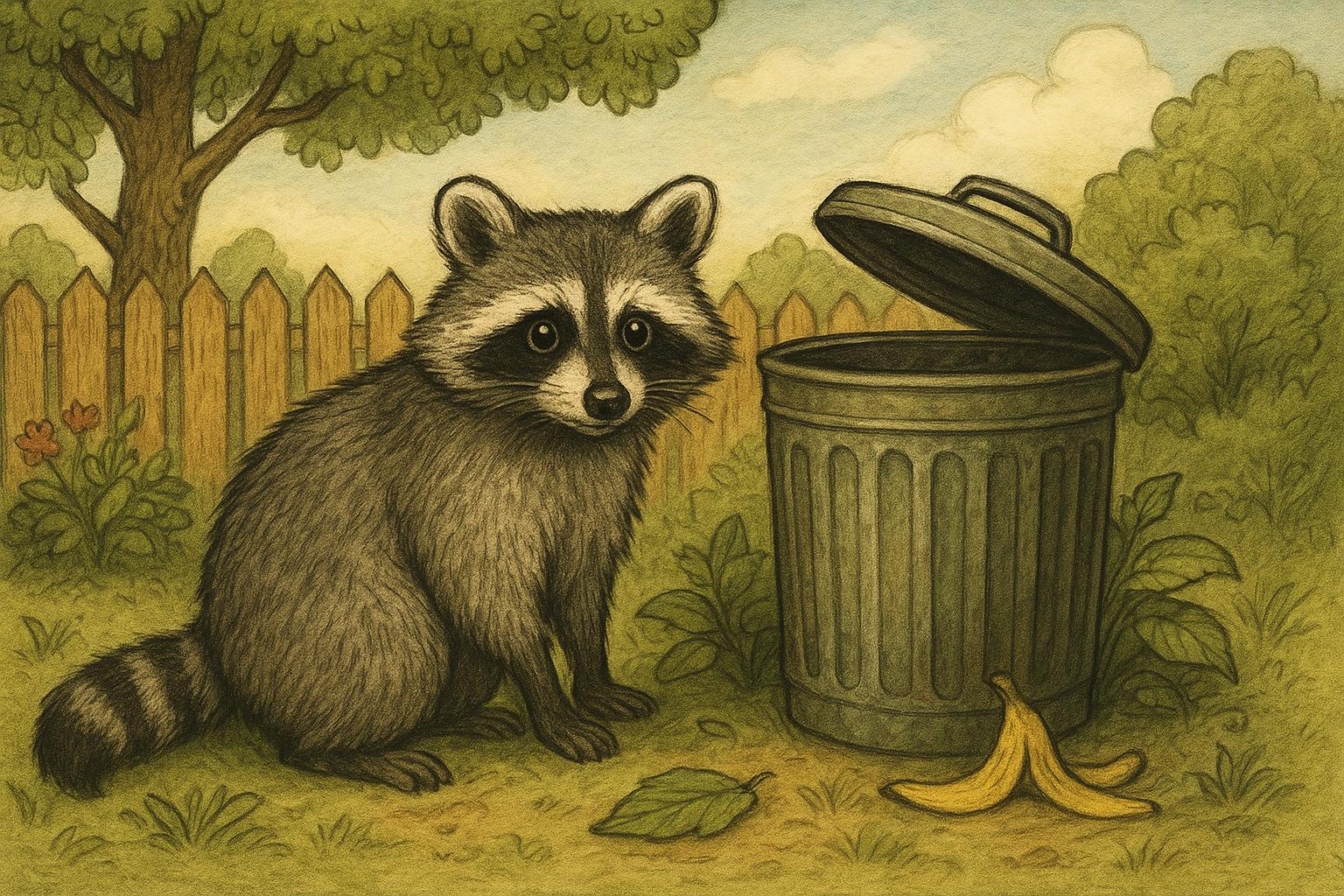
– Raccoons: tubular to slightly segmented, often containing undigested seeds, berries, or shell fragments; commonly found near water sources or under decks.
– Foxes: sausage-shaped, variable size, sometimes containing fur or bone; placed conspicuously for scent-marking.
– Coyotes/Dogs: larger and usually more uniform than fox droppings; presence of vegetation and large bone fragments may indicate dog.
– Rabbits: small round pellets, dry and neatly packed in clusters.
– Deer: larger pellet piles, round and smooth, typically found where they bed or browse.
– Squirrels/Mice: tiny round droppings, often with gnaw marks on seeds nearby.
– Skunks: similar in shape to raccoon/scat but often placed near den entrances.
## Spotting Health And Predator-Prey Clues From Mammal Droppings
Mammal droppings can reveal illness signs (loose, watery stool; blood; unusually foul smell) and diet shifts (sudden berry-heavy scat during fruiting season). A series of watery droppings across multiple days may mean a parasite or infection in the local population — not great for the animals or pets that might have close contact.
### Safety First: Avoiding Risks While Inspecting
Always assume droppings might harbor pathogens, parasites, or fleas. Wear gloves, minimize direct contact, and wash hands afterwards. If you find signs of unusual disease (blood, severe diarrhea, or large numbers of dead animals), notify local wildlife authorities.
### Photographic Notes For Citizen Science And ID
Snap a photo with a ruler or coin for scale, but don’t move the sample. Note the location, substrate (soil, pavement, lawn), and nearby signs like tracks, fur, or disturbed plants. These small details help you or experts confirm species without exposure.
### Remedy 1: Safe Cleanup Of Mammal Droppings
When you need to remove mammal droppings from high-traffic areas, do so with safety and sanitation in mind. The steps below are formal and evidence-based to reduce disease risk.
Required Materials (Ingredients):
– Disposable nitrile or latex gloves (2 pairs recommended)
– Surgical mask or N95 respirator
– Stiff paper towels or disposable scoops
– Sealable plastic bags (double-bagging recommended)
– Household bleach (5–6% sodium hypochlorite) or an EPA-registered disinfectant
– Spray bottle and clean water
– Paper towels or disposable wipes
– Container for used materials for disposal
– Access to hot, soapy water for handwashing
Step-by-Step Cleanup Procedure:
1. Put on gloves and mask before approaching the area. Minimize any actions that might aerosolize particles.
2. Use the paper towels or disposable scoop to pick up solid material carefully. Avoid scraping across soil with force.
3. Place the waste into a sealable plastic bag. If available, double-bag the material to contain odor and potential leakage.
4. Prepare a disinfectant solution: for household bleach, mix 1 part bleach to 9 parts water (a 1:10 dilution). Alternatively, use an EPA-registered disinfectant according to label instructions.
5. Spray the contaminated area and any tools used with the disinfectant solution, allowing at least 10 minutes of contact time for bleach solutions; follow the disinfectant label for exact contact time.
6. Wipe the area with disposable towels and place them into the sealed bag with the waste.
7. Remove gloves by turning them inside out as you take them off, and place them in the bag. Seal the bag and dispose of it with your regular trash unless local regulations dictate otherwise.
8. Wash hands thoroughly with hot, soapy water for at least 20 seconds. If you wore reusable gloves while cleaning (not recommended), disinfect them and launder them properly.
9. If pets frequent the area, restrict access until the surface has dried and the disinfectant has completed its contact time.
### Remedy 2: Humane Deterrent Blend To Reduce Returns
If mammals are repeatedly visiting, a non-lethal deterrent approach is often fastest and most ecologically sound. Below is a practical deterrent spray you can make at home; it deters many omnivores and rodents without harming them. Be formal and precise when preparing and applying.
Required Materials:
– 1 quart (1 L) spray bottle, clean
– 1 cup water
– 1 cup white vinegar
– 1 tablespoon cayenne pepper (or 1/2 teaspoon chili oil for a less dusty mix)
– 2 teaspoons liquid dish soap (biodegradable preferred)
– Optional: a few drops of peppermint essential oil for added deterrence
– Gloves and eye protection for mixing
Step-by-Step Creation And Application:
1. Put on gloves and eye protection. Work in a ventilated area to avoid inhaling fumes or pepper dust.
2. Add water and vinegar to the spray bottle first, leaving room for other ingredients.
3. Carefully add the cayenne pepper or chili oil. If using dry pepper, add slowly to minimize airborne particles.
4. Add the dish soap to act as a surfactant, helping the mixture cling to surfaces.
5. Optionally add 6–8 drops of peppermint essential oil for additional repellant action.
6. Close the bottle and shake thoroughly for one minute to emulsify ingredients. Re-shake before each application.
7. Test spray on a small, inconspicuous area to ensure no damage to plants or surfaces.
8. Lightly spray around the perimeter of garden beds, near entry points, and on surfaces where droppings were found, avoiding direct application to plants you intend to eat — especially delicate herbs or leafy greens.
9. Reapply after heavy rain or every 7–10 days. Monitor animal behavior and reduce frequency if non-target wildlife (e.g., birds, beneficial insects) show adverse effects.
10. Store the mixture in a labeled container out of reach of children and pets. Dispose of unused solution per local guidelines; do not pour large volumes into storm drains.
### When To Call Professionals
If droppings are abundant, widespread, or show signs of disease, contact local animal control or a wildlife rehabilitator. For raccoons, bats, or rodents indoors — particularly in attics or basements — professional removal and sanitation are often the safest route. They can test for parasites and ensure the animal activity is addressed humanely and effectively.
### Keeping Records For Long-Term Backyard Monitoring
A little logbook goes a long way. Note dates, locations, descriptions, and photos of droppings and any changes after remediation. Over time you’ll see patterns by season, weather, and human activity, helping you make proactive decisions — like moving compost, securing trash, or changing bird feeder placement.
Enjoy the sleuthing and remember: mammal droppings tell stories, but the best storyteller is a careful observer who respects wildlife and safety.





































Leave a Reply