
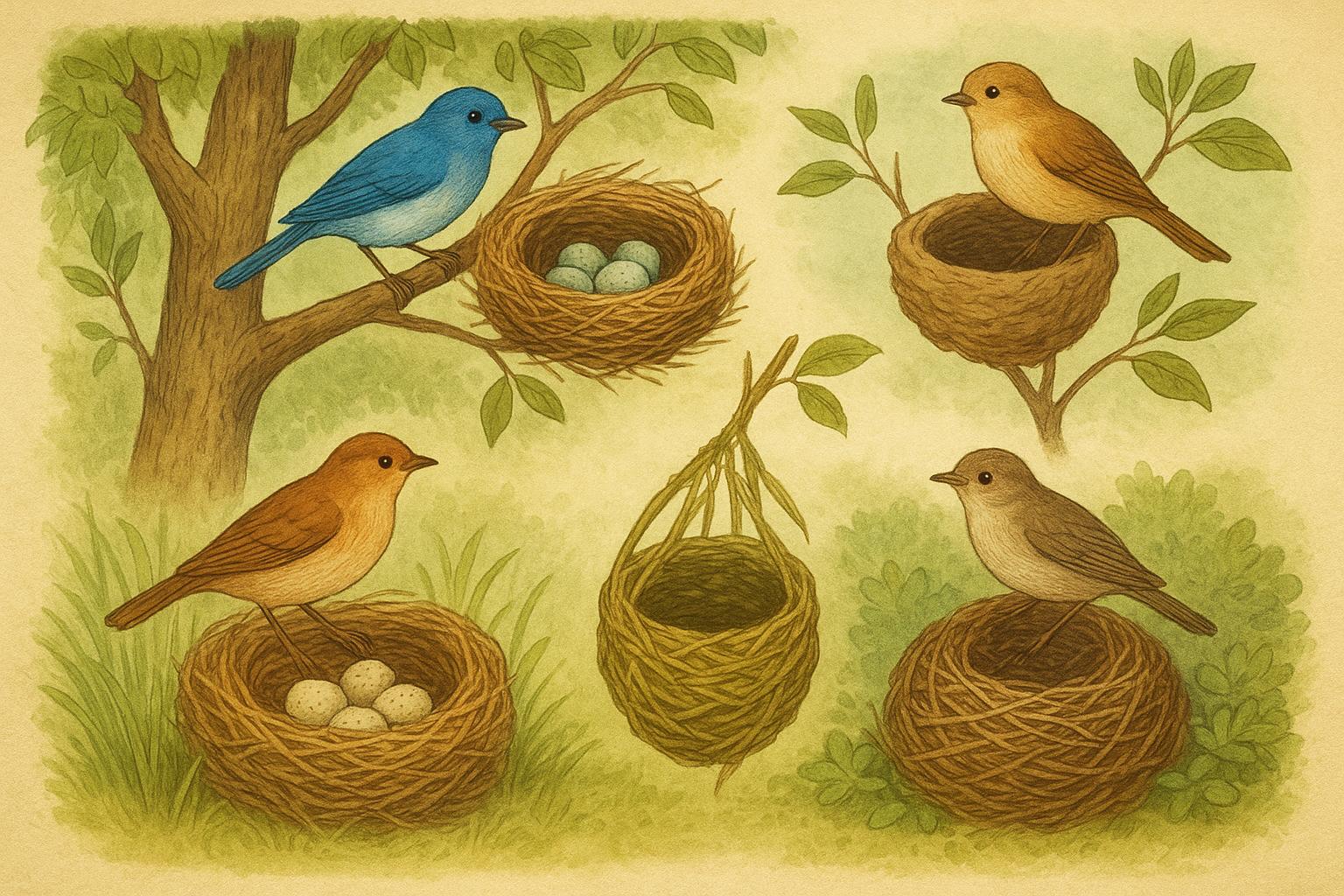
Welcome to a friendly stroll through the nests of your neighborhood feathered neighbors. If you’ve ever paused under a maple or peered into a gutter and thought, “What on earth built that?” you’re in the right place. We’ll look at common structures, what birds are likely to build them, and practical ways to help (or politely discourage) nesting in tricky spots. Expect some light humor, solid ID tips, and clear, formal instructions where you need to take action.
## Common Bird Nest Types You’ll See In Your Yard
Bird nest types vary with species, habitat, and a bird’s engineering ambition. Recognizing a few key forms will make backyard identification faster and more fun. Below are the major categories you’re likely to encounter.
### Cup Nests
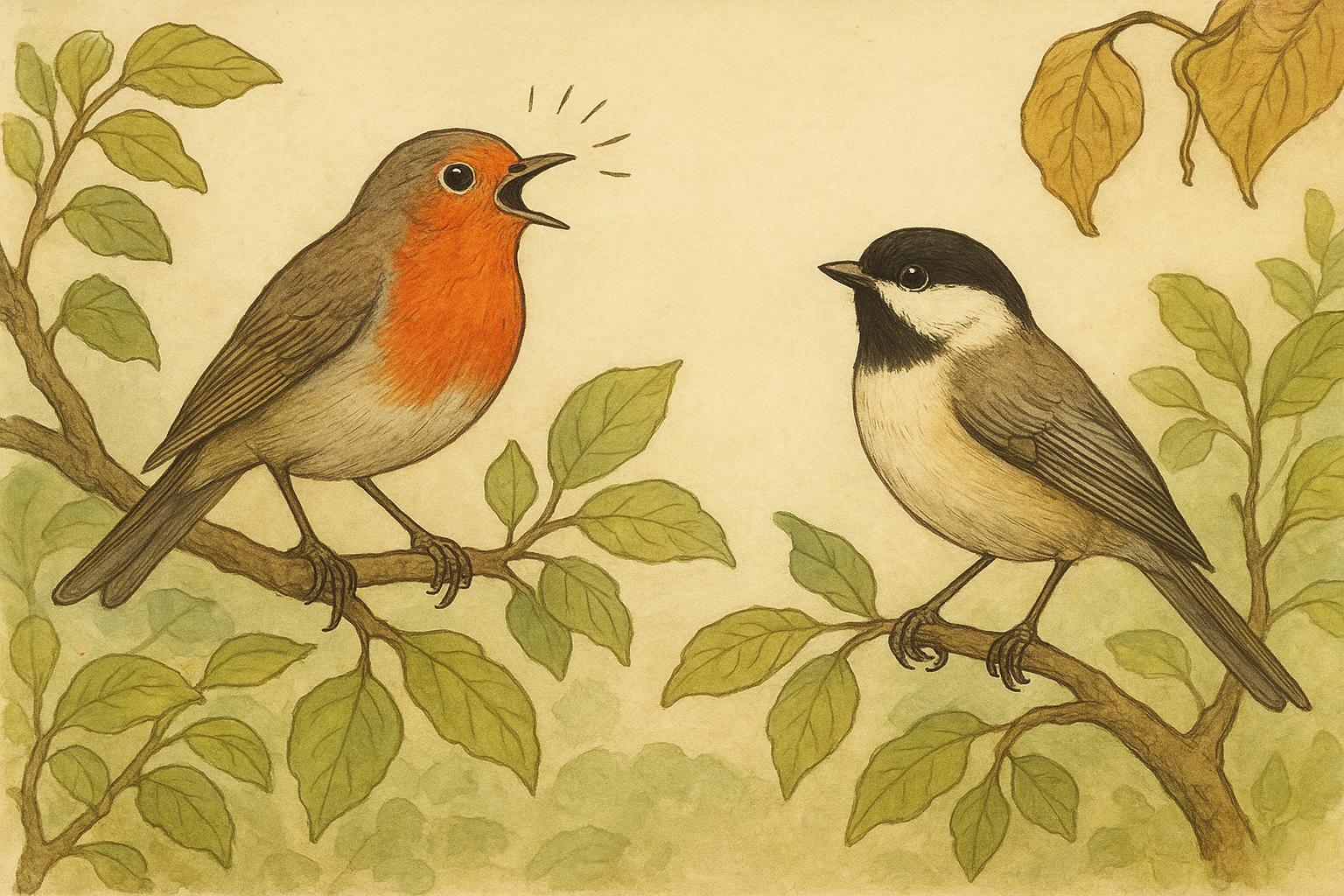
Cup nests are the classic. Usually made of grasses, twigs, and softer linings like feathers or hair, they sit in tree forks, shrubs, or on manmade ledges. American robins and many warblers favor these. Look for a neat, rounded bowl shaped structure roughly the size of a teacup.
#### Typical Materials And Placement For Cup Nests
Cup nests often use flexible grasses, rootlets, and spider silk for binding. They’re commonly placed 3–15 feet above ground, concealed by foliage.
### Cavity Nests
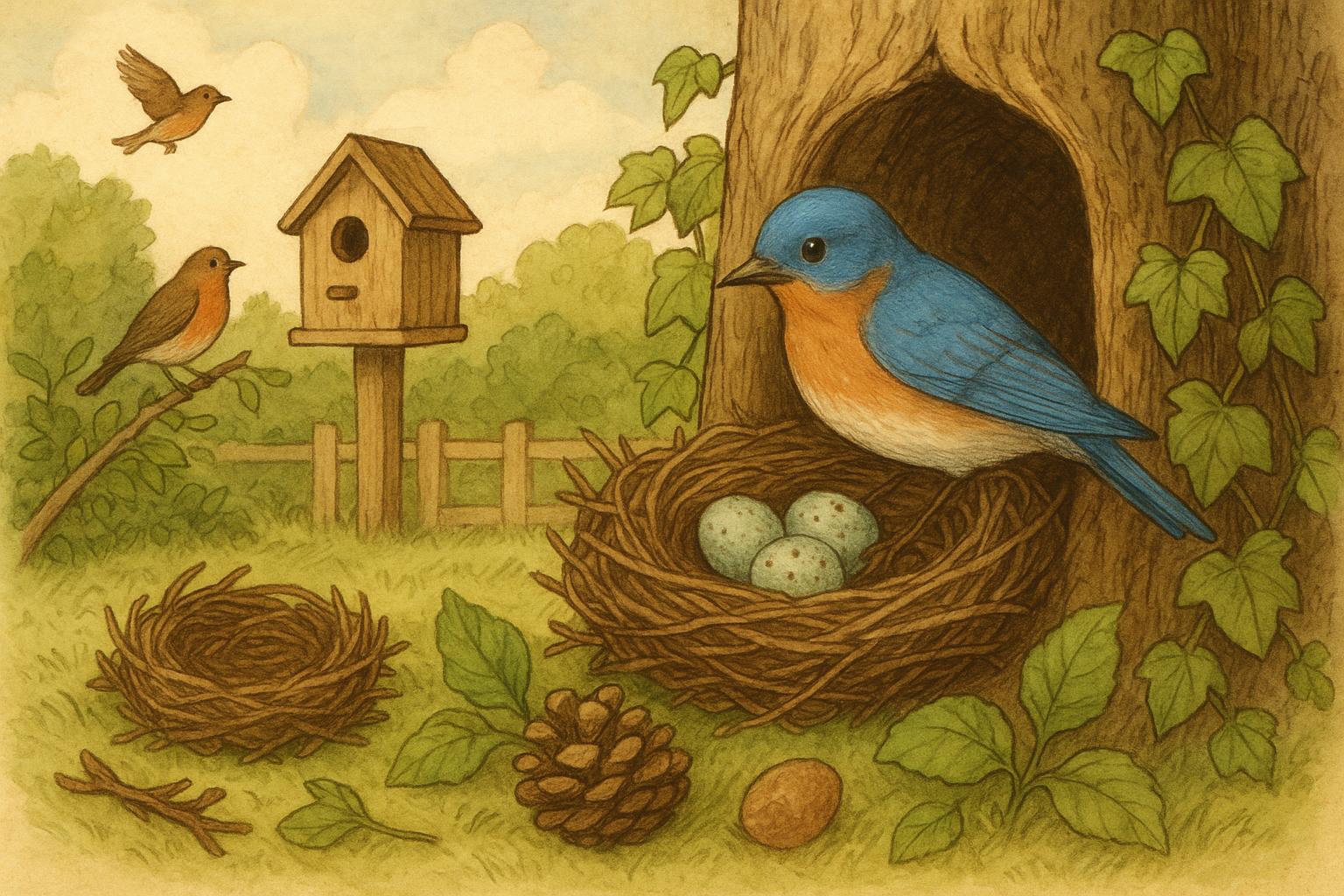
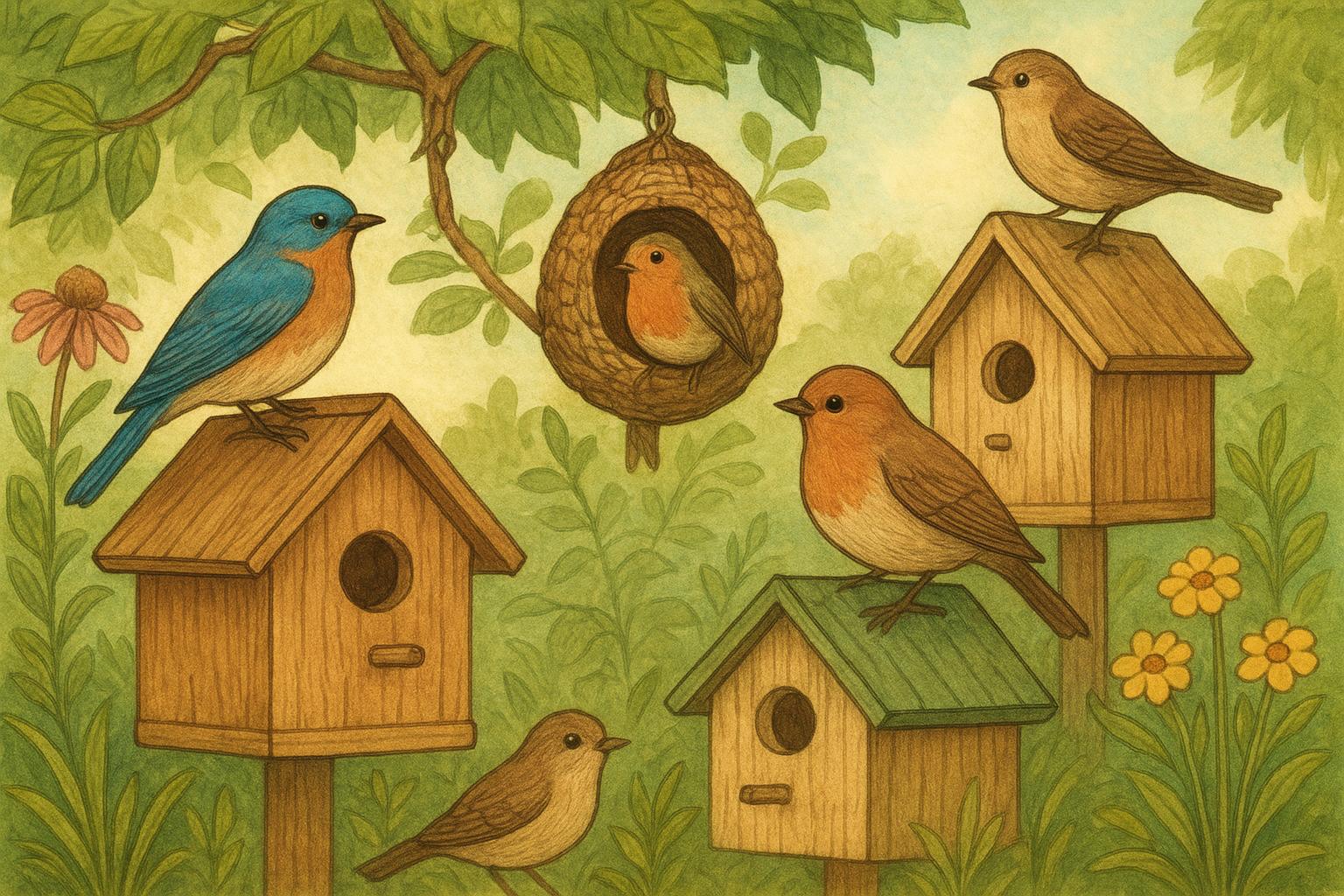
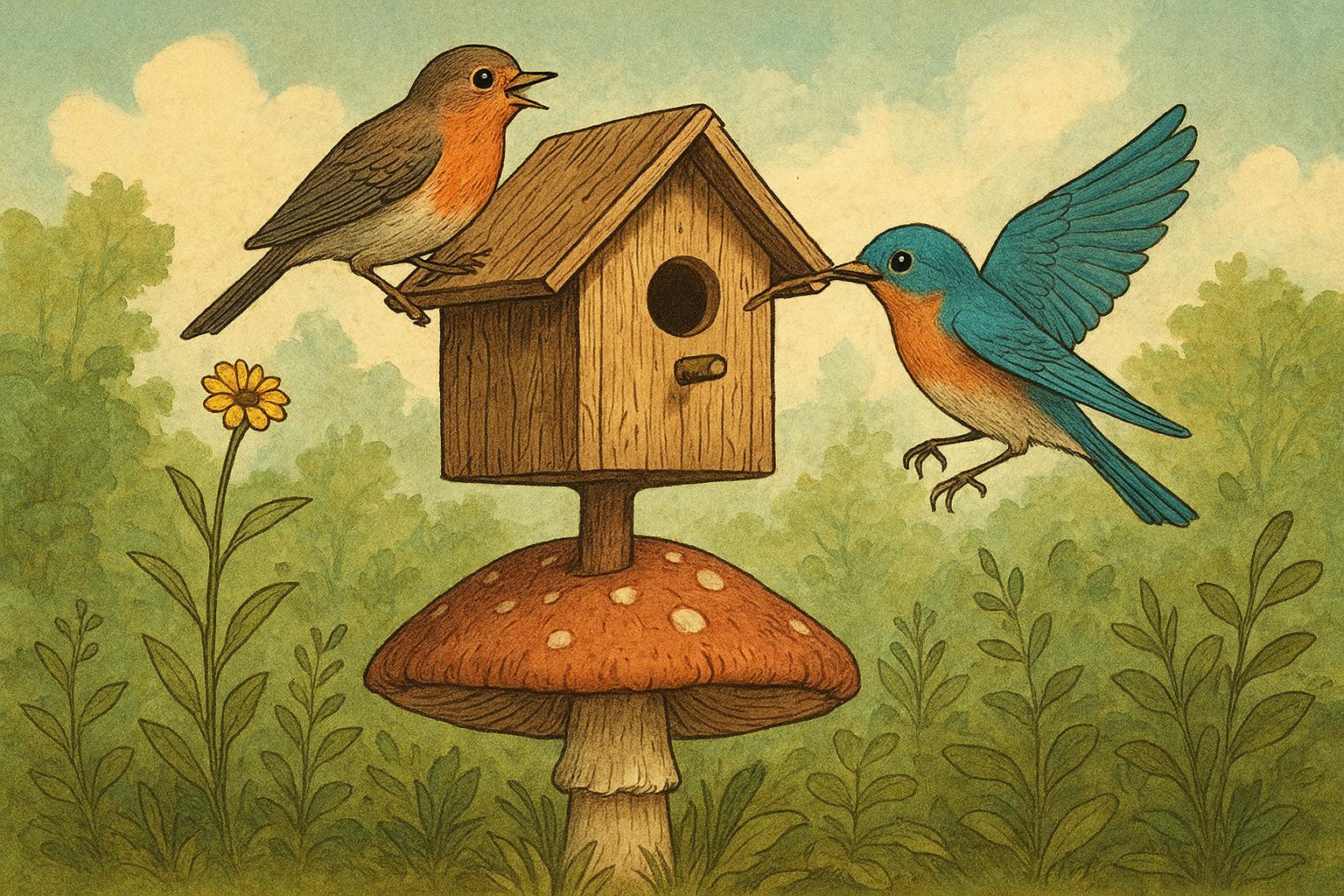
Cavity nests are inside holes — natural tree cavities, abandoned woodpecker holes, or nest boxes. Species like chickadees, titmice, bluebirds, and some owls use cavities. These are excellent shelter from weather and predators.
#### How To Tell A Cavity Nest
You might see birds entering a small hole repeatedly, or find wood shavings beneath. Often the cavity entrance is just a few inches wide.
### Pendant Or Suspended Nests
Think of a tiny woven purse dangling from a branch — that’s a pendant nest. Orioles and some vireos build these, weaving strips of plant fiber, string, and hair into an enclosed hanging cup with a top entry.
#### Why Birds Build Pendants
Pendulum-style nests sway in the breeze, making it tougher for predators to access and often reducing parasite load.
### Platform And Stick Nests
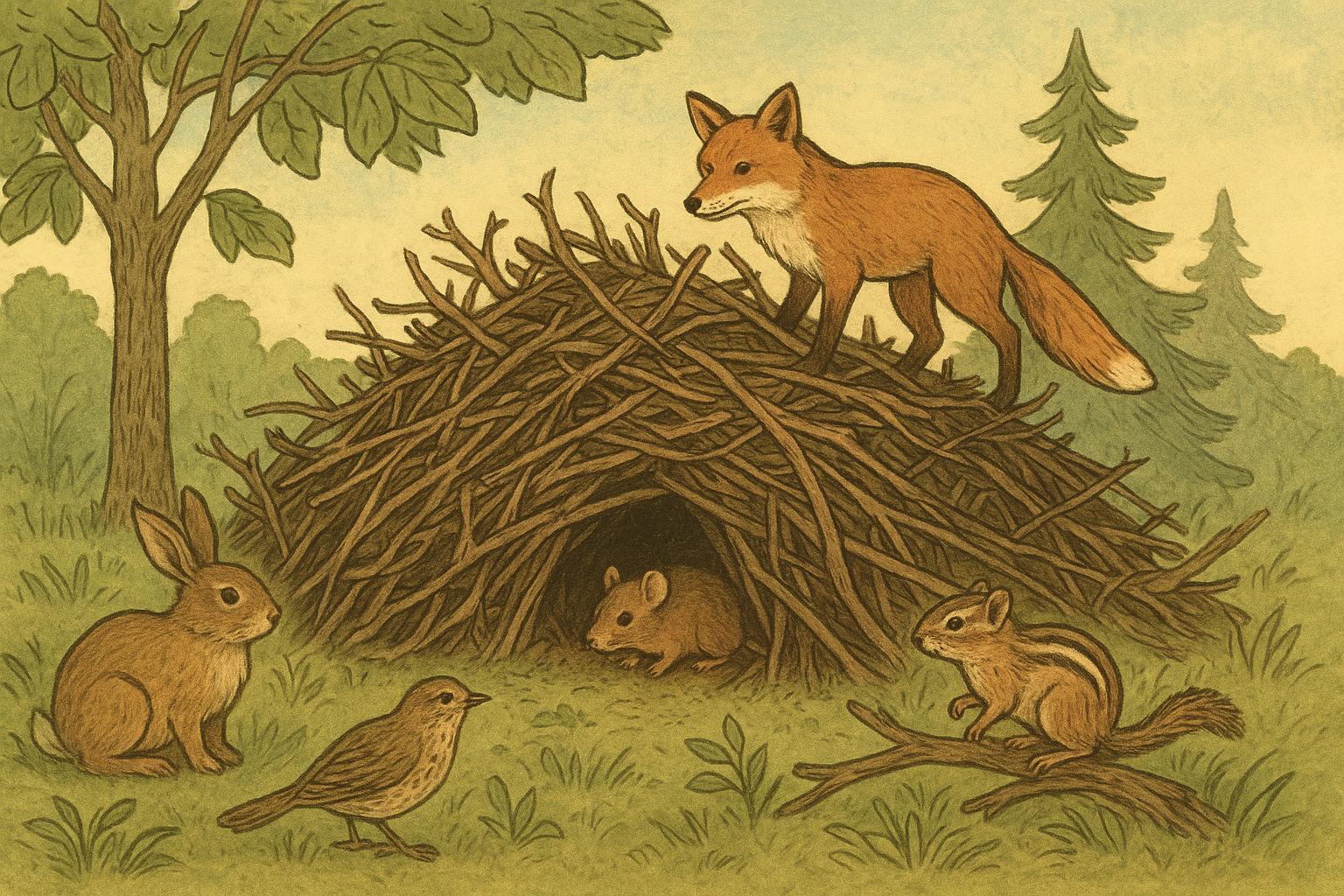
Large birds like hawks, crows, herons, and some raptors build bulky platform nests of sticks, often on tall trees, cliffs, or manmade structures. These can be reused and expanded over years.
#### Signs Of Platform Nests
They’re usually conspicuous — large piles of sticks lined with softer materials. Look for adult birds coming and going with sticks.
### Ground Scrapes
Some species prefer the ground: killdeer, plovers, and certain ducks make shallow scrapes, often camouflaged with pebbles and plant material. These are easy to miss unless you’re quiet and observant.
#### Protecting Ground Nests
Because they’re exposed, ground nests are vulnerable to pets and foot traffic. Keeping dogs leashed in nesting areas helps.
### Mud Cups And Adhesive Nests
Barn swallows and some swifts use mud to construct cup-shaped nests adhered to vertical surfaces like barn walls or under eaves. These are sturdy but can be messy if placed under porches.
#### Recognizing Mud Nests
They have a distinct mud texture and are often located on buildings, bridges, or sheltered vertical surfaces.
## How To Identify The Builder: Clues Beyond The Nest
You don’t need to be an ornithologist to make an educated guess about who built a nest. Observe:
– Size and shape of the nest
– Materials used (mud, grasses, sticks, feathers)
– Location and height
– Behavior of birds nearby: who’s inspecting, collecting material, or entering a hole
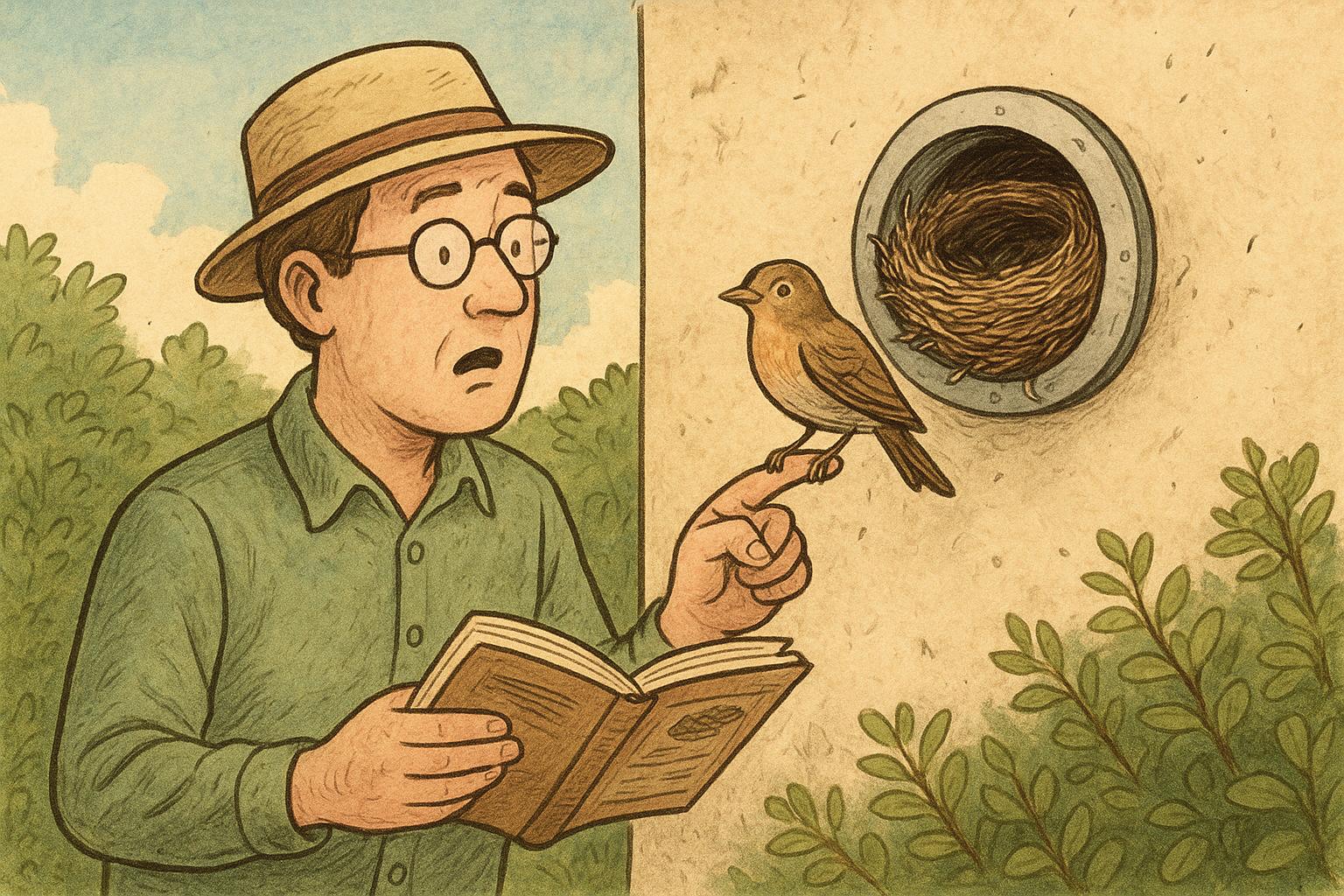
Taking photos from a distance and comparing to a field guide or app can make ID even easier.
## When To Intervene And When To Leave Nature Alone
Mostly, the best policy is hands-off. Many nests are protected by law in some regions, and disturbing active nests can cause abandonment or legal trouble. Intervene only when nests are in immediate danger (e.g., high-traffic construction, hazardous eaves) or causing health risks (accumulated droppings in high-use public spaces). If you do intervene, follow humane, legally compliant practices.
## ### Remedy 1: Build A Simple Nest Box (For Cavity Nesters)
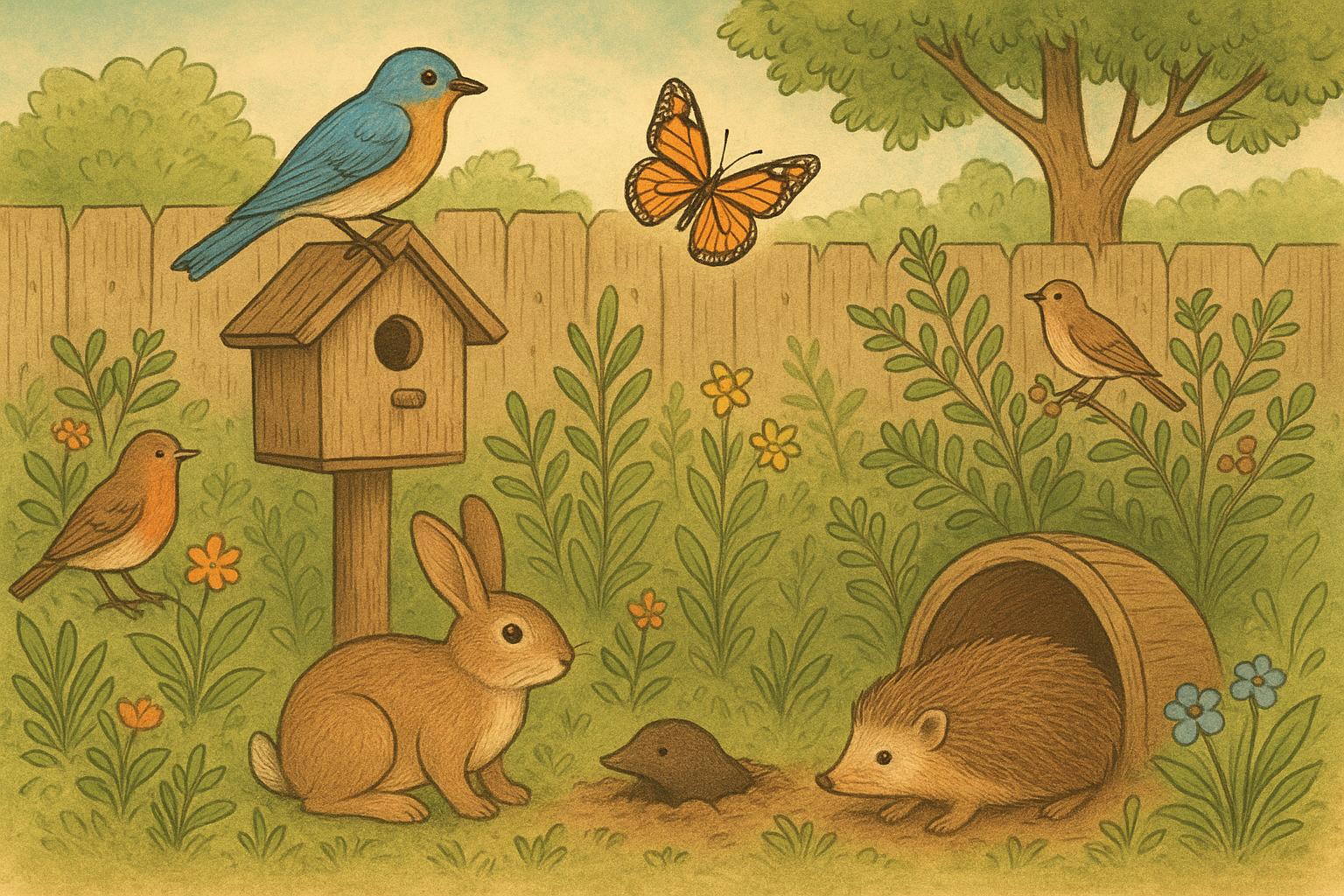
If you want to encourage bluebirds, chickadees, or other cavity-nesters, a properly built nest box is a reliable solution. This is practical, constructive, and legal in most areas.
Materials:
– Untreated pine board, 1” thick (one 10” x 10” piece and one 10” x 12” piece, plus sides)
– Galvanized nails or exterior screws
– Hinges for an access panel
– 1.5” entrance hole saw (size may vary by species)
– Drill and screws
– Waterproof roof material (thin sheet metal or cedar)
– Exterior-grade, non-toxic paint (optional; light color)
Step-By-Step Construction And Installation (Formal Instructions):
1. Cut boards to form a box roughly 8–10” wide, 10–12” deep, and 12–14” high depending on target species. Ensure internal floor fits snugly.
2. Cut the entrance hole centered about 6–8” above the floor for small songbirds (adjust for intended species: larger birds need larger holes).
3. Assemble three sides and the floor, securing with galvanized screws to prevent rust.
4. Attach a hinged front or side panel for seasonal cleaning access; include small ventilation gaps near the top and drainage holes in the floor.
5. Install a sloped waterproof roof that overhangs the entrance to shed rain.
6. Mount the box on a post or pole 5–15 feet high depending on species, away from dense cover that predators could use for ambush. Use predator guards if raccoons or cats are common in your area.
7. Monitor from a distance—do not open while eggs or nestlings are present except for legal, necessary action.
This remedy provides safe, inspected cavities while minimizing disturbance to wild sites.
### Remedy 2: Predator-Proofing And Nuisance Prevention
If you have nests in vulnerable or problematic spots (eaves, vents, or gutters), reducing risk without removing nests is the humane approach. Follow these formal steps and materials to protect birds and property.
Materials:
– Adjustable pole-mounted predator guards or baffles
– Mesh or hardware cloth (1/2” or smaller aperture)
– Weather-resistant zip ties or stainless fasteners
– Ladder and safety equipment (or hire a pro)
– Silicone caulk (for sealing gaps after nesting season)
Step-By-Step Protection And Application:
1. Assess the location carefully from ground level using binoculars or photos. Confirm the nest is inactive before any handling.
2. Install predator guards on poles or around posts supporting nest boxes. Ensure the guard prevents climbing by raccoons, snakes, or cats but does not entrap birds.
3. Where nests are in gutters or vents and are causing blocking risks, wait until the birds have finished nesting and left. Then remove nesting material, clean the area, and install suitable guards or screens.
4. Attach hardware cloth with sufficient overlap and secure fastening to prevent access, leaving enough ventilation if used on eaves or vents—do not seal active roosting or nesting spots.
5. After the nesting season, repair any structural issues and seal unnecessary gaps with silicone caulk to prevent future problematic nesting in hazardous locations.
Apply these measures with legal and ethical care: never remove active nests unless required by safety, and consult local wildlife authorities when uncertain.
## What To Do If You Find Abandoned Nest Materials
Birds will reuse or scavenge clean nesting materials, but accumulated old nests can harbor mites. If you find abandoned nests in attics or chimneys, wear gloves and a mask, remove materials and disinfect surfaces with a mild bleach solution (1 part bleach to 9 parts water) or a commercially recommended disinfectant. Always block access points after cleaning to prevent re-infestation.
## Nest Watching Etiquette And Citizen Science
If you want to watch nests, maintain a respectful distance. Use a spotting scope or camera with a zoom lens. Consider submitting observations to community science projects (e.g., NestWatch) — your notes on bird nest types, timing, and success rates are valuable to researchers.
## Simple Clues For Quick ID
– Hanging woven purse? Think orioles — pendant nests.
– Mud cups under your porch lights? Likely barn swallows.
– Small hole in a dead branch or box? Chickadees, bluebirds or titmice.
– Big stick platform at treetop height? Hawks or crows.
– Shallow scrape with camouflaged eggs on gravel? Killdeer or plover.
Spend time watching quietly, and you’ll be surprised how quickly the builders reveal themselves.
Enjoy your nest explorations. If you want species-specific nest box plans or help identifying a particular nest photo, send a picture and I’ll walk you through it — no binoculars required.


Leave a Reply