
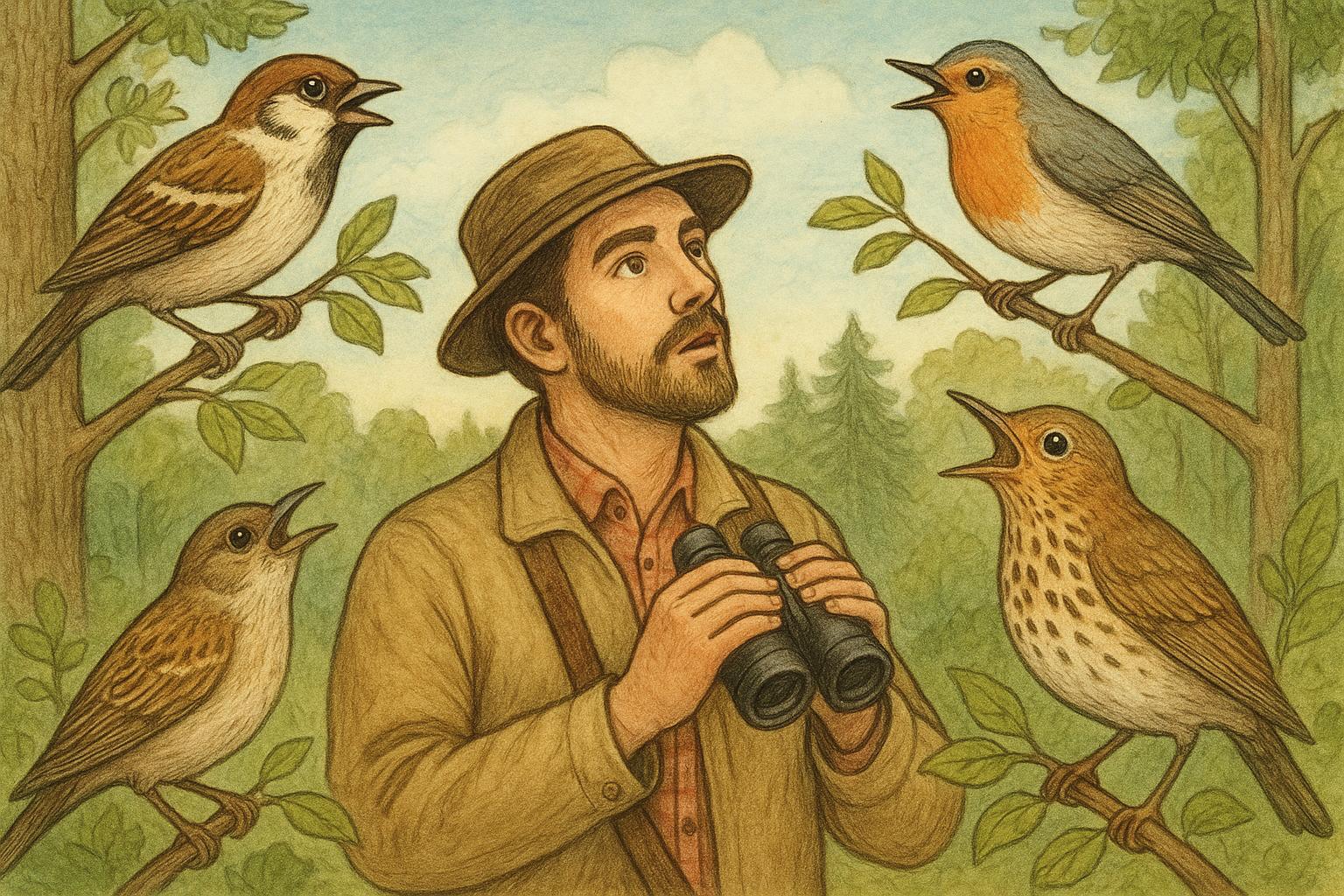
If you spend time in a backyard, park, or just listening out a second-floor window, you’ve probably heard that urgent, high-pitched chatter that jolts you out of whatever pleasant stupor you were in. That’s nature’s siren — bird alarm calls — and they’re a terrific way to know what’s happening without seeing it. Listen closely and you can tell whether a hawk has sliced the sky or a neighborhood cat is prowling under the hedges. Consider this your practical, slightly chatty guide to recognizing and reacting to those avian alerts.
## Bird Alarm Calls: What They Mean And Why Birds Use Them
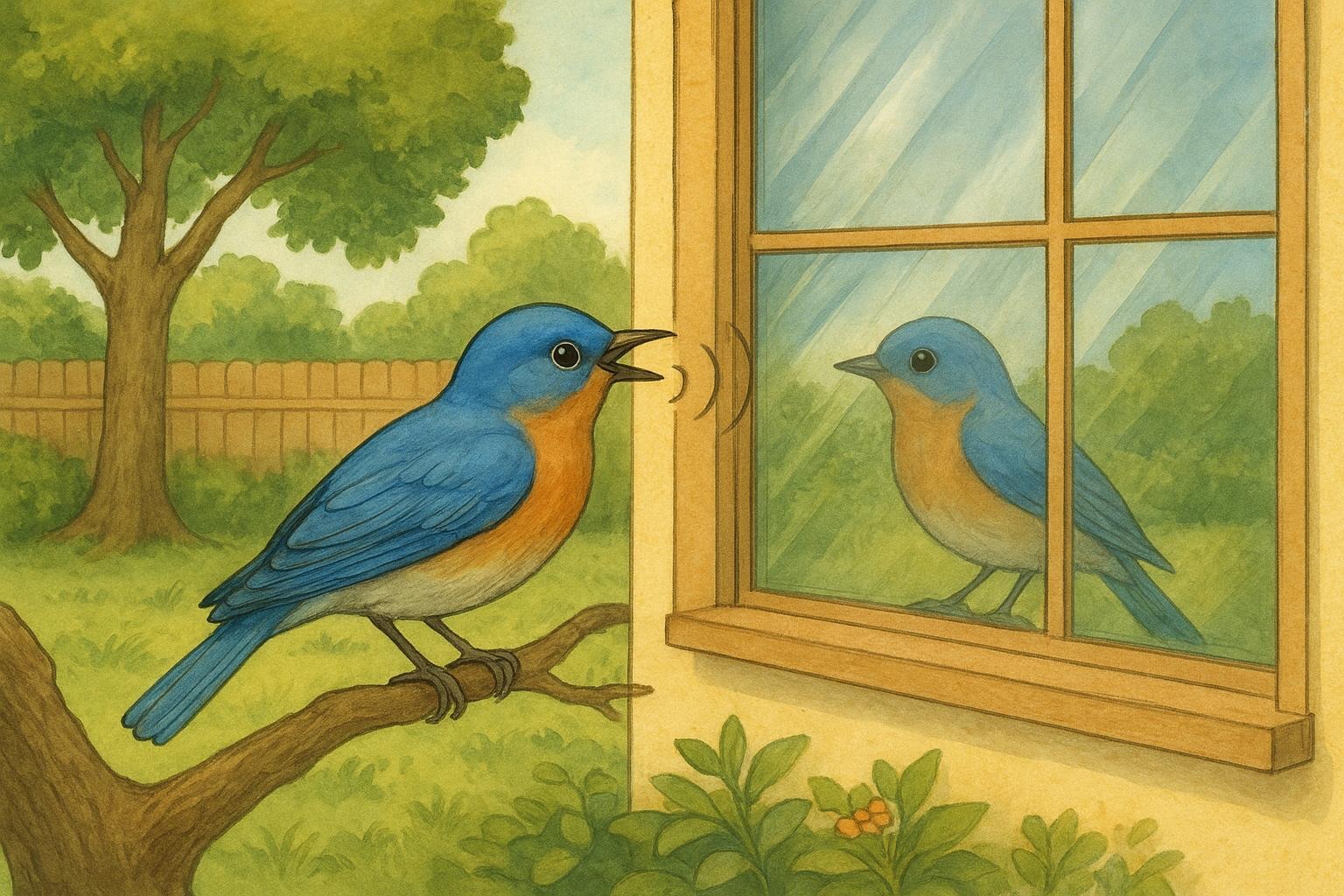
Birds use alarm calls to warn others about danger, to recruit helpers, or sometimes to confuse a predator. The same bird species might have different calls for different threats: a short, sharp note for a nearby snake; a high, drawn-out screech for an unseen raptor; or a rapid, chittering call to rally neighbors for mobbing. Context is everything.
### Common Categories Of Alarm Vocalizations
– A sharp, single-note “chip” or “peep” — often used for immediate, close-range threats.
– A repeated, harsh “scold” — used when a predator is lingering or when the caller is agitated.
– A long, piercing scream — typical for aerial predators that require immediate evasive action.
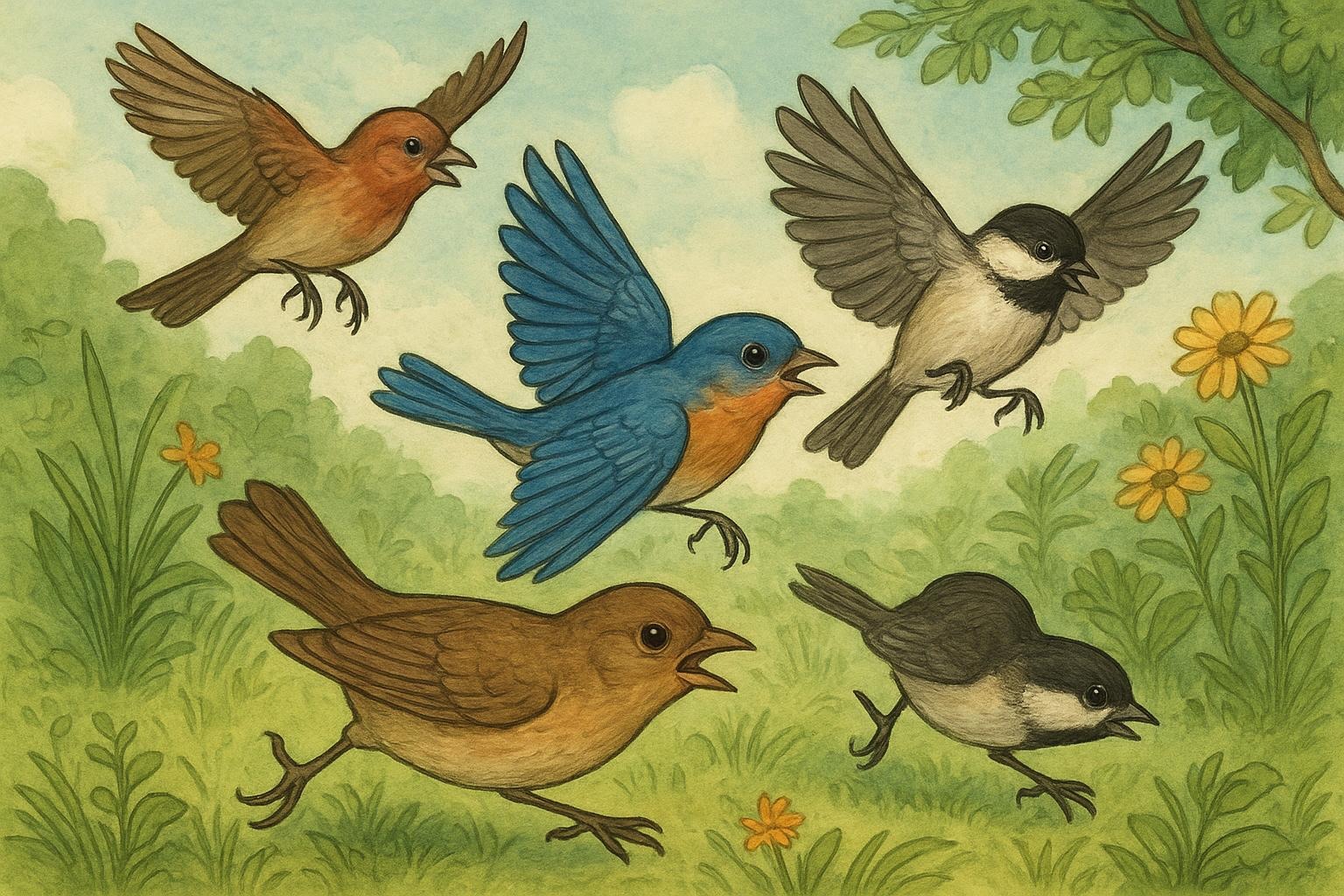
– Rapid, combinational calls — sometimes used to recruit other birds to mob an intruder.
#### Aerial Versus Ground Alarm Distinctions
Aerial predators tend to trigger higher-frequency, shorter calls that send birds to take cover or shelter in dense foliage. Ground predators (cats, snakes) often elicit persistent scolding and mobbing behavior — lots of loud, coordinated noise as birds congregate to drive the threat away.
## How To Identify Alarm Calls In The Field
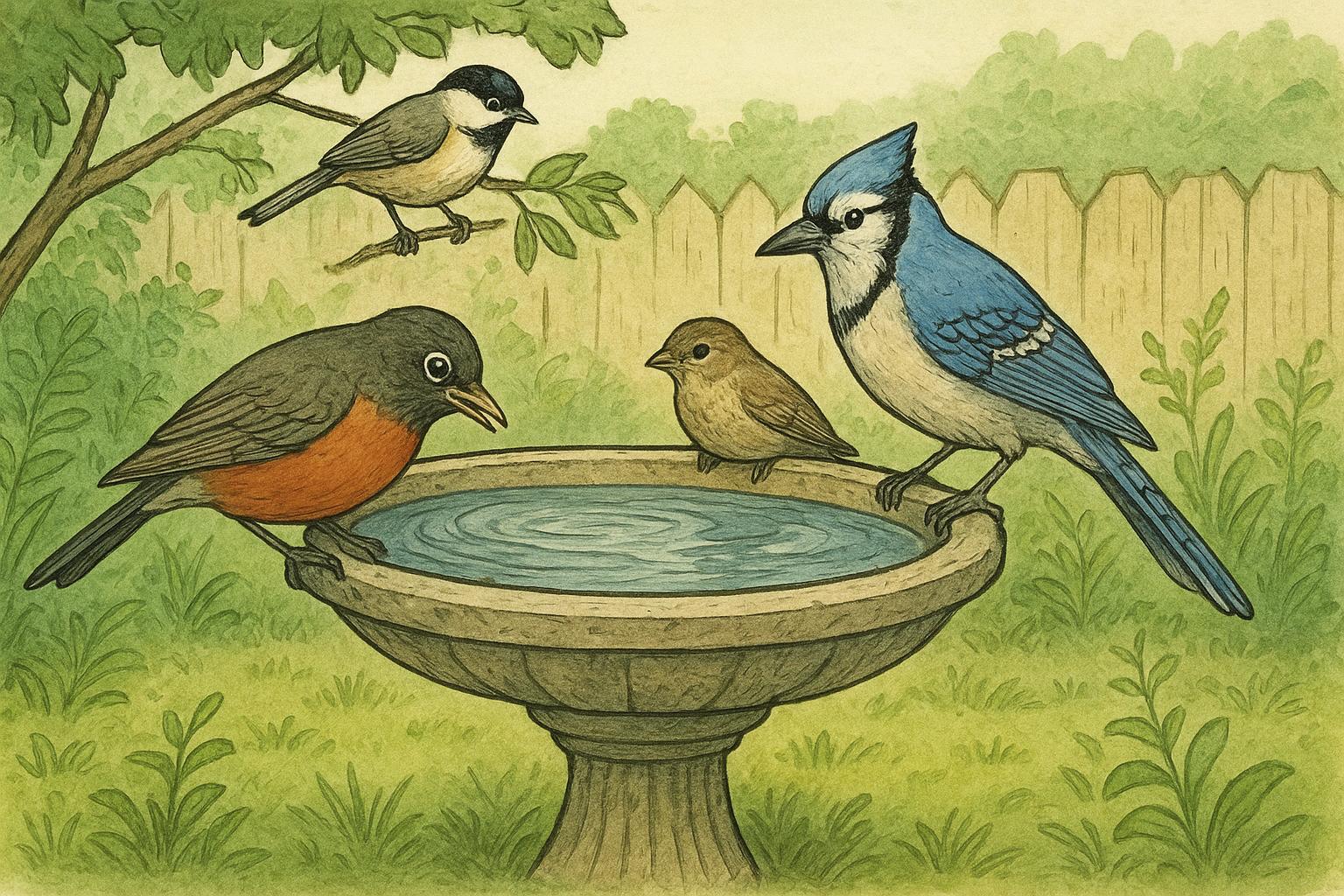
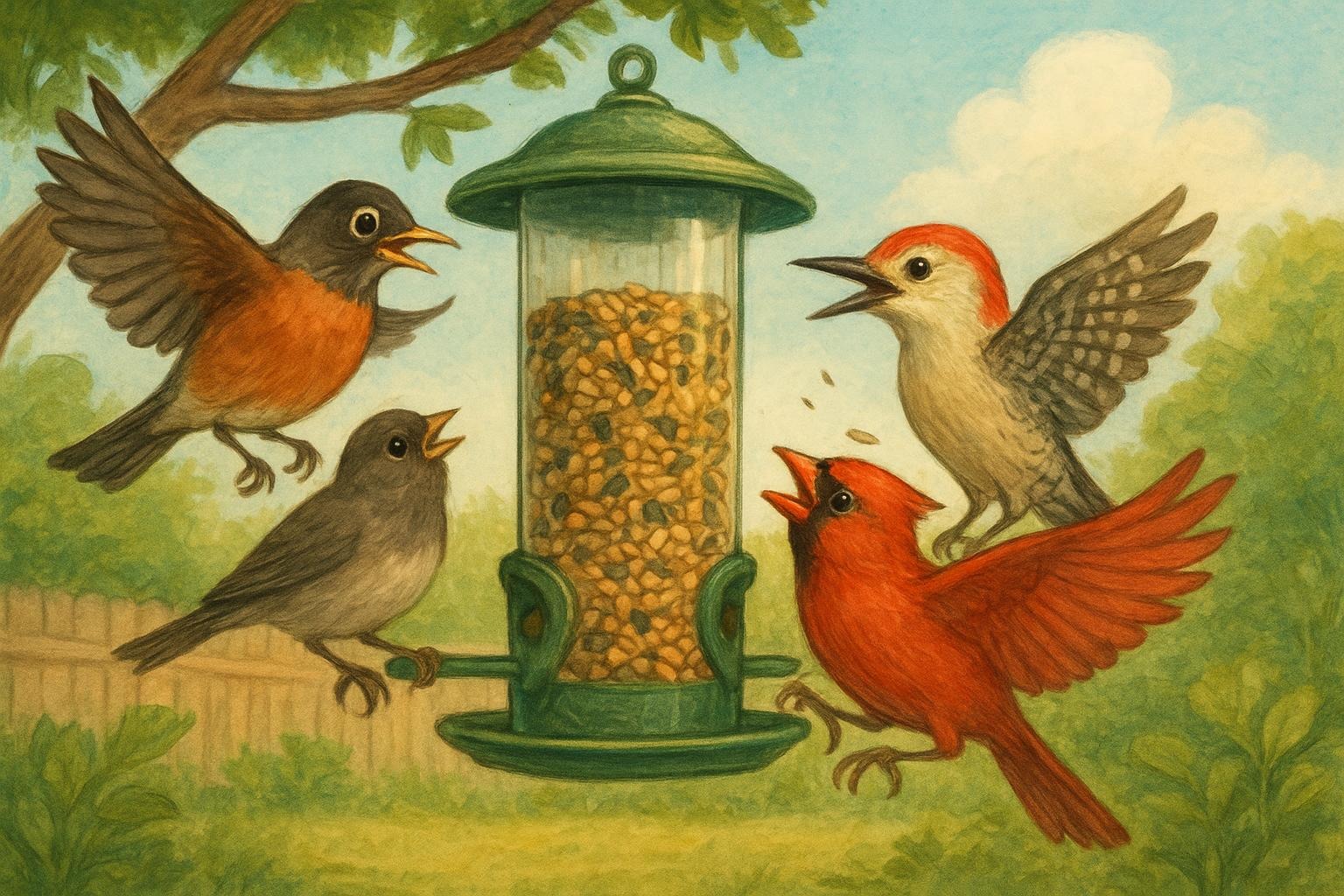
Identifying alarm calls is more than matching a sound to a species. Watch behavior: are birds freezing, crouching, mobbing, or flying? Look at who’s calling — chickadees, jays, robins, and blackbirds are frequent alarm-raisers in many backyards. Note the cadence and tone; that’s the easiest differentiator.
### Species Examples And Signature Sounds
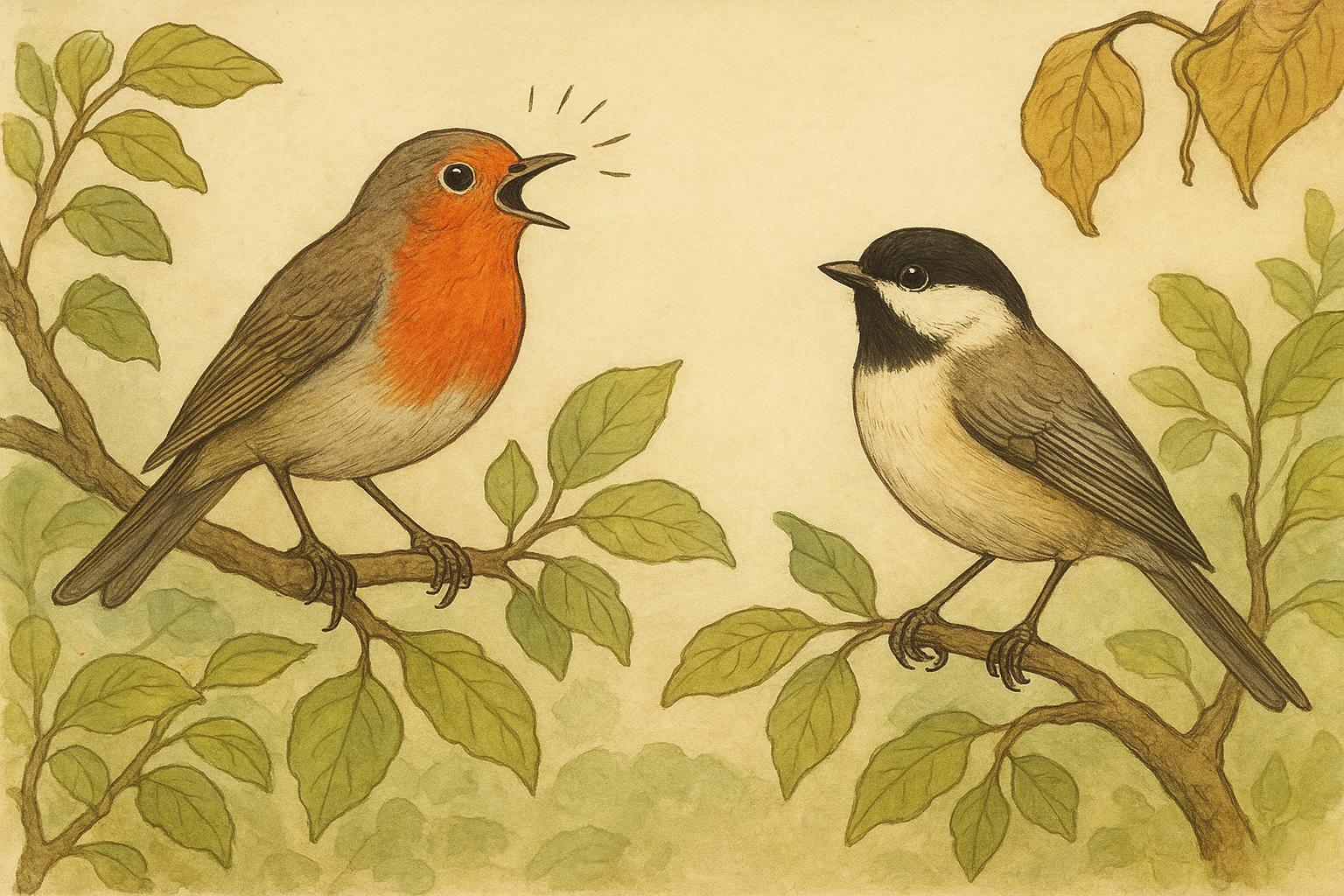
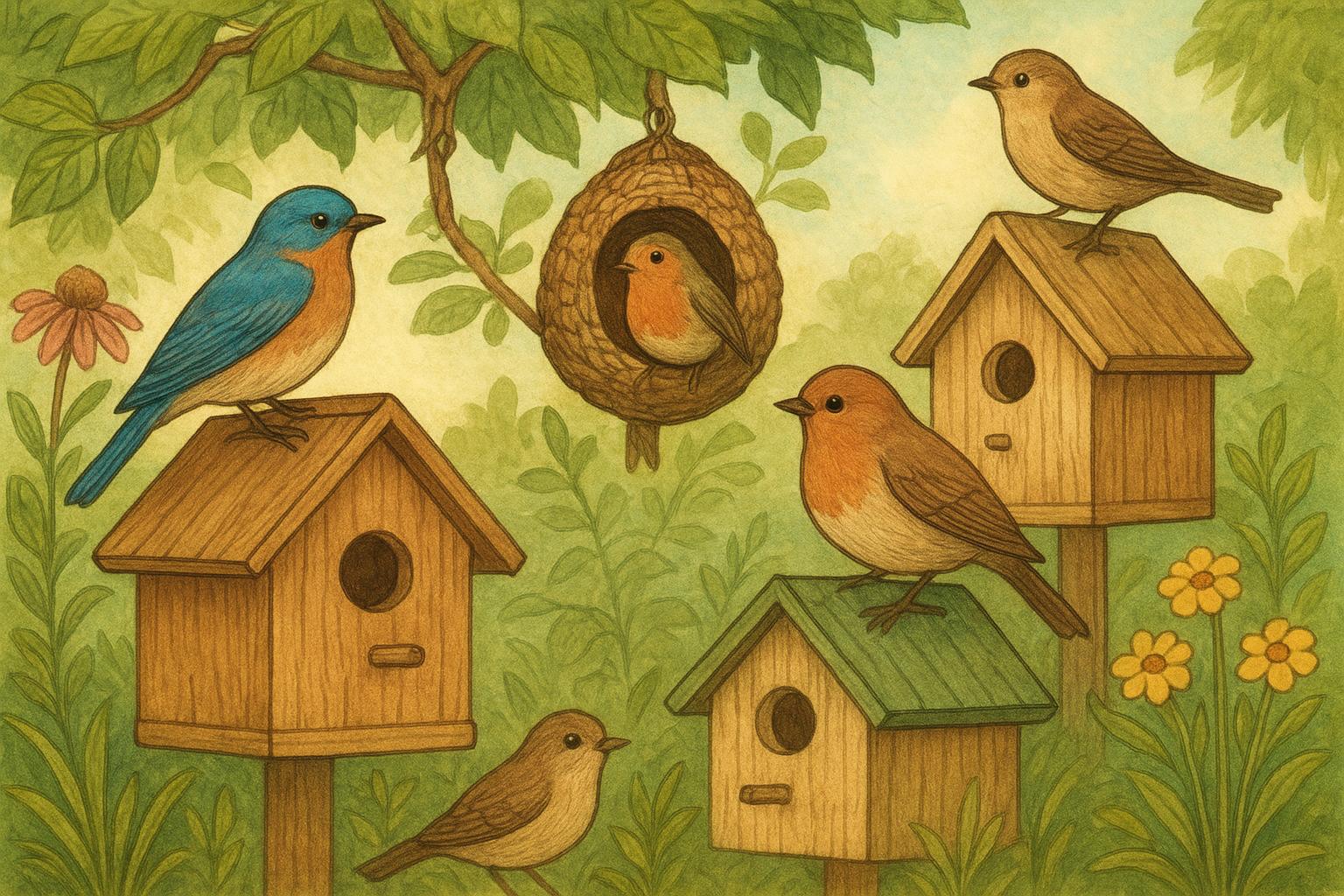
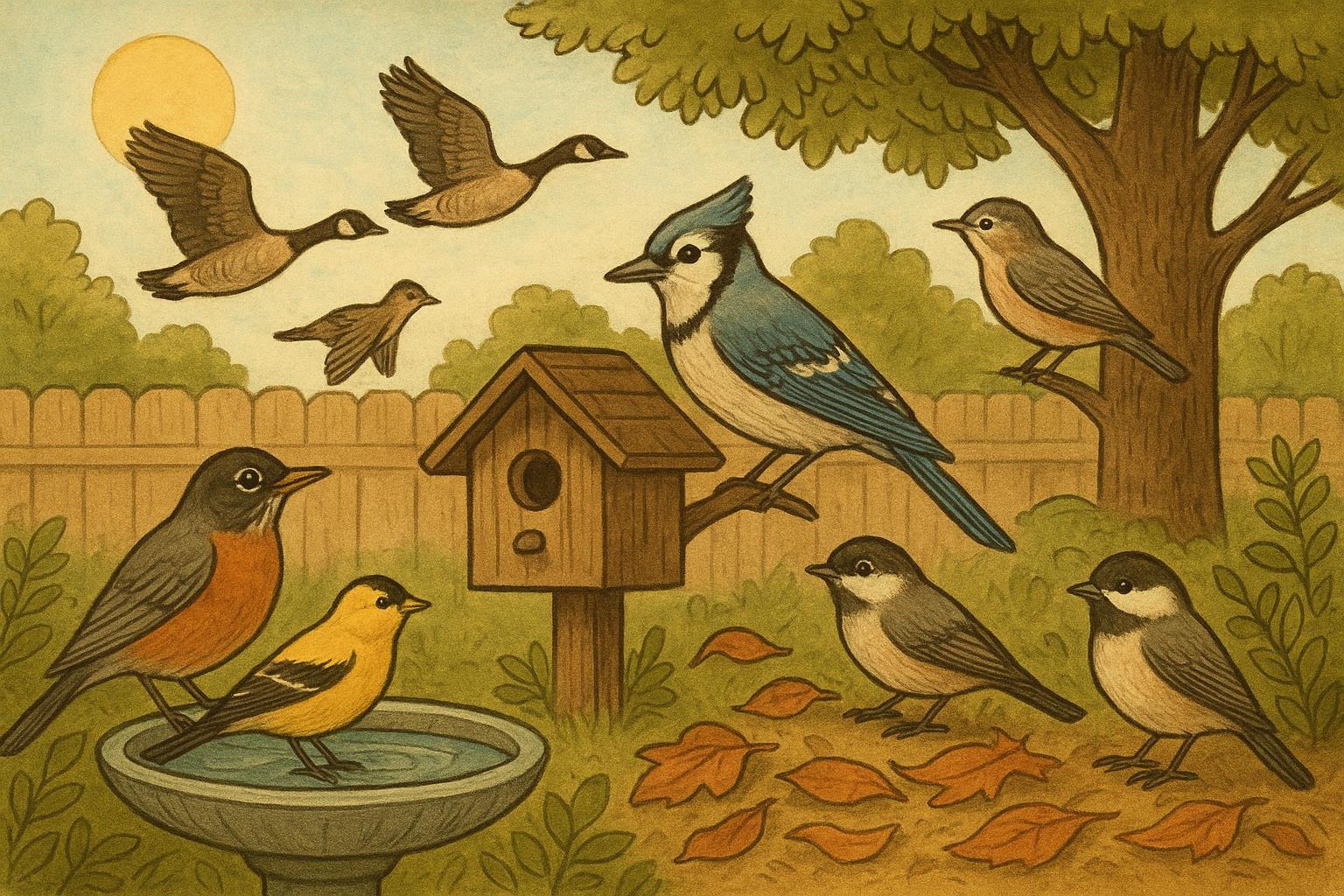
– Black-Capped Chickadee: The classic “chick-a-dee” contains fine-grained info — more “dees” often equals higher urgency. These birds are excellent natural sentinels.
– Blue Jay: Loud, raucous whistles and harsh calls; they’re dramatic and often broadcast the presence of hawks.
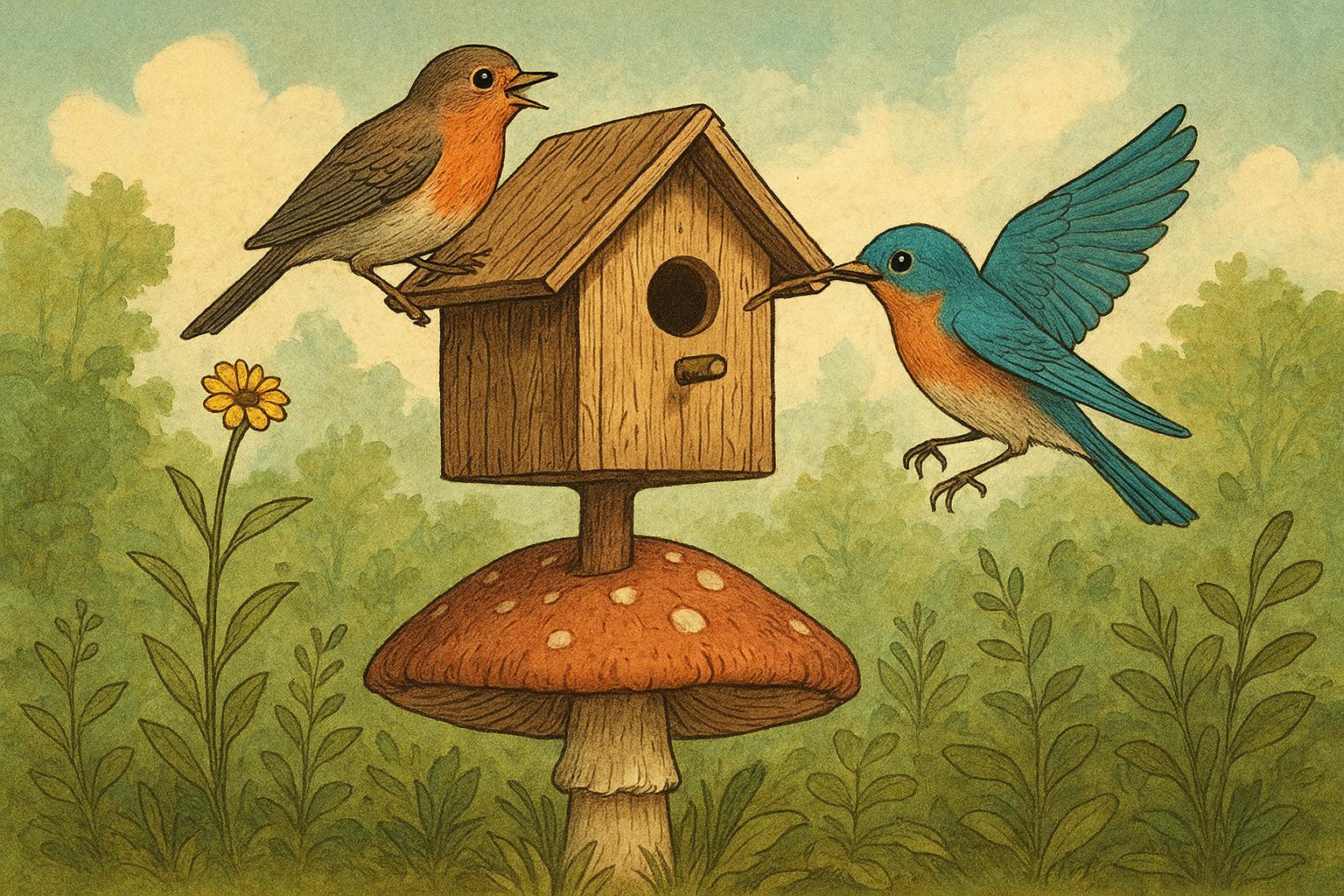
– American Robin: Sharp “tseep” notes or repeated churrs to indicate a range of threats, especially near nests.
– Northern Mockingbird: Repetitive, drawn-out alarm phrases; they’ll get aggressive in defense of territory.
#### Behavior Cues That Complement Sound
Alarm calls rarely stand alone. If you see rapid wing flicking, aggressive flights at a tree, or a sudden flocking together, you’re likely hearing alarm calls. Conversely, if birds are singing relaxed, multi-song phrases, it’s probably not an alert.
## Listening Tips And Tools To Improve Identification
Train your ears by focusing on three variables: pitch, tempo, and repetition. Pitch tells you intensity; tempo shows urgency; repetition often signals sustained threat. Use smartphone apps like a field guide or sound recorder to capture snippets, then compare with online databases.
### How To Use Recordings Safely
Record at a distance with zoom audio to avoid stressing birds. Tag recordings with date, time, weather, and what you saw. Spectrogram tools (e.g., Raven Lite or smartphone spectrogram apps) let you visualize pitch and repetition, which helps separate similar calls.
## What To Do When You Hear Alarm Calls
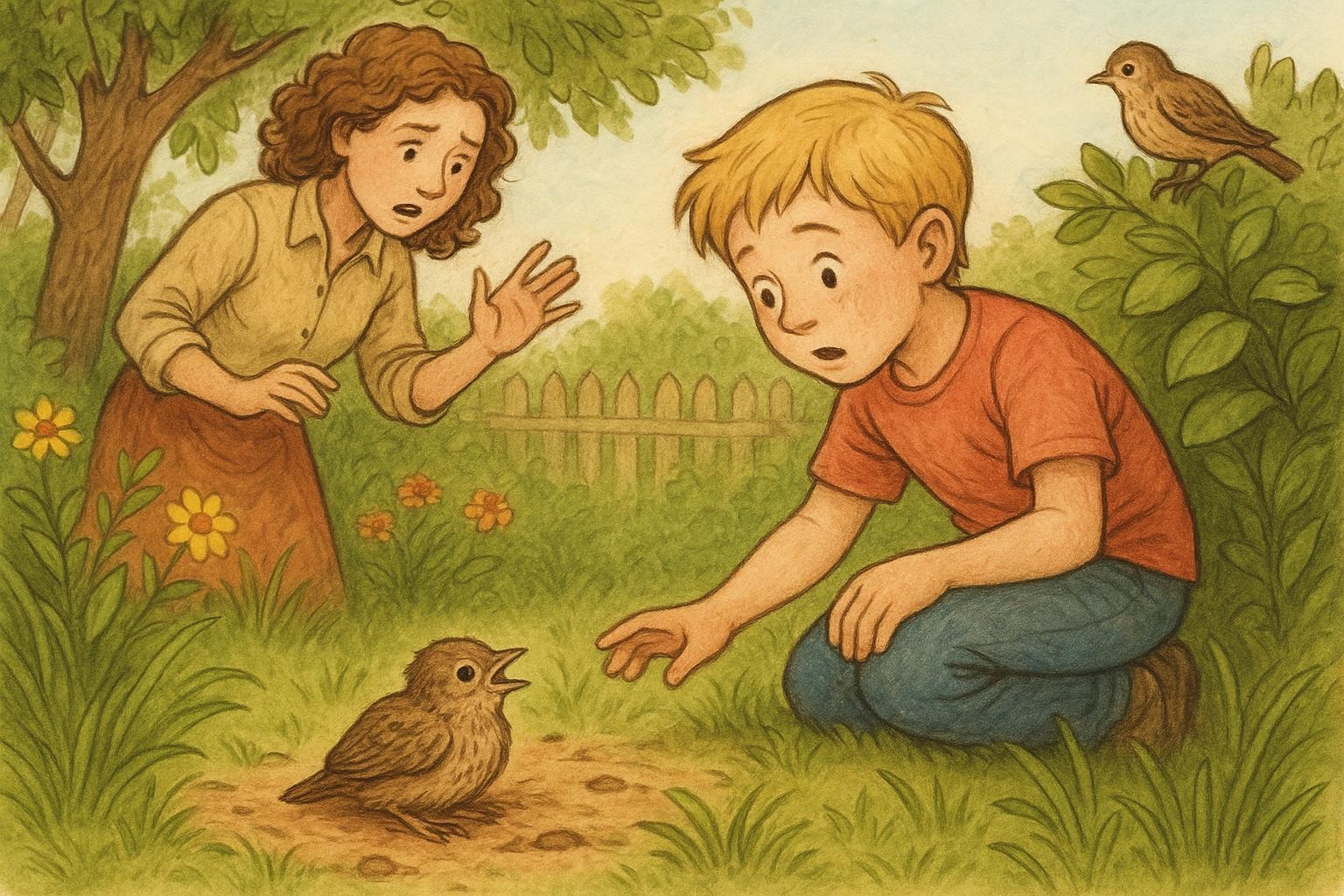
When you hear alarm calls, the correct reaction is usually observational rather than interventionist. Stay quiet, minimize movement, and scan from a safe distance. If young birds are involved and a predator is present, consider whether non-invasive measures can reduce risk while not exacerbating stress.
### When To Intervene And When To Observe
Most of the time, birds handle their own defenses effectively. Intervene only if you can do so without injuring wildlife or breaking local laws — for example, gently moving a cat away from a nest area or securing a pet indoors. Never attempt to capture or handle wild birds unless you’re trained and permitted to do so.
## DIY Remedy: Nest And Feeder Protection Station
(Ingredients/Required Materials and Step-By-Step Creation And Application)
This remedy is for reducing frequent predation pressure near feeding or nesting sites — a humane, non-lethal set of measures to lower risk. The tone here is intentionally formal: follow instructions carefully, and check local regulations regarding wildlife interactions.
Ingredients/Required Materials:
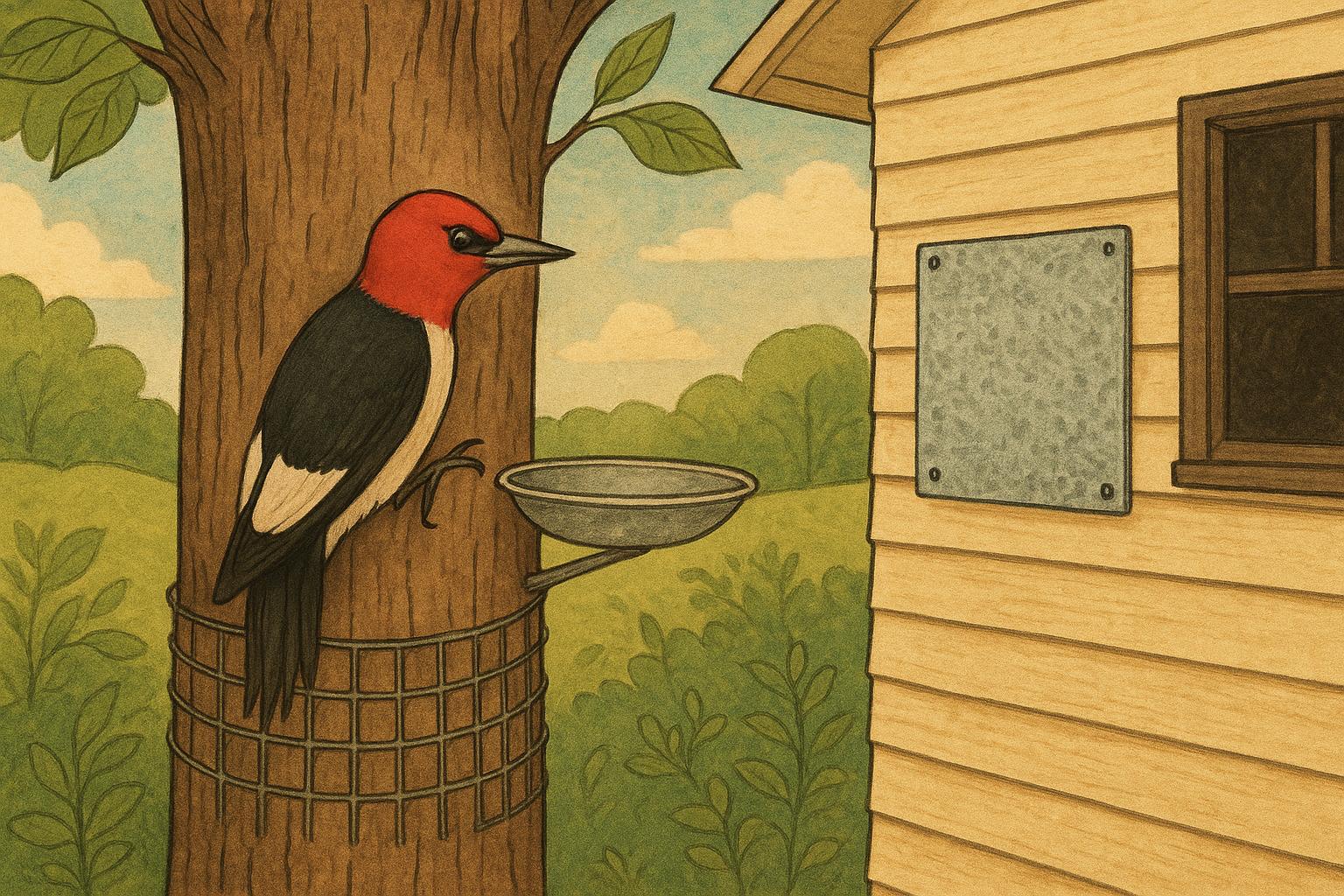
– Metal squirrel baffle or similar cone (sized for pole feeders)
– Predator baffles for tree trunks (if nests are on small trees)
– Heavy-gauge wire mesh (1/2″ to 1″ openings), cut to size
– Cable ties, galvanized screws, or stainless steel hose clamps
– Reflective tape (narrow), approximately 6–10 pieces
– Motion-activated light or sprinkler (optional; low-power)
– Weatherproof signage (optional: “Pets On Leash / No Free-Ranging Cats”)
– Work gloves and basic hand tools (drill, screwdriver, wire cutters)
Step-By-Step Creation And Application:
1. Site Assessment: Identify where alarm calls are most frequent and locate feeders, nesting boxes, or preferred perches within that zone. Map trees and ground-cover pathways a predator might use.
2. Install Pole Baffles: Fit the metal cone (squirrel baffle) onto feeder poles or around posts, ensuring the upper edge is at least 4–5 feet off the ground. Secure with bolts or clamps; test stability by applying downward pressure.
3. Protect Tree Nest Access: For small trees near nesting sites, wrap a 2–3 foot-wide section of heavy-gauge wire mesh around the trunk and secure with cable ties. Leave a small gap at the top for growth, but ensure the mesh prevents climbing by cats. Monitor monthly and adjust to prevent girdling.
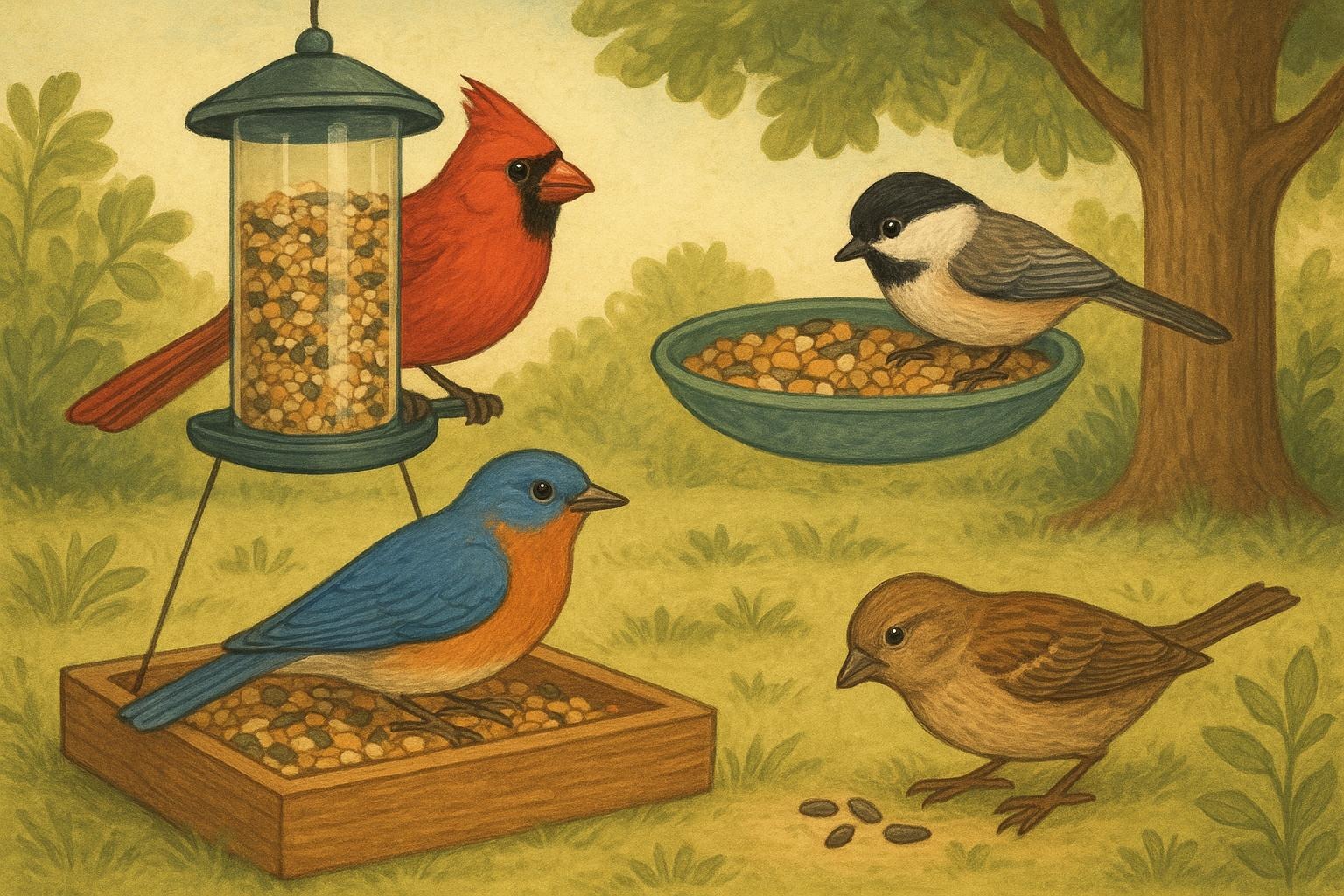
4. Feeders And Platform Modification: Replace flat feeding platforms with feeders that have perimeter baffles or suspended feeders inaccessible to ground predators. Place feeders at least 10–12 feet from structures that predators can use for launch.
5. Visual Deterrents: Attach small strips of reflective tape to tree branches and near nest entrances at dawn and dusk (when many predators are most active). The tape should not be abrasive or constricting to birds.
6. Motion Deterrents (Optional): Where appropriate, install a motion-activated low-power light or sprinkler pointed to cover the area but not shining directly into nests. Use the lowest effective setting to avoid causing chronic disturbance.
7. Community Measures: If neighborhood cats are a recurring issue, use weatherproof signage and polite outreach to request that neighbors keep pets indoors during peak bird breeding seasons.
8. Ongoing Maintenance: Inspect baffles, mesh, and ties every 2–4 weeks. Replace worn reflective tape and ensure that any motion device remains functional without creating persistent stressors (e.g., constantly flashing lights).
9. Documentation: Keep a log of alarm call incidents before and after measures are implemented. Note date, time, species observed, and any change in alarm frequency.
Notes On Safety And Ethics:
– Never trap or attempt to harm predators. This remedy focuses on exclusion and behavioral discouragement, not removal.
– Avoid excessive use of motion deterrents that could displace or stress birds.
– Check local wildlife regulations regarding modifications near active nests.
## When Not To Use Playback And Other Cautions
Playback of alarm calls may seem like a clever deterrent, but it can cause chronic stress, draw predators, or disrupt natural behaviors. Use playback only if you are part of a research project with permits and a solid ethics review. For backyard use, rely on physical exclusion, habitat modification, and responsible pet management.
### Legal And Ethical Considerations
In many regions, interfering with active nests is regulated. If you find a nest at risk, consult local wildlife rehabilitators or conservation officers before acting. Documentation (photos, recordings) can be helpful when seeking expert advice.
## Quick Field Checklist For The Next Time You Hear Alarm Calls
– Stop and listen: note pitch, tempo, repetition.
– Scan quietly: determine whether birds are mobbing, freezing, or fleeing.
– Record: use your phone at a distance for later ID.
– Observe from afar and avoid handling wildlife.
– If recurring threats exist, implement non-invasive protections (see DIY Remedy above) and engage neighbors.
A little practice turns those sudden bursts of bird noise from a mystery into a reliable weather vane for local wildlife activity. Bird alarm calls are nature’s way of giving you situational awareness—no emergency siren required, just sharper ears and maybe some reflective tape.


















Leave a Reply