

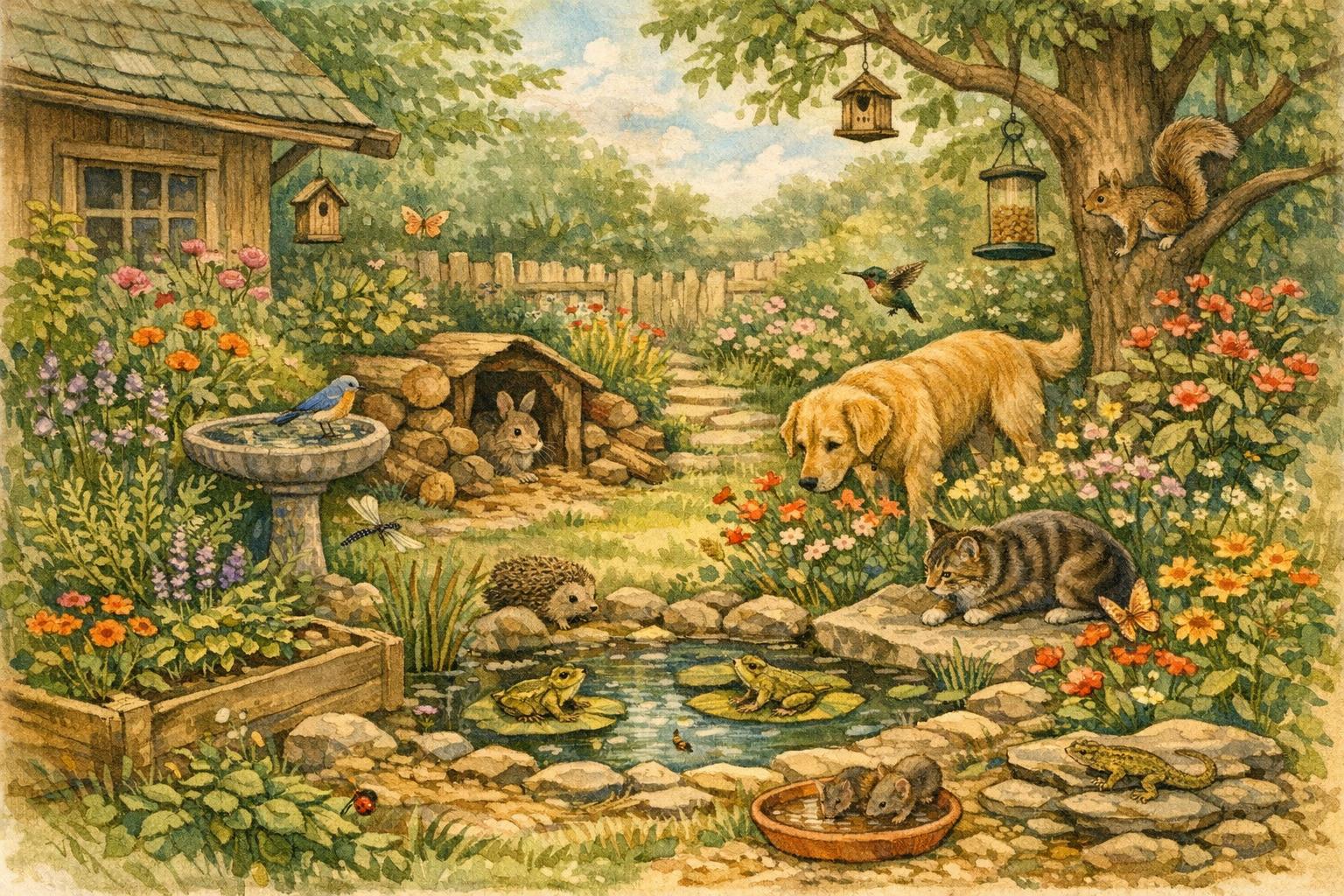
Living in a compact space doesn’t mean your backyard has to be a wildlife desert. With a little creativity and thoughtful design, a tiny patch of green can offer food, shelter, and safe passage for birds, pollinators, and beneficial insects — and give you a front-row seat to the show. Below are practical, friendly, and slightly cheeky ideas that turn limited real estate into meaningful habitat. Read on for actionable small yard ideas that work in urban and suburban settings.
## Small Yard Ideas For Layered Planting
Layering is the secret sauce for making every square foot count. Taller trees or screening shrubs create canopy and perching sites; mid-height shrubs and perennials provide cover and food; low-growing plants and groundcovers offer nesting material and insect habitat.
### Choose Native Plants First
Native plants typically require less water and maintenance, and they support a higher diversity of local insects and birds than exotic ornamentals. Aim for a mix of native trees, shrubs, and herbaceous plants that flower and fruit at different times of year.
#### Plant Selection Tips
– Pick a small native tree or large shrub for vertical structure.
– Include at least three flowering species that bloom in spring, summer, and fall.
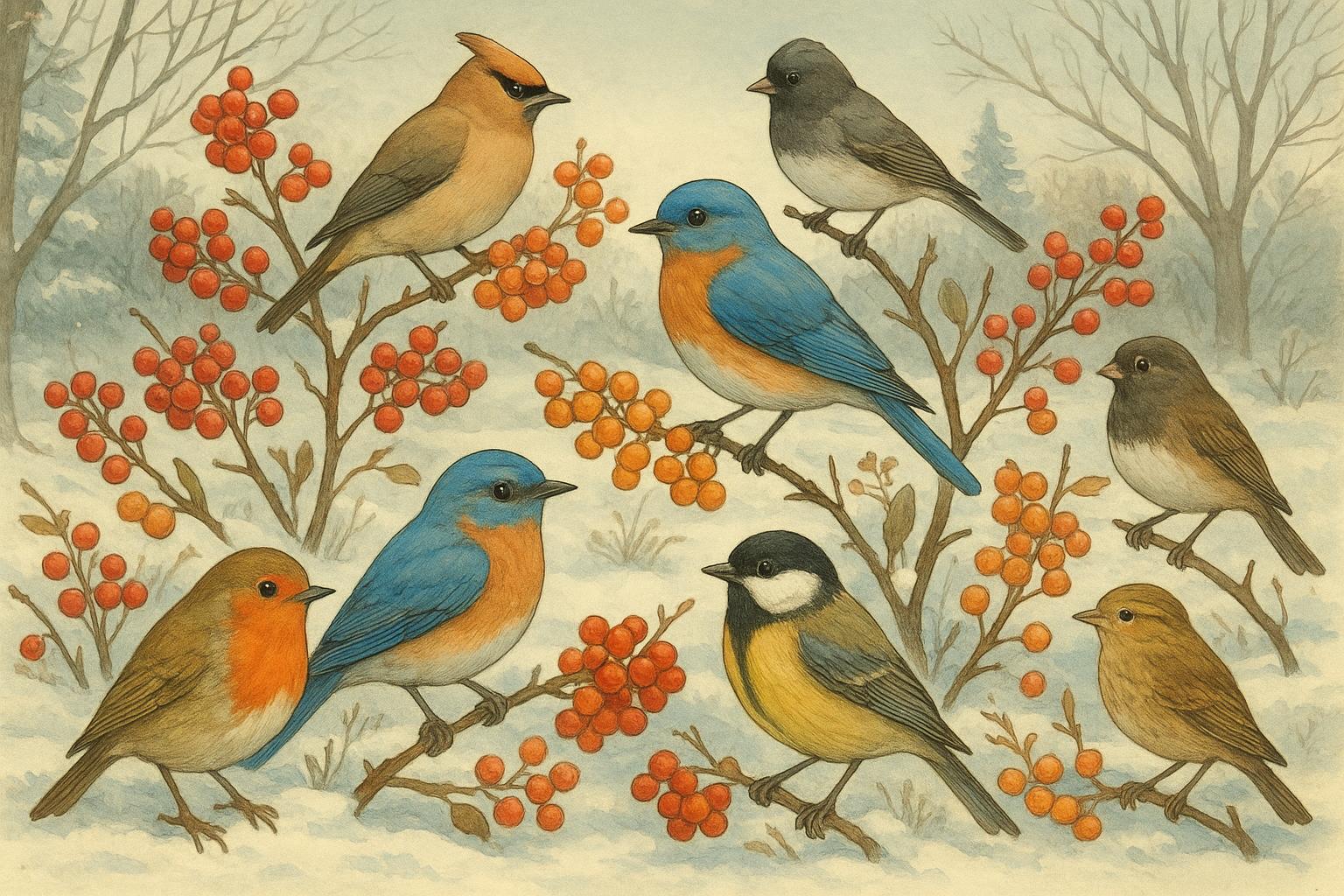
– Add berry-producing shrubs for winter food.
## Compact Water Features For Small Spaces
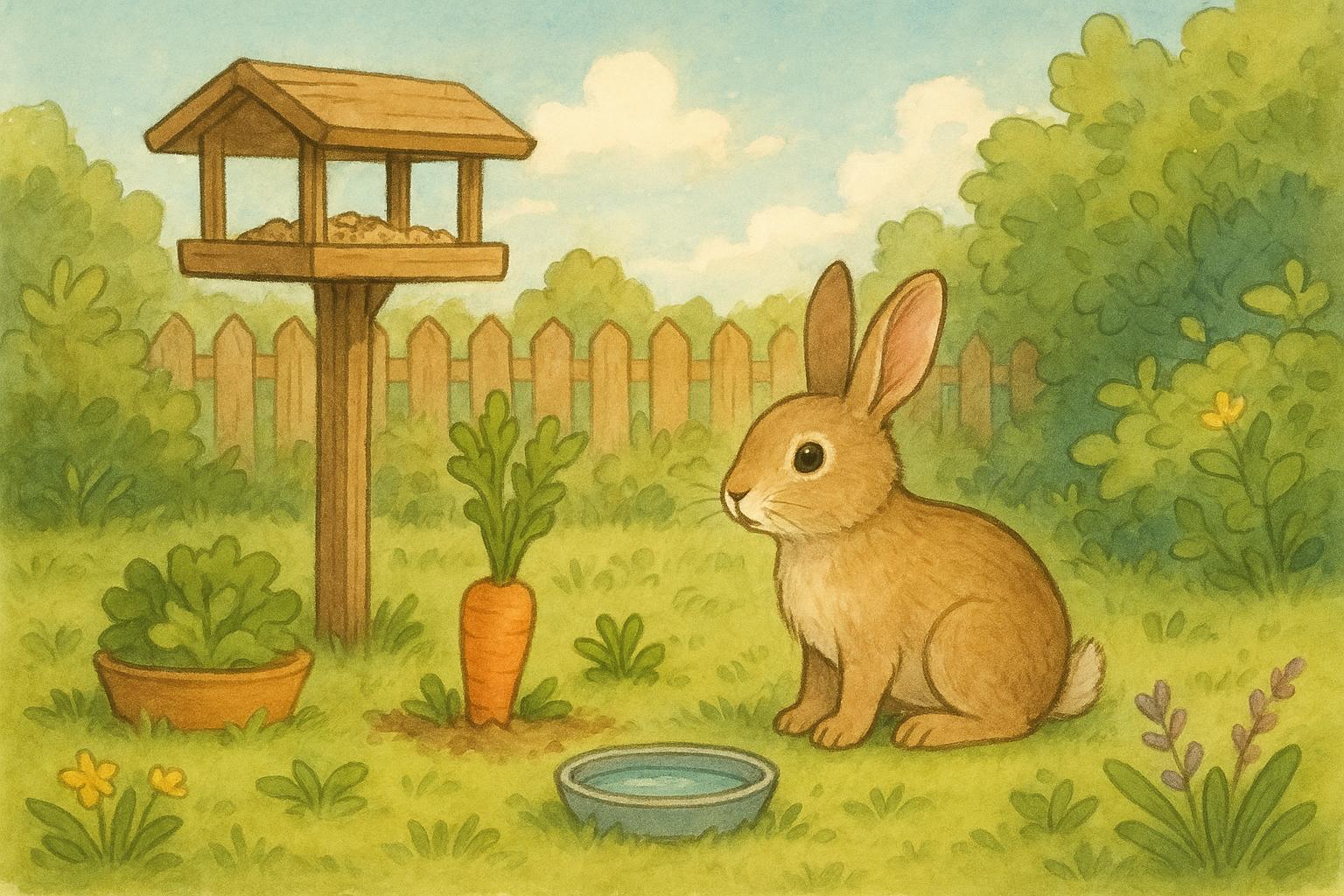
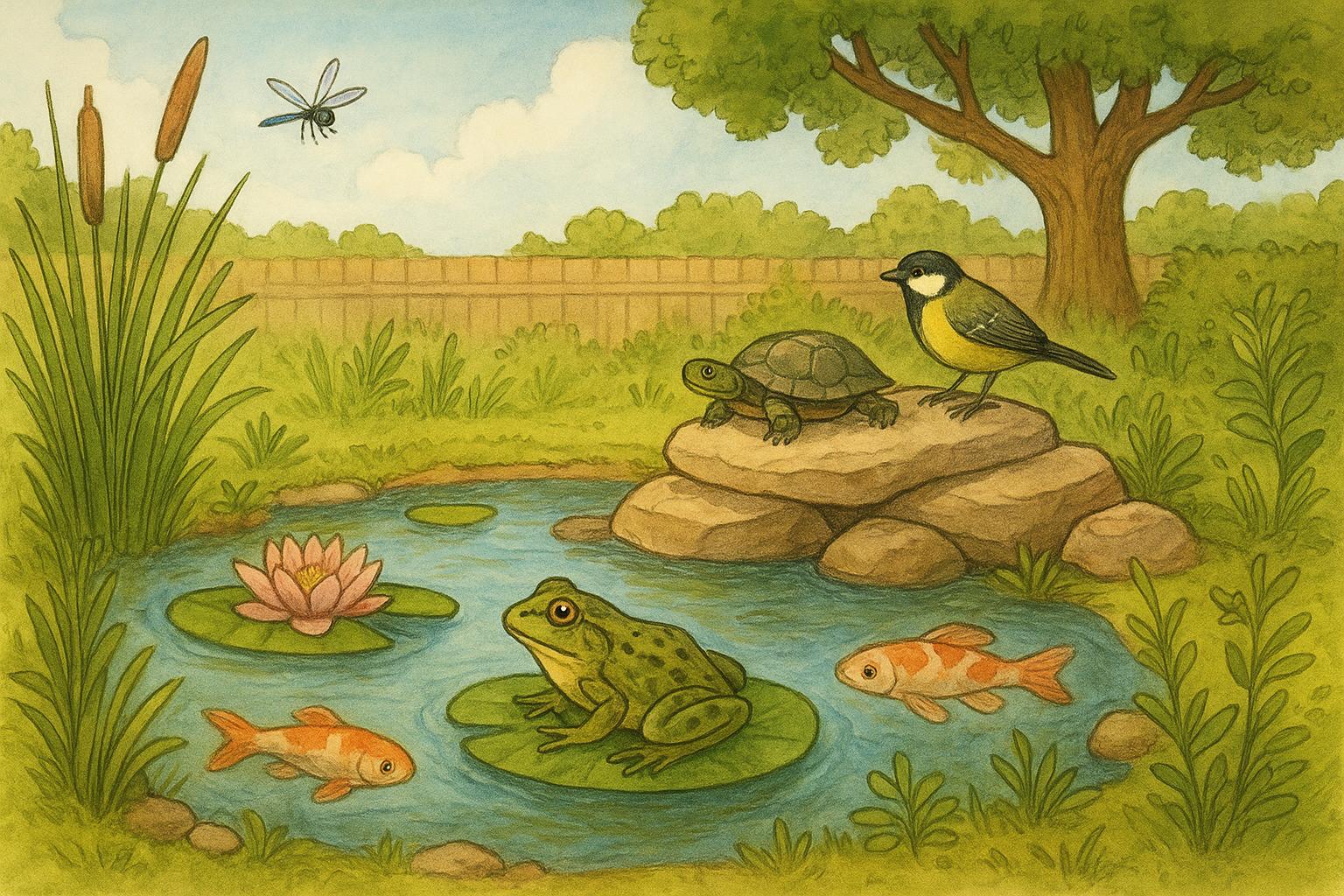
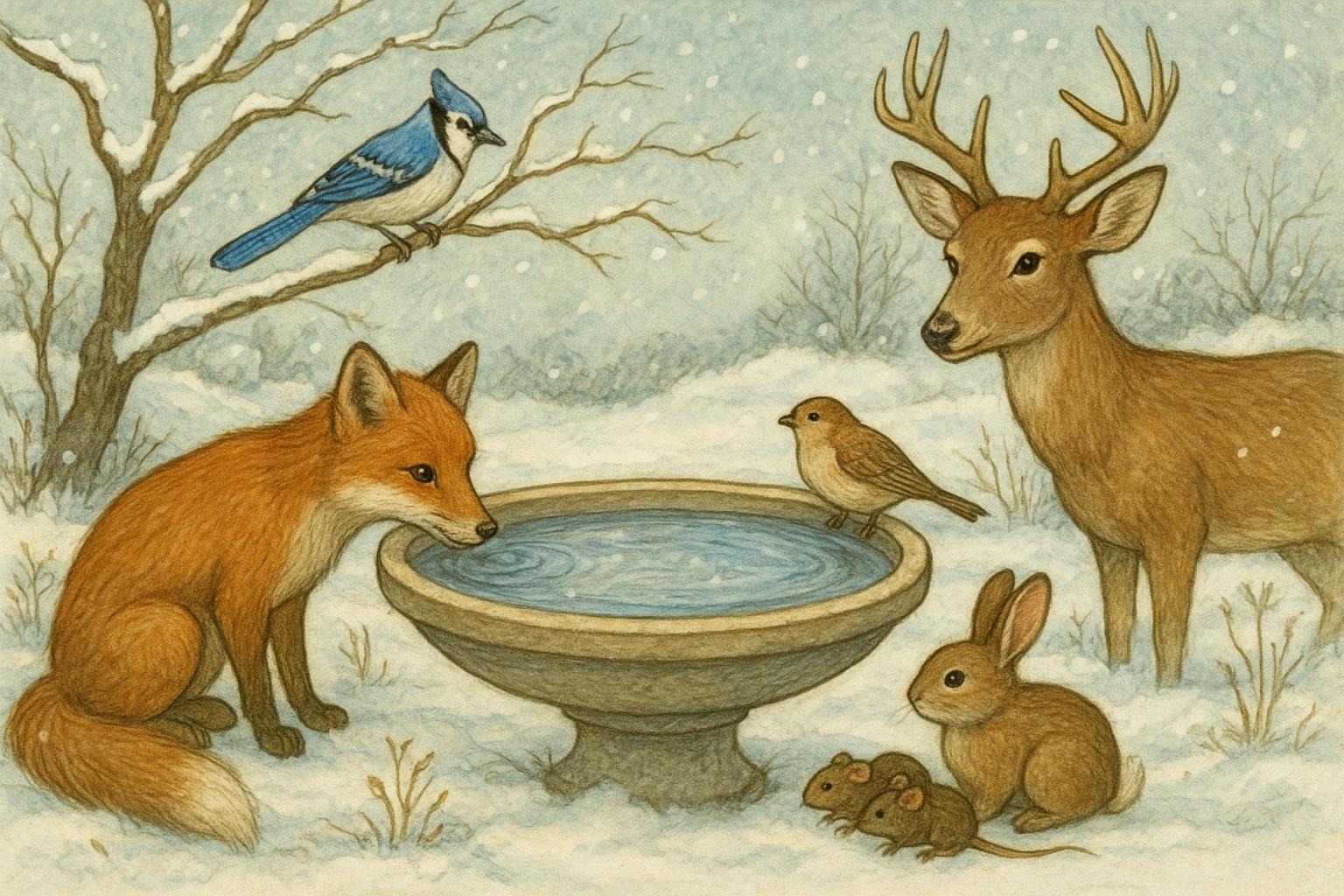
Water is a magnet. Even a shallow basin or saucer can support bees, butterflies, and birds. Small water features also add sensory interest without dominating the yard.
### Birdbath And Dripper Options
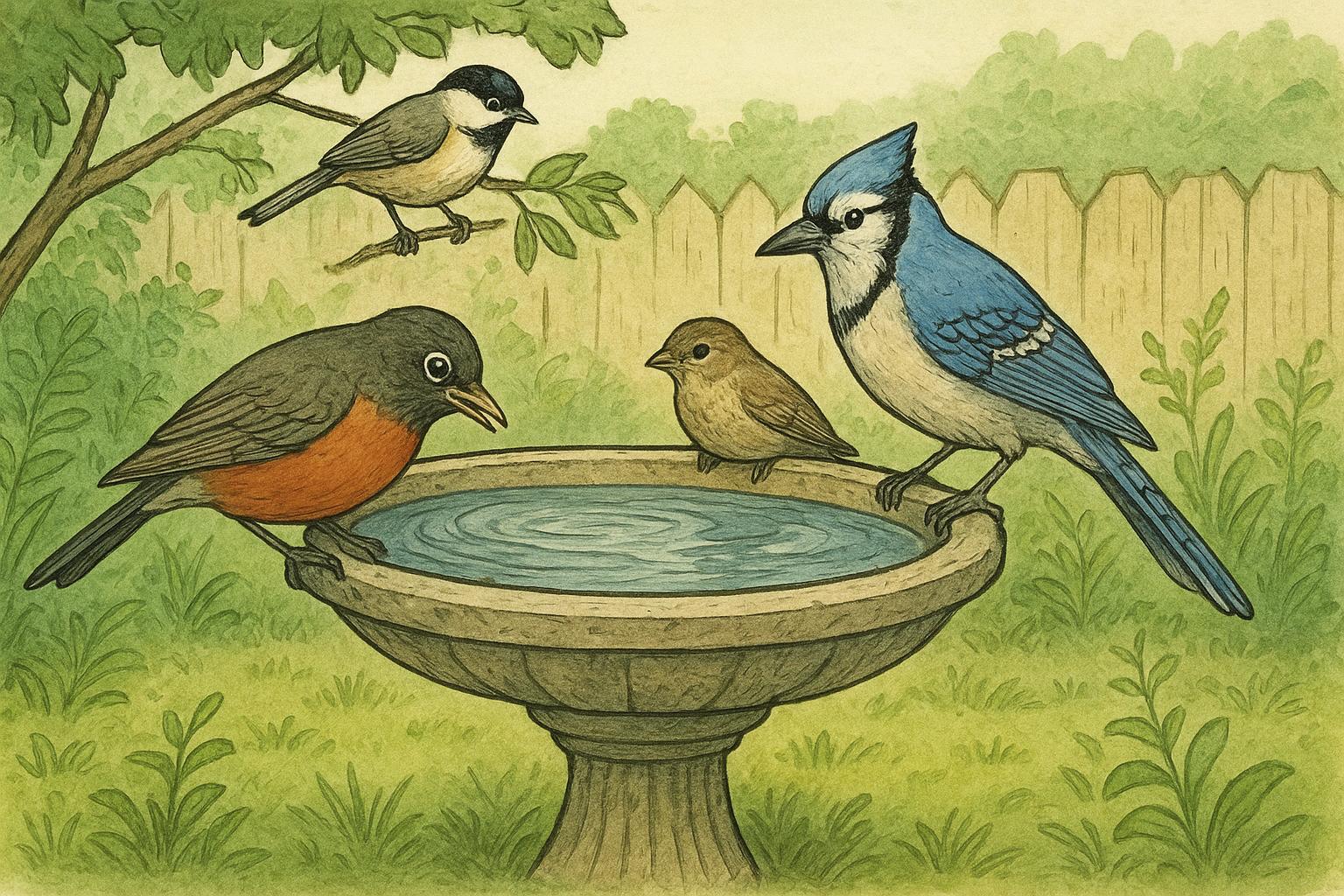
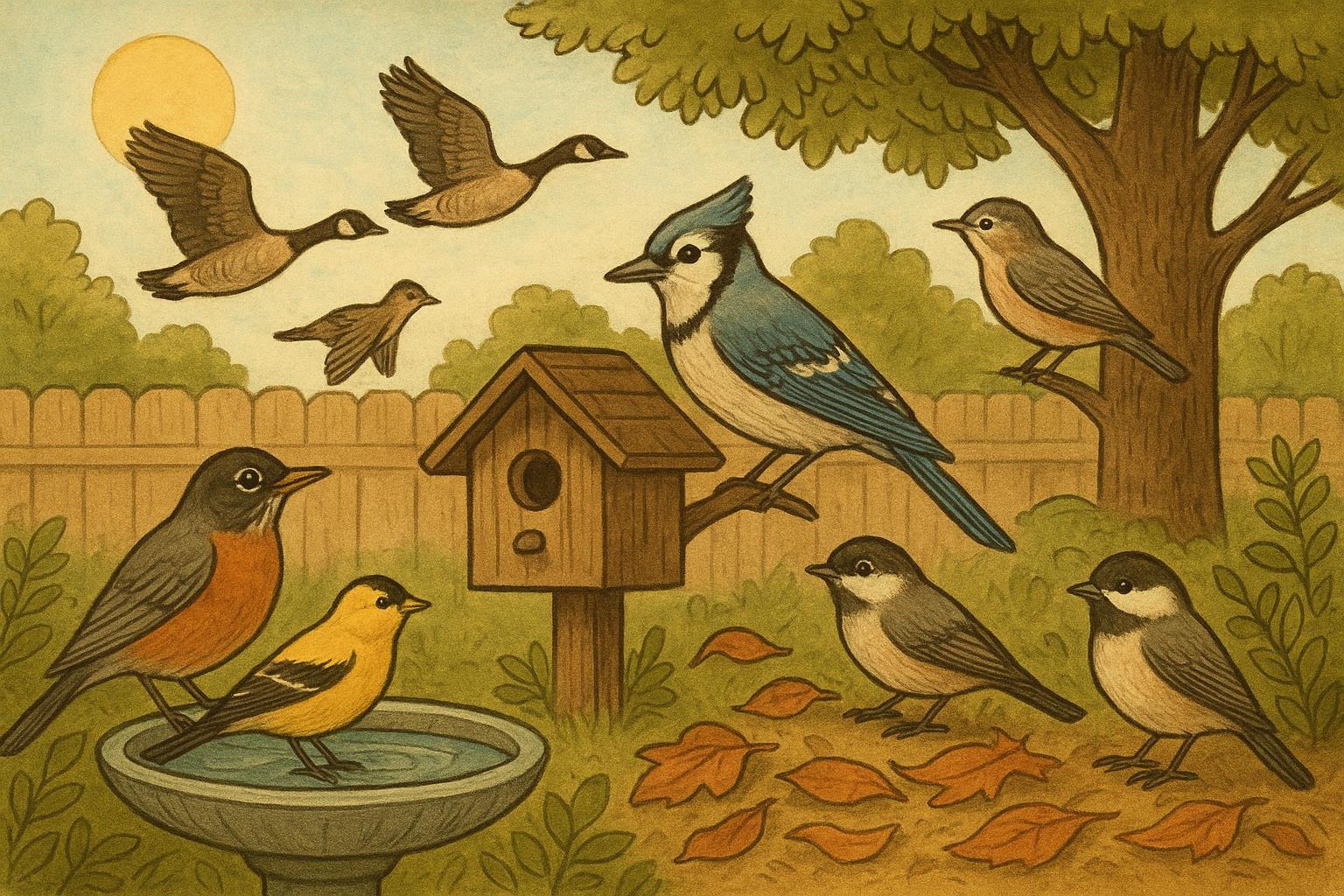
A simple shallow birdbath on a pedestal, a recycled basin, or a terracotta saucer on a low stand works well. Introducing a gentle dripper or mister can attract more species because moving water is easier to detect.
#### Safety And Maintenance
– Keep water shallow (1–2 inches at edge).
– Add flat stones for easy perching.
– Clean weekly to prevent mosquito larvae and algae.
## Vertical And Container Gardening Tricks
If square footage is scarce, think up. Wall-mounted planters, trellises, hanging baskets, and stacked pots offer foraging and nesting opportunities while saving ground space.
### Create Micro-Habitats With Containers
Containers can be grouped to provide sheltered nooks out of wind, warmer microclimates for early bloomers, and layered visual variety. Use native soil mixes and mix in coarse material at the bottom for drainage to keep roots healthy.
## 2 DIY Remedies For Wildlife Habitat Enhancement
Below are two practical remedies you can build in a small yard to increase habitat value. The instructions are presented in a formal and precise manner to ensure successful implementation.
### 1. Native Pollinator Planter Box
Ingredients / Materials:
– One 2’x2′ untreated cedar planter box (or size appropriate to space)
– 2 cubic feet of native soil mix (loam/sand/compost blend)
– 12–15 native pollinator-friendly perennials and annuals (see plant list below)
– Mulch (bark or leaf mulch)
– Optional: small flat stones for basking
Plant List Suggestions:
– Echinacea (Coneflower)
– Aster species
– Salvia or Monarda (Bee Balm)
– Native ornamental grasses (e.g., Little Bluestem)
– Native annuals such as Gaura or native salvias
Step-by-Step Creation And Application:
1. Prepare Box: Place the cedar planter on level ground in a location receiving at least 4–6 hours of sun for sun-loving species or partial shade plants if that is your yard’s exposure.
2. Fill With Soil: Add the native soil mix to within 2 inches of the top rim, lightly tamping to remove large air pockets while maintaining porosity.
3. Arrange Plants: Position plants in the box with taller species at the back and shorter at the front, spacing according to mature size. Avoid overcrowding to reduce disease pressure.
4. Planting: Remove plants gently from pots, loosen roots if root-bound, and place at the same depth as in their containers. Backfill with soil and press lightly around stems.
5. Mulch: Apply a 1–2 inch layer of mulch, keeping mulch away from direct contact with stems to prevent rot.
6. Watering Regimen: Water thoroughly after planting, then maintain consistent moisture for the first 4–6 weeks while plants establish. Transition to deeper, less frequent watering to encourage deep roots.
7. Seasonal Care: In late summer, deadhead spent blooms to encourage continued flowering. In late fall, leave some seed heads for overwintering insects and birds; cut back in early spring as new growth emerges.
8. Monitoring: Inspect monthly for pests or disease; remove invasive weeds promptly to protect native species.
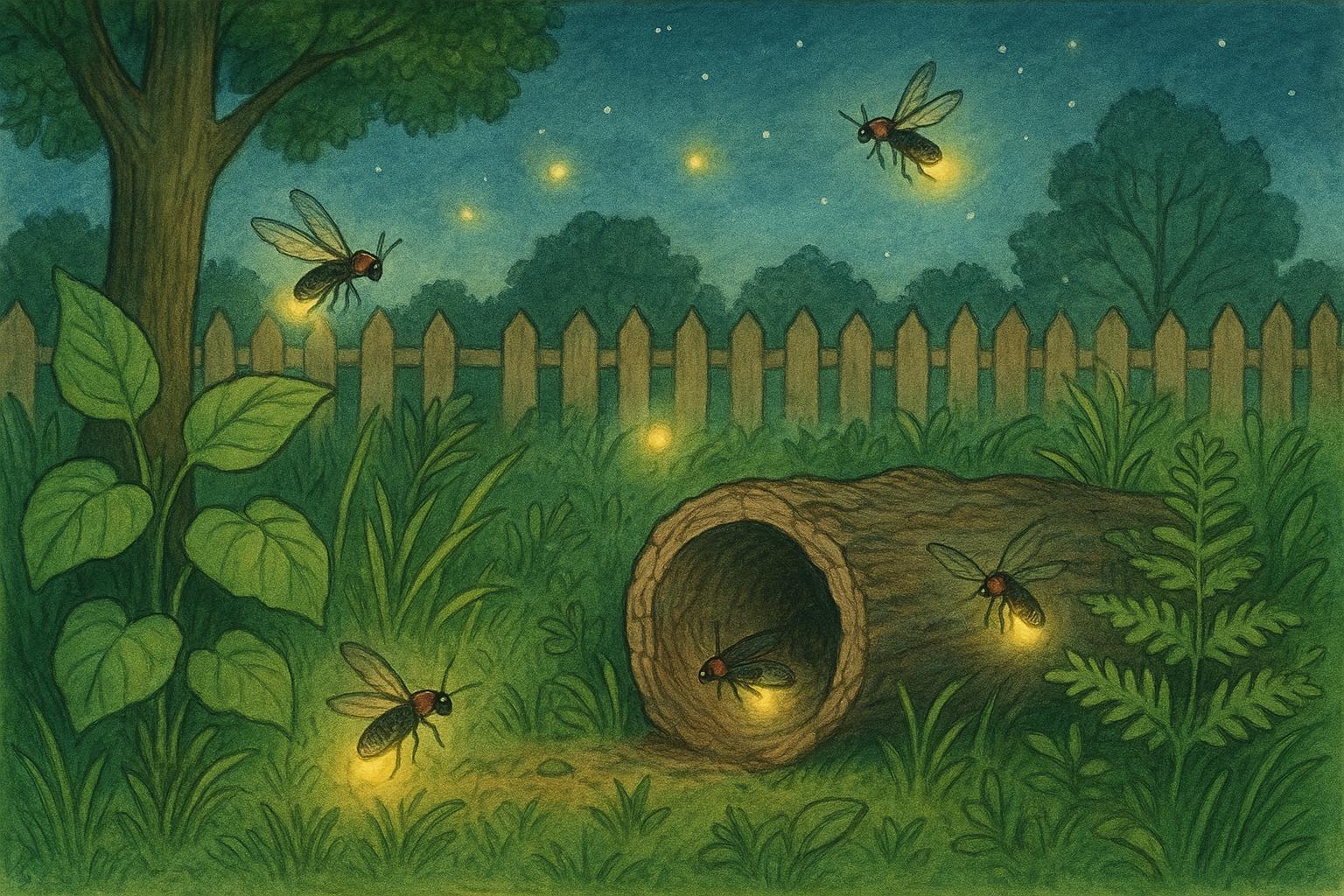
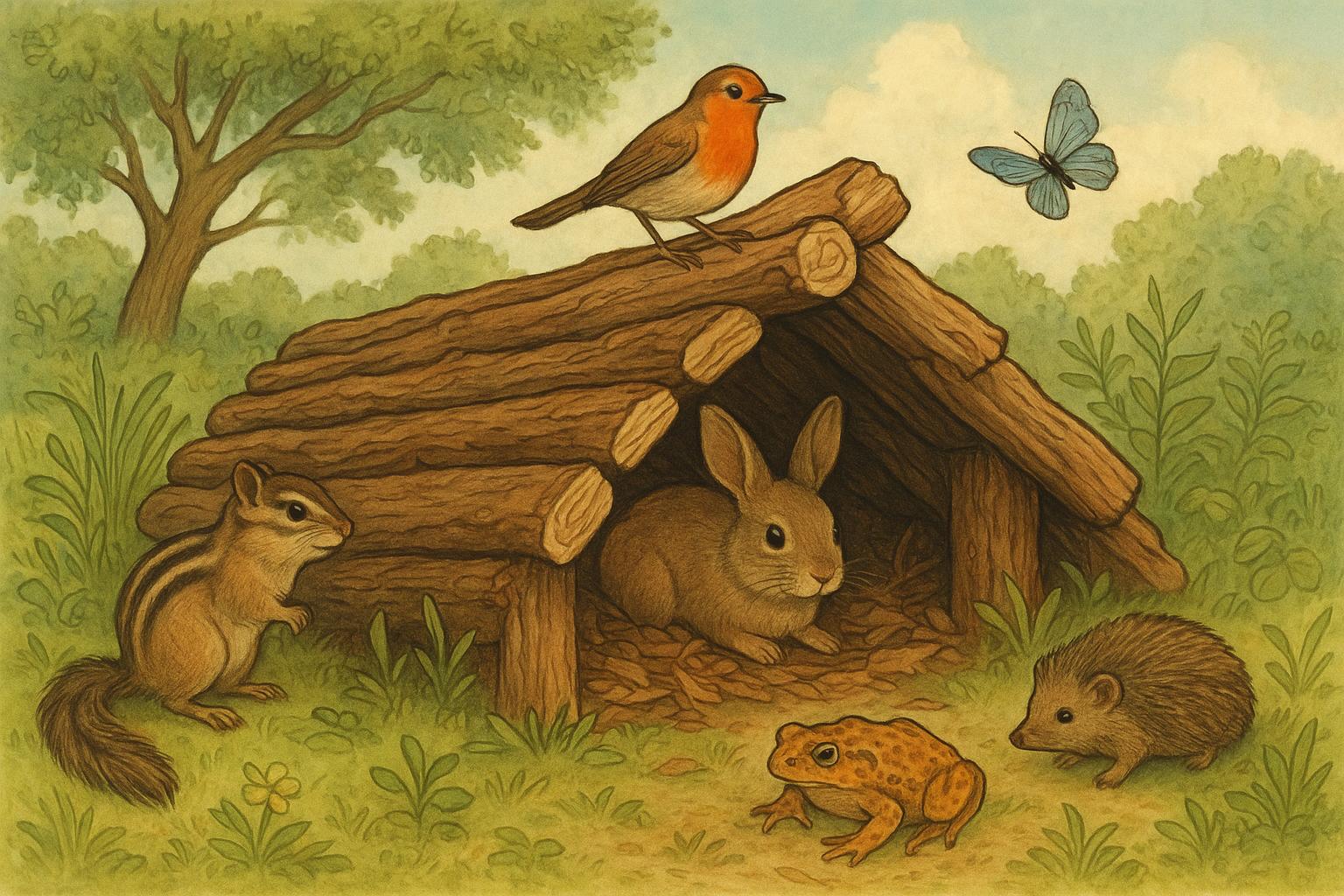
### 2. Small Log Pile Shelter And Beetle Hotel
Ingredients / Materials:
– Four to six small logs (4–8 inches diameter), cut to 18–24 inches length
– A few partially rotted branches or hardwood chunks
– A pallet or cinder blocks to elevate the pile (optional)
– Drill and assorted bit sizes for beetle hotel component
– Fine mesh or metal screen (optional for protection)
Step-by-Step Creation And Application:
1. Site Selection: Choose a relatively shady, sheltered corner of the yard near planting beds or under shrubs. Avoid overly wet depressions.
2. Prepare Base: Lay a pallet or set two cinder blocks to elevate the log pile slightly to improve airflow and reduce waterlogging.
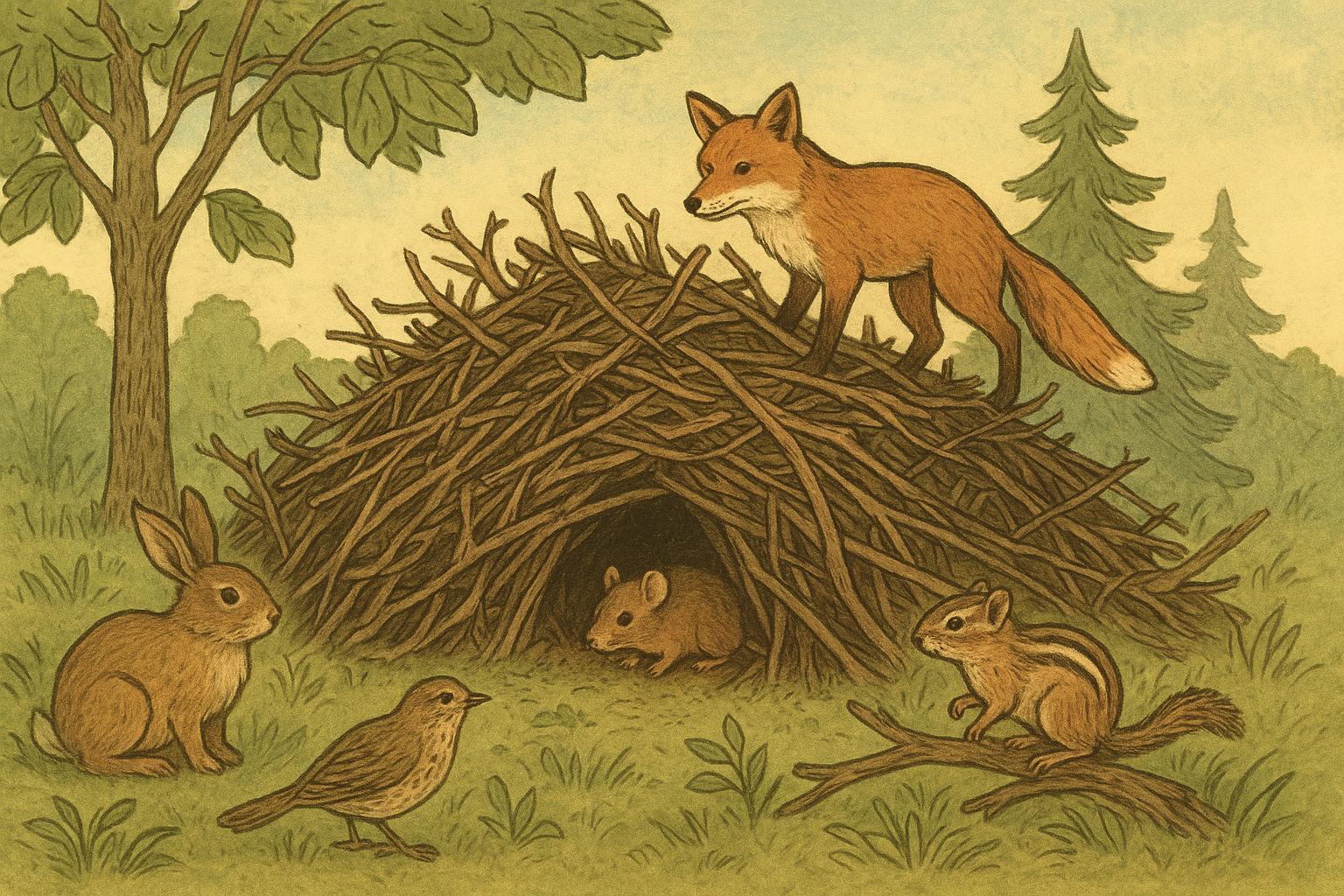
3. Stack Logs: Arrange logs in a compact pile with varying diameters to create crevices and cavities. Include a few partially rotted pieces to provide softer wood preferred by certain insects and amphibians.
4. Drill Holes For Solitary Bees: Use drill bits of differing diameters (3–10 mm) to create nest holes 3–5 inches deep in some of the larger logs. Space holes 3/4–1 inch apart to reduce competition.
5. Add Camouflage: Partially bury sections of the pile or lean cut branches against it to create additional microhabitats for reptiles and amphibians.
6. Protect If Necessary: If located where larger animals or curious children might disturb the pile, secure it with a piece of fine mesh anchored discreetly around the base, ensuring small openings remain for wildlife access.
7. Monitoring And Replacement: Check annually. Replace very degraded wood as needed by adding new logs to maintain continuity of habitat; maintain some older rotted wood on-site for species that depend on it.
## Create Travel Corridors And Safe Passage
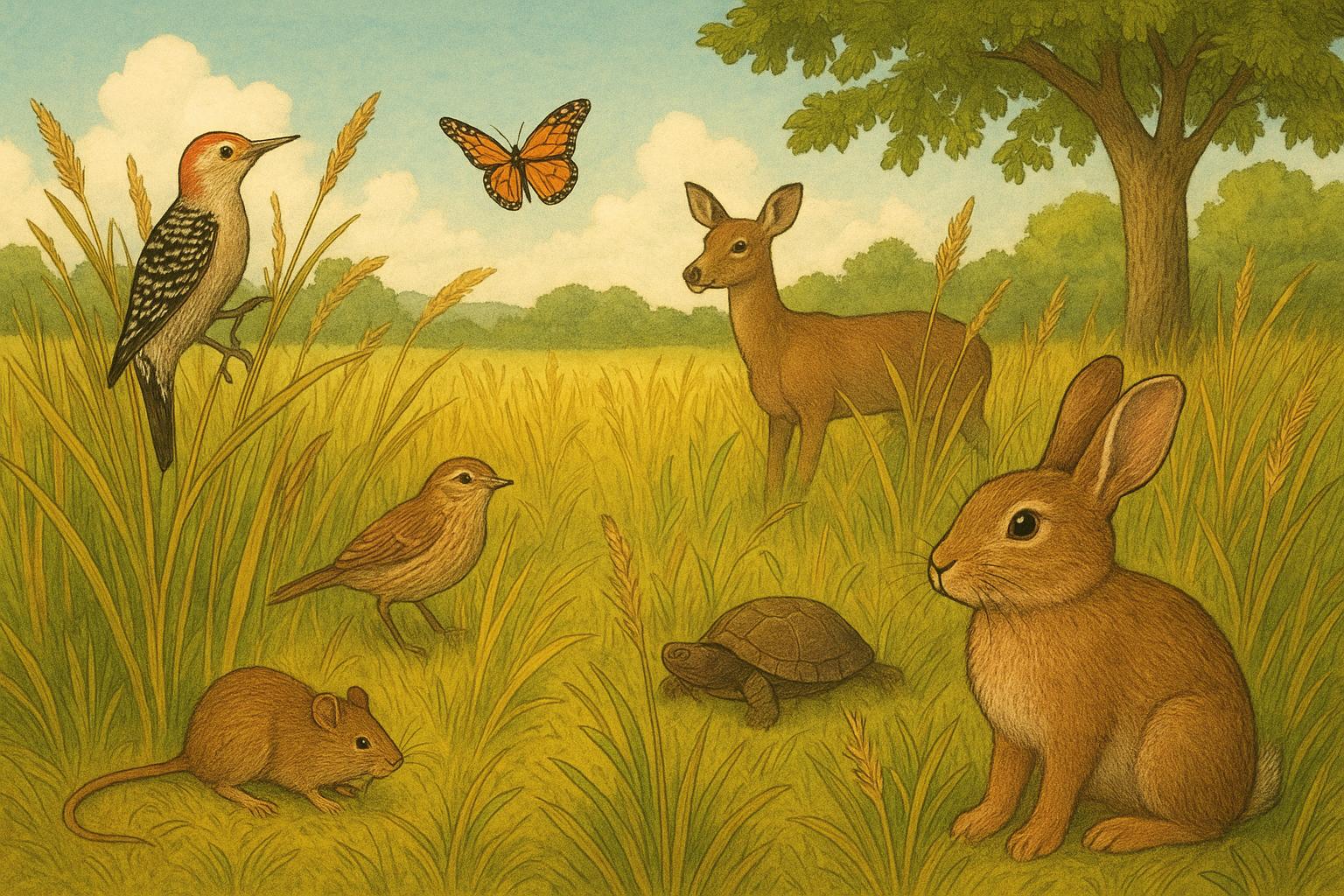
Wildlife needs connectivity. Even small yards can offer stepping stones of habitat to larger green spaces. Establish hedgerows or a series of small plant clusters that guide birds and insects through the urban matrix.
### Use Native Shrubs And Climbing Plants
Plant fast-growing native vines on trellises and include berry-producing shrubs in strips along fences to provide continuous food sources and cover. This creates vertical corridors that feel safer to wildlife than open yards.
## Clever Nesting And Shelter Solutions
Providing nesting resources is a high-impact strategy.
### Shelter Ideas For Birds, Bats, And Bees
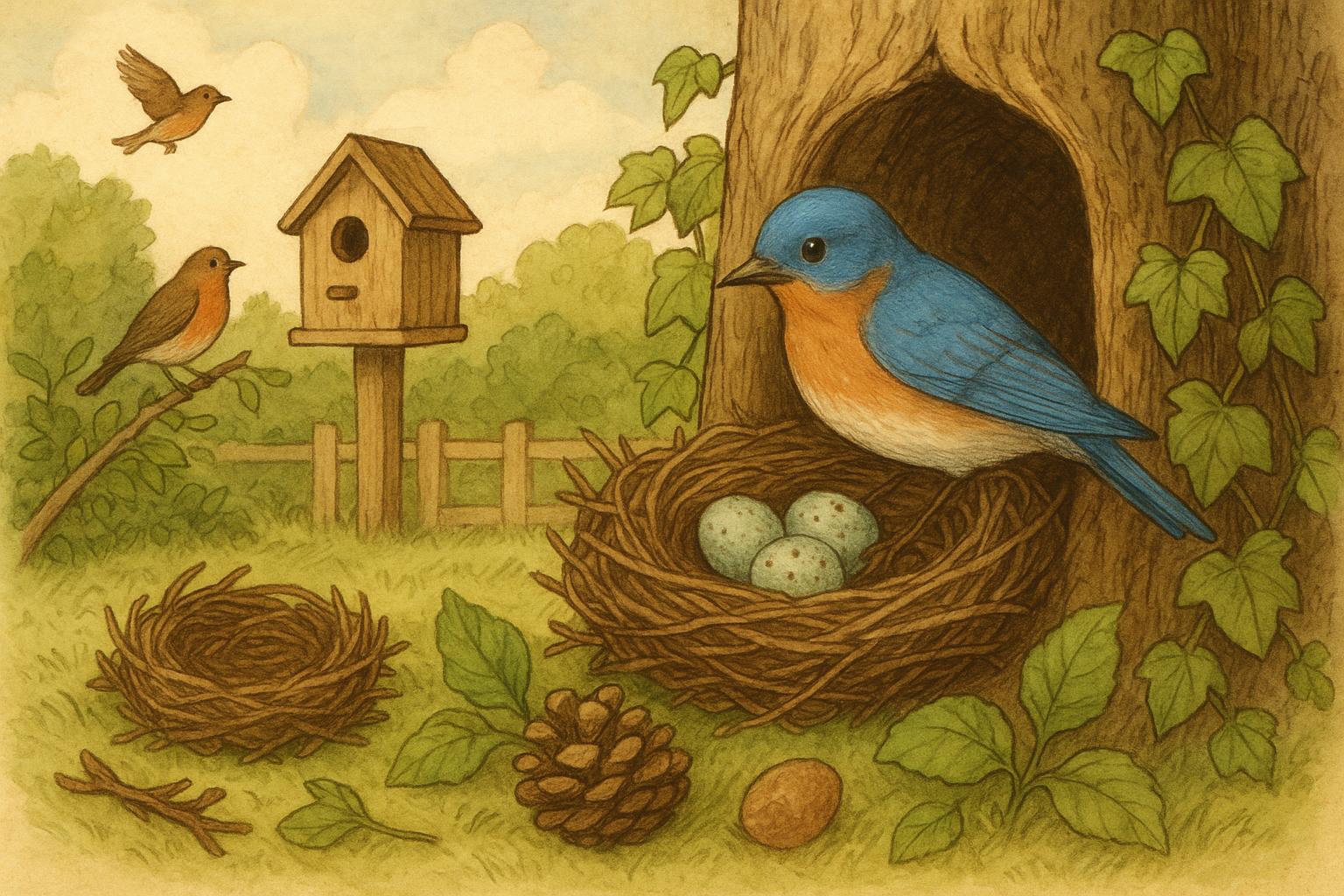
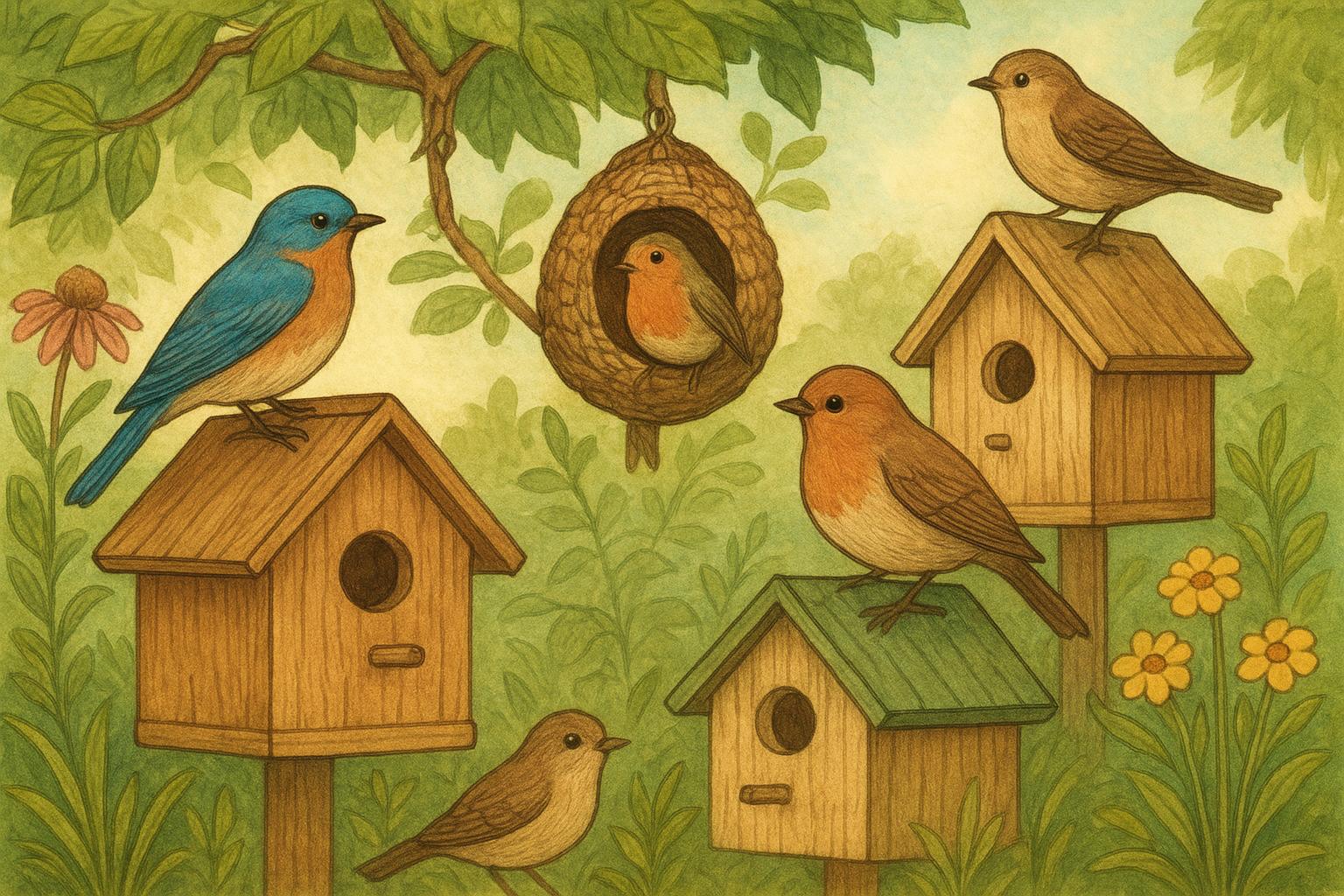
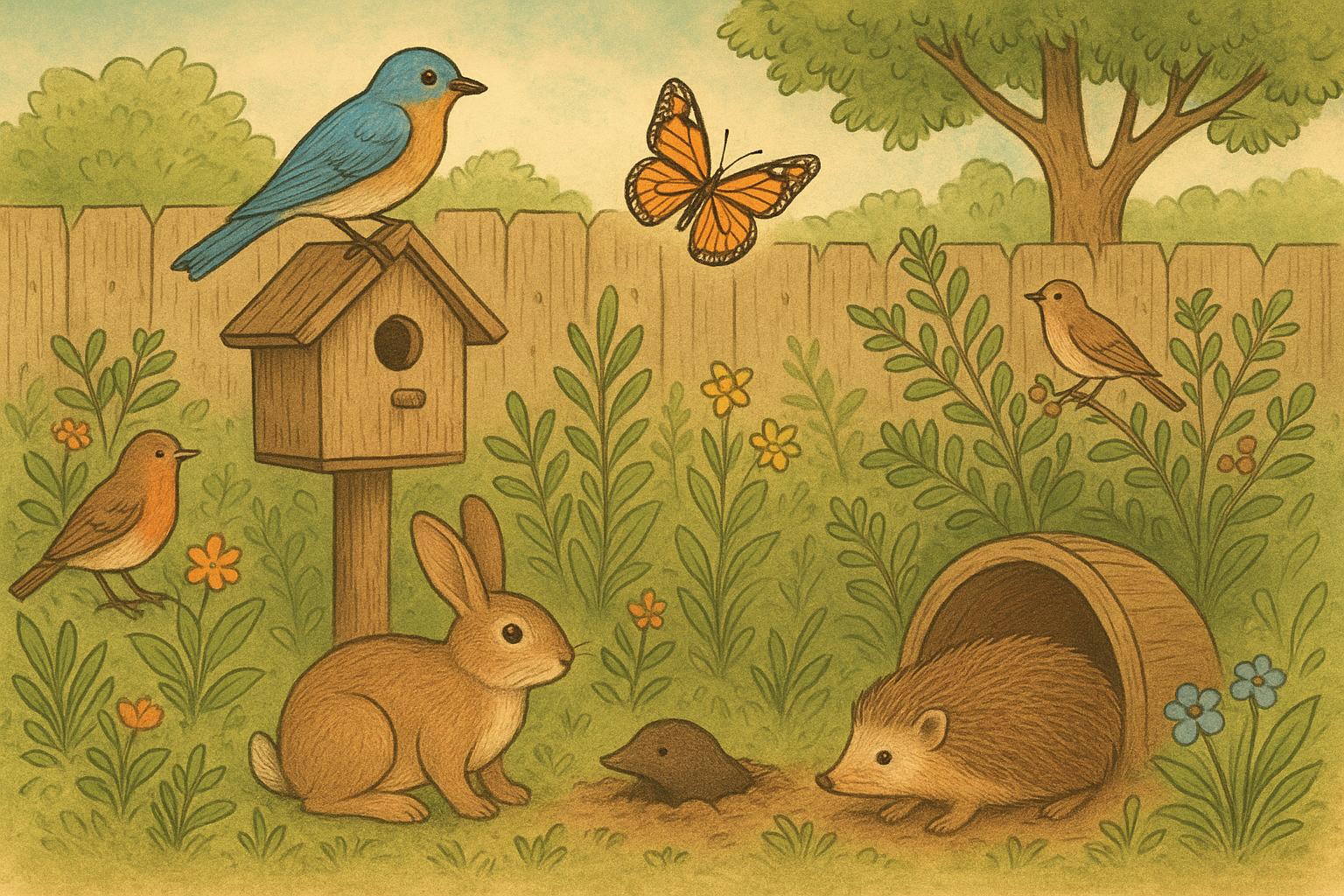
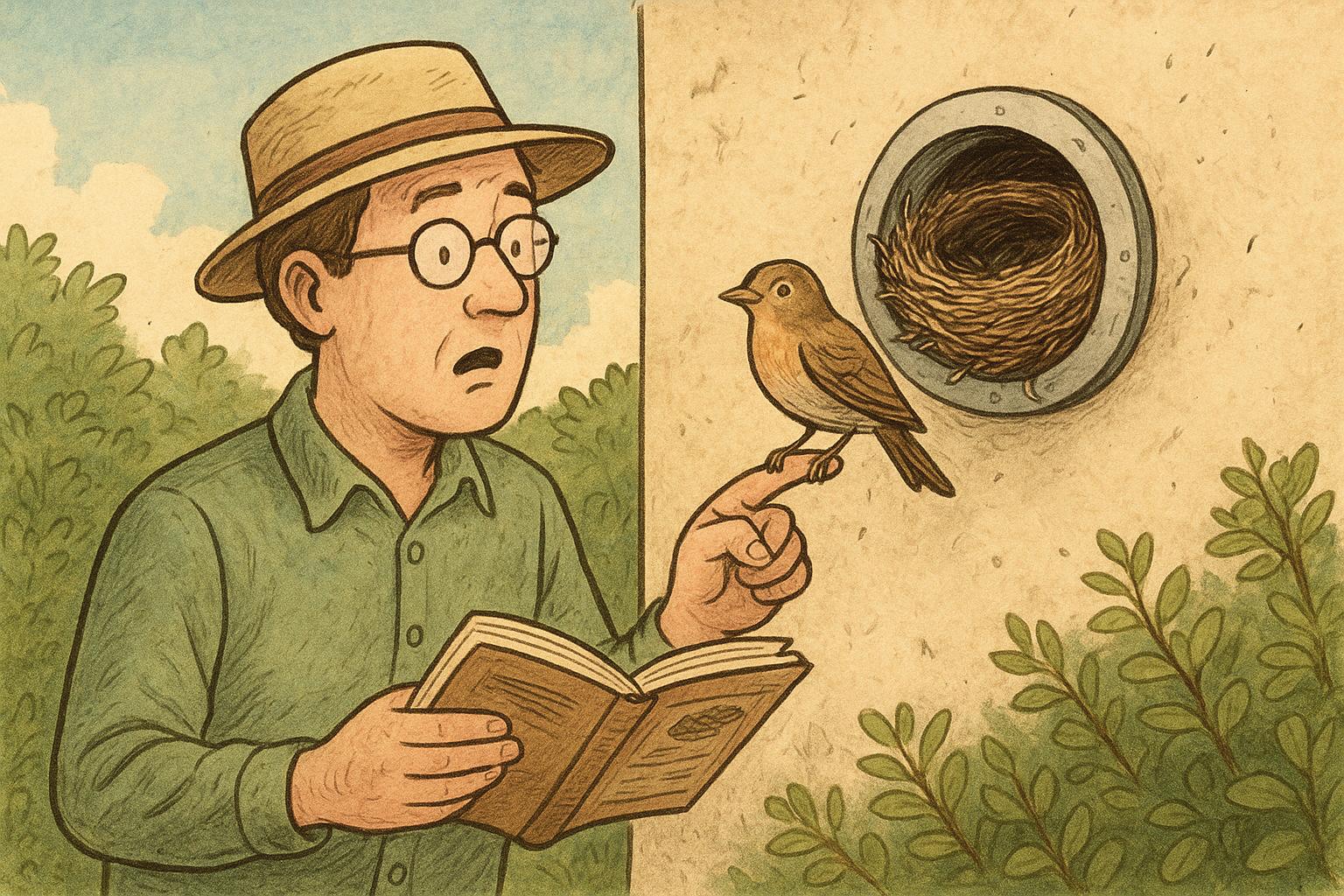
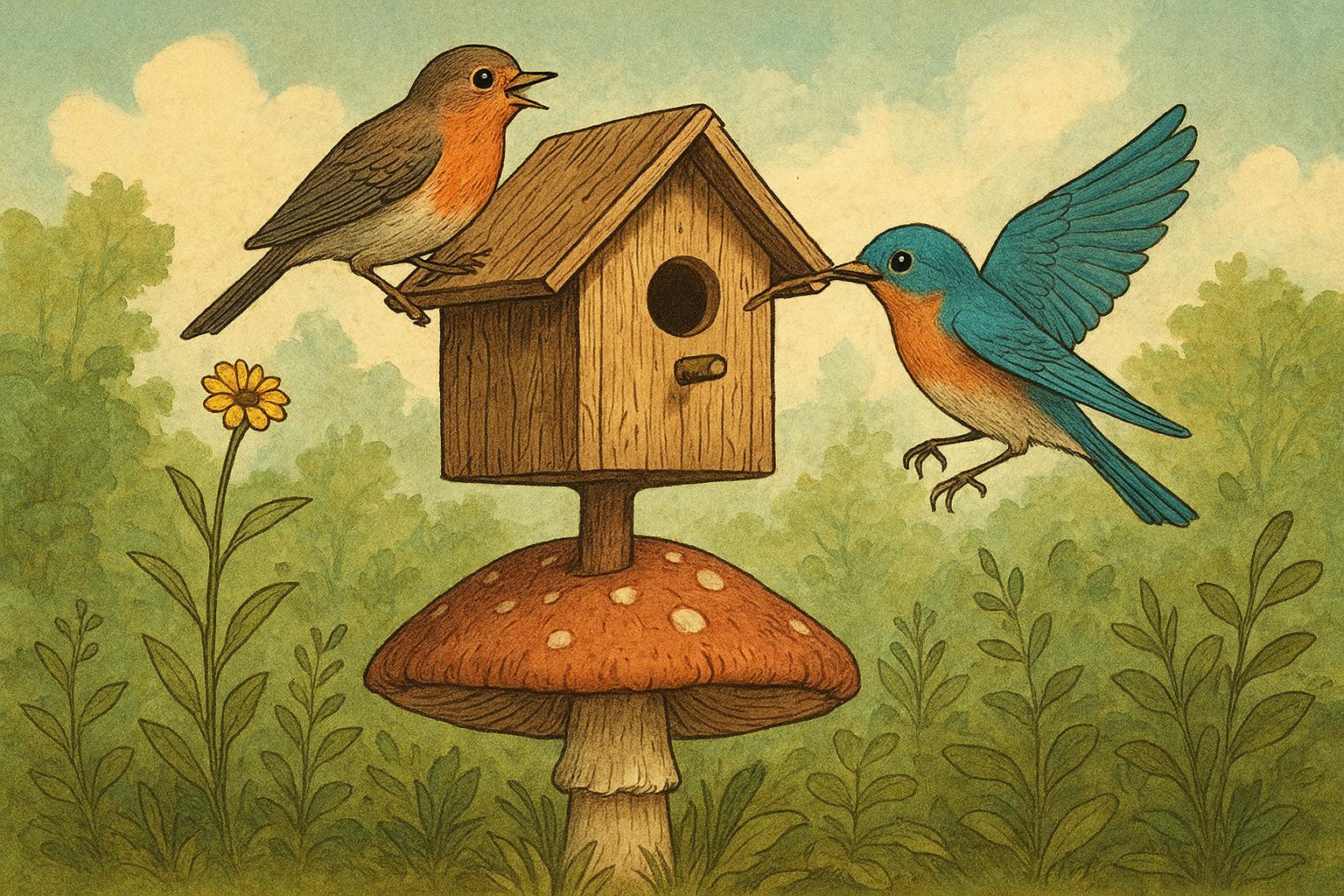
– Install a properly designed birdhouse suited to local species; orient entrance away from prevailing winds.
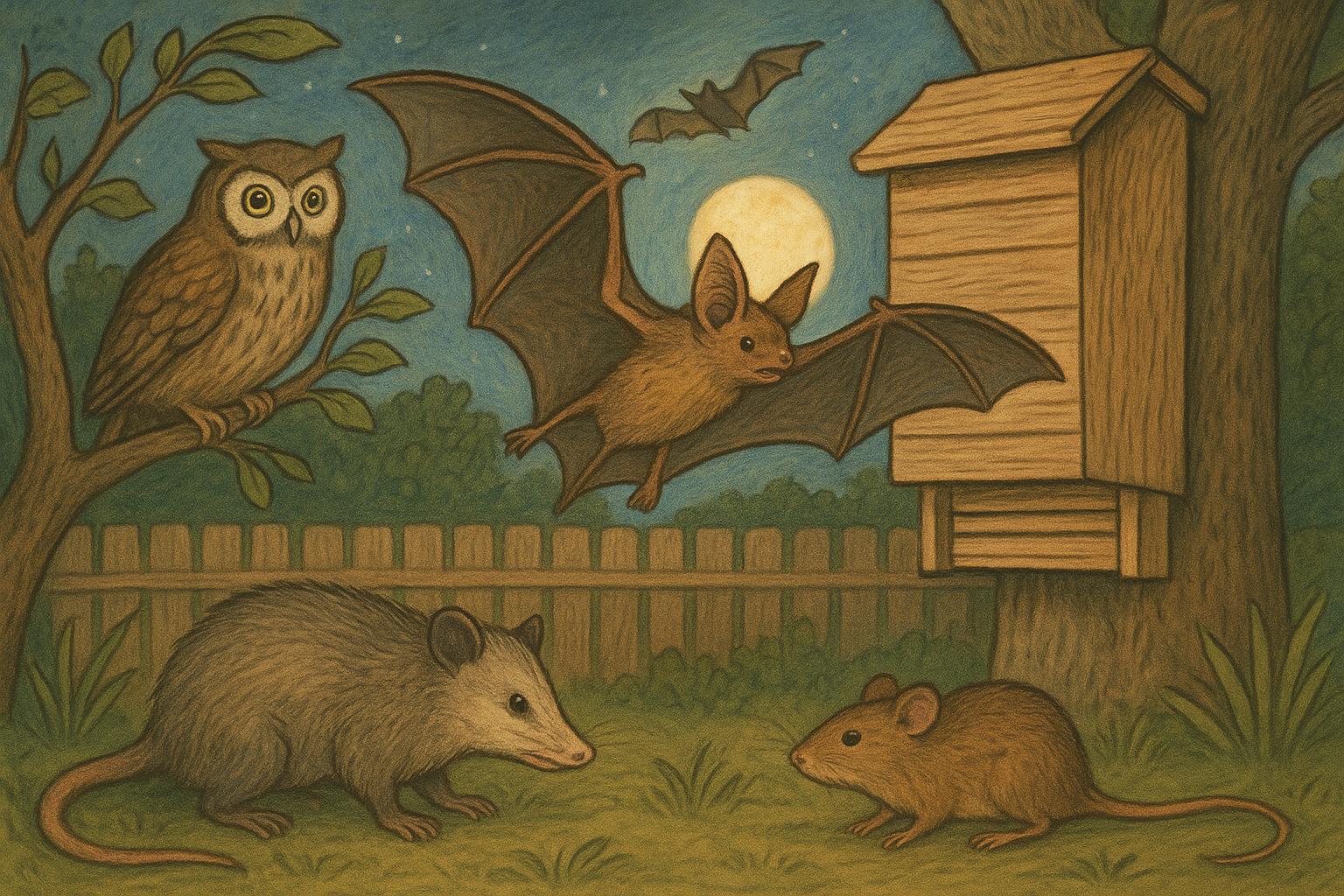
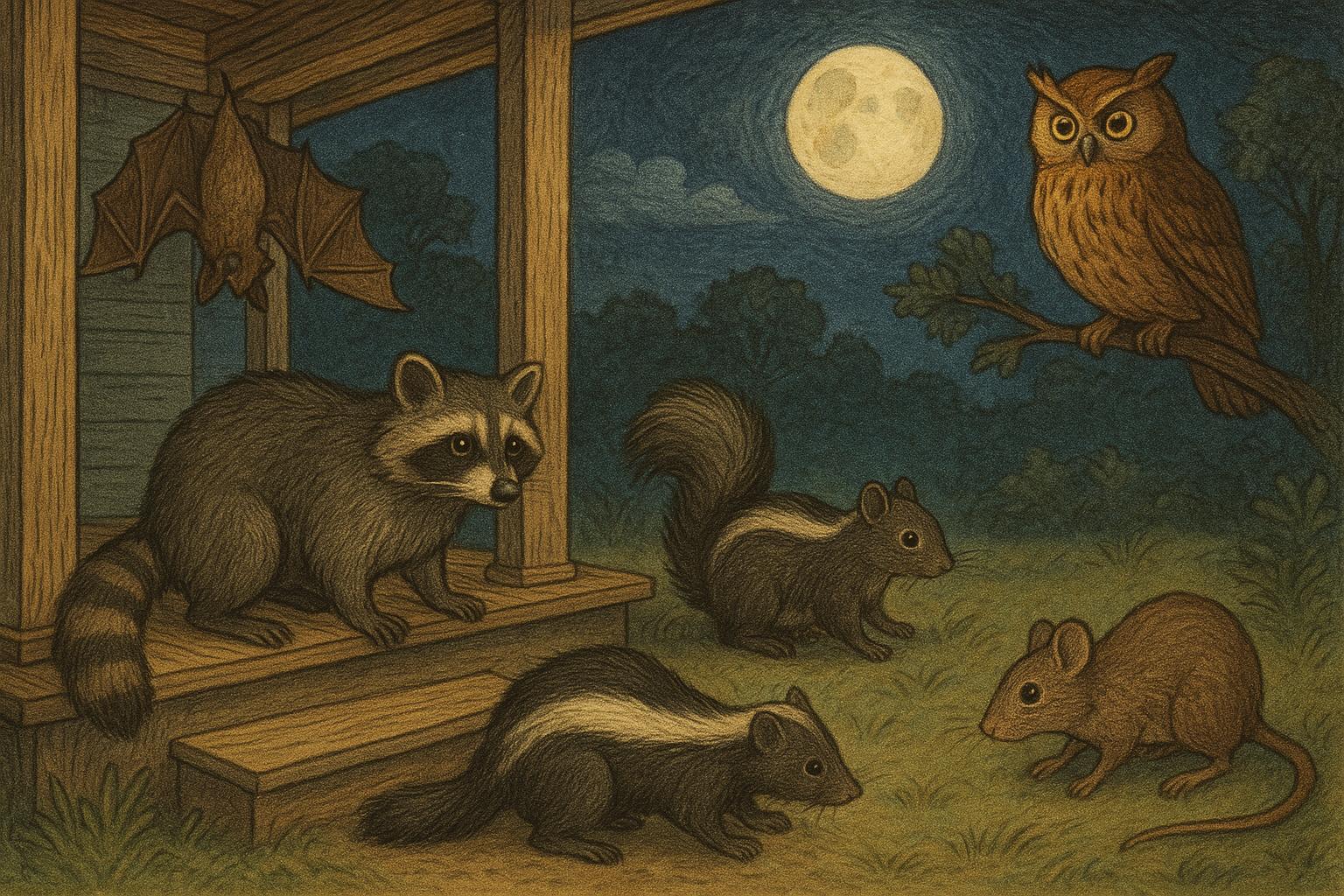
– Consider a bat box placed high on a wall or pole to control mosquitos and night-flying pests.
– Offer bare-ground patches or sandy banks for ground-nesting bees, and leave small stems and dead plant matter for cavity nesting insects.
#### Placement And Maintenance
Place nesting structures where they receive the appropriate sun/shade exposure for the species. Clean or maintain boxes as recommended by wildlife experts to reduce parasite buildup and disease transmission.
## Light, Privacy, And Predation Considerations
Artificial lighting and exposed areas can deter some species. Use warm, downward-facing lights and maintain layered vegetation to reduce predation risk for small birds and amphibians.
### Minimizing Hazards
– Keep cats indoors during peak bird activity or provide outdoor enclosures.
– Avoid pesticide use; opt for manual removal or targeted biological control when needed.
– Create low, dense shrub cover where fledglings can hide.
## Seasonal Planning And Year-Round Interest
Design with seasons in mind. Plants that provide nectar in spring and fall, berries through winter, and seed heads in late season will support different guilds of wildlife throughout the year.
### Planting Calendar Basics
– Spring: Early-blooming native trees and bulbs.
– Summer: Nectar-rich perennials and shrubs.
– Fall: Fruit and berry-bearing plants for migration and overwintering.
– Winter: Standing seed heads and evergreen cover for shelter.
## Maintenance Tips For Small Yards
A small yard’s compactness makes maintenance manageable, but certain practices amplify benefits for wildlife.
### Low-Impact Upkeep
– Mow less frequently and leave odd corners unmown.
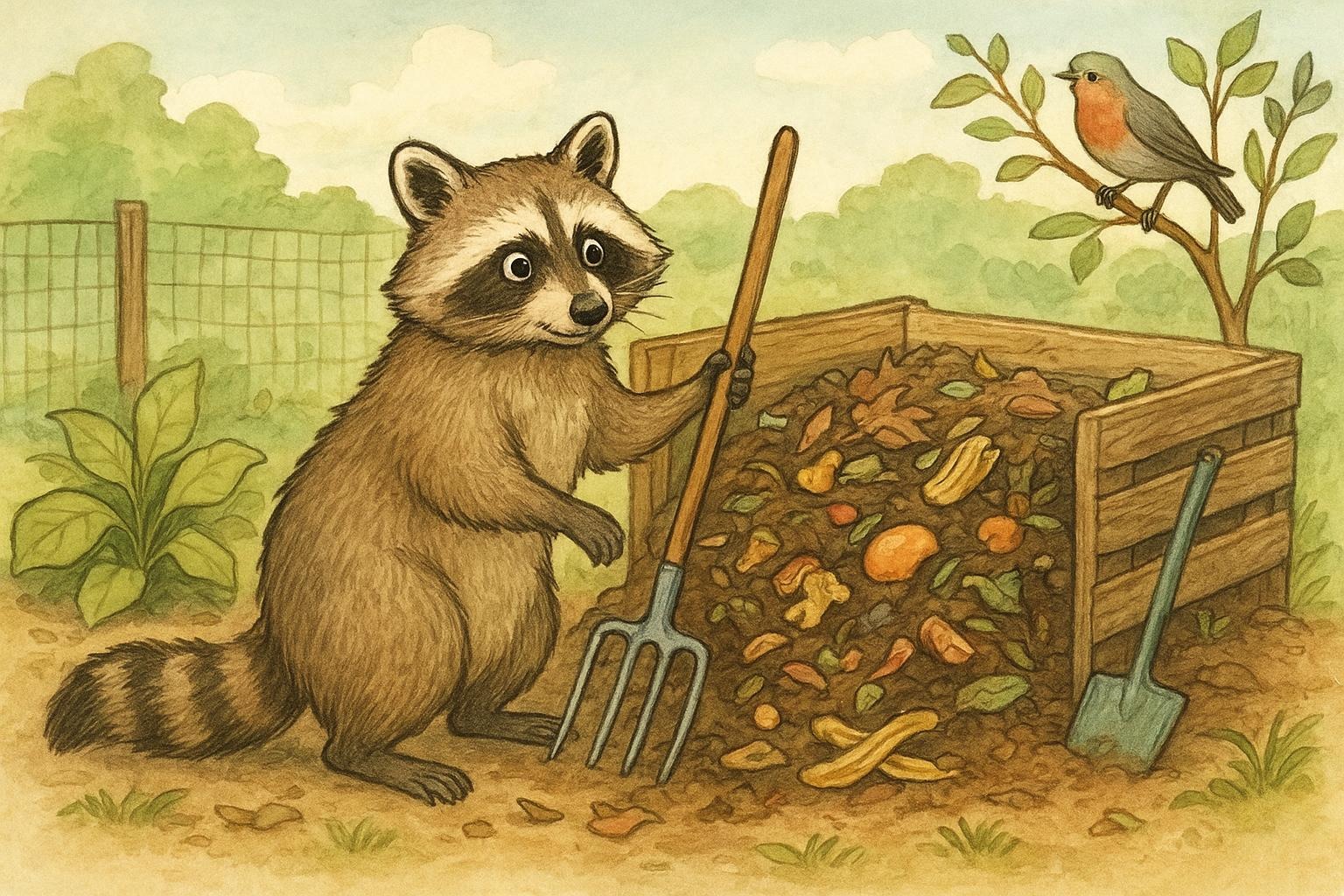
– Compost yard waste on-site to create soil and shelter.
– Water wisely with drip irrigation or watering cans to conserve resources.
Sprinkle a little patience into your schedule; nature benefits from continuity. Implement these small yard ideas incrementally, and before you know it, your compact patch will be humming with life — and maybe the occasional squirrel causing a mild drama.







Leave a Reply