
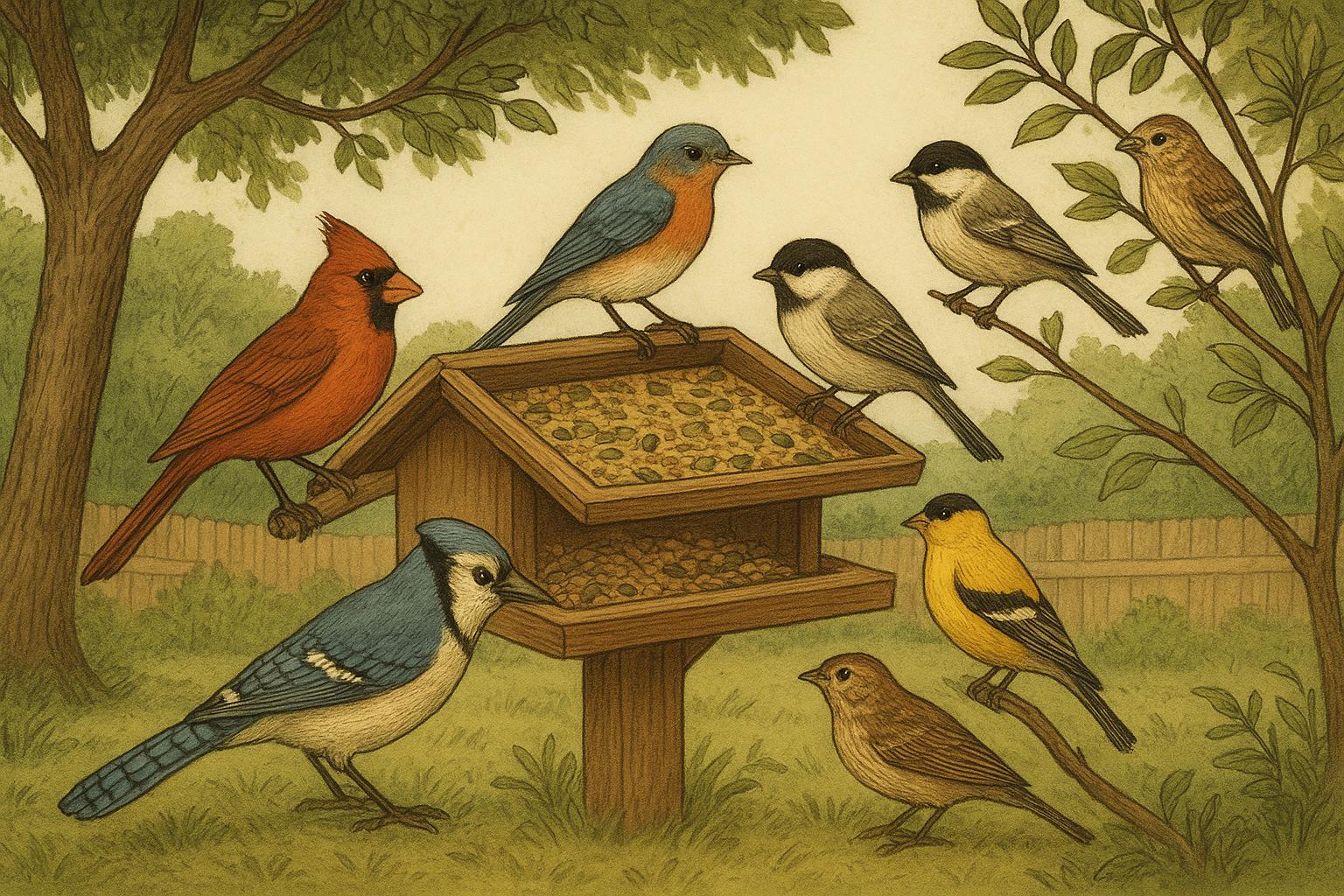
If your backyard has ever felt like an underappreciated bird café, you’re in the right place. Welcome—grab a mug, pull up a chair near a window, and let’s chat about one of the friendliest ways to invite feathered guests: platform feeders. They’re simple, versatile, and a little bit theatrical—the bird equivalent of an open-air patio.
## Platform Feeders A Practical Guide For Backyard Birding
### Why Platform Feeders Make Backyard Birding So Fun
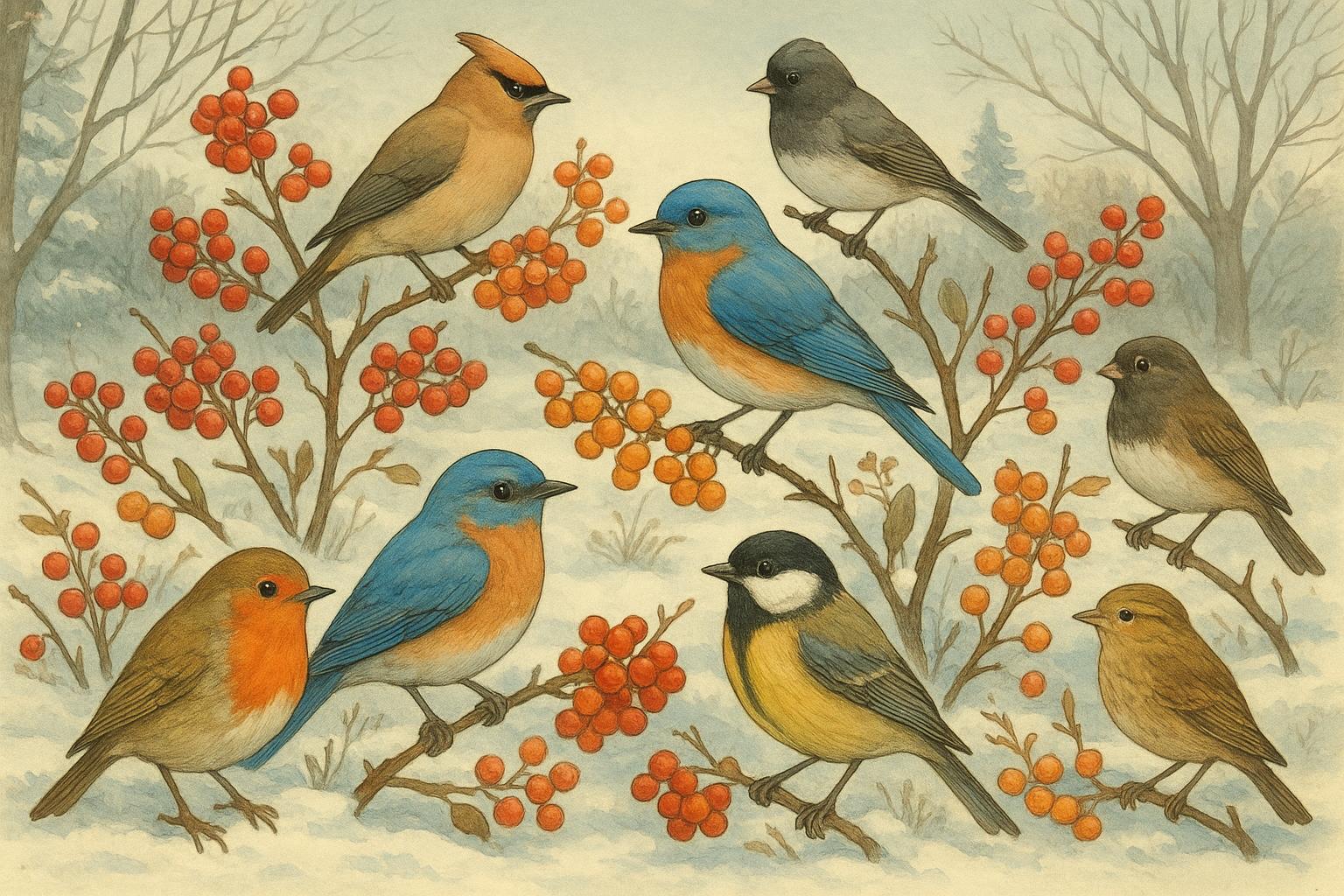
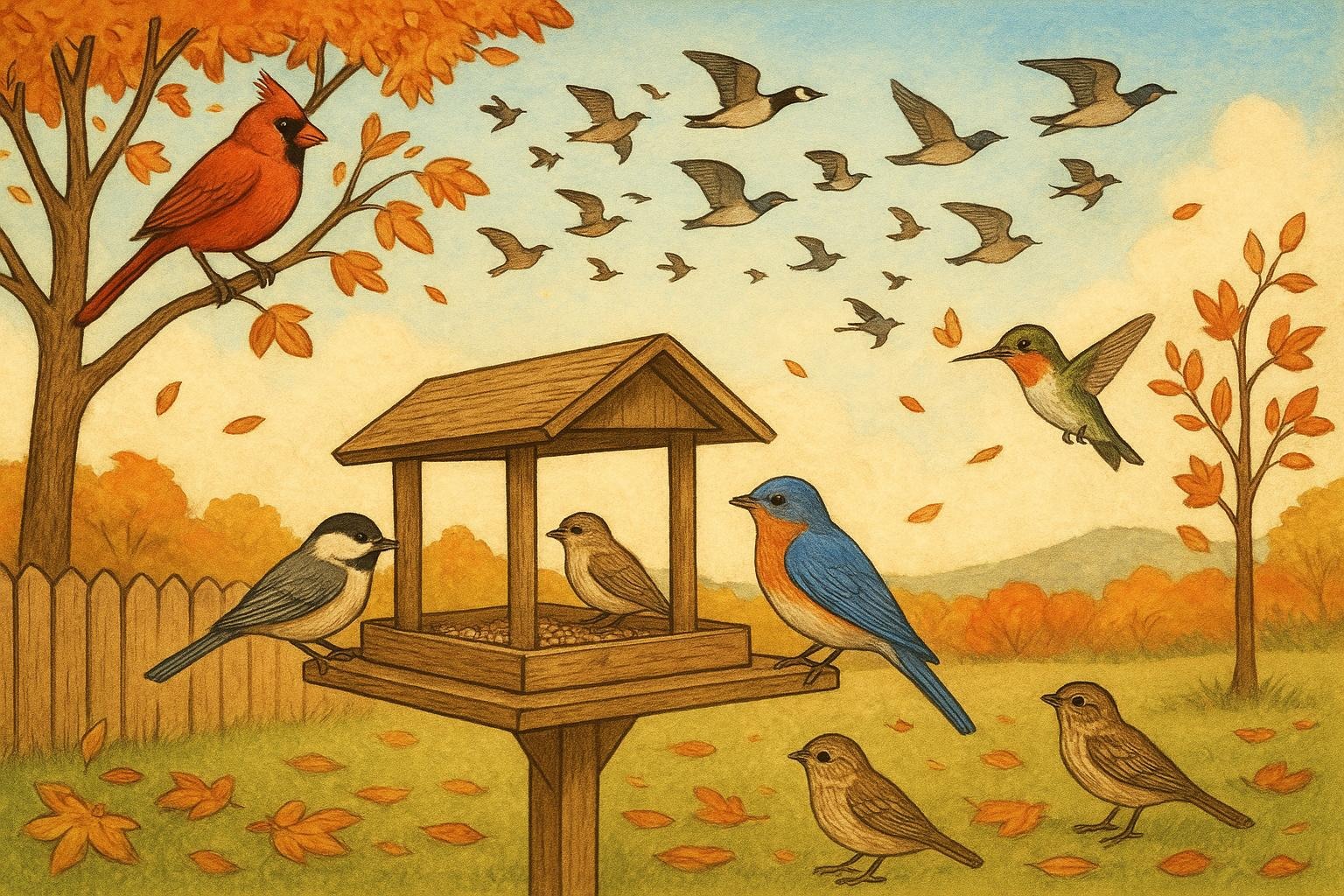
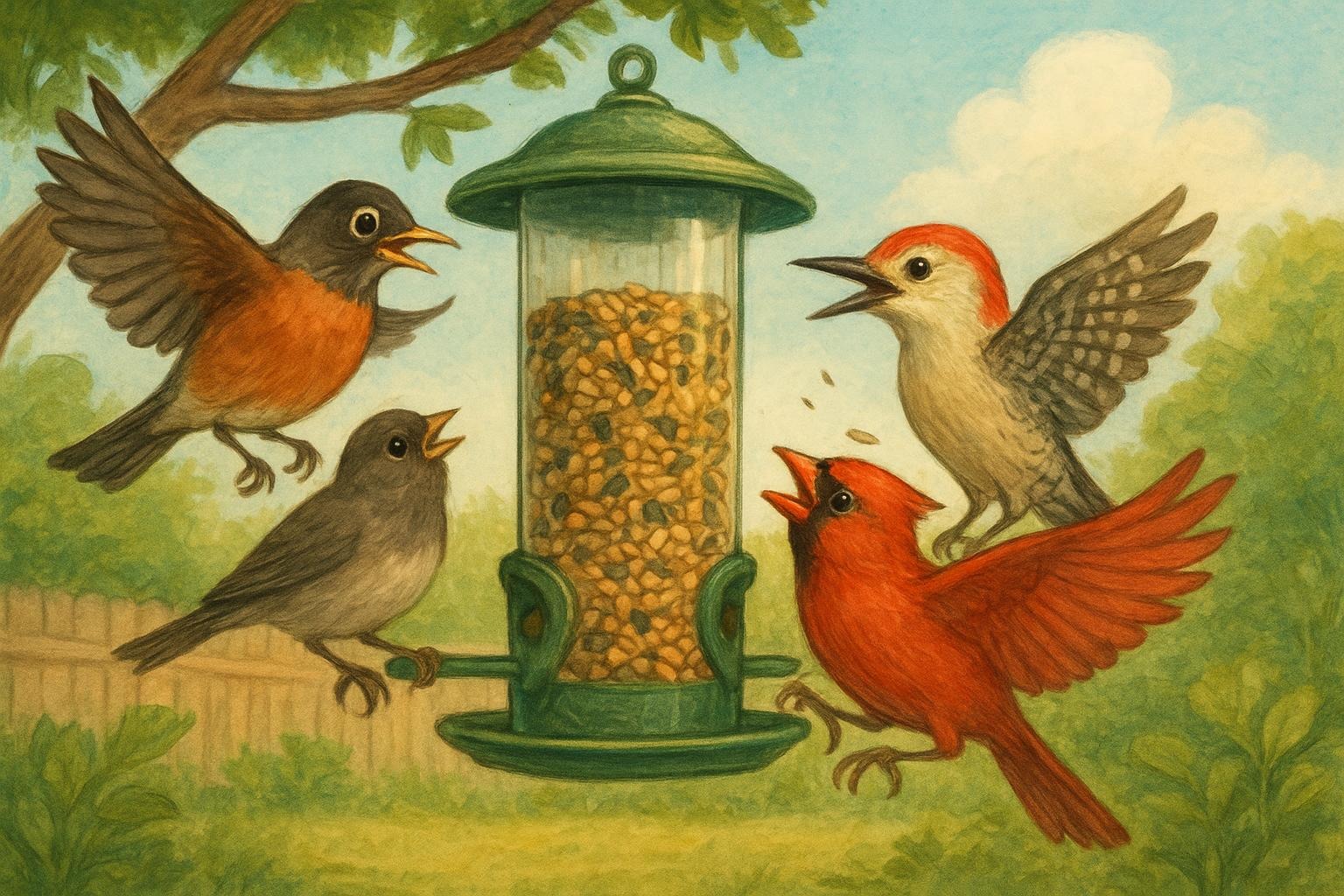
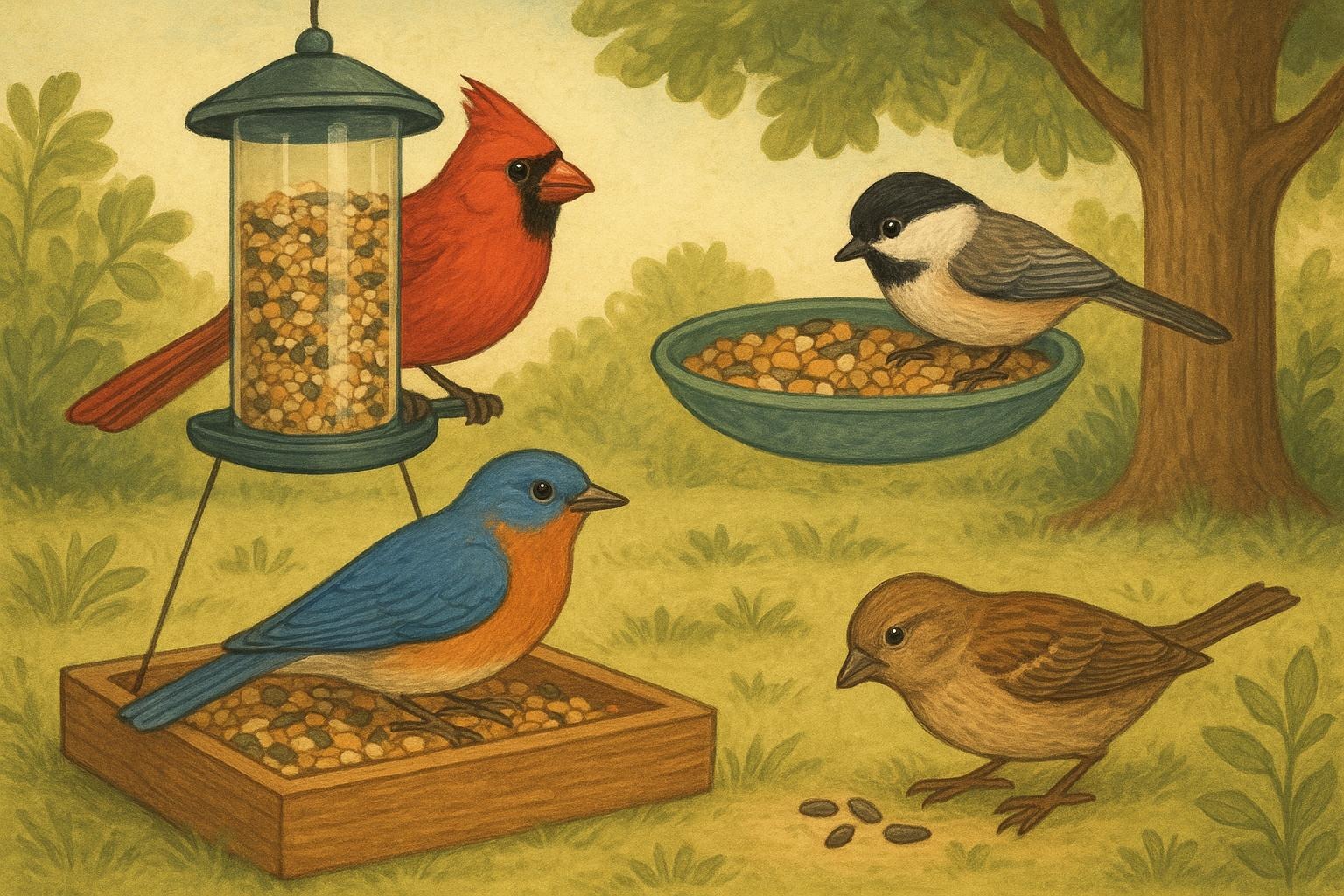
Platform feeders are basically the buffet tables of the bird world. A flat, open surface invites a wide variety of species that won’t visit tube feeders or tiny ports: jays, doves, cardinals, thrushes, and ground-feeding sparrows. Their openness also makes it easier for you to observe natural behaviors like scratching, pecking, and the occasional dramatic wing-flap argument over a sunflower seed.
platform feeders are particularly good when you want to create a “all-access” feeding station. They accommodate a range of food types—seeds, fruit, suet cakes, and mealworms—so you can support diverse diets and attract more species across seasons. Because they’re not enclosed, they’re also easy to clean and refill, which helps keep visiting birds healthy.
### Choosing The Right Platform Feeders For Your Yard
Think about materials, size, and mounting options. Platforms come in wood, metal, and recycled plastics. Wood has a classic look but needs weather treatment; metal can last but may get hot in summer; plastic is low maintenance but sometimes less sturdy.
Size matters: a small 10–12 inch platform suits a couple of songbirds, while a 16–18 inch or larger platform gives room for groups and larger species. Consider mounting height and visibility: low platforms (2–4 feet) attract ground feeders and jays, while higher positions (6–8 feet) reduce neighborhood cat visits.
Placement tip: place platform feeders within 10–20 feet of cover (shrubs or trees). Birds want quick access to shelter for safety. At the same time, keep them out of dense cover where predators can easily ambush.
### Feeding Strategies And Seed Choices
Different birds prefer different things. Black oil sunflower, millet, and safflower are crowd-pleasers. For ground and open-platform visitors, offer a mix rather than single-seed blends—this reduces waste and attracts more species.
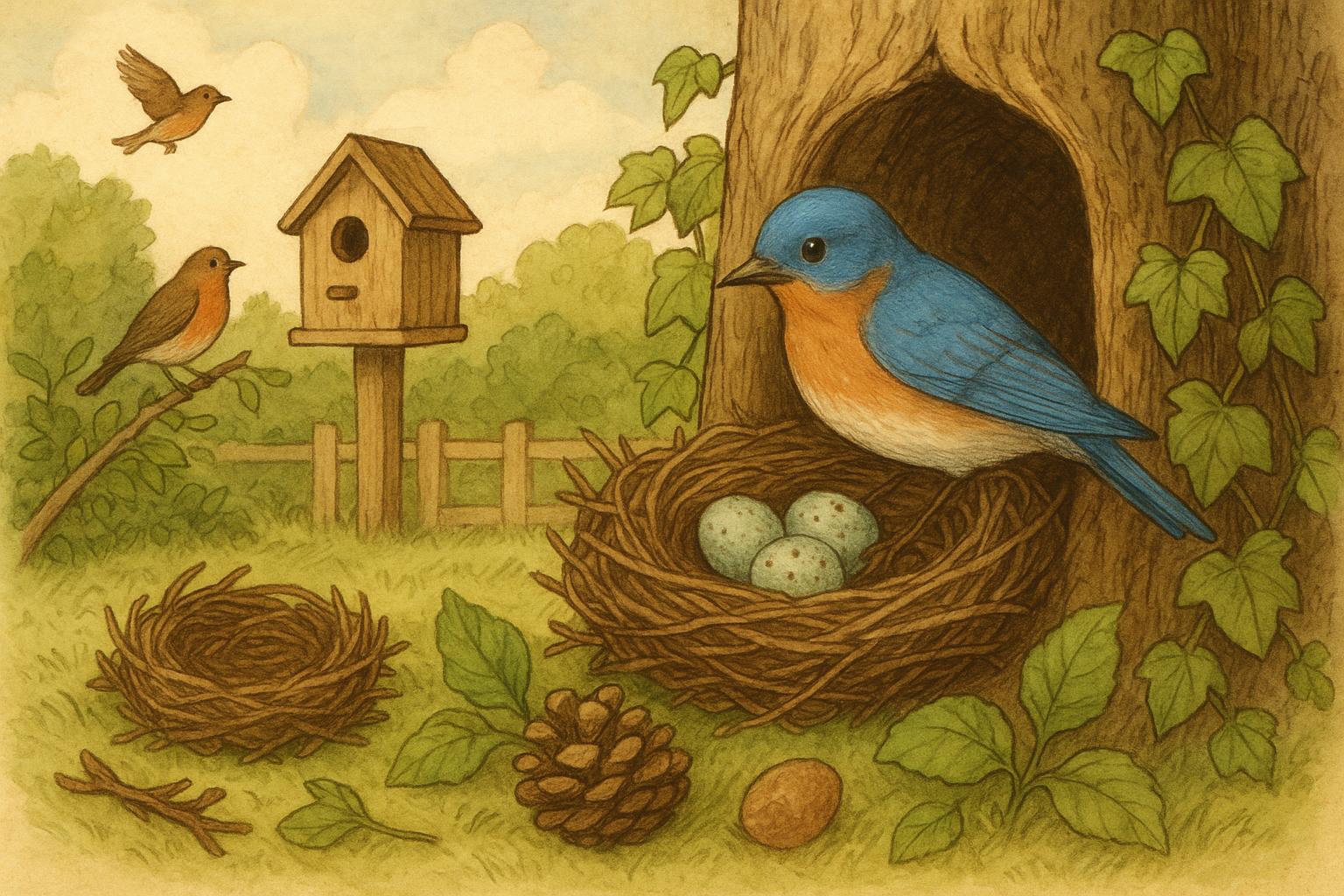
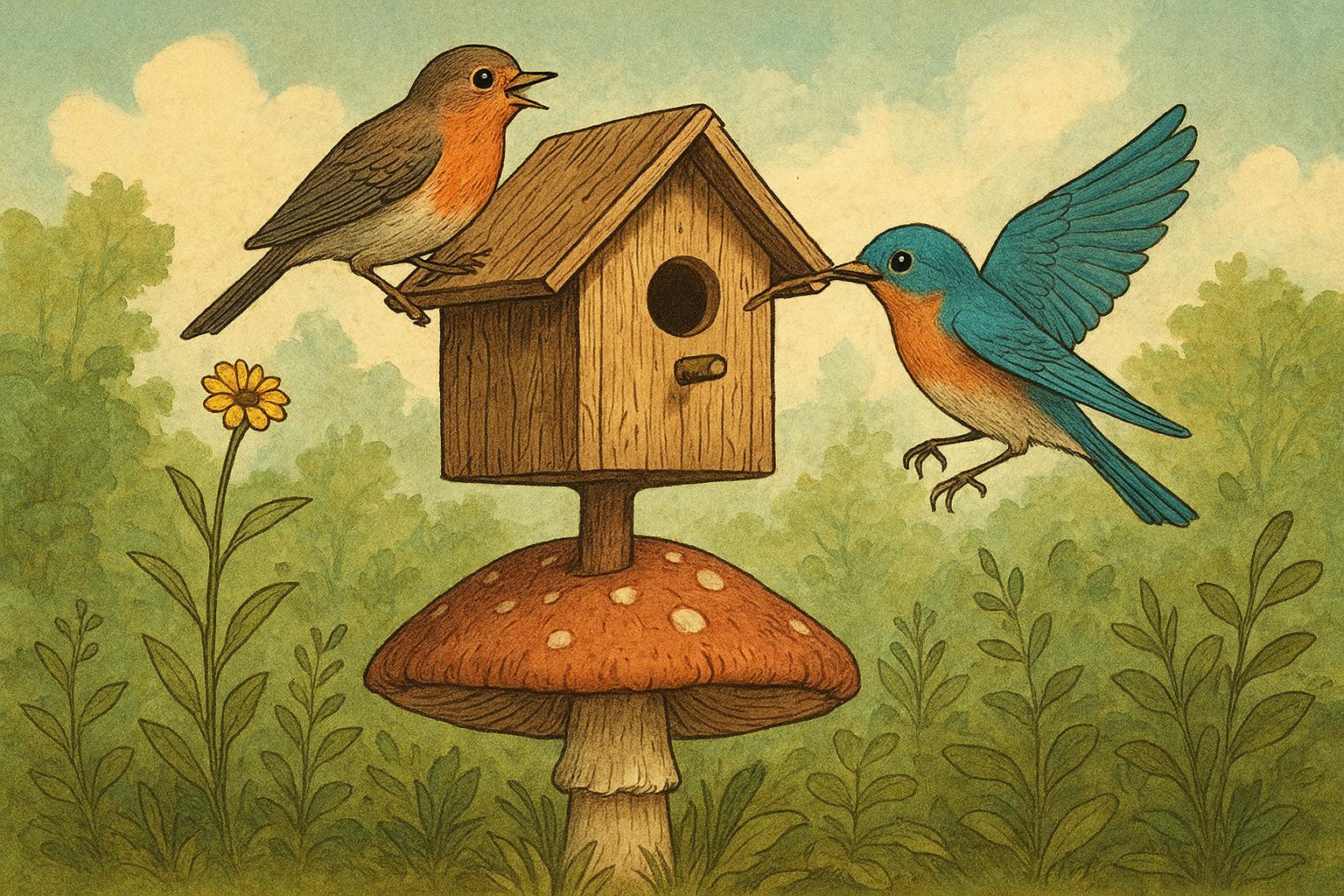
If you want to attract insectivores and bluebirds, supplement seeds with mealworms (live or dried) and small fruit. For winter energy, suet cakes placed on a corner of the platform or in a small suet holder will be gobbled up quickly.
Be mindful: platform feeders can collect droppings and mold more readily than enclosed feeders. Regular cleaning is essential to prevent disease transmission, which leads us to the first remedy.
### Remedy 1: Cleaning And Sanitizing Platform Feeders (Materials And Steps)
When discussing remedies, it’s important to be exact and practical. The following cleaning regimen is evidence-based and designed to reduce pathogen risk without harming birds.
Materials Required:
– Rubber gloves
– Stiff brush or nylon scrub brush
– Mild dish soap
– Household bleach
– Measuring cup
– Bucket or large container
– Clean water supply (hose or large jug)
– Clean absorbent towels or air-dry area
– Optional: small putty knife for stuck-on debris
Step-by-Step Procedure:
1. Remove all food and loose debris from the platform feeder. Dispose of old seed away from the feeder site.
2. Scrub the feeder with a brush and warm, soapy water to remove visible dirt and droppings. Rinse thoroughly.
3. Prepare a disinfectant solution: mix one part household bleach with nine parts water (a 1:9 dilution). Always prepare fresh solution each time.
4. Submerge the feeder or apply the solution liberally to all surfaces. Let it remain wet for at least 10 minutes to ensure proper disinfection.
5. Rinse the feeder thoroughly with clean water until no bleach smell remains.
6. Dry completely in the sun if possible, or towel-dry and let air for several hours before refilling.
7. Clean up: dispose of gloves if disposable, or wash reusable gloves thoroughly. Wash hands.
Frequency: clean platform feeders at least once every two weeks during moderate use; increase to weekly during peak seasons or if you notice sick birds, wet seed, or excessive droppings.
### Remedy 2: A Simple Homemade Seed Mix For Platform Feeders (Materials And Steps)
Offering a consistent, nutritious blend encourages regular visitors. This homemade mix is affordable, low-waste, and formulated for platform feeders.
Ingredients/Materials:
– 40% black oil sunflower seed
– 20% unsalted shelled peanuts (chopped if necessary)
– 20% cracked corn
– 20% millet or milo
– Large airtight container for storage
– Measuring cup or scale
– Mixing bowl
Preparation And Use:
1. Measure ingredients using cups or a scale, keeping the given ratios by volume.
2. Combine in a mixing bowl and stir until evenly distributed.
3. Store in an airtight container in a cool, dry place to prevent mold and pests.
4. Refill the platform feeders as needed, keeping a fresh supply available; discard any damp or moldy seed immediately.
Note on peanuts: use unsalted and clean peanuts only. Salted or moldy nuts are harmful to birds.
### Predator Safety And Pest Management
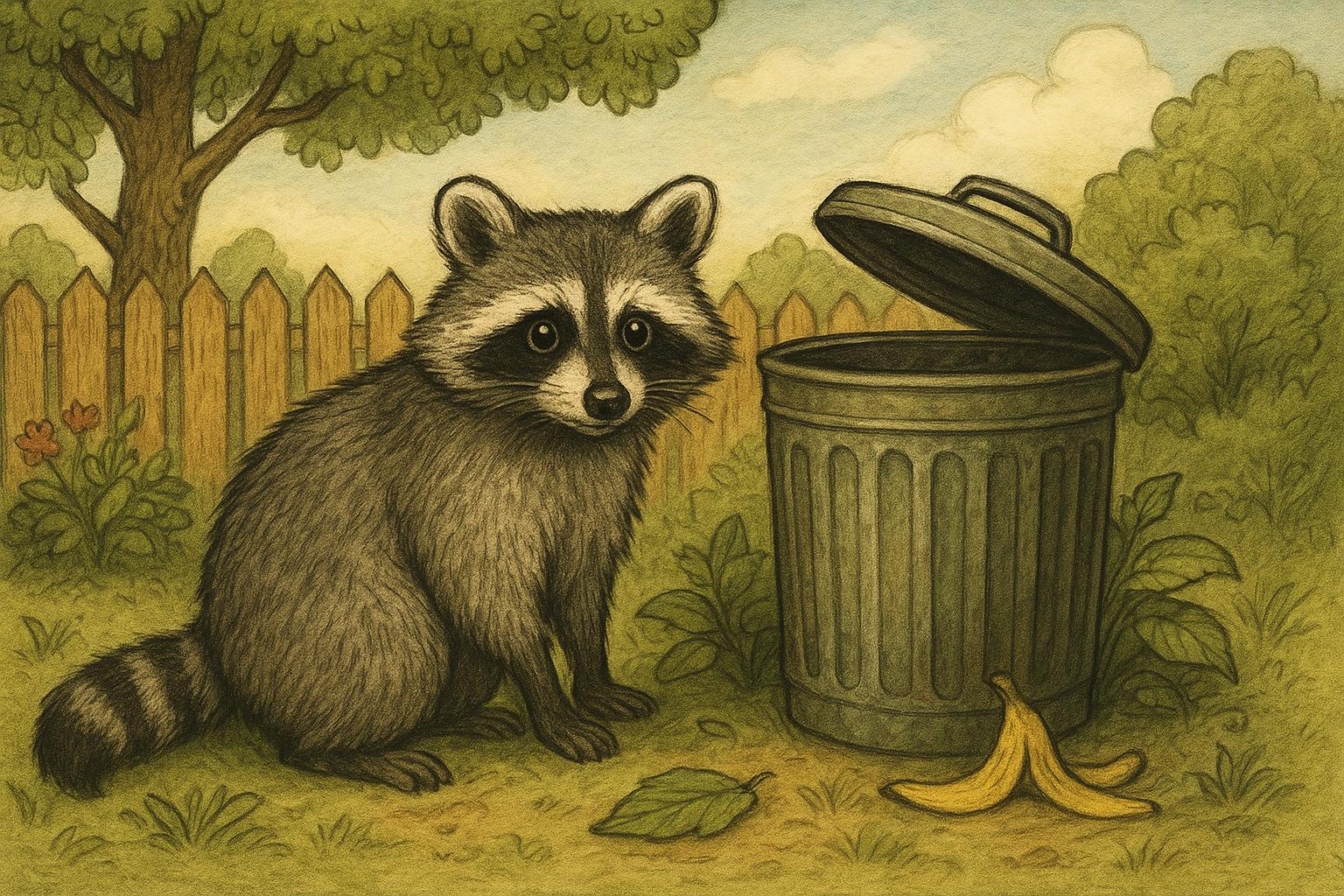
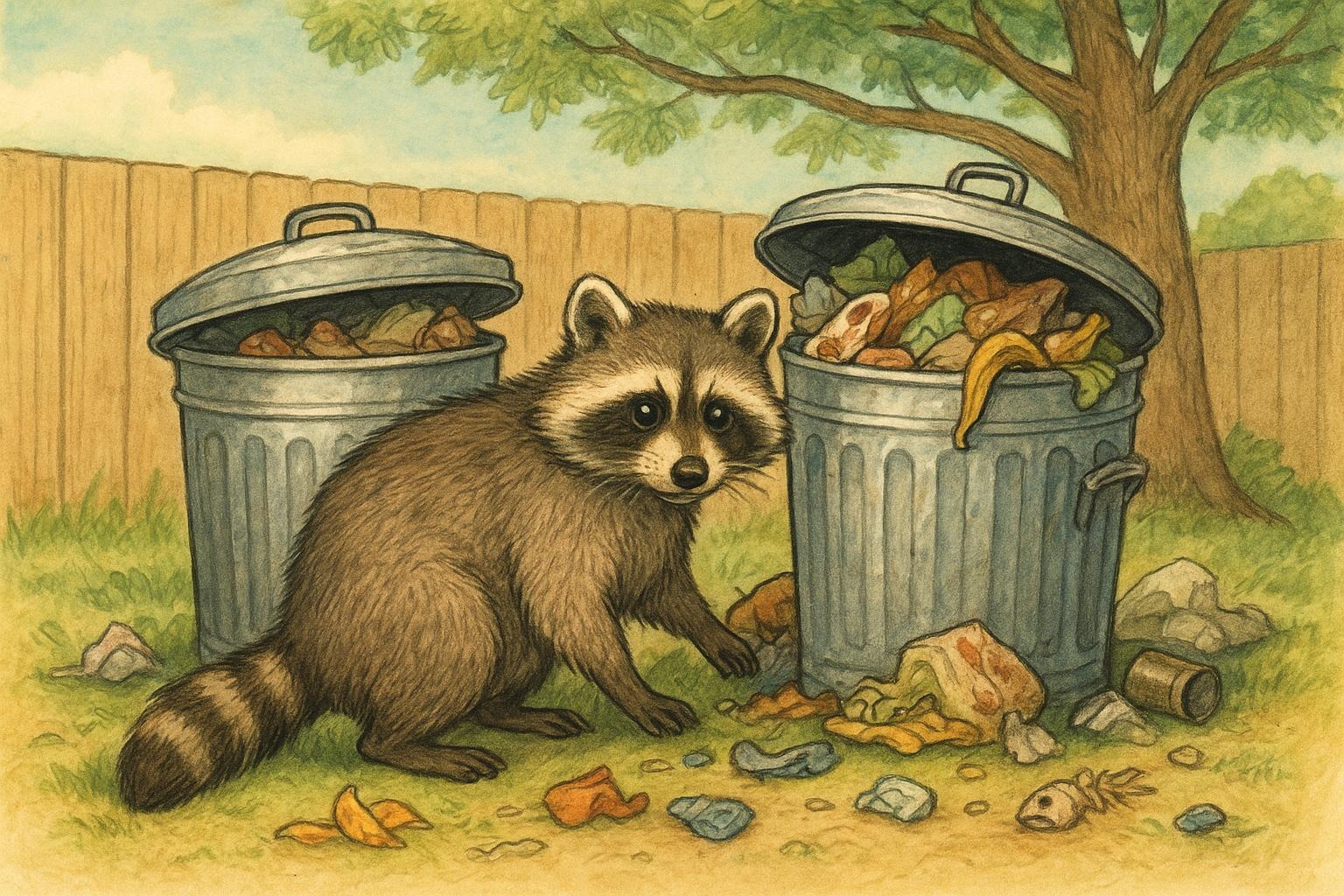
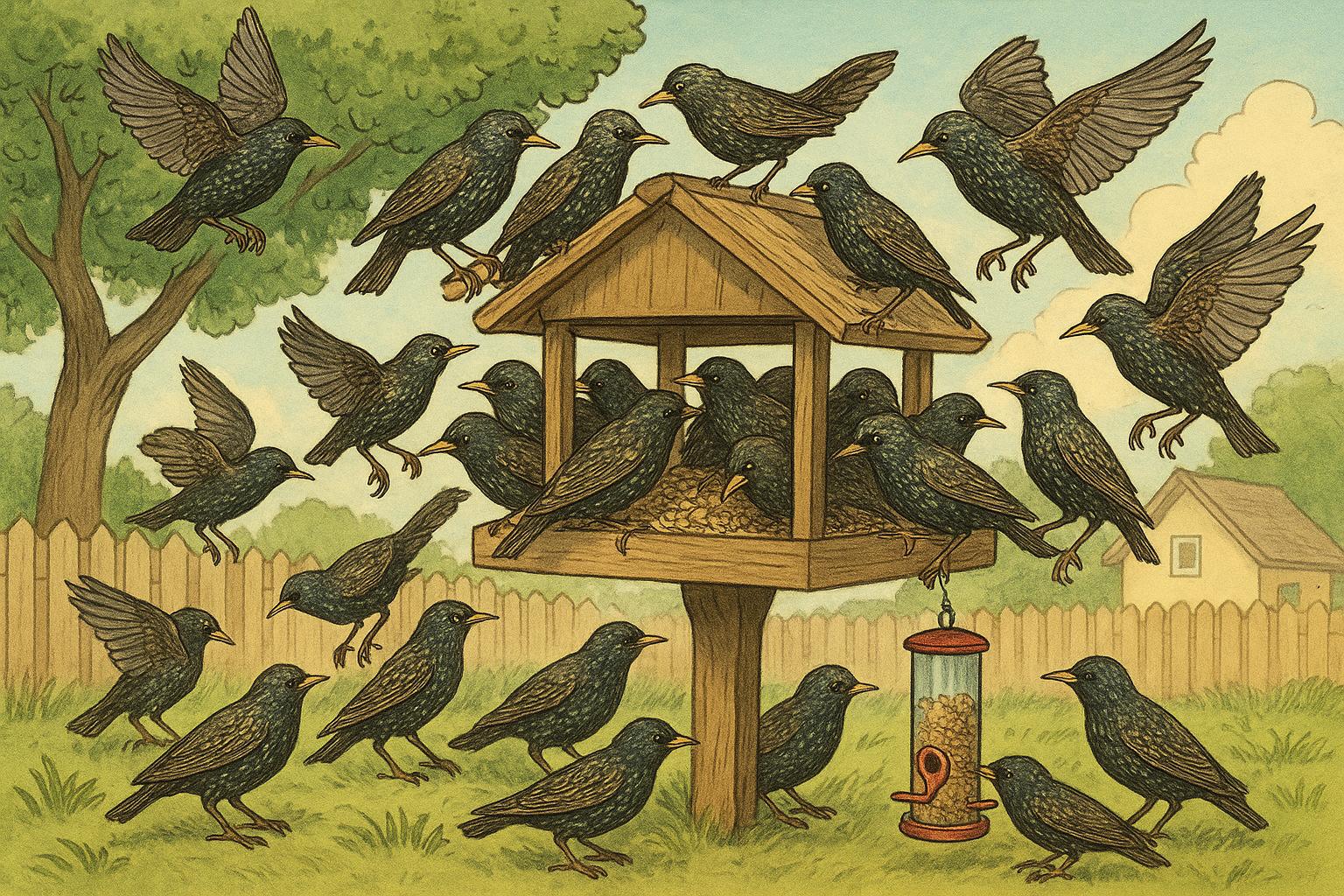
platform feeders, by virtue of being open, can attract non-bird visitors—squirrels and raccoons love an all-you-can-eat buffet. Squirrel baffles, mounting poles with grease or spring-action squirrel guards, and strategic placement away from launching points (trees, fences) help reduce unwanted guests. If raccoons are persistent, bring feeders in at night.
Cat safety is critical. Keep platform feeders at heights and distances that reduce cats’ ability to pounce from nearby cover. A clear zone of at least 10 feet from dense shrubbery helps.
### Seasonal Considerations And Maintenance Rhythm
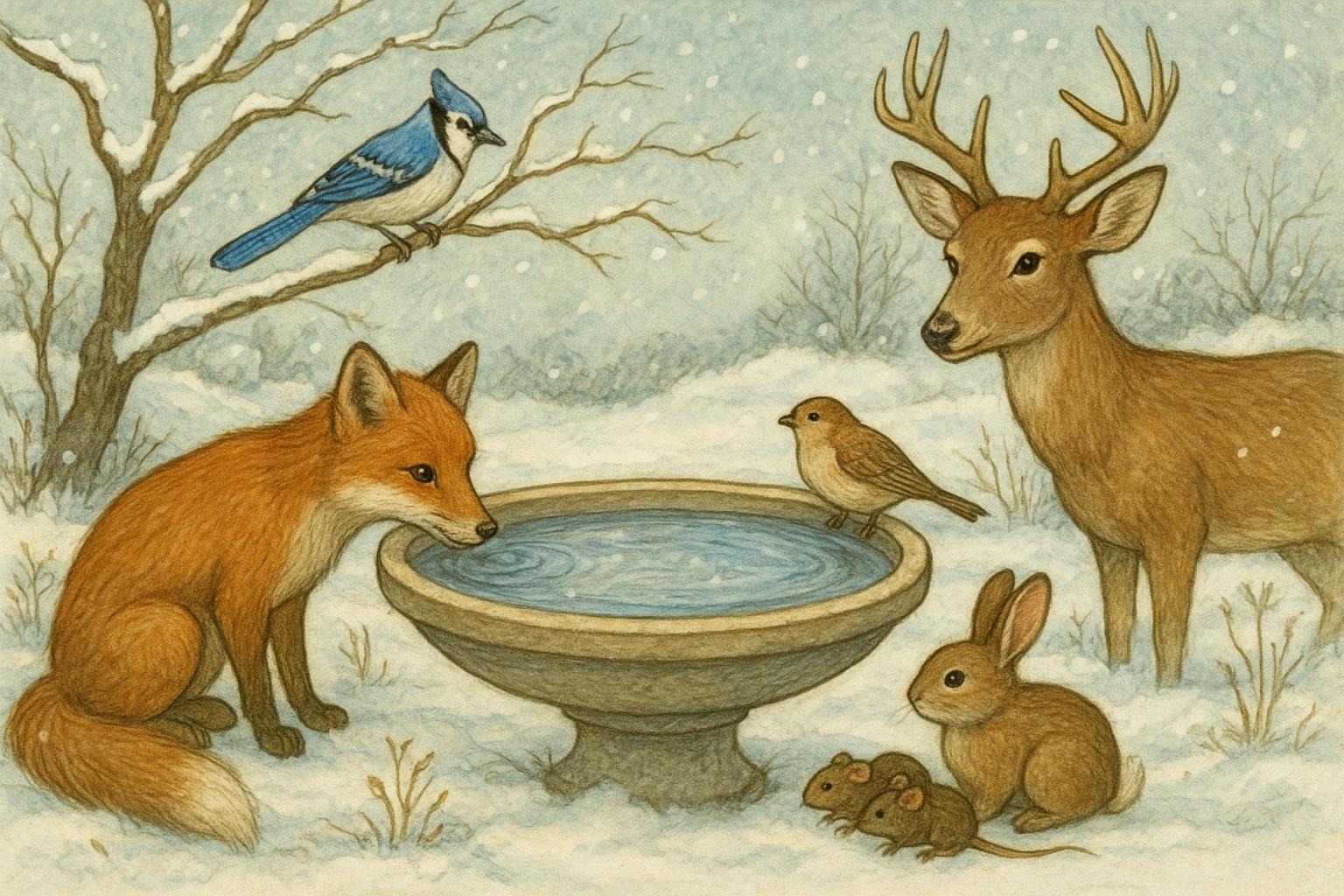
In spring and summer, moisture and heat increase the risk of mold and spoilage. Use smaller daily fills, clean more frequently, and offer fresh water in a shallow bath. In winter, birds expend more energy; provide high-fat foods (sunflower, suet) and keep troughs clear of ice.
Inspect platform feeders monthly for wear: rot, loose screws, or warped plastic can create sharp edges that hurt birds. Replace or repair as needed. If you notice unusual bird deaths or many sick birds, stop feeding temporarily and consult local wildlife rehabilitation resources.
#### Mounting, Fixing, And Weatherproofing Tips
Use stainless steel hardware to resist rust. For wooden platforms, apply a bird-safe, non-toxic exterior stain or sealant to extend life. Elevate feeders slightly on drainage feet or drill small holes for water runoff to keep seed dry. If wind is a problem, add subtle side windbreaks that still allow birds easy access.
#### Enhancing Your Birding Experience Without Disturbing Birds
Set up a comfortable viewing spot with non-reflective glass or a well-placed blind. Keep movement slow and voices low when birds are present—sudden motion spooks them. Consider a dedicated notebook or app for logging visits; you’ll start to notice visiting patterns, dominant species, and migration windows.
platform feeders are a low-barrier, high-reward way to bring birdlife closer. They invite variety, offer clear viewing, and are forgiving for first-time hosts. Tweak placement, food choices, and maintenance routines as you learn what your yard’s local population prefers. Above all, enjoy the show—backyard birding is as much about patience and curiosity as it is about seeds and perches.




Leave a Reply