

If you enjoy the percussion section of the bird world — loud drumming, acrobatic trunk-climbing, and the occasional comical pause before a heavy beak strike — you’ve got a soft spot for woodpeckers. They’re charismatic, useful (bug-eating machines), and sometimes puzzling when you’re trying to figure out which species is knocking on your siding. Relax — this guide will walk you through the essentials with a cup of tea and very little lecturing.
## Woodpecker Identification Essentials For Backyard Birds
Woodpecker identification relies on a mix of visual clues, behavior, and sound. Look for bill size and shape, head markings, body size, back and belly patterns, tail stiffness, and feet configuration. Add drumming style and preferred tree species or feeders, and you’ve got a reliable ID toolkit. Remember: plumage can vary by age and sex, so take a few minutes observing before you make a call.
### Key Visual Features To Note
Start with these obvious traits so you don’t confuse a Hairy for a Downy or a Flicker for a robin with a hammer.
– Bill: Big, chisel-like bills belong to species like the Pileated or Hairy. Smaller, dainty bills are Downy territory.
– Head Markings: Look for red caps or napes, moustache stripes, and whether the black-and-white pattern is bold or subtle.
– Size And Shape: Pileated woodpeckers are crow-sized; Downys are sparrow-sized. Proportions help a lot.
– Back And Belly Patterns: Stripes vs. bars, and whether there’s a reddish wash on the belly (as with Red-bellied).
– Tail And Feet: Stiff tail feathers and zygodactyl feet (two forward, two back) are classic woodpecker postures for vertical climbing.
When practicing woodpecker identification, write down two or three features you notice first and use those to narrow candidates. It’s easier than memorizing full field-guide entries on the spot.
### Behavior And Sound Clues
Behavior is half the fun of woodpecker identification. Some species prefer open lawns, others dense woodland. Take notes on these behavioral markers:
– Drumming Pattern: Fast, staccato rolls often belong to Downy or Hairy woodpeckers; slow, deliberate booms point to Pileated.
– Feeding Style: Ground-foraging woodpecker species (like the Northern Flicker) look different in posture and webbing than vertical trunk-clingers.
– Vocalizations: Calls range from sharp “peek” notes to long musical rattles. Learning one or two signature calls per species speeds up identification.
Also note the time of day. Some woodpeckers are more active in early morning; repeated drumming at the same spot often signals territorial behavior rather than simple foraging.
#### Downy Woodpecker
The Downy is one of the most common and smallest woodpeckers in many backyards. It has a relatively short bill, black-and-white patterned wings, and a small red patch on the male’s head. If you’re practicing woodpecker identification, remembering bill-to-head proportion is key here: tiny bill, big head — that’s Downy.
#### Hairy Woodpecker
Similar in pattern to the Downy but noticeably larger with a longer bill proportional to its head. In the confusion between Downy and Hairy species, size comparison (if both are present) is the most reliable clue. Hairys also produce louder, deeper drumming.
#### Northern Flicker
A bit of a rebel, the Northern Flicker spends lots of time on the ground flicking for ants and beetles. It has a spotted belly, barred back, and — depending on the regional form — a bright flash of yellow or red in the wing or tail. For backyard observers, spotting them on the lawn rather than a tree is a classic woodpecker identification moment.
#### Red-Bellied Woodpecker
Don’t be fooled: the “red-bellied” name is modest. The most striking feature to remember is the red cap and nape that can extend across the head in males. Their barred black-and-white backs, pale bellies with faint reddish wash, and strong, chisel-like bills make them unmistakable once you know what to look for.
#### Pileated Woodpecker
Think dinosaur. The Pileated is large, crow-sized, with a striking red crest and bold black-and-white face stripes. Their rectangular holes in dead trees are diagnostic. If you’ve got a Pileated in your neighborhood, congratulations: your backyard has a headline act.
#### Yellow-Bellied Sapsucker
Sapsuckers drill orderly rows of small holes in bark to feed on sap and the insects it attracts. The rows of neat sap wells are almost as diagnostic as the bird itself. In woodpecker identification, spotting those wells can often tell you a sapsucker has been working the tree even if you haven’t seen it.
### Habitat, Seasonality, And Range Notes
Habitat context is a powerful, sometimes underused tool in woodpecker identification. Some species prefer mature forest, others edge habitat, and a few adapt well to suburban neighborhoods.
– Edge Species: Red-bellied woodpeckers and Northern Flickers often thrive at forest edges and suburban areas.
– Deep Forest: Pileated woodpeckers favor mature woods with large dead trees for nesting.
– Seasonal Visitors: Some woodpeckers are residents; others might move locally with food availability. Check your regional field guide for migration notes.
Keep a small notebook or note app handy to record where and when you observe each species. Over a season, the pattern will make identification much easier.
## 2 Practical Remedies For Managing Woodpecker Damage
When woodpeckers start to damage siding, trim, or valuable trees, you’ll need solutions that respect wildlife while protecting property. The remedies below are presented in a formal and precise manner. Follow the materials lists and steps to apply humane and effective measures.
### Remedy 1: Install Visual And Physical Deterrents On Structures
Materials/Required Items:
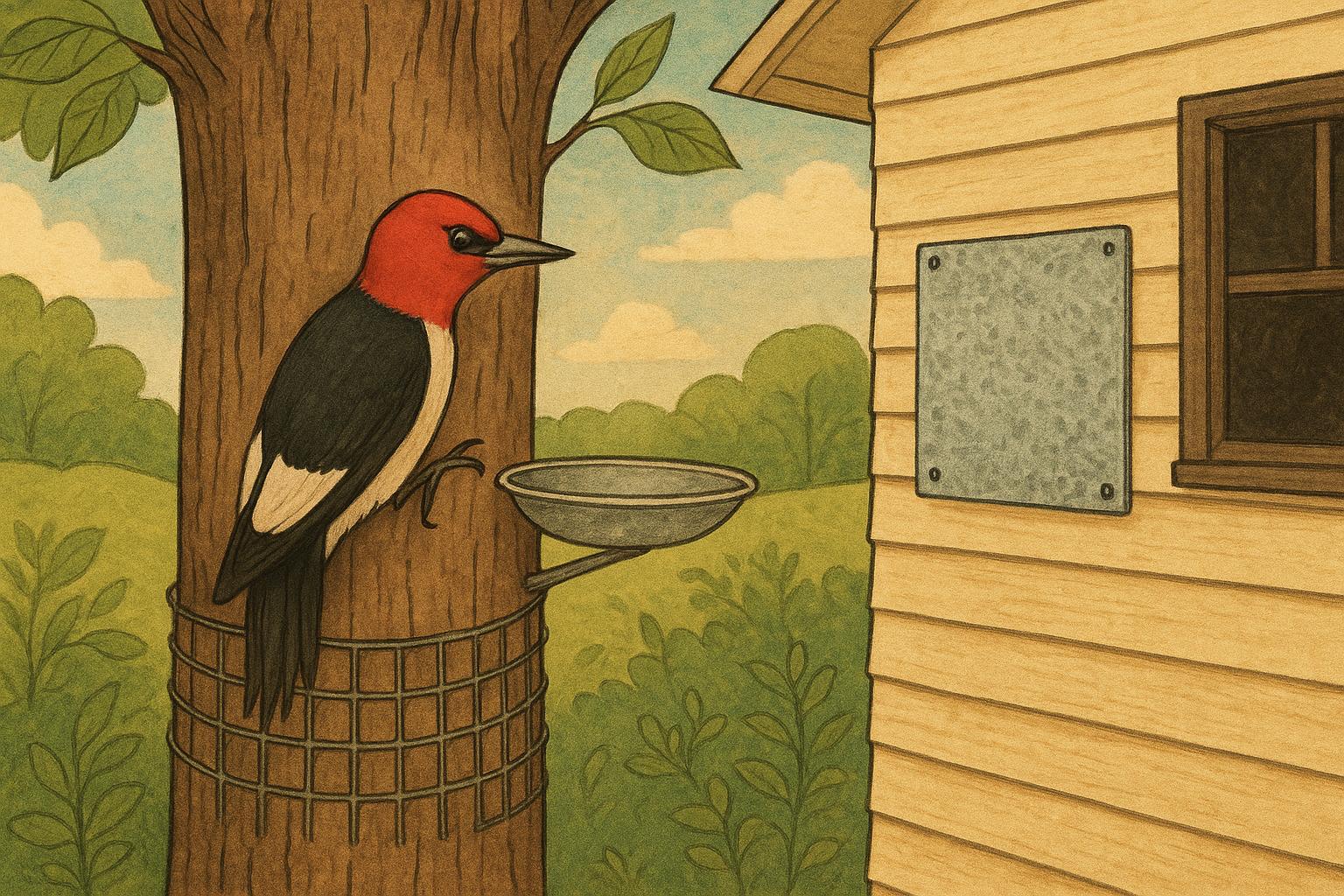
– 4–6 sheets of smooth exterior-grade plastic sheeting or metal flashing (cut to appropriate size)
– Outdoor-grade screws or zip ties (depending on attachment method)
– Ladder and safety equipment
– Tape measure and utility knife or metal snips
– Optional: Mylar strips or reflective tape for increased visual deterrence
Step-By-Step Creation And Application:
1. Assess Damage Areas: Identify the specific locations where woodpeckers peck (siding, fascia, vents). Measure each area to determine sheet sizes.
2. Prepare Materials: Cut plastic sheeting or flashing to overlap the damaged area by at least 4 inches on all sides.
3. Secure Attachment Points: Using a ladder, attach material flush to the structure with outdoor-grade screws into studs where possible, or use metal clips. Ensure the fastener heads are flush and no sharp edges are exposed.
4. Add Reflective Elements: If desired, attach Mylar strips or reflective tape above the sheeted area to add a visual deterrent, replacing these items every few months as they degrade.
5. Monitor And Adjust: Inspect weekly for signs of continued pecking or attempted access. Replace materials if they become loose or weathered.
Rationale: Woodpeckers often return to the same spot due to sound feedback or perceived insect availability. Smooth, hard surfaces reduce tactile satisfaction when pecking and block access to underlying material without harming the bird.
### Remedy 2: Offer Alternative Food Sources And Habitat Improvements
Materials/Required Items:
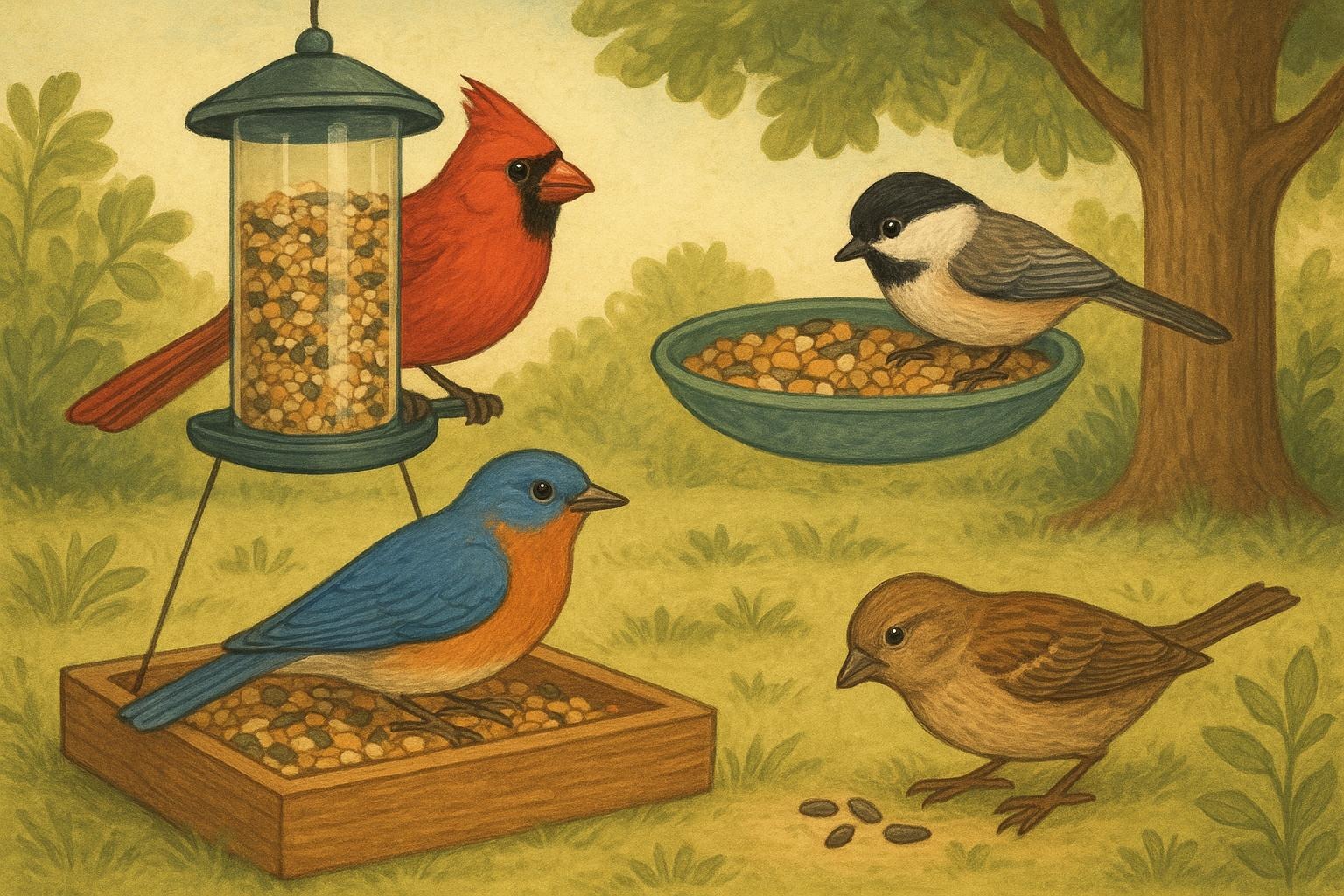
– Durable suet feeder or platform feeder (metal or heavy-duty plastic)
– Suet cakes and peanut suet cakes (no mold)
– Mesh peanut feeder or seed mix with whole peanuts
– Native flowering plants and snags (dead trees) if available
– Binoculars and a feeding log
Step-By-Step Creation And Application:
1. Select Appropriate Feeder Sites: Place suet and peanut feeders 10–20 feet from the house or the damaged area, ideally near a tree or perch for safety and to make the new feeding site attractive.
2. Install Feeders Securely: Mount feeders at a height of 5–8 feet to keep them visible but safe from ground predators. Ensure feeders are stable to reduce swaying that might scare birds away.
3. Stock Feeders Correctly: Use high-quality suet and whole peanuts. Rotate offerings according to season (suet for high-energy winter months; peanuts and suet mixes in spring/fall).
4. Enhance Habitat: If feasible, retain or install a snag (standing dead tree section) at a safe distance from structures to provide natural foraging opportunities. Plant native trees and shrubs that attract insects.
5. Monitor Results: Keep a log of woodpecker visits and any changes in pecking behavior on structures. Adjust feeder placement and offerings if birds ignore the new resources.
Rationale: Providing alternative food and natural foraging sites redirects woodpecker activity away from building materials. This method reduces the incentive for destructive pecking while supporting local woodpecker populations.
### Legal And Ethical Considerations
When implementing remedies, adhere to local wildlife protection laws. Most native woodpeckers are protected species; lethal control is illegal in many jurisdictions. Use exclusion, habitat modification, and deterrents that are humane and reversible.
### Tips For Long-Term Success
– Be patient: It may take several days to weeks for birds to adopt new feeders or be deterred.
– Combine methods: Use both physical exclusion and alternative feeding for best results.
– Maintain feeders and deterrents: Replace suet regularly and repair any flashing or covering materials as needed.
If you want a quick quick-reference checklist or help identifying a photo of a backyard visitor, I’m happy to assist — send a picture and we’ll ID it together.












Leave a Reply