

Welcome — pull up a folding chair, pour a cup of something warm, and let’s wander through the nocturnal neighborhood of one of the most adaptable critters you’ll meet: the raccoon. I’ll share the little secrets of their preferences and behavior so you can recognize, respect, and if you need to, humanely manage their presence. A little curiosity and a few practical moves go a long way.
## Raccoon Habitat: What To Expect
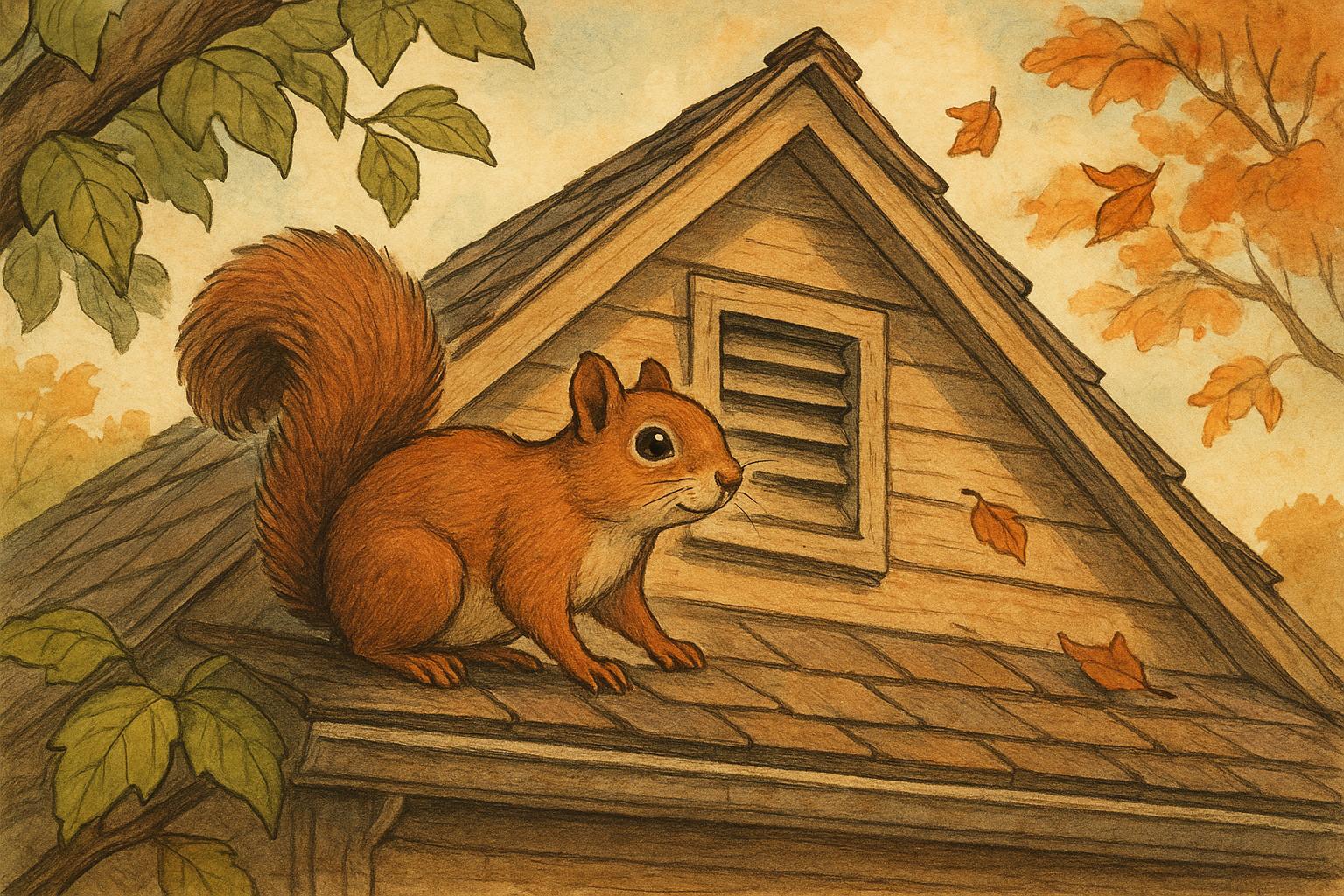
Raccoons are clever generalists, and their raccoon habitat choices reflect that. In towns and country alike, they’re drawn to places that offer food, water, and safe resting sites. That could mean hollow trees and rock piles in larger landscapes, or attics and sheds when your neighborhood supplies the comforts of a suburban buffet.
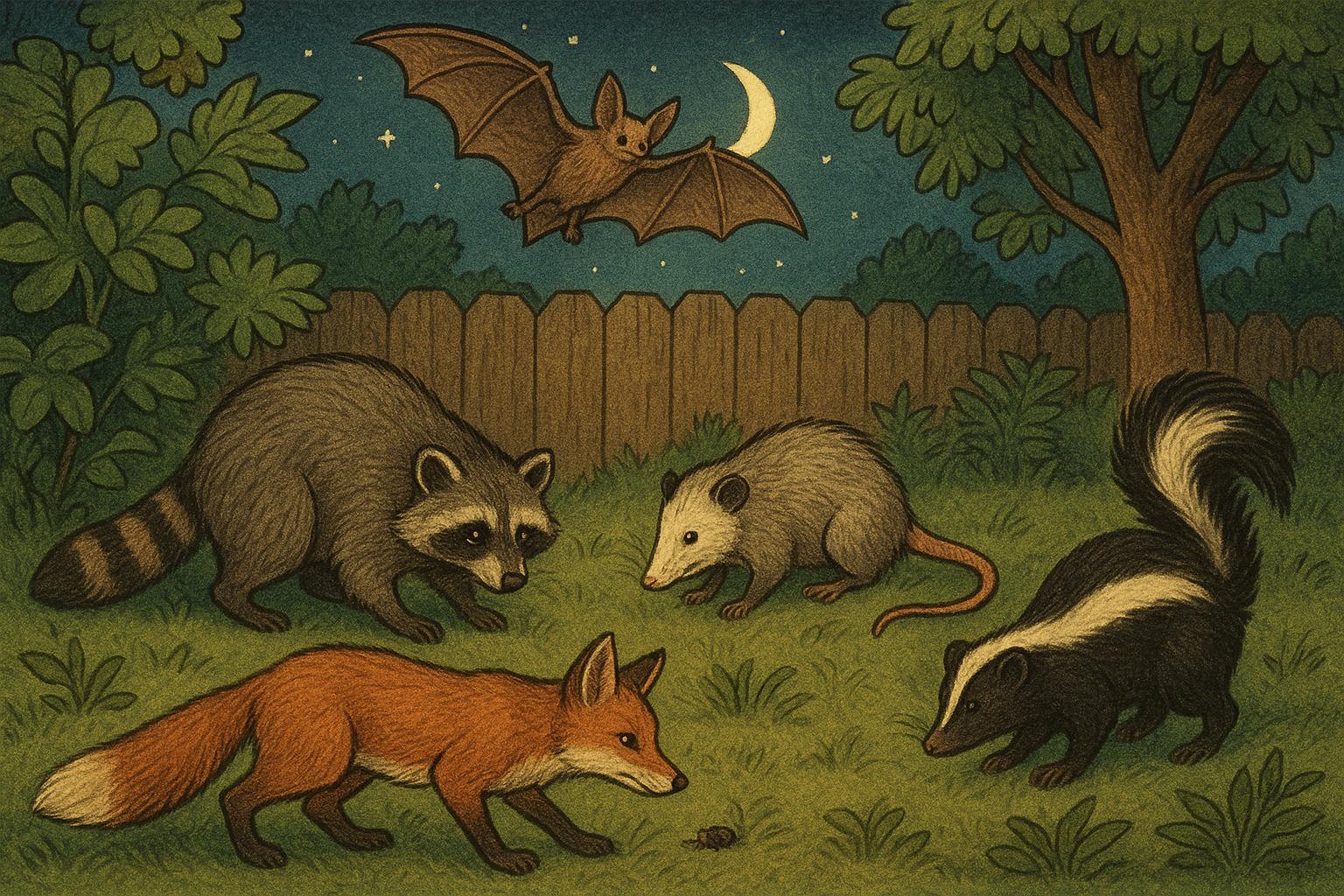
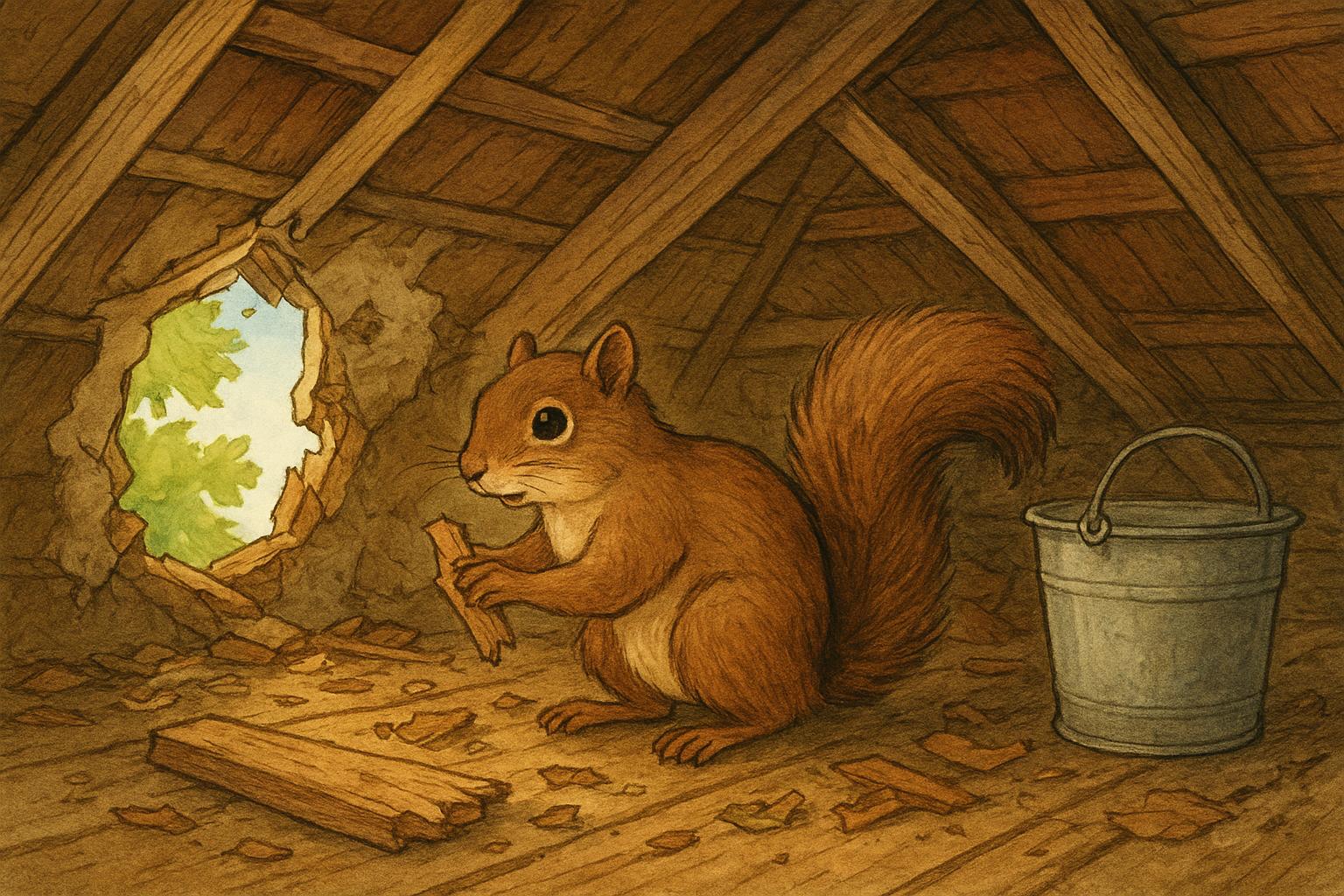
When you read a yard correctly, the raccoon habitat story becomes obvious: shredded insulation or a torn soffit points to den-seeking behaviors; overturned compost and chewed trash bags scream “dinner time.” If you’re patient and quiet at dusk, you’ll watch them cruise your property in surprisingly neat patterns — they tend to follow edges and established travel routes.
### Typical Urban And Suburban Shelters
Raccoons will use a surprising array of shelters. In urban settings, common den sites include:
– Attics, chimneys, and under porches.
– Wall voids and unused crawl spaces.
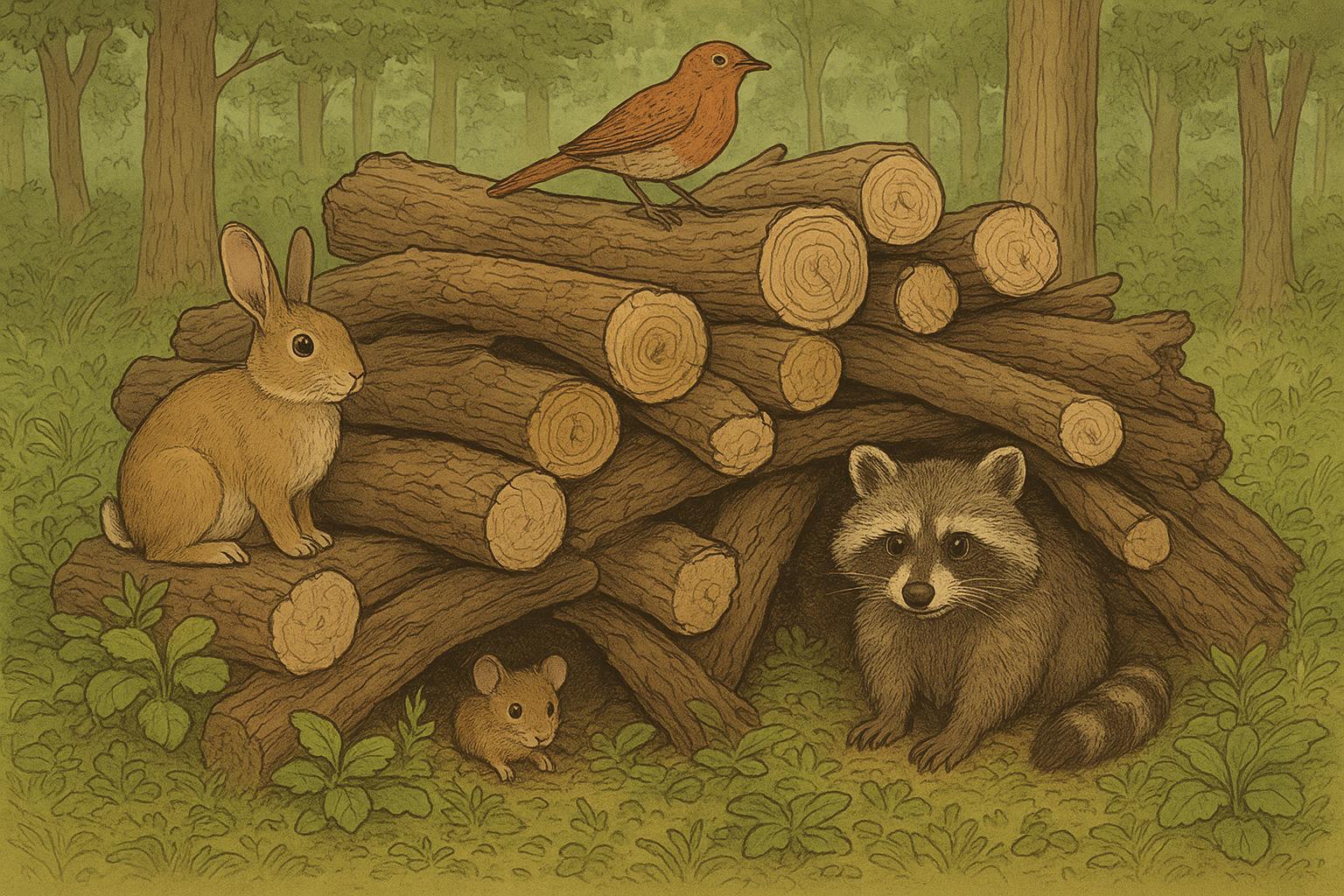
– Under decks, in piles of stored lumber, or abandoned appliances.
They also like tree cavities, especially if the opening is just the right size and offers an elevated, safe place for kits. Their flexibility is a defining trait of the raccoon habitat.
### Natural Versus Manmade Shelters
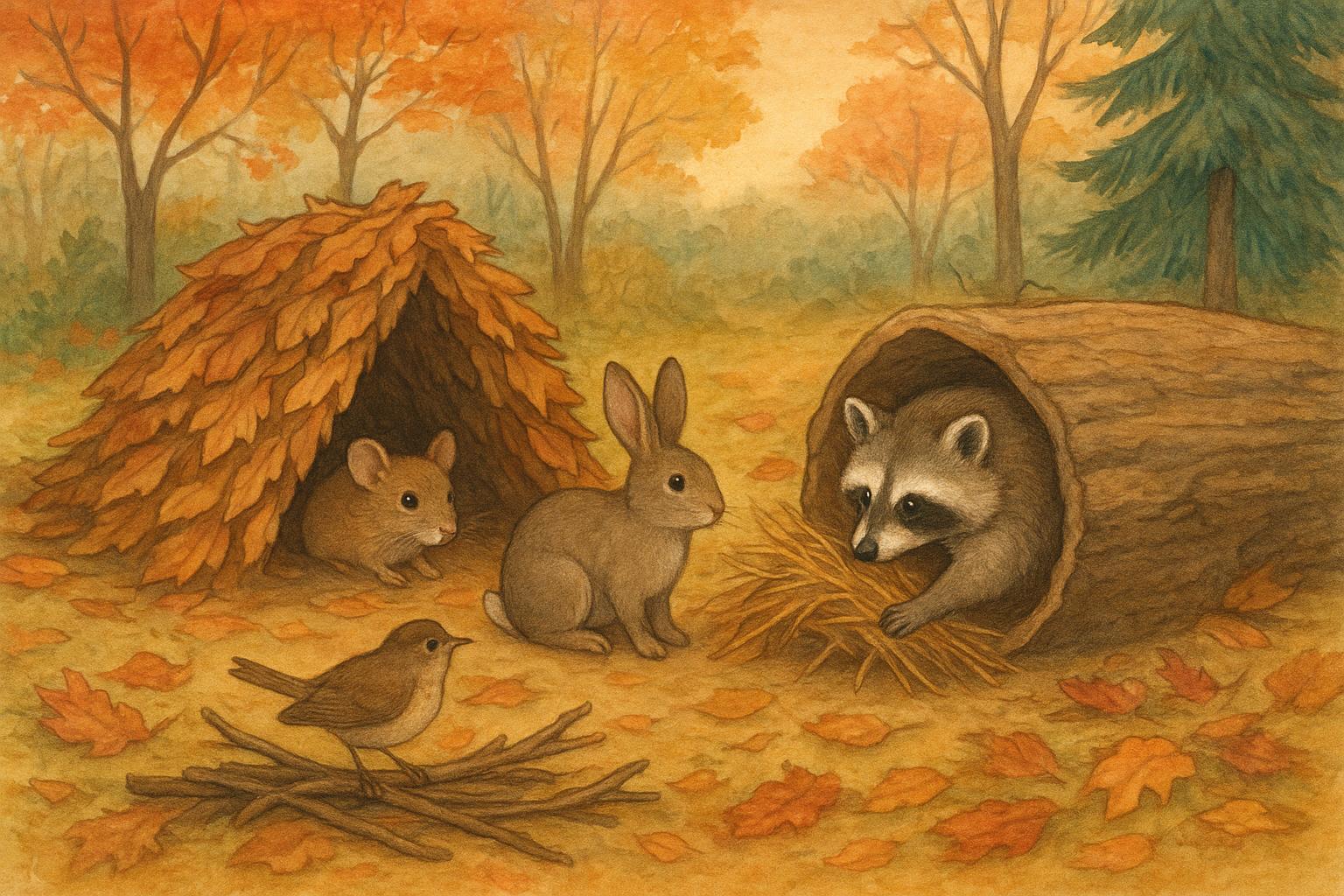
The main difference between natural and manmade raccoon habitat is stability and predictability. A hollow log is natural and might only be used seasonally. An accessible attic, however, provides reliable warmth and safety. Raccoons learn quickly and will return to manmade shelters once they discover them — which is why prevention matters.
## How Raccoons Choose Their Spots
Raccoons evaluate potential homes using a straightforward checklist: food within reach, water nearby, and minimal predator or human disturbance. They’re nocturnal, so they prefer locations that offer quiet daytime spots and easy night exits.
### Food, Water, And Safety Drivers
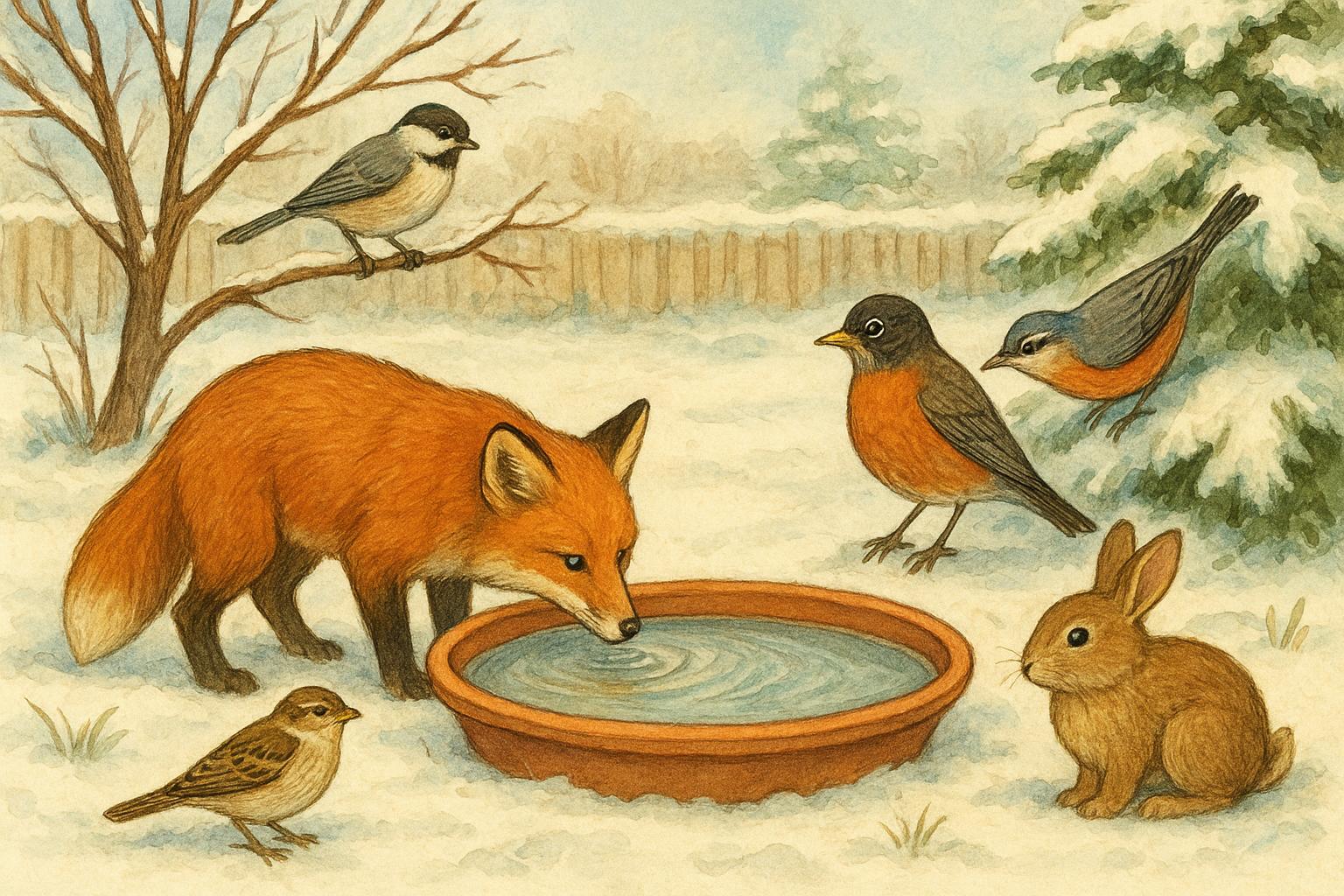
Food is the magnet. Backyard berry bushes, pet food left outdoors, unsecured trash, and accessible compost all dramatically increase the attractiveness of your property as a raccoon habitat. Water is less often limiting — even bird baths or puddles suffice — but a steady source adds to the appeal. Safety factors include low human traffic and few predators; attics and elevated dens score highly on this front.
#### Seasonal Shifts In Preference
In spring and early summer, females prioritize secure dens for raising kits. In late fall and winter, raccoons look for warm refuges that protect against the cold. Some raccoons will den communally in winter for warmth, which can make a single good den site host numerous animals.
## Common Signs You Have A Raccoon Habitat Nearby
Before you decide on any action, look for the signs. Raccoons are messy eaters and expressive neighbors.
### Sounds, Tracks, And Nighttime Activity
Typical indicators of a nearby raccoon habitat include:
– Nocturnal rustling above ceilings or in attics.
– Droppings near food sources and under den entrances.
– Tracks in soft soil or snow — five-fingered prints with distinct toe marks.
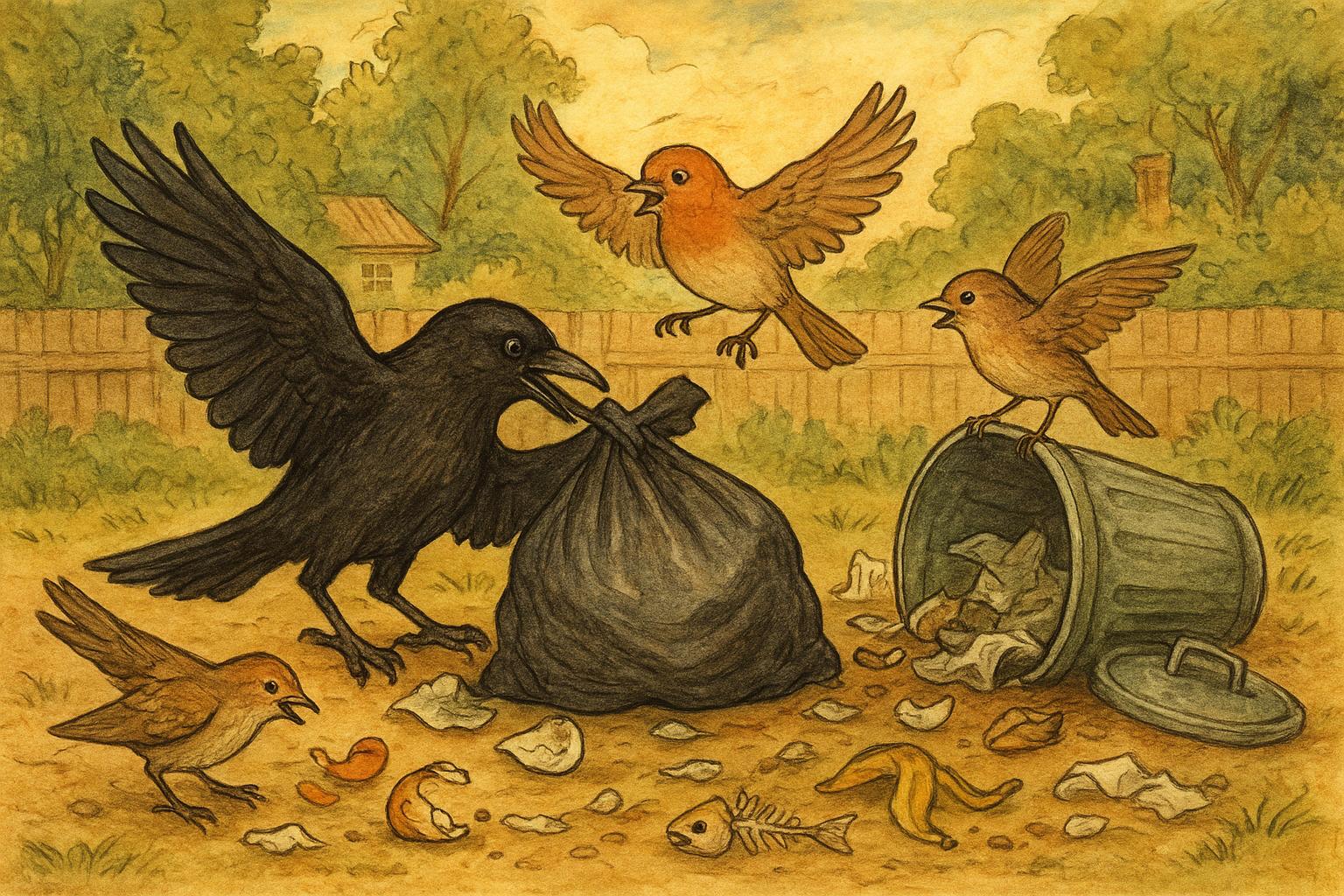
– Scattered trash, tipped-over compost bins, or disturbed bird feeders.
If you suspect an occupied den, exercise caution. Disturbing a den with kits can trigger defensive behavior by the mother.
## Remedy 1: Humane Exclusion And Den Proofing
This remedy focuses on removing attraction and sealing access points in a humane, permanent manner. Follow these procedures strictly and consult local wildlife regulations before excluding animals, especially during breeding season.
### Materials Needed
– Heavy-gauge wire mesh (¼–½ inch hardware cloth) and sheet metal flashing.
– Galvanized screws and screw gun, or appropriate fasteners.
– One-way exclusion door (commercially available) or materials to construct one (wire mesh and hinges).
– Durable caulk, expanding foam, and chimney caps as needed.
– Work gloves, ladder, flashlight, and safety glasses.
### Step-By-Step Exclusion Procedure
1. Inspect Carefully: Conduct a thorough daytime inspection of the structure to identify all entry points and potential den sites. Use a flashlight to look into eaves, soffits, and vents.
2. Confirm Absence Of Young: Before sealing any den, confirm no animals are inside. Observe at dusk and dawn for adult comings and goings for at least two nights. If you see adults carrying food into a den repeatedly, it may house kits. In that case, contact a licensed wildlife rehabilitator or pest professional.
3. Install One-Way Doors: For occupied dens where removal is necessary and legal, install a one-way exclusion door on the primary exit. This allows animals to leave but not re-enter. Ensure the door’s design prevents trapping young inside.
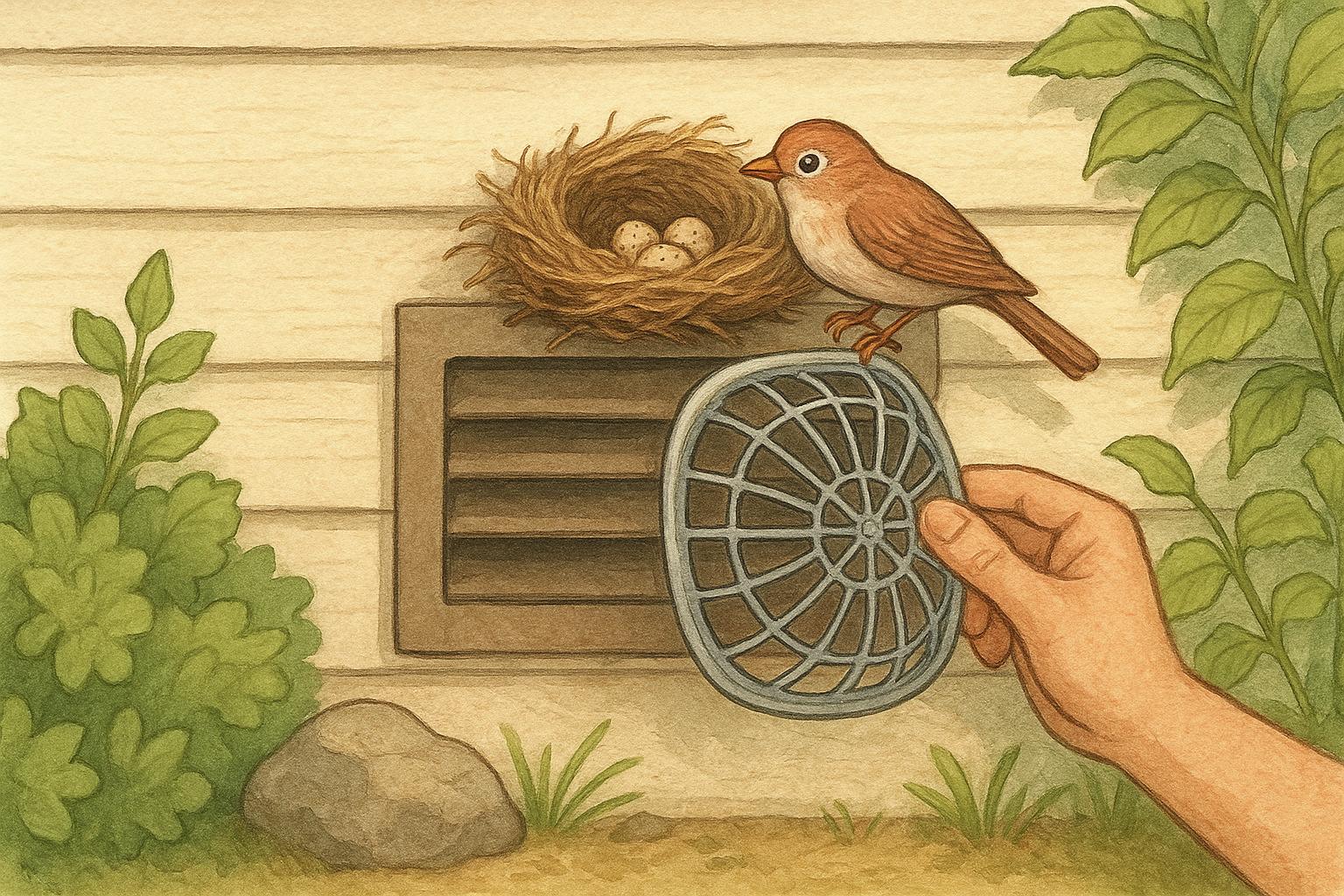
4. Seal Secondary Entries: After the area is unoccupied for at least 48 hours post-exit, permanently seal all other openings. Fasten heavy-gauge wire mesh over vents and use flashing on roofline gaps. Secure materials with galvanized screws for long-term durability.
5. Repair And Reinforce: Replace damaged soffits, repair roofing penetrations, and cover chimney openings with a cap. Use caulk and metal as necessary to create tight seals. Avoid materials that will degrade quickly.
6. Sanitize And Deodorize: Clean the area of nesting debris and sanitize to remove odors that could attract other raccoons. Use enzyme-based cleaners suitable for wildlife odor removal.
7. Monitor And Maintain: Inspect sealed areas seasonally, especially before breeding season, to confirm seals remain intact and to catch any new signs of interest.
When carried out correctly and legally, humane exclusion is a reliable long-term solution that protects your property and the animals.
## Remedy 2: Garden-Friendly Deterrents And Habitat Modification
This approach reduces attractants and changes landscape features to make your property less appealing as a raccoon habitat without harming animals.
### Materials Needed
– Secure trash cans with locking lids or raccoon-proof clamps.
– Motion-activated lights or sprinklers.
– Heavy-duty fencing and ground stakes; electric tape for fencing optional.
– Raised garden beds, floating row covers, or wildlife-proof netting.
– Thick mulch or gravel in vulnerable areas.
### Application Steps
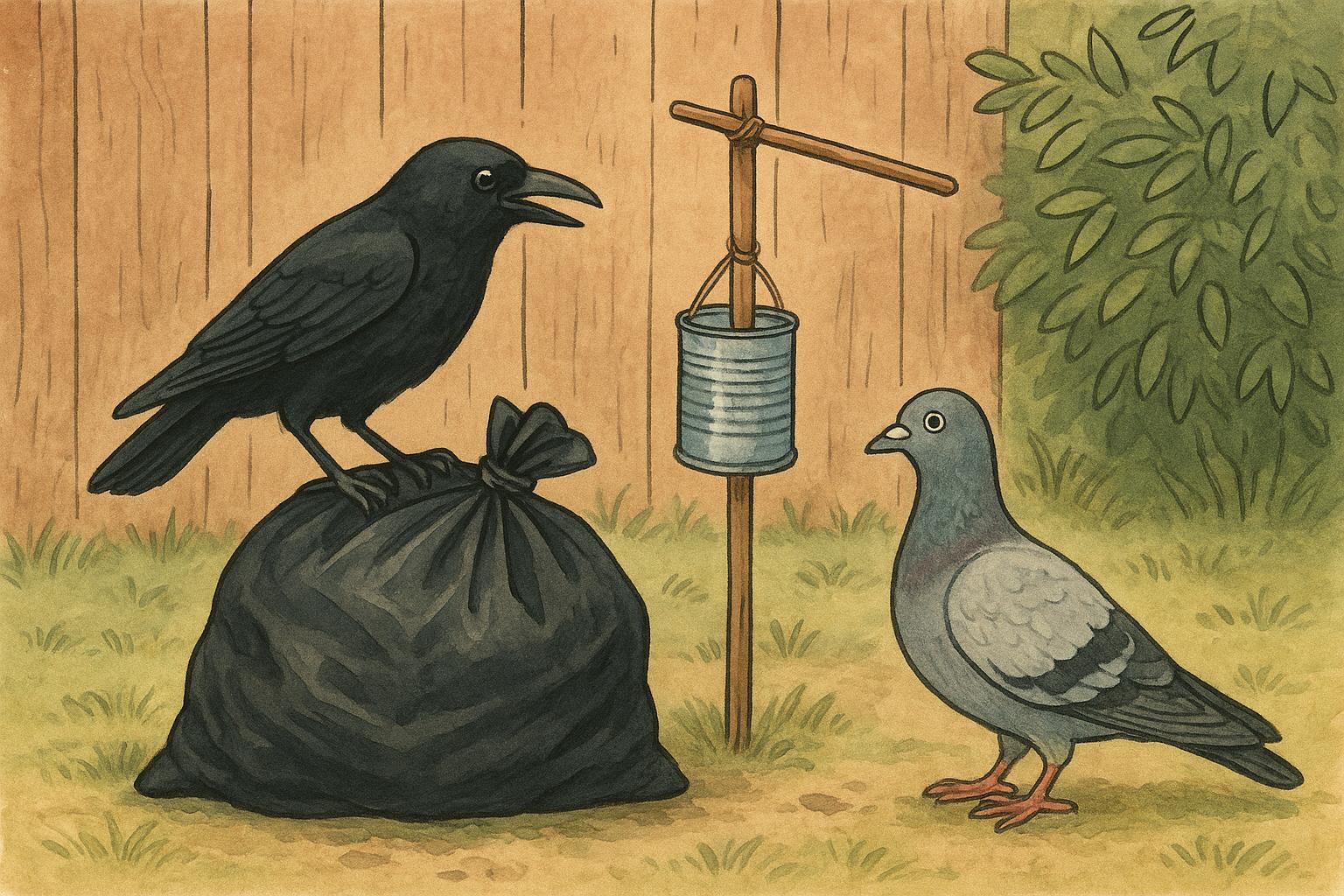
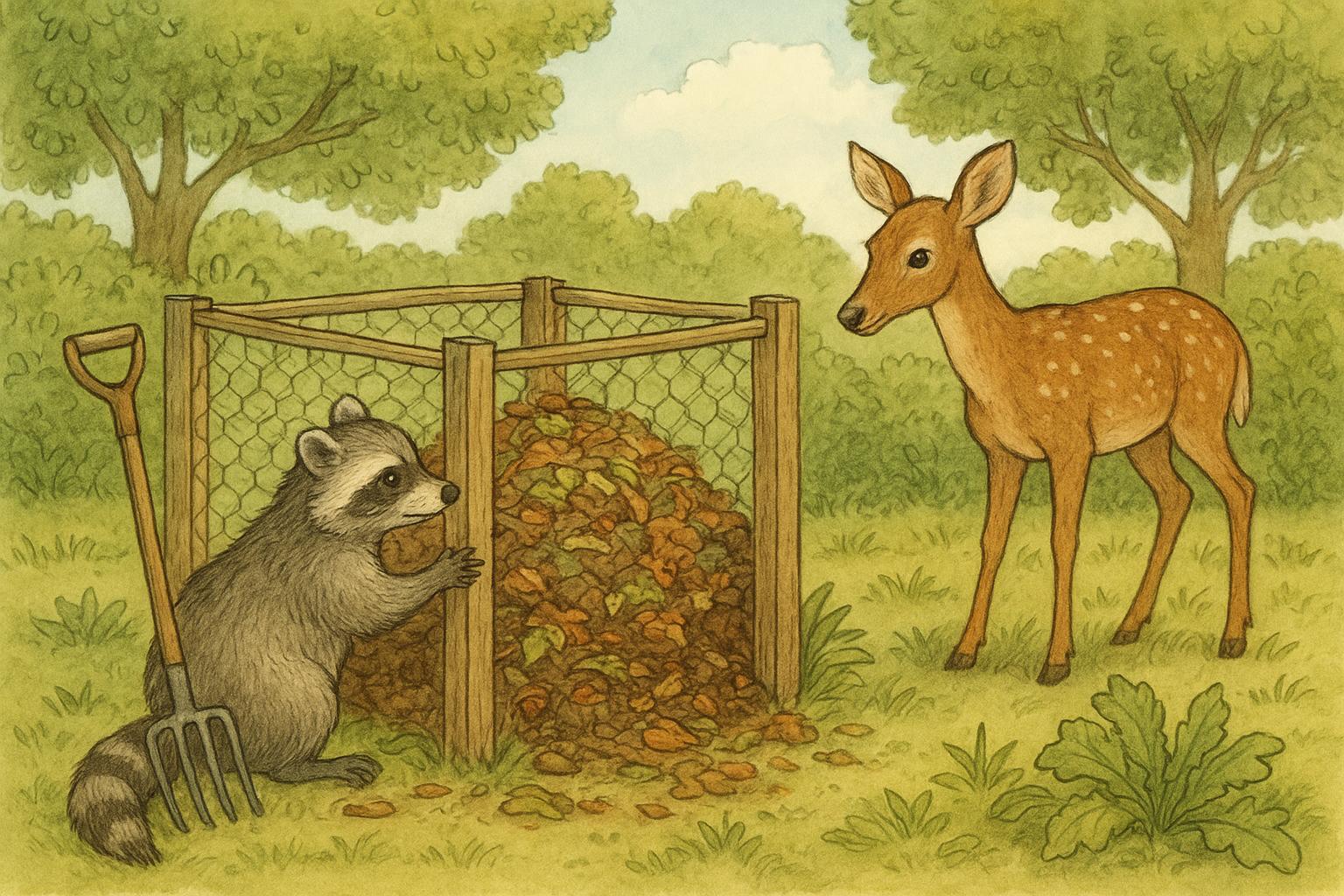
1. Secure Food Sources: Store pet food indoors. Use locking mechanisms on trash cans and compost bins. If needed, bolt lids or use locking straps to prevent easy access.
2. Remove Easy Water: Eliminate standing water where feasible. Empty birdbaths nightly or install an automatic drain. Repair dripping outdoor faucets.
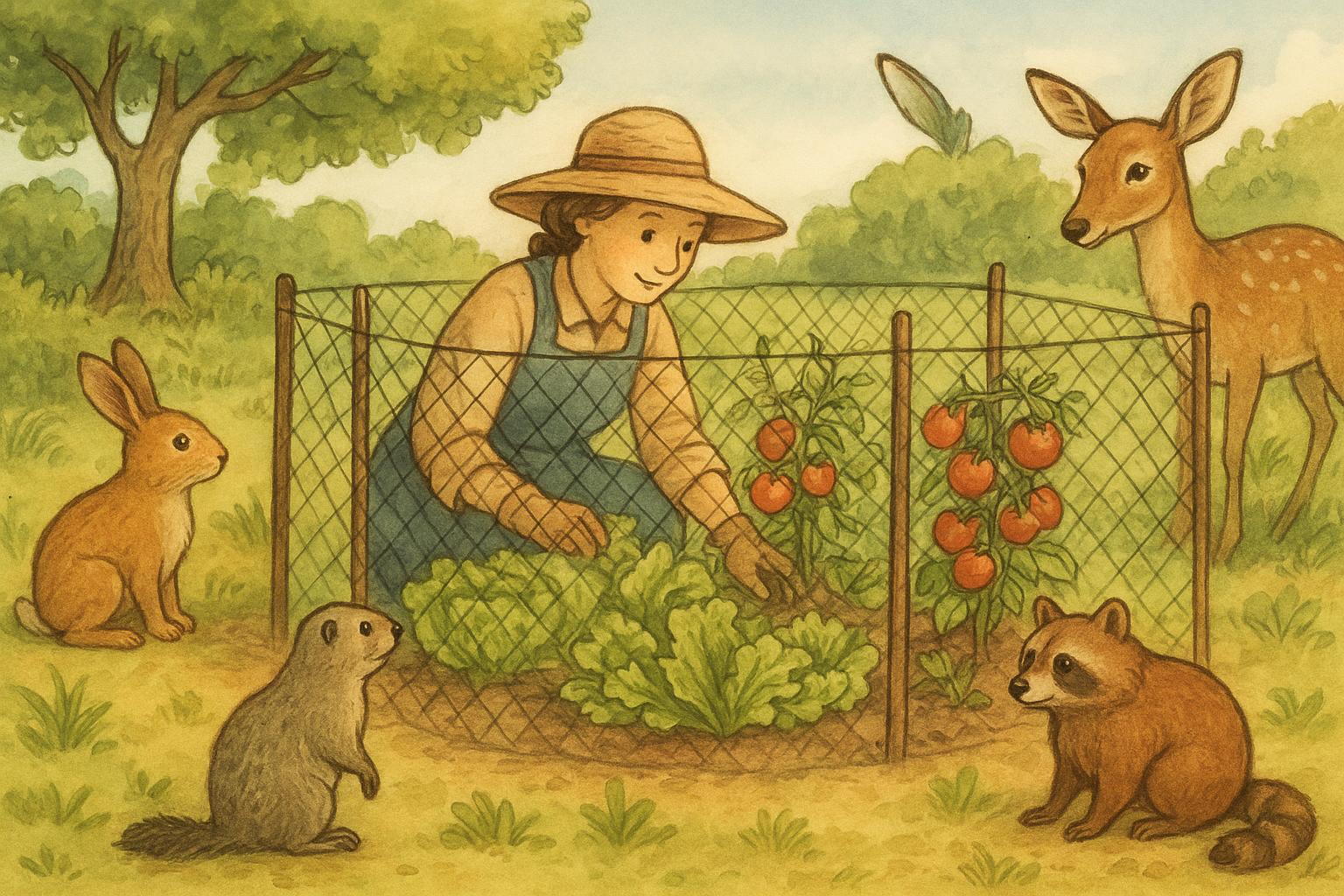
3. Protect Plantings: Use floating row covers or sturdy netting over vulnerable crops, and install fencing with a buried skirt (6–8 inches) to prevent dig-under access. Electric tape installed at the top edge can deter climbing, but follow manufacturer safety guidance.
4. Install Deterrents: Position motion-activated lights or sprinklers around gardens and compost areas. Raccoons dislike unexpected bursts of light and water and will often move on.
5. Change Landscape Appeal: Replace dense cover near the house—tall brush piles, wood stacks, and unused debris provide shelter. Keep firewood elevated and away from foundations.
6. Regular Maintenance: Maintain cleanliness around pet doors and remove fallen fruit promptly. Raccoons are opportunistic; a single spilled bowl or forgotten snack can undo other measures.
Be meticulous about combining multiple deterrents. Raccoons are intelligent and may test single measures; layered defenses are most effective.
## Safe Observation And Coexistence Tips
Watching raccoons from a distance can be a joyful backyard pastime. They’re curious and sometimes entertaining, but always remember they are wild animals.
### Responsible Practices
– Never feed raccoons. Feeding habituates them to humans and increases conflict.
– Keep a respectful distance and use binoculars for close looks.
– Secure poultry and small livestock at night with sturdy coops and automatic doors.
– If you encounter a raccoon that appears sick (lethargic, drooling, or unafraid of people), contact local animal control or wildlife services promptly.
### When To Contact Professionals
If you find evidence of an established raccoon habitat inside your home, observe aggressive behavior, or locate an injured animal, seek out licensed wildlife control or rehabilitators. Professionals can perform safe removals, ensure compliance with local regulations, and advise on humane long-term management.
Learn to read and modify the raccoon habitat in your yard, and you’ll reduce surprises while preserving the wildness that makes evenings in the neighborhood more interesting. If you want, I can walk you through a property checklist tailored to your yard — tell me about your space (size, structures, and any recent raccoon sightings), and we’ll plan practical next steps.










Leave a Reply