
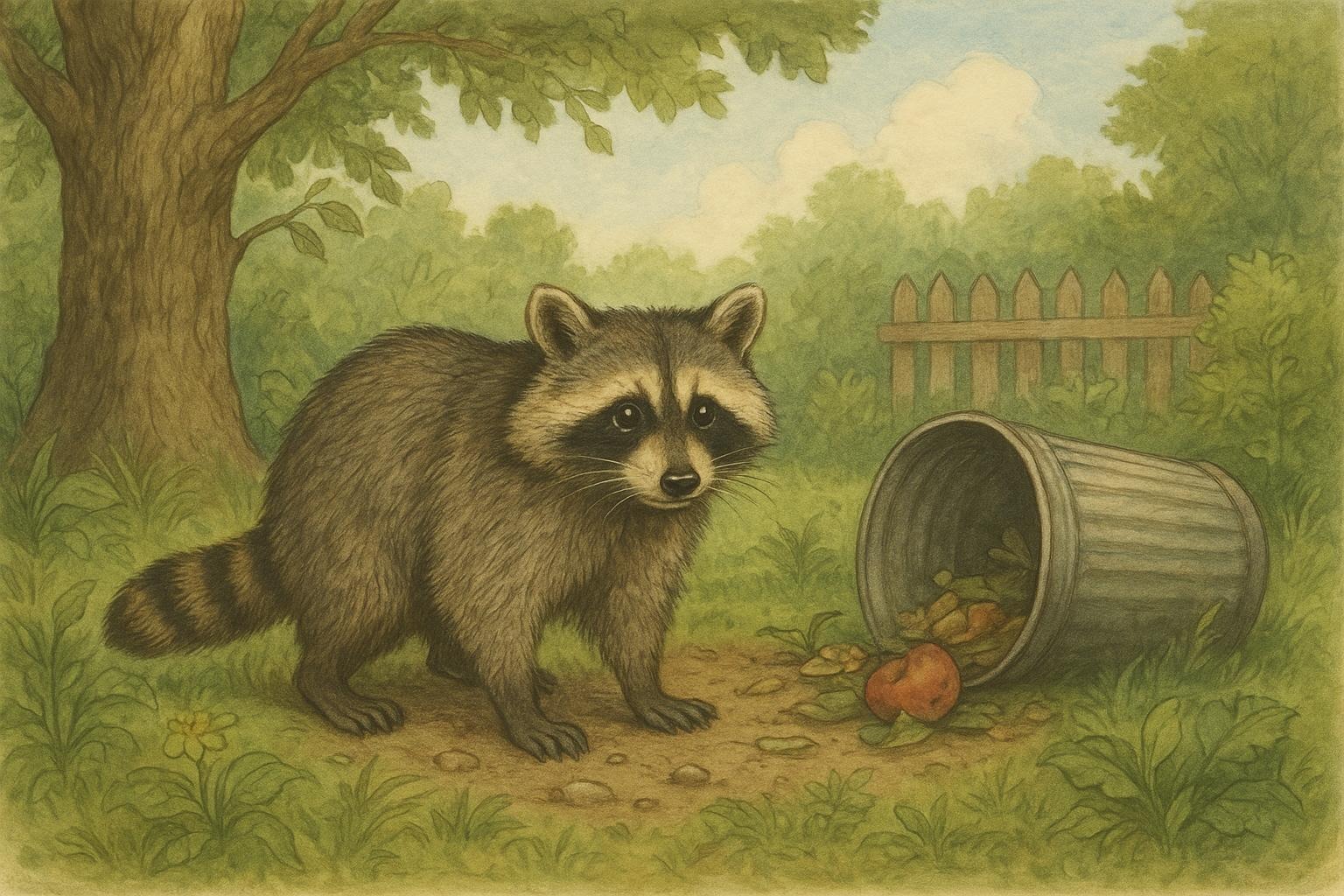
Nice to meet you—pull up a lawn chair, pour a cup of whatever fuels your late-night wildlife watching, and let’s take a friendly, down-to-earth stroll through the antics happening just beyond your back fence.
## Raccoon Behavior Unveiled In Your Backyard Habitat
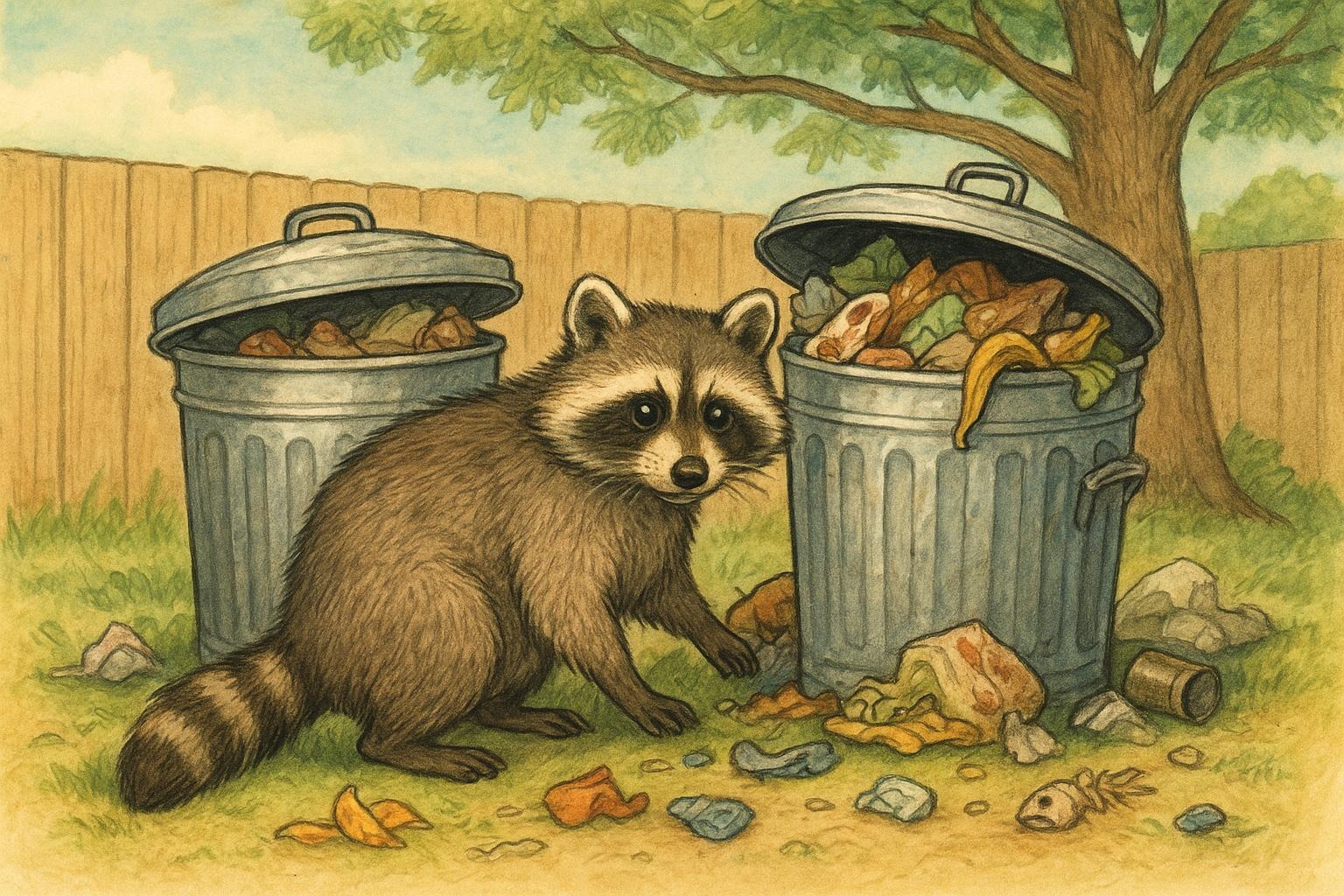
Raccoon behavior can be baffling, charming, and occasionally maddening. These masked bandits are clever, adaptable, and surprisingly dexterous, which is why they’re often found investigating everything from unsecured trash cans to the bird feeder you thought was “wildlife-proof.” Understanding what motivates them helps you coexist with less drama and fewer overturned garbage bags.
### Why Raccoons Come To Your Yard
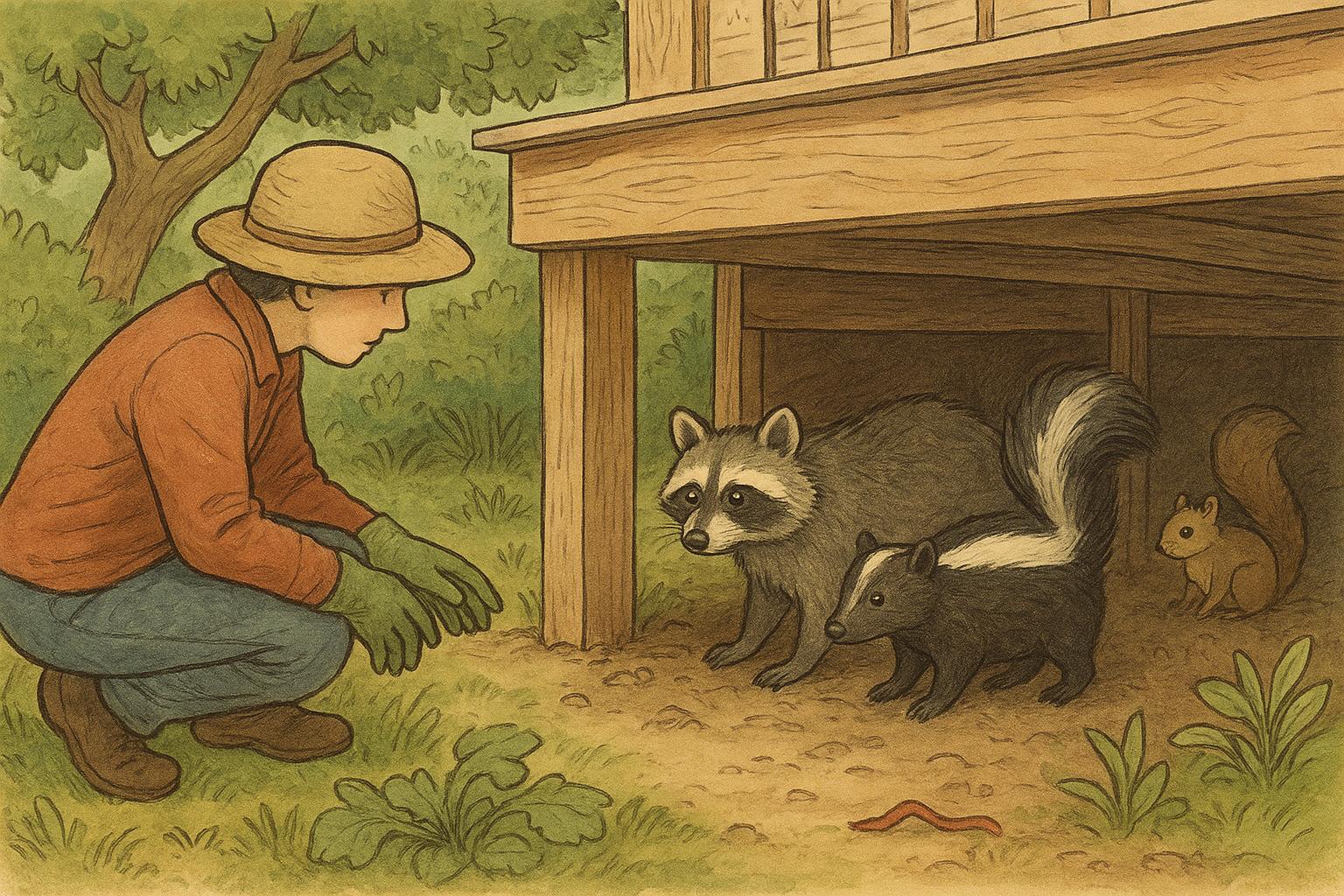
Raccoon behavior is driven largely by two things: resources and shelter. If your yard offers easy meals or safe places to sleep, you’re offering a welcome mat. Raccoons are opportunistic omnivores; they’ll dine on pet food, fruit, insects, small animals, and anything tasty in the compost. They also favor dark, dry cavities for dens—hollow trees, attics, or under porches.
#### Nighttime Activity And Foraging Patterns
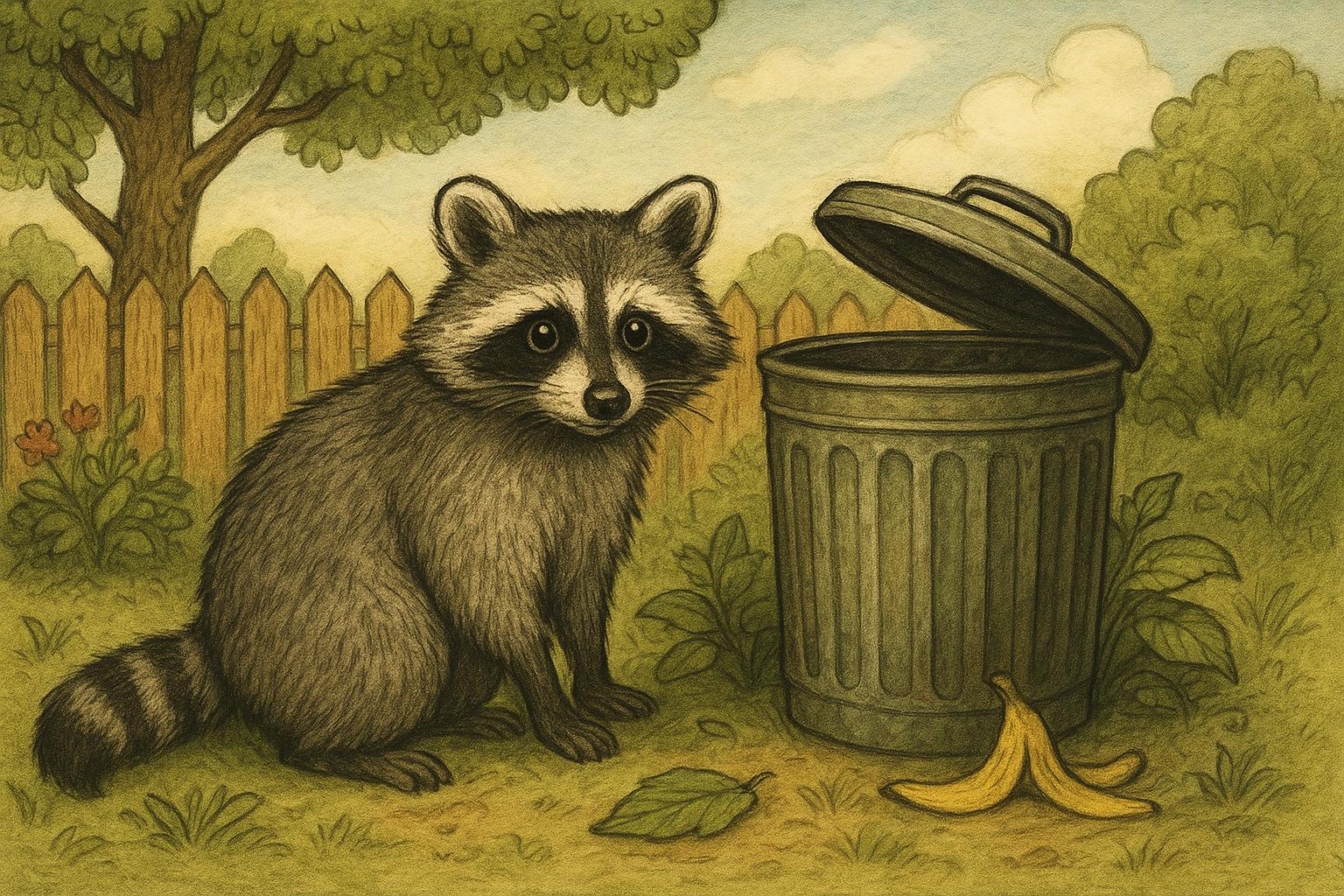
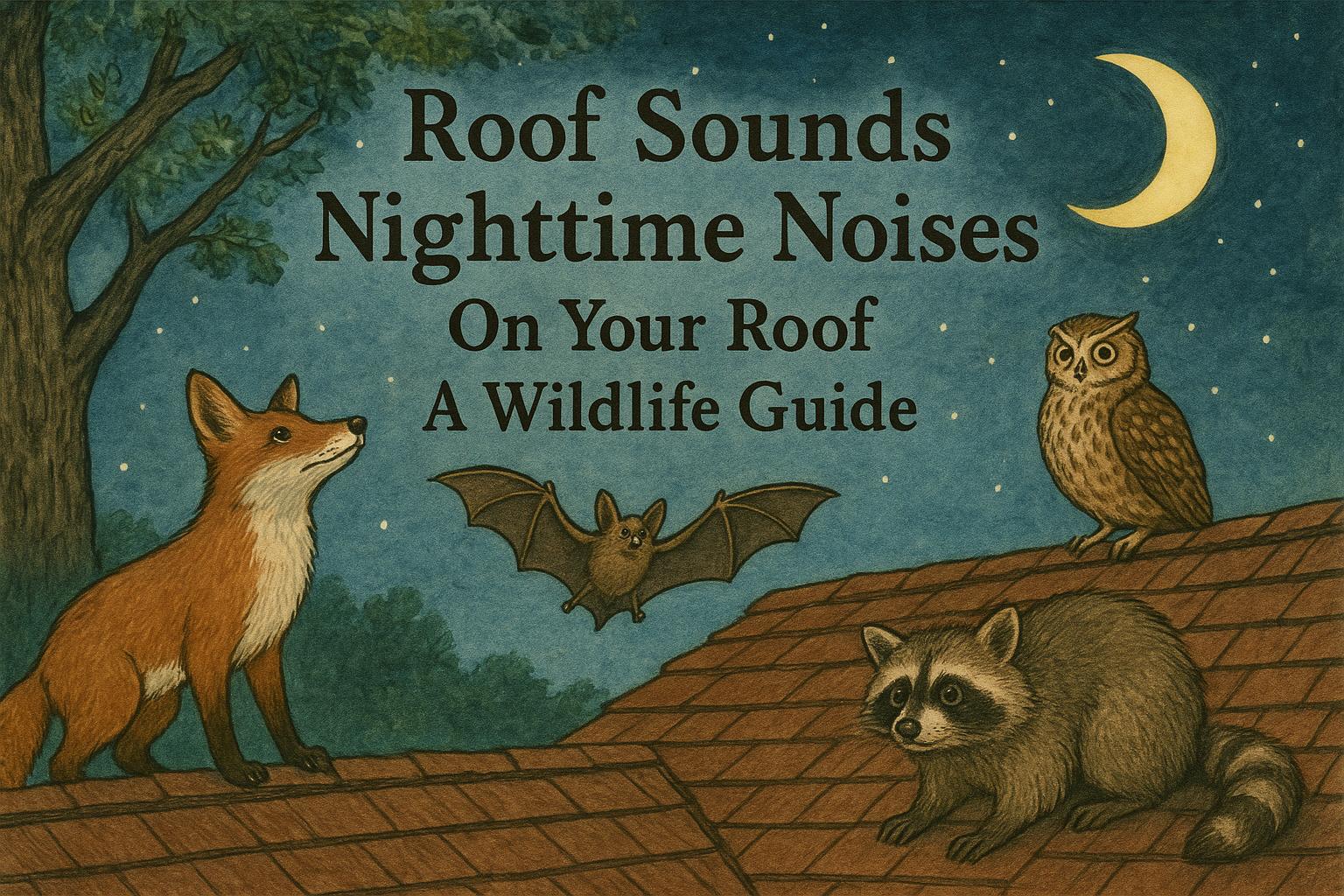
Raccoons are primarily nocturnal. You’ll notice the most activity after dusk and before dawn. Their foraging is methodical: scent leads, then touch—those nimble front paws open containers, unhinge lids, and manipulate small openings with more finesse than many adults have shown trying to open a stubborn jar.
### Social Structure And Family Life
A lot of backyard encounters revolve around mothers and kits. Adult females raise kits in spring and summer; males are generally solitary and may be more likely to roam widely. Raccoon behavior around kits is protective. If you see a seemingly abandoned kit during the day, it may be normal—mothers often leave their young while foraging. Avoid handling; human scent can complicate reunions.
#### Vocalizations And Body Language
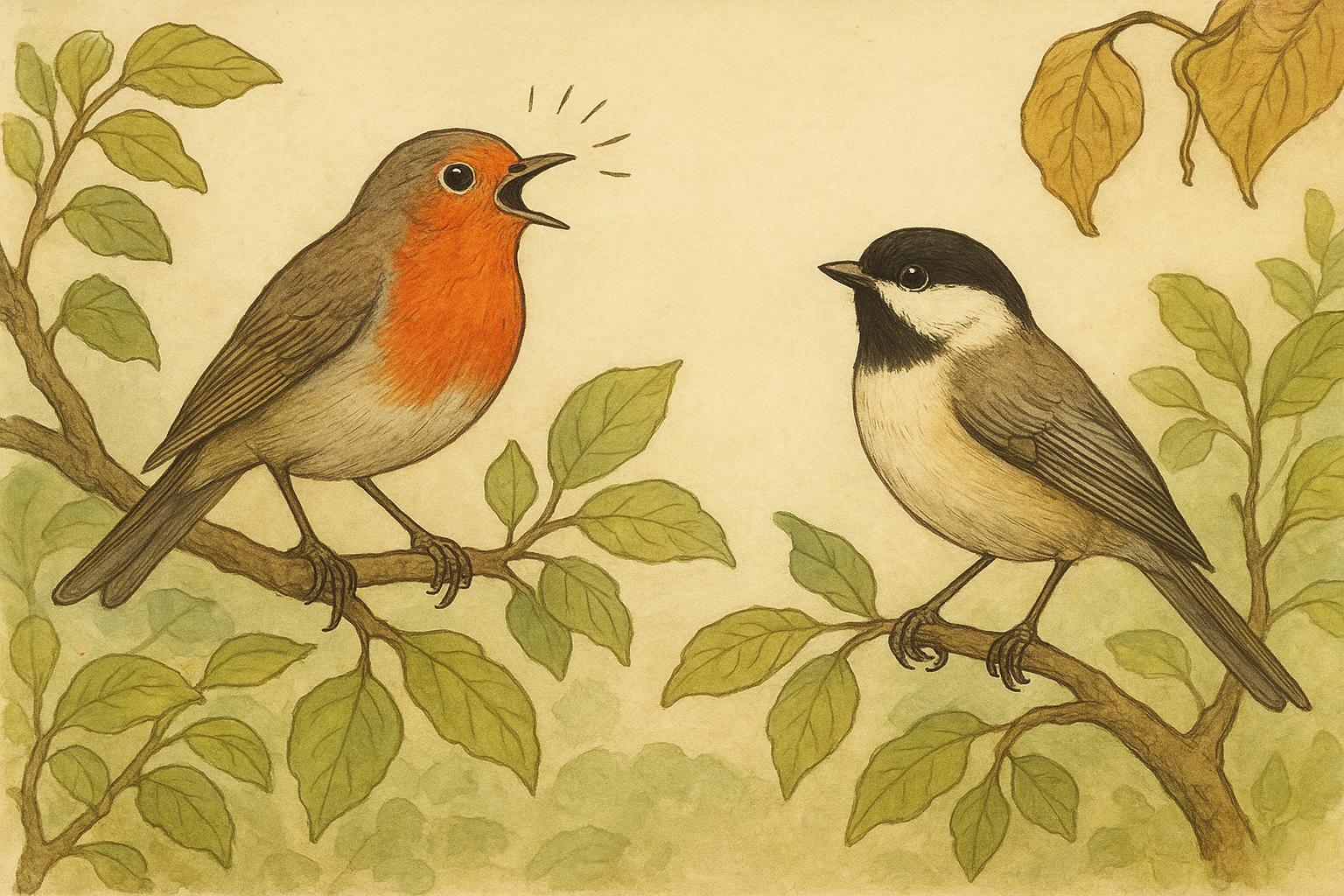
Raccoons have a repertoire of sounds—purrs, growls, hisses, and shrieks. Combined with posture (arched back, hair raised, or a direct approach), these give clues to mood. For instance, a cornered raccoon that hisses and lashes out is scared, not mean. Respect their signals; most negative interactions happen when animals feel trapped or threatened.
### Common Backyard Behaviors You’ll Spot
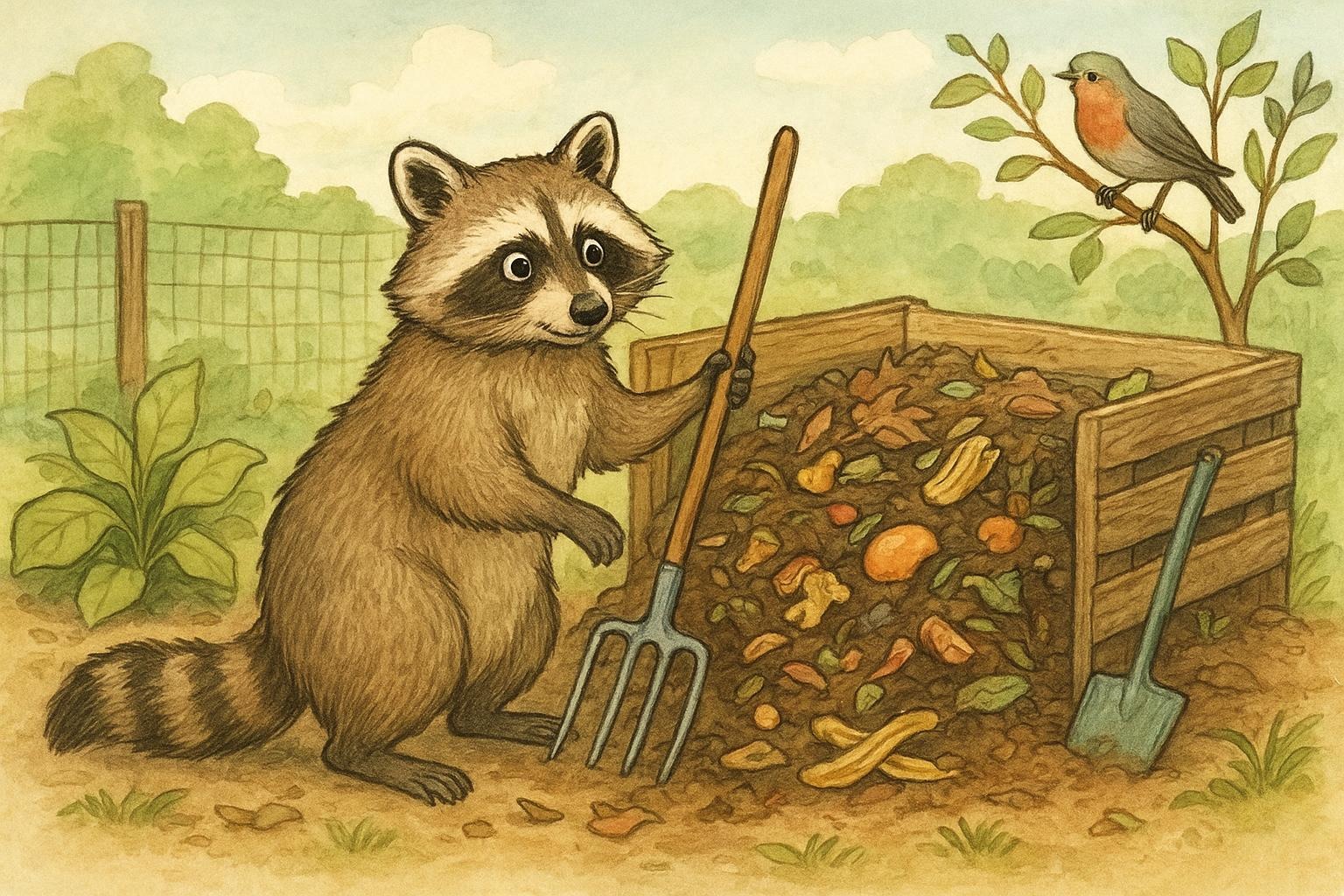
– Raiding garbage and compost: This is classic raccoon behavior—persistent and consistent.
– Fishing in ponds or birdbaths: They wash or inspect food in water, an instinct that looks like “washing.”
– Climbing and denning: Raccoons are good climbers and can access roofs or attics via tree branches or gutters.
– Visiting feeders at night: Birdseed is a buffet for many wildlife species, raccoons included.
### Signs Of Raccoon Presence
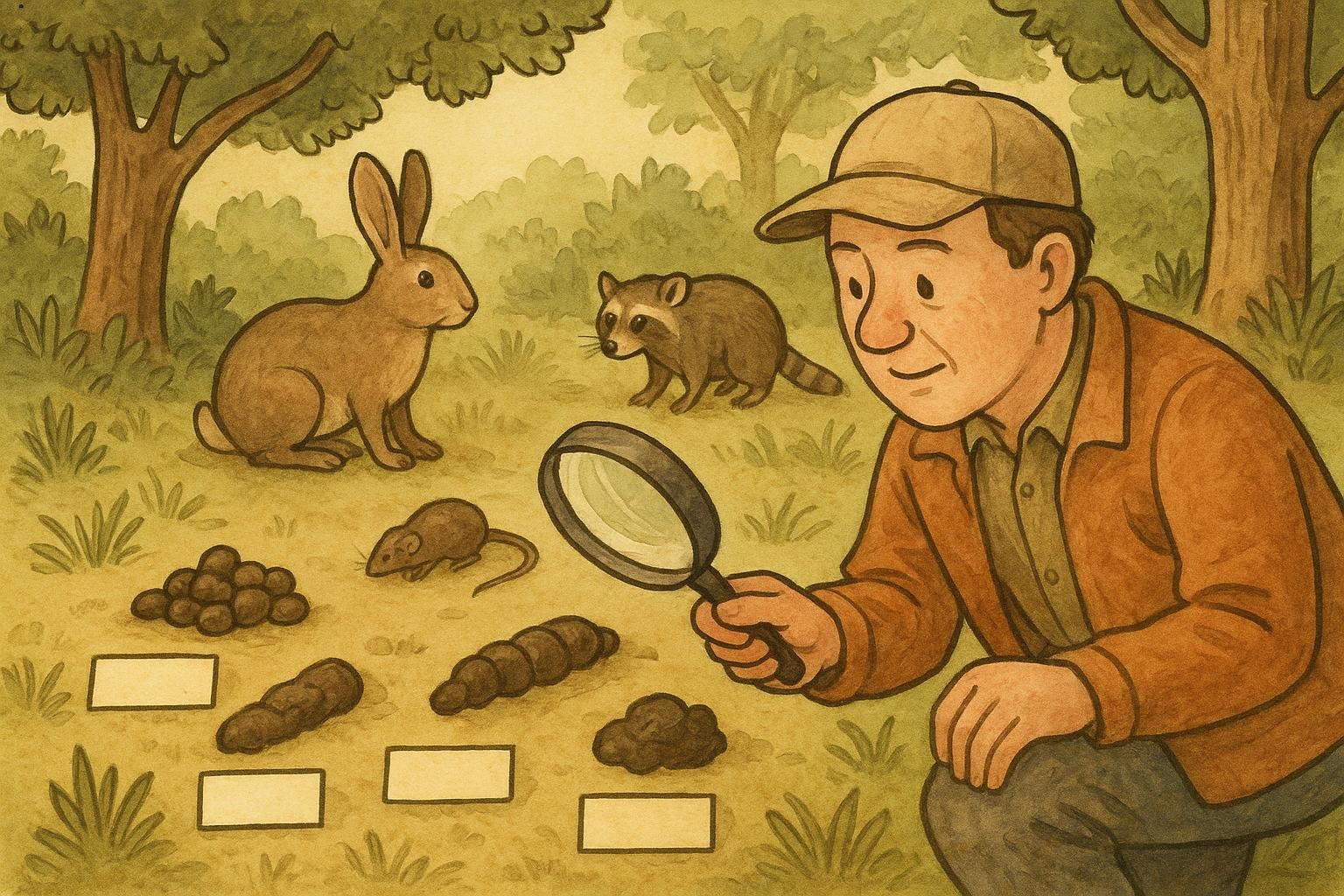
Look for overturned bins, paw prints in soft soil (five toes, like little hands), droppings near food sources, or evidence of digging around the base of sheds and compost piles. You might also hear nocturnal rustling or see small tracks in mud or snow.
## 1. Humane Deterrent For Trash Raids (Remedy)
When raccoon behavior escalates to nightly trash raids, a structured, professional approach reduces conflict. The following remedy is presented formally for clarity and safety.
Materials Required:
– Heavy-duty latches (car-resistant or self-locking) suitable for outdoor trash lids
– Bungee cords with carabiner clasps (optional for extra securing)
– A raccoon-proof trash can or metal bin (if replacing)
– Nitrile gloves (for handling soiled materials)
– Trash bags sealed tightly
Step-By-Step Creation And Application:
1. Inspect Current Containers: Wear gloves and examine your existing cans for weak points—gaps, cracked lids, or exposed hinges.
2. Select Appropriate Hardware: Choose heavy-duty, weather-resistant latches rated for outdoor use. Self-locking or car-latch style mechanisms are ideal.
3. Install Latches: Securely affix the latches to the lid and body per manufacturer instructions, ensuring the latch can be operated only by pulling from above, not by raccoon paws.
4. Reinforce With Bungee Cords: For additional security, loop bungee cords across the lid and secure to anchors on the can body.
5. Practice Proper Waste Management: Keep organic waste in sealed bags; rinse food containers where feasible. Place trash out on the morning of pickup rather than the night before.
6. Consider Replacement: If cans are damaged or plastic is consistently breached, replace with a metal, raccoon-proof bin.
7. Monitor And Adjust: Over several nights, observe (from indoors) for breaches. Modify latch positions or add anchors as needed.
## 2. Exclusion And Habitat Modification (Remedy)
To address denning and repeated yard visits, exclusion techniques and habitat modification are effective and humane. The following procedure should be followed precisely.
Required Materials:
– Hardware cloth (1/4 inch mesh) or 3/4 inch hardware mesh for larger openings
– Galvanized screws and washers
– Motion-activated lights or sprinklers (optional)
– Trim tools (pruners, saw)
– Flashing or sheet metal (for sealing roofline gaps)
– Caulking or foam insulation (for small gaps)
– Personal protective equipment (gloves, eye protection)
Step-By-Step Creation And Application:
1. Conduct A Property Survey: Identify potential entry points—attic vents, gaps under porches, soffits, and holes in eaves. Work at daylight when raccoons are absent.
2. Temporarily Confirm Vacancy: Listen for noises at night and, if possible, use a flashlight to look for kits before sealing; if young are present, defer exclusion and contact wildlife control.
3. Seal Small Gaps: Use caulking or foam for minor cracks. Ensure materials are rated for exterior use and apply per manufacturer directions.
4. Install Hardware Cloth Over Openings: Cut hardware cloth to size, allowing a 2–3 inch overlap. Secure with galvanized screws and washers to prevent rust and deter chewing.
5. Reinforce Vulnerable Areas With Flashing: For roofline access points, affix flashing to create a smooth, impenetrable surface raccoons can’t grip.
6. Modify Landscape: Trim tree limbs at least six to eight feet from roofs; remove dense brush near foundations to reduce hiding spots.
7. Install Deterrents: Motion-activated lights or sprinklers can discourage nighttime visits. Place strategically near known activity zones.
8. Re-Inspect Seasonally: Check installations for wear, rust, or disturbance and repair promptly.
### When To Call Professionals
If raccoon behavior includes aggression, signs of illness (disorientation, daytime wandering), or denning with kits in an inaccessible area, contact licensed wildlife control. Professionals can safely remove animals, manage relocations per local laws, and perform exclusions without causing harm.
#### Legal And Ethical Considerations
Be aware of local regulations—many jurisdictions restrict relocation or trapping without permits. Humane coexistence is the priority: prevent access to attractants first, then use exclusion. Avoid poisons or inhumane traps, as they cause suffering and may harm pets and non-target wildlife.
### Coexistence Tips That Actually Work
Raccoon behavior can be channeled or managed by removing incentives. Reduce nighttime lighting that draws insects (which attract other prey), secure chicken coops and pet food indoors overnight, and consider elevating bird feeders or using baffles. Small adjustments often yield big reductions in unwanted visits.
#### A Few Things Not To Do
Don’t feed raccoons intentionally. It may seem compassionate, but feeding habituates them and increases disease transmission risks. Don’t attempt to handle or relocate animals yourself if you’re unsure; that’s how bites and rabies exposures happen. And, perhaps obvious, don’t underestimate their problem-solving: what’s “raccoon-proof” to you may just be another puzzle to solve for them.
### The Fun Part: Appreciating The Wild Neighbor
Once you’ve taken sensible steps to keep them from trashing your week, there’s room for appreciative observation. Raccoon behavior—how they paw, sniff, and figure things out—is evidence of a highly adaptable mammal. From a safe distance, they’re fascinating to watch and a reminder that urban and suburban habitats are shared spaces.
Now that you’ve got a clearer read on what leads raccoons to your yard and two formal, actionable remedies, you can enjoy your backyard evenings with fewer surprises and more peaceful nights.
















Leave a Reply