
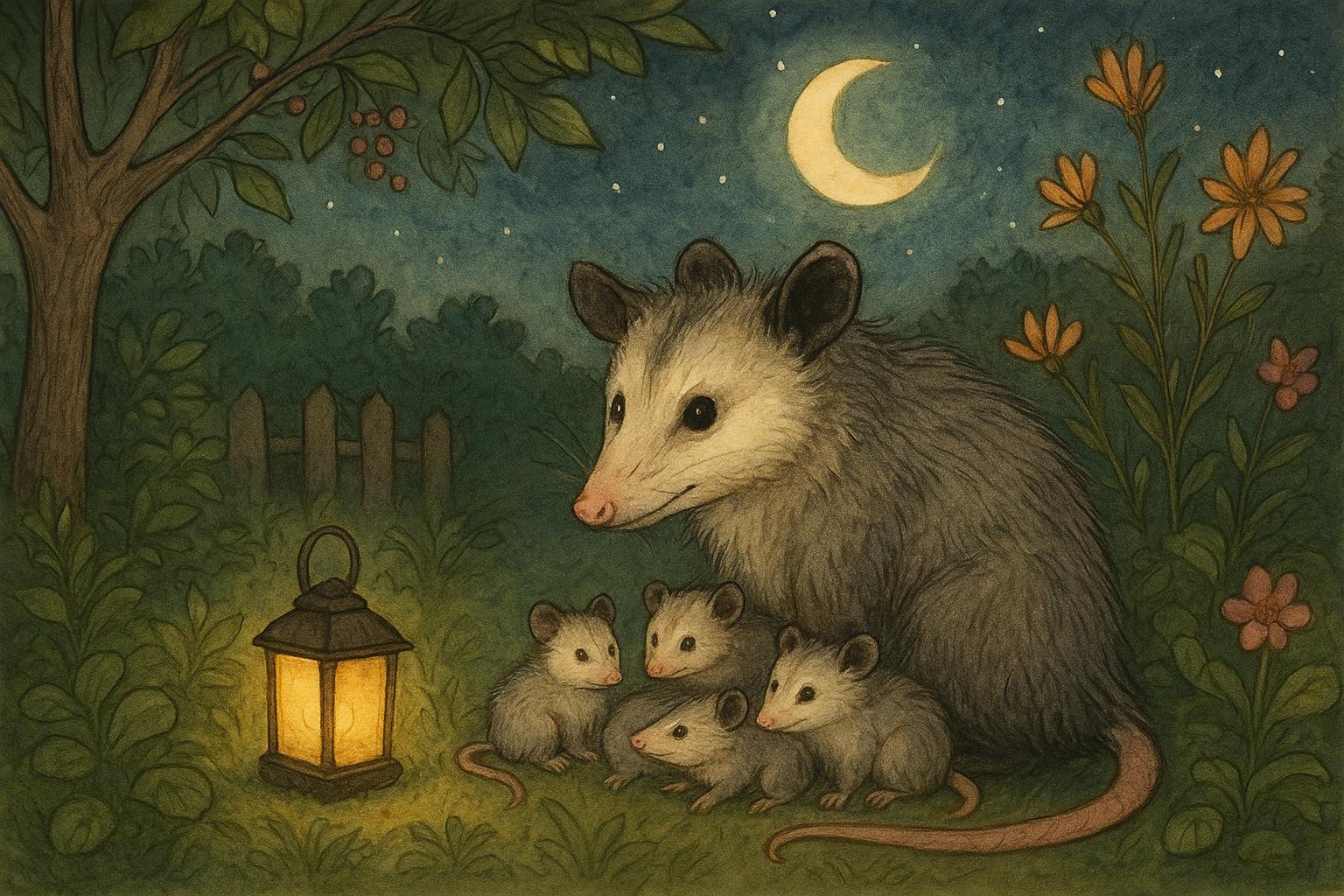
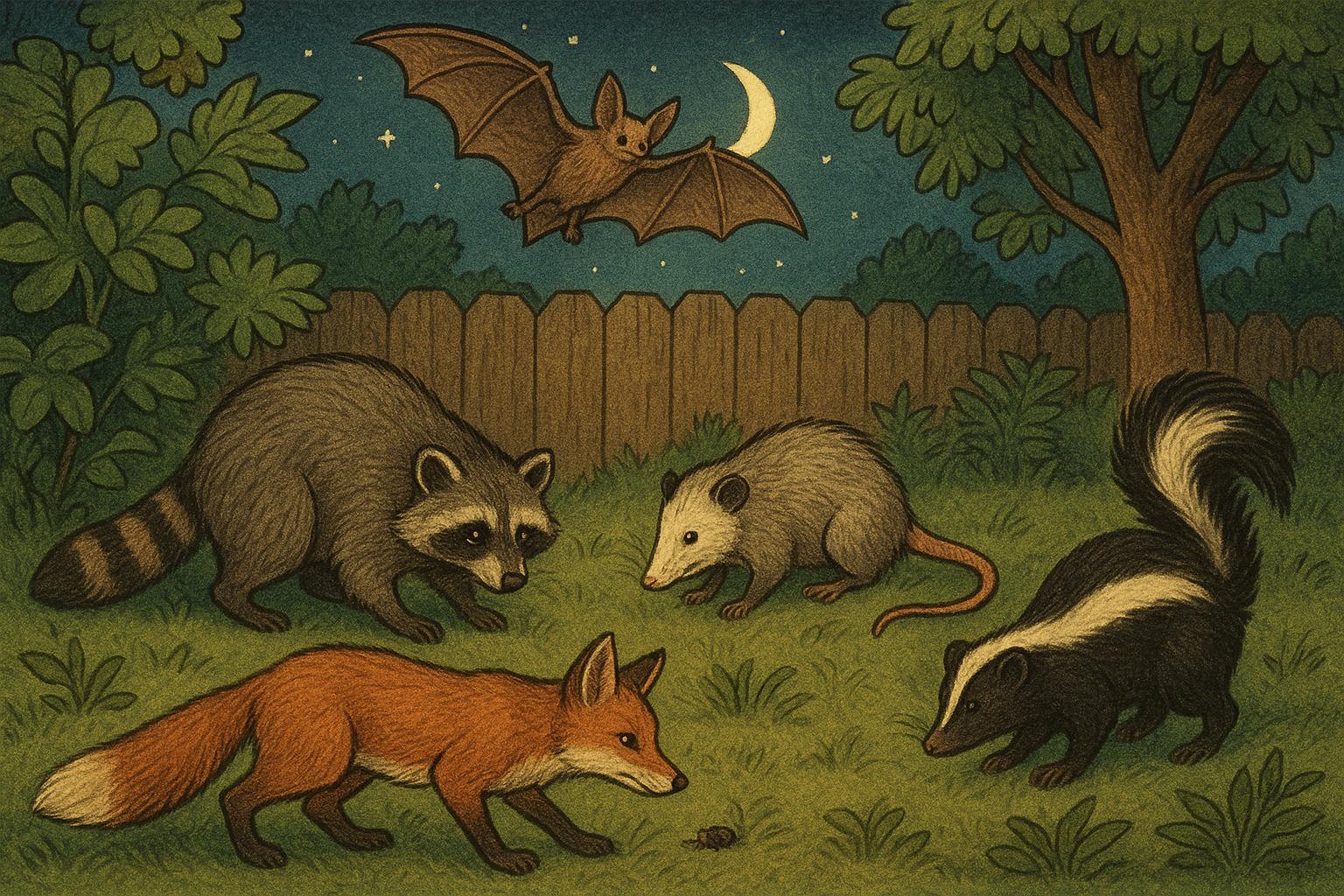
Nights in the backyard have a way of becoming quietly theatrical once a marsupial troupe shows up. If you’ve noticed a slow-moving, white-faced forager padding along fence lines and rooting through leaf litter, congratulations — you’ve been invited to the opossum show. With a little thoughtful opossum care, you can make those evenings safer and more magical for both you and your nocturnal guest.
## Why Opossums Deserve A Backyard Stage
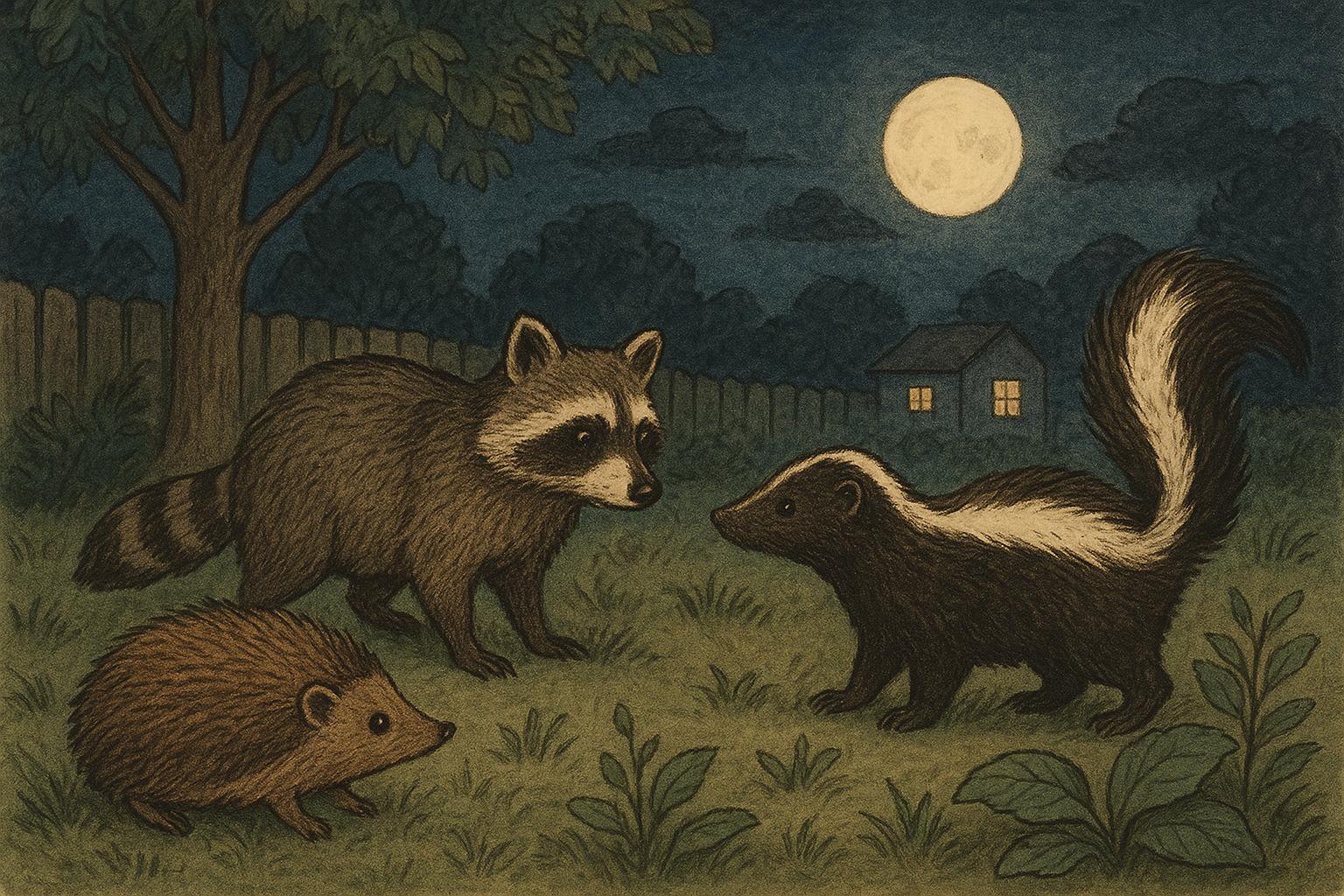
There’s a lot of misconception about these critters. They look like a cross between a raccoon and a small fox, but they fill their own niche: eating ticks, slugs, and fallen fruit, and generally keeping insect populations in check. They’re also immunologically interesting — they resist many snake venoms and carry fewer zoonotic pathogens than many people assume.
A gentle attitude goes a long way. Opossums are not aggressive unless cornered or protecting young. With responsible opossum care, you’ll reduce conflict, avoid habituation, and increase the odds of peaceful nightly visits without turning your yard into a wildlife café.
## Opossum Care Basics
Opossum care starts with respect for wild behavior. These are wild animals, not pets, and best practices focus on habitat, nutrition balance, and harm minimization. Knowing a few basics helps you support them without interfering with natural behaviors.
### Feeding Practices
Feeding is a sticky topic. If you choose to offer supplemental food, keep it conservative and consistent so animals don’t learn to rely on you. Use the following guidelines:
– Offer a small bowl of cat- or dog-formulated wet food or fruit once per night. Avoid bread, milk, or highly processed human snack foods.
– Do not feed by hand. Keep food on the ground or on a low, stable surface to minimize stress and reduce the chance of accidental bites.
– Remove uneaten food in the morning to avoid attracting rats or raccoons.
Responsible opossum care means prioritizing natural foraging opportunities: leave brush piles, compost with care, and tolerate fallen fruit if neighbors agree.
### Habitat And Shelter
Opossums appreciate sheltered spaces for resting and nesting. Encourage suitable habitat without creating unsafe traps:
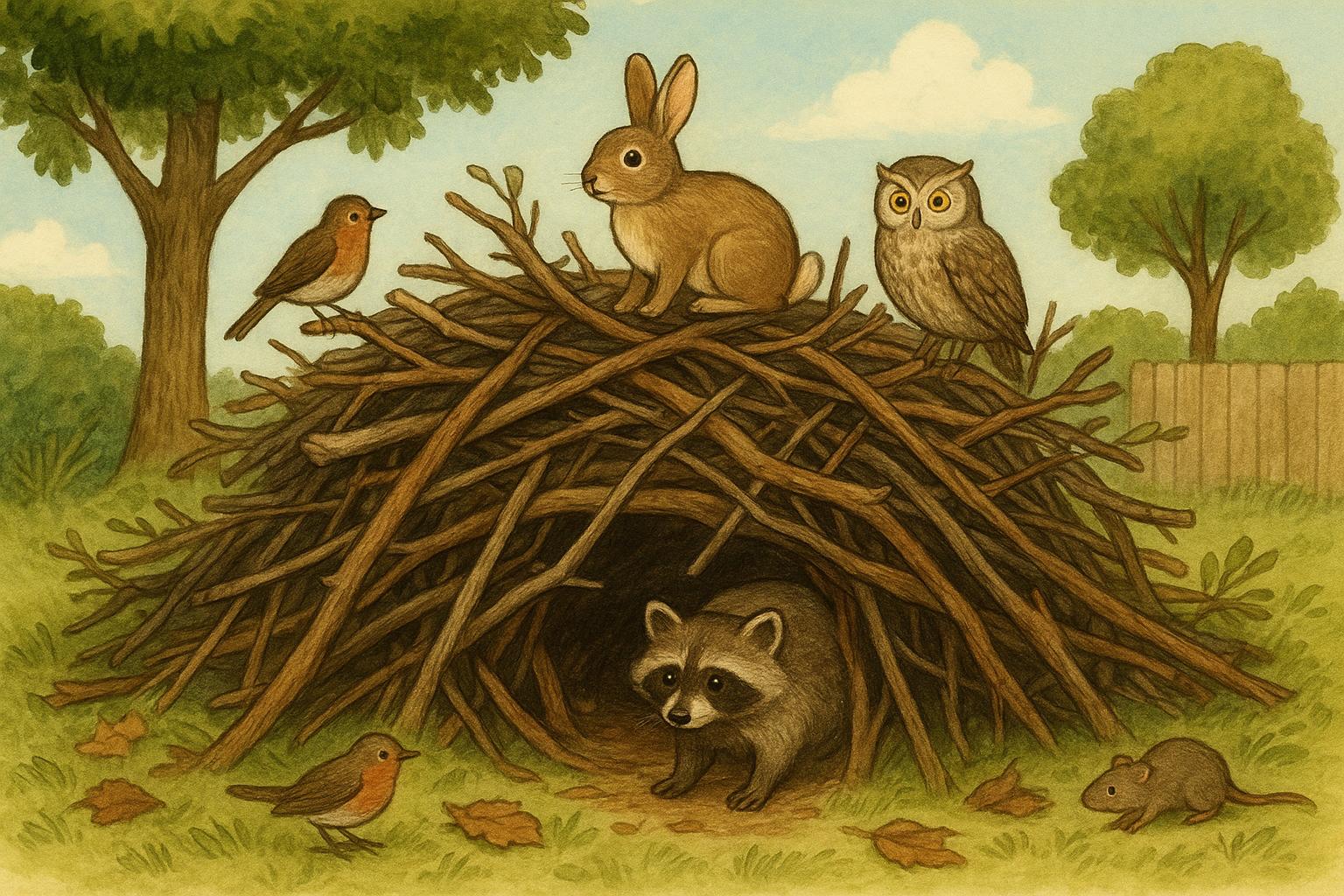
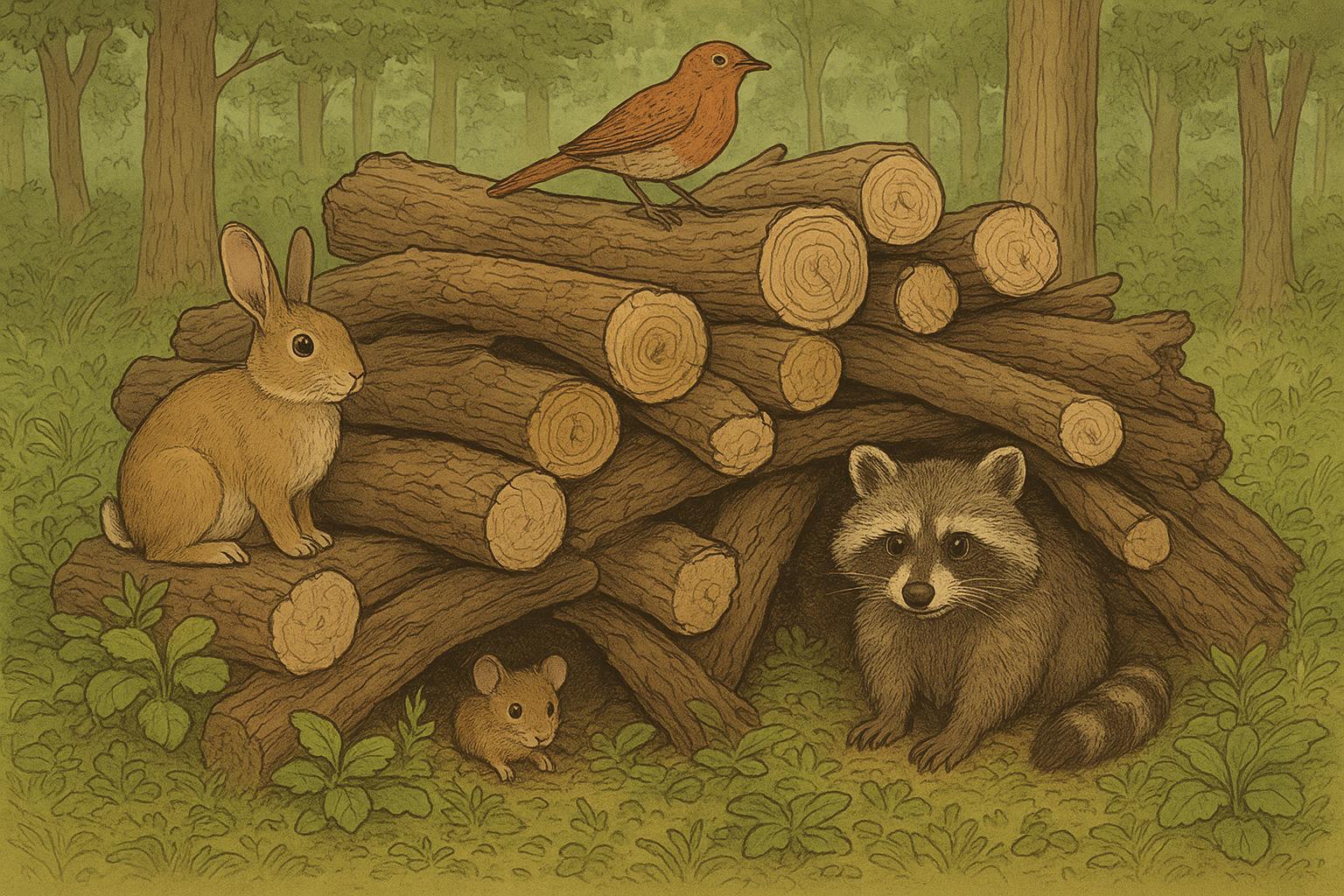
– Provide accessible ground-level shelter like a hollow log, dense brush, or a purpose-built box (details in Remedy 1).
– Avoid enclosed crawl spaces under decks unless they have a clear, escape-friendly entrance — getting trapped causes stress and potential conflict.
Maintaining a tidy yard with natural cover and food sources supports opossum presence while keeping encounters low-stress.
### Health And Safety
Opossums groom regularly and are typically free of heavy parasite loads compared to other urban wildlife. Still, treat any situation involving a visibly injured or sick opossum seriously.
– Do not attempt to medicate wild opossums yourself beyond basic first aid. Contact a licensed wildlife rehabilitator or veterinarian experienced with wildlife.
– Always protect yourself with gloves and minimize direct contact. Rabies in opossums is extremely rare, but bites and scratches can transmit secondary infections and require medical attention.
Knowing local laws and wildlife rehabilitation contacts is part of prudent opossum care; many areas prohibit keeping wildlife without permits.
## Remedy 1: Build A Low-Budget Opossum Shelter
When done properly, offering a simple shelter helps opossums survive cold snaps and raises the chance of safe, repeat visits. Below are recommended materials and a step-by-step creation and placement guide.
### Materials
– One plastic storage tote or wooden crate (large enough for an adult opossum: roughly 30″ x 18″)
– Exterior-grade waterproofing (if using wood) or plastic tote with lid
– Straw (not hay; straw resists mold)
– Duct tape or outdoor sealant
– A sharp tool for creating an entrance (drill or jigsaw)
– Optional: cinder block or paving stones to elevate
### Steps
1. Choose Location: Select a quiet, low-traffic corner of the yard against dense shrubbery or under a low, open eave. Ensure the site is away from standing water and predators’ favorite routes.
2. Prepare the Shelter: If using a plastic tote, cut a 6–8 inch diameter entrance hole on one short side near the bottom. Smooth edges with tape to prevent cuts. If using wood, construct a simple box with a small entrance (6–8 inches), secure joints with outdoor sealant, and paint or seal exterior surfaces to protect against rot.
3. Add Bedding: Fill the interior with clean straw. Do not use blankets or towels — they retain moisture and can freeze. Straw provides insulation and a dry nesting substrate.
4. Elevate and Anchor: Place the shelter on cinder blocks or paving stones to keep it off wet ground. Anchor with a heavy rock or brick to prevent wind movement.
5. Camouflage and Access: Lean a branch or low board over the top and sides to provide natural cover, but keep the entrance unobstructed.
6. Monitor From Afar: Check from a distance over the following nights. Replenish straw seasonally. Avoid frequent inspections that could deter the animals.
This shelter is intended as temporary, non-breeding accommodation. If you discover dependent young, contact a licensed rehabilitator immediately. Providing a dry, insulated sleep site is one of the most effective, humane elements of home-based opossum care.
## Remedy 2: Make A Simple Opossum First Aid Kit
Minor injuries happen. A basic kit lets you stabilize an animal until a professional can take over. Use this kit only for stabilization; seek a wildlife rehabilitator promptly.
### Materials
– Disposable nitrile gloves
– Sterile saline wound wash (0.9% sodium chloride)
– Sterile gauze pads and non-stick dressings
– Micropore tape or self-adhesive bandage wrap
– Clean towels for restraint and warmth
– Heat pack or warm water bottle wrapped in a towel (for hypothermia)
– Contact information for the nearest wildlife rehabilitator and veterinarian
### Steps
1. Safety First: Wear gloves. Approach slowly only if the animal is calm and you can do so without risk. Do not attempt if the opossum is aggressive, severely injured, or if you are unsure.
2. Contain Gently: Use a towel to cover and gently wrap the opossum, securing limbs to prevent sudden thrashing. This reduces stress and protects both you and the animal.
3. Assess Quickly: Look for bleeding, open wounds, obvious fractures, or hypothermia. Keep handling time to a minimum.
4. Clean Wounds: Flush minor wounds with sterile saline to remove debris. Do not apply antiseptic solutions like hydrogen peroxide or alcohol — they damage tissue.
5. Dress If Needed: Apply sterile gauze and secure with micropore tape or light self-adhesive wrap. Do not constrict circulation; bandages should be snug but not tight.
6. Warmth And Quiet: If the opossum is cold, offer a warm, but not hot, heat source (wrapped) and keep the animal in a dark, quiet carrier.
7. Call A Rehabilitator: Transport to a licensed rehabber immediately. Provide details about the animal’s condition and any first aid performed.
Formal note: Antibiotics, pain medications, and long-term care should only be administered by wildlife professionals. Improper treatment harms the animal and may violate local regulations. This first aid kit is for temporary stabilization only and is part of responsible opossum care.
## Watching Without Interfering
Part of good opossum care is becoming an excellent audience. Low-light camera systems, a red-filtered porch light, and a seated observation spot can let you enjoy visits without stressing animals. Keep dogs and cats indoors at night if opossums are regular guests — domestic pets are the most common source of harm.
### Common Mistakes To Avoid
– Feeding excessive amounts or the wrong foods (milk, bread, or fatty scraps).
– Placing shelter openings where predators can easily ambush.
– Attempting medical treatment beyond basic stabilization without professional guidance.
– Ignoring local wildlife rules — many municipalities have specific regulations regarding feeding or keeping wildlife.
Embrace curiosity and restraint in equal measure. With thoughtful opossum care, your backyard nights can become a quietly magical habit for wildlife and humans alike — fewer dramas, more natural wonder, and the occasional theatrical play from a white-faced star.


Leave a Reply