
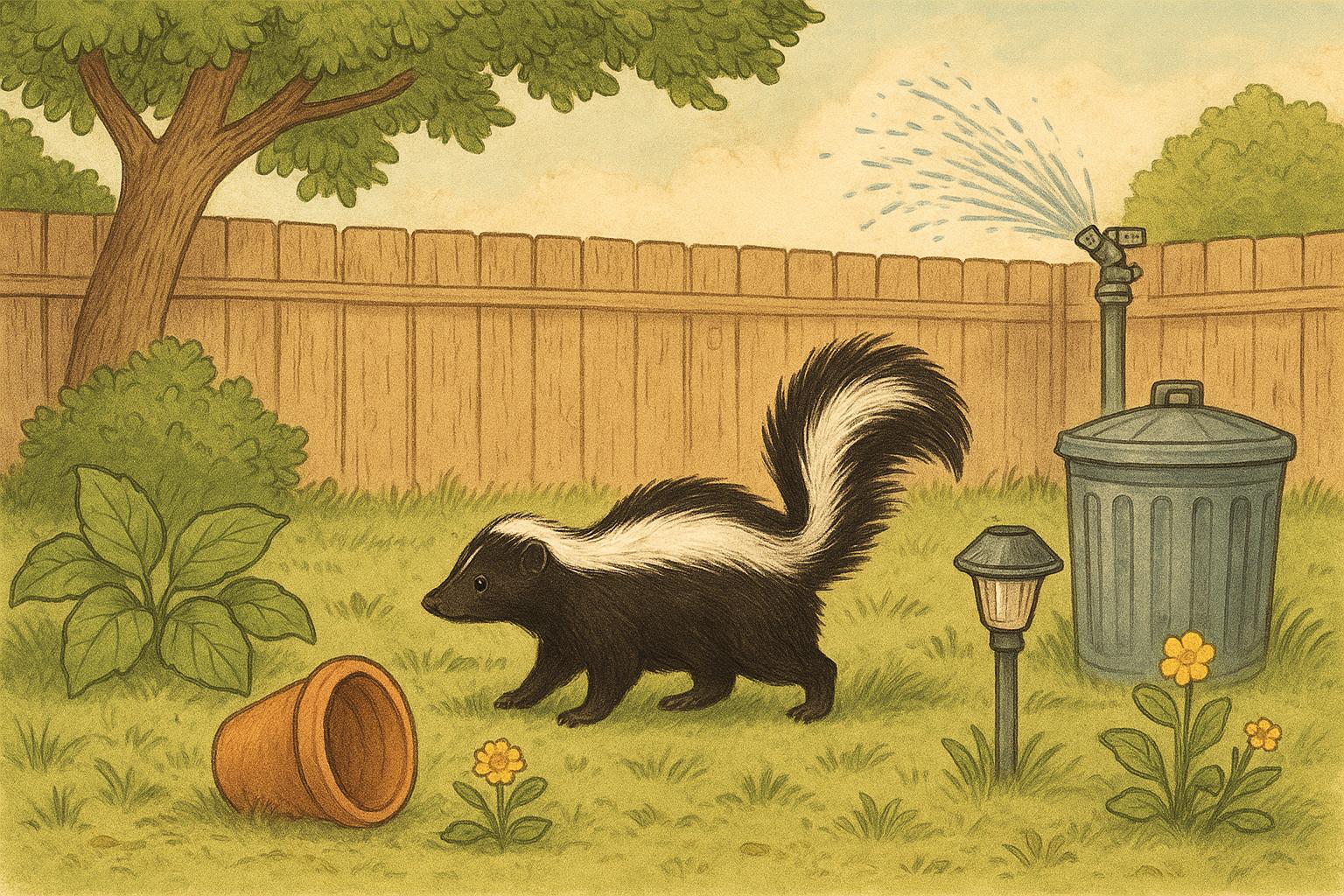
Backyards are meant for lazy afternoons, clinking glasses, and maybe a sunbathing cat—not a skunk doing a midnight waltz under your porch light. A few smart changes and routine habits can make your outdoor space far less inviting to these fragrant mammals. Below you’ll find practical, humane advice in a laid-back tone, and whenever we switch to remedies, we’ll be precise and procedural so you can implement them with confidence.
## Why Skunk Deterrents Matter For Your Backyard
Skunks are mostly shy, but they can create real headaches: sprayed pets, dug-up gardens, and that unforgettable odor. Using effective skunk deterrents reduces the risk of unpleasant encounters and protects pets, kids, and the comfort of your home.
### Understanding Skunk Behavior
Skunks forage for food at night and look for shelter in quiet, sheltered spots—under porches, decks, and in brush piles. They’re opportunists: an easy food source or a cozy den will keep them coming back.
#### When Skunks Are Most Active
Skunks are primarily nocturnal, peaking right after dusk and before dawn. Spring and summer bring a lot of activity: mothers with kits search for food and safe dens. Fall sees increased foraging as they build fat reserves.
## Practical Skunk Deterrents That Work
Using multiple tactics together is the best strategy. No single solution is foolproof; a layered approach combining habitat modification, sensory deterrents, and exclusion measures is most effective when choosing skunk deterrents for your property.
### Prevention First
Before you reach for sprays or traps, do the easy stuff: remove attractants, secure refuse, and seal off likely den sites. These preventive moves are the foundations of good skunk management.
## 1. Homemade Repellent Spray
This is a budget-friendly, humane deterrent you can make and apply around likely entry points. Be precise: the remedy below is written to professional standards to ensure safety and efficacy.
### Ingredients Or Required Materials
– 1 gallon (3.8 L) water
– 1 cup apple cider vinegar or white vinegar
– 1/2 cup ammonia (household)
– 1/2 cup hot pepper sauce (or 2 tablespoons cayenne powder)
– 1/4 cup liquid dish soap (biodegradable preferred)
– 1 large spray pump or garden sprayer
– Protective gloves and eye protection
### Step-By-Step Creation And Application
1. Put on protective gloves and eye protection before handling ammonia and hot pepper.
2. In a clean bucket, combine 1 gallon of water with 1 cup of vinegar and 1/2 cup of ammonia. Stir gently—do not mix ammonia with bleach or products containing bleach.
3. Add the hot pepper sauce or cayenne powder and the dish soap. The soap helps the mix cling to surfaces.
4. Transfer the mixture to a pump sprayer. Label the sprayer clearly and store out of reach of children and pets.
5. Apply the spray around the perimeter of your yard, near gaps under porches, along foundation edges, and around potential den sites. Avoid direct application to plants or vegetable gardens; test a small area for plant sensitivity first.
6. Reapply after rain and every 7–10 days during high activity seasons. Use more frequent applications if you notice renewed skunk activity.
### Usage Notes And Safety
– Keep pets and children away during application and until the solution has dried.
– Do not use this spray inside confined spaces where strong fumes could accumulate.
– This repellent is deterrent-based; it deters by scent and mild irritation, not by causing harm.
## 2. Motion-Activated Light And Sprinkler Setup
A non-chemical, humane method that leverages an animal’s natural skittishness. Properly installed motion deterrents can condition skunks to avoid the area entirely.
### Materials Needed
– Motion-activated floodlight or motion sensor floodlight
– Motion-activated sprinkler (commercial models available)
– Sturdy posts or mounts for lights/sprinklers
– Extension cord or outdoor-rated wiring if needed
– Basic tools: shovel, screwdriver, mounting hardware
### Step-By-Step Installation And Operation
1. Identify key zones where skunks frequent—garbage areas, garden beds, or under eaves.
2. Mount motion-activated devices at about 2–4 feet high, angled to detect typical skunk movement patterns.
3. Secure wiring and power safely using outdoor-rated plugs and connectors; consider a ground-fault circuit interrupter (GFCI) outlet for safety.
4. Test the sensors at different times to ensure they trigger reliably without excessive false activations from small wildlife.
5. Program the devices to remain active throughout the night. Motion-activated sprinklers deliver an unpleasant but harmless surprise that most skunks avoid after one or two encounters.
6. Inspect and maintain the equipment seasonally, checking batteries and sensor calibration.
### Why This Works
Skunks are naturally wary of sudden light and water intrusions. Motion-activated lights and sprinklers create a negative association without injury, reducing repeat visits over weeks.
## 3. Secure Compost And Trash Measures
Remove the buffet. Skunks are attracted to accessible food sources like pet food, uncovered compost, and unsecured trash. Implementing physical barriers and routine practices is an essential skunk deterrents strategy.
### Materials Needed
– Animal-resistant garbage cans with tight lids
– Bungee cords or straps for extra lid security
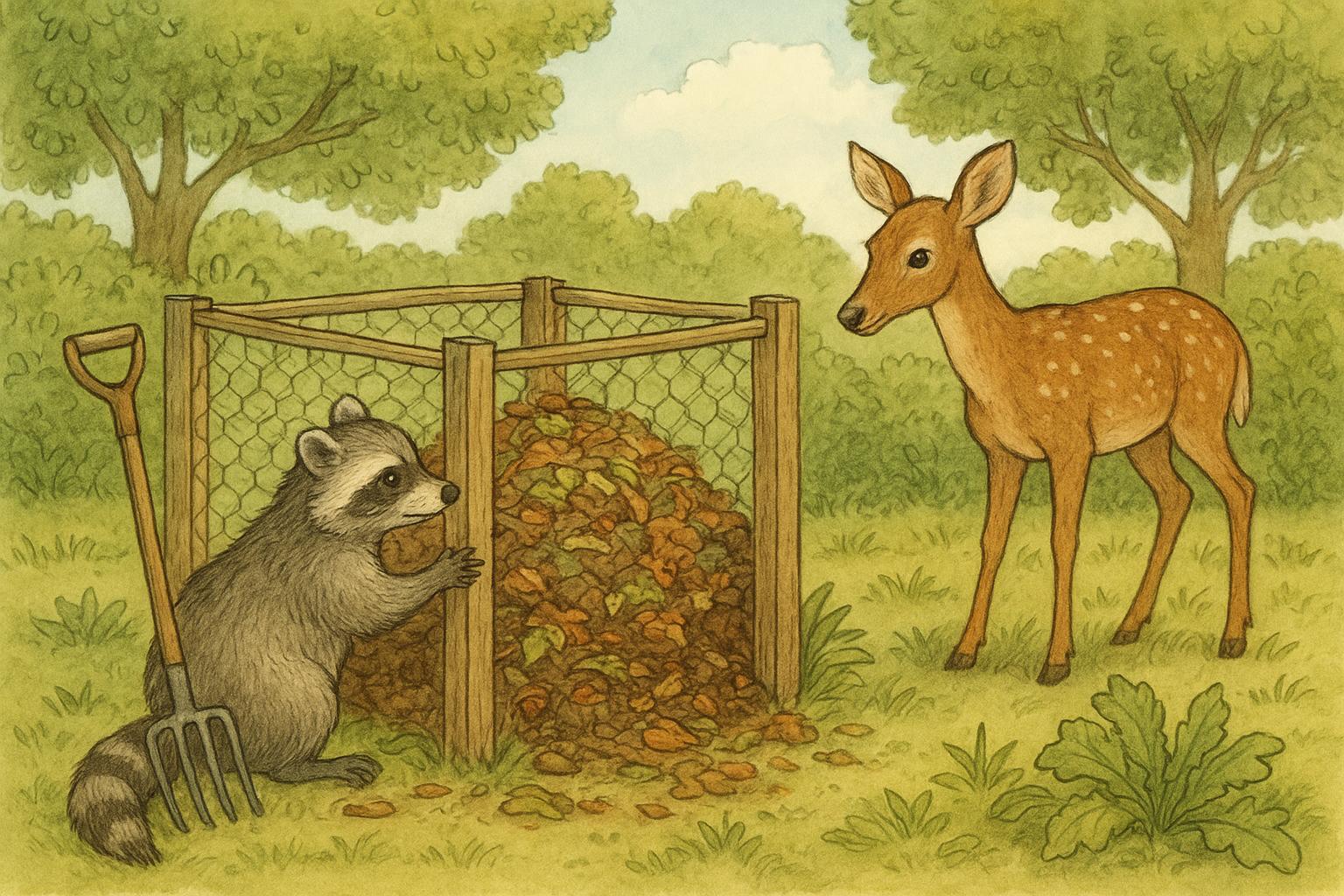
– Heavy-duty compost bin with locking lid or wire mesh enclosure
– Plastic or metal storage container for pet food if stored outdoors
– Gravel or concrete to block burrowing under structures (optional)
### Step-By-Step Implementation
1. Switch to animal-resistant garbage cans and secure lids with straps or bungees. Store cans in a shed or garage if possible.
2. Transition to enclosed compost bins with locking lids; ensure tumblers are sealed and elevated off the ground.
3. Feed pets indoors when possible. If outdoor feeding is necessary, remove food bowls immediately after feeding.
4. Inspect yards weekly for food remnants and remove fallen fruit, birdseed piles, and accessible pet waste.
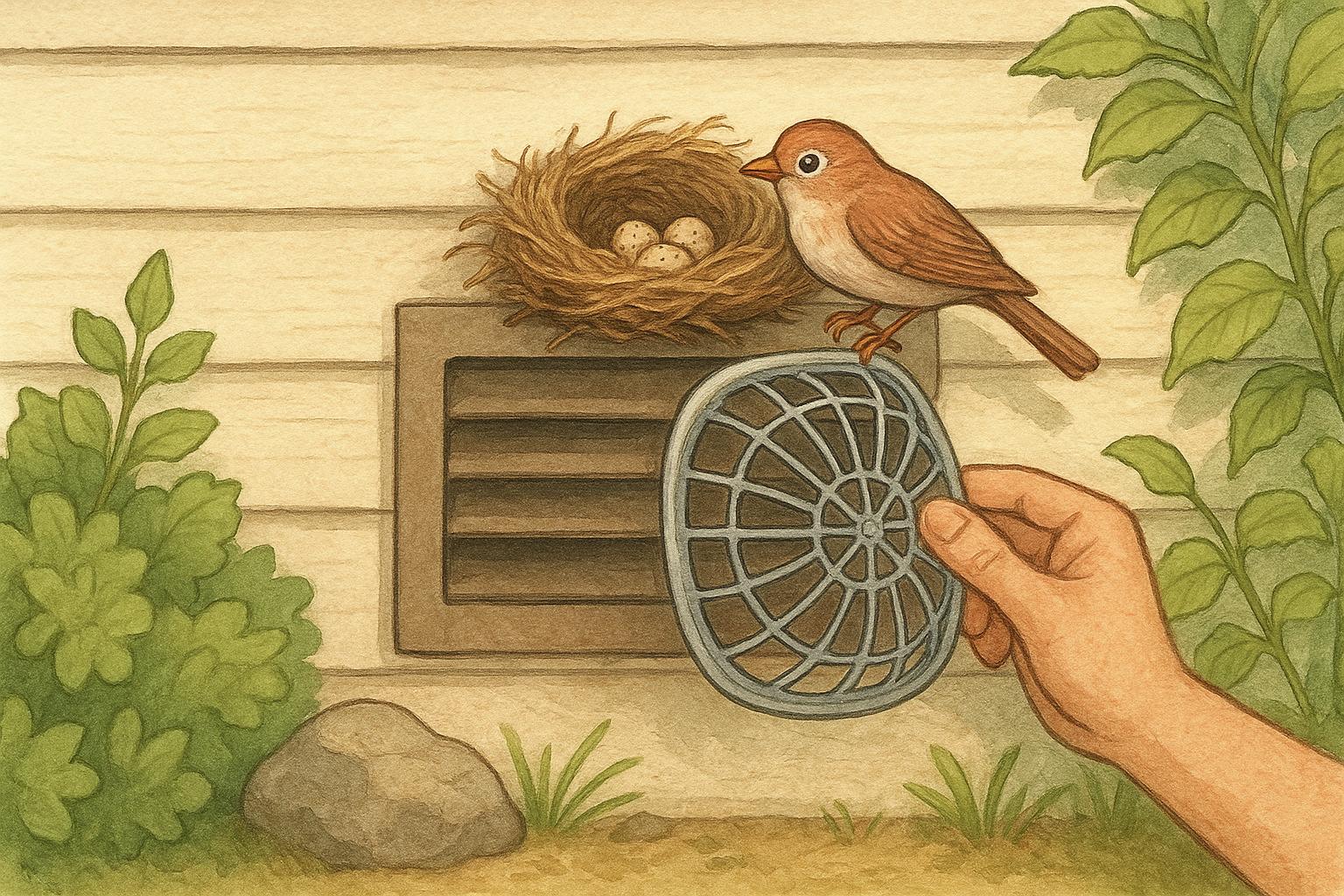
5. Seal gaps under porches and sheds using hardware cloth (1/4-inch or 1/2-inch) buried 6–12 inches into the ground and fastened to the structure to prevent digging entry.
6. If you have persistent denning in crawl spaces, install a one-way exclusion door (commercially available) and then seal the opening after the skunk departs. This should be done in compliance with local wildlife laws and best practices.
### Notes On Safety And Effectiveness
– Avoid using rodenticides or toxic baits; they can harm non-target animals and attract predators that may bring carcasses onto your property, creating secondary odor issues.
– Persistent application of these exclusion and sanitation practices will reduce attractants and make your yard unattractive to skunks.
## Dealing With Persistent Skunk Guests
If skunks remain despite preventive measures, escalate carefully.
### Humane Trapping And Wildlife Professionals
Live-capture traps should be handled only by trained individuals or licensed wildlife professionals. Improper trapping can harm skunks, pets, or people and may violate local regulations.
#### Legal Considerations
Wildlife laws vary by region. Before trapping or relocating wildlife, contact local animal control or a licensed wildlife rehabilitator. Professional services can advise on legal options, perform humane exclusion, and, when necessary, dispatch solutions that conform to local statutes.
### When To Call The Pros
– Repeated denning under structures
– A skunk that’s obviously ill or acting unusually (locally reportable in some areas)
– Encounters involving pets being sprayed or bitten
– If you prefer not to handle deterrent installations yourself
## Tips For Pets And Neighbors
A cooperative neighborhood approach helps. Encourage neighbors to secure their trash and avoid leaving pet food outside. For your pets:
– Keep them on a leash during dawn and dusk walks.
– Vaccinate and monitor for signs of illness after any wildlife interaction.
– If sprayed, follow safe cleaning protocols: a mixture of 1 quart 3% hydrogen peroxide, 1/4 cup baking soda, and 1 teaspoon dish soap applied carefully (avoid eyes and mouth) often works better than tomato juice. Wear gloves and rinse thoroughly.
Use these smart, humane, and practical skunk deterrents to restore your backyard to its peaceful, non-perfumed state. With persistence and layered tactics—habitat modification, sensory deterrents, and proper sanitation—you’ll reduce skunk visits and keep your outdoor space welcoming for the right kinds of guests.



















































Leave a Reply