

Welcome! If your backyard has become a late-night buffet or a mystery-of-the-footprints zone, you’re not alone. Skunks are charmingly odd creatures with a few quirks every homeowner should learn. This guide will walk you through practical, humane ways to reduce conflict while keeping wildlife wild — and your lawn smelling like lawn rather than eau de skunk.
## Understanding Skunk Behavior
Skunks are nocturnal, omnivorous mammals with strong survival instincts. When we talk about skunk behavior, we’re really unpacking how they find food, choose shelter, and respond to threats. Knowing this makes preventing unwanted encounters much easier.
### Why Skunks Visit Backyards
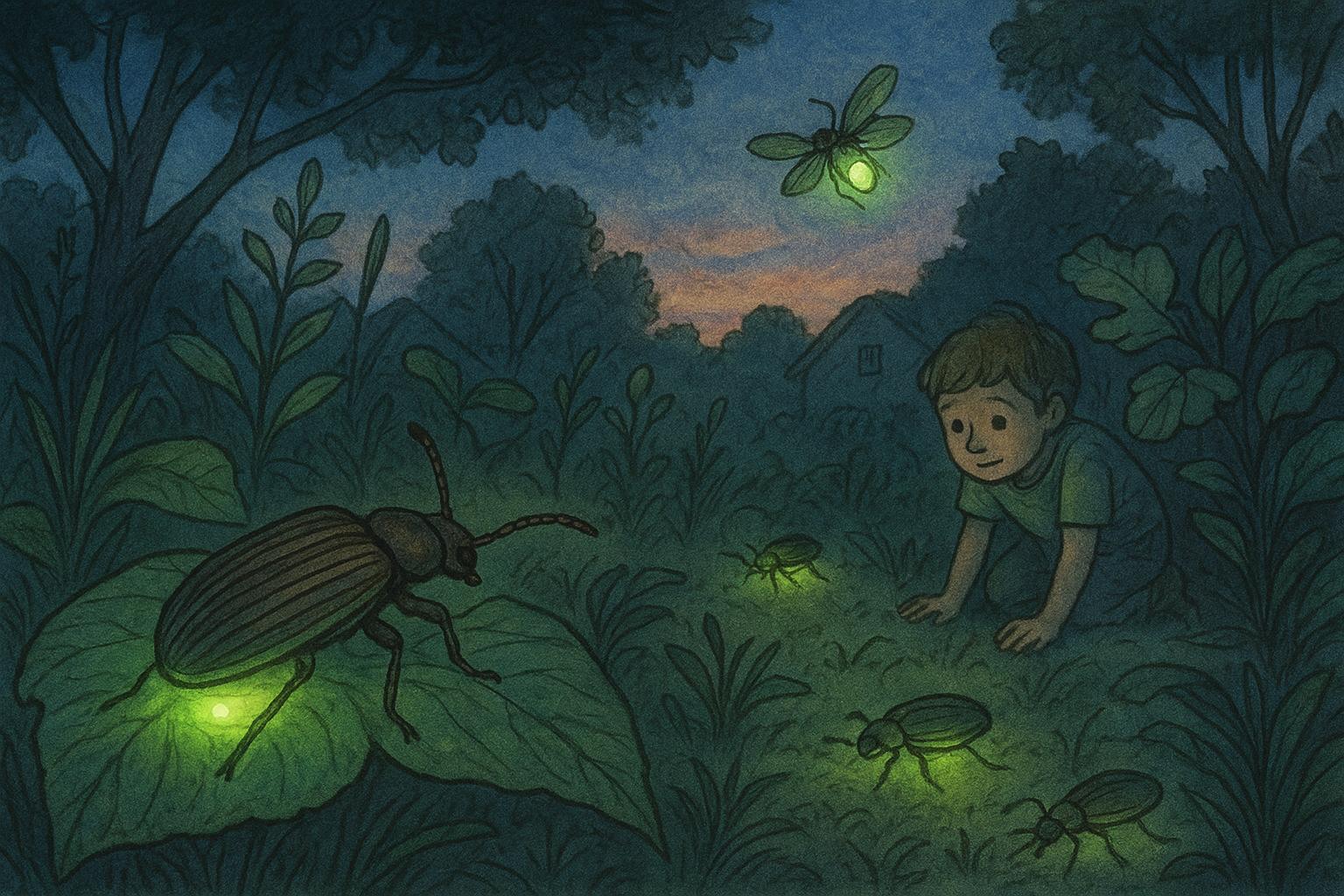
Skunks come for food, water, and safe places to den. Compost piles, pet food left outside, bird seed, and accessible crawl spaces are like a five-star hotel for a skunk. They’ll also dig in lawns looking for beetle grubs and worms, which explains those mysterious holes.
### Typical Skunk Daily Patterns
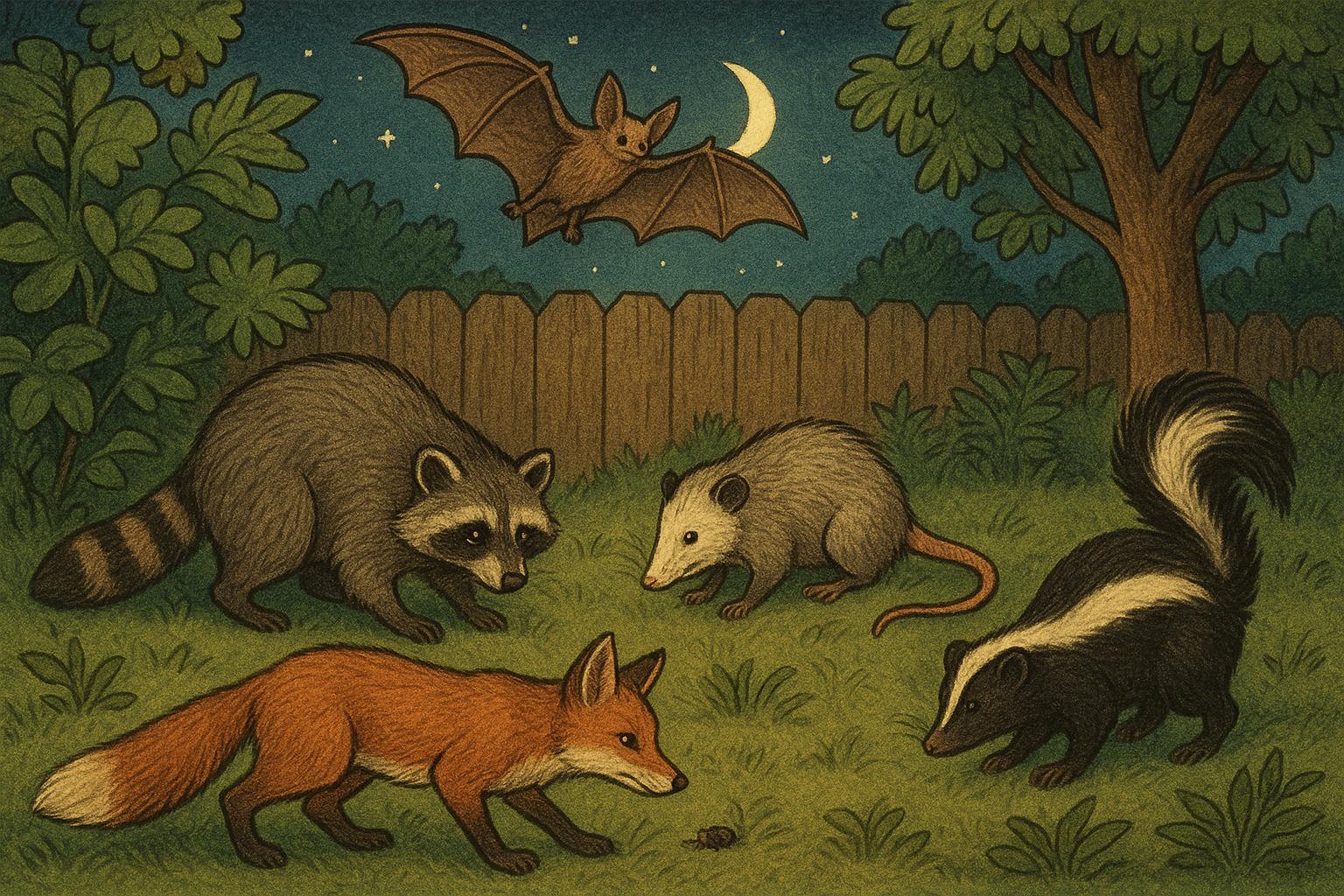
Skunks are mostly active from dusk into early morning. Their routine is simple: forage, eat, rest, and occasionally stroll for a mate. Understanding these patterns helps you time deterrents and reduce attractants effectively.
## Signs Of Skunk Activity
Recognizing the signs of local skunk activity reduces surprises.
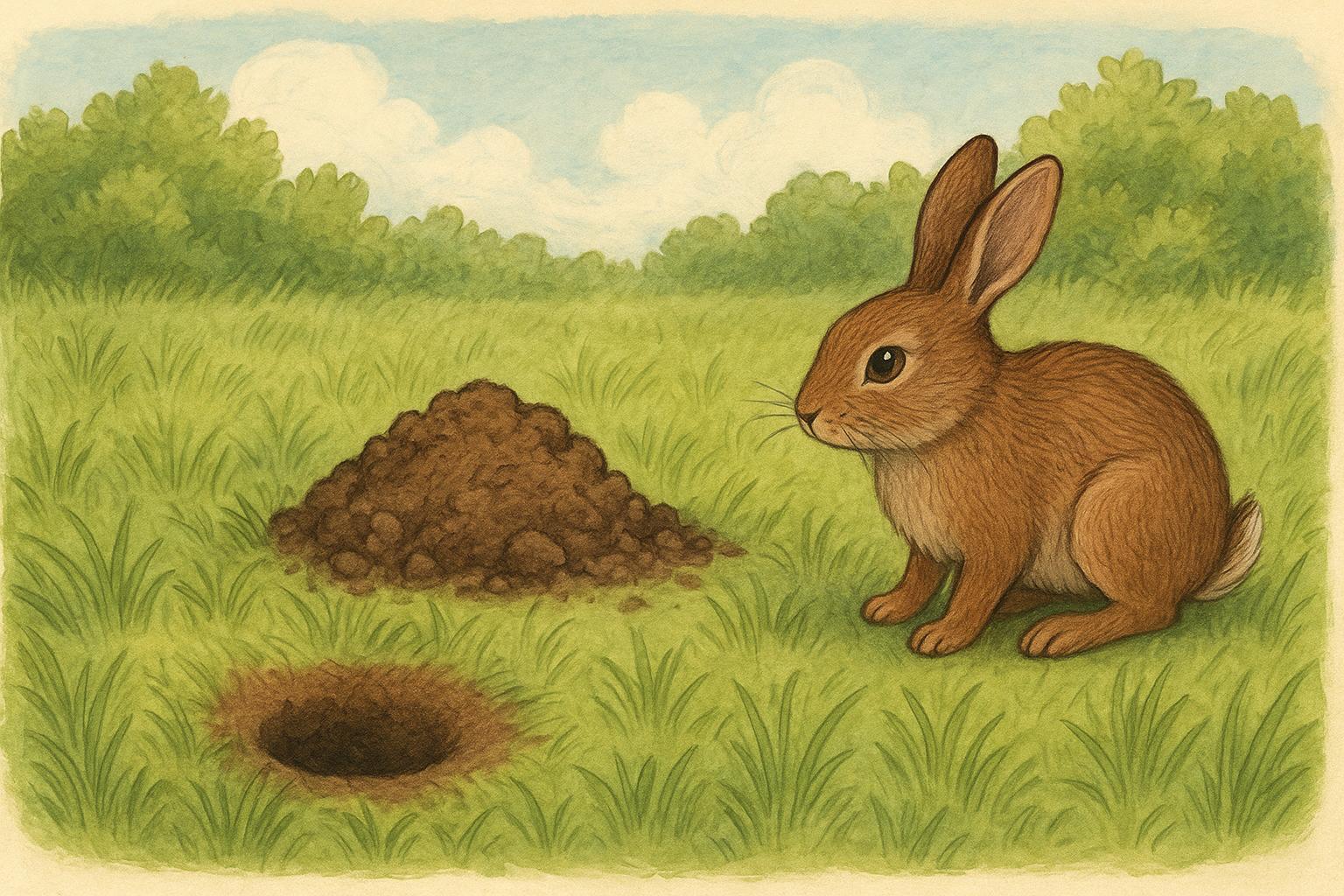
– Shallow, cone-shaped holes in the lawn from grub hunting.
– Droppings, usually tubular and dark.
– Footprints: small, five-toed prints with visible claw marks.
– Smells: a faint musky scent may indicate a skunk is nearby.
## Skunk Behavior Around Humans And Pets
Skunks generally avoid people and pets. Most spraying incidents happen when a skunk is startled, cornered, or protecting young. If you’ve got curious pets, supervise them outdoors at night and remove temptations like spilled food.
### When Skunks Feel Threatened
When threatened, skunks will do a warning sequence: stamp their feet, raise their tails, and sometimes hiss or click. If that fails, they resort to spraying — a last-resort defense that can travel several meters and linger for days.
#### The Spraying Myth And Reality
Spraying isn’t random or playful — it’s defensive. A skunk uses it when escape seems impossible. Approaching, cornering, or trying to grab a skunk multiplies the risk. Also, young skunks might spray earlier than adults when they’re frightened.
## Common Mistakes Homeowners Make
People often unintentionally invite skunks:
– Leaving pet food or open compost accessible.
– Letting fruit drop and rot beneath trees.
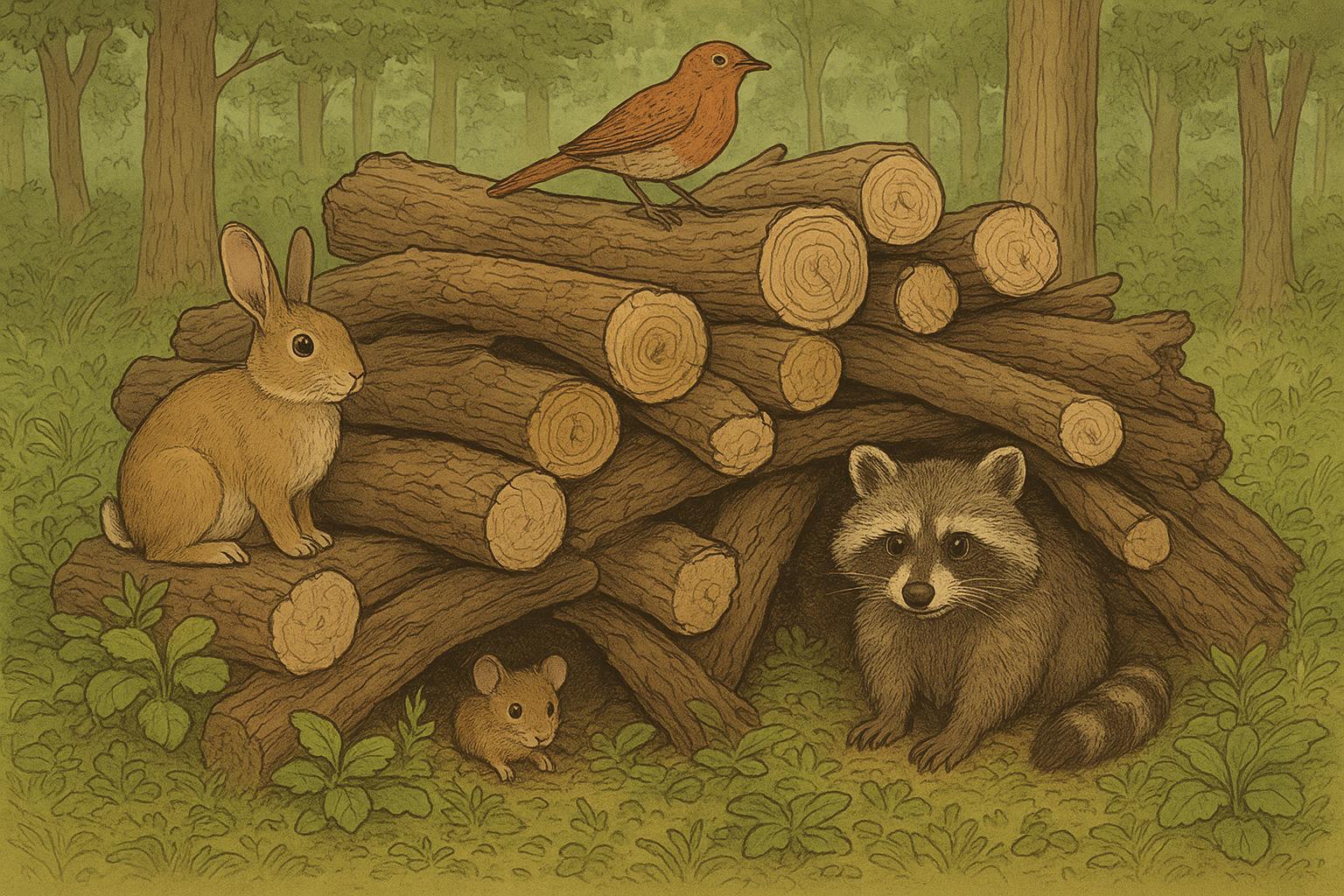
– Creating shelter: piles of wood, openings under porches, or unsecured crawl spaces.
Addressing these reduces the number of unwanted visits.
## Remedy 1: Natural Repellent Spray
When used correctly, a repellent spray can discourage skunks without harming them or your garden. Below are clear, formal steps and materials for creating and applying a vinegar-and-hot-pepper-based repellent that leverages skunks’ sensitive noses.
Ingredients / Required Materials:
– 1 gallon of water
– 2 cups white vinegar
– 2 tablespoons hot pepper flakes or 2 teaspoons hot pepper extract (capsaicin)
– 1/4 cup dish soap (biodegradable preferred)
– A large bucket and a sturdy stirring stick
– A garden pump sprayer or spray bottle for application
– Protective gloves and safety glasses
Step-by-Step Creation:
1. In the bucket, combine 1 gallon of water with 2 cups of white vinegar. Stir gently.
2. Add the hot pepper flakes or hot pepper extract. Stir thoroughly to disperse the capsicum oil. (If using flakes, allow the mixture to sit for 1–2 hours and then strain for a smoother solution.)
3. Add 1/4 cup of biodegradable dish soap and stir until incorporated. Soap helps the solution adhere to surfaces.
4. Transfer the mixture into a pump sprayer or spray bottle, wearing gloves to avoid skin irritation from capsaicin.
Step-by-Step Application:
1. Identify areas of skunk activity: den entrances, under decks, fence lines, around compost bins.
2. In early evening, lightly mist the perimeter of these areas. Avoid saturating plants — capsaicin can irritate foliage; test on a small plant first.
3. Reapply after heavy rain and once a week during active seasons. If you see renewed digging or tracks, reapply more frequently.
4. Store unused solution in a labeled container away from children and pets. Rinse sprayer thoroughly after use.
Note: This repellent is a deterrent, not a long-term exclusion method. Use it as part of a broader strategy.
## Remedy 2: Habitat Modification And Exclusion
Long-term solutions focus on removing what attracts skunks and sealing access points. This remedy is practical and formal, intended to create a skunk-unfriendly but pet- and human-friendly environment.
Materials / Required Tools:
– Heavy-duty hardware cloth (1/4-inch mesh) or galvanized wire mesh
– Wood or concrete blocks for anchoring
– Outdoor trash cans with secure lids
– Motion-activated lights or sprinklers
– Weatherproof caulk or concrete for sealing
– Work gloves, pliers, heavy-duty staple gun, and a shovel
Step-by-Step Process:
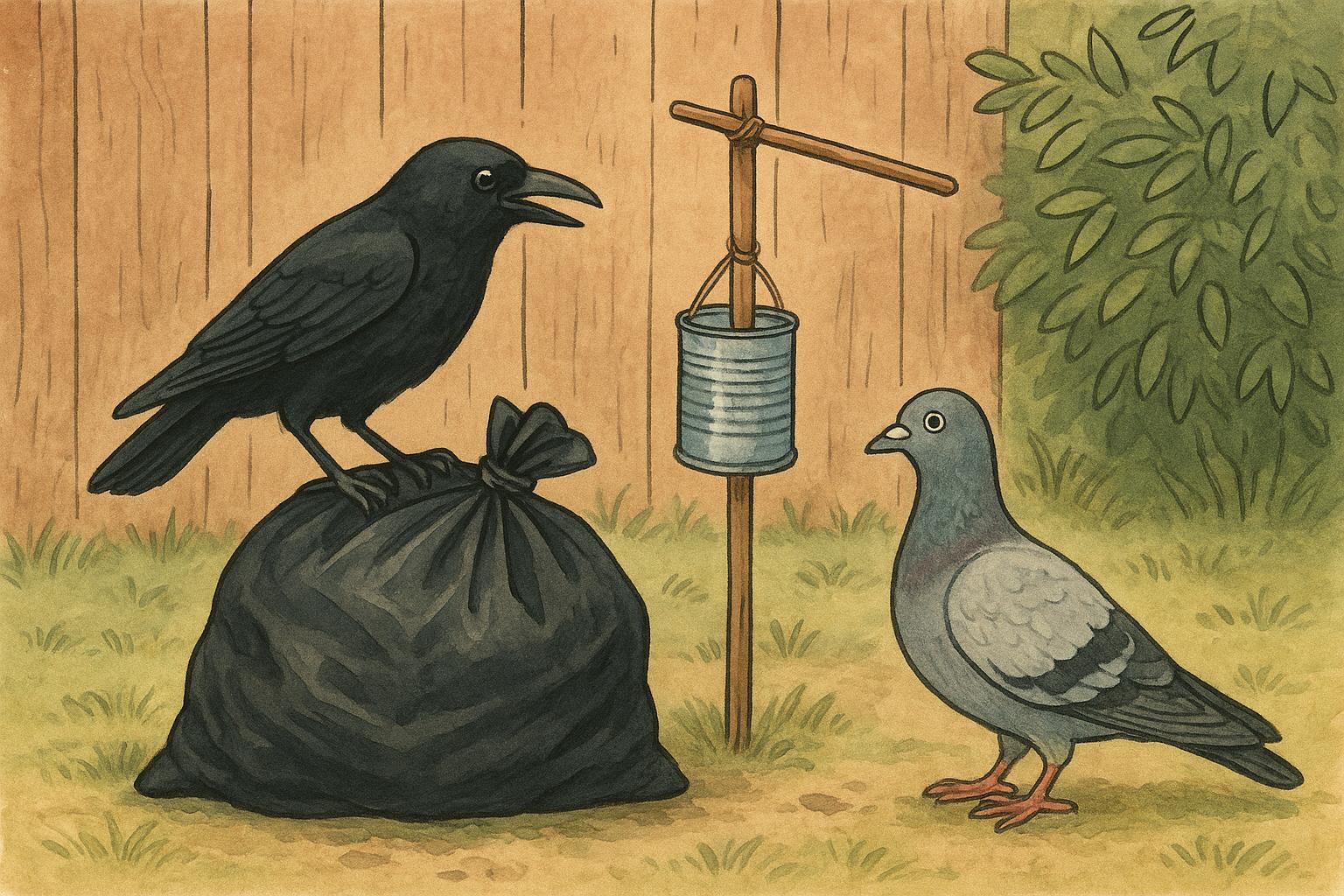
1. Remove Food Sources: Secure trash cans with tight lids, bring pet food indoors at night, and clean fallen fruit promptly.
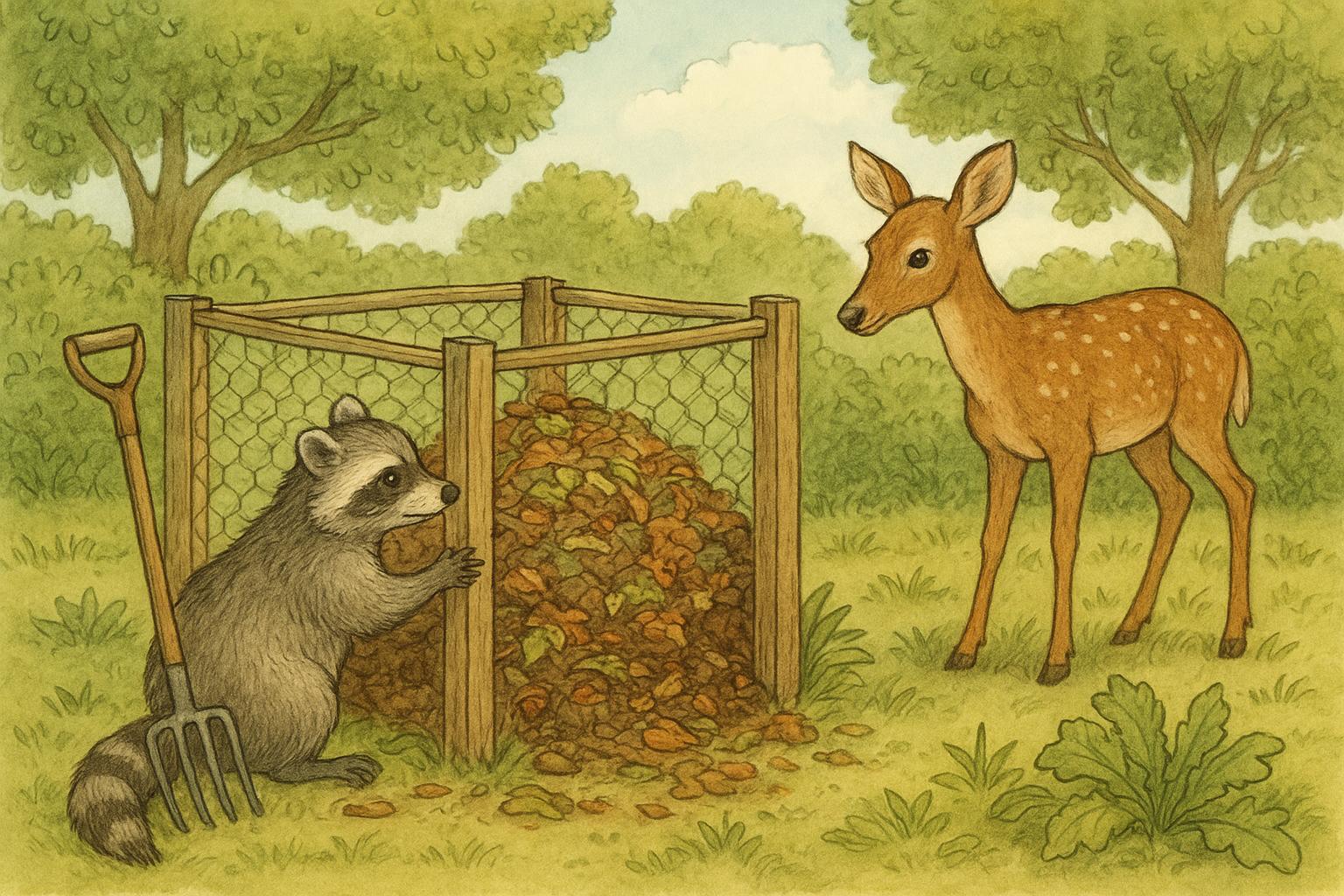
2. Secure Compost: Use enclosed compost bins or wire mesh to prevent skunks from getting in.
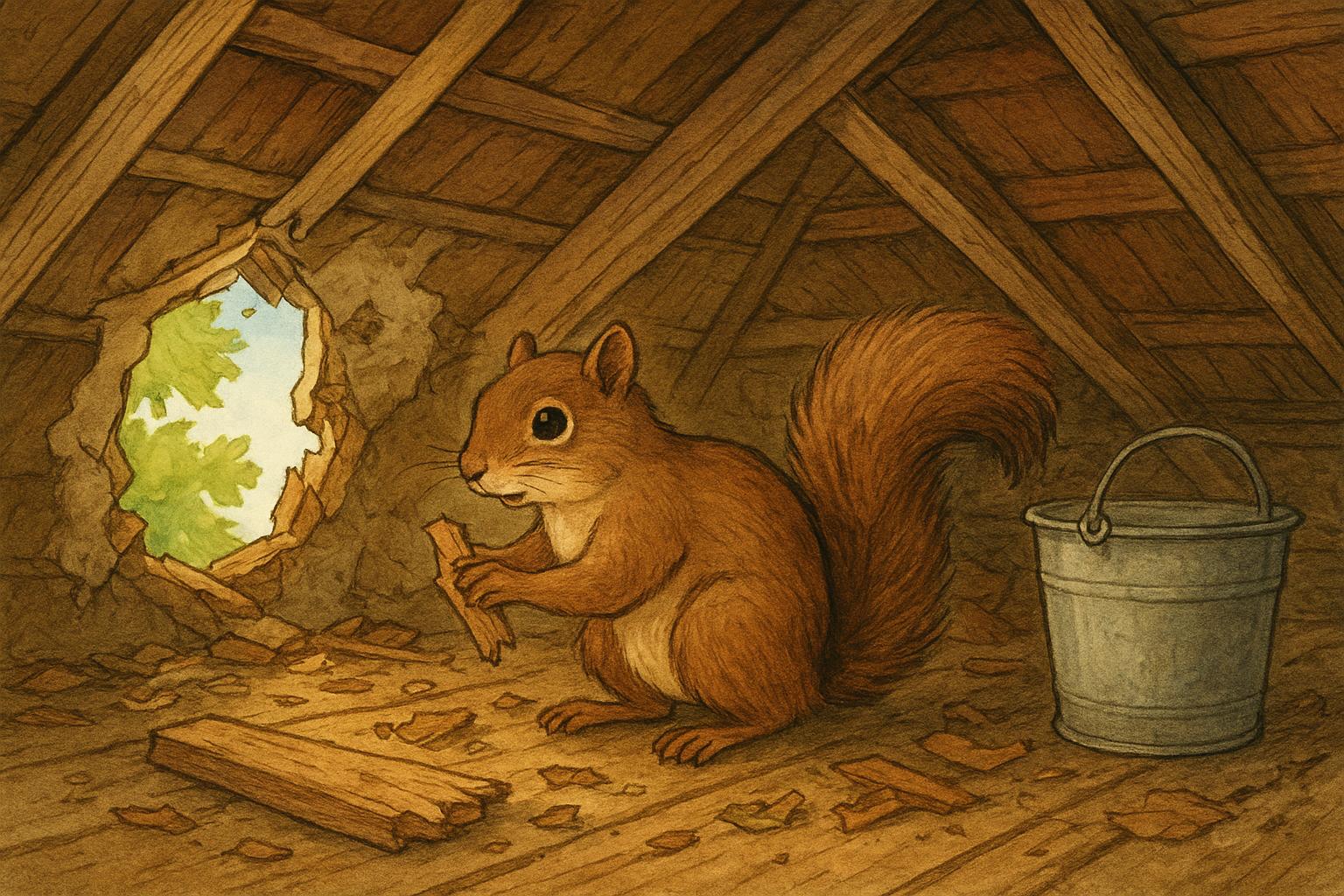
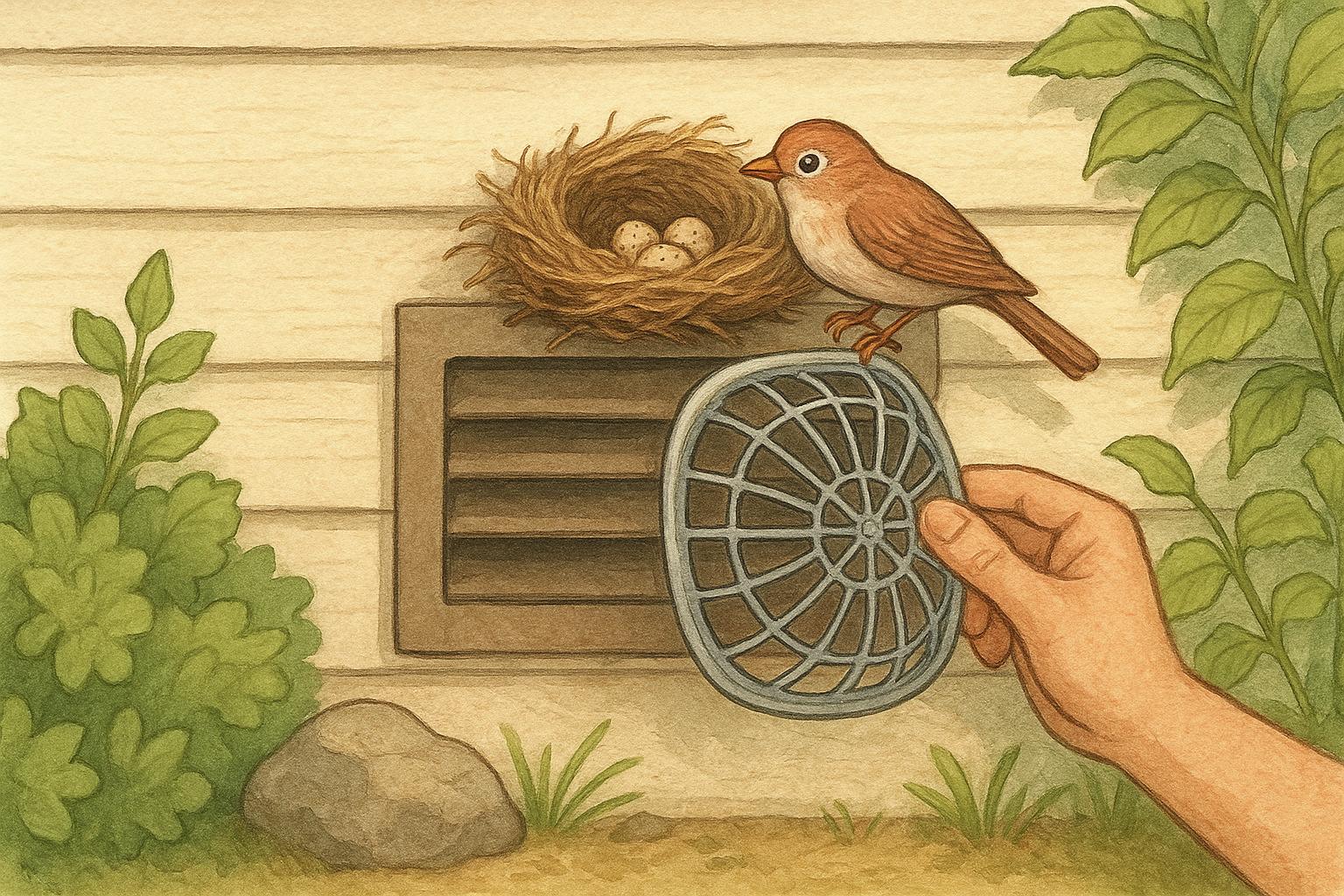
3. Seal Denning Sites: Inspect under decks, porches, and sheds. Use hardware cloth to close gaps, anchoring the mesh securely and burying it 6–12 inches to prevent digging underneath.
4. Plug Wall Voids: Use weatherproof caulk or concrete to seal openings in foundations and around pipes.
5. Reduce Shelter: Remove brush piles, wood stacks, and dense groundcover where skunks might hide.
6. Install Deterrents: Place motion-activated lights or sprinklers near common entry points. These can be effective because skunks are nocturnal and prefer low-disturbance areas.
Apply these measures systematically, beginning with the most accessible attractants. Habitat modification tends to offer the most reliable long-term reduction in skunk visits.
## Remedy 3: Safe Exclusion And When To Call A Professional
If a skunk has established a den near your home, safe exclusion is often the best path. However, there are legal and safety considerations; juveniles may be present and wildlife laws vary by region.
Materials / Required Items:
– One-way exclusion door (available commercially) or hardware cloth to build a funnel exclusion
– Heavy-duty gloves and protective clothing
– A small flashlight with red filter (to reduce disturbance)
– Professional wildlife control contact information
Step-by-Step Safe Exclusion:
1. Inspect at Night: Observe from a distance to confirm a single adult is using the den and to note exit/entry times.
2. Install One-Way Door: Attach a one-way funnel or commercially-made exclusion device over the den entrance. This allows skunks to leave but not return.
3. Monitor Activity: Keep watch for 3–5 nights to ensure the skunk has left and that no juveniles remain.
4. Seal Entrance: Once the den has been abandoned for several days, permanently seal the entrance and restore the area to reduce future attractiveness.
5. When In Doubt, Call a Professional: If there are multiple animals, if the animal is inside a home wall, or if you’re unsure about local regulations, contact a licensed wildlife removal professional.
Professionals have the training and equipment to perform exclusions safely and legally. This is particularly important if you suspect young are present; separating a mother from her young can cause abandonment or increased aggression.
## What To Do If You Encounter A Skunk
Stay calm. Back away slowly, avoid sudden movements, and give the animal a clear escape route. If a skunk raises its tail and begins the warning shuffle, stop and reverse course. Keep pets on a leash and supervise them until the area is clear.
## Safety Notes And Health Considerations
Skunks can carry rabies and other diseases. Do not approach or attempt to handle a skunk. If you find a skunk that’s active during the day and unusually tame or uncoordinated, contact local animal control. If you or your pet are sprayed, bathe with a mixture of dish soap and hydrogen peroxide solution following vetted de-skunking steps, and consult a veterinarian if your pet was bitten.
## Keeping A Lighter Tone While Being Practical
Skunks contribute to backyard ecology by controlling insects and grubs, so the goal isn’t eradication but coexistence with fewer surprises. A combination of understanding skunk behavior, removing attractants, and applying humane deterrents keeps your yard pleasant and your night walks less aromatic.




























Leave a Reply