
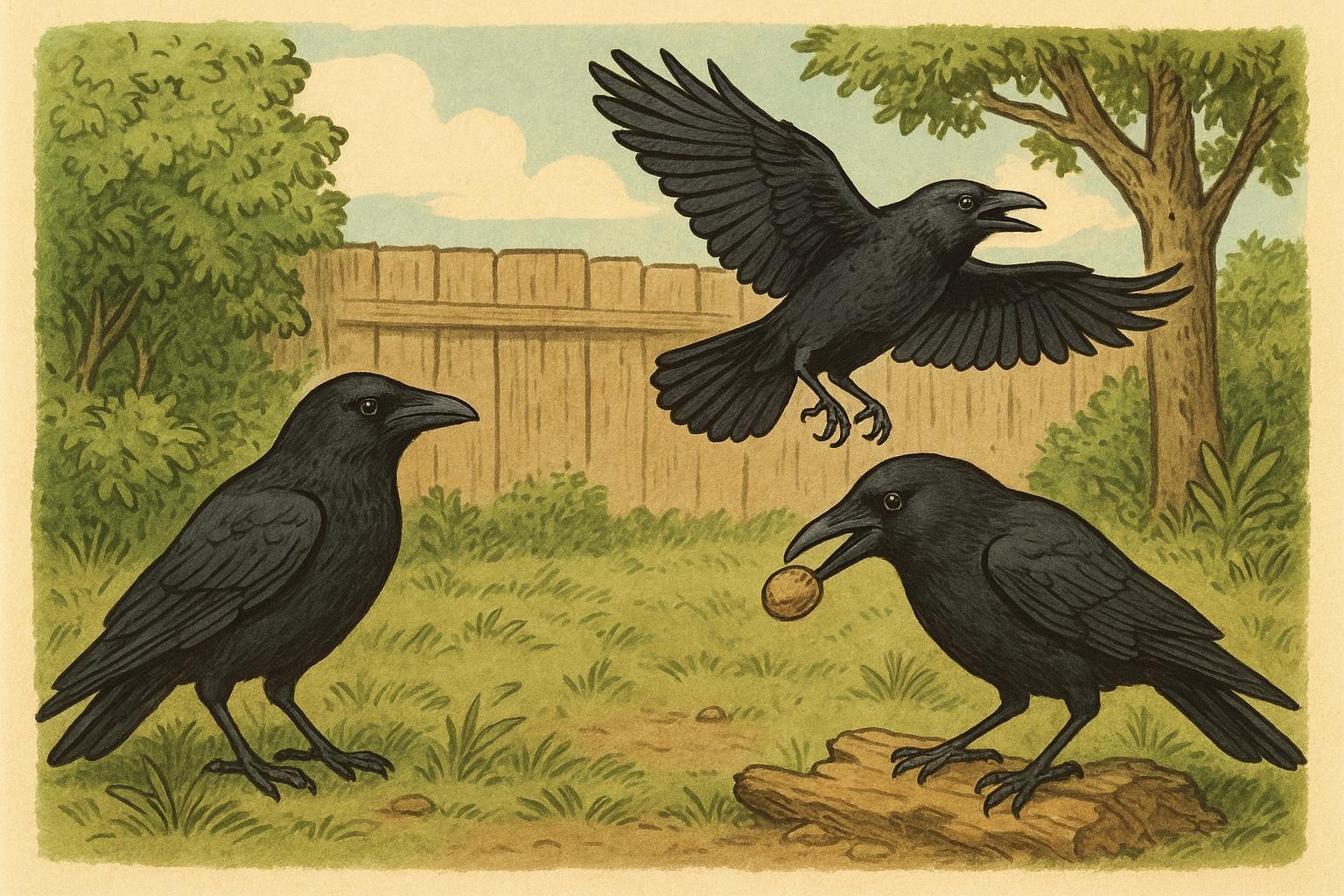
Welcome to your backyard classroom—where the pupils wear glossy feathers and the lessons include theft, teamwork, and the occasional prank. If you’ve been watching the corvids that hang around your yard, you’re not alone: crows are charismatic, curious, and surprisingly organized. This guide breaks down what you’re likely seeing, why it matters, and practical, humane ways to manage interactions when crow activity gets a little too bold.
## Crow Behavior Basics
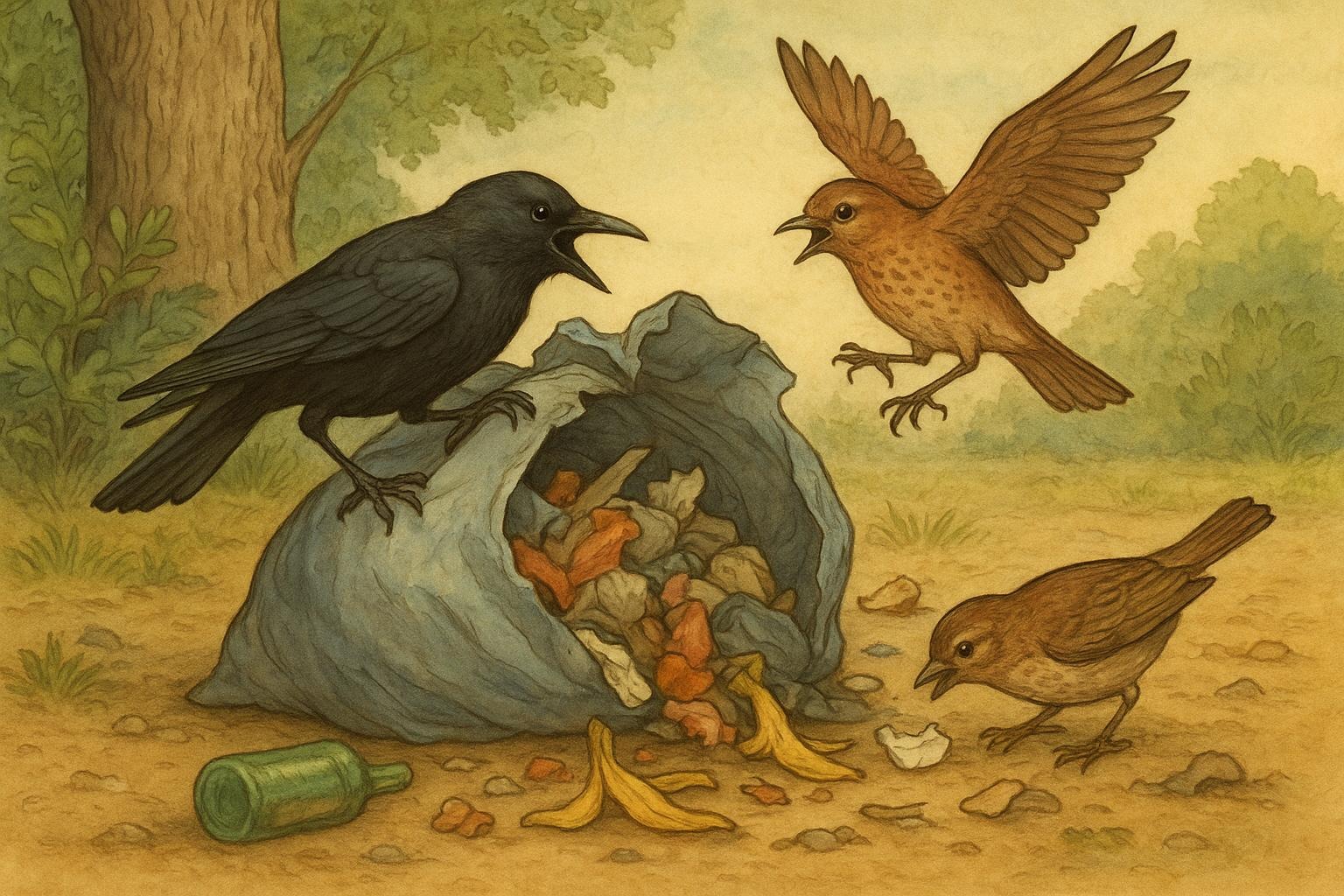
Crows are often miscast as mere scavengers, but their behavior tells a much richer story. Understanding crow behavior helps you interpret noisy gatherings, food theft, or that mysteriously strategic raid on your compost. These birds combine keen intelligence with strong social bonds, which is why a single crow sighting can quickly turn into a neighborhood event.
### Who Are These Smart Neighbors?
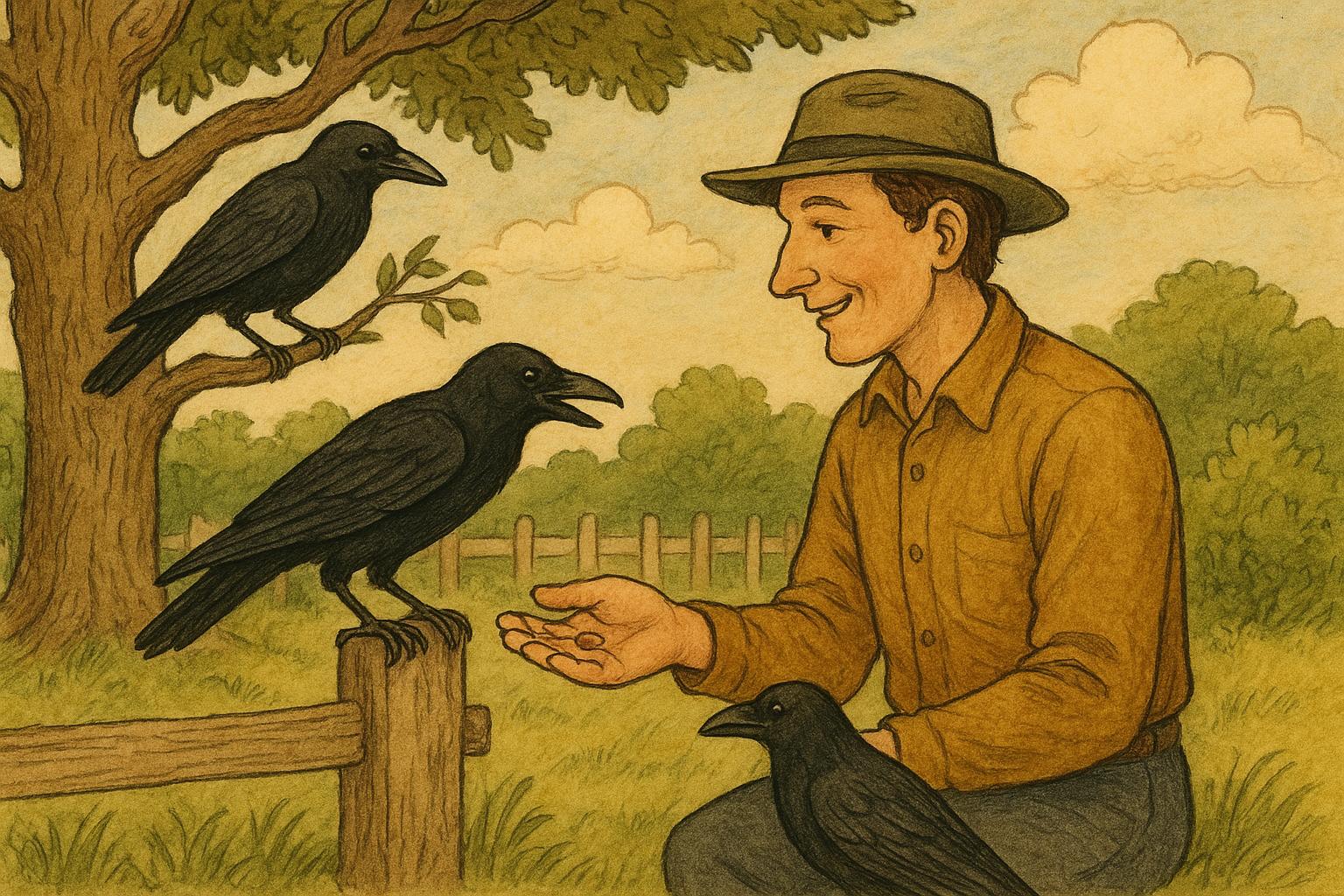
Crows belong to the corvid family, known for problem-solving and memory. They recognize human faces, remember good and bad experiences, and can even pass that information to others. This social learning explains why crow behavior can change rapidly in response to something you do in your yard—leave a backyard feeder uncovered once, and you may teach dozens of crows a new dining spot.
### Common Behaviors You’ll See
– Foraging: Crows probe lawns, tip over objects, and open containers to find snacks.
– Mob Calls: Loud alarm calls attract other crows to investigate anything unusual.
– Tool Use: In some areas, crows have been observed using sticks to pry or leaves as containers.
– Play: Aerial acrobatics, sliding on roofs, and dropping objects for fun are not uncommon.
## Interpreting Calls And Body Language
Crows are vocal communicators. Their calls are varied and meaningful, and body language amplifies the message. Watching closely gives you a window into their social structure and immediate concerns.
### Vocalizations: What They Mean
A sharp, repetitive caw often signals alarm and summons other crows. A softer, conversational series of clicks or coos can indicate comfort or bonding. When you hear a chorus of calls, expect a gathering—and possibly a bit of drama.
### Posture And Movement
Raised feathers and direct stares are confrontational. Relaxed posture, cooperative grooming, or shared feeding indicate comfort within a group. Zooming flight and high circling often precede communal roosting or scouting missions.
#### Quick Identification Tip
If more than two or three crows appear suddenly, treat it as a social reaction rather than isolated curiosity. Crow behavior is contagious: one alarm can ripple into a full-scale citizen summit.
## Crow Behavior And The Seasons
Like many birds, crows adjust their routines with the seasons. In winter, you might see larger flocks and communal roosting for warmth; in spring and summer, territorial behavior and nesting take precedence. Migratory patterns vary by region, but local populations often stay year-round where food and safe roosts are available.
### Breeding Season Changes
During nesting, adults become more aggressive around nests and young. If you notice persistent swooping or close watching, you may be near a nest. Respecting distance reduces stress on breeding pairs and avoids escalation.
## 2 Backyard Remedies For Managing Crow Activity
When crow behavior crosses from charming to problematic—raiding trash, damaging crops, or dominating your feeding stations—you’ll want humane, effective solutions. Below are two remedies grounded in best practices for backyard wildlife management. The instructions are formal and specific to ensure safety and efficacy.
### Remedy 1: Secure Attractants And Modify Habitat
Goal: Reduce food and shelter incentives that draw and maintain crow presence.
Materials/Ingredients:
– Heavy-duty trash cans with locking lids or bungee cords (quantity depends on typical waste volume)
– Wildlife-proof compost bin or secured tumbler
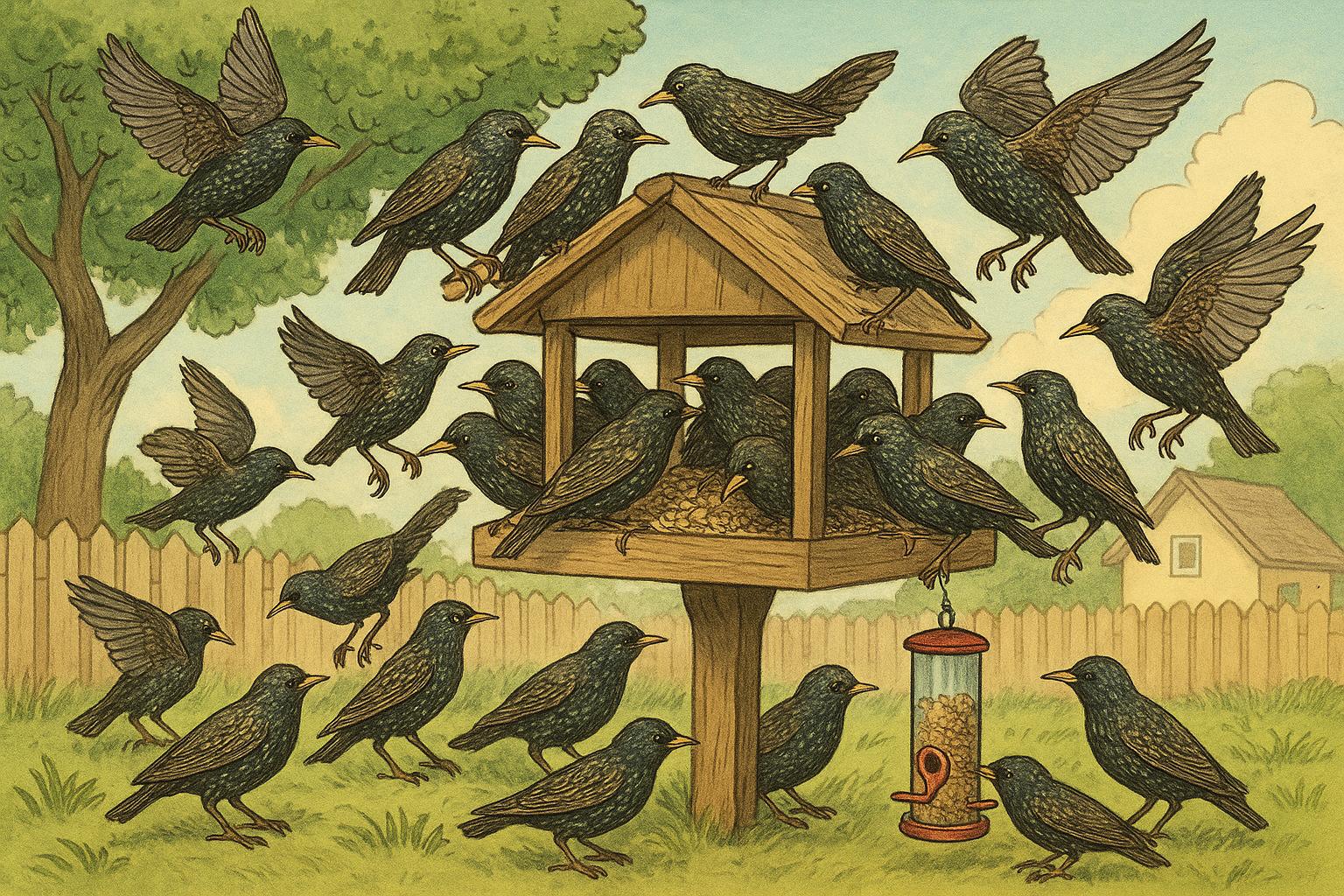
– Bird feeders with enclosed seed trays or designed to exclude large birds
– Hardware cloth or netting (1/2″ mesh recommended)
– Motion-activated outdoor lighting (optional)
Step-by-Step Creation And Application:
1. Inspect all outdoor food sources: trash, compost, pet food, seed spills, and fruit trees.
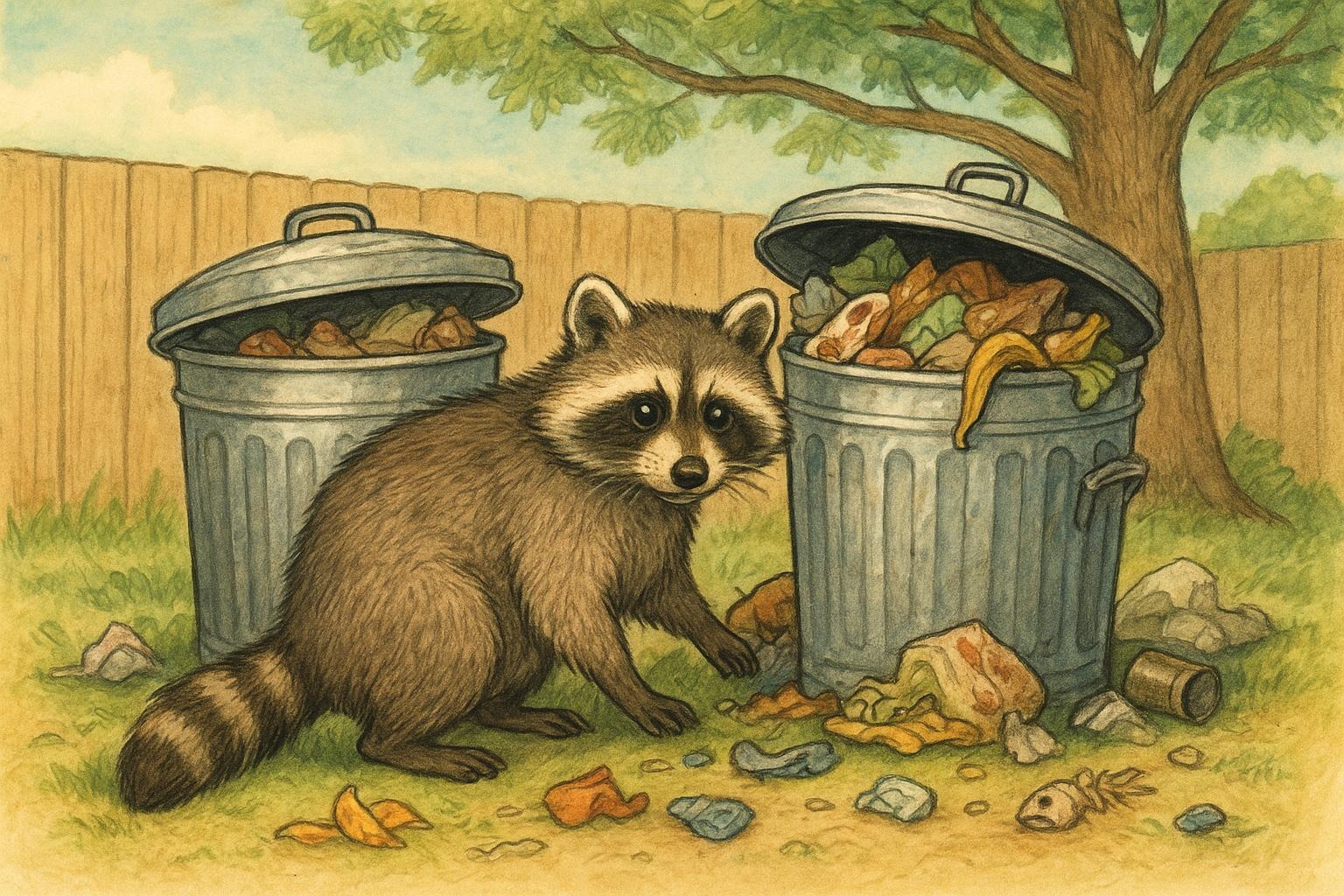
2. Replace open trash receptacles with locking lids or use bungee cords to secure existing lids. Ensure lids are tight after each putout.
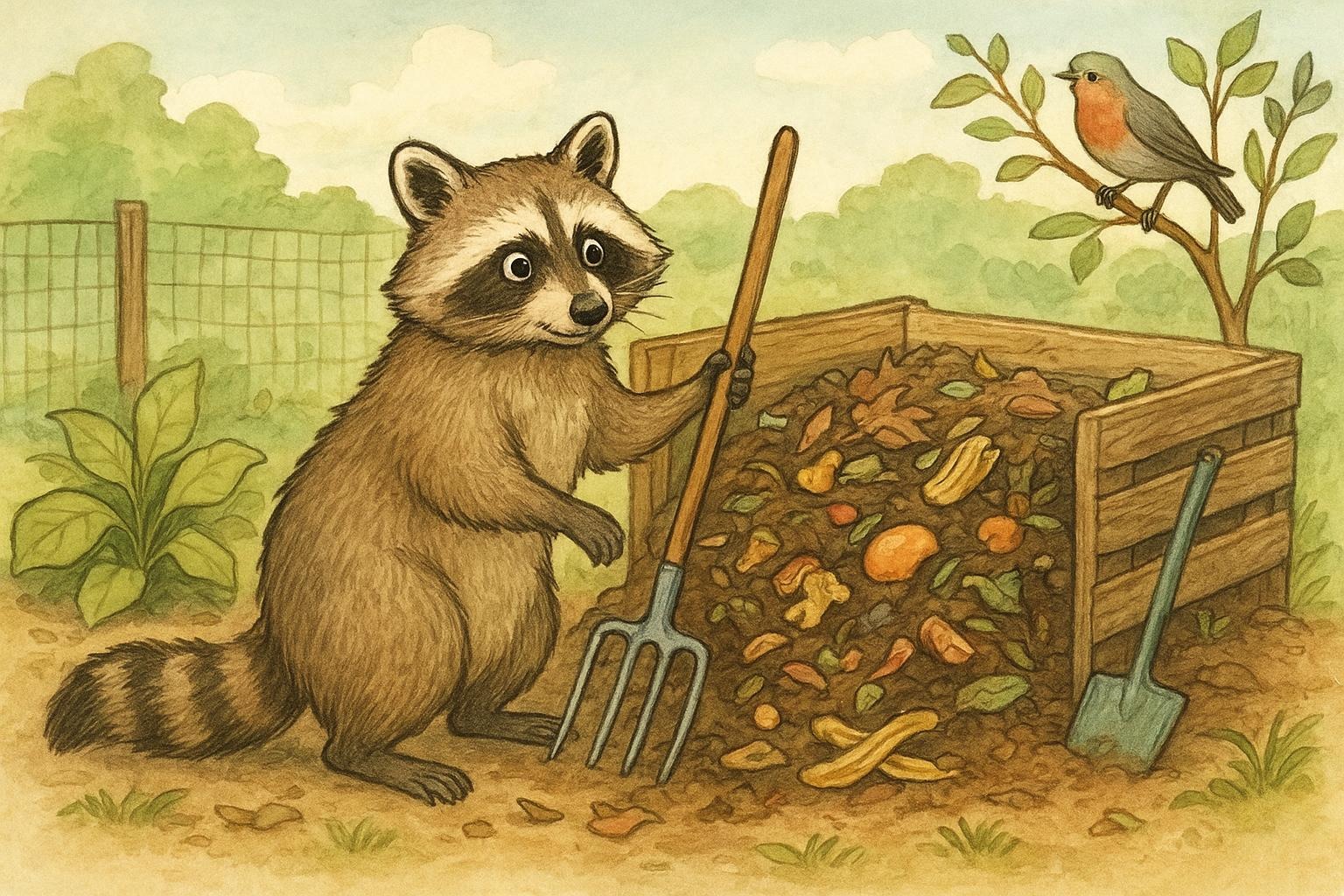
3. Install a wildlife-proof composting system, or use a closed tumbler. If you maintain a pile, cover with hardware cloth secured around the perimeter to prevent access.
4. Adjust bird feeders: use feeders with weight-sensitive perches or small-port feeders for finches and sparrows, placed on poles with baffles to deter large birds. Hang feeders at varying heights and remove any that consistently attract crows.
5. Clean up fallen fruit promptly. For small orchards, use light netting over fruit trees during ripening seasons to prevent access.
6. If nights are a congregation issue, consider motion-activated lighting to discourage roosting in undesirable spots. Limit light intensity to avoid broader neighborhood disturbance.
Application Notes:
– Consistency is essential. Partial measures teach crows that effort pays off. Ensure the community of neighbors follows similar practices when possible.
– These measures are non-lethal and minimize stress to wildlife while reducing incentives that promote persistent crow behavior.
### Remedy 2: Deterrents And Behavioral Disruption
Goal: Make the yard a less appealing or predictable environment without harm.
Materials/Ingredients:
– Reflective tape or old CDs (for visual deterrence)
– Mylar balloons or reflective streamers (weather tolerant options)
– Hawk or owl decoy (realistic model)
– Motion-activated sprinkler system (commercial or DIY)
– Strong cord or rope for mounting decoys/reflectors
– Replacement hardware for occasional repositioning
Step-by-Step Creation And Application:
1. Evaluate crow activity to identify primary approaches (from trees, fences, or open lawns).
2. Install reflective deterrents near feeding areas and likely approach paths. Securely tie streamers or reflective tape so they move in the breeze; movement amplifies effectiveness.
3. Position predator decoys like hawk silhouettes or owl models near high-traffic areas. Decoys should be moved every few days to maintain the illusion of unpredictability.
4. Consider a motion-activated sprinkler for garden beds and lawn spaces. Install per manufacturer instructions: position sensor to detect approaching birds, set spray range to cover vulnerable zones, and test sensitivity so non-target activation is minimized.
5. Rotate deterrents. Regularly adjust positions of tape, decoys, and sprinklers. Predictability reduces long-term efficacy; periodic changes sustain deterrent value.
6. Monitor effectiveness and tweak: if crows habituate to one tactic, combine visual and physical disruption (e.g., reflective tape plus intermittent sprinkler activation).
Application Notes:
– Do not use harmful substances or lethal traps. Local wildlife regulations often prohibit such measures, and they are unnecessary given the variety of effective non-lethal options.
– Be mindful of neighbors when using motion devices or lights. Aim for humane, community-friendly approaches.
## Living With Crows: Practical Etiquette And Friendly Strategies
Crows are long-lived and social, so your choices have lasting effects. Simple etiquette—secure food, limit easy perches, and avoid feeding—goes a long way. If you want to enjoy crows without inviting problems, consider these friendly strategies.
### Positive Engagement Tips
– Observe from a distance. Use binoculars or a window perch to enjoy antics without encouraging close dependence.
– Create alternate wildlife attractions. Plant native shrubs and trees that support a variety of birds so crows are less singularly focused on your feeders.
– Educate neighbors. A coordinated approach to trash and feeding habits reduces neighborhood hotspots that drive persistent crow behavior.
#### When Crows Become Too Bold
If crows persist despite humane measures, document patterns: times of day, specific attractants, and whether activity spikes after certain actions. This data helps refine solutions and, if necessary, informs wildlife professionals who can advise on legally compliant next steps.
Crows are brilliant, adaptive, and often entertaining. By learning a bit about crow behavior and applying consistent, humane remedies, you can coexist with these feathered neighbors—enjoying the spectacle while keeping your yard functional and peaceful.


Leave a Reply