
## Evening Chorus: Understanding Cricket Chirping
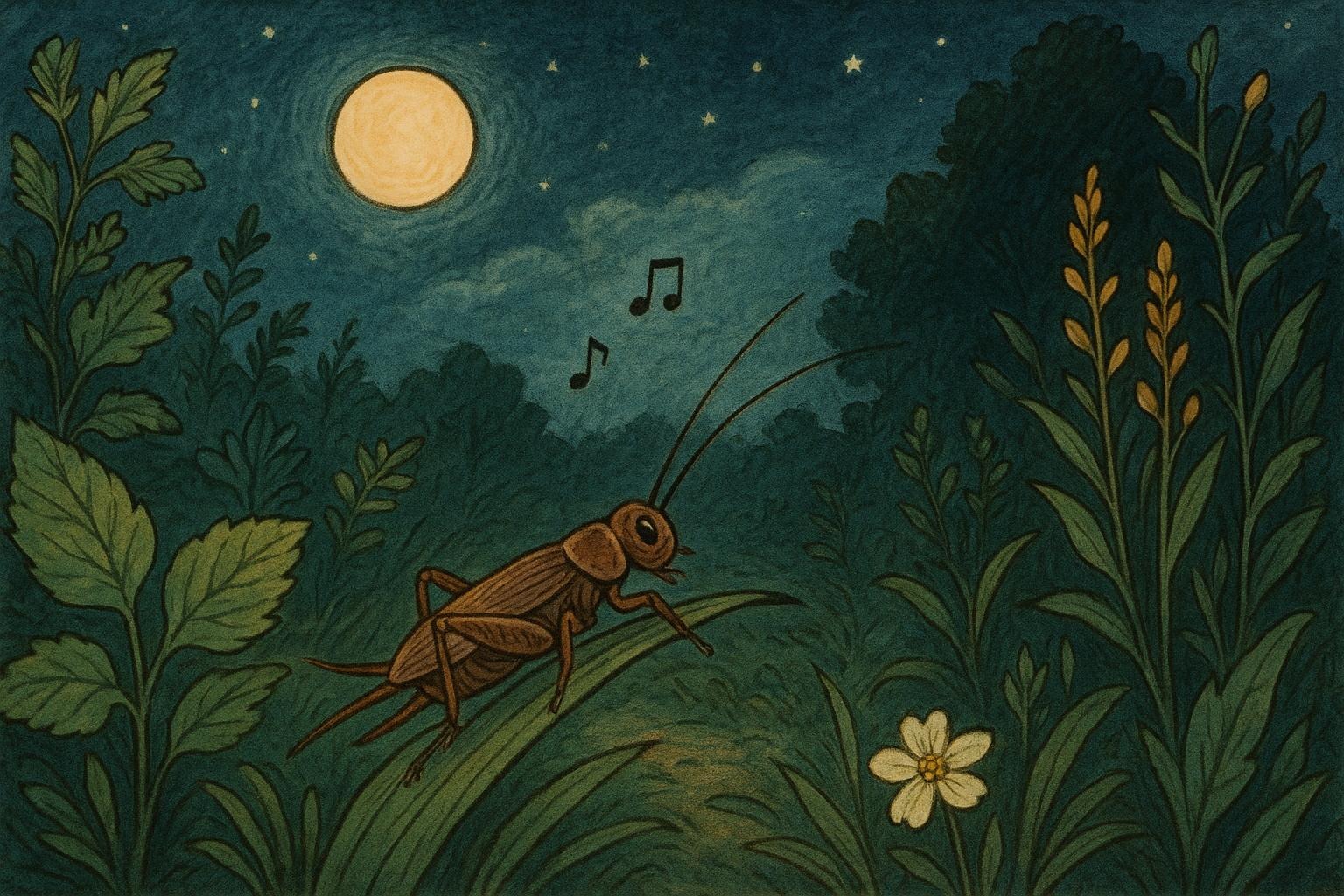
If you’ve ever sat on the back steps as dusk settles and a soft, rhythmic soundtrack fills the yard, you’re in good company. That little metallic trilling—cricket chirping—is a signature of warm evenings and a functioning nocturnal garden. It’s produced by male crickets rubbing their wings together in a process called stridulation, and it’s designed to do one job: advertise. Attract mates, intimidate rivals, and generally broadcast, “I’m here, I’m fit, and listen to this show.”
Cricket chirping varies by species, temperature, and even by the mood of your lawn. Some crickets are solo performers, some form chorus lines, and others prefer the more distant, bass-like hum. If the sound is comforting, it’s a nature playlist. If it drives you to count sheep until sunrise, there’s room for gentle intervention.
## Why You Hear Cricket Chirping In Your Nocturnal Garden
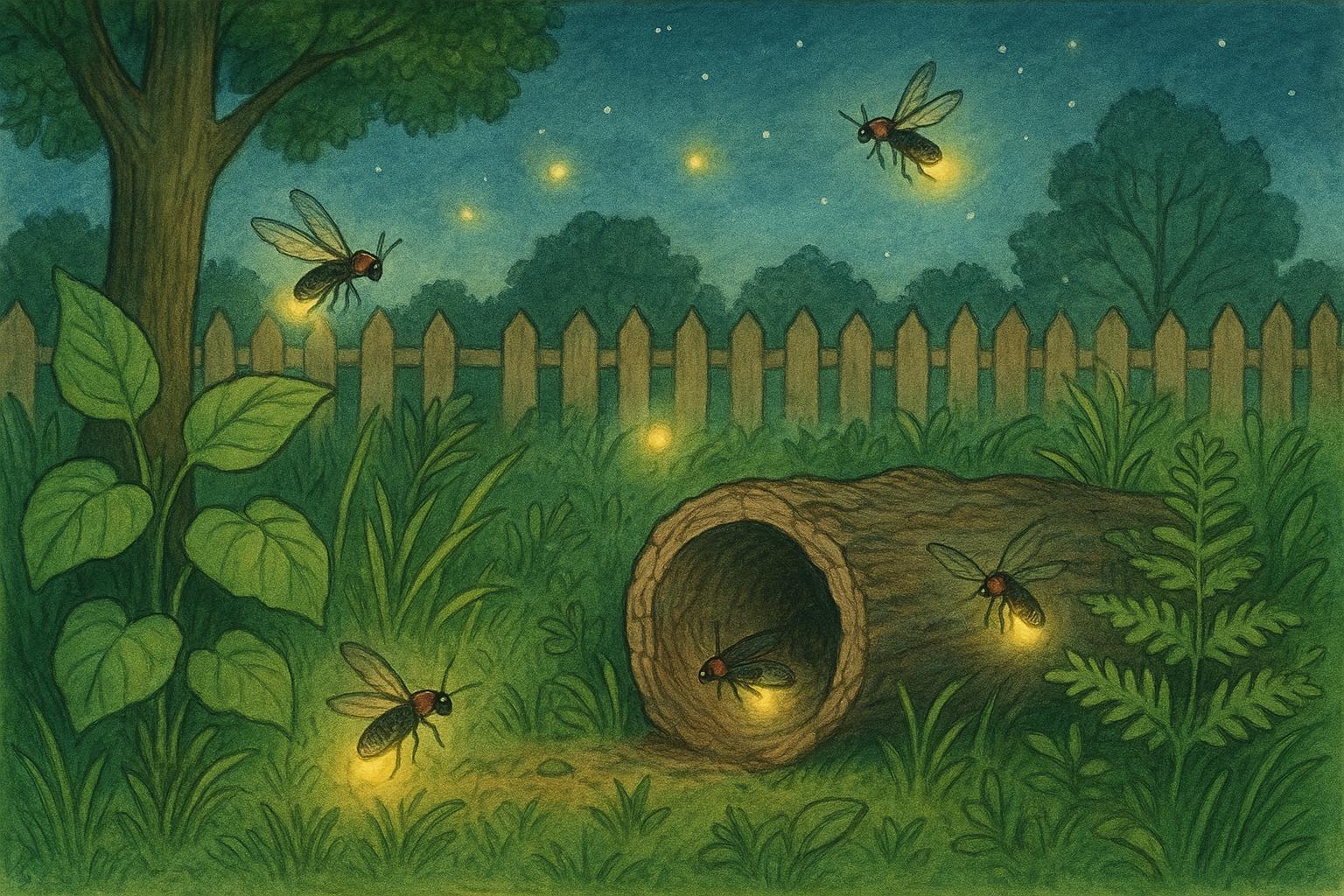
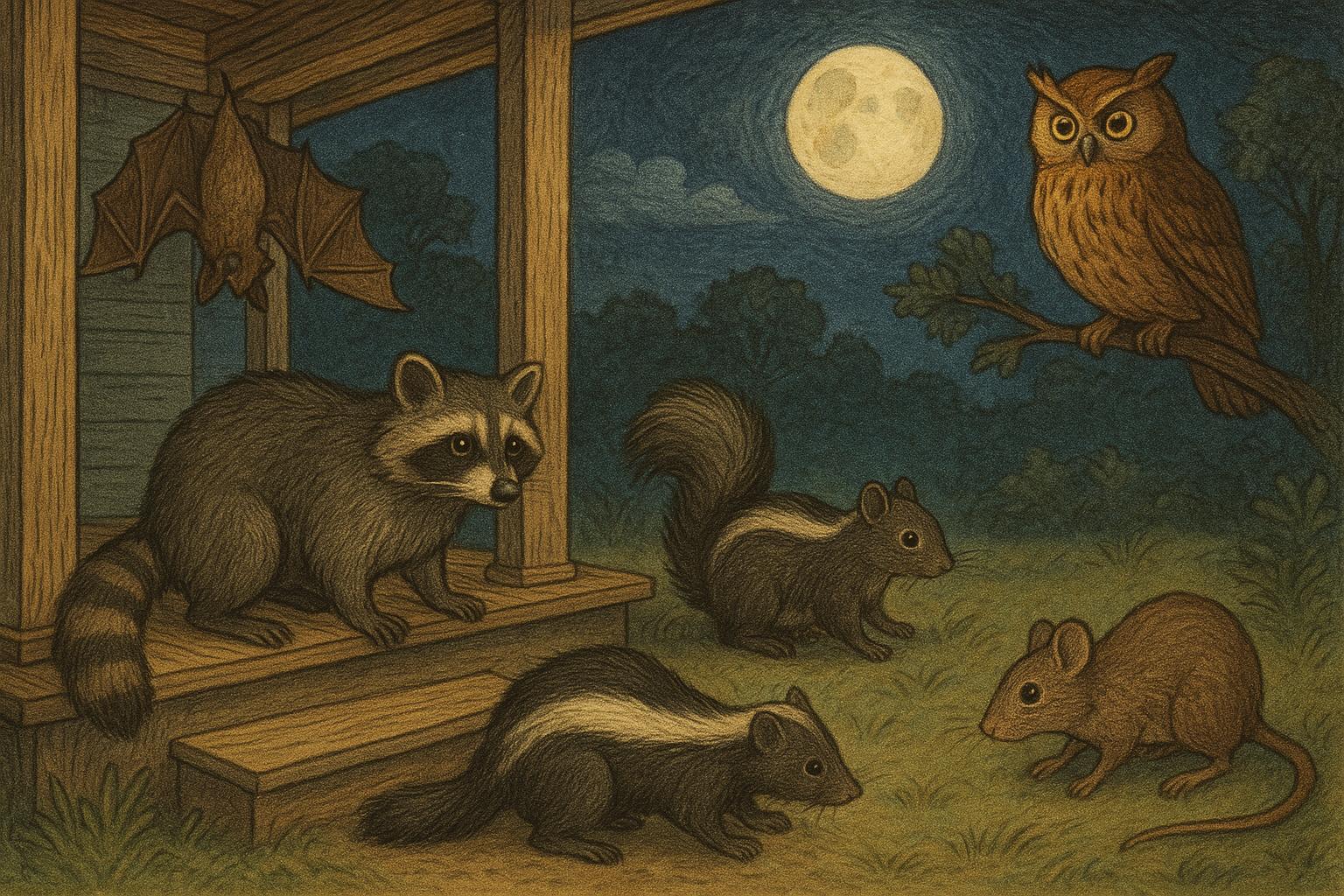
Crickets are attracted to gardens that provide shelter, food, moisture, and hiding places. Leaf litter, dense groundcover, compost piles, and even unlit corners offer perfect daytime refuges. At night they emerge to call, feed on plant material or small insects, and patrol territories. The more favorable the microhabitat, the more likely you are to hear sustained cricket chirping.
Garden lighting, irrigation schedules, and the arrangement of hardscape also influence populations. Night lights can change insect activity patterns; too much moisture from late sprinklers can attract insects that crickets feed on, further encouraging them to settle in. Seeing the link between your garden design and the nightly soundtrack makes management much easier—and less mysterious.
### How Temperature And Behavior Affect Calls
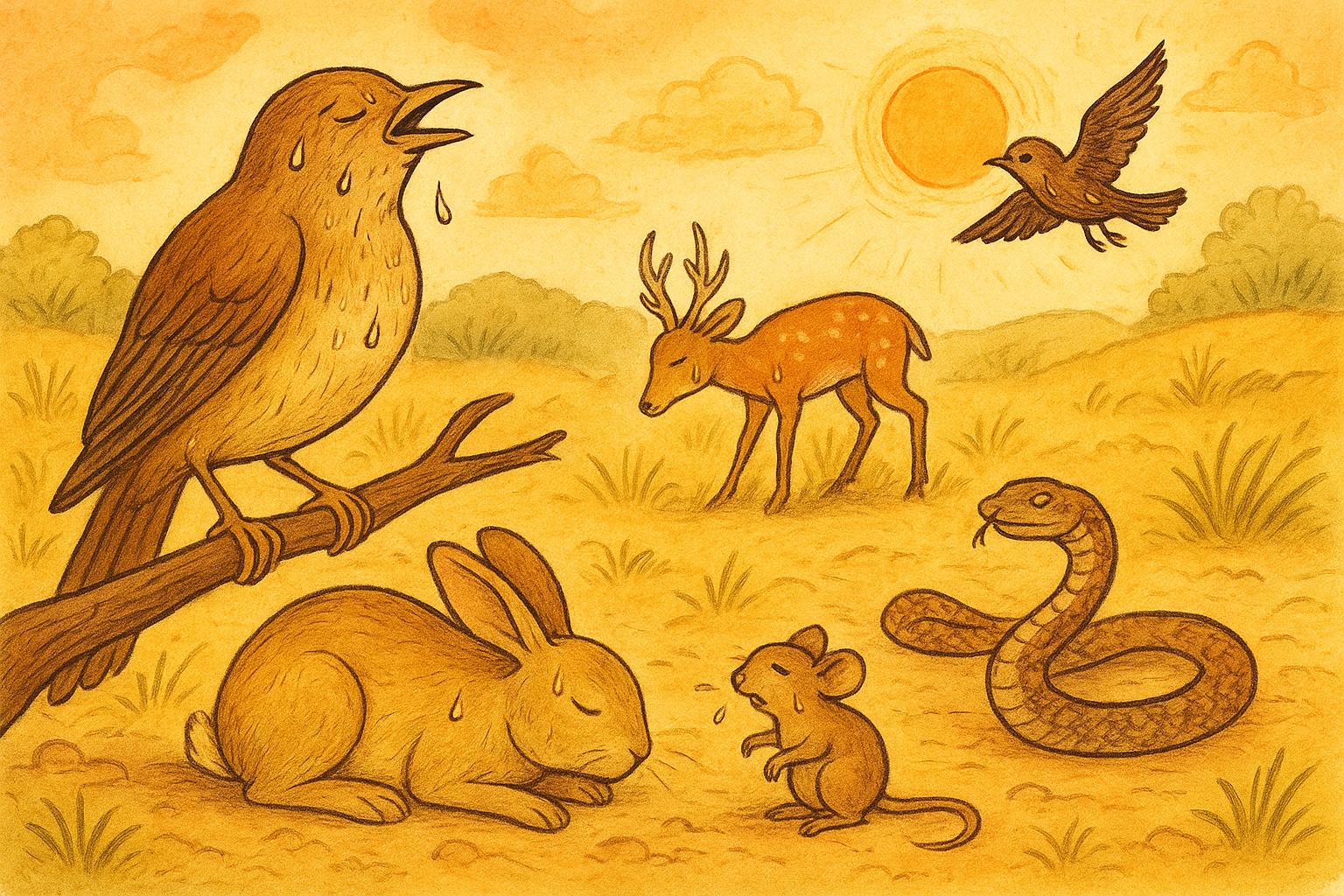
Cricket calling rates are famously temperature-dependent. Many crickets speed up their chirps as the mercury rises, which is why a balmy 75°F evening sounds more lively than a cool 55°F night. This behavioral response is predictable enough that simple formulas have been developed to estimate temperature from chirp rates. Besides temperature, mating cycles, predator pressure, and population density shape the timing and volume of cricket chirps.
Listen closely and you can often tell something about what’s happening: rapid, loud chirping can mean an active mating chorus; scattered, intermittent calls might indicate lower population density or more hidden, solitary crickets.
## 3 Quiet Solutions To Reduce Cricket Chirping
If you want to preserve the ambiance but lower the volume, or if the noise is keeping you awake, here are three practical approaches. Each remedy is described with the required materials and a clear step-by-step application. The tone shifts here to be more direct and informative, because actionable instructions benefit from clarity.
### Remedy 1: Habitat Modification
This method reduces suitable cricket shelter and food sources by altering the landscape in ways that are not harmful to wildlife.
#### Materials
– Garden rake
– Leaf blower or mulch fork
– Wheelbarrow or compost bin
– Heavy-duty trash bags
– Organic mulch (optional; use coarse pieces like bark)
– Motion-activated exterior lighting (optional)
#### Steps
1. Inspect the Garden: Walk the perimeter and beds at dusk and dawn to locate thick leaf litter, compost piles, unused pots, and dense groundcover where crickets hide.
2. Remove Excess Shelter: Rake up decomposing leaves and dispose of them or add them to a managed compost bin away from the immediate house perimeter. Clear tall grass and thin dense groundcovers to reduce hiding spots.
3. Adjust Mulch Usage: Replace fine, compact mulches with coarser materials such as bark chips that are less hospitable. Keep mulch layers thin (1–2 inches) near the foundation.
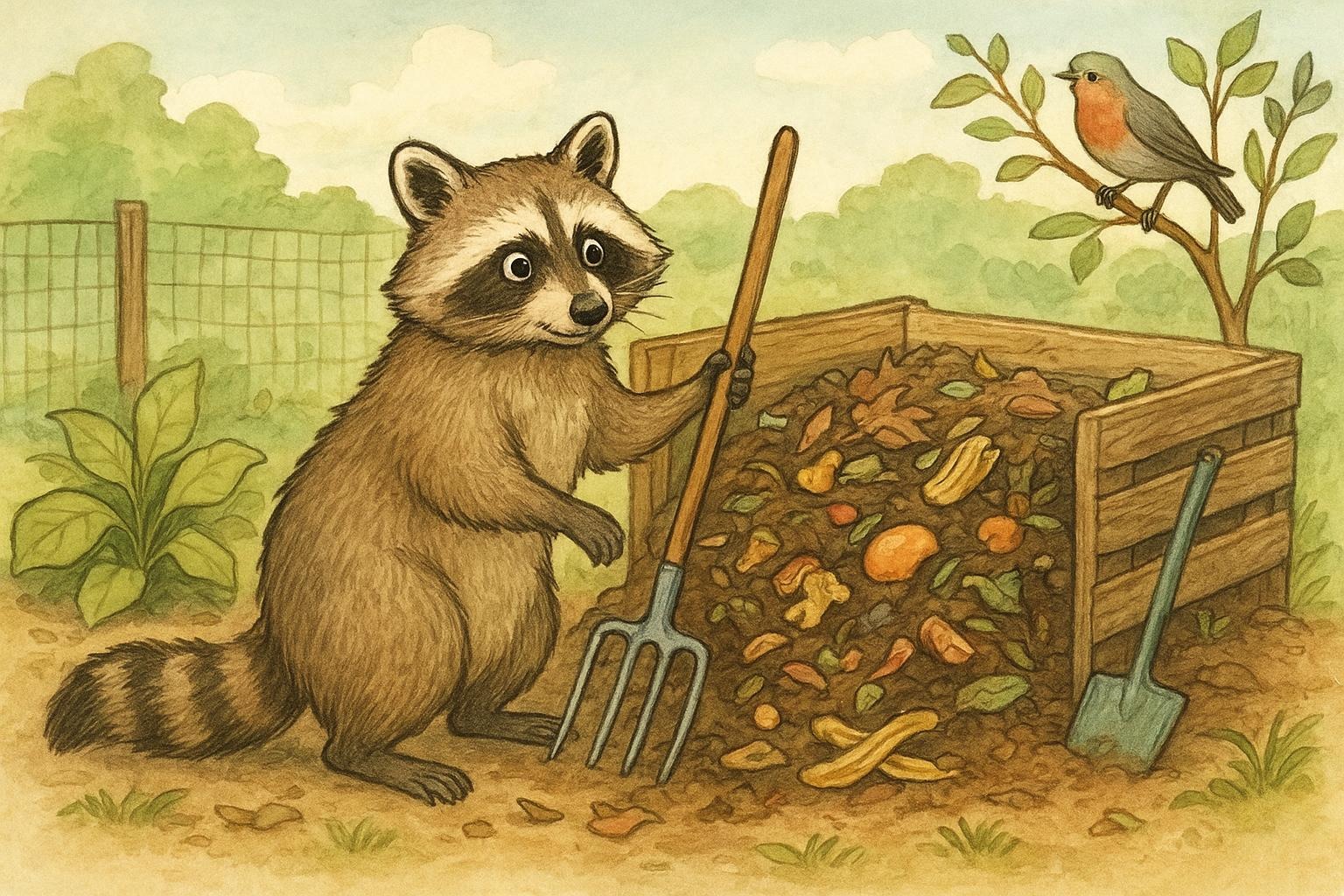
4. Relocate Compost: Move compost or woodpile at least 20–30 feet from doors and patios. If practical, use sealed compost bins that do not provide open shelter.
5. Reduce Attractants: Eliminate standing water and avoid late-evening fertilization or irrigation that can increase insect prey for crickets.
6. Optional Lighting: Install motion-activated lights rather than continuous lighting to reduce attraction of other insects that may draw crickets in.
Follow these steps methodically. Habitat modification reduces cricket populations over time rather than providing an immediate silence, but it’s sustainable and non-lethal.
### Remedy 2: Exclusion And Targeted Removal
This approach focuses on keeping crickets out of structures and managing localized populations with traps, while minimizing harm to non-target species.
#### Materials
– Fine mesh door sweeps and weather stripping
– Screen repair kit
– Sticky traps or glue boards (outdoor-rated)
– Small hand broom and dustpan
– Clear plastic containers with lids (for temporary relocation if desired)
– Gloves
#### Steps
1. Seal Entry Points: Inspect doors, windows, and foundation vents for gaps. Install door sweeps, apply weather stripping, and repair torn screens to prevent crickets from entering homes or enclosed porches.
2. Create Physical Barriers: Where practical, place a narrow gravel strip (4–6 inches wide) along foundations; crickets traverse gravel less readily than soil or mulch.
3. Use Traps Strategically: Set sticky traps in areas of high cricket activity—under eaves, near compost, or along baseboards. Check traps daily and dispose of them responsibly.
4. Relocate If Preferred: For a non-lethal option, trap individual crickets in a clear container and release them several blocks away in a suitable habitat.
5. Maintain Sanitation: Regularly sweep patios and decks to remove plant debris that provides shelter. Empty outdoor pet food at night.
6. Monitor And Adjust: Traps and exclusion measures should be monitored weekly and adjusted as activity patterns change.
This remedy emphasizes reducing human-cricket encounters while avoiding broad-spectrum pesticide use. It is effective for households and properties where crickets are concentrated in limited areas.
### Remedy 3: Sound Masking And Enjoyment Strategies
If the goal is to enjoy the nocturnal garden without necessarily eliminating crickets, sound masking and design adjustments can make chirps less intrusive.
#### Materials
– Outdoor water feature (fountain or bubbling bowl) or white-noise outdoor speaker
– Dense hedging or lattice screens
– Outdoor fabric or acoustic panels (weather-resistant)
– Comfortable seating with cushions
#### Steps
1. Choose A Masking Source: Select a gentle, continuous sound (water feature, fountain, or low-volume outdoor speaker playing ambient tracks) that complements rather than competes with natural sounds.
2. Position Strategically: Place the water feature between the primary seating area and the location of the loudest cricket activity to create a sound buffer.
3. Add Visual Screening: Install hedges or lattice screens to create microbarriers; these can diffuse sound and improve perceived privacy.
4. Use Absorptive Textiles: Soft furnishings and outdoor textiles absorb sound reflections and make chirps less sharp. Position cushions and rugs in seating areas to improve acoustic comfort.
5. Fine-Tune Volume: Adjust the masking source to a level that reduces the prominence of cricket chirping without creating its own annoyance.
6. Embrace Alternation: Alternate nights of intentional listening (turn off the masker) with masked evenings to keep a connection to the nocturnal environment while protecting sleep.
This remedy recognizes that sometimes coexistence is preferable to eradication; designed appropriately, your garden can remain a haven for wildlife and people.
## Listening Skills: How To Tell Harmless Chirpers From Pests
Not all cricket chirps are created equal. Most are harmless contributors to a healthy ecosystem, but in rare cases, heavy infestations can damage seedlings and soft plant tissue. Learn the difference so you can respond proportionately.
### Signs Of Harmless Presence
– Intermittent, melodic chirps concentrated in the evenings
– Little to no visible plant damage
– Crickets primarily on ground or in leaf litter
### Signs Of Problematic Populations
– Constant, loud choruses throughout the night for weeks
– Visible feeding damage on seedlings, flowers, or tender stems
– Large numbers congregated near lights or a particular garden feature
If you observe potentially harmful activity, prioritize targeted, non-chemical options first—habitat modification and exclusion. Chemical controls can be reserved for persistent, documented problems and should be applied by a licensed professional or according to label directions for safe, legal use.
### Quick Identification Tips
Use a flashlight to safely observe crickets at night (avoid shining directly on them for extended periods). Note size, color, and whether they jump or run—field crickets tend to be larger and darker, whereas tree and ground crickets are often smaller and lighter. Photographing specimens and comparing them to reputable field guides or online resources can help with species-level identification if needed.
Enjoying—or gently managing—the soundtrack of your nocturnal garden is largely about balance. With a few strategic changes and a bit of patience, you can keep the magic of summer evenings while tuning the volume to match your lifestyle.











Leave a Reply