
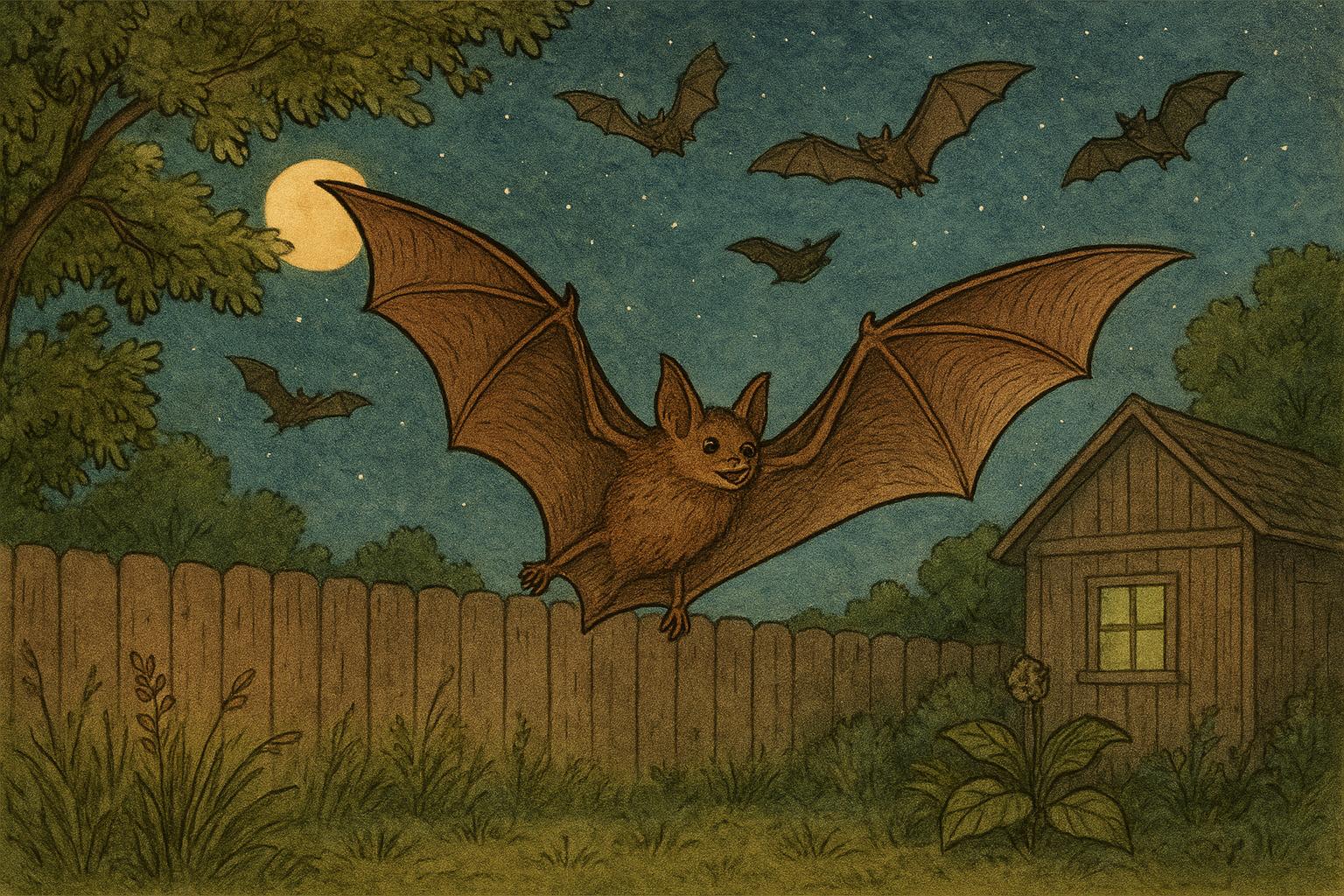
A warm summer breeze, a porch light left on, and that graceful zigzag above the maple—if you’ve ever paused and wondered what’s happening when the sky slides from gold to navy, you’re in the right place. Expect friendly facts, a little backyard philosophy, and practical, responsible steps if bats decide your eaves look like prime real estate.
## Bat Behavior Unmasked In Your Quiet Backyard Nights
If you’re reading this, you probably want to decode the nightly ballet that plays out above your yard. Bat behavior tends to be misunderstood: these are not winged villains from Saturday serials but small, efficient predators and vital pollinators in many places. Watching them is like tuning into a secret radio station—once you learn the signals, you won’t miss a beat.
### Why Bats Are The Night’s Unseen Gardeners
Bats perform important ecosystem services, and much of their value is wrapped up in their feeding patterns. Many backyard species eat vast numbers of nocturnal insects—moths, beetles, mosquitoes—helping to keep pest populations in check. That’s one reason “bat behavior” is such an interesting study for homeowners: the animals you see nightly are working for you, often unnoticed.
Their feeding strategies are elegant. Some species hunt on the wing, making tight turns to snatch insects midair. Others listen for rustles on leaves and catch prey perched on branches. This diversity of tactics is part of why bat behavior is so fascinating: different wing shapes, ear sizes, and echolocation calls all match particular hunting methods.
### Typical Flight Patterns And Foraging Habits
If you want to read a bat’s mood from its flight, look for a few consistent signs. Slow, erratic flutters close to vegetation usually mean hunting; steady, direct flights are patrols between roosts and foraging grounds. At dusk and dawn you’ll often see a surge in activity—these crepuscular windows are when many species feed most intensely.
Echolocation is their main sensory tool. Bats emit high-frequency calls and listen for returning echoes to map their surroundings. This allows them to detect insects the size of a fingernail at surprising distances. Understanding this bit of bat behavior helps explain why they can operate so cleanly in suburban areas: lighted lawns and insect-attracting plants make excellent hunting corridors.
#### When You Should Be Curious, Not Concerned
Bats rarely bite unless provoked or handled. If one brushes past you while on a feeding run, it’s usually accidental—an aerial commute gone personal. Signs that a bat is unwell or causing trouble include daytime activity around your house, especially if a bat is consistently trying to enter a structure, or droppings (guano) accumulating in small, concentrated deposits near windows or eaves. These are signals to investigate further.
### Recognizing Roosting And Nesting Signs
Bats roost in various places: tree cavities, behind loose bark, under bridges, and inside human structures like attics. Look for these cues of roosting: dark stains near entry points (from oils or guano), squeaking sounds at dawn or dusk, and, of course, small piles of guano. If you notice many bats exiting from the same spot at sunset, that’s a clear sign of a roost.
Knowing these signs is valuable because the best response to unwanted bat roosting depends on accurate identification of the situation—simple curiosity may call for observation, while a persistent presence in living spaces calls for humane exclusion.
## Remedy 1: Humane Exclusion To Keep Bats Out Of Your Home
Materials Required:
– Flashlight and gloves
– Bat exclusion tubes or one-way netting (commercially available)
– Caulk, steel wool, or hardware cloth (for sealing)
– Ladder and basic hand tools (screwdriver, hammer)
– Drop cloths and trash bags for guano cleanup
– Nitrile gloves and N95 mask (for safe guano handling)
– Contact information for a licensed wildlife professional (recommended)
Step-By-Step Creation And Application:
1. Assessment: Conduct an evening observation to locate every entry and exit point. Note times when bats emerge and how many are present. Avoid daytime disturbance.
2. Timing Check: If pregnant females or pups may be present (spring–summer in many regions), postpone exclusion until young can fly, or consult a wildlife professional. Excluding during maternity season can harm colonies and is often illegal.
3. Install One-Way Devices: Fit exclusion tubes or one-way netting over identified exit points. These devices let bats leave but prevent re-entry. Ensure devices are properly anchored and extend beyond the entry so bats cannot climb around them.
4. Wait And Monitor: Leave one-way devices in place for at least 5–7 nights. If nightly emergence counts drop to zero, proceed to step 5.
5. Seal Entries Permanently: Once all bats have left, remove devices and permanently seal openings with caulk, hardware cloth, or other weather-appropriate materials. Use steel wool for small gaps; for larger breaches, patch with plywood or flashing as needed.
6. Sanitation: Wear gloves and an N95 mask; remove guano using drop cloths and dispose of waste in sealed bags. Disinfect affected areas with a household disinfectant according to manufacturer guidelines. If deposits are extensive, hire a professional remediation service.
Legal And Safety Notes: Follow local wildlife protection laws. Many bat species are protected, and exclusion during certain seasons is prohibited. If unsure, contact your local wildlife agency or a licensed bat specialist.
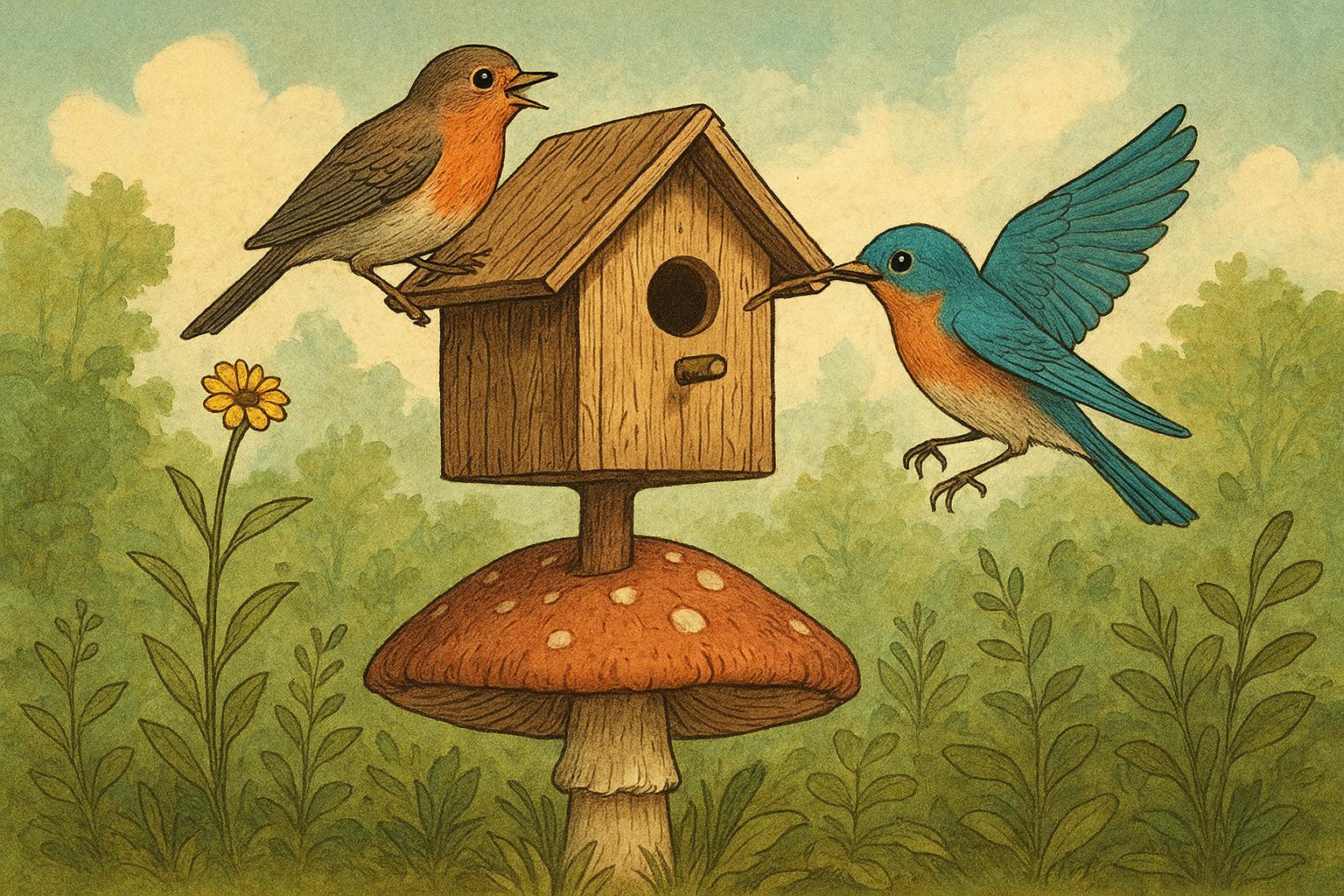
## Remedy 2: Installing A Bat House To Encourage Safe Roosting
Materials Required:
– Exterior-grade plywood or a pre-made bat house
– Outdoor-grade wood glue and galvanized screws
– Black exterior paint or stain (for thermoregulation)
– Caulk and mounting hardware (pole or building brackets)
– Thermometer (optional for optimal placement)
Step-By-Step Creation And Application:
1. Choose Design: Use plans from trusted wildlife organizations or purchase a bat house certified by bat conservation groups. Dimensions and internal roughness are important for acceptance.
2. Construction: Assemble according to specifications—ensure internal partitions for roosting crevices and ventilation slots if required by your climate. Paint the exterior with dark, water-resistant paint to help maintain ideal internal temperatures.
3. Placement: Mount the bat house 12–20 feet high, preferably on a pole or south-facing side of a building that receives 6–8 hours of sunlight daily. Avoid mounting near dense tree cover; bats prefer open flyways.
4. Secure Installation: Use sturdy brackets or poles to prevent sway. Vibration and movement deter occupancy.
5. Monitor And Wait: It can take one or more seasons for bats to discover and occupy a new house. Keep lights off near the house and maintain foraging habitat with native plants to attract insects.
6. Maintain: Inspect for damage annually and clean only when bats are absent; if guano accumulates at the base, clean using safe practices described in Remedy 1.
### Legal And Ethical Considerations
Before implementing exclusion or habitat changes, consult local wildlife regulations. Many jurisdictions protect bat maternity colonies, and improper timing of exclusion can result in legal penalties and ecological harm. When in doubt, hire a licensed wildlife rehabilitator or pest control company experienced with humane bat management.
### How To Observe And Appreciate Backyard Bats
If your goal is appreciation rather than removal, there are low-impact ways to enjoy bat behavior up close. Install a bat house in the right spot, lower backyard lighting during peak activity hours, and plant night-blooming or insect-attracting flora to create friendly foraging corridors. Use a red-filter flashlight to reduce disturbance during observations and consider a bat detector app or device to listen to echolocation calls—suddenly that wonder is more like concert-going.
Take photos at a distance and keep pets indoors at dusk if young bats are nearby. If you want to get more scientific, join local volunteer monitoring programs or participate in citizen science projects that track bat populations. These activities help conservation and sharpen your eye for subtle shifts in bat behavior across seasons.
If you spot a grounded or obviously injured bat, do not handle it with bare hands. Contact local wildlife rehabilitators or public health officials for guidance, because bats can carry zoonotic diseases that require professional handling and testing.
A few nights of patient watching will teach you the rhythms of your backyard’s winged residents. With respectful observation and thoughtful management—when needed—you can enjoy the benefits bats bring while minimizing conflict.






















Leave a Reply