
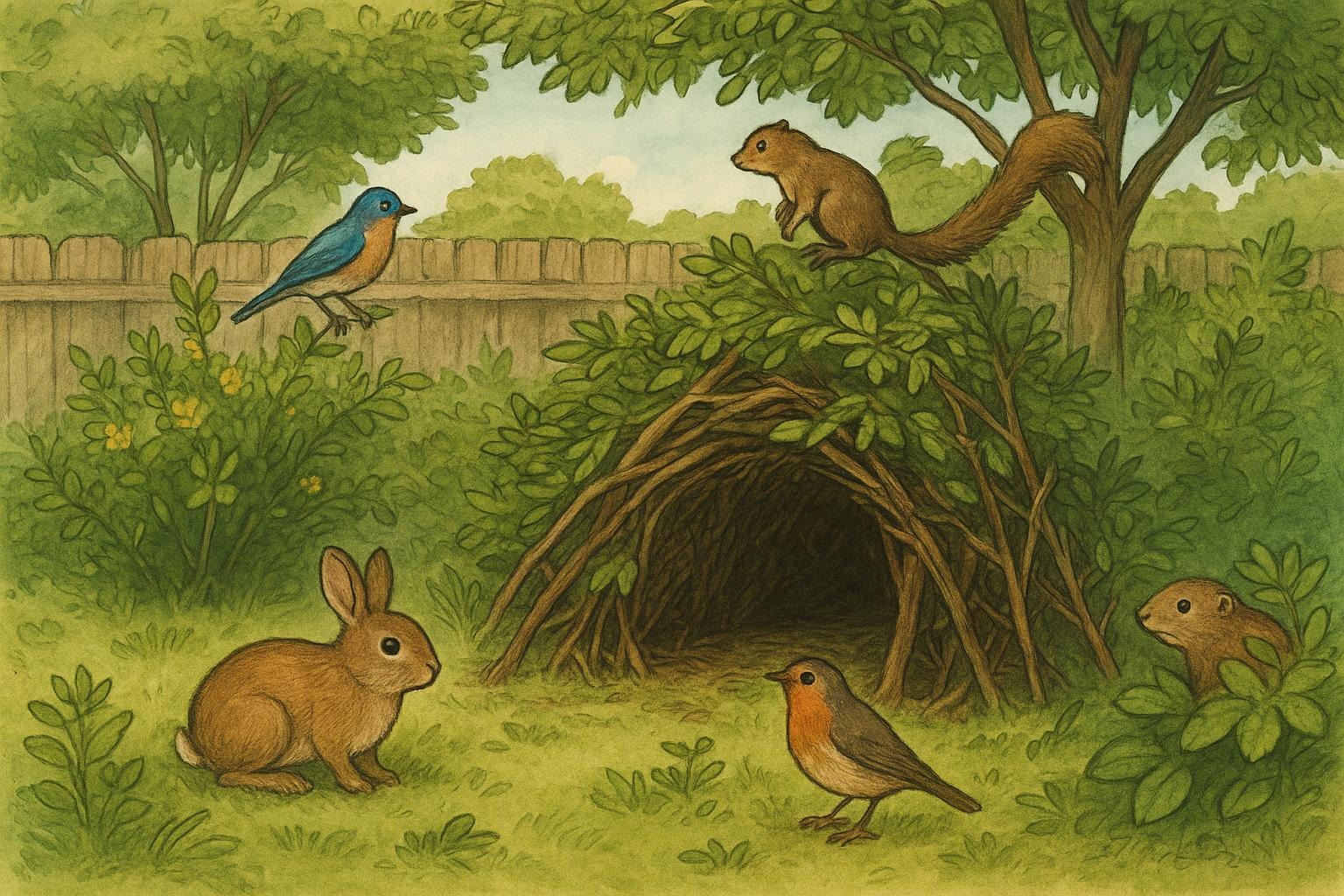
## Brush Shelter: Why Your Yard Needs One
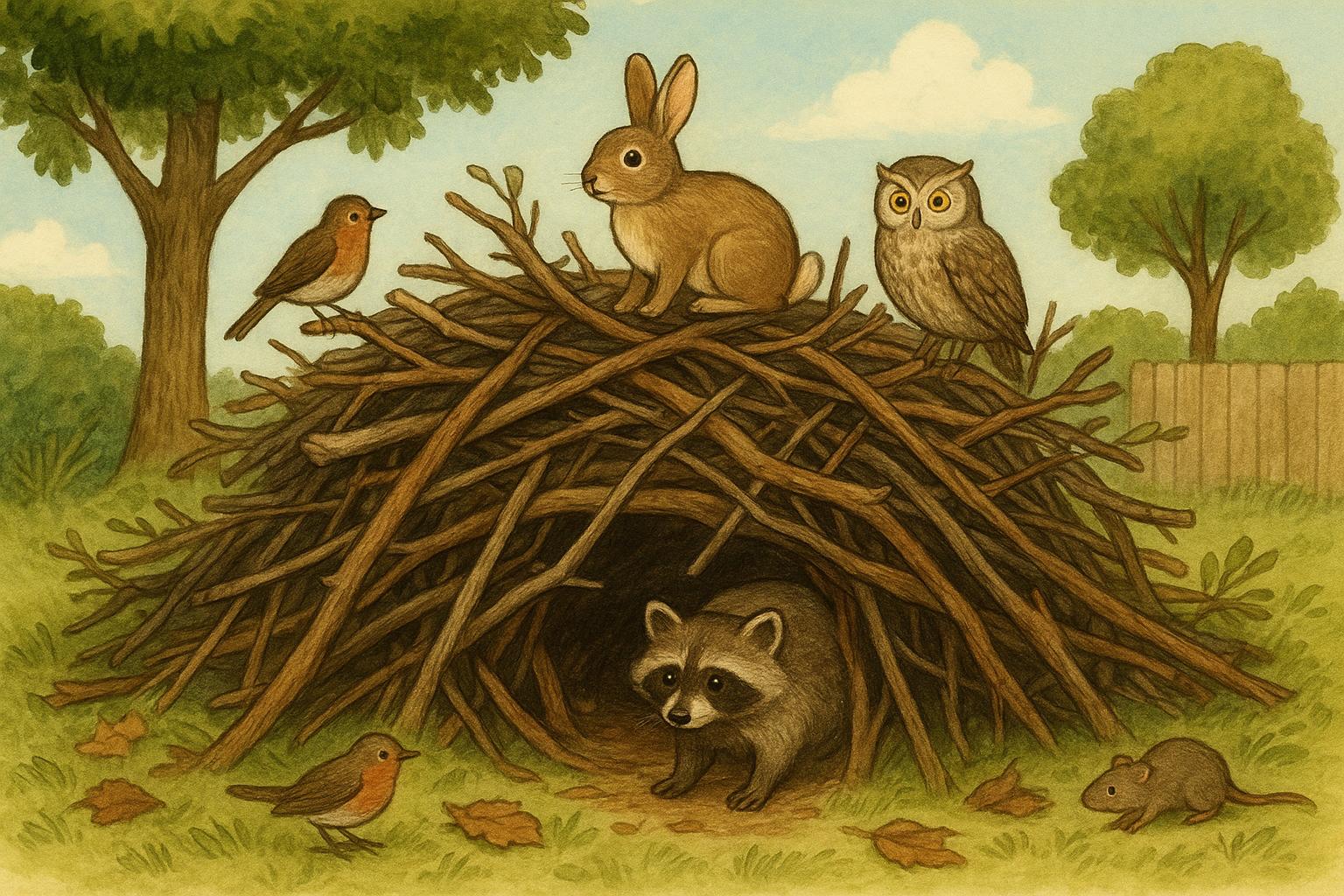
If you like the idea of your yard humming with life — birds singing, rabbits nosing through leaves, insects busily engineering the world — a little pile of natural materials can do more than look rustic. A well-placed brush shelter creates instant habitat, shelter from harsh weather, and a safe staging area for feeding and nesting. Think of it as a tiny apartment complex for wildlife: no rent, just lots of real estate value.
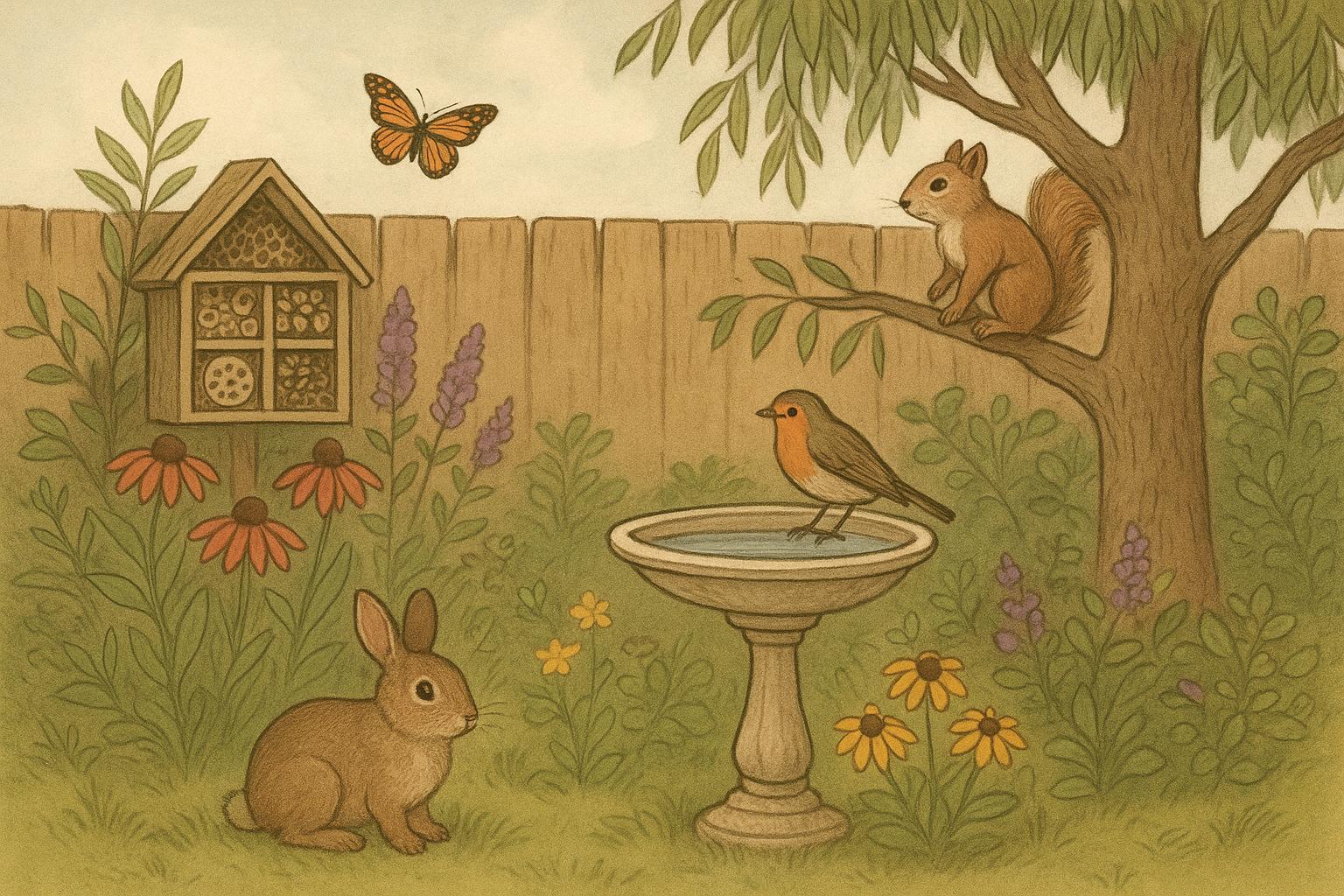
A brush shelter doesn’t have to be an eyesore. With a bit of planning it becomes an attractive, functional feature that benefits the whole neighborhood ecosystem. Even small yards can host microhabitats that support pollinators, amphibians, small mammals, and ground-nesting birds. Plus, it’s satisfying to watch wildlife finding refuge you provided — nature’s gratitude comes in chirps and footprints.
### Wildlife That Will Love A Brush Shelter
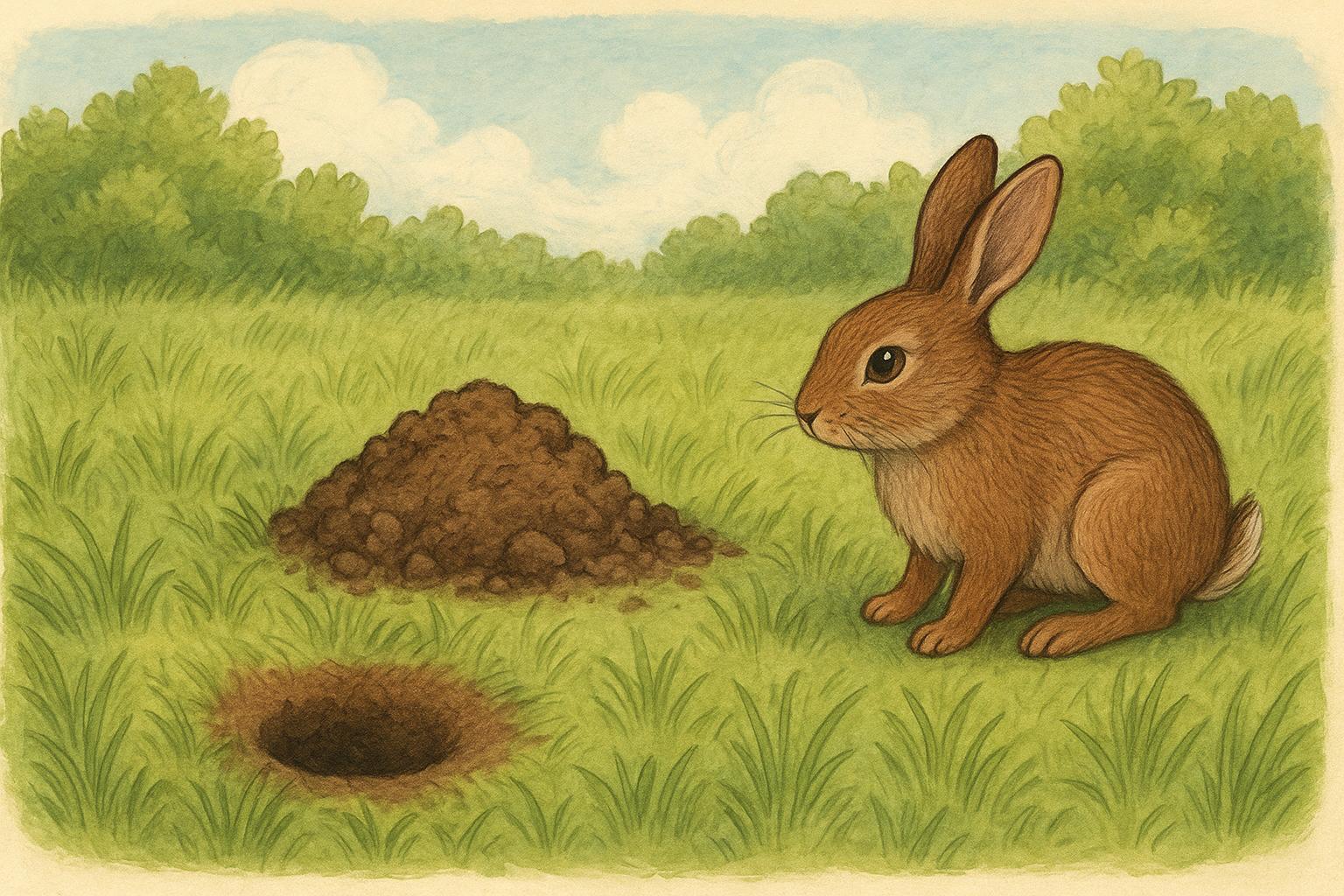
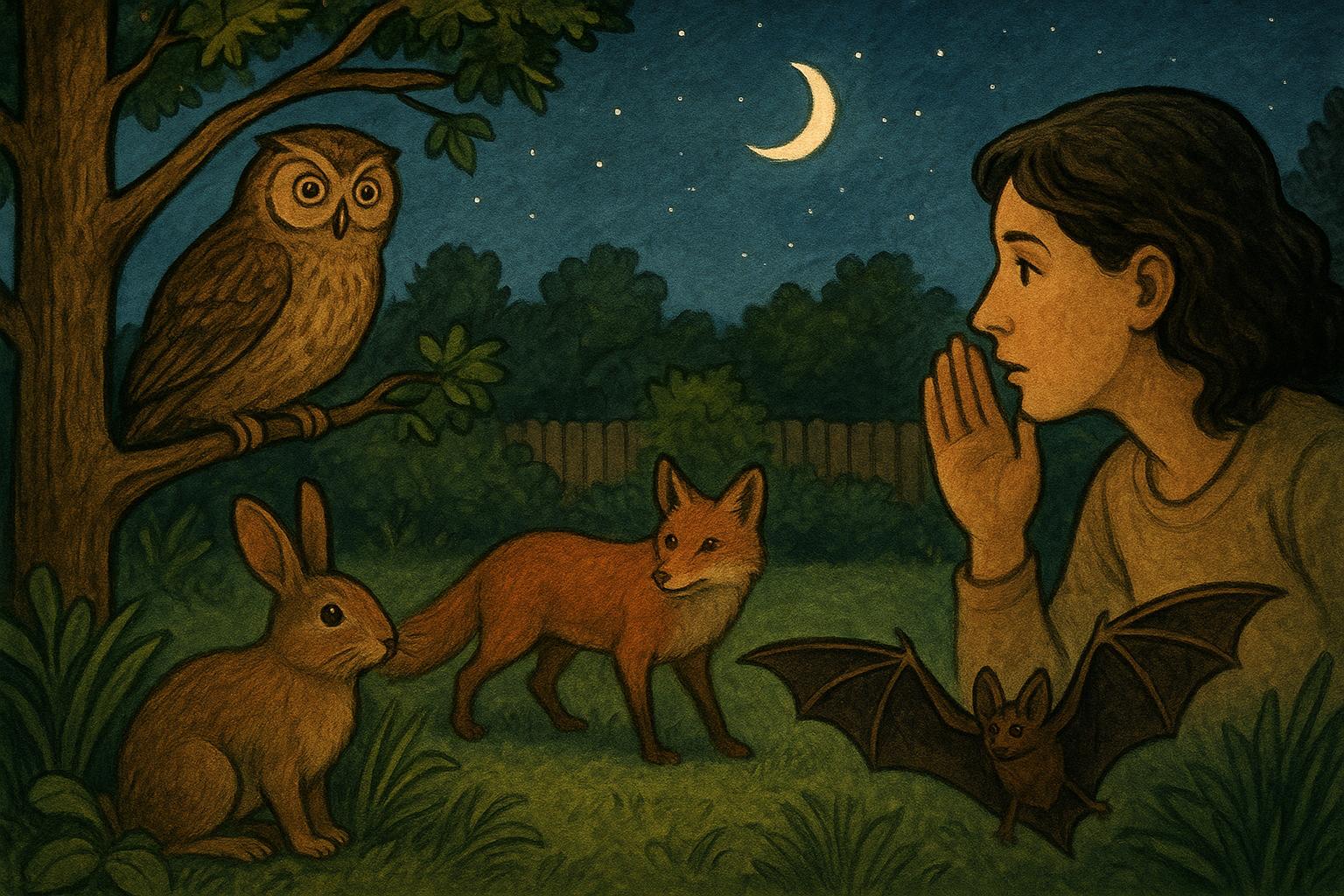
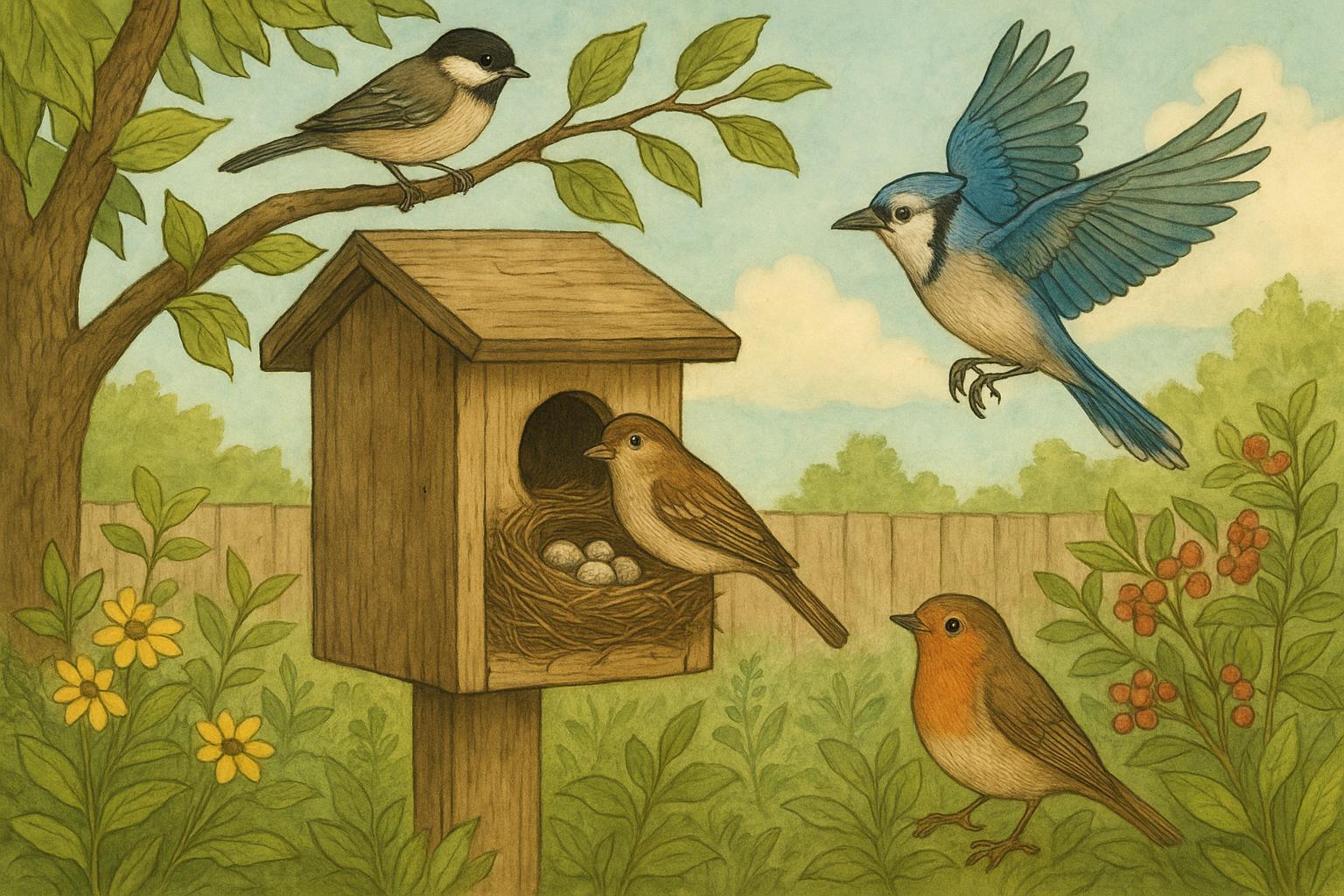
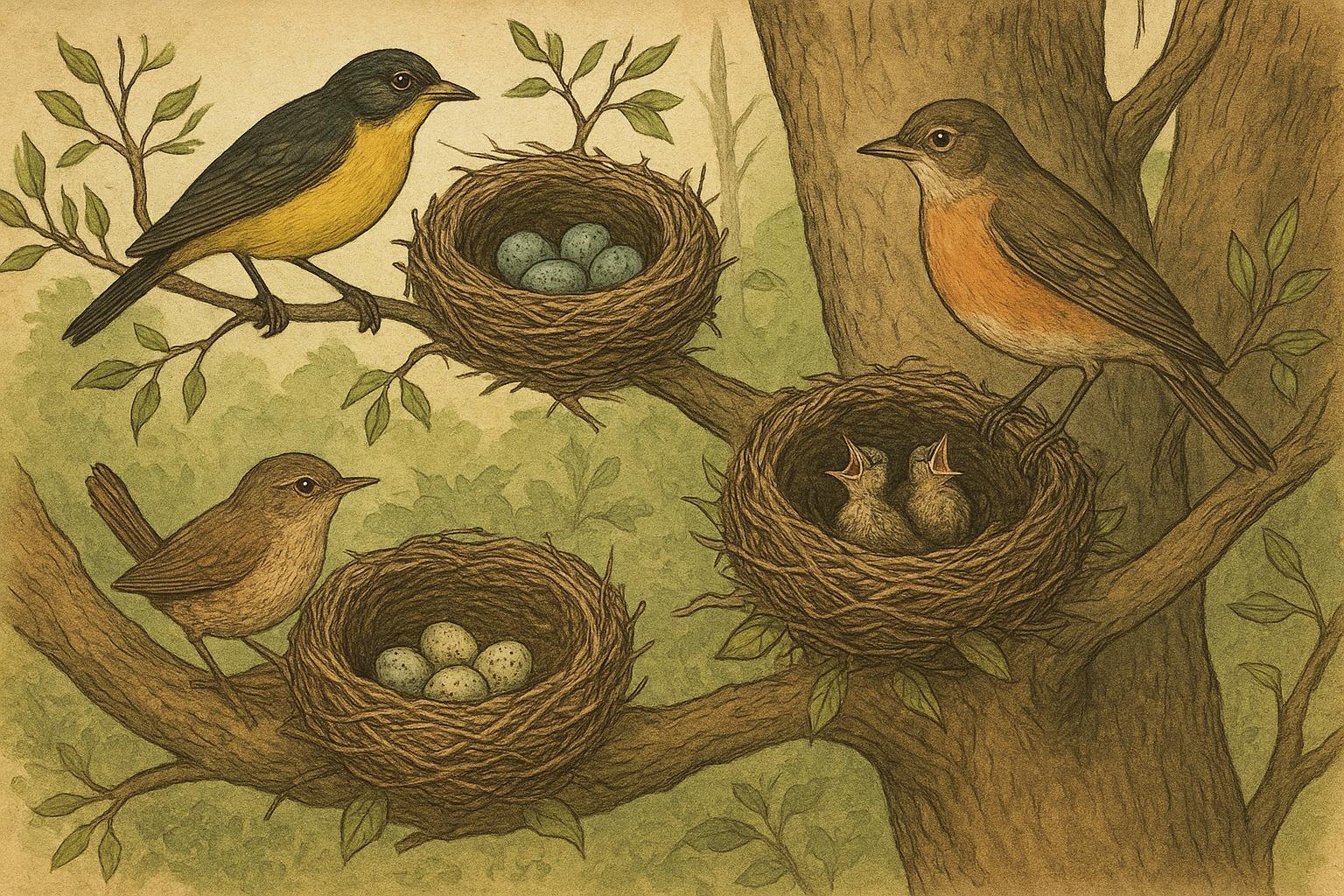
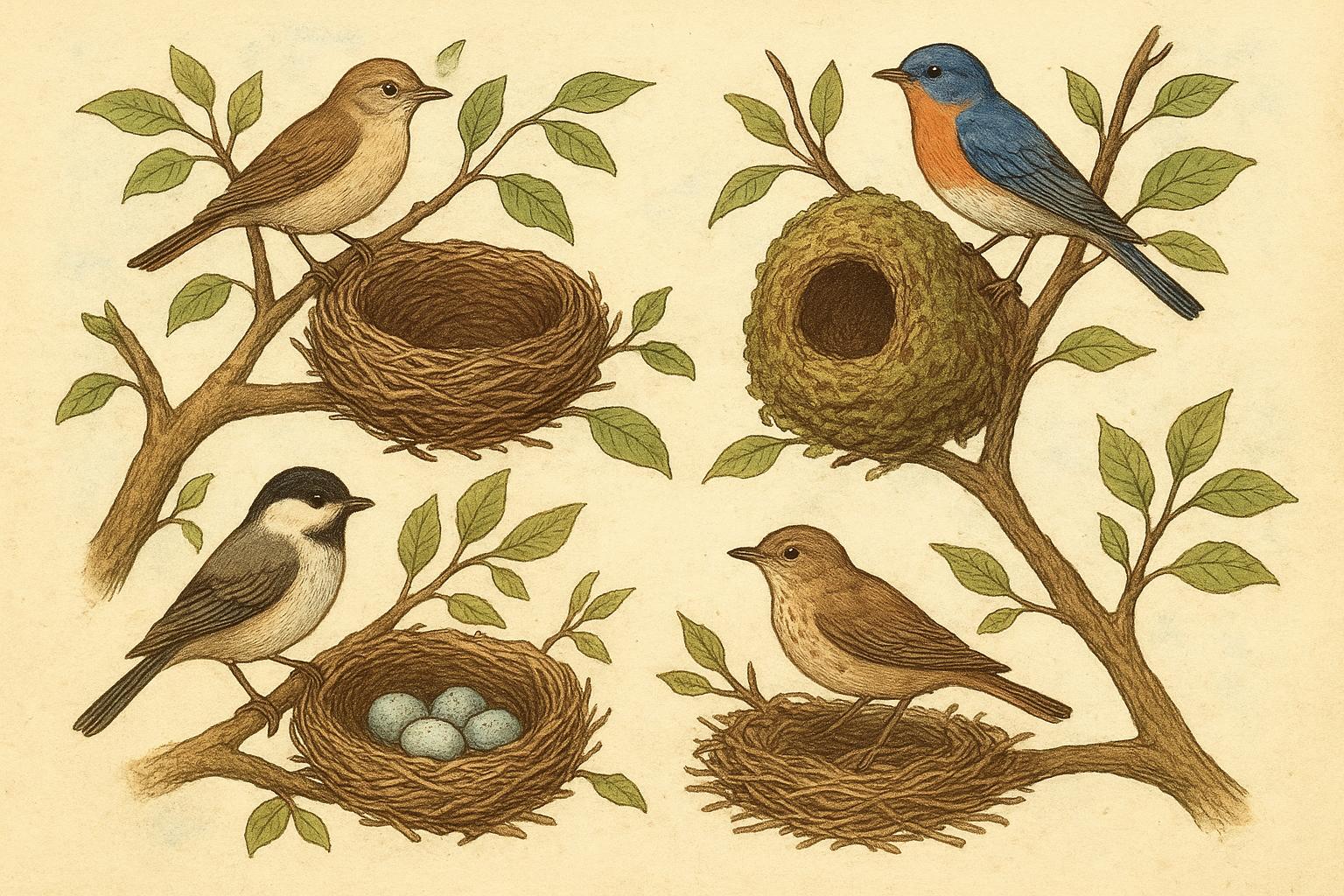
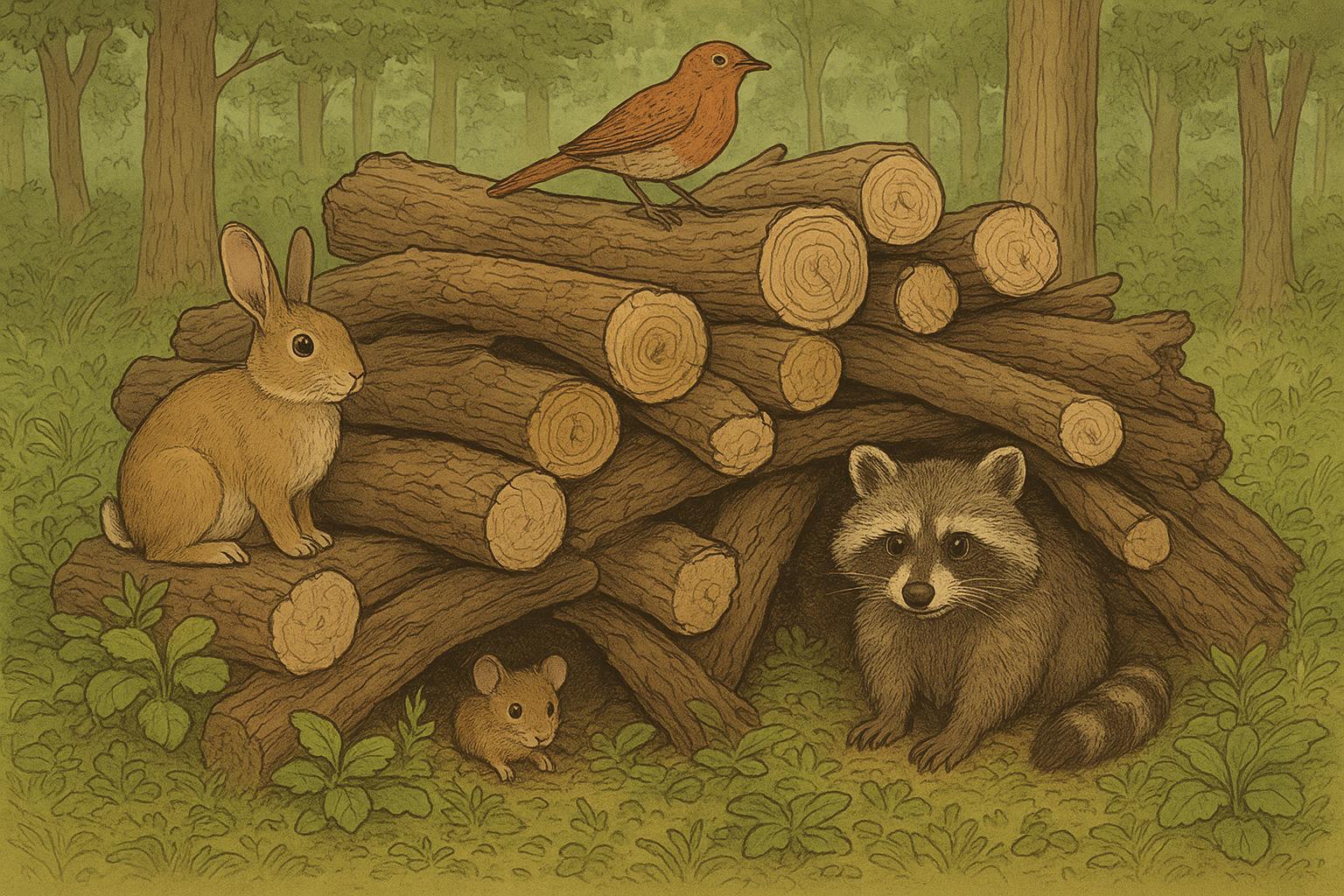
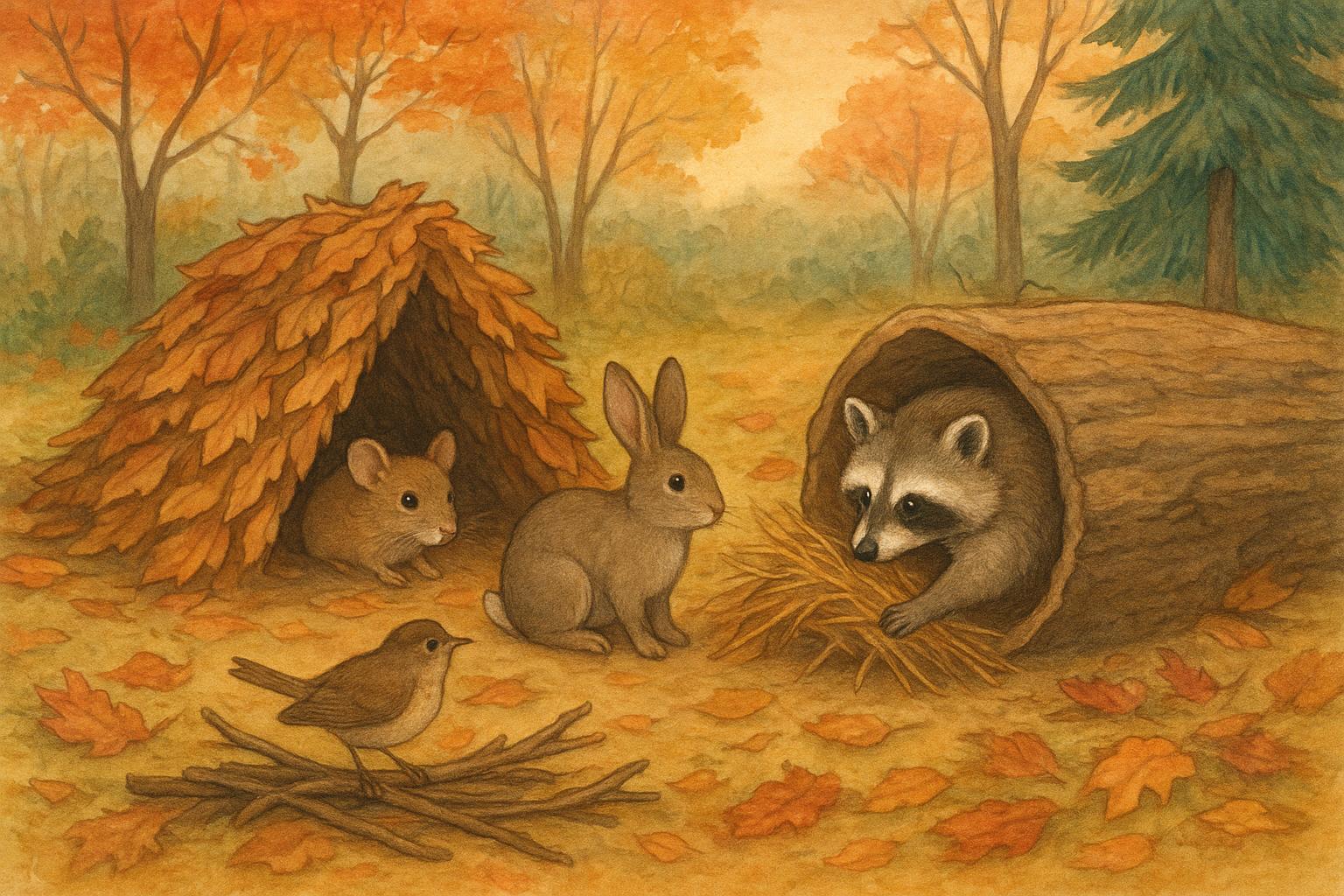
Different critters use cover differently. Rabbits and quail tuck beneath low piles to escape predators and harsh sun. Toads and salamanders love the damp, cool spaces under decomposing logs. Songbirds use dense tangles for nesting and protection during storms. Even beneficial insects will overwinter in hollow stems or crevices inside a brush shelter, helping next year’s garden thrive.
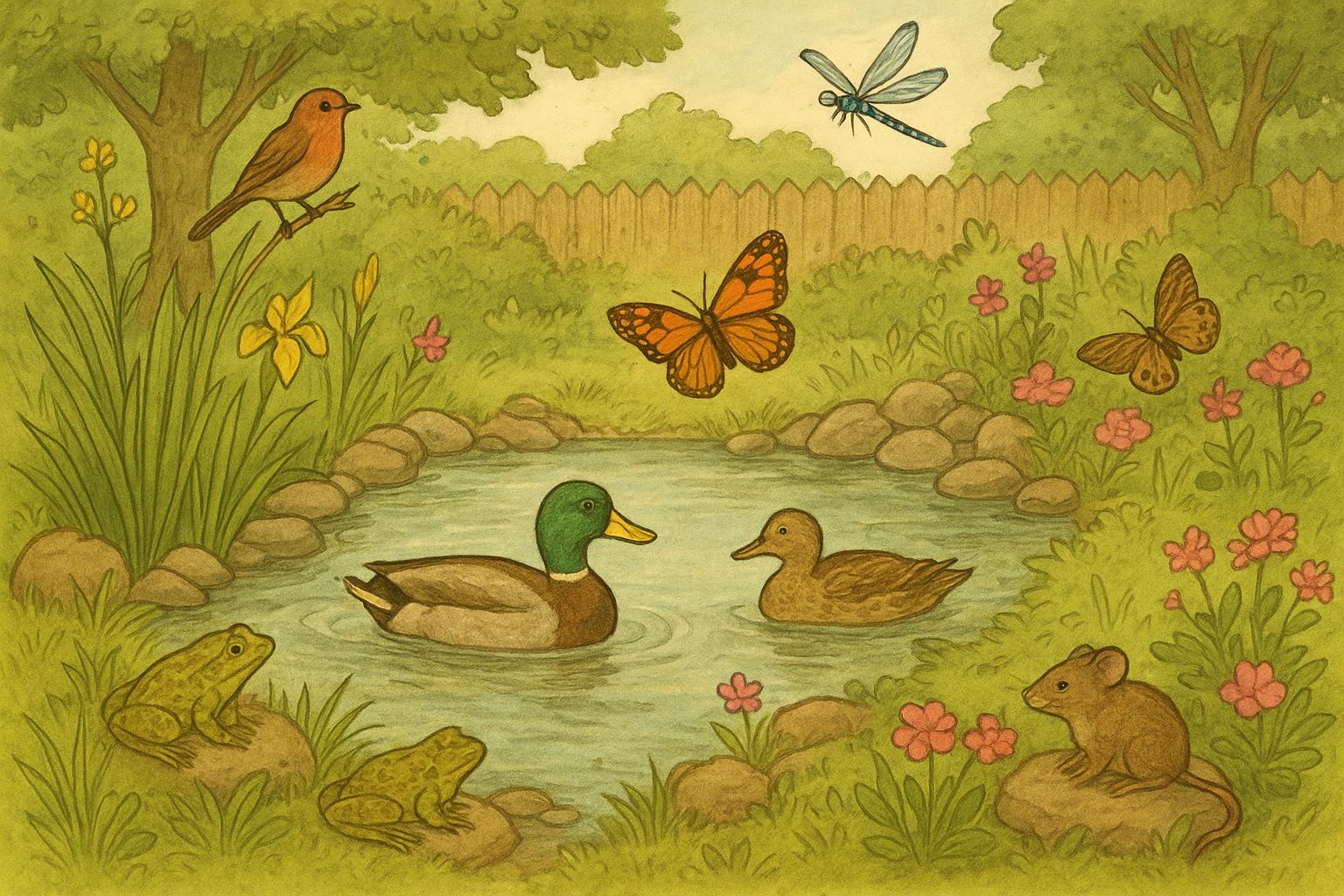
Having a range of brush pile sizes invites more diversity. A shallow, spread-out pile offers foraging spots and quick escapes; a denser, taller pile creates secluded spaces for nesting and roosting. Keep in mind that the value of brush shelter is greatest when placed near natural features — edges of hedgerows, near water sources, or next to native plantings.
### Where To Put Your Brush Shelter
Location matters. Choose sites that:
– Offer some natural cover or are close to gardens or hedges.
– Avoid high-traffic areas for people and pets.
– Stay clear of property lines where neighbors might object.
– Keep the pile away from buildings to reduce unwanted pests finding a pathway indoors.
If you’re worried about ticks or rodents, proper siting and maintenance can minimize those risks. A brush shelter is not a magic carpet; it’s habitat that needs sensible boundaries and occasional attention.
### How To Build A Brush Shelter (Remedy 1)
This section provides a formal, step-by-step procedure for constructing a durable, wildlife-friendly brush shelter. Follow materials and application instructions carefully to maximize ecological benefit and safety.
Required Materials
1. A selection of branches and small logs (varied diameters; 1–6 inches is ideal).
2. Leaf litter and twigs for bedding and insulation.
3. A few larger logs or root balls to create base structure and cavities.
4. Native grasses or long stems (optional) for added cover.
5. Burlap or natural fiber netting (only if needed to stabilize the pile; avoid synthetic materials).
6. Gloves, pruning shears or loppers, and a hand saw.
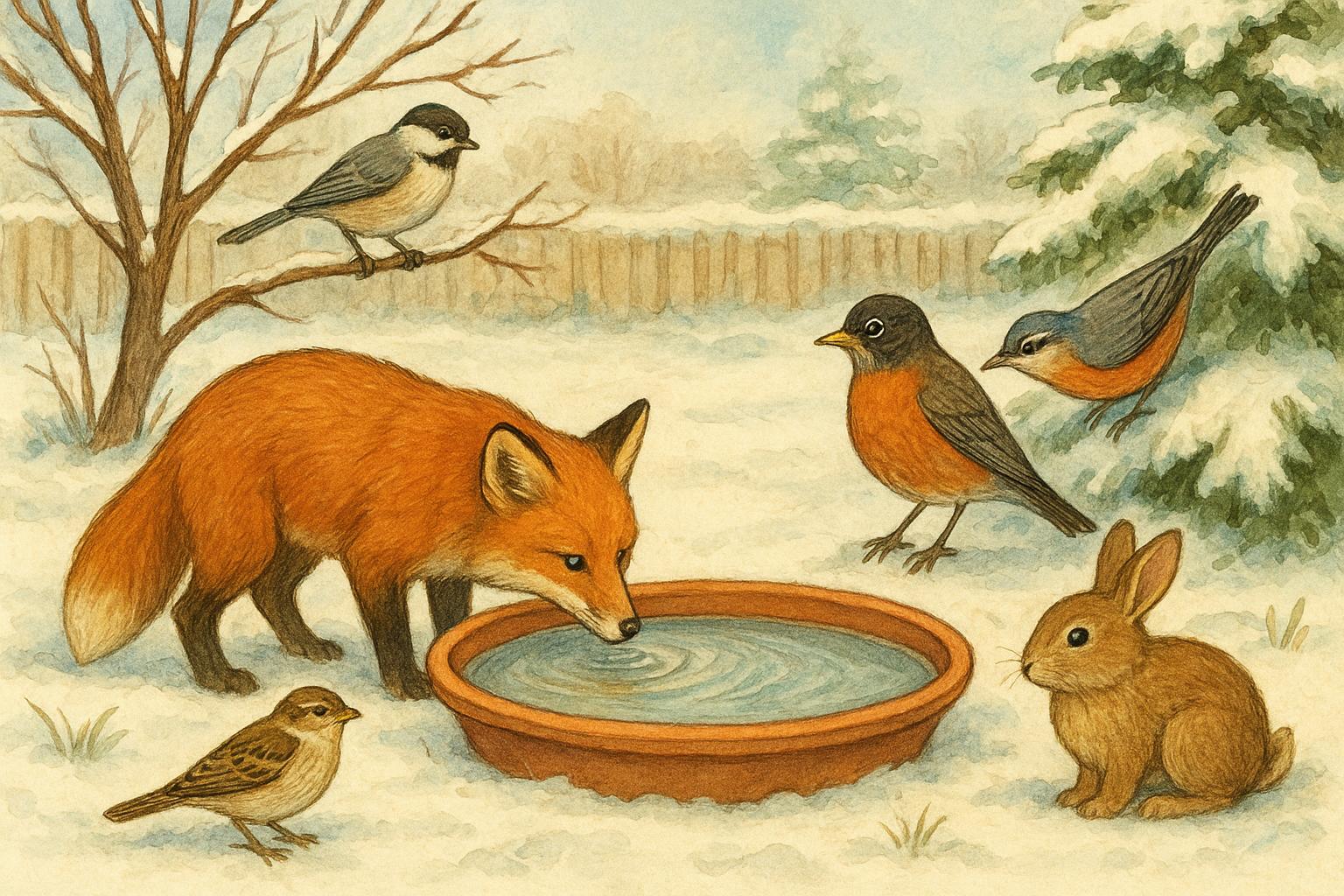
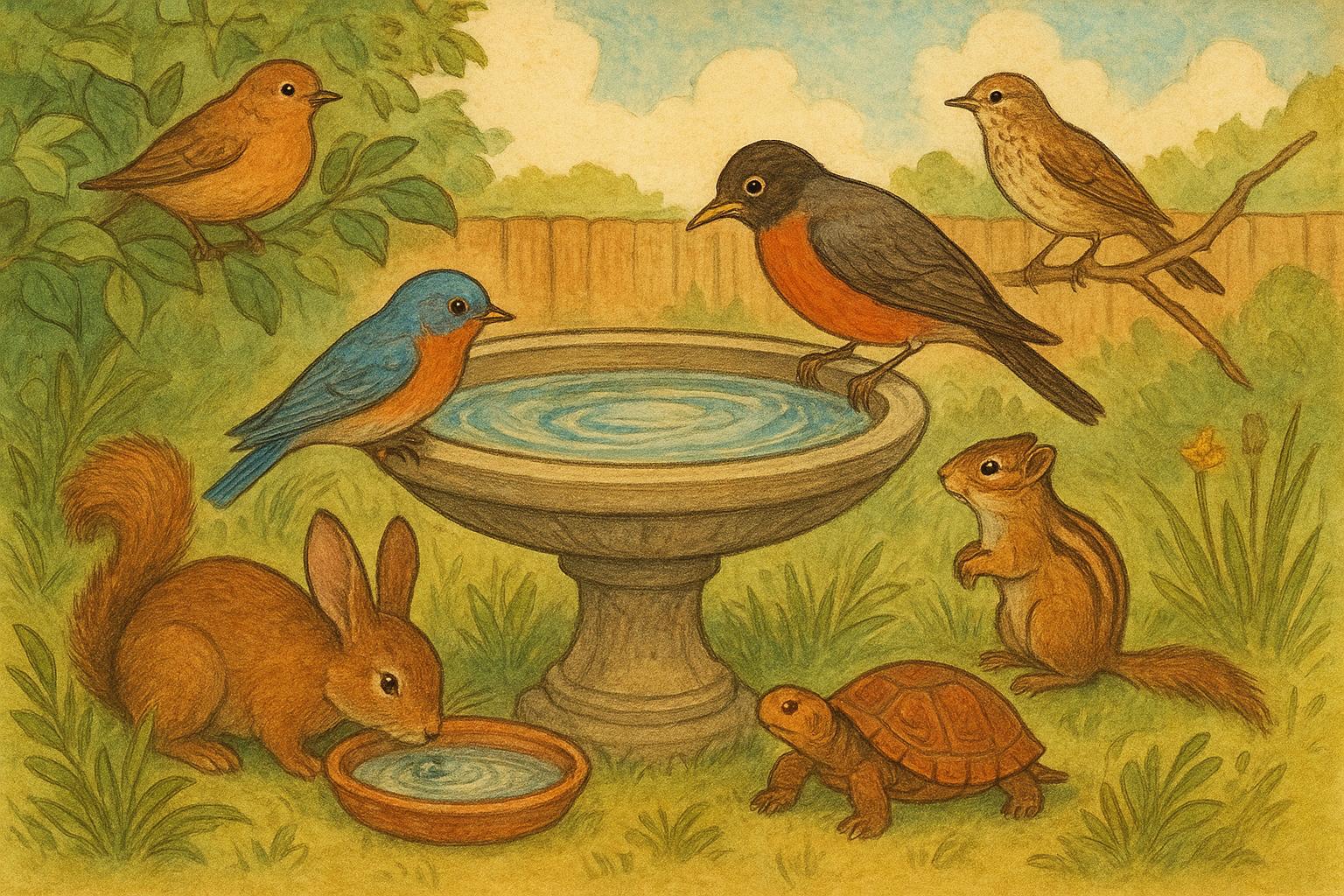
7. Optional: a water source like a shallow dish or small rock-lined puddling area nearby.
Step-by-Step Construction
1. Select a Level Site: Prepare a space that drains well but retains some moisture. Clear any invasive plants and remove landscape fabric or plastic.
2. Build a Stable Base: Lay two or three larger logs parallel with gaps between them to create crawl spaces. This base elevates the pile slightly and creates air pockets for amphibians and insects.
3. Layer Branches: Place medium-sized branches across the base in a crisscross pattern. Aim for an irregular, natural shape rather than a neat stack. The crisscrossing provides stability and varied cavities.
4. Fill with Leaf Litter and Twigs: Tuck leaf litter, small twigs, and shredded bark into voids. This material provides insulation and nesting substrate.
5. Create Entrances and Chambers: Arrange a few branches to form sheltered pockets and tunnels. Leave openings on multiple sides to allow wildlife to escape from predators and enter from different directions.
6. Add Surface Cover: Top the pile with longer stems, native grasses, or a light scattering of brush to camouflage the shelter and provide overhead cover.
7. Stabilize If Necessary: If the pile risks collapsing, loosely drape burlap to hold materials in place. Do not use plastic netting or wire that could entangle wildlife.
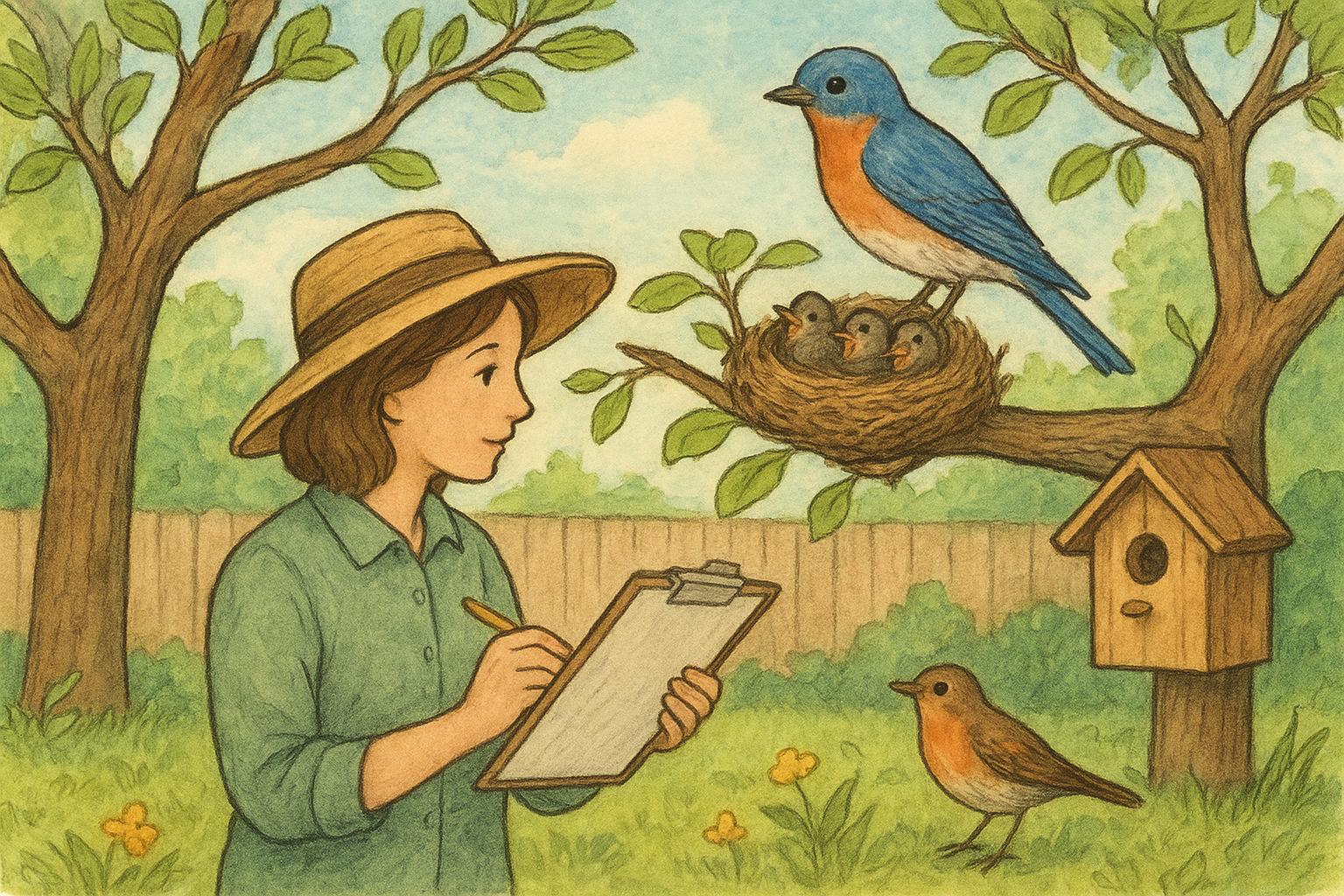
8. Water and Monitor: If the area is dry, lightly water the pile to encourage decomposition and humidity for amphibians and invertebrates. Observe from a distance for the first few weeks to avoid disturbance.
9. Adjust Seasonally: In late summer and fall, add fresh leaves and stems to increase insulation for overwintering species. Remove excess that becomes compacted or moldy in wet conditions.
Follow these steps to construct a brush shelter that balances stability, safety, and ecological function. Proper assembly increases longevity and the range of species that will use the structure.
#### Safety And Legal Considerations
– Check local ordinances regarding brush piles and burning restrictions.
– Avoid placing the pile within 10–15 feet of structures to limit rodent access to buildings.
– Never use treated wood, trash, or materials that can leach chemicals into the soil.
– If you’re on leased land or in an HOA, consult relevant rules to prevent disputes.
### Placement And Maintenance Tips
Periodic maintenance keeps a brush shelter effective without needing heavy lifting. Inspect the pile in spring and fall: remove any invasive plants, reposition any materials that have collapsed, and add fresh cover as needed. Avoid annual complete dismantling — many species will use the same shelter across seasons or years. Instead, do modest upgrades that retain continuity.
If you notice rodent burrows becoming concentrated directly under the pile rather than using it for transient shelter, relocate the structure slightly and reduce dense contact with building foundations. Maintaining a buffer of mown grass or native groundcover around the pile discourages unwanted denning while leaving the brush pile itself intact for wildlife.
### Designing For Different Species
A one-size-fits-all approach isn’t ideal. Small amphibians and insects favor damp, low piles with lots of leaf litter. Small mammals and game birds appreciate thicker, denser piles mixed with brush and logs. If you want to attract pollinators, leave seed heads and hollow stems within or near the pile for nesting. For songbirds, create elevated tangles with horizontal branches about 2–4 feet off the ground to serve as protection and potential nesting sites.
### Troubleshooting Common Issues
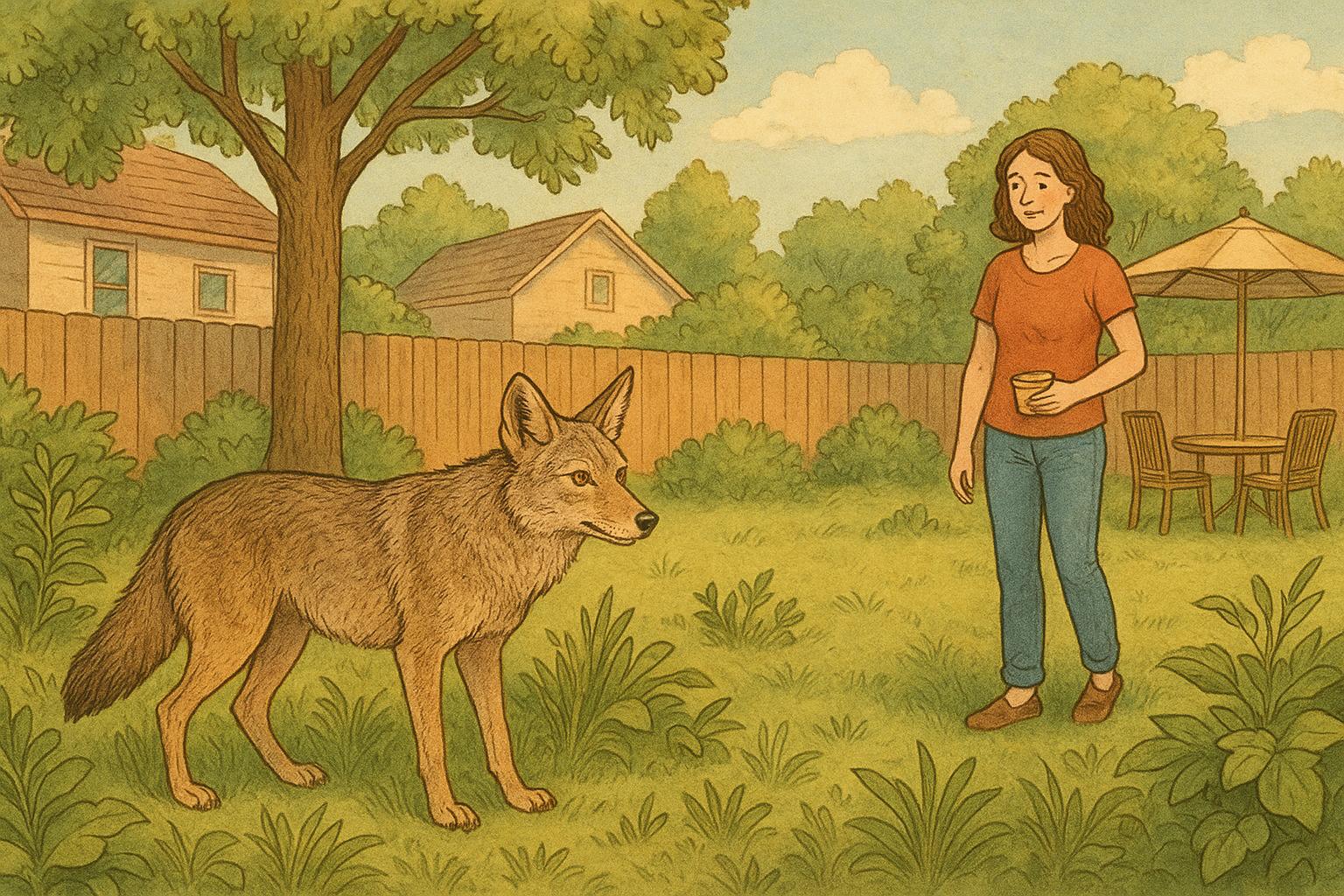
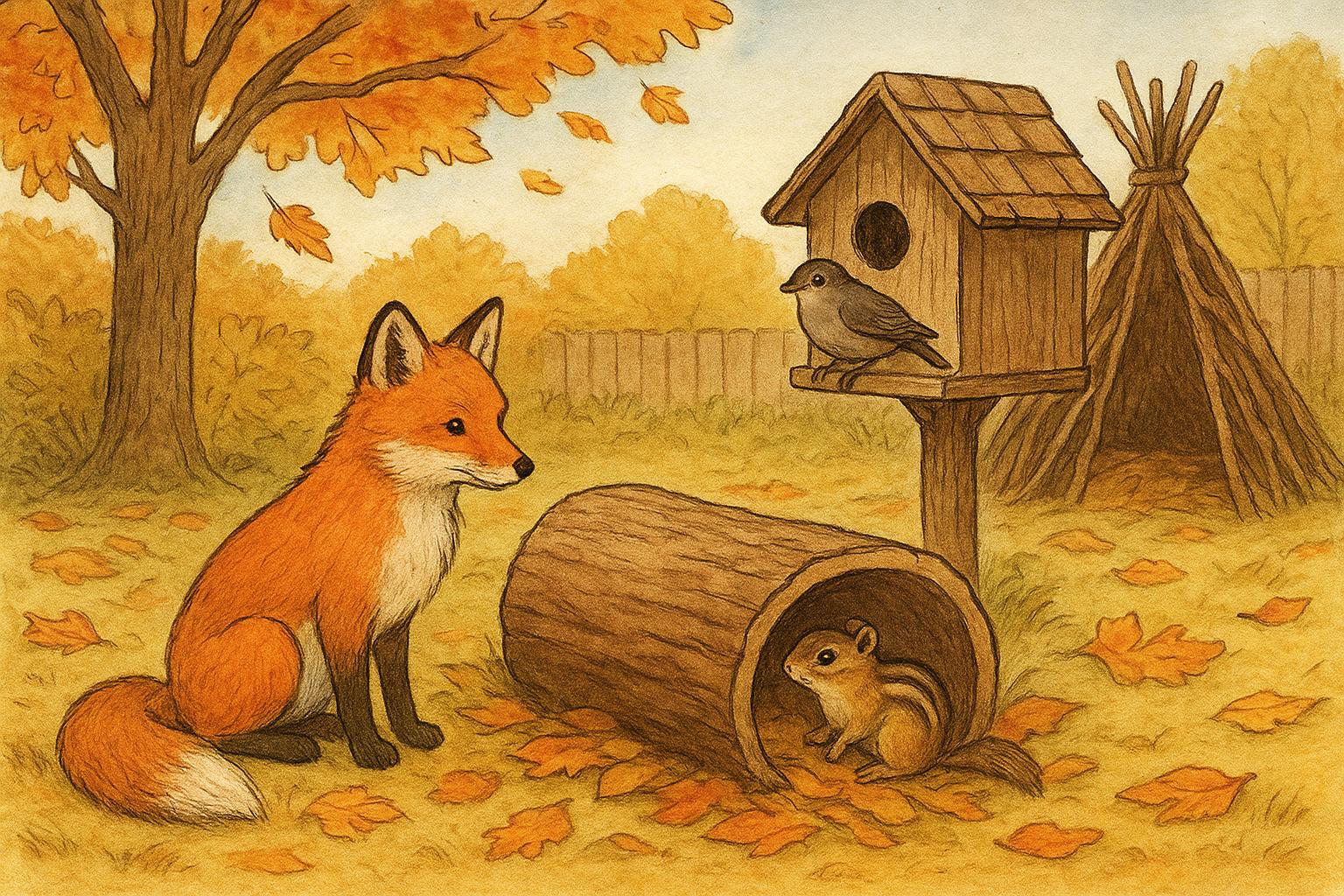
If you find your brush shelter attracting species you didn’t expect (or want), take corrective action calmly. Coyotes or foxes using a brush pile as a hunting vantage point typically indicates the pile is too exposed; relocate closer to hedgerows. If ticks seem unusually high, increase sun exposure around the pile by trimming adjacent vegetation and encourage natural tick predators (birds and fungi) by diversifying plantings.
Using the brush shelter concept strategically throughout your yard and in combination with native plantings will amplify benefits. A series of small shelters spaced along hedgerows and near water features creates a networked habitat corridor that supports movement and genetic exchange among populations.
#### Seasonal Enhancements
– Spring: Top off with dry grasses and twigs to provide fresh nesting material.
– Summer: Ensure some shade and moisture; place a shallow water source nearby.
– Fall: Add a thick layer of leaves to create insulating material for winter residents.
– Winter: Avoid disturbing overwintering wildlife; add a light cover if heavy snow compacts the pile.
### Small Yard, Big Impact
Even the coziest urban backyard can host a brush shelter. Use narrow, vertical piles against fences to save space. Combine the shelter with native shrubs and a small rain garden to handle runoff and provide water. A little planning turns a modest brush shelter into a biodiversity hotspot that neighbors will notice — and maybe ask to copy.
Transforming your yard into a welcoming, functioning habitat doesn’t require wilderness acreage. With thoughtful placement, careful construction, and occasional maintenance, a brush shelter will reward you with year-round wildlife activity and the quiet satisfaction of being an active participant in your local ecosystem.










Leave a Reply