
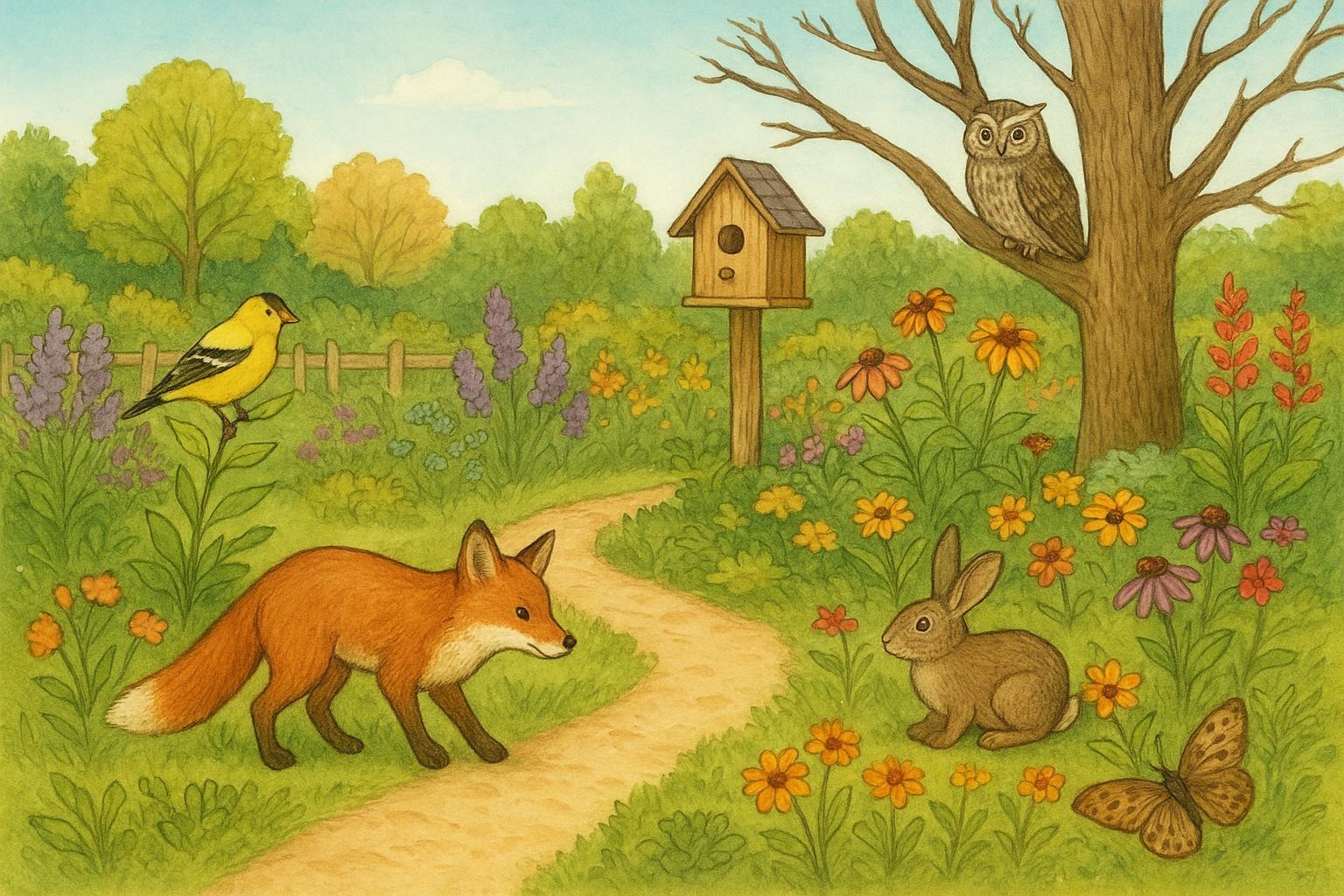
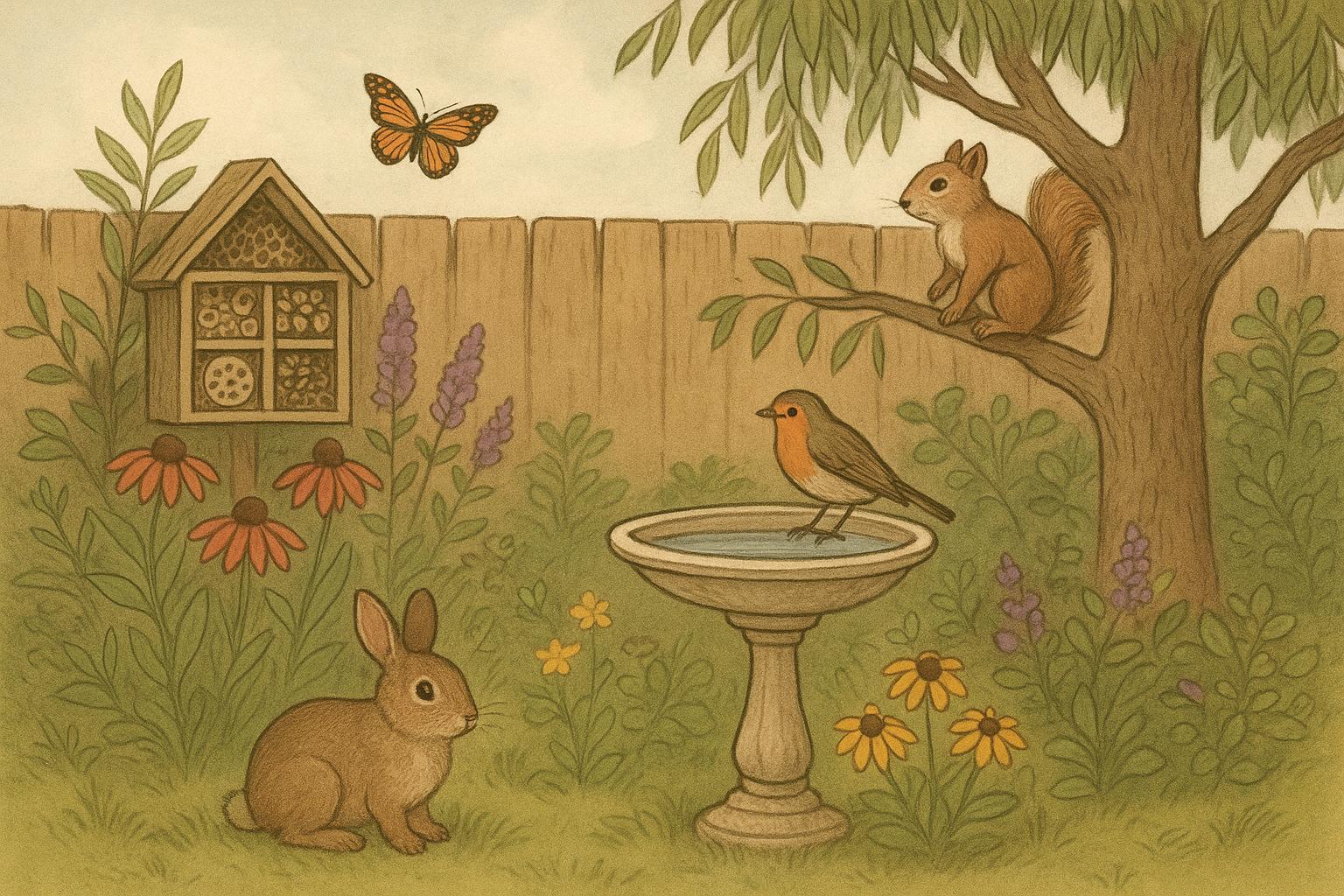
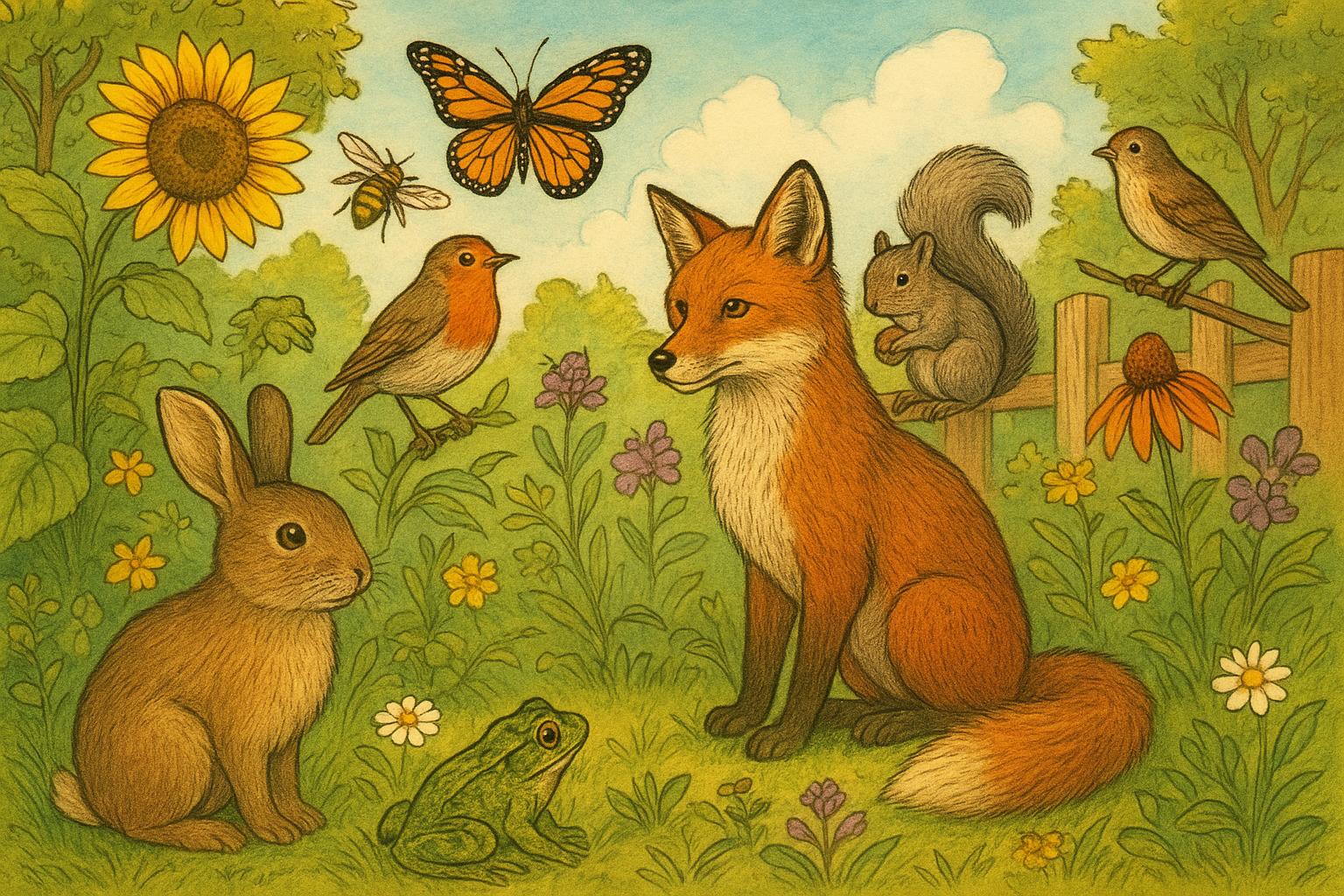
Creating a backyard that welcomes birds, pollinators, and small mammals doesn’t require a complete landscape overhaul. With a few deliberate choices, you can make your outdoor space lively and resilient through every season. Think of it as less “wilderness takeover” and more “friendly neighborhood for wildlife.” Thoughtful yard design can transform a small patch of turf into a multi-season habitat that keeps critters — and you — happy year-round. (yard design #1)
## Crafting A Wildlife Friendly Yard Design
Start with clear goals. Do you want to attract songbirds, support pollinators, encourage amphibians, or provide safe corridors for small mammals? The answers will shape plant selection, water features, shelter, and maintenance rhythms. Good yard design balances structure with randomness: paths, patios, and beds give people usable space, while layered plantings, brushy corners, and native species provide the resources wildlife need.
### Core Principles For All Seasons
– Diversity: Include trees, shrubs, perennials, grasses, and groundcovers. A varied vertical structure offers food and shelter across life stages and weather conditions.
– Native Plants First: Native species support local insects and seed cycles better than many ornamental imports.
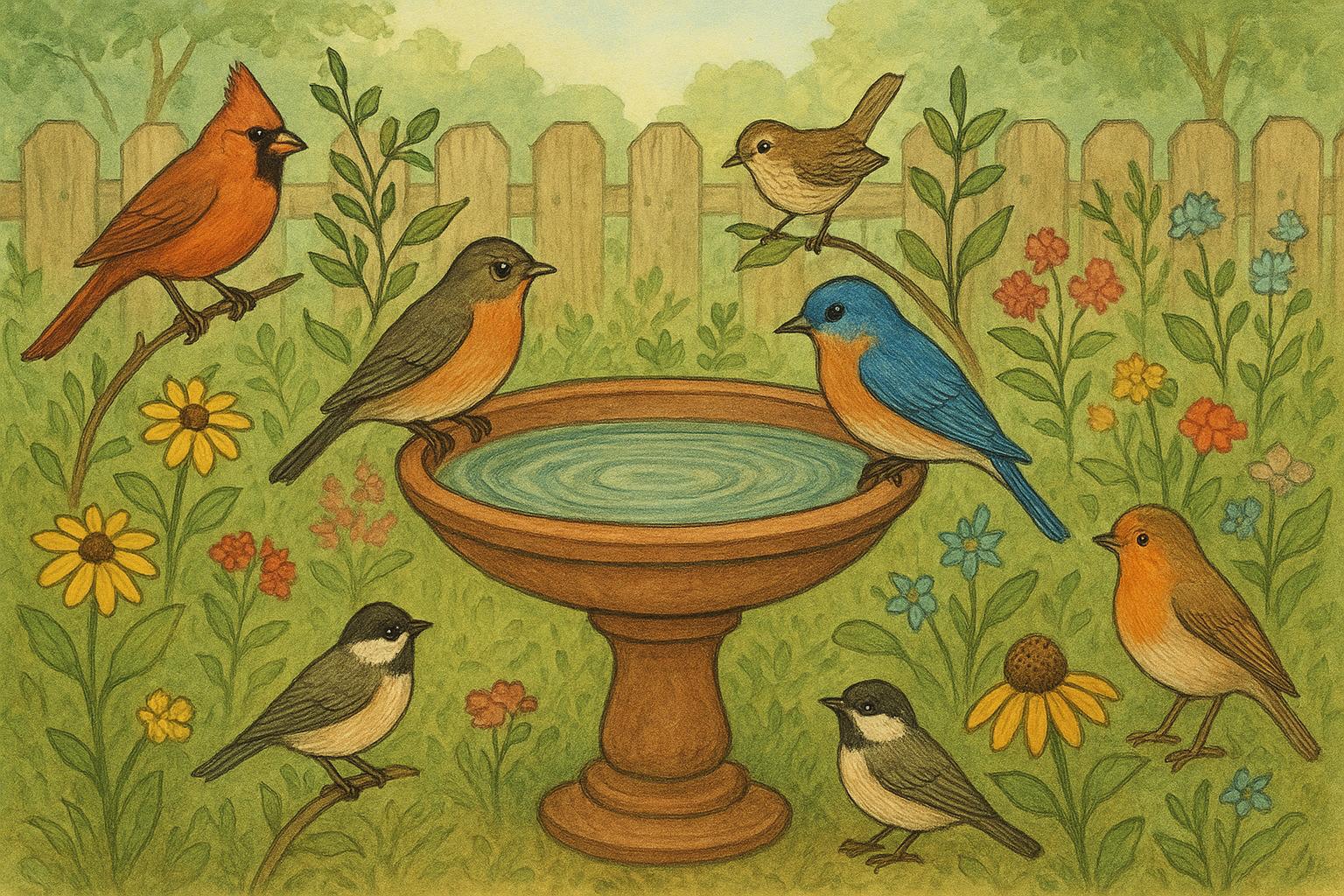
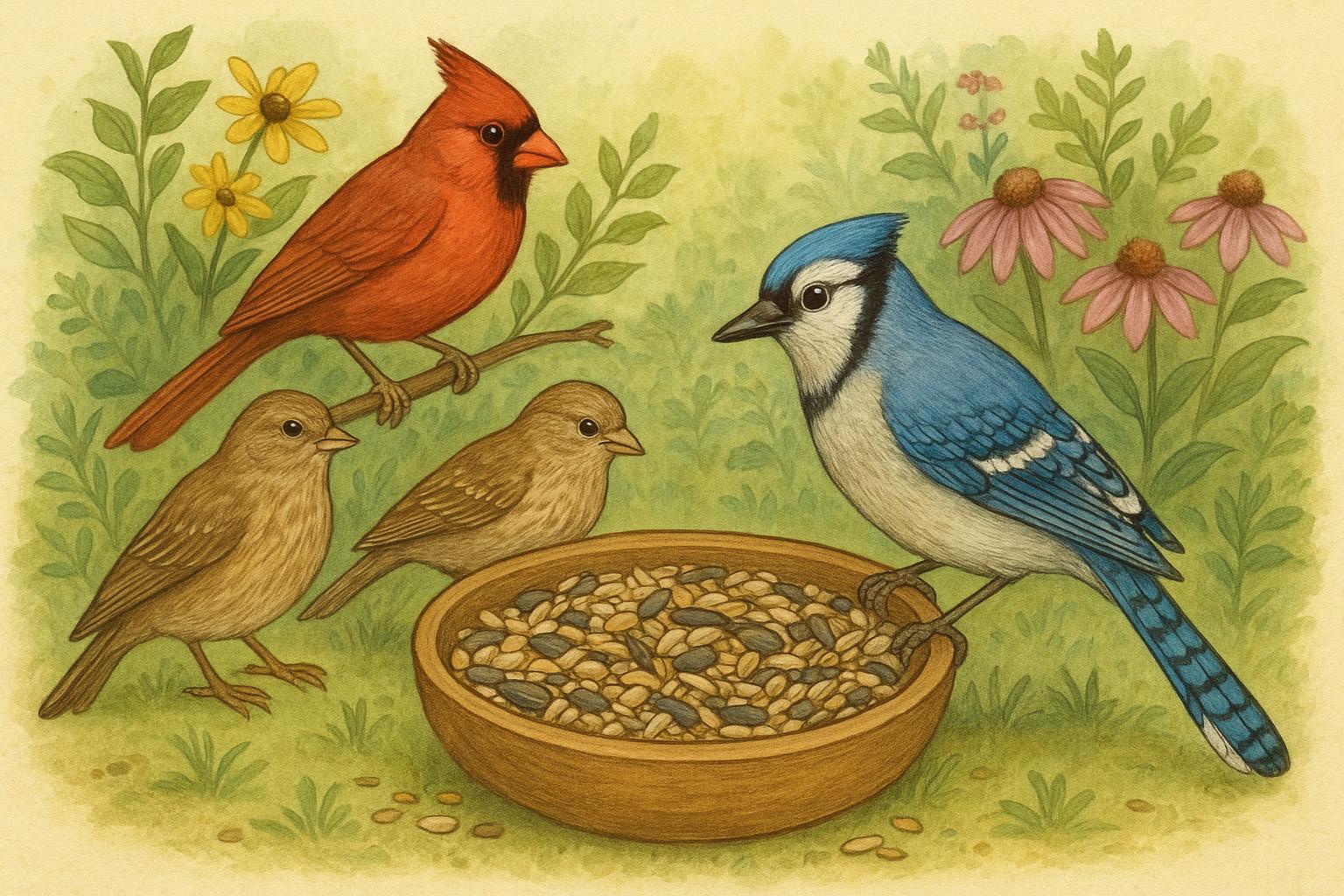
– Water, Shelter, Food: Each is crucial. Even small water sources like a shallow basin can support birds and pollinators.
– Connectivity: Allow movement between cover patches; uninterrupted corridors help animals find resources without exposing them to predators.
These basics are the scaffolding of any great yard design. (yard design #2)
### Seasonal Strategies That Work
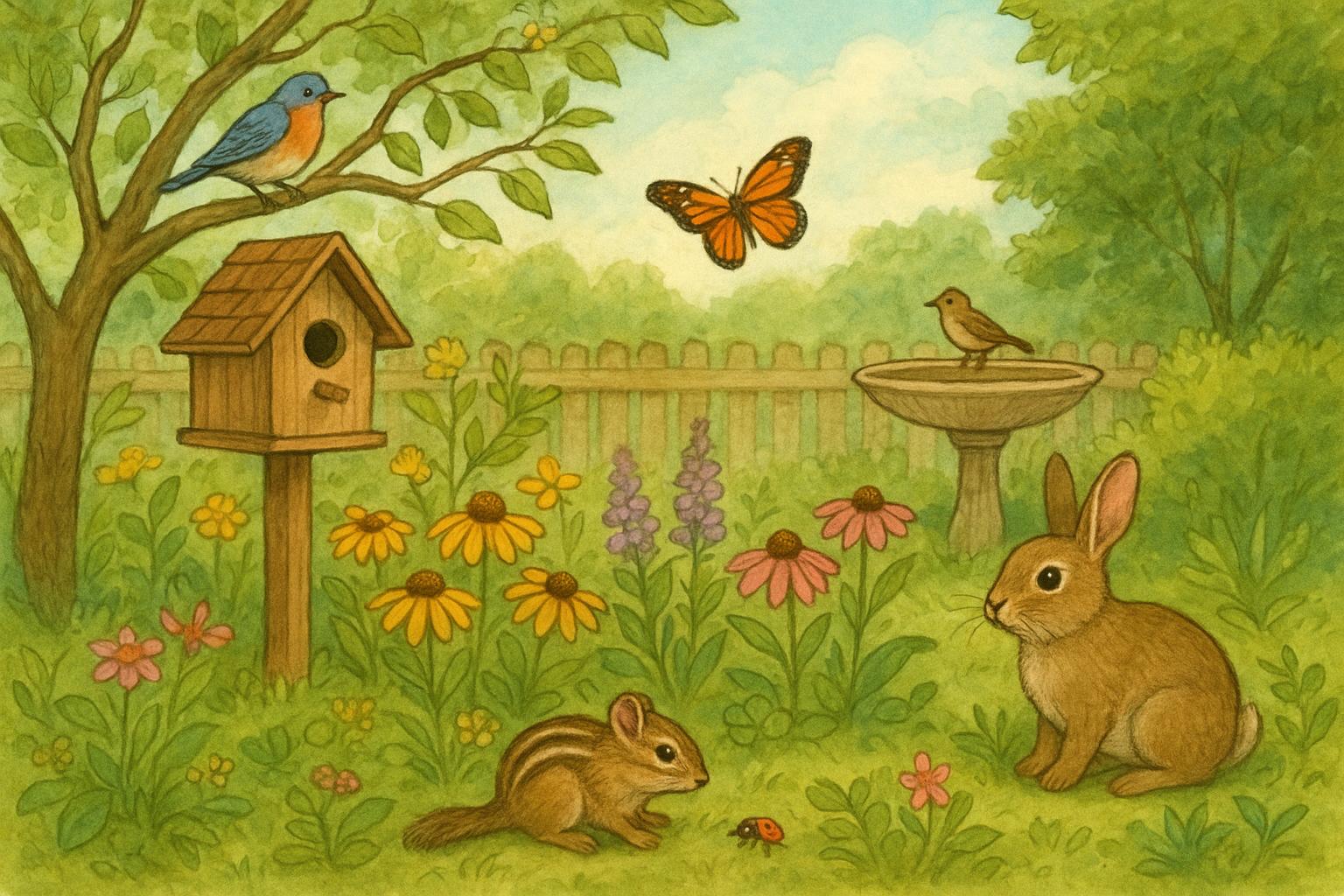
Spring and summer need abundant nectar and nesting spots. Plant clusters of native wildflowers and shrubs that bloom at staggered times. Early-blooming trees and shrubs feed pollinators coming out of diapause, while late-season bloomers help migrating species and late brood rearing.
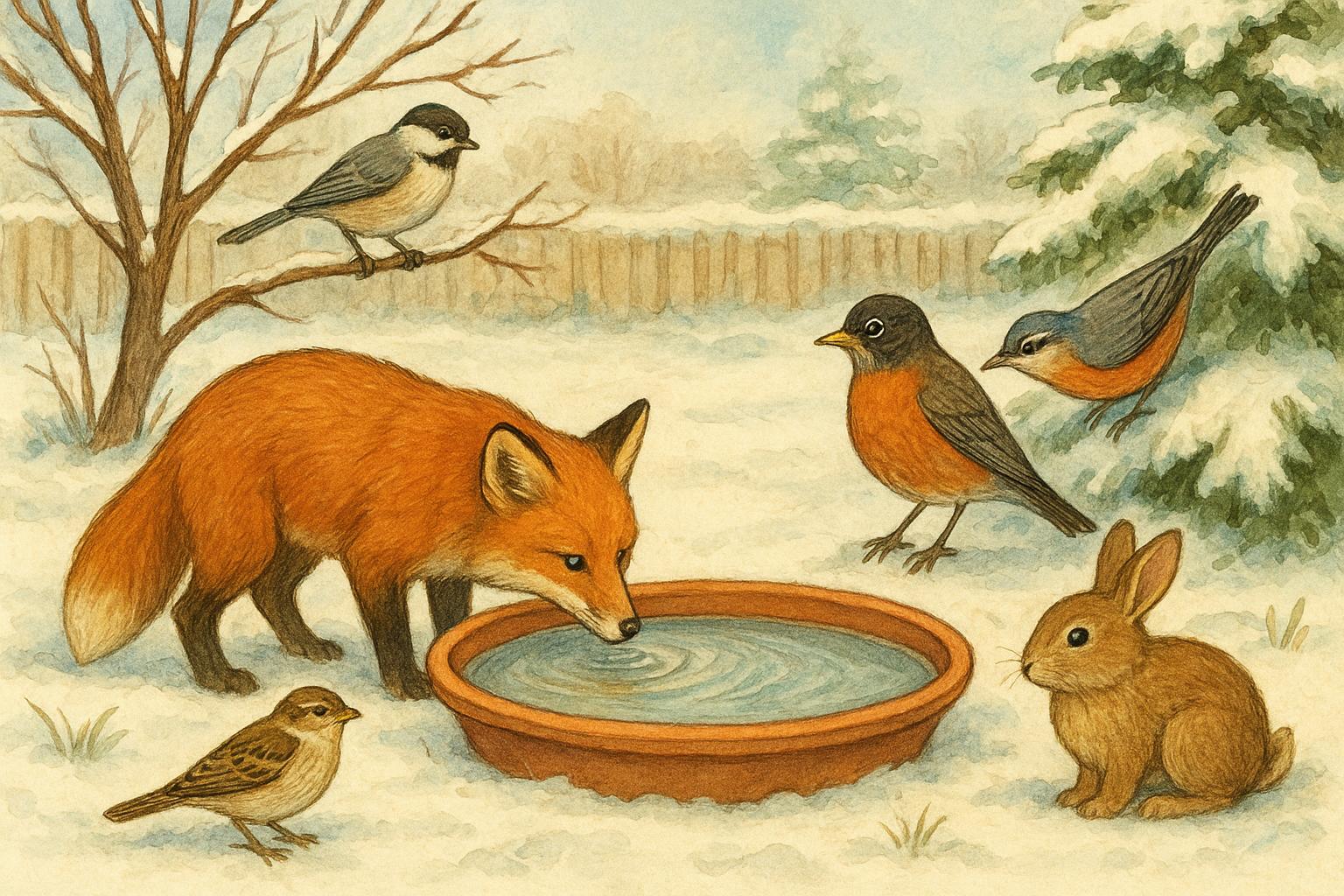
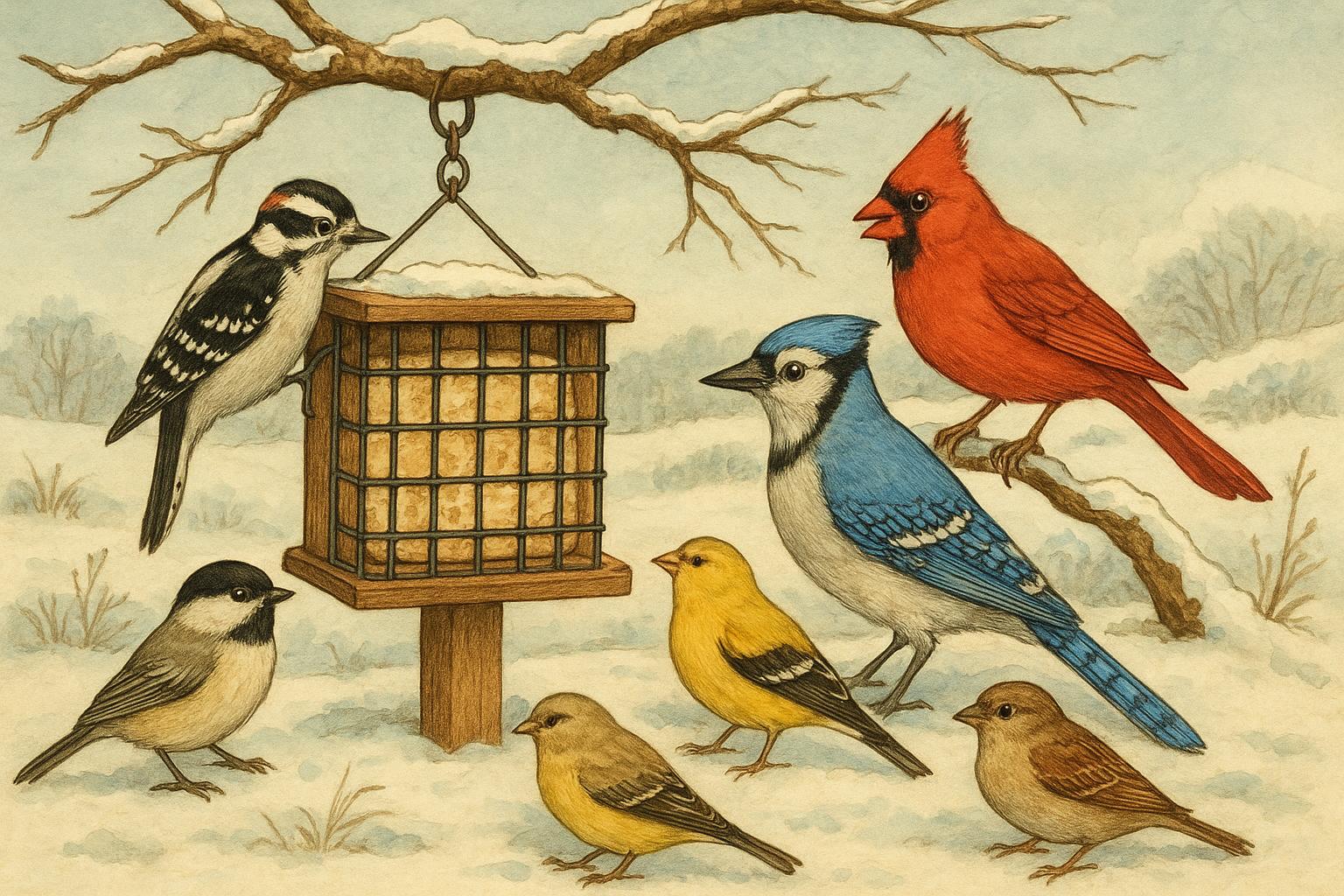
Fall is about seeds, berries, and staging. Let seedheads and dry stems remain through winter where safe to do so; they provide food and habitat for insects and birds. Winter is often the trickiest for neighborhood ecology, but a thoughtful yard design can offer survival resources: evergreens for shelter, dense shrubs for windbreaks, and supplemental water that doesn’t freeze solid.
#### Microhabitats Matter
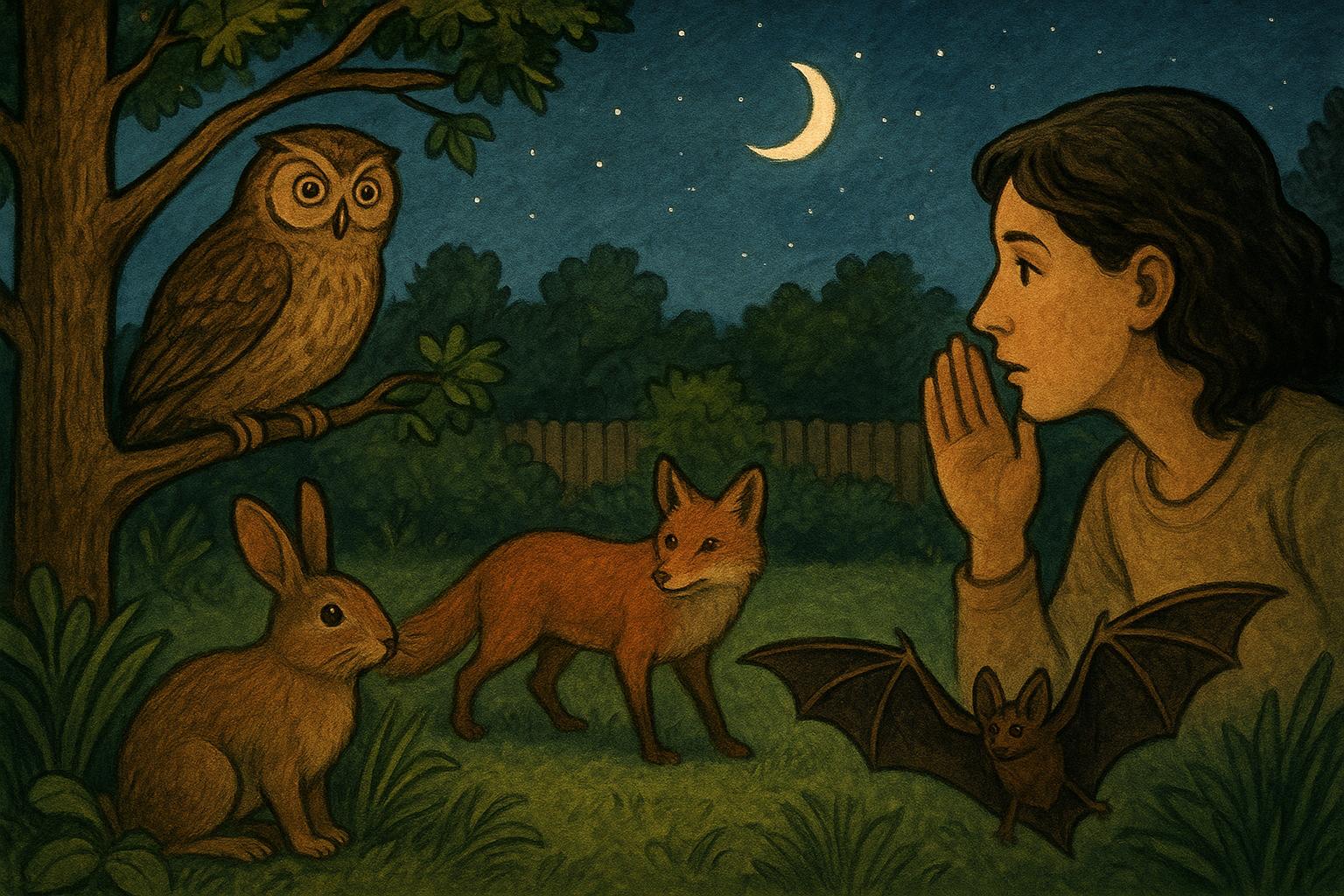
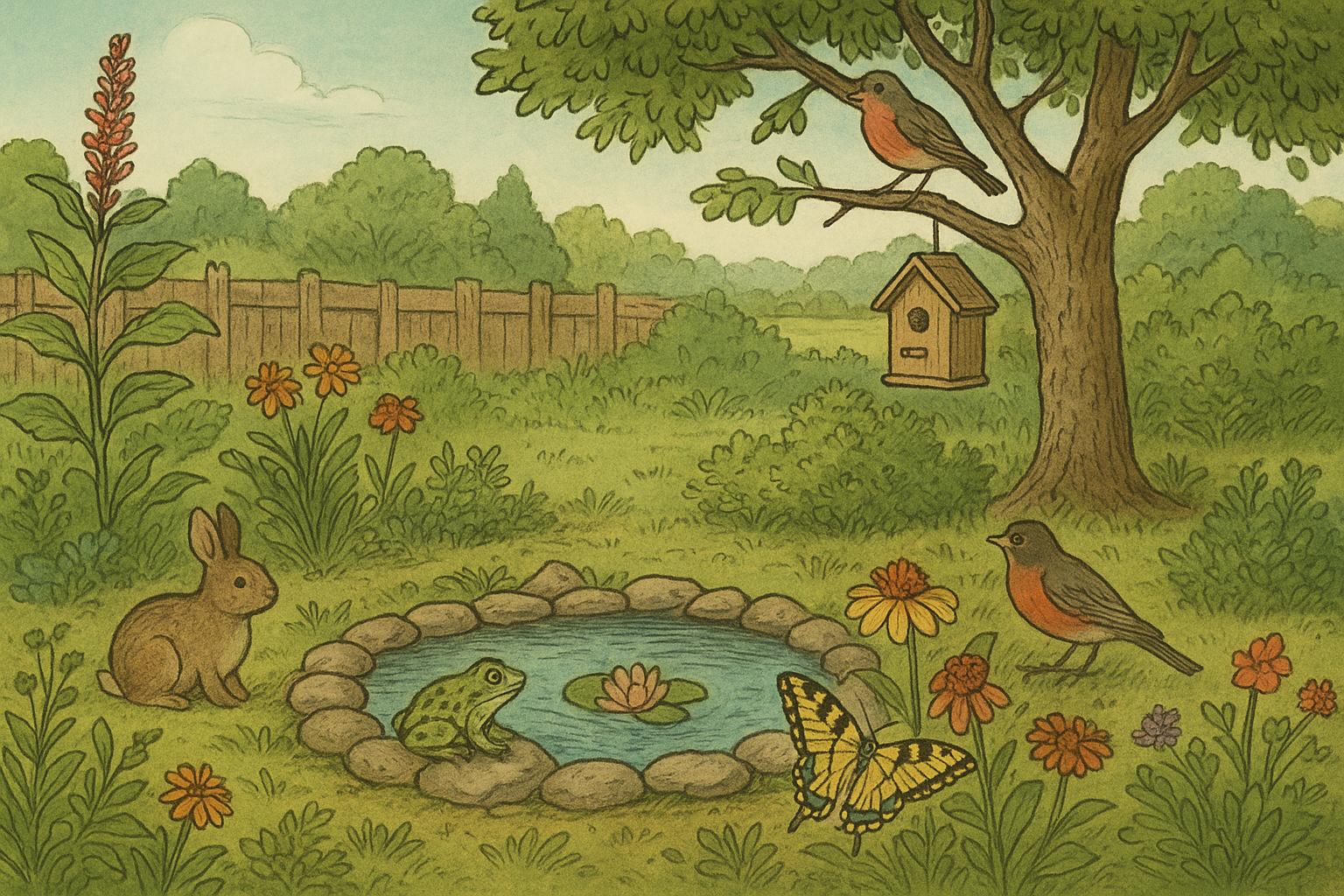
Create a few different microhabitats: a sunny wildflower patch, a shady native-woodland strip, a damp corner for amphibians, and a dry brushy bank. Each supports different species and ensures that something useful is always available.
## Plant Palette And Placement
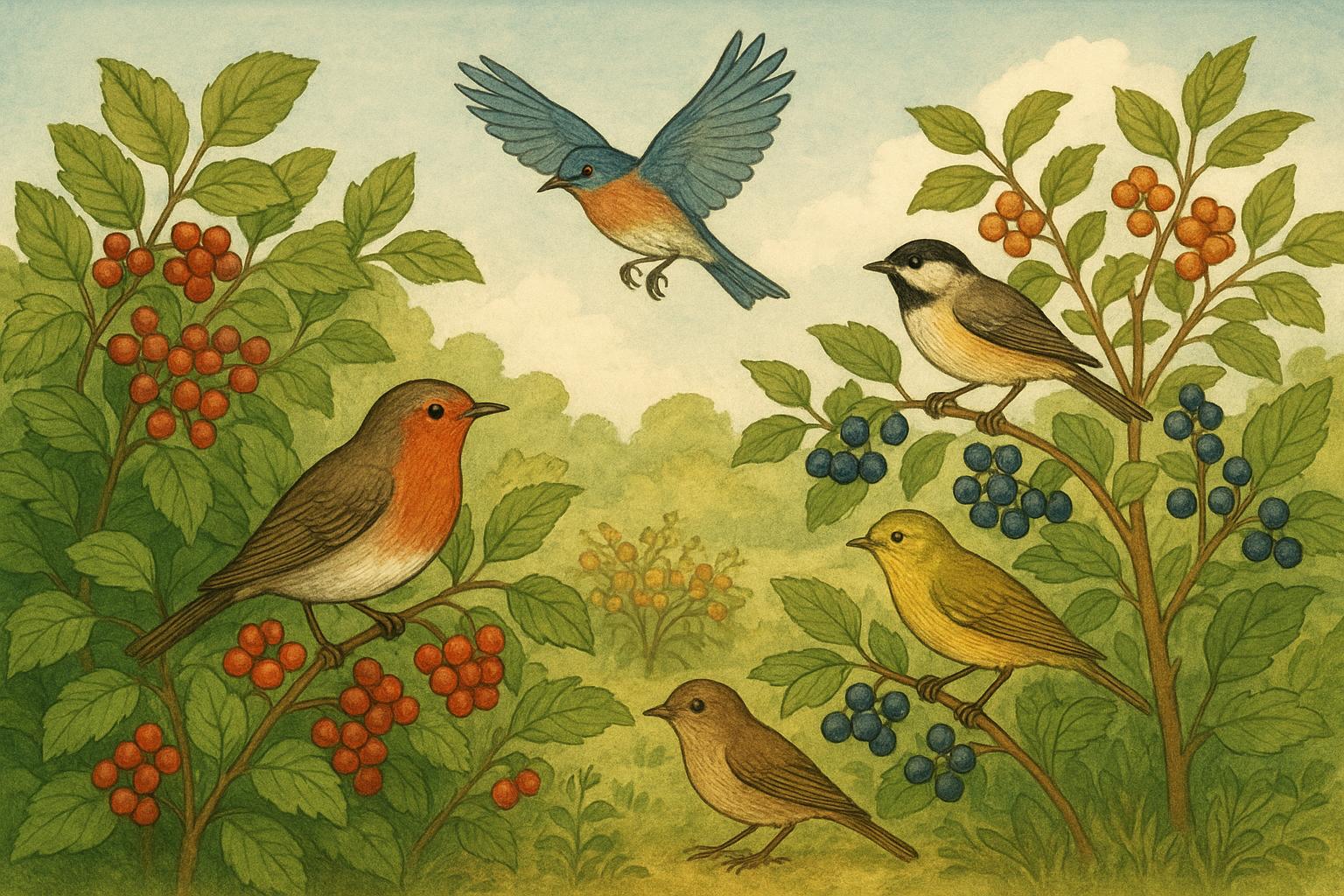
Choosing the right plants is where a yard design becomes a living ecosystem. Select multi-season plants that offer nectar, pollen, seeds, and shelter at different times of year. Oaks, birches, and native maples are insect magnets; berry-producing shrubs like serviceberry, elderberry, and hollies feed birds in fall and winter.
### Layering For Shelter And Movement
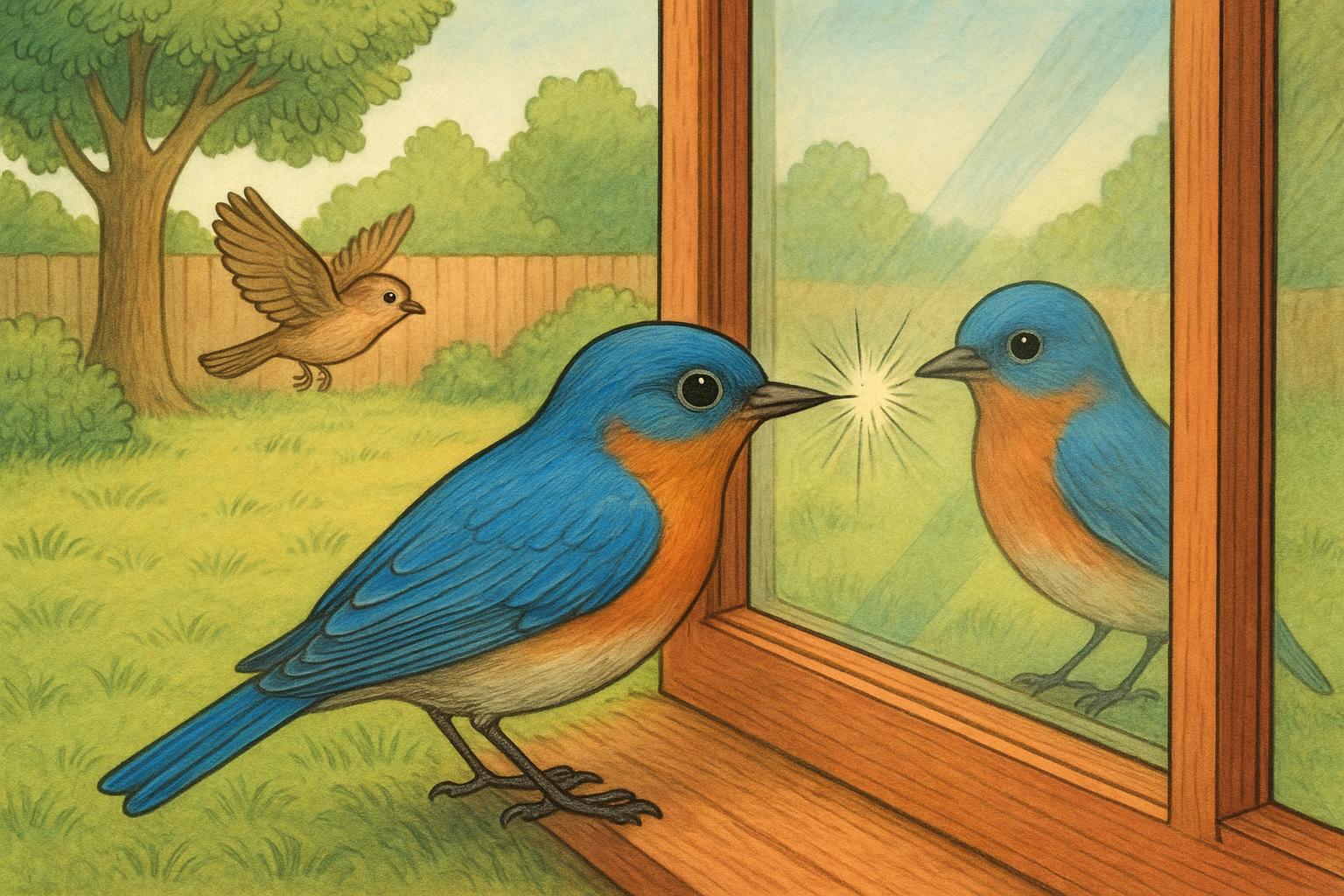
Aim for layered plantings: canopy trees, understory trees, mid-height shrubs, and groundcovers. This reduces open lawn areas where predators can spot small animals and provides more niches for wildlife. Small trees and shrubs placed near windows help you enjoy birds without spooking them.
#### Turf Reduction: Less Lawn, More Life
Replacing even portions of turf with native meadow or mixed plantings dramatically increases habitat value. Consider pathways and functional hardscape that reduce mowing without sacrificing usability. A well-executed yard design is about trade-offs: more native planting often means less mowing, more visitors, and fewer pesticides.
## Water: The Small-Scale Pond And Beyond
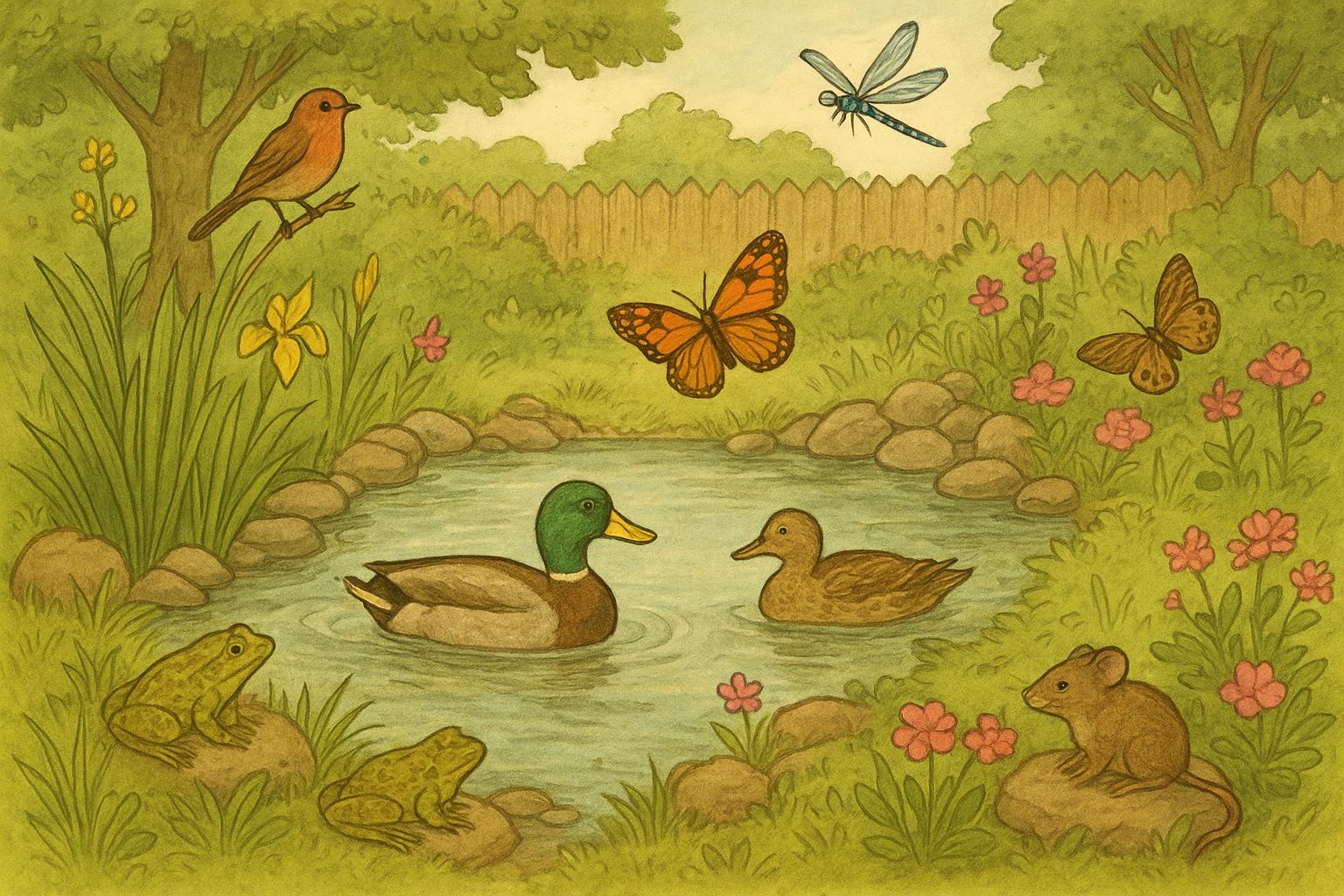
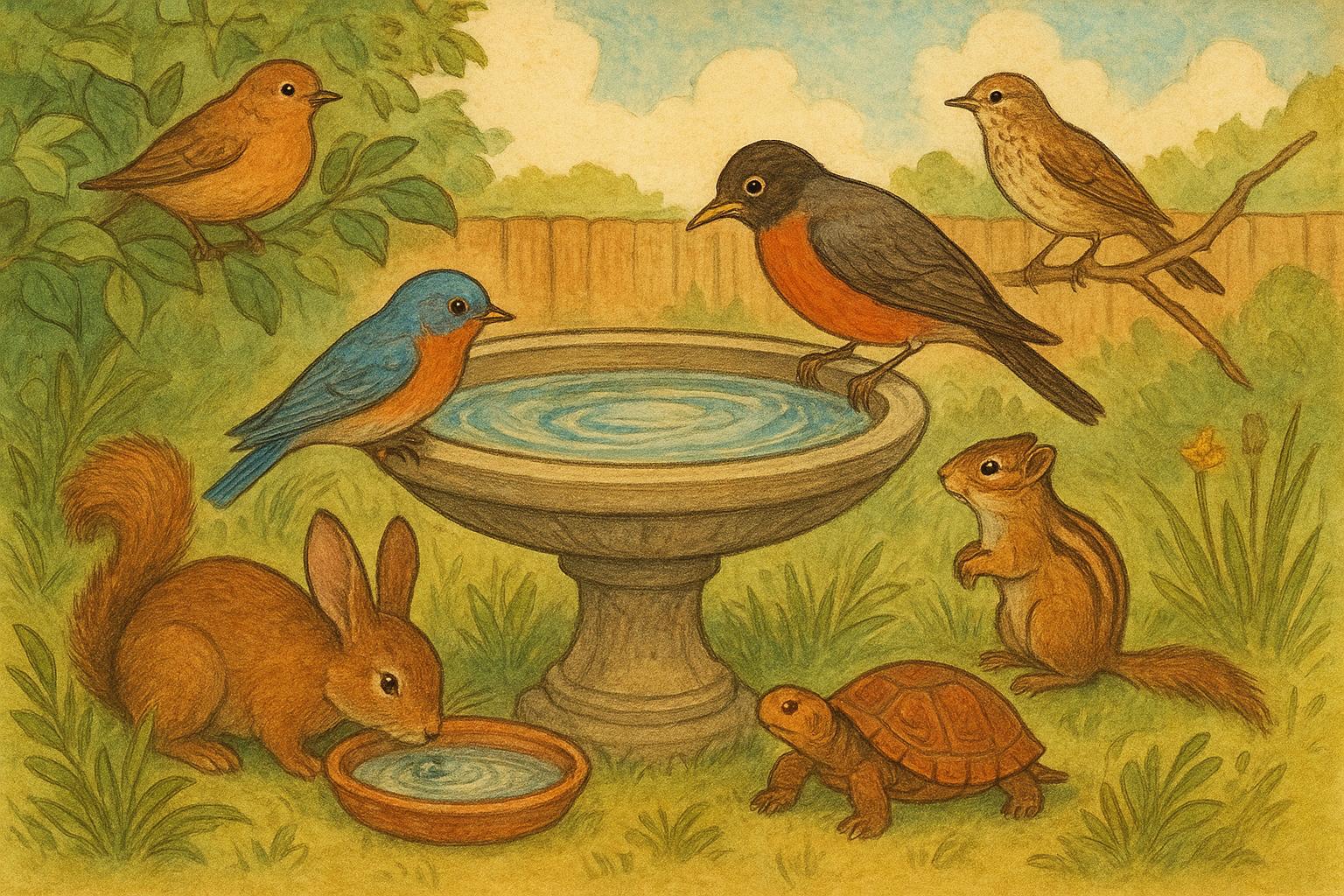
Water is non-negotiable. In rural or suburban yards, shallow basins, small ponds, birdbaths, and drip systems all serve different species. Keep water shallow at the edges, and include sloping surfaces so small wildlife can access and exit safely. If you add a pump, make sure powerlines and noise won’t deter wildlife.
### Winter Care For Water Sources
Heated water may be necessary in freezing climates. A floating PVC or battery-operated heater can keep a hole in ice open for birds and mammals. Regular cleaning prevents algae and mosquito breeding — but remember, some mosquito predators like dragonfly larvae live in ponds and are part of the ecological balance.
## Nurturing Shelter And Nesting Sites
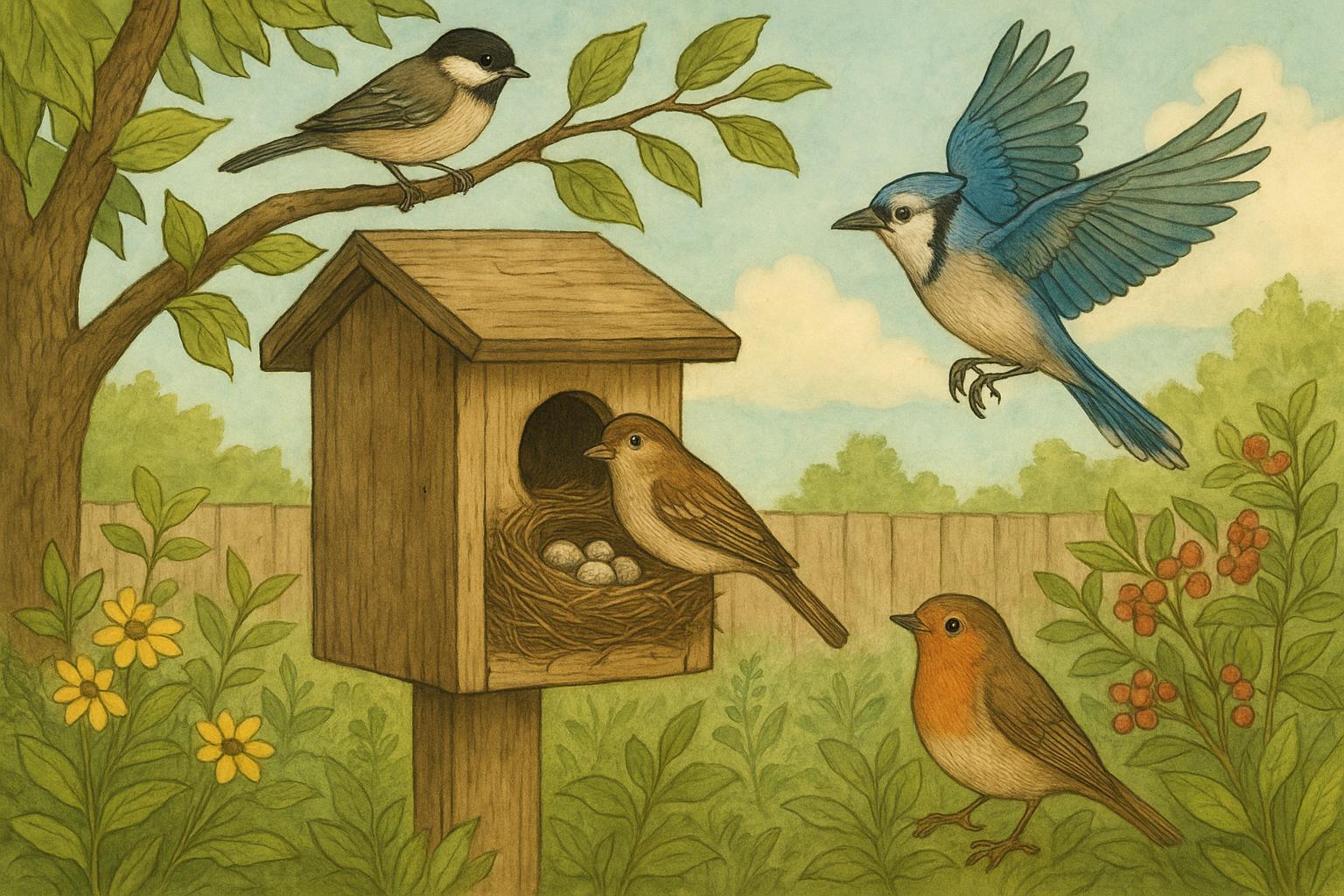
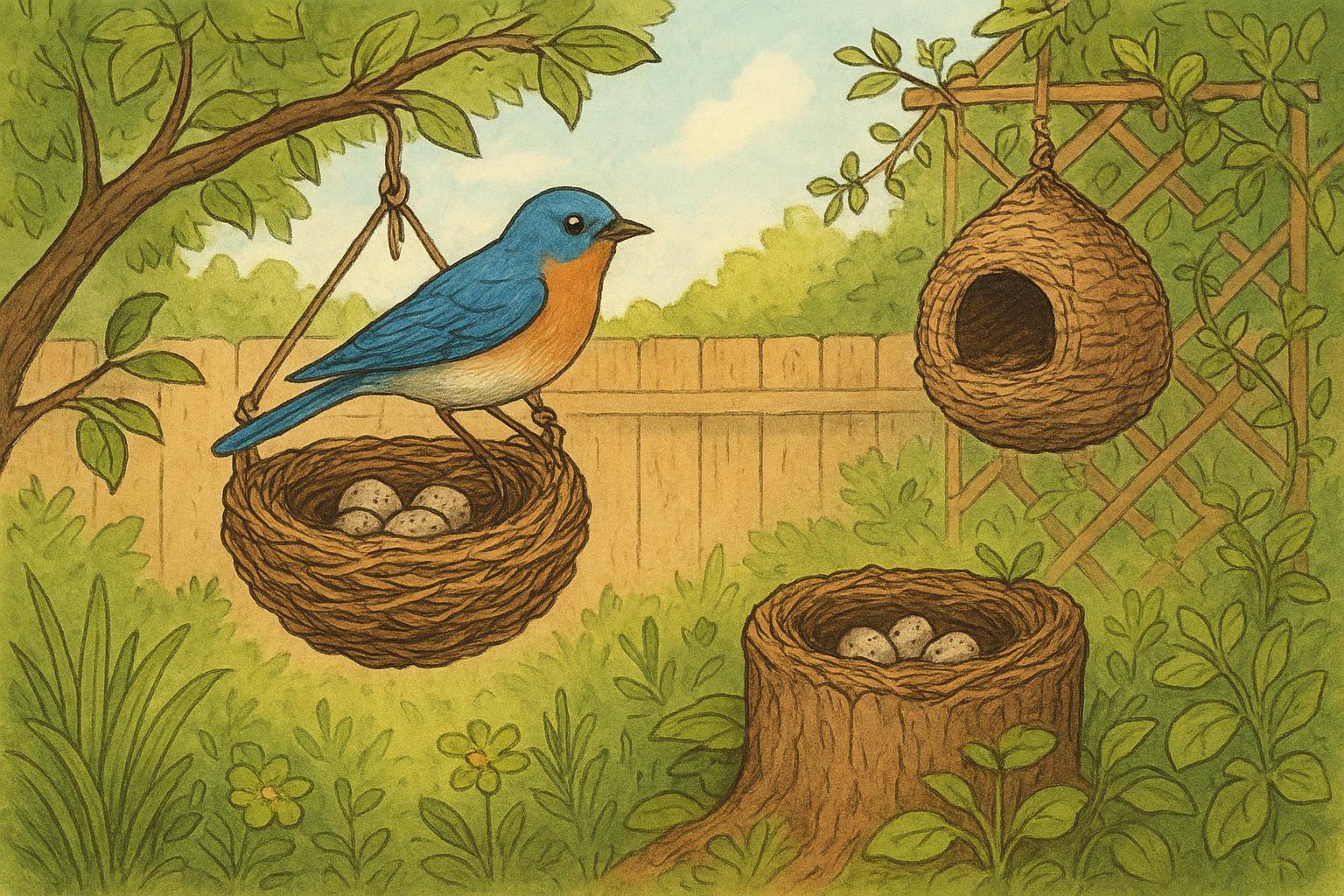
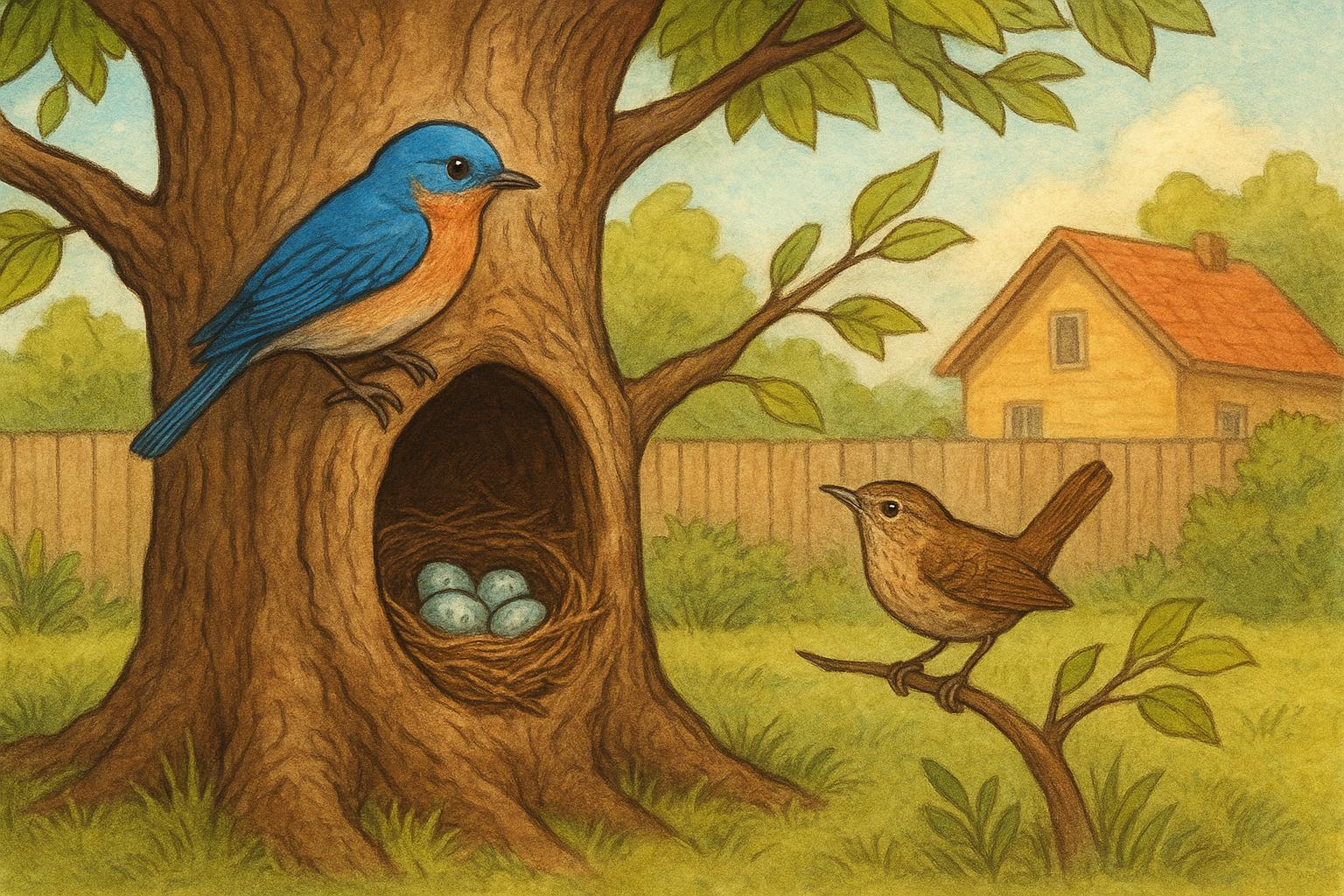
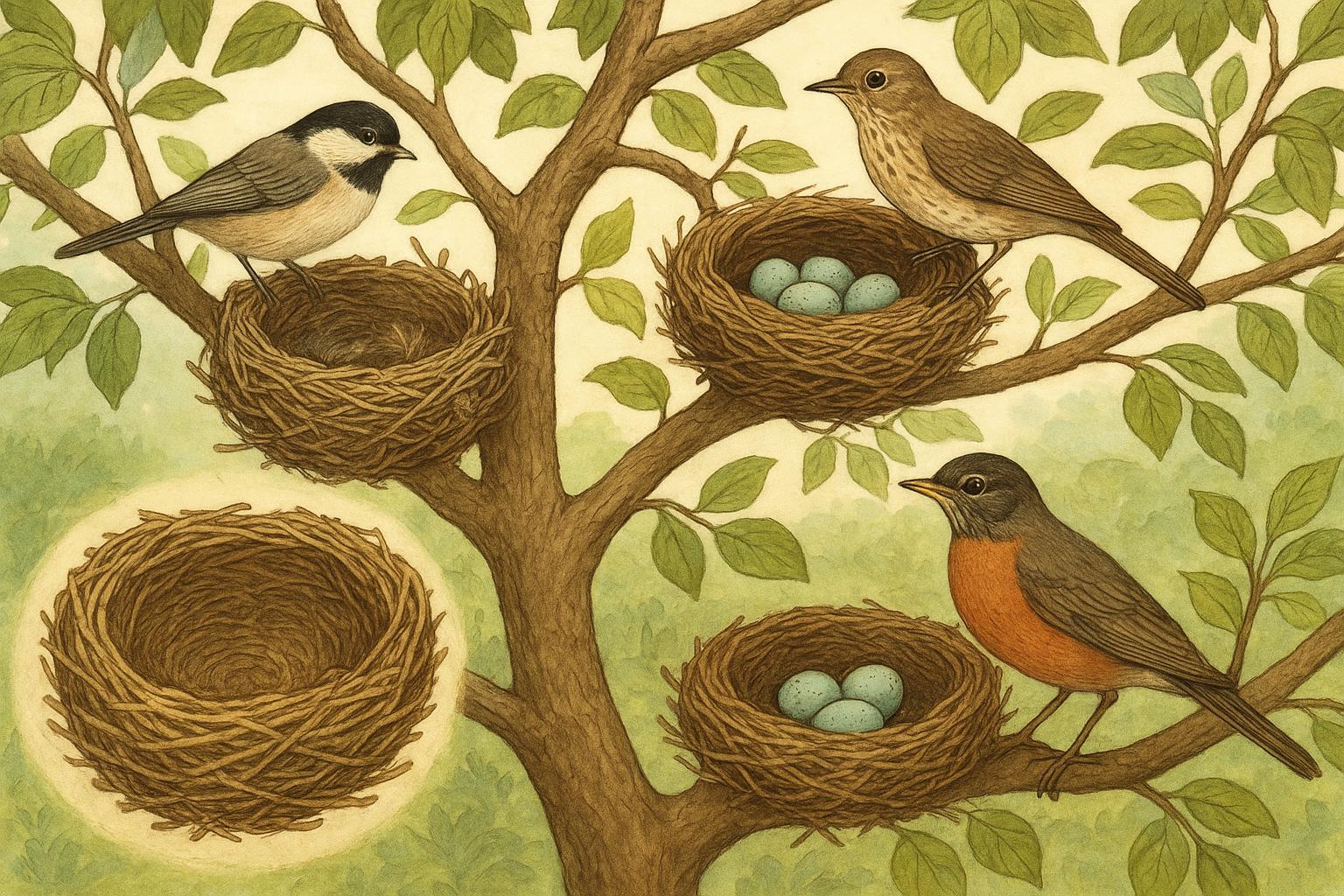
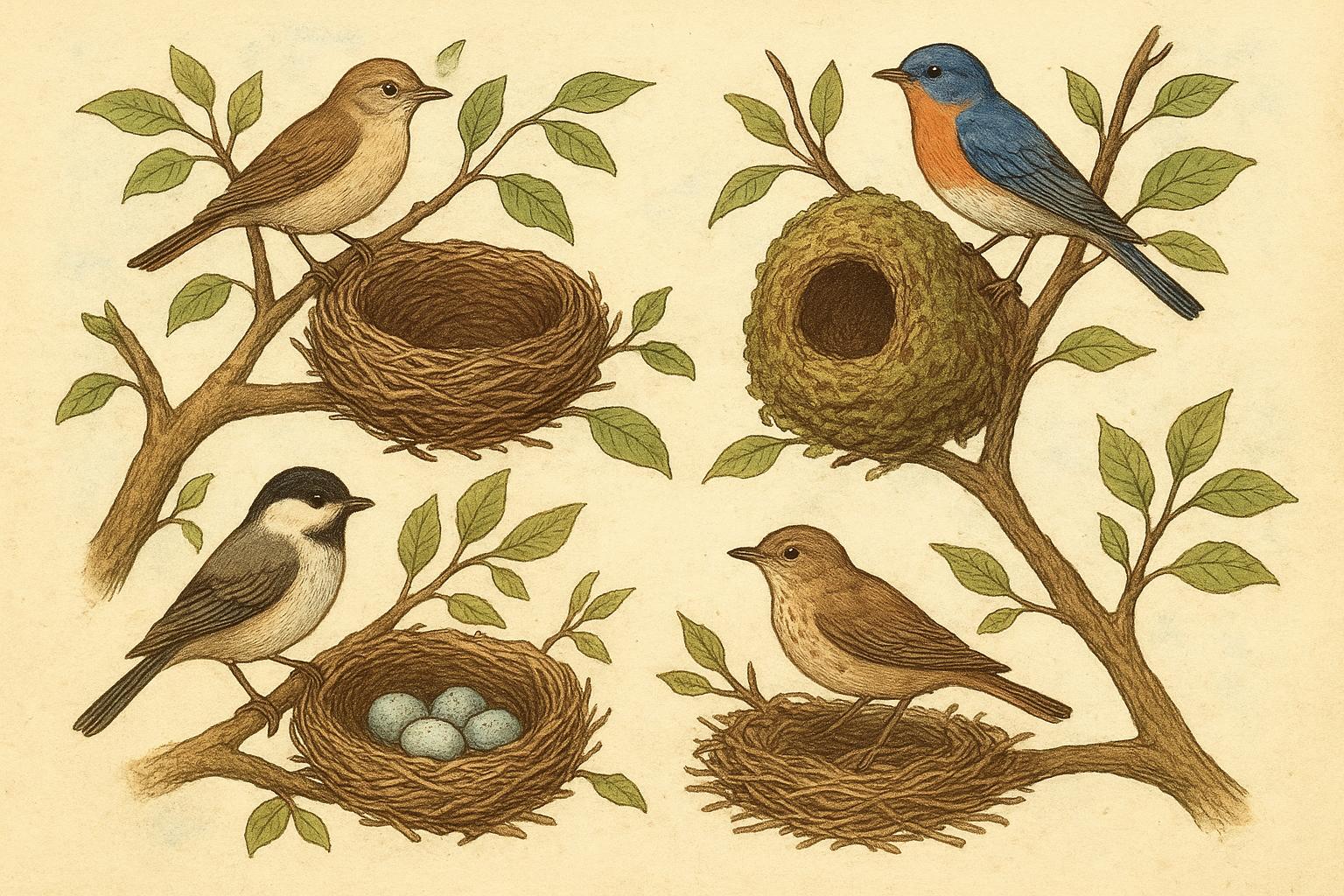
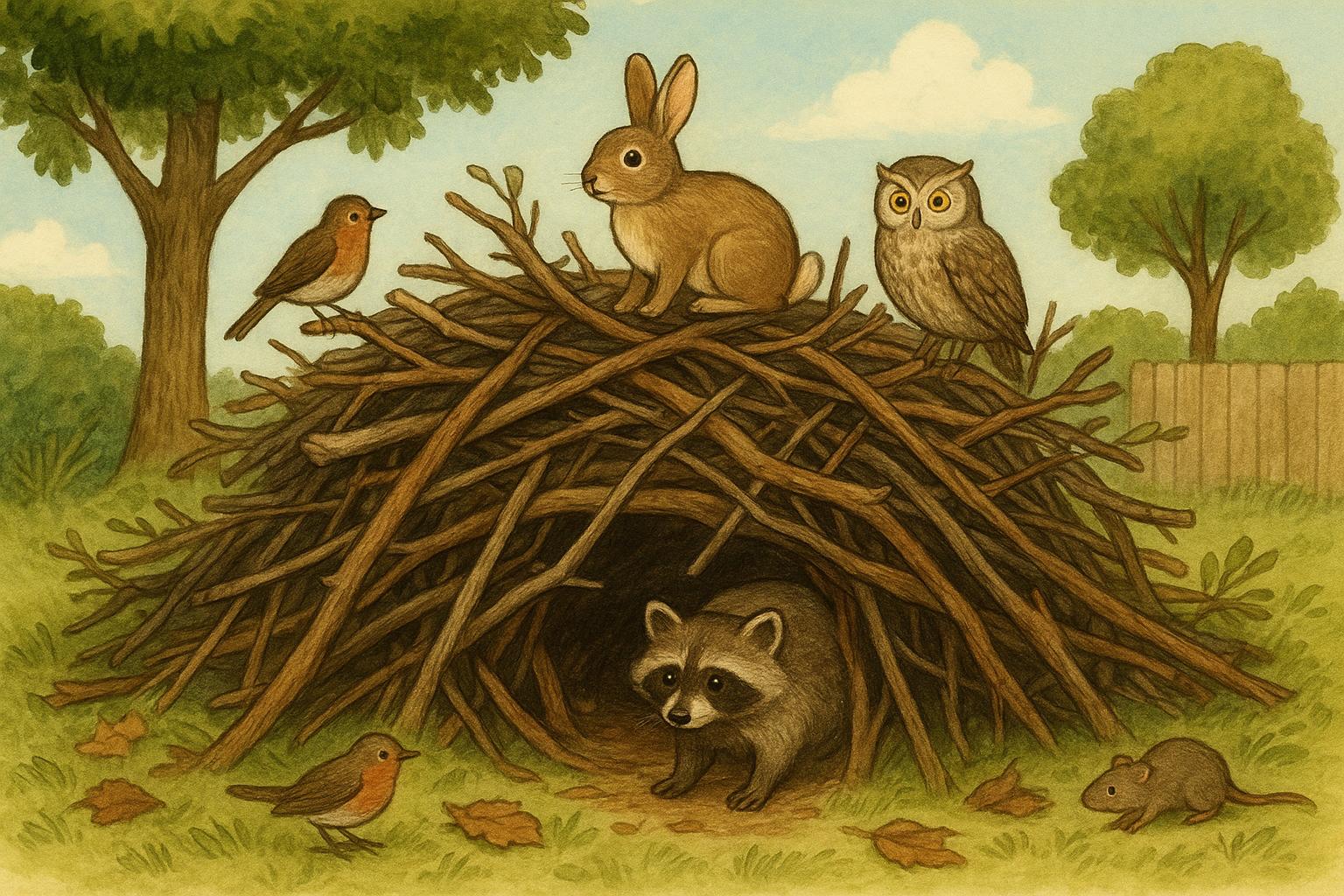
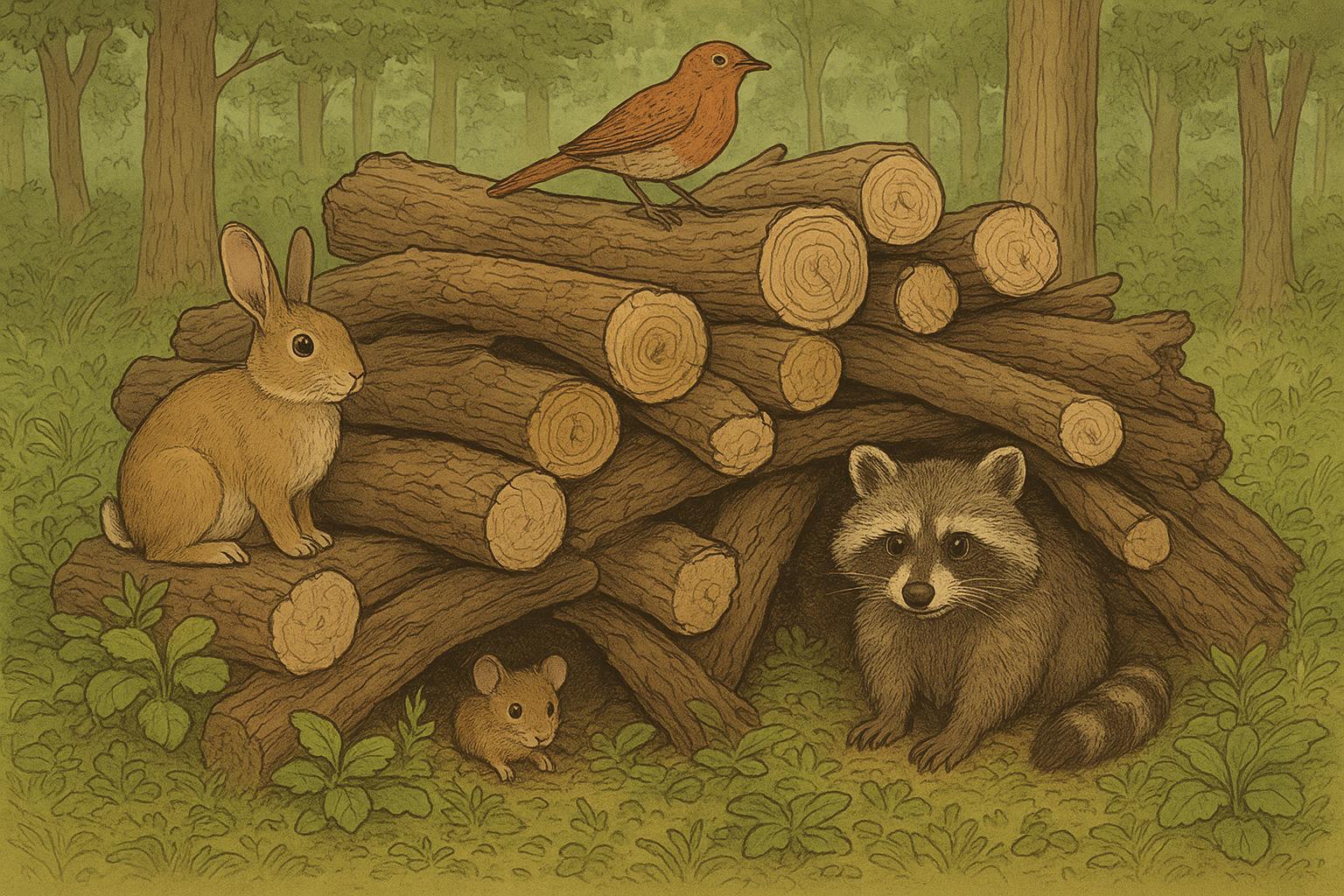
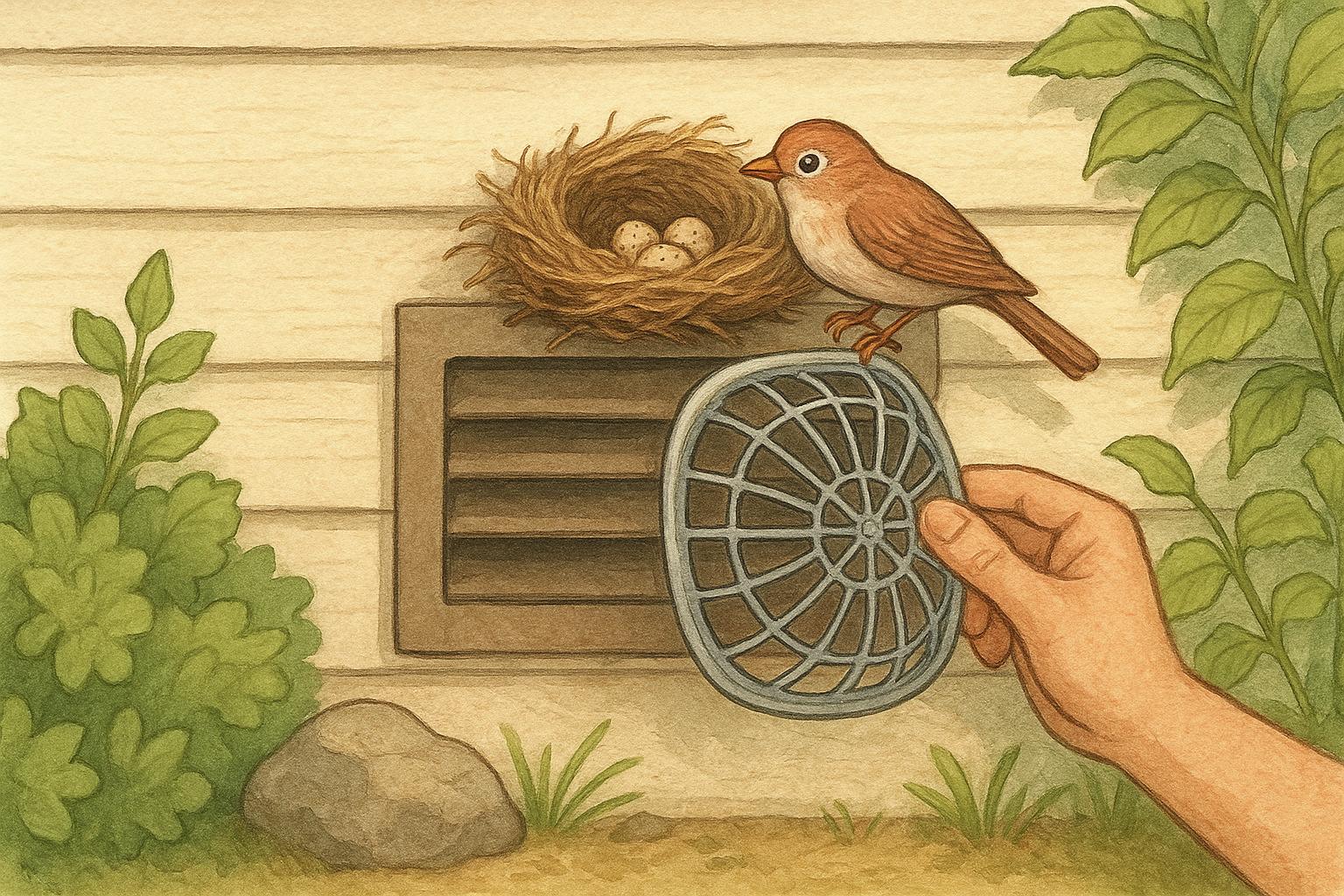
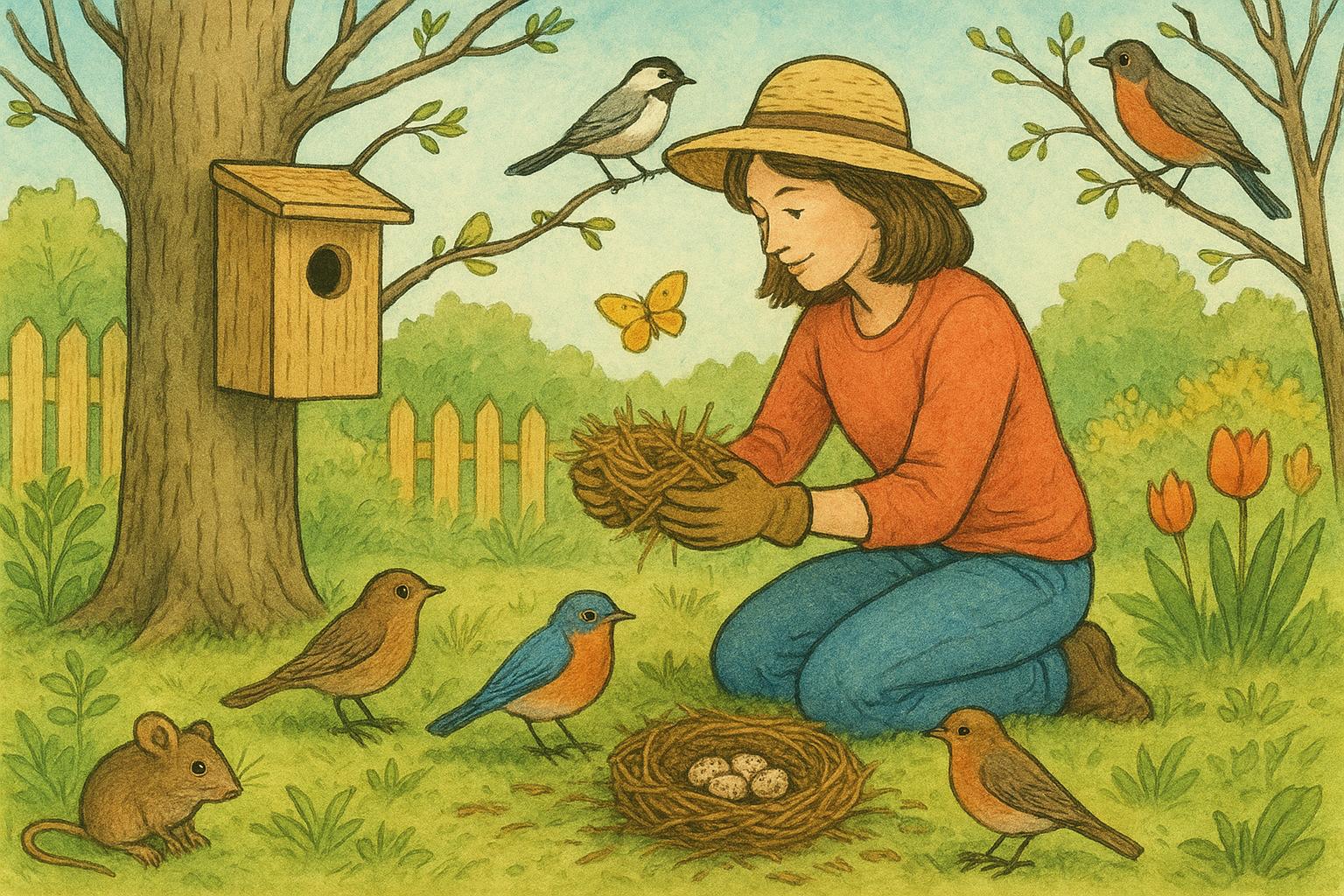
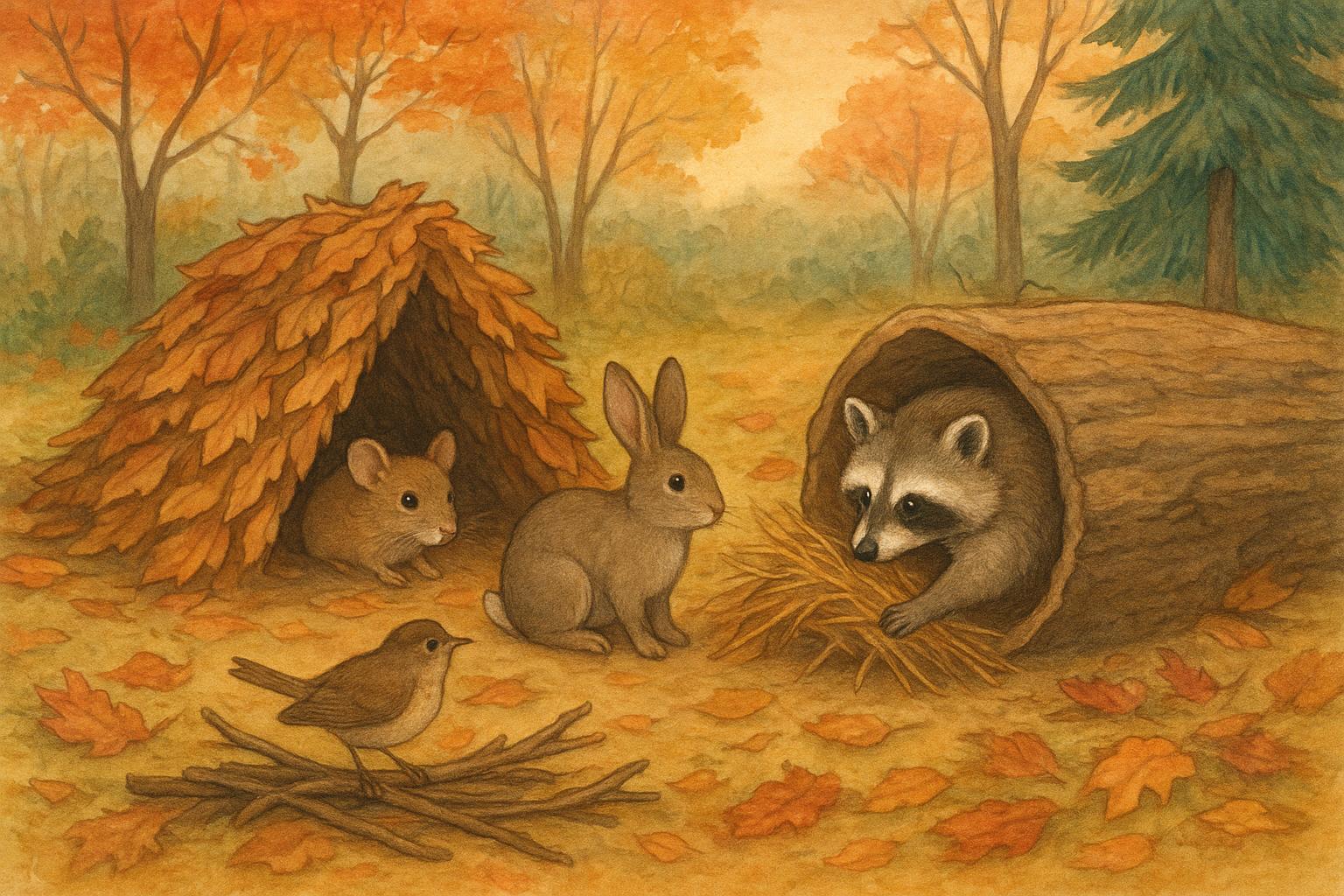
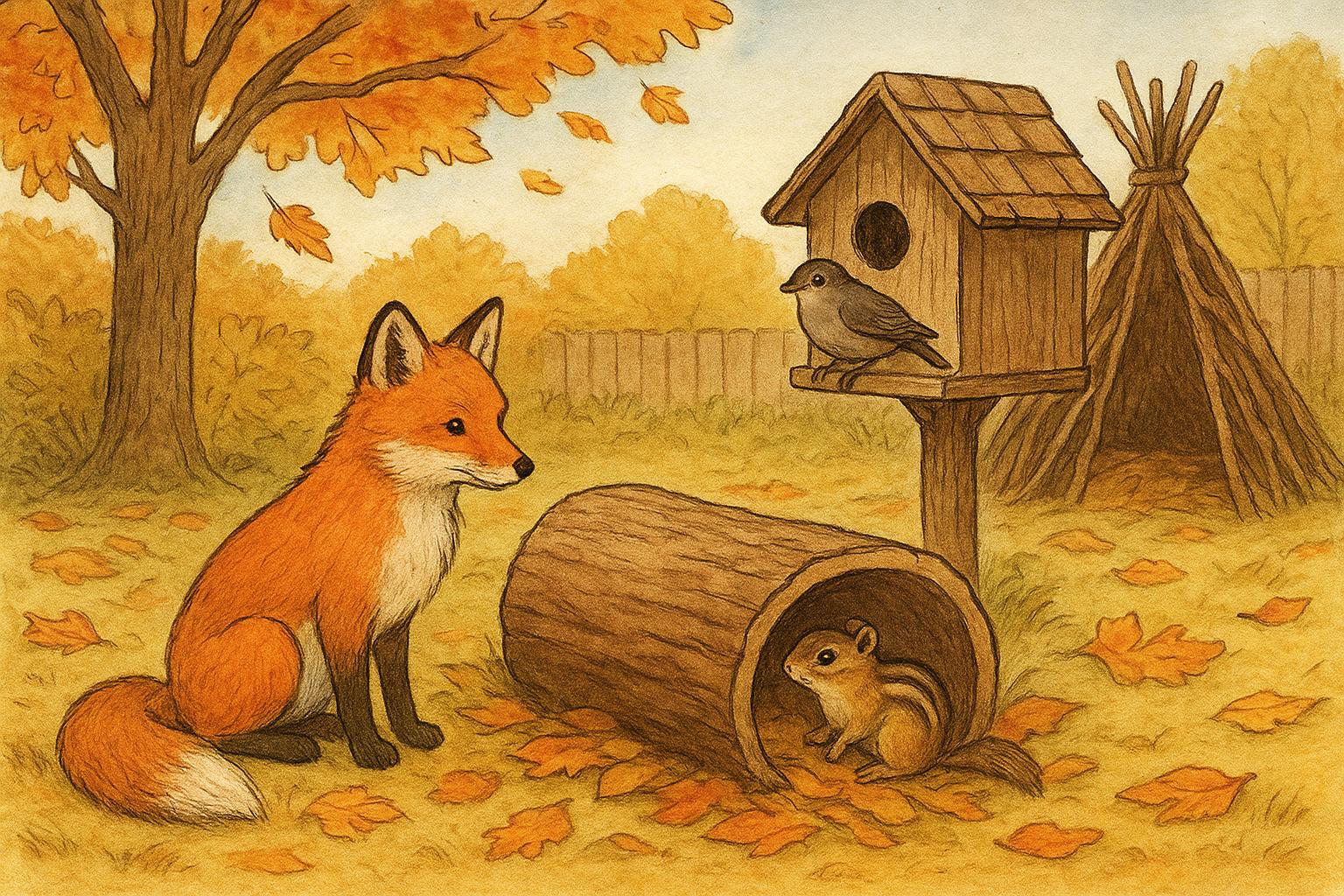
Wildlife needs places to hide, rest, and rear young. Leave some dead wood where safe to do so; install bird and bat boxes; construct brush piles or rock piles. Avoid excessive tidiness: a little mess equals precious habitat.
### Safe Use Of Nest Boxes
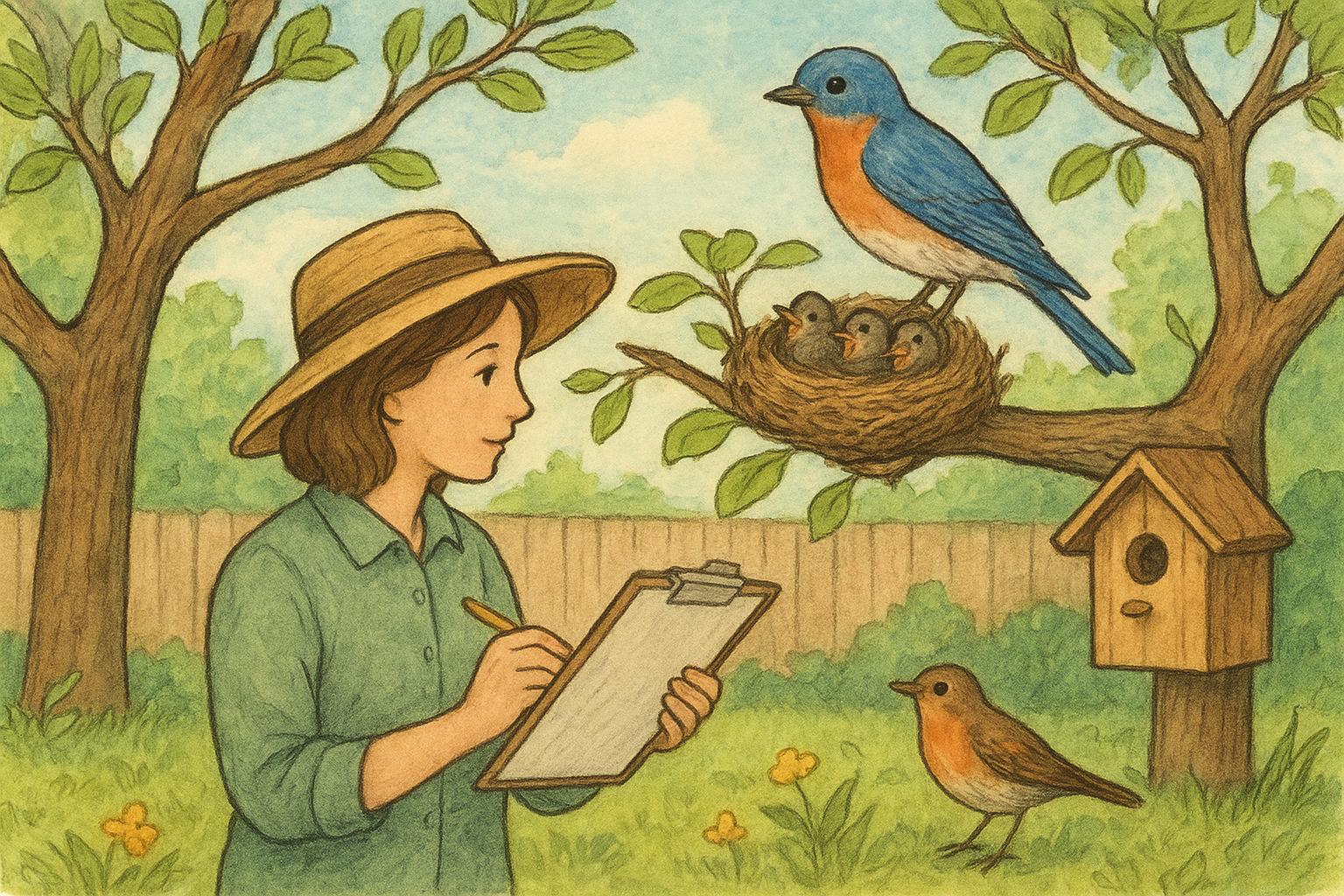
Use species-appropriate box dimensions and place them at the recommended height and orientation. Clean boxes annually in late winter. Predator guards and proper spacing will help nesting success.
## 1. Native Pollinator Patch (Remedy 1)
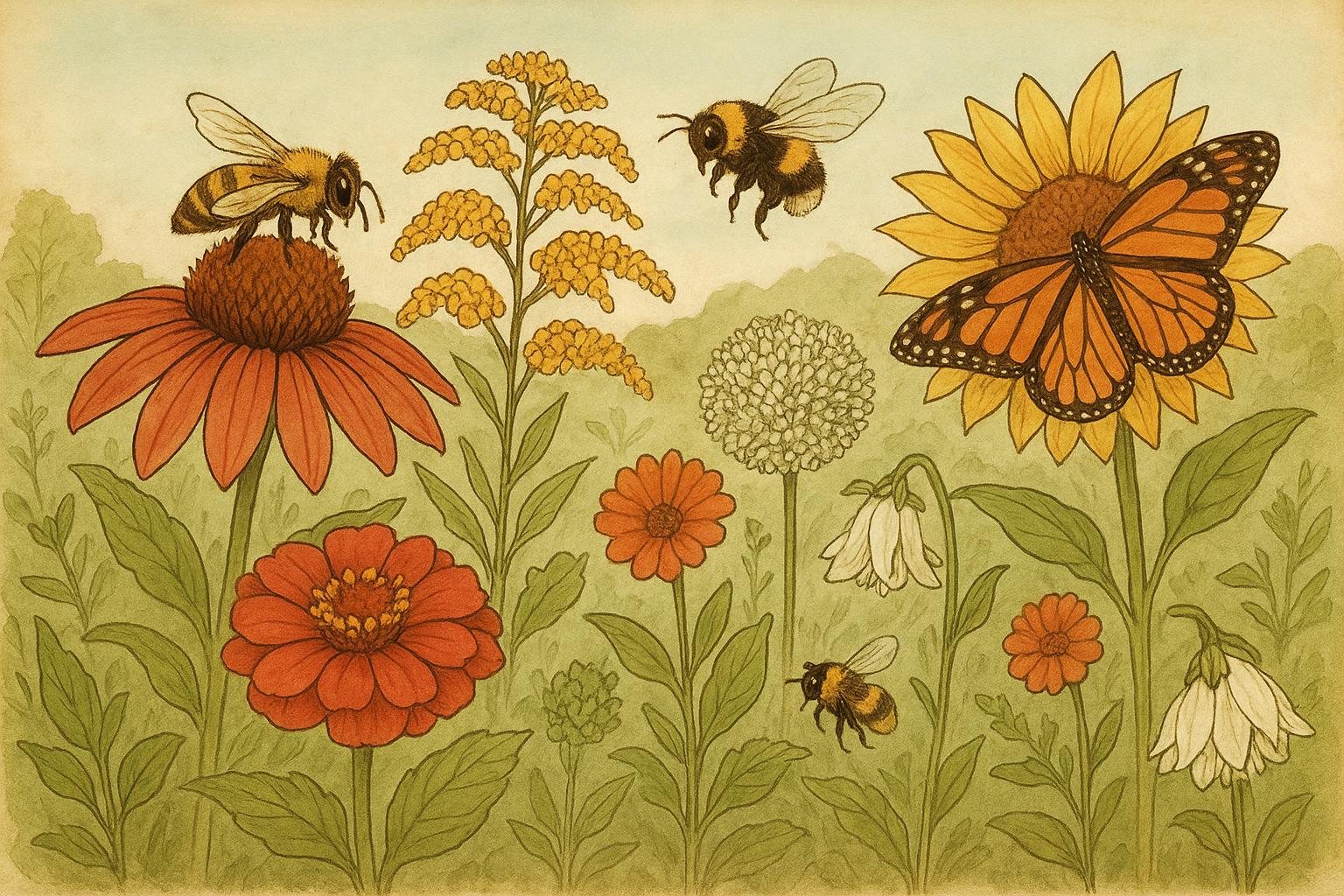
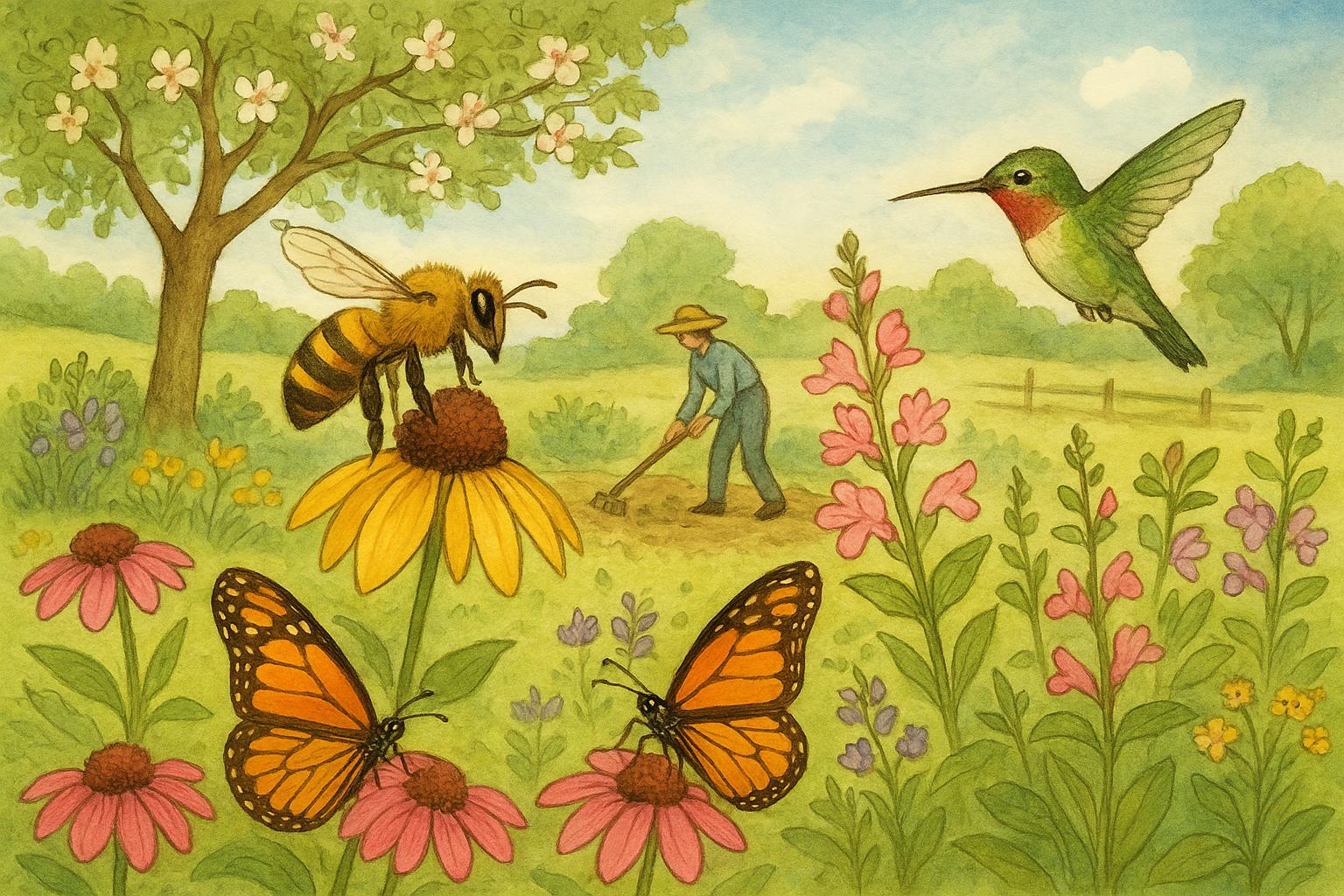
When pollinators vanish, gardens go quiet. Here’s a formal, practical remedy to create a reliable pollinator patch using native species.
Materials / Ingredients:
– Native seed mix or potted native perennials (choose a local-source mix)
– Mulch (coarse, weed-free)
– Compost or well-rotted organic matter
– Soil test kit (optional but recommended)
– Stakes and biodegradable labels
Step-By-Step Creation And Application:
1. Site Selection: Choose a sunny spot with at least 6 hours of direct sun. Remove large turf areas and mark the patch bounds.
2. Soil Preparation: Test soil if possible. Loosen top 4–6 inches with a fork; incorporate 1–2 inches of compost to improve structure and fertility.
3. Planting: If sowing seed, broadcast according to supplier instructions and gently press seed into soil. For potted perennials, dig holes twice the rootball width, set plants at original depth, and firm soil around them.
4. Mulching: Apply a thin, coarse mulch layer—avoid burying crowns. Mulch helps retain moisture and suppress weeds while not impeding seedling emergence.
5. Watering Regime: Maintain consistent moisture for the first 6–8 weeks until plants establish. After that, water deeply but infrequently to encourage deep roots.
6. Maintenance: Cut back dead stems late winter or leave them for winter habitat and cut in early spring before new growth. Avoid pesticides and use only targeted, least-toxic measures when necessary.
This structured approach produces a robust pollinator patch that blooms across seasons. Follow local plant lists to maximize benefit. (remedy #1)
## 2. Year-Round Brush Pile Shelter (Remedy 2)
Creating a brush pile provides immediate shelter for small mammals, reptiles, and nesting birds. This is a formal hands-on remedy suitable for most yards.
Materials / Ingredients:
– Prunings and brush (branches up to 3 inches diameter)
– Logs and larger branches for base
– Native grass clippings or leaf litter for bedding
– Optional: wire cage (for temporary shaping or predator protection)
Step-By-Step Creation And Application:
1. Base Layer: Lay larger logs and branches in a loose crisscross to form an airy base that provides tunnels and pockets.
2. Add Bulk: Pile smaller branches and prunings on top, creating a mound that’s at least 3 feet wide and 2–3 feet high to offer insulation and depth.
3. Bedding Core: Stuff leaf litter and dry grass into pockets to increase insulation. Avoid invasive plant material.
4. Shape And Stability: Ensure some overhangs and cavities. If desired, use a temporary wire cage to maintain shape while settling; remove the cage after a season to allow natural use.
5. Placement: Position the pile near shrubs or a brushy edge so animals can access cover quickly. Keep it a safe distance from structures and play areas.
6. Monitoring: Check annually for invasive plant colonization or thatching. Replenish materials when the pile compacts or decays beyond usefulness.
Constructing a brush pile using these steps creates an immediate refuge and fosters insect and fungal activity that benefits soil and plant health. (remedy #2)
### Caring For Neighborhood Harmony
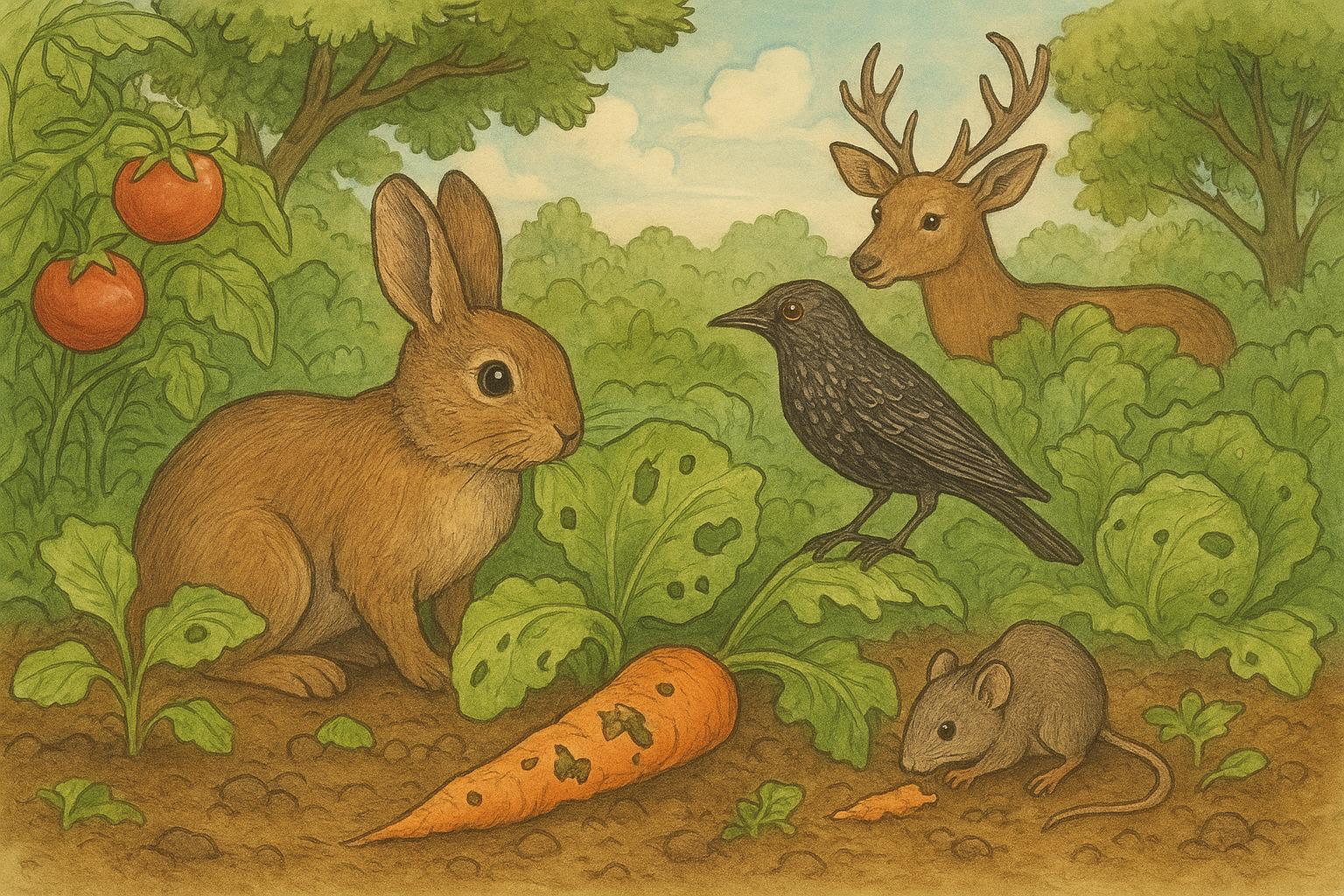
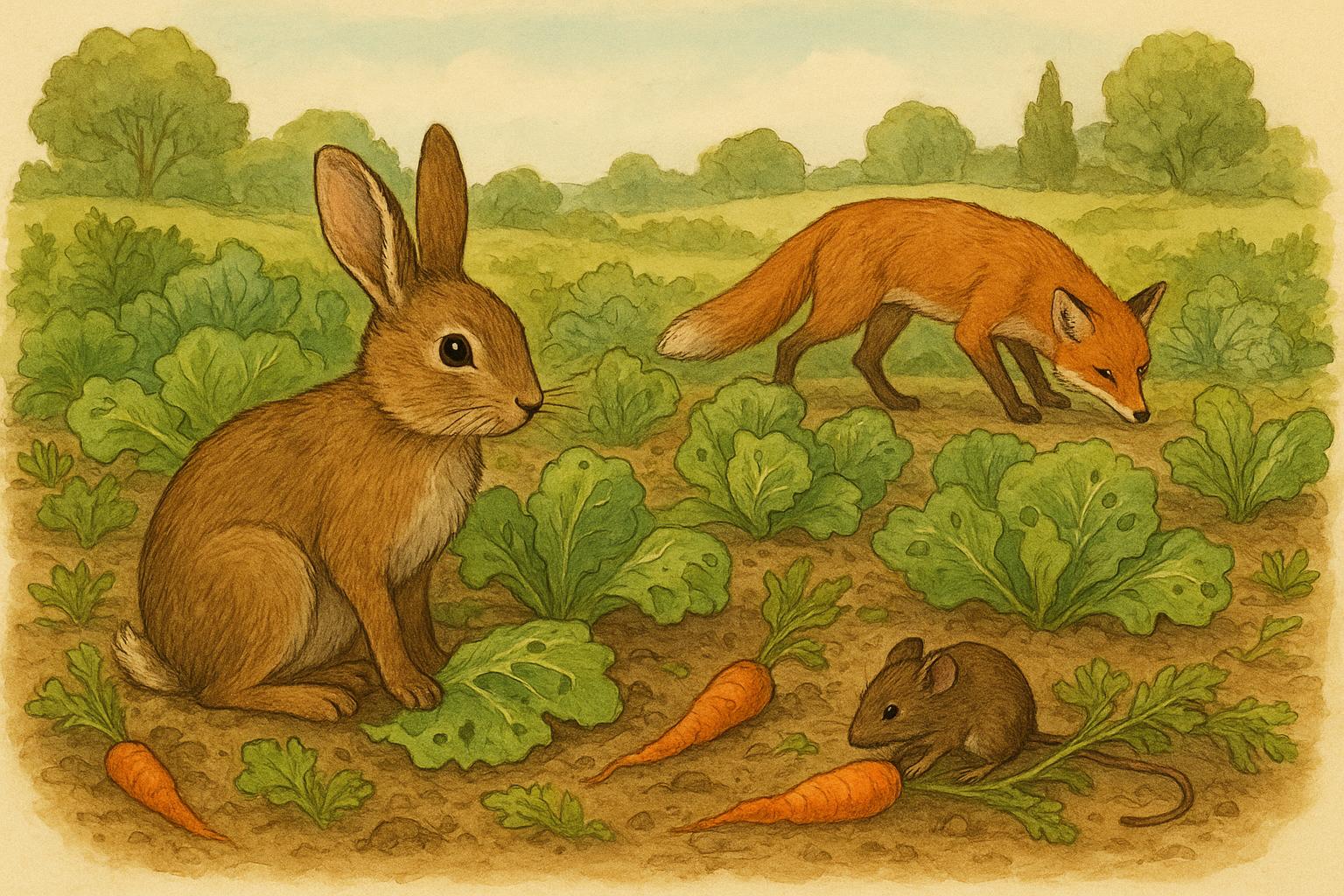
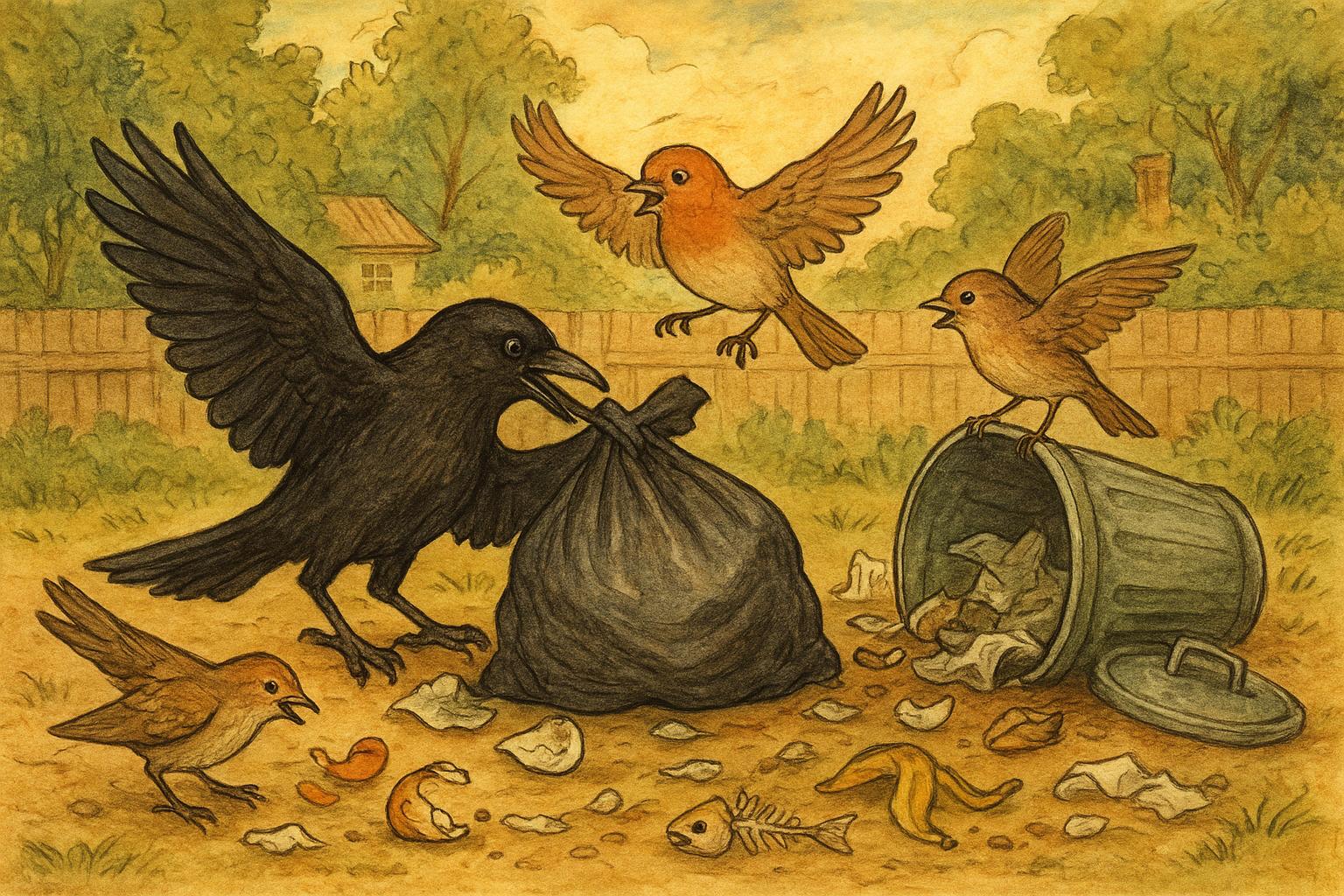
A wildlife-friendly yard design often raises practical neighbor concerns: ticks, rodents, or pests. Address these proactively: maintain clear low-traffic zones, use native plantings that don’t harbor unusually high pest loads, and employ targeted measures (like tick-safe landscaping and predator-friendly habitats) rather than broad chemical treatments. Educate neighbors about the benefits — many will enjoy the birds and butterflies once they see them.
#### Practical Maintenance Tips
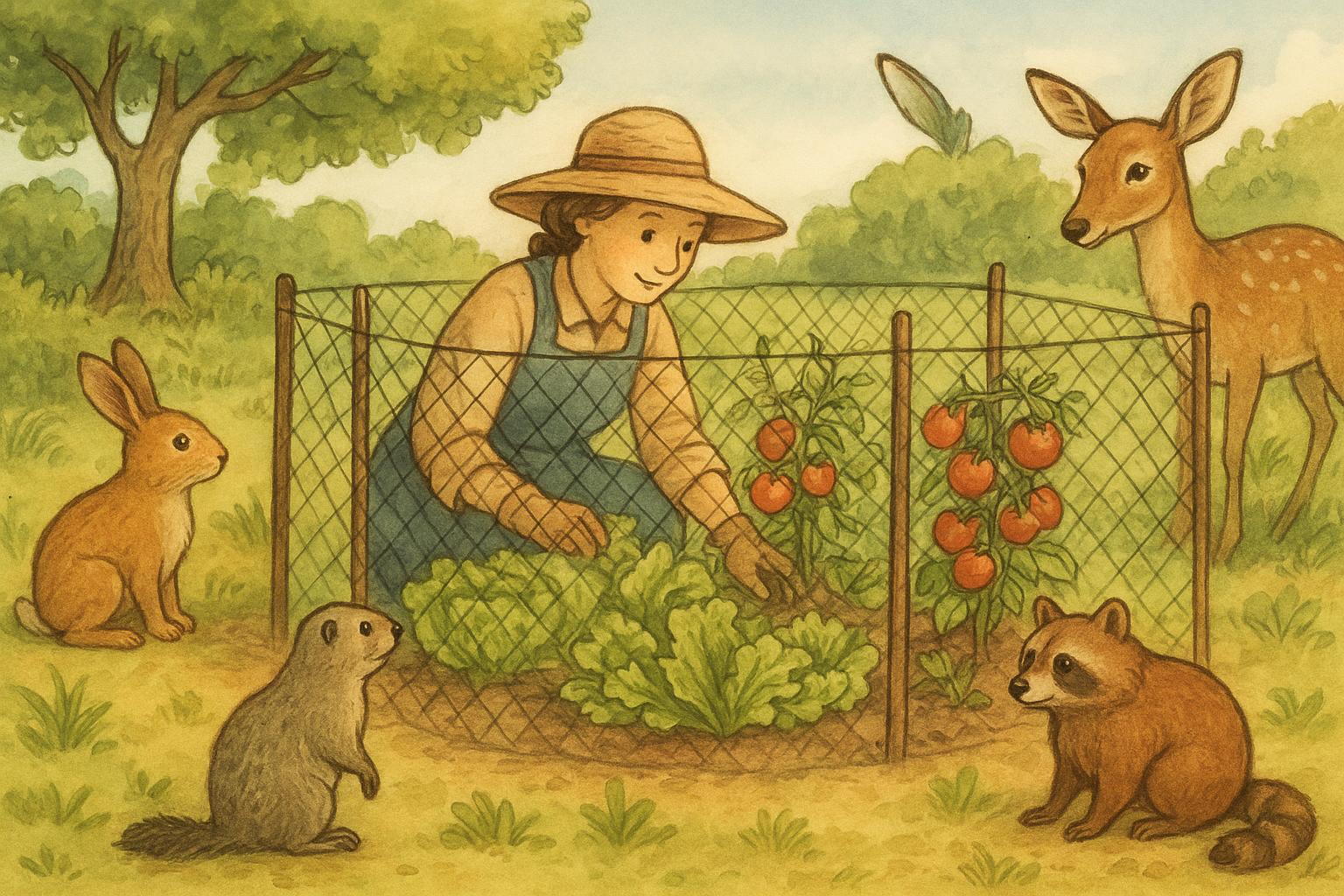
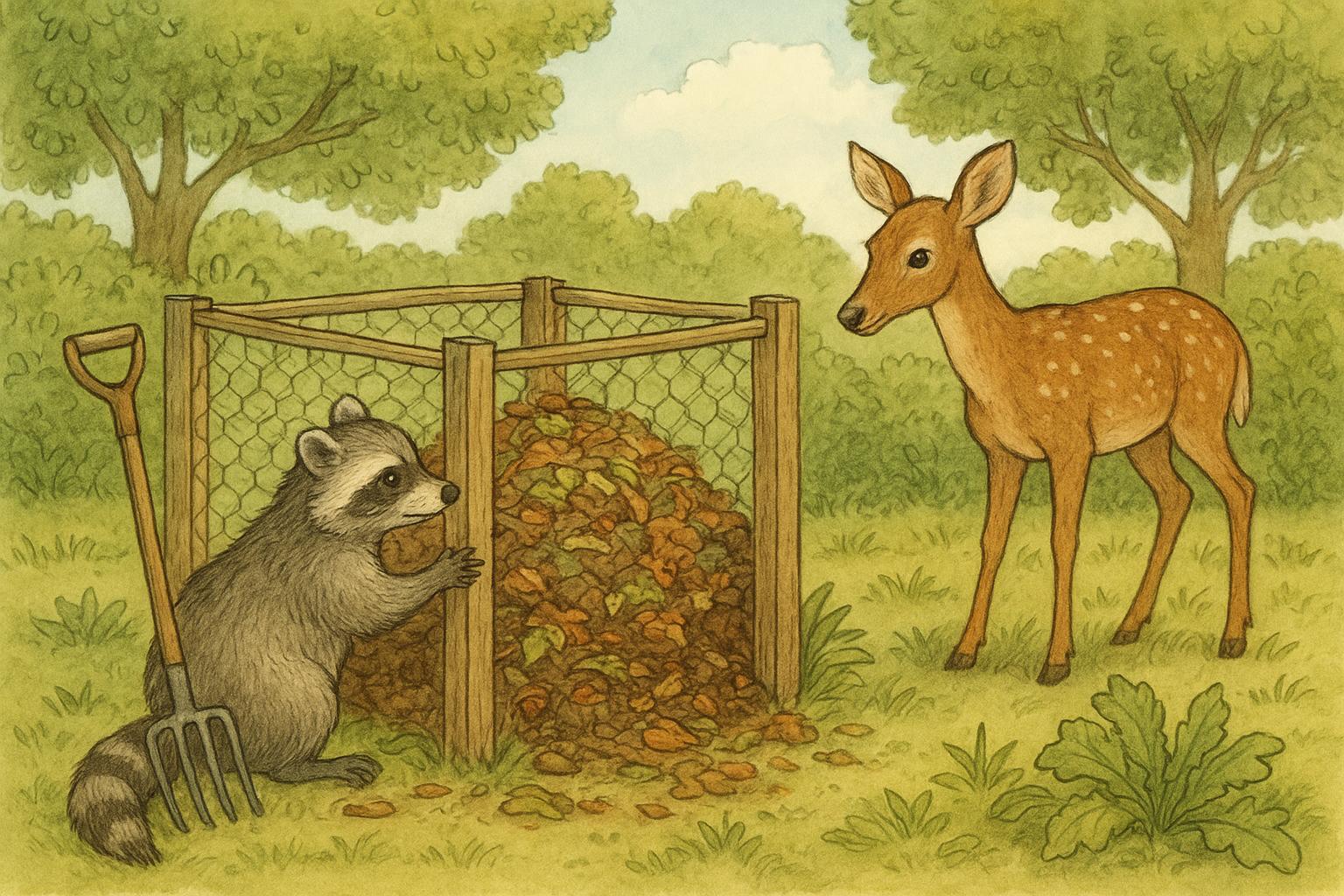
Cut pathways through larger patches so the yard remains usable. Schedule heavier pruning outside peak nesting seasons. Keep compost enclosed and manage vegetable gardens to minimize unwanted rodent attraction while still providing food and shelter for beneficial species.
### Observing And Adapting
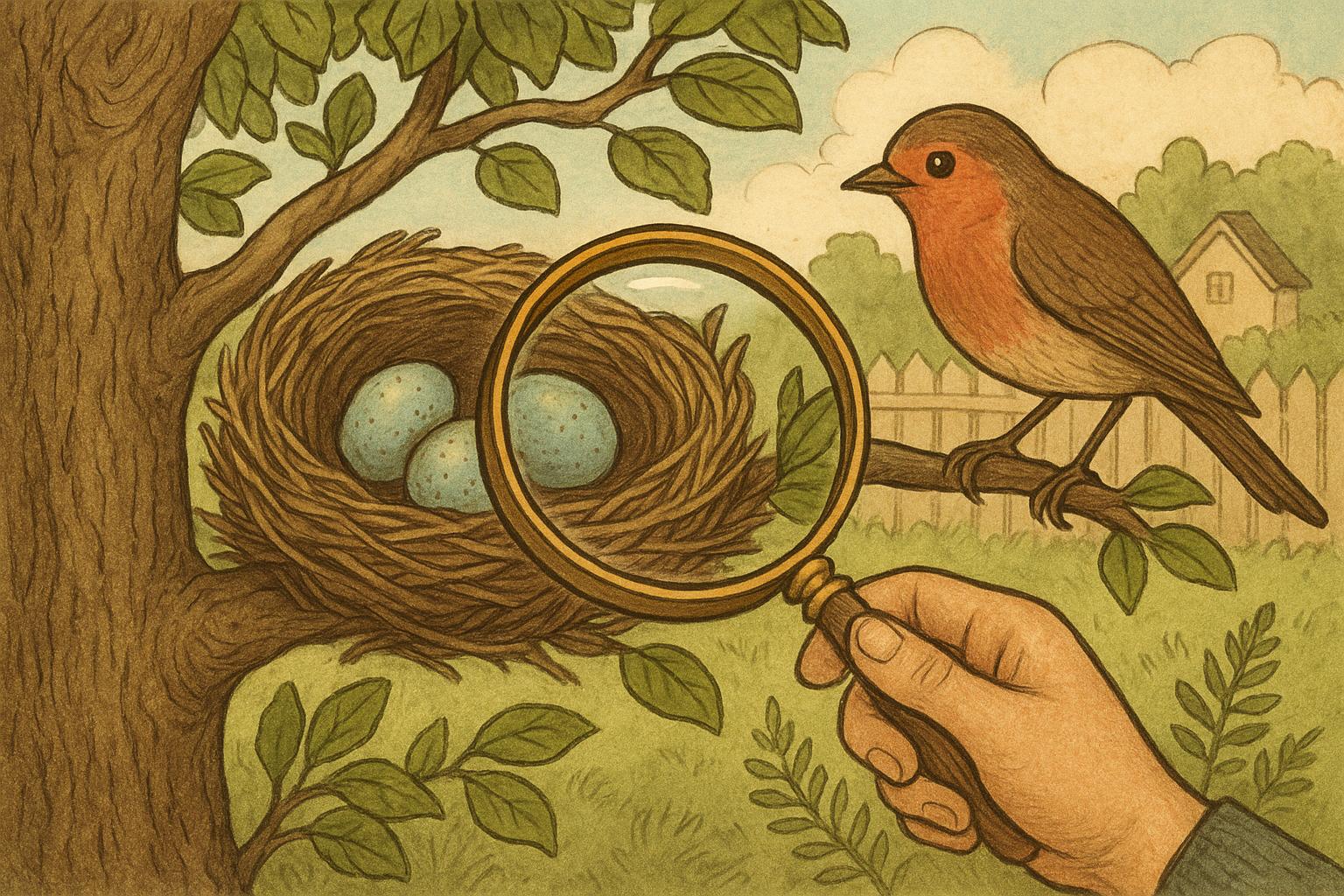
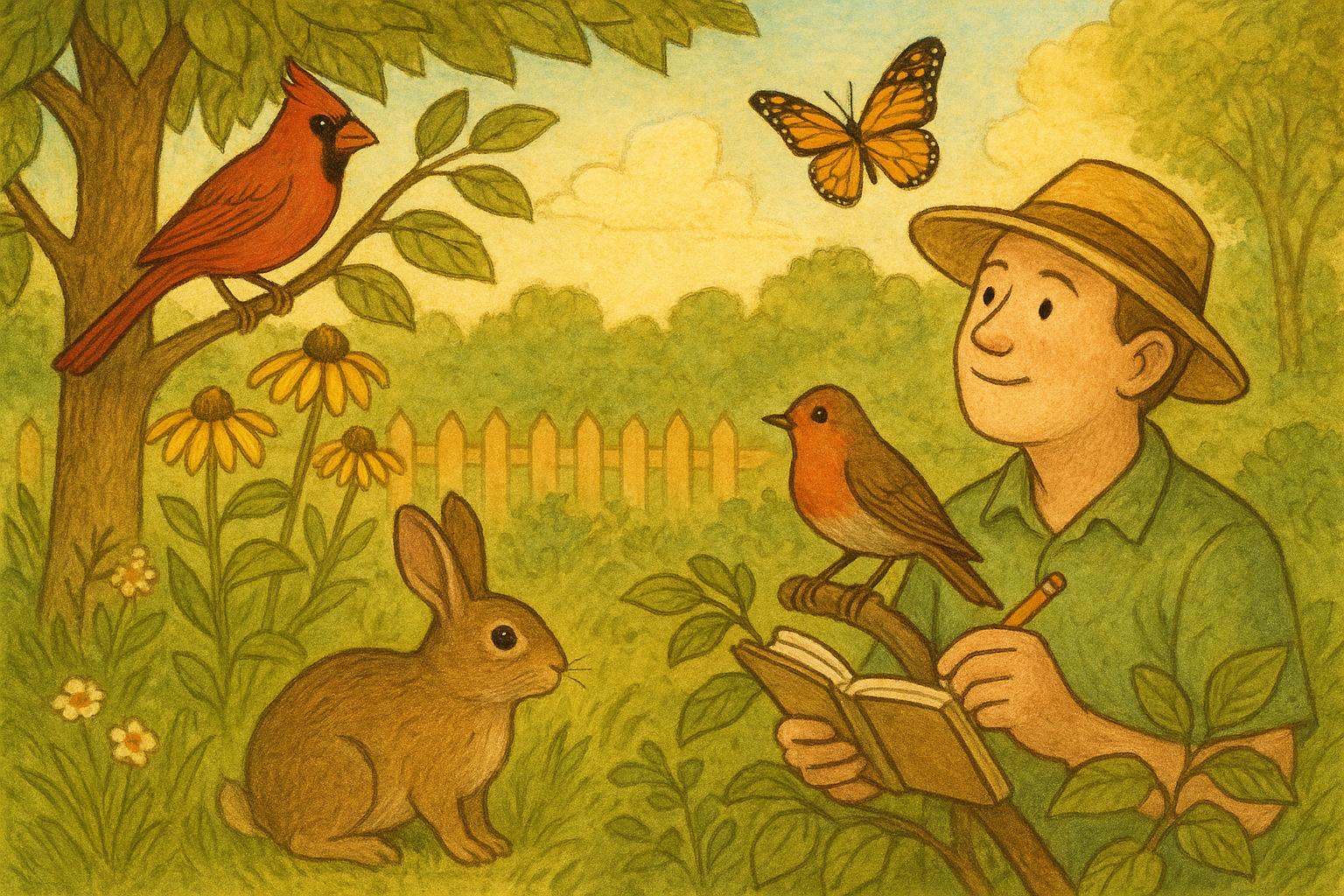
Finally, watch and learn. A good yard design is iterative: note which plants attract the most visitors, where animals prefer to pass, and how microclimates behave. Adjust plantings and features seasonally. With patience, your yard will become a dynamic, multi-season ecosystem that welcomes wildlife and invites quiet enjoyment — plus a few memorable backyard stories. (yard design #3)

Leave a Reply