
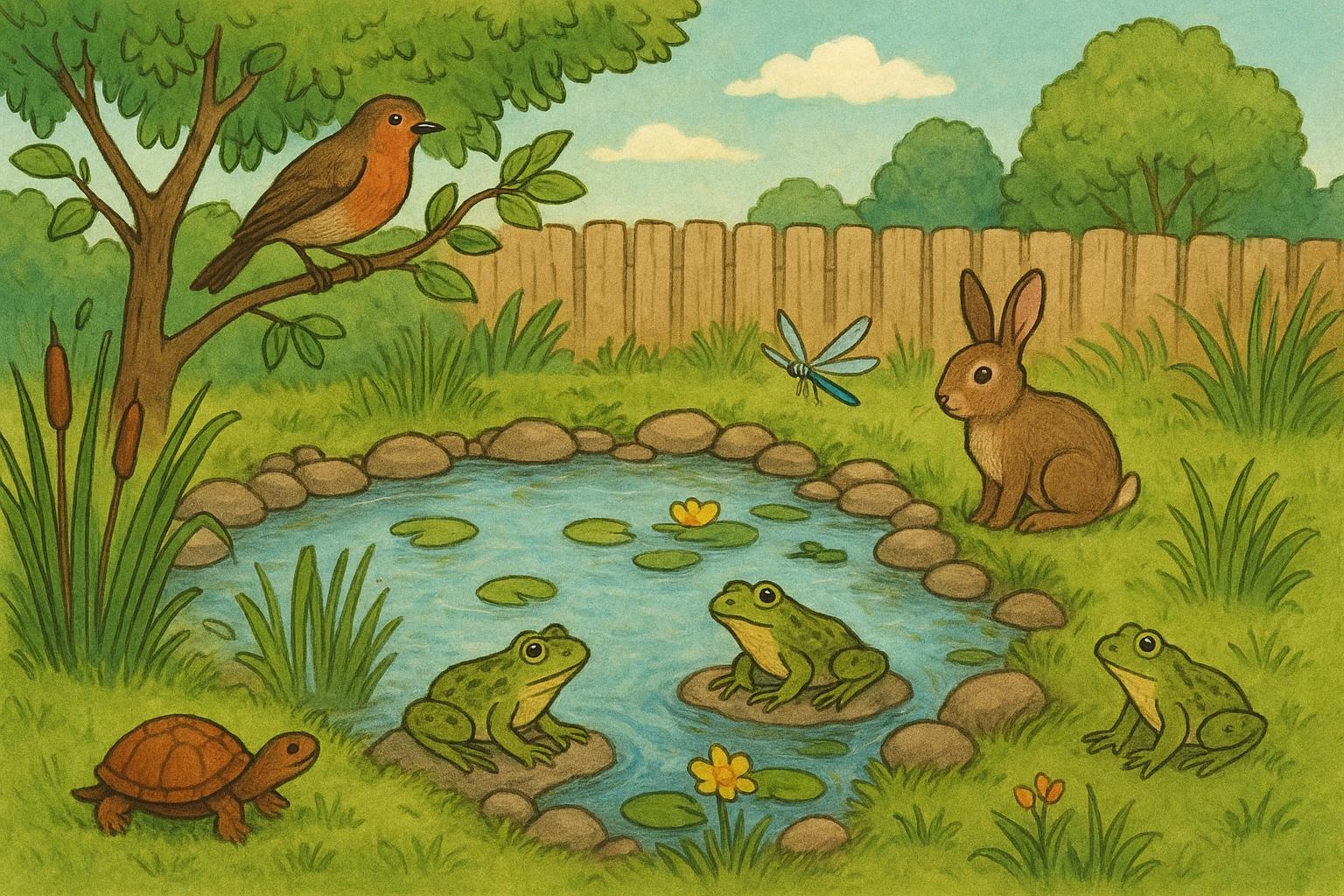
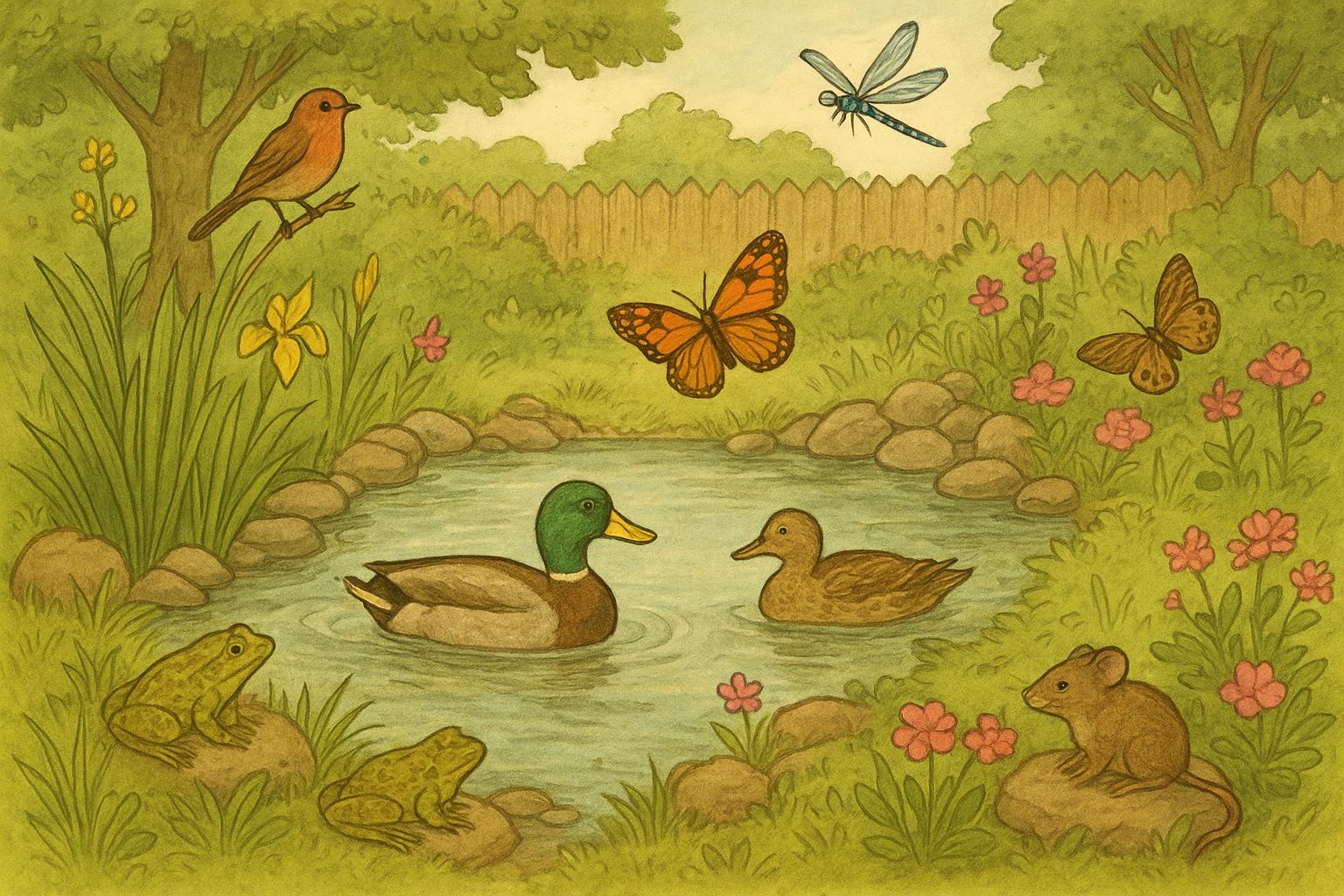
A healthy pond in your yard does more than sit and look pretty (though it does that very well). It becomes a mini-ecosystem: birds stop by for a drink, dragonflies patrol the surface, frogs serenade at dusk, and a surprising cast of beneficial microbes quietly keeps things in balance. Below are welcoming, practical steps to create and care for a thriving, low-maintenance backyard pond that wildlife will love.
## Backyard Pond Basics
### Choosing The Right Location
Place your pond where you can enjoy it, but also where wildlife will find it accessible. Aim for partial sun—about four to six hours of sunlight daily. Full shade stunts aquatic plants and reduces oxygen production; full sun can overheat water and encourage excessive algae. Avoid low spots where runoff brings fertilizer or pet waste into the pond.
### Size, Depth, And Zones
A pond doesn’t need to be Olympic-sized to be ecologically useful. Even a small, well-designed bowl can support life. Include three depth zones:
#### Deep Zone For Overwintering
Keep a section at least 18–24 inches deep (deeper in colder climates) so aquatic animals can overwinter.
#### Shallow Margins For Plants And Critters
Gentle, shallow edges (2–6 inches) let insects, amphibians, and wading birds access the water. These margins are where most plants live and where tadpoles and larvae thrive.
#### Transitional Shelf For Emergent Plants
A mid-depth bench (6–12 inches) is ideal for marshy plants that oxygenate water, provide cover, and compete with algae for nutrients.
### Liner, Rocks, And Shelter
Use a flexible rubber liner for irregular shapes, or preformed basins for ease. Anchor edges with rocks and native plants to create natural habitat and reduce erosion. Add a few flat stones at the waterline as basking and escape platforms for insects and frogs.
## Plant Selection And Placement
### Native Plants Are The MVPs
Choose native submerged, floating, and marginal plants. Submerged plants (pondweed, hornwort) oxygenate and shelter tiny critters. Floating plants (waterlilies, duckweed in moderation) shade and cool water. Marginal plants (rushes, sedges, iris) provide nesting and foraging sites for birds and insects.
### Avoid Overplanting
Too many floating plants block light and reduce oxygen. Aim for about 40–60% surface cover with floating or emergent species, leaving open water for movement and sun.
## Maintenance Practices That Keep Wildlife Happy
### Water Quality Basics
Keep a balance between plants, animals, and microbes. Avoid chemical algaecides—that’s an easy way to harm the very microbes that keep water healthy. Instead, encourage biological balance through plants and occasional mechanical cleaning.
### Aeration And Circulation
A small fountain or a solar-powered pump keeps water moving and increases oxygen levels, which benefits fish and aerobic bacteria. Position pumps so they create gentle circulation without disturbing shallow plant zones.
### Feeding Fish And Wildlife Interactions
If you keep fish, don’t overfeed. Excess food decomposes, fueling algae and low oxygen. Feed only what fish consume in a couple of minutes, once a day or every other day.
## Remedy 1: Controlling Algae Naturally
When algae blooms happen, it’s tempting to panic and reach for a bottle of chemicals. There are safer, habitat-friendly approaches that restore balance without harming frogs, beneficial insects, or native plants.
### Materials Required
– Aquatic plants (1–3 varieties: submerged, floating, marginal)
– Barley straw or barley extract (algae inhibitor)
– Solar fountain or small pump (sized to pond)
– Pond net or rake for physical debris removal
– Water test kit (pH, ammonia, nitrite, nitrate)
### Step-By-Step Creation And Application
1. Assess The Pond: Test water for nutrients (nitrate/phosphate) and pH. High nutrients suggest external runoff or overfeeding.
2. Add Plants: Introduce submerged oxygenators (e.g., hornwort) and floating plants (water lilies) to occupy nutrients and reduce light reaching algae.
3. Install Aeration: Place a solar fountain or small pump to improve oxygenation and disrupt still water where algae favor growth.
4. Apply Barley Straw: Use a mesh bag with barley straw placed where water flows. For quick action, use barley extract following the manufacturer’s dosage. Barley inhibits algae growth through slow-release compounds as it decomposes.
5. Remove Nutrient Sources: Skim leaves and debris regularly. Reduce fish feeding. Divert garden runoff and keep fertilizer away from the pond edge.
6. Monitor And Adjust: Re-test water after two weeks. If nutrient levels remain high, look for external sources (lawn runoff, compost piles) and reduce them.
Be formal in application: follow label directions for any commercial products, avoid dosing based on guesswork, and maintain consistent monitoring. If algae persists despite these steps, consult a local pond or water quality specialist to check for underlying issues such as sediment build-up or septic leakage.
## Remedy 2: Attracting Beneficial Wildlife To Your Backyard Pond
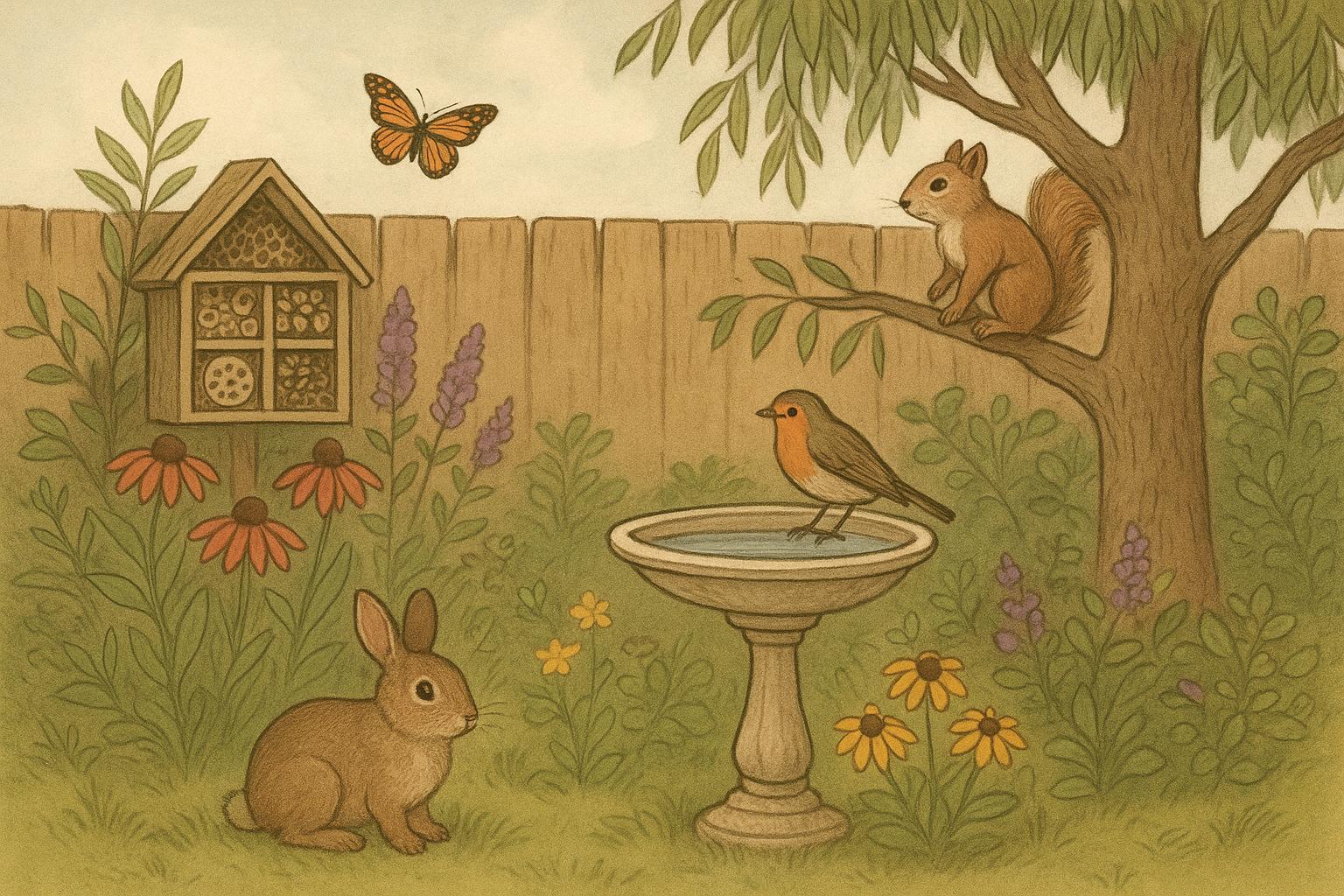
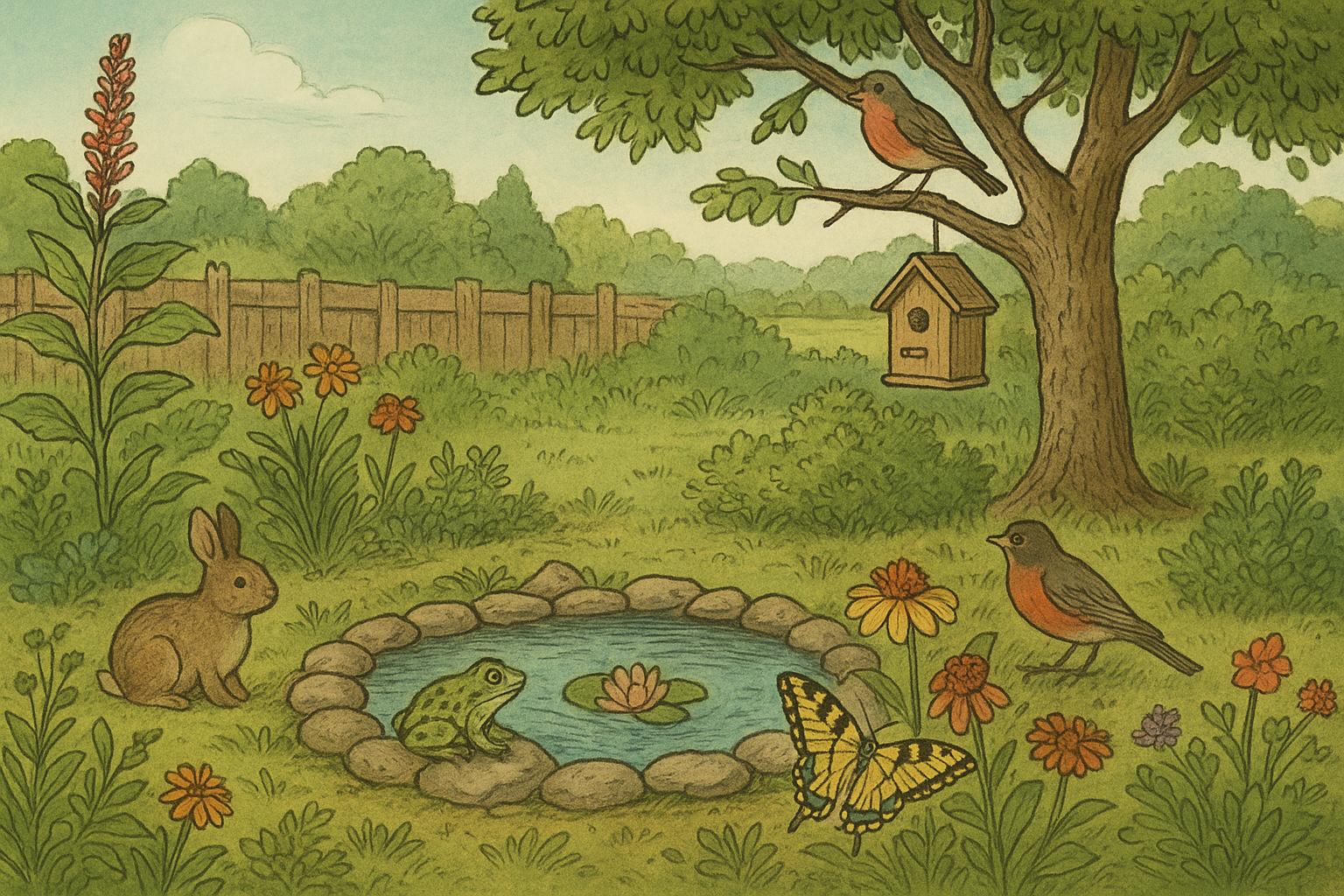
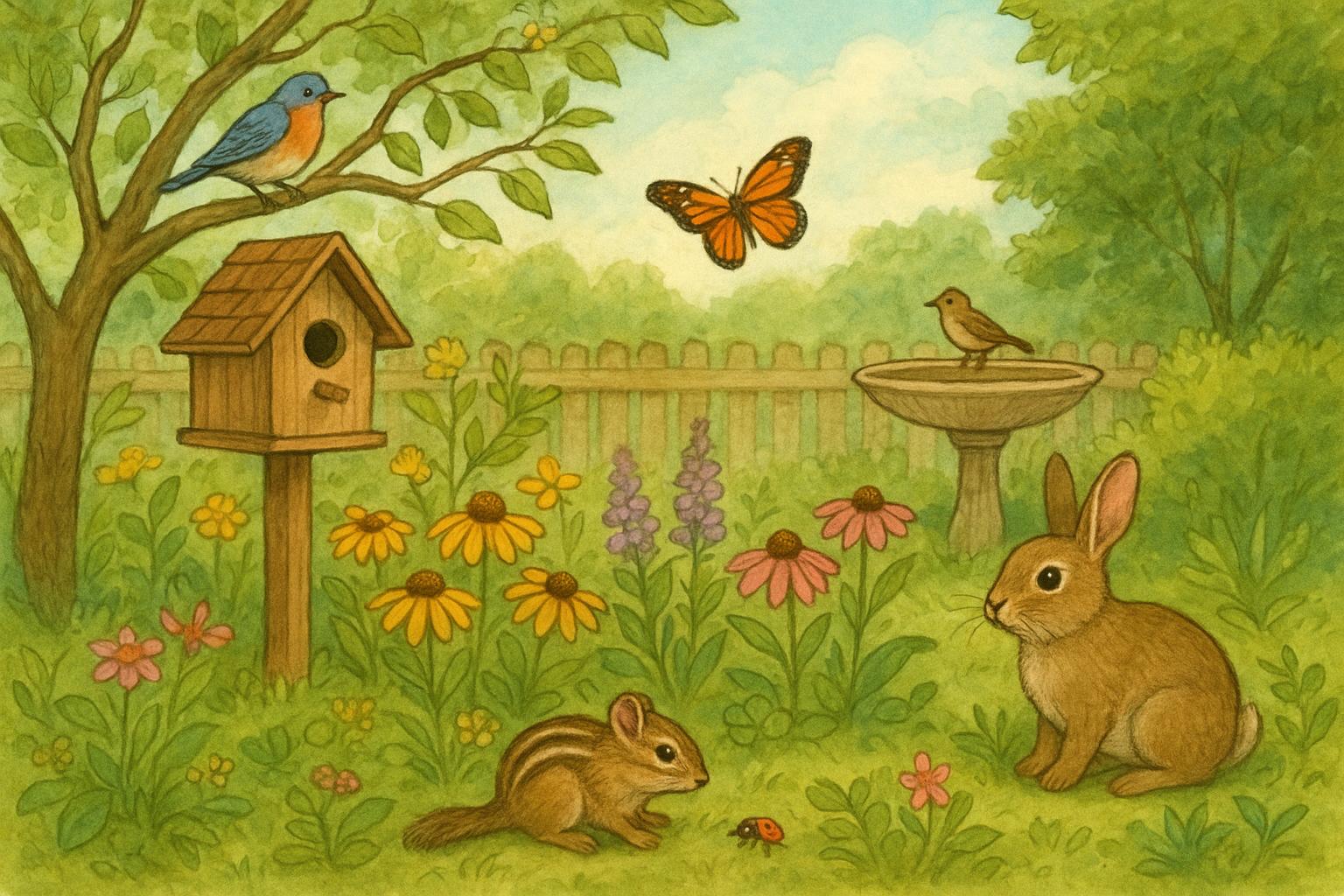
Creating habitat elements that invite pollinators, amphibians, and birds enriches the ecosystem and builds natural pest control. This remedy focuses on physical habitat features and plant choices.
### Materials Required
– Native marginal and flowering plants (list depends on region)
– Flat stones and logs for basking and refuge
– Brush pile materials or small wildlife hutches
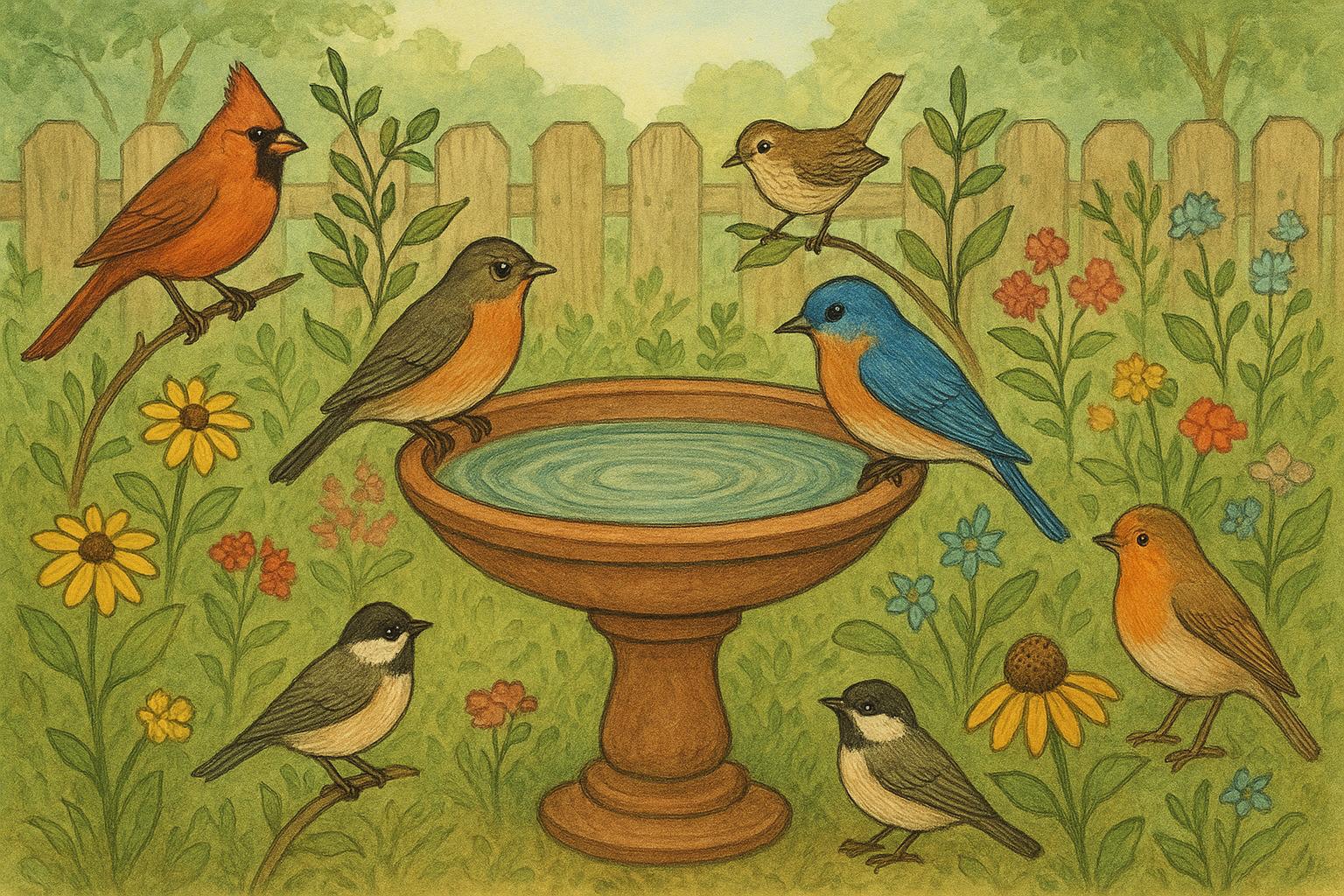
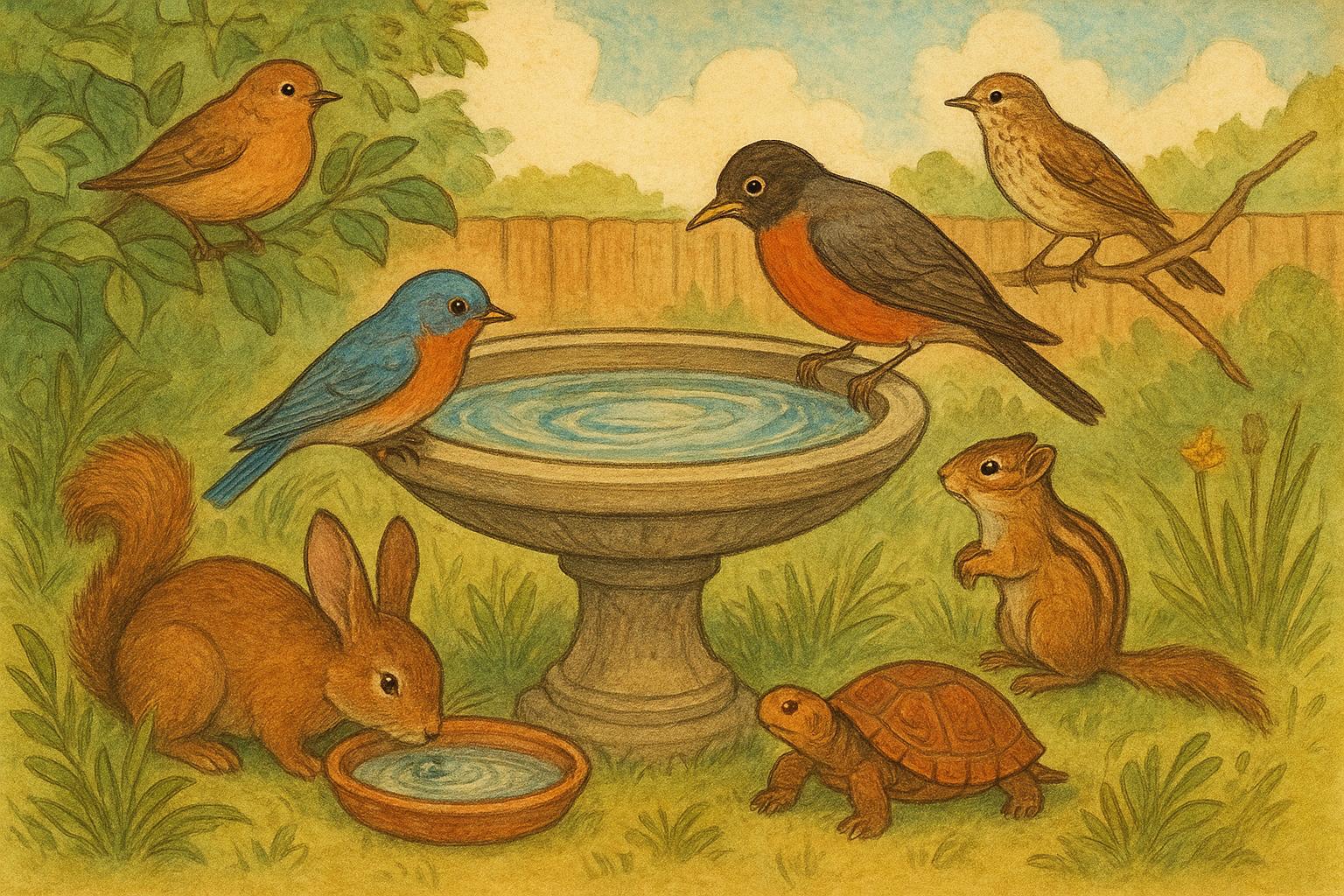
– Shallow dish feeders or birdbaths nearby (optional)
– Native seed mix for surrounding meadow or buffer strip
### Step-By-Step Creation And Application
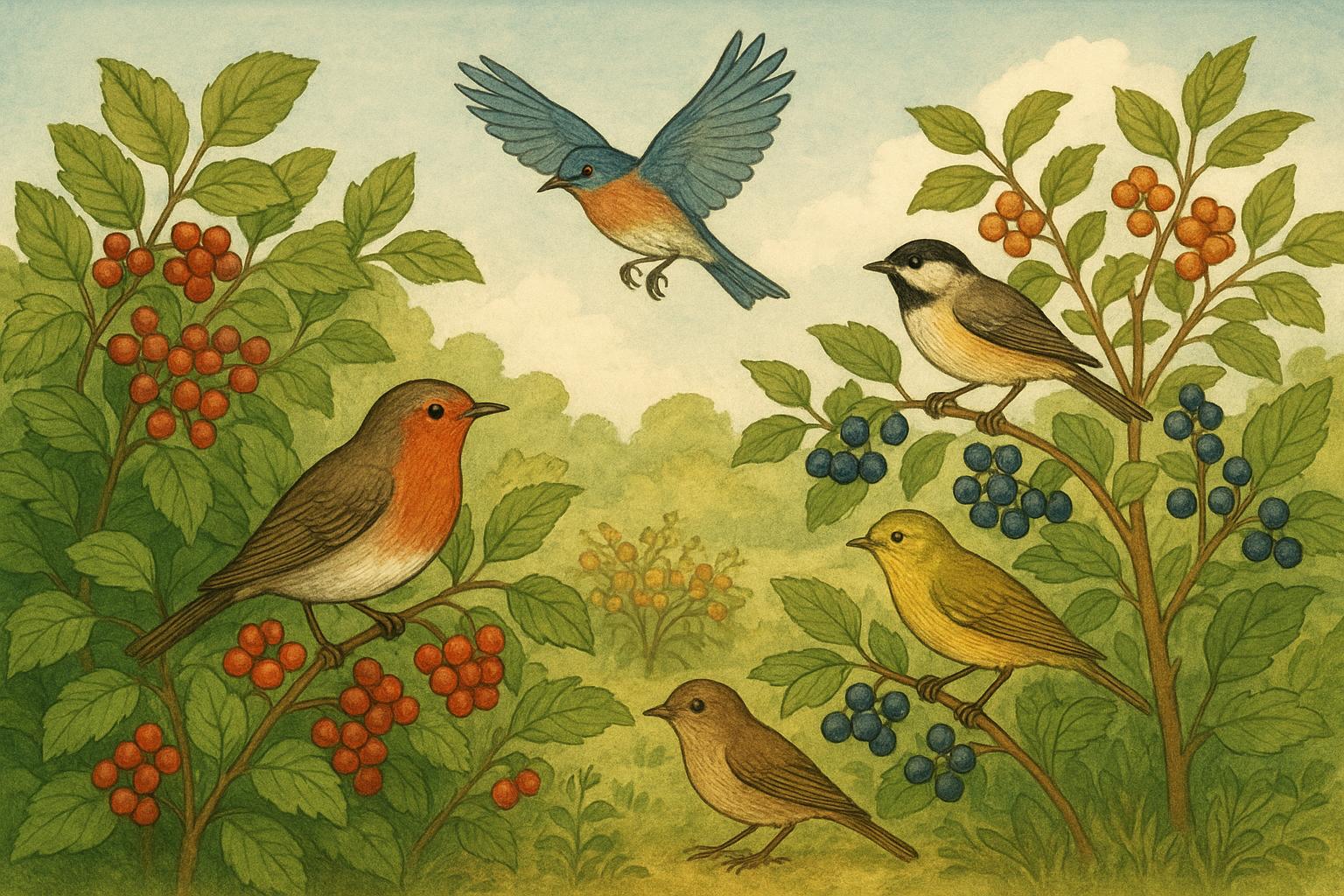
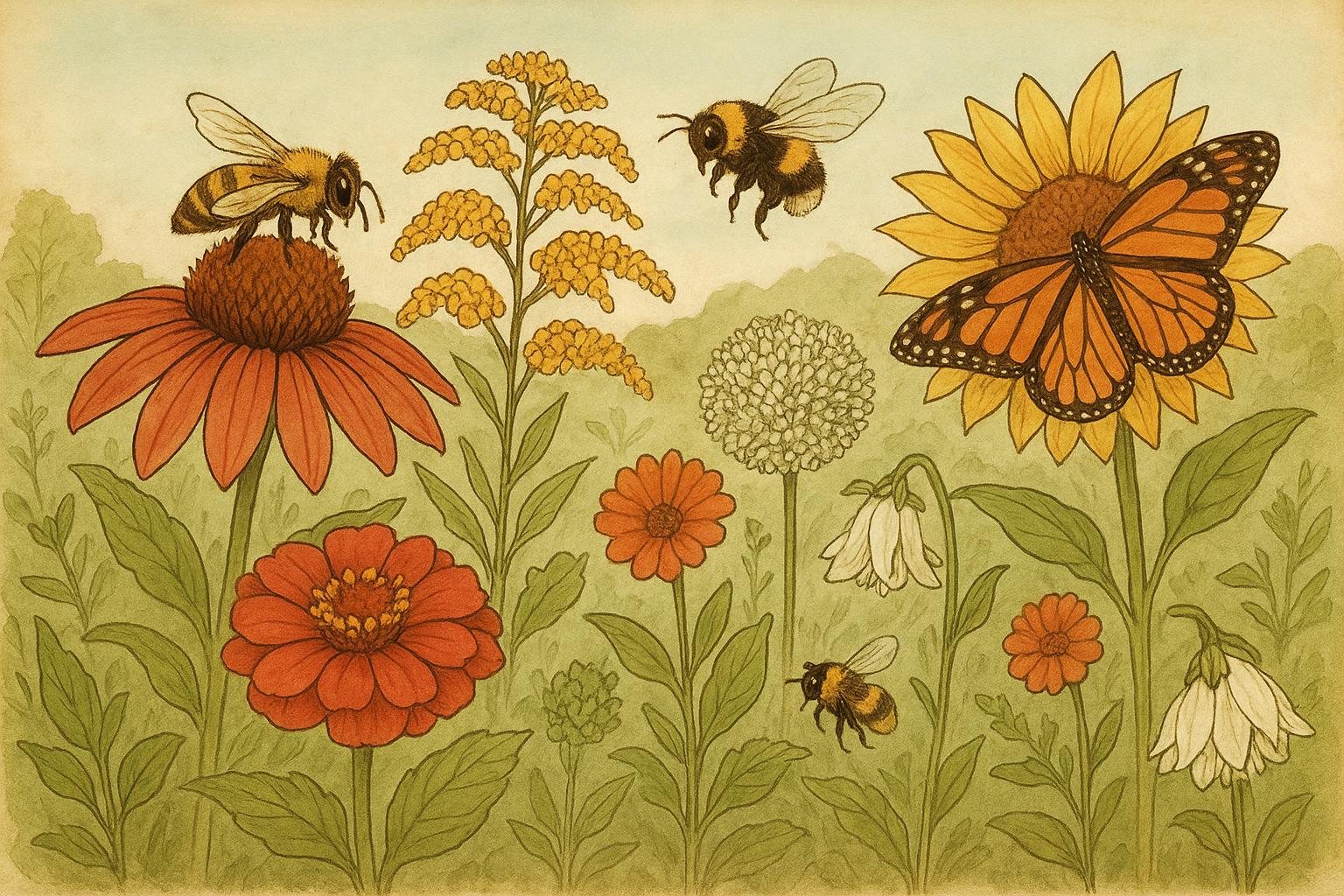
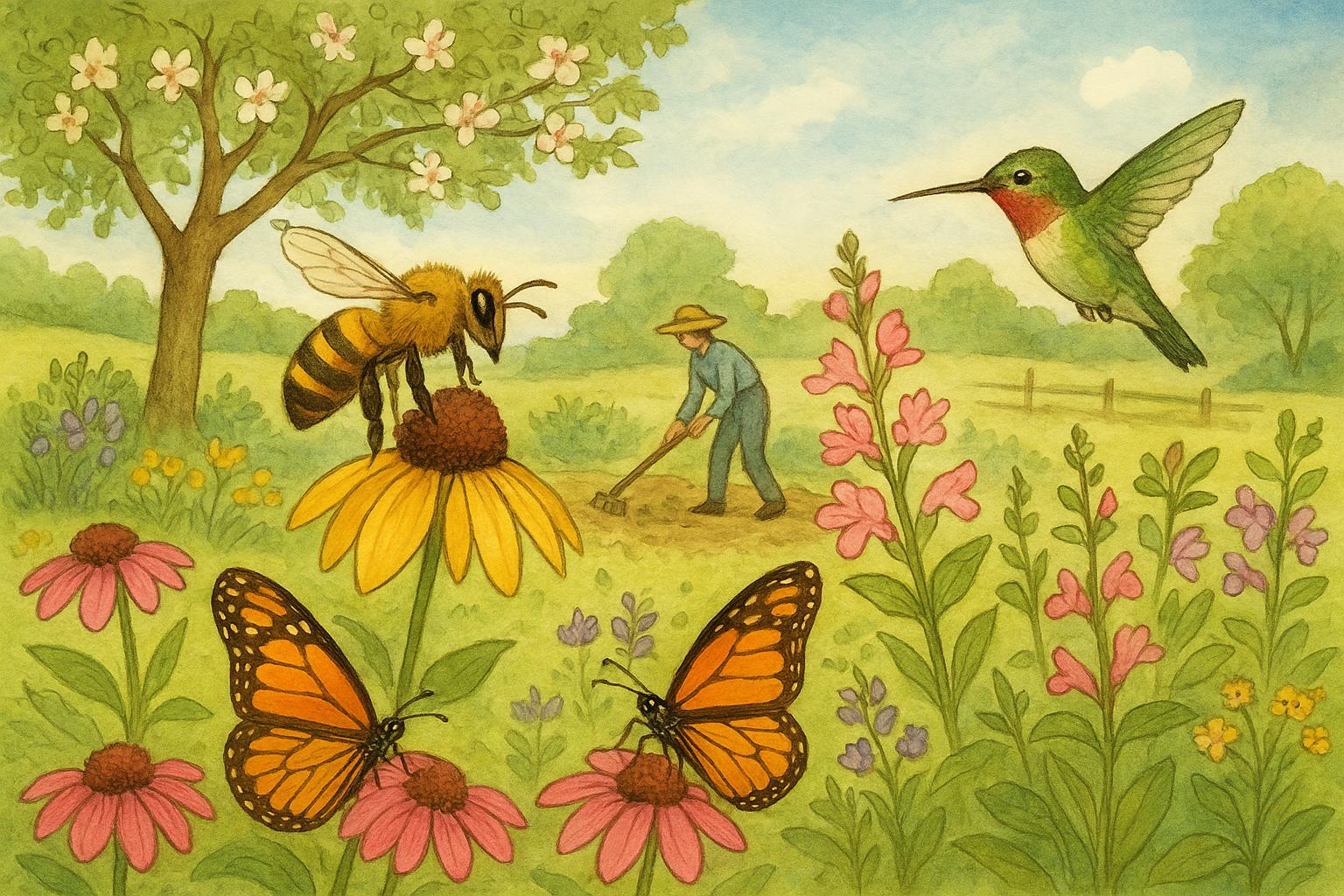
1. Plant A Native Buffer: Around the pond, plant a band of native grasses and wildflowers 3–6 feet wide. This provides nectar sources for pollinators and a sheltered corridor for amphibians.
2. Create Refuge Areas: Place a few flat stones partly submerged for dragonflies and frogs. Add a small log or rock pile nearby as shelter for toads and ground beetles.
3. Install Emergent Vegetation: Plant reeds, sedges, and irises on the shallow shelf. These support egg-laying for dragonflies and give nesting materials for birds.
4. Avoid Predators: If you want frogs and dragonflies to thrive, don’t stock too many predatory fish. Alternatively, create shallow bays with dense vegetation where amphibians can escape predation.
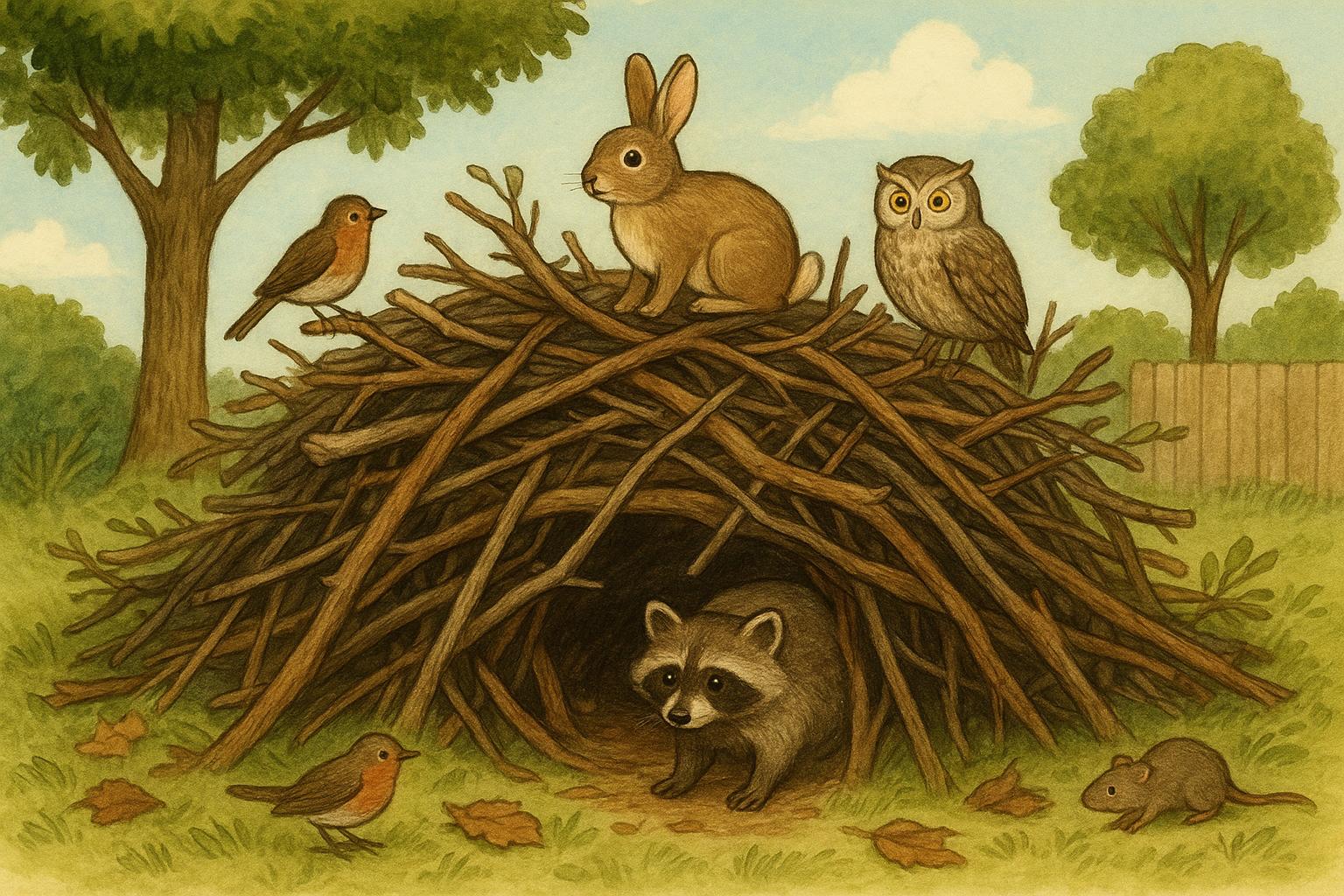
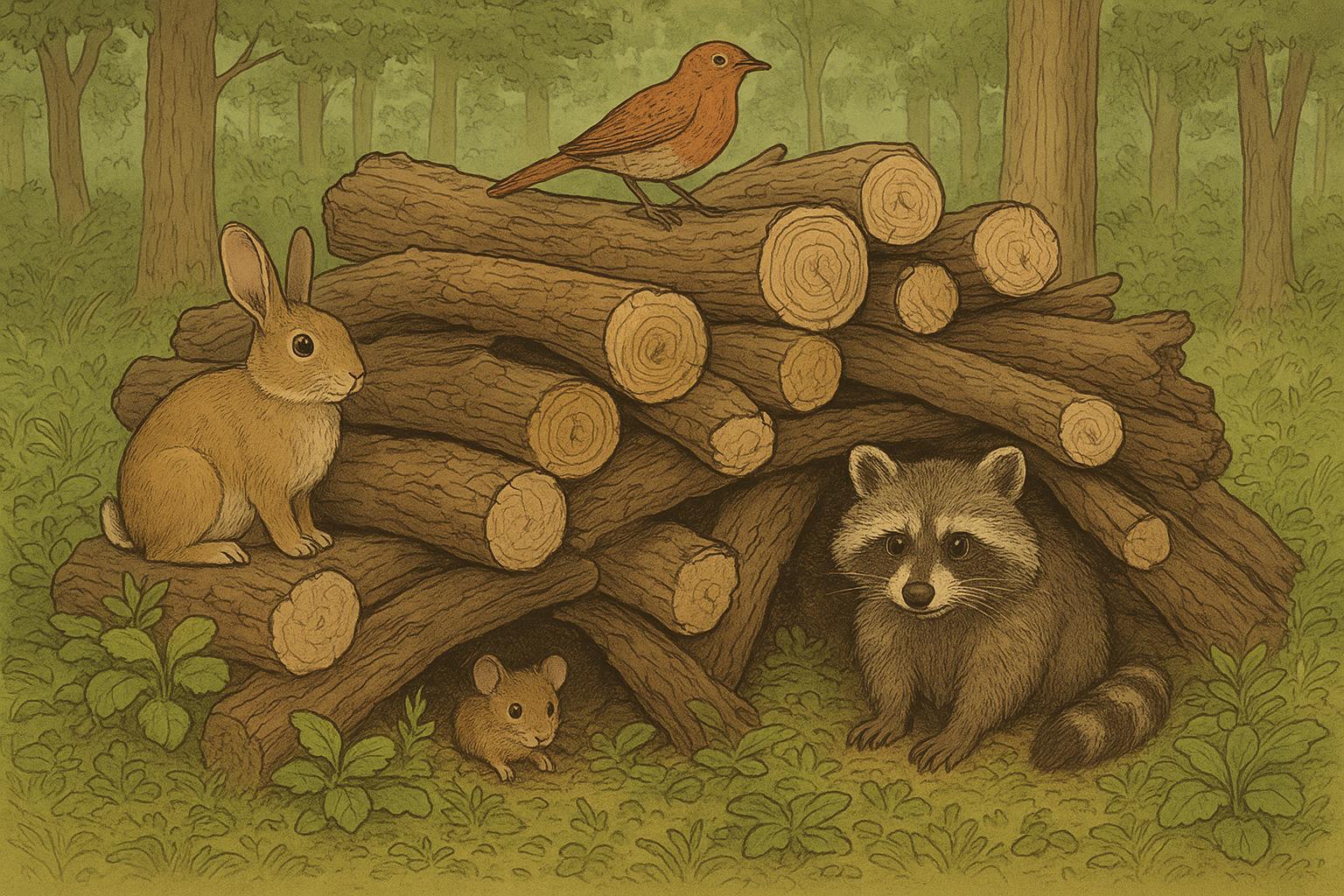
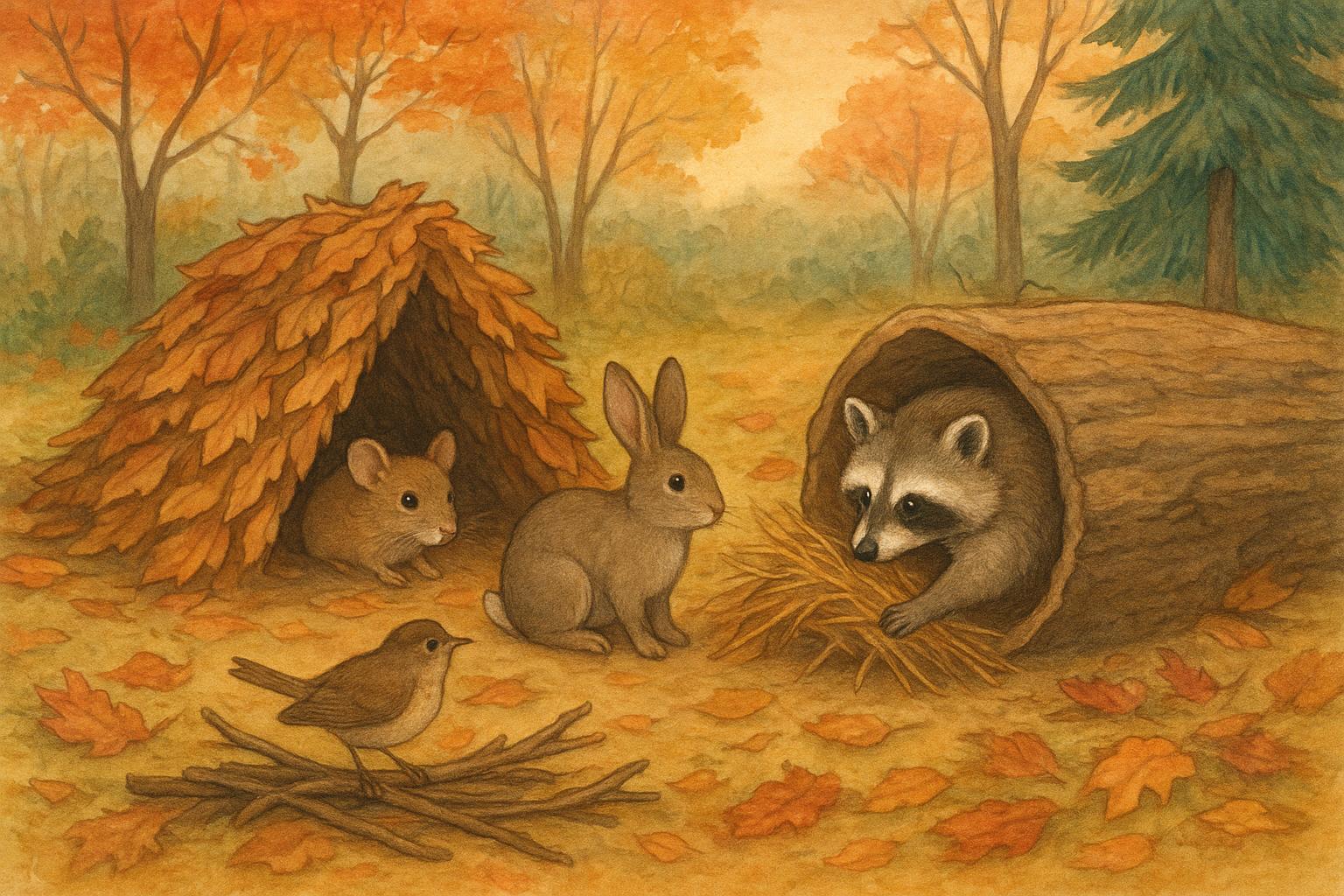
5. Provide Seasonal Resources: Leave some leaf litter and dormant stems over winter; many insects overwinter in stems and roots. Consider a small brush pile set back from the pond to offer shelter for small mammals and reptiles.
6. Observe And Adapt: Monitor which species arrive and where they prefer to forage or nest. Adjust plant placements and refugia to meet their needs.
Apply these steps methodically: document planting locations, note arrival of species, and adjust habitat elements to increase success. Using region-specific plant lists is recommended—contact local native plant societies or extension services for tailored recommendations.
## Managing Pests And Common Problems
### Mosquito Control Without Harmful Sprays
Mosquitoes are a common worry. Most mosquito species lay eggs in stagnant water. Keep water moving with aeration, encourage predatory insects and fish (like native minnows), and avoid creating shallow, neglected containers nearby. For small problem patches, use bacterial larvicides (Bacillus thuringiensis israelensis, Bti) as a targeted, low-toxicity option—follow product instructions strictly.
### Fish And Plant Balance
A balanced population of fish should match the pond’s size and plant cover. As a rule of thumb, limit stocking: one small ornamental fish per 10 gallons in small ornamental ponds. Overcrowding increases waste and nutrient levels, promoting algae and low oxygen events.
### Winter Care
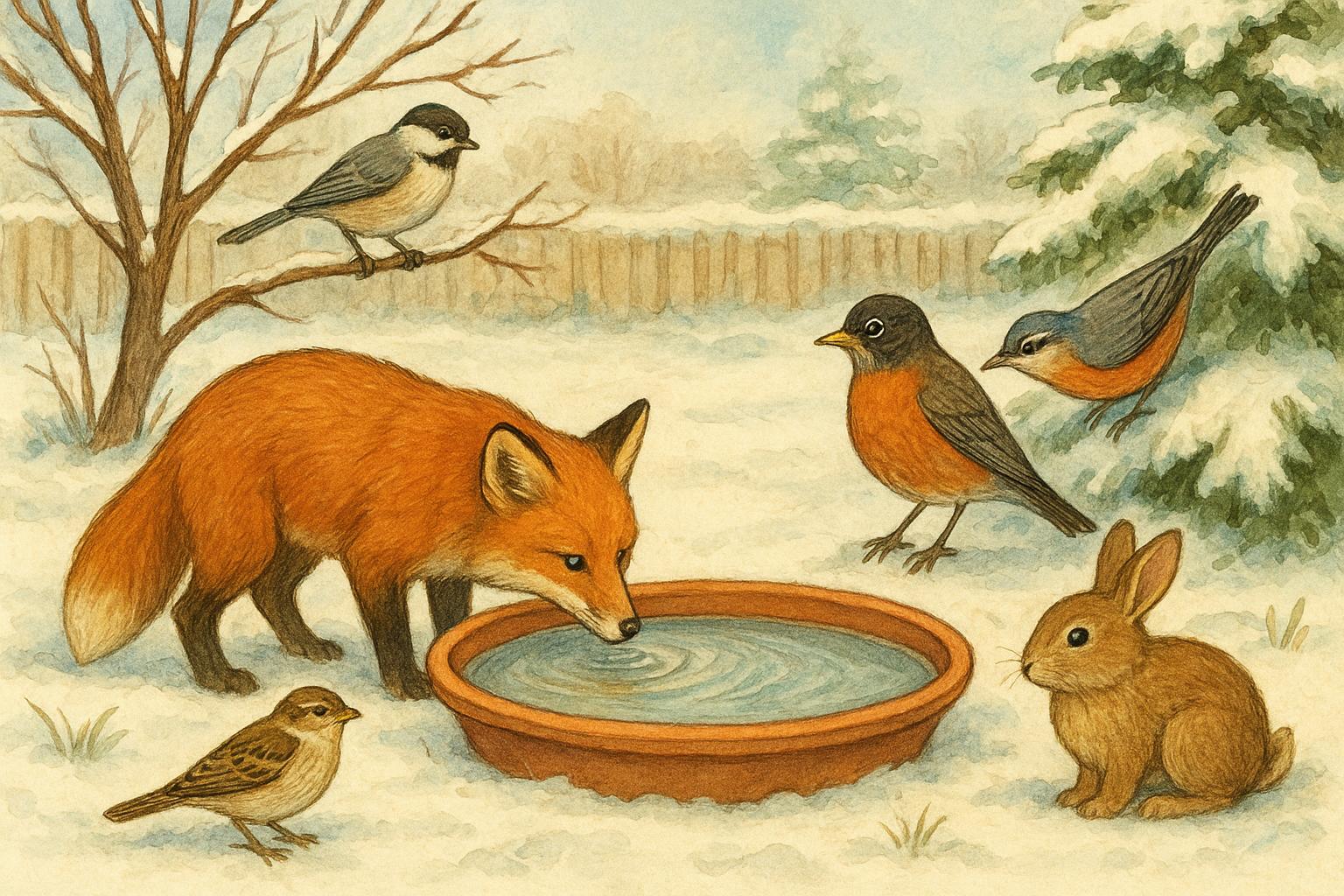
In freezing climates, maintain a hole in the ice to allow gas exchange. Use a floating de-icer or a carefully placed heater designed for pond use. Avoid breaking ice forcefully—sudden shock can harm fish.
## Seasonal Checklist And Monitoring
### Spring
– Inspect liner and edges after thaw.
– Add oxygenating plants and check pump function.
– Test water for ammonia/nitrites if fish are present.
### Summer
– Trim excess vegetation to prevent decay.
– Monitor for algae and control using Remedy 1 steps.
– Keep an eye on water levels and top off with dechlorinated water if necessary.
### Autumn
– Remove fallen leaves from the water surface to reduce nutrient loading.
– Move delicate potted plants to sheltered spots if frost threatens.
### Winter
– Keep an area open in frozen ponds for gas exchange.
– Reduce or stop feeding fish as metabolism slows.
Regular, simple monitoring keeps your backyard pond from becoming a maintenance headache. A little attention—testing once a month in spring and summer, eyes-on weekly—goes a long way.
## Observing And Enjoying Success
One of the best rewards of a healthy pond is the slow, delightful arrival of life: a heron’s shadow, tadpoles wriggling in the shallows, and dragonflies trimming the air like jewel-toned sentinels. With thoughtful design, modest maintenance, and wildlife-friendly choices, your backyard pond becomes a small sanctuary that benefits both you and your neighborhood critters.



Leave a Reply