
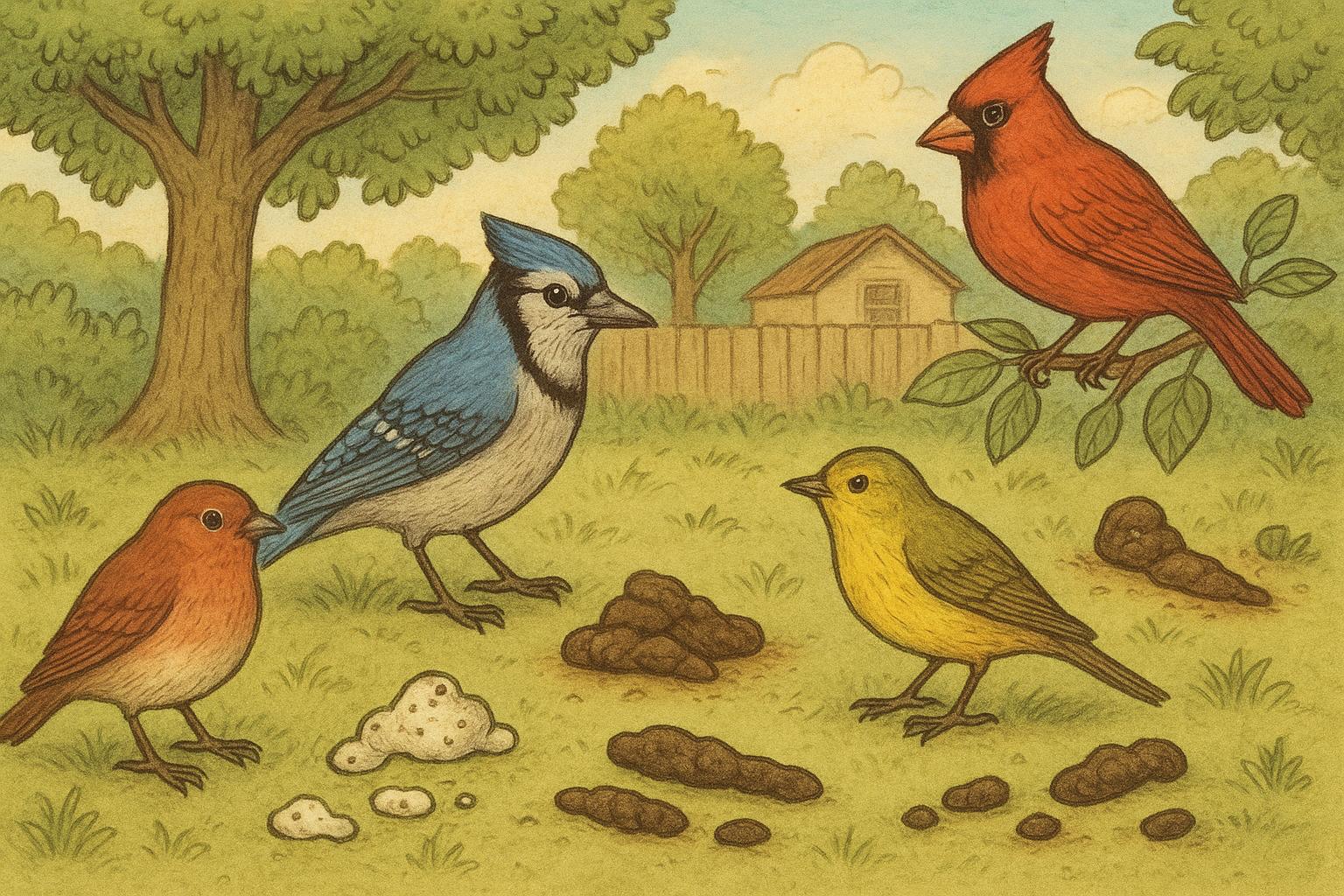
Hello neighbor bird nerd — pull up a folding chair, grab a cuppa, and let’s talk about one of the less glamorous but surprisingly informative parts of backyard birdwatching: the evidence left behind. You might wrinkle your nose, but those tiny white splashes and leafy bits are nature’s footnotes, and they can tell you a lot about who’s been visiting your yard.
## Bird Droppings Clues For Backyard Bird Identification
### Why Paying Attention To Bird Droppings Is Useful
Bird droppings are more than just a cleanup chore. They’re a record of diet, size, and behavior. Unlike fleeting flight patterns or quick songs, droppings stick around long enough to examine — literally. If you learn the basics, you can tell a finch from a pigeon, or spot when a raptor has made a rare landing on your fencepost.
#### What Makes A Good Clue
There are a few consistent things to look for when inspecting droppings:
– Color and consistency: The dark portion is digested food; the white is uric acid (bird “pee”). A lot of seeds, berries, or insect bits show up as different textures and hues.
– Size and shape: Bigger birds leave proportionally bigger deposits. Thin, elongated droppings often mean the bird was perched while moving; round blobs often fall from stationary perches.
– Contents: Visible seeds, insect parts, or feather fragments will give away diet.
– Location and frequency: Multiple droppings in one spot suggest a favored perch or feeder. A clustering under a feeder points to seed-eaters; along a fence line you might find perches used by songbirds or doves.
### Decoding Color, Texture, And Contents
Color isn’t always straightforward, but it’s useful:
– Predominantly black or dark brown with seed parts — typically granivores like sparrows or finches.
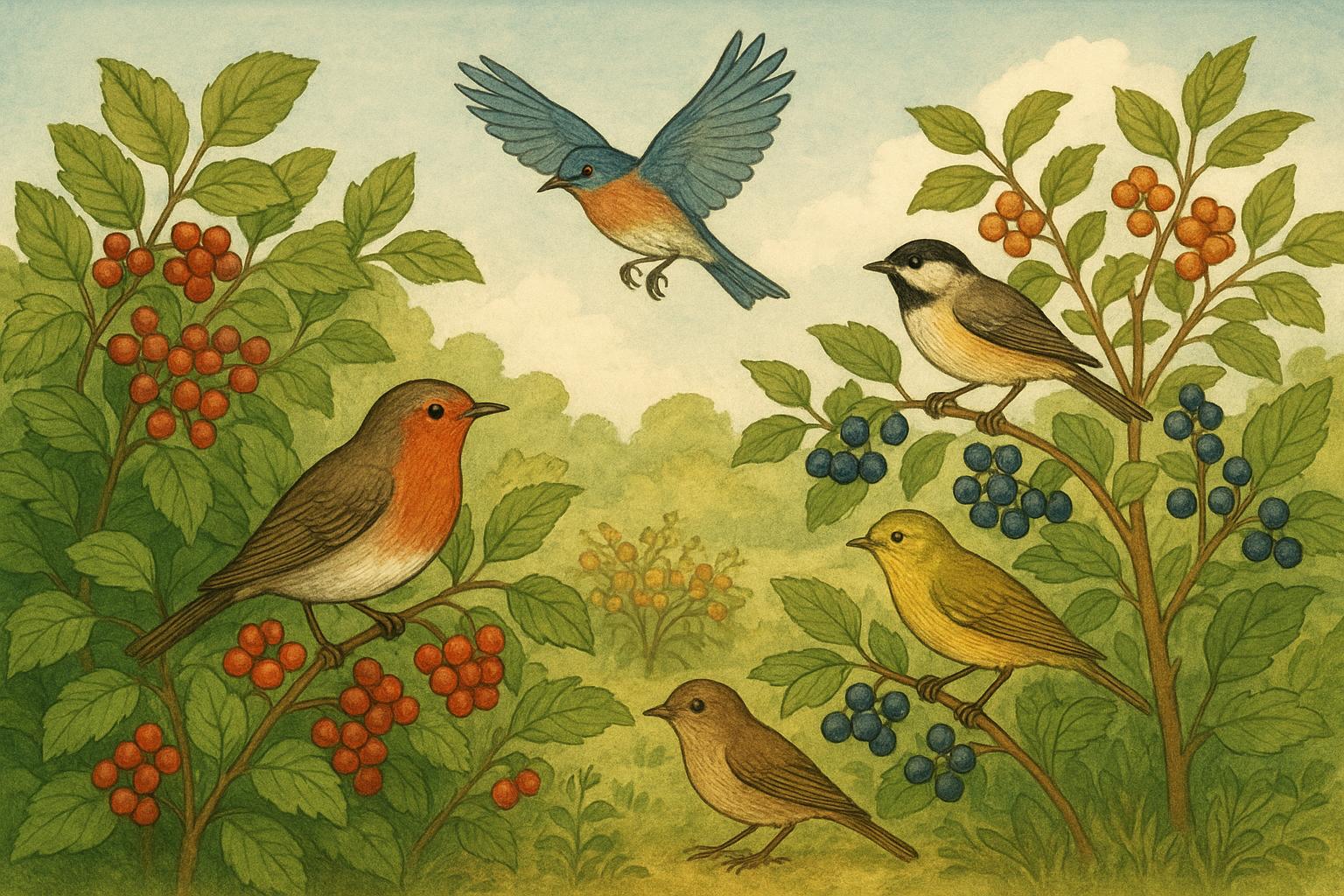
– Mixed reds, purples, or dark juices — suggests berry-eating species such as robins or thrushes.
– Greenish casts or lots of insect fragments — insectivores like swifts, flycatchers, or warblers.
– Large, pasty white-rich deposits — pigeons and larger doves often have more watery urine mixed with feces due to size and metabolism.
Texture tells a story about digestion. Birds that eat more seeds often have coarser droppings with husk fragments; fruit-eaters will have smoother, often juicier droppings.
### Common Backyard Birds And Their Typical Droppings
#### Sparrows And Finches
Small, often tapered droppings with visible seed hulls. Expect a lot under feeders and on nearby railings. The dark portion is compact with tiny white caps of uric acid.
#### Pigeons And Doves
Larger, softer deposits that can be more liquid. Pigeons leave noticeable splats on flat surfaces and often a lot of white uric acid due to their size.
#### Starlings
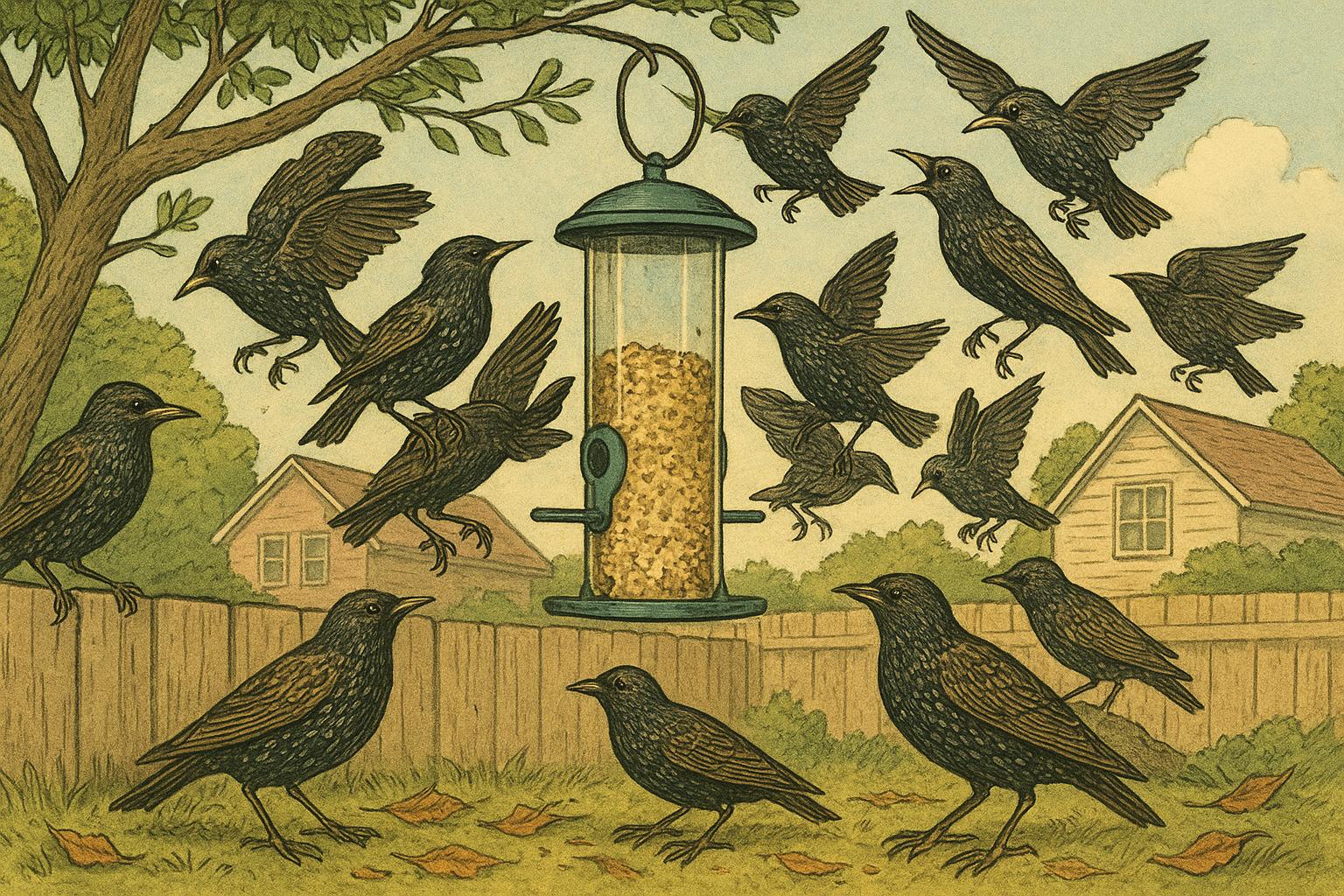
Chunky with lots of undigested fruit bits or insect pieces. Often messy around suet feeders and fruit-bearing trees.
#### Robins And Thrushes
Smoother droppings with colorful berry stains when they’re eating fruit; often elongated if the bird is moving on a branch.
#### Crows And Jays
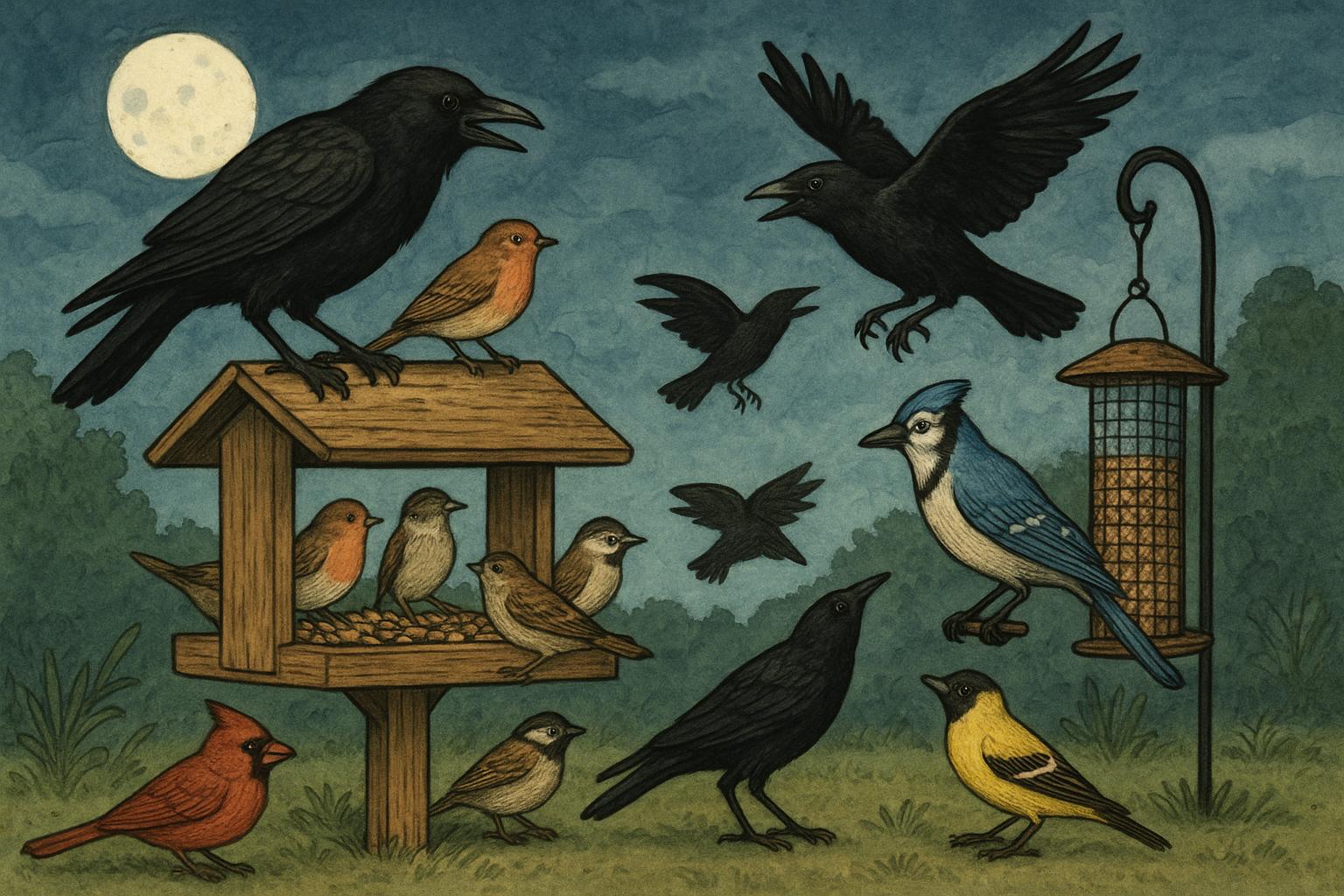
Relatively large droppings with occasional feather fragments or bone bits if they’ve been scavenging. Placement often on high perches where these birds keep watch.
#### Hawks And Other Raptors
Smaller per-holed droppings called “whitewash” can appear on the same tree crotch or fencepost repeatedly. These often include feather and bone fragments and are more concentrated under favorite perches.
### How To Use Location And Pattern To Narrow Identification
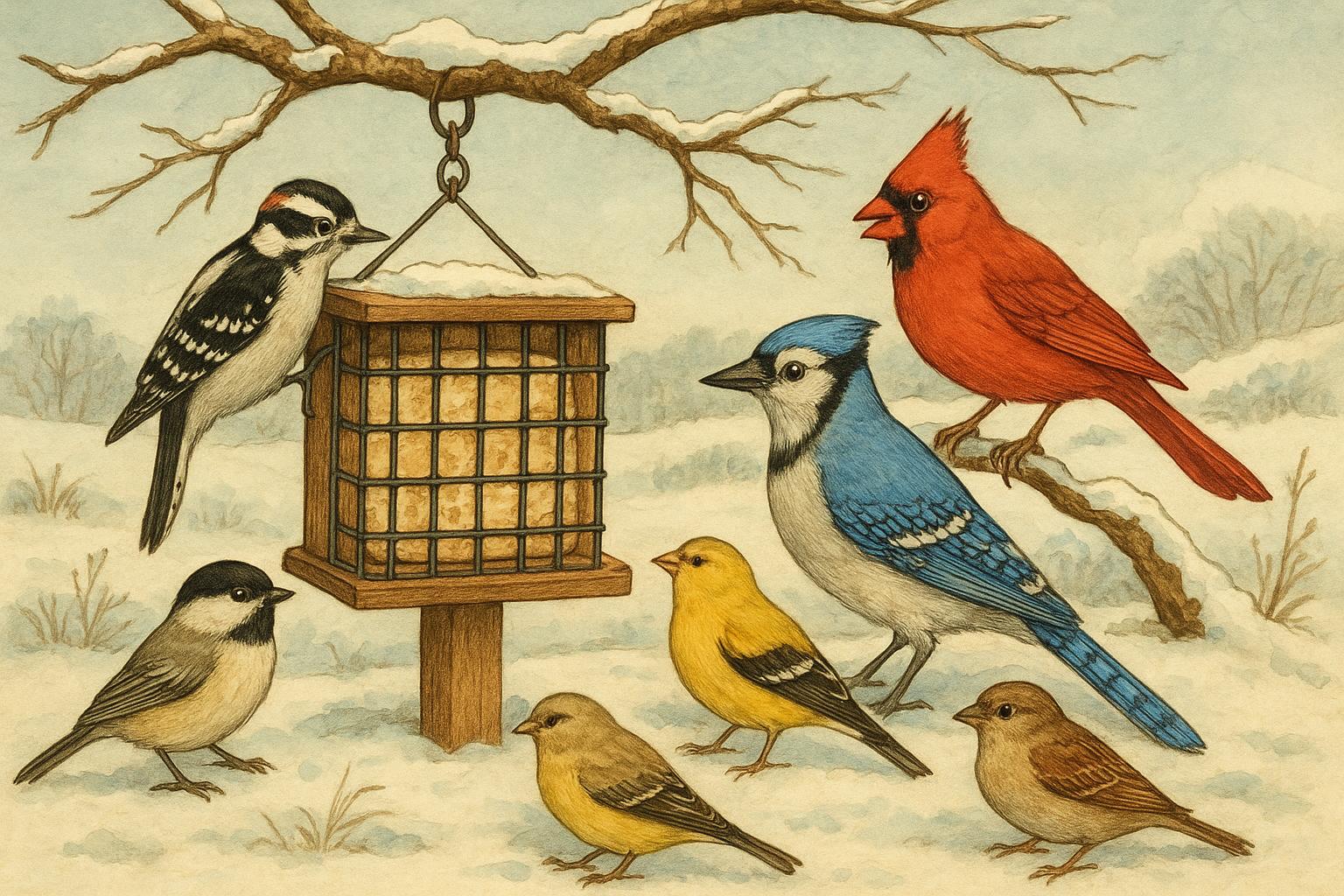
If droppings are clustered directly under a seed feeder, you’re likely dealing with small granivores — sparrows, finches, chickadees. Scattered droppings across a lawn with lots of worm bits? Robins. Frequent splats on statues or cars mean you probably have pigeons roosting nearby. A string of whitewash high in a tree, with scat-like contents, suggests a raptor perch.
## Remedy 1: Safe Cleaning Of Bird Droppings (Materials And Steps)
When it comes to cleaning, be practical and careful. The following method is recommended for everyday backyard cleanup to reduce disease risk and keep surfaces bird-friendly. Tone here is more formal and instructional.
Materials Required
1. Disposable gloves (nitrile or latex)
2. Face mask (surgical or N95 if scraping dried material)
3. Plastic or metal scraper
4. Paper towels or disposable rags
5. Mild detergent (dish soap)
6. Bucket with warm water
7. Household disinfectant (10% bleach solution or EPA-registered disinfectant — see label)
8. Plastic bags for disposal
9. Protective eyewear (recommended for scraping)
Step-By-Step Cleaning And Disinfection
1. Prepare: Put on gloves, mask, and eyewear. Work in a well-ventilated area or outdoors.
2. Moisten Dried Droppings: Spray the area lightly with warm water to soften deposits and reduce dust. Do not dry-scrape airborne powder.
3. Remove Bulk Material: Use the scraper to lift material into paper towels or disposable rags. Place used towels directly into a plastic bag.
4. Wash Surface: Mix a few drops of dish soap in warm water. Use a cloth to wash the affected area thoroughly to remove organic matter.
5. Disinfect: Apply a 10% bleach solution (1 part household bleach to 9 parts water) or an EPA-registered disinfectant according to the label. Allow recommended contact time (often 5–10 minutes).
6. Rinse And Dry: Wipe with clean water to remove any residual bleach and let the surface air-dry.
7. Dispose Safely: Seal all used materials in plastic bags and throw them in outdoor garbage. Remove gloves and wash hands thoroughly.
Safety Notes
– Avoid inhaling dust from dried droppings — they can carry harmful pathogens.
– Do not use pressure washers on dried droppings; they can aerosolize particles.
– For vehicle exteriors or delicate surfaces, test a small area first to ensure cleaning won’t damage paint or finishes.
## Remedy 2: Protecting Feeders And Surfaces From Excess Droppings (Materials And Steps)
If too many droppings are making your porch or feeders unsightly, consider preventive measures. The following is a formal, procedural approach to reducing deposits without harming birds.
Materials Required
1. Seed trays or baffles (squirrel-proof tray recommended)
2. Drip guards or catchment trays (metal or plastic)
3. Smooth, sloped perching surfaces (PVC piping or slanted perches)
4. Motion-activated deterrent (optional)
5. Cleaning supplies (as above for maintenance)
Step-By-Step Installation And Use
1. Assess Placement: Move feeders away from cars, decks, and high-traffic human areas. Choose a spot where droppings fall into soil or grass rather than on painted surfaces.
2. Install Catchment Trays: Place trays under feeders to catch discarded seed hulls and droppings. Secure them so birds won’t roost on them.
3. Add Baffles And Slope Perches: Use baffles to prevent birds from perching directly above sensitive areas. Replace flat perches with rounded or sloped perches that discourage loitering.
4. Use Smooth Surfaces For Nearby Structures: Replace flat patio furniture tops near feeders with sloped alternatives or cover them when feeders are installed.
5. Routine Maintenance: Clean trays and perches weekly during heavy use. Empty catchment trays into compost only if seeds and droppings are fully composted at high heat; otherwise dispose in trash to limit pathogens.
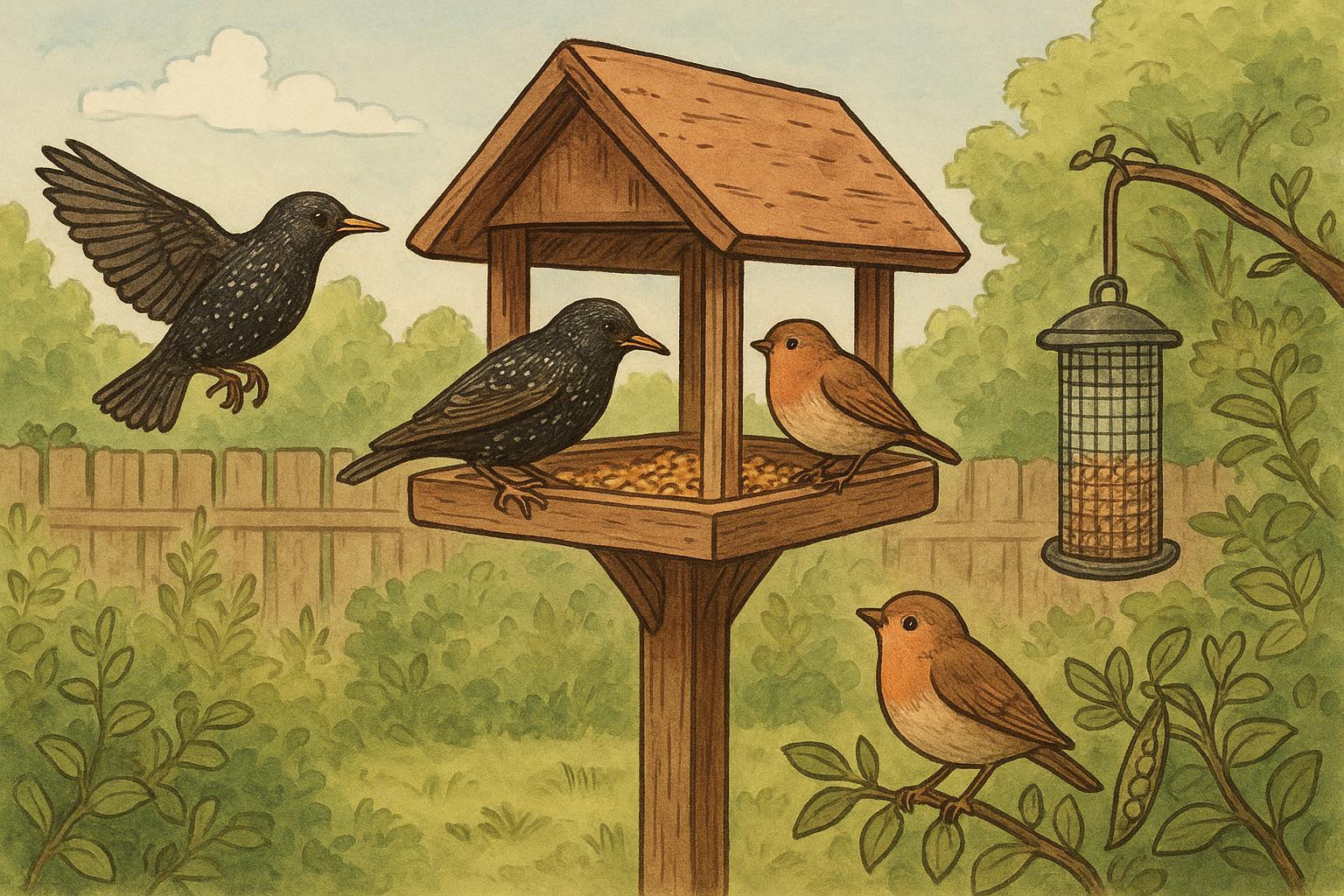
6. Monitor And Adjust: If specific species are causing the bulk of the mess, change feeder types (e.g., tube feeders for finches rather than tray feeders) to favor smaller birds and reduce larger visitors.
### When Extra Help Is Needed
If you suspect disease (sudden die-offs, many birds behaving abnormally) or if droppings include large quantities of blood or unusual colors, contact local wildlife rehabbers or public health officials. For persistent problems with large birds roosting on your property, a wildlife control professional can suggest humane deterrent strategies.
### Practical Tips For Identifying With Minimal Mess
– Use disposable gloves when picking up droppings to inspect contents.
– Photograph droppings in place with a ruler for scale before disturbing — this helps with later identification and record-keeping.
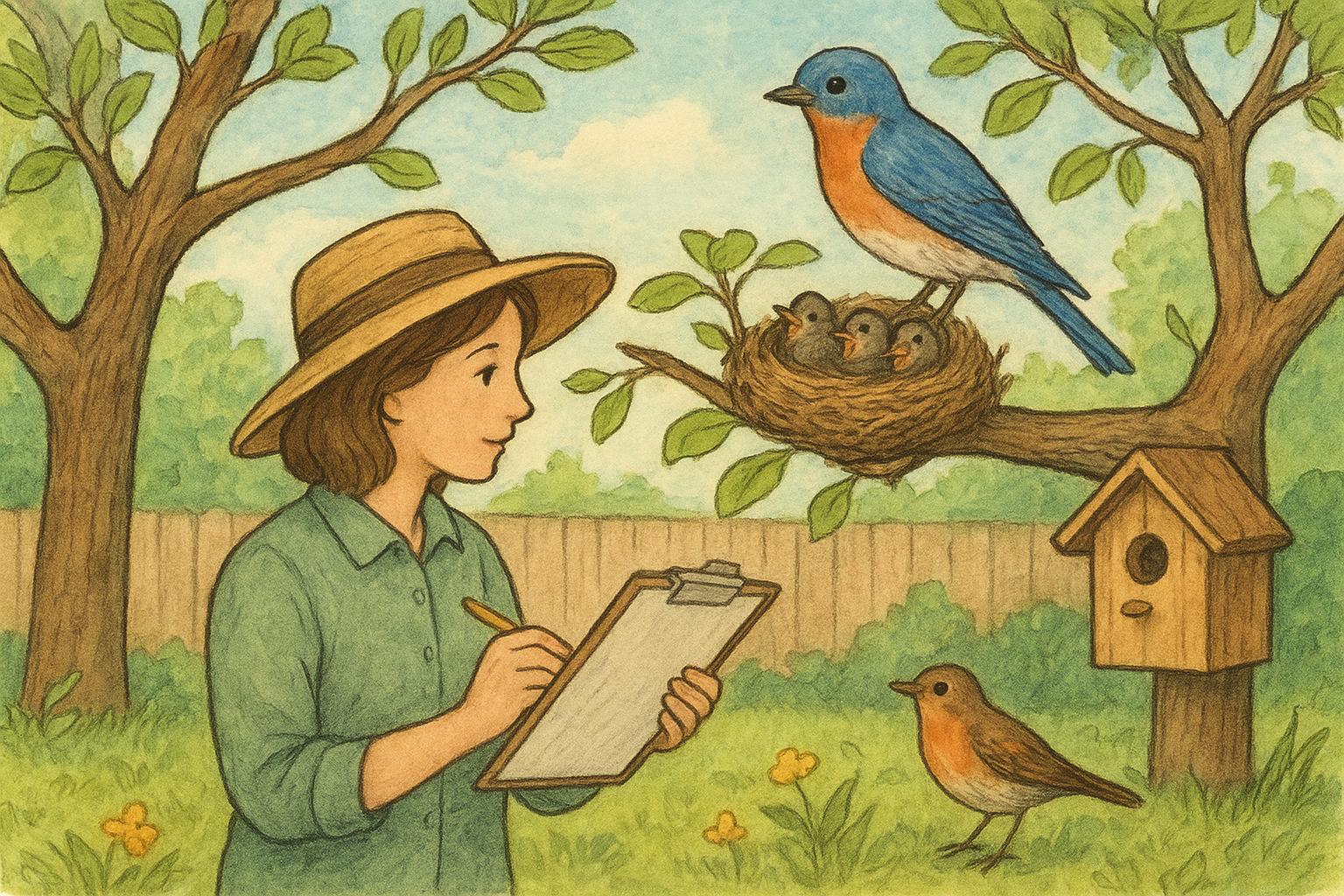
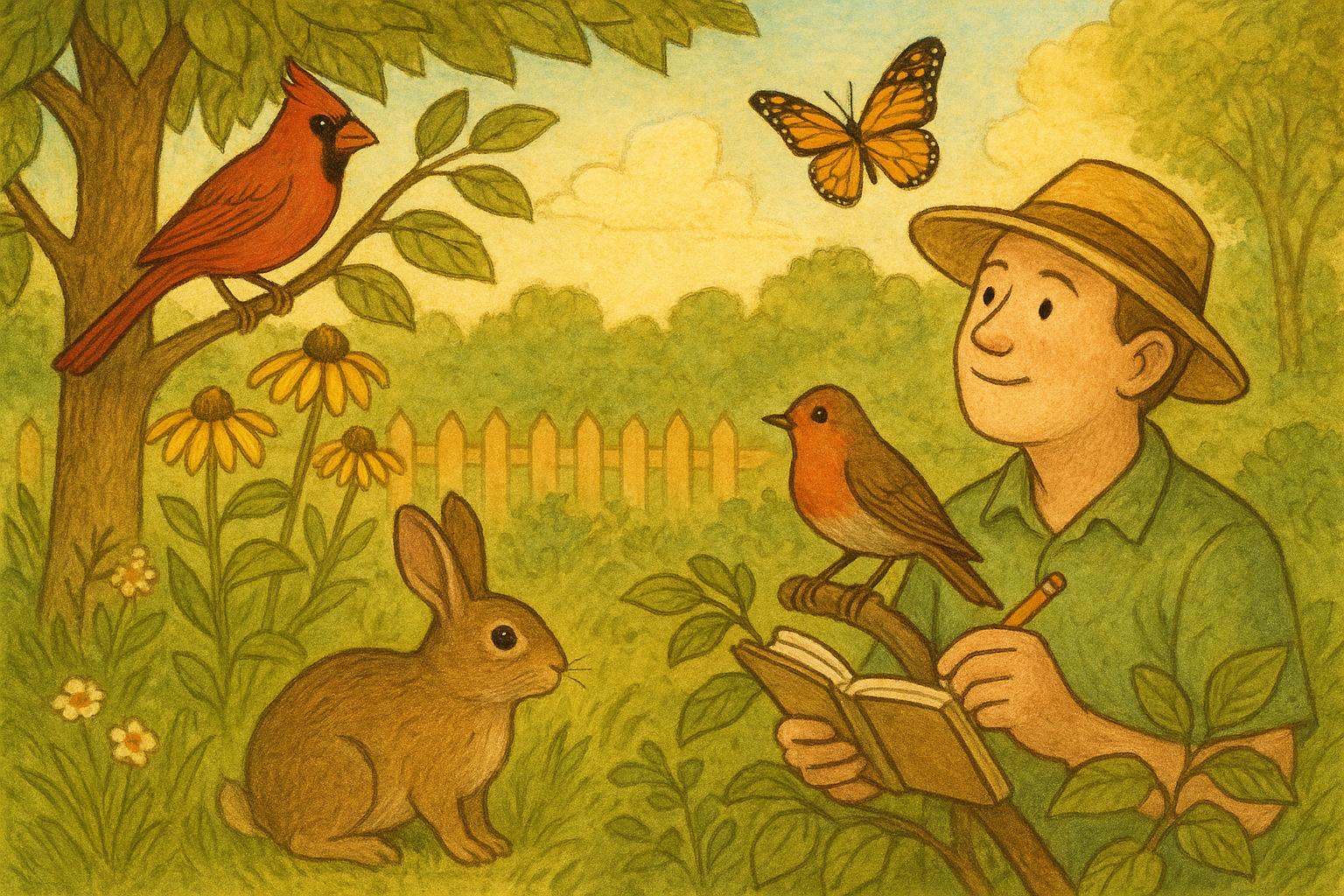
– Keep a small field notebook near feeders and note patterns: date, time of day, quantity, and nearby food sources. Over weeks, patterns will point to consistent visitors.
With a little curiosity and the right safety steps, bird droppings can be an honest, if messy, textbook for backyard bird identification. If you’re the sort who likes detective work, your yard’s floor is full of forensic clues; just keep the disinfectant handy and the binoculars closer.




Leave a Reply