
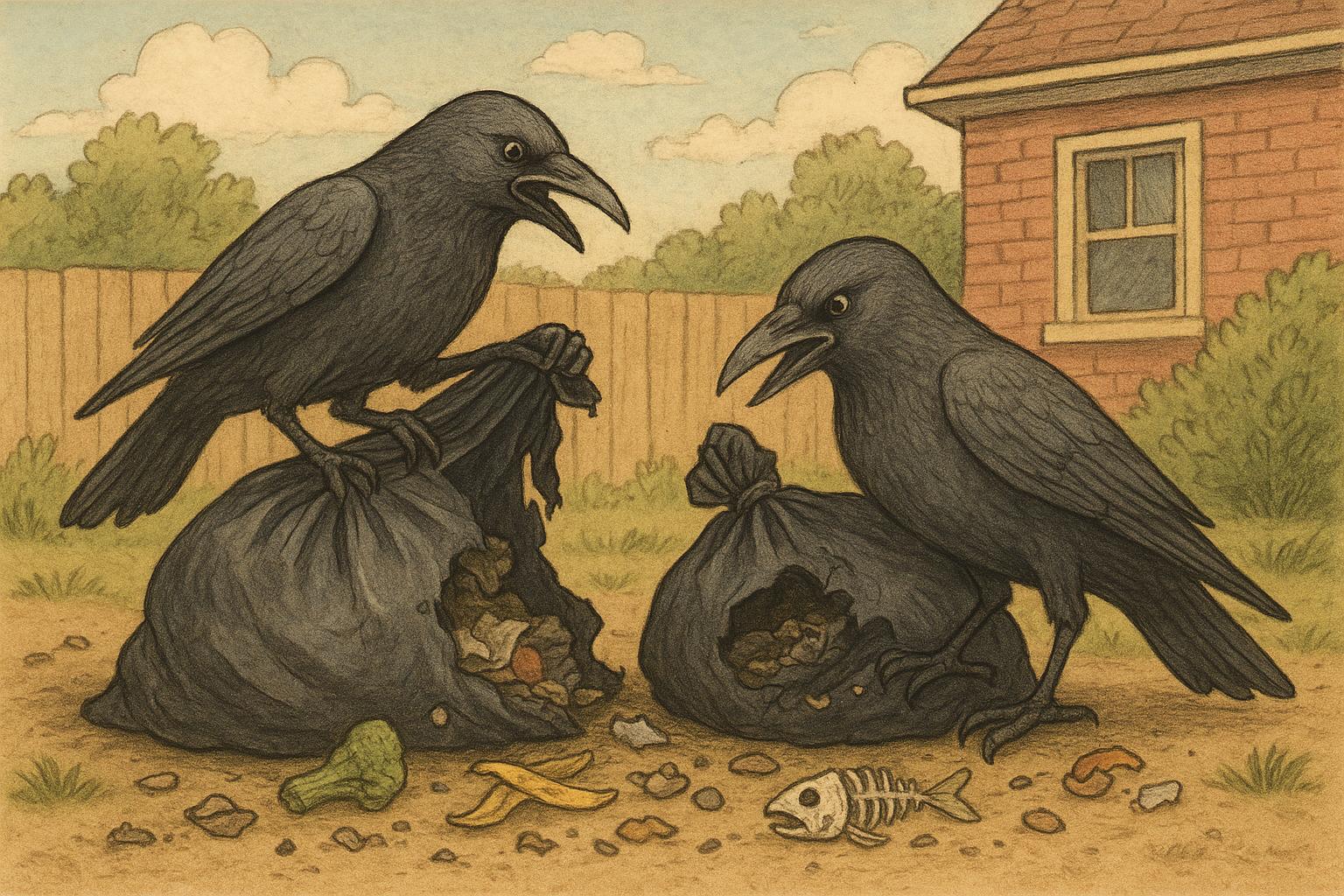
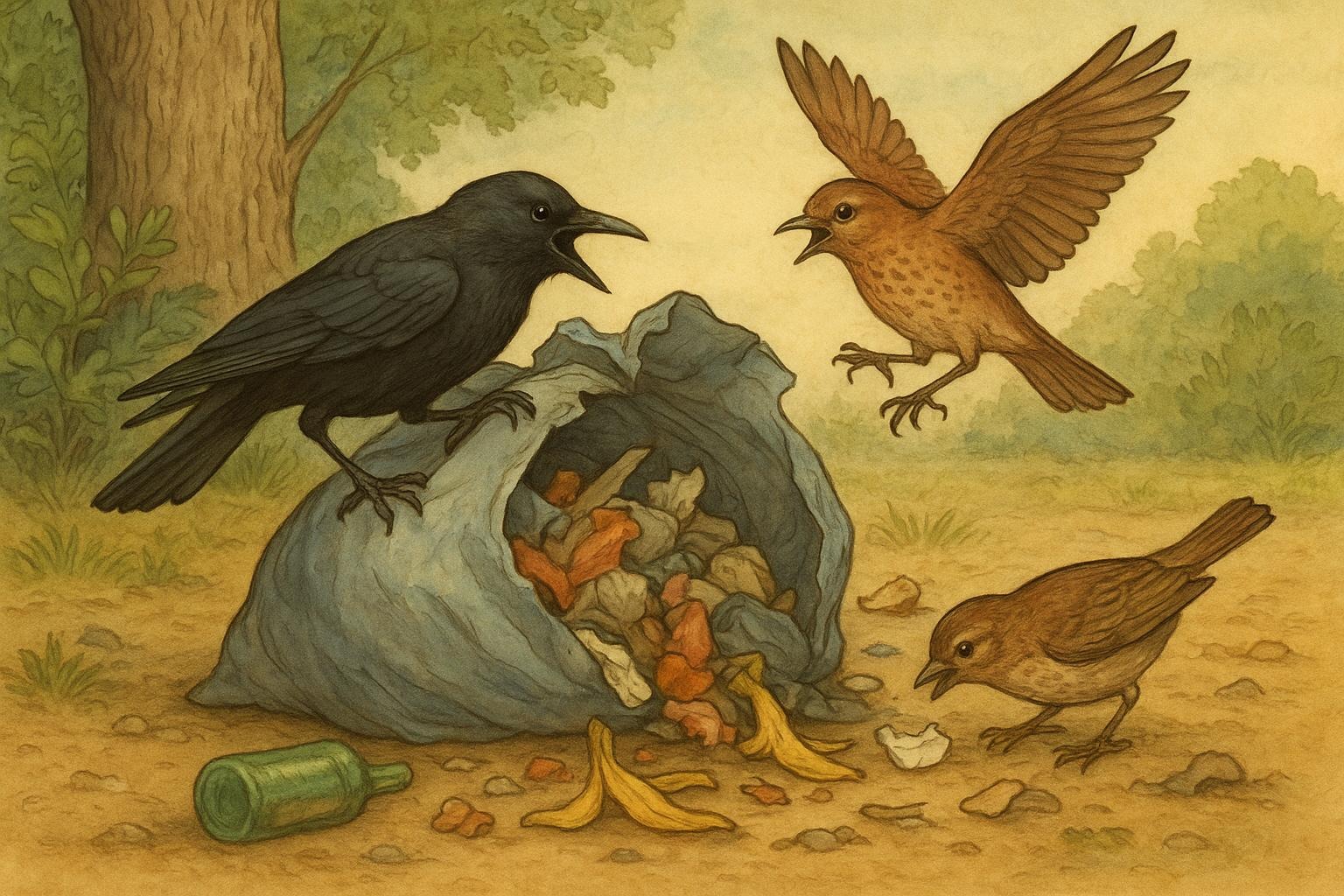
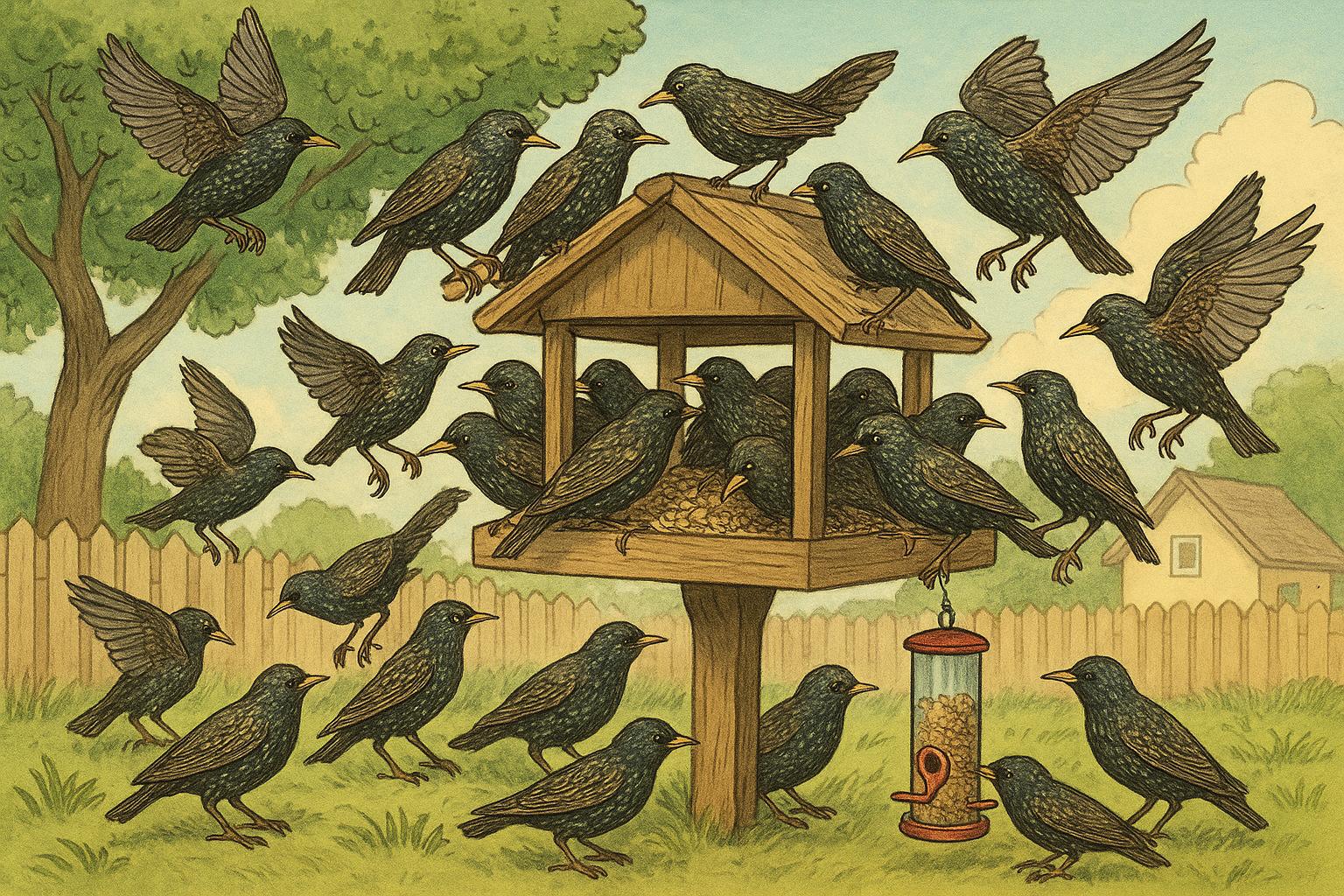
You come home, open the garage, and there’s confetti made of banana peels, pizza boxes and yesterday’s salad—courtesy of the local avian janitorial crew. If you’ve ever had “trash birds” turn your curbside into a roadside buffet, you’re not alone. These clever scavengers—crows, gulls, ravens, starlings, and sometimes opportunistic raptors—are persistent, curious, and not above a little trash theatrics. Here’s a friendly, practical guide to understanding why they do it and what you can do to stop the mess with humane, homeowner-friendly methods.
## Trash Birds Tearing Open Bags: What Homeowners Can Do
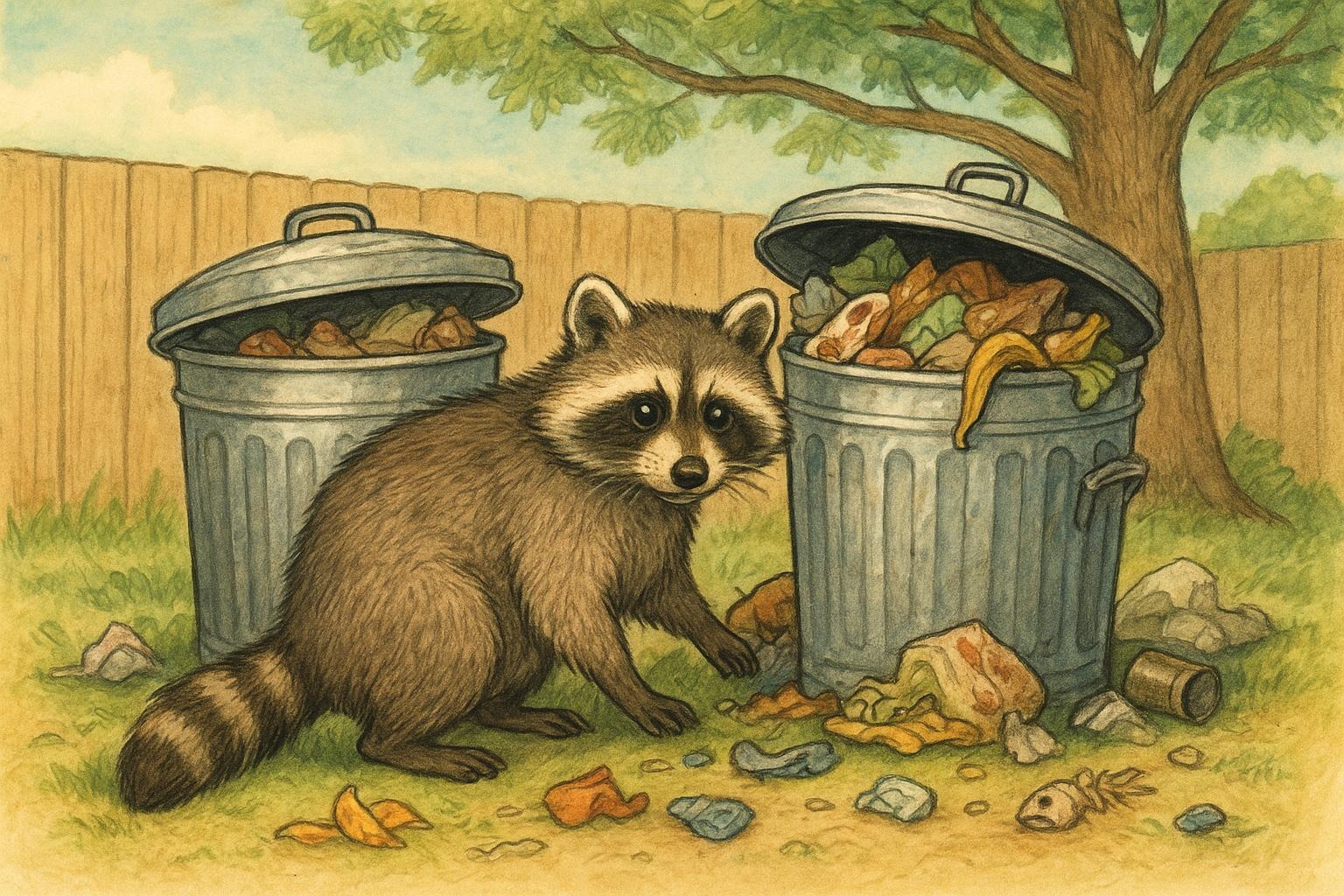
Why does your garbage look like it’s been through a shredder? Trash birds are attracted to easy calories and familiar smells. A sagging bag, an unsecured lid, or a windy night is basically an invitation. They’re not being malicious; they’re being efficient. The good news: with a few smart changes you can make your property much less attractive to these feathered freeloaders.
## Why Trash Birds Target Your Bags
Birds are highly adaptable. In urban and suburban settings, they quickly learn where the food is, the best time to get it, and which households are more generous than others. A few reasons they focus on your trash bags:
– Smell: Organic waste like meat, cheese, and sauces emits strong odors that draw birds.
– Visibility: Black bags or bags left in plain view are easier for birds to spot.
– Accessibility: Bags placed on the ground or in weak-lidded cans are simple to peck open or flip.
– Social Learning: Once one bird finds a food source, it often signals others.
### Behavioral Notes Homeowners Should Know
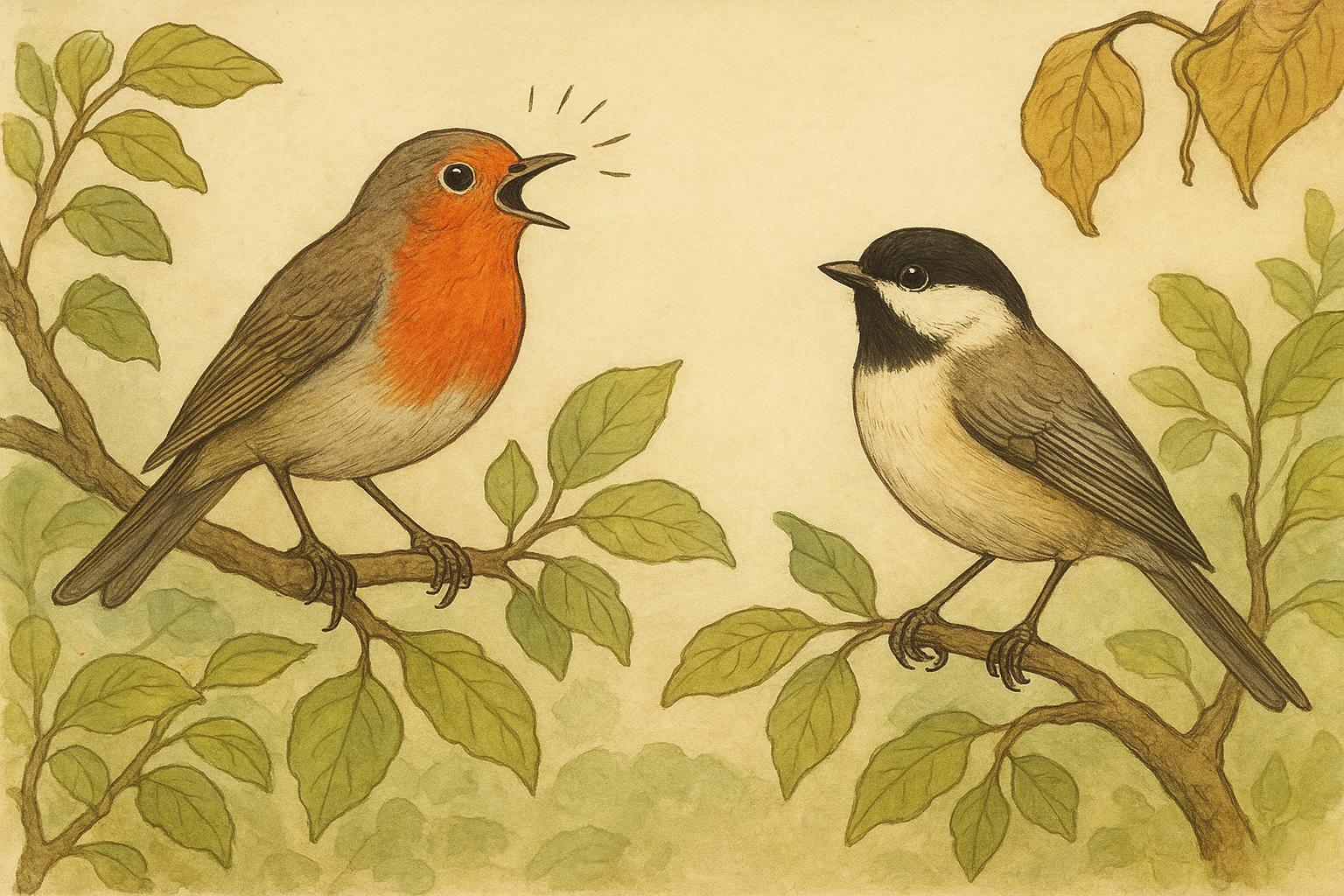
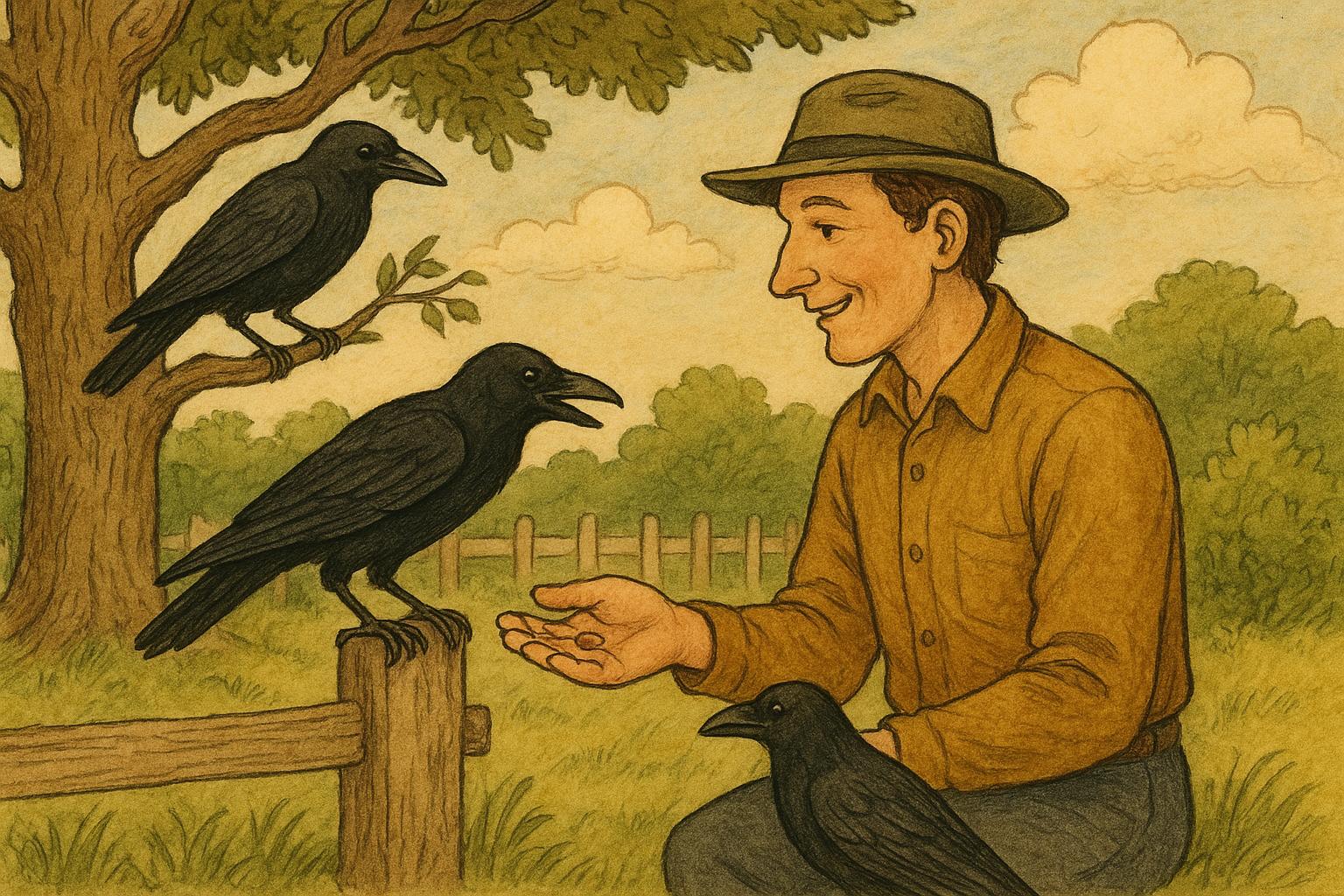
Trash birds are problem solvers. Crows especially use tools and can open latches; gulls fly high, then dive. Starlings and grackles attack through small gaps. Understanding the species behavior helps tailor a solution that’s both humane and effective.
### When It’s Seasonal Or Localized
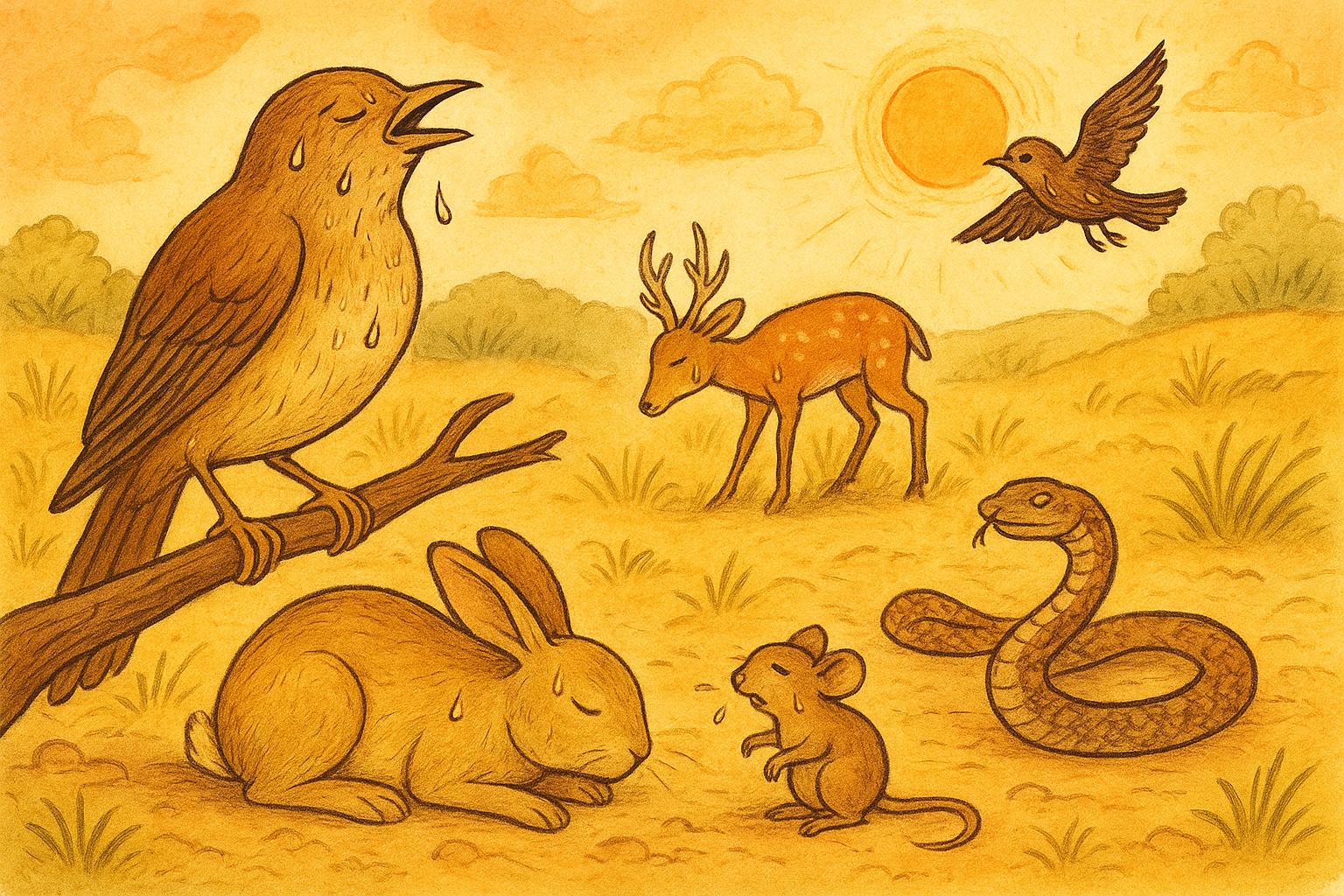
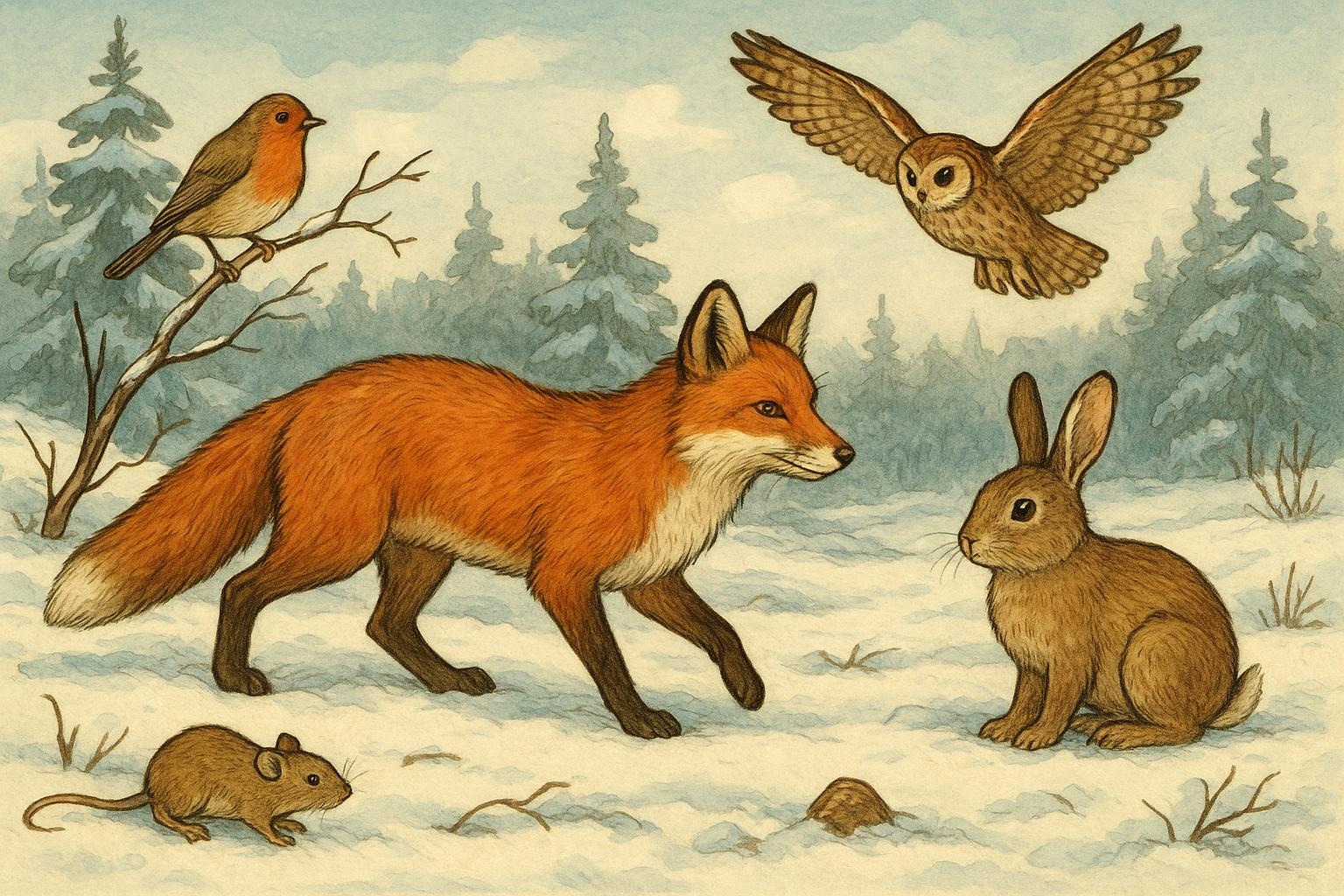
In spring and summer, breeding birds may forage more intensely. During cold snaps or droughts, human food becomes a critical resource for them. Observing patterns—the times of day they visit, which bags they prefer—will inform which mitigation strategy will work best.
## 1. Secure Trash Containers
This is the single most effective measure for preventing disturbances. Make your cans unattractive and inaccessible.
### Materials Required
1. Heavy-duty lidded trash cans (metal or reinforced plastic)
2. Ratchet straps or bungee cords with hooks
3. Lid locks or carabiner clips
4. Optional: weighted trash can lid clips or a locking bar
### Step-By-Step Creation And Application
1. Choose the Right Can: Select a can with a snug-fitting lid. Metal is preferable for durability, but reinforced plastic with a tight seal works too.
2. Positioning: Place cans in a sheltered spot—against a wall or in a screened area—so birds can’t land on all sides.
3. Secure The Lid: Use a lid lock or a bungee strap over the top and anchored to handles on either side. For stronger birds like crows, ratchet straps are more secure.
4. Add Weight If Needed: Use weighted clips or a concrete paver on the lid (if it won’t damage the can) to deter lifting or tipping.
5. Practice Daily: Make this part of your routine—seal the can immediately after putting in trash and before dusk when bird activity increases.
When applied consistently, this method reduces the obvious target and teaches birds to look elsewhere.
## 2. Reduce Attractive Waste And Change Disposal Habits
Modify what goes into your curbside trash and how you bag it to minimize smells and easy access.
### Materials Required
1. Compost bin (for yard waste and appropriate food scraps)
2. Sealable kitchen pail with lid
3. Odor control bags or heavy-duty contractor bags
4. Disposable gloves and a small hand-held brush or scraper
### Step-By-Step Creation And Application
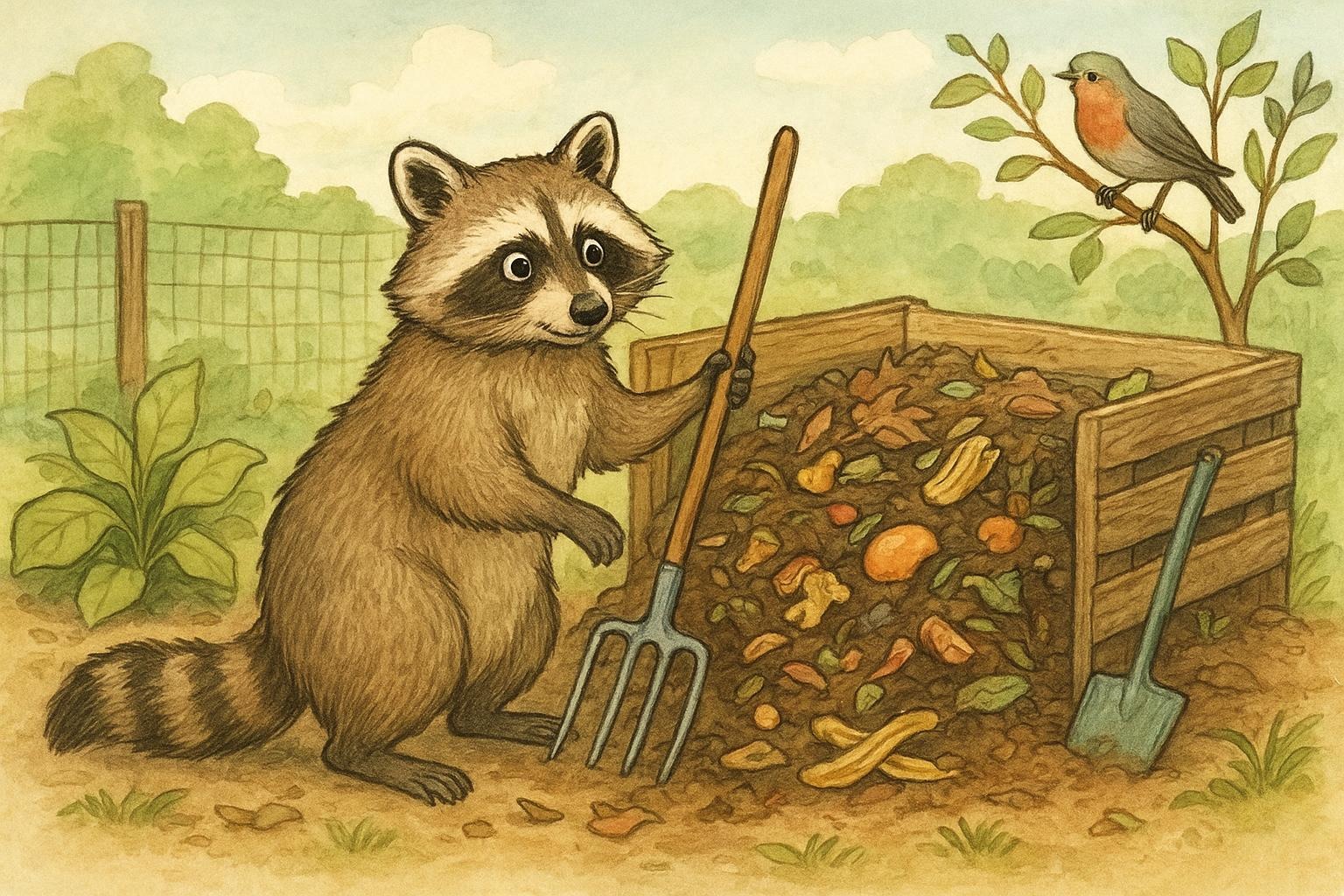
1. Separate Food Waste: Start a composting system or use a municipal organics program for fruit, vegetable scraps, coffee grounds, and other non-meat waste.
2. Use Sealable Kitchen Pails: Keep food scraps in a small countertop pail with a tight lid. Empty daily into outdoor compost or trash in an odor-minimizing bag.
3. Double-Bag Greasy Or Wet Items: For oily pizza boxes, meat scraps, or anything that leaks, use a heavy-duty contractor bag inside a regular bag to contain leaks and smells.
4. Rinse Containers: Rinse recyclables like yogurt cups or takeout containers before disposal to reduce scent trails.
5. Adjust Timing: Put trash out the morning of pickup rather than the night before to reduce overnight exposure.
This is a behavioral and physical barrier approach: fewer smells plus less available food equals fewer visits by trash birds.
## 3. Use Repellents And Deterrents (Humane, Non-Lethal)
Repellents and deterrents can be effective when used correctly, but they work best in combination with secured containers and waste reduction.
### Materials Required
1. Visual deterrents (reflective tape, predator decoys, shiny spinner discs)
2. Motion-activated sprinklers or ultrasonic devices (check local regulations)
3. Netting or bird spikes for ledges (if needed)
4. Zip ties or small anchors for installing deterrents
### Step-By-Step Creation And Application
1. Assess The Area: Identify common landing zones—fences, rooftops, or trash can locations. Target those specifically.
2. Install Visual Deterrents: Hang reflective tape or shiny discs near bins. Move them periodically so birds don’t habituate.
3. Deploy Motion-Activated Water Sprinklers: Place units so the spray hits the area where birds land—not in walkways. Test sensitivity and range to avoid false activations.
4. Use Predator Decoys Sparingly: A realistic owl or hawk decoy can work if it’s moved occasionally. Birds get used to static decoys, so rotate positions.
5. Apply Physical Barriers: For small landing shelves near trash storage, use netting or spikes that prevent perching without harming birds.
6. Combine Methods: Pairing a motion sprinkler with visual deterrents and secured lids gives better long-term results than single tactics.
When installing devices, follow manufacturer instructions and local wildlife laws. Always prioritize non-lethal methods.
### Legal And Ethical Considerations
Do not trap or harm birds unless you hold the appropriate permits and have a wildlife control professional. Many species are protected. Use deterrents that exclude or discourage, rather than injure.
## Landscaping And Neighborhood-Level Strategies
If trash birds are a persistent neighborhood problem, consider communal approaches.
### Practical Home Tips
– Use screened enclosures for bins or place cans inside a garage when possible.
– Plant dense shrubs that limit open areas where birds can congregate near your trash.
– Encourage neighbors to adopt similar practices; birds quickly shift to the easiest targets.
### Community Action Items
Organize a neighborhood meeting with waste collection representatives. Some municipalities offer locking dumpsters or earlier collection times. Collective action can reduce the overall food available to trash birds.
## Monitoring And Long-Term Maintenance
Consistency is essential. Birds observe patterns and adapt. Keep logs for a few weeks: note times of visits, species involved, and which methods reduce activity. Adjust strategies based on evidence rather than assumptions.
Final thought: those crafty crows might win the occasional battle, but with secure containers, smarter disposal habits, and a few well-placed deterrents, you’ll reclaim your curb. And if a bird does manage to pop a bag, well—consider it a reminder that wildlife is always ready to audition for a role in your personal reality show.





Leave a Reply