
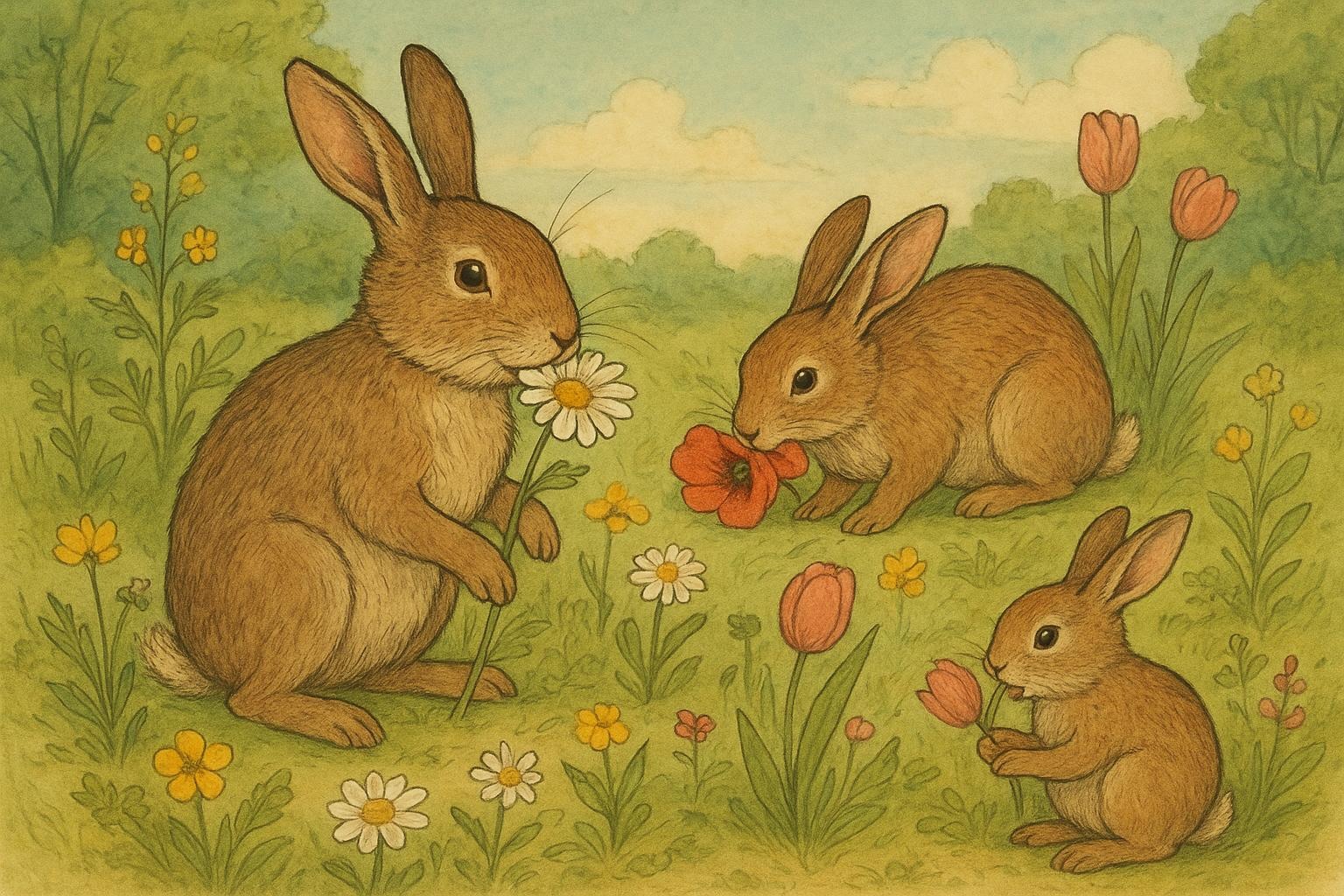
You stroll into the garden, cup of coffee in hand, ready to admire the blooms — and then you see it: a petal-free peony or a crocus with the top nibbled off. Welcome to the gentle war zone where charm meets chewing: rabbits eating flowers. Don’t worry — you’re not alone, and you don’t have to declare war on the local wildlife. Here’s a friendly guide to understanding why rabbits are munching your blossoms and practical ways to protect the parts of your garden you love.
## Rabbits Eating Flowers: Why They Do It
Rabbits are not being spiteful; they’re doing what rabbits do. A combination of opportunistic feeding, seasonal needs, and simple taste preferences leads to rabbits eating flowers. They’re creatures of habit with a taste for tender shoots, buds, and occasionally the flashy petals of garden ornamentals.
### Seasonal And Nutritional Drivers
In early spring, the tender new growth and bulbs are high in water and nutrients, making them especially attractive. After harsh winters, any fresh green is a magnet. Meanwhile, during dry spells, succulent flower parts provide moisture. So if you’ve got a boom of nibbling in April or after a drought, it’s not personal — it’s biological.
### Plant Preferences And Behavior
Some plants are like candy to rabbits: tulips, lettuce-leaved lettuces, hostas, and young herbaceous stems rank high. Other species they avoid, either because of strong scents or fibrous, unpalatable textures. Rabbits tend to take quick, clean bites, often leaving a telltale clipped stem rather than ragged chewing you might see with larger mammals.
## How To Tell If Rabbits Are Eating Your Flowers
There are a few clear signs that point to small lagomorphs rather than deer or insects.
### Typical Damage Patterns
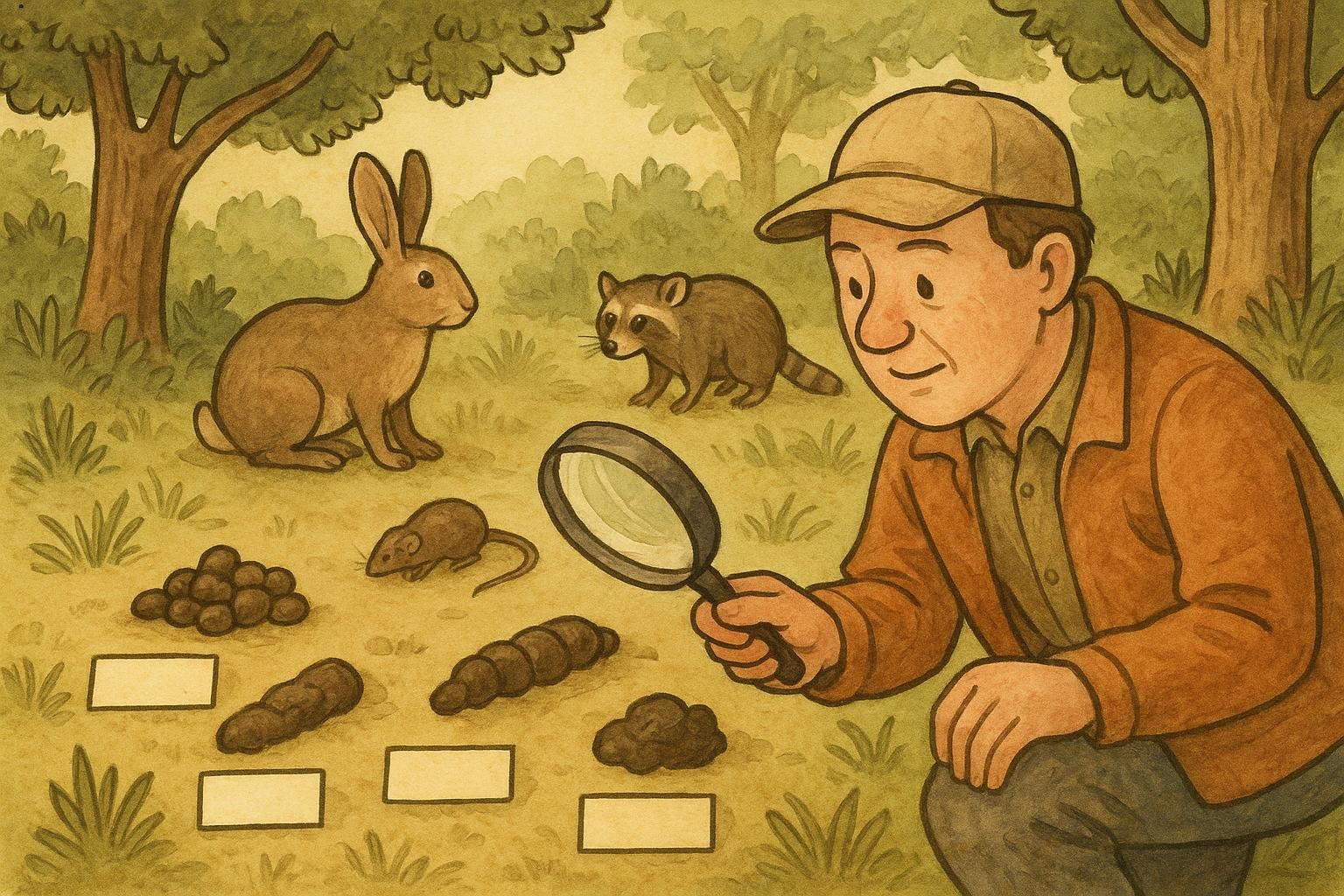
Look for neatly clipped stems, flowers removed close to the ground, and droppings — small, round pellets, usually in a tidy pile. If petals are gone but leaves are largely intact, that’s another clue.
### Distinguishing From Other Pests
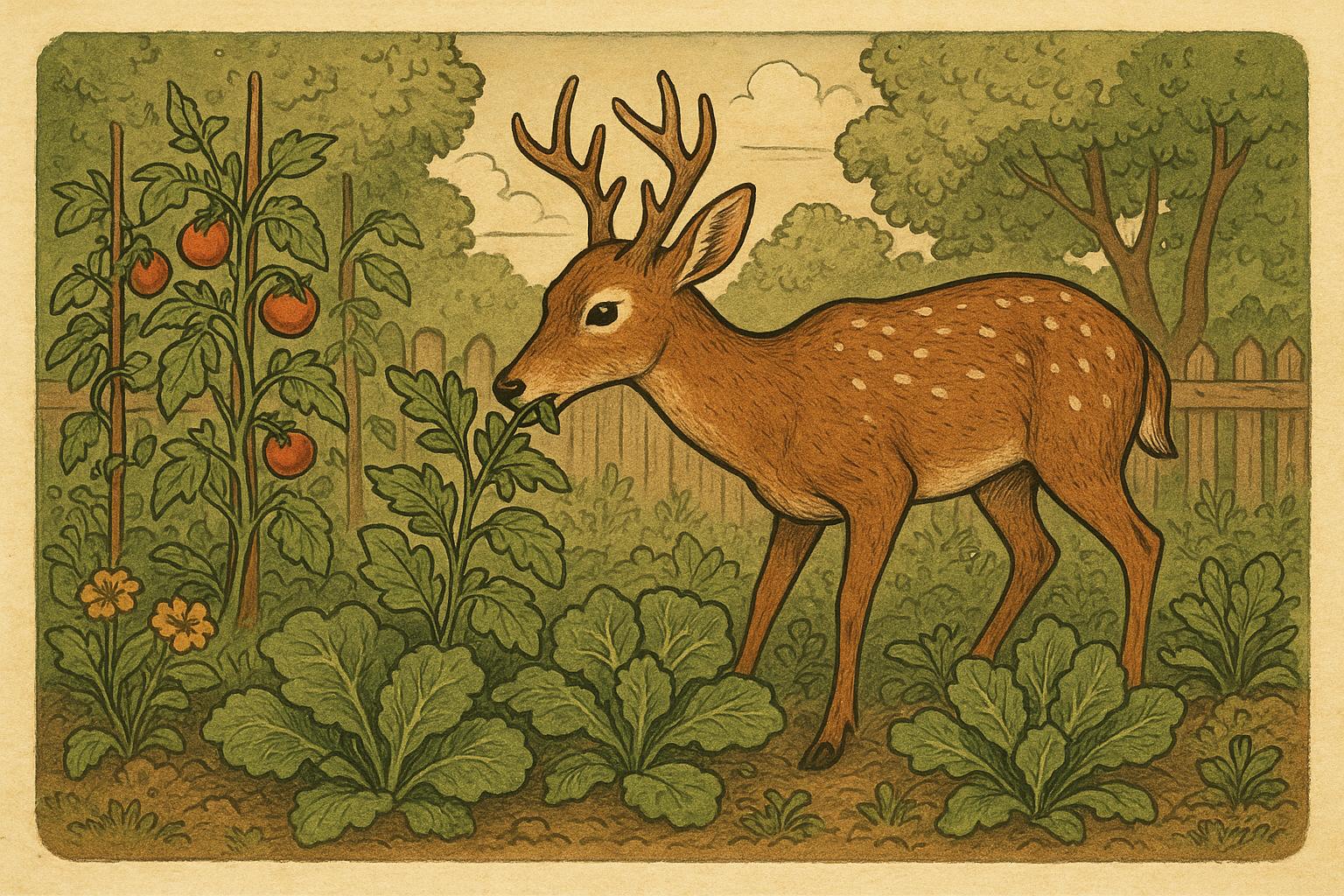
Deer will strip higher branches and leave larger, irregular tear marks. Rodents often gnaw irregularly. Slugs and snails leave slime trails and uneven holes. Noticing the time of day matters, too: rabbits feed mostly at dawn and dusk.
## ## Remedy 1: Physical Barriers (Fencing And Plant Covers)
A well-designed physical barrier is the most reliable way to keep rabbits eating flowers from turning your garden into a buffet.
### Materials
– 1/2-inch or smaller woven wire mesh (hardware cloth) or chicken wire
– Wooden stakes or metal T-posts
– Zip ties or galvanized staples
– Garden cloches or floating row covers for seasonal protection
#### Step 1: Plan The Perimeter
Measure the area you want to protect. For beds, a fence that is at least 2 feet high is usually enough; rabbits can leap but prefer low-to-ground feeding.
#### Step 2: Install Posts
Drive stakes or T-posts every 4–6 feet around the bed perimeter. Ensure posts are stable; they’ll anchor the mesh.
#### Step 3: Attach Mesh
Wrap the wire mesh around the perimeter and secure it to the posts with zip ties or staples. Bury the bottom 3–4 inches of mesh or bend an L-shaped apron outward and pin it to the ground to prevent digging underneath.
#### Step 4: Use Covers For Young Plants
For newly planted bulbs or tender seedlings, add cloches or lightweight row covers until plants are established. These provide an extra layer without blocking light.
## ## Remedy 2: Natural Repellents And Scents
If you prefer a less obtrusive solution than fences, repellents can reduce the attractiveness of your flowers. This section is formal and instructive to ensure you apply these methods correctly.
### Ingredients / Required Materials
– Dish soap (mild)
– Water
– Crushed red pepper or cayenne powder
– Garlic cloves (optional)
– Spray bottle (1 quart)
– Gloves and protective eyewear
– Commercial rabbit repellent (optional; follow label instructions)
#### Step 1: Prepare A Homemade Repellent
Mix 1 quart of water with one teaspoon of mild dish soap and 1–2 tablespoons of crushed red pepper. Optionally, steep 3–4 crushed garlic cloves in the solution for a stronger scent. Strain if necessary.
#### Step 2: Test On A Small Area
Before treating all plants, spray a small area and wait 24 hours to ensure there’s no phytotoxic reaction (leaf burn).
#### Step 3: Apply Appropriately
Spray the foliage and surrounding soil lightly during the cooler parts of the day. Reapply after heavy rain or irrigation. Use gloves and eyewear when mixing and applying to avoid irritation.
#### Step 4: Supplement With Commercial Products As Needed
If the homemade repellent is insufficient, consider an EPA-registered rabbit repellent. Follow label directions for dilution, application frequency, and safety, especially around edible plants.
## ## Remedy 3: Strategic Planting And Habitat Modification
Change the buffet menu and the dining room. This approach focuses on making your garden less attractive to rabbits by altering plant choices and habitat features.
### Materials
– List of rabbit-resistant plants (see suggestions below)
– Mulch or gravel for ground cover
– Tools for trimming shrubs and removing dense ground cover
– Native predator-attracting plants (optional)
#### Step 1: Remove Hiding Places
Rabbits love dense brush, tall grass, and woodpile cover. Regularly trim overgrown edges, stack wood away from planting beds, and keep lawns mowed to reduce shelter.
#### Step 2: Substitute Less Palatable Species
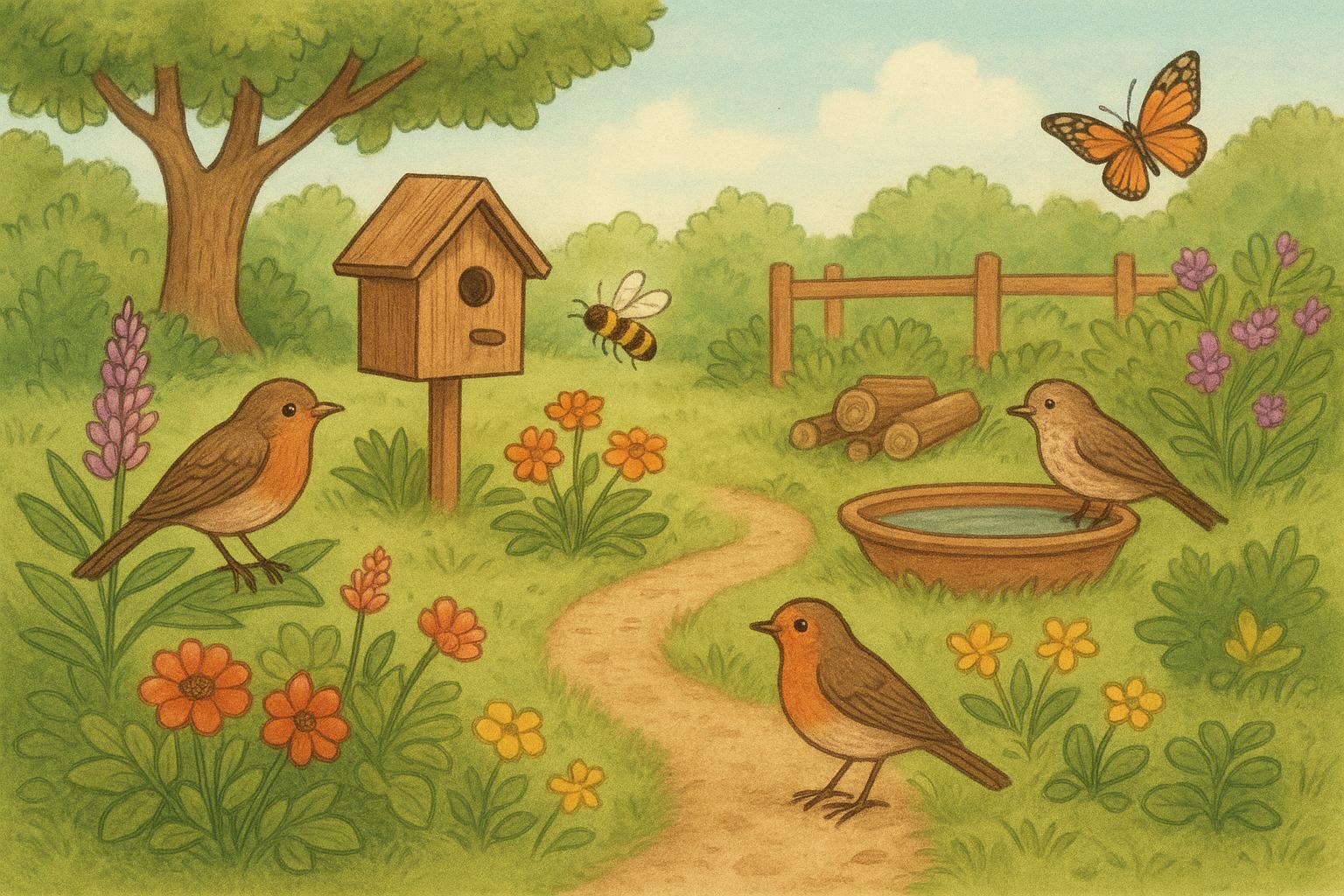
Incorporate plants rabbits tend to avoid. Examples include lavender, daffodils, yarrow, salvia, rosemary, ornamental grasses, and many ferns. Plant these as borders or intersperse them among more vulnerable species to create natural deterrence.
#### Step 3: Use Ground Cover Strategically
Gravel, coarse mulch, or thorny ground plants near beds can discourage rabbit entry. Avoid dense, low-growing cover like ivy right at the base of flower beds.
#### Step 4: Encourage Natural Predators
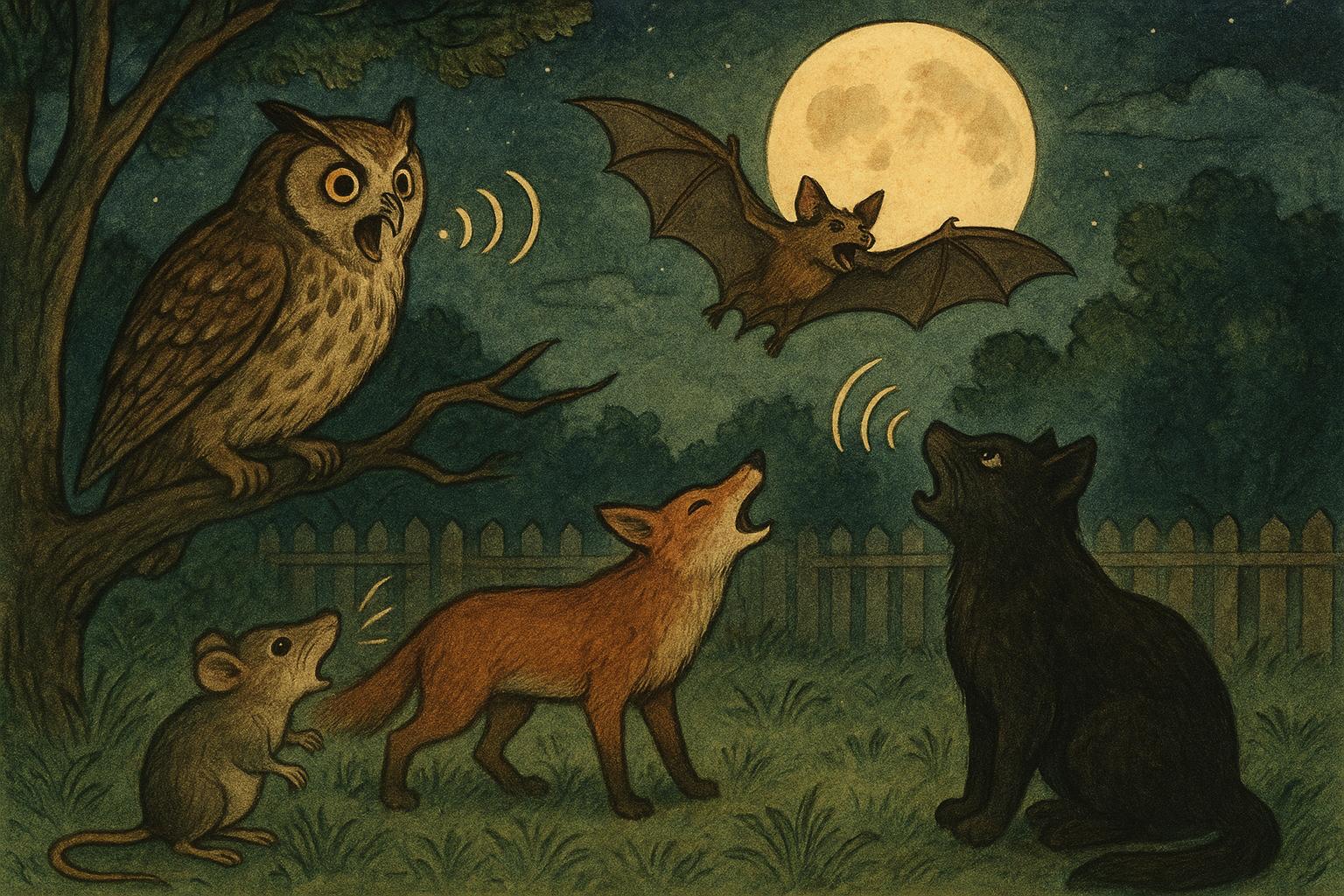
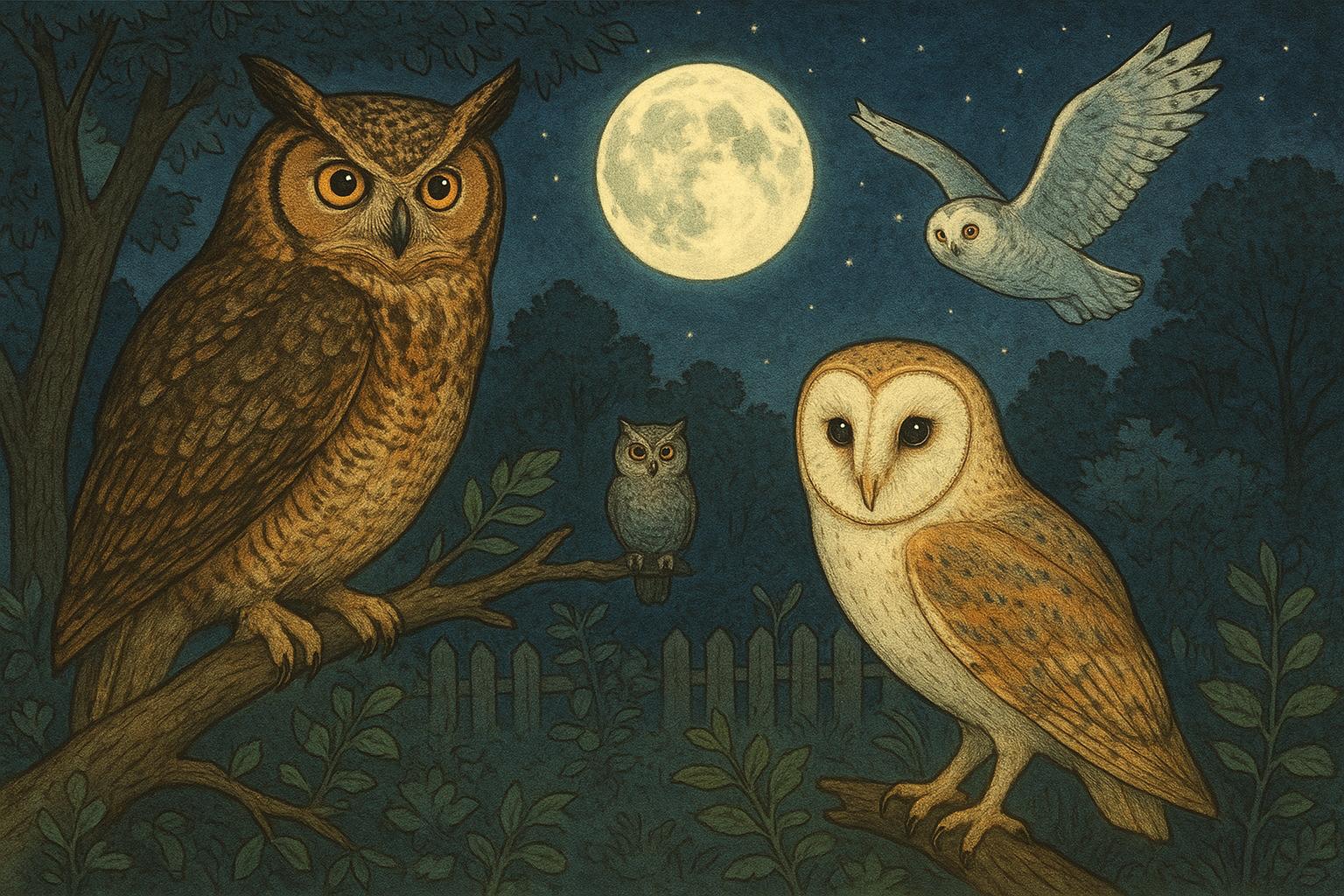
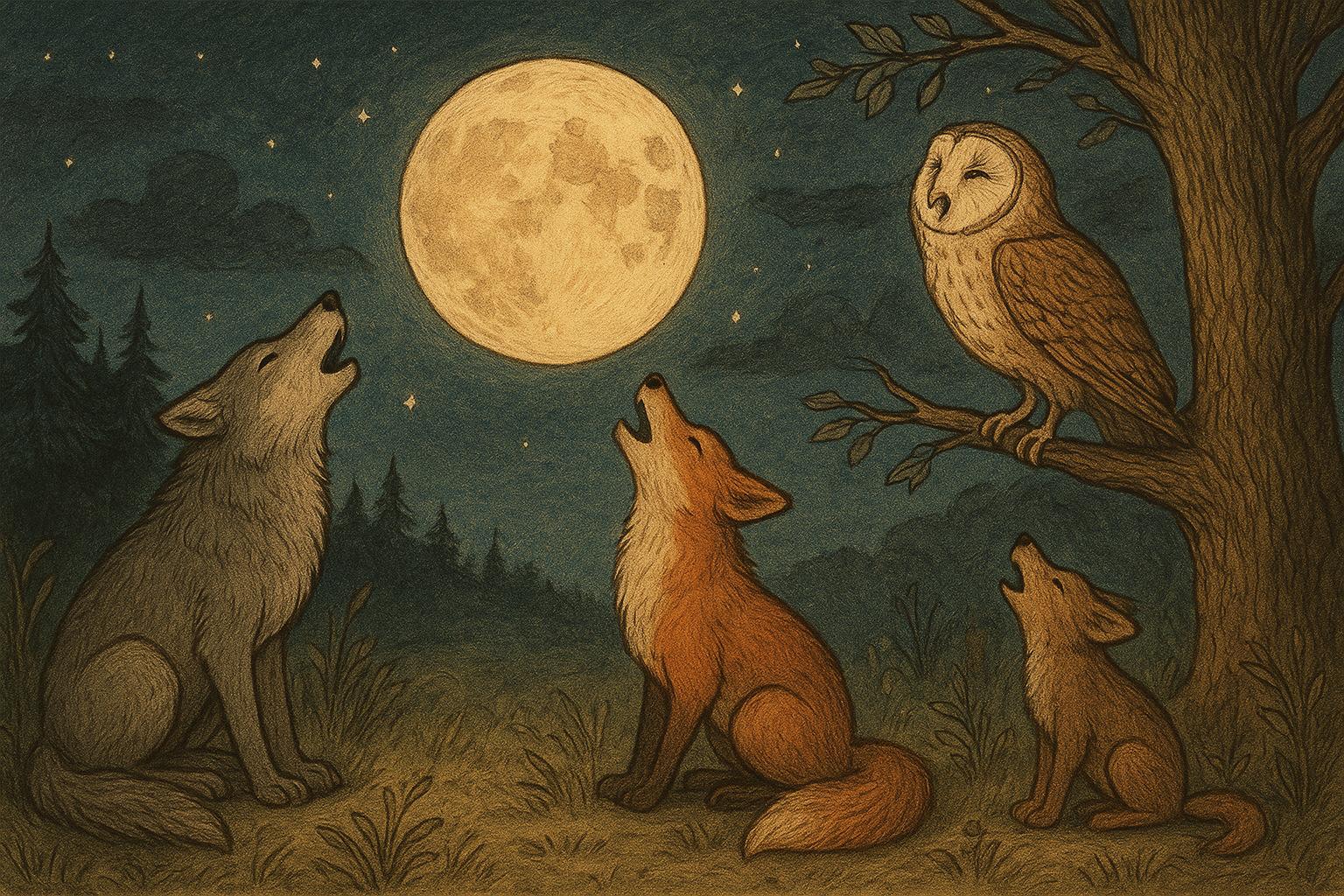
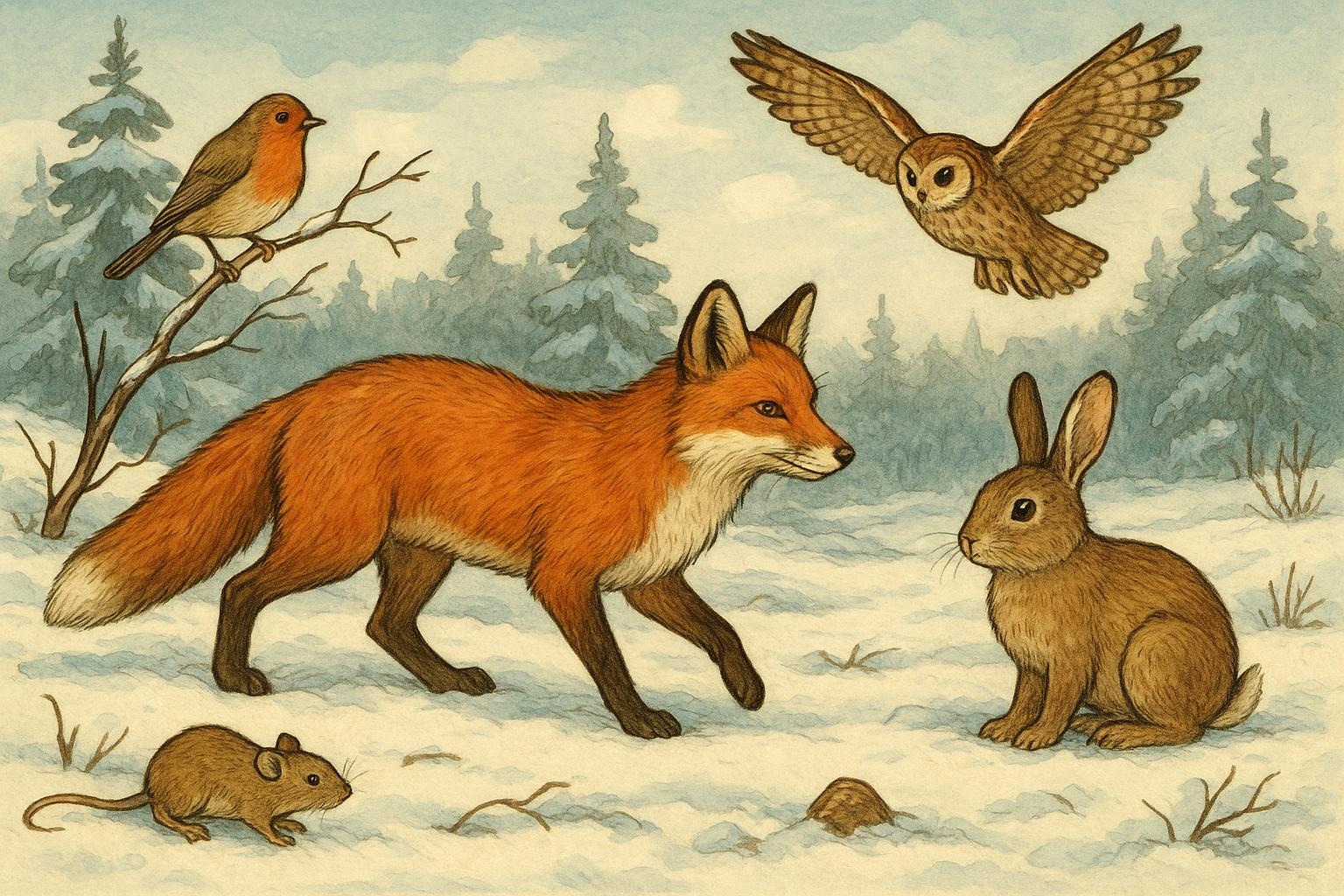
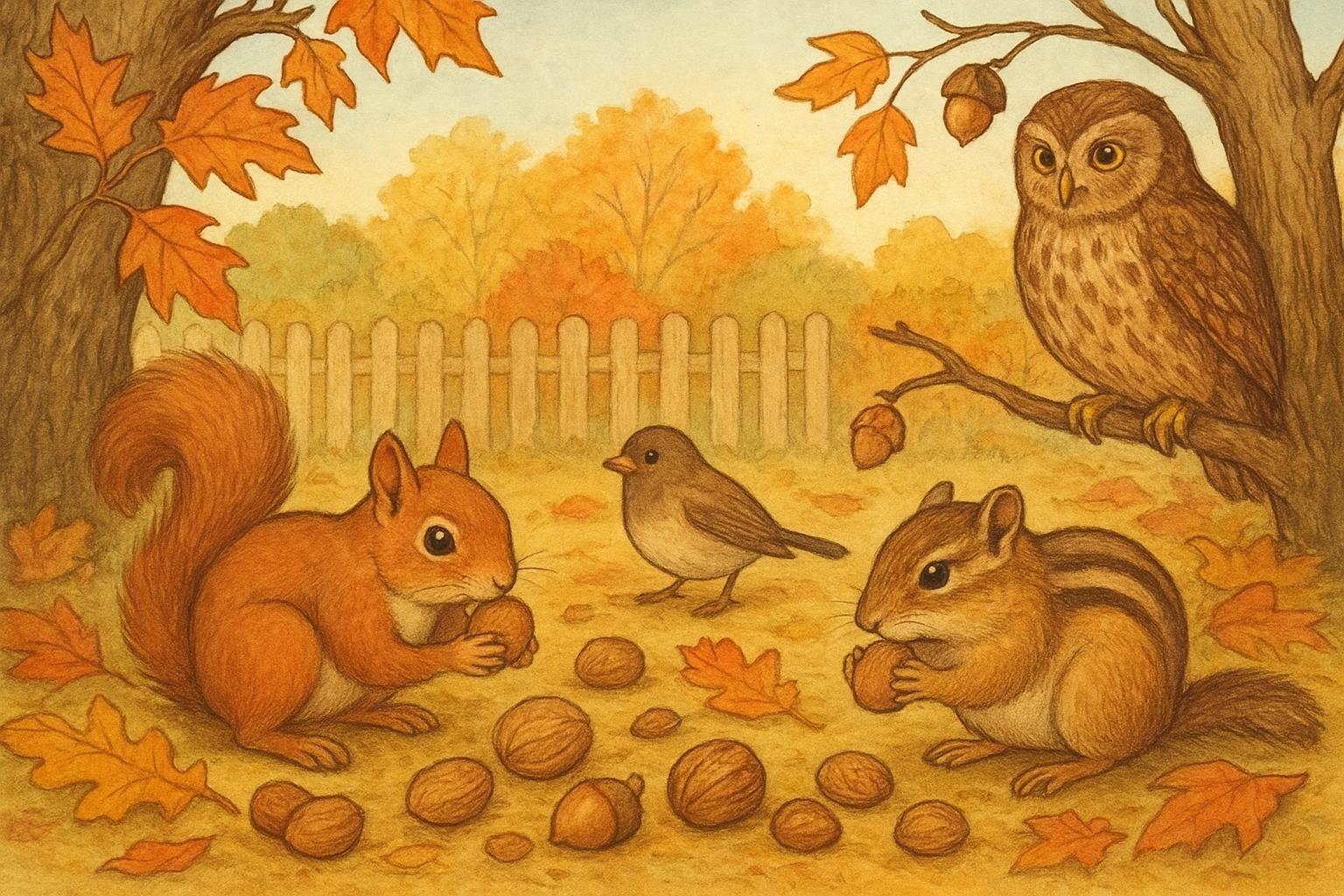
Attracting owls, hawks, and foxes can help. This means a balanced ecosystem: leave some open lawn for hunting, provide perching spots, and avoid overusing rodenticides which can harm predators.
## Signs That Remedies Are Working And When To Adjust
You should see fewer clipped stems at dawn and dusk if measures are effective. If damage continues, reassess protection height, reapply repellents after rain, and ensure no gaps in fencing. A combination approach often yields the best long-term results: barrier plus habitat modification plus targeted repellents.
## Troubleshooting Common Problems
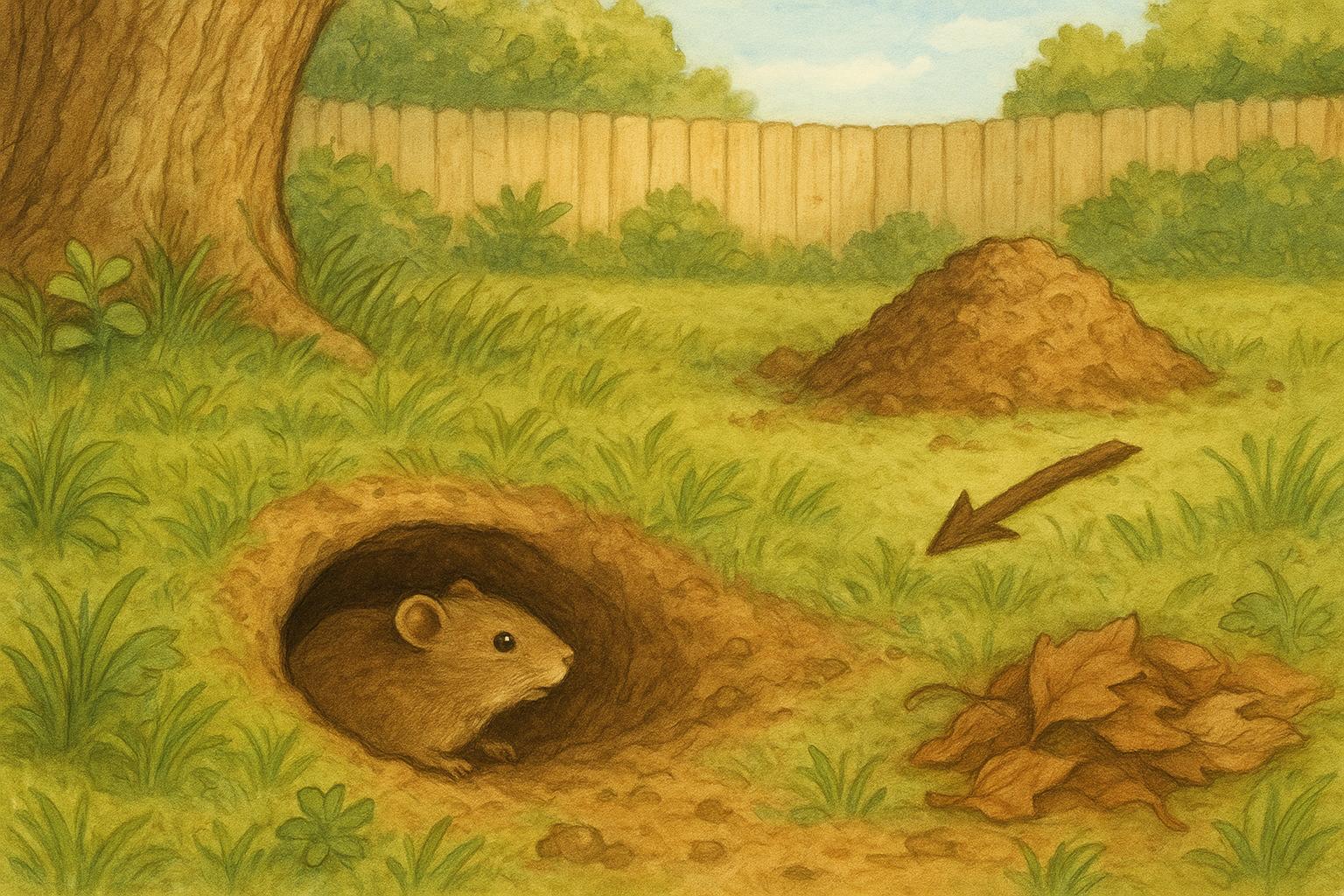
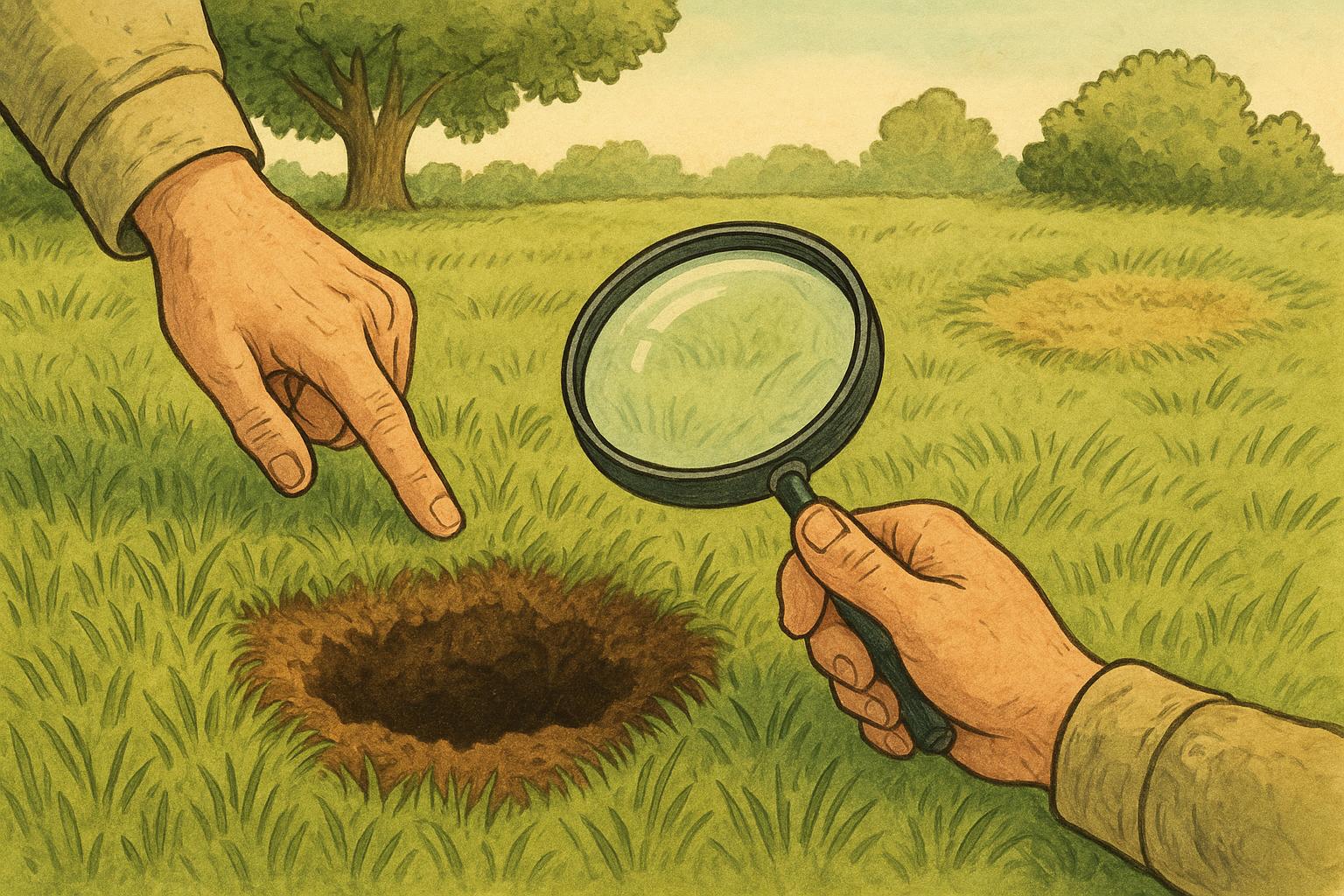
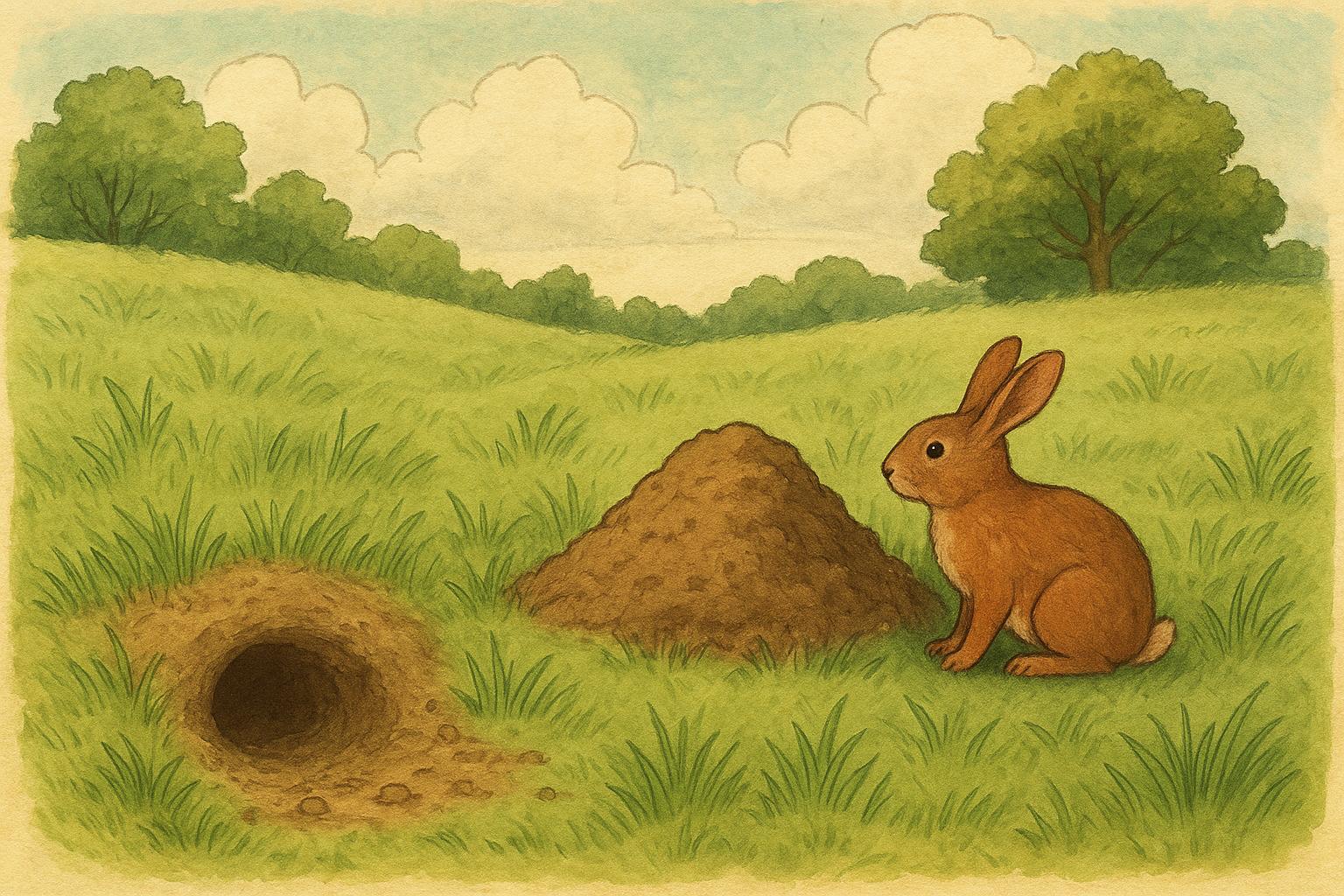
If rabbits are still eating flowers despite your efforts, check for burrows beneath the fence apron, nighttime gaps where the fence meets structures, or overenthusiastic neighbors feeding wildlife. Also confirm that the plant species you protected aren’t being replaced by a new favorite that rabbits are suddenly sampling due to scarcity elsewhere.
A little patience and experimentation go a long way here. You can usually outsmart the local hoppers without making them your sworn enemies — and you’ll get to keep the roses.


Leave a Reply